Tucked into the rugged Charanandri Hills near Aurangabad, Ellora Caves stand as a testament to India’s ancient artistic brilliance and spiritual harmony. Unlike many historical sites that celebrate a single religion, Ellora brings together the sacred expressions of Buddhism, Hinduism, and Jainism—all carved into rock over centuries.
Ellora Caves are located about 30 kilometers northwest of Aurangabad in Maharashtra, making it a perfect half-day or full-day excursion from the city. A UNESCO World Heritage Site, Ellora stands as an ancient marvel.
Highlights
Kailasa Temple (Cave 16)
The most famous cave, dedicated to Lord Shiva, is the world’s largest monolithic rock-cut temple carved from a single rock.
Ancient Engineering Marvel
Built between the 6th and 10th centuries without modern tools, showing advanced planning and craftsmanship.
Perfect Day Trip from Aurangabad
Located about 30 km from Aurangabad, making it easy for travelers to explore in one day.
Standing gracefully along Mumbai’s waterfront, The Taj Mahal Palace is far more than a five-star stay — it’s a living chapter of India’s history and a proud emblem of the city’s enduring spirit. Situated in Colaba, South Mumbai, the hotel faces the majestic Gateway of India, Best view of the Arabian Sea.
The legacy of The Taj Mahal Palace dates back to 1903, a time when Mumbai was still finding its place on the world map. Visionary industrialist Jamsetji Tata built the hotel not just as a luxury retreat but as a symbol of Indian excellence.
Highlights
Award-winning restaurants
Fine dining experiences across multiple cuisines
Strong historical significance
Witnessed major events including the 2008 Mumbai attacks
Hosted global celebrities
From royals to stars like The Beatles and world leaders
Overlooks Gateway of India
Stunning views of the Gateway of India and Arabian Sea
I personally use Hostelworld where you easily find budget-friendly hostels and social stays in one click.
Luxury platforms like CheapOair help you compare prices and book the best options for your trip.
Transportation
If you’re traveling from anywhere in Maharashtra, the easiest way is to reach Mumbai by train (₹200–₹1,000) or bus (₹300–₹800), or flight if you’re far.
take a local train to Chhatrapati Shivaji Maharaj Terminus or Churchgate, then a taxi/auto to the hotel near the Gateway of India (₹100–₹300).
Top Attractions Near Taj Mahal Palace
Gateway of India
0.5 km
A must-see! Just steps from the hotel, catching a ferry to Elephanta Caves.
Leopold Café
0.3 km
An iconic Irani café and pub, famous since the 19th century and known globally post the 2008 attacks.
Colaba Causeway Market
0.2 km
Great for bargain-hunters and casual strollers alike. Don’t forget to try street snacks or grab a cold coffee at Café Churchill or Café Mondegar nearby.
Café Mondegar & Bademiya
0.3-0.2 km
Funky café with jukebox music, and Legendary late-night kebab joint — try the chicken tikka roll or seekh kebabs!
Prince of Wales Museum
0.8 km
It featuring art, history, and archaeology exhibits in a stunning Indo-Saracenic building.
Afghan Church
1.8 km
A quiet and beautifully designed 19th-century church built in memory of British soldiers who died in the First Afghan War.
Marin Drive
3 km
it’s especially beautiful from the southern end near Nariman Point.
Chhatrapati Shivaji Maharaj Terminus (CSMT)
2 km
Visit in the late afternoon to see the golden glow on its Gothic façade and fewer crowds inside.
All My Articles on Maharashtra
Best Street Food of Mumbai You Can't Miss
What is the best time to visit India?
12 Best Things About India's Tourist Visa
Gateway of India
Mumbai,
Maharashtra,
India,
Asia
The Gateway of India is more than just an iconic arch; it’s a place where the heartbeat of Mumbai gathers every single day. Standing proudly beside the Arabian Sea, this monument has watched generations arrive, depart, dream, and rebuild. When you visit, you don’t just see a structure; you feel a quiet connection to the city’s long journey from colonial times to the bustling modern hub it is today.
The Gateway sits at Apollo Bunder, Colaba, one of Mumbai’s most vibrant and historic neighborhoods. It faces the Arabian Sea, with ferries bobbing along the edge and the prestigious Taj Mahal Palace Hotel right across the road. The moment you step here, you’re surrounded by a blend of old charm and pure Mumbai energy—street vendors, photographers, tourists, and locals all sharing the same space.
The Gateway of India carries a fascinating story. Originally built to commemorate the visit of King George V and Queen Mary in 1911, its grand arch wasn’t completed until 1924. Interestingly, the monument that once welcomed royalty also became the point from which the last British troops departed in 1948, marking India’s full step into independence.
Standing gracefully along Mumbai’s waterfront, The Taj Mahal Palace is far more than a five-star stay — it’s a living chapter of India’s history and a proud emblem of the city’s enduring spirit. Situated in Colaba, South Mumbai, the hotel faces the majestic Gateway of India, Best view of the Arabian Sea.
The legacy of The Taj Mahal Palace dates back to 1903, a time when Mumbai was still finding its place on the world map. Visionary industrialist Jamsetji Tata built the hotel not just as a luxury retreat but as a symbol of Indian excellence.
Highlights
Award-winning restaurants
Fine dining experiences across multiple cuisines
Strong historical significance
Witnessed major events including the 2008 Mumbai attacks
Hosted global celebrities
From royals to stars like The Beatles and world leaders
Overlooks Gateway of India
Stunning views of the Gateway of India and Arabian Sea
I personally use Hostelworld where you easily find budget-friendly hostels and social stays in one click.
Luxury platforms like CheapOair help you compare prices and book the best options for your trip.
Transportation
If you’re traveling from anywhere in Maharashtra, the easiest way is to reach Mumbai by train (₹200–₹1,000) or bus (₹300–₹800), or flight if you’re far.
take a local train to Chhatrapati Shivaji Maharaj Terminus or Churchgate, then a taxi/auto to the hotel near the Gateway of India (₹100–₹300).
Top Attractions Near Taj Mahal Palace
Gateway of India
0.5 km
A must-see! Just steps from the hotel, catching a ferry to Elephanta Caves.
Leopold Café
0.3 km
An iconic Irani café and pub, famous since the 19th century and known globally post the 2008 attacks.
Colaba Causeway Market
0.2 km
Great for bargain-hunters and casual strollers alike. Don’t forget to try street snacks or grab a cold coffee at Café Churchill or Café Mondegar nearby.
Café Mondegar & Bademiya
0.3-0.2 km
Funky café with jukebox music, and Legendary late-night kebab joint — try the chicken tikka roll or seekh kebabs!
Prince of Wales Museum
0.8 km
It featuring art, history, and archaeology exhibits in a stunning Indo-Saracenic building.
Afghan Church
1.8 km
A quiet and beautifully designed 19th-century church built in memory of British soldiers who died in the First Afghan War.
Marin Drive
3 km
it’s especially beautiful from the southern end near Nariman Point.
Chhatrapati Shivaji Maharaj Terminus (CSMT)
2 km
Visit in the late afternoon to see the golden glow on its Gothic façade and fewer crowds inside.
Sam Sand Dunes vast expansion, stretching endlessly under the golden hues of the sun, holds an unspoken enchantment that captivates the heart of every traveler. As the wind carves delicate ripples into the soft dunes, it carries echoes of ancient tales for the travelers. Please must visit this place.
Located about 40 km west of Jaisalmer, Sam Sand Dunes is one of the most famous desert destinations in Rajasthan, India, near the Indo-Pak border. It is a part of the vast Thar Desert, offering travelers an authentic desert experience with its undulating sand dunes, golden landscapes, and stunning sunset views. The area is a hotspot for desert safaris, cultural performances, and adventure activities, making it a must-visit for those exploring Jaisalmer.
The site hosts the famous Desert Festival every February, featuring camel races, folk performances, and traditional Rajasthani cuisine. It is one of the few places in India where you can experience a true desert safari with overnight stays in luxury or traditional desert camps.
The nights come alive with cultural performances, featuring the hypnotic Kalbelia dance, soul-stirring folk music, and enchanting puppet shows. Thrill-seekers can indulge in quad biking and dune bashing, racing across the sandy terrain for an adrenaline rush. The Desert Festival, held annually, showcases Rajasthan’s vibrant heritage through traditional attire, music, dance, turban-tying competitions, and exciting camel races, making it a celebration of desert culture like no other.
Centuries ago, the dunes were a part of the ancient Silk Route, where traders traveled with caravans of camels carrying spices, textiles, and jewelry. Even today, some locals believe that on silent nights, you can hear the distant echoes of camel bells and footsteps of lost travelers. The region around Sam Sand Dunes is home to fossils dating back millions of years, suggesting that the Thar Desert was once a vast ocean. Some fossils of marine creatures and shells have been found buried beneath the dunes, giving a glimpse into the desert’s prehistoric past.
In the southeastern corner of Rajasthan, Ranthambore National Park sits proudly in the Sawai Madhopur district. It’s around 160 km from Jaipur and easily accessible by road Read More
In the very heart of Jaipur, Rajasthan, where the energy of the old city blends seamlessly with its majestic past, stands the City Palace — a timeless symbol Read More
Jaisalmer Fort, often referred to as Sonar Quila or the Golden Fort, stands majestically in the heart of the Thar Desert in the city of Jaisalmer, Rajasthan. Located close to the India – Pakistan Read More
Make Reason to Travel
Books transport us to new worlds with every page, but travel lets us live those stories. Documentaries show breathtaking places, but stepping beyond the screen brings them to life. Movies spark adventure, but the real magic begins when we pack our bags and go. 🌍
In the southeastern corner of Rajasthan, Ranthambore National Park sits proudly in the Sawai Madhopur district. It’s around 160 km from Jaipur and easily accessible by road or train, making it a popular choice for weekend wildlife escapes. The park lies between the Banas and Chambal rivers, and its terrain varies from hilly ridges to wide, open valleys dotted with lakes.
The private hunting ground of the Jaipur Maharajas, this forest has witnessed royal tiger hunts, lavish camps, and whispered secrets among the trees. Today, the rifles are long gone, replaced by camera clicks and hushed anticipation as tourists hope to catch a glimpse of a tiger in the wild. And these aren’t just any tigers—they’re celebrities in their own right. With names like Machhli, Ustad, and Arrowhead, each tiger carries a legacy of bravery, drama, and survival that the forest guides proudly share like family tales.
During a winter safari, you might come across tall, pale trees with white bark that seem to glow in the fog. It’s a “ghost tree” (Dhonk tree), a mystical touch to the already surreal landscape.
A lesser-known delight around Ranthambore is the vibrant local craft scene. Head to Dastkar Ranthambhore, a women-led craft center that supports local artisans. You’ll find hand-printed fabrics, pottery, and eco-friendly souvenirs—all made with love and skill.
The Ranthambore National Park opens from October to June, where April to June is the best time to visit in India, Rajasthan for tiger sightings as animals flock to waterholes. However, the post-monsoon months (October–March) are best for pleasant weather, lush landscapes, and bird-watching. Monsoon season (July to September) is when the park remains closed for rejuvenation.
Most resorts and jungle lodges serve authentic local meals, often cooked over open wood fires that infuse a distinct smoky flavor you simply can’t replicate elsewhere. After a dusty safari, there’s nothing more comforting than a warm, hearty Rajasthani thali.
Among the must-try dishes is the iconic Dal Baati Churma—a soulful combination of baked wheat balls drenched in ghee, served with spicy lentils and a sweet, crumbly wheat dessert. For vegetarians, Gatte ki Sabzi is both filling and flavorful, made with gram flour dumplings simmered in tangy yogurt curry. Meat lovers shouldn’t miss Laal Maas, a bold and fiery mutton curry. And then there’s Ker Sangri, a unique dish made from wild desert beans and berries, bursting with traditional desert spices and earthy flavor.
Sam Sand Dunesvast expansion, stretching endlessly under the golden hues of the sun, holds an unspoken enchantment that captivates the heart of every traveler. Read More
Jaisalmer Fort, often referred to as Sonar Quila or the Golden Fort, stands majestically in the heart of the Thar Desert in the city of Jaisalmer, Rajasthan. Located close to the India – Pakistan Read More
In the very heart of Jaipur, Rajasthan, where the energy of the old city blends seamlessly with its majestic past, stands the City Palace — a timeless symbol Read More
Make Reason to Travel
Books transport us to new worlds with every page, but travel lets us live those stories. Documentaries show breathtaking places, but stepping beyond the screen brings them to life. Movies spark adventure, but the real magic begins when we pack our bags and go. 🌍
In the very heart of Jaipur, Rajasthan, where the energy of the old city blends seamlessly with its majestic past, stands the City Palace — a timeless symbol of Rajput royalty and Mughal elegance. Tucked away in the northeast pocket of Jaipur’s vibrant Pink City, the City Palace sits gracefully beside the celestial marvel of Jantar Mantar and is only a leisurely stroll from the breezy arches of Hawa Mahal. This two is the iconic best places to visit in India.
City Palace is situated within the walled city area of Jaipur, Rajasthan, at Jaleb Chowk, near the Tripolia Gate, one of the three grand entrances. It’s about 12 km from Jaipur Airport and 6 km from Jaipur Railway Station, making it easily accessible by auto-rickshaw, cab, or even a cycle ride for the more adventurous traveler.
The City Palace was the heart of Jaipur’s power, culture, and celebration. Blending Mughal symmetry with Rajput elegance, its architecture tells a story of unity in design. Persian-style floral motifs sit beside traditional jharokhas and chhatris. Inside the Diwan-i-Khas, two giant silver urns — crafted by Maharaja Sawai Madho Singh II to carry Ganga water to London — still stand. These sacred vessels hold a Guinness World Record as the largest silver objects in the world.
Step inside City Palace; there is a layer of royal legacy. Start at Mubarak Mahal, where regal fabrics and royal attire are on display. Chandra Mahal, still partly a royal residence, In the heart of the palace, Pritam Niwas Chowk dazzles with its four seasonal gates — the intricate Peacock Gate being the most admired. Diwan-i-Aam brings history alive with manuscripts and royal treasures, while the gold-lined Diwan-i-Khas hosted confidential court meetings. Wrap up your visit at the Sileh Khana, where jeweled swords and rare firearms tell tales of royal strength and artistry.
Visit City Palace Jaipur’s iconic flavors. Start with a refreshing lassi from Lassiwala on MI Road — creamy, chilled, and served in traditional clay cups. For a hearty meal, head to LMB for Dal Baati Churma — ghee-soaked wheat balls, spicy dal, and sweet churma. And for dessert, indulge in royal sweets like Ghewar, a syrupy honeycomb delicacy, or Mawa Kachori, stuffed with rich dried fruits — both crafted from age-old Rajasthani recipes.
Sam Sand Dunes vast expansion, stretching endlessly under the golden hues of the sun, holds an unspoken enchantment that captivates the heart of every traveler. Read More
In the southeastern corner of Rajasthan, Ranthambore National Park sits proudly in the Sawai Madhopur district. It’s around 160 km from Jaipur and easily accessible by road Read More
Jaisalmer Fort, often referred to as Sonar Quila or the Golden Fort, stands majestically in the heart of the Thar Desert in the city of Jaisalmer, Rajasthan. Located close to the India – Pakistan Read More
Make Reason to Travel
Books transport us to new worlds with every page, but travel lets us live those stories. Documentaries show breathtaking places, but stepping beyond the screen brings them to life. Movies spark adventure, but the real magic begins when we pack our bags and go. 🌍
Jaisalmer Fort, often referred to as Sonar Quila or the Golden Fort, stands majestically in the heart of the Thar Desert in the city of Jaisalmer, Rajasthan. Located close to the India–Pakistan border, this sandstone marvel is perched atop the Trikuta Hill, offering panoramic views of the arid landscape and the sprawling city below. The fort offers shops, houses, temples, and cafes that still operate inside its walls.
What makes Jaisalmer Fort more than just a historical structure is the way it blends heritage with daily life. Built in 1156 AD by Rawal Jaisal, the fort is constructed entirely from golden-yellow sandstone, which glows like molten gold during sunrise and sunset — a natural spectacle that gives the fort its legendary name. Over 3,000 people still live within the fort’s walls, making it a vibrant microcosm of Jaisalmer itself. Jaisalmer Fort is a UNESCO World Heritage Site under the group “Hill Forts of Rajasthan,” standing as a symbol of strength.
Narrow winding lanes echo with tales of Rajput valor and the hustle of modern life. One of the best places to visit in India, Rajasthan is the Raj Mahal (Royal Palace), where the kings once lived. Though relatively simple compared to the grandeur of other Rajasthani palaces, its old-world charm and historical artifacts are deeply captivating.
Then there are the Jain temples, intricately carved from sandstone, dating back to the 12th century. These temples are not only religiously significant but also architectural masterpieces, with delicate toranas (arches), lattice screens, and mythical creatures carved into every inch.
The Laxminath Temple, dedicated to Vishnu and Lakshmi, is another spiritual gem in Rajasthan Sand. But beyond the temples and royal quarters, the true soul of the fort lies in its community — from local musicians strumming traditional tunes to women selling handmade jewelry on the street corners.
Jaisalmer is a Many rooftop cafés offer local flavors with unbeatable views of the city. Be sure to try Dal Baati Churma, a Rajasthani staple that pairs crispy wheat baatis with spicy lentils and sweet churma. Another must-try is Ker Sangri, a desert vegetable dish cooked with yogurt and spices — native to this region. Find here street-style Mirchi Bada, Kachori, and Ghotua Ladoo, which are deeply rooted in the fort’s culinary heritage and the heart of the Rajasthani people.
Sam Sand Dunes vast expansion, stretching endlessly under the golden hues of the sun, holds an unspoken enchantment that captivates the heart of every traveler. Read More
In the southeastern corner of Rajasthan, Ranthambore National Park sits proudly in the Sawai Madhopur district. It’s around 160 km from Jaipur and easily accessible by road Read More
In the very heart of Jaipur, Rajasthan, where the energy of the old city blends seamlessly with its majestic past, stands the City Palace — a timeless symbol Read More
Make Reason to Travel
Books transport us to new worlds with every page, but travel lets us live those stories. Documentaries show breathtaking places, but stepping beyond the screen brings them to life. Movies spark adventure, but the real magic begins when we pack our bags and go. 🌍
Rajasthan is India’s largest state, located in the northwestern part of the country. It is known for its vast deserts, especially the Thar Desert. Rajasthan has a rich cultural heritage shaped by Rajput rulers. It also has living forts like Jaisalmer Fort, where people still reside inside the fort walls, making it a rare blend of history and daily life.
The state is also famous for its handicrafts, textiles, and delicious cuisine that includes dishes like dal baati churma and gatte ki sabzi. It is home to the world’s oldest mountain range, the Aravalli Range, which is even older than the Himalayas.
When to Visit:
Rajasthan has a mostly hot and dry climate, with extremely high temperatures in summer, mild winters, and low rainfall throughout the year.
Dry Season (October to March)
During these months, the weather is pleasant, with cool mornings and evenings, making it ideal for exploring forts, palaces, and desert areas. This is also the peak tourist season, especially in cities like Jaipur and Jaisalmer.
Wet Season (July to September)
Rajasthan receives light to moderate rainfall, mainly in regions like Udaipur and the Aravalli Range. While the desert areas remain relatively dry, the landscape becomes greener and more scenic. This season is less crowded and suitable for budget travelers, though outdoor sightseeing may be affected by occasional rains.
Special Events and Festivals:
Rajasthan is famous for its colorful festivals that reflect its rich culture and traditions.
Pushkar Camel Fair (November)
Desert Festival in Jaisalmer (February)
Gangaur Festival (March–April)
Pocket Travel Tips
Arrival
The main airport is in Jaipur regular flights from major Indian cities other cities like Udaipur and Jodhpur also have domestic airports.
An extensive railway the Palace on Wheels offer a unique travel experience
Safety Tips
Solo travel in Rajasthan can be a beautiful experience if you plan wisely.
Trust your instincts—if something feels uncomfortable, it’s better to leave the situation.
Access Internet
Stay connected easily in Rajasthan with an eSIM from Saily—perfect for travelers exploring hilly areas where network can vary.
When I visited Rajasthan it didn’t feel like a tourist, I felt like a guest in someone’s home.
The experience becomes even more special like, they invited me to sit with their family and eat homemade food. it was simple, but full of love.
Travelers are often invited to share simple, home-cooked meals like dal baati churma, cooked on traditional chulhas, offering an authentic taste of rural life.
Know More to Get Travelling in Rajasthan
Eat With Host
Discover a unique way to experience local culture, where you can enjoy authentic meals hosted by locals around the world.
From home-cooked dinners to food tours, it’s the perfect way to connect through food with New People.
I personally use Hostelworld where you easily find budget-friendly hostels and social stays in one click.
Go to Luxury platforms like CheapOair check your compare prices and book the best options for your trip.
Transportation
For local travel, buses, taxis, auto-rickshaws, and app-based cabs are easily available, along with unique options like camel rides in desert areas such as Jaisalmer.
Tip: Please book the transportation early before visiting.
Top Attractions in Rajasthan
Jaisalmer Fort
Golden sandstone that glows like gold at sunrise and sunset, earning it the name “Golden Fort.
Yen banknotes come in denominations of ¥1000, ¥5000, and ¥10,000, while coins range from ¥1 to ¥500. Anthonyshkraba / Pexels
When planning a trip to Japan, many travelers focus on sightseeing, food, and culture but often overlook one crucial detail: understanding the currency. How Japanese money works can save you from confusion at train stations, convenience stores, and even temples where small cash donations are expected. In Japan, cash is still king despite the country’s high-tech reputation, and being prepared with the right amount and the right way to handle it will make your trip far smoother.
Fun fact: Japan has an incredibly clean and polite money culture. You’ll often see people placing cash on a small tray at the counter instead of handing it directly to the cashier. This shows respect and keeps transactions organized, a small but meaningful detail that reflects Japan’s deep value for courtesy in everyday life.
Here is a guide for you about the Japanese currency to know before traveling to Japan.
“yen” means “circle” in Japanese, as a traditional round shape of coins. Senad Palic / Unsplash
1. Understanding the Japanese Yen (¥) (Japanese Currency)
In 1871, during Japan’s Meiji Restoration, the Japanese yen (¥) symbolized the country’s push toward a modern economy in a world top list. The “yen” means “circle” in Japanese, as a traditional round shape of coins. A design both simple and symbolic, the yen has remained a part of Japan’s identity for over a century. Today, it stands as a national icon and one of the most traded currencies in the world, alongside the US dollar and euro.
There are many smaller shops, local restaurants, shrines, and even some hotels that prefer cash payments. Although credit and debit cards are increasingly accepted in big cities like Tokyo and Osaka, especially at department stores, airports, and larger hotel chains, they are far less common in rural areas.
Travelers are often advised to carry sufficient cash, especially for transportation, dining at local spots, and shopping in traditional markets, ensuring a smooth and authentic Japanese currency experience.
Japanese Currency design practical and symbolic. Cullen Cedric / Unsplash
2. Types of Japanese Currency
Japanese currency system is a blend of beautifully designed banknotes and coins, each with its own significance and practical use. The main banknotes in circulation are the ¥1000, ¥5000, and ¥10,000 bills, each featuring iconic Japanese figures such as scholars and artists, along with intricate designs showcasing Japan’s rich culture.
The ¥1000 note is commonly used for everyday expenses like meals and local transportation, while ¥5000 and ¥10,000 notes are handy for larger purchases and hotel stays.
On the coin side, Japan uses ¥1, ¥5, ¥10, ¥50, ¥100, and ¥500 denominations. The ¥5 and ¥50 coins have a hole in the center, not just a charming design but also a practical feature for identification by touch.
The ¥100 and ¥500 coins are especially valuable for vending machines, trains, and small transactions. Each coin and note is crafted with such detail and durability that they serve economic purposes and reflect Japan’s deep appreciation for art, precision, and functionality.
3. Cash is King: Why Cash is Preferred in Japan
Despite being one of the world’s most technologically advanced countries, Japan maintains a deep cultural attachment to cash. This tradition stems from a long-standing trust in physical money, as Japan has historically had very low crime rates and a strong emphasis on personal responsibility.
Cash transactions are more straightforward, reliable, and respectful; it’s common to neatly hand over money (often using a small tray provided at the counter) instead of passing it directly by hand.
While credit and debit cards are increasingly accepted in urban areas like Tokyo, Osaka, and Kyoto, particularly in large hotels, department stores, and international chain restaurants, many smaller businesses still prefer cash. Family-run restaurants, street food stalls, local markets, and even some public transport systems may not accept cards at all.
For travelers, carrying enough yen is essential to avoid inconveniences, and having small denominations can be especially helpful for smooth, hassle-free experiences.
4. Where to Exchange Money
When preparing for your trip to Japan, one key decision is whether to exchange your money before you leave home or after you arrive. Exchanging a small amount of yen in your home country is smart for immediate expenses like transport or a quick meal after landing. However, you’ll often get better exchange rates within Japan.
Major international airports like Narita, Haneda, and Kansai have currency exchange counters, though they might charge slightly higher fees compared to banks in the city. Japanese banks offer reliable services, but they usually operate only on weekdays during business hours and may require some paperwork.
A very convenient option for travelers is withdrawing yen directly from ATMs, especially at 7-Eleven stores, Japan Post Offices, and FamilyMart convenience stores (called konbinis). Many of these ATMs are available 24/7, accept international cards, and offer favorable rates. No matter where you exchange, Japanese currency it’s wise to compare a few options and always have enough small bills and coins for local transportation, food stalls, and temples.
5. ATM Tips and Tricks
Using ATMs is one of the easiest and safest ways to get Japanese yen while traveling. But knowing where and how to do it can save you time and money. These ATMs are reliable, available 24/7, and, most importantly, they accept international cards like Visa, MasterCard, and Cirrus.
To save money, it’s smart to withdraw larger amounts at once instead of making multiple small transactions, as each withdrawal might carry a flat fee. Look out for the bank’s international withdrawal charges and currency conversion rates.
Pro tip: 7-Eleven ATMs often offer the best combination of accessibility, clear English instructions, and competitive rates. Always choose the option to be charged in yen rather than your home currency when withdrawing; this avoids hidden conversion fees and gives you a better exchange rate!
Japan is still a very cash-driven society, and it’s common to pay even for big purchases in cash. Michael Kim / Pexels
6. Prepaid Cards and Suica/Pasmo Cards
In Japan, Suica and Pasmo cards are more than just transportation passes; they’re incredibly handy wallet replacements for travelers. Originally designed for easy access to trains, subways, and buses, these prepaid IC cards can also be used for a wide range of everyday purchases.
You can tap them to pay at convenience stores, vending machines, fast food restaurants, coffee shops, and even some retail stores, saving you the hassle of carrying around too much cash. Simply load money onto your Suica or Pasmo card at station kiosks or convenience stores, and you’re ready to go.
These cards are especially useful for quick, contactless payments, and they work seamlessly across major cities like Tokyo, Osaka, and Kyoto. For travelers, they offer a perfect balance of convenience, speed, and budget control while exploring Japan’s vibrant urban life.
7. Cash Etiquette in Japan
When it comes to handling cash in Japan, there’s a strong sense of politeness and formality woven into even the smallest transactions. Rather than giving cash directly to the cashier, it’s customary in Japan to place your money on a small tray set out on the counter.
This practice keeps the exchange clean, organized, and respectful—a reflection of Japan’s wider culture of thoughtfulness. Another important aspect travelers should know is that tipping is not part of Japanese culture.
Exceptional service is already considered a standard expectation, and any attempt to tip may be politely declined. Instead, a warm smile and a sincere “arigatou gozaimasu” (thank you very much) are the best ways to show your appreciation.
8. Mobile Payments and Credit Cards
While cash (Japanese currency) is still king in Japan, mobile payments and credit card use are steadily rising, especially in major cities. Apps like PayPay, Rakuten Pay, and mobile versions of Suica have made everyday purchases much more convenient, allowing locals and tech-savvy travelers to simply tap their smartphones to pay at convenience stores, cafes, taxis, and even some market stalls. However, setting up these apps often requires a Japanese phone number and local banking information, which can be tricky for short-term visitors.
As for international credit and debit cards, major brands like Visa, MasterCard, and, to some extent, American Express are widely accepted at hotels, department stores, and large restaurants.
Still, smaller shops, rural businesses, and older establishments may accept cash only, so it’s smart not to rely entirely on your card. Always check for card acceptance signs at entrances or ask politely before ordering. Combining a mix of cash, IC cards like Suica/Pasmo, and a credit card gives you the best flexibility when traveling through Japan.
9. How Much Cash to Carry
When traveling in Japan, knowing how much cash to carry can make your journey much smoother. For daily use such as transportation, meals, shopping, and small attractions, carrying around ¥5,000 to ¥10,000 (roughly $30 to $70 USD) is usually sufficient.
Always keep an emergency reserve of about ¥10,000 to ¥20,000 tucked safely in your bag or wallet, just in case of unexpected needs like medical visits, transportation hiccups, or places where cards simply aren’t accepted.
Breaking larger bills into smaller denominations (¥1000, ¥500 coins) is also helpful for things like vending machines, bus rides, and temple donations. Japan is extremely safe when it comes to carrying cash (Japanese currency), but using a money belt or secure pouch can give you extra peace of mind during your travels.
10. Currency Scams to Watch Out For
While currency scams in Japan are extremely rare compared to many other countries, it’s still wise to stay cautious, especially in busy tourist areas. Japan’s strong culture of honesty means most exchanges and ATM withdrawals are safe, but travelers should be wary of unofficial money changers offering unusually attractive rates on the streets; these deals can involve counterfeit bills or hidden fees.
Always use official exchange counters, bank-affiliated ATMs, or well-known currency exchange offices inside airports, banks, or shopping malls. When paying with large bills in cash, always count your change carefully, not because locals are trying to cheat you, but simply as a best travel habit.
Staying alert but not overly worried will ensure you have a safe and smooth money experience in Japan. Here is all about Japanese currency to know before traveling to Japan.
Official Japan government websites
The Bank of Japan is the central bank of the country, responsible for issue currency to know before traveling to Japanese currency and implementing monetary policy. Home : 日本銀行 Bank of Japan
FAQs
1. What currency is used in Japan?
Japan’s official currency is the Japanese Yen (¥).Banknotes come in denominations of ¥1,000, ¥5,000, and ¥10,000, while coins are available in ¥1, ¥5, ¥10, ¥50, ¥100, and ¥500.
2. Where can I exchange foreign currency?
You can exchange foreign currency at major banks, currency exchange counters at airports, and some hotels.Popular banks include Bank of Tokyo-Mitsubishi UFJ, Mizuho Bank, Sumitomo Mitsui Banking Corporation, and Japan Post Bank.
3. Are there any currency exchange services at airports?
Yes, major airports like Narita, Haneda, Kansai, and Fukuoka have currency exchange counters in their arrival halls.However, be aware that exchange rates at airports may not be as favorable as those at banks or currency exchange offices.
4. Are credit cards widely accepted in Japan?
While Japan is traditionally a cash-based society, credit cards are increasingly accepted in major cities at hotels, department stores, and restaurants.However, smaller shops, rural areas, and public transportation may still prefer cash.
Yes, mobile payment apps such as PayPay and Suica are widely used in Japan.Suica, in particular, is a rechargeable smart card used for public transportation and can also be used for shopping and dining.
Everything You Need to know About Japan's Tourist Visa
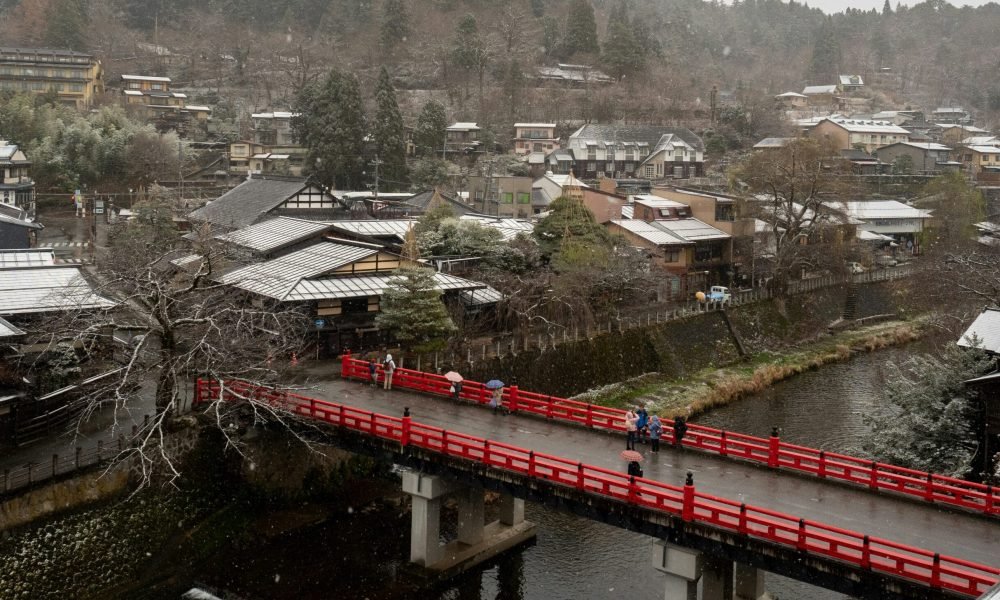
While entering Japan it’s crucial to understand the tourist visa process and ensure that everything you need to know about Japan’s tourist visa. Taiki Ishikawa / Unsplash
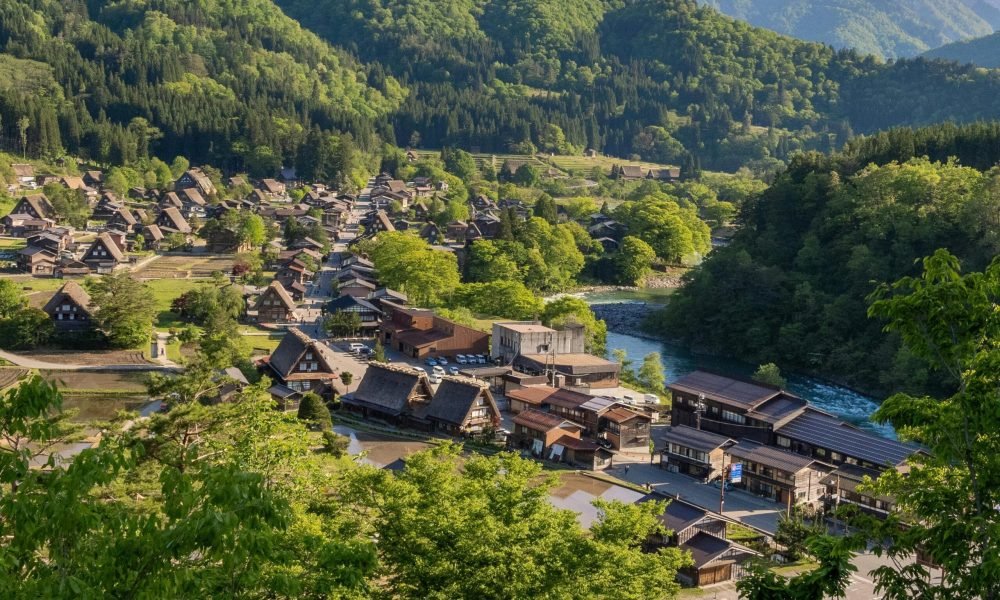
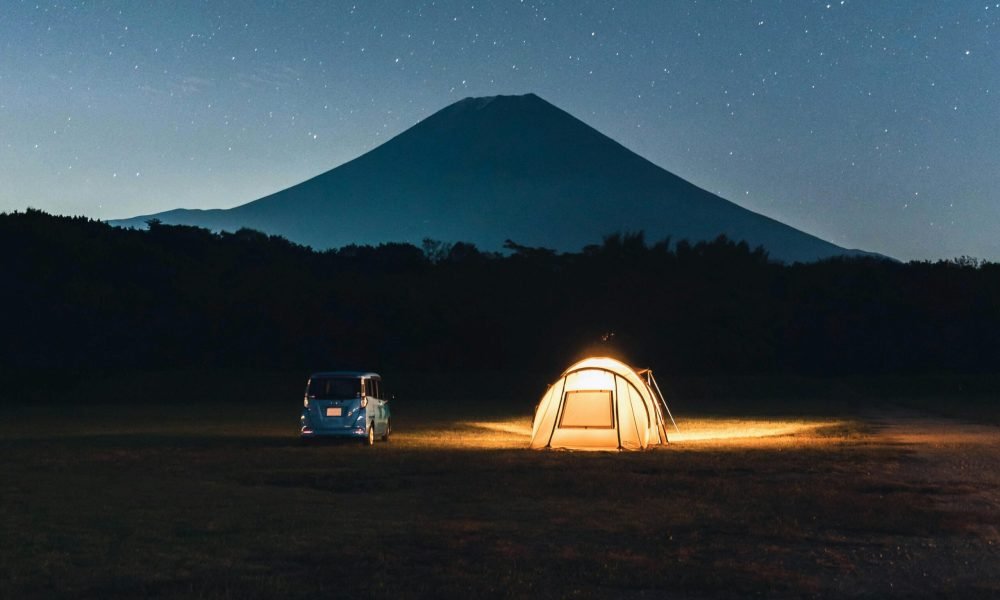
Japan stands as one of the world’s most fascinating travel destinations, attracting millions of visitors each year. From its rich history and cultural landmarks like Kyoto’s ancient temples and vibrant city life in Tokyo to its stunning natural landscapes, including Mount Fuji and beautiful Okinawa Beaches, Japan offers an unparalleled travel experience.
Before embarking on your Japanese adventure, it’s crucial to understand the tourist visa process. Each country has different requirements and conditions, and knowing the necessary steps can save you from unexpected delays or complications. By ensuring your visa is approved in advance, you can avoid the stress of last-minute paperwork and focus on planning your dream trip. A little preparation goes a long way, helping you make the best time to visit Japan.
Here is your guide to explain everything you need to know about Japan’s tourist visa.
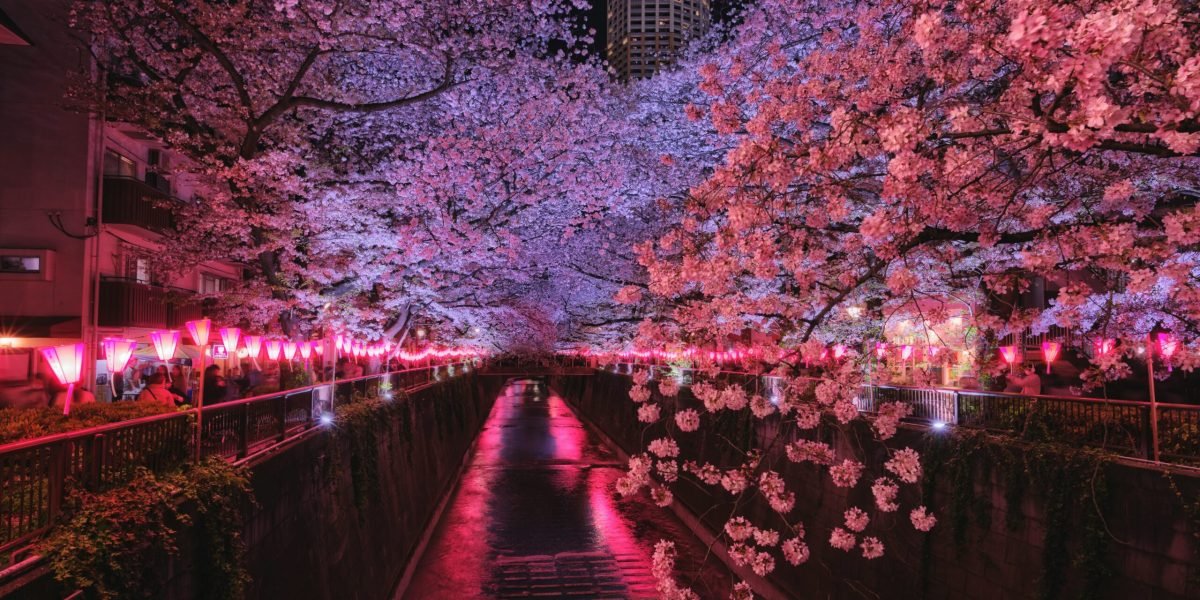
Visa that best for travel plans ensures a smoother entry and a worry-free stay in Japan. Taiki Ishikawa / Unsplash
1. Types of Tourist Visas for Japan
Japan offers several types of tourist visas. The most common is the Short-Term Stay Visa, which allows visitors to stay in Japan for up to 90 days for tourism, business meetings, or visiting friends and family. This visa is usually single-entry, though multiple-entry options are available for certain nationalities or frequent travelers.
For many, a visa isn’t needed at all thanks to Japan’s Visa Waiver Program, which allows citizens of over 70 countries (like the U.S., Canada, most of Europe, Singapore, and Australia) to enter without a visa for short stays. However, those planning to engage in specific activities, such as visiting relatives, participating in cultural exchanges, or joining a short-term course, may apply under Special Tourist Visa Categories.
Everything You Need to know About Japan’s Tourist Visa. These tailored options require additional documentation but offer more flexibility depending on the purpose of your visit. Understanding the type of visa that best suits your travel plans ensures a smoother entry and a worry-free stay in Japan.
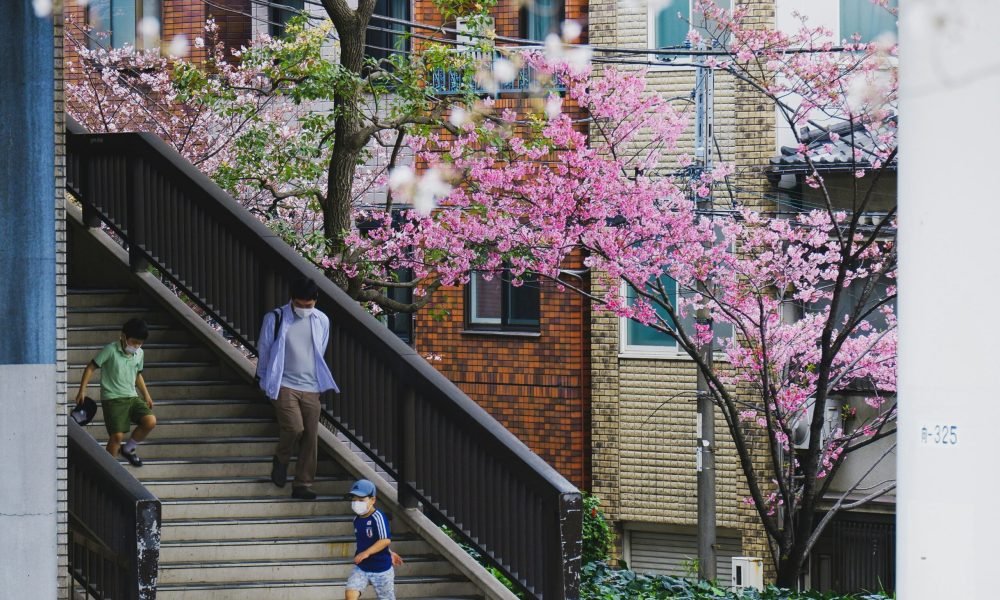
Everything you need to know about Japan’s tourist visa and clear documentation increases your chances of a smooth approval. Eunicee / Unsplash
2. Who Needs a Tourist Visa for Japan?
Everything you need to know about Japan’s tourist visa. whether or not you need a tourist visa to visit Japan depends largely on your nationality. Japan has mutual visa exemption agreements with over 70 countries, including the United States, Canada, Australia, the UK, most EU nations, Singapore, and several others. Citizens of these countries can enter Japan without a visa for short-term stays, typically for tourism, visiting family or friends, or business meetings.
The permitted duration of stay varies: 90 days for most, 30 days for a few like Thailand and Indonesia, and 15 days for certain cases, such as Brunei or some diplomatic passport holders. On the other hand, travelers from countries not part of the visa exemption list, including India, Pakistan, the Philippines, and several African and Middle Eastern nations, must obtain a tourist visa before arriving in Japan.
Everything you need to know about Japan’s tourist visa. Understanding your visa eligibility in advance helps avoid entry issues and ensures a smooth journey into the country’s rich cultural and natural beauty.
3. Requirements for Japan's Tourist Visa
To successfully apply for a Japan tourist visa, travelers must meet several specific requirements to demonstrate the purpose and feasibility of their visit. First and foremost, a valid passport is essential, with at least one blank page and validity extending well beyond the intended stay. Alongside the passport, applicants must submit a recent passport-sized photo (taken within the last six months) that meets Japan’s strict size and background specifications.
Everything you need to know about Japan’s tourist Visa having financial stability is also a key criterion; bank statements or salary slips are typically required to prove that you have sufficient funds to support yourself during the trip. Additionally, Everything You Need to know About Japan’s Tourist Visa a detailed travel itinerary, outlining your day-to-day plans, along with proof of accommodation bookings, such as hotel confirmations or a letter of invitation if staying with a host.
A confirmed return flight ticket strengthens your case by showing intent to leave Japan after your stay. All must be submitted with a completed visa application form, carefully filled out and signed. Providing accurate and thorough documentation increases your chances of a smooth approval process.
Bright signs, reflective floors, and the calm, organized atmosphere reflect Japan’s efficient transportation system. Lourd Tan / Unsplash
4. The Japan Tourist Visa Application Process
Here is your guide to explain everything you need to know about Japan's tourist visa.
Your Path to Japan: A Clear Step-by-Step Guide to Securing a Tourist Visa
Applying for a Japan tourist visa involves a straightforward but detail-oriented process. If yes, collect all required documents and begin the application process through the nearest Japanese embassy or consulate or an authorized visa agent.
Completing the Visa Application Form
Download the official visa application form here from the embassy website. Fill it out carefully with accurate information; mistakes or omissions can lead to delays. Make sure that you sign and date the check before you submit the form.
Submitting Necessary Documents
Submit your completed application form, valid passport, recent passport-sized photo, financial proof (like bank statements or salary slips), itinerary, accommodation details, and return flight booking. Each document supports your purpose of travel and assures Japanese authorities of your intent to return.
Visa Fee and Payment Methods
The tourist visa fee usually ranges between JPY 3,000 and 6,000, depending on the type (single or multiple entry). Payment methods vary by country; some accept only cash at the time of submission, while others may accept cards or bank transfers. Always check with your local embassy or visa agent in advance.
Visa Processing Time
Once submitted, processing usually takes 5 to 7 working days, though this can vary depending on the embassy, time of year, and your nationality. It’s best to apply at least 3–4 weeks in advance to avoid last-minute stress.
Where to Submit Your Application
Tourist visa applications must be submitted to the Japanese Embassy or Consulate in your country or through authorized visa agencies. Some embassies require appointments, while others work on a walk-in basis.
5. Common Challenges and How to Overcome Them
One of the most frequent hurdles in the Japan tourist visa process is incomplete or inaccurate documentation and everything you need to know about Japan’s tourist visa. Missing bank statements, unclear travel itineraries, or incorrect photo sizes can lead to delays or even rejection. To avoid this, double-check the checklist provided by the embassy and prepare your documents with care.
Delays are another common issue, especially during peak travel seasons. Japanese embassies may experience a surge in applications, which can slow down processing times. Applying at least a month in advance gives you a comfortable buffer and reduces last-minute stress. Everything You Need to know About Japan’s Tourist Visa.
In cases of visa denial, don’t panic; review the reason provided, which is often related to documentation, unclear travel intent, or financial insufficiency. Once you’ve identified the issue, correct it and consider reapplying with stronger evidence. If needed, seek advice from an authorized visa agent to improve your chances the second time around.

6. Tips for a Smooth Visa Application Process
To ensure a smooth Japan tourist visa application process, start by organizing all your documents with precision. Your passport, financial proof, detailed itinerary, flight and hotel bookings, and a properly filled application form should all be neatly arranged and double-checked. Submitting a complete, well-prepared file shows seriousness and builds trust with the visa officers.
Avoid common mistakes like mismatched dates, unclear travel purposes, or photographs that don’t meet official guidelines, as these can lead to unnecessary delays or outright rejection. Always use updated forms from the embassy’s official website and follow instructions word for word.
Once your application is submitted, many embassies or agencies provide a reference number or receipt that lets you track your visa status online or via phone. Staying proactive, detail-oriented, and timely can turn the often-stressful visa process into a quick and easy step toward your Japanese adventure. Everything You Need to know About Japan’s Tourist Visa before you travel.
7. After Your Tourist Visa is Approved
Once your Japan tourist visa is approved, the first thing you should do is carefully check the visa sticker in your passport to verify the validity dates, the number of entries allowed, and the duration of stay permitted. Mistakes are rare but possible, and it’s best to catch them early. Next, start preparing for your trip by getting travel insurance, which, while not always mandatory, is highly recommended to everything You need to know about Japan’s tourist visa cover unexpected medical costs or travel disruptions.
Familiarize yourself with Japanese yen and consider carrying some local currency for initial expenses like transport, meals, or SIM cards. Everything you need to know about Japan’s tourist visa so download useful apps for translation, navigation, and currency conversion to make your journey smoother.
8. Visa Extensions and Re-Entry Rules
Extending a tourist visa in Japan is generally not permitted unless there are exceptional circumstances, such as a medical emergency or natural disaster that prevents your departure. In such rare cases, you must apply for an extension through a regional immigration office in Japan before your visa expires and provide strong documentation to support your request.
If you overstay your visa, even by a single day, you may face serious consequences, including fines, detainment, deportation, and even a ban from re-entering Japan for several years. It’s crucial to respect your visa’s validity period and plan your departure accordingly. If you wish to return to Japan after your visit, you’ll need to leave the country and apply for a new tourist visa or re-enter under the Visa Waiver Program, if your nationality allows. Always stay informed and comply with Japan’s immigration rules to enjoy a hassle-free travel experience because Here is your guide to explain everything you need to know about Japan’s tourist visa before you travel.
Everything You Need to know About Japan’s Tourist Visa advantages for solo traveller. Federicoa / Pexels
9. Japan Visa Tips for Solo Female Travelers
When applying for a tourist visa, it’s wise to address any concerns the embassy might have by submitting clear and detailed documentation. They include a well-planned itinerary, confirmed hotel bookings, proof of financial independence, and a return flight ticket to show travel intent and responsibility.
Cultural awareness is key: Japan values modesty, respect, and social harmony, so dressing conservatively, learning a few basic Japanese phrases, and following local etiquette can enhance your experience and earn you warmth from locals. Everything you need to know about Japan’s tourist visa as a solo traveler, take advantage of female-only train cars, capsule hotels, and women-centric travel services that cater to comfort and safety.
Traveling alone in Japan is not only manageable; it can be incredibly empowering. With proper preparation, an open mind, and an adventurous spirit, solo women can explore Japan’s rich history, vibrant cities, and peaceful countryside with confidence and ease.
Everything You Need to know About Japan’s Tourist Visa while Traveling with your loved one in Japan. Suzi Kim / Unsplash
10. Cultural Etiquette Tips Once You Arrive
When visiting Japan, understanding and respecting local customs and etiquette can deeply enrich your travel experience. Simple gestures like bowing as a greeting, removing shoes before entering homes or certain traditional spaces, and saying “arigatou gozaimasu” (thank you) show appreciation for Japanese culture.
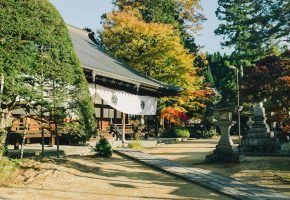
At shrines and temples, be sure to bow at the gate, cleanse your hands at the water basin, and avoid loud conversations.
Learning and respecting these customs not only prevents unintentional offense but also helps you connect more genuinely with locals, leading to a more immersive and meaningful journey through Japan. Everything you need to know about Japan’s tourist visa.
Q1. Do I need a visa if I’m just transiting through Japan?
If you’re transiting and not leaving the airport’s international zone, you usually don’t need a visa. But if you plan to exit the airport, even for a short layover or hotel stay, you may need a transit or tourist visa, depending on your nationality. Always confirm with your airline or local Japanese embassy before traveling.
Q2. Can I apply for a Japan tourist visa from within Japan?
No. Tourist visas must be applied for from outside Japan. You cannot convert or apply for a tourist visa while already in the country. If you’re on a different visa type and want to switch to a tourist visa, you must leave Japan and apply from your home country.
Q3. How can I extend my tourist visa in Japan?
Visa extensions are rare and only granted under exceptional circumstances, like a medical emergency or natural disaster. If you must extend, visit a regional immigration office before your visa expires, with supporting documents like hospital records. In most cases, it’s best to leave and reapply from abroad.
Q4. How long does it take to process a Japan tourist visa?
Visa processing usually takes 5 to 7 working days after submission, but it can vary depending on your country and the season. During peak travel times, it’s safer to apply at least 3 to 4 weeks in advance.
Q5. Is travel insurance mandatory for a Japan tourist visa?
It’s not mandatory, but highly recommended. Medical treatment in Japan can be expensive, and travel insurance also covers trip cancellations, theft, and accidents—making your journey safer and worry-free.
Q6. What financial proof is needed for a Japan tourist visa?
You should provide bank statements (last 3–6 months) showing enough funds to cover your trip, plus income proof like a salary slip or ITR (if applicable). There’s no fixed amount, but aim for enough to cover accommodation, food, travel, and emergencies.