Packages

pexels-juliandeblock-12011525

Find the Best Deals on Bali Hostels – Save Big Now

Book Your Perfect Bali Vacation stay Beach Hostel Today with Hostelworld, there is lot of to explore

Starting From

12$

katalin-salles--IVolfULttQ-unsplash

Visit the Best Dubai Hotel Deals Near Burj Khalifa

Book Luxury Hotels in Dubai with Stunning Skyline Views ✨Book now with Travelpayouts

Starting From

84$

pexels-freestockpro-1002525

Best Beach Resorts in Phuket & Party Hotels in Bangkok 🏝️

Your Thailand Trip Starts Here – Reserve Your Stay

Starting From

73$

pexels-pok-rie-33563-5740342

Grab your Hotels in Penang & Langkawi

Stay Near Island and catch the marine activities– Book Carnarvon House its feel like House

Starting From

71$

pexels-pixabay-434709

Experience Japan Comfortably – Reserve Your Stay

Book Here Unique Capsule & Modern Hotels in Japan with Travelpayouts and 50% off on deals.

Starting From

66$

pexels-stephen-leonardi-587681991-27087197

Find Affordable Hotels in Singapore – Limited Deals

Stay Near Marina Bay Sands – Book Now and earn points

Starting From

216$

pexels-daria-agafonova-2147746189-30297582

Romantic Hotels in Paris Near the Eiffel Tower

The Heart of Paris – Book Now, it’s gave close view of tower

Starting From

129$

pexels-kelly-19143336

Experience Italy in Your Style – Reserve Your Stay

Find here the Best Italy Hotel Deals for Your Vacation or business trip

Starting From

197$

pexels-imadclicks-11203203

Plan Your India Trip – Book Your Hotel Now

Budget to Luxury Hotels Across India, must explore India with Hostelworld

Starting From

6$

Indian Currency to Know Before Travel to India

Indian Currency to Know Before Travel to India

Indian Currency to Know Before Travel to India

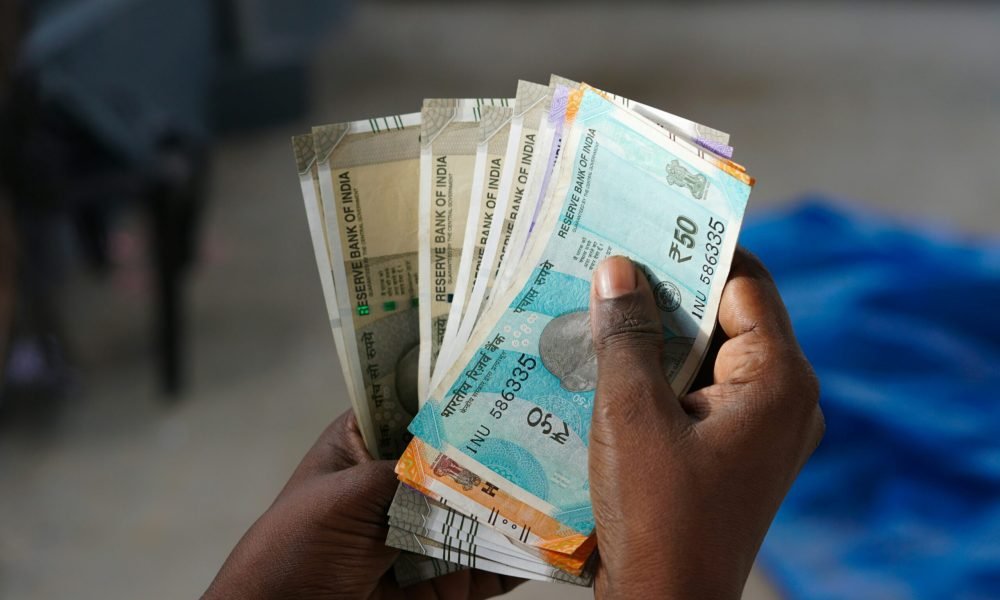
At a roadside stall in India, a closer look at a currency note turns into a moment of awareness. Eugene Nelmin / Unsplash

Indian Currency to Know Before Travel to India the story from haggling over handmade souvenirs in a Goa Street market to tipping your rickshaw driver in Mumbai, understanding Indian currency turns confusion into confidence — and every payment into part of the adventure.

In this guide, we’ll walk you through everything — from decoding rupee notes and spotting common scams to understanding digital payments, budgeting smartly, and even avoiding those dreaded traffic challans. Whether you’re counting every rupee or swiping your way through city streets, this guide will help you navigate India’s money landscape with ease, confidence, and a touch of local flair.

Here are the key highlights of Indian currency to know before travel to India.

Indian Currency to Know Before Travel to India
Every Indian currency note tells a colorful story of culture, history, and everyday life. Dileesh Kumar / Unsplash

1. The Colour Psychology of Indian Currency

Did you know that every Indian currency note tells a colorful story — quite literally? Indian rupee notes are not just valued by their numbers but also by their hues. The earthy brown ₹10 feels like the dusty roads of Rajasthan, while the vibrant purple ₹50 echoes the glow of a Jaipur sunset. The aqua-blue ₹100 resembles the calm backwaters of Kerala, and the sunny yellow ₹200 matches the marigolds strung in a Delhi market. Each denomination has its own personality and recognizing them by colors makes handling cash quick and intuitive — especially for first-time travelers Indian Currency to know before travel to India.

Imagine a handy visual cheat sheet showing each note with its colors, size, and even what landmark is printed on it — perfect for your Instagram carousel, a Pinterest pin, or even a printed wallet card. It’s not just helpful — it’s a fun, visual way to connect travelers with the rhythm and richness of Indian life.

Indian Currency to Know Before Travel to India
Indian coins are small circles of metal that carry centuries of history in your palm. Clicker happy / Pexels

2. Rupee Rhythms: A Day in India with Just One Note

Imagine holding just a single ₹100 note (about $1.20 USD) and setting off to explore a local neighbourhood. What can you truly experience with it? Quite a lot, actually. Start your morning with a steaming glass of masala chai at a roadside tapri for ₹10, hop into a shared rickshaw for ₹20, and stroll into a historic fort with a ₹30 entry ticket. You still have enough left for a spicy plate of street-side chaat and a sweet jalebi to finish your day.

This challenge isn’t just about spending less — it’s about slowing down, looking closer, and savoring every rupee. Turn it into a travel ritual: “How much joy can one note buy?” Try this on your first day in India and share your experience to us on — social media

3. Regional Currency Culture: How Money Behaviour Changes Across India

Indian currency shifts from state to state. Different parts of India use money in different ways. In Goa’s beach cafés and cool little restaurants, paying by card or using a phone app is very common and easy. But travel to the ghats of Varanasi, and you’ll find that cash is still king, especially with local vendors and boatmen.

In the northeastern hills, you might be surprised to see tiny tea stalls using QR codes stuck on tree trunks — a digital leap in remote landscapes. Meanwhile, in Rajasthan, while you can book a luxury hotel online, the camel handler, folk musician, or local guide will appreciate — and often expect — a tip in crisp cash.

Understanding these subtle regional differences isn’t just smart; it helps you blend in like a local. This is the smartest way to for Indian currency to know before travel to India.

4. The Life of a Rupee: Where Your Money Travels After You Spend It

Ever wondered what happens to your ₹100 note after you spend it? Let’s follow its journey. You hand it to a smiling chaiwala for two cups of hot masala chai. He tucks it into his metal box and later uses that same note to buy tea leaves from a local wholesaler. The wholesaler then pays a delivery guy, who uses the money to fill petrol in his scooter. On the way home, he buys some snacks for his kids with the same note. Later, it’s handed over at a shop and finally makes its way into a bank — ready to keep moving through the economy.

This single rupee has touched lives, paid wages, stocked shelves, and fueled dreams. As a traveller, every note you spend does more than buy you an experience the Value of Indian currency — it becomes part of the beating heart of India’s local economy. It’s a beautiful reminder that even the smallest purchase can ripple out in meaningful ways.

5. Local Words for Money Across India

In India, money isn’t just currency — it’s culture. Across different states, people use their own local words to talk about it. You’ll hear a chaiwala in Delhi casually say, “Paisa chhutta hai?” (Do you have change?), while a shopkeeper in Rajasthan might ask for “rupiya” instead of rupees. In Mumbai, the word “note” often means paper cash, and “sikka” is your go-to term for coins. Some regions even say “kharcha” when referring to expenses or spending.

These little linguistic gems are more than just slang — they carry the flavors of daily life, street banter, and human connection. Imagine having a small downloadable audio glossary where you can hear these words spoken in local accents — or an Instagram reel series where travelers learn to say “money” in five Indian languages! It’s a fun, cultural bridge that helps travelers not just spend money in India but speak Indian currency to know before travel to India.

Indian Currency to Know Before Travel to India
A man holding the Indian Rupee carries the strength of a billion dreams in every note. Roman Saienko / Pexels

6. How Indian Currency Reflects Its Culture

Indian currency is a pocket-sized museum of the nation’s soul. The ever-present face of Mahatma Gandhi reminds us of freedom and peace, while the ₹2,000 note (now phased out but still circulating) features Mangalyaan, India’s proud leap into space. The ₹10 note carries the image of the Sun Temple at Konark, a nod to India’s ancient architectural brilliance. Turn a ₹100 note, and you’ll spot the Rani ki Vav stepwell, a UNESCO heritage site. Even the ₹50 note, with a majestic Himalayan tiger, roars with the spirit of India’s wild heart.

These aren’t just notes —they’re miniature postcards from across India, filled with cultural pride. Encourage travelers not to simply spend them but to collect one of each denomination as souvenirs — a colorful and meaningful reminder of the places, stories, and legends they touched on their journey through India.

7. What ₹100 Buys You Across India (City vs Village Reality)

In India, ₹100 carries a fascinating dual identity; the note stays the same, but its power transforms completely depending on where you are. In a metro city like Mumbai, Delhi, or Bengaluru, ₹100 often disappears quietly. It might buy you a single cup of café coffee, a short auto-rickshaw ride, or a basic street snack with little change left. High rents, fast-paced lifestyles, and demand-driven pricing mean cities treat ₹100 as small change. You spend it quickly, often without noticing, especially in places where digital payments make money feel invisible.

Travel a few hours away into a small town or village, and the same ₹100 suddenly feels generous. Here, it can cover a hearty meal at a local Dhaba, fresh vegetables for the day, multiple cups of tea, or even a short bus journey plus snacks. Prices reflect local incomes, slower rhythms, and community-based living. Cash is more tangible here; people count notes carefully, and spending ₹100 often comes with conversation, trust, and human connection rather than a QR scan.

For travelers, this contrast is a powerful budgeting lesson. Your daily expenses won’t just depend on what you do, but also on where you do it. In metros, plan higher daily cash or card usage for transport and food, while in smaller towns and villages, modest amounts go much further, but cash becomes essential. Understanding this city-village reality helps travelers budget smarter, appreciate India’s economic diversity, and recognize how money mirrors lifestyle rather than just cost.

8. Night Markets & Early Mornings: When Cash Matters Most

In India, the moments when the city sleeps or just begins to wake are often when cash quietly takes control. Late-night chai stalls, roadside omelette carts, and night markets thrive on quick exchanges and human familiarity rather than card machines. These vendors operate on thin margins and fast turnover; a crumpled ₹20 or ₹50 note is faster than scanning a QR code, especially when electricity, internet, or phone battery becomes unreliable. For travelers, having small cash at night means freedom: the freedom to stop, taste, and experience without hesitation.

Early mornings tell a similar story. Temple visits at dawn, especially in sacred towns, rely heavily on cash for offerings, prasad, shoe storage, and donations. These are moments rooted in tradition, where digital payments feel out of place. Dropping a few notes into a donation box or handing change to a priest is not just practical; it’s part of the ritual rhythm. ATMs and shops may still be closed at this hour, making advance cash preparation essential.

Transport timing adds another layer. Early-morning buses, shared jeeps, ferries, and late-night autos often expect cash payment, particularly outside metro cities. Drivers may not carry change or accept digital transfers during odd hours. For travelers, the insight is simple but powerful: carry small cash before the night begins and before the sun rises. These are the hours when India feels most alive and when cash keeps you moving effortlessly through it.

9. Emergency Money Moments: What to Do If You Run Out of Cash

Running out of cash in India can feel stressful, but it’s a situation many travelers face often due to ATM failures or unexpected bank holidays. ATMs may run out of money in busy areas, stop working late at night, or temporarily go offline because of network issues. In smaller towns, you might find only one or two ATMs serving the entire area, making access unpredictable.

The key to handling these moments is flexibility and local awareness. Digital payments can be a lifesaver in cities; apps, cards, or QR payments are widely accepted in cafés, pharmacies, and hotels. However, in rural areas or religious towns, cash is still king. In such cases, hotels or guesthouses sometimes allow card payments or can guide you to the nearest functioning ATM, even if it’s a few kilometers away. Local shopkeepers may also help by giving cash in exchange for a digital transfer, a common, trust-based solution in many parts of India.

For realistic travel planning, always anticipate cash gaps before they happen. Withdraw money during the day, keep small denominations, and never rely on a single ATM or card. Carry a backup debit or credit card, store emergency cash separately, and ask locals about upcoming holidays when arriving in a new region. In India, solutions often come through people rather than systems. Staying calm, polite, and open usually turns an emergency into just another memorable travel moment.

10. The Hidden Cost of Travel: Small Expenses Tourists Forget

India may appear inexpensive at first glance, but travelers quickly realize that small, recurring charges throughout the day can subtly increase their overall budget. Public toilets are a common example. Clean, maintained restrooms in markets, railway stations, and tourist areas usually charge a small fee, often ₹5 to ₹20. It’s a minor amount, but without loose change, it can become inconvenient. These facilities are part of daily life in India, and paying for them supports upkeep rather than being an unnecessary charge.

Luggage storage is another overlooked cost, especially for travelers arriving early or departing late. Railway stations, bus terminals, and popular tourist hubs often offer cloakroom or locker services for a few hours at a fixed fee. In smaller towns, local shops or guesthouses may watch your bags for a small tip. These services provide freedom to explore hands-free, but they work almost entirely on cash, making advance planning important.

Temples introduce a uniquely cultural expense: shoe storage. Most temples require visitors to remove footwear before entering, and organized shoe counters charge a small amount for safekeeping. While the cost is minimal, forgetting to budget for it can feel unexpected. Together, these tiny payments reveal an important travel truth: in India, it’s not the big expenses but the everyday details that shape your real budget, and carrying small cash keeps these moments smooth and respectful.

Official government websites
Indian Currency to Know Before Travel to India

Before you land in India, it’s smart to get familiar with the Indian Rupee (INR) — how it looks, works, and is used across the country. From colorful notes to QR codes on roadside stalls, money here is more than just paper — it’s part of the experience.

For the most accurate and official information, visit the Reserve Bank of India’s website: https://www.rbi.org.in/

FAQs

1. What is the official currency of India? or What should I know about Indian currency before travel to India?

The official currency is the Indian Rupee (INR), symbolized as ₹. It comes in coins and colorful notes of different denominations.

2. What denominations of Indian currency are commonly used?


You’ll typically find:

  • Coins: ₹1, ₹2, ₹5, ₹10

  • Notes: ₹10, ₹20, ₹50, ₹100, ₹200, ₹500
    The ₹2,000 note is rarely used and is being phased out.

3. Can I use US Dollars or Euros in India?

No. Foreign currency is not accepted for daily use. You must exchange it at a bank, airport counter, or licensed money changer.

4. Is it better to carry cash or use a card in India?

Both! Cash is essential in rural areas and for small purchases. Cards and UPI apps like Google Pay and PhonePe are widely accepted in cities.

5. Are digital payments safe and common in India?

Yes! India is very digital-friendly. UPI (Unified Payments Interface) is used everywhere from cafes to street stalls. Just ask: “UPI chalega?”

6. Where can I exchange money in India?

You can exchange at:

  • Airports (higher fees)

  • Local money changers

  • Banks (bring your passport) Always ask for a receipt.

7. What’s the best way to avoid fake notes?

Use ATMs, banks, or authorized money exchangers. Learn to check the security features — watermarks, see-through number, raised print, etc.

8. Are tips expected in India?

Tipping is common but not mandatory. You can tip:

  • ₹10–₹50 to porters or taxi drivers

  • ₹100+ for good service at restaurants Cash is preferred

9. How much Indian currency can I bring into the country?

Foreigners are not allowed to bring in Indian rupees. Bring foreign currency and exchange it after arrival.

10. Can I take Indian currency back home?

Yes, but not in large amounts. You may take up to ₹25,000 in Indian currency when leaving, but most travelers exchange it back before departure.

GUIDED BY TRAVEL MEET WORLD

Yoga within Travel the perfect flow of Experience

Explore wellness within Travel

by

Explore Related Articles

Japanese Currency to Know Before Travel to Japan

8 Need to Know About Egyptian Currency

You Should Know About UAE Currency

Need to Know About Malaysian Currency

LEAVE A COMMENT

    12 Best Things About India’s Tourist Visa​

    12 Best Things About India's Tourist Visa

    12 Best Things About India's Tourist Visa​

    Planning a trip to India is exciting—whether it’s for the colors of Holi, the serenity of the Himalayas, or the chaos and charm of its cities. But before your adventure begins, there’s one essential step that often trips travelers up: the 12 things about India’s tourist visa. 

    While getting a visa to India may seem straightforward, there are layers of rules, surprising restrictions, and practical tips that most visitors only discover after they’ve landed—or worse, been denied entry. 

    From lesser-known airport restrictions to stay duration loopholes, India’s tourist visa comes with a fine print you don’t want to overlook.

    In this article, we’ve rounded up 12 key things you absolutely need to know—insider tips, unusual facts, and real-world advice—to make sure your entry into India is as smooth as your first sip of masala chai.

    12 Best Things About India's Tourist Visa​
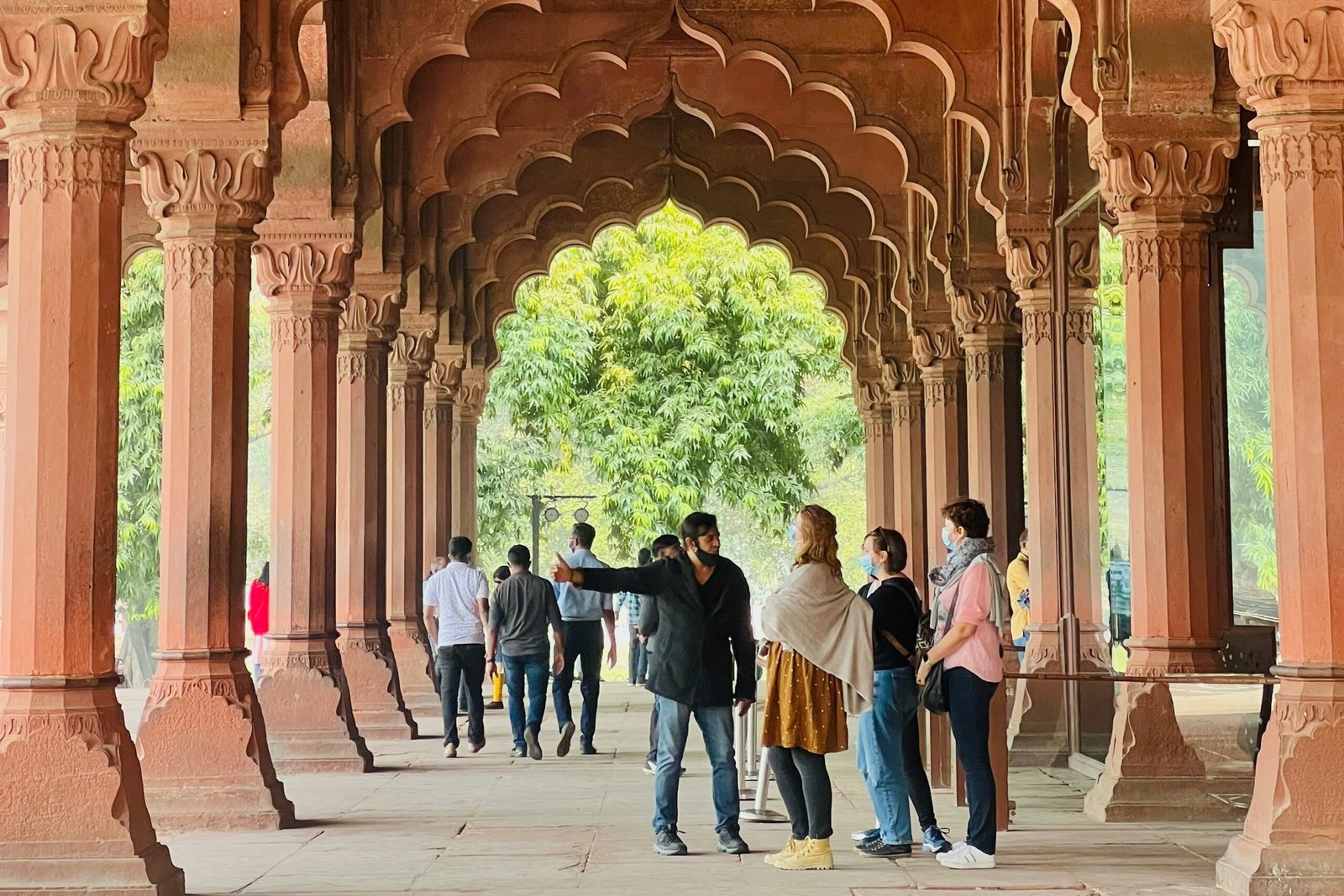
    Group tours often enjoy travel guidance at Delhi Fort. Ayan Ahmad / Unsplash

    1. Understanding the 3 Tiers of Tourist Visas

    When people think of an Indian tourist visa, they often assume there’s just one standard option—but in reality, there are three main tiers of tourist visas, each designed for different travel needs. nationality. It’s ideal for casual tourists, backpackers, or short business visits.

    The most popular is the eVisa, a short-term electronic visa that’s easy to apply for online and typically allows stays of 30 to 90 days, depending on your nationality. It’s ideal for casual tourists, backpackers, or short business visits.

    Next is the long-term sticker visa, issued by Indian embassies, which can allow multiple entries over a period of 1 to 5 years—perfect for frequent travelers, those visiting family, or digital nomads who plan to come and go.

    Lastly, there are special entry permits required for travelers heading to restricted regions like Arunachal Pradesh, certain parts of Ladakh, or the Andaman & Nicobar Islands. 

    Choosing the right visa tier isn’t just about how long you want to stay—it’s all about where you’re going, how often you’re entering, and what kind of experience you’re planning in India.

    2. Where Your eVisa Actually Works

    India’s eVisa system is super convenient—but there’s a catch many travelers miss: you can’t enter the country through just any airport or seaport. 

    The Indian eVisa is only valid at a specific list of designated entry points, which includes around 30 major international airports such as Delhi, Mumbai, Bengaluru, Chennai, and Goa. 

    However, if you plan to land at a smaller or regional airport—like Surat, Gaya, or Nagpur—your eVisa won’t be accepted, and you could be denied entry.

    The same goes for seaports: only a handful, like Mumbai, Cochin, Mormugao, Chennai, and New Mangalore, are authorized for eVisa holders. 

    This rule doesn’t apply once you’re inside the country—you can exit from any airport—but your initial arrival must be through an approved port. 

    So, before you book that low-cost flight or offbeat cruise to India, double-check the entry points listed by the Indian government to make sure your journey starts smoothly—not stranded at immigration.

    Confused between plans? Here helps you compare coverage, price, and benefits side by side.

    → Compare Travel Insurance Plans Now

    3. Cultural Events Can Affect Your Visa Approval Speed

    12 Best Things About India's Tourist Visa​
    Tourist Visa to experience Travel planning in India. Anete Lusina / Unsplash

    Indian festivals can unexpectedly impact your tourist visa approval timeline. 

    During major festivals like Holi, Diwali, Eid, or national holidays such as Republic Day (January 26) and Independence Day (August 15), many government offices—including visa processing centres and embassies—either operate with limited staff or close entirely. 

     This can lead to longer processing times, especially in the days leading up to and following the celebrations.

    Another thing to keep in mind: security protocols tend to tighten around big national holidays, which could lead to stricter scrutiny of visa applications, especially from certain regions.

    If you’re traveling during a major Indian festival, apply for your visa early—timing it right can help avoid delays and ensure smooth approval.

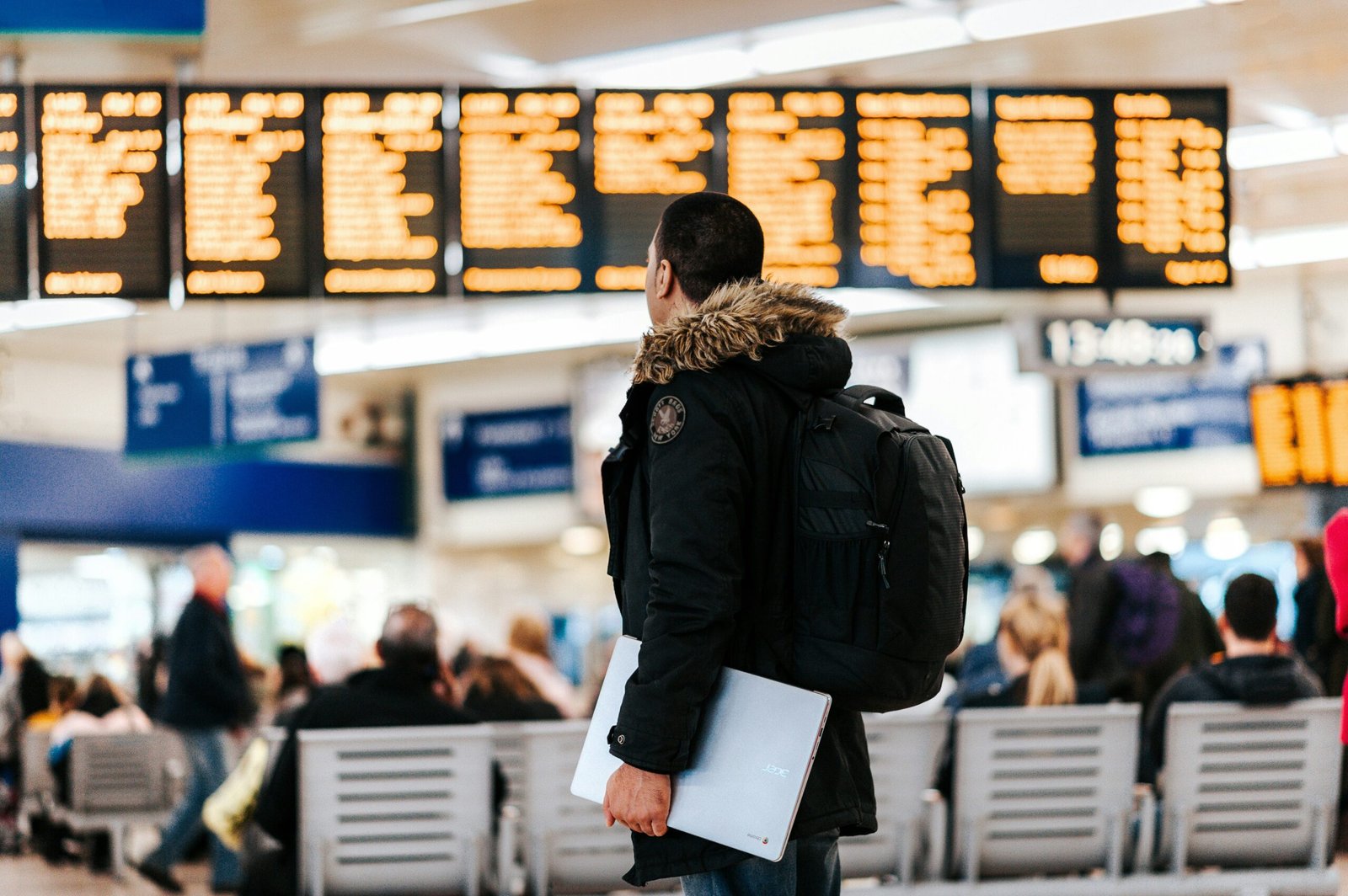
    4. You’ll Need a Return Ticket—And They Might Ask at Immigration

    While India doesn’t always require you to show a return or onward ticket when applying for a tourist visa, immigration officers often ask for proof of your exit plan when you arrive. Why? 

    A confirmed return or onward ticket demonstrates your intention not to overstay your visa, a common concern for many countries. If you can’t provide one, you may face extra questioning, delays, or, in rare cases, denial of entry.

    Such documentation is especially important for travelers on short-term eVisas, as your stay is limited and must match the visa conditions. 

    Even if you plan to travel overland to another country—like Nepal or Sri Lanka—it’s a beneficial idea to have a bus, train, or flight booking as proof of exit. 

    So, to keep things smooth at immigration, always carry a copy (printed or digital) of your return ticket or onward travel confirmation.

    5. Digital Nomads, Beware: Tourist Visas Aren’t for Remote Work

    If you’re a digital nomad planning to sip chai while working from the beaches of Goa or the mountains of Himachal, it’s important to know that India’s tourist visa does not legally permit any kind of work—even remote work.

    That includes freelancing, consulting, running a business online, or even just answering work emails from your foreign employer. 

    While many travelers assume that working remotely doesn’t “count,” Indian visa rules define any income-generating activity as work, regardless of where the employer is located.

    India does not yet give a dedicated digital nomad visa, so if you’re planning a work-from-anywhere lifestyle, it’s important to either keep your work activities completely offline or apply for a more suitable visa (like a business visa, if eligible). 

    Until regulations evolve, the safest route is to treat a tourist visa strictly for tourism.

    6. Visa Duration ≠ Stay Duration: Don’t Confuse the Two

    The best thing about India’s 1-year tourist visa is that it allows multiple visits within a year—but it’s important to remember that each stay usually has a set time limit, often 90 days per visit. 

    In reality, the visa validity and the allowed stay duration per visit are two different things. 

    For example, a 1-year multiple-entry visa might let you enter India as many times as you like within that year, but each stay may be limited to 90 days (or even 60, depending on your nationality).

    Overstaying this limit—even by a few days—can lead to fines, visa cancellation, or trouble when reapplying in the future. 

    This is especially important for long-term travelers or digital nomads trying to base themselves in India. 

    Always check the “duration of stay per visit” printed on your visa or in your eVisa approval email, and if needed, plan an exit and re-entry to reset your stay period. Understanding this simple distinction can save you a lot of stress at immigration.

    7. Reapplying Too Soon Can Trigger a Red Flag

    12 Best Things About India's Tourist Visa​
    India gives eTourist visas to 160+ countries with easy online application and quick entry. Kit Formerly Convertkit / Unsplash

    India is happy to see returning travelers, but frequent back-to-back visits on a tourist visa can catch the attention of immigration officers and raise concerns about your travel intent. 

    While a multiple-entry visa gives you the flexibility to come and go, reapplying for a new visa too soon after leaving, or returning repeatedly without long breaks in between, may be viewed as an attempt to live in India long-term on a tourist visa, which is not allowed. 

    This can lead to stricter scrutiny, delays in visa approval, or even outright denial.

    To avoid suspicion, it’s smart to space out your visits, provide clear travel plans, and avoid patterns that look like residency rather than tourism.

    If you truly need to stay in India long-term—whether for work, study, or personal reasons—consider applying for a more appropriate visa category that matches your intent. 

     Transparency and timing are key to keeping your travel smooth and your visa record clean.

    8. Your Insurance May Impact Visa Confidence

    While travel insurance isn’t a mandatory requirement for getting an Indian tourist visa, having it can actually strengthen your application and smoothen your immigration experience. 

    Immigration officers often look for signs that a traveller is well-prepared and financially secure—and showing valid travel insurance signals exactly that. 

    It reassures authorities that you’re covered in case of medical emergencies, delays, or accidents, and that the government won’t have to bear any unexpected expenses during your stay.

    This is especially true for elderly travelers, solo tourists, or those with longer itineraries, where the risk profile may be slightly higher. 

    In some cases, travelers have reported faster visa approvals or fewer questions at immigration checkpoints simply because they provided proof of insurance.

    It’s a small but smart move that shows responsibility, enhances your credibility, and gives you peace of mind—making it a win-win for both sides of the border.

    9. Local Police Registration May Be Required in Some States

    While most travelers to India can freely explore the country with a valid visa, there are certain sensitive or protected regions—especially those near borders or in tribal areas—where registering with the local police is mandatory within 24 hours of arrival. 

    This applies most commonly in parts of Jammu & Kashmir, Arunachal Pradesh, Nagaland, Mizoram, and certain areas of the Andaman & Nicobar Islands. 

    These requirements are in place for security and administrative reasons, and they help authorities keep track of foreign nationals in regions with strategic, cultural, or ecological sensitivity.

    In some areas, you may also need a Protected Area Permit (PAP) or Restricted Area Permit (RAP) in addition to your tourist visa. 

    Failing to register—whether out of oversight or confusion—can result in fines, legal issues, or forced departure. 

    If you plan to explore off-the-beaten-path destinations, always check local requirements in advance and keep digital and paper copies of your visa and passport handy for smooth registration.

    Personally, I prefer using VisitorsCoverage because it’s simple, transparent, and beginner friendly.

    Instead of checking multiple websites, try VisitorsCoverage to compare everything in one place.

    10. Group Tours and Solo Travelers Are Treated Differently Sometimes

    When entering India, the experience at immigration can vary depending on whether you are part of a group or traveling solo. 

     Group tours—especially those booked through licensed travel agencies—are often seen as more structured and lower risk, so travelers in these groups typically go through immigration more quickly and with fewer questions.

    Solo travelers, meanwhile, may attract more scrutiny, particularly if they’re women, seniors, or members of the LGBTQ+ community. 

    Here extra attention is the best thing—it’s usually a way for officers to make sure you’re well-prepared and have safe, comfortable plans for your stay. 

    Solo women may be asked about their accommodation and duration of travel, seniors might be asked about health coverage, and LGBTQ+ travelers will find that while same-sex relationships are legal in India, social attitudes can vary—so being informed helps ensure a respectful and smooth experience.

    To make your arrival smooth, carry a clear itinerary, proof of accommodation, return or onward tickets, and travel insurance. Preparation shows confidence and responsibility—and can ease any extra questions at the border.

    11. India’s Visa-Free Zones: Where You Don’t Need a Visa at All

    Surprisingly, a few unique spots in India allow foreign travelers to visit without a visa, thanks to regional agreements and special local rules. 

    One of the best-known examples is the Andaman and Nicobar Islands, where cruise ship passengers arriving at specific ports for a short stay may be granted visa-free entry for up to 72 hours, depending on their nationality and itinerary. 

    Similarly, Bhutanese and Nepalese citizens enjoy full visa-free access to India under regional treaties and can travel freely across borders with minimal documentation.

    In border towns like Moreh (Manipur) and Raxaul (Bihar), special permissions sometimes allow cross-border day visits for locals and traders without formal visas—though this usually doesn’t apply to general tourists. 

     These visa-free zones are limited and often subject to change, but they show that India’s travel policies are more flexible in certain contexts than most people realize.

    Always check with official sources or your cruise/tour operator before planning travel to these areas without a visa.

    12. What Happens If You Overstay – and How to Fix It Fast

    Overstaying your Indian visa—even by a single day—can lead to serious consequences, including hefty fines, detention, future visa bans, or even restrictions on re-entering the country. 

     The longer you overstay, the more complicated the situation becomes. However, if you realize your visa has expired or is about to, act quickly and responsibly.

    Head to the nearest Foreigners Regional Registration Office (FRRO) or apply online through India’s e-FRRO portal to request an extension or regularization. 

    If it’s a genuine mistake or due to medical or flight issues, authorities may be lenient—especially if you’re cooperative and honest.

    Official government websites

    Indian Visa Online Portal – https://indianvisaonline.gov.in/

    Bureau of Immigration (India) – https://boi.gov.in/boi/

    FAQs

    How early should I apply for an India Tourist Visa?

    It is best to apply well before your planned trip to allow enough time for processing.

    Can I travel to India multiple times on a Tourist Visa?

    Some tourist visa categories allow multiple entries, depending on the visa issued and applicable rules.

    Can I extend my India Tourist Visa while in India?

    Tourist visa extensions are generally restricted, so travelers should check the applicable rules before arrival.

    Is an India Tourist Visa required for every foreign traveler?

    Visa requirements vary by nationality and travel circumstances, so travelers should check the current Indian immigration rules.

    Can I apply for an India Tourist Visa online?

    Yes, eligible travelers can apply for an Indian e-Tourist Visa online before traveling.

    Can I visit multiple places in India with a Tourist Visa?

    Yes, a valid tourist visa generally allows travelers to explore multiple destinations during their permitted stay.

    You May Also Like

    Best Things to Do in South Africa

    20 Best Things to Do in South Africa

    10 Places to Travel in Winter 2026

    10 Places to Travel in Winter 2026

    The Best Places to Eat Croissants in Paris

    The Best Places to Eat Croissants in Paris

    Leave a Comment


    Hello!


    Hi, I’m Pooja Mokashi, a passionate storyteller and travel content creator behind Travel Meet World. Based in Mumbai, I love discovering local cultures and helping travelers explore the world with confidence and smart planning.

    Unlock Your Free Travel Hacks

    Join 5,000+ travelers getting Free Weekly Travel Tips, Get Exclusive Updates & Download my free travel checklist

    7 Best Travel Insurance Plans for India

    7 Best Travel Insurance Plans for India

    7 Best Travel Insurance Plans for India

    Can you imagine landing in India for your dream trip? Your itinerary is ready, excitement is high, but your luggage doesn’t arrive? Or worse, you suddenly fall sick in a new city where you don’t know hospitals, costs, or the system. You know situations like these can quickly turn a beautiful journey into a stressful experience.

    We call it Incredible India because it is full of vibrant culture, diverse landscapes, and delicious street food. From the busy streets of Mumbai to the peaceful backwaters of Kerala, every corner gives something unique. But at the same time, travel here can be unpredictable; flight delays, health issues, lost belongings, or sudden plan changes are all real possibilities.

    That’s where travel insurance becomes essential. It gives you peace of mind, financial protection, and support when things don’t go as planned. Let’s claim one of the 7 best travel insurance plans for India.

    According to a 2023 study by International SOS, India ranked among the top five countries where travelers needed emergency medical assistance, mostly due to dehydration, infections, or road mishaps.

    How Travel Insurance Works in India (For Indians & Foreign Visitors)

    Travel insurance works like a financial safety net. You pay a small premium, and if something goes wrong during your trip—medical emergency, trip cancellation, lost baggage, the insurance company covers your expenses based on your plan.

    7 Best Travel Insurance Plans for India

    Fastest grab your best travel insurance plan. Arun Kashyap / Unsplash

    Quick Comparison Table

    CompanyBest ForKey Strength
    TATA AIGOverall bestHigh coverage + affordable
    ICICI LombardCustomizationFlexible plans
    HDFC ERGOReliabilityStrong support
    Bajaj AllianzBudget travelersLow premium
    RelianceShort tripsEasy & quick
    Royal SundaramInternational tripsBalanced coverage
    United IndiaGovt trustVisa-friendly

    Confused between plans? Here helps you compare coverage, price, and benefits side by side.

    → Compare Travel Insurance Plans Now

    How Travel Insurance Works for Indians

    For Indian travelers, travel insurance is mainly used when traveling outside India.

    ✅ Step-by-step process:

    1. Buy a policy before your trip
      Choose coverage (medical, baggage, trip delays, etc.)
    2. During travel
      If something goes wrong (e.g., you fall sick in another country), you:
      • Call the insurance helpline
      • Visit a hospital (cashless or reimbursement)
    3. Claim process
      • Submit documents (bills, reports, tickets)
      • Insurance company verifies and pays the claim

    How Travel Insurance Works for Foreigners Visiting India

    Foreign travelers coming to India must or should have travel insurance that covers their stay in India.

    ✅ How it works:

    1. They buy insurance in their home country
      The policy should cover:
      • Medical emergencies in India
      • COVID or infectious diseases
      • Trip cancellations
    2. If something happens in India
      • They contact their insurer or assistance partner
      • They get treatment in a hospital in India
    3. Payment methods
      • Cashless treatment (if hospital is in network)
      • Reimbursement (they pay first, claim later)

    What Does Travel Insurance Cover in India? (For both Indians and foreigners)

    Medical Coverage

    Doctor visits, Hospitalization and Emergency surgeries

    Trip Protection

    Trip cancellation or interruption, Flight delays

    Baggage Protection

    Lost or delayed luggage

    Emergency Support

    24/7 helpline, Evacuation or repatriation

    What is NOT Covered in Travel Insurance

    1. Pre-Existing Diseases

    2. Adventure Sports

    3. Alcohol or Drug-Related Incidents

    4. Careless Loss of Belongings

    5. Travel Against Government Advice

    6. Cosmetic or Non-Emergency Treatments

    💡 Pro Tip: Always read the policy wording and exclusions carefully—because most claim rejections happen due to misunderstanding what is not covered.

    Important Things to Explain Here Must Read

    🔸 Network Hospitals

    Always check if the insurance has tie-ups with hospitals in India.

    🔸 Policy Limits

    Every plan has a coverage limit (e.g., $50,000 or $100,000)

    How to Choose the Right Plan (Step-by-Step Guide)

    Choosing travel insurance doesn’t have to be confusing. Think of it like picking the right travel partner—you want something reliable, supportive, and suited to your journey. Here’s how you can decide, step by step:

    1. Start with your trip duration

    2. Balance your budget with coverage (don’t go too cheap)

    3. Choose based on who you’re traveling with

    4. Think about what you’ll actually do on the trip


    👉 Simple tip: Don’t overthink it—just match your plan with your trip.
    Short trip = basic plan
    Long or adventurous trip = strong, comprehensive plan

    At the end of the day, the right insurance is the one that lets you travel stress-free, knowing you’re covered no matter what happens.


    7 Best Travel Insurance Plans for India
    Here come to see India then travel insurance is must important. Kotryna Juskaite / Unsplash

    Cost of Travel Insurance for India

    Let’s talk honestly—travel insurance is actually quite affordable compared to the protection it gives. You’re not spending a huge amount, but it can save you from unexpected expenses worth thousands.

    💸 Average Price Range

    In most cases, travel insurance costs around 3% to 8% of your total trip cost

    • Budget/basic plans → lower cost
    • Comprehensive plans → slightly higher but better coverage

    For Indian travelers, typical short-trip pricing looks like:

    • Domestic trip → ₹400 – ₹700 (approx. 1 week)
    • Asia trip → ₹1,200 – ₹1,800 (approx. 7 days)
    • Europe trip → ₹1,800 – ₹2,500 (approx. 7 days)

    📊 What Affects the Price?

    Think of pricing like this—it changes based on your travel profile:

    1. Age

    Younger travelers pay less.

    Senior travelers pay more due to higher medical risk.

    2. Trip Duration

    Short trip = cheaper.

    Long trip = higher premium (more days = more risk).

    3. Coverage Amount

    Basic coverage = low cost.

    High medical + cancellation coverage = higher price.

    💡 Friendly Tip: Don’t just look at price—look at value.
    Paying ₹500 extra for better coverage can save you ₹50,000+ in an emergency.

    Personally, I prefer using VisitorsCoverage because it’s simple, transparent, and beginner friendly.

    Instead of checking multiple websites, try VisitorsCoverage to compare everything in one place.

    Best Travel Insurance Based on Travel Type

    Not every traveler needs the same insurance. The best plan for you depends on how you travel, not just where you go. Think of it like choosing the right outfit—it should match your journey.

    Best for Solo Female Travelers

    If you’re traveling solo, especially as a woman, your priority is safety + quick support.

    👉 Look for: 24/7 emergency assistance, Strong medical coverage, Easy and fast claim process, Coverage for theft or loss

    💡 Good options: Plans from providers like ACKO, Tata AIG, or ICICI Lombard are known for easy digital claims and support

    Best for Budget Travelers

    If you’re traveling on a tight budget, you still need protection—but smartly.

    👉 Look for: Affordable premium, Basic medical coverage, Essential trip protection (delay, baggage)

    💡 Good options: Government-backed insurers like The New India Assurance or Oriental Insurance are reliable and budget-friendly

    Best for Families

    Family travel means more people = more responsibility.

    👉 Look for: Family floater plans (cover everyone together), Child coverage (some plans include kids for free) Trip cancellation protection, Baggage & passport coverage

    💡 Good options: HDFC ERGO, SBI General, Bajaj Allianz gives strong family-friendly plans with wide coverage

    Best for Adventure Lovers

    Planning trekking, biking, rafting, or anything exciting? A basic plan is not enough.

    👉 Look for: Adventure sports add-on, Emergency evacuation cover and High medical coverage

    💡 Good options: Plans from Tata AIG, ICICI Lombard, or Aditya Birla offer adventure add-ons

    My Suggested Plan for First-Time Travelers

    If you’re visiting India for the first time, don’t overcomplicate things. You don’t need the most expensive plan—but you also shouldn’t go for the cheapest one. What you really need is a balanced plan that covers the basics properly.

    👉 If I were planning a first trip, here’s what I would personally choose:

    • Medical coverage: At least $50,000–$100,000
    • Trip cancellation & delay: Included
    • Baggage & passport loss: Covered
    • Cashless hospital network: Very important in India
    • 24/7 emergency support: Non-negotiable

    💡 I would go with a mid-range comprehensive plan from trusted providers like Tata AIG, ICICI Lombard, or HDFC ERGO—they are reliable, easy to claim, and widely accepted.


    FAQs

    1. How Travel Insurance Work?

    It works like a safety backup for your trip- whether you are an Indian traveling abroad or a foreigner visiting India.

    2. What covers in Travel Insurance ?

    It covers unexpected medical expenses, Travel delays and other emergencies so you don't face stress.

    3. Can I get travel insurance different for different countries? l

    No, you don't need a separate insurance for each country. You only need policy that covers the region you are traveling to. 

    4. Do I need travel insurance to get an Indian visa?

    While it's not mandatory for most tourist visas, travel insurance is highly recommended for your safety and peace of mind during your visit to India.

    5. Can I extend my insurance if I stay longer?

    Yes, many insurance providers allow policy extensions online, but it's best to request an extension before your coverage expires.

    6. What if I visit multiple countries in South Asia?

    Choose a multi-country or regional plan that covers India and neighboring countries like Nepal, Sri Lanka, Bhutan, or the Maldives.

    7. Does travel insurance cover adventure sports in India?

    Only if you select a plan that includes high-risk activities like trekking in Ladakh, paragliding in Bir Billing, or scuba diving in the Andamans.

    8. Can I buy travel insurance after arriving in India?

    Some international providers allow late purchases, but coverage typically starts after a waiting period or excludes initial days.

    You May Also Like

    10 Best Things to Do in Kerala, India​

    10 Best Things to Do in Kerala, India

    5 Of the Best Hikes in South Africa

    5 Of the Best Hikes in South Africa

    The Best Places to Eat Croissants in Paris

    The Best Places to Eat Croissants in Paris

    Leave a Comment


    Hello!


    Hi, I’m Pooja Mokashi, a passionate storyteller and travel content creator behind Travel Meet World. Based in Mumbai, I love discovering local cultures and helping travelers explore the world with confidence and smart planning.

    Unlock Your Free Travel Hacks

    Join 5,000+ travelers getting Free Weekly Travel Tips, Get Exclusive Updates & Download my free travel checklist

    The Best Ways to Travel Across India

    The Best Ways to Travel Across India

    The Best Ways to Travel Across India
    The best ways to travel across India is India’s Best Transportation Network. Chaojie Ni / Unsplash

    India has one of the world’s largest and busiest transportation networks, moving over a billion people daily. What many travelers miss is this: the magic of India doesn’t just lie in where you go, but in how you get there. Choosing the right mode of transport is like choosing the right lens—you see the country differently each time.

    A train ride shows you the soul of India through its people, sounds, and scenery. A road trip lets you pause at roadside temples or unexpected festivals. A flight skips the chaos but also the charm. Whether it’s hopping on a cycle rickshaw in Delhi, Yellow Taxi’s in Mumbai or a shikara in Kashmir, every ride has brought you happiness.

    Indian Railways ranks fourth globally, with over 67,000 km of tracks and 13,000+ passenger trains. The road network is the second largest in the world, covering 6.3 million km, where national highways—just 2% of roads—carry 40% of the traffic. India also ranks as the third-largest domestic aviation market, with 140+ airports, including major hubs in Delhi, Mumbai, Bengaluru, and Hyderabad. In states like Kerala and Assam, ferries and waterways are key. Here the best ways to travel across India.

    The Best Ways to Travel Across India
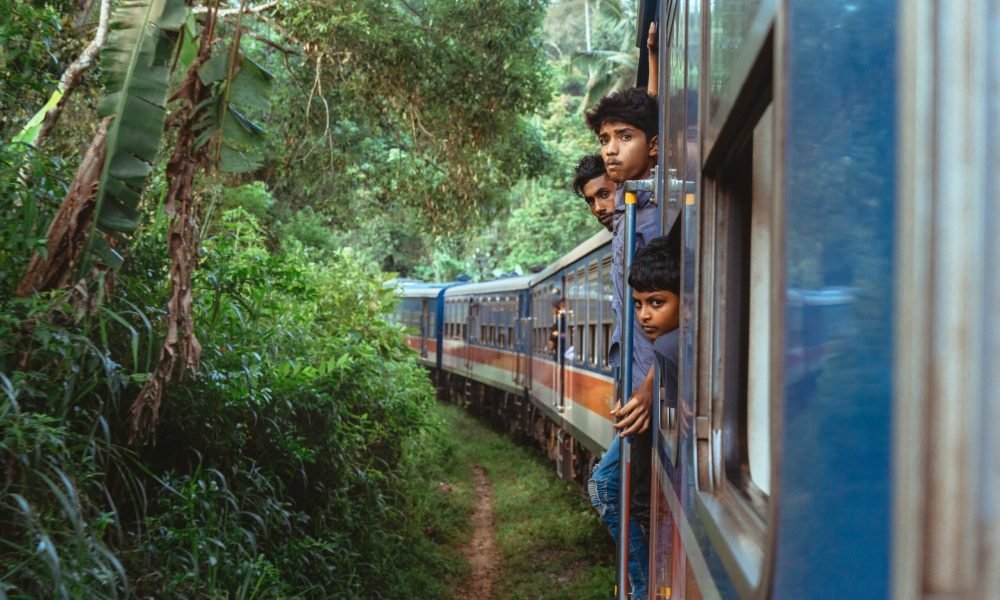
    Travelling in the Trains feels like all turns bend into a postcard moment. Evgeny Matveev / Unsplash

    1. Ride the Rails: Exploring India by Train

    India’s trains, like the Palace on Wheels, give royal-style luxury with elegant interiors and curated cultural stops, perfect for those seeking a regal experience. Vista Dome coaches with their panoramic glass roofs give travelers a front-row view of India’s most scenic landscapes of lush Western Ghats. Then there are the beloved toy trains like the Darjeeling Himalayan Railway and Nilgiri Mountain Railway, where slow travel turns into magical moments as they chug through tea gardens and tunnels, often with clouds brushing past your window.

    Train travel in India is also about the classes—Sleeper Class, where you meet everyday India up close; AC classes, giving comfort and quiet; and luxury trains, which feel like moving heritage hotels. But some of the real joy lies in the little things: sipping chai from a clay kulhad, grabbing snacks from platform vendors, or watching the platform buzz with porters, families, and wanderers. Traveling by train in India isn’t just about covering distance—it’s become the best way to travel across India.

    the Diamond Quadrilateral Project was introduced to create a high-speed rail network connecting the Delhi, Mumbai, Chennai, and Kolkata with fast and modern trains.

    The Best Ways to Travel Across India
    With their bright green body and buzzing energy, auto rickshaws are the lifeline of short city rides. Sid Dalal / Pexels

    2. Auto Rickshaws and Shared Cabs

    Zipping through traffic, squeezing through narrow lanes, and stopping at a hand signal—auto rickshaws and shared cabs are the true lifelines of Indian cities. They’re not just modes of transport; they’re a slice of local life. Riding in an auto means catching city sounds up close: honking horns, street vendors calling out, Bollywood songs playing from the driver’s radio. But using autos wisely takes a bit of street-smart and the best ways to travel across India.

    In many cities, bargaining is a skill—unless you’re in a place like Mumbai or Bengaluru where meters are common. In other places, it’s smart to ask locals for a fair price beforehand. Better yet, use apps like Rapido, Ola Auto, or Uber to skip the hassle and get transparent pricing. Shared cabs, especially in cities like Kolkata, Chennai, or Guwahati, offer a unique chance to rub shoulders with locals.

    If You might squeeze in next to a college student, a daily office-goer, or a chatty aunty with shopping bags—and end up hearing personal stories, political opinions, or even life advice during a short ride. These rides may be short, but the connections they spark often leave a lasting impression.

    The Best Ways to Travel Across India
    Here special kind of freedom that comes with riding a scooter or bike through India’s winding roads. Chrisjohn / Pexels

    3. Two-Wheel Thrills: Rent a Scooter or Bike and Feel the Wind

    There’s a special kind of freedom that comes with riding a scooter or bike through India’s winding roads. Whether it’s the breezy coastal lanes of Goa, the French-inspired streets of Pondicherry, or the high-altitude passes of Ladakh, two-wheelers are the best way to travel across India. You’re not just sightseeing—you’re feeling the place, with the wind in your hair, the smells of roadside food stalls in the air, and a thousand spontaneous stops along the way. But with that thrill comes responsibility.

    The best part is? Bikes often lead to unplanned connections. A chai stop can turn into a conversation with a local mechanic or a fellow rider sharing secret routes. In India, a two-wheeler isn’t just a ride—it’s a bridge to the unexpected, where the road takes you places maps can’t.

    The Best Ways to Travel Across India
    The Laal Pari, or old red bus of India, is a nostalgic symbol of affordable travel. Divy films / Pexels

    4. Local Buses & State Transport

    If you really want to experience India the way locals do, hop on a state-run bus. Whether it’s the HRTC buses winding through Himachal’s misty mountains or KSRTC buses cruising past Kerala’s lush greenery, these buses go beyond the tourist trails, taking you to hidden villages, hilltop temples, and serene lakes you’d otherwise miss. Sure, it’s not luxury—seats may be cramped, luggage might end up on your lap, and you’ll probably share space with a sleeping child or a chicken in a box—but that’s part of the charm.

    On long rides, it’s common to strike up conversations with curious locals—school kids, grandmothers, or friendly conductors who might even become your guide. Bus stands are there—noisy, colorful, and alive, with vendors selling bananas, tea, and mystery snacks wrapped in newspaper. Traveling by local bus may not be glamorous, but it’s raw, real, and unforgettable, giving a front-row seat to India’s beating heart.

    The Golden Quadrilateral Project is a massive highway network connecting India’s four major cities—Delhi, Mumbai, Chennai, and Kolkata—by road, forming a large quadrilateral. It has improved road travel, trade, and logistics across the country.

    The Best Ways to Travel Across India
    Here is Mumbai to Alibaug route, where travelers skip the road traffic for a breezy sea ride. Raj Rana / Unsplash

    5. Waterways and Ferries: India’s Floating Routes

    India’s waterways are one of the best ways to travel across India. Here small boats and ferries glide past coconut palms, village homes, and floating markets, giving a peek into the daily life of locals living by the canals.

    The Andaman Islands depend on government-run ferries that connect the islands, providing not just transport but panoramic views of turquoise waters and untouched beaches. Even in cities, ferries play a role—like the popular Mumbai to Alibaug route, where travelers skip the road traffic for a breezy sea ride. For those seeking something truly unique, river cruises on the Brahmaputra in Assam give a peaceful and immersive way to explore tribal villages, riverine wildlife, and sacred temples along the banks.

    These floating journeys are about more than transport—they’re about slow travel, where you sip chai on the deck, wave to kids playing by the river, and watch the world move gently by. It’s India seen from the water—quieter and more soulful than other rides.

    6. When to Fly: Domestic Flights That Save Time & Money

    While road and rail give charm and connection, sometimes flying is the smartest choice—especially in a country as vast and geographically diverse as India. For far-flung destinations like Leh in Ladakh, Arunachal Pradesh, or the Andaman Islands, flights are often the only practical way to arrive on time.

    Thanks to budget airlines like IndiGo, SpiceJet, Akasa Air, and Air India Express, air travel has become more affordable than ever—especially if you book 2-3 months in advance and avoid peak travel dates. Look out for flash sales and use fare comparison apps like Skyscanner or Cheap Flights to score the best deals. But be aware of hidden costs: many budget airlines charge extra for checked baggage, seat selection, or even printing a boarding pass at the counter.

    Indian airports, especially in metros, can be crowded, so arriving early, using DigiYatra (for quicker security checks), and downloading your boarding pass in advance can save time. In many cases, a well-timed flight can turn a 24-hour train journey into a 2-hour hop, freeing up your time to explore more and stress less.

    The Best Ways to Travel Across India
    Exploring India on an old bicycle is happiness over everything. Rishi Mohan / Unsplash

    7. Eco-Friendly Travel: Green Ways to Move Around India

    As India moves toward a greener future, conscious travelers are finding new ways to explore the country with a lighter footprint. Cities like Mysuru, Udaipur, and Pune are becoming increasingly bicycle-friendly, offering rental services and scenic cycling routes through heritage lanes and lakeside paths.

    In urban hubs, electric vehicle (EV) rentals, like e-scooters and e-rickshaws, are gaining popularity—especially in places like Delhi, Bengaluru, and Goa. For longer journeys, eco-certified tour operators offer sustainable options, including group treks that focus on Leave No Trace principles, eco-resorts, and wildlife tours that support local conservation. Travelers can also lower their carbon footprint by choosing trains over short-haul flights, carpooling, and carrying reusable bottles and cutlery to avoid single-use plastics.

    The Best Ways to Travel Across India
    A Family riding and enjoying the golden sands of Rajasthan on a camel cart. Karthick / Pexels

    8. Offbeat Transit Tales: Unique Transport Experiences Across States

    India is a land where transport isn’t just about getting from point A to B—it’s often a cultural experience in itself. Picture yourself gliding across the Dal Lake in a shikara in Kashmir, with snow-dusted peaks reflecting in still waters, or riding through the golden sands of Rajasthan on a camel cart, the rhythm of hooves echoing against centuries-old forts. In the bustling chaos of Old Delhi, a ride in a cycle rickshaw is a time machine—navigating through narrow alleys, dodging pedestrians, and brushing past spice-laden shops with a soundtrack of honking and hawking all around.

    There are the truly unexpected adventures: hitchhiking with truckers in Himachal or Spiti, sharing stories over chai breaks in the middle of nowhere, or being offered a lift by a kind stranger on a scooter in a remote village. These moments are rarely planned, but they become the most cherished parts of the journey—reminders that in India, sometimes the ride is the destination.

    GUIDED BY TRAVEL MEET WORLD

    Yoga within Travel the perfect flow of Experience

    Explore wellness within Travel

    by

    Explore Related Articles

    The 12 Best Ways to Travel Across Malaysia

    Best Ways to Travel Across UAE

    12 Best Ways to Travel Across Egypt

    12 Best Ways to Travel Across South Africa

    LEAVE A COMMENT

      Best Things to Do in India

      The 14 Best Things to Do in India

      Best Things to Do in India
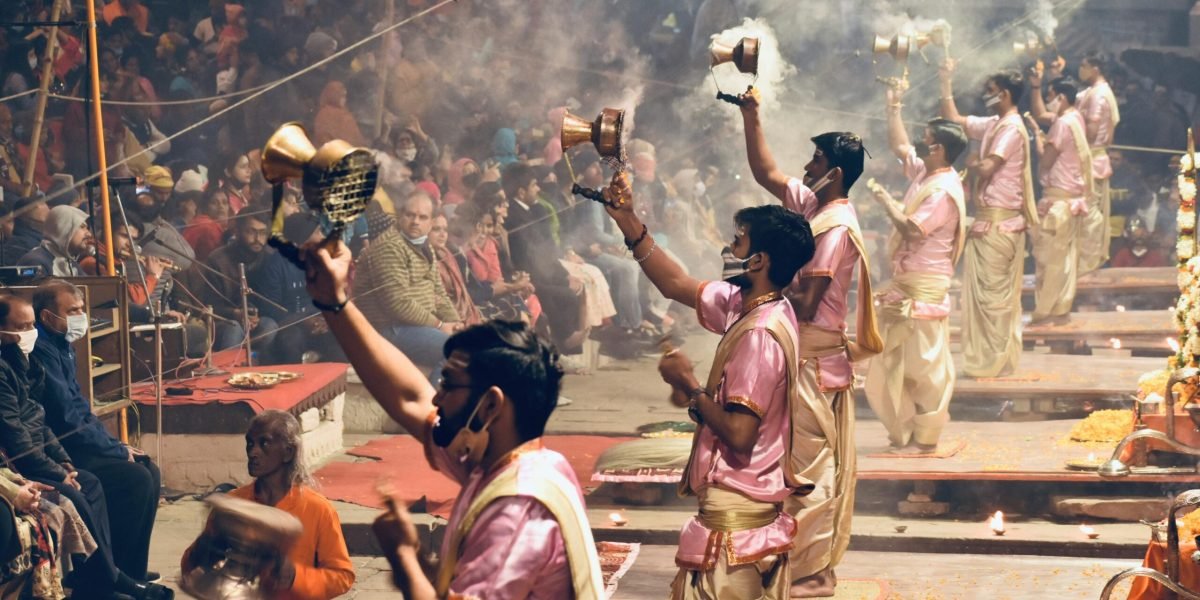
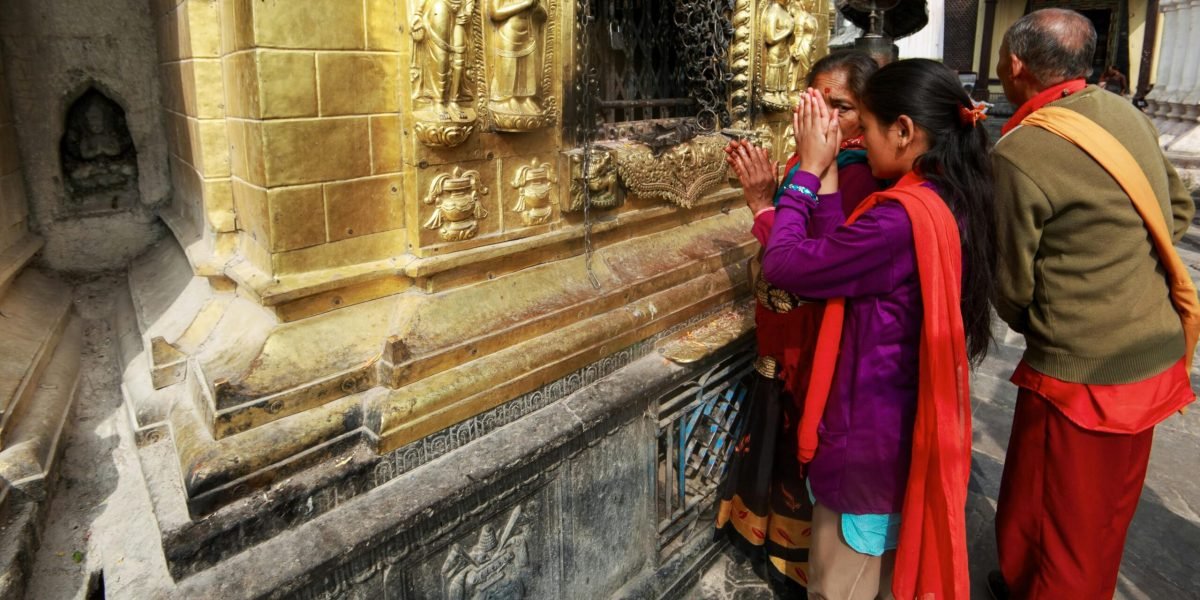
      Devotees pray at a sacred temple, reflecting India’s deep spiritual tradition. Bharatanirudh / Pexels

      India is home to some of the world’s most extraordinary and lesser-known wonders. Here are some best things to do in India. Walking through a valley where flowers bloom only once every 12 years, creating a surreal carpet of colors, or stepping inside a 1,000-year-old temple that remains submerged underwater for most of the year.

      Another experience is the mystical desert where sand fly when you walk on it, or visit a village where people speak an ancient whistling language instead of words. India is a land of secrets waiting to be discovered. Here explain more mysterious 14 best things to do in India.

      Best Things to Do in India
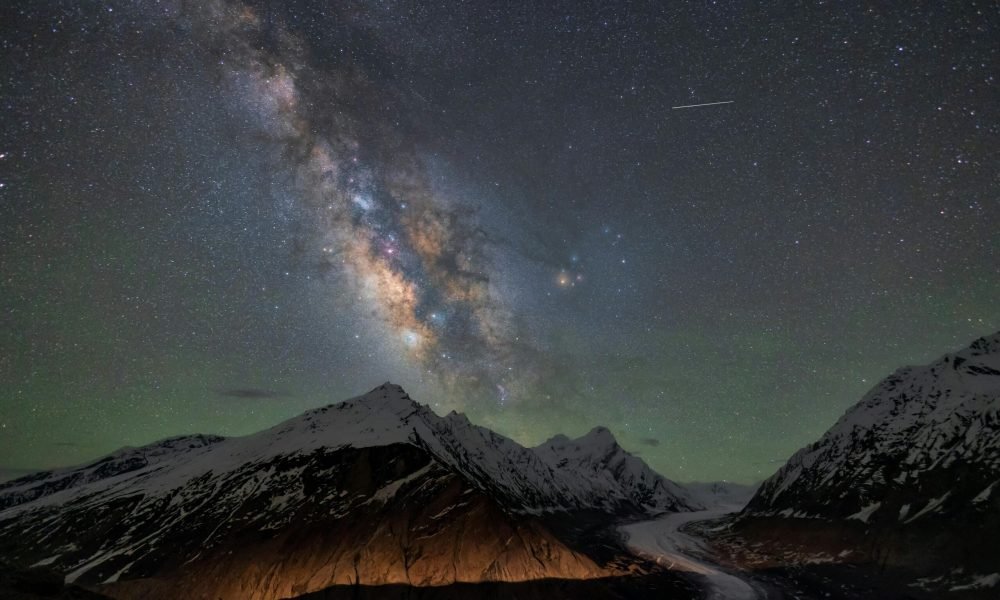
      A stunning view of the Milky Way stretching over the snow-capped mountains of Ladakh’s. Vikashkr / pexels

      1. Stargazing in the Dark Sky Reserve of Ladakh

      Stargazing in the Dark Sky Reserve of Ladakh (Hanle) is the best things to do in India, giving some of the clearest and darkest skies in the world. Nestled at an altitude of over 4,500 meters, Hanle is home to India’s first officially recognized Dark Sky Reserve, making it a haven for astronomers and astrophotographers. Hanle gives an unparalleled view of the Milky Way, constellations, and deep-space objects due to its minimal light pollution, dry air, and clear skies.

      The Indian Astronomical Observatory (IAO), one of the world’s highest observatories, is located here, further enhancing its reputation as a premier stargazing destination. The best time to visit India‘s region is between May and September, when clear skies dominate the region and new moon nights give pitch-black conditions for astrophotography. Whether you’re a space enthusiast or simply seeking the magic of an unpolluted night sky, Hanle’s Dark Sky Reserve gives a once-in-a-lifetime celestial experience.

      Best Things to Do in India
      This window and interior carving of City Palace tell us Rajputana royalty and heritage. Johan Mouchet / Unsplash

      2. Stay in a 500-Year-Old Haveli Turned Homestay

      Rajasthan is home to some of the most exquisite and lesser known havelis, now transformed into heritage homestays, where travelers can experience the grandeur of its royal past. These centuries-old mansions once housed kings, noble families, and wealthy merchants, featuring intricate carvings, hand-painted frescoes, grand courtyards, and feeling like hidden passageways that still hold untold stories and some past realities.

      One such gem is Malji Ka Kamra in Churu, a 20th-century haveli that once served as a lavish guesthouse for the region’s noblemen. Its Italian-style balconies, Shekhawati frescoes, and restored royal suites make it an enchanting stay, giving a glimpse into Rajasthan’s aristocratic past. Mandir Palace in Jaisalmer, a 250-year-old palace-haveli, was once home to the city’s royal family. The palace, adorned with intricately carved jharokhas (balconies) and stunning views of Jaisalmer Fort, still exudes the regal charm of the desert kingdom.

      Neemrana Fort-Palace & City Palace a stunning 15th-century haveli-turned-fortress, is the best thing to do in India. It features hanging gardens, underground escape routes, and panoramic views of the Aravalli Hills, giving a glimpse into Rajputana royalty and heritage.

      Best Things to Do in India
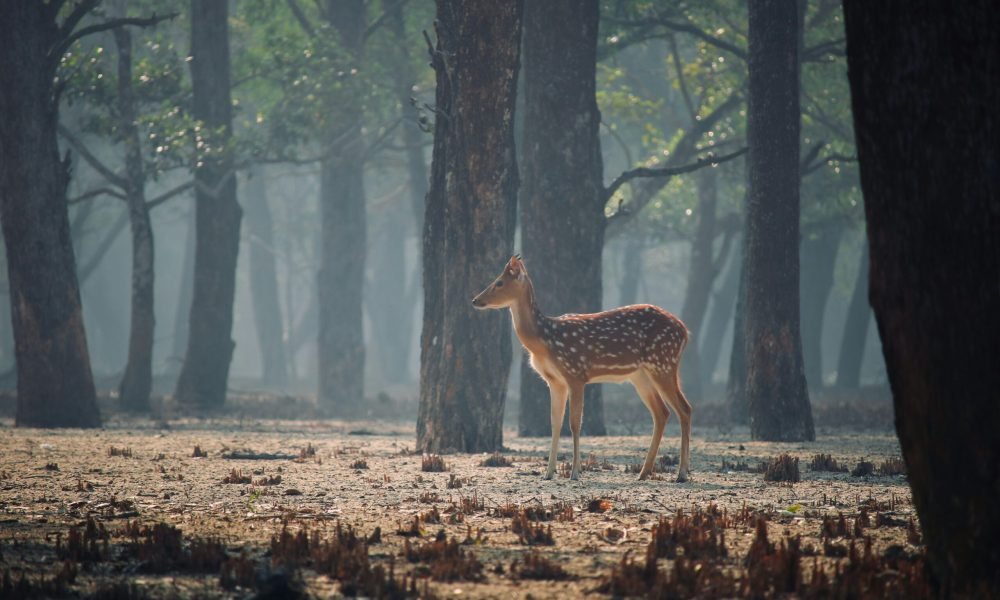
      Sundarbans is home of the majestic Royal Bengal Tiger and spotted deer (chital), and rich biodiversity. Mamun Srizon / Unsplash

      3. Kayak Through the Floating Forests of Sundarbans

      The best things to do in India are in Sundarbans, by kayak, experiencing the world’s largest tidal mangrove forest. As you paddle through the narrow creeks and winding waterways, you find yourself surrounded by towering mangrove trees with roots rising from the water, creating an otherworldly floating forest.

      Kayaking allows you to venture deep into hidden channels where boats cannot go, giving a closer look at the diverse ecosystem, from exotic birds to the occasional glimpse of a crocodile sunbathing on the banks.

      If you’re lucky, you might even spot the elusive Royal Bengal Tiger drinking from the river’s edge. Kayaking through the floating forests of the Sundarbans, tigers can swim. The Royal Bengal Tiger in this region has adapted to the mangrove ecosystem, often seen wading through the water or even swimming across rivers in search of prey.

      Best Things to Do in India
      One of the best views of the centuries-old temples, boulder-strewn hills, and lush paddy fields below. Alka Jha / Unsplash

      4. Take a Hot Air Balloon Ride Over Hampi’s Ruins

      Floating high above the ancient ruins of Hampi in a hot air balloon is nothing short of magical. As the sun rises, the golden light bathes the rocky landscape, revealing a breathtaking view of the centuries-old temples, boulder-strewn hills, and lush paddy fields below. From this serene vantage point, you’ll see the grandeur of the Vijayanagara Empire in a way that no walking tour can match. Drifting gently in the air, you can spot the famous Virupaksha Temple, the Tungabhadra River winding through the terrain, and the surreal, moon-like landscapes that make Hampi so unique.

      The experience is both peaceful and exhilarating, giving a bird’s-eye view of one of India’s most stunning UNESCO World Heritage Sites. Whether you’re an adventurer or a history lover, a hot air balloon ride over Hampi is the best thing to do in India.

      Best Things to Do in India
      The world’s longest and deepest underground crystal-clear water underground river. Itsthenmp / Pexels

      5. Explore an Underground River in Meghalaya

      Venturing into the underground rivers of Meghalaya is like stepping into a secret realm carved by nature over millions of years. Hidden beneath the lush green hills, these mystical rivers flow through vast limestone caves, creating an otherworldly landscape of stalactites, stalagmites, and echoing chambers. As you glide through the crystal-clear waters in a kayak or raft, the only sounds you hear are the gentle ripples and the occasional drip of water from the cave ceiling. Some passages are illuminated by beams of sunlight piercing through natural openings, casting a magical glow on the cave walls.

      Siju Cave, one of the longest caves in India, houses an underground river that weaves through its ancient rock formations, while the lesser-known Liat Prah Cave boasts the largest cave passage in the country. The experience is both thrilling and surreal, giving a glimpse into Meghalaya’s hidden world where time seems to stand still.

      Best Things to Do in India
      The fireflies light up Indian forest magical sight before the monsoon rains arrive. Avinash / Pexels

      6. Witness Fireflies Light Up an Entire Forest

      Every year, as the pre-monsoon season arrives, certain forests in . transform into an enchanting wonderland as thousands of fireflies light up the trees in synchronized flashes. This mesmerizing natural phenomenon can be witnessed in forests around Rajmachi, Bhandardara, Purushwadi, and Bhimashankar, where these tiny bioluminescent insects create a breathtaking display that looks like a starry sky brought down to Earth. As night falls, entire trees flicker with the rhythmic glow of countless fireflies, pulsing in perfect harmony, turning the dense forest into a glowing, dreamlike world.

      The Rajmachi Fireflies Festival and similar events in Bhandardara and Purushwadi give the perfect opportunity to experience this magical sight before the monsoon rains arrive. Walking through the illuminated forest, surrounded by the soft hum of nature and the glow of thousands of fireflies, is an otherworldly experience—a rare and fleeting moment that feels straight out of a fantasy.

      Best Things to Do in India
      This is a rare chance to witness the sacred traditions, storytelling, and spirit of the Naga people. Mohemad Abdul Rasheed / Unsplash

      7. Participate in the Festival of Beating Drums in Nagaland

      In the heart of Nagaland, where traditions run deep and the tribal spirit thrives, the Festival of Beating Drums is a spectacular celebration of music, unity, and ancestral heritage. This electrifying event brings together various Naga tribes, each showcasing their unique drumming styles that have been passed down for generations.

      As the festival begins, the rhythmic beats of massive log drums, carved from ancient trees, echo through the hills, creating a powerful and almost hypnotic sound that resonates deep within the soul. The synchronized drumming is often accompanied by war cries, folk chants, and traditional dances, representing the warrior legacy and folklore of Nagaland.

      The energy is infectious as the entire community gathers around, dressed in vibrant tribal attire adorned with feathers, beads, and handcrafted ornaments, moving to the pulsating beats. For visitors, it’s more than just a musical event—it’s an immersive cultural experience, giving a rare chance to witness the sacred traditions, storytelling, and spirit of the Naga people.

      Best Things to Do in India
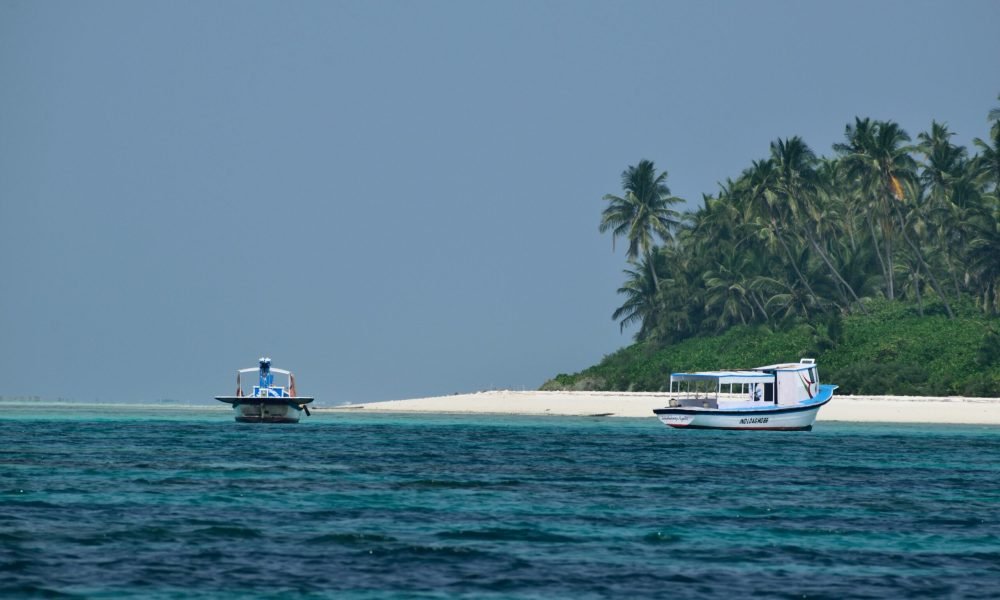
      Beaches of Lakshadweep where the shoreline shimmers with a mystical blue glow water under the night sky. Sanjeev Maurya / Pexels

      8. Find a Secret Beach That Glows in the Dark

      The bioluminescent beaches of Lakshadweep give this rare and magical phenomenon, where the shoreline shimmers with a mystical blue glow under the night sky. This breathtaking sight is caused by microscopic marine organisms called phytoplankton, which emit a soft blue light when disturbed by the waves or movement in the water.

      You can see this magical bioluminescence at Agatti Island, Bangaram Island, and Kavaratti in Lakshadweep, where the clear waters and untouched beaches create the perfect setting for this breathtaking sight.

      ​Recent studies have unveiled the presence of zoanthid pools along Mumbai‘s coastline, particularly near areas like Haji Ali and Worli. Zoanthids are small marine creatures related to corals and sea anemones. They form colorful colonies on rocks near the shore. Under ultraviolet light, they glow beautifully, creating a stunning natural light show along the coastline.

      9. Visit a Hidden Island Where Dolphins Dance at Sunrise

      Tucked away in the mighty Brahmaputra River, Assam is home to a hidden island where you can witness the graceful dance of freshwater dolphins at sunrise. As the first light of dawn paints the sky in hues of orange and pink, the calm waters of the river come alive with the playful leaps of the endangered Gangetic River Dolphins. These intelligent and elusive creatures, locally known as “Sihu,” surface gracefully, creating ripples in the golden waters.

      Another spot is the Kulsi River Island, a lesser-known haven where dolphins thrive in the pristine, undisturbed waters. Unlike oceanic dolphins, these rare freshwater dolphins rely on echolocation to navigate the murky river, making their sudden appearances even more special. A boat ride at dawn, gliding through the misty river, gives the best chance to see them in their natural habitat.

      Best Things to Do in India
      A visit to the Konyak heartland, one of India’s most fascinating and vanishing tribal cultures. Anusree Gs / Pexels

      10. Live with the Last Head-Hunters of India

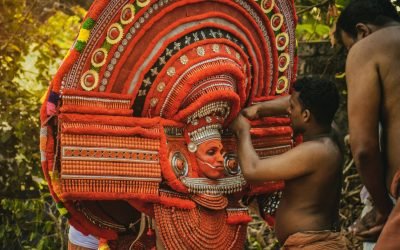
      Deep in the remote hills of Nagaland, the Konyak tribe carries a fading legacy of warrior traditions, face tattoos, and tribal pride. They were feared headhunters, known for their hornbill-feathered headgear and tattooed faces. The headhunting was a rite of passage where warriors took enemy heads as trophies to prove their strength and bravery.

      Longwa, one of the most gives a rare opportunity to live among the last surviving headhunters, hear their war stories, and witness their unique way of life. Visitors can experience traditional Konyak crafts, blacksmithing, opium-smoking rituals, and tribal festivals like Aoling, which celebrates the arrival of spring. As the last of the tattooed warriors age, their stories become even more precious, making a visit to the Konyak heartland a journey into one of India’s most fascinating and vanishing tribal cultures.

      11. Attend a Wedding of the Gods in Madhya Pradesh

      One of the best things to do in India is experience in Madhya Pradesh is witnessing the annual celestial wedding known as the “Vishnu-Karthikeya Vivah,“ or the Wedding of the Gods. Held in Ujjain and other temple towns, this grand festival reenacts the sacred marriage of Lord Karthikeya, the son of Lord Shiva and Goddess Parvati, to his divine consorts. The event is celebrated with devotion, rituals, and vibrant festivities, making it a truly special experience.

      The wedding ceremony follows elaborate Vedic rituals, just like a traditional Hindu wedding, complete with processions, priestly chants, and joyous celebrations. Devotees play the role of family members, carrying out rituals as if attending a real wedding. The temple is beautifully decorated, and devotees bring wedding gifts, sing bhajans, and participate in the divine feast (prasad distribution).

      The atmosphere is filled with music, dance, and religious fervor, making it the best experience for visitors.

      Best Things to Do in India
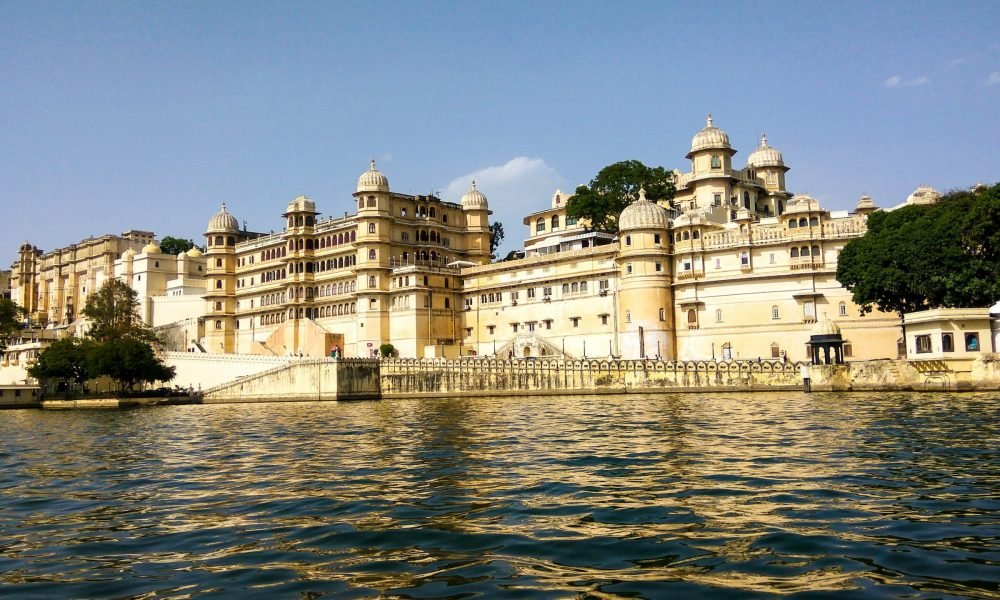
      The palace still stands as a testament to Udaipur’s regal past, giving visitors a glimpse into an era of royalty. Pranav Panchal / Unsplash

      12. Explore a Lost Floating Palace in Udaipur

      Udaipur, the City of Lakes, is home to some of the most breathtaking palaces in India, but hidden among its waters lies a lesser-known gem—a lost floating palace. This mysterious structure, partially submerged in the lake, was once a lavish retreat for royalty.

      To reach this hidden gem, you’ll need to take a boat ride across the waters, where you can see birds nesting in its ruins and the golden hues of the setting sun reflecting off its ancient stones. Unlike the famous Lake Palace, this forgotten relic remains untouched by modern luxury, giving a dreamy, offbeat adventure for history lovers and explorers. Exploring this lost floating palace is truly a one-of-a-kind experience and deserves a place among the best things to do in India.

      Best Things to Do in India
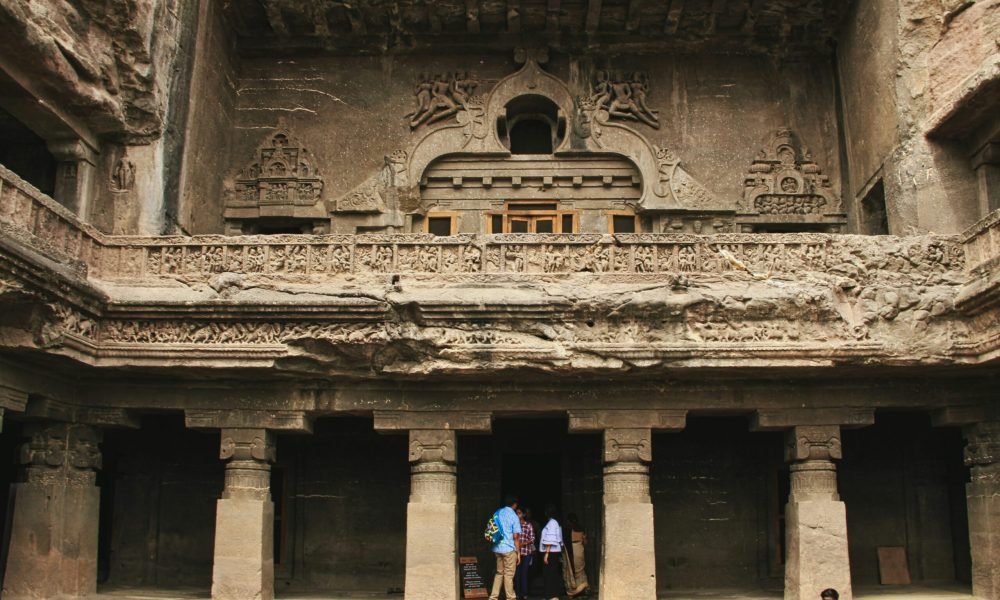
      Maharashtra’s rock caves are nature’s hidden galleries and forgotten civilizations. Setu chhaya / Unsplash

      13. Walk Through a 2,000-Year-Old Underground City in Maharashtra

      Maharashtra is home to some of India’s most fascinating underground cities and cave complexes, dating back over 2,000 years. The Ellora Caves, a UNESCO World Heritage Site, house an entire city-like structure carved into the rock, with elaborate temples, monasteries, and halls hidden beneath the earth. The Ajanta Caves, another architectural wonder, feature intricate Buddhist murals and prayer halls that once served as a sanctuary for monks.

      The Karla and Bhaja Caves near Lonavala contain vast underground chambers that once hosted ancient traders and travelers. These underground marvels remain shrouded in mystery, drawing history enthusiasts and explorers eager to uncover their secrets. Whether it’s the grandeur of Ellora, the artistic brilliance of Ajanta, or the secluded charm of Karla and Bhaja, Maharashtra’s ancient exploration is the best thing to do in India.

      Best Things to Do in India
      In the Thar desert of Rajasthan, the hunting mysterious village welcome you with secrets. DSC

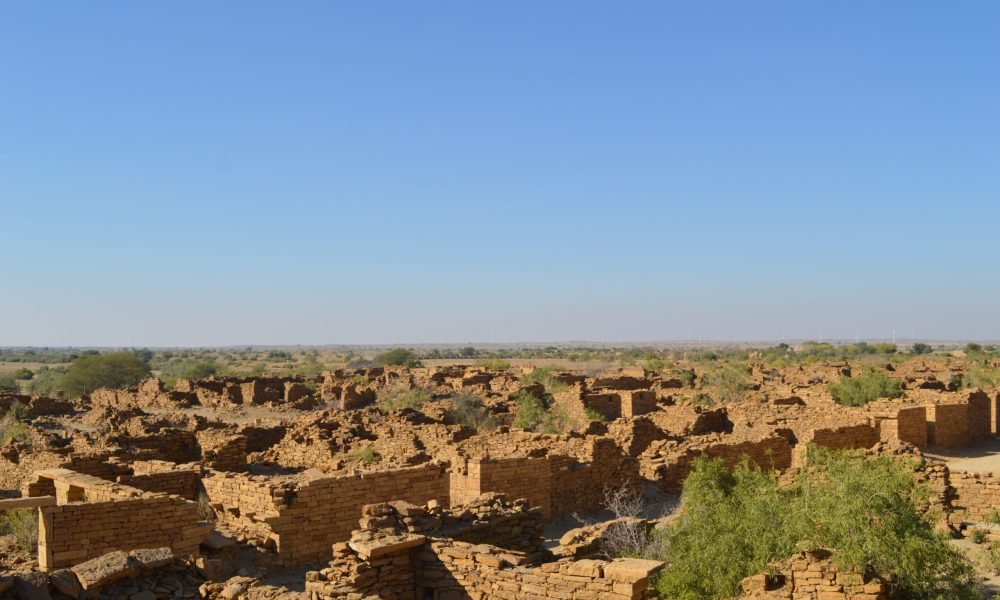
      14. Visit the Ghost Town That Was Abandoned Overnight

      Deep in the Thar Desert of Rajasthan, the Kuldhara Village stands as a haunting reminder of an unsolved mystery. Once a prosperous settlement of the Paliwal Brahmins, this village was suddenly abandoned overnight in the early 19th century, and to this day, no one knows exactly why. According to local legends, the villagers cursed Kuldhara before leaving, ensuring that no one could ever settle there again. Many believe they fled to escape the oppression of a ruthless ruler, while others claim supernatural forces drove them away.

      Walking through the deserted lanes and crumbling sandstone houses, you can feel an eerie silence that hangs over the village. The temple, stepwells, and ruins still stand, whispering stories of a once-thriving community. Some visitors and locals report feeling an unsettling presence, hearing whispers in the wind, or experiencing a sudden drop in temperature. Whether you visit for the thrill of the unknown or the historical intrigue, Kuldhara remains one of India’s most mysterious ghost towns, drawing curious travelers eager to uncover its secrets.

      GUIDED BY TRAVEL MEET WORLD

      Yoga within Travel the perfect flow of Experience

      Explore wellness within Travel

      by

      Explore Related Articles

      20 Best Things to Do in Thailand

      20 Best Things to Do in United States

      24 Best Things to Do in Malaysia

      20 Best Things to Do in Japan

      LEAVE A COMMENT

        Things to Know Before Traveling to India

        18 Best Things to Know Before Traveling to India

        Things to Know Before Traveling to India
        Devotees pray at a sacred temple, reflecting India’s deep spiritual tradition. Tkirkgoz / Pexels

        Whether it’s the breathtaking beauty of the Taj Mahal, the lively streets of Mumbai, or the peaceful ghats of Varanasi, there is many best places to visit in India with something special for everyone. It’s a country full of surprises—some exciting, some overwhelming, but all special to make your journey smoother and more enjoyable

        Here are 18 important things to know before traveling to India. From cultural tips to travel hacks, these insights will help you experience India at its best.

        1. The emotional rollercoaster of India

        Visiting India is an emotional journey that takes you through a whirlwind of sensations, contrasts, and best moments. One moment, you’re mesmerized by the breathtaking beauty of the Taj Mahal; the next, you’re navigating the chaotic streets of Old Delhi, dodging rickshaws, cows, and street vendors calling out their best deals.

        The sheer intensity of life in India can feel overwhelming—crowded markets, honking traffic, and an endless explosion of colors, smells, and sounds. But then, just when it seems too much, India surprises you with moments of pure magic. It could be the kindness of a stranger giving you chai on a long train ride, the serenity of a temple at sunrise, or the deep wisdom hidden in everyday conversations. India doesn’t just change your perspective on travel—it changes how you see the world. And when you leave, you don’t just take memories with you—you take a piece of India in your heart. Let’s ahead more surprising things to Know before traveling to India.

        Things to Know Before Traveling to India
        One of the best local things to know before traveling to India is Master the skills of how to bargain in local street. Rafiee Artist / Unsplash

        2. The art of bargaining like a local

        Bargaining in India isn’t just about getting a good deal—it’s an art, a social interaction, and sometimes even a fun game and more than things to know before traveling to India with your family or solo. Whether you’re shopping for handcrafted souvenirs in Jaipur’s bustling bazaars or picking up spices in a crowded Delhi market, knowing how to haggle can save you money and give you an authentic local experience.

        The key is confidence—start by asking for the price, then counter with half or even a third of it. The seller will protest (sometimes dramatically), but that’s part of the dance. Keep a smile, stay patient, and be willing to walk away—this often brings the “final price” down even more. But bargaining isn’t just about numbers; it’s about respect. Build rapport, crack a joke, and enjoy the process. Remember, in India, a friendly negotiation isn’t seen as rude—it’s expected. Master this skill, and you won’t just shop like a traveler; you’ll shop like a true local.

        3. Why slow travel is the best way to experience India

        Whether it’s sipping chai at a roadside stall while chatting with locals, taking a leisurely boat ride along the Ganges at sunrise, or wandering through a quiet village where time seems to stand still, these moments make India better than other places.

        India’s essence isn’t just in its famous landmarks; it’s in the unplanned moments, the stories you hear, and the connections you make. By traveling slowly, you get to experience the real India—the small joys, the deep spirituality, and the warmth of its people—without feeling overwhelmed by the chaos. So, instead of racing through India, let India reveal itself to you, one beautiful moment at a time.

        4. How to blend in and avoid the "Tourist" label

        India welcomes travelers with open arms, but standing out as an obvious tourist can sometimes lead to unwanted attention or higher prices. Blending in isn’t about changing who you are—it’s about understanding and respecting local customs. Dressing modestly is the first step; in many parts of India, especially religious sites, covering your shoulders and legs shows respect. Observing how locals greet each other—using “Namaste” with a slight bow of the head rather than a handshake—can also help you connect effortlessly.

        When visiting temples or homes, remove your shoes without being asked, and avoid public displays of affection, which can be seen as inappropriate. Another key aspect is adjusting to India’s rhythm; things may not always run on schedule.

        Avoid raising your voice in frustration and embrace the flow of life around you. By showing awareness, curiosity, and cultural sensitivity, you’ll not only avoid the “tourist” label but also gain deeper, more meaningful interactions with the people you meet.

        Things to Know Before Traveling to India
        This is real adventure more than something valuable travel by train. Shyam Chinthaka / Unsplash

        5. Why the Train Journey is the Real Adventure

        Traveling by train in India is the best thing to know and enjoy that moment when you step onto the platform; the energy is electric. Vendors weave through the crowds selling steaming cups of chai, fresh samosas, and packets of namkeen. Once aboard, especially in the sleeper class, you find yourself in a moving microcosm of India—families sharing homemade meals, curious co-passengers eager to strike up a conversation, and the rhythmic clatter of tracks creating a soothing backdrop.

        The changing landscapes outside the window—bustling cities, golden fields, dense forests, and misty mountains—make the journey just as mesmerizing as the destination. Unlike flights or road trips, trains allow you to slow down and truly soak in the country’s essence. Whether you’re stretched out on a sleeper berth, sipping chai by the door, or exchanging travel stories with strangers who soon feel like friends, an Indian train journey is an experience you’ll never forget.

        6. Why Indian Hospitality is Unlike Anywhere Else

        The traditional saying “Atithi Devo Bhava” (Guest is God) isn’t just a phrase; it’s a way of life. Whether you’re in a bustling city or a remote village, don’t be surprised if a stranger invites you into their home for chai or insists you share a home-cooked meal. Indian hospitality goes beyond politeness—it’s warmth, generosity, and genuine care.

        The kindness is often overwhelming, but it comes from a place of deep-rooted culture and tradition. In India, you never truly feel alone—there’s always someone ready to help, share a story, or simply welcome you with a smile.

        7. The Realities of India’s Time Perception

        If someone in India tells you, “Just five minutes,” don’t take it literally—it could mean anything from 10 minutes to an hour or more! Time in India flows at its own pace, and patience is key. Trains may run late, meetings might start after the scheduled time, and a “quick errand” could turn into an extended social interaction. This isn’t due to inefficiency but rather a cultural mindset that values relationships and flexibility over strict punctuality.

        Life in India moves with a rhythm of its own—one that prioritizes experiences over the clock. Instead of stressing over delays, embrace the unpredictability. Strike up a conversation, enjoy the moment, and go with the flow. Adapting to India’s time perception isn’t just about adjusting your schedule—it’s about shifting your perspective and learning to enjoy the journey.

        Things to Know Before Traveling to India
        Indian street food is a burst of flavors, spices, and textures. I Am Hogir / Pexels

        8. The Best Food is Often Found in the Most Unexpected Places

        In India, the most stunning meals don’t always come from fancy restaurants—they’re found sizzling on roadside stalls, tucked away in busy markets, or served from a tiny cart on a street corner. Whether it’s a crispy, spice-filled pani puri in Mumbai, Mirchi Bada in Rajasthan, Petha in Agra, Darjeeling delicious momos, a buttery paratha straight off the tandoor in Delhi, or a steaming plate of idli-sambar at a roadside stall in Chennai, the best dishes are often the simplest.

        The magic of Indian street food lies in its authenticity—recipes passed down through generations, perfected over time, and served with passion. The energy of street vendors, the symphony of sizzling tavas, and the aroma of masalas in the air create an experience that goes beyond just eating—it’s a cultural immersion. While hygiene is a concern, choosing busy stalls with a high turnover of fresh food and sticking to cooked items can help ensure a safe and delicious experience. In India, street food isn’t just a quick bite; it’s a way of life, and no trip is complete without diving into its vibrant, flavorful world.

        9. India is a Country of Extremes

        India is a land where opposites don’t just exist—they thrive side by side. One moment, you might be standing in front of a majestic city palace, and the next, navigating through a narrow alley bustling with street vendors. Ultra-modern skyscrapers loom over centuries-old temples, and luxury malls coexist with vibrant local bazaars.

        The climate, too, is extreme—you can experience the scorching heat of Rajasthan’s (Sam Sand Dunes) deserts, the freezing cold of Ladakh’s mountains, and the tropical humidity of Kerala, all within the same country. The contrasts extend to daily life as well; while some cities never sleep, offering 24/7 action, others follow a slow, timeless rhythm.

        This mix of contradictions is what makes India an exhilarating and unpredictable experience. Embrace the chaos, adjust your expectations, and let India show you its magic when you search little things to know before traveling to India—one extreme at a time—and you will enjoy every corner of India.

        10. Thing is Not Every Cow is Holy & Not Every Indian is Vegetarian

        India’s food culture is incredibly diverse, shaped by religion, geography, and personal choices. While a large portion of the population follows a vegetarian diet—especially in states like Gujarat, Rajasthan, and Madhya Pradesh—there are many regions where meat is an integral part of daily meals. From biryani in Hyderabad to fish curry in Kerala and tandoori chicken in Punjab, India has a rich non-vegetarian food scene.

        Another myth is that Indian vegetarian food is bland or limited. In reality, it’s bursting with flavors, with dishes like paneer butter masala, chole bhature, and masala dosa offering just as much depth as any meat dish. Understanding these nuances will help you appreciate India’s complex relationship with food, where tradition, belief, and modern lifestyles all blend together. So, whether you’re a vegetarian or a meat lover, India has something for every palate—you just need to know where to look to select the best things to eat in India.

        11. Why You Should Learn Basic Hindi Phrases (Even If Everyone Speaks English)

        While English is widely spoken in India, especially in major cities and tourist areas, learning a few basic Hindi phrases can completely transform your travel experience. Many locals, especially in smaller towns and villages, may not be fluent in English, and even in cities, using Hindi can help you connect with people on a deeper level. A simple “Namaste” (hello), “Shukriya” (thank you), or “Kitne ka hai?”

        Beyond communication, making an effort to speak Hindi shows respect for the local culture. Vendors, rickshaw drivers, and shopkeepers often appreciate it when travelers attempt their language, making them more helpful and less likely to overcharge. Even if your pronunciation isn’t perfect, the effort itself is what matters.

        Learning basic phrases also helps in practical situations, like asking for directions (“Yeh kahan” hai?”—”Where is this?) or ordering food without confusion. While you can get by with English in most places, a little Hindi can unlock more authentic interactions, deeper connections, and a richer, more immersive travel experience.

        12. Holy Cows and Monkey Gangs

        In India, wildlife isn’t just found in forests and national parks—it’s right in the middle of daily life. While these cows are generally calm, it’s best to avoid touching or disturbing them, as they hold religious significance for many. In contrast, monkeys—especially in cities like Jaipur, Varanasi, and Rishikesh—are far less peaceful. These mischievous “monkey gangs” are notorious for snatching food, sunglasses, and even phones from unsuspecting travelers.

        To stay safe, avoid carrying food openly, keep valuables secured, and never make eye contact with a monkey. Some temples, like the famous Monkey Temple (Galta Ji) in Jaipur, have entire troops of monkeys that expect visitors to feed them. If you’re carrying snacks, be ready for a quick grab-and-run. Similarly, in places like Goa and Kerala, you might come across wandering cows on beaches and, in hill stations, unexpected encounters with langurs (larger monkeys) or even elephants.

        When you planning to visit this pocket things in India. Respect the animals, observe from a safe distance, and remember—you’re in their territory just as much as they are in yours.

        Things to Know Before Traveling to India
        Enjoy Theyyam, a vibrant and traditional ritualistic Dance festival from Kerala, India. Ajin K S / Unsplash

        13. The Joy of Festivals

        In India, festivals aren’t just marked on calendars—they seem to happen everywhere, all the time. One moment, you’re walking through a quiet street, and the next, you’re caught in a burst of music, colors, and dancing. Whether it’s a grand national festival like Diwali (Festival of Lights), Holi (Festival of Colors), or Durga Puja, or a small local celebration dedicated to a village deity, India’s festive spirit is contagious. Even weddings feel like full-scale festivals, with processions, fireworks, and drumming filling the streets.

        In India, festivals aren’t just marked on calendars—they seem to happen everywhere, all the time. One moment, you’re walking through a quiet street, and the next, you’re caught in a burst of music, colors, and dancing. Whether it’s a grand national festival like Diwali (Festival of Lights), Holi (Festival of Colors), or Durga Puja, or a small local celebration dedicated to a village deity, India’s festive spirit is contagious. Even weddings feel like full-scale festivals, with processions, fireworks, and drumming filling the streets.

        https://indianculture.gov.in/ Managed by the Ministry of Culture, this platform offers extensive details on India’s history, culture, and heritage, including a dedicated section on festivals.

        14. The Many Shades of India’s Weather

        India’s weather is as diverse as its culture—one day, you might be sweating under the blazing sun, and the next, caught in an unexpected downpour. The country experiences extreme contrasts, from the scorching heat of Rajasthan’s deserts to the heavy monsoon rains in Kerala and the freezing winters of the Himalayas. If you’re traveling across different regions, packing smart is essential because India’s climate can change dramatically from one state to another, even within the same day.

        Amazing things to know before traveling to India In summer (March to June), sunscreen, sunglasses, and light cotton clothes are a must, especially if you’re visiting hot cities like Jaipur or Delhi. But don’t be surprised—just when you think it’s all about the heat, monsoon season (June to September) brings sudden downpours, flooding streets within minutes. In cities like Mumbai or Goa, an umbrella or raincoat is very important. Meanwhile, winters (December to February) can be surprisingly chilly in northern India, so places like Delhi, Agra, and Shimla will demand warm layers and a jacket.

        The best way to handle India’s unpredictable weather? Be ready for anything! Carry sunscreen and an umbrella, pack layers for temperature changes, and stay flexible. Whether it’s scorching sun or sudden rain, a little preparation will help you enjoy every moment of your trip.

        https://mausam.imd.gov.in/ The official website for India’s climate and weather information is the India Meteorological Department (IMD).

        15. The Hidden Charm of India’s Small Towns

        While India’s big cities like Delhi, Mumbai, and Bangalore are full of energy and excitement, the real magic often lies in its small towns. Away from the crowds and chaos, these lesser-known places offer a glimpse into authentic Indian life, untouched traditions, and heartwarming hospitality. Imagine strolling through the blue-washed lanes of Jodhpur’s old town, sipping chai in a quiet corner of Bundi, or watching the sun set over the ghats of Pushkar. These towns move at their own pace, allowing you to slow down, breathe, and truly connect with the culture.

        what makes small towns special is their simplicity and warmth. Locals are more likely to invite you into their homes, share stories, and treat you like family. You’ll find centuries-old temples, bustling weekly markets, and artisans still practicing crafts that have been passed down for generations. Whether it’s the spiritual vibes of Rishikesh, the French charm of Pondicherry, or the peaceful tea estates of Darjeeling, India’s small towns hold a story that’s impossible to find in a guidebook—you just have to experience it for yourself.

        16. Don’t Be Afraid to Eat With Your Hands

        In India, eating isn’t just about taste—it’s about experience, and that includes using your hands. While Western dining etiquette often favors forks and spoons, many of India’s most flavorful dishes—like fluffy naan with butter chicken, crispy dosas with chutney, or fragrant biryanis—are best enjoyed the traditional way: with your fingers. Eating with your hands isn’t just a cultural practice; it enhances the connection between you and your food, letting you feel its texture, temperature, and consistency before taking a bite.

        Beyond just taste, there’s a deeper philosophy behind this. According to Ayurveda, eating with your hands engages your senses and even aids digestion by stimulating nerve endings that send signals to your stomach. Plus, many Indian meals are served on banana leaves or steel thalis, where mixing different flavors—like tangy pickles, creamy curries, and crunchy papad—happens naturally in your palm. If you’re unsure how to start, just remember: use your right hand, keep your fingers neat, and scoop food with small, mindful bites.

        So, the next time you sit down for an authentic Indian meal, ditch the cutlery, dive in with your hands, and savor every bite—because some flavors are meant to be felt as much as they are tasted!

        17. The Magic of a Simple "Chai Pe Charcha" (Tea-Time Conversation)

        In India, chai is more than just a drink—it’s an experience, a tradition, and a conversation starter. Whether you’re sipping a steaming cup at a roadside stall in Mumbai, a bustling train station in Delhi, or a quiet village in Rajasthan, chai brings people together. The phrase “Chai Pe Charcha” literally means “discussions over tea,” and in India, some of the most interesting conversations happen over a small glass of this spiced, milky brew.

        Chai stalls, or “tapris,” are where friendships form, debates spark, and strangers turn into acquaintances. You might find yourself chatting with a rickshaw driver about cricket, discussing life with a shopkeeper, or sharing travel stories with fellow backpackers. Unlike a formal café setting, a roadside chai stall is informal, welcoming, and full of life. The chaiwallah (tea vendor) serves cup after cup while locals engage in deep conversations—whether it’s politics, Bollywood, or just the latest gossip.

        Drinking chai in India isn’t just about quenching thirst; it’s about slowing down, soaking in the moment, and embracing the warmth of human connection. So, next time you pass by a small tea stall, don’t hesitate—grab a cup, take a sip, and let the magic of “Chai Pe Charcha” unfold!

        18. India Will Teach You Patience – But It Will Also Reward You in Ways You Can’t Imagine

        Here’s the magic thing to know before traveling to India —the rewards of patience in India are unlike anywhere else. Waiting on a long train journey? You’ll end up sharing chai and life stories with a stranger who treats you like family. Stuck in a slow-moving temple queue? You’ll witness age-old rituals and receive blessings that stay with you forever. Navigating a crowded street? You might stumble upon a hidden shop selling the most beautiful, handcrafted souvenirs.

        India teaches you that sometimes, the best experiences happen when you stop rushing and start surrendering to the moment. The delays, the detours, the unexpected twists—they all add to the richness of your journey.

        GUIDED BY TRAVEL MEET WORLD

        Yoga within Travel the perfect flow of Experience

        Explore wellness within Travel

        by

        Explore Related Articles

        Things Know Before Traveling to United States

        Things Know Before Traveling to South Africa

        20 Best Things to Know Before Traveling to Egypt

        12 Best Things to Know Before Traveling to Malaysia

        LEAVE A COMMENT

          11 most stunning places to visit in India

          11 most stunning places to visit in India

          11 most stunning places to visit in India

          Get ready to backpack with me because I will tell you 11 most stunning places to visit in India in your nineties, twenties, and thirties, there is no age limit to travel, only you have to step away from the doorstep.

          Now I will tell you some pick moments from my last trip, I explored Matharan that’s truly amazing. Where I still remember standing under a sky the mountain feels so small and alive. and you know you also have to experience walking through quiet village where strangers smiled like old friends. 

          So let’s talk about some stunning mix of iconic destinations and off beaten places where you should go at once in your entire life or maybe you should not try to go there.

          Now instead of randomly choosing destination you have to select here Indian places region wise, So it’s made your planning smoother, smarter and more exciting.

          Top 11 Stunning Places in India at a Glance

          So here is your Interactive Indian Map Then Plan your own Journey by Region.

          Ladakh – Best time: May to September | Ideal for: Adventure, solo travel

          Himachal Pradesh – Best time: March to June | Ideal for: Mountains

          Uttarakhand – Best time: September to November | Ideal for: Spiritual trips

          Rajasthan – Best time: October to March | Ideal for: Culture, heritage, desert

          Kerala – Best time: October to March | Ideal for: Couples

          West Bengal – Best time: October to March | Ideal for: Culture, hill stations

          Maharashtra – Best time: October to March | Ideal for: Beaches, forts, city life

          Goa – Best time: November to February | Ideal for: Friends, nightlife, couples

          Plan your Journey by Region

          NORTH INDIA

          LADAKH

          You know traveling to Ladakh feels like stepping into another world, where rugged mountains, endless skies, and crystal-clear lakes create their own beautiful landscape unlike anywhere else in India.

          Nestled high in the Himalayas, Ladakh is famous for its dramatic terrain, Buddhist monasteries, and thrilling high-altitude roads like Khardung La. 

          Why it’s stunning: A dreamland of dramatic mountains, crystal-clear skies, and roads that feel like they touch the clouds.
          Best experiences: Pangong Lake sunrise, Nubra Valley dunes, biking through Khardung La
          Insider tip: Acclimatize for 1–2 days to avoid altitude sickness
          Budget idea: Medium to luxury (bike trips can increase cost)

          Ladakh can be done on a tight budget ($200) or turned into a luxury Himalayan escape ($2000+)
          Best time to visit: May to September

          Manali is a cozy mountain town with cafe life.

          HIMICHAL PRADESH

          Travelling from café-hopping in Manali and paragliding in Bir to discovering hidden villages like Jibhi, Himachal give adventure with calm in a way that feels personal and refreshing.

          Why it’s stunning: Snowy peaks, pine forests, and peaceful hill towns that feel like a slow escape from chaos
          Best experiences: Paragliding in Bir, cafes in Manali, trekking in Kasol.
          Insider tip: Visit offbeat villages like Jibhi for fewer crowds
          Budget idea: Low to medium, Budget (per day): $20 – $80
          Best time to visit: May to September

          UTTARAKHAND

          Valley of Flowers isn’t always visible, it takes a time to bloom. This UNESCO site blooms for just a few weeks (July–August), and outside that window, it looks like a simple green valley. Timing is everything.

          What makes it truly special is the balance—you can seek thrill in the mountains or simply sit back, sip chai, and watch the clouds drift by.

          Why it’s stunning: A spiritual and scenic blend of rivers, temples, and Himalayan beauty
          Best experiences: Ganga Aarti in Rishikesh, Kedarnath trek, Nainital lakes
          Insider tip: Early morning views here are magical—don’t miss sunrise

          Budget idea: Low to medium, Budget (per day): $25 – $90
          Best time to visit: September to November

          11 most stunning places to visit in India
          The honey-hued golden sandstone, used in forts and havelis. Dr. Kishan Patel / Unsplash

          You heard about “Pink City”, ok I’ll tell you reason behind it, why it’s called a pink city?

          Rajasthan welcome prince and they exclaimed, “wow! the city is pink” and that’s no one dare to correct him. Places like Jaipur, Udaipur, and Jaisalmer all feel different, but everywhere you go, you’ll notice the Royal culture is strong and still alive.

          Why it’s stunning: Royal palaces, golden deserts, and vibrant culture that feels straight out of a movie
          Best experiences: Camel safari in Jaisalmer, Jaipur forts, Udaipur lakes
          Insider tip: Stay in a heritage haveli for an authentic royal experience

          Budget idea: (per day): $30 – $120
          Best time to visit: October to March

          SOUTH INDIA

          India’s lush western coast is lush with greenery and beaches, from the serene backwaters of Alleppey, where houseboats glide through lush greenery, to the misty hills of Munnar.

          Elite Hack: For a festival experience, plan your visit around Onam (August-September) for grand celebrations or catch the Nehru Trophy Boat Race in Alleppey for an adrenaline-filled experience.

          Why it’s stunning: A tropical paradise of backwaters, greenery, and calm coastal vibes
          Best experiences: Houseboat in Alleppey, Munnar tea gardens, Kovalam beaches
          Insider tip: Try local Kerala meals served on banana leaf

          Budget idea: Medium
          Best time to visit: October to March

          EAST INDIA

          WEST BENGAL

          You can watch the sunrise over the Himalayas in Darjeeling, explore the busy streets and colonial charm of Kolkata, and experience deep-rooted traditions through festivals like Durga Puja.

          Why it’s stunning: A mix of colonial charm, tea plantations, and artistic culture
          Best experiences: Darjeeling sunrise, Kolkata Street food, tea estate walks
          Insider tip: Visit during Durga Puja for a magical cultural vibe

          Budget idea: Low to medium, Budget (per day): $20 – $80
          Best time to visit: October to March

          WEST INDIA

          From the Bollywood energy of Mumbai to the cool hills of Lonavala and the quiet beaches of the Konkan coast, every place feels different but connected to culture.

          If you want more travel tips and guide on Maharashtra or Metro City like Mumbai, you can mail me.

          Why it’s stunning: Sun, sand, nightlife, and a carefree vibe you won’t find anywhere else

          Best experiences: Beach hopping, water sports, party nights


          Insider tip: South Goa is less crowded than North Goa

          Budget idea: Medium to luxury, Budget (per day): $25 – $90
          Best time to visit: November to February

          GOA

          Exploring lively shacks and markets in North Goa or just riding a scooter with no fixed plan. 

          Traveling to Goa is all about easy vibes and doing things your own way.

          Why it’s stunning: A spiritual and scenic blend of rivers, temples, and Himalayan beauty
          Best experiences: Ganga Aarti in Rishikesh, Kedarnath trek, Nainital lakes
          Insider tip: Early morning views here are magical—don’t miss sunrise

          Budget idea: Low to medium, Budget (per day): $30 – $120
          Best time to visit: September to November

          Secret Places Most Tourists Miss

          Malana (Himachal Pradesh): Here locals behave they are descendants of Alexander the greats.

          If you touch any person randomly? No, the place here we are not allowed to touch walls, temples or people – it’s considered impure.

          Chadar Trek (Ladakh): Anyone walk through a frozen river? No, the Zanskar Region of Ladakh where the river is frozen in temperature goes 30° C.

          So, if you want to go there you have a good fitness.

          Komic Village (Spiti Valley): One of the highest motorable villages in the world, where life feels raw, silent, and completely disconnected from the noise of cities.

          Yes, it is highest inhabited village connected by motorable road.

          Uttarakhand: You heard about somewhere “Hidden Ladakh of Uttarakhand”. The Nelong Valley near Gangotri is beautiful for its stark and mountains landscape.

          Kuldhara (Rajasthan): It is abandoned “ghost village” 19 km west of Jaisalmer.

          Bhangarh Fort (Alwar): Listed India’s most hunted place legally prohibited entry after dark.


          Budget Travel Tips (Travel India Without Overspending)

          Traveling across India can be surprisingly affordable if you plan smart. Here’s how you can explore more while spending less:

          How to Travel India Cheaply

          Choose budget stays like hostels, guesthouses, or homestays

          Travel in groups to split costs (especially taxis in mountains)

          Avoid peak tourist seasons if possible

          Use local transport instead of private cars

          Hostelworld is one of the world’s most popular hostel booking platforms for backpackers, solo travelers, and budget travelers.

          Transport Tips (Train, Flights, Buses)

          Trains: Best and cheapest option for long distances (book early on IRCTC)

          Buses: Great for short routes and overnight journeys (cheaper than hotels)

          Flights: Book 3–6 weeks early for lowest fares (use fare comparison apps)

          Local travel: Rent scooters in places like Goa or use shared taxis in Ladakh

          CheapOair is popular for budget travelers looking for discounted airfare and last-minute travel deals.

          Book Your Bus Journey Easily with Busbud 🚌

          Food Cost Ideas

          Eat at local dhabas or small restaurants → $2–$5 per meal

          Try street food (safe & fresh spots only)

          Avoid tourist cafés daily—they increase budget fast

          Carry snacks/water during travel

          Eatwith is a global food-experience platform where travelers can book authentic dining experiences with local hosts around the world.

          7-Day India Itinerary (Perfect for First-Time Travelers)

          Day 1: Maharashtra (Mumbai)→  Arrival in Mumbai→ Marine Drive sunset, street food experience

          Day 2: Rajasthan (Jaipur)→ Fly to Jaipur→ Visit Amber Fort & local markets

          Day 3: Ladakh→ Fly to Leh→ Rest + light local exploration (acclimatization)

          Day 4: Ladakh Exploration→ Visit Pangong Lake or Nubra Valley→ Enjoy mountain views & peaceful vibes

          Day 5: West Bengal (Darjeeling)→ Fly to Darjeeling→ Relax with tea garden views

          Day 6: Kerala→ Fly to Kochi / Alleppey→ Experience backwaters or houseboat

          Day 7: Departure→ Relax morning + return journey

          Important Note

          👉 This is a fast-paced itinerary covering different parts of India.
          👉 For a better experience, choose 1–2 regions instead of all.

          Pro Tip (Very Important)

          Must Read:

          “If you want a relaxed trip, explore each region separately—I’ve linked detailed guides for each destination above.”

          Travel Tips & Safety (India Travel Guide)

          Best Apps to Use

          Google Maps – For directions, offline maps, and saving places

          Uber / Ola – Safe and reliable transport in cities

          IRCTC Rail Connect – Book train tickets easily

          MakeMyTrip – Flights, hotels, and packages

          Zomato – Find good restaurants and reviews

          Cultural Tips 

          Dress modestly in temples and rural areas

          Remove shoes before entering religious places

          Use right hand while giving/receiving items

          Always ask before taking photos of people

          Respect local traditions—it makes locals more welcoming

          Safety Tips for Solo Female Travelers

          Prefer daytime travel for new places

          Book verified stays (check reviews carefully)

          Use Uber/Ola instead of random taxis

          Avoid isolated areas at night

          Share your live location with someone you trust

          Trust your instincts—if something feels off, leave

          Respect local traditions—it makes locals more welcoming

          Ready to Plan Your India Trip?

          You’ve just seen some of the most stunning places in India—now it’s time to turn inspiration into action. Whether you’re dreaming of mountains, beaches, or hidden gems, your perfect trip starts with the right planning tools.

          Book Your Flights (Save Smart)

          Find the best deals early and avoid last-minute high prices.
          👉 Compare and book affordable flights for your destination now

          Find the Perfect Stay

          From budget hostels to luxury stays—choose what fits your style.
          👉 Explore top-rated hotels and stays with the best prices

          Transparency Note: This post contains affiliate links. If you book through them, I may earn a small commission at no extra cost to you.

          FAQs

          1. What is the best time to visit India?

          The best time is October to March for most regions. If you want mountains like Ladakh, visit in summer (May–September), while monsoon (June–September) is best for greenery in places like Kerala.

          2. Which is the most beautiful place in India?

          There’s no single answer—India has many stunning places. Popular ones include Ladakh for mountains, Goa for beaches, and Rajasthan for culture and heritage.

          3. Is India safe for solo female travelers?

          Yes, India can be safe if you travel smart. Stick to well-known areas, use trusted transport like Uber, and avoid isolated places at night. Many solo female travelers explore India comfortably with basic precautions.

          4. How much does it cost to travel in India?

          India suits every budget. You can travel on $20–$40/day (budget) or go up to $100+/day (mid-range to luxury) depending on your choices.

          5. What are the best places for first-time travelers?

          Start with easy and popular destinations like Delhi, Jaipur, Goa, or Kerala for a smooth experience.

          6. How can I travel cheaply in India?

          Use trains and buses, eat local food, and stay in hostels or budget hotels. Booking early and traveling in groups also helps reduce costs.

          7. Do I need travel insurance for India?

          Yes, travel insurance is highly recommended for medical emergencies, cancellations, and unexpected situations—especially for long trips or adventure travel.

          8. What should I pack for India travel?

          Pack light clothes, comfortable shoes, sunscreen, basic medicines, and a power bank. If visiting mountains, carry warm layers.

          Note from the author: Did this article impact the way you planned your trip? Have any questions? Please comment at the end of the article! It helps this blog grow and help me know what types of articles to write more .

          You May Also Like

          How to Plan a Summer Beach Trip in 2026

          How to Plan a Summer Beach Trip in 2026

          5 Of the Best Hikes in South Africa

          5 Of the Best Hikes in South Africa

          The Best Places to Eat Croissants in Paris

          The Best Places to Eat Croissants in Paris

          Leave a Comment


          Hello!


          Hi, I’m Pooja Mokashi, a passionate storyteller and travel content creator behind Travel Meet World. Based in Mumbai, I love discovering local cultures and helping travelers explore the world with confidence and smart planning.

          Unlock Your Free Travel Hacks

          Join 5,000+ travelers getting Free Weekly Travel Tips, Get Exclusive Updates & Download my free travel checklist

          Best time to visit India

          What is the best time to visit India?

          best time to visit India
          If you are looking for the best time to visit India’s vibrant festivals, here every region offers unique celebrations year-round. Dibakar Roy / Pexels

          India is a country of incredible diversity, offering breathtaking landscapes that cater to every type of traveller. India offers a diverse range of experiences, from the towering snow-capped peaks of the Himalayas in the north to the serene backwaters of Kerala in the south.

          If you love beaches, the golden shores of Goa and the pristine islands of Andaman and Lakshadweep are perfect getaways. For those drawn to the charm of vast deserts, Rajasthan’s Sam sand dunes Desert offers mesmerizing dunes and camel safaris under the starlit sky.

          Nature lovers can explore the lush green forests of the Western Ghats and Northeast India, also best time to visit home to unique wildlife and hidden waterfalls. Whether you want to enjoy vibrant festivals, relax on a beach, or trek the Himalayas. Here’s our guide to the best times to visit India.

          best time to visit India
          In rainy highway winding through snow-capped mountains, best time to visit India (Ladakh) for adventurous bike road trip. Joshi Milestoner / Unsplash

          June to November is best time to visit India's highest peak Himalaya

          India’s plains are drenched in monsoon rains, turning many tourist spots into challenging and risky destinations. Beaches and lowland areas grow quiet, with travelers avoiding the heavy downpours and unpredictable conditions. Passionate explorers, this is the best time to visit India’s highest list to pack up and venture into Ladakh. As the mountains stand tall above the monsoon’s rains from June to September, they become a sanctuary for adventure, retreat, and self-discovery.

          Himalayas shift through a breathtaking transformation when early in the season, the high-altitude trails are at their best—snow still lingers on the peaks, and the weather is crisp yet inviting.

          The lower valleys burst into life, waterfalls roar down the cliffs, and hidden meadows bloom in colors unseen at other times of the year. While some trails become challenging due to the rains, the high passes in Ladakh and Spiti remain open, offering dramatic landscapes untouched by the monsoon’s grasp.

          October and November bring a beautiful change to the Himalayas as the monsoon fades away. The skies clear, the air turns crisp, and the forests glow with golden colors. It’s the best time to visit India’s most adventurous trekking or simply soaking in nature’s beauty. This is when the mountains call, inviting travellers to explore their magic. At the same time, Rajasthan’s deserts become a dream to experience, with cool breezes, golden dunes, and vibrant festivals.

          best time to visit India
          Tourist in Kerala’s beaches enjoying a paradise of golden sands at peak of march & view tells you it’s a best time to visit India. Merari Beach Kerala

          December to March is best time to visit India's serene beaches and wildlife safaris

          The world’s most beautiful beaches and thrilling wildlife destinations are at their best, offering the best time to visit India tropical season for exploration. Coastal regions across the globe enjoy clear skies, pleasant temperatures, and calm seas, making it an ideal time for sunseekers and water sports enthusiasts.

          Whether it’s the white-sand beaches of the Maldives, the stunning coastlines of Thailand, the lively shores of Australia, or the serene Mediterranean retreats, this period brings crystal-clear waters, golden sunsets, and a relaxing tropical atmosphere. It’s the best time to visit India for swimming, snorkeling, diving, or simply unwinding by the sea.
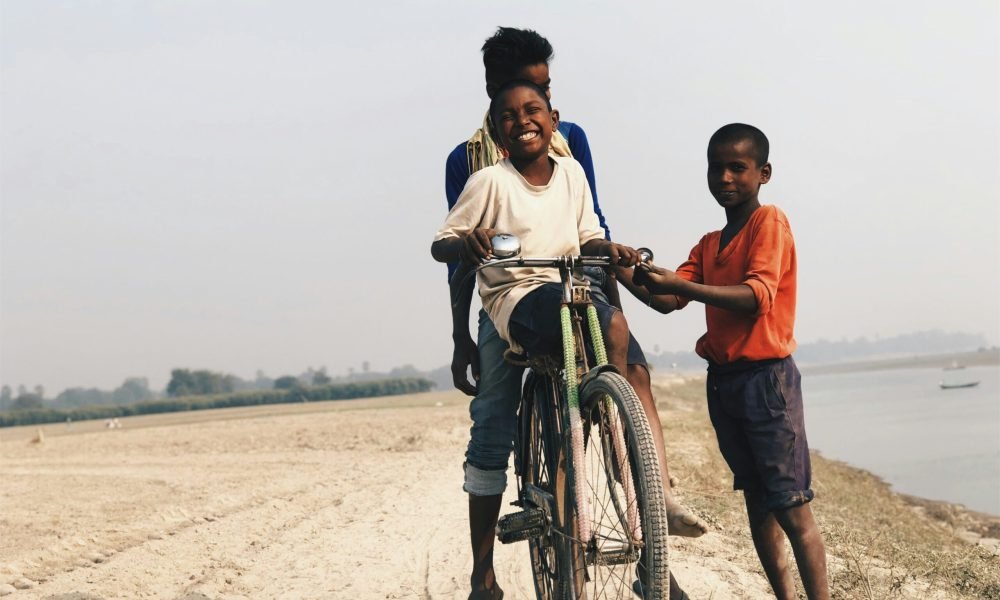
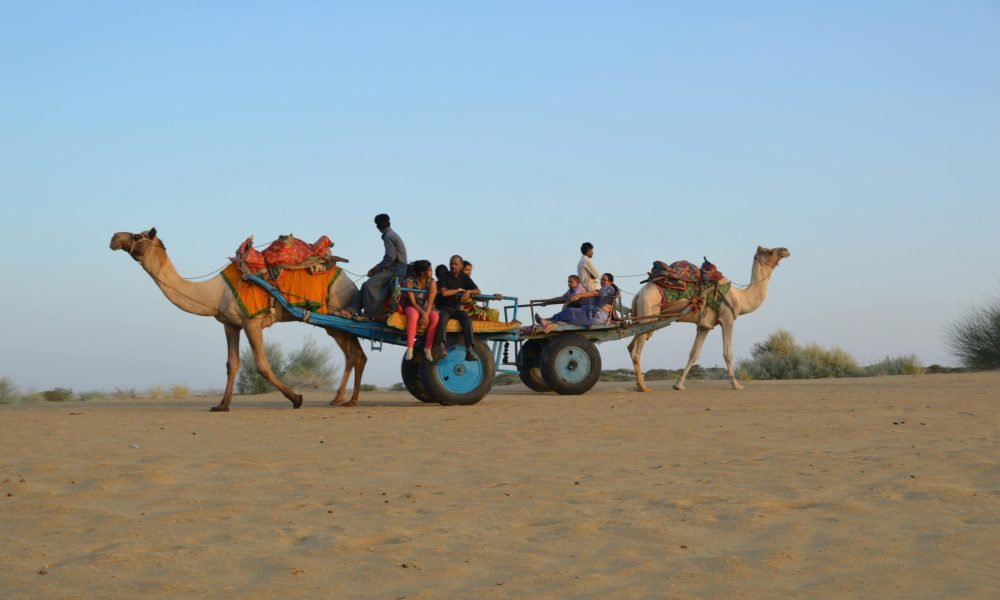
          best time to visit India
          Winter season is best time to capture moment of majestic tiger walks along a forest trail. Vincenzo Cassano Unsplash

          At the same time, wildlife safaris reach their peak as dry seasons settle over many of the world’s top wildlife destinations. In Africa, the vast savannas of Kenya, Kerala, and safari of South Africa provide incredible game-viewing experiences, with herds gathering around waterholes and predators on the move.

          In India, national parks like Ranthambore, Kanha, and Jim Corbett come alive with sightings of majestic tigers, leopards, and elephants. South America’s Amazon rainforest offers rare glimpses of exotic creatures, while the Galápagos Islands provide a unique chance to observe untouched wildlife up close.

          Whether you’re lounging on sun-kissed beaches or venturing into the wild, December to March is the best time to visit India’s tropical season for unforgettable experiences in nature. It’s the time when the world’s landscapes, both coastal and wilderness, put on their most mesmerizing display, offering travelers the perfect mix of adventure.

          best time to visit India
          Indian Holi is the vibrant festival of flowers, joy, and togetherness. Dharmesh Patil / Unsplash

          June to November is the India’s Grand Festival Season

          India is a land of vibrant celebrations, where each festival carries its own charm and significance. From the illuminated nights of Diwali to the colourful chaos of Holi, the country embraces its traditions with unique regional flavors, creating a mesmerizing cultural experience.

          In Varanasi, Diwali takes on an ethereal charm as the ghats of the Ganges glow with thousands of diyas (oil lamps), and the Ganga Aarti casts a spiritual spell. The magic deepens with Dev Deepawali, when the city appears as if the stars have descended to Earth. Meanwhile, Holi, the festival of colors, is celebrated across India, but in Mathura and Vrindavan, the birthplace of Lord Krishna, it transforms into a divine spectacle. The Lathmar Holi of Barsana, where women playfully chase men with sticks, recreates a legendary tale from Krishna’s life.

          The energy continues in Gujarat during Navratri, where the entire state turns into a dance floor for Garba and Dandiya Raas, making it one of the most visually stunning celebrations in India. In Mumbai, Ganesh Chaturthi brings the city together in devotion, as massive idols of Lord Ganesha are worshipped before the grand Visarjan (immersion), where millions gather to bid an emotional farewell.

          Beyond spiritual celebrations, India hosts unique cultural fairs like the Pushkar Camel Fair in Rajasthan, a lively blend of religious devotion and rural festivities, complete with camel races, folk performances, and quirky contests like the Longest Moustache Competition. The Rath Yatra of Puri, Odisha, is another grand spectacle, where deities Lord Jagannath, Balabhadra, and Subhadra leave their temple to journey in colossal wooden chariots, allowing devotees a rare opportunity to see and touch them.

          For a more surreal experience, the Rann Utsav in Gujarat transforms the vast White Rann of Kutch into a glowing desert under the full moon. This months-long festival showcases Gujarat’s vibrant folk music, handicrafts, and breathtaking landscapes, offering a once-in-a-lifetime experience.

          best places to visit in India
          Camel fest time to visit India’s Rann of Kutch festival with summer golden vibes. Hari Nandakumar / Unsplash

          Your Best Time to Visit India in any season

          There is no reason to visit India; it’s unique in its own way. Home to some of the world’s oldest civilizations, India boasts magnificent historical landmarks like the Taj Mahal, Jaipur’s royal palaces, and ancient temples in Tamil Nadu. The country’s diverse traditions, languages, and festivals create a vibrant atmosphere that captivates visitors. Whether it’s celebrating Diwali with dazzling lights or playing with colours during Holi, every festival in India is a unique experience.

          For food lovers, India is a paradise. Each region has its own distinctive cuisine, from the spicy curries of Punjab to the delicate dosas of South India and the flavourful street food of Mumbai. The variety of flavours, spices, and cooking styles makes every meal a delightful adventure.

          India is also a spiritual hub, attracting travelers seeking peace, meditation, and self-discovery. Whether practicing yoga in Rishikesh, visiting Buddhist monasteries in Ladakh, or experiencing the sacred ghats of Varanasi, India offers a deeply transformative journey for the soul.

          Beyond its landscapes, history, and spirituality, India’s people are its greatest treasure. The warmth, hospitality, and welcoming nature of the locals make travelers feel at home. Whether exploring bustling cities or remote villages, you’ll always find smiles, stories, and genuine kindness.

          A trip to India is more than just a vacation—it’s an unforgettable adventure filled with discovery, wonder, and lifelong memories with your loved one. Whether you want to explore its cultural richness, indulge in exotic flavors, or find inner peace, India promises an experience like no other.

          Trusted Websites for More Travel Info

          When planning a trip to India, consulting official and reputable sources is essential to determine the best time to visit. The Incredible India website, managed by the Ministry of Tourism, Government of India, serves as the official tourism portal. This comprehensive resource offers detailed information on India’s diverse regions, climates, and attractions, helping travelers make informed decisions about their visit. Tourism of India website provides guidance on optimal travel periods, highlighting seasonal variations and regional climates.

          GUIDED BY TRAVEL MEET WORLD

          Yoga within Travel the perfect flow of Experience

          Explore wellness within Travel

          by

          Explore Related Articles

          Best time to visit UAE

          Best time to visit United States

          What is the best time to visit Malaysia?

          Best time to visit Egypt

          LEAVE A COMMENT

            Agra Fort

            @ Yash Rai

            Agra Fort

            Delhi,

            U. Pradesh,

            India,

            Asia

            Agra Fort stands as a symbol of the mighty Mughal Empire. While the Taj Mahal narrates a tale of eternal love, Agra Fort speaks of conquests, ambition, and the relentless spirit of emperors who once ruled from within its mighty walls.

            Agra Fort, a UNESCO World Heritage Site, is a stunning red sandstone fortress located in Agra, Uttar Pradesh, India. Situated on the right bank of the Yamuna River, just 2.5 km northwest of the world-famous Taj Mahal, this grand fort is an architectural masterpiece built during the Mughal era. It is easily accessible from all parts of Agra, with the Taj Mahal being just a short drive away. Originally constructed as a military fortification, it later evolved into a lavish royal residence and center of administration for the Mughal emperors.

            The fort was first built by Raja Badal Singh in the 11th century, but its most significant transformation occurred under Emperor Akbar in 1565. His successors, particularly Shah Jahan, further enhanced its beauty by incorporating white marble structures, making it an exquisite blend of Rajput and Mughal architecture.

            Agra Fort is not just a historical monument but a massive fortress that stands as a testament to the grandeur and strategic brilliance of the Mughal era. Covering an impressive 94 acres, the fort has a semi-circular shape and is enclosed by towering 70-foot-high walls, making it one of the most formidable structures in India. Made from red sandstone, the fort was built to be both a royal palace and a strong military base. Its large size and solid structure made it a powerful and secure place for the Mughal rulers. The fort has four main entry gates, with the Delhi Gate being the most significant due to its grand design and historical importance. However, the Amar Singh Gate is now the designated entrance for visitors.

            One of the most fascinating transformations of Agra Fort took place under Emperor Shah Jahan, who infused elements of elegance into its rugged structure by adding delicate white marble palaces. Among these is the Musamman Burj, a beautiful marble tower with intricate carvings and a breathtaking view of the Taj Mahal. Ironically, this very tower became Shah Jahan’s prison when he was confined there by his son Aurangzeb, spending his last years gazing at the Taj Mahal from afar.

            Adding to the mystery of Agra Fort are its hidden tunnels and secret passages, which are believed to have once connected the fort to the Taj Mahal, Fatehpur Sikri, and other significant locations. While some of these tunnels have collapsed or remain inaccessible, their existence fuels curiosity among historians and travelers alike.

            With the decline of the Mughal Empire, Agra Fort fell into the hands of the British in the 19th century, who repurposed it as a military base. They made modifications to the fort and destroyed some of its original Mughal structures, leaving behind remnants of colonial influence. Despite these changes, Agra Fort remains an architectural marvel, echoing tales of war, royalty, betrayal, and resilience—making it one of the most fascinating historical sites in India.

            Let's Connect With

            The official information about Agra Fort is available on the Taj Mahal’s official website.

            https://www.tajmahal.gov.in/agrafort.aspx?utm_ 

            https://agra.nic.in/tourist-place/agra-fort/?utm_

            Around Agra Fort

            1. Taj Mahal

            2.5 km

            One of the Seven Wonders of the World, known for its breathtaking white marble beauty.

            2. Jahangir Mahal

            A stunning palace built by Akbar for his son, Jahangir.

            3. Mehtab Bagh

            A garden giving the best sunset views of the Taj Mahal from across the Yamuna River.

            4. Itmad-ud-Daulah’s Tomb (Baby Taj)

            A beautiful white marble tomb often considered a draft of the Taj Mahal.

            5. Chini Ka Rauza

            A Persian-style tomb known for its colorful tilework.

            6. Akbar’s Tomb (Sikandra)

            13 km

            The grand tomb of Emperor Akbar, featuring stunning Mughal architecture.

            7. Fatehpur Sikri

            40 km

            A UNESCO World Heritage Site, once the capital of the Mughal Empire under Akbar.

            8. Bharatpur Bird Sanctuary

            55 km

            A UNESCO-listed bird sanctuary, perfect for nature enthusiasts.

            Rajasthan Top Attractions

            39 km

            720 km

            40 km

            In the southeastern corner of Rajasthan, Ranthambore National Park sits proudly in the Sawai Madhopur district. It’s around 160 km from Jaipur and easily accessible by road Read More

            In the very heart of Jaipur, Rajasthan, where the energy of the old city blends seamlessly with its majestic past, stands the City Palace — a timeless symbol Read More

            Jaisalmer Fort, often referred to as Sonar Quila or the Golden Fort, stands majestically in the heart of the Thar Desert in the city of Jaisalmer, Rajasthan. Located close to the India – Pakistan Read More

            Make Reason to Travel

            Books transport us to new worlds with every page, but travel lets us live those stories. Documentaries show breathtaking places, but stepping beyond the screen brings them to life. Movies spark adventure, but the real magic begins when we pack our bags and go. 🌍

            Books

            Documentaries

            Memories

            Movies

            03. ARTICLES

            Explore latest stories

            Health Guide

            Top Yoga Places in the Himalayas

            High in the folds of the Read More

            Health Guide

            Simple Wellness Habits Before You Go

            If you’re trekking through the Arashiyama Bamboo Grove

            Health Guide

            How to Stay Healthy While Traveling

            Travel has taught something powerful: wellness isn’t tied

            Health Guide

            Best Solo Travel and Mental Health Guide

            There’s something quietly radical about packing a bag,

            Health Guide

            Best Places to Visit for Mental Wellness

            In a world where constant connectivity often overshadows