12 Best Things About India's Tourist Visa

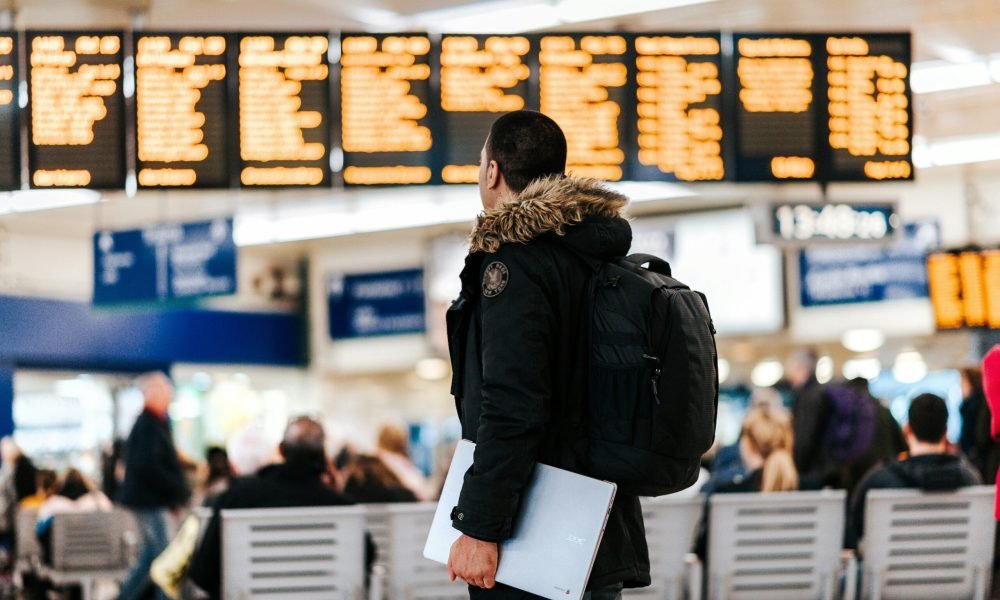
India’s tourist visa counters at major airports give quick, well-marked support for eVisa travel. Raghavendra Mithare / Unsplash
Planning a trip to India is exciting—whether it’s for the colors of Holi, the serenity of the Himalayas, or the chaos and charm of its cities. But before your adventure begins, there’s one essential step that often trips travelers up: the 12 things about India’s tourist visa. While getting a visa to India may seem straightforward, there are layers of rules, surprising restrictions, and practical tips that most visitors only discover after they’ve landed—or worse, been denied entry. From lesser-known airport restrictions to stay duration loopholes, India’s tourist visa comes with a fine print you don’t want to overlook.
In this article, we’ve rounded up 12 key things you absolutely need to know—insider tips, unusual facts, and real-world advice—to make sure your entry into India is as smooth as your first sip of masala chai.
Here is the 12 Best Things About India’s Tourist Visa to experience Travel planning in India. Anete Lusina / Unsplash
1. Understanding the 3 Tiers of Tourist Visas
When people think of an Indian tourist visa, they often assume there’s just one standard option—but in reality, there are three main tiers of tourist visas, each designed for different travel needs. The most popular is the eVisa, a short-term electronic visa that’s easy to apply for online and typically allows stays of 30 to 90 days, depending on your nationality. It’s ideal for casual tourists, backpackers, or short business visits.
Next is the long-term sticker visa, issued by Indian embassies, which can allow multiple entries over a period of 1 to 5 years—perfect for frequent travelers, those visiting family, or digital nomads who plan to come and go.
Lastly, there are special entry permits required for travelers heading to restricted regions like Arunachal Pradesh, certain parts of Ladakh, or the Andaman & Nicobar Islands.
Choosing the right visa tier isn’t just about how long you want to stay—it’s all about where you’re going, how often you’re entering, and what kind of experience you’re planning in India.
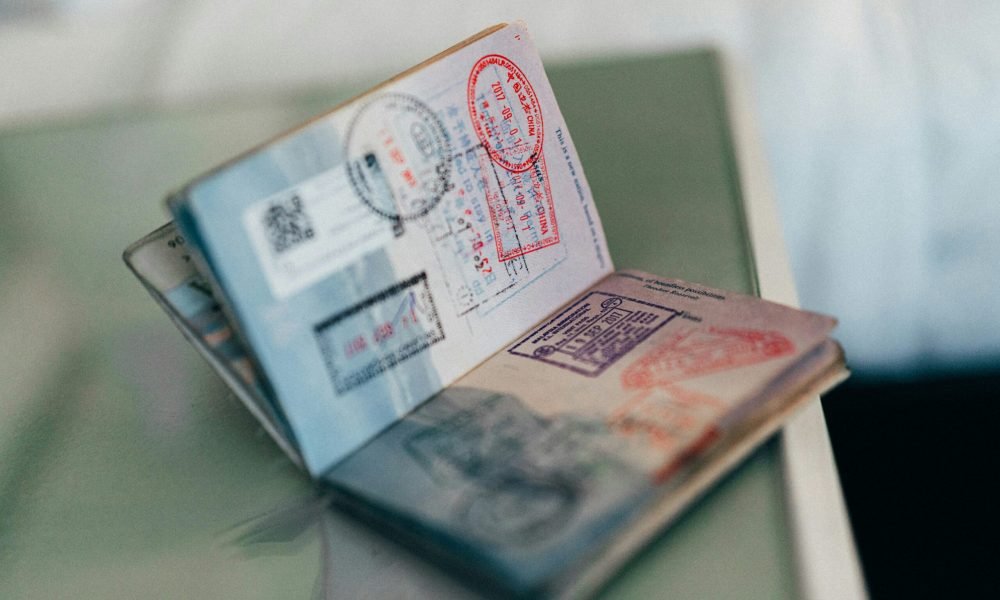
India gives eTourist visas to 160+ countries with easy online application and quick entry. Kit Formerly Convertkit / Unsplash
2. Where Your eVisa Actually Works
India’s eVisa system is super convenient—but there’s a catch many travelers miss: you can’t enter the country through just any airport or seaport. The Indian eVisa is only valid at a specific list of designated entry points, which includes around 30 major international airports such as Delhi, Mumbai, Bengaluru, Chennai, and Goa. However, if you plan to land at a smaller or regional airport—like Surat, Gaya, or Nagpur—your eVisa won’t be accepted, and you could be denied entry.
The same goes for seaports: only a handful, like Mumbai, Cochin, Mormugao, Chennai, and New Mangalore, are authorized for eVisa holders. This rule doesn’t apply once you’re inside the country—you can exit from any airport—but your initial arrival must be through an approved port. So, before you book that low-cost flight or offbeat cruise to India, double-check the entry points listed by the Indian government to make sure your journey starts smoothly—not stranded at immigration.
3. Cultural Events Can Affect Your Visa Approval Speed
Indian festivals can unexpectedly impact your tourist visa approval timeline. During major festivals like Holi, Diwali, Eid, or national holidays such as Republic Day (January 26) and Independence Day (August 15), many government offices—including visa processing centres and embassies—either operate with limited staff or close entirely. This can lead to longer processing times, especially in the days leading up to and following the celebrations.
Another thing to keep in mind: security protocols tend to tighten around big national holidays, which could lead to stricter scrutiny of visa applications, especially from certain regions. If you’re traveling during a major Indian festival, apply for your visa early—timing it right can help avoid delays and ensure smooth approval.
4. You’ll Need a Return Ticket—And They Might Ask at Immigration
While India doesn’t always require you to show a return or onward ticket when applying for a tourist visa, immigration officers often ask for proof of your exit plan when you arrive. Why? A confirmed return or onward ticket demonstrates your intention not to overstay your visa, a common concern for many countries. If you can’t provide one, you may face extra questioning, delays, or, in rare cases, denial of entry.
Such documentation is especially important for travelers on short-term eVisas, as your stay is limited and must match the visa conditions. Even if you plan to travel overland to another country—like Nepal or Sri Lanka—it’s a beneficial idea to have a bus, train, or flight booking as proof of exit. So, to keep things smooth at immigration, always carry a copy (printed or digital) of your return ticket or onward travel confirmation.
5. Digital Nomads, Beware: Tourist Visas Aren’t for Remote Work
If you’re a digital nomad planning to sip chai while working from the beaches of Goa or the mountains of Himachal, it’s important to know that India’s tourist visa does not legally permit any kind of work—even remote work. That includes freelancing, consulting, running a business online, or even just answering work emails from your foreign employer. While many travelers assume that working remotely doesn’t “count,” Indian visa rules define any income-generating activity as work, regardless of where the employer is located.
India does not yet give a dedicated digital nomad visa, so if you’re planning a work-from-anywhere lifestyle, it’s important to either keep your work activities completely offline or apply for a more suitable visa (like a business visa, if eligible). Until regulations evolve, the safest route is to treat a tourist visa strictly for tourism.
6. Visa Duration ≠ Stay Duration: Don’t Confuse the Two
The best thing about India’s 1-year tourist visa is that it allows multiple visits within a year—but it’s important to remember that each stay usually has a set time limit, often 90 days per visit. In reality, the visa validity and the allowed stay duration per visit are two different things. For example, a 1-year multiple-entry visa might let you enter India as many times as you like within that year, but each stay may be limited to 90 days (or even 60, depending on your nationality).
Overstaying this limit—even by a few days—can lead to fines, visa cancellation, or trouble when reapplying in the future. This is especially important for long-term travelers or digital nomads trying to base themselves in India. Always check the “duration of stay per visit” printed on your visa or in your eVisa approval email, and if needed, plan an exit and re-entry to reset your stay period. Understanding this simple distinction can save you a lot of stress at immigration.
7. Reapplying Too Soon Can Trigger a Red Flag
India is happy to see returning travelers, but frequent back-to-back visits on a tourist visa can catch the attention of immigration officers and raise concerns about your travel intent. While a multiple-entry visa gives you the flexibility to come and go, reapplying for a new visa too soon after leaving, or returning repeatedly without long breaks in between, may be viewed as an attempt to live in India long-term on a tourist visa, which is not allowed. This can lead to stricter scrutiny, delays in visa approval, or even outright denial.
To avoid suspicion, it’s smart to space out your visits, provide clear travel plans, and avoid patterns that look like residency rather than tourism. If you truly need to stay in India long-term—whether for work, study, or personal reasons—consider applying for a more appropriate visa category that matches your intent. Transparency and timing are key to keeping your travel smooth and your visa record clean.
8. Your Insurance May Impact Visa Confidence
While travel insurance isn’t a mandatory requirement for getting an Indian tourist visa, having it can actually strengthen your application and smoothen your immigration experience. Immigration officers often look for signs that a traveller is well-prepared and financially secure—and showing valid travel insurance signals exactly that. It reassures authorities that you’re covered in case of medical emergencies, delays, or accidents, and that the government won’t have to bear any unexpected expenses during your stay.
This is especially true for elderly travelers, solo tourists, or those with longer itineraries, where the risk profile may be slightly higher. In some cases, travelers have reported faster visa approvals or fewer questions at immigration checkpoints simply because they provided proof of insurance. It’s a small but smart move that shows responsibility, enhances your credibility, and gives you peace of mind—making it a win-win for both sides of the border.
9. Local Police Registration May Be Required in Some States
While most travelers to India can freely explore the country with a valid visa, there are certain sensitive or protected regions—especially those near borders or in tribal areas—where registering with the local police is mandatory within 24 hours of arrival. This applies most commonly in parts of Jammu & Kashmir, Arunachal Pradesh, Nagaland, Mizoram, and certain areas of the Andaman & Nicobar Islands. These requirements are in place for security and administrative reasons, and they help authorities keep track of foreign nationals in regions with strategic, cultural, or ecological sensitivity.
In some areas, you may also need a Protected Area Permit (PAP) or Restricted Area Permit (RAP) in addition to your tourist visa. Failing to register—whether out of oversight or confusion—can result in fines, legal issues, or forced departure. If you plan to explore off-the-beaten-path destinations, always check local requirements in advance and keep digital and paper copies of your visa and passport handy for smooth registration.
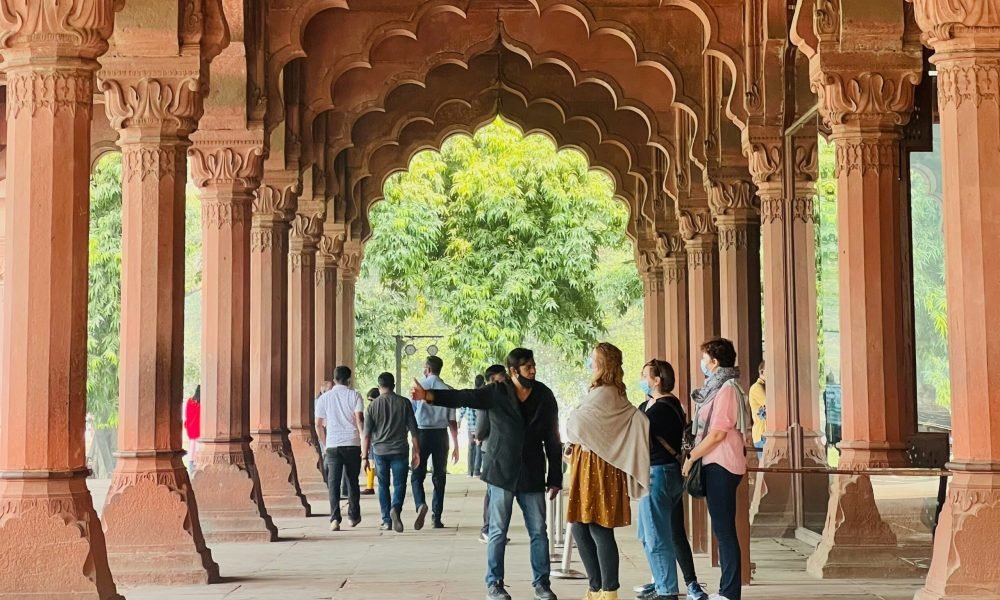
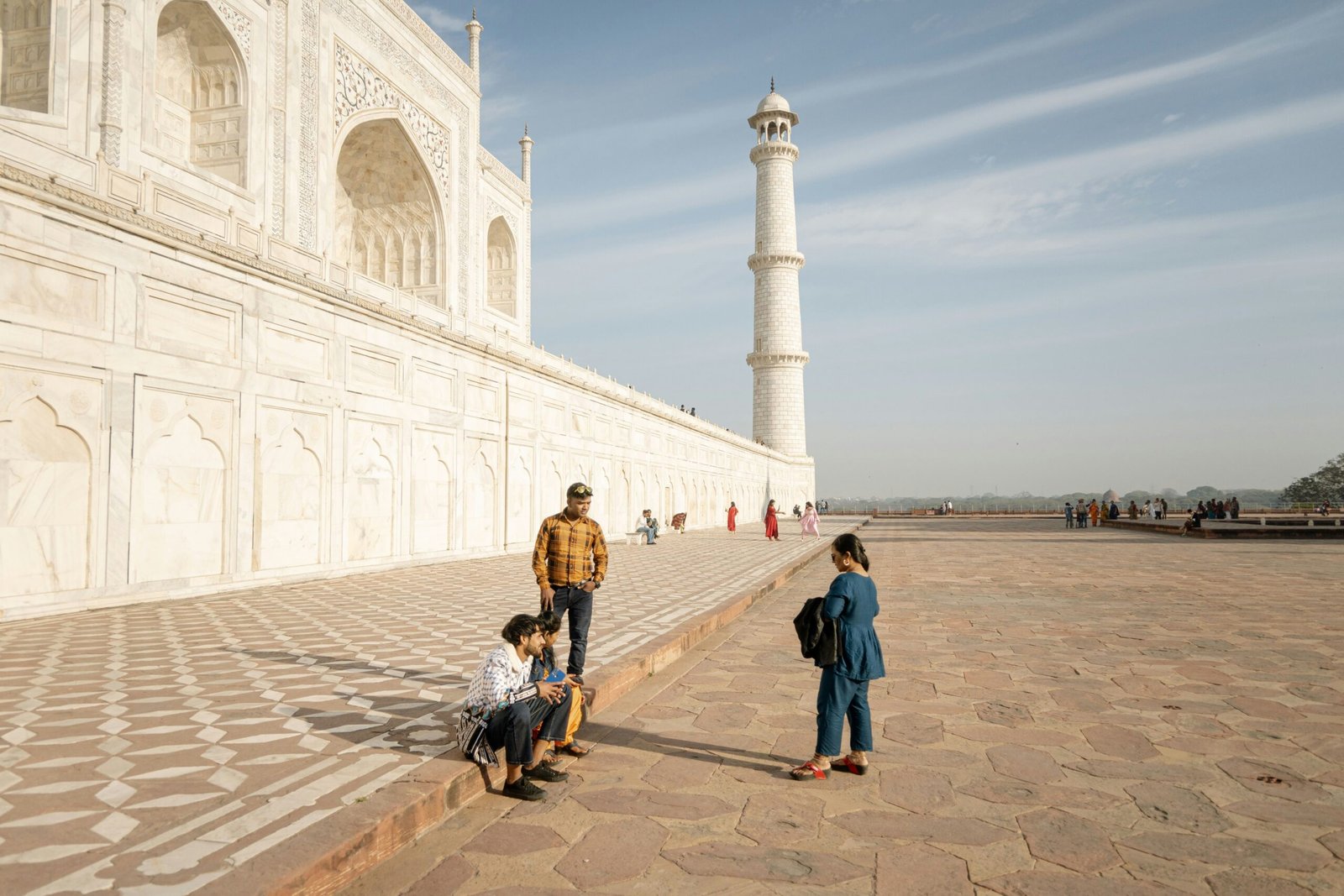
Group tours often enjoy travel guidance at Delhi Fort. Ayan Ahmad / Unsplash
10. Group Tours and Solo Travelers Are Treated Differently Sometimes
When entering India, the experience at immigration can vary depending on whether you are part of a group or traveling solo. Group tours—especially those booked through licensed travel agencies—are often seen as more structured and lower risk, so travelers in these groups typically go through immigration more quickly and with fewer questions.
Solo travelers, meanwhile, may attract more scrutiny, particularly if they’re women, seniors, or members of the LGBTQ+ community. Here extra attention is the best thing—it’s usually a way for officers to make sure you’re well-prepared and have safe, comfortable plans for your stay. Solo women may be asked about their accommodation and duration of travel, seniors might be asked about health coverage, and LGBTQ+ travelers will find that while same-sex relationships are legal in India, social attitudes can vary—so being informed helps ensure a respectful and smooth experience.
To make your arrival smooth, carry a clear itinerary, proof of accommodation, return or onward tickets, and travel insurance. Preparation shows confidence and responsibility—and can ease any extra questions at the border.
11. India’s Visa-Free Zones: Where You Don’t Need a Visa at All
Surprisingly, a few unique spots in India allow foreign travelers to visit without a visa, thanks to regional agreements and special local rules. One of the best-known examples is the Andaman and Nicobar Islands, where cruise ship passengers arriving at specific ports for a short stay may be granted visa-free entry for up to 72 hours, depending on their nationality and itinerary. Similarly, Bhutanese and Nepalese citizens enjoy full visa-free access to India under regional treaties and can travel freely across borders with minimal documentation.
In border towns like Moreh (Manipur) and Raxaul (Bihar), special permissions sometimes allow cross-border day visits for locals and traders without formal visas—though this usually doesn’t apply to general tourists. These visa-free zones are limited and often subject to change, but they show that India’s travel policies are more flexible in certain contexts than most people realize. Always check with official sources or your cruise/tour operator before planning travel to these areas without a visa.
12. What Happens If You Overstay – and How to Fix It Fast
Overstaying your Indian visa—even by a single day—can lead to serious consequences, including hefty fines, detention, future visa bans, or even restrictions on re-entering the country. The longer you overstay, the more complicated the situation becomes. However, if you realize your visa has expired or is about to, act quickly and responsibly.
Head to the nearest Foreigners Regional Registration Office (FRRO) or apply online through India’s e-FRRO portal to request an extension or regularization. If it’s a genuine mistake or due to medical or flight issues, authorities may be lenient—especially if you’re cooperative and honest.
Official government websites
Indian Visa Online Portal – https://indianvisaonline.gov.in/
Bureau of Immigration (India) – https://boi.gov.in/boi/
GUIDED BY TRAVEL MEET WORLD
Yoga within Travel the perfect flow of Experience
Explore wellness within Travel
by