@Shambadatta

Overview:
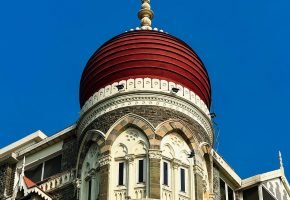
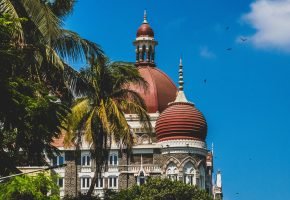
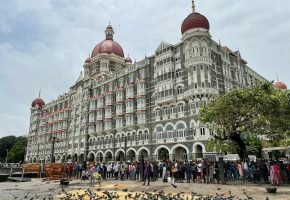
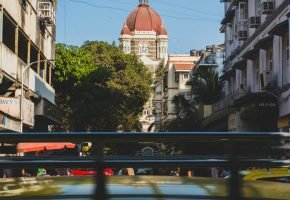
Standing gracefully along Mumbai’s waterfront, The Taj Mahal Palace is far more than a five-star stay — it’s a living chapter of India’s history and a proud emblem of the city’s enduring spirit. Situated in Colaba, South Mumbai, the hotel faces the majestic Gateway of India, Best view of the Arabian Sea.
The legacy of The Taj Mahal Palace dates back to 1903, a time when Mumbai was still finding its place on the world map. Visionary industrialist Jamsetji Tata built the hotel not just as a luxury retreat but as a symbol of Indian excellence.
Highlights
Award-winning restaurants
Fine dining experiences across multiple cuisines
Strong historical significance
Witnessed major events including the 2008 Mumbai attacks
Hosted global celebrities
From royals to stars like The Beatles and world leaders
Overlooks Gateway of India
Stunning views of the Gateway of India and Arabian Sea
Let's Connect With
Itinerary Highlights
Here’s a simple luxury-style itinerary for visiting Taj Mahal Palace:
Hotel Exploration
- Enter the grand lobby and admire the heritage architecture & interiors
- Walk through corridors showcasing art, chandeliers, and vintage design
Dining Experience
- Enjoy a meal or high tea at one of the hotel’s fine restaurants
- Relax with sea views and premium ambiance.
Evening Experience
- Take a stroll near the Gateway of India during sunset
- Capture beautiful evening views of the hotel and Arabian Sea.
Know More to Get Travelling in Maharashtra
Eat With Host
Discover a unique way to experience local culture, where you can enjoy authentic meals hosted by locals around the world.
From home-cooked dinners to food tours, it’s the perfect way to connect through food with New People.
Start your delicious journey today Eatwith.
Accommodation
I personally use Hostelworld where you easily find budget-friendly hostels and social stays in one click.
Luxury platforms like CheapOair help you compare prices and book the best options for your trip.
Transportation
If you’re traveling from anywhere in Maharashtra, the easiest way is to reach Mumbai by train (₹200–₹1,000) or bus (₹300–₹800), or flight if you’re far.
take a local train to Chhatrapati Shivaji Maharaj Terminus or Churchgate, then a taxi/auto to the hotel near the Gateway of India (₹100–₹300).
Top Attractions Near Taj Mahal Palace
Gateway of India
0.5 km
A must-see! Just steps from the hotel, catching a ferry to Elephanta Caves.
Leopold Café
0.3 km
An iconic Irani café and pub, famous since the 19th century and known globally post the 2008 attacks.
Colaba Causeway Market
0.2 km
Great for bargain-hunters and casual strollers alike. Don’t forget to try street snacks or grab a cold coffee at Café Churchill or Café Mondegar nearby.
Café Mondegar & Bademiya
0.3-0.2 km
Funky café with jukebox music, and Legendary late-night kebab joint — try the chicken tikka roll or seekh kebabs!
Prince of Wales Museum
0.8 km
It featuring art, history, and archaeology exhibits in a stunning Indo-Saracenic building.
Afghan Church
1.8 km
A quiet and beautifully designed 19th-century church built in memory of British soldiers who died in the First Afghan War.
Marin Drive
3 km
it’s especially beautiful from the southern end near Nariman Point.
Chhatrapati Shivaji Maharaj Terminus (CSMT)
2 km
Visit in the late afternoon to see the golden glow on its Gothic façade and fewer crowds inside.