Best Wildlife Places in Ladakh
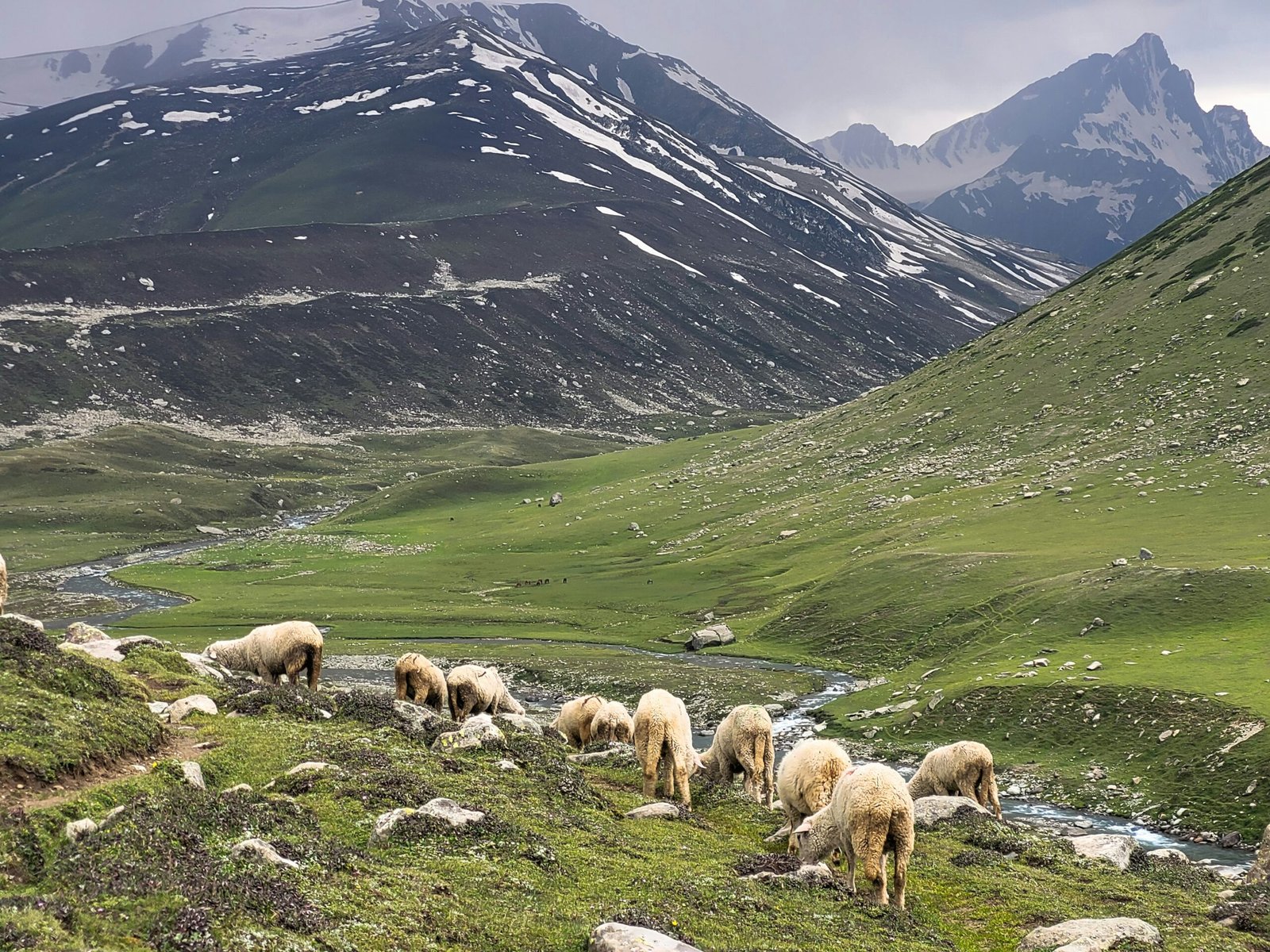
Ladakh’s wild beauty lies in its stunning variety of landscapes: alpine meadows, glacial rivers, saltwater lakes, and cold deserts all coming together to create a rich ecosystem.
Despite its remote and rugged terrain, the region is home to an astonishing array of wildlife uniquely adapted to thrive in extreme conditions.
From the elusive snow leopard camouflaged against rocky slopes to the sure-footed Himalayan ibex and the swift Tibetan wild ass roaming open plains, each species adds to the magic of this untamed land.
For nature lovers and wildlife photographers, Ladakh offers a rare chance to witness and capture life in one of the planet’s most raw and resilient environments.
From snow leopards silently stalking the cliffs to herds of Tibetan wild asses grazing the barren plains, every sighting feels like a rare gift of nature. These remote and untouched habitats give more than just wildlife encounters; they invite travelers into a world where nature remains wild, raw, and deeply humbling.
This guide takes you through the best wildlife places in Ladakh for nature lovers, each giving a rich fusion of natural beauty, local culture, and unforgettable wildlife experiences.
1. Hemis National Park: The Kingdom of the Snow Leopard
Eco-tourism initiatives are helping protect Ladakh’s fragile wildlife and promote responsible travel. Jahanzaib Khan / Pexels
Hemis National Park, tucked deep in the eastern part of Ladakh, is often called the “Snow Leopard Capital of the World.” Spanning over 4,400 square kilometers, this vast, rugged terrain of Rocky Mountains, deep gorges, and dry alpine valleys is the ideal habitat for one of the world’s most elusive big cats, the snow leopard.
Turn your travel plans into reality with Klook’s best deals on activities, transport, hotels, and more.
The best time to visit Ladakh for a chance to spot this majestic animal is between November and March, when heavy snowfall pushes prey like blue sheep to lower altitudes, and the snow leopards follow.
But snow leopards aren’t the only creatures that call this park home. Blue sheep (bharal) are commonly seen in herds scaling cliffs with ease.
You might also spot the Tibetan wolf, red fox, and Himalayan marmots, as well as rare bird species like the golden eagle and lammergeier (bearded vulture).
For wildlife photographers, Hemis is a dream destination, but it comes with challenges. Since spotting a snow leopard often requires patience and distance, a telephoto lens (400 mm or higher) is essential.
Dressing in earth-tone clothing or camouflage helps you blend into the rocky terrain without disturbing the animals.
Hiring a local guide or wildlife tracker is highly recommended; they know the terrain, understand animal movement patterns, and can take you to less-crowded, promising vantage points.
Whether you’re aiming to photograph predators or just soak in the remote Himalayan wilderness, Hemis offers a rare and unforgettable experience.
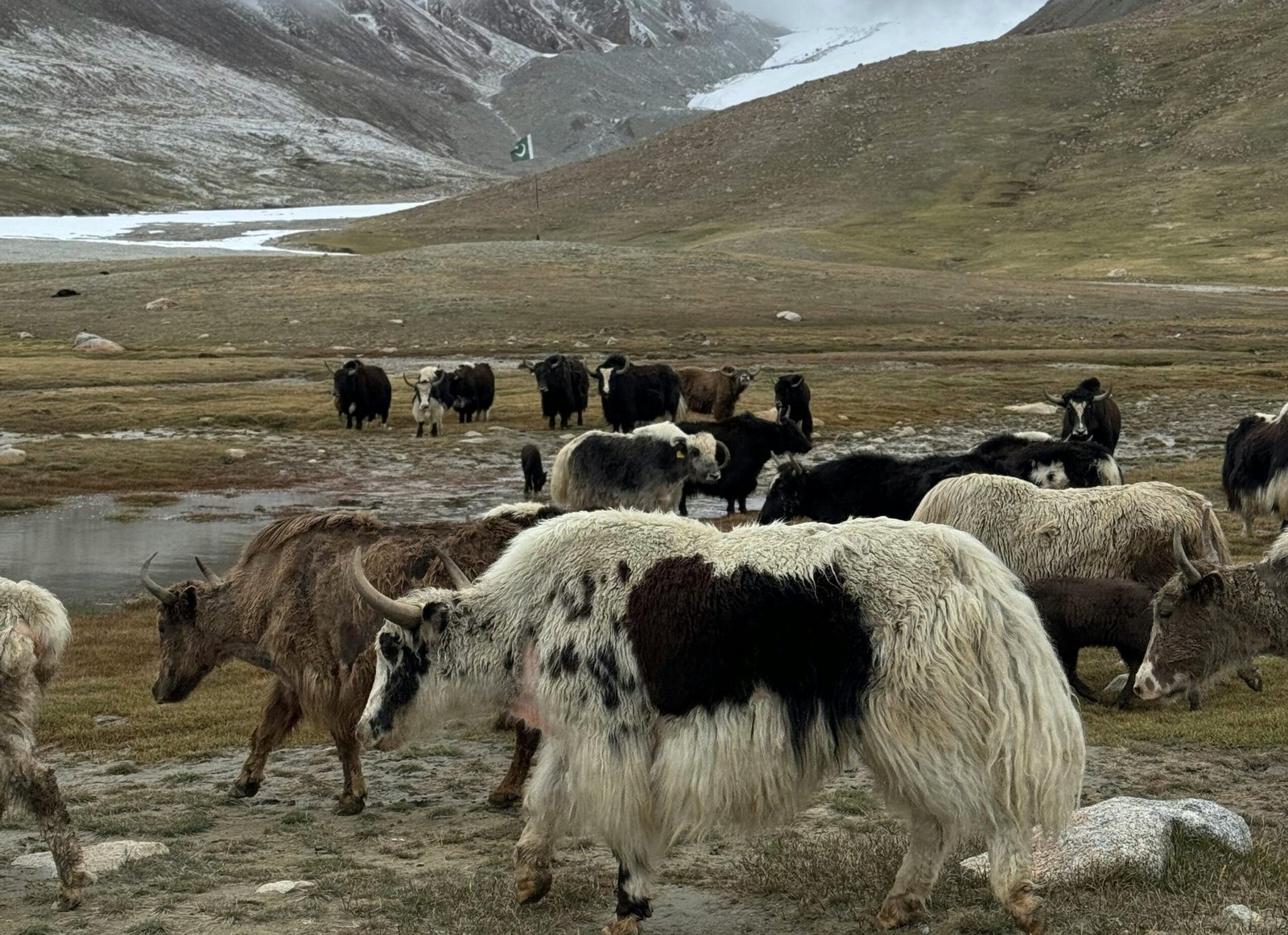
The Changpa nomads help protect their fragile environment. Yogendras / Pexels
Confused between plans? Here helps you compare coverage, price, and benefits side by side.
2. Changthang Wildlife Sanctuary: Home of the Tibetan Wild Ass
Located in the remote eastern reaches of Ladakh, Changthang Wildlife Sanctuary stretches across a sweeping high-altitude plateau that gives a raw and untouched wilderness experience.
Known for its stark, otherworldly beauty, this cold desert ecosystem is a unique mix of grassy meadows, saltwater lakes, and barren mountains. Despite the harsh conditions—freezing winds, dry air, and minimal vegetation—this sanctuary is home to a rich variety of wildlife.
Among Changthang’s most distinctive wildlife is the Tibetan wild ass, or kiang, known for its strength and graceful presence across the open plains. These elegant, chestnut-colored animals roam freely across the grasslands in herds, often galloping at impressive speeds.
The sanctuary is also a haven for black-necked cranes, a rare and sacred bird in Ladakhi and Tibetan culture, as well as other migratory birds like bar-headed geese and Brahminy ducks that arrive in the summer to breed near high-altitude lakes like Tso Moriri and Pangong Tso.
The sanctuary is also a haven for black-necked cranes, a rare and sacred bird in Ladakhi and Tibetan culture, as well as other migratory birds like bar-headed geese and Brahminy ducks that arrive in the summer to breed near high-altitude lakes like Tso Moriri and Pangong Tso.
Beyond the wildlife, Changthang offers a deeper experience through cultural encounters with the Changpa nomads, the traditional herders of this region.
Living in harmony with nature, the Changpa rear pashmina goats and move seasonally in search of pasture. Visiting their camps can give you insight into their simple yet resilient lifestyle, deeply rooted in the rhythms of the land.
Together, the wildlife and culture of Changthang make it not just a sanctuary for animals but for anyone seeking peace, silence, and raw connection to the earth.
Planning to explore Ladakh on two wheels? Check out my complete guide to Bike Ride from Delhi to Ladakh for the best route, budget, travel tips, and essential things to know before your journey.
3. Tso Moriri Lake: Birdwatcher’s Paradise
Encircled by majestic snow-covered mountains and expansive grasslands, this striking turquoise lake serves not only as a visual delight but also as a vital nesting site for endangered and migratory birds.
During the summer months, species such as the bar-headed goose, Brahminy duck, and black-necked crane flock to the lake to nest, feed, and raise their young. For birdwatchers and nature lovers, it’s a rare opportunity to observe these birds in their natural, undisturbed habitat.
The lakeside scenery is equally captivating for photographers. With its vast skies, shimmering waters, and dramatic mountain backdrops, Tso Moriri offers perfect wide-angle landscape shots, especially during sunrise and sunset when the colors of the sky reflect on the lake’s surface.
However, it’s essential to approach this fragile environment with care. Respecting bird nesting zones, avoiding loud noises, and not venturing too close to wildlife are key ethical practices that help preserve the delicate ecosystem of Tso Moriri.
Stick to marked paths, avoid using drones near bird colonies, and always carry back your waste. This mindful approach ensures that the lake remains a safe haven for both birds and future travelers seeking its quiet magic.
4. Nubra Valley: Wildlife Among Sand Dunes and Mountains
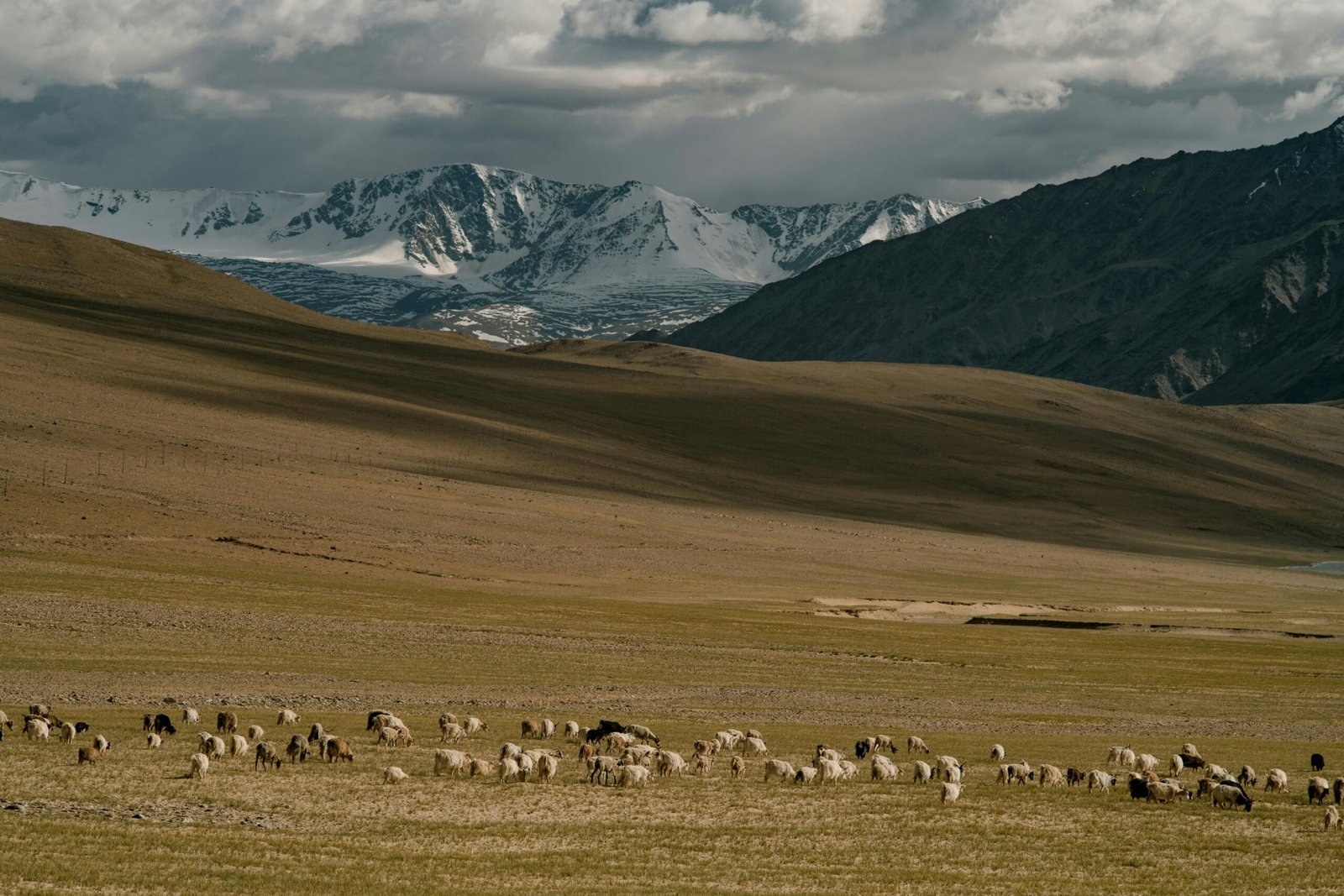
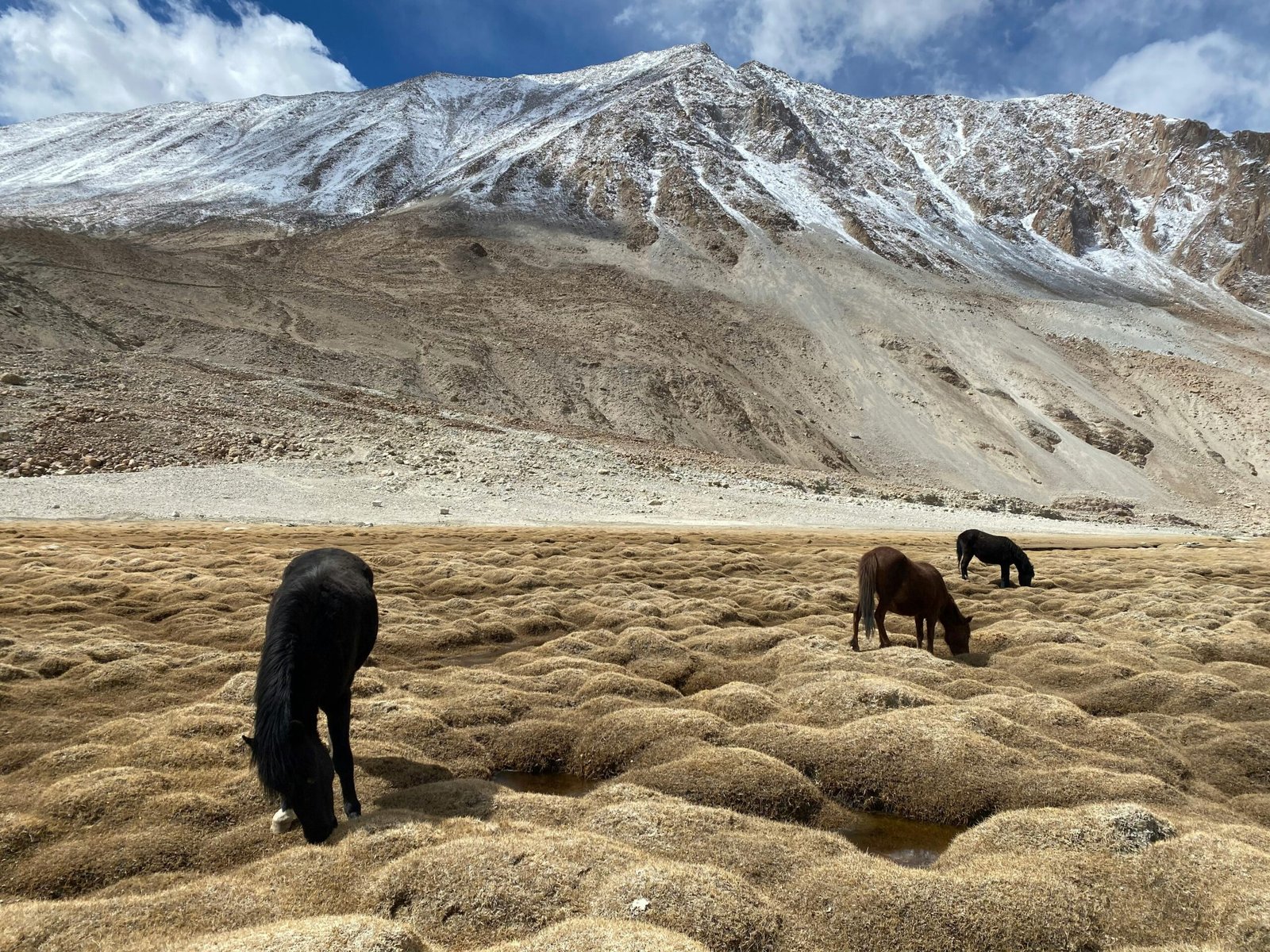
Despite harsh conditions, Changthang Wildlife Sanctuary supports species. Julia Volk / Pexels
Tucked between the Ladakh and Karakoram ranges, Nubra Valley gives one of the most surreal landscapes in the region, a rare blend of rolling sand dunes, snow-covered peaks, and green oasis-like villages.
While it may appear barren at first glance, this cold desert valley is full of unexpected biodiversity. Thanks to its unique climate and varied terrain, a surprising range of wildlife thrives here.
One of the most iconic sights in Nubra is the Bactrian camel, known for its two humps and history as a trade companion along the ancient Silk Route. Today, these camels can be seen leisurely walking through the Hunder sand dunes, giving a glimpse into a time when caravans crossed these mountains.
Venture into higher altitudes or rocky outcrops, and you may spot the Himalayan ibex, a majestic mountain goat with large, curved horns that is well-adapted to the steep cliffs.
For nature enthusiasts and photographers, Nubra Valley has several lesser-known trails that offer beautiful wildlife viewing and landscape photo opportunities.
Walks around villages like Sumur and Panamik take you through poplar groves, riversides, and viewpoints that overlook both the sand deserts and snowy peaks.
Sunrise and sunset are particularly magical, with soft golden light transforming the entire valley into a photographer’s dream. You’re here to spot rare wildlife or simply soak in the contrasts of desert and mountain, Nubra is full of natural surprises.
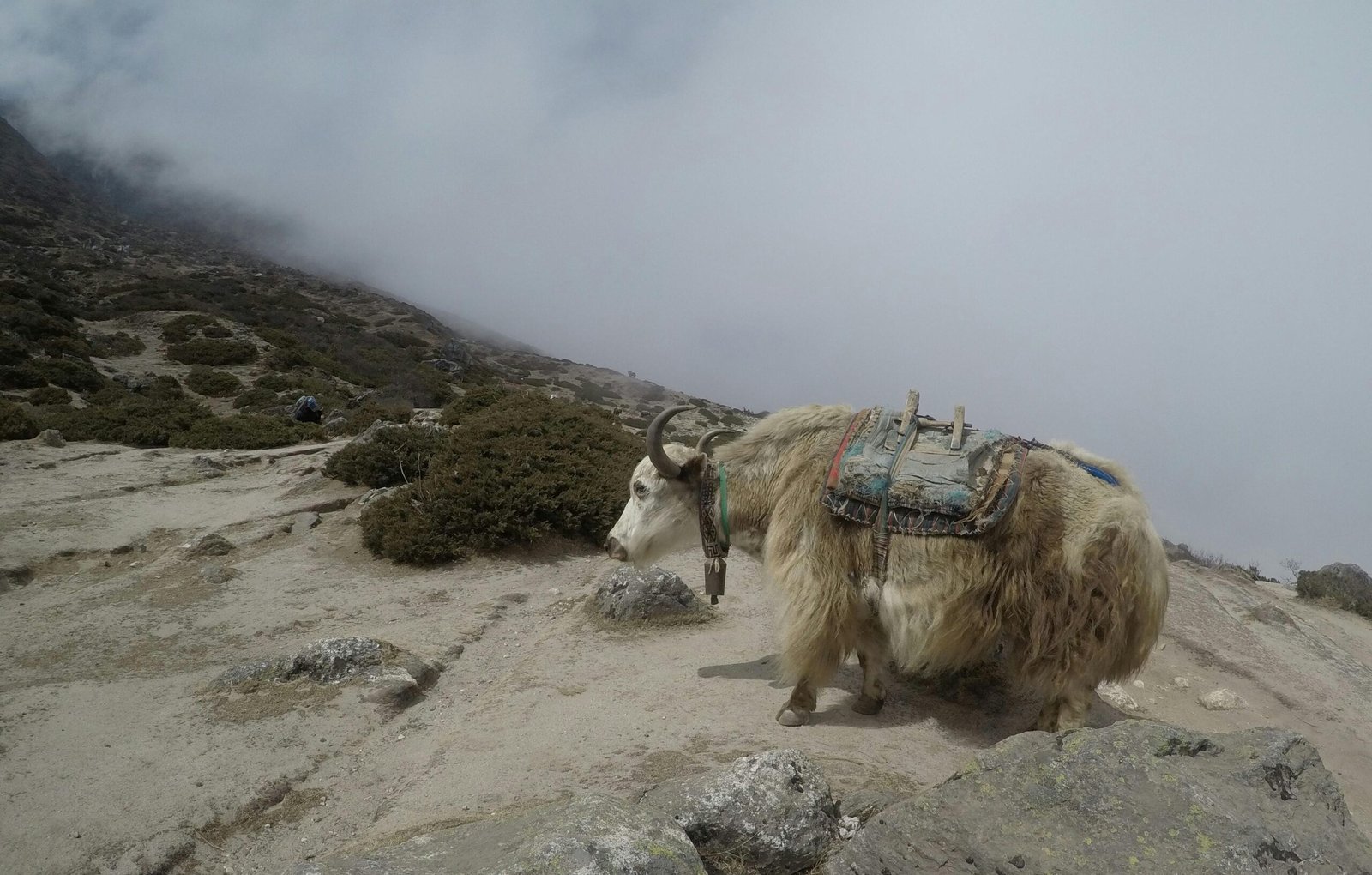
Ladakh is home to unique species found nowhere else in India. Lisanne / Pexels
5. Suru and Zanskar Valleys: Remote and Raw
For travelers seeking solitude and raw beauty, the Suru and Zanskar Valleys in western Ladakh offer untouched alpine landscapes, glacier-fed rivers, and cliffside monasteries.
These remote valleys are rich in high-altitude wildlife, including marmots, Himalayan foxes, and the elusive lynx. In summer, the region comes alive with colorful wildflowers, making it a paradise for nature lovers and offbeat explorers.
Unlike the more visited parts of Ladakh, these valleys are peaceful, uncrowded, and deeply immersive. Every bend in the road gives sweeping views, whether it’s the Nun-Kun peaks in Suru or the deep gorges and frozen rivers of Zanskar.
The changing light, dramatic weather, and raw textures of the terrain make this region ideal for capturing moody, powerful landscape shots.
However, traveling here requires planning. Seasonal access is limited. The roads to Zanskar are usually open only from late June to early October, depending on snowfall. Harsh weather, remote locations, and limited mobile connectivity mean travelers must be well-prepared.
It’s wise to carry extra fuel and warm clothing and travel with a local guide or in a group, especially if venturing deep into the valley. Despite these challenges, the rewards are immense: pristine beauty, rare wildlife, and a sense of solitude that few places on earth can offer.
Personally, I prefer using VisitorsCoverage because it’s simple, transparent, and beginner friendly.
Instead of checking multiple websites, try VisitorsCoverage to compare everything in one place.
6. Tips for Ethical Wildlife Watching in Ladakh
Ladakh’s fragile ecosystems and rare wildlife demand extra care from every traveler. Whether you’re trekking through Hemis National Park or watching birds near Tso Moriri, responsible behavior is key to preserving the natural balance of this high-altitude environment.
The golden rule is simple: “Leave no trace.” Avoid littering, stay on marked trails, and carry reusable water bottles and containers to reduce plastic use. Don’t pick plants, disturb nests, or approach animals too closely; doing so can stress wildlife and even alter their natural behavior.
Silence is golden in the wild. Keeping noise levels down helps both you and others enjoy authentic sightings without scaring animals away.
This is the official government portal for Ladakh’s wildlife conservation efforts, including details on national parks, sanctuaries, management activities, and policies: Forest, Ecology & Environment Department – Ladakh (Wildlife Division)
It’s highly recommended to hire certified local wildlife guides. Not only do they increase your chances of spotting rare species like the snow leopard or black-necked crane, but they also understand the rhythms of the land and ensure you’re treading lightly.
Supporting local guides and eco-tour operators also contributes to Ladakh’s community-based conservation efforts.
When it comes to photography and ecotourism, respect must come before the perfect shot. Avoid using flash, especially near birds or nocturnal animals, and maintain a respectful distance using zoom lenses rather than getting physically close. Drones should be avoided in wildlife areas, as they can disrupt animals, especially during nesting or breeding seasons.
FAQs
1. Are Ladakh wildlife tours suitable for beginners?
Yes, but visitors should be prepared for high altitude, cold weather, and challenging terrain.
2. How many days are enough for a Ladakh wildlife trip?
A 5–7 day trip can cover major wildlife areas, although longer trips provide better opportunities for sightings.
3. Can I visit Ladakh wildlife areas without a guide?
Some areas are accessible independently, but a local wildlife guide is highly recommended for safe and responsible wildlife spotting.
4. Where can I see black-necked cranes in Ladakh?
The wetlands around Tso Moriri and the Changthang region are important habitats for black-necked cranes.
5. When is the best time for wildlife spotting in Ladakh?
Winter is ideal for snow leopard sightings, while summer offers better access to many other wildlife areas.
6. Which is the best place to see the snow leopard in Ladakh?
Hemis National Park is one of the most famous places in India for spotting snow leopards.

Leave a Comment
Hello!
Hi, I’m Pooja Mokashi, a passionate storyteller and travel content creator behind Travel Meet World. Based in Mumbai, I love discovering local cultures and helping travelers explore the world with confidence and smart planning.
Unlock Your Free Travel Hacks
Join 5,000+ travelers getting Free Weekly Travel Tips, Get Exclusive Updates & Download my free travel checklist