Best Wildlife Places in Ladakh

Best Wildlife Places in Ladakh
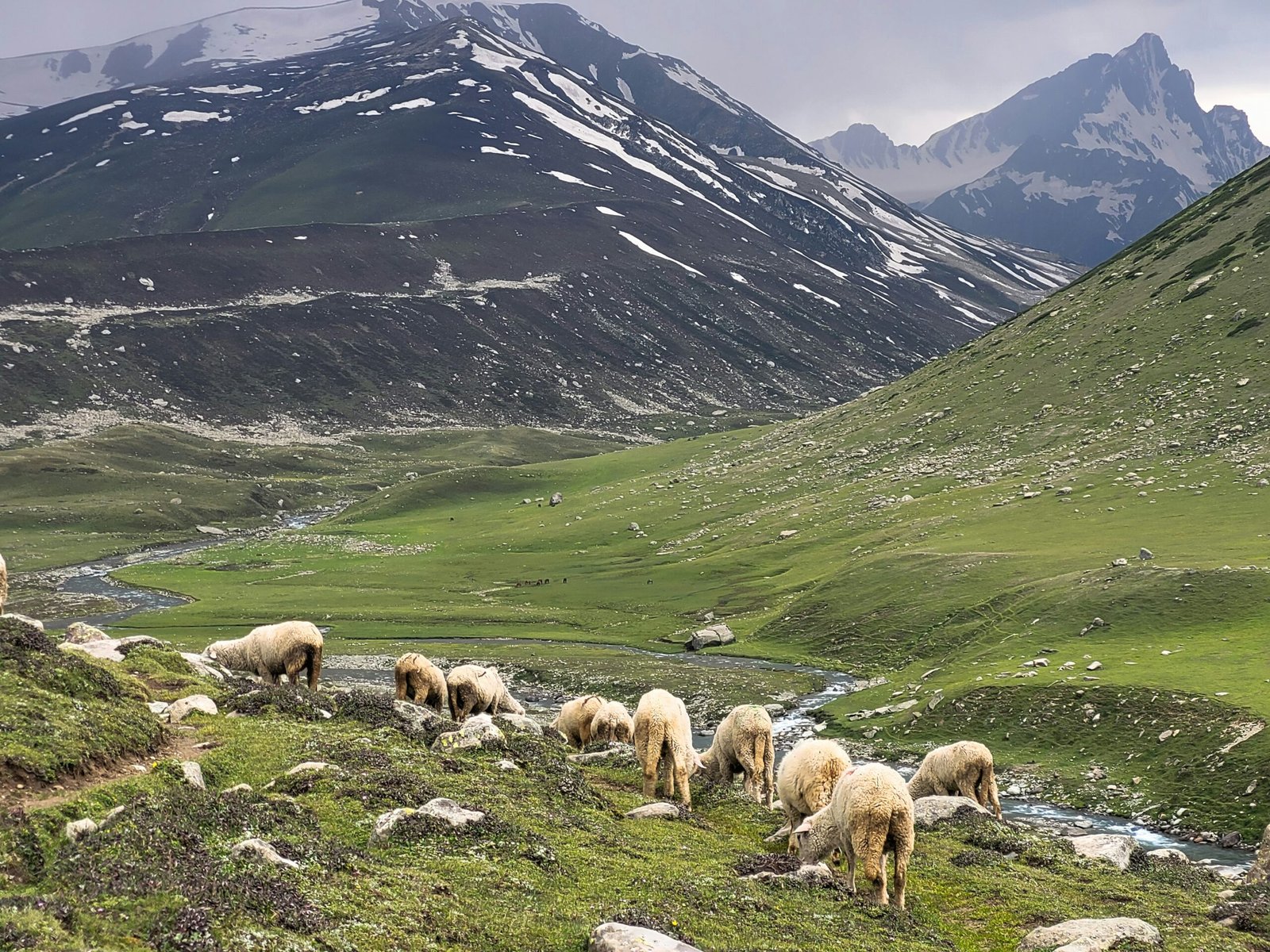
Best Wildlife Places in Ladakh

Ladakh hosts rare Himalayan wildlife in high-altitude sanctuaries like Hemis and Changthang. Faraz Nazir / Unsplash

Ladakh’s wild beauty lies in its stunning variety of landscapes: alpine meadows, glacial rivers, saltwater lakes, and cold deserts all coming together to create a rich ecosystem. Despite its remote and rugged terrain, the region is home to an astonishing array of wildlife uniquely adapted to thrive in extreme conditions.

From the elusive snow leopard camouflaged against rocky slopes to the sure-footed Himalayan ibex and the swift Tibetan wild ass roaming open plains, each species adds to the magic of this untamed land. For nature lovers and wildlife photographers, Ladakh offers a rare chance to witness and capture life in one of the planet’s most raw and resilient environments.

From snow leopards silently stalking the cliffs to herds of Tibetan wild asses grazing the barren plains, every sighting feels like a rare gift of nature. These remote and untouched habitats offer more than just wildlife encounters; they invite travelers into a world where nature remains wild, raw, and deeply humbling.

This guide takes you through the best wildlife places in Ladakh for nature lovers, each offering a rich fusion of natural beauty, local culture, and unforgettable wildlife experiences.
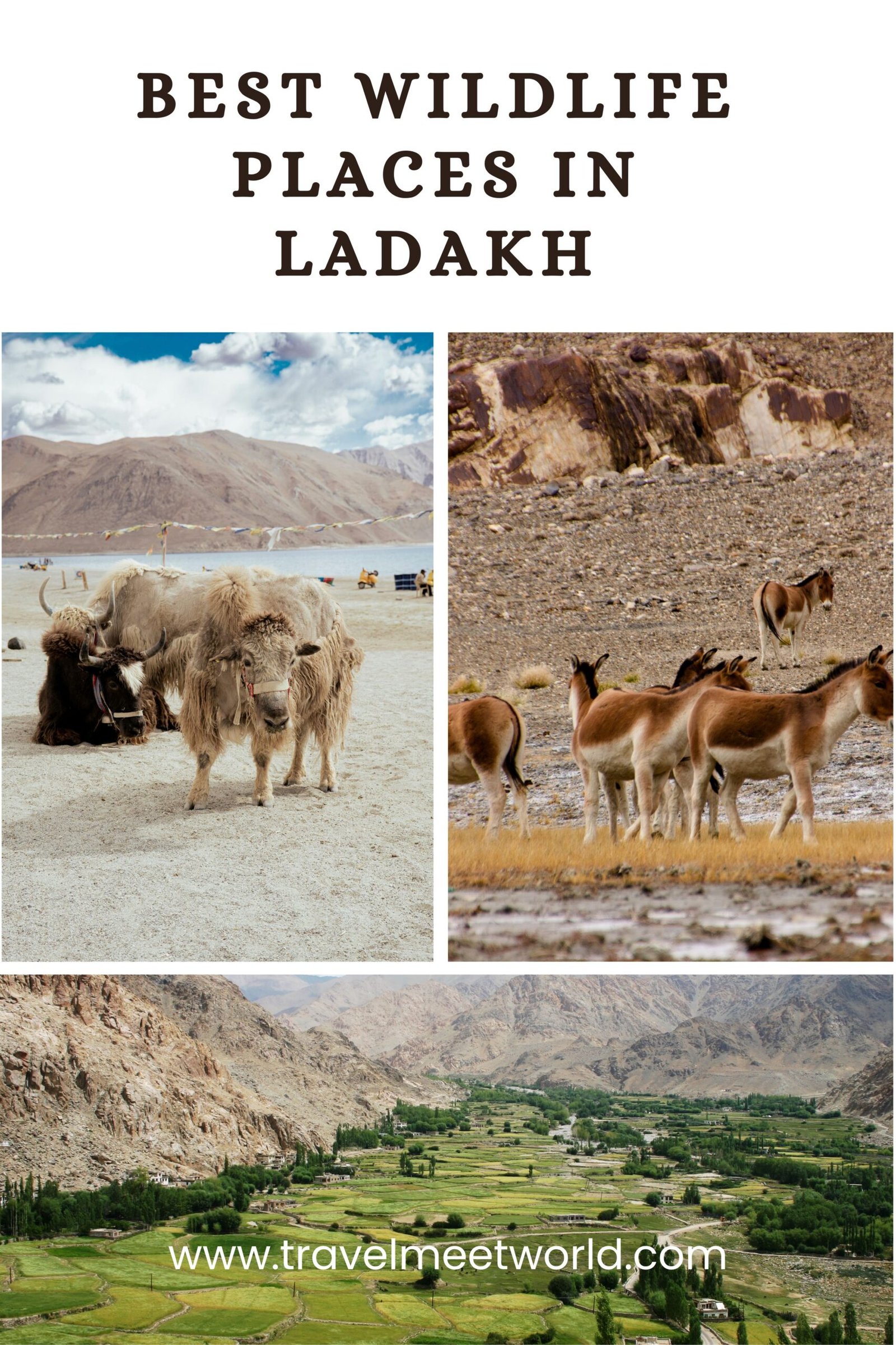
Best Wildlife Places in Ladakh

Conservation efforts and eco-tourism initiatives are helping protect Ladakh’s fragile wildlife and promote responsible travel. Jahanzaib Khan / Pexels

1. Hemis National Park: The Kingdom of the Snow Leopard
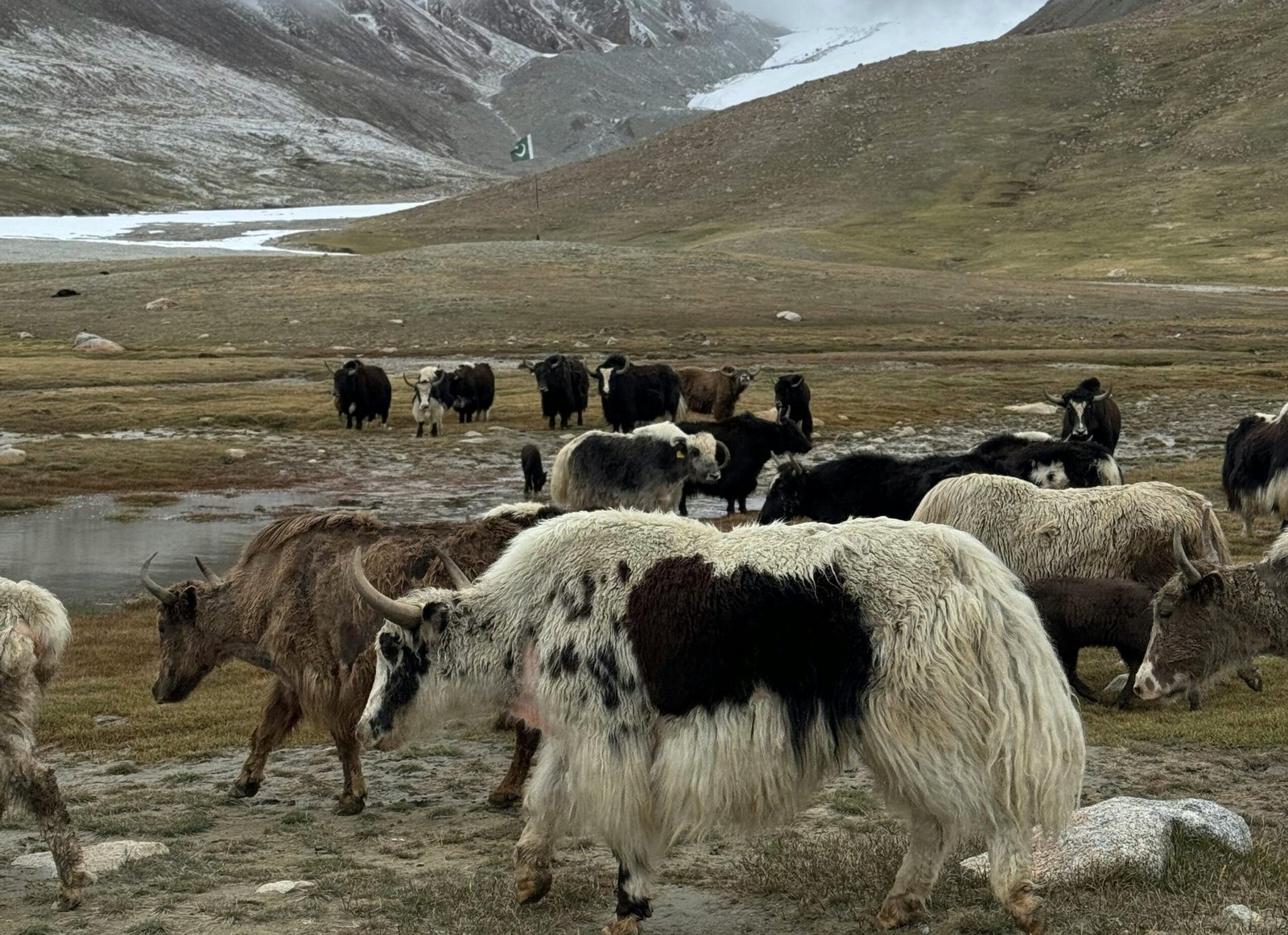
Hemis National Park, tucked deep in the eastern part of Ladakh, is often called the “Snow Leopard Capital of the World.” Spanning over 4,400 square kilometers, this vast, rugged terrain of Rocky Mountains, deep gorges, and dry alpine valleys is the ideal habitat for one of the world’s most elusive big cats, the snow leopard.

The best time to visit Ladakh for a chance to spot this majestic animal is between November and March, when heavy snowfall pushes prey like blue sheep to lower altitudes, and the snow leopards follow.

But snow leopards aren’t the only creatures that call this park home. Blue sheep (bharal) are commonly seen in herds scaling cliffs with ease. You might also spot the Tibetan wolf, red fox, and Himalayan marmots, as well as rare bird species like the golden eagle and lammergeier (bearded vulture).

For wildlife photographers, Hemis is a dream destination, but it comes with challenges. Since spotting a snow leopard often requires patience and distance, a telephoto lens (400 mm or higher) is essential. Dressing in earth-tone clothing or camouflage helps you blend into the rocky terrain without disturbing the animals.

Hiring a local guide or wildlife tracker is highly recommended; they know the terrain, understand animal movement patterns, and can take you to less-crowded, promising vantage points. Whether you’re aiming to photograph predators or just soak in the remote Himalayan wilderness, Hemis offers a rare and unforgettable experience.
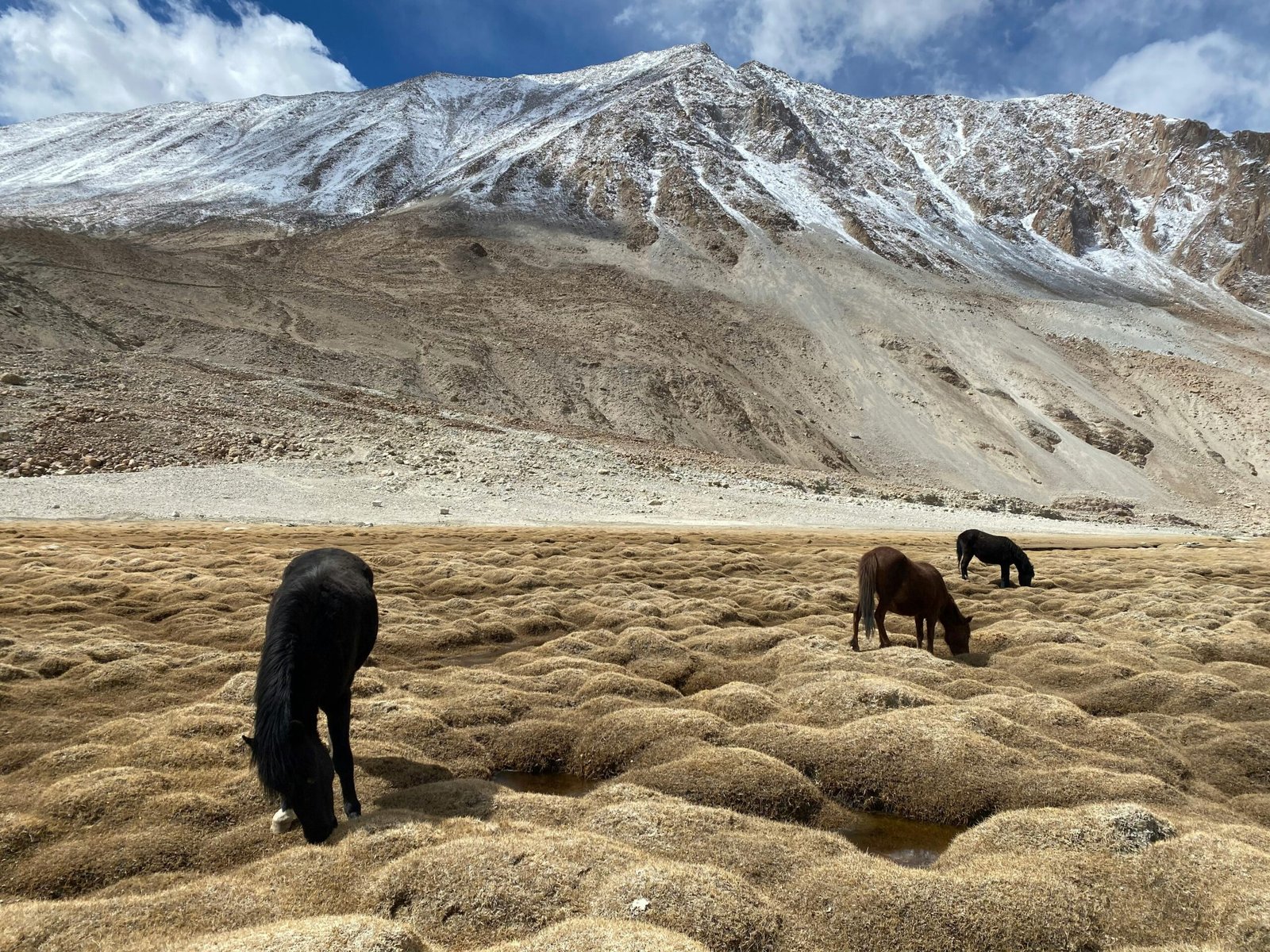
Best Wildlife Places in Ladakh

The Changpa nomads live close to Ladakh’s wildlife and help protect their fragile environment. Yogendras / Pexels

2. Changthang Wildlife Sanctuary: Home of the Tibetan Wild Ass

Located in the remote eastern reaches of Ladakh, Changthang Wildlife Sanctuary stretches across a sweeping high-altitude plateau that gives a raw and untouched wilderness experience. Known for its stark, otherworldly beauty, this cold desert ecosystem is a unique mix of grassy meadows, saltwater lakes, and barren mountains. Despite the harsh conditions—freezing winds, dry air, and minimal vegetation—this sanctuary is home to a rich variety of wildlife.

Among Changthang’s most distinctive wildlife is the Tibetan wild ass, or kiang, known for its strength and graceful presence across the open plains. These elegant, chestnut-colored animals roam freely across the grasslands in herds, often galloping at impressive speeds. The sanctuary is also a haven for black-necked cranes, a rare and sacred bird in Ladakhi and Tibetan culture, as well as other migratory birds like bar-headed geese and Brahminy ducks that arrive in the summer to breed near high-altitude lakes like Tso Moriri and Pangong Tso.

Beyond the wildlife, Changthang offers a deeper experience through cultural encounters with the Changpa nomads, the traditional herders of this region. Living in harmony with nature, the Changpa rear pashmina goats and move seasonally in search of pasture. Visiting their camps can give you insight into their simple yet resilient lifestyle, deeply rooted in the rhythms of the land. Together, the wildlife and culture of Changthang make it not just a sanctuary for animals but for anyone seeking peace, silence, and raw connection to the earth.

3. Tso Moriri Lake: Birdwatcher’s Paradise

Encircled by majestic snow-covered mountains and expansive grasslands, this striking turquoise lake serves not only as a visual delight but also as a vital nesting site for endangered and migratory birds. During the summer months, species such as the bar-headed goose, Brahminy duck, and black-necked crane flock to the lake to nest, feed, and raise their young. For birdwatchers and nature lovers, it’s a rare opportunity to observe these birds in their natural, undisturbed habitat.

The lakeside scenery is equally captivating for photographers. With its vast skies, shimmering waters, and dramatic mountain backdrops, Tso Moriri offers perfect wide-angle landscape shots, especially during sunrise and sunset when the colors of the sky reflect on the lake’s surface. 

However, it’s essential to approach this fragile environment with care. Respecting bird nesting zones, avoiding loud noises, and not venturing too close to wildlife are key ethical practices that help preserve the delicate ecosystem of Tso Moriri. Stick to marked paths, avoid using drones near bird colonies, and always carry back your waste. This mindful approach ensures that the lake remains a safe haven for both birds and future travelers seeking its quiet magic.

Best Wildlife Places in Ladakh

Despite harsh conditions, Changthang Wildlife Sanctuary supports species like lynx, Tibetan wolves, and woolly hares. Julia Volk / Pexels

4. Nubra Valley: Wildlife Among Sand Dunes and Mountains
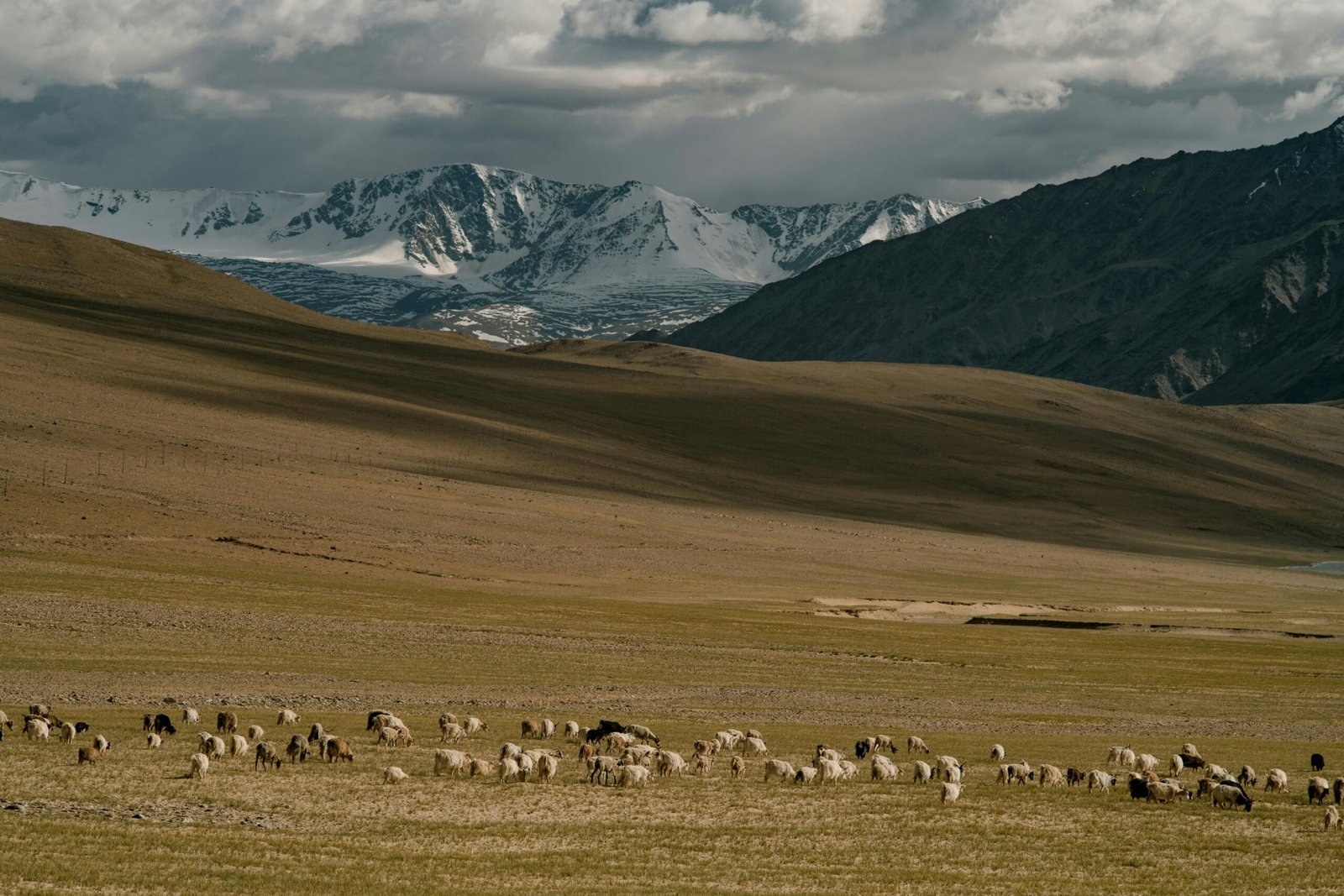
Tucked between the Ladakh and Karakoram ranges, Nubra Valley gives one of the most surreal landscapes in the region, a rare blend of rolling sand dunes, snow-covered peaks, and green oasis-like villages. While it may appear barren at first glance, this cold desert valley is full of unexpected biodiversity. Thanks to its unique climate and varied terrain, a surprising range of wildlife thrives here.

One of the most iconic sights in Nubra is the Bactrian camel, known for its two humps and history as a trade companion along the ancient Silk Route. Today, these camels can be seen leisurely walking through the Hunder sand dunes, giving a glimpse into a time when caravans crossed these mountains.

Venture into higher altitudes or rocky outcrops, and you may spot the Himalayan ibex, a majestic mountain goat with large, curved horns that is well-adapted to the steep cliffs. For nature enthusiasts and photographers, Nubra Valley has several lesser-known trails that offer beautiful wildlife viewing and landscape photo opportunities.

Walks around villages like Sumur and Panamik take you through poplar groves, riversides, and viewpoints that overlook both the sand deserts and snowy peaks. Sunrise and sunset are particularly magical, with soft golden light transforming the entire valley into a photographer’s dream. You’re here to spot rare wildlife or simply soak in the contrasts of desert and mountain, Nubra is full of natural surprises.
Best Wildlife Places in Ladakh

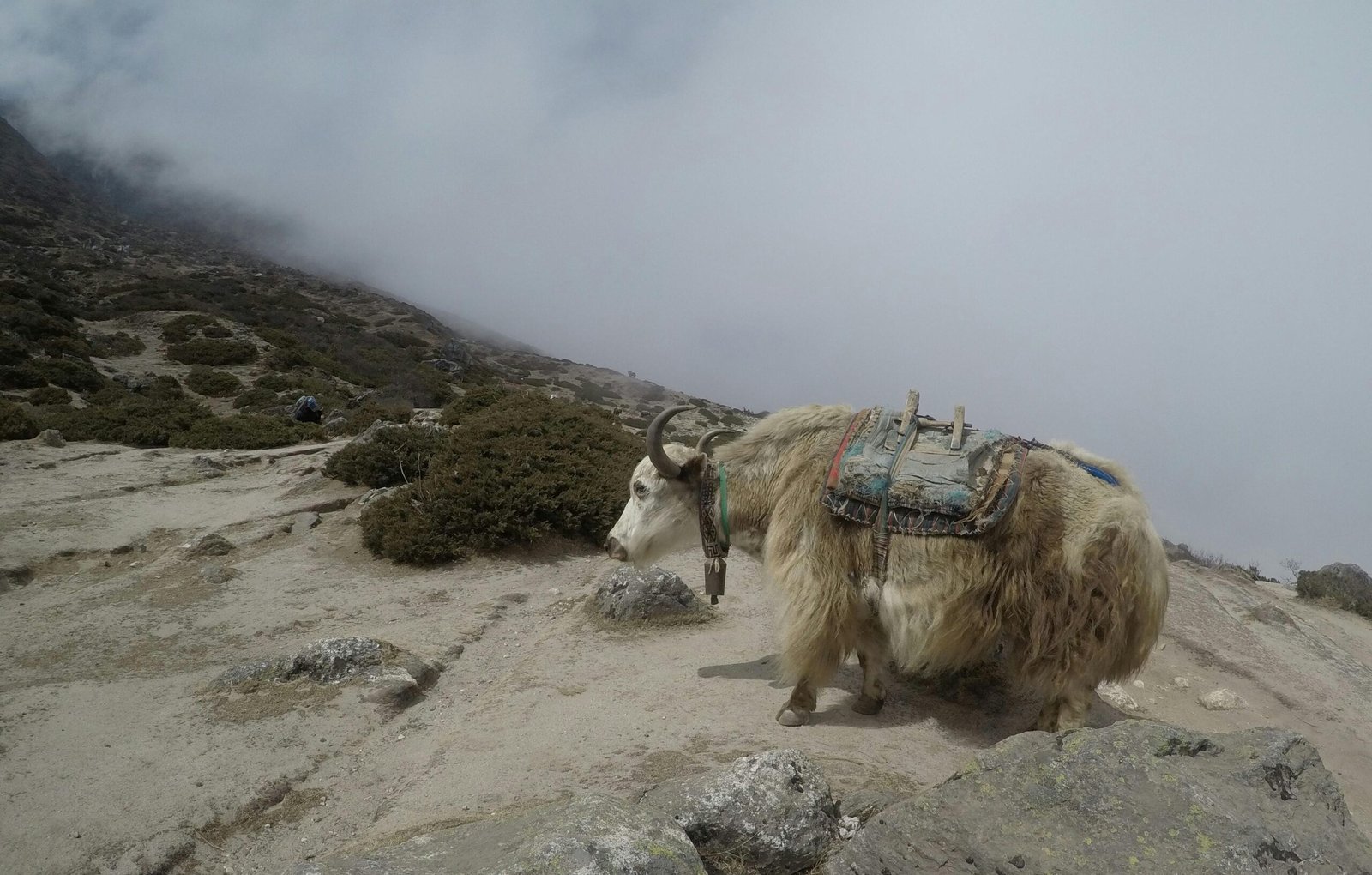
Ladakh is home to unique species found nowhere else in India, like the Tibetan wild ass (kiang) and Tibetan gazelle. Lisanne / Pexels

5. Suru and Zanskar Valleys: Remote and Raw

For travelers seeking solitude and raw beauty, the Suru and Zanskar Valleys in western Ladakh offer untouched alpine landscapes, glacier-fed rivers, and cliffside monasteries. These remote valleys are rich in high-altitude wildlife, including marmots, Himalayan foxes, and the elusive lynx. In summer, the region comes alive with colorful wildflowers, making it a paradise for nature lovers and offbeat explorers.

Unlike the more visited parts of Ladakh, these valleys are peaceful, uncrowded, and deeply immersive. Every bend in the road gives sweeping views, whether it’s the Nun-Kun peaks in Suru or the deep gorges and frozen rivers of Zanskar. The changing light, dramatic weather, and raw textures of the terrain make this region ideal for capturing moody, powerful landscape shots.

However, traveling here requires planning. Seasonal access is limited. The roads to Zanskar are usually open only from late June to early October, depending on snowfall. Harsh weather, remote locations, and limited mobile connectivity mean travelers must be well-prepared. 

It’s wise to carry extra fuel and warm clothing and travel with a local guide or in a group, especially if venturing deep into the valley. Despite these challenges, the rewards are immense: pristine beauty, rare wildlife, and a sense of solitude that few places on earth can offer.

6. Tips for Ethical Wildlife Watching in Ladakh

Ladakh’s fragile ecosystems and rare wildlife demand extra care from every traveler. Whether you’re trekking through Hemis National Park or watching birds near Tso Moriri, responsible behavior is key to preserving the natural balance of this high-altitude environment.

The golden rule is simple: “Leave no trace.” Avoid littering, stay on marked trails, and carry reusable water bottles and containers to reduce plastic use. Don’t pick plants, disturb nests, or approach animals too closely; doing so can stress wildlife and even alter their natural behavior. Silence is golden in the wild. Keeping noise levels down helps both you and others enjoy authentic sightings without scaring animals away.

It’s highly recommended to hire certified local wildlife guides. Not only do they increase your chances of spotting rare species like the snow leopard or black-necked crane, but they also understand the rhythms of the land and ensure you’re treading lightly. Supporting local guides and eco-tour operators also contributes to Ladakh’s community-based conservation efforts.

When it comes to photography and ecotourism, respect must come before the perfect shot. Avoid using flash, especially near birds or nocturnal animals, and maintain a respectful distance using zoom lenses rather than getting physically close. Drones should be avoided in wildlife areas, as they can disrupt animals, especially during nesting or breeding seasons.

This is the official government portal for Ladakh’s wildlife conservation efforts, including details on national parks, sanctuaries, management activities, and policies: Forest, Ecology & Environment Department – Ladakh (Wildlife Division)

GUIDED BY EXPERT

Yoga within Travel the perfect flow of Experience

Explore wellness in anywhere

by

Explore Related stories

Nature Visit

Top Attractions to Explore in Darjeeling

Often referred to as the “Queen of the Hills,” Darjeeling Read More

Nature Visit

Top 6 Tea Estates to Visit in Wayanad

Nestled in the Western Ghats of Kerala, Wayanad is

Wildlife Visit

Best Places to Spot the Big 5 in Africa

Encountering Africa’s Big 5 in the wild isn’t just a travel

Nature Visit

10 best places to visit in Malaysia

Malaysia a captivating blend of modernity and tradition,

Activities

20 Best Things to Do in South Africa

South Africa is a land of striking contrasts and endless

LEAVE A COMMENT

    Top 6 Tea Estates to Visit in Wayanad

    Top 6 Tea Estates to Visit in Wayanad

    Top 6 Tea Estates to Visit in Wayanad

    Nestled in the Western Ghats of Kerala, Wayanad is a land of mist-covered hills, lush forests, cascading waterfalls, and spice-scented air. 

    While the region is often praised for its wildlife sanctuaries and trekking trails, You know verdant tea estates remain one of Wayanad’s most beautiful yet underrated attractions.

    Unlike the crowded plantations of Munnar or Darjeeling, Wayanad’s tea gardens gives a quieter, more intimate experience perfect for travelers seeking peace, nature, and authenticity.

    According to a 2023 study by International SOS, India ranked among the top five countries where travelers needed emergency medical assistance, mostly due to dehydration, infections, or road mishaps.

    Strolling through rows of neatly trimmed tea bushes, watching local workers hand-pluck the leaves, and sipping freshly brewed tea surrounded by greenery can be incredibly grounding.

    This guide takes you through the top 6 tea estates to visit in Wayanad, each giving a rich fusion of natural beauty, local culture, and unforgettable tea experiences.

    Top 6 Tea Estates to Visit in Wayanad

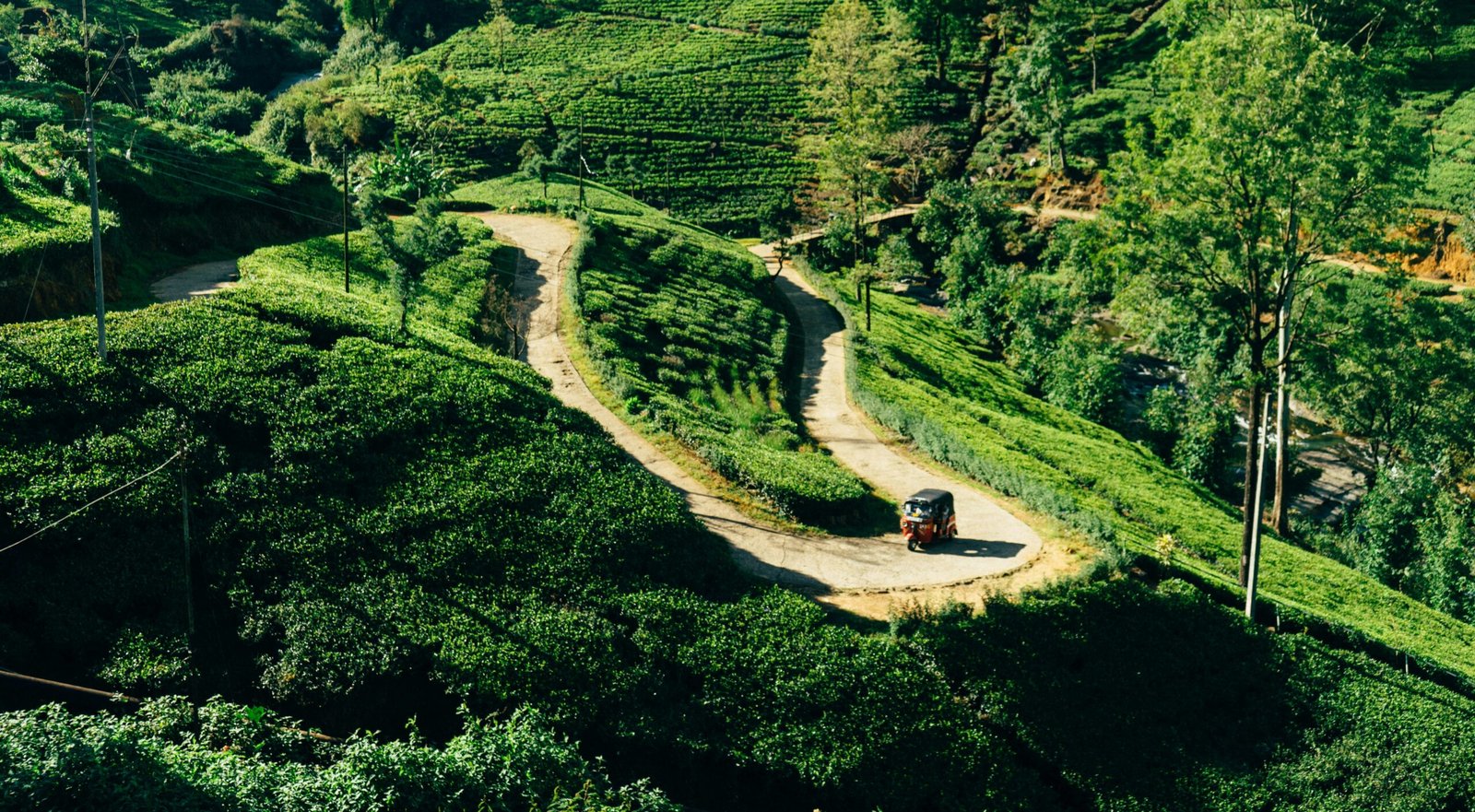
    Kerala is known for Munnar’s tea gardens. Martin Pechy / Unsplash

    Why Visit Tea Estates in Wayanad?

    Visiting tea plantations in Wayanad gives travelers a chance to experience authentic plantation life in Kerala.

    Another major highlight is the opportunity to taste fresh organic tea directly from local plantations.

    And the best part is many tea estates focus on sustainable farming and eco-tourism, allowing visitors to enjoy natural surroundings while supporting responsible travel experiences in Kerala.

    Top 6 Tea Estates to Visit in Wayanad

    Top 6 Tea Estates to Visit in Wayanad

    Meppadi Tea Estate – The Heart of Wayanad’s Tea Belt

    For first-time visitors to Wayanad’s tea country, Meppadi Tea Estate gives the perfect introduction to the region’s charm, culture, and calm. What makes it truly ideal is its easy accessibility. 

    Located just a short drive from Kalpetta and close to famous attractions like Soochipara Falls and Edakkal Caves, Meppadi fits effortlessly into most travel routes.

    Unlike more commercialized or remote plantations, it strikes a rare balance: it’s tourist-friendly without losing its authenticity.

    The landscape is both dramatic and gentle, with rolling tea-covered hills that are easy to walk through, with clearly marked paths and safe viewing spots.

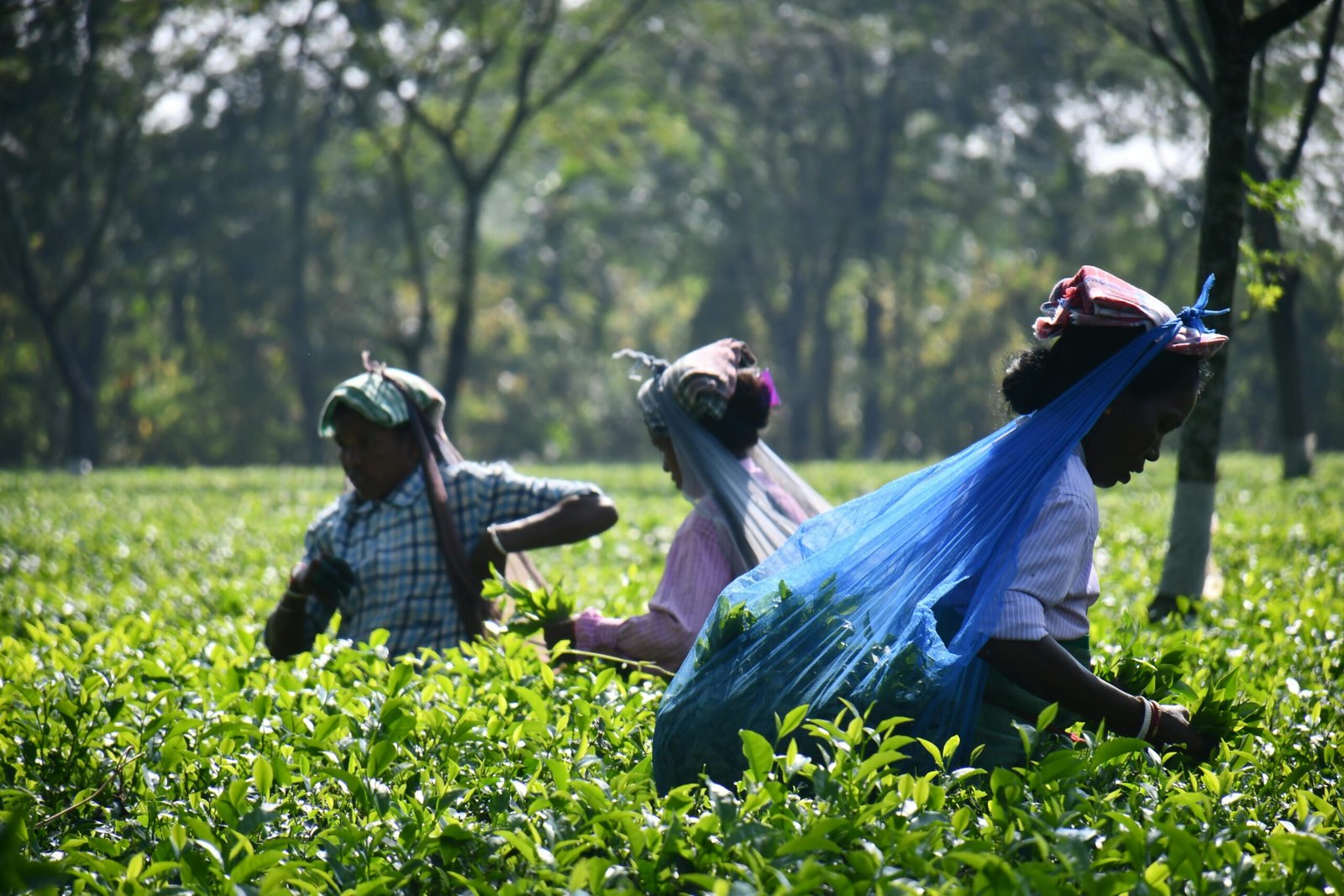
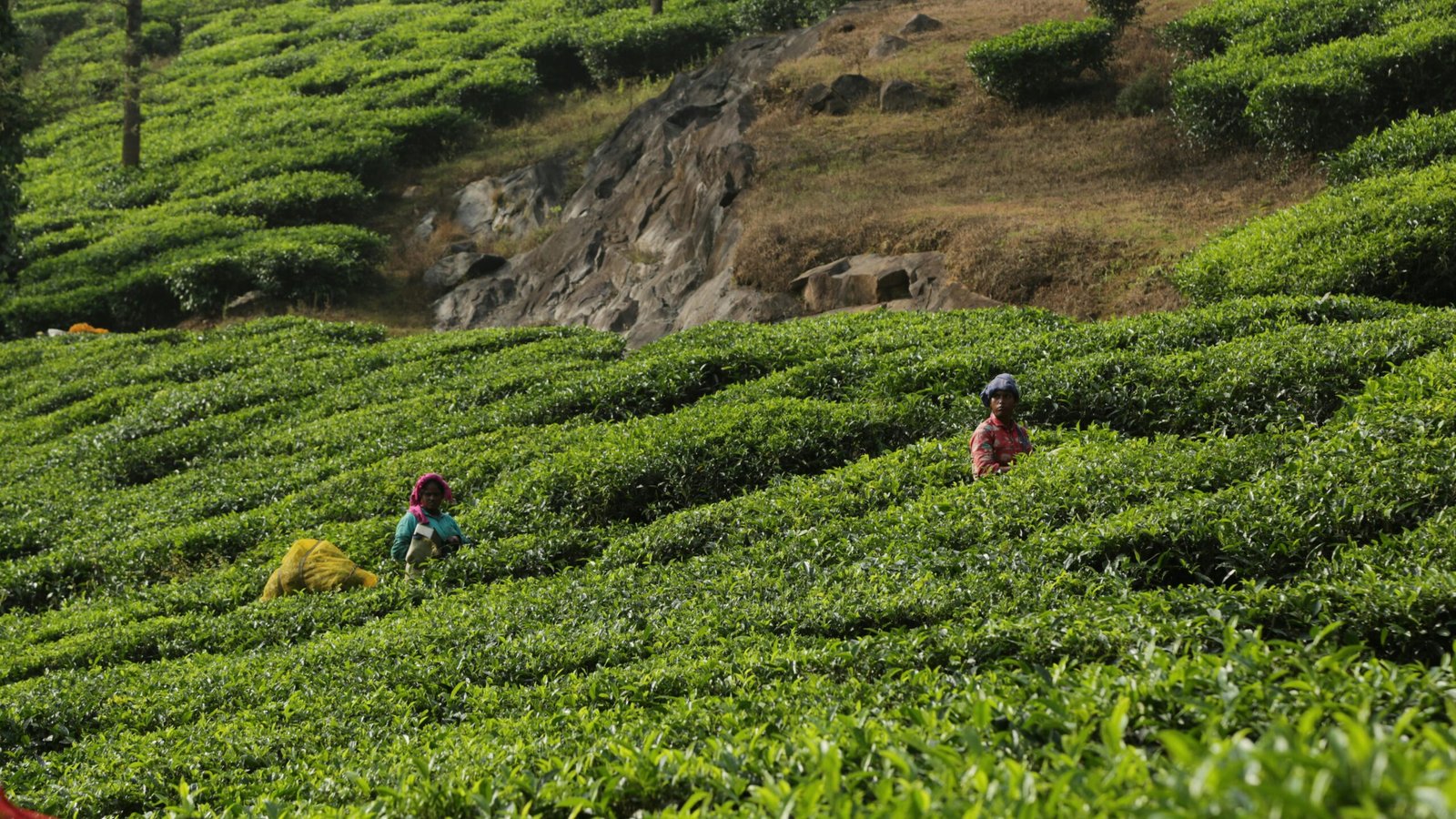
    Visitors can join guided tea walks that explain not just the tea-making process but also local history, plant varieties, and the daily lives of the workers, especially the women whose skilled hands bring the leaves to life. 

    The estate staff are known for their friendly and informative approach, making even solo travelers and first-time explorers feel welcome and at ease.

    The factory visit is a highlight, giving a fascinating behind-the-scenes look at how fresh green leaves are transformed into the tea we love, all without requiring any prior knowledge. 

    If you’re coming to relax, to learn, or just to take in the views while sipping a cup of freshly brewed local tea, Meppadi offers a gentle, immersive, and memorable experience perfect for those new to Wayanad’s tea trails.

    “Not sure where to go? I always compare flight prices on Aviasales to discover the cheapest beach destinations worldwide.”

    Top 6 Tea Estates to Visit in Wayanad

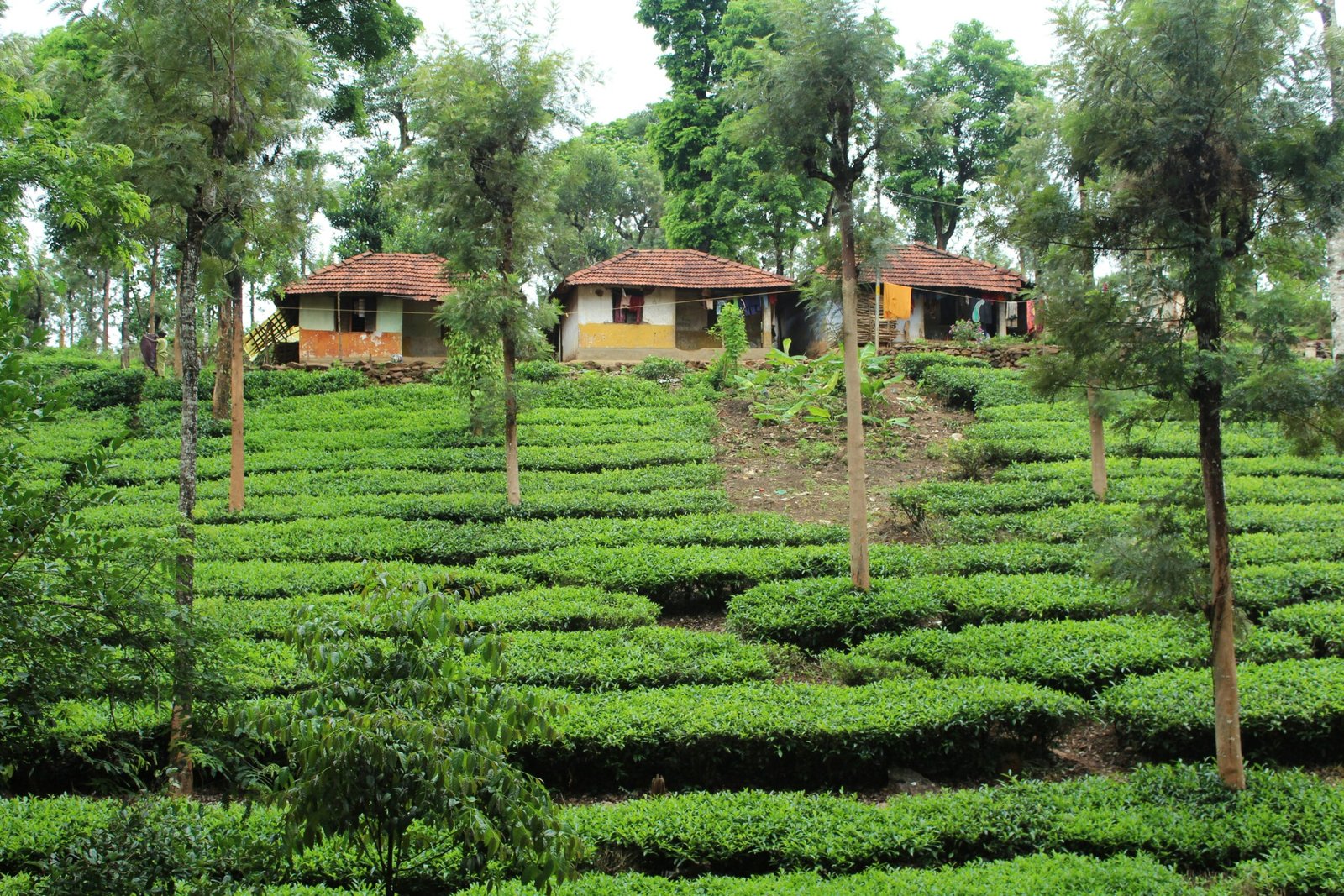
    Somewhere house in the tea estate.

    Priyadarshini Tea Estate – A Cooperative Success Story

    The serene hills of Mananthavady in Wayanad, Priyadarshini Tea Estate stands out not just for its natural beauty but for its inspiring story of empowerment and sustainability. 

    What makes this estate truly special is that it’s owned and managed by indigenous tribal communities, making it a rare example of a successful cooperative model in the tea industry. 

    Formed under the Mananthavady Tribal Society, this estate provides employment, dignity, and self-reliance to hundreds of tribal families who have lived on this land for generations.

    Unlike commercial tea estates, Priyadarshini takes a deep-rooted, organic approach to farming; they avoid harmful chemicals, use traditional methods, and promote biodiversity within their fields.

    Walking through the estate feels like stepping into a more conscious version of agriculture, where every leaf is plucked with care and every practice respects the balance of nature.

    Visitors are often amazed by the quiet strength of the workers, especially the tribal women whose smiles and stories reveal a deep connection to the land.

    It’s a chance to see how a community has come together to create something meaningful economically and socially. For travelers seeking more than just beautiful views, it is a place where tourism directly supports local livelihoods and makes a real difference in people’s lives.

    Achoor Estate – A Hidden Gem in the Hills

    Achoor Estate remains one of the region’s most breathtaking yet lesser-known tea plantations. Blanketed in mist and surrounded by whispering trees, Achoor is a raw, untouched version of Wayanad’s beauty, one that hasn’t been shaped for tourists but preserved for those who truly want to connect with nature.

    The estate’s narrow walking trails weave gently through the tea fields, occasionally opening up to panoramic hill views, secluded forest patches, or quiet streams where birdsong is the only sound, you’ll hear.

    What makes Achoor truly special is its quiet charm; it’s not a place for crowds or curated tours, but a haven for those who love to wander, observe, and reflect. 

    Vythiri Tea Garden – Where Luxury Meets Nature

    Nestled among emerald-green slopes and misty valleys, this tea estate is surrounded by some of Wayanad’s finest upscale resorts, spa retreats, and treehouse stays, making it a favorite escape for honeymooners and luxury-seeking travelers. 

    Unlike traditional tea estates that focus solely on farming, Vythiri offers an elevated experience where sipping tea comes with candlelit dinners, forest views, and personalized service.

    Here, you can enjoy guided estate walks that take you through perfectly manicured tea rows while learning about the estate’s legacy and cultivation practices. 

    After the tour, guests are treated to fine dining experiences that pair handcrafted teas with gourmet meals, often featuring local Kerala flavors with a modern twist. 

    What makes Vythiri Tea Garden truly unique is its ability to offer a nature-rich escape without giving up on elegance. 

    Chundale Estate – History and Nature Combined

    Located just a few kilometers from Kalpetta town, Chundale Estate gives a rare blend of accessibility, colonial charm, and natural beauty, making it a perfect stop for travelers on a tight schedule or those looking for a quick but meaningful escape into Wayanad’s tea culture.

    As you stroll through its grounds, you’ll notice colonial-era buildings, vintage tea-processing machinery, and architectural remnants from the British era, all whispering stories of Wayanad’s early plantation days.

    The heritage factory, still partly functional, gives you a fascinating peek into how tea was traditionally processed long before automation and modern packaging.

    The estate is wrapped in calm gentle slopes, shaded paths, and towering old trees that seem to whisper stories of the past. Chundale gives a meaningful experience without the need for an intense hike or a full-day commitment.

    Top 6 Tea Estates to Visit in Wayanad
    Estates give travelers a deeper look into plantation life. Vignesh Vinod / Pexels

    Harrisons Malayalam Ltd – The Commercial Powerhouse

    If you want to witness tea production on a grand scale, Harrisons Malayalam Ltd gives a fascinating glimpse into the industrial side of Wayanad’s tea story.

    As one of the largest plantation companies in South India, Harrisons isn’t just a tea estate; it’s a massive operation that plays a major role in India’s tea export economy.

    Unlike smaller, family-run plantations, Harrisons gives visitors a chance to understand the complex logistics, machinery, and global networks behind every packet of tea that travels from Wayanad to international markets.

    The estate also houses a professional-grade factory that requires advance booking for guided tours, making it a more structured but highly educational visit. 

    While it may not offer the cozy charm of smaller estates, Harrisons Malayalam Ltd is ideal for curious minds, researchers, and serious tea enthusiasts who want to explore the powerhouse that fuels Wayanad’s tea economy.

    A government-supported tribal cooperative initiative. Featured on Kerala Tourism’s official site, which outlines estate tours, the tea museum, accommodations, and entry fees.

    Best Time to Visit Tea Estates in Wayanad

    The best time to explore the beautiful tea estates of Wayanad is between June and February, when the hills remain fresh, green, and surrounded by cool mountain weather.

    The tea gardens look their greenest during the Mansoon (June to September), making it one of the most photogenic times to visit Wayanad.

    Clear skies in Winter (October to February) and fresh air also create excellent conditions for photography and scenic drives through the Western Ghats.

    Things to Do in Wayanad Tea Plantations

    Tea Tasting Sessions and Factory Visits- One of the most popular experiences in Wayanad’s tea estates is tasting freshly processed tea directly from local plantations.

    Nature Walks and Plantation Photography- Early mornings and sunset hours are especially beautiful for capturing scenic landscapes, rolling tea fields, and cloud-covered valleys of the Western Ghats.

    Birdwatching and Eco-Tourism Activities- The tea estates of Wayanad are home to many species of birds, butterflies, and small wildlife because of their location near forest regions and the Western Ghats ecosystem.

    Staying in Plantation Resorts and Homestays- Many travelers choose to stay inside tea plantation resorts and traditional homestays to fully experience the peaceful atmosphere of Wayanad.

    Have a late flight? Store your luggage safely with Radical Storage and explore freely.

    Want to discover more of God’s Own Country? Read here full guide to the 10 Best Things to Do in Kerala before planning your itinerary.

    Travel Tips for Visiting Tea Estates in Wayanad

    Carry Light Jackets and Comfortable Walking Shoes

    Respect Plantation Rules and Local Workers

    Best Transport Options for Exploring Tea Gardens

    Visit Early Morning for Better Views and Fewer Crowds

    FAQs

    What is the best time to visit tea estates in Wayanad?

    The best time to visit Wayanad tea estates is between October and February when the weather is cool and pleasant for sightseeing, plantation walks, and photography. Monsoon months from June to September also offer beautiful lush green landscapes. 

    Are tea factory tours available in Wayanad?

    Yes, several tea plantations in Wayanad offer guided factory tours where visitors can learn about tea processing, tea leaf harvesting, and traditional tea-making methods.

    Can travelers stay inside tea plantations in Wayanad?

    Many tea estates in Wayanad have plantation resorts, eco-stays, and homestays that allow travelers to stay surrounded by scenic tea gardens and mountain views.

    How many days are enough to explore Wayanad tea estates?

    A 2 to 3-day trip is usually enough to explore major tea plantations, nearby waterfalls, scenic viewpoints, and other attractions in Wayanad comfortably.

    Are Wayanad tea estates suitable for family trips?

    Yes, Wayanad tea plantations are family-friendly destinations.

    What should I carry while visiting tea estates in Wayanad?

    Visitors should carry comfortable walking shoes, light jackets, rain protection during monsoon season, cameras for photography, and reusable water bottles for plantation walks and outdoor activities.

    You May Also Like

    Best Things to Do in India

    The 14 Best Things to Do in India

    5 Of the Best Hikes in South Africa

    5 Of the Best Hikes in South Africa

    11 most stunning places to visit in India

    11 most stunning places to visit in India

    Leave a Comment


    Hello!


    Hi, I’m Pooja Mokashi, a passionate storyteller and travel content creator behind Travel Meet World. Based in Mumbai, I love discovering local cultures and helping travelers explore the world with confidence and smart planning.

    Get a Updates

    Sign up for exciting Articles, learn more about Content and get new travel ideas.

    Best Places to Spot the Big 5 in Africa

    Best Places to Spot the Big 5 in Africa

    Best Places to Spot the Big 5 in Africa

    Encountering Africa’s Big 5 in the wild isn’t just a travel milestone—it’s a heart-pounding, soul-awakening journey into the untamed rhythms of nature, where every moment feels like a scene from a living documentary.

    Originally coined by big-game hunters to describe the five most challenging animals to track on foot the lion, leopard, elephant, rhinoceros, and Cape buffalo. Today, the term stands for the ultimate wildlife adventure.

    These iconic animals roam across some of the most breathtaking landscapes on Earth, from golden savannas to dense riverine forests. 

    we’ll reveal the top safari destinations in South Africa where the Big 5 still roam freely and where every game drive brings you one step closer to witnessing nature’s fiercest and most majestic creatures in their natural element. Here is guide you on best places to spot the Big 5 in Africa.

    Best Time of Year to See the Big 5

    Timing is everything when it comes to spotting the Big 5, and understanding Africa’s seasonal shifts can greatly increase your chances. 

    In general, the dry season, which runs from June to October across most regions, is considered the best time to visit South Africa for Big 5 safaris. Visibility is excellent, and game drives are more predictable.

    Best Places to Spot the Big 5 in Africa

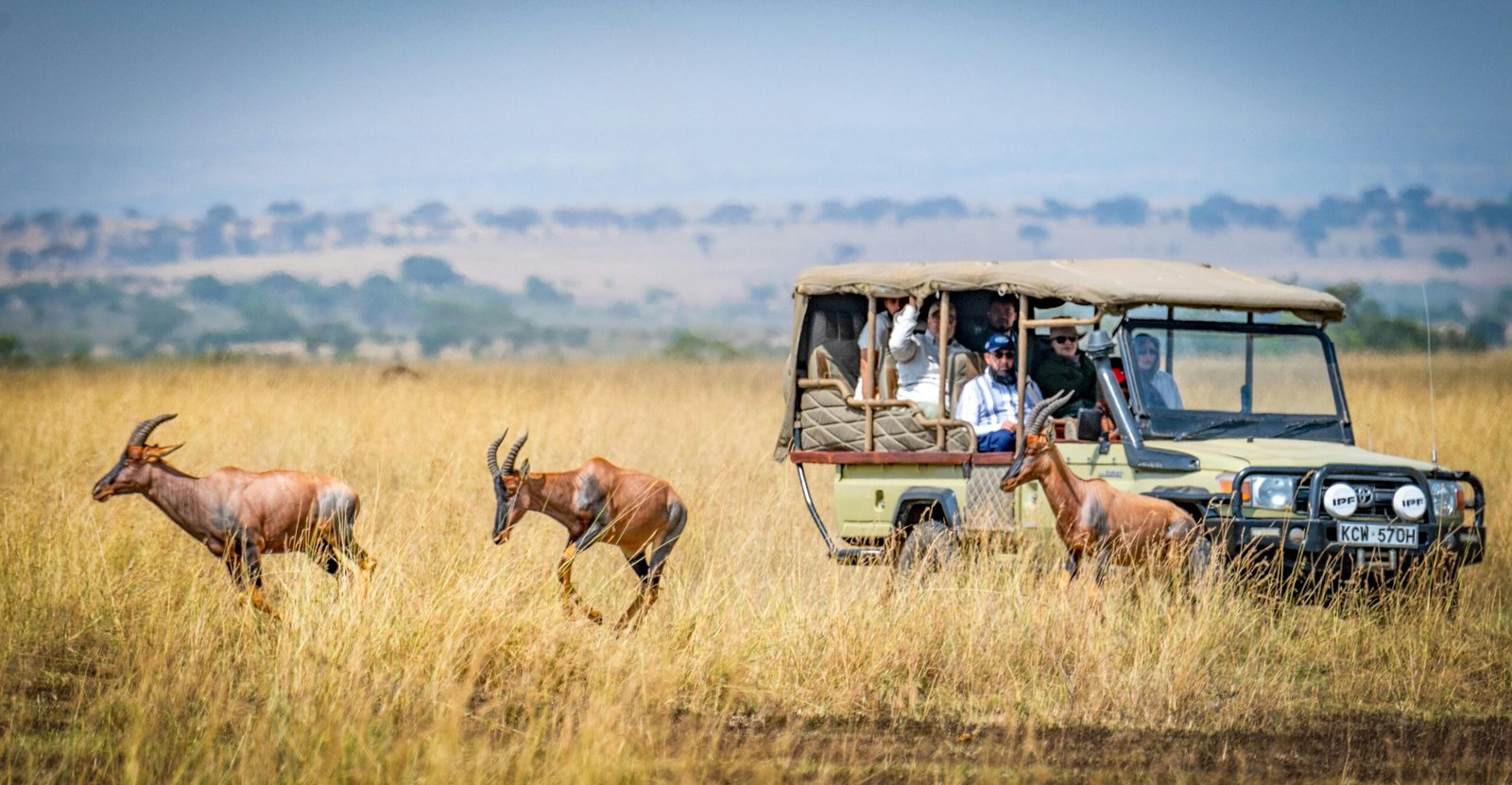
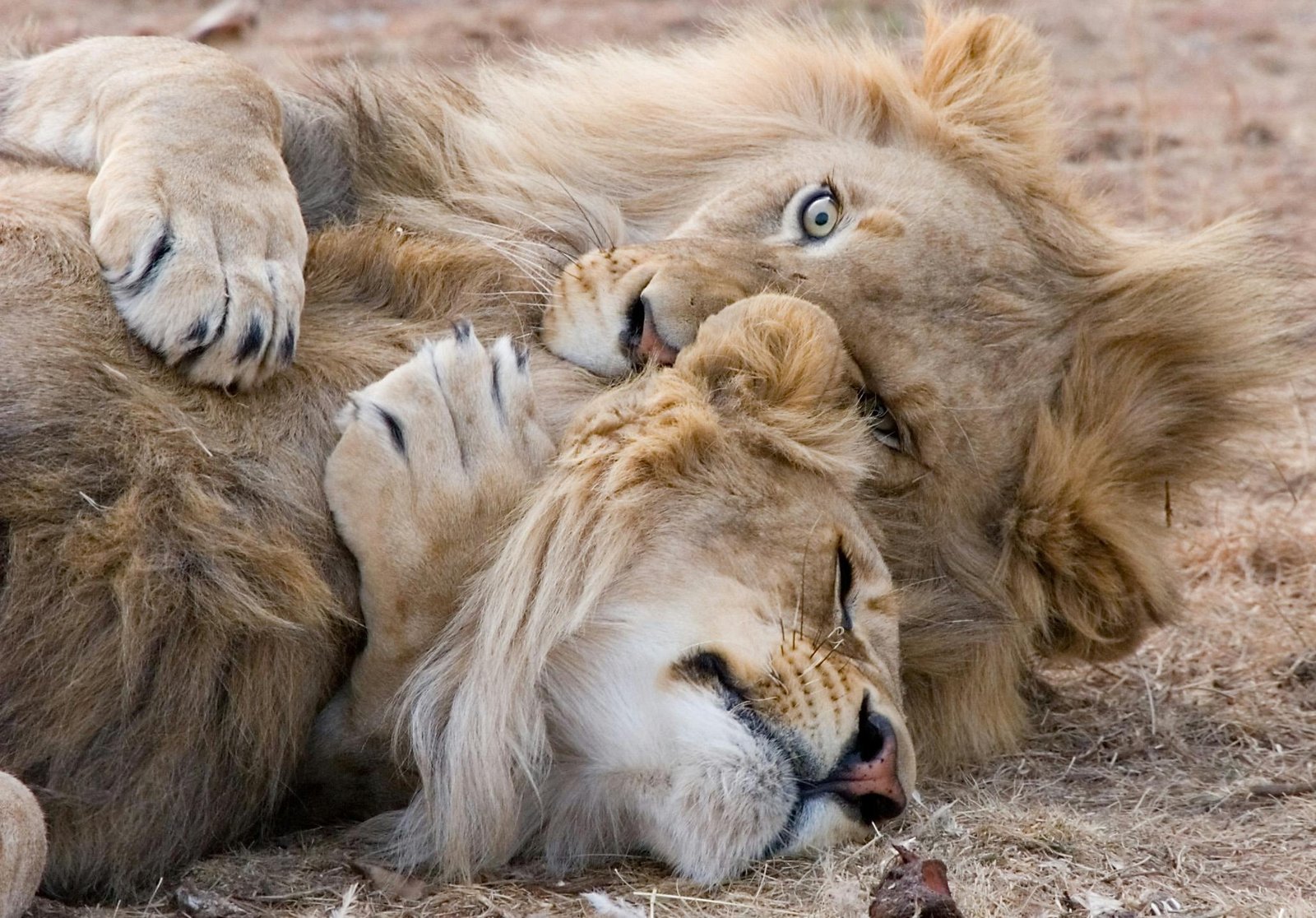
    Masai Mara borders Tanzania’s Serengeti is famous for its lion sightings. Gary Whyte / Pexels

    On the other hand, the wet season, also known as the “green season,” from November to May, offers a different kind of magic. 

    Though animals are harder to spot due to thick foliage, the landscapes are lush, migratory birds arrive in flocks, and baby animals are born, attracting predators and creating dramatic scenes in the wild.

    Though animals are harder to spot due to thick foliage, the landscapes are lush, migratory birds arrive in flocks, and baby animals are born, attracting predators and creating dramatic scenes in the wild.

    Regional climate plays a big role too: Southern Africa (South Africa, Botswana, and Namibia) has a more defined dry season, making it ideal for safaris from May to October. 

    In contrast, East Africa (Kenya, Tanzania, and Uganda) experiences two rainy seasons, with short rains in November–December and long rains in March–May, so the best windows are typically January–February and June–October.

    Tip: Visit the Serengeti in January–February for calving season, the Masai Mara from July to October for the Great Migration, and Kruger National Park anytime between June and September for classic Big 5 encounters. 

    Why Africa Is the Ultimate Destination for Big 5 Safaris

    The golden savannas of Kenya to the vast national parks of South Africa and the wild plains of Tanzania, Africa get some of the best opportunities to see lions, elephants, rhinos, leopards, and buffalo in their natural habitat.

    I personally prefer Yesim for reliable data while traveling across multiple countries.

    Best Places to Spot the Big 5 in Africa

    Rhinos are harder to spot in Serengeti but often visible in Ngorongoro. Marcus Frieze / Pexels

    One of the biggest reasons travelers choose Africa for safari adventures is the variety of landscapes and safari styles available. Visitors can enjoy classic jeep safaris, luxury tented camps, walking safaris, river safaris, and even hot air balloon rides over wildlife-filled plains.

    Africa’s rich safari culture also makes the experience unforgettable. Local guides and conservation experts share deep knowledge about wildlife, nature, and tribal traditions, helping travelers connect with the continent beyond just animal sightings.

    Best African Countries for First-Time Safari Travelers

     South Africa is often the best starting point because it offers excellent infrastructure, affordable safari options, and easy self-drive experiences. . 

    Here Famous parks like Kruger National Park provide high chances of spotting the Big 5 along with comfortable lodges and guided game drives.

    Kenya and Tanzania are perfect for travelers who dream of classic African safari landscapes filled with endless savannas and incredible wildlife.

    Destinations like Masai Mara National Reserve and Serengeti National Park are world-famous for Big 5 sightings and the Great Migration.

    Botswana is known for luxury safaris and rich wildlife in the Okavango Delta, while Namibia offers dramatic desert landscapes and wildlife viewing in places like Etosha National Park.

    Luxury vs Budget Big 5 Safari Experiences

    A luxury Big 5 safari in Africa offers premium experiences such as private game drives, luxury lodges, gourmet dining, spa treatments, and exclusive wildlife viewing areas.

    Travelers staying in luxury safari camps in destinations like Botswana or Tanzania can expect personalized service, high-end tented suites, and unforgettable views of wildlife directly from their accommodation.

    Budget Big 5 safaris are ideal for travelers who want to experience African wildlife without spending a fortune.

    Countries like South Africa and Kenya offer affordable safari packages with shared game drives, budget lodges, camping options, and self-drive safaris.

    Tip: No matter the budget, both options give travelers the chance to witness Africa’s amazing wildlife and experience the excitement of a real Big 5 safari adventure.

    How Many Days Do You Need for a Big 5 Safari?

    For the best chance of spotting all the Big 5 animals in Africa, travelers should plan a safari of at least 3 to 5 days. Short 1–2 day safaris can still offer amazing wildlife sightings, but longer stays provide more game drives.

    Popular safari destinations such as Kruger National Park and Serengeti National Park are ideal for multi-day safari experiences with higher chances of seeing the complete Big 5.

    Popular safari destinations such as Kruger National Park and Serengeti National Park are ideal for multi-day safari experiences with higher chances of seeing the complete Big 5.

    Detail on Top National Parks and Game Reserves by Country

    Kruger National Park, South Africa

    Kruger National Park is often the first name that comes up when talking about Big 5 safaris—and for good reason. It’s one of the few places in Africa where you can realistically spot all five iconic animals.

    What sets Kruger apart is not just the wildlife but also its ease of access; you can fly into nearby airports like Skukuza or Nelspruit or even drive from Johannesburg in less than five hours.

    Guided game drives, especially in adjacent private reserves like Sabi Sands, offer expert-led experiences with higher chances of close-up sightings and off-road access. 

    Masai Mara, Kenya

    What truly sets the Mara apart is the annual Great Migration, when over 1.5 million wildebeest, zebras, and gazelles thunder across the plains from the Serengeti into Kenya, typically between July and October.

    Beyond the wildlife, the Masai Mara offers something deeper: a connection with Kenya’s rich tribal heritage.

    Here, you can visit traditional Maasai villages, learn about their semi-nomadic lifestyle, and even hear firsthand stories of coexisting with lions.

    Serengeti National Park, Tanzania

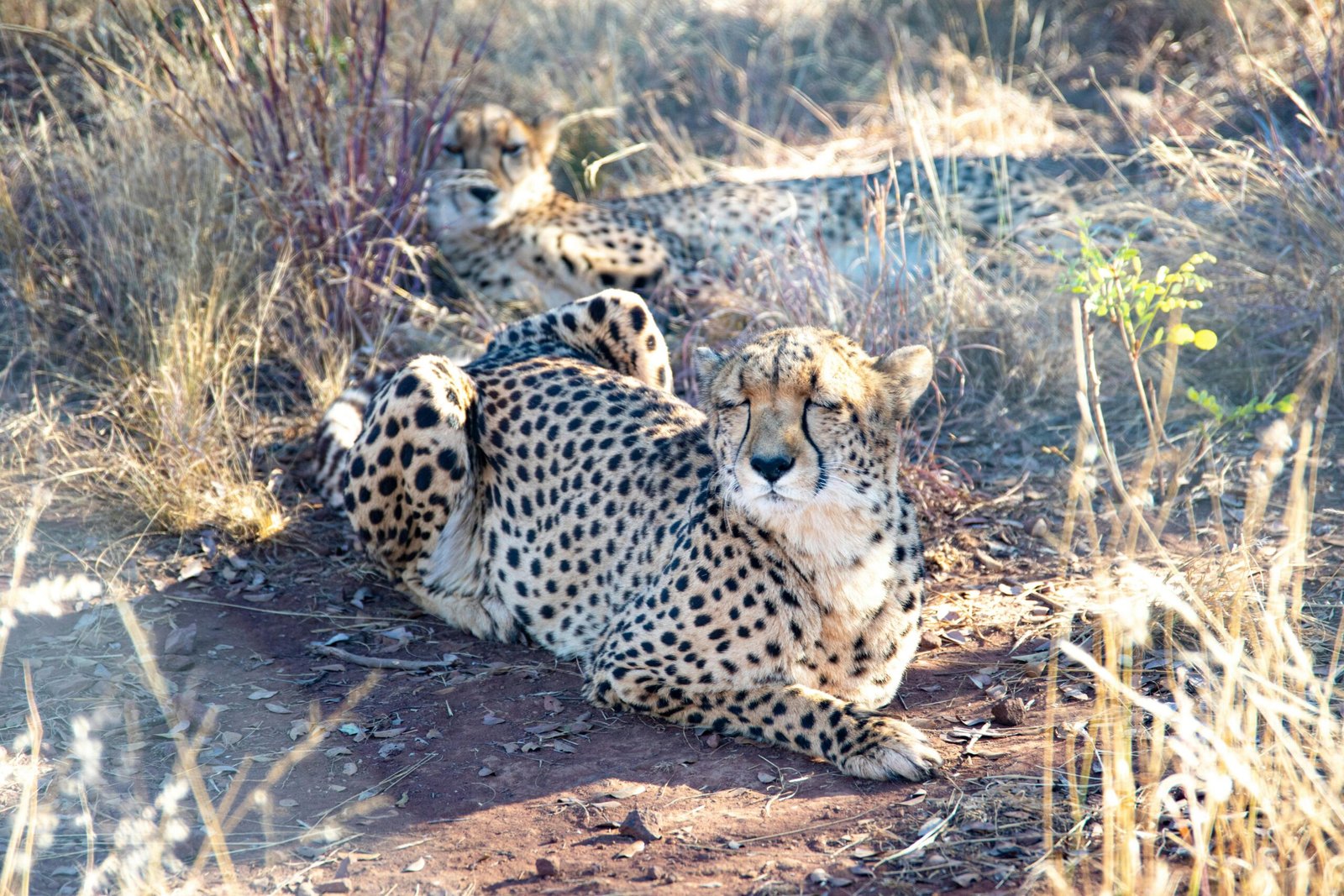
    Serengeti National Park is Tanzania’s iconic wilderness, where endless grasslands meet the horizon and powerful big cats prowl freely beneath wide, open skies. Known for its incredible populations of lions, leopards, and cheetahs

    Towering elephants wander through acacia-dotted landscapes, and hyenas cackle in the distance as the circle of life plays out before your eyes.

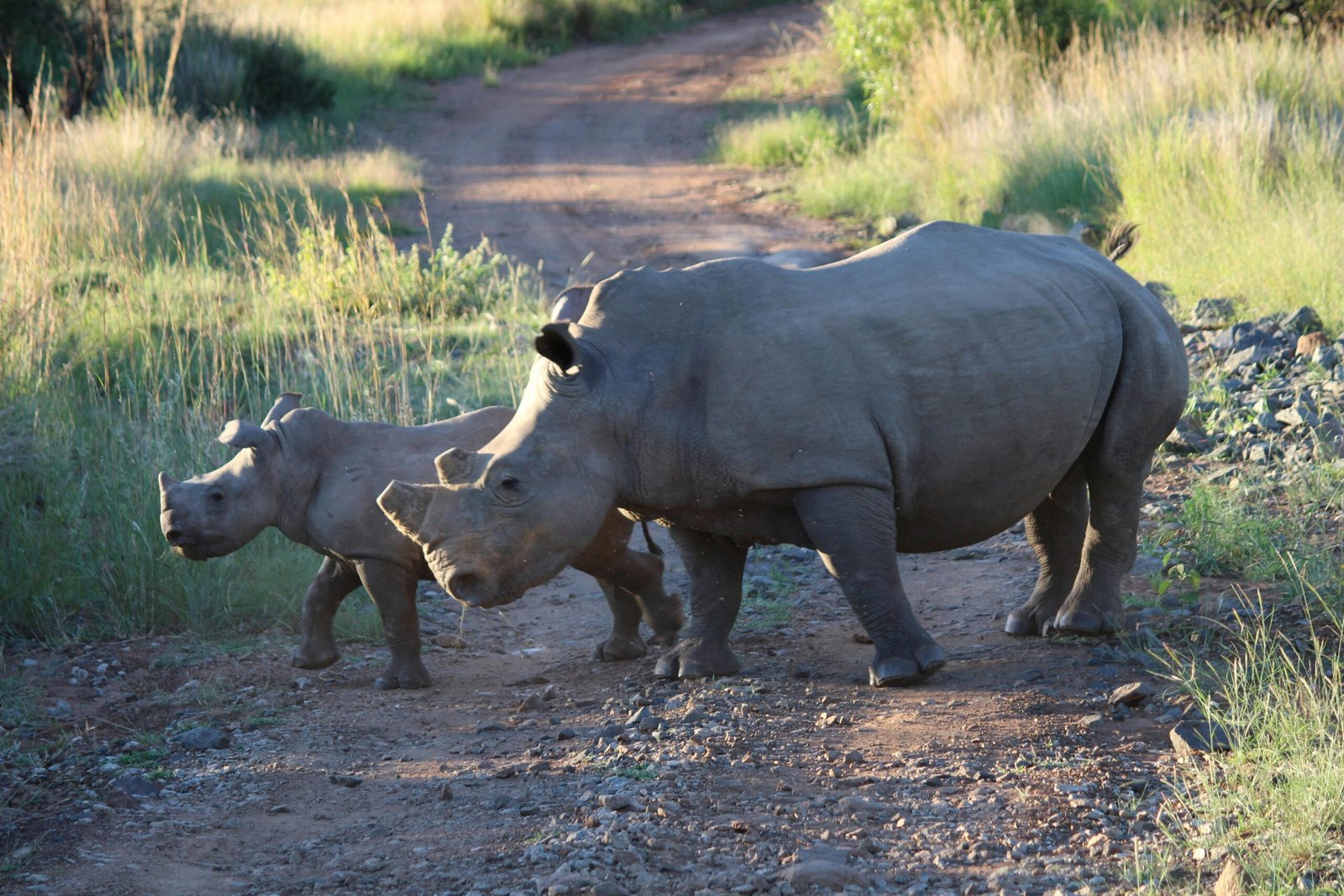
    The Ngorongoro Crater is a rare chance to see all of the Big 5 animals within just a few hours, making it the ideal counterpart to the Serengeti’s vast, free-ranging wilderness.

    Best Places to Spot the Big 5 in Africa

    Chobe National Park, Botswana

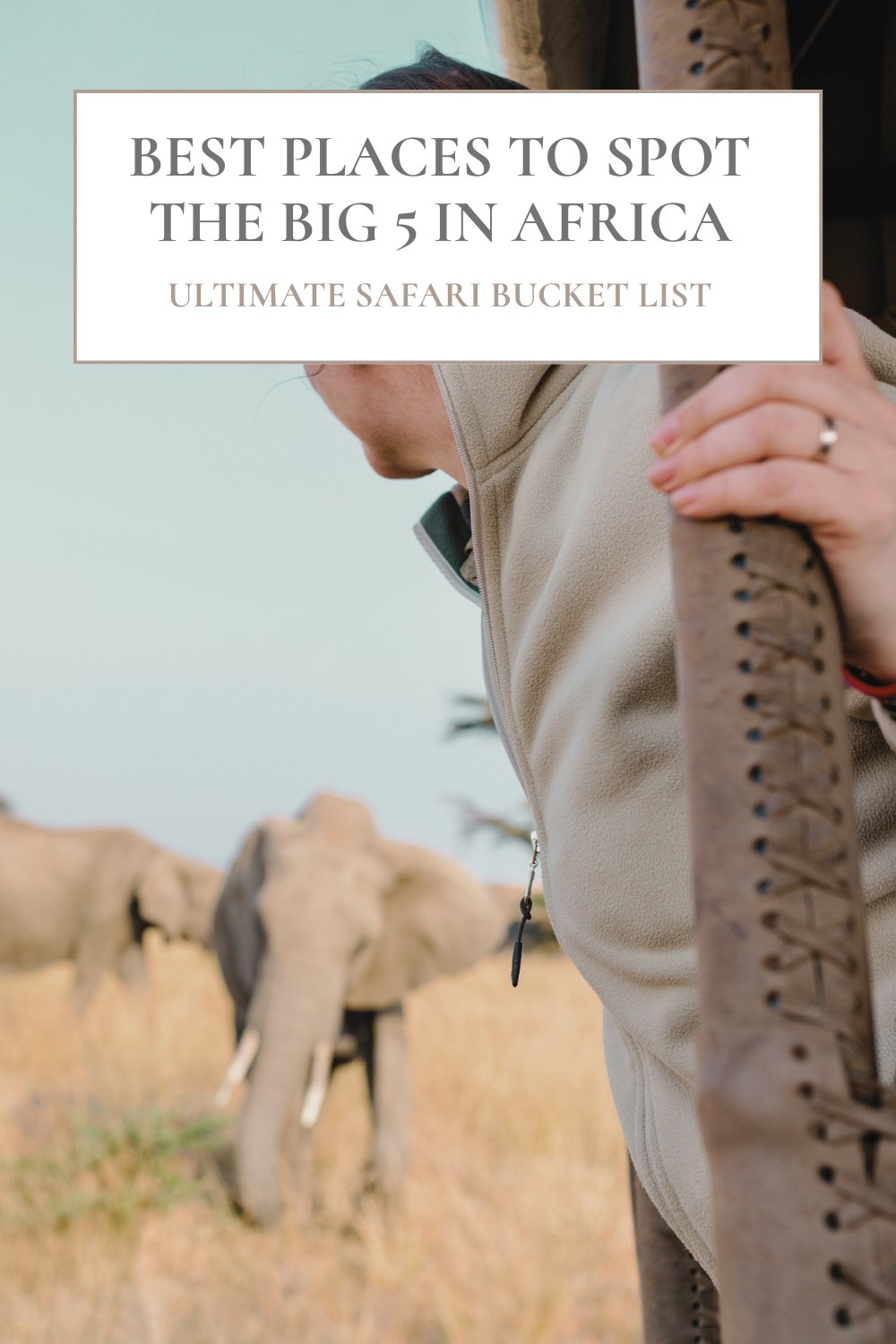
    Chobe National Park is home to over 120,000 elephants; it boasts one of the largest elephant populations on the planet, often seen in dramatic, dusty herds as they march toward the Chobe River.

    Alongside them roam massive groups of Cape buffalo, creating powerful scenes of wildlife at scale that few parks can match.

    Watching a herd of elephants swim across the river, or spotting crocodiles and hippos just below the surface, adds an entirely new dimension to wildlife viewing.

    Etosha National Park, Namibia

    Etosha National Park gives a safari experience unlike anywhere else in Africa—one where the animals come to you.

    What truly sets Etosha apart is its reputation as one of the best places to see both black and white rhinos in the wild, particularly against the stark backdrop of white salt pans and golden grass.

    In Etosha, the silence of the desert is broken only by the rumble of hooves and the distant roar of a lion—a raw, timeless safari that feels deeply connected to the soul of Africa.

    Hwange National Park, Zimbabwe

    What sets Hwange apart is not only its sheer size but also the incredible density of wildlife, especially lions and elephants that move effortlessly through its wide grasslands and shaded woodlands.

    Fact is, Hwange National Park is home to over 40,000 elephants, often seen in massive herds around its network of pumped waterholes, especially during the dry season.

    Murchison Falls & Queen Elizabeth National Parks, Uganda

    Murchison Falls, where the mighty Nile River explodes through a narrow gorge, is not only dramatic in scenery but also ideal for boat safaris, one of the most peaceful ways to spot hippos, crocodiles, elephants, and birdlife, including the rare shoebill stork.

    Meanwhile, Queen Elizabeth National Park gives tree-climbing lions in the Ishasha sector and water-based game viewing along the Kazinga Channel, where wildlife congregates on the banks in remarkable numbers.

    What makes these parks even more special is their proximity to Bwindi Impenetrable Forest, home to the endangered mountain gorillas, meaning you can go from tracking lions on the savannah to trekking with gorillas in the jungle, all within one unforgettable journey.

    Big 5 Safari Packing List for Travelers

    Travelers should carry lightweight neutral-colored clothing, a warm jacket for early morning game drives, comfortable walking shoes, sunglasses, sunscreen, and a hat to protect from the sun.

    Essential safari gear includes binoculars for spotting distant wildlife, a good camera with extra batteries and memory cards, and a power bank for charging devices during long trips.

    It is also important to pack basic medicines such as motion sickness tablets, pain relievers, insect repellent, allergy medication, and personal prescriptions.

    In some safari regions, travelers may also need malaria prevention medicine and travel insurance documents.

    How Much Does a Big 5 Safari Cost in Africa?

    Budget safaris usually cost around $150–$300 per day. It include shared game drives, camping, or basic lodges in countries like South Africa and Kenya.

    Mid-range safaris generally range from $350–$700 per day. It include comfortable lodges, guided game drives, meals, and better safari facilities.

    Luxury safaris can cost $800 to over $2,500 per day, It include private safaris, luxury tented camps, fine dining, and exclusive wildlife experiences.

    Tip: Flight tickets, park fees, and travel insurance may increase the total safari cost.

    Tips for Spotting the Big 5 on Safari

    Catching a glimpse of the Big 5 in their natural habitat isn’t just about luck; it’s about timing, preparation, and the eyes of those who know the land best.

    I told you that early morning and late afternoon game drives are your golden windows for wildlife viewing.

    To enhance your chances of close wildlife encounters, dress in earthy tones like khaki, olive, or tan colors that help you blend into the natural environment and avoid drawing attention from skittish animals.

    With the right timing, gear, and guidance, your chances of seeing the Big 5 increase dramatically, and every sighting becomes a story you’ll tell for years.

    Personally, I prefer using VisitorsCoverage because it’s simple, transparent, and beginner friendly.

    Instead of checking multiple websites, try VisitorsCoverage to compare everything in one place.

    Eco-Friendly and Ethical Safari Options

    As safari tourism grows, so does our responsibility to protect the wild places we explore. Fortunately, many African parks are leading the way in conservation and anti-poaching efforts, investing in ranger training, wildlife monitoring, and community-based patrols to safeguard endangered species like rhinos and elephants.

    Choosing to visit reserves that actively contribute to conservation, such as those involved in wildlife reintroduction or habitat restoration, helps ensure your trip has a lasting positive impact.

    Many eco-lodges and tented camps work hand-in-hand with local communities, hiring local staff, sourcing food sustainably, and supporting education and healthcare programs.

    By staying at these properties, you’re not just enjoying a beautiful view; you’re helping fuel a sustainable economy that values nature.

    Zoom in with your lens, not your vehicle. Avoid loud noises, sudden movements, or blocking an animal’s path.

    When we travel with awareness, every photo, every sighting, and every story becomes part of a bigger picture—one where both travelers and wildlife thrive.

    One official website that offers authoritative information on top Big 5 safari destinations in Africa is the Ngorongoro Conservation Area Authority, which manages the Ngorongoro Crater in Tanzania—a renowned site where visitors can often spot all five iconic species in one visit.

    Bonus: Hidden Gem Safari Spots for Big 5 Viewing

    Here in South Africa, off-road tracking is allowed, giving guides the freedom to follow animal movements and create unforgettable sightings.

    In Kenya and Zambia, community-run conservancies are redefining safaris by offering exclusive wildlife access with fewer vehicles while directly supporting local livelihoods and conservation.

    These areas often feel like private wildernesses, where you can spend an hour with a lion pride without another jeep in sight.

    FAQs

    1. Is it possible to see all Big 5 in one day?

    Yes, it is possible to spot all the Big 5 animals — lion, leopard, elephant, rhino, and buffalo — in a single day, especially in famous safari destinations like Kruger National Park or Masai Mara National Reserve

    2. Which country is cheapest for a Big 5 safari?

    South Africa is often considered the most budget-friendly destination for a Big 5 safari. Travelers can enjoy self-drive safaris, affordable lodges, and lower park fees compared to luxury safari destinations like Botswana or Tanzania. Kenya and Namibia also offer good mid-range safari options for budget travelers.

    3. Are African safaris safe for tourists?

    Early morning and evening safaris usually provide the best chance of spotting one.


    4. What is the best month for safari in Africa?

    The best safari months in Africa are usually during the dry season, from June to October.

    5. Which Big 5 animal is hardest to spot?

    The leopard is widely considered the hardest Big 5 animal to spot during safari trips.

    6. What is the best timing spot Leopard?

    The leopard is widely considered the hardest Big 5 animal to spot during safari trips.

    You May Also Like

    Things Know Before Traveling to South Africa

    Things Know Before Traveling to South Africa

    5 Of the Best Hikes in South Africa

    5 Of the Best Hikes in South Africa

    Best Places to visit in South Africa

    Best Places to visit in South Africa

    Leave a Comment


    Hello!


    Hi, I’m Pooja Mokashi, a passionate storyteller and travel content creator behind Travel Meet World. Based in Mumbai, I love discovering local cultures and helping travelers explore the world with confidence and smart planning.

    Get a Updates

    Sign up for exciting Articles, learn more about Content and get new travel ideas.

    Wildlife & Nature

    Wildlife & Nature

    Wildlife Visit

    Best Places to Spot the Big 5 in Africa

    Encountering Africa’s Big 5 in the wild isn’t just a travel milestone—it’s a heart-pounding, soul-awakening journey into the untamed rhythms of nature, where every moment feels like Read More

    Nature Visit

    Top 6 Tea Estates to Visit in Wayanad

    Nestled in the Western Ghats of Kerala Wayanad is a land of mist-covered hills, lush forests, cascading waterfalls, and spice-scented air. While the region is often praised for its Read More

    Wildlife Visit

    Best Wildlife Places in Ladakh

    Ladakh’s wild beauty lies in its stunning variety of landscapes: alpine meadows, glacial rivers, saltwater lakes, and cold deserts all coming together to create a rich ecosystem. Despite Read More

    Nature Visit

    Top Attractions to Explore in Darjeeling

    Often referred to as the “Queen of the Hills,” Darjeeling holds a regal place among India’s hill stations, not just for its breathtaking natural beauty, Read More

    Nature Visit

    20 Best Things to Do in South Africa

    South Africa is a land of striking contrasts and endless wonders, where vast savannas meet dramatic coastlines and ancient mountains rise beside bustling cities. Read More

    Nature Visit

    10 best places to visit in Malaysia

    Malaysia a captivating blend of modernity and tradition, invites travelers with its pristine beaches, lush rainforests, vibrant cities, and centuries-old temples. From the towering Read More