12 Best Travel Insurance Plans for Japan

12 Best Travel Insurance Plans for Japan

12 Best Travel Insurance Plans for Japan
In a world where plans change in seconds, having the right coverage is the smartest thing you can carry. Yosuke Ota / Unsplash

Japan is an East Asian country with one of Asia’s highest medical costs, where even minor treatments can cost hundreds of dollars and payment is expected upfront.

As tourism surges post-pandemic, fueled by a favorable exchange rate and Japan’s push toward rural experiences, travelers are venturing farther into offbeat regions where language barriers and limited medical access amplify the risks.

In response, 2025 travel insurance plans have evolved dramatically, offering smarter, tech-enabled coverage with instant claim processing, customizable add-ons for adventure sports or gadgets, mental health protection, and even GPS-based emergency support. Here are the 12 best travel insurance plans for Japan (2025).

Mount Fuji

Insurance Safely enjoying Mount Fuji to craving through the snow in Niseko to plan with 12 best travel insurance plans. Kiko K / Unsplash

1. World Nomads – Explorer Plan

If hiking boots over hotel slippers, the World Nomads Explorer Plan is your perfect match. Designed with adventurers and backpackers in mind, this plan goes beyond the basics to cover over 200 adrenaline-pumping activities, from summiting Mount Fuji to carving through the snow in Niseko.

What makes it truly stand out is its focus on real-life travel mishaps: emergency medical evacuation if you’re injured in remote areas, theft protection for your gear, and trip cancellation coverage in case plans change unexpectedly.

alexander-schimmeck-fnyUgjDUsyk-unsplash
Here come to see the timeless beauty of the Kyoto city, travel insurance is must important. Alexander Schimmeck / Unsplash

2. Allianz Global Assistance – Premium Plan

The Allianz Global Assistance Premium Plan Travel Insurance – Affordable Plans Starting at $27 | Allianz Global Assistance is the go-to choice for travelers who want top-tier coverage without cutting corners. Perfect for extended stays or high-value trips in Japan, this plan bundles comprehensive medical coverage, trip cancellation and interruption benefits, and round-the-clock global support into one powerful package.

Whether you’re embarking on a multi-week tour of Japan’s cultural heartlands or staying in upscale ryokans across Kyoto, this plan keeps your investment safe from the unexpected, be it a family emergency back home, a sudden illness, or even lost luggage. What truly elevates this plan is Allianz’s global reputation and customer support network, which ensures prompt assistance and claim resolution almost anywhere you go.

12 Best Travel Insurance Plans for Japan
Planning a luxury ryokan tour, having travel insurance in Japan is essential for peace of mind. Gavin Li / Unsplash

3. SafetyWing – Nomad Insurance

Tailored for the modern wanderer, SafetyWing Nomad Insurance is a game-changer for digital nomads, freelancers, and remote workers who value flexibility as much as security. What sets this plan apart is its seamless convenience; you can purchase it even after arriving in Japan and renew it month-to-month, just like a Netflix subscription.

It’s built for those who live and work on the move, offering global coverage across 180+ countries, including solid protection in Japan’s fast-paced cities or its serene countryside.

Add in competitive pricing, emergency medical support, travel delay coverage, and the ability to manage everything online, and you’ve got a smart, no-hassle solution that travels as freely as you do.

4. IMG – Patriot Travel Medical Insurance

Designed for both short getaways and long-term stays, IMG’s Patriot Travel Medical Insurance offers a customizable approach that’s perfect for travelers heading to Japan with varying needs and schedules. Whether you’re visiting for two weeks or six months, this plan lets you choose your deductible and coverage limits to match your comfort and budget.

It’s especially strong in the medical department, covering unexpected illnesses and injuries and even offering direct billing at select hospitals in Japan. With flexible policy lengths, multilingual support, and global service centers, the Patriot Plan adapts to your journey instead of boxing you into rigid terms. It’s ideal for anyone who values control, clarity, and comprehensive healthcare backup while exploring Japan’s temples, tech hubs, and everything in between.

5. Travelex Insurance – Select Plan

Ideal for families exploring Japan together, the Travelex Insurance Select Plan offers a thoughtful blend of protection, value, and convenience. What sets it apart is its family-friendly benefit: children under 17 are covered at no additional cost when traveling with a covered adult, making it a smart pick for parents planning stress-free adventures.

Beyond that, it takes care of all the common travel hiccups: trip interruption, missed flight connections, and baggage loss or delay, so your vacation doesn’t get derailed by the unexpected.

Whether you’re riding the Shinkansen to Kyoto or navigating theme parks in Osaka, this plan provides reliable coverage with a straightforward claims process and round-the-clock assistance. It’s the kind of insurance that lets you focus on creating memories, not managing mishaps.

6. Genki Resident Insurance

For travelers who aren’t just visiting Japan but calling it home for a while, Genki Resident Insurance is purpose-built to support long-term stays. Whether you’re an expat settling into Tokyo, a student studying in Kyoto, or a working holiday traveler hopping between jobs and prefectures, this plan offers reliable, Japan-friendly healthcare coverage.

What makes it stand out is its monthly payment model, making it budget-friendly and commitment-free. Genki also supports direct payments to doctors and hospitals in Japan, sparing you from out-of-pocket surprises or paperwork nightmares. Unlike many traditional plans, it includes mental health support, understanding that living abroad comes with emotional ups and downs too.

7. AIG Travel Guard – Preferred Plan

If you’re planning a cultural escape through Kyoto or an adrenaline-packed ski trip in Nagano, this plan lets you customize your coverage with unique add-ons, from adventure sports protection to rental car collision damage and even pet care assistance while you’re abroad.

Backed by AIG’s trusted name and a robust support network across Asia, this plan delivers strong core benefits like trip interruption, lost luggage reimbursement, and emergency medical coverage, all paired with top-rated customer service that travelers consistently praise.

8. Seven Corners – Liaison Travel Plus

Tailored with care and inclusivity, the Seven Corners Liaison Travel Plus plan is an excellent choice for senior travelers or those with pre-existing medical conditions. Unlike many travel insurance plans that cap coverage at a lower age or exclude health histories, this policy boldly extends coverage up to age 99 and offers optional protection for stable pre-existing conditions.

Whether you’re enjoying a cultural cruise through Japan, exploring historic shrines, or visiting family abroad, this plan ensures you’re not left vulnerable to surprise medical expenses.

With customizable deductibles, global emergency support, and clear benefits, it’s a thoughtful solution that brings comfort, coverage, and confidence to seasoned travelers who refuse to let age or medical history limit their adventures.

9. AXA Assistance USA – Gold Plan

Crafted for discerning travelers who expect more from their coverage, the AXA Assistance USA Gold Plan offers premium-tier protection for your journey to Japan and beyond. With generous limits on trip delays, baggage delays, and medical expenses, this plan is perfect for those who value seamless travel and want a cushion against costly disruptions.

Whether you’re navigating Tokyo’s transit systems or sailing on a cruise from Yokohama, AXA’s specialized add-ons for cruises and international travel ensure you’re covered across borders and oceans.

The plan also makes your life easier with intuitive mobile claims, so you can report issues and get support with just a few taps. If you’re after a policy that keeps up with your travel style—luxurious, fast-moving, and worry-free—this is the plan to rely on.

10. InsureMyTrip – Active Traveler Plan

Built for the bold, the InsureMyTrip Active Traveler Plan is a top choice for adrenaline junkies who crave high-energy experiences while traveling in Japan. Whether you’re carving powdery slopes in Hokkaido, diving into Okinawa’s coral-rich waters, or paragliding over Mount Fuji, this plan is specifically tailored for adventure sports that most standard policies shy away from.

What truly sets it apart is its thoughtful inclusion of equipment loss and rental protection, ensuring your gear is covered even if the unexpected happens mid-action. It also includes emergency evacuation coverage, a must-have for thrill-seekers exploring remote terrain. With this plan, you don’t just protect your trip; you back up your passion for pushing limits, all while having the peace of mind that help is just a call away.

11. VisitorsCoverage – Travel Medical Basic

For travelers who want solid protection without straining their budget, the Visitors Coverage Travel Medical Basic plan delivers essential coverage that’s both affordable and dependable. and this is the one of 12 Best Travel Insurance Plans for Japan

Perfect for tourists, students, or first-time visitors to Japan, this plan focuses on core medical needs like emergency care, doctor visits, and hospital stays without unnecessary extras. It’s especially convenient for last-minute planners, with a simple online purchase process that lets you secure coverage even right before your flight.

With customizable options for deductibles and coverage limits, you can tailor the policy to your comfort and spending level. Whether you’re exploring Kyoto’s quiet alleys or navigating Tokyo’s bustling streets, this plan ensures you’re protected against the unexpected without overpaying for peace of mind.

12. HTH Worldwide – TripProtector Preferred

For U.S. travelers heading to Japan for a luxurious getaway or seeking the highest standard of healthcare while abroad, the HTH Worldwide – TripProtector Preferred plan stands out.

Designed for those who prioritize top-tier medical access, this plan gives you direct access to Japan’s finest hospitals and healthcare providers, ensuring a seamless experience should you require medical attention. With an extensive medical network that spans both urban centers and remote areas, you can rest assured that you’ll receive world-class care wherever your travels take you.

One of the 12 Best Travel Insurance Plans for Japan. This plan is perfect for those who want the peace of mind that comes with knowing their health needs are covered by a reputable provider, and it’s tailored for travelers who expect premium service and unmatched medical support while exploring the rich culture, cuisine, and scenery of Japan.

For travel insurance inquiries specific to Japan, you can check out some of the leading insurance providers’ official websites like: 

https://www.japan.travel/en/plan/travel-insurance-in-japan/?utm_

FAQs

Q1. Is travel insurance mandatory for Japan?

It’s not mandatory for most nationalities, but highly recommended due to high medical costs and unpredictable situations like typhoons, earthquakes, or cancellations.


Q2. What if I already have health insurance in my home country?

Domestic health insurance usually doesn’t cover overseas treatments or evacuations—travel insurance fills that gap.


Q3. Will my plan cover earthquakes or tsunamis in Japan?

Many policies now include natural disaster coverage, but check specifically for “Act of God” clauses or add-on riders.


Q4. Can I buy travel insurance after arriving in Japan?

Some providers allow this (like SafetyWing or Genki), but most require purchase before departure. Coverage may start after a waiting period if bought post-arrival.


Q5. What’s the average cost of travel insurance for Japan for 2 weeks?

It ranges from $20 to $80 depending on age, coverage level, and add-ons.


Q6. Does travel insurance cover Japan Rail Pass refunds?

Only if the policy includes trip cancellation/interruption due to covered reasons. Check the fine print.


Q7. Will it cover skiing in Niseko or snowboarding accidents?

Only if the policy includes adventure sports. Some insurers offer special sports riders.


Q8. What’s the best plan for students or working holiday visa holders in Japan?

Plans like Genki Resident or SafetyWing are great for long-term stays with flexible terms.


GUIDED BY EXPERT

Yoga within Travel the perfect flow of Experience

Explore wellness in anywhere

by

Explore Related Articles

Best Travel Insurance Plans for United States

12 Best Travel Insurance Plans for India

Best Travel Insurance Plans for UAE

12 Best Travel Insurance Plans for Malaysia

LEAVE A COMMENT

Error: Contact form not found.
The 18 Best Ways to Travel Across Japan

The 18 Best Ways to Travel Across Japan

The 18 Best Ways to Travel Across Japan
The best ways to travel across India is India’s Best Transportation Network. Hanvin Cheong / Unsplash

Japan, a land where ancient traditions meet cutting-edge technology, offers a vast array of travel experiences that go far beyond the well-known Shinkansen. While the bullet train may be synonymous with speed and efficiency, there are countless other unique and unforgettable ways to explore the islands, from cycling through scenic countryside paths to gliding across serene lakes by boat.

Whether you’re seeking the tranquility of the rural mountains, the hustle of neon-lit cities, or the peacefulness of remote islands, Japan‘s transportation options invite you to embrace the journey itself. 

Here guide you to the 18 best ways to travel across Japan.

The 18 Best Ways to Travel Across Japan
Japan’s lightning-fast bullet train that turns long-distance travel into a smooth, scenic blur. Fikri Risyid / Unsplash

1. Shinkansen (Bullet Train) – The Speed Demon

The Shinkansen, blazing across the country at speeds up to 320 km/h, is the epitome of Japanese precision, engineering, and hospitality. Inside, you’ll find a world of comfort: spotless interiors, reclining seats with generous legroom, and panoramic windows perfect for glimpses of rural landscapes and even Mount Fuji, especially on the Tokyo–Kyoto route.

But what makes this journey even more memorable is the Ekiben culture—regional, beautifully packed bento boxes sold at train stations. Each one is a culinary love letter to the area you’re passing through, offering seasonal ingredients and traditional flavors that reflect local pride.

Whether it’s Hida beef from Takayama or unagi (eel) from Hamamatsu, enjoying an ekiben as you zip past Japan’s ever-changing scenery turns a train ride into a full-on cultural immersion.

2. Seishun 18 Ticket – Budget Backpacker’s Dream

The Seishun 18 Ticket is a budget-friendly travel pass that, despite its name, is available to people of all ages and grants unlimited rides on JR’s local and rapid trains for any five days within a limited seasonal period.

Whether you’re planning a coast-to-coast odyssey or a deep dive into a single region, this ticket offers unbeatable value and a deeply immersive way to experience Japan beyond the guidebook highlights.

Medical care in Malaysia, though affordable compared to some countries, can still become expensive for foreigners, especially if hospitalization or specialized treatment is required. A simple emergency room visit can cost hundreds of dollars, and private hospitals may demand upfront payment. Additionally, Malaysia’s tropical climate increases the risk of mosquito-borne illnesses like dengue fever, making medical coverage even more crucial.

3. Rent a Kei Car – Tiny Cars, Big Adventures

Renting a kei car Japan’s beloved class of small, boxy vehicles is an adventurous and practical way to explore the country’s lesser-known regions. Designed to be compact and fuel-efficient, these pint-sized cars are tailor-made for Japan’s narrow rural roads, steep mountain passes, and charming village lanes where larger vehicles would struggle to maneuver.

Whether you’re winding through the lush hills of Kyushu, chasing waterfalls in Shikoku, or cruising along coastal roads in Hokkaido, a kei car turns your road trip into a personal journey filled with spontaneous detours and hidden gems.

The 18 Best Ways to Travel Across Japan
Bicycle touring in Japan is a soul-refreshing ride where every pedal stroke blends peaceful scenery with personal discovery. Stefan Lehner / Unsplash

4. Bicycle Touring – Zen Meets Endurance

Bicycle touring in Japan is a soulful blend of physical challenge and serene discovery, where every pedal stroke brings you closer to the heart of the country’s natural beauty and cultural depth. Iconic routes like the Shimanami Kaido, a 70-kilometer cycling trail connecting the main island of Honshu to Shikoku across a chain of islands and scenic bridges, offer breathtaking sea views and quiet island villages that feel untouched by time.

Take a ride around Lake Biwa, Japan’s largest lake, where temple stops, swan sightings, and peaceful lakefront stretches redefine what it means to slow down. Cyclists can stay in traditional ryokans along the way, soaking in local hospitality, indulging in home-cooked meals, and unwinding in onsen baths after a long day on the road.

5. Domestic Flights – Island Hopping the Japanese Way

Domestic flights in Japan provide an exciting gateway to explore the country’s diverse islands, each offering its own unique charm. While the bustling cities of Tokyo and Osaka may steal the spotlight, Japan’s smaller islands, like Okinawa, Hokkaido, and the tropical Yakushima, offer a different experience, all accessible by quick domestic flights.

Fly to Okinawa Beaches, Okinawa for a taste of subtropical beaches, vibrant coral reefs, and rich Ryukyu culture, where you can escape to a slower-paced island life. In contrast, Hokkaido offers dramatic landscapes ranging from snow-capped mountains in winter to lush flower fields in summer, making it a year-round destination for nature lovers.

Domestic flights allow you to easily hop between these stunning locations, ensuring that you don’t just visit Japan; you experience its many diverse personalities, each uniquely tied to its environment and culture.

The 18 Best Ways to Travel Across Japan
magical spring moment where a teal city bus glides gently under a tunnel of blooming cherry blossoms. Ji Seongkwang / Unsplash

6. Highway Buses – Overnight and Ultra-Cheap

Highway buses are Japan’s ultimate budget travel hack. With routes connecting nearly every major city and regional town, these long-distance buses are especially popular for overnight travel, saving you not just on transport but also on a night’s accommodation.

Imagine hopping on a comfy, reclining seat in Tokyo at night and waking up in Kyoto the next morning, all for under 3,000 yen. Most buses come equipped with blankets, charging ports, and even privacy curtains, offering a surprisingly cozy ride. Companies like Willer Express and JR Bus offer a wide range of options, from basic economy to luxurious “premium” seats with extra legroom.

For backpackers, solo travelers, or anyone looking to travel Japan affordably while soaking in the scenery between stops, highway buses offer a flexible, eco-friendly, and wallet-friendly way to move across the country.

The 18 Best Ways to Travel Across Japan
This is the best way to travel across Japan Through Ferries travel between the country’s main islands. Dmitrii / Unsplash

7. Ferries – The Sea Route Nobody Talks About

Ferries in Japan offer a peaceful, often overlooked way to travel between the country’s main islands, providing a scenic and slower-paced alternative to trains or planes. Routes like Osaka to Kyushu or Tokyo to Hokkaido invite you to trade speed for serenity as you glide across the sea with panoramic views of the coastline, sunrises over the Pacific, and even the occasional dolphin sighting.

Modern Japanese ferries are surprisingly well-equipped, with clean cabins, lounges, onsens, vending machines, and even karaoke rooms onboard. For overnight journeys, you can book anything from a cozy dorm-style bunk to a private room with ocean views.

This sea route is not only budget-friendly, especially if you’re carrying a bicycle or motorbike, but also a great way to experience Japan’s maritime culture and enjoy a rare sense of stillness in transit.

The 18 Best Ways to Travel Across Japan
Nagasaki and Hakodate’s trams blend vintage charm with scenic coastal and snowy cityscapes. Sabari Nathan / Unsplash

8. Trams – Old School Charm in Local Cities

Trams in Japan are more than just a means of getting around; they’re a nostalgic ride through time, offering a charming glimpse into the local life of cities where tradition still hums beneath modernity. In places like Hiroshima, Nagasaki, and Hakodate, trams have been rattling along the streets for decades, becoming an endearing part of the cityscape.

These streetcars glide through narrow alleys, past old shops, temples, and quiet neighborhoods, creating an atmosphere that’s both historic and heartwarming. In Hiroshima, the trams are symbolic; they’ve been running since before the war and were some of the first things restored after the atomic bombing, making them a moving part of the city’s resilient spirit.

Nagasaki’s trams roll past scenic hills and waterfronts, while Hakodate’s vintage-style streetcars weave through snowy streets in winter, adding to the city’s old-world appeal. For travelers seeking slow, soulful experiences, hopping on a tram is like riding through a living postcard of Japan’s past and present blending together.

9. Scenic Ropeways – For the Views Alone

Scenic ropeways in Japan are more than just a way to reach a summit; they’re floating gateways to some of the country’s most breathtaking natural landscapes. Suspended high above lush forests, mountain ridges, and steaming volcanic valleys, these aerial cable cars offer sweeping, cinematic views that turn any ride into a visual adventure.

Popular routes like the Mt. Takao Ropeway, just outside Tokyo, whisk you up through thick cedar forests toward serene temples and hiking trails with city views. In Mt. Rokko, near Kobe, the ropeway ascends into cool alpine air, revealing panoramic views of Osaka Bay and glittering city lights at sunset. And for a truly surreal experience, the Zao Ropeway in winter unveils the famous “snow monsters,” frost-covered trees sculpted by fierce Siberian winds into otherworldly shapes.

Whether you’re chasing autumn leaves, snowy landscapes, or summer breezes, Japan’s scenic ropeways transform the journey itself into a moment of awe, perfect for travelers who believe the best views are earned… or in this case, ridden.

10. Charter a Campervan – Japan’s Hidden Vanlife Culture

Exploring Japan by campervan offers a unique and often overlooked way to discover the country’s quieter, more intimate side. While most travelers follow the rails to big cities and tourist hotspots, a campervan lets you chart your course, leading to hidden beaches, peaceful mountain hamlets, and rural backroads that reveal a more personal, untouched Japan.

Japan’s network of Michi-no-Eki (roadside rest stations) makes this lifestyle surprisingly easy and safe; these well-maintained stops offer free parking, clean restrooms, local food markets, and sometimes even hot springs.

Renting a campervan gives you the freedom to wake up to a sunrise by the sea, brew tea in the shadow of Mt. Fuji, or fall asleep beside a quiet forest shrine.

11. Walking Pilgrimages – Spiritual Slow Travel

Embarking on a walking pilgrimage in Japan is a deeply enriching way to experience the country’s spiritual and cultural soul. Iconic routes like the Shikoku 88-temple pilgrimage, which weaves through remote villages and sacred temples, or the Kumano Kodo, an ancient network of trails shrouded in forest and legend, invite travelers to embrace a slower, more intentional pace.

These pilgrimages aren’t just physical journeys; they’re introspective experiences that allow you to reflect, reset, and reconnect with nature, culture, and yourself. Along the way, you’ll stay in cozy minshuku or ryokans, share meals with locals, and encounter breathtaking natural beauty, from misty cedar forests to mountain waterfalls.

Whether you walk the entire route or just a portion, every step becomes part of a deeper journey. In a world that’s always rushing, Japan’s pilgrim paths remind you that sometimes the most meaningful destinations are found through slow, mindful travel.

12. Boats & River Cruises – Tokyo to Kyoto by Water

Boats and river cruises in Japan offer a tranquil and visually rich way to explore the country, unveiling landscapes and cityscapes from a whole new perspective. Imagine gliding along the Sumida River in Tokyo, with views of the futuristic Tokyo Skytree on one side and centuries-old temples tucked into the cityscape on the other.

Picture yourself aboard a pirate-themed boat across Lake Ashi in Hakone, where mist rolls over the water and Mount Fuji occasionally peeks through the clouds. While not the fastest way to travel between places like Tokyo and Kyoto, these water routes offer a peaceful escape from the bustle, ideal for unwinding and soaking in Japan’s harmony between nature and architecture.

The best ways to travel across Japan are a short canal ride in Kurashiki or a serene ferry through historic Matsushima Bay. Japan’s waterways turn travel into a poetic experience, proving that sometimes, the most memorable journeys flow gently with the current.

The 18 Best Ways to Travel Across Japan
A rickshaw glides through Japan’s old-town charm, blending human-powered grace with timeless tradition. Steve Sharp / Unsplash

13. Cycling Rickshaws – Touristy, But Fun

Cycling rickshaws, or jinrikisha, may seem like a novelty at first glance, but hopping into one is actually a delightful way to experience Japan’s historical districts with a personal touch. Especially popular in places like Asakusa in Tokyo, Kyoto’s Gion district, and the picturesque streets of Kurashiki, these traditional two-wheeled carts are pulled by friendly, athletic guides who double as storytellers.

Dressed in traditional attire, they share fascinating local history, hidden spots, and cultural trivia you won’t find in any guidebook, all while navigating narrow alleys and scenic lanes at a relaxed, comfortable pace. The experience is both playful and immersive, offering travelers a rare blend of old-world charm and personalized insight.

14. Cable Cars & Cog Railways – Mountain Majesty

Cable cars and cog railways in Japan provide a thrilling and scenic ascent into the heart of the country’s most majestic mountain landscapes. These unique transport systems are engineering marvels, designed to conquer steep slopes and rugged terrain while offering passengers jaw-dropping views along the way.

Take the Tateyama Kurobe Alpine Route, for instance, a spectacular journey across the Northern Japan Alps that combines cable cars, buses, and ropeways to traverse dramatic cliffs, deep valleys, and the awe-inspiring snow corridor in spring. Or ride the cog railway up to Mt. Koya, the spiritual mountaintop retreat home to ancient temples and moss-covered cemeteries, where the journey itself feels like a peaceful pilgrimage into another world.

These rides are not just about reaching the summit; they’re part of the adventure, revealing Japan’s raw natural beauty in slow, cinematic motion. For travelers seeking elevation in both scenery and soul, cable cars and cog railways offer a lofty and unforgettable way to explore Japan’s mountainous wonders.

15. Hitchhiking in Rural Japan – Rare but Real

Hitchhiking in rural Japan is a rare but surprisingly rewarding way to travel for the bold and open-hearted. It becomes a cultural exchange on wheels.

Many Japanese drivers, often curious and kind, are glad to offer a lift to travelers, viewing it as a chance to share stories, local tips, or simply a warm conversation. Language barriers can lead to laughter, translation apps, or even shared snacks, making each ride a little adventure of its own.

16. Motorbike Rental – Feel the Freedom

Imagine cruising the winding roads of the Izu Peninsula, with ocean cliffs on one side and lush green hills on the other, or exploring the Noto Peninsula, where peaceful fishing villages, wild coastlines, and hidden shrines line your path.

A motorbike gives you the power to pause wherever the view takes your breath away, be it a seaside café, a hidden beach, or a quiet shrine tucked into the forest. Japan’s roads are well-maintained, drivers are courteous, and many regions offer dedicated biker-friendly services, from rental stations to biker inns.

17. Helicopter Tours – Sky’s the Limit

Helicopter tours in Japan offer a truly next-level perspective, turning travel into an exhilarating, cinematic experience that’s impossible to forget. Soaring above the neon-lit skyline on a Tokyo nightscape flight, you’ll witness the city like never before: the glowing lattice of Shibuya’s scramble crossing, the serene stretch of the Sumida River, and the iconic Tokyo Tower sparkling below.

These aerial adventures aren’t just for Tokyo either; you can take helicopter rides over Kyoto’s temple-dotted hills, Mt. Fuji’s majestic slopes, or the glittering bays of Yokohama. The best ways to travel across Japan Whether it’s a romantic evening ride or a luxury splurge to mark a special occasion, helicopter tours transform Japan’s vast urban sprawl and breathtaking natural beauty into a mesmerizing light show.

The 18 Best Ways to Travel Across Japan
The riding through the waters of Tokyo Bay or along peaceful rivers. Mohamad Jamil / Unsplash

18. Traditional Boats (Yakatabune) – Edo-Era Feels

Traditional Yakatabune boats offer one of the most atmospheric and nostalgic ways to experience Japan, blending Edo-era charm with modern-day comfort as you glide through the waters of Tokyo Bay or along peaceful rivers.

As the city skyline twinkles in the distance, indulge in a multi-course kaiseki meal, fresh sashimi platters, and warm sake, all served with a side of stunning waterfront views. Some cruises feature live shamisen music or karaoke, turning the journey into a lively cultural event.

GUIDED BY EXPERT

Yoga within Travel the perfect flow of Experience

Explore wellness in anywhere

by

Explore Related Articles

The 12 Best Ways to Travel Across Malaysia

Best Ways to Travel Across UAE

12 Best Ways to Travel Across Egypt

12 Best Ways to Travel Across South Africa

LEAVE A COMMENT

Error: Contact form not found.
Best Things to Do in Japan

20 Best Things to Do in Japan

Best Things to Do in Japan
Japan’s festivals are vibrant and colourful, where tradition, fire, dance, and community come alive in the streets. Donny Haryadi / Unsplash

One moment, you’re bowing respectfully at a 1,000-year-old Shinto shrine surrounded by stillness and cherry blossoms, and the next, you’re zipping through Tokyo at 300 km/h on a sleek bullet train or ordering sushi from a robot waiter. But this isn’t your usual checklist of touristy attractions or guidebook must-sees. 

If you’re the kind of traveler who likes to dive deeper, wander off the main path, and collect real stories instead of just selfies, this list is for you. From fire rituals in mountain temples to quiet nights in a book-themed capsule hotel, these are the kinds of experiences that stay with you long after your trip ends. Here’s a guide to explore the best things to do in Japan.

Best Things to Do in Japan
Japan is a peaceful haven where felines outnumber humans and rule the quiet, scenic streets like furry little locals. Joesef key / Unsplash

1. Visit a Tiny Island with More Cats than People (Cat Island, Aoshima)

Tucked away off the coast of Ehime Prefecture, Aoshima is a tiny fishing village where cats outnumber humans by nearly six to one. Originally brought in to deal with the island’s rodent problem, the feline population slowly took over, and today, they rule the roads, nap on boats, and casually sprawl across doorsteps like they own the place (because they basically do).

There’s no flashy tourism infrastructure here, just serene sea views, sleepy alleyways, and dozens of curious cats ready to greet you. A similar vibe awaits on Tashirojima, another cat-dominated island in Miyagi Prefecture, where locals believe that feeding cats brings good luck.

Whether you’re a cat lover or simply craving a quiet, quirky escape from Japan’s bustling cities, visiting one of these islands is a surreal and heartwarming experience you’ll never forget. And this is the best thing to do in Japan.

Best Things to Do in Japan
just sway with the rhythm, dancing under the stars with strangers-turned-friends becomes Family. Danial Beaucham / Unsplash

2. Dance at a Traditional Bon-Odori Summer Festival in a Yukata

Bon-Odori is Japan’s beloved summer dance festival, where communities come together to honor the spirits of their ancestors. It’s for locals; travelers are warmly invited to join in too. One of the most famous and immersive festivals is Gujo Odori in Gifu Prefecture, where dancing doesn’t stop at sundown; it continues until dawn during the peak nights of Obon season.

Dressed in a light cotton yukata (often available to rent or borrow), you’ll join a moving circle of people, young and old, performing simple, graceful dances passed down for generations.

Whether you follow every step or just sway with the rhythm, dancing under the stars with strangers-turned-friends becomes one of those magical moments that define one of the best things to do in Japan.

Best Things to Do in Japan
visiting one of these winters villages is the best things to do in Japan. Matthardy / Pexels

3. Visit a Remote Snow Village Lit Up Only in Winter

Tucked away in Japan’s mountainous countryside are villages that look like they’ve stepped out of something like a fairy tale, and in winter, they transform into something even more magical. Shirakawa-go, a UNESCO World Heritage site in Gifu Prefecture, is known for its steep-roofed gassho-zukuri farmhouses designed to withstand heavy snow.

Come winter, the entire village is blanketed in thick, powdery snow, and on special nights in January and February, the houses are illuminated with a warm golden glow that reflects off the snow like a dream. Ouchi-juku, a preserved Edo-period post town in Fukushima, where thatched-roof homes line a snowy main street, lit by lanterns and filled with the smell of charcoal fires and local snacks.

These villages aren’t just beautiful; they offer a glimpse into rural Japan’s past, untouched by time. Whether you’re sipping hot amazake under the lights or walking through quiet snow-covered paths, visiting one of these winter villages is like stepping into a living snow globe.

The 18 Best Ways to Travel Across Japan
a traditional Japanese houseboat across Tokyo Bay, carrying guests through a night. Mohamed Jamil / Unsplash

4. Cruise on a Traditional Yakatabune Boat with Dinner and Lanterns

A yakatabune, a traditional Japanese houseboat, a long, low wooden boat once favored by nobles and samurai for river banquets, now glides peacefully along the Sumida River or across Tokyo Bay, carrying guests through a night of soft lantern light, gentle waves, and sweeping skyline views.

As the city glows in the distance, you’ll sit on tatami mats in a cozy, lantern-lit cabin, enjoying an elaborate course meal featuring seasonal Japanese delicacies from fresh sashimi and tempura to grilled seafood for morning breakfast. Many cruises offer yukata rentals, making it easy to fully immerse yourself in the old-meets-new ambiance.

Outside, you’ll catch views of iconic landmarks like the Tokyo Skytree, Rainbow Bridge, and even fireworks in the summer. Whether you’re traveling solo, as a couple, or in a group, an evening on a yakatabune is a slow, soulful way to see Tokyo.

5. Take a Night Walk in a Historic Samurai District

There’s something quietly powerful about walking through a samurai district after dark when the crowds are gone and the only sound is the soft crunch of your footsteps on stone. In places like Kanazawa’s Nagamachi district or Kakunodate in Akita Prefecture, history lingers in the air.

These preserved neighborhoods, once home to elite warriors of the Edo period, are lined with earthen walls, wooden gates, and centuries-old residences that whisper tales of honor, discipline, and old-world elegance. By night, the streets glow gently under traditional lanterns, and the dim light casts poetic shadows on the clay walls and cobbled lanes.

You’ll pass by quiet canals, small bridges, and houses that still carry the family crests of the samurai who once lived there. Some homes are open to the public during the day, but walking through the district at night feels like a secret.

Takayama (Japanese Alps)
There are the best things to do in Japanese Alps that staying in a family-run ryokan tucked away in a quiet village. Natureye / Pexels

6. Sleep in a Ryokan Run by Locals in a Small Village

There’s no better way to feel Japan than by staying in a family-run ryokan tucked away in a quiet village. Unlike big hotels in the cities, these traditional inns, especially in places like Takayama in the Japanese Alps or Kurashiki, with its preserved canal district, offer an intimate look at regional life.

They welcomed me like a distant relative returning home: shoes off at the door, soft tatami mats under your feet, and sliding paper doors leading into serene, minimalist rooms. Dinner is a highlight: beautifully arranged kaiseki-style meals made with fresh, local ingredients, often cooked by the hosts themselves.

The flavors, the hospitality, and the rhythm of rural Japan all come together here. In the morning, wake up to the sound of birds or a distant temple bell, sip green tea, and feel completely present.

7. Share Laughter at a Local Comedy Show (Osaka’s Manzai Scene)

Beyond being Japan’s culinary hub, Osaka shines as the nation’s comedy capital and nothing showcases that better than the lively, quick-witted world of manzai performances.

The back-and-forth rhythm is sharp, expressive, and filled with exaggerated reactions that transcend language barriers. Even if you don’t speak Japanese, the tone, timing, and body language are so vivid, you’ll find yourself laughing along with the locals. The best place to experience this is Namba Grand Kagetsu Theater, operated by the legendary Yoshimoto Kogyo, where top comedians perform daily in the heart of Osaka.

Best Things to Do in Japan
Japan’s sky lantern festivals are magical nights where thousands of glowing wishes rise into the sky. eka-p-amdela / Unsplash

8. Send a Wish into the Sky at a Lantern Festival

There’s a quiet kind of magic in standing among strangers, holding a glowing lantern close to your chest, and whispering a wish into the night sky. Here is the best things to do in Japan, some places like Asuka Village in Nara or tucked-away towns in Gifu Prefecture, lantern festivals bring communities and travelers together under starlit skies to release their hopes and dreams into the air.

You’ll be given a paper lantern, soft, warm, and fragile, and a chance to write a personal wish, a prayer, or a simple word of gratitude. As night falls, the crowd gathers, and the countdown begins. Then, hundreds of lanterns float upward in gentle unison, lighting up the darkness like fireflies with purpose.

Locals might share a smile or a kind word, and though the moment is quiet, the connection feels deeply human. It’s a perfect experience for solo travelers seeking meaning, couples marking a milestone, or anyone ready to let go of the past and lift something bright into the future.

9. Watch Sumo Wrestlers Train Up Close

It’s a Far from the stadium lights and ceremonial fanfare, these early sessions are where the real grit lives. You’ll sit quietly on the floor, just feet away, as rikishi (sumo wrestlers) clash with explosive power and discipline.

Sweat drips, bodies collide, and behind it all is a deep, almost sacred routine passed down for centuries. These wrestlers live together, train together, and follow a strict lifestyle that demands total dedication.

Watching them so close, massive, focused, and yet respectful in every movement is an unforgettable window into one of Japan’s oldest and most revered sports. You don’t need to understand all the rules to be moved by the intensity and honor on display.

Best Things to Do in Japan
Tokyo’s tiny bars, especially in alleys like Golden Gai, offer big personality in small spaces. Auspicious Sanjay / Pexels

10. Explore Tokyo’s Tiny Bar Alleys (Golden Gai Style) Without a Tour Guide

Forget fancy lounges and curated cocktail menus; the real magic of Tokyo nightlife hides in its narrow, lantern-lit bar alleys. Places like Golden Gai in Shinjuku, Harmonica Yokocho in Kichijoji, or the gritty-cool lanes of Koenji are lined with tiny bars no bigger than a bedroom, each with its own personality. No need for a tour guide; part of the fun is the mystery.

Just pick a door that feels welcoming, slide it open, and step into someone’s world. Inside, you might find a jazz bar that only plays vinyl, a whiskey joint run by a retired salaryman, or a punk-themed dive with posters from the ’80s. Most only seat 5 to 10 people, which means you’ll probably be chatting with the owner and regulars in no time, even if it’s with hand gestures and smiles.

It’s intimidating at first but exhilarating once you realize how warm and quirky these hidden places can be. Each stop is a new story, and by the end of the night, you’re no longer just a visitor; you’re part of Tokyo’s endlessly fascinating, endlessly welcoming underground nightlife.

11. Soak in a Mixed-Gender Outdoor Onsen in the Snow

Imagine sinking into steaming, mineral-rich waters as snowflakes gently melt on your shoulders, all while surrounded by ancient forest and mountains wrapped in silence. That’s the experience of a rotenburo (open-air onsen) in winter, especially in remote regions like Nyuto Onsen in Tohoku. What makes it even more special? Some of these traditional hot springs still offer mixed-gender bathing, a rare and culturally rich custom that invites couples, friends, and solo travelers to share the magic without barriers.

These baths aren’t flashy resorts; they’re rustic, often centuries old, with wooden cabins, stone pools, and a deep connection to nature. You’ll soak beside locals and fellow adventurers in peaceful quiet, the cold mountain air contrasting beautifully with the warmth of the water.

Most require a towel wrap or provide rental bathing gear, and etiquette is always respectful and serene. It’s more than just relaxing; it’s deeply grounding, a moment where modern worries dissolve into steam, and the ancient rhythms of Japan embrace you fully.

Best Things to Do in Japan
home-cooked flavors meet heartwarming stories of Grandma’s Kitchen. Valeriya / Pexels

12. Eat in a Japanese Grandma’s Kitchen

Skip the restaurant reservations and step into the warm, lived-in kitchen of a Japanese obāsan (grandma)Japanese Grandma’s cafe where the scent of simmering miso and freshly steamed rice greets you at the door. In some towns and countryside regions, you can now book intimate, Airbnb-style meals hosted in real homes, a movement that’s lovingly called “obāsan kitchens.”

Here, the food is more delicious. You might help chop vegetables, shape onigiri, or stir a family miso soup recipe that’s been passed down for generations. Over tea and home-cooked dishes, your host may share memories of childhood, stories from post-war Japan, or funny moments raising kids who now live in Tokyo.

There’s no pretense, no menu, and often very little English—just pure human connection, warm laughter, and the feeling of being treated like a beloved grandchild, even if only for a few hours.

Best Things to Do in Japan
Camping beneath Mount Fuji is the best things to do in Japan. Yfshoot / Pexels

13. Camp Under Mount Fuji Instead of Just Climbing It

While most travelers race to conquer Mount Fuji’s summit, there’s a quieter, arguably more magical way to experience Japan’s iconic peak by camping beneath it. Near Lake Kawaguchiko or Lake Motosuko, you can pitch a tent right at the water’s edge, surrounded by pine forests and open sky, with Fuji towering quietly in the distance.

Wake up early, unzip your tent, and watch as the first light of sunrise paints the mountain in soft pink and gold, its perfect reflection shimmering across still lake waters. No climbing gear, no altitude headaches, just pure serenity. Many campsites in the area offer fire pits, rental gear, and even outdoor hot springs nearby, making it easy for first-timers to enjoy.

At night, you can sit by a crackling fire, grill some local vegetables or yakitori, and stare up at a sky full of stars—a side of Fuji few get to see. It’s peaceful, photogenic, and surprisingly accessible—a chance to connect with nature and Fuji’s quiet power without the crowds.

14. Experience a Night at a Capsule Hotel with a Twist

Spending the night in a capsule hotel isn’t just a budget travel hack; it’s a futuristic, surprisingly cozy experience you’ll be talking about long after your trip. These sleek, stacked sleeping pods were once meant for businessmen catching a quick night’s rest, but Japan has since turned the concept into an art form.

Today, you can choose from capsules that feel like spaceships with glowing blue lights, manga libraries with walls of comics to read all night, or wellness-inspired women-only floors complete with aromatherapy and soft ambient music. Each pod is snug but private, with high-tech doors, adjustable lighting, USB ports, and often a personal TV.

You’ll find them in major cities like Tokyo, Osaka, and Kyoto, often inside train stations or hidden in vibrant neighborhoods. It’s clean, safe, efficient, and totally Japanese.

rebecca-lam-0uAUVfLxXsY-unsplash
Suspense that’s actually an art installation or stumble across a giant yellow pumpkin. Rebecca Lam / Unsplash

15. Get Lost in Japan’s “Art Island” Naoshima

Tucked away in the Seto Inland Sea, this quiet island has been transformed into one of the world’s most unique cultural destinations, where contemporary art meets rural Japan in the most unexpected ways. You’ll wander through museums buried in hillsides, like Chichu Art Museum, where works by Monet and James Turrell are displayed using only natural light.

Step into a public bathhouse that’s actually an art installation or stumble across a giant yellow pumpkin by Yayoi Kusama sitting alone at the edge of the water. Even the architecture by masters like Tadao Ando is part of the experience, blending concrete minimalism with the island’s soft, coastal charm.

Stay overnight in the Benesse House, a hybrid of museum and boutique hotel, where art lines the corridors and your room overlooks the sea. There are no big crowds, no loud distractions, just art, nature, and the feeling that you’ve stepped up.

Best Things to Do in Japan
Sparks fly, flames roar, and tradition and chaos collide in the snowy night air. Hanvin Cheong / Unsplash

16. Celebrate a Local Festival Most Tourists Skip

Beyond the famous Kyoto Gion Matsuri, Japan’s most unforgettable festivals often unfold in the untamed countryside, ancient and blissfully unknown to most tourists. Take the Dosojin Matsuri in Nozawa Onsen, for example: every January, this otherwise sleepy ski village erupts into a fiery celebration of protection, fertility, and local spirit.

Men in their 20s and 40s (ages believed to bring bad luck) climb atop a towering wooden shrine they’ve spent days building, while the rest of the village attempts to burn it down—yes, really. Sparks fly, flames roar, and tradition and chaos collide in the snowy night air. Locals pass around hot sake, kids wave lanterns, and laughter fills the streets.

It’s messy, meaningful, and wildly fun. These lesser-known festivals are where Japan’s true cultural heartbeat can be felt raw, community-driven, and deeply rooted in ancient beliefs. You won’t find big banners or souvenir stands, just locals doing what they’ve done for generations, happy to let you in on the secret.

GUIDED BY EXPERT

Yoga within Travel the perfect flow of Experience

Explore wellness in anywhere

by

Explore Related Articles

20 Best Things to Do in Thailand

20 Best Things to Do in United States

24 Best Things to Do in Malaysia

The 14 Best Things to Do in India

LEAVE A COMMENT

Error: Contact form not found.
Things to Know Before Traveling to Japan

12 Best Things to Know Before Traveling to Japan

Best Things to Know Before Traveling to Japan
Japan is more than just neon cities and cherry blossoms. It’s a colourful Country and more things to know before traveling to Japan. Nicolas Briot / Unsplash

Planning a trip to Japan? Let’s plan a journey where tradition meets tech, where vending machines sell everything from hot meals to neckties. But Japan is more than just neon cities and cherry blossoms. Spring brings a delicate blush to Mount Fuji’s base, as cherry blossoms bloom and paint the landscape in soft pink hues.

It’s a culture of subtlety, respect, and quiet surprises that don’t always show up on tourist brochures. Whether you’re wandering ancient temples in Kyoto or navigating Tokyo’s futuristic metros, knowing a few essential, less obvious things can transform your trip from good to unforgettable.

Here’s your guide to the best things to know before traveling to Japan, clichés and all, before you take off for the Land of the Rising Sun.

Best Things to Know Before Traveling to Japan
Shops open 24/7 and can be found literally everywhere from city corners to mountain villages.  Kvnga / Unsplash

1. Cash is Still King — But Here's a Modern Hack

Despite being a tech-savvy nation, Japan remains surprisingly reliant on cash, especially in rural areas, family-run restaurants, shrines, or even some local guesthouses. While big cities like Tokyo and Osaka are gradually embracing digital payments, you’ll still find that many places either don’t accept cards or prefer cash for small transactions.

Here’s where Japan’s brilliant convenience stores (called konbini) come to the rescue. Chains like 7-Eleven, Lawson, and FamilyMart aren’t just for snacks they also have international ATMs that work with most foreign debit and credit cards. These ATMs are not only easy to use (available in English), but they often offer lower withdrawal fees compared to airport exchange counters or hotels.

Plus, they’re open 24/7 and can be found literally everywhere from city corners to mountain villages. So instead of carrying a thick wad of yen from home, just plan a quick konbini stop on arrival, and you’re sorted.

2. Toilets Talk — But the Flush Button Isn’t Always Obvious

Stepping into a Japanese restroom can feel like boarding a spaceship — heated seats, built-in bidets, deodorizing functions, and sound-masking music all packed into one sleek toilet unit. But while the high-tech features impress, one thing often leaves travelers puzzled: how to flush it. and this is the most important things to know before traveling to Japan.

Unlike traditional toilets, many modern Japanese toilets don’t have a standard handle or lever. Instead, the flush is controlled by an electronic panel filled with symbols all in Japanese. The flush button is often labeled “流す” (Nagasu), which means “flush,” but can be hidden among a sea of other buttons for bidet sprays, pressure adjustments, or even seat heating.

Some newer models even have motion sensors, where waving your hand near a certain spot on the toilet triggers the flush — but there’s rarely an obvious sign. To avoid an awkward moment, remember this: if all else fails, check the wall for a secondary manual flush or ask for help (staff are always kind and discreet). Using a Japanese toilet might be confusing at first, but once you get it, it’s weirdly addictive.

3. You Can Rent a Pocket Translator – Life Saver!

While Japan is becoming more English-friendly, especially in big cities and tourist zones, quickly notice that many locals, especially in rural towns, local eateries, or small inns, speak little to no English. That’s where a pocket translator becomes your ultimate travel sidekick.

These handheld devices, easily rentable at major airports, electronics stores, or even online before your trip, are designed for real-time translation between Japanese and multiple languages. The beauty of these devices? They don’t always need an internet connection, which makes them more reliable than phone apps in areas with weak or no signal.

Unlike basic apps that mistranslate slang or cultural phrases, pocket translators are fine-tuned for natural conversation, even picking up tone and intent in many cases. Whether you’re ordering food, asking for directions, or just striking up a friendly chat, these gadgets bridge the gap with surprising accuracy. Plus, they’re lightweight, battery-efficient, and perfect for travelers who want to engage without feeling awkward or lost in translation.

Best Things to Know Before Traveling to Japan
A cheerful street food vendor smiles warmly while steaming fresh dumplings at a vibrant night market. Shyam Chantal Lim / Unsplash

4. You Don’t Tip — But Your Smile Tips the Scale

Tipping in Japan isn’t just unnecessary; it can actually cause confusion or discomfort. In Japanese culture, exceptional service is considered standard, and staff take pride in delivering it without expecting extra rewards. Try leaving money on the table at a restaurant, and you might find a waiter chasing after you, thinking you forgot it.

Whether it’s a taxi driver, hotel staff, or restaurant server, offering a tip can feel awkward for both parties. Instead, gratitude is shown through manners and sincerity. A gentle bow, maintaining eye contact, and saying “Arigatou gozaimasu” (thank you very much) with a genuine smile goes a long way and is deeply appreciated.

If you really want to express thanks beyond words, a small souvenir from your home country, like a keychain or local snack, can be a thoughtful gesture and it’s a best thing to know before traveling to Japan. But overall, remember that the things to know before traveling to Japan are that your respect means more than your money.

5. Conbini Culture: Your 24/7 Best Friend

In Japan, convenience stores, or “konbini,” are nothing short of magical. Lawson, 7-Eleven, and FamilyMart aren’t just places to grab snacks; they’re full-service lifelines for travelers. Open 24/7, they offer everything from freshly made meals (think onigiri, bento boxes, and warm karaage chicken) to high-quality coffee, toiletries, and even spare socks. But what really sets konbinis apart is how seamlessly they blend into daily life.

You can pay your utility bills, print documents, buy concert or theme park tickets, and even ship your luggage or parcels to another city all from the same counter. Most also have international ATMs, clean restrooms, and microwave stations to heat up your food on the spot. If you’re using a travel IC card like Suica or Pasmo, konbinis also let you recharge them easily, making train rides a breeze.

In a pinch, they’re a safe, welcoming place with friendly staff and surprisingly gourmet options, so yes, you could quite literally live off konbinis your entire trip, and you’d still eat better than most airport food courts.

Best Things to Know Before Traveling to Japan
vintage red and gray local train at a scenic rural station surrounded by lush green trees and railway tracks. Kazuo Ota / Unsplash

6. Local Trains Aren’t Always Cheaper Than the Bullet Train

It’s easy to assume that taking slower, local trains will save you money, but in Japan, that’s not always true. Surprisingly, the high-speed Shinkansen (bullet train) can actually be more cost-effective when you factor in time and transfers, especially if you’re using a JR Pass. For example, traveling from Tokyo to Kyoto on local trains could take up to 9 hours with multiple changes and still cost nearly as much as a reserved Shinkansen seat that gets you there in under 3 hours.

With a Japan Rail Pass, available for foreign tourists, most Shinkansen routes become fully covered (except some premium services), making high-speed travel both efficient and budget friendly. Plus, local trains often don’t have reserved seats, luggage space, or English announcements, which can make the journey more stressful and make it best things to know before traveling to Japan.

In contrast, the bullet train offers clean restrooms, power outlets, spacious seats, and scenic views — all without the hassle. So next time you plan your route, remember: faster isn’t just more convenient. It can also be the smarter deal.

7. Silence is Golden: Don’t Talk Loudly in Public Transport

Step onto any train or bus in Japan, and you’ll instantly notice something: a peaceful hush that feels almost sacred. Locals don’t talk on the phone, and even conversations between friends or couples are kept to a minimum, usually soft, brief, and respectful. It’s not about being unfriendly; it’s about being considerate in shared spaces.

Japanese public transport is viewed as a quiet zone, a moment of rest in a busy day, and disrupting that quiet with loud chatter or phone calls is considered rude. Even whispering too much, especially during rush hour, can earn you subtle glances. Instead of catching up on calls or blasting music on speaker, do what locals do: read, scroll quietly, nap, or simply enjoy the silence.

It’s like a built-in mindfulness moment during your commute. Experiencing this stillness isn’t just cultural immersion; it’s a beautiful reminder that sometimes, silence really is golden.

Best Things to Know Before Traveling to Japan
Ensure that most things to know before traveling to Japan temples. Vaea Garrido / Pexels

8. Temples Have “Unspoken” Rules — Literally

Visiting temples and shrines in Japan is a peaceful, almost spiritual experience, but it comes with a quiet set of rules that aren’t always written out in English. Instead of big, bold signs, many sacred places rely on subtle visual cues to guide behavior. A small red “X” over a camera icon might mean photography is not allowed.

A pair of shoes at the entrance? That’s your cue to remove yours before entering. Want to sit on the steps for a break or a selfie? If there’s a simple symbol, like crossed-out feet or even a modest rope barrier, it usually means “no sitting here.” These soft signals are easy to miss if you’re not paying attention, but they’re a vital part of showing respect.

Japanese culture values awareness without confrontation; you’re expected to observe and follow without needing to be told. So when visiting temples, take a moment to look around, watch what locals do, and follow their quiet lead. It’s a respectful way to connect with the space and with the culture.

9. Japanese Hotels Have Separate Pajamas for Sleep Only

In many Japanese hotels, especially traditional inns (ryokan) or business hotels, you’ll find a neatly folded yukata, a light cotton robe that resembles a kimono. It might feel like a fancy souvenir, but it actually serves a very practical purpose: it’s your in-room pajama and lounge wear.

Guests are encouraged to wear the yukata around the hotel to the breakfast buffet, to the onsen (hot spring), or even while relaxing in the lobby. But here’s the unspoken rule: do not wear it outside the hotel premises. Stepping out onto the street in a yukata is considered inappropriate unless you’re in a traditional onsen town like Hakone or Kinosaki, where it’s part of the local culture. Otherwise, it’s like walking through a city in your bathrobe.

The yukata is a symbol of comfort and hospitality, not a fashion statement, so enjoy its cozy vibe indoors, and change into your regular clothes before heading out. Bonus tip: if you’re not sure how to tie it properly, remember left side over right (the reverse is used for funerals!). here the things to know before traveling to Japan culture.

10. You Can Ship Your Luggage Across the Country

Dragging heavy suitcases through crowded train stations or up narrow staircases can quickly kill the vibe of your Japan trip. But here’s is the things to know before traveling to Japan with a brilliant local secret: you don’t have to carry your luggage at all.

Japan offers a highly efficient and affordable luggage forwarding service known as Takkyubin (also called Ta-Q-Bin), operated by companies like Yamato Transport (look for the black cat logo). For just a modest fee, you can send your bags from one hotel to another or even to the airport, usually with next-day delivery. Most hotels and convenience stores will help you fill out the simple form, often in English, and many offer door-to-door pickup and delivery.

This means you can travel hands-free on the Shinkansen or explore a city without being weighed down. Your luggage will be waiting for you at your next destination, safe and sound. It’s a total game-changer for multi-city trips and a perfect example of how Japan turns logistics into a stress-free art form. and this is the best things to know before traveling to Japan for first time.

11. Many Cafes Have “Power Seats” — But You Need to Ask

Running low on battery while navigating Japan? Don’t panic; many cafes, especially in cities, offer “power seats” equipped with outlets or USB ports. But here’s the twist: they’re not always obvious or freely accessible. In fact, some cafes only allow use of these seats if you specifically request them when ordering.

You might spot a small sign saying, “power seat available” (denchi sābisu arimasu) or see certain seats roped off or labeled with a lightning bolt symbol. Others might keep these spots reserved for longer stays or single visitors. The key? Just ask politely.

Once you’re plugged in, many places will let you stay for hours as long as you’ve ordered something, and Japan’s café culture is wonderfully respectful of personal space. Whether you’re charging your phone, editing photos, or just planning your next stop, a power seat can be a quiet lifesaver in the middle of a busy day.

12. Being Lost in Japan is Part of the Fun — Locals Love to Help

Japan’s streets don’t always follow the grid logic we’re used to, and even with Google Maps, you might find yourself circling the same block or standing in front of a building entrance that mysteriously doesn’t exist. But here’s the magic: getting lost in Japan isn’t a setback; it’s often the beginning of an adventure.

From hidden ramen joints to surprise shrines tucked between alleys, some of the best moments happen when you veer off course. And if you ever feel stuck, don’t be shy; locals are incredibly kind and often go out of their way to help JAPAN 24-HOUR HELPLINE by JAPAN MOBILITY, even if they don’t speak a word of English. It’s not uncommon for someone to walk you halfway to your destination or pull out their phone to translate instructions.

Their hospitality isn’t performative; it’s woven into the culture. So, the next time you find yourself unsure which turn to take, take a deep breath, look around, and smile; You’re not lost; you’re just exploring the right way, the Japanese way. These are the things to know before travel to Japan.

GUIDED BY EXPERT

Yoga within Travel the perfect flow of Experience

Explore wellness in anywhere

by

Explore Related Articles

Things Know Before Traveling to United States

Things Know Before Traveling to South Africa

20 Best Things to Know Before Traveling to Egypt

18 Best Things to Know Before Traveling to India

LEAVE A COMMENT

Error: Contact form not found.
Best Places to Visit in Japan

The 10 best places to visit in Japan in 2025

best places to visit in Japan
Japan is a beautiful blend of ancient traditions and futuristic wonders, where every corner tells a story. Pourya Gohari / Unplash

Japan is a country where all tradition meets modern life. You can enjoy delicious street food in Osaka, ski in the snowy mountains of Hokkaido, or relax with friendly deer in Nara. Visit Hiroshima for its message of peace and Mount Fuji for stunning views. Japan is clean, safe, and full of unique experiences, making it a perfect destination for all types of travelers.

Japan is a leader in technology, with futuristic cities, bullet trains, and cutting-edge fashion and gadgets. This unique balance makes Japan both culturally rich and modern. The towering skyscrapers, massive shopping centers, and quirky cafes around every corner of Tokyo make it feel like the modern world. In contrast, Kyoto gives a calm and historical experience. It’s filled with old temples, wooden teahouses, and peaceful gardens.

If you’re wondering where to start, here are some key points to help you decide which are the best places to visit in Japan.

best places to visit in Japan
TeamLab Borderless is a digital art museum that captures your presence of ever-evolving light and color. Note Thanun / Unplash

1. Tokyo

Best for futuristic tech and city life.

Tokyo, Japan, continues to evolve; it offers travelers a tech-infused experience like no other. Skyscrapers soar over sprawling urban landscapes. Wander through Harajuku, where street fashion meets art, or lose yourself in the bustling energy of Shibuya Crossing, now even more dynamic with interactive digital displays and smart-city upgrades.

Tokyo’s culinary scene is on another level. From indulging in sushi crafted by Michelin-starred chefs to savoring a bowl of ramen at a hidden alleyway shop, the flavors are mouthwatering. The city also preserves its cultural heartbeat with landmarks like Meiji Shrine, tucked inside a tranquil forest near the urban chaos, offering a peaceful spiritual escape.

Don’t Miss: In 2025, one of Tokyo’s most exciting highlights is the reimagined TeamLab Borderless in its brand-new home at Azabudai Hills. This immersive art experience blends digital magic, motion, and color in a way that feels otherworldly. For sweeping views of the city skyline, a visit to Shibuya Sky is a must — especially at sunset when Tokyo glows in golden hues. 

And no Tokyo trip is complete without stepping into the neon-drenched world of Akihabara, where retro arcade games, anime shops, and futuristic gadgets create a nostalgic yet forward-looking vibe. It’s one of the best places to visit in Japan.

best places to visit in Japan
Red Tirii Gates visitors walk through a tunnel of tradition and spiritual symbolism. David / Unsplash

2. Kyoto

Best for traditional culture, temples, and geisha charm.

Kyoto is a place where you can immerse yourself in the essence of old Japan. The city is home to stunning temples like the golden Kinkaku-ji and the serene Kiyomizu-dera, which are beautifully preserved, showcasing the elegance of traditional Japanese architecture. The geisha culture remains alive in Kyoto, particularly in areas like Gion, where you can spot these elegant women in their colorful kimonos and hear the soft rhythm of their wooden sandals as they walk the cobbled streets.

Kyoto’s seasonal beauty is another draw; spring brings a magical display of cherry blossoms (sakura), turning the city into a dreamlike setting, while fall paints the landscape with brilliant hues of red and orange maple leaves, especially in places like Eikan-do Temple and Tōfuku-ji Temple.

The Fushimi Inari Shrine is world-renowned for its thousands of red torii gates that wind up the mountain, creating an otherworldly path that leads to the shrine’s summit, offering incredible views of the city below.

The Arashiyama Bamboo Grove is another best places to visit in Japan, where towering bamboo stalks create a serene and almost magical atmosphere, perfect for a peaceful stroll. 

For a deeper cultural experience, you can also participate in a traditional Japanese tea ceremony, an art form that dates back centuries. These ceremonies, often held in charming teahouses with tatami mat floors, offer an intimate ritual of tea preparation while savoring the flavors of freshly whisked matcha.

best places to visit in Japan
A lively riverside district where neon lights, giant signs, and sizzling street food create a feast for all your senses. Adam Kolmacka / Unsplash

3. Osaka

Best for street food, nightlife, and theme parks.

Osaka is often called “Japan’s kitchen,” and it’s not just because of the amazing food — it’s also a city full of life, warmth, and fun. Unlike the fast-paced, polished feel of Tokyo, Osaka has a relaxed vibe and a big personality. The people here are known for being friendly, talkative, and having a sense of humor. This makes the city feel welcoming and exciting, whether you’re chatting with locals, exploring busy streets, or trying tasty snacks on every corner.

Osaka is a paradise for food lovers. From sizzling takoyaki (octopus balls) on street corners to okonomiyaki (savory pancakes) grilled right at your table, the city is packed with irresistible flavors at every turn. And when the sun goes down, Osaka doesn’t sleep — its nightlife comes alive with neon-lit streets, izakayas (Japanese pubs), live comedy shows, and karaoke bars that stay open until morning.

A trip to Osaka wouldn’t be complete without a walk-through Dotonbori, the city’s most famous entertainment district. Just a short ride away is the majestic Osaka Castle, a symbol of the city’s rich samurai history. Surrounded by a peaceful park and moat, the castle offers both history and beautiful seasonal views, especially during cherry blossom season.

For family fun and pop culture fans, Universal Studios Japan is a must-visit. In 2025, the park has expanded its already-popular Super Nintendo World, making it even more immersive and exciting. You can now race through the Mushroom Kingdom with Mario, explore hidden levels, and enjoy thrilling rides that bring your favorite Nintendo games to life.

best places to visit in Japan

A perfect reflection of the Mount Fuji as the Fuji Five Lakes (Fujigoko) in the water, just like a mirror. Andrey Grushnikov / Pexels

4. Mount Fuji & Fuji Five Lakes

Best for iconic views and nature.

Mount Fuji Towering at 3,776 meters, this perfectly shaped volcano draws travelers from around the world who come to admire its majestic presence. The area around Mount Fuji, known as the Fuji Five Lakes (Fujigoko), gives some of the most scenic landscapes in Japan with crystal-clear lakes, lush forests in the surrounding area, and perfect reflections of the mountain in the water, just like a mirror.

It’s also home to peaceful onsen towns like Hakone and Kawaguchiko, where you can soak in hot springs while gazing up at Fuji’s snow-capped peak. For hikers and adventure lovers, climbing season runs from July to September, the best time to visit Japan, offering a once-in-a-lifetime sunrise from the summit.

But even if you don’t climb, you can still enjoy unforgettable views — especially from Lake Kawaguchi or the famous Chureito Pagoda, where Mount Fuji rises dramatically behind a red pagoda with cherry blossoms in spring. It’s one of the best places to visit in Japan and truly a photographer’s dream.

Okinawa Beaches
Okinawa Islands are a peaceful tropical place in Japan with clear blue water, sandy beaches, and a fun island vibe. Robert Yang / Pexels

5. Okinawa Islands

Best for tropical beaches and snorkeling.

The Okinawa Islands feel like a different world from mainland Japan — a sun-soaked escape with turquoise waters, soft white sand, and a culture all its own. Located far to the south, this island chain offers a relaxed, tropical vibe that’s perfect for slowing down and recharging.

Okinawa is home to stunning coral reefs, ideal for snorkeling and diving, especially around the Kerama Islands, where you can swim with sea turtles and colorful fish in crystal-clear waters. Once the center of the independent Ryukyu Kingdom, the islands still celebrate their own music, dance, and traditions that are distinct from the rest of Japan.

Everyone fall in love with Okinawan cuisine, known for its health benefits and bold flavors — think goya champuru (bitter melon stir-fry), Okinawa soba, and refreshing tropical fruits.

best places to visit in Japan
The floating torii gate of Miyajima’s Itsukushima Shrine is a peaceful symbol of Japan’s spiritual beauty. Bjorn / Unsplash

6. Hiroshima & Miyajima

Best for history, peace, and floating shrines.

Hiroshima is a city that tells a powerful story — one of deep loss, resilience, and a lasting message of peace. Once devastated by the atomic bomb in 1945, Hiroshima has transformed into a modern, vibrant city that honors its past while looking forward with strength and hope. At the heart of this transformation is the Hiroshima Peace Memorial Park, a moving space dedicated to remembering the victims and promoting global peace.

The Atomic Bomb Dome, left standing as a stark reminder, is both haunting and humbling. Just a short ferry ride away, you’ll find the island of Miyajima, famous for its magical floating torii gate of Itsukushima Shrine, which seems to float on the water during high tide. Surrounded by forests and wild deer, the island feels peaceful and sacred, perfect for a quiet escape into nature.

While in Hiroshima, don’t miss trying the city’s signature dish — Hiroshima-style okonomiyaki, a savory layered pancake filled with noodles, cabbage, and your choice of toppings. Together, Hiroshima and Miyajima offer a unique mix of history, healing, and scenic beauty that leaves a lasting impression on every traveler around the world.

jonathan-ansel-moy-de-vitry-zWKIvcDZubo-unsplash
Snow monkeys in Nagano soak in a steamy hot spring, finding warmth and calm amid Japan’s winter wilderness. Jonathan Ansel / Unsplash

7. Nagano & the Japanese Alps

Best for snow monkeys, skiing, and hot springs.

Central Japan, Nagano, and the Japanese Alps are a dream for nature lovers and those seeking a peaceful escape from the city chaos. Surrounded by majestic peaks and alpine forests, this region gives a perfect combination of outdoor adventure and cultural charm.

In the colder months, Nagano transforms into a snowy wonderland, known for its top ski resorts and relaxing hot spring baths. But even beyond winter, it’s a haven for hikers, photographers, and anyone craving fresh mountain air. One of its most unforgettable sights is the Jigokudani Monkey Park, where wild snow monkeys soak in steaming natural hot springs — a rare scene found nowhere else in the world.

Don’t miss a visit to the elegant Matsumoto Castle, a striking black fortress that looks like a samurai’s fairytale stronghold. And for hiking enthusiasts, Kamikochi offers some of Japan’s most breathtaking trails, where clear rivers, wooden walkways, and sky-high mountain views await. Whether you’re here for the powdery snow, scenic treks, or tranquil mountain villages, Nagano and the Japanese Alps is one of the best places to visit in Japan.

best places to visit in Japan
The city’s crown jewel is the breathtaking Kenrokuen Garden, known for its perfect seasonal beauty. Leo Okuyama / Unsplash

8. Kanazawa

Best for samurai history, gardens, and art.

Kanazawa is a city where ancient traditions blend with quiet elegance. Often overlooked in favor of Kyoto or Tokyo, Kanazawa shines with its own charm, offering samurai-era streets, historic teahouses, and one of Japan’s most famous gardens. The city’s crown jewel is the breathtaking Kenrokuen Garden, known for its perfect seasonal beauty — cherry blossoms in spring, vibrant leaves in autumn, and snow-covered lanterns in winter.

Nearby, the Higashi Chaya District transports you to the world of traditional geisha, with narrow lanes lined by wooden tea houses and gold-leaf shops — in fact, Kanazawa produces nearly all of Japan’s gold leaf, and you’ll find it delicately placed on everything from souvenirs to soft-serve ice cream.

Don’t miss the bustling Omicho Market, where you can sample some of Japan’s freshest seafood, including melt-in-your-mouth sushi and rich crab dishes straight from the Sea of Japan. Whether you’re wandering through quiet samurai neighborhoods or sipping matcha in a heritage teahouse, Kanazawa offers a rich, immersive journey through Japanese culture without the crowds.

best places to visit in Japan
A gentle deer rests peacefully by an ancient Todai-ji Temple wooden temple. Yux Xiang / Unsplash

9. Nara

Best for temples, giant Buddha, and bowing deer.

Nara is a city in Japan’s first permanent capital. Nara is filled with historic treasures, but its most heartwarming charm lies in Nara Park, where over a thousand freely roaming sacred deer gently bow to visitors in exchange for special deer crackers. These friendly animals are considered messengers of the gods and have become a symbol of the city.

At the heart of Nara stands the Todai-ji Temple, home to the Daibutsu, which is the Great Buddha of Nara. It’s the largest bronze Buddha statue in the world, housed inside a massive wooden hall that leaves you in awe. The serene surroundings, wide-open lawns, ancient shrines, and the playful presence of deer create a unique experience that blends history, nature, and harmony.

If you are feeding deer who politely bow, strolling through tranquil temple grounds, or discovering Japan’s spiritual roots, Nara offers a magical, peaceful escape just a short trip from Kyoto or Osaka.

best places to visit in Japan
Old Town (Sanmachi Suji) is a charming area filled with traditional wooden merchant houses, offering a true glimpse into old Japan. Vicky Ng / Unsplash

10. Takayama

Best for Edo-era streets and traditional village vibes.

Takayama is a beautifully preserved town tucked away in the Japanese Alps. Known for its well-kept Edo-period architecture, Takayama’s Old Town (Sanmachi Suji) is lined with wooden merchant houses, sake breweries, and cozy cafés that give you a real taste of old Japan.

one where craftsmen, farmers, and traders once gathered. Just outside the town, the open-air Hida Folk Village showcases traditional thatched-roof farmhouses and offers a hands-on look at rural Japanese life. Early risers will love the daily morning markets along the riverbanks, where locals sell everything from fresh produce to handmade souvenirs.

Time your visit with the Takayama Spring or Autumn Festival, and you’ll witness one of Japan’s most beautiful and elaborate celebrations, featuring centuries-old floats, music, and colorful costumes. With its peaceful atmosphere, mountain backdrop, and cultural richness, Takayama is a hidden gem that lets you experience the soul of traditional Japan.

Travel Japan – Japan National Tourism Organization (Official Site) offers insights into top destinations like Tokyo, Kyoto, Osaka, Hiroshima, and Hokkaido, along with cultural experiences, seasonal highlights, and suggested itineraries. It’s an excellent resource for planning your trip to Japan.

GUIDED BY EXPERT

Yoga within Travel the perfect flow of Experience

Explore wellness in anywhere

by

Explore Related Articles

22 Best Places to Visit in United States

Best Places to visit in South Africa

Best Places to Visit in UAE

The 11 most stunning best places to visit in India?

LEAVE A COMMENT

Error: Contact form not found.
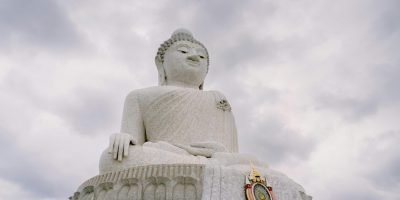
Best Time to Visit Japan

What is the best time to visit Japan?

best time to visit Japan
If you are looking for the best time to visit Japan’s vibrant festivals, here every city offers unique celebrations year-round. Takashi Miyazaki / Unsplash

Japan unfolds like an ever-changing masterpiece, with each season painting the country like India in its own enchanting palette. Spring drapes cities like Kyoto and Tokyo in soft pink and white as cherry blossoms bloom, transforming parks such as Ueno and Shinjuku Gyoen into dreamy picnic spots. As summer arrives, the country pulses with vibrant life—age-old festivals like Gion Matsuri in Kyoto and Tenjin Matsuri in Osaka fill the air with music and tradition, while Sapporo’s cooler climate offers blooming landscapes and outdoor adventures.

Climbers head to Mount Fuji, drawn by its majestic call. Then comes autumn, a season of calm reflection, where golden leaves blanket historic streets in Nara and Kyoto, and the crisp breeze pairs perfectly with steaming cups of matcha. Hakone, with Mount Fuji, becomes a haven for those who want peace. Winter wraps the land in quiet elegance—Sapporo’s snow festivals dazzle, while the powdery slopes of Niseko and Hakuba attract snow lovers. In contrast, villages like Shirakawa-go turn into magical snow-covered scenes. For ultimate relaxation, hot springs in Kusatsu and Ibusuki offer warmth and tranquility, where time seems to pause and the soul finds rest.

Here is the best time to visit Japan in your favorite season with your loved one.

best time to visit Japan
Spring drapes Japan in soft cherry blossom hues, floral fragrances along the street. Susann Schuster / Unsplash

March to May – Blossoms, Beauty & Open-Air Art in Japan

From March to May, Japan awakens in the most poetic way possible. Spring drapes Japan in soft cherry blossom hues, floral fragrances dancing on the breeze, and a tender sense of renewal that flows through every temple path and city street like a gentle, romantic sigh. This is the best time to visit Japan.

In Kyoto, ancient temples like Kiyomizu-dera and parks such as Maruyama burst into color as cherry trees bloom in full glory. In Tokyo, locals and visitors gather for hanami (flower viewing) picnics in places like Ueno Park and Shinjuku Gyoen. Blankets are laid, bento boxes are shared, and laughter fills the air as blossoms fall like snowflakes—moments that live forever in memory.

It’s a time when Japan’s art and culture take center stage. Head to Naoshima, Japan’s famous “art island,” where modern installations sit quietly on beaches and museum walls blend with the sea. The mild weather makes it the perfect season for exploring Japan’s outdoor beauty and creative heart.

By late April, Japan lights up with Golden Week—a series of national holidays that fills the cities with lively festivals and bustling travel energy. Streets become lively, bullet trains buzz with travelers, and every cultural event fills calendars. But if you visit in late May, you’ll catch a quieter side of spring—when the crowds fade, the sunshine softens, and the countryside beckons. Rice fields glow green, rural paths are very exciting to walk, and the entire land seems like a peaceful home.

best time to visit Japan
This is the best time to visit Japan for enjoy electrifying festival nights. Hanvin Cheong / Unsplash

June to August – Rain, Fireworks & Festival Fever

From June to August, Japan transitions from quiet, rain-soaked mornings to electrifying festival nights. It’s a season of contrast—where stillness and celebration share the same sky.

June marks the beginning of tsuyu, Japan’s rainy season. While many travelers overlook this time, it offers a hidden beauty—temples and gardens, especially in Kyoto and Kamakura, are wrapped in mist and silence. Hydrangeas bloom in full color, their blues and purples shining against wet stone paths, especially at places like Meigetsuin Temple (nicknamed the Hydrangea Temple). This early summer period is perfect for slow travel—walking through mossy forest trails, soaking in quiet onsens, and enjoying the peaceful rhythm of less crowded towns.

But then, by mid-July, summer awakens in full spirit. The country bursts into celebration mode. Streets fill with laughter, traditional music, and the sound of taiko drums as locals dress in yukatas and gather for summer matsuri (festivals). One of the most iconic is Gion Matsuri in Kyoto, where elaborate floats parade through the streets in a festival that dates back over a thousand years. Tenjin Matsuri in Osaka brings both river and land parades, with lanterns glowing against the night sky.

Come August, skies across Japan explode with color. Fireworks festivals, or hanabi taikai, light up cities from Tokyo to Hiroshima. These displays are more than visual treats—they’re deeply rooted in tradition, symbolizing hope and honoring ancestors. Street food stalls (yatai) line the festival grounds, offering local treats like takoyaki, yakisoba, and kakigōri (shaved ice)—a true taste of Japanese summer.

For those who seek the path less traveled, this season is the best time to visit Japan for offbeat hikes in the Japanese Alps or exploring cooler highland areas like Nagano or Hokkaido. The landscapes are lush, the air is fresh, and the views from mountaintop trails offer a quiet escape from the summer buzz.

best time to visit Japan
 Host traditional craft fairs, art exhibitions, and cultural festivals, celebrating everything from pottery to calligraphy. Bohang Lee / Unsplash

September to November – Golden Leaves & Cultural Glow

From September to November, Japan slips into its most enchanting attire—an autumnal robe of red, gold, and fiery orange. It’s a time when nature, tradition, and taste align perfectly, offering a season that feels both reflective and richly alive.

As the summer heat fades, the air turns crisp, and the leaves begin to shift. By late September, parks, mountainsides, and temple gardens slowly catch fire with color. This seasonal change is known as koyo—the viewing of autumn foliage—and it becomes a national ritual. Locals and travelers alike chase the changing colors across the country, from the northern landscapes of Tohoku and Hokkaido, where the leaves arrive first, to the iconic temples of Kyoto and Nara, where maple trees burn red beside golden ginkgoes by November.

One of the best ways to embrace this season is through scenic train journeys, like the Sagano Romantic Train near Kyoto or the Hakone Tozan Railway, winding through painted forests. Temples like Eikando and Kiyomizu-dera glow with golden trees during the day and are illuminated at night, offering an ethereal experience during special autumn light-ups.

Autumn is also when Japan’s cultural soul shines. Cities like Kanazawa and Takayama host traditional craft fairs, art exhibitions, and cultural festivals, celebrating everything from pottery to calligraphy. It’s a time to slow down and soak in the country’s refined, artistic side—whether through a quiet tea ceremony in a garden or a calligraphy display inside a centuries-old temple.

And then, there’s the food. Autumn is a feast for the senses. As the harvest rolls in, so do seasonal delicacies—like roasted chestnuts, sweet potatoes, matsutake mushrooms, and freshly caught sanma (Pacific saury). Wagashi (traditional sweets) take on fall motifs like maple leaves and persimmons, and street corners start smelling like grilled mochi and warm oden.

best time to visit Japan
a snow-covered center of Shingon Buddhism, glowing amidst a peaceful winter landscape. Samuel Berner / Unsplash

December to February – Snowy Silence & Warm Escapes

Japan transforms into a serene winter wonderland—where silence speaks louder than sound, and warmth becomes a treasure. This season is all about contrast: the icy beauty of nature paired with the cozy comfort of tradition.

As snow begins to blanket the countryside, regions like Hokkaido, Nagano, and Tohoku become havens for skiers and snowboarders, offering some of the finest powder snow in the world. Resorts like Niseko, Hakuba, and Nozawa Onsen are famous not only for their slopes but also for their charming alpine villages, where hot bowls of ramen and crackling fires are found.

But winter in Japan isn’t only for adventure seekers—it’s also for those who crave stillness. Shrines and temples, such as Meiji Jingu in Tokyo or Zenko-ji in Nagano, are especially peaceful this time of year. With fewer crowds and a soft covering of snow, these sacred places feel more spiritual, as if time itself has slowed down.

There are the outdoor onsens (hot springs) in the winter months. Imagine soaking in a steaming, mineral-rich bath with snowflakes falling softly around you, surrounded by pine trees or mountain views. Places like Kusatsu, Kinosaki, and Nyuto Onsen are beloved for this kind of timeless relaxation—where your only task is to breathe and unwind.

Meanwhile, the cities sparkle with winter illuminations. From Tokyo’s Marunouchi and Shibuya to Osaka’s Midosuji Avenue and Kobe’s Luminarie Festival, entire streets light up with glowing tunnels, crystal trees, and twinkling lights that turn urban spaces into dreamy fairytale scenes. It’s the perfect time to explore Japan’s café culture—nursing a warm matcha latte or hojicha in a cozy spot, watching the snow fall gently outside. And make it possible this is the best time to visit Japan.

Trusted Websites for More Travel Info

For the most accurate and up-to-date travel information, Japan’s official tourism websites are your best companions. The Japan National Tourism Organization (JNTO) is a top resource, offering detailed seasonal guides, festival calendars, weather updates, and travel itineraries tailored to your interests. You can also explore specific regional websites like Kyoto Travel Guide for temple openings and cultural events, or Tokyo Tourism for city highlights, events, and dining spots. These official platforms ensure reliable insights and help you plan each season of your journey with confidence and ease.

GUIDED BY EXPERT

Yoga within Travel the perfect flow of Experience

Explore wellness in anywhere

by

Explore Related Articles

Best time to visit UAE

Best time to visit United States

What is the best time to visit India?

Best time to visit Egypt

LEAVE A COMMENT

Error: Contact form not found.

Mount Fuji

@ Gillian Putri

Mount Fuji

Honshu,

Japan,

East Asia

Mount Fuji is one of the bucket-list destinations all rolled into one. Standing tall at 3,776 meters (12,389 feet), Fujisan (as locals respectfully call it) sits gracefully between Yamanashi and Shizuoka Prefectures, just about 100 kilometers southwest of Tokyo, Japan.

Mount Fuji is more than a postcard-perfect cone. It’s an active stratovolcano that last erupted in 1707, yet it radiates peace instead of fear. For centuries, it has been worshipped in Japanese culture—seen not just as a mountain but as a living presence.

Spring brings a delicate blush to Mount Fuji’s base, as cherry blossoms bloom and paint the landscape in soft pink hues—perfect for dreamy photographs. Come summer, the mountain transforms into a climber’s paradise, drawing adventurers from across the globe. Four main trails—Yoshida, Subashiri, Gotemba, and Fujinomiya—lead to the summit, each offering its own distinct experience, whether you’re weaving through lush forests or scrambling over rugged volcanic slopes.

Autumn brings fiery leaves that blanket the foothills, especially around the Five Fuji Lakes (Fujigoko)—Lake Kawaguchi, Lake Yamanaka, Lake Sai, Lake Shoji, and Lake Motosu. These mirror-like lakes offer stunning reflections of the mountain and a peaceful escape for those who prefer nature without the climb. In winter, Mount Fuji wears its most iconic look: a perfect snowy cap that glows under the sun, like frosting on a sacred cake. And this is the best time to visit Japan.

Snap the ultimate photo at Chureito Pagoda, where cherry blossoms and a five-tiered pagoda frame the iconic peak. Relax by Lake Kawaguchi, perfect for boat rides, cycling, or sipping tea with Fuji’s reflection dancing on the surface. At the peaceful Fujisan Sengen Shrine, climbers pause to pray beneath ancient trees. Thrill-seekers can dive into wild rides at Fujikyu Highland, where coasters twist against a Fuji backdrop. And for a taste of old Japan, wander through Oshino Hakkai, a quiet village of clear ponds, thatched roofs, and mountain charm.

The flavors around Mount Fuji are as rich as its views, giving a delicious taste of the region’s volcanic soul. There is fertile soil and crystal-clear mountain water, and local specialties are full of character. Warm yourself with a bowl of hōtō noodles, thick and hearty in a miso broth with mountain vegetables—comfort food at its finest. For a sweet treat, try the whimsical Fujiyama Soft Cream, swirled high like the mountain itself and flavored with local twists like matcha, lavender, or even wasabi. Yamanashi’s juicy grapes and peaches are grown in the foothills.

Let's Connect With

Around Mount Fuji

1. Fujiyoshida

10 km

A gateway city at the northern base of Mt. Fuji. Home to Chureito Pagoda, a famous viewpoint with Mt. Fuji in the background.

2. Fujikawaguchiko Town

12 km

Features the Mt. Fuji Panoramic Ropeway, hot springs, museums like the Kubota Itchiku Kimono Museum, and many ryokans.

3.Lake Kawaguchi (Kawaguchiko)

15 km

Mt. Fuji across calm waters. Offers hot springs, ropeway, and boat rides. One of the Fuji Five Lakes.

4. Oshino Hakkai

15 km

A traditional village with eight natural spring ponds formed by Mt. Fuji’s melted snow.

5. Aokigahara Forest

15 km

A mysterious forest at the foot of Mt. Fuji, formed by volcanic lava flows. 

6. Lake Motosu (Motosuko)

25 km

The view of Mt. Fuji from here is the one printed on Japan’s ¥1,000 note.

7. Gotemba

25 km

A small city at the base of Mt. Fuji. Known for Gotemba Premium Outlets and beautiful views of Fuji.

8. Hakone

40 km

A famous hot spring resort area. Offers Lake Ashi cruises, ropeways, and Fuji views on clear days.

Japan Top Attractions

opposite ends of Japan

250 - 300 km

230 - 250 km

The Okinawa beaches are scattered across a chain of islands off Kyushu. The most accessible ones lie on Okinawa’s main island, with popular spots like Emerald Read More

Tucked deep within the northern mountains of Gifu Prefecture, Takayama feels like Japan’s hidden treasure frozen in time. It lies in the heart of the Hida region, surrounded by the tall, forested Read More

The Arashiyama Bamboo Grove in Kyoto offers a unique auditory experience that complements its visual beauty. Here are the rustling of bamboo leaves and the soft creaking of swaying stalks Read More

Make Reason to Travel

Books transport us to new worlds with every page, but travel lets us live those stories. Documentaries show breathtaking places, but stepping beyond the screen brings them to life. Movies spark adventure, but the real magic begins when we pack our bags and go. 🌍

Books

Documentaries

Memories

Movies

03. ARTICLES

Explore latest stories

Health Guide

How to Stay Healthy While Traveling

Travel has taught something powerful Read More

Adventure

Plan the Perfect Bike Ride from Delhi to Ladakh

Imagine riding through some of the world’s highest

Beaches & Islands

How to Plan a Summer Beach Trip in 2025

There’s something timeless about the pull of the

Adventure

14 Best Islands in Asia to Visit in 2025

Asia, with its vast stretch of coastlines and turquoise

Budget Trip

10 Destinations for Budget Friendly Travel

Wanderlust doesn’t have to come with a hefty price

Okinawa Beaches

@ Yasuaki Uechi

Okinawa Beaches

Okinawa,

Japan,

East Asia

The Okinawa beaches are scattered across a chain of islands off Kyushu. The most accessible ones lie on Okinawa’s main island, with popular spots like Emerald Beach, Nirai Beach, Zanpa Beach, and Moon Beach.

Okinawa is home to Japan’s only subtropical beach paradise, where coral reefs hug much of the coastline, creating a vibrant underwater world perfect for snorkeling and diving. The islands sit atop one of the world’s largest coral reef systems, attracting marine life lovers from around the globe.

What makes these Okinawa beaches even more special is their pristine condition—Okinawa boasts some of the cleanest shorelines in the world, thanks to strong local conservation efforts and a deep-rooted cultural respect for nature. Adding to its charm, the water remains pleasantly warm even in winter, allowing visitors to enjoy swimming and water activities nearly all year round—something rarely found elsewhere in Japan.

As the day winds down, head to Cape Zampa Beach, where golden skies melt into the sea during one of Okinawa Beaches most unforgettable sunsets. For inner calm, many beachside retreats offer sunrise yoga sessions. And if you’re feeling adventurous, hop on a ferry or a short flight to nearby gems like Kume, Tokashiki, or Miyako Island, where postcard-perfect shorelines and a slower pace of life await.

The food near Okinawa beaches offers a refreshing twist on traditional Japanese cuisine—lighter, tropical, and deeply rooted in island culture. One of the most beloved local creations is Taco Rice, a fun fusion dish layering spicy taco-seasoned beef over fluffy Japanese rice, often enjoyed casually by the sea.

If the mood for something truly authentic, Goya Champuru is a must-try—a hearty stir-fry of bitter melon, tofu, pork, and eggs that captures the soul of Okinawan home cooking. Don’t be put off by the bitterness—it’s balanced beautifully with savory flavors and becomes surprisingly addictive. And when hunger hits after a long day by the sea, there’s nothing more comforting than a bowl of Okinawan soba. These thick, springy noodles are served in a rich pork broth and topped with melt-in-your-mouth braised pork belly, making it a perfect island-style comfort food.

For dessert, cool off with a scoop (or two) of Blue Seal Ice Cream, an American-born, Okinawan-loved treat that comes in tropical flavors like mango, purple sweet potato (beni-imo), and sugar cane. Sea Grapes (Umibudō)—when it is chilled and dipped in soy sauce or vinegar, offering a taste as unique as the island itself.

Let's Connect With

Around Okinawa Beaches

1. American Village

700 m

A vibrant area full of shops, Western-style eateries, and a Ferris wheel. Perfect for grabbing a bite or enjoying nightlife right.

2. Cape Zanpa Lighthouse

1 km

Located at the edge of a rocky cliff, this iconic white lighthouse provides breathtaking views of the East China Sea. 

3. Blue Cave (at Maeda Point)

1 km

A popular diving and snorkeling spot where sunlight filters through the cave’s entrance, creating a glowing blue underwater world. 

4. Churaumi Aquarium

2 km

The massive whale sharks glide alongside manta rays in the famous Kuroshio Tank. It’s just a short walk from Emerald Beach.

5. Cape Manzamo

3 km

This scenic cliff offers panoramic ocean views and a rock shaped like an elephant’s trunk. 

6. Nakijin Castle Ruins

5 km

These ancient Ryukyuan ruins offer a peaceful historical escape with stunning ocean views, especially beautiful during cherry blossom season in late January.

7. Okinawa World (Gyokusendo Cave)

6 km

Home to Okinawa’s longest limestone cave, a traditional village, and Eisa dance shows. 

8. Itoman Peace Memorial Park

7 km

This historical site commemorates those lost during the Battle of Okinawa. With peaceful gardens, ocean views, and memorial walls.

Japan Top Attractions

opposite ends of Japan

250 - 300 km

230 - 250 km

Mount Fuji is one of the bucket-list destinations all rolled into one. Standing tall at 3,776 meters (12,389 feet), Fujisan (as locals respectfully call it) sits gracefully between Yamanashi Read More

The Arashiyama Bamboo Grove in Kyoto offers a unique auditory experience that complements its visual beauty. Here are the rustling of bamboo leaves and the soft creaking of swaying stalks Read More

Tucked deep within the northern mountains of Gifu Prefecture, Takayama feels like Japan’s hidden treasure frozen in time. It lies in the heart of the Hida region, surrounded by the tall, forested Read More

Make Reason to Travel

Books transport us to new worlds with every page, but travel lets us live those stories. Documentaries show breathtaking places, but stepping beyond the screen brings them to life. Movies spark adventure, but the real magic begins when we pack our bags and go. 🌍

Books

Documentaries

Memories

Movies

03. ARTICLES

Explore latest stories

Food & Drink

10 Thai Food Experiences You Must Try

Touch down in Thailand, and you’ll quickly realize Read More

Food & Drink

What to Eat and Drink in India

When you travel through India, you don’t just eat;

Beaches & Islands

How to Plan a Summer Beach Trip in 2025

There’s something timeless about the pull of the

Adventure

14 Best Islands in Asia to Visit in 2025

Asia, with its vast stretch of coastlines and turquoise

Budget Trip

10 Destinations for Budget Friendly Travel

Wanderlust doesn’t have to come with a hefty price

Takayama (Japanese Alps)

@ Natureye

Takayama (Japanese Alps)

Gifu,

Japan,

East Asia

Tucked deep within the northern mountains of Gifu Prefecture, Takayama feels like Japan’s hidden treasure frozen in time. It lies in the heart of the Hida region, surrounded by the tall, forested peaks of the Japanese Alps, about a 2.5-hour train ride from Nagoya. Despite being a small city, Takayama offers a peaceful rhythm that feels far removed from Japan’s bustling metropolises. The crisp mountain air, clean rivers, and wooden houses reflect the spirit of old Japan: calm, traditional, and deeply connected with nature.

Nicknamed “Little Kyoto,” Takayama beautifully captures the elegance of Kyoto but on a smaller, more personal scale, with its preserved merchant streets, softly glowing paper lanterns, and centuries-old sake breweries. Renowned for its exceptional craftsmanship dating back to the Edo period, Takayama’s carpentry was once considered among Japan’s finest, contributing their skills to the construction of Kyoto’s temples and castles.

Its remote mountain location allowed the town to nurture its own dialect, traditions, and festivals, remaining largely untouched by modern influences for generations. With each passing season cherry blossoms in spring, lush greenery in summer, fiery maples in autumn, and snow-covered rooftops in winter Takayama reveals a new layer of beauty, making it a timeless destination worth visiting all year round.

Takayama’s charm unfolds through its timeless attractions, each offering a glimpse into Japan’s rich heritage. The Sanmachi Suji District, with its narrow lanes lined by dark wooden merchant houses, tiny sake breweries, and inviting teahouses, feels like a living museum from the Edo era, where the scent of grilled street snacks and the gentle rhythm of traditional music fill the air.

Nearby, the Takayama Jinya, a 17th-century government office, reveals the town’s historical depth through its tatami rooms, ancient records, and hidden wooden compartments once used by samurai officials. Along the Miyagawa River, the bustling Morning Markets (Asaichi) showcase the town’s local life, where farmers and artisans sell fresh produce, pickles, and handmade crafts, creating a colorful harmony of community and tradition.

Just beyond the town, the Hida Folk Village (Hida no Sato) offers a tranquil step back in time, with its thatched-roof houses, serene ponds, and mountain vistas reflecting Japan’s rural past. Rounding off the experience is the Takayama Festival, held in spring and autumn, where lavishly decorated floats and lifelike dancing puppets bring centuries-old celebrations to life, painting the town in vibrant colors of joy and tradition.

Takayama’s food scene is simple yet deeply satisfying, rooted in mountain-grown ingredients and comforting flavors that warm both heart and soul. Among its culinary highlights is Hida Beef (Hida-gyu), one of Japan’s finest beef varieties, prized for its melt-in-your-mouth tenderness and rich marbling, often enjoyed grilled on a hot plate or served as delicate sushi atop crisp rice crackers.

For something heartier, Takayama Ramen offers a soothing bowl of thin noodles in a clear soy-based broth with tender slices of pork, a perfect treat for the town’s cool mountain evenings. Street stalls tempt visitors with Gohei Mochi, skewered rice cakes glazed with a miso and walnut sauce, grilled until golden and caramelized, blending sweetness with a hint of smokiness. To complete the experience, Takayama’s local sake, brewed with pure alpine water and chilled mountain air, captures the region’s essence best savored at centuries-old breweries tucked along the town’s charming old streets.

Let's Connect With

The official tourism website for Takayama in Gifu Prefecture is HIDA TAKAYAMA – Tourist Information

Around Takayama (Japanese Alps)

1. Sanmachi Suji (Old Town Street)

In Takayama city

Charming historic streets with Edo-era wooden merchant houses, sake breweries.

2. Hida Kokubun‑ji Temple

In Takayama city

Ancient temple founded in the Nara period, rich in local history.

3. Hida Great Limestone Cave

30 min from Takayama

A natural limestone cave offering a cool, atmospheric escape from town.

4. Takayama Castle Ruins

Within Takayama city

The historic ruins of the castle high on Shiroyama with nice views of town and mountains.

5. 60 min from Takayama

60 min from Takayama

Scenic alpine onsen town nestled amid mountains – ideal for relaxing.

6. Shinhotaka Ropeway

1h 40m from Takayama

Double-deck gondola offering dramatic panoramic views of the Northern Alps.

7. Hida Folk Village

2-3 km

Open–air museum of traditional mountain farmhouses with green and fresh houses overlooking Takayama valley.

8. Shirakawa ‑go

48-50 km

UNESCO-heritage village with steep thatched-roof farmhouses tucked in the mountains.

Japan Top Attractions

opposite ends of Japan

250 - 300 km

230 - 250 km

The Okinawa beaches are scattered across a chain of islands off Kyushu. The most accessible ones lie on Okinawa’s main island, with popular spots like Emerald Read More

Mount Fuji is one of the bucket-list destinations all rolled into one. Standing tall at 3,776 meters (12,389 feet), Fujisan (as locals respectfully call it) sits gracefully between Yamanashi Read More

The Arashiyama Bamboo Grove in Kyoto offers a unique auditory experience that complements its visual beauty. Here are the rustling of bamboo leaves and the soft creaking of swaying stalks Read More

Make Reason to Travel

Books transport us to new worlds with every page, but travel lets us live those stories. Documentaries show breathtaking places, but stepping beyond the screen brings them to life. Movies spark adventure, but the real magic begins when we pack our bags and go. 🌍

Books

Documentaries

Memories

Movies

03. ARTICLES

Explore latest stories

Food & Drink

What to Eat and Drink in India

When you travel through India, you don’t just eat; you Read More

Wildlife Visit

Best Places to Spot the Big 5 in Africa

Encountering Africa’s Big 5 in the wild isn’t just a travel

Health Guide

Beyond the Stress-Free Travel

We tend to romanticize the idea of a flawless journey,

Nature Visit

Top Attractions to Explore in Darjeeling

Often referred to as the “Queen of the Hills,” Darjeeling

Food & Drink

10 Thai Food Experiences You Must Try

Touch down in Thailand, and you’ll quickly realize this

Cameron Highlands

@ Simon Wiedensohler

Cameron Highlands

Pahang,

Malaysia,

Asia

Nestled high in the Titiwangsa mountain range of Pahang, Malaysia, the Cameron Highlands sits gracefully about 200 kilometers north of Kuala Lumpur. Rising nearly 1,500 meters above sea level, this hill station gives a refreshing break from the tropical heat. The air here feels lighter and cooler and carries the soothing scent of tea leaves and fresh soil, a rare combination that makes every breath feel like a small escape from the chaos of city life.

Named after William Cameron, a British surveyor who discovered the area in 1885, the highlands were once a colonial retreat for British planters escaping the lowland heat. Over time, the rolling hills transformed into lush tea plantations, flower gardens, and vegetable farms. The Tudor-style cottages, flower gardens, and cozy tea houses in the English countryside still have a charm that makes time seem to slow down.

Among the many wonders of Cameron Highlands, a few stand out for their beauty and charm. The BOH Tea Plantation gives one of the most iconic views, with endless waves of green tea bushes disappearing into the mist that gently drifts over the hills. At the BOH Tea Centre’s terrace café, you can sip a freshly brewed cup while overlooking the valley below—a moment of pure calm.

Nearby, the Mossy Forest unveils a dreamlike world where every tree is draped in moss, and the cool air carries an earthy scent. Walking along its wooden pathways feels like stepping into a living fairytale. For a splash of color, the Cameron Lavender Garden bursts into shades of purple, pink, and white, with floral scents filling the air and cozy cafes offering sweet treats among the blooms.

The region’s famous strawberry farms add another layer of joy, inviting visitors to pick their fresh berries at spots like Big Red Strawberry Farm and Raju’s Hill, best enjoyed with whipped cream or chocolate. And if you’re in the mood for something nostalgic, the Butterfly Garden and Time Tunnel Museum blend nature and history beautifully with fluttering butterflies all around and vintage collectibles that tell stories from Malaysia’s past.

Cameron Highlands’ cool climate blesses it with an abundance of fresh produce, and that reflects beautifully in its food. You’ll find strawberry desserts almost everywhere: from pancakes and milkshakes to homemade jams. The steamboat hotpot is a must-try evening meal—a bubbling pot filled with vegetables, meat, and noodles that warms you up in the chilly mountain weather.

For tea lovers, there’s no better experience than pairing locally grown tea with freshly baked scones, served with strawberry jam and cream—a delightful colonial-era treat that’s now a local favorite.

Cameron Highlands stays pleasantly cool all year round, but the best months to visit are March to September, when the skies are clear and the tea gardens are lush. Mornings are perfect for walks, while evenings bring a light mist that gives the hills a romantic touch. Don’t forget a jacket; even tropical Malaysia feels like autumn here.

Let's Connect With

Around Cameron Highlands

1. Sam Poh Temple

3 km

A peaceful Buddhist temple complex with scenic views and a more tranquil feel compared to the busier spots.

2. Kok Lim Strawberry Farm

4 km

A strawberry farm where you can pick your own berries and enjoy strawberry-based treats.

3. Cameron Highlands Butterfly Farm

6 km

A family-friendly enclosure of butterflies, insects and a flower garden in a cool highland setting.

4. Cameron Bharat Tea Plantation

5.6 km

A tea plantation closer to town, offering scenic walks and tea-house views but less crowded.

5. Cameron Flora Park

10 km

A newer picturesque floral garden perfect for leisurely strolls or photo-friendly picnics among blooms.

6. The Sheep Sanctuary

10 km

A quirky sheep-petting attraction near Kea Farm where you can feed and interact with fluffy animals.

7. BOH Sungai Palas Tea Centre

14 km

A vast tea estate with sweeping green tea hills and a café overlooking the plantation.

8. Mossy Forest

15 km

A mystical cloud-forest with trees, moss and unique flora — other-worldly nature walk.

Malaysia Top Attractions

210 km

370 km

200 km

Nestled in the Andaman Sea near the Thailand-Malaysia border, Langkawi is a captivating cluster of 99 islands off the northwest coast of Peninsular Malaysia. Part of the state of Kedah, Read More

Batu Caves is located in Gombak, a district just 13 kilometers north of Kuala Lumpur, Malaysia’s bustling capital. Nestled in a limestone hill that dates back over 400 million years, the site Read More

Tucked into the green heart of Peninsular Malaysia, Taman Negara is more than a national park; it is the soul of the Malaysian rainforest. Straddling three states—Pahang, Kelantan, and Read More

Make Reason to Travel

Books transport us to new worlds with every page, but travel lets us live those stories. Documentaries show breathtaking places, but stepping beyond the screen brings them to life. Movies spark adventure, but the real magic begins when we pack our bags and go. 🌍

Books

Documentaries

Memories

Movies

03. ARTICLES

Explore latest stories

Food & Drink

What to Eat and Drink in India

When you travel through India, you don’t just eat; you Read More

Wildlife Visit

Best Places to Spot the Big 5 in Africa

Encountering Africa’s Big 5 in the wild isn’t just a travel

Health Guide

Beyond the Stress-Free Travel

We tend to romanticize the idea of a flawless journey,

Nature Visit

Top Attractions to Explore in Darjeeling

Often referred to as the “Queen of the Hills,” Darjeeling

Food & Drink

10 Thai Food Experiences You Must Try

Touch down in Thailand, and you’ll quickly realize this