Mosque of Muhammad Ali

@ Abdelhakeem Elshinnawi

Overview:

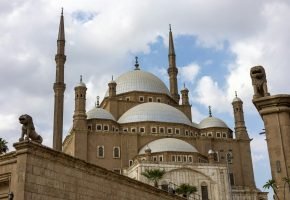
The Mosque of Muhammad Ali Built in the 19th century, this mosque is more than just a religious building; it’s a symbol of Egypt’s shift into the modern age under one of its most ambitious rulers. When you approach it, especially in the golden glow of sunrise or sunset, it feels like walking into a story that blends history, power, and artistry.

Perched on Mokattam Hill in southeastern Cairo, the Mosque of Muhammad Ali rises proudly inside the ancient walls of the Cairo Citadel, a fortress that has stood sentinel over the city for centuries. Originally chosen for its strategic military advantage, this elevated spot now rewards visitors with stunning panoramic views of Cairo’s vast urban landscape. 

Highlights

Gateway to Historic Islamic Cairo

Its prime location inside the Citadel places visitors within very close proximity to other iconic historic landmarks, including Al-Mu’izz Street and the bustling Khan el Khalili Bazaar.

Adjacent to Al-Gawhara Palace

Right next to the mosque is the small, ornate Al-Gawhara Palace (Jewel Palace), built by Muhammad Ali Pasha and featuring decorative, European-inspired interiors.

Breathtaking Golden Hour Ambiance

Approaching or viewing the structure during the golden glow of sunrise or sunset creates a magical atmosphere that blends history, power, and intricate artistry.

Traditional Egyptian Coffee Culture

Sip strong, aromatic Turkish-style coffee brewed in a brass kanaka while relaxing at a historic open-air kahwa.

Let's Connect With

The Mosque of Muhammad Ali, also known as the Alabaster Mosque, is located within the historic Cairo Citadel. While there isn’t a dedicated official website for the mosque, you can find comprehensive information on the Ministry of Tourism and Antiquities’ official portal: https://egymonuments.gov.eg/en/monuments/muhammad-ali-mosque?utm_

Itinerary Highlights

If you want to experience Mosque of Muhammad Ali and know more how to reach, and what to do I will give you full explanation on this

Morning: Arrival & Architectural Exploration

  • 09:00 AM – Arrival at the Cairo Citadel: Enter the historic fortress grounds on Mokattam Hill and purchase your entry tickets.

  • 09:30 AM – The Alabaster Mosque Interior: Step inside the grand Mosque of Muhammad Ali. Take off your shoes at the entrance, admire the soaring 52-meter-high central dome, and inspect the intricate crystal chandeliers and the alabaster-clad walls.

  • 10:30 AM – Courtyard & French Clock Tower: Walk out into the spacious outer marble courtyard to see the ornate brass clock tower gifted by King Louis Philippe of France.


Midday: Citadel Highlights & Surrounding Palaces

  • 11:00 AM – Panoramic Terraces: Head to the western terrace of the mosque to capture breathtaking views of Cairo's skyline, the historic Sultan Hassan Mosque down below, and the distant Giza Pyramids on a clear day.

  • 11:45 AM – Al-Gawhara Palace & Citadel Museums: Explore the adjacent European-inspired Al-Gawhara Palace (Jewel Palace) and check out the other military and historical museums housed within the Citadel complex.


Lunch & Afternoon: Old Cairo & Bazaar Culture

  • 01:00 PM – Traditional Lunch: Head down from the hill to enjoy a classic Egyptian lunch near Islamic Cairo—try traditional charcoal-grilled meats or local feteer.

  • 02:30 PM – Khan el-Khalili Bazaar & Coffee Break: Spend your afternoon wandering through the vibrant alleys of the Khan el-Khalili Bazaar, shop for local crafts, and unwind at a historic open-air kahwa with a traditional cup of strong, aromatic Egyptian coffee brewed in a brass kanaka.

Know More to Get Travelling in Egypt

Eat With Host

Discover a unique way to experience local culture, where you can enjoy authentic meals hosted by locals around the world.

From home-cooked dinners to food tours, it’s the perfect way to connect through food with New People.

Start your delicious journey today Eatwith.

Accommodation

I personally use Hostelworld where you easily find budget-friendly hostels and social stays in one click.

Luxury platforms like Klook help you compare prices and book the best options for your trip.

Transportation

Reach the Mosque of Muhammad Ali inside the Cairo Citadel is by taking a local taxi or using ride-hailing apps like Uber or Careem directly from anywhere in central Cairo.


Estimated Budget: ~550 EGP ($11–$12 USD) for the Citadel entry ticket, plus local taxi or ride-hailing fare.

Top Attractions Near Mosque of Muhammad Ali

Saladin Citadel

Inside Mosque

A historic fortress built by Saladin, with sweeping views over Cairo and several museums and mosques inside.

Al-Gawhara Palace

With in Citadel

A small ornate palace next to the mosque built by Muhammad Ali Pasha, featuring decorative interiors.

Al-Nasir Muhammad Mosque

With in Citadel

A Mamluk royal mosque built in 1318, across the courtyard from the Muhammad Ali Mosque.

Al-Mu’izz Street

1 km

A major medieval street lined with historic mosques, madrasas and monuments in Islamic Cairo.

Khan el Khalili Bazaar

2 km

Cairo’s famous historic market bazaar, great for shopping, local crafts, spices, and ambiance.

Mosque of Ibn Tulun

2 km

One of Cairo’s oldest mosques, built in Abbasid style, located south of the Citadel along Saliba Street.

Gayer-Anderson Museum

3 km

A historic house museum near Ibn Tulun, noted for period furnishings, Islamic art, and architecture.

Egyptian Museum

5 km

One of the world’s great collections of ancient Egyptian artifacts, including pharaonic treasures.

All My Articles on Egypt

Best Things to Do in Egypt

20 Best Things to Do in Egypt

Best Travel Insurance Plans for Egypt

12 Best Travel Insurance Plans for Egypt

Best Things on Egypt's Tourist Visa

10 Best Things on Egypt's Tourist Visa

Khan El Khalili Bazaar

@ Thales Botelho De Sousa

Overview:

Tucked within the maze-like streets of Islamic Cairo, Khan El Khalili Bazaar is a centuries-old marketplace that continues to pulse with life, color, and culture. Located near Al-Azhar Mosque and about 5 kilometers from downtown Cairo, this bazaar is not just a shopping spot; it’s a living museum of Egyptian craftsmanship, tradition, and storytelling.

Khan El Khalili sits in the historic district of El-Gamaleya, one of Cairo’s oldest neighborhoods. The bazaar originally began as a caravanserai (a resting place for traders) established by Emir Djaharks El-Khalili in 1382. Over time, it evolved into the vibrant market it is today.

Highlights

Historical Caravanserai Roots

The bazaar originated as a resting place for traders (caravanserai) established by Emir Djaharks El-Khalili in 1382, gradually evolving into one of the world’s most famous open-air markets.

Magical Evening Atmosphere

Hundreds of traditional stained-glass lanterns light up the narrow alleys in the evening, casting a warm, golden glow across the market.

The Legendary El-Fishawy Café

Operating since 1773, this famous coffeehouse is celebrated for its antique mirrors, traditional brass-pot coffee, and historic clientele like Nobel laureate Naguib Mahfouz.

Let's Connect With

Here are a few “official” or semi-official websites / sources for Khan El Khalili Bazaar:

Itinerary Highlights

A balanced 3-day guide to exploring Islamic Cairo’s medieval streets, artisanal markets, and iconic landmarks.

Morning: Arrival & Historic Exploration

  • Arrive early to beat the crowds and begin your journey at the grand Al-Hussein Mosque and the adjacent historic gate of Bab al-Futuh.

  • Stroll down Al-Muʿizz Street, a magnificent open-air museum lined with medieval Mamluk architecture, old madrasas, and restored historical facades.


Mid-Day: Artisanal Alleys & Shopping

  • Dive deep into the maze-like souqs of the bazaar. Explore the Coppersmiths' Alley to watch traditional metalworkers hand-engrave brass and copperware.

  • Browse specialized shops offering handmade carpets, blown-glass lanterns, leather goods, spices, and authentic papyrus art.


Late Afternoon & Evening: Café Culture & Glowing Lanterns

  • Relax and unwind at the legendary El-Fishawy Café, operating since 1773, to sip traditional mint tea or Turkish coffee surrounded by antique mirrors.

  • Stay into the evening as hundreds of traditional stained-glass lanterns light up, casting a warm, golden glow across the lively medieval alleys.

Know More to Get Travelling in Egypt

Eat With Host

Discover a unique way to experience local culture, where you can enjoy authentic meals hosted by locals around the world.

From home-cooked dinners to food tours, it’s the perfect way to connect through food with New People.

Start your delicious journey today Eatwith.

Accommodation

I personally use Hostelworld where you easily find budget-friendly hostels and social stays in one click.

Luxury platforms like Klook help you compare prices and book the best options for your trip.

Transportation

You can easily reach Khan El Khalili Bazaar from anywhere in Cairo by taking a taxi, an Uber/Careem rideshare, or riding the Cairo Metro to the Ataba or Bab El-Shaaria stations.


An Uber or Careem rideshare from Central Cairo to Al-Hussein Square typically runs about 60–200 EGP.

Top Attractions Near Khan El Khalili Bazaar

Al-Hussein Mosque

0.1 km

One of the holiest Islamic sites in Cairo, located right next to the Khan, built on a historic Fatimid cemetery.

Al-Azhar Park

0.6 km

A green oasis offering landscaped gardens and panoramic views over old Cairo.

Al-Muʿizz Street

0.5 km

A restored medieval street lined with historic mosques, madrasas and markets.

Qalawun Complex

0.8 km

A grand Mamluk funerary, hospital, and madrasa complex built in the 13th century.

Hammam of Sultan Inal

0.9 km

A restored historic public bathhouse from the Mamluk period, located on Al-Muʿizz Street.

Cairo Citadel

2 km

A medieval Islamic fortress offering commanding views of the city and housing the striking Muhammad Ali Mosque.

Egyptian Museum

2 km

The iconic museum housing vast collections of ancient Egyptian artifacts, including treasures of Tutankhamun.

Coptic Cairo

1.5 km

Historic Christian quarter with ancient churches and the site of the former Ben Ezra Synagogue.

All My Articles on Egypt

Best Things to Do in Egypt

20 Best Things to Do in Egypt

Best Travel Insurance Plans for Egypt

12 Best Travel Insurance Plans for Egypt

Best Things on Egypt's Tourist Visa

10 Best Things on Egypt's Tourist Visa

uShaka Marine World

Overview:

uShaka Marine World, set along Durban’s lively beachfront, is more than just a theme park—it’s a mix of marine life, entertainment, education, and African coastal culture. Opened in 2004 as part of the city’s Point Waterfront redevelopment, it was designed to bring new life to the harbor area while giving a world-class attraction for both locals and visitors. 

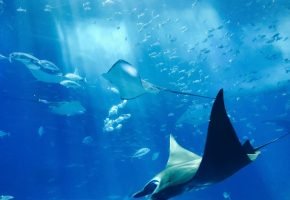
Spread across nearly 40 acres, the park is divided into exciting zones that cater to different interests. The centerpiece is uShaka Sea World, a massive shipwreck-themed aquarium where over 300 marine species swim in giant tanks. 

Highlights

Ocean Walk Adventure

Experience an underwater-style walk and get closer to marine life through designated activities.

Beachfront Entertainment

Combine your marine adventure with ocean views, restaurants, and the lively atmosphere of Durban’s Golden Mile.

Let's Connect With

The official site, ushakamarine.com, serves as a central hub for anyone planning a visit to uShaka Marine World. It provides up-to-date information on park rates, operating hours, show schedules, and special events. The site also includes sections for booking, news & promotions, merchandise, and group functions, making it a practical and comprehensive resource for guests and planners alike.

Itinerary Highlights

Enjoy a full day of marine discovery, aquarium adventures, water slides, and beachfront relaxation at uShaka Marine World in Durban.

One day to uShaka Marina

10:00 AM – Explore the Aquarium

Start your day at the park, check opening hours and tickets, and head to Sea World to explore its marine exhibits.

10:00 AM – Explore the Aquarium

Discover sharks, rays, colourful fish, and the distinctive shipwreck-themed aquarium environment.

12:00 PM – Lunch and Water Park Fun

Enjoy lunch, then try the Wet ’n Wild water slides and pools if the water park is open.

2:30 PM – Marine Experiences

Check the day's programme for any scheduled animal presentations or special marine activities.

4:00–5:00 PM – Beachfront Relaxation

Finish with a walk along Durban's Golden Mile, enjoy ocean views, and take photographs before leaving.


Know More to Get Travelling in South Africa

Eat With Host

Discover a unique way to experience local culture, where you can enjoy authentic meals hosted by locals around the world.

From home-cooked dinners to food tours, it’s the perfect way to connect through food with New People.

Start your delicious journey today Eatwith.

Accommodation

I personally use Hostelworld where you easily find budget-friendly hostels and social stays in one click.

Luxury platforms like Klook help you compare prices and book the best options for your trip.

Transportation

Accessible by taxi, Uber, or local transport from central Durban. If arriving from another city, fly to King Shaka International Airport and take a taxi or shuttle to the attraction, approximately 30–45 minutes away depending on traffic.


Budget around R100–R250 for a local ride or R300–R600 from the airport, depending on the service and travel time.

Top Attractions Near uShaka Marine World

Addington Beach

0.3 km

A calm, sandy beach ideal for swimming and sunbathing just steps away from uShaka.

Golden Mile Promenade

0.5 km

A scenic beachfront walkway lined with cafes, cycle paths, and ocean views.

Port Natal Maritime Museum

1.8 km

Showcases Durban’s seafaring history with old ships and nautical exhibits.

Durban Botanic Gardens

5 km

Africa’s oldest surviving botanical garden with exotic plants and tranquil ponds.

Moses Mabhida Stadium

6 km

Iconic stadium giving skycar rides, bungee jumping, and panoramic city views.

Suncoast Casino & Entertainment World

6.5 km

A lively beachfront complex with gaming, restaurants, and cinemas.

Umgeni River Bird Park

9 km

Home to hundreds of bird species with daily free-flight shows in a lush setting.

Beachwood Mangroves Nature Reserve

11 km

Peaceful boardwalk reserve showcasing mangrove forests and local wildlife.

All My Articles on South Africa

Best Things on South Africa Tourist Visa

Best Things on South Africa Tourist Visa

5 Of the Best Hikes in South Africa

5 Of the Best Hikes in South Africa

Best Places to Spot the Big 5 in Africa

Best Places to Spot the Big 5 in Africa

Travel Articles More

Travel Articles

Wildlife Visit

Best Wildlife Places in Ladakh

Ladakh’s wild beauty lies in its stunning variety of landscapes: alpine meadows, glacial rivers, saltwater lakes, and cold deserts all coming together to create Read More

Beaches & Islands

10 Best Beaches in Europe

From sun-drenched shores to dramatic cliffside hideaways, Europe is home to some of the world’s most enchanting beaches, each with a personality Read More

Health Guide

Beyond the Stress-Free Travel

We tend to romanticize the idea of a flawless journey, perfect schedules, smooth connections, and not a single bump along the way. But in striving for perfection Read More

Nature Visit

Top Attractions to Explore in Darjeeling

Often referred to as the “Queen of the Hills,” Darjeeling holds a regal place among India’s hill stations, not just for its breathtaking natural beauty, but for the Read More

Activities

20 Best Things to Do in South Africa

South Africa is a land of striking contrasts and endless wonders, where vast savannas meet dramatic coastlines and ancient mountains rise beside bustling cities. Read More

Adventure

Top 10 Places to see Cherry Blossoms in Japan

Every spring, Japan transforms into a living canvas painted with delicate shades of pink and white Read More

Food & Drink

The Best Places to Eat Croissants in Paris

In Paris, discovering the perfect croissant is more than a morning delight; it’s a joyful celebration of French culture. From flaky golden layers to that irresistible Read More

Beaches & Islands

Discover 10 of the World's Best Beaches

There’s something timeless about the allure of a perfect beach. The rhythmic crash of waves, the soft warmth of sand beneath your feet, and the endless Read More

Adventure

10 Best Things to Do in Kerala, India

Nestled on the lush Malabar Coast of southwestern India, Kerala—fondly known as “God’s Own Country”—is a land of diverse landscapes, rich traditions, and Read More

Adventure

10 Places to Travel in Winter 2025

Winter 2025 is the perfect time to explore a mix of snowy escapes and sunny getaways. If you’re dreaming of chasing the Northern Lights in Lapland, skiing Read More

Beaches & Islands

10 Remote Islands for a Real Break

Searching for a place where the modern world fades away, the crowds are gone, and nature leads the way? These 10 remote islands for a real break; Read More

Adventure

5 Of the Best Hikes in South Africa

South Africa is a hiker’s paradise, where rugged coastlines, soaring mountains, and ancient valleys come together to create some of the most  Read More

Budget Trip

How to Travel the World on a Budget in 2025

In 2025, budget travel isn’t about sacrificing comfort; it’s about discovering creative ways to see Read More

Food & Drink

What to eat and drink in Phuket

Make every trip more affordable and rewarding! Discover how savvy travelers earn and redeem points, explore top loyalty programs, and unlock exclusive perks. Read More

Yellowstone National Park

Overview:

Yellowstone National Park, established in 1872 as the world’s first national park, is a natural wonderland spread across Wyoming, Montana, and Idaho. Known for its dramatic geothermal features like the famous Old Faithful geyser and the colorful Grand Prismatic Spring, it also boasts stunning landscapes of mountains, rivers, and forests.

The park is home to diverse wildlife, including bison, grizzly bears, and elk, making it a paradise for nature lovers and adventurers alike.

Highlights

Marvel at Grand Prismatic Spring

Admire a giant hot spring surrounded by vivid rings of blue, green, yellow, and orange created by heat-loving microorganisms.

Grand Canyon of the Yellowstone

Discover dramatic canyon walls and spectacular waterfalls, including the impressive Lower Falls.

Norris Geyser Basin

Explore one of Yellowstone’s hottest and most dynamic geothermal areas, home to Steamboat Geyser, the world’s tallest active geyser.

Spot Wild Bison in Hayden Valley

Watch herds of bison grazing across open grasslands, with opportunities to spot elk and other wildlife.

Let's Connect With

Itinerary Highlights

This 3-day itinerary covers the park’s most memorable highlights.

Day 1: Geysers and Colorful Hot Springs -

  • Morning: Visit Old Faithful and watch its famous geothermal eruption.

  • Late Morning: Explore the Upper Geyser Basin and its scenic boardwalks.

  • Afternoon: Discover Grand Prismatic Spring and the colorful geothermal features of Midway Geyser Basin.

  • Evening: Explore Fountain Paint Pot and enjoy the surrounding forest scenery.


Day 2: Waterfalls and Grand Canyon Views

  • Morning: Visit Artist Point for spectacular views of the Grand Canyon of the Yellowstone and Lower Falls.

  • Late Morning: Explore Upper Falls viewpoints and enjoy short scenic walks.

  • Afternoon: Drive through Hayden Valley, a beautiful area known for bison, elk, and other wildlife.

  • Evening: Visit Yellowstone Lake and enjoy the peaceful lakeside scenery.


Day 3: Wildlife and Mammoth Hot Springs

  • Morning: Explore Mammoth Hot Springs and its unusual mineral terraces.

  • Late Morning: Visit Norris Geyser Basin to discover steaming geothermal features.

  • Afternoon: Explore Lamar Valley for wildlife watching and wide-open mountain scenery.

  • Evening: Finish your adventure with a scenic drive through the park before returning to your accommodation.

Know More to Get Travelling in United States

Eat With Host

Discover a unique way to experience local culture, where you can enjoy authentic meals hosted by locals around the world.

From home-cooked dinners to food tours, it’s the perfect way to connect through food with New People.

Start your delicious journey today Eatwith.

Accommodation

I personally use Hostelworld where you easily find budget-friendly hostels and social stays in one click.

Luxury platforms like Klook help you compare prices and book the best options for your trip.

Transportation

Renting a car is the most flexible option because Yellowstone’s main attractions are spread across a large area.


Allow around $250–$600 per person for 3 days, excluding travel to the park; accommodation, meals, vehicle costs, and activities affect the total.

Top Attractions Near Yellowstone National Park

Grand Teton National Park

40-100 km

Admire dramatic mountain peaks, crystal-clear lakes, and scenic hiking trails in a spectacular neighboring national park.

Grizzly and Wolf Discovery Center

Near the West Entrance

Learn about grizzly bears, gray wolves, and other native wildlife at this educational wildlife center.

Buffalo Bill Center of the West

80-100 km

Discover Western American history, Native American heritage, art, and frontier culture through fascinating museum exhibits.

Big Sky

80-100 km

Enjoy mountain scenery, hiking, mountain biking, and seasonal skiing in this beautiful alpine destination.

Island Park

35-60 km

Explore forests, rivers, fishing spots, and peaceful outdoor landscapes near Yellowstone’s western side.

Gardiner

Near the North Entrance

Visit this welcoming gateway town and photograph the historic Roosevelt Arch, a famous entrance landmark.

Beartooth Highway

Near the Northeast Entrance

Experience one of America’s most scenic mountain drives, featuring alpine lakes, rugged peaks, and sweeping high-altitude views. 

Livingston

80-100 km

Explore a charming historic town with art galleries, independent shops, cafés, and beautiful views of the surrounding mountains.

All My Articles on United States

Best Travel Insurance Plans for United States​

Best Travel Insurance Plans for United States​

Best Things on United States Tourist Visa​

Best Things on United States Tourist Visa

Best Places to Visit in United States

22 Best Places to Visit in United States

Dubai Frame

Overview:

The Dubai Frame is more than just an architectural landmark; it’s like stepping through a giant golden picture frame into two worlds at once. On one side, the Dubai Frame captures the glittering skyline of modern Dubai with its soaring towers, while the other side opens a window to the city’s old quarters, where traditions and history still breathe.

It’s a rare spot where the past and future stand face-to-face in a single view. Walking across its glass-floored sky bridge feels like floating between time, giving a rare perspective where tradition and innovation stand face-to-face. The frame stands 150 meters tall and 93 meters wide, making it the world’s largest picture frame!

Highlights

The Thrilling Glass Walkway

Walk across the transparent glass section of the Sky Deck for a dramatic view of the ground below.

Interactive Skyline Screens

Use the interactive displays to identify landmarks and learn more about the buildings visible from the observation deck.

Journey into Old and Future Dubai

Explore multimedia displays that reveal how Dubai developed from a small fishing and trading settlement into a global city.

Coffee Above the City

Make your visit extra memorable with refreshments available at the attraction while enjoying the views from high above Dubai.

Let's Connect With

Itinerary Highlights

Allow around 1–2 hours to explore Dubai Frame and enjoy its panoramic views. You can combine your visit with nearby attractions for a half-day outing.

Dubai Frame Itinerary (Half Day)

  • 9:00 AM – Arrive at Zabeel Park: Reach the Dubai Frame entrance and have your tickets ready.

  • 9:15 AM – Explore the Old Dubai Gallery: Discover Dubai's history through displays and immersive exhibits.

  • 9:45 AM – Ride the Elevator: Take the lift to the Sky Deck for views across the city.

  • 10:00 AM – Walk Across the Glass Bridge: Experience the transparent walkway and enjoy views from above.

  • 10:15 AM – Admire the Skyline: See the contrast between historic Dubai and its modern skyscrapers.

  • 10:30 AM – Visit the Future Dubai Gallery: Explore interactive displays imagining Dubai's future.

  • 11:00 AM – Photography Break: Capture pictures of the golden frame and surrounding cityscape.

  • 11:15 AM – Continue Your Day: Visit nearby Zabeel Park or travel to another Dubai attraction.


Know More to Get Travelling in UAE

Eat With Host

Discover a unique way to experience local culture, where you can enjoy authentic meals hosted by locals around the world.

From home-cooked dinners to food tours, it’s the perfect way to connect through food with New People.

Start your delicious journey today Eatwith.

Accommodation

I personally use Hostelworld where you easily find budget-friendly hostels and social stays in one click.

Luxury platforms like Klook help you compare prices and book the best options for your trip.

Transportation

Reach Dubai Frame at Zabeel Park Gate 4 by Metro (Red Line to Max/Al Jafiliya Station) or taxi.


budget approximately AED 55–100 per person for an adult ticket (AED 50 before VAT) and return public transport, or AED 100–180 if using a taxi, depending on your starting point.

Top Attractions Near Dubai Frame

Zabeel Park

0-1 km

Relax in green spaces, enjoy a walk, and take photographs with Dubai Frame in the background.

Dubai Garden Glow

Adjacent to Dubai Frame

Explore colourful illuminated displays and themed attractions. Check the current season and opening schedule before visiting.

Museum of the Future

3-4 km

Discover immersive exhibitions exploring future technology, science, and innovation.

Etihad Museum

5-7 km

Learn about the formation of the United Arab Emirates through historical exhibits and interactive displays.

Al Fahidi Historical Neighbourhood

5-7 km

Wander through traditional lanes, restored courtyard houses, art galleries, and cultural cafés in Old Dubai.

Dubai Creek

5-7 km

Enjoy waterfront views and, in the historic creek area, experience a traditional wooden abra boat crossing.

Al Shindagha Museum

7-9 km

Explore heritage houses and exhibitions that tell the story of Dubai’s history and traditions.

Burj Khalifa

7-9 km

Visit the world’s tallest building for spectacular observation-deck views and combine it with Dubai Mall.

All My Articles on UAE

Best Things About the UAE Tourist Visa

Best Things About the UAE Tourist Visa

Best Travel Insurance Plans for UAE

Best Travel Insurance Plans for UAE

Things Know Before Traveling to UAE

Things Know Before Traveling to UAE

Travel Articles

Travel Articles

Health Guide

How to Stay Healthy While Traveling

Travel has taught something powerful: wellness isn’t tied to a gym, a routine, or even a fixed mindset; it’s a way of living, rooted Read More

Adventure

Plan the Perfect Bike Ride from Delhi to Ladakh

Imagine riding through some of the world’s highest motorable passes, surrounded by soaring Read More

Beaches & Islands

10 Best Islands for Surf & Sea Thrills

Envision carving through sapphire waves, floating weightlessly beside curious sea turtles, or weaving through underwater gardens bursting with color and motion. Read More

Adventure

14 Best Islands in Asia to Visit in 2026

Asia, with its vast stretch of coastlines and turquoise seas, is home to some of the world’s most unique islands in 2025, it’s not just about postcard-perfect Read More

Adventure

Top 10 Places to see Cherry Blossoms in Japan

Every spring, Japan transforms into a living canvas painted with delicate shades of pink and white Read More

Food & Drink

10 Thai Food Experiences You Must Try

Touch down in Thailand, and you’ll quickly realize this isn’t just a place where you eat; it’s a place where food meets feeling. In Thailand, every bite tells a secret, every street corner hums Read More

Beaches & Islands

Discover 10 of the World's Best Beaches

There’s something timeless about the allure of a perfect beach. The rhythmic crash of waves, the soft warmth of sand beneath your feet, and the endless Read More

Adventure

10 Best Things to Do in Kerala, India

Nestled on the lush Malabar Coast of southwestern India, Kerala—fondly known as “God’s Own Country”—is a land of diverse landscapes, rich traditions, and Read More

Adventure

10 Places to Travel in Winter 2026

Winter 2026 is the perfect time to explore a mix of snowy escapes and sunny getaways. If you’re dreaming of chasing the Northern Lights in Lapland, skiing Read More

Beaches & Islands

10 Remote Islands for a Real Break

Searching for a place where the modern world fades away, the crowds are gone, and nature leads the way? These 10 remote islands for a real break; Read More

Adventure

5 Of the Best Hikes in South Africa

South Africa is a hiker’s paradise, where rugged coastlines, soaring mountains, and ancient valleys come together to create some of the most  Read More

Budget Trip

How to Travel the World on a Budget in 2026

In 2026, budget travel isn’t about sacrificing comfort; it’s about discovering creative ways to see Read More

Food & Drink

What to eat and drink in Phuket

Make every trip more affordable and rewarding! Discover how savvy travelers earn and redeem points, explore top loyalty programs, and unlock exclusive perks. Read More

14 Best Islands in Asia to Visit in 2026​

14 Best Islands in Asia to Visit in 2026

14 Best Islands in Asia to Visit in 2026

If you guys are travelling solo like me or with friends, then Asia is home to some of the most breathtaking islands in the world, where every person feels different with their color and their unique style; just like water, they are so calm and friendly. Trust me you have to come here and your visit is worth it.

Asia’s islands give something for every kind of explorer, from the volcanic cliffs of Japan’s Okinawa to the secret surf spots of the Philippines and the jungle-wrapped beaches of India’s Andaman Islands.

In this guide, you’ll discover the 14 best islands in Asia to visit in 2026, carefully selected to match different travel styles, budgets, and experiences.

Best Time to Visit Asian Island

The ideal time to explore Asia’s islands varies depending on their climate and seasonal highlights. 

Generally, the dry months between November and April are perfect for destinations like Bali, Phuket, and Palawan, offering sunny skies and calm seas for beach lovers and divers.

The Maldives shines brightest from December to April, when crystal-clear waters and luxury resorts are at their peak.

 Meanwhile, islands such as Sri Lanka and Langkawi are best enjoyed during December to March, avoiding monsoon rains.

For travelers seeking fewer crowds and lower prices, the shoulder seasons—like May to June or September to October—provide a balance of pleasant weather and affordability, though occasional showers may occur.

Best Islands in Asia for Every Type of Traveler

14 Best Islands in Asia to Visit in 2026

1. Palawan, Philippines

Palawan is famous for its dramatic limestone cliffs, crystal-clear turquoise waters, and peaceful hidden beaches—making it one of Southeast Asia’s most stunning island destinations.

Top Things to Do

  • Explore the Underground River in Puerto Princesa
  • Go island hopping in El Nido
  • Visit Coron for crystal-clear lakes
  • Snorkel and scuba dive
  • Relax on Nacpan Beach
  • Watch sunsets from viewpoint

Budget (₹)

  • Budget: ₹3,000–₹5,000/day
  • Mid-range: ₹6,000–₹12,000/day
  • Luxury: ₹15,000+/day

Travel Tips

  • Book early
  • Carry cash
  • Best time: Nov–May
  • Use waterproof bags
  • Download maps offline

2. Bali, Indonesia

Bali, Indonesia is a top travel destination in Asia for 2026, known for its beautiful beaches like Kuta and Seminyak, lush rice terraces, and peaceful vibe. Ubud is perfect for yoga and wellness, while Uluwatu gives stunning cliff views and sunsets. 

Top Things to Do

  • Visit Ubud & rice terraces
  • Beach clubs in Seminyak
  • Uluwatu sunset temple
  • Waterfalls & cafés
  • Surfing in Canggu

Budget (₹)

  • ₹2,500–₹10,000/day

Travel Tips

  • Rent scooter
  • Avoid peak season
  • Great for content creators

Want to Stay Healthy During Your Trip?Read This Complete Guide → How to Stay Healthy While Traveling

14 Best Islands in Asia to Visit in 2026

Having near costal stay is best part of lif . Yavor Punchev / Unsplash

3. Koh Samui, Thailand

Koh Samui is one of Thailand’s most loved islands because it blends luxury and relaxation so effortlessly. It’s the kind of place where you can spend your morning at a five-star beach resort and your afternoon exploring hidden waterfalls or relaxing on a quiet stretch of sand. 

Tip: You want to travel without getting sick or tired?
Stay energized and safe on every journey. Read

👉Simple Wellness Habits Before You Go

Top Things to Do

  • Visit Ang Thong Marine Park
  • Relax at Chaweng Beach
  • Big Buddha Temple
  • Waterfalls & spas
  • Night markets

Budget (₹)

  • ₹3,000–₹9,000/day

Travel Tips

  • Best mix of chill + luxury
  • Book ferry in advance

4. Havelock Island (Swaraj Dweep), India

The most beautiful and peaceful islands in India, located in the Andaman and Nicobar Islands. It’s famous for having some of the cleanest and most pristine beaches in the country, This island biggest highlights is Radhanagar Beach, which has even been named one of the best beaches in Asia by Time magazine. 

Top Things to Do

  • Radhanagar Beach sunset
  • Scuba diving
  • Snorkeling at Elephant Beach
  • Kayaking in mangroves

Budget (₹)

  • ₹3,500–₹8,000/day

Travel Tips

  • Pre-book ferry
  • Limited network
  • Clean beaches

5. Jeju Island, South Korea

Hallasan, sits right in the middle of the island. Jeju has its own unique island culture too, from the local Haenyeo women divers who free-dive for seafood to the sweet Jeju tangerines that grow all over the island. 

Top Things to Do

  • Hallasan mountain hike
  • Jeju waterfalls
  • Lava tubes
  • Scenic coastal drives

Budget (₹)

  • ₹5,000–₹12,000/day

Travel Tips

  • Rent a car
  • Visit in spring/autumn

6. Langkawi, Malaysia

Langkawi, often called the Jewel of Kedah, is a stunning island destination off the northwest coast of Malaysia. It’s known for its duty-free shopping, which means you can buy chocolates, alcohol, perfumes, and more at lower prices, making it a favorite for both locals and tourists.


Top Things to Do

  • Hallasan mountain hike
  • Jeju waterfalls
  • Lava tubes
  • Scenic coastal drives

Budget (₹)

  • ₹5,000–₹12,000/day

Travel Tips

  • Rent a car
  • Visit in spring/autumn

One of the most comprehensive official sites for island travel in Asia is the Tourism Authority of Thailand’s “Amazing Thailand” website, which covers popular destinations like Phuket, Koh Samui, and Maya Bay: https://campaign-landing.tourismthailand.org/

14 Best Islands in Asia to Visit in 2026
Phu Quoc Night Market sits in the middle of the island. Tam Nguyen / Unsplash

7. Phu Quoc, Vietnam

The island’s night markets are buzzing with life and filled with delicious Vietnamese street food, souvenirs, and fresh seafood grilled right in front of you. Phu Quoc is also known for its fragrant pepper farms, In fact, Phu Quoc is also well known for producing nuoc mam, a traditional Vietnamese fish sauce that’s exported around the world.

Top Things to Do

  • Cable car ride
  • Beach hopping
  • Night markets
  • Snorkeling

Budget (₹)

  • ₹2,500–₹7,000/day

Travel Tips

  • Very cheap destination
  • Great for budget travelers

Personally, I prefer using VisitorsCoverage because it’s simple, transparent, and beginner friendly.

Instead of checking multiple websites, try VisitorsCoverage to compare everything in one place.

8. Siargao, Philippines

Siargao has earned its reputation as the Philippines’ ultimate surf spot, drawing wave lovers from around the world. It’s home to Cloud 9, one of the most famous surf breaks in Asia, attracting surfers from around the world.

Top Things to Do

  • Surfing at Cloud 9
  • Island hopping
  • Coconut tree viewpoints
  • Lagoons & caves

Budget (₹)

  • ₹3,000–₹9,000/day

Travel Tips

  • Best for surfers
  • Raw & less crowded vibe

9. Gili Islands, Indonesia

Just off the coast of Lombok, the Gili Islands are a trio of idyllic escapes that look like they’ve been pulled straight from a travel magazine. What sets them apart is their peaceful, car-free lifestyle. There are no cars or motorbikes here, only bicycles, horse-drawn carts (called cidomo), and sandy paths perfect for barefoot strolls.

Top Things to Do

  • Snorkel with turtles
  • Cycling around island
  • Beach cafés
  • Sunset swings

Budget (₹)

  • ₹3,000–₹8,000/da

Travel Tips

  • No cars (peaceful)
  • Perfect for couples

10. Okinawa, Japan

One of the Japan, island’s most iconic landmarks is Shurijo Castle, a UNESCO World Heritage Site that was once the royal palace of the Ryukyu kings. Although it was damaged by fire in 2019, restoration efforts are ongoing, and the site still holds deep cultural significance.

Top Things to Do

  • Explore beaches
  • Visit Churaumi Aquarium
  • Snorkeling & diving
  • Cultural sites

Budget (₹)

  • ₹6,000–₹15,000/day

Travel Tips

  • Slightly expensive
  • Clean & safe destinatio

11. Koh Yao Noi, Thailand

Despite its location just 30 minutes by boat from Phuket, You won’t find big hotels or loud nightlife here. Instead, eco-friendly resorts and bungalows blend into the natural surroundings, many built with sustainability in mind.

Top Things to Do

  • Relax in quiet beaches
  • Kayaking
  • Island tours
  • Local village life

Budget (₹)

  • ₹3,000–₹7,000/day

Travel Tips

  • Less crowded
  • Peaceful escape

12. Koh Rong Samloem, Cambodia

One of the island’s most magical experiences is witnessing bioluminescent plankton at night, tiny glowing organisms that light up the water when you move through it, creating a surreal, starry effect in the sea.

Top Things to Do

  • Bioluminescent plankton
  • Beach relaxation
  • Snorkeling
  • Jungle trekking

Budget (₹)

  • ₹2,500–₹6,000/day

Travel Tips

  • No nightlife (very calm)
  • Carry essentials
14 Best Islands in Asia to Visit in 2026

Raja Ampat is a remote Indonesian gem. Simon Spring / Unsplash

13. Raja Ampat, West Papua, Indonesia

What truly sets Raja Ampat apart is what’s beneath the surface. It’s often called the “Amazon of the Seas” because it’s home to more than 75% of the world’s coral species and over 1,300 species of tropical fish.

Top Things to Do

  • World-class diving
  • Island viewpoints
  • Snorkeling
  • Boat tours

Budget (₹)

  • ₹8,000–₹20,000/day

Travel Tips

  • Expensive but worth it
  • Remote location

14. Maya Bay, Thailand

Maya Bay, located on Koh Phi Phi Leh (Phi Phi Islands) in southern Thailand. It rose to worldwide fame after appearing in the 2000 film The Beach starring Leonardo DiCaprio, turning it into a must-visit spot for travelers chasing tropical beauty.

Top Things to Do

  • Visit famous “The Beach” location
  • Boat tours from Phi Phi
  • Snorkeling
  • Photography

Budget (₹)

  • ₹3,000–₹8,000/day

Travel Tips

  • Visit early morning
  • Entry restrictions apply
  • Very crowded

Best Islands in Asia by Travel Type

✈️ Budget Travelers: Thailand, Vietnam, Indonesia

💕 Honeymoon: Maldives, Bali

🧘 Solo Female Travel: Bali, Sri Lanka, Thailand

🎥 Content Creators: Bali (aesthetic cafes), Phi Phi (drone shots), Palawan (clear water reels)

Cheapest Islands in Asia (2026 Budget Guide)

Traveling to islands in Asia doesn’t have to be expensive. Many destinations offer beautiful beaches, clear water, and amazing experiences at a very low cost—perfect for budget travelers, solo explorers, and backpackers.

💰 Daily Budget Breakdown (₹1500–₹5000)

Here’s what a typical budget day looks like on islands like Phu Quoc, Koh Rong Samloem, and Gili Islands:

  • 🏠 Accommodation: ₹500–₹1500 (hostels, budget guesthouses)
  • 🍜 Food: ₹300–₹800 (local street food & small cafés)
  • 🚤 Transport & Activities: ₹300–₹1500 (island hopping, rentals)
  • ☕ Extras: ₹200–₹500 (coffee, snacks, entry tickets)

💡 Smart Tips to Save Money on Island Trips

  • 🎒 Travel Off-Season
    Visit during shoulder months (just before or after peak season) to get cheaper stays and fewer crowds.
  • 🛏️ Stay in Hostels or Homestays
    Budget stays are not only cheaper but also great for meeting fellow travelers.
  • 🍛 Eat Local Food
    Skip expensive restaurants—local street food is tasty, authentic, and budget-friendly.
  • 🚶 Walk or Rent a Scooter
    Avoid taxis. Renting a scooter is cheaper and gives you freedom to explore.
  • 📲 Book Tours Locally
    Don’t pre-book everything online—local vendors often offer better deals.
  • 💧 Carry a Reusable Water Bottle
    Saves money and is eco-friendly 🌱
  • 💸 Use Cash Instead of Cards
    Many small islands don’t accept cards, and ATMs may charge extra fees.

💡 Smart Tips to Save Money on Island Trips

If your goal is to travel more and spend less, Southeast Asia islands are perfect. You can enjoy crystal-clear beaches, island hopping, and vibrant culture without breaking your budget.

👉 Pro Tip: Combine 2–3 nearby islands in one trip to save on flights and maximize your experience.

Travel Tips for Island Hopping in Asia

Island hopping in Asia is one of the most exciting travel experiences, but a little planning can make your trip smooth, safe, and budget-friendly—especially if you’re traveling solo.

🛂 Visa Tips for Indians

  • 🌍 Visa-Free & Visa-on-Arrival Options
    Many island destinations like Thailand, Indonesia, and Malaysia offer easy entry for Indian travelers.
  • 📄 Keep Documents Ready
    Always carry:
    • Passport (valid for 6 months)
    • Return flight ticket
    • Hotel bookings
    • Travel insurance
  • 💻 Apply e-Visa in Advance
    For places like Vietnam, applying online saves time at the airport.
  • 💡 Carry Printed Copies
    Some smaller islands may ask for physical documents.

🛡️ Safety Tips (Important for Solo Female Travelers)

  • 👭 Choose Safe & Popular Areas
    Stay in well-reviewed hostels or hotels in tourist-friendly zones.
  • 📍 Share Your Location
    Keep a trusted friend or family member updated about your plans.
  • 🚫 Avoid Isolated Areas at Night
    Stick to busy places, especially after sunset.
  • 💼 Keep Valuables Secure
    Use anti-theft bags or keep essentials in a small daypack.
  • 🚤 Book Trusted Tours Only
    Always choose licensed operators for island hopping.
  • 📱 Get a Local SIM Card
    Helps with maps, bookings, and emergency contact.
  • 💡 Trust Your Instincts
    If something feels off, leave immediately—your safety comes first

Eatwith Travel the perfect flow of Experience

The post contain affiliate links  that help support my business in creating content like this. If you make a purchase using one of these links, I may receive compensation at no extra cost to you. Read my Terms of use for more information.

👋 Note from the author: Did this article impact the way you planned your trip? Have any question? Please comment at the end of the article! It help this blog grow and helps me know what types of articles to write more.

FAQs

1. Which is the best island to visit in Asia in 2026?

Bali is one of the best choices for its beaches, culture, and diverse attractions.

What is the cheapest island destination in Asia?

Phu Quoc and Siargao are popular budget-friendly options.

3. Which Asian island is best for solo travelers?

Bali is ideal for solo travelers because of its welcoming community and tourist infrastructure.

4. Which island in Asia has the clearest water?

 Palawan is famous for its crystal-clear turquoise waters.

5. Which island is best for scuba diving in Asia?

 Raja Ampat is one of the world's top scuba diving destinations.

6. When is the best time to visit Asian islands?

The best time is generally during the dry season, which varies by destination.

7. Which island in Asia is best for families?

 Phuket offers family-friendly beaches, activities, and resorts.

8. Are Asian islands safe for female travelers?

Many Asian islands are safe with sensible precautions and proper travel planning.

You May Also Like

10 Best Things to Do in Kerala, India​

10 Best Things to Do in Kerala, India

5 Of the Best Hikes in South Africa

5 Of the Best Hikes in South Africa

The Best Places to Eat Croissants in Paris

The Best Places to Eat Croissants in Paris
Leave a Comment


Hello!


Hi, I’m Pooja Mokashi, a passionate storyteller and travel content creator behind Travel Meet World. Based in Mumbai, I love discovering local cultures and helping travelers explore the world with confidence and smart planning.

Unlock Your Free Travel Hacks

Join 5,000+ travelers getting Free Weekly Travel Tips, Get Exclusive Updates & Download my free travel checklist

Best Things to Do in South Africa

20 Best Things to Do in South Africa

Best Things to Do in South Africa

South Africa is a land of striking contrasts and endless wonders, where vast savannas meet dramatic coastlines and ancient mountains rise beside bustling cities.

If you’re seeking thrilling safaris to spot the iconic Big Five, exploring vibrant cities like Cape Town and Johannesburg, or immersing yourself in history and local traditions.

With its world-famous natural wonders like Table Mountain, the Garden Route, and Blyde River Canyon, as well as unique cultural experiences such as township tours and traditional cuisine, South Africa promises an enriching journey full of discovery and excitement.

Here’s a curated list of the 20 best things to do in South Africa to help you make the most of your visit to this incredible destination.

1. Go on a Safari in Kruger National Park

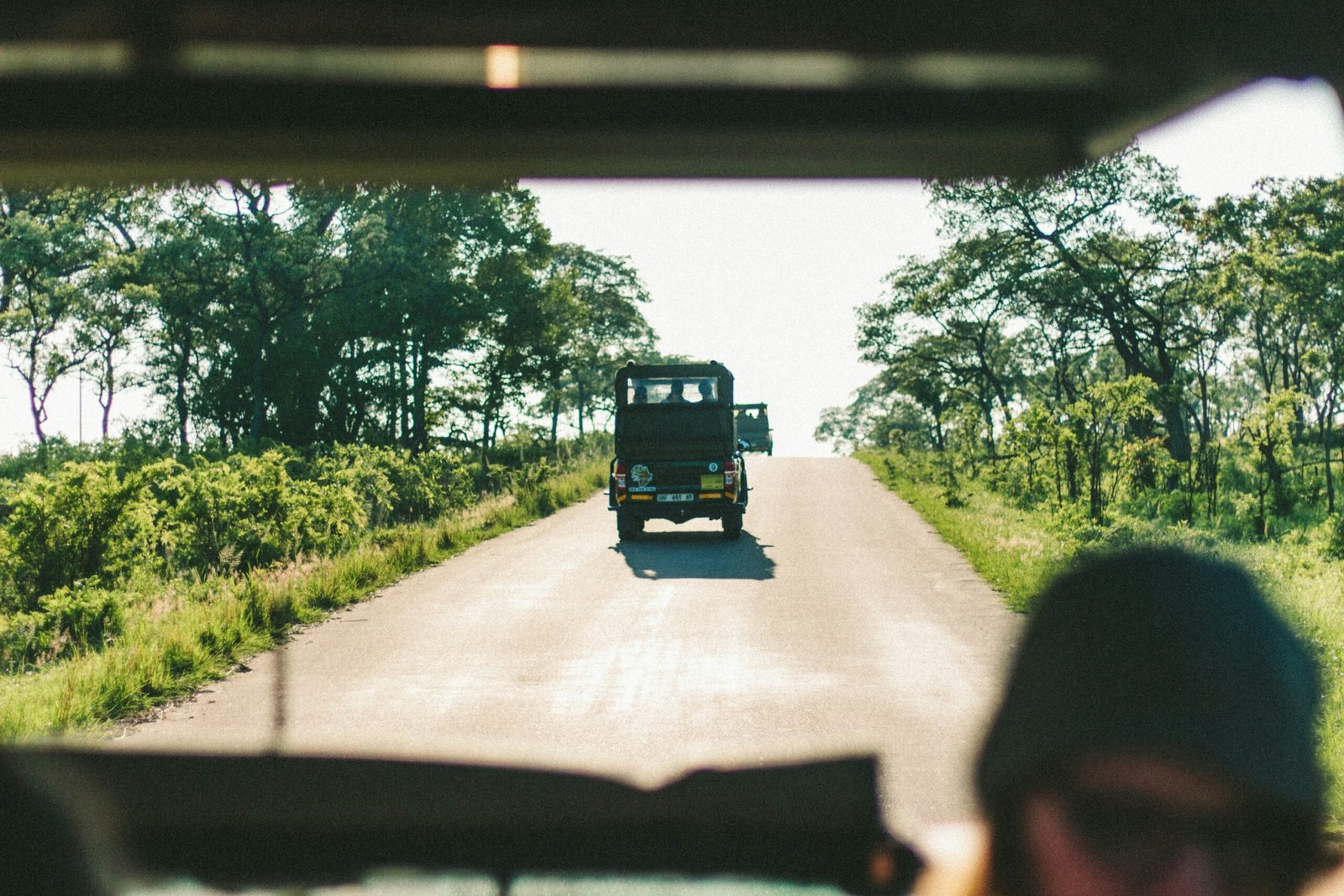
Going on a safari in Kruger National Park is one of the most iconic and best experiences in South Africa. Spanning nearly 20,000 square kilometers, this vast wilderness is one of Africa’s largest and most renowned game reserves.

Best Things to Do in South Africa

Encounters on a safari in South Africa’s Kruger National Park. Annakate Auten / Unsplash

It’s home to an incredible variety of wildlife, including the famous Big Five: lion, leopard, elephant, rhino, and buffalo—a term originally coined by hunters to describe the most difficult animals to track on foot and now a bucket-list goal for wildlife enthusiasts.

Kruger gives both guided game drives and self-drive safaris, allowing visitors to explore its diverse landscapes ranging from savannas and forests to riverbeds and rocky outcrops.

With a well-developed infrastructure of rest camps, lodges, and picnic spots, you can experience the raw beauty of the African bush without sacrificing comfort.

Whether it’s watching a pride of lions lounging in the golden grass, spotting a shy leopard slinking through the trees, or hearing elephants trumpet in the distance, a safari in Kruger delivers thrilling encounters and lifelong memories.

Confused between plans? Here helps you compare coverage, price, and benefits side by side.

→ Compare Travel Insurance Plans Now

Garden Route

The Garden Route is a scenic coastal drive. Trey Smith / Unsplash

2. Drive the Garden Route

A road trip on the Garden Route is a beautiful journey through some of South Africa’s most scenic and varied places.

Stretching for about 300 kilometers between Mossel Bay in the Western Cape and Storms River in the Eastern Cape, this coastal road winds through a breathtaking mix of landscapes, from emerald-green forests and tranquil lakes to golden beaches and rugged cliffs.

Along the way, you’ll discover charming towns like Knysna, famous for its oysters and lagoon views; Plettenberg Bay, known for its pristine beaches and dolphin sightings; and Wilderness, a peaceful haven of rivers, forests, and birdlife.

Adventure seekers can hike in Tsitsikamma National Park, go bungee jumping from Bloukrans Bridge (the highest commercial bridge jump in the world), or kayak through lush river gorges. 

For those who prefer a relaxed pace, there are countless opportunities to enjoy wine tastings, art galleries, and cozy coastal cafés.

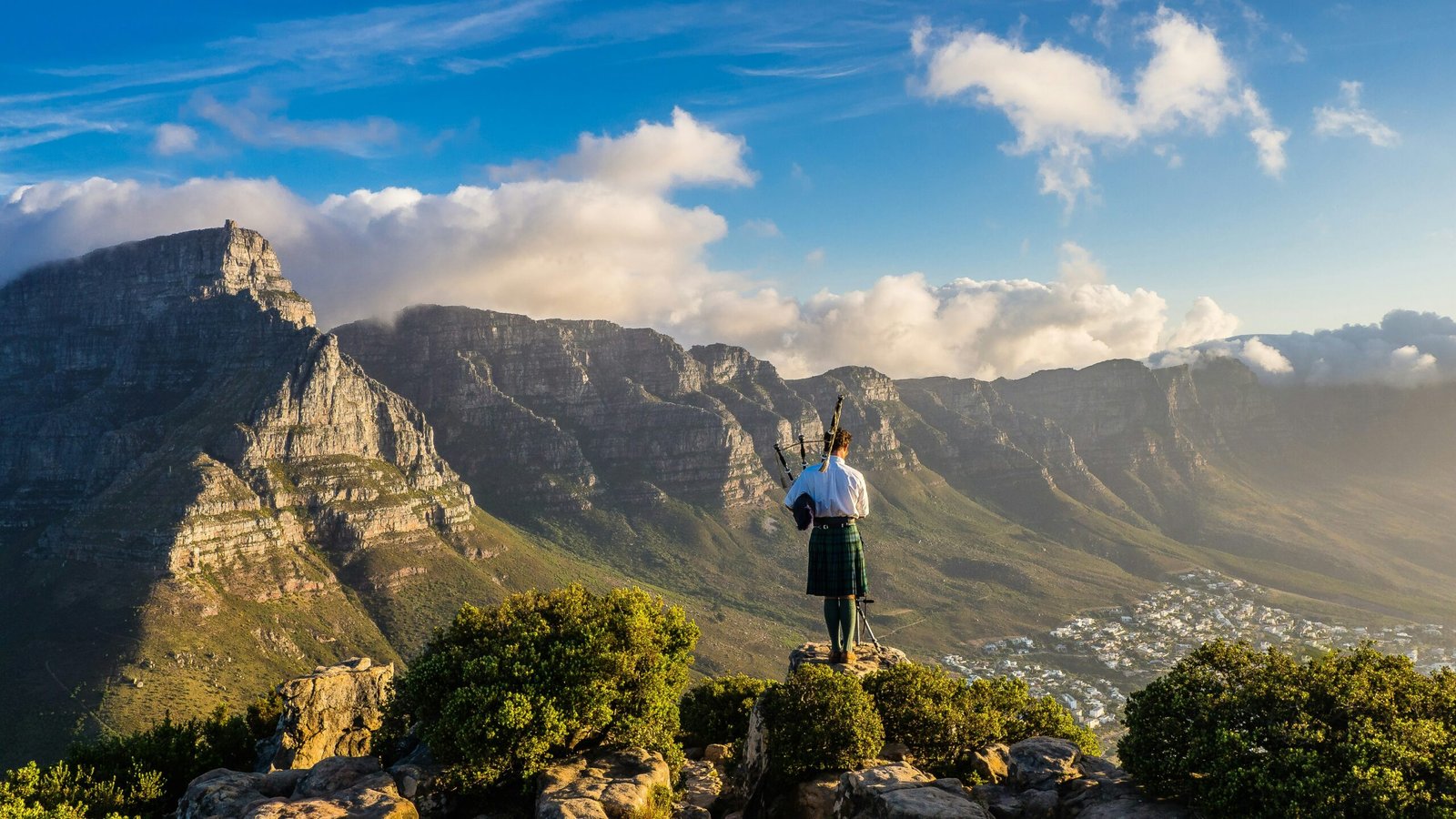
3. Climb Table Mountain in Cape Town

Table Mountain is one of Cape Town’s most iconic landmarks and climbing it is an unforgettable experience that combines adventure with stunning views from the top. 

Adventurous travelers can choose from several scenic hiking trails, such as Platteklip Gorge, Skeleton Gorge, or India Venster, each offering unique landscapes ranging from lush forests to rocky ridges.

For those who prefer a quicker route, the Table Mountain Aerial Cableway provides a smooth and thrilling ride to the summit in just a few minutes, with rotating floors that give you 360-degree views on the way up.

At the top, you’re rewarded with panoramic vistas of Cape Town, the Atlantic Ocean, Robben Island, the Cape Peninsula, and even the distant Hottentots-Holland Mountains on a clear day.

The flat summit also features walking paths, a café, and opportunities to spot wildlife like rock hyraxes (locally called dassies). 

4. Visit Robben Island

Visiting Robben Island is a powerful and emotional experience, especially when you learn about its role in South Africa’s history. 

This small island, just off the coast of Cape Town, is where Nelson Mandela was imprisoned for 18 of his 27 years behind bars during apartheid.

You can take a short ferry ride from the V&A Waterfront, and once you arrive, former political prisoners often guide the tours, sharing their personal stories. 

Walking through the old prison buildings, including Mandela’s tiny cell, gives you a real sense of the struggle for freedom and the harsh reality of life under apartheid.

Best Things to Do in South Africa

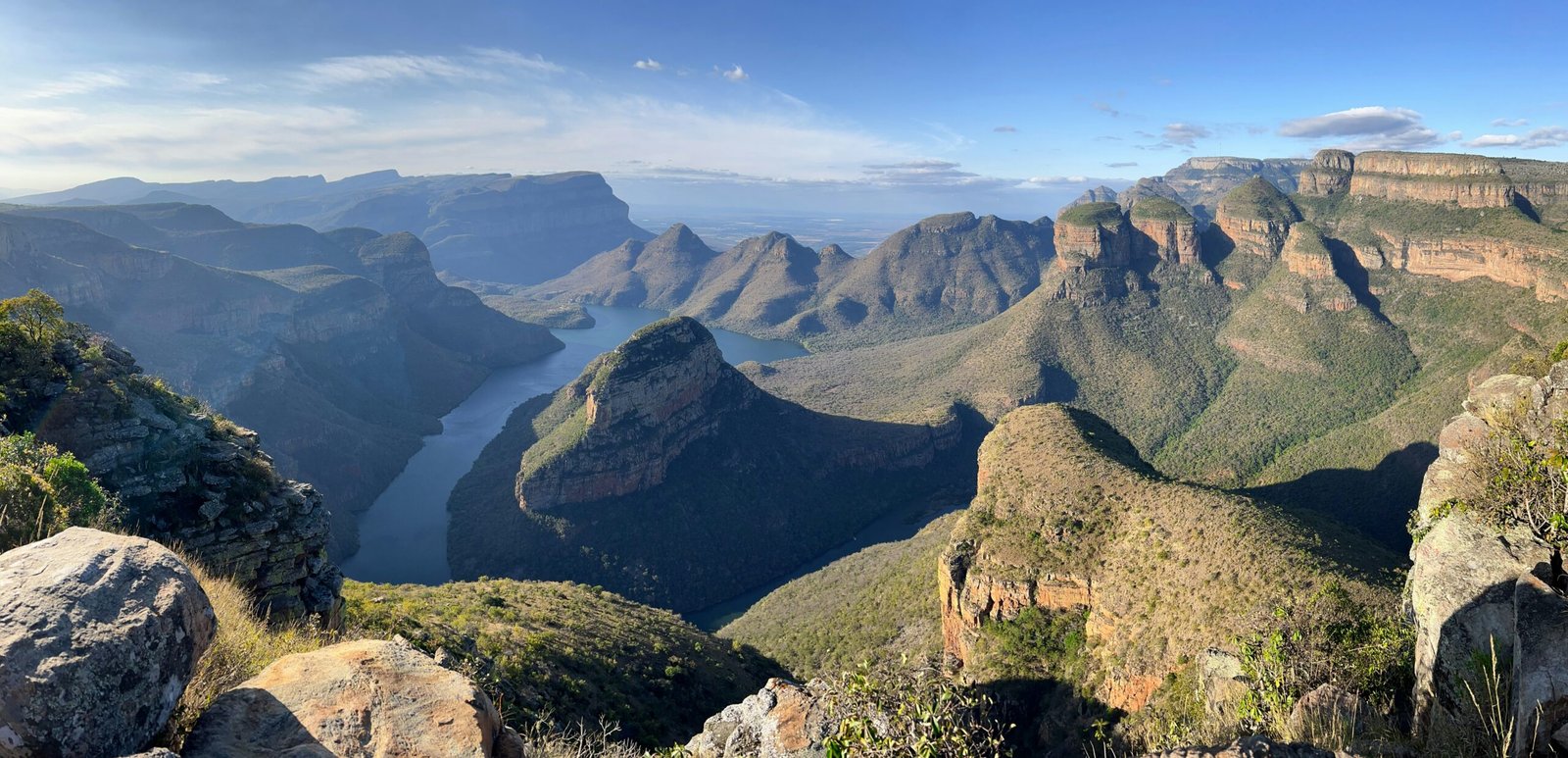
Blyde River Canyon is a lush, scenic gorge. Thibaut Tiberghien / Unsplash

5. Explore the Blyde River Canyon

Exploring the Blyde River Canyon is like stepping into a hidden world full of natural beauty and peaceful views. 

It’s one of the largest green canyons in the world and is covered with lush vegetation, which makes it stand out from other rocky canyons.

As you drive or walk through the area, you’ll come across breathtaking viewpoints like God’s Window, Three Rondavels, and Bourke’s Luck Potholes, each offering incredible views of cliffs, valleys, and waterfalls.

You can also hike, go boating, or just sit and take in the fresh mountain air. Nature gives us Blyde River Canyon a peaceful and unforgettable place to explore.

Best Things to Do in South Africa

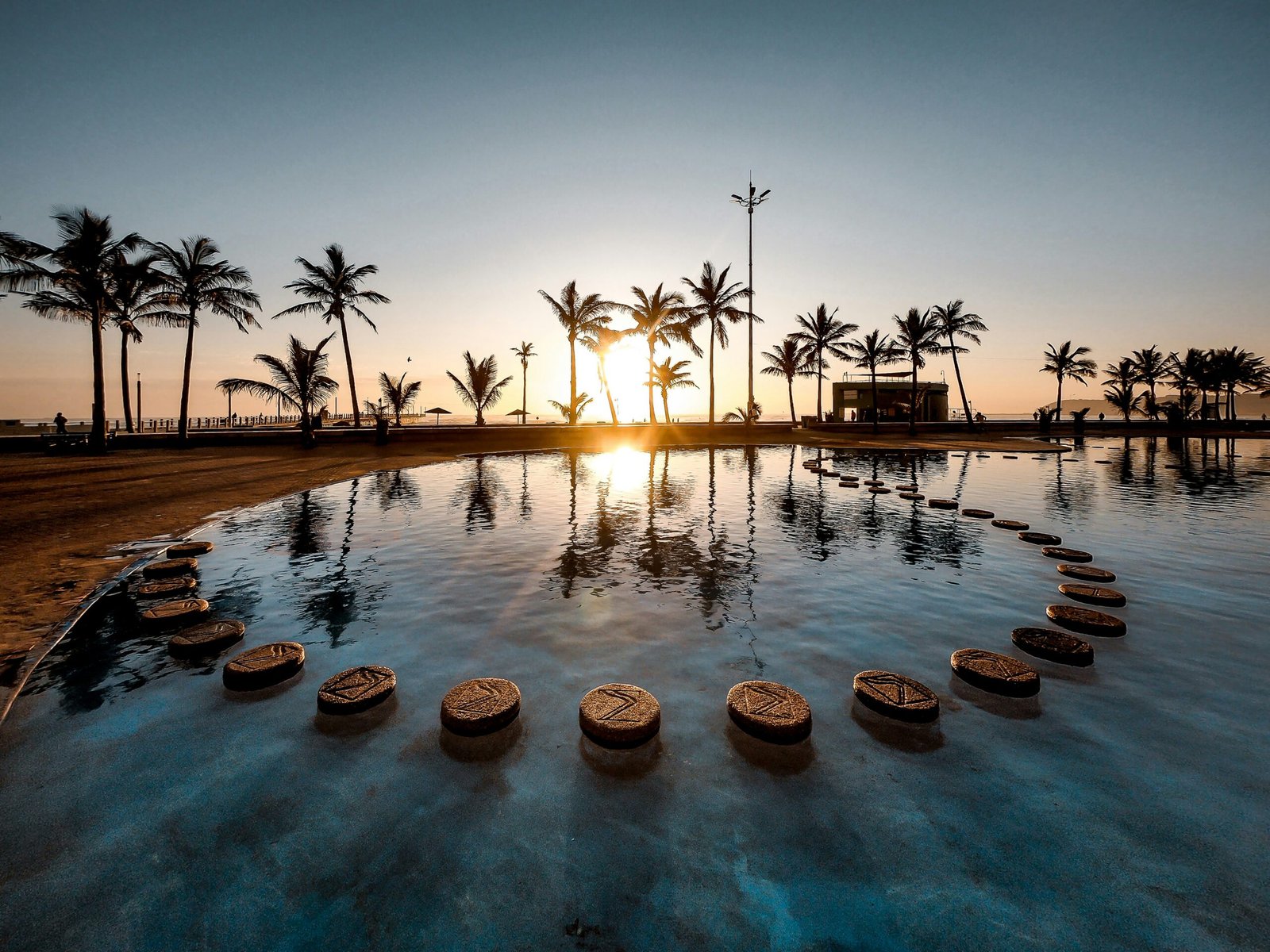
Durban’s beaches golden sand laid-back vibe. Finding Dan Dan Grinwis / Unsplash

6. Relax on the Beaches of Durban

Relaxing on the beaches of Durban is the perfect way to unwind and soak up the coastal vibes of South Africa. The city sits along the warm Indian Ocean, so the water is best for swimming all year round.

Whether you’re lying on the golden sand, trying your hand at surfing, or just dipping your feet in the waves, Durban’s beaches are full of energy and fun.

Places like North Beach and uShaka Beach are popular spots where you can also find cool beachfront markets, local snacks, and people roller-skating or playing volleyball. It’s the perfect spot to unwind, soak in the ocean breeze, and experience the laid-back vibe that Durban is known for.

7. Tour the Winelands near Stellenbosch and Franschhoek

Touring the Winelands near Stellenbosch and Franschhoek is a peaceful and enjoyable experience, especially if you love wine, nature, or just relaxing in beautiful places. 

These two charming towns are surrounded by rolling hills and endless vineyards, making them some of the most famous wine regions in South Africa.

You can visit local wine estates, taste different types of wine from crisp whites to bold reds, and even pair them with cheese or chocolate. The scenery is absolutely stunning, with mountain backdrops, historic buildings, and quiet countryside roads.

Some wine farms also offer cellar tours, picnics, or outdoor restaurants with vineyard views. Whether you’re a wine expert or just curious, this is the best way to enjoy South Africa’s natural beauty and world-class wines all at once.

8. Visit the Apartheid Museum in Johannesburg

Visiting the Apartheid Museum in Johannesburg is a moving and eye-opening experience that helps you understand the difficult history of apartheid in South Africa.

The museum uses powerful exhibits, photos, videos, and personal stories to show how the system of racial segregation affected millions of people. 

Walking through the museum, you get a sense of the struggles, injustices, and resilience of those who lived through those times.

It’s not just about learning facts; it’s about feeling the impact of this history and appreciating the hard-fought journey toward freedom and equality. The museum offers a chance to reflect on South Africa’s past and the ongoing hope for a more just future.

I personally prefer Yesim for reliable data while traveling across multiple countries.

9. Go Shark Cage Diving in Gansbaai

Gansbaai is known as the “Great White Shark Capital of the World” and is a popular destination for shark cage diving.

During this activity, specially designed cages are used to safely lower participants into the ocean, allowing them to observe great white sharks up close in their natural environment.

This experience offers a unique opportunity to study and appreciate these apex predators while ensuring safety for both humans and sharks.

10. Drive the Panorama Route

Driving the Panorama Route is the best way to explore some of South Africa’s most beautiful natural sights all in one trip. This scenic route takes you through mountain passes and valleys filled with stunning views.

Along the way, you’ll stop at incredible places like God’s Window, where you can look out over a vast, green landscape that stretches as far as the eye can see. 

You’ll also visit Bourke’s Luck Potholes, unique rock formations shaped by swirling water over thousands of years, which make for the best photo spots.

The route is full of waterfalls, forests, and dramatic cliffs, giving you a chance to connect with nature and enjoy peaceful moments in breathtaking surroundings. It’s a perfect day trip for anyone wanting to experience the wild beauty of South Africa’s Lowveld region.

11. Experience uShaka Marine World in Durban

It’s one of the biggest marine theme parks in Africa and has so much to offer in one place. You can explore a huge aquarium built inside a shipwreck, where you’ll see sharks, stingrays, and colorful fish swimming in giant tanks.

A trip to uShaka Marine World in Durban is a lively and action-packed experience, perfect for families, friends, or anyone looking to enjoy marine life and water adventures in one place.

It’s one of the biggest marine theme parks in Africa and has so much to offer in one place. You can explore a huge aquarium built inside a shipwreck, where you’ll see sharks, stingrays, and colorful fish swimming in giant tanks.

There’s also a water park with thrilling slides, lazy rivers, and splash zones that are perfect for cooling off. One of the highlights is the dolphin and seal shows, where you can watch these amazing animals perform and interact with trainers. Whether you’re into marine life, water rides, or just want to relax by the beach, uShaka has something for everyone.

Have a late flight? Store your luggage safely with Radical Storage and explore freely.

12. Hike in the Drakensberg Mountains

Hiking in the Drakensberg Mountains is the best way to connect with nature and take in some of South Africa’s most breathtaking scenery. 

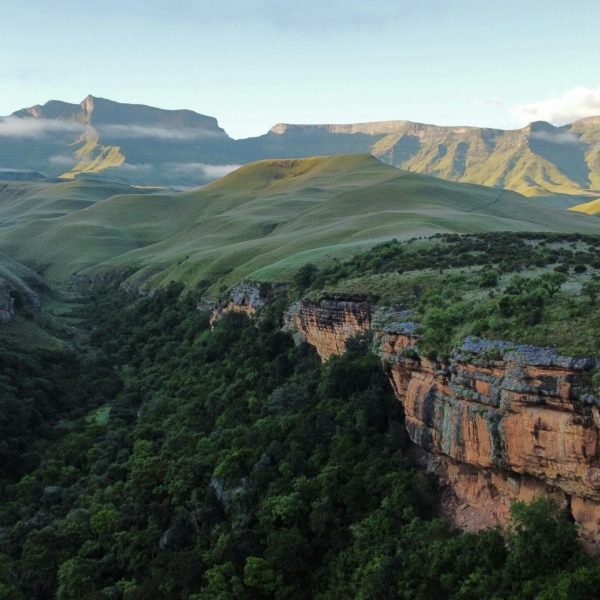
This mountain range, which stretches across parts of KwaZulu-Natal and the Eastern Cape, is full of rugged cliffs, green valleys, and peaceful trails. 

If you’re a beginner or an experienced hiker, there are plenty of routes to choose from, some short and easy, others more challenging and rewarding.

Along the way, you might come across waterfalls, wildflowers, and even ancient San rock art painted on the cave walls, telling stories from thousands of years ago. The air is fresh, the views are wide open, and it’s a perfect place to escape into nature and enjoy the quiet beauty of the mountains.

13. Visit Addo Elephant National Park

Visiting Addo Elephant National Park is the best way to see elephants up close in their natural environment without worrying about m

You can drive through the park in your car or join a guided safari to spot not just elephants, but also lions, buffalo, zebras, and more. 

The scenery is beautiful, with open plains, thick bush, and peaceful watering holes where animals gather. It’s a relaxed, family-friendly safari experience that gives you a real feel for South Africa’s wildlife and natural beauty.

14. Explore the Cape Winelands

Exploring the Cape Winelands is about more than just tasting the best wine; it’s a full experience of beauty, culture, and relaxation.

The area includes picturesque towns like Stellenbosch, Franschhoek, and Paarl, all set against a backdrop of majestic mountains, sweeping vineyards, and a peaceful countryside vibe.

While wine tasting is definitely a highlight, you’ll also find amazing gourmet food, cozy cafes, and top-rated restaurants that serve everything from farm-style meals to fine dining.

You can stroll through local markets, take a bike ride through the vineyards, or simply sit back and enjoy the peaceful countryside views. It’s the kind of place that’s perfect for slowing down and enjoying the good things in life: delicious wine, delicious food, and beautiful surroundings.

Personally, I prefer using VisitorsCoverage because it’s simple, transparent, and beginner friendly.

Instead of checking multiple websites, try VisitorsCoverage to compare everything in one place.

15. Discover Johannesburg’s Maboneng Precinct

Exploring the Maboneng Precinct in Johannesburg is like stepping into the creative heart of the city. Once an old industrial area, it’s now one of the coolest and most colorful neighborhoods in Joburg, filled with street art, quirky shops, and a buzzing vibe.

You can walk around and find art galleries, design studios, and stylish cafes, all packed into a few walkable blocks. There are also rooftop bars, live music spots, and weekend markets where local artists and food vendors show off their work. 

 It’s the best place to soak up South Africa’s modern culture, meet creative people, and enjoy the lively energy of the city.

16. Go Whale Watching in Hermanus

Going whale watching in Hermanus is one of the most magical things you can do along South Africa’s coast. This small seaside town is one of the best places in the world to see southern right whales, especially during the winter and spring months (from June to November).

What’s incredible is that you don’t even need a boat; you can spot these massive, gentle creatures right from the shore as they swim close to land, sometimes breaching or waving their tails.

There are also guided boat tours if you want a closer look. With beautiful ocean views, fresh sea air, and the chance to see whales in their natural habitat, Hermanus offers a peaceful yet exciting experience that’s perfect for nature lovers.

Best Things to Do in South Africa

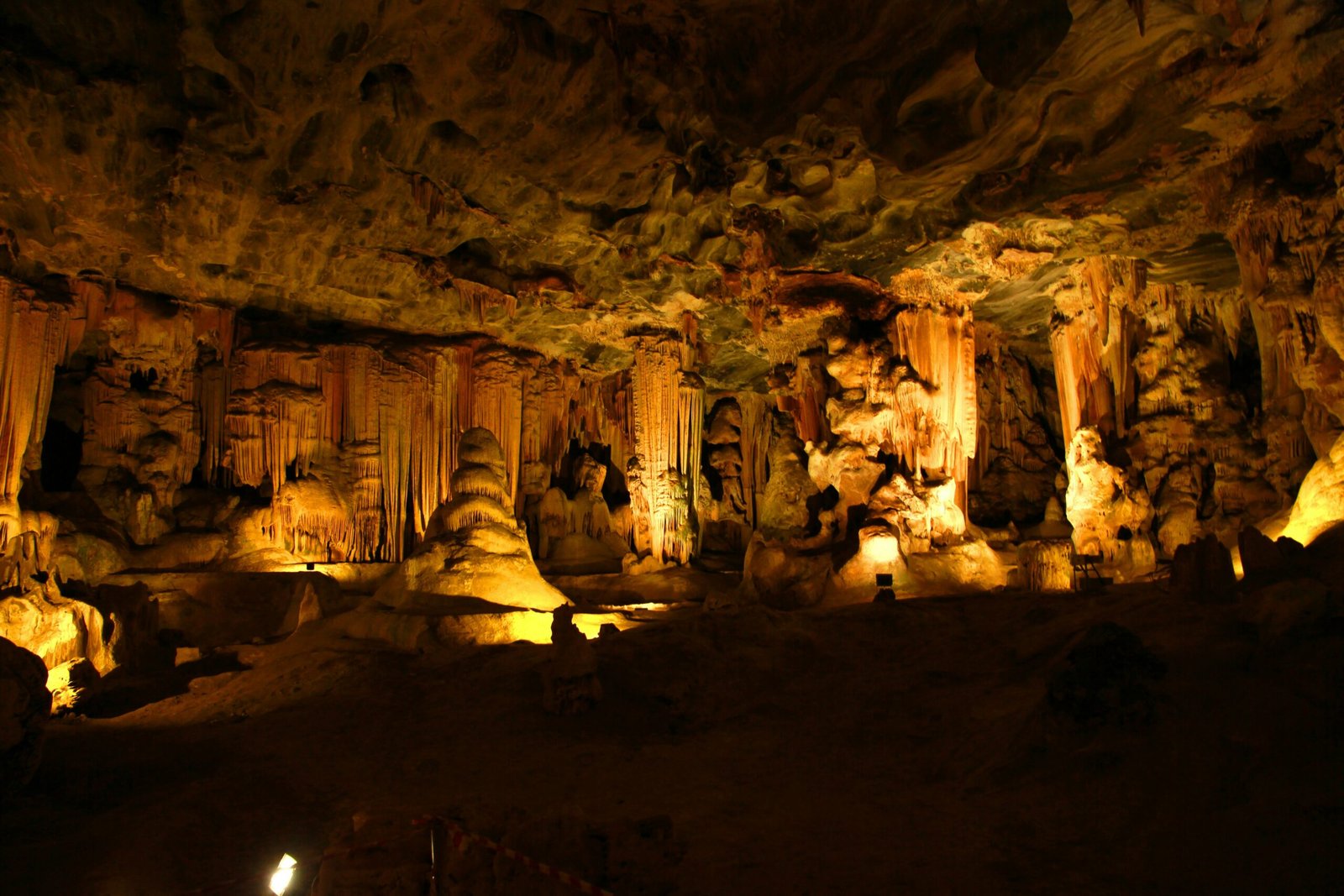
Underground wonder of limestone chambers and dramatic rock formations. Dirk Toerien / Unsplash

“Not sure where to go? I always compare flight prices on Aviasales to discover the cheapest beach destinations worldwide.”

17. Explore the Cango Caves in Oudtshoorn

Visiting the Valley of Desolation in Camdeboo National Park feels like stepping into another world. Located near the town of Graaff-Reinet, this spot is famous for its towering rock columns that rise straight out of the landscape.

These dramatic stone formations were shaped by volcanic activity and erosion over millions of years, and they stand high above the vast Karoo semi-desert.

When you reach the viewpoint, the wide, open view takes your breath away with endless plains stretching out below and a real sense of quiet, untouched nature. It’s the perfect place for photography, peaceful reflection, or just taking in the raw beauty of South Africa’s unique geology.

18. Visit the Valley of Desolation in Camdeboo National Park

As you wander its narrow, shaded streets lined with mudbrick houses, you’ll see intricate wooden lintels inscribed with Islamic calligraphy and colorful painted walls that reflect the village’s rich cultural heritage.

Once a medieval Islamic settlement, Al-Qasr still preserves centuries-old structures like mosques, schools, and homes built using traditional desert architecture. It shows how people in the desert lived comfortably by using natural materials and clever building methods.

Fact: The village’s wooden doors were crafted from repurposed palm trunks and inscribed with Quranic verses, some of which date back over 800 years, making them some of the oldest surviving Islamic wooden carvings in Egypt.

Best Things to Do in South Africa

Soweto gives a powerful glimpse into South Africa’s history, culture, and vibrant community life. Sandy Ravaloniaina / Unsplash

19. Take a Township Tour in Soweto

Taking a township tour in Soweto is a powerful and eye-opening way to learn more about South Africa’s culture, history, and everyday life. Soweto, short for “Southwestern Townships,” is one of the most well-known townships in the country and played a big role in the fight against apartheid.

On a guided tour, you can walk or ride through the vibrant streets, meet local people, and hear stories about the community’s past and present. 

You’ll visit notable spots such as Vilakazi Street, the unique street where both Nelson Mandela and Desmond Tutu, two Nobel Peace Prize laureates, once called home.

Beyond the history, you’ll also get a feel for the energy, music, food, and spirit of Soweto today. It’s an experience that’s both educational and deeply meaningful.

20. Try Local Foods and Street Markets

Sampling local dishes and visiting street markets is a fantastic way to dive into South Africa’s vibrant culture and unique tastes. 

You can enjoy specialties like bunny chow, which is bread filled with spicy curry; boerewors, a tasty traditional sausage; and chakalaka, a flavorful and spicy vegetable relish.

You’ll often find these dishes at bustling street markets and food stalls, particularly in major cities like Johannesburg and Cape Town. These markets are vibrant and lively, filled with vendors offering fresh fruits and vegetables, handcrafted goods, traditional clothing, and local music.

Wandering through these vibrant spots gives you a real taste of the local lifestyle and a chance to connect with the friendly people behind the food.

The official website for exploring the best things to do in South Africa is South African Tourism. This government-run platform offers comprehensive travel guides, activity suggestions, and trip planning resources tailored for various interests, including adventure, culture, wildlife, and relaxation.

More Related Articles on South Africa

FAQs

1. Is going on a safari one of the best things to do in South Africa?

Yes, a wildlife safari is a must-do experience, especially for seeing the Big Five.

2. What is the best place for a safari in South Africa?

Kruger National Park is one of the country’s most popular safari destinations.

3. What can you do in Cape Town?

Explore Table Mountain, Robben Island, beaches, markets, museums, and the scenic Cape Peninsula.

4. Is Table Mountain worth visiting?

Yes, Table Mountain offers spectacular views of Cape Town and several hiking opportunities.

5. Can you visit penguins in South Africa?

Yes, Boulders Beach near Cape Town is a popular place to see African penguins.

6. What is special about Robben Island?

Robben Island is a UNESCO World Heritage Site known for its historical connection to Nelson Mandela and apartheid history.

7. Is the Garden Route worth exploring?

Yes, the Garden Route combines beautiful coastlines, forests, beaches, wildlife, and outdoor adventures.

8. What can you do in the Cape Winelands?

Enjoy wine tasting, scenic vineyards, local food, and charming towns such as Stellenbosch and Franschhoek.

You May Also Like

10 Best Things to Do in Kerala, India​

10 Best Things to Do in Kerala, India

Plan the Perfect Bike Ride from Delhi to Ladakh

Bike Ride from Delhi to Ladakh

The Best Places to Eat Croissants in Paris

The Best Places to Eat Croissants in Paris
Leave a Comment


Hello!


Hi, I’m Pooja Mokashi, a passionate storyteller and travel content creator behind Travel Meet World. Based in Mumbai, I love discovering local cultures and helping travelers explore the world with confidence and smart planning.

Unlock Your Free Travel Hacks

Join 5,000+ travelers getting Free Weekly Travel Tips, Get Exclusive Updates & Download my free travel checklist

Simple Wellness Habits Before You Go

Simple Wellness Habits Before You Go

If you’re trekking through the Arashiyama Bamboo Grove of Kyoto, Japan, soaking in the hot springs of Iceland, sipping matcha in a Kyoto teahouse, or strolling along Bali’s serene beaches, wellness can be a beautiful part of your travel story.

Here tell you that traveling is more than just checking off landmarks; it’s an opportunity to care for your mind and body in ways that everyday routines often forget. 

From stretching at sunrise in Ladakh to unplugging in the quiet of Santorini’s blue-and-white charm, wellness blends naturally with the places we explore.

Read this article to get more information on How to Stay Healthy While Traveling

This guide brings you simple, practical tips to help you stay grounded, energized, and fully present wherever your next destination takes you. 

Here, simple wellness habits before you go can help you travel lighter, feel better, and enjoy every moment with calm and clarity.

Breathe Before You Board: Mindful Airport Moments

Airports are often where the stress of travel begins rushed packing, long lines, delays, crowds, and the hum of announcements that blur into background noise. But hidden within this chaos lies the perfect opportunity to anchor yourself in calm before your journey even begins. 

Instead of letting the pre-boarding process drain you, transform it into a gentle ritual of arrival, not just at your destination, but within yourself.

Start with intentional breathwork while you wait in line or sit at the gate. Try the 5-5-5 technique: inhale deeply for 5 seconds, hold for 5, and exhale for 5. 

This simple rhythm helps regulate your breath, calm anxiety, and bring your focus back to the present moment, no matter how hectic the surroundings. 

This creates a calming rhythm that steadies your heart rate and quiets a busy mind, perfect for grounding yourself before takeoff. Just three cycles of this breathing technique can lower cortisol levels and shift your nervous system into a state of calm. You don’t need a yoga mat or a quiet room, just awareness.

Create a mini-meditation ritual that travels with you. It could be something simple: putting away your phone, sipping warm tea slowly, or silently repeating a grounding affirmation like, “I am safe, I am ready, I am open to new experiences.” Some travelers keep a small object, a smooth stone, a scent pouch, or a mala bead, as a touchstone to return to the present moment.

Simple Wellness Habits Before You Go

Pack light, pack right bring only what calms your mind. Paige Cody / Unsplash

Pack Light, Pack Right: Wellness in Your Suitcase

Your suitcase is more than a container for clothes; it’s a reflection of how you plan to move through the world. And when you pack with wellness in mind, you’re not just filling a bag—you’re setting the tone for how you want to feel throughout your journey.

It’s something learn from the modern traveler they don’t need more things; they need the right things that support comfort, calm, and clarity on the road.

I personally prefer Yesim for reliable data while traveling across multiple countries.

Start with essentials that nourish your body and ease your mind. A small pouch of herbal teas (like chamomile or tulsi) can become your evening ritual in a new city. 

A dab of lavender oil on your wrists or neck can signal your nervous system that it’s time to slow down. These aren’t luxuries; they’re lightweight lifelines to rest, regulation, and ritual.

Packing light, on the other hand, lifts more than just physical weight; it lightens your mood and frees up mental space for joy and spontaneity. 

When you lug around a heavy suitcase, it’s not just physical tension you carry but mental clutter: outfit decisions, disorganized items, and “just in case” objects that never get used but always get in the way.

Packing light is a kind of self-trust. And that mindset is the heart of travel wellness. Choose breathable layers over bulky outfits, and one versatile pair of shoes over three. 

Bring one good book instead of two half-read ones. And always leave a little space, not just in your bag but in your mind, for the unexpected joys of the journey.

Start with Sunrise: The Morning Routines That Travel Well

The most powerful travel moments don’t always happen in cathedrals, mountains like Drakensberg, or markets; they often begin quietly, just after sunrise, in the gentle stillness before the world wakes. 

It’s not about repeating your home routine in a hotel room; it’s about designing a softer start that travels with you, wherever you are.

Begin with something simple and sensory. Open the window. Listen to the new sounds, maybe birdsong in the Tiger Hill, Darjeeling, or the distant calls of vendors in Japan. 

Even five minutes of mindful stretching on a hostel floor or barefoot movement on a beach can ground your body after a night in a new bed. It’s not about burning calories; it’s about inhabiting your body gently, checking in before checking out.

Journaling is another tool that travels well. A pocket-sized notebook can become your anchor, a space to spill your intentions, note your mood, or record one thing you’re grateful for each morning. On days when travel feels chaotic, a short journal entry can offer a surprising sense of control and clarity.

A repeated action becomes a rhythm your nervous system begins to recognize as safety. When you wake up and offer yourself even a moment of care, you set a tone for the rest of the day: one of awareness, balance, and curiosity.

Eat Local, Eat Clean: Nourish Like a Traveler

Simple Wellness Habits Before You Go

Eat local, eat clean that boost your health and adventure. Zhangkaiyv / Pexels

Every region tells its story through food, and when you choose to eat local and clean, you’re honoring your body and also connecting deeply with the culture. 

Eating well on the road doesn’t mean following a strict diet; it means tuning into what your body needs and what the land lovingly offers.

Start with smart street food choices—the kind that nourish rather than just satisfy a craving. Whether it’s steaming idlis in South India, freshly fried samosas, pakoras in Varanasi, or grilled corn in Mexico, local street food in Mumbai often contains fewer preservatives and more tradition. It’s food that’s alive with flavor and history.

Often underestimated, staying hydrated is a quiet yet essential act of self-care that keeps your body refreshed and your energy steady throughout your travels. Instead of reaching for sugary sodas or bottled energy drinks, drink what the locals drink.

Fresh coconut water, for example, offers electrolytes without additives and keeps your body cool in tropical heat. Herbal infusions like lemongrass tea in Thailand or fennel water in India aid digestion naturally and are often deeply rooted in local wellness practices.

Eating local also slows you down. It invites you to pause, ask questions, and learn the stories behind the ingredients. It transforms a quick bite into a cultural exchange. 

And by choosing fresh, seasonal, and traditional dishes, you help support local farmers and reduce your environmental impact, another form of wellness that extends beyond the self.

So don’t just eat to fill your stomach; eat to honor your journey. Let the flavors of each place not only excite your taste buds but also fuel your body in ways that help you feel vibrant, balanced, and fully alive.

Move with the Map: Exploring as Exercise

Movement doesn’t have to feel like a workout when it’s woven naturally into the experience of exploring a place. When you walk with wonder, climb with intention, or pedal through side streets, you’re not just seeing more; you’re living deeper.

Think of your map not as a set of directions, but as an invitation to move with purpose. A leisurely walk through a historic neighborhood becomes low-impact cardio; a spontaneous detour down a quiet alley becomes a chance to stretch your legs and your perspective.

Every step you take while sightseeing strengthens more than your muscles; it sharpens your senses, slows your mind, and connects you physically with the land you came to experience.

Opt for walking tours led by locals, where the stories are as rich as the architecture. These experiences engage your mind and keep your body moving in an easy, continuous rhythm. 

Choose destinations known for bike-friendly paths like Amsterdam, Garden Route, Kyoto, or Jaipur to Pushkar, Rajasthan, where you can glide through streets and landscapes with the wind at your back instead of a taxi meter ticking.

What makes this approach powerful is that movement becomes joyful, effortless, and rooted in the now. You’re not squeezing in a fitness routine; you’re reclaiming movement as a natural part of your journey. 

As your body moves with purpose, your senses come alive—allowing you to experience each destination more deeply through touch, rhythm, and mindful presence.

Digital Detox Zones: Unplug to Recharge

We often escape to travel in search of freedom, but we carry our screens with us like digital shadows. 

Notifications ping from thousands of miles away, pulling our focus from the landscape in front of us to a world we supposedly left behind. What if we treated disconnection not as deprivation, but as a luxury?

Start by setting phone-free hours during your day. It doesn’t have to be extreme, just enough to let your mind breathe. Mornings are ideal: wake up without checking messages, and instead greet your surroundings.

Feel the morning air, notice the smell of breakfast cooking nearby, or listen to the unfamiliar music of a new place. 

Reclaim those first 30 minutes for real-world wonder, not screen scrolls. Or create a sunset ritual where your phone goes away, and you let the day end with color, not content.

A Mount Fuji with no Wi-Fi, an eco-resort in the jungle, and a homestay tucked in the countryside all offer something more valuable than internet access: uninterrupted connection with yourself. You begin to listen more, It’s to a bubbling stream, birds at dawn, or your own quiet thoughts.

A digital detox isn’t about escaping technology completely; it’s about rebalancing your attention. When you loosen the grip of screens, you regain time to read, to write, and to wander. 

You notice small things again: the way the wind moves through trees or the warmth of your cup of tea. In this silence, inspiration returns.

Unplugging doesn’t make your trip less exciting; it makes it more yours. And when you return home, it’s not just your camera roll that’s full; it’s your memory, your spirit, and your sense of calm that carry the souvenirs.

NIH – Your Healthiest Self: Wellness Toolkits the U.S. National Institutes of Health provides comprehensive toolkits covering emotional, physical, social, environmental, and disease-prevention habits. You can explore a structured approach to building and maintaining wellness daily.

Sleep Like a Local: Rest Rituals from Around the World

Good sleep you have to create with yourself. And while travel can disrupt our rhythms, it also offers a rare chance to learn how different cultures invite rest. 

Around the world, people have developed sleep rituals not based on science alone, but on rhythm, climate, tradition, and intuition. When you tune into these practices, sleep becomes more than recovery; it becomes a ritual, rooted in place.

In Japan, many homes embrace the quiet power of minimalism with futons rolled out on tatami mats, soft ambient lighting, and a deep respect for silence. There’s a calm dignity in these uncluttered spaces, inviting you to let go of overstimulation.

In Scandinavia, the tradition of airing out duvets in the crisp outdoor air before bedtime enhances sleep quality and connects you with the clean stillness of the environment. 

Meanwhile, in India, many households rely on warm turmeric milk or oil head massages before sleep, which is supported by gentle, grounding practices that naturally calm the nervous system.

In the Greek islands, it might be the hush of waves brushing the shore and the distant clink of evening dishes being cleared under moonlight. In Italy, it’s the lull of late-night laughter fading through the streets. These are nature’s lullabies, far more soothing than the glow of a device.

Your accommodation plays a powerful role, too. Don’t just book for location or price; book for rest. Choose places with thoughtful design, good ventilation, blackout curtains, or natural materials.

Look for guesthouses that prioritize quiet zones, encourage early nights, or blend into peaceful surroundings. A room with mountain views or an ocean breeze can do more for your sleep than any supplement.

When you honor local rest rituals and create an environment where your body feels safe to slow down, you don’t just sleep; you heal. And you wake not only rested but also restored in a way that only travel and sleep that’s rooted in place can give you.

Turn your travel plans into reality with Klook’s best deals on activities, transport, hotels, and more.

Mindful Moments on the Go: Pause, Look, Feel

Travel often feels like movement: fast trains, ticking clocks, and new places each day. But hidden between those big adventures are dozens of quiet in-between moments that most of us overlook: the minutes waiting for a bus, the time spent walking to a café, or the few breaths before your morning coffee arrives. 

These moments are gold not because they’re exciting, but because they’re yours. They’re the perfect spaces to practice presence.

Mindfulness on the road doesn’t require meditation cushions or guided apps. It begins with something simpler: a pause. You might be standing in a long immigration line or waiting for your luggage. 

Instead of defaulting to frustration or your phone, look around. Feel your feet. Breathe in slowly. What sounds do you hear? What are the colors, the scents, and the textures? You don’t need to label anything; just notice. In that pause, you return to the moment rather than rushing through it.

Joy expands in the quiet moments you truly notice. A sunset over the Ganges in Rishikesh or the fading glow above Lisbon’s rooftops becomes more than a backdrop; it becomes an experience.

When you slow down, you don’t just see the beauty; you feel it—the cooling air, the dimming sky, the gentle hush that settles over the world. It’s not about checking it off; it’s about letting it in.

By noticing the sensations around you, sunlight on your skin, the weight of your backpack, the smell of spices or wet pavement, you create stability, even in unfamiliar places. Mindfulness becomes your quiet travel companion, helping you move not just across distances but deeper into your awareness.


Simple Wellness Habits Before You Go
Enjoy exercise with small moments. Sergey Tarasov / Unsplash

Carry Calm: Your Pocket-Sized Wellness Kit

Travel may open your world, but it can also unravel your balance with unexpected delays, unfamiliar sounds, and nonstop motion. Even the most beautiful journeys can stir stress beneath the surface. That’s why having a tiny wellness kit tucked into your bag isn’t a luxury; it’s a lifeline.

Start by building your own “reset pouch,” a small, intentional collection of items that comfort your senses. This could include a roll-on bottle of lavender or peppermint essential oil, a soothing scent that can ground you in crowded airports or help you sleep in unfamiliar beds. 

A stress ball or smooth worry stone gives your hands something to focus on during moments of tension. Even a soft eye mask can offer a retreat from overstimulating environments.

Don’t underestimate the power of sound and silence. Include a calming playlist or nature sounds saved offline. Rainfall, ocean waves, or ambient music can instantly transport you to a calmer state, even in the middle of a busy train ride. 

A pair of earplugs or noise-canceling earbuds can help you reclaim quiet when your surroundings won’t cooperate.

Your wellness kit can also carry a few emotional anchors: a small travel-sized journal for quick reflections, a comforting quote on a card, or even a tiny item that reminds you of home—a ribbon, a photo, or a charm. These aren’t just sentimental; they’re stabilizing.

The beauty of this kit is its portability. It doesn’t take much space, but it holds intentional energy. When stress begins to creep in, you don’t have to search; you already have tools at hand. It’s like carrying a small sanctuary in your bag, available any time you feel scattered or overstimulated.

Reflect to Reset: A Wellness Wrap-Up

The day may end, but the experience doesn’t have to. Reflection is how we stretch time, how we turn fleeting travel moments into lasting clarity. Travel fills you fast with new places, unfamiliar flavors, and fleeting encounters, all stacking up in your memory like postcards without addresses.

Without a pause, those moments can fade into a blur. But a gentle evening ritual, grounded in reflection, helps you unpack the day slowly. It gives your experiences room to breathe, offering your mind clarity and your heart the space to hold onto what truly mattered.

Personally, I prefer using VisitorsCoverage because it’s simple, transparent, and beginner friendly.

Instead of checking multiple websites, try VisitorsCoverage to compare everything in one place.

Each night, carve out just ten minutes. It might be a simple bowl of pho after a long bus ride, a stranger’s unexpected kindness, or the way golden light hit the rooftops at dusk. Journaling brings these subtle, soul-soothing moments back into focus before they have a chance to slip away.

Don’t worry about writing pages or being poetic. Just jot a few lines in a travel notebook or even on your phone: “Felt calm walking barefoot on the beach. The chai vendor remembered me. It isn’t just memory-keeping; it’s emotional digestion.

Journaling helps reset your inner compass. On days that feel overwhelming or uneventful, writing can quiet the mental noise and remind you that you’re not just here to take photos but to fully experience life.

FAQs

1. What are simple wellness habits before traveling?

Simple wellness habits include staying hydrated, sleeping well, eating healthy, and stretching before your trip.

2. Why is wellness important before a trip?

Good wellness habits help you stay energized, healthy, and stress-free while traveling.

3. How can I stay hydrated while traveling?

Carry a reusable water bottle and drink water regularly throughout your journey.

4. Should I exercise before a trip?

Yes, light stretching or a short walk helps prepare your body for travel.

5. What foods should I eat before traveling?

Choose light, nutritious meals with fruits, vegetables, and whole grains.

6. How can I reduce travel stress naturally?

Practice deep breathing, meditation, or yoga before you leave.

7. Is getting enough sleep important before traveling?

Yes, a good night's sleep helps reduce fatigue and boosts your energy.

8. Why should I pack healthy snacks for my trip?

Healthy snacks keep you energized and reduce the temptation to eat unhealthy food.

You May Also Like

Shop Books Guide

Best Solo Travel and Mental Health Guide

5 Of the Best Hikes in South Africa

5 Of the Best Hikes in South Africa

The Best Places to Eat Croissants in Paris

The Best Places to Eat Croissants in Paris

Leave a Comment


Hello!


Hi, I’m Pooja Mokashi, a passionate storyteller and travel content creator behind Travel Meet World. Based in Mumbai, I love discovering local cultures and helping travelers explore the world with confidence and smart planning.

Unlock Your Free Travel Hacks

Join 5,000+ travelers getting Free Weekly Travel Tips, Get Exclusive Updates & Download my free travel checklist