@_Hrishikesh_Gangoli
Overview:
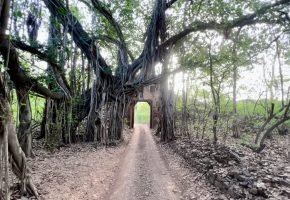
In the southeastern corner of Rajasthan, Ranthambore National Park sits proudly in the Sawai Madhopur district. The park lies between the Banas and Chambal rivers, and its terrain varies from hilly ridges to wide, open valleys dotted with lakes.
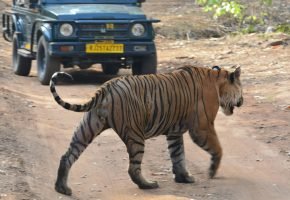
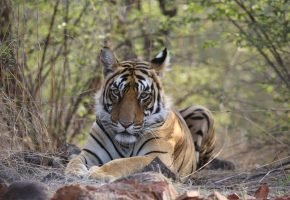
The private hunting ground of the Jaipur Maharajas, But today, the rifles are long gone, replaced by camera clicks as they’re celebrities in their own right. With names like Machhli, Ustad, and Arrowhead, each tiger carries a legacy of bravery, drama, and survival that the forest guides proudly share like family tales.
A lesser-known delight around Ranthambore is the vibrant local craft scene. Head to Dastkar Ranthambhore, a women-led craft center that supports local artisans. You’ll find hand-printed fabrics, pottery, and eco-friendly souvenirs—all made with love and skill.
Highlights
The Thrill of the Unexpected
Every safari is different, with surprise encounters ranging from tigers and leopards to sloth bears and crocodiles.
Dramatic Aravalli Landscape
Rocky hills, dry forests, valleys, and open meadows create striking safari scenery.
Sambar Country
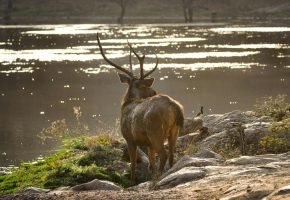
Spot India’s largest deer species grazing across Ranthambore’s open landscapes.
Padam Talao & Malik Talao
The park’s largest lake is a beautiful spot for watching animals come to drink.
Let's Connect With
Rajasthan Tourism Department: Ranthambore National Park Safari | Tiger Reserve & Safari Booking – Rajasthan Tourism
Ranthambore National Park Information Portal: Ranthambore National Park Sawai Madhopur Rajasthan India
Itinerary Highlights
Here’s a simple 2 day itinerary for visiting Ranthambore National Park:
Day 1 – Arrival & First Safari
- Morning: Arrive in Ranthambore and check into your hotel/resort.
- Afternoon: Have lunch and relax before your safari.
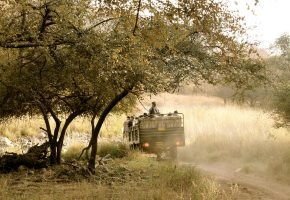
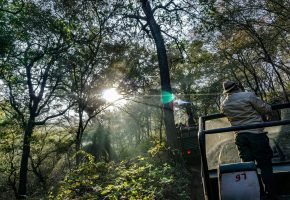
- 3:00–6:30 PM: Enjoy an evening jeep/canter safari through Ranthambore National Park.
- Evening: Return to your hotel, relax, and enjoy dinner.
Day 2 – Sunrise Safari & Ranthambore Fort
- 6:00–9:30 AM: Take an early-morning safari for the best chance to spot active wildlife.
- 10:00 AM: Return for breakfast and rest.
- 12:00–2:00 PM: Visit Ranthambore Fort and explore its historic temples, gates, and panoramic views.
- 2:00 PM: Lunch and leisure time.
- Evening: Visit a nearby local market or enjoy a relaxed evening at your resort.
- Night: Dinner and overnight stay.
Know More to Get Travelling in Rajasthan
Eat With Host
Discover a unique way to experience local culture, where you can enjoy authentic meals hosted by locals around the world.
From home-cooked dinners to food tours, it’s the perfect way to connect through food with New People.
Start your delicious journey today Eatwith.
Accommodation
I personally use Hostelworld where you easily find budget-friendly hostels and social stays in one click.
Luxury platforms like CheapOair help you compare prices and book the best options for your trip.
Transportation
The park is about 155 km from Jaipur and takes around 3 hours by road.
Sawai Madhopur is the main gateway to Ranthambore, located about 14 km from the park.
take a train from Jaipur to Sawai Madhopur train cost is roughly ₹550–₹1,800,
Top Attractions Near Ranthambore National Park
Dastkar Ranthambhore
8 km
A must-visit for craft lovers, Dastkar is a women-led artisan cooperative that empowers locals by reviving traditional crafts
Shilpgram, Sawai Madhopur
19-21 km
Shilpgram is a beautifully curated crafts village and cultural center where you can explore Rajasthan’s vibrant folk art, dance, and music.
Sawai Madhopur
21 km
This is the gateway town to Ranthambore and your likely base when visiting the park.
Kala Gaon
15 km
Kala Gaon is a rural cultural village of camel rides, folk dance, puppet shows, and authentic local meals served in open courtyards.
Banas River Ghats
20 km
Along its banks, you’ll see farmers working in fields, cattle grazing, and local kids playing in the water.
Surwal Lake
25 km
Visit during winter to see flocks of migratory birds like flamingos and spoonbills.
Chauth Mata Temple
20 km
This ancient hilltop temple dedicated to Goddess Chauth Mata is visited by pilgrims throughout the year.
Khandar Fort
44 km
If you love exploring ancient ruins off the beaten path, Khandar Fort is a hidden gem.