




Taj Mahal Palace

Overview:

Standing gracefully along Mumbai’s waterfront, The Taj Mahal Palace is far more than a five-star stay — it’s a living chapter of India’s history and a proud emblem of the city’s enduring spirit. Situated in Colaba, South Mumbai, the hotel faces the majestic Gateway of India, Best view of the Arabian Sea. 

The legacy of The Taj Mahal Palace dates back to 1903, a time when Mumbai was still finding its place on the world map. Visionary industrialist Jamsetji Tata built the hotel not just as a luxury retreat but as a symbol of Indian excellence. 

Highlights

Award-winning restaurants

Fine dining experiences across multiple cuisines

Strong historical significance

Witnessed major events including the 2008 Mumbai attacks

Hosted global celebrities

From royals to stars like The Beatles and world leaders

Overlooks Gateway of India

Stunning views of the Gateway of India and Arabian Sea

Let's Connect With

Itinerary Highlights

Here’s a simple luxury-style itinerary for visiting Taj Mahal Palace:

Hotel Exploration

  • Enter the grand lobby and admire the heritage architecture & interiors
  • Walk through corridors showcasing art, chandeliers, and vintage design


Dining Experience

  • Enjoy a meal or high tea at one of the hotel’s fine restaurants
  • Relax with sea views and premium ambiance.

Evening Experience

  • Take a stroll near the Gateway of India during sunset
  • Capture beautiful evening views of the hotel and Arabian Sea.

Know More to Get Travelling in Maharashtra

Eat With Host

Discover a unique way to experience local culture, where you can enjoy authentic meals hosted by locals around the world.

From home-cooked dinners to food tours, it’s the perfect way to connect through food with New People.

Start your delicious journey today Eatwith.

Accommodation

I personally use Hostelworld where you easily find budget-friendly hostels and social stays in one click.

Luxury platforms like CheapOair help you compare prices and book the best options for your trip.

Transportation

 If you’re traveling from anywhere in Maharashtra, the easiest way is to reach Mumbai by train (₹200–₹1,000) or bus (₹300–₹800), or flight if you’re far.


 take a local train to Chhatrapati Shivaji Maharaj Terminus or Churchgate, then a taxi/auto to the hotel near the Gateway of India (₹100–₹300).

Top Attractions Near Taj Mahal Palace

Gateway of India

0.5 km

A must-see! Just steps from the hotel, catching a ferry to Elephanta Caves.

Leopold Café

0.3 km

An iconic Irani café and pub, famous since the 19th century and known globally post the 2008 attacks.

Colaba Causeway Market

0.2 km

Great for bargain-hunters and casual strollers alike. Don’t forget to try street snacks or grab a cold coffee at Café Churchill or Café Mondegar nearby.

Café Mondegar & Bademiya

0.3-0.2 km

Funky café with jukebox music, and Legendary late-night kebab joint — try the chicken tikka roll or seekh kebabs!

Prince of Wales Museum

0.8 km

It featuring art, history, and archaeology exhibits in a stunning Indo-Saracenic building.

Afghan Church

1.8 km

A quiet and beautifully designed 19th-century church built in memory of British soldiers who died in the First Afghan War.

Marin Drive

3 km

it’s especially beautiful from the southern end near Nariman Point.

Chhatrapati Shivaji Maharaj Terminus (CSMT)

2 km

Visit in the late afternoon to see the golden glow on its Gothic façade and fewer crowds inside.

All My Articles on Maharashtra

Best Street Food of Mumbai You Can't Miss

Best Street Food of Mumbai You Can't Miss

best time to visit India

What is the best time to visit India?

12 Best Things About India's Tourist Visa​

12 Best Things About India's Tourist Visa

Sam Sand Dunes

@ Meghna Rawat

Sam Sand Dunes

Jaisalmer,

Rajasthan,

India,

Asia

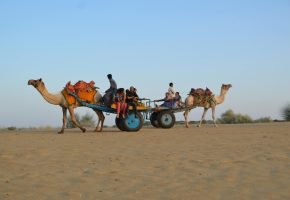
Sam Sand Dunes vast expansion, stretching endlessly under the golden hues of the sun, holds an unspoken enchantment that captivates the heart of every traveler. As the wind carves delicate ripples into the soft dunes, it carries echoes of ancient tales for the travelers. Please must visit this place.

Located about 40 km west of Jaisalmer, Sam Sand Dunes is one of the most famous desert destinations in Rajasthan, India, near the Indo-Pak border. It is a part of the vast Thar Desert, offering travelers an authentic desert experience with its undulating sand dunes, golden landscapes, and stunning sunset views. The area is a hotspot for desert safaris, cultural performances, and adventure activities, making it a must-visit for those exploring Jaisalmer.

The site hosts the famous Desert Festival every February, featuring camel races, folk performances, and traditional Rajasthani cuisine. It is one of the few places in India where you can experience a true desert safari with overnight stays in luxury or traditional desert camps.

The nights come alive with cultural performances, featuring the hypnotic Kalbelia dance, soul-stirring folk music, and enchanting puppet shows. Thrill-seekers can indulge in quad biking and dune bashing, racing across the sandy terrain for an adrenaline rush. The Desert Festival, held annually, showcases Rajasthan’s vibrant heritage through traditional attire, music, dance, turban-tying competitions, and exciting camel races, making it a celebration of desert culture like no other.

Centuries ago, the dunes were a part of the ancient Silk Route, where traders traveled with caravans of camels carrying spices, textiles, and jewelry. Even today, some locals believe that on silent nights, you can hear the distant echoes of camel bells and footsteps of lost travelers. The region around Sam Sand Dunes is home to fossils dating back millions of years, suggesting that the Thar Desert was once a vast ocean. Some fossils of marine creatures and shells have been found buried beneath the dunes, giving a glimpse into the desert’s prehistoric past.

Let's Connect With

Sam Sand Dunes Official: https://samsanddunes.com/

Sam Sand Dunes Desert Safari: https://samsanddunescampsjaisalmer.com/

Sam Sand Dunes Desert Camps: https://samsanddunescampsjaisalmer.com/

Around Sam Sand Dunes

1. Sam Village

40 - 50km

A small desert village where you can experience authentic Rajasthani culture and interact with locals.

2. Kanoi Village

11 km

Another traditional village, offering camel rides, handicrafts, and cultural performances.

3. Pansari Village

40 km

A quaint rural village known as the oldest village near Jaisalmer, providing an insight into traditional desert life.

4. Desert National Park

45 km

One of India’s largest national parks, home to sand dunes, fossil evidence, and rare wildlife like the Great Indian Bustard.

5. Bada Bagh

40 km

A scenic garden complex with royal cenotaphs (chhatris), offering stunning sunset views over the desert.

6. Lodurva Jain Temple

43 km

An ancient Jain pilgrimage site, famous for its intricate architecture and the sacred Kalpavriksha tree.

7. Vyas Chhatri

40 - 45 km

A beautiful sunset viewpoint, featuring royal cenotaphs (chhatris) dedicated to Brahmin rulers.

8. Nathmal Ki Haveli

40 km

An architectural marvel built by two brothers with identical yet slightly different designs.

Rajasthan Top Attractions

39 km

720 km

40 km

In the southeastern corner of Rajasthan, Ranthambore National Park sits proudly in the Sawai Madhopur district. It’s around 160 km from Jaipur and easily accessible by road Read More

In the very heart of Jaipur, Rajasthan, where the energy of the old city blends seamlessly with its majestic past, stands the City Palace — a timeless symbol Read More

Jaisalmer Fort, often referred to as Sonar Quila or the Golden Fort, stands majestically in the heart of the Thar Desert in the city of Jaisalmer, Rajasthan. Located close to the India – Pakistan Read More

Make Reason to Travel

Books transport us to new worlds with every page, but travel lets us live those stories. Documentaries show breathtaking places, but stepping beyond the screen brings them to life. Movies spark adventure, but the real magic begins when we pack our bags and go. 🌍

Books

Documentaries

Memories

Movies

03. ARTICLES

Explore latest stories

Wildlife Visit

Best Wildlife Places in Ladakh

Ladakh’s wild beauty lies in its stunning variety of Read More

Beaches & Islands

10 Best Beaches in Europe

From sun-drenched shores to dramatic cliffside

Health Guide

Beyond the Stress-Free Travel

We tend to romanticize the idea of a flawless journey,

Nature Visit

Top Attractions to Explore in Darjeeling

Varanasi, history isn’t just seen; it’s tasted. Every

Activities

20 Best Things to Do in South Africa

South Africa is a land of striking contrasts and

Ranthambore National Park

@ Hrishikesh Gangoli

Ranthambore National Park

Rajasthan,

India,

Asia

In the southeastern corner of Rajasthan, Ranthambore National Park sits proudly in the Sawai Madhopur district. It’s around 160 km from Jaipur and easily accessible by road or train, making it a popular choice for weekend wildlife escapes. The park lies between the Banas and Chambal rivers, and its terrain varies from hilly ridges to wide, open valleys dotted with lakes.

The private hunting ground of the Jaipur Maharajas, this forest has witnessed royal tiger hunts, lavish camps, and whispered secrets among the trees. Today, the rifles are long gone, replaced by camera clicks and hushed anticipation as tourists hope to catch a glimpse of a tiger in the wild. And these aren’t just any tigers—they’re celebrities in their own right. With names like Machhli, Ustad, and Arrowhead, each tiger carries a legacy of bravery, drama, and survival that the forest guides proudly share like family tales.

During a winter safari, you might come across tall, pale trees with white bark that seem to glow in the fog. It’s a “ghost tree” (Dhonk tree), a mystical touch to the already surreal landscape.

A lesser-known delight around Ranthambore is the vibrant local craft scene. Head to Dastkar Ranthambhore, a women-led craft center that supports local artisans. You’ll find hand-printed fabrics, pottery, and eco-friendly souvenirs—all made with love and skill.

The Ranthambore National Park opens from October to June, where April to June is the best time to visit in India, Rajasthan for tiger sightings as animals flock to waterholes. However, the post-monsoon months (October–March) are best for pleasant weather, lush landscapes, and bird-watching. Monsoon season (July to September) is when the park remains closed for rejuvenation.

Most resorts and jungle lodges serve authentic local meals, often cooked over open wood fires that infuse a distinct smoky flavor you simply can’t replicate elsewhere. After a dusty safari, there’s nothing more comforting than a warm, hearty Rajasthani thali.

Among the must-try dishes is the iconic Dal Baati Churma—a soulful combination of baked wheat balls drenched in ghee, served with spicy lentils and a sweet, crumbly wheat dessert. For vegetarians, Gatte ki Sabzi is both filling and flavorful, made with gram flour dumplings simmered in tangy yogurt curry. Meat lovers shouldn’t miss Laal Maas, a bold and fiery mutton curry. And then there’s Ker Sangri, a unique dish made from wild desert beans and berries, bursting with traditional desert spices and earthy flavor.

Let's Connect With

Ranthambore National Park Information PortalRanthambore National Park Sawai Madhopur Rajasthan India

Around Ranthambore National Park

1. Dastkar Ranthambhore

A must-visit for craft lovers, Dastkar is a women-led artisan cooperative that empowers locals by reviving traditional crafts

2. Shilpgram, Sawai Madhopur

19 - 21 km

Shilpgram is a beautifully curated crafts village and cultural center where you can explore Rajasthan’s vibrant folk art, dance, and music.

3. Sawai Madhopur

21 km

This is the gateway town to Ranthambore and your likely base when visiting the park.

4. Kala Gaon

15 km

Kala Gaon is a rural cultural village of camel rides, folk dance, puppet shows, and authentic local meals served in open courtyards.

5. Banas River Ghats

20 km

Along its banks, you’ll see farmers working in fields, cattle grazing, and local kids playing in the water.

6. Surwal Lake

25 km

Visit during winter to see flocks of migratory birds like flamingos and spoonbills.

7. Chauth Mata Temple

20 km

This ancient hilltop temple dedicated to Goddess Chauth Mata is visited by pilgrims throughout the year.

8. Khandar Fort

44 km

If you love exploring ancient ruins off the beaten path, Khandar Fort is a hidden gem.

Rajasthan Top Attractions

844 km

195 km

710 km

Sam Sand Dunesvast expansion, stretching endlessly under the golden hues of the sun, holds an unspoken enchantment that captivates the heart of every traveler. Read More

Jaisalmer Fort, often referred to as Sonar Quila or the Golden Fort, stands majestically in the heart of the Thar Desert in the city of Jaisalmer, Rajasthan. Located close to the India – Pakistan Read More

In the very heart of Jaipur, Rajasthan, where the energy of the old city blends seamlessly with its majestic past, stands the City Palace — a timeless symbol Read More

Make Reason to Travel

Books transport us to new worlds with every page, but travel lets us live those stories. Documentaries show breathtaking places, but stepping beyond the screen brings them to life. Movies spark adventure, but the real magic begins when we pack our bags and go. 🌍

Books

Documentaries

Memories

Movies

03. ARTICLES

Explore latest stories

Food & Drink

What to Eat and Drink in India

When you travel through India, you don’t just eat; you Read More

Wildlife Visit

Best Places to Spot the Big 5 in Africa

Encountering Africa’s Big 5 in the wild isn’t just a travel

Health Guide

Beyond the Stress-Free Travel

We tend to romanticize the idea of a flawless journey,

Nature Visit

Top Attractions to Explore in Darjeeling

Often referred to as the “Queen of the Hills,” Darjeeling

Food & Drink

10 Thai Food Experiences You Must Try

Touch down in Thailand, and you’ll quickly realize this

City Palace

@ Johan Mouchet

City Palace

Jaipur,

Rajasthan,

India,

Asia

In the very heart of Jaipur, Rajasthan, where the energy of the old city blends seamlessly with its majestic past, stands the City Palace — a timeless symbol of Rajput royalty and Mughal elegance. Tucked away in the northeast pocket of Jaipur’s vibrant Pink City, the City Palace sits gracefully beside the celestial marvel of Jantar Mantar and is only a leisurely stroll from the breezy arches of Hawa Mahal. This two is the iconic best places to visit in India.

City Palace is situated within the walled city area of Jaipur, Rajasthan, at Jaleb Chowk, near the Tripolia Gate, one of the three grand entrances. It’s about 12 km from Jaipur Airport and 6 km from Jaipur Railway Station, making it easily accessible by auto-rickshaw, cab, or even a cycle ride for the more adventurous traveler.

The City Palace was the heart of Jaipur’s power, culture, and celebration. Blending Mughal symmetry with Rajput elegance, its architecture tells a story of unity in design. Persian-style floral motifs sit beside traditional jharokhas and chhatris. Inside the Diwan-i-Khas, two giant silver urns — crafted by Maharaja Sawai Madho Singh II to carry Ganga water to London — still stand. These sacred vessels hold a Guinness World Record as the largest silver objects in the world.

Step inside City Palace; there is a layer of royal legacy. Start at Mubarak Mahal, where regal fabrics and royal attire are on display. Chandra Mahal, still partly a royal residence, In the heart of the palace, Pritam Niwas Chowk dazzles with its four seasonal gates — the intricate Peacock Gate being the most admired. Diwan-i-Aam brings history alive with manuscripts and royal treasures, while the gold-lined Diwan-i-Khas hosted confidential court meetings. Wrap up your visit at the Sileh Khana, where jeweled swords and rare firearms tell tales of royal strength and artistry.

Visit City Palace Jaipur’s iconic flavors. Start with a refreshing lassi from Lassiwala on MI Road — creamy, chilled, and served in traditional clay cups. For a hearty meal, head to LMB for Dal Baati Churma — ghee-soaked wheat balls, spicy dal, and sweet churma. And for dessert, indulge in royal sweets like Ghewar, a syrupy honeycomb delicacy, or Mawa Kachori, stuffed with rich dried fruits — both crafted from age-old Rajasthani recipes.

Let's Connect With

Around City Palace

1. Jantar Mantar

A UNESCO World Heritage Site with huge stone instruments for tracking time, stars, and planets. Built by the same king who founded Jaipur.

2. Isarlat (Swargasuli Tower)

500 m

A 140-foot-tall tower built in 1749 for military victory. Climb up for stunning panoramic views of the Old City.

3. Hawa Mahal

0.8 km

Known as the “Palace of Winds,” this pink sandstone structure has 953 windows, once used by royal women to view the streets below in privacy.

4. Badi Chaupad & Choti Chaupad

0.5 - 1 km

These historic public squares are part of Jaipur’s original grid layout.

5. Albert Hall Museum

Jaipur’s oldest museum showcasing art, arms, and even an Egyptian mummy.

6. Chandpol Bazaar

1.6 km

One of Jaipur’s historic gates leads into this lively market. Great for marble carvings, handicrafts, and traditional decor.

7. Jal Mahal

This dreamy water palace floats in the middle of Man Sagar Lake, blending Mughal and Rajput styles.

8. Amber Fort

8 - 9 km

A majestic hilltop fort built of red sandstone and marble, known for its mirror filled Sheesh Mahal and elephant rides.

Rajasthan Top Attractions

40 km

570 km

160 km

Sam Sand Dunes vast expansion, stretching endlessly under the golden hues of the sun, holds an unspoken enchantment that captivates the heart of every traveler. Read More

In the southeastern corner of Rajasthan, Ranthambore National Park sits proudly in the Sawai Madhopur district. It’s around 160 km from Jaipur and easily accessible by road Read More

Jaisalmer Fort, often referred to as Sonar Quila or the Golden Fort, stands majestically in the heart of the Thar Desert in the city of Jaisalmer, Rajasthan. Located close to the India – Pakistan Read More

Make Reason to Travel

Books transport us to new worlds with every page, but travel lets us live those stories. Documentaries show breathtaking places, but stepping beyond the screen brings them to life. Movies spark adventure, but the real magic begins when we pack our bags and go. 🌍

Books

Documentaries

Memories

Movies

03. ARTICLES

Explore latest stories

Nature Visit

10 best places to visit in Malaysia

Malaysia a captivating blend of modernity and Read More

Beaches & Islands

10 Best Beaches in Europe

From sun-drenched shores to dramatic cliffside

Budget Trip

How to Budget for a Dream Trip

Dreams if it’s sipping chai on a Ladakh hillside or dancing

Nature Visit

Top Attractions to Explore in Darjeeling

Often referred to as the “Queen of the Hills,” Darjeeling

Activities

20 Best Things to Do in South Africa

South Africa is a land of striking contrasts and endless

Jaisalmer Fort

Overview:

Jaisalmer Fort, often referred to as Sonar Quila or the Golden Fort, stands majestically in the heart of the Thar Desert in the city of Jaisalmer, Rajasthan. Located close to the India–Pakistan border, this sandstone marvel is perched atop the Trikuta Hill.

What makes Jaisalmer Fort more than just a historical structure is the way it blends heritage with daily life. Built in 1156 AD by Rawal Jaisal, the fort is constructed entirely from golden-yellow sandstone, which glows like molten gold during sunrise and sunset.

Narrow winding lanes echo with tales of Rajput valor and the hustle of modern life. One of the best places to visit in India, Rajasthan is the Raj Mahal (Royal Palace), where the kings once lived. Though relatively simple compared to the grandeur of other Rajasthani palaces, its old-world charm and historical artifacts are deeply captivating.

Highlights

One of the World’s Few “Living Forts”

Jaisalmer Fort is not just a monument — thousands of people still live inside the fort, with homes, temples, cafés, and shops creating a vibrant daily life.

UNESCO World Heritage Site

Jaisalmer Fort is part of the UNESCO-listed Hill Forts of Rajasthan, recognized for its rich Rajput architecture and history.

Royal Raj Mahal Palace

The historic Raj Mahal showcases royal balconies, courtyards, and artifacts connected to the rulers of Jaisalmer.

Rich Cultural Experience

Folk music, puppet shows, camel culture, traditional Rajasthani cuisine, and colorful local life make the fort a complete cultural destination.


Let's Connect With

Jaisalmer Trust Jaisalmer Trust

Itinerary Highlights

Here’s a simple luxury-style itinerary for visiting Taj Mahal Palace:

Morning — Explore the Golden Fort

8:00 AM — Start Your Day at Jaisalmer Fort

Begin early to enjoy cooler weather and peaceful streets before crowds arrive. Walk through the massive gates and admire the golden sandstone architecture.

9:00 AM — Visit the Jain Temples

Explore the ancient Jain temples inside the fort known for detailed carvings, historic sculptures, and beautiful architecture.

10:00 AM — Explore Raj Mahal Palace

Visit the royal palace museum to learn about Jaisalmer’s kings, royal lifestyle, weapons, and history.

11:00 AM — Walk Through Local Markets

Shop for:

  • Handmade jewelry
  • Leather bags
  • Rajasthani textiles
  • Puppets and handicrafts

Try local snacks like kachori and masala chai from small cafés inside the fort.


Afternoon — Culture & Heritage

1:00 PM — Lunch with Fort View

Enjoy traditional Rajasthani food at a rooftop restaurant overlooking the fort and city.

Recommended dishes:

  • Dal Baati Churma
  • Gatte Ki Sabzi
  • Ker Sangri

2:30 PM — Visit Nearby Havelis

Explore famous heritage mansions near the fort:

  • Patwon Ki Haveli
  • Nathmal Ki Haveli

These havelis are famous for their intricate windows and carvings.


Evening — Sunset & Desert Experience

5:00 PM — Sunset View at Fort Viewpoint

Watch the fort glow golden during sunset — one of the best photography moments in Rajasthan.

6:30 PM — Explore Local Cafés

Relax at rooftop cafés with live folk music and views of the illuminated fort.

Optional Night Activity

If you have extra time:
Visit Sam Sand Dunes for:

  • Camel safari
  • Desert sunset
  • Folk dance performances
  • Traditional dinner in desert camps


Know More to Get Travelling in Rajasthan

Eat With Host

Discover a unique way to experience local culture, where you can enjoy authentic meals hosted by locals around the world.

From home-cooked dinners to food tours, it’s the perfect way to connect through food with New People.

Start your delicious journey today Eatwith.

Accommodation

I personally use Hostelworld where you easily find budget-friendly hostels and social stays in one click.

Luxury platforms like CheapOair help you compare prices and book the best options for your trip.

Transportation

The fort journey usually takes 10–20 minutes from Jaisalmer. An auto-rickshaw typically costs ₹50–₹150, while a taxi may cost ₹150–₹400, depending on the distance and time of day.


Budget travelers can also use shared autos or walk through the old city to enjoy the local atmosphere.

Top Attractions Near Jaisalmer Fort

Nathmal Ki Haveli

1 km

An elegant haveli built by two architect brothers with an unspoken symmetry in design.

Patwon Ki Haveli

12 km

A cluster of five ornate havelis built by wealthy merchants, showcasing stunning jharokhas and intricate carvings.

Salim Singh Ki Haveli

1 km

Known for its peacock-shaped roof and unique curved architecture, this haveli is over 300 years old.

Gadisar Lake

1.2 km

A peaceful artificial lake surrounded by temples and ghats, perfect for sunset views and paddle boating.

Vyas Chhatri

2 km

A sunset point with intricately carved cenotaphs dedicated to sage Vyas of the Mahabharata.

Bada Bagh (Royal Cenotaphs)

6 km

A serene complex of royal cenotaphs set against the desert backdrop. Ideal for photography and quiet reflection.

Kuldhara Village (Haunted Village)

20 km

An abandoned 13th-century village with eerie silence and legend, believed to be haunted.

Sam Sand Dunes

40 km

Experience the magic of the Thar Desert with camel rides, dune bashing, and folk performances at sunset.

All My Articles on Rajasthan

How to Explore Rajasthan on a Budget

How to Explore Rajasthan on a Budget

best time to visit India

What is the best time to visit India?

12 Best Things About India's Tourist Visa​

12 Best Things About India's Tourist Visa

Rajasthan

Overview:

Rajasthan is India’s largest state, located in the northwestern part of the country. It is known for its vast deserts, especially the Thar Desert. Rajasthan has a rich cultural heritage shaped by Rajput rulers. It also has living forts like Jaisalmer Fort, where people still reside inside the fort walls, making it a rare blend of history and daily life.

The state is also famous for its handicrafts, textiles, and delicious cuisine that includes dishes like dal baati churma and gatte ki sabzi. It is home to the world’s oldest mountain range, the Aravalli Range, which is even older than the Himalayas.


When to Visit:

Rajasthan has a mostly hot and dry climate, with extremely high temperatures in summer, mild winters, and low rainfall throughout the year.

Dry Season (October to March)

During these months, the weather is pleasant, with cool mornings and evenings, making it ideal for exploring forts, palaces, and desert areas. This is also the peak tourist season, especially in cities like Jaipur and Jaisalmer.

Wet Season (July to September)

Rajasthan receives light to moderate rainfall, mainly in regions like Udaipur and the Aravalli Range. While the desert areas remain relatively dry, the landscape becomes greener and more scenic. This season is less crowded and suitable for budget travelers, though outdoor sightseeing may be affected by occasional rains.

Special Events and Festivals:

Rajasthan is famous for its colorful festivals that reflect its rich culture and traditions.

  • Pushkar Camel Fair (November)
  • Desert Festival in Jaisalmer (February) 
  • Gangaur Festival (March–April)

Pocket Travel Tips

Arrival

The main airport is in Jaipur regular flights from major Indian cities other cities like Udaipur and Jodhpur also have domestic airports.

An extensive railway the Palace on Wheels offer a unique travel experience

Safety Tips

Solo travel in Rajasthan can be a beautiful experience if you plan wisely.

Trust your instincts—if something feels uncomfortable, it’s better to leave the situation.

Access Internet

Stay connected easily in Rajasthan with an eSIM from Saily—perfect for travelers exploring hilly areas where network can vary.


How The Rajasthan Welcome

pexels-navlakha-33658226

When I visited Rajasthan it didn’t feel like a tourist, I felt like a guest in someone’s home.

The experience becomes even more special like, they invited me to sit with their family and eat homemade food. it was simple, but full of love.

Travelers are often invited to share simple, home-cooked meals like dal baati churma, cooked on traditional chulhas, offering an authentic taste of rural life.

Know More to Get Travelling in Rajasthan

Eat With Host

Discover a unique way to experience local culture, where you can enjoy authentic meals hosted by locals around the world.

From home-cooked dinners to food tours, it’s the perfect way to connect through food with New People.

Start your delicious journey today Eatwith.

Accommodation

I personally use Hostelworld where you easily find budget-friendly hostels and social stays in one click.

Go to Luxury platforms like CheapOair check your compare prices and book the best options for your trip.

Transportation

For local travel, buses, taxis, auto-rickshaws, and app-based cabs are easily available, along with unique options like camel rides in desert areas such as Jaisalmer.


Tip: Please book the transportation early before visiting.

Top Attractions in Rajasthan

Jaisalmer Fort

Golden sandstone that glows like gold at sunrise and sunset, earning it the name “Golden Fort.

It is one of the very few “living forts.

City Palace

Ancient palace walls contain natural cooling features, allowing airflow to keep interiors comfortable even in the harsh desert heat.

Ranthambore National Park

Tigers are among the most photographed in the world due to their daytime activity and open terrain.

Sam Sand Dunes

The sand here can produce a soft humming sound when wind passes over it.

All My Articles on Rajasthan

How to Explore Rajasthan on a Budget

How to Explore Rajasthan on a Budget

11 most stunning places to visit in India

The 11 most stunning best places to visit in India

Best Things to Do in India

The 14 Best Things to Do in India

Japanese Currency to Know Before Travel to Japan​

Japanese Currency to Know Before Travel to Japan

Japanese Currency to Know Before Travel to Japan​

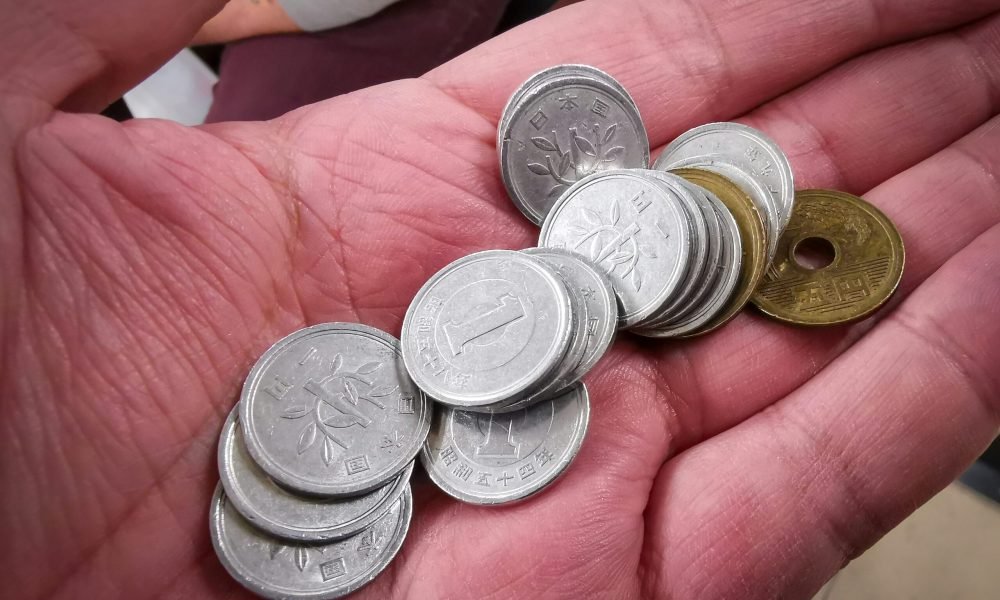
Yen banknotes come in denominations of ¥1000, ¥5000, and ¥10,000, while coins range from ¥1 to ¥500. Anthonyshkraba / Pexels

When planning a trip to Japan, many travelers focus on sightseeing, food, and culture but often overlook one crucial detail: understanding the currency. How Japanese money works can save you from confusion at train stations, convenience stores, and even temples where small cash donations are expected. In Japan, cash is still king despite the country’s high-tech reputation, and being prepared with the right amount and the right way to handle it will make your trip far smoother.

Fun fact: Japan has an incredibly clean and polite money culture. You’ll often see people placing cash on a small tray at the counter instead of handing it directly to the cashier. This shows respect and keeps transactions organized, a small but meaningful detail that reflects Japan’s deep value for courtesy in everyday life.

Here is a guide for you about the Japanese currency to know before traveling to Japan.

Japanese Currency to Know Before Travel to Japan​
“yen” means “circle” in Japanese, as a traditional round shape of coins. Senad Palic / Unsplash

1. Understanding the Japanese Yen (¥) (Japanese Currency)

In 1871, during Japan’s Meiji Restoration, the Japanese yen (¥) symbolized the country’s push toward a modern economy in a world top list. The “yen” means “circle” in Japanese, as a traditional round shape of coins. A design both simple and symbolic, the yen has remained a part of Japan’s identity for over a century. Today, it stands as a national icon and one of the most traded currencies in the world, alongside the US dollar and euro.

There are many smaller shops, local restaurants, shrines, and even some hotels that prefer cash payments. Although credit and debit cards are increasingly accepted in big cities like Tokyo and Osaka, especially at department stores, airports, and larger hotel chains, they are far less common in rural areas.

Travelers are often advised to carry sufficient cash, especially for transportation, dining at local spots, and shopping in traditional markets, ensuring a smooth and authentic Japanese currency experience.

Japanese Currency to Know Before Travel to Japan​
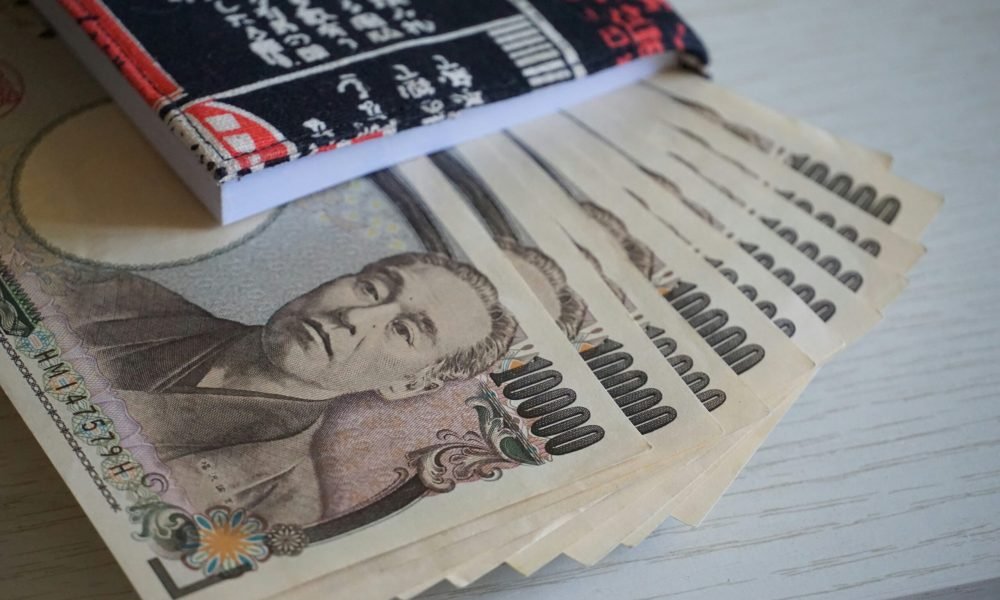
Japanese Currency design practical and symbolic. Cullen Cedric / Unsplash

2. Types of Japanese Currency

Japanese currency system is a blend of beautifully designed banknotes and coins, each with its own significance and practical use. The main banknotes in circulation are the ¥1000, ¥5000, and ¥10,000 bills, each featuring iconic Japanese figures such as scholars and artists, along with intricate designs showcasing Japan’s rich culture.

The ¥1000 note is commonly used for everyday expenses like meals and local transportation, while ¥5000 and ¥10,000 notes are handy for larger purchases and hotel stays.

On the coin side, Japan uses ¥1, ¥5, ¥10, ¥50, ¥100, and ¥500 denominations. The ¥5 and ¥50 coins have a hole in the center, not just a charming design but also a practical feature for identification by touch.

The ¥100 and ¥500 coins are especially valuable for vending machines, trains, and small transactions. Each coin and note is crafted with such detail and durability that they serve economic purposes and reflect Japan’s deep appreciation for art, precision, and functionality.

3. Cash is King: Why Cash is Preferred in Japan

Despite being one of the world’s most technologically advanced countries, Japan maintains a deep cultural attachment to cash. This tradition stems from a long-standing trust in physical money, as Japan has historically had very low crime rates and a strong emphasis on personal responsibility.

Cash transactions are more straightforward, reliable, and respectful; it’s common to neatly hand over money (often using a small tray provided at the counter) instead of passing it directly by hand.

While credit and debit cards are increasingly accepted in urban areas like Tokyo, Osaka, and Kyoto, particularly in large hotels, department stores, and international chain restaurants, many smaller businesses still prefer cash. Family-run restaurants, street food stalls, local markets, and even some public transport systems may not accept cards at all.

For travelers, carrying enough yen is essential to avoid inconveniences, and having small denominations can be especially helpful for smooth, hassle-free experiences.

4. Where to Exchange Money

When preparing for your trip to Japan, one key decision is whether to exchange your money before you leave home or after you arrive. Exchanging a small amount of yen in your home country is smart for immediate expenses like transport or a quick meal after landing. However, you’ll often get better exchange rates within Japan.

Major international airports like Narita, Haneda, and Kansai have currency exchange counters, though they might charge slightly higher fees compared to banks in the city. Japanese banks offer reliable services, but they usually operate only on weekdays during business hours and may require some paperwork.

A very convenient option for travelers is withdrawing yen directly from ATMs, especially at 7-Eleven stores, Japan Post Offices, and FamilyMart convenience stores (called konbinis). Many of these ATMs are available 24/7, accept international cards, and offer favorable rates. No matter where you exchange, Japanese currency it’s wise to compare a few options and always have enough small bills and coins for local transportation, food stalls, and temples.

5. ATM Tips and Tricks

Using ATMs is one of the easiest and safest ways to get Japanese yen while traveling. But knowing where and how to do it can save you time and money. These ATMs are reliable, available 24/7, and, most importantly, they accept international cards like Visa, MasterCard, and Cirrus.

To save money, it’s smart to withdraw larger amounts at once instead of making multiple small transactions, as each withdrawal might carry a flat fee. Look out for the bank’s international withdrawal charges and currency conversion rates.

Pro tip: 7-Eleven ATMs often offer the best combination of accessibility, clear English instructions, and competitive rates. Always choose the option to be charged in yen rather than your home currency when withdrawing; this avoids hidden conversion fees and gives you a better exchange rate!

Japanese Currency to Know Before Travel to Japan​
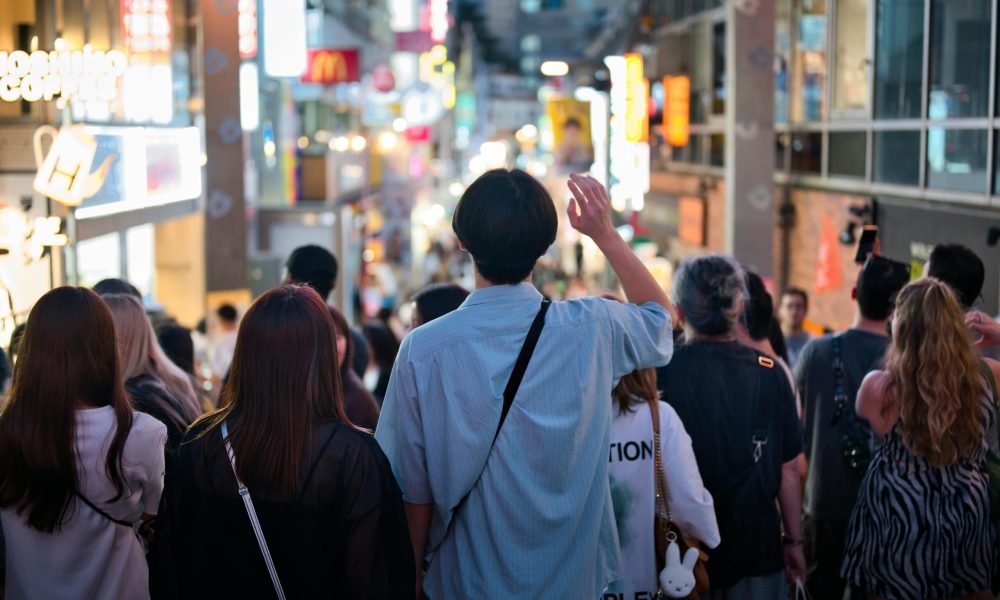
Japan is still a very cash-driven society, and it’s common to pay even for big purchases in cash. Michael Kim / Pexels

6. Prepaid Cards and Suica/Pasmo Cards

In Japan, Suica and Pasmo cards are more than just transportation passes; they’re incredibly handy wallet replacements for travelers. Originally designed for easy access to trains, subways, and buses, these prepaid IC cards can also be used for a wide range of everyday purchases.

You can tap them to pay at convenience stores, vending machines, fast food restaurants, coffee shops, and even some retail stores, saving you the hassle of carrying around too much cash. Simply load money onto your Suica or Pasmo card at station kiosks or convenience stores, and you’re ready to go.

These cards are especially useful for quick, contactless payments, and they work seamlessly across major cities like Tokyo, Osaka, and Kyoto. For travelers, they offer a perfect balance of convenience, speed, and budget control while exploring Japan’s vibrant urban life.

7. Cash Etiquette in Japan

When it comes to handling cash in Japan, there’s a strong sense of politeness and formality woven into even the smallest transactions. Rather than giving cash directly to the cashier, it’s customary in Japan to place your money on a small tray set out on the counter.

This practice keeps the exchange clean, organized, and respectful—a reflection of Japan’s wider culture of thoughtfulness. Another important aspect travelers should know is that tipping is not part of Japanese culture.

Exceptional service is already considered a standard expectation, and any attempt to tip may be politely declined. Instead, a warm smile and a sincere “arigatou gozaimasu” (thank you very much) are the best ways to show your appreciation.

8. Mobile Payments and Credit Cards

While cash (Japanese currency) is still king in Japan, mobile payments and credit card use are steadily rising, especially in major cities. Apps like PayPay, Rakuten Pay, and mobile versions of Suica have made everyday purchases much more convenient, allowing locals and tech-savvy travelers to simply tap their smartphones to pay at convenience stores, cafes, taxis, and even some market stalls. However, setting up these apps often requires a Japanese phone number and local banking information, which can be tricky for short-term visitors.

As for international credit and debit cards, major brands like Visa, MasterCard, and, to some extent, American Express are widely accepted at hotels, department stores, and large restaurants.

Still, smaller shops, rural businesses, and older establishments may accept cash only, so it’s smart not to rely entirely on your card. Always check for card acceptance signs at entrances or ask politely before ordering. Combining a mix of cash, IC cards like Suica/Pasmo, and a credit card gives you the best flexibility when traveling through Japan.

9. How Much Cash to Carry

When traveling in Japan, knowing how much cash to carry can make your journey much smoother. For daily use such as transportation, meals, shopping, and small attractions, carrying around ¥5,000 to ¥10,000 (roughly $30 to $70 USD) is usually sufficient.

Always keep an emergency reserve of about ¥10,000 to ¥20,000 tucked safely in your bag or wallet, just in case of unexpected needs like medical visits, transportation hiccups, or places where cards simply aren’t accepted.

Breaking larger bills into smaller denominations (¥1000, ¥500 coins) is also helpful for things like vending machines, bus rides, and temple donations. Japan is extremely safe when it comes to carrying cash (Japanese currency), but using a money belt or secure pouch can give you extra peace of mind during your travels.

10. Currency Scams to Watch Out For

While currency scams in Japan are extremely rare compared to many other countries, it’s still wise to stay cautious, especially in busy tourist areas. Japan’s strong culture of honesty means most exchanges and ATM withdrawals are safe, but travelers should be wary of unofficial money changers offering unusually attractive rates on the streets; these deals can involve counterfeit bills or hidden fees.

Always use official exchange counters, bank-affiliated ATMs, or well-known currency exchange offices inside airports, banks, or shopping malls. When paying with large bills in cash, always count your change carefully, not because locals are trying to cheat you, but simply as a best travel habit.

Staying alert but not overly worried will ensure you have a safe and smooth money experience in Japan. Here is all about Japanese currency to know before traveling to Japan.

Official Japan government websites

The Bank of Japan is the central bank of the country, responsible for issue currency to know before traveling to Japanese currency and implementing monetary policy. Home : 日本銀行 Bank of Japan

FAQs

1. What currency is used in Japan?

Japan’s official currency is the Japanese Yen (¥). Banknotes come in denominations of ¥1,000, ¥5,000, and ¥10,000, while coins are available in ¥1, ¥5, ¥10, ¥50, ¥100, and ¥500.

2. Where can I exchange foreign currency?


You can exchange foreign currency at major banks, currency exchange counters at airports, and some hotels. Popular banks include Bank of Tokyo-Mitsubishi UFJ, Mizuho Bank, Sumitomo Mitsui Banking Corporation, and Japan Post Bank.

3. Are there any currency exchange services at airports?

Yes, major airports like Narita, Haneda, Kansai, and Fukuoka have currency exchange counters in their arrival halls. However, be aware that exchange rates at airports may not be as favorable as those at banks or currency exchange offices.

4. Are credit cards widely accepted in Japan?

While Japan is traditionally a cash-based society, credit cards are increasingly accepted in major cities at hotels, department stores, and restaurants. However, smaller shops, rural areas, and public transportation may still prefer cash.

Yes, mobile payment apps such as PayPay and Suica are widely used in Japan. Suica, in particular, is a rechargeable smart card used for public transportation and can also be used for shopping and dining.

Yes, mobile payment apps such as PayPay and Suica are widely used in Japan. Suica, in particular, is a rechargeable smart card used for public transportation and can also be used for shopping and dining.

GUIDED BY EXPERT

Yoga within Travel the perfect flow of Experience

Explore wellness in anywhere

by

Explore Related Articles

Indian Currency to Know Before Travel to India

8 Need to Know About Egyptian Currency

You Should Know About UAE Currency

Need to Know About Malaysian Currency

LEAVE A COMMENT

Error: Contact form not found.

Everything You Need to know About Japan’s Tourist Visa

Everything You Need to know About Japan's Tourist Visa

Japan's Tourist Visa​

While entering Japan it’s crucial to understand the tourist visa process and ensure that everything you need to know about Japan’s tourist visa. Taiki Ishikawa / Unsplash

Japan stands as one of the world’s most fascinating travel destinations, attracting millions of visitors each year. From its rich history and cultural landmarks like Kyoto’s ancient temples and vibrant city life in Tokyo to its stunning natural landscapes, including Mount Fuji and beautiful Okinawa Beaches, Japan offers an unparalleled travel experience.

Before embarking on your Japanese adventure, it’s crucial to understand the tourist visa process. Each country has different requirements and conditions, and knowing the necessary steps can save you from unexpected delays or complications. By ensuring your visa is approved in advance, you can avoid the stress of last-minute paperwork and focus on planning your dream trip. A little preparation goes a long way, helping you make the best time to visit Japan.

Here is your guide to explain everything you need to know about Japan’s tourist visa.

Japan's Tourist Visa​
 Visa that best for travel plans ensures a smoother entry and a worry-free stay in Japan. Taiki Ishikawa / Unsplash

1. Types of Tourist Visas for Japan

Japan offers several types of tourist visas. The most common is the Short-Term Stay Visa, which allows visitors to stay in Japan for up to 90 days for tourism, business meetings, or visiting friends and family. This visa is usually single-entry, though multiple-entry options are available for certain nationalities or frequent travelers.

For many, a visa isn’t needed at all thanks to Japan’s Visa Waiver Program, which allows citizens of over 70 countries (like the U.S., Canada, most of Europe, Singapore, and Australia) to enter without a visa for short stays. However, those planning to engage in specific activities, such as visiting relatives, participating in cultural exchanges, or joining a short-term course, may apply under Special Tourist Visa Categories.

Everything You Need to know About Japan’s Tourist Visa. These tailored options require additional documentation but offer more flexibility depending on the purpose of your visit. Understanding the type of visa that best suits your travel plans ensures a smoother entry and a worry-free stay in Japan.

Japan's Tourist Visa​
Everything you need to know about Japan’s tourist visa and clear documentation increases your chances of a smooth approval. Eunicee / Unsplash

2. Who Needs a Tourist Visa for Japan?

Everything you need to know about Japan’s tourist visa. whether or not you need a tourist visa to visit Japan depends largely on your nationality. Japan has mutual visa exemption agreements with over 70 countries, including the United States, Canada, Australia, the UK, most EU nations, Singapore, and several others. Citizens of these countries can enter Japan without a visa for short-term stays, typically for tourism, visiting family or friends, or business meetings.

The permitted duration of stay varies: 90 days for most, 30 days for a few like Thailand and Indonesia, and 15 days for certain cases, such as Brunei or some diplomatic passport holders. On the other hand, travelers from countries not part of the visa exemption list, including India, Pakistan, the Philippines, and several African and Middle Eastern nations, must obtain a tourist visa before arriving in Japan.

Everything you need to know about Japan’s tourist visa. Understanding your visa eligibility in advance helps avoid entry issues and ensures a smooth journey into the country’s rich cultural and natural beauty.

3. Requirements for Japan's Tourist Visa

To successfully apply for a Japan tourist visa, travelers must meet several specific requirements to demonstrate the purpose and feasibility of their visit. First and foremost, a valid passport is essential, with at least one blank page and validity extending well beyond the intended stay. Alongside the passport, applicants must submit a recent passport-sized photo (taken within the last six months) that meets Japan’s strict size and background specifications.

Everything you need to know about Japan’s tourist Visa having financial stability is also a key criterion; bank statements or salary slips are typically required to prove that you have sufficient funds to support yourself during the trip. Additionally, Everything You Need to know About Japan’s Tourist Visa a detailed travel itinerary, outlining your day-to-day plans, along with proof of accommodation bookings, such as hotel confirmations or a letter of invitation if staying with a host.

A confirmed return flight ticket strengthens your case by showing intent to leave Japan after your stay. All must be submitted with a completed visa application form, carefully filled out and signed. Providing accurate and thorough documentation increases your chances of a smooth approval process.

Everything You Need to know About Japan's Tourist Visa
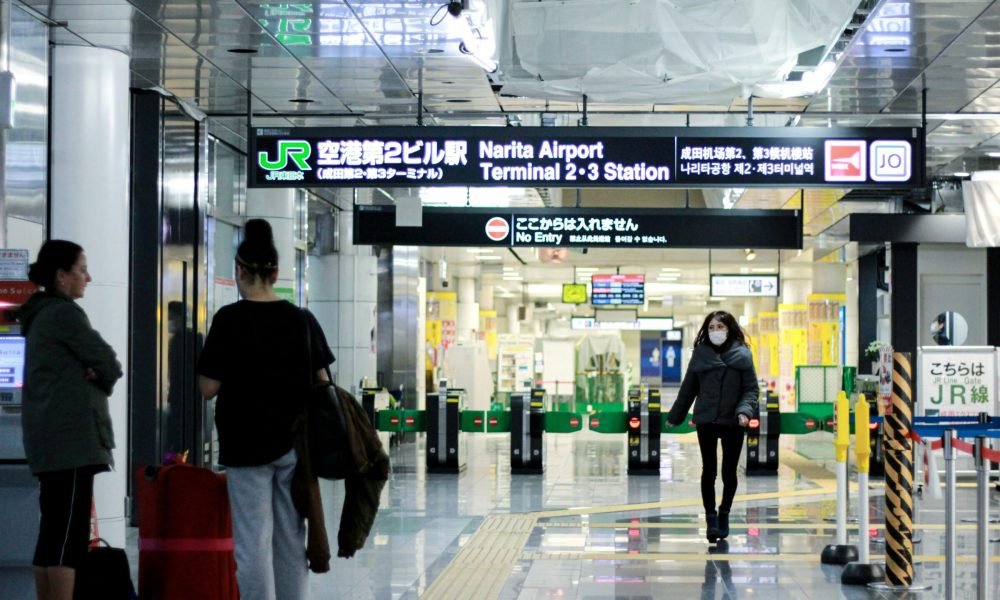
Bright signs, reflective floors, and the calm, organized atmosphere reflect Japan’s efficient transportation system. Lourd Tan / Unsplash

4. The Japan Tourist Visa Application Process

Here is your guide to explain everything you need to know about Japan's tourist visa.

Your Path to Japan: A Clear Step-by-Step Guide to Securing a Tourist Visa

Applying for a Japan tourist visa involves a straightforward but detail-oriented process. If yes, collect all required documents and begin the application process through the nearest Japanese embassy or consulate or an authorized visa agent.

Completing the Visa Application Form

Download the official visa application form here from the embassy website. Fill it out carefully with accurate information; mistakes or omissions can lead to delays. Make sure that you sign and date the check before you submit the form.

Submitting Necessary Documents

Submit your completed application form, valid passport, recent passport-sized photo, financial proof (like bank statements or salary slips), itinerary, accommodation details, and return flight booking. Each document supports your purpose of travel and assures Japanese authorities of your intent to return.

Visa Fee and Payment Methods

The tourist visa fee usually ranges between JPY 3,000 and 6,000, depending on the type (single or multiple entry). Payment methods vary by country; some accept only cash at the time of submission, while others may accept cards or bank transfers. Always check with your local embassy or visa agent in advance.

Visa Processing Time

Once submitted, processing usually takes 5 to 7 working days, though this can vary depending on the embassy, time of year, and your nationality. It’s best to apply at least 3–4 weeks in advance to avoid last-minute stress.

Where to Submit Your Application

Tourist visa applications must be submitted to the Japanese Embassy or Consulate in your country or through authorized visa agencies. Some embassies require appointments, while others work on a walk-in basis.

5. Common Challenges and How to Overcome Them

One of the most frequent hurdles in the Japan tourist visa process is incomplete or inaccurate documentation and everything you need to know about Japan’s tourist visa. Missing bank statements, unclear travel itineraries, or incorrect photo sizes can lead to delays or even rejection. To avoid this, double-check the checklist provided by the embassy and prepare your documents with care.

Delays are another common issue, especially during peak travel seasons. Japanese embassies may experience a surge in applications, which can slow down processing times. Applying at least a month in advance gives you a comfortable buffer and reduces last-minute stress. Everything You Need to know About Japan’s Tourist Visa.

In cases of visa denial, don’t panic; review the reason provided, which is often related to documentation, unclear travel intent, or financial insufficiency. Once you’ve identified the issue, correct it and consider reapplying with stronger evidence. If needed, seek advice from an authorized visa agent to improve your chances the second time around.

6. Tips for a Smooth Visa Application Process

To ensure a smooth Japan tourist visa application process, start by organizing all your documents with precision. Your passport, financial proof, detailed itinerary, flight and hotel bookings, and a properly filled application form should all be neatly arranged and double-checked. Submitting a complete, well-prepared file shows seriousness and builds trust with the visa officers.

Avoid common mistakes like mismatched dates, unclear travel purposes, or photographs that don’t meet official guidelines, as these can lead to unnecessary delays or outright rejection. Always use updated forms from the embassy’s official website and follow instructions word for word.

Once your application is submitted, many embassies or agencies provide a reference number or receipt that lets you track your visa status online or via phone. Staying proactive, detail-oriented, and timely can turn the often-stressful visa process into a quick and easy step toward your Japanese adventure. Everything You Need to know About Japan’s Tourist Visa before you travel.

7. After Your Tourist Visa is Approved

Once your Japan tourist visa is approved, the first thing you should do is carefully check the visa sticker in your passport to verify the validity dates, the number of entries allowed, and the duration of stay permitted. Mistakes are rare but possible, and it’s best to catch them early. Next, start preparing for your trip by getting travel insurance, which, while not always mandatory, is highly recommended to everything You need to know about Japan’s tourist visa cover unexpected medical costs or travel disruptions.

Familiarize yourself with Japanese yen and consider carrying some local currency for initial expenses like transport, meals, or SIM cards. Everything you need to know about Japan’s tourist visa so download useful apps for translation, navigation, and currency conversion to make your journey smoother.

8. Visa Extensions and Re-Entry Rules

Extending a tourist visa in Japan is generally not permitted unless there are exceptional circumstances, such as a medical emergency or natural disaster that prevents your departure. In such rare cases, you must apply for an extension through a regional immigration office in Japan before your visa expires and provide strong documentation to support your request.

If you overstay your visa, even by a single day, you may face serious consequences, including fines, detainment, deportation, and even a ban from re-entering Japan for several years. It’s crucial to respect your visa’s validity period and plan your departure accordingly. If you wish to return to Japan after your visit, you’ll need to leave the country and apply for a new tourist visa or re-enter under the Visa Waiver Program, if your nationality allows. Always stay informed and comply with Japan’s immigration rules to enjoy a hassle-free travel experience because Here is your guide to explain everything you need to know about Japan’s tourist visa before you travel.

Everything You Need to know About Japan's Tourist Visa
Everything You Need to know About Japan’s Tourist Visa advantages for solo traveller. Federicoa / Pexels

9. Japan Visa Tips for Solo Female Travelers

When applying for a tourist visa, it’s wise to address any concerns the embassy might have by submitting clear and detailed documentation. They include a well-planned itinerary, confirmed hotel bookings, proof of financial independence, and a return flight ticket to show travel intent and responsibility.

Cultural awareness is key: Japan values modesty, respect, and social harmony, so dressing conservatively, learning a few basic Japanese phrases, and following local etiquette can enhance your experience and earn you warmth from locals. Everything you need to know about Japan’s tourist visa as a solo traveler, take advantage of female-only train cars, capsule hotels, and women-centric travel services that cater to comfort and safety.

Traveling alone in Japan is not only manageable; it can be incredibly empowering. With proper preparation, an open mind, and an adventurous spirit, solo women can explore Japan’s rich history, vibrant cities, and peaceful countryside with confidence and ease.

Japan's Tourist Visa​v
Everything You Need to know About Japan’s Tourist Visa while Traveling with your loved one in Japan. Suzi Kim / Unsplash

10. Cultural Etiquette Tips Once You Arrive

When visiting Japan, understanding and respecting local customs and etiquette can deeply enrich your travel experience. Simple gestures like bowing as a greeting, removing shoes before entering homes or certain traditional spaces, and saying “arigatou gozaimasu” (thank you) show appreciation for Japanese culture.

At shrines and temples, be sure to bow at the gate, cleanse your hands at the water basin, and avoid loud conversations.

Learning and respecting these customs not only prevents unintentional offense but also helps you connect more genuinely with locals, leading to a more immersive and meaningful journey through Japan. Everything you need to know about Japan’s tourist visa.

Official Japan government websites

Ministry of Foreign Affairs (MOFA) – VISA | Ministry of Foreign Affairs of Japan

FAQs

Q1. Do I need a visa if I’m just transiting through Japan?

If you’re transiting and not leaving the airport’s international zone, you usually don’t need a visa. But if you plan to exit the airport, even for a short layover or hotel stay, you may need a transit or tourist visa, depending on your nationality. Always confirm with your airline or local Japanese embassy before traveling.


Q2. Can I apply for a Japan tourist visa from within Japan?

No. Tourist visas must be applied for from outside Japan. You cannot convert or apply for a tourist visa while already in the country. If you’re on a different visa type and want to switch to a tourist visa, you must leave Japan and apply from your home country.


Q3. How can I extend my tourist visa in Japan?

Visa extensions are rare and only granted under exceptional circumstances, like a medical emergency or natural disaster. If you must extend, visit a regional immigration office before your visa expires, with supporting documents like hospital records. In most cases, it’s best to leave and reapply from abroad.


Q4. How long does it take to process a Japan tourist visa?

Visa processing usually takes 5 to 7 working days after submission, but it can vary depending on your country and the season. During peak travel times, it’s safer to apply at least 3 to 4 weeks in advance.


Q5. Is travel insurance mandatory for a Japan tourist visa?

It’s not mandatory, but highly recommended. Medical treatment in Japan can be expensive, and travel insurance also covers trip cancellations, theft, and accidents—making your journey safer and worry-free.

Q6. What financial proof is needed for a Japan tourist visa?

You should provide bank statements (last 3–6 months) showing enough funds to cover your trip, plus income proof like a salary slip or ITR (if applicable). There’s no fixed amount, but aim for enough to cover accommodation, food, travel, and emergencies.


GUIDED BY EXPERT

Yoga within Travel the perfect flow of Experience

Explore wellness in anywhere

by

Explore Related Articles

12 Things About India's Tourist Visa

Best Things on United States Tourist Visa

Best Things on South Africa Tourist Visa

10 Best Things on Thailand's Tourist Visa

LEAVE A COMMENT

Error: Contact form not found.

12 Best Travel Insurance Plans for Japan

12 Best Travel Insurance Plans for Japan

12 Best Travel Insurance Plans for Japan
In a world where plans change in seconds, having the right coverage is the smartest thing you can carry. Yosuke Ota / Unsplash

Japan is an East Asian country with one of Asia’s highest medical costs, where even minor treatments can cost hundreds of dollars and payment is expected upfront.

As tourism surges post-pandemic, fueled by a favorable exchange rate and Japan’s push toward rural experiences, travelers are venturing farther into offbeat regions where language barriers and limited medical access amplify the risks.

In response, 2025 travel insurance plans have evolved dramatically, offering smarter, tech-enabled coverage with instant claim processing, customizable add-ons for adventure sports or gadgets, mental health protection, and even GPS-based emergency support. Here are the 12 best travel insurance plans for Japan (2025).

Mount Fuji

Insurance Safely enjoying Mount Fuji to craving through the snow in Niseko to plan with 12 best travel insurance plans. Kiko K / Unsplash

1. World Nomads – Explorer Plan

If hiking boots over hotel slippers, the World Nomads Explorer Plan is your perfect match. Designed with adventurers and backpackers in mind, this plan goes beyond the basics to cover over 200 adrenaline-pumping activities, from summiting Mount Fuji to carving through the snow in Niseko.

What makes it truly stand out is its focus on real-life travel mishaps: emergency medical evacuation if you’re injured in remote areas, theft protection for your gear, and trip cancellation coverage in case plans change unexpectedly.

alexander-schimmeck-fnyUgjDUsyk-unsplash
Here come to see the timeless beauty of the Kyoto city, travel insurance is must important. Alexander Schimmeck / Unsplash

2. Allianz Global Assistance – Premium Plan

The Allianz Global Assistance Premium Plan Travel Insurance – Affordable Plans Starting at $27 | Allianz Global Assistance is the go-to choice for travelers who want top-tier coverage without cutting corners. Perfect for extended stays or high-value trips in Japan, this plan bundles comprehensive medical coverage, trip cancellation and interruption benefits, and round-the-clock global support into one powerful package.

Whether you’re embarking on a multi-week tour of Japan’s cultural heartlands or staying in upscale ryokans across Kyoto, this plan keeps your investment safe from the unexpected, be it a family emergency back home, a sudden illness, or even lost luggage. What truly elevates this plan is Allianz’s global reputation and customer support network, which ensures prompt assistance and claim resolution almost anywhere you go.

12 Best Travel Insurance Plans for Japan
Planning a luxury ryokan tour, having travel insurance in Japan is essential for peace of mind. Gavin Li / Unsplash

3. SafetyWing – Nomad Insurance

Tailored for the modern wanderer, SafetyWing Nomad Insurance is a game-changer for digital nomads, freelancers, and remote workers who value flexibility as much as security. What sets this plan apart is its seamless convenience; you can purchase it even after arriving in Japan and renew it month-to-month, just like a Netflix subscription.

It’s built for those who live and work on the move, offering global coverage across 180+ countries, including solid protection in Japan’s fast-paced cities or its serene countryside.
Add in competitive pricing, emergency medical support, travel delay coverage, and the ability to manage everything online, and you’ve got a smart, no-hassle solution that travels as freely as you do.

4. IMG – Patriot Travel Medical Insurance

Designed for both short getaways and long-term stays, IMG’s Patriot Travel Medical Insurance offers a customizable approach that’s perfect for travelers heading to Japan with varying needs and schedules. Whether you’re visiting for two weeks or six months, this plan lets you choose your deductible and coverage limits to match your comfort and budget.

It’s especially strong in the medical department, covering unexpected illnesses and injuries and even offering direct billing at select hospitals in Japan. With flexible policy lengths, multilingual support, and global service centers, the Patriot Plan adapts to your journey instead of boxing you into rigid terms. It’s ideal for anyone who values control, clarity, and comprehensive healthcare backup while exploring Japan’s temples, tech hubs, and everything in between.

5. Travelex Insurance – Select Plan

Ideal for families exploring Japan together, the Travelex Insurance Select Plan offers a thoughtful blend of protection, value, and convenience. What sets it apart is its family-friendly benefit: children under 17 are covered at no additional cost when traveling with a covered adult, making it a smart pick for parents planning stress-free adventures.

Beyond that, it takes care of all the common travel hiccups: trip interruption, missed flight connections, and baggage loss or delay, so your vacation doesn’t get derailed by the unexpected.

Whether you’re riding the Shinkansen to Kyoto or navigating theme parks in Osaka, this plan provides reliable coverage with a straightforward claims process and round-the-clock assistance. It’s the kind of insurance that lets you focus on creating memories, not managing mishaps.

6. Genki Resident Insurance

For travelers who aren’t just visiting Japan but calling it home for a while, Genki Resident Insurance is purpose-built to support long-term stays. Whether you’re an expat settling into Tokyo, a student studying in Kyoto, or a working holiday traveler hopping between jobs and prefectures, this plan offers reliable, Japan-friendly healthcare coverage.

What makes it stand out is its monthly payment model, making it budget-friendly and commitment-free. Genki also supports direct payments to doctors and hospitals in Japan, sparing you from out-of-pocket surprises or paperwork nightmares. Unlike many traditional plans, it includes mental health support, understanding that living abroad comes with emotional ups and downs too.

7. AIG Travel Guard – Preferred Plan

If you’re planning a cultural escape through Kyoto or an adrenaline-packed ski trip in Nagano, this plan lets you customize your coverage with unique add-ons, from adventure sports protection to rental car collision damage and even pet care assistance while you’re abroad.

Backed by AIG’s trusted name and a robust support network across Asia, this plan delivers strong core benefits like trip interruption, lost luggage reimbursement, and emergency medical coverage, all paired with top-rated customer service that travelers consistently praise.

8. Seven Corners – Liaison Travel Plus

Tailored with care and inclusivity, the Seven Corners Liaison Travel Plus plan is an excellent choice for senior travelers or those with pre-existing medical conditions. Unlike many travel insurance plans that cap coverage at a lower age or exclude health histories, this policy boldly extends coverage up to age 99 and offers optional protection for stable pre-existing conditions.

Whether you’re enjoying a cultural cruise through Japan, exploring historic shrines, or visiting family abroad, this plan ensures you’re not left vulnerable to surprise medical expenses.

With customizable deductibles, global emergency support, and clear benefits, it’s a thoughtful solution that brings comfort, coverage, and confidence to seasoned travelers who refuse to let age or medical history limit their adventures.

9. AXA Assistance USA – Gold Plan

Crafted for discerning travelers who expect more from their coverage, the AXA Assistance USA Gold Plan offers premium-tier protection for your journey to Japan and beyond. With generous limits on trip delays, baggage delays, and medical expenses, this plan is perfect for those who value seamless travel and want a cushion against costly disruptions.

Whether you’re navigating Tokyo’s transit systems or sailing on a cruise from Yokohama, AXA’s specialized add-ons for cruises and international travel ensure you’re covered across borders and oceans.

The plan also makes your life easier with intuitive mobile claims, so you can report issues and get support with just a few taps. If you’re after a policy that keeps up with your travel style—luxurious, fast-moving, and worry-free—this is the plan to rely on.

10. InsureMyTrip – Active Traveler Plan

Built for the bold, the InsureMyTrip Active Traveler Plan is a top choice for adrenaline junkies who crave high-energy experiences while traveling in Japan. Whether you’re carving powdery slopes in Hokkaido, diving into Okinawa’s coral-rich waters, or paragliding over Mount Fuji, this plan is specifically tailored for adventure sports that most standard policies shy away from.

What truly sets it apart is its thoughtful inclusion of equipment loss and rental protection, ensuring your gear is covered even if the unexpected happens mid-action. It also includes emergency evacuation coverage, a must-have for thrill-seekers exploring remote terrain. With this plan, you don’t just protect your trip; you back up your passion for pushing limits, all while having the peace of mind that help is just a call away.

11. VisitorsCoverage – Travel Medical Basic

For travelers who want solid protection without straining their budget, the Visitors Coverage Travel Medical Basic plan delivers essential coverage that’s both affordable and dependable. and this is the one of 12 Best Travel Insurance Plans for Japan

Perfect for tourists, students, or first-time visitors to Japan, this plan focuses on core medical needs like emergency care, doctor visits, and hospital stays without unnecessary extras. It’s especially convenient for last-minute planners, with a simple online purchase process that lets you secure coverage even right before your flight.

With customizable options for deductibles and coverage limits, you can tailor the policy to your comfort and spending level. Whether you’re exploring Kyoto’s quiet alleys or navigating Tokyo’s bustling streets, this plan ensures you’re protected against the unexpected without overpaying for peace of mind.

12. HTH Worldwide – TripProtector Preferred

For U.S. travelers heading to Japan for a luxurious getaway or seeking the highest standard of healthcare while abroad, the HTH Worldwide – TripProtector Preferred plan stands out.

Designed for those who prioritize top-tier medical access, this plan gives you direct access to Japan’s finest hospitals and healthcare providers, ensuring a seamless experience should you require medical attention. With an extensive medical network that spans both urban centers and remote areas, you can rest assured that you’ll receive world-class care wherever your travels take you.

One of the 12 Best Travel Insurance Plans for Japan. This plan is perfect for those who want the peace of mind that comes with knowing their health needs are covered by a reputable provider, and it’s tailored for travelers who expect premium service and unmatched medical support while exploring the rich culture, cuisine, and scenery of Japan.

For travel insurance inquiries specific to Japan, you can check out some of the leading insurance providers’ official websites like: 

https://www.japan.travel/en/plan/travel-insurance-in-japan/?utm_

FAQs

Q1. Is travel insurance mandatory for Japan?

It’s not mandatory for most nationalities, but highly recommended due to high medical costs and unpredictable situations like typhoons, earthquakes, or cancellations.


Q2. What if I already have health insurance in my home country?

Domestic health insurance usually doesn’t cover overseas treatments or evacuations—travel insurance fills that gap.


Q3. Will my plan cover earthquakes or tsunamis in Japan?

Many policies now include natural disaster coverage, but check specifically for “Act of God” clauses or add-on riders.


Q4. Can I buy travel insurance after arriving in Japan?

Some providers allow this (like SafetyWing or Genki), but most require purchase before departure. Coverage may start after a waiting period if bought post-arrival.


Q5. What’s the average cost of travel insurance for Japan for 2 weeks?

It ranges from $20 to $80 depending on age, coverage level, and add-ons.


Q6. Does travel insurance cover Japan Rail Pass refunds?

Only if the policy includes trip cancellation/interruption due to covered reasons. Check the fine print.


Q7. Will it cover skiing in Niseko or snowboarding accidents?

Only if the policy includes adventure sports. Some insurers offer special sports riders.


Q8. What’s the best plan for students or working holiday visa holders in Japan?

Plans like Genki Resident or SafetyWing are great for long-term stays with flexible terms.


GUIDED BY EXPERT

Yoga within Travel the perfect flow of Experience

Explore wellness in anywhere

by

Explore Related Articles

Best Travel Insurance Plans for United States

12 Best Travel Insurance Plans for India

Best Travel Insurance Plans for UAE

12 Best Travel Insurance Plans for Malaysia

LEAVE A COMMENT

Error: Contact form not found.

The 18 Best Ways to Travel Across Japan

The 18 Best Ways to Travel Across Japan

The 18 Best Ways to Travel Across Japan
The best ways to travel across India is India’s Best Transportation Network. Hanvin Cheong / Unsplash

Japan, a land where ancient traditions meet cutting-edge technology, offers a vast array of travel experiences that go far beyond the well-known Shinkansen. While the bullet train may be synonymous with speed and efficiency, there are countless other unique and unforgettable ways to explore the islands, from cycling through scenic countryside paths to gliding across serene lakes by boat.

Whether you’re seeking the tranquility of the rural mountains, the hustle of neon-lit cities, or the peacefulness of remote islands, Japan‘s transportation options invite you to embrace the journey itself. 

Here guide you to the 18 best ways to travel across Japan.

The 18 Best Ways to Travel Across Japan
Japan’s lightning-fast bullet train that turns long-distance travel into a smooth, scenic blur. Fikri Risyid / Unsplash

1. Shinkansen (Bullet Train) – The Speed Demon

The Shinkansen, blazing across the country at speeds up to 320 km/h, is the epitome of Japanese precision, engineering, and hospitality. Inside, you’ll find a world of comfort: spotless interiors, reclining seats with generous legroom, and panoramic windows perfect for glimpses of rural landscapes and even Mount Fuji, especially on the Tokyo–Kyoto route.

But what makes this journey even more memorable is the Ekiben culture—regional, beautifully packed bento boxes sold at train stations. Each one is a culinary love letter to the area you’re passing through, offering seasonal ingredients and traditional flavors that reflect local pride.

Whether it’s Hida beef from Takayama or unagi (eel) from Hamamatsu, enjoying an ekiben as you zip past Japan’s ever-changing scenery turns a train ride into a full-on cultural immersion.

2. Seishun 18 Ticket – Budget Backpacker’s Dream

The Seishun 18 Ticket is a budget-friendly travel pass that, despite its name, is available to people of all ages and grants unlimited rides on JR’s local and rapid trains for any five days within a limited seasonal period.

Whether you’re planning a coast-to-coast odyssey or a deep dive into a single region, this ticket offers unbeatable value and a deeply immersive way to experience Japan beyond the guidebook highlights.

Medical care in Malaysia, though affordable compared to some countries, can still become expensive for foreigners, especially if hospitalization or specialized treatment is required. A simple emergency room visit can cost hundreds of dollars, and private hospitals may demand upfront payment. Additionally, Malaysia’s tropical climate increases the risk of mosquito-borne illnesses like dengue fever, making medical coverage even more crucial.

3. Rent a Kei Car – Tiny Cars, Big Adventures

Renting a kei car Japan’s beloved class of small, boxy vehicles is an adventurous and practical way to explore the country’s lesser-known regions. Designed to be compact and fuel-efficient, these pint-sized cars are tailor-made for Japan’s narrow rural roads, steep mountain passes, and charming village lanes where larger vehicles would struggle to maneuver.

Whether you’re winding through the lush hills of Kyushu, chasing waterfalls in Shikoku, or cruising along coastal roads in Hokkaido, a kei car turns your road trip into a personal journey filled with spontaneous detours and hidden gems.

The 18 Best Ways to Travel Across Japan
Bicycle touring in Japan is a soul-refreshing ride where every pedal stroke blends peaceful scenery with personal discovery. Stefan Lehner / Unsplash

4. Bicycle Touring – Zen Meets Endurance

Bicycle touring in Japan is a soulful blend of physical challenge and serene discovery, where every pedal stroke brings you closer to the heart of the country’s natural beauty and cultural depth. Iconic routes like the Shimanami Kaido, a 70-kilometer cycling trail connecting the main island of Honshu to Shikoku across a chain of islands and scenic bridges, offer breathtaking sea views and quiet island villages that feel untouched by time.

Take a ride around Lake Biwa, Japan’s largest lake, where temple stops, swan sightings, and peaceful lakefront stretches redefine what it means to slow down. Cyclists can stay in traditional ryokans along the way, soaking in local hospitality, indulging in home-cooked meals, and unwinding in onsen baths after a long day on the road.

5. Domestic Flights – Island Hopping the Japanese Way

Domestic flights in Japan provide an exciting gateway to explore the country’s diverse islands, each offering its own unique charm. While the bustling cities of Tokyo and Osaka may steal the spotlight, Japan’s smaller islands, like Okinawa, Hokkaido, and the tropical Yakushima, offer a different experience, all accessible by quick domestic flights.

Fly to Okinawa Beaches, Okinawa for a taste of subtropical beaches, vibrant coral reefs, and rich Ryukyu culture, where you can escape to a slower-paced island life. In contrast, Hokkaido offers dramatic landscapes ranging from snow-capped mountains in winter to lush flower fields in summer, making it a year-round destination for nature lovers.

Domestic flights allow you to easily hop between these stunning locations, ensuring that you don’t just visit Japan; you experience its many diverse personalities, each uniquely tied to its environment and culture.

The 18 Best Ways to Travel Across Japan
magical spring moment where a teal city bus glides gently under a tunnel of blooming cherry blossoms. Ji Seongkwang / Unsplash

6. Highway Buses – Overnight and Ultra-Cheap

Highway buses are Japan’s ultimate budget travel hack. With routes connecting nearly every major city and regional town, these long-distance buses are especially popular for overnight travel, saving you not just on transport but also on a night’s accommodation.

Imagine hopping on a comfy, reclining seat in Tokyo at night and waking up in Kyoto the next morning, all for under 3,000 yen. Most buses come equipped with blankets, charging ports, and even privacy curtains, offering a surprisingly cozy ride. Companies like Willer Express and JR Bus offer a wide range of options, from basic economy to luxurious “premium” seats with extra legroom.

For backpackers, solo travelers, or anyone looking to travel Japan affordably while soaking in the scenery between stops, highway buses offer a flexible, eco-friendly, and wallet-friendly way to move across the country.

The 18 Best Ways to Travel Across Japan
This is the best way to travel across Japan Through Ferries travel between the country’s main islands. Dmitrii / Unsplash

7. Ferries – The Sea Route Nobody Talks About

Ferries in Japan offer a peaceful, often overlooked way to travel between the country’s main islands, providing a scenic and slower-paced alternative to trains or planes. Routes like Osaka to Kyushu or Tokyo to Hokkaido invite you to trade speed for serenity as you glide across the sea with panoramic views of the coastline, sunrises over the Pacific, and even the occasional dolphin sighting.

Modern Japanese ferries are surprisingly well-equipped, with clean cabins, lounges, onsens, vending machines, and even karaoke rooms onboard. For overnight journeys, you can book anything from a cozy dorm-style bunk to a private room with ocean views.

This sea route is not only budget-friendly, especially if you’re carrying a bicycle or motorbike, but also a great way to experience Japan’s maritime culture and enjoy a rare sense of stillness in transit.

The 18 Best Ways to Travel Across Japan
Nagasaki and Hakodate’s trams blend vintage charm with scenic coastal and snowy cityscapes. Sabari Nathan / Unsplash

8. Trams – Old School Charm in Local Cities

Trams in Japan are more than just a means of getting around; they’re a nostalgic ride through time, offering a charming glimpse into the local life of cities where tradition still hums beneath modernity. In places like Hiroshima, Nagasaki, and Hakodate, trams have been rattling along the streets for decades, becoming an endearing part of the cityscape.

These streetcars glide through narrow alleys, past old shops, temples, and quiet neighborhoods, creating an atmosphere that’s both historic and heartwarming. In Hiroshima, the trams are symbolic; they’ve been running since before the war and were some of the first things restored after the atomic bombing, making them a moving part of the city’s resilient spirit.
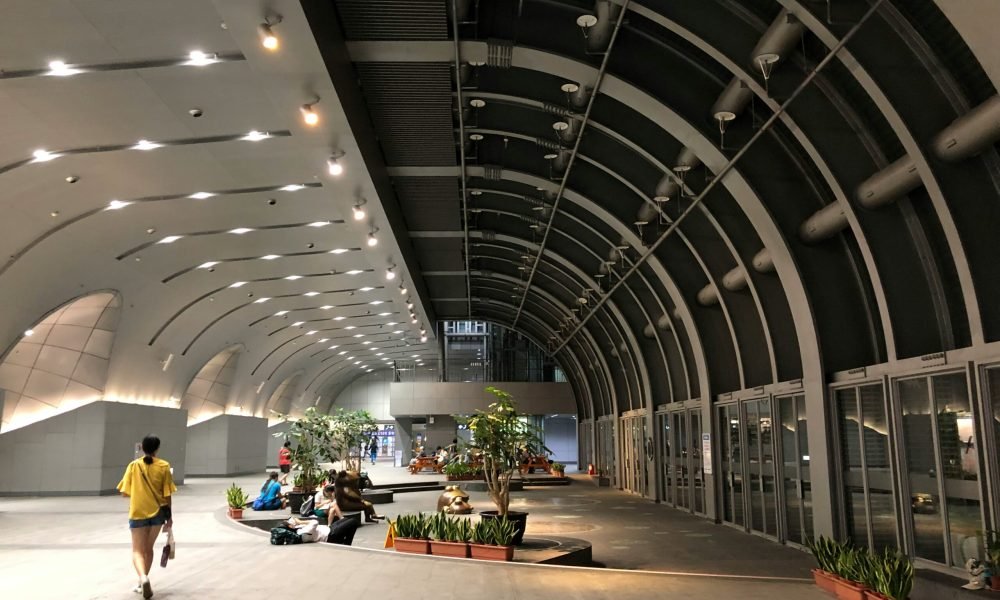
Nagasaki’s trams roll past scenic hills and waterfronts, while Hakodate’s vintage-style streetcars weave through snowy streets in winter, adding to the city’s old-world appeal. For travelers seeking slow, soulful experiences, hopping on a tram is like riding through a living postcard of Japan’s past and present blending together.

9. Scenic Ropeways – For the Views Alone

Scenic ropeways in Japan are more than just a way to reach a summit; they’re floating gateways to some of the country’s most breathtaking natural landscapes. Suspended high above lush forests, mountain ridges, and steaming volcanic valleys, these aerial cable cars offer sweeping, cinematic views that turn any ride into a visual adventure.

Popular routes like the Mt. Takao Ropeway, just outside Tokyo, whisk you up through thick cedar forests toward serene temples and hiking trails with city views. In Mt. Rokko, near Kobe, the ropeway ascends into cool alpine air, revealing panoramic views of Osaka Bay and glittering city lights at sunset. And for a truly surreal experience, the Zao Ropeway in winter unveils the famous “snow monsters,” frost-covered trees sculpted by fierce Siberian winds into otherworldly shapes.

Whether you’re chasing autumn leaves, snowy landscapes, or summer breezes, Japan’s scenic ropeways transform the journey itself into a moment of awe, perfect for travelers who believe the best views are earned… or in this case, ridden.

10. Charter a Campervan – Japan’s Hidden Vanlife Culture

Exploring Japan by campervan offers a unique and often overlooked way to discover the country’s quieter, more intimate side. While most travelers follow the rails to big cities and tourist hotspots, a campervan lets you chart your course, leading to hidden beaches, peaceful mountain hamlets, and rural backroads that reveal a more personal, untouched Japan.

Japan’s network of Michi-no-Eki (roadside rest stations) makes this lifestyle surprisingly easy and safe; these well-maintained stops offer free parking, clean restrooms, local food markets, and sometimes even hot springs.

Renting a campervan gives you the freedom to wake up to a sunrise by the sea, brew tea in the shadow of Mt. Fuji, or fall asleep beside a quiet forest shrine.

11. Walking Pilgrimages – Spiritual Slow Travel

Embarking on a walking pilgrimage in Japan is a deeply enriching way to experience the country’s spiritual and cultural soul. Iconic routes like the Shikoku 88-temple pilgrimage, which weaves through remote villages and sacred temples, or the Kumano Kodo, an ancient network of trails shrouded in forest and legend, invite travelers to embrace a slower, more intentional pace.

These pilgrimages aren’t just physical journeys; they’re introspective experiences that allow you to reflect, reset, and reconnect with nature, culture, and yourself. Along the way, you’ll stay in cozy minshuku or ryokans, share meals with locals, and encounter breathtaking natural beauty, from misty cedar forests to mountain waterfalls.

Whether you walk the entire route or just a portion, every step becomes part of a deeper journey. In a world that’s always rushing, Japan’s pilgrim paths remind you that sometimes the most meaningful destinations are found through slow, mindful travel.

12. Boats & River Cruises – Tokyo to Kyoto by Water

Boats and river cruises in Japan offer a tranquil and visually rich way to explore the country, unveiling landscapes and cityscapes from a whole new perspective. Imagine gliding along the Sumida River in Tokyo, with views of the futuristic Tokyo Skytree on one side and centuries-old temples tucked into the cityscape on the other.

Picture yourself aboard a pirate-themed boat across Lake Ashi in Hakone, where mist rolls over the water and Mount Fuji occasionally peeks through the clouds. While not the fastest way to travel between places like Tokyo and Kyoto, these water routes offer a peaceful escape from the bustle, ideal for unwinding and soaking in Japan’s harmony between nature and architecture.

The best ways to travel across Japan are a short canal ride in Kurashiki or a serene ferry through historic Matsushima Bay. Japan’s waterways turn travel into a poetic experience, proving that sometimes, the most memorable journeys flow gently with the current.

The 18 Best Ways to Travel Across Japan
A rickshaw glides through Japan’s old-town charm, blending human-powered grace with timeless tradition. Steve Sharp / Unsplash

13. Cycling Rickshaws – Touristy, But Fun

Cycling rickshaws, or jinrikisha, may seem like a novelty at first glance, but hopping into one is actually a delightful way to experience Japan’s historical districts with a personal touch. Especially popular in places like Asakusa in Tokyo, Kyoto’s Gion district, and the picturesque streets of Kurashiki, these traditional two-wheeled carts are pulled by friendly, athletic guides who double as storytellers.

Dressed in traditional attire, they share fascinating local history, hidden spots, and cultural trivia you won’t find in any guidebook, all while navigating narrow alleys and scenic lanes at a relaxed, comfortable pace. The experience is both playful and immersive, offering travelers a rare blend of old-world charm and personalized insight.

14. Cable Cars & Cog Railways – Mountain Majesty

Cable cars and cog railways in Japan provide a thrilling and scenic ascent into the heart of the country’s most majestic mountain landscapes. These unique transport systems are engineering marvels, designed to conquer steep slopes and rugged terrain while offering passengers jaw-dropping views along the way.

Take the Tateyama Kurobe Alpine Route, for instance, a spectacular journey across the Northern Japan Alps that combines cable cars, buses, and ropeways to traverse dramatic cliffs, deep valleys, and the awe-inspiring snow corridor in spring. Or ride the cog railway up to Mt. Koya, the spiritual mountaintop retreat home to ancient temples and moss-covered cemeteries, where the journey itself feels like a peaceful pilgrimage into another world.

These rides are not just about reaching the summit; they’re part of the adventure, revealing Japan’s raw natural beauty in slow, cinematic motion. For travelers seeking elevation in both scenery and soul, cable cars and cog railways offer a lofty and unforgettable way to explore Japan’s mountainous wonders.

15. Hitchhiking in Rural Japan – Rare but Real

Hitchhiking in rural Japan is a rare but surprisingly rewarding way to travel for the bold and open-hearted. It becomes a cultural exchange on wheels.

Many Japanese drivers, often curious and kind, are glad to offer a lift to travelers, viewing it as a chance to share stories, local tips, or simply a warm conversation. Language barriers can lead to laughter, translation apps, or even shared snacks, making each ride a little adventure of its own.

16. Motorbike Rental – Feel the Freedom

Imagine cruising the winding roads of the Izu Peninsula, with ocean cliffs on one side and lush green hills on the other, or exploring the Noto Peninsula, where peaceful fishing villages, wild coastlines, and hidden shrines line your path.

A motorbike gives you the power to pause wherever the view takes your breath away, be it a seaside café, a hidden beach, or a quiet shrine tucked into the forest. Japan’s roads are well-maintained, drivers are courteous, and many regions offer dedicated biker-friendly services, from rental stations to biker inns.

17. Helicopter Tours – Sky’s the Limit

Helicopter tours in Japan offer a truly next-level perspective, turning travel into an exhilarating, cinematic experience that’s impossible to forget. Soaring above the neon-lit skyline on a Tokyo nightscape flight, you’ll witness the city like never before: the glowing lattice of Shibuya’s scramble crossing, the serene stretch of the Sumida River, and the iconic Tokyo Tower sparkling below.

These aerial adventures aren’t just for Tokyo either; you can take helicopter rides over Kyoto’s temple-dotted hills, Mt. Fuji’s majestic slopes, or the glittering bays of Yokohama. The best ways to travel across Japan Whether it’s a romantic evening ride or a luxury splurge to mark a special occasion, helicopter tours transform Japan’s vast urban sprawl and breathtaking natural beauty into a mesmerizing light show.

The 18 Best Ways to Travel Across Japan
The riding through the waters of Tokyo Bay or along peaceful rivers. Mohamad Jamil / Unsplash

18. Traditional Boats (Yakatabune) – Edo-Era Feels

Traditional Yakatabune boats offer one of the most atmospheric and nostalgic ways to experience Japan, blending Edo-era charm with modern-day comfort as you glide through the waters of Tokyo Bay or along peaceful rivers.

As the city skyline twinkles in the distance, indulge in a multi-course kaiseki meal, fresh sashimi platters, and warm sake, all served with a side of stunning waterfront views. Some cruises feature live shamisen music or karaoke, turning the journey into a lively cultural event.

GUIDED BY EXPERT

Yoga within Travel the perfect flow of Experience

Explore wellness in anywhere

by

Explore Related Articles

The 12 Best Ways to Travel Across Malaysia

Best Ways to Travel Across UAE

12 Best Ways to Travel Across Egypt

12 Best Ways to Travel Across South Africa

LEAVE A COMMENT

Error: Contact form not found.