
Best time to visit India

What is the best time to visit India?

best time to visit India
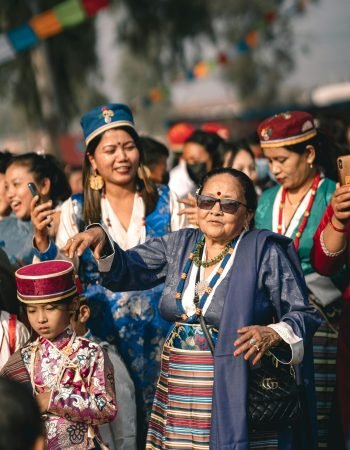
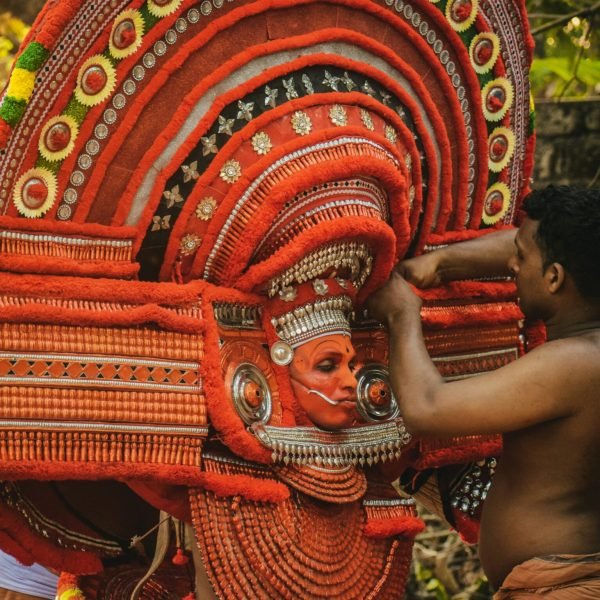
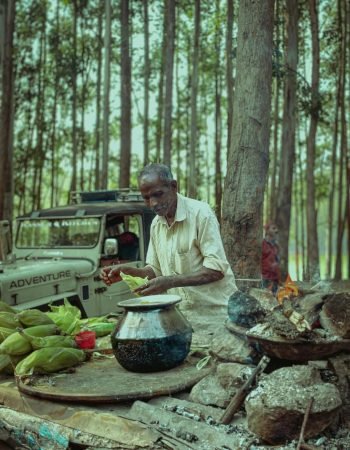
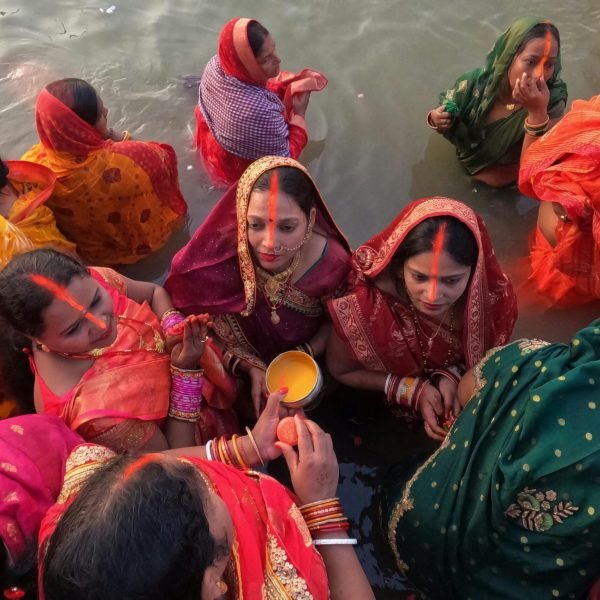
If you are looking for the best time to visit India’s vibrant festivals, here every region offers unique celebrations year-round. Dibakar Roy / Pexels

India is a country of incredible diversity, offering breathtaking landscapes that cater to every type of traveller. India offers a diverse range of experiences, from the towering snow-capped peaks of the Himalayas in the north to the serene backwaters of Kerala in the south.

If you love beaches, the golden shores of Goa and the pristine islands of Andaman and Lakshadweep are perfect getaways. For those drawn to the charm of vast deserts, Rajasthan’s Sam sand dunes Desert offers mesmerizing dunes and camel safaris under the starlit sky.

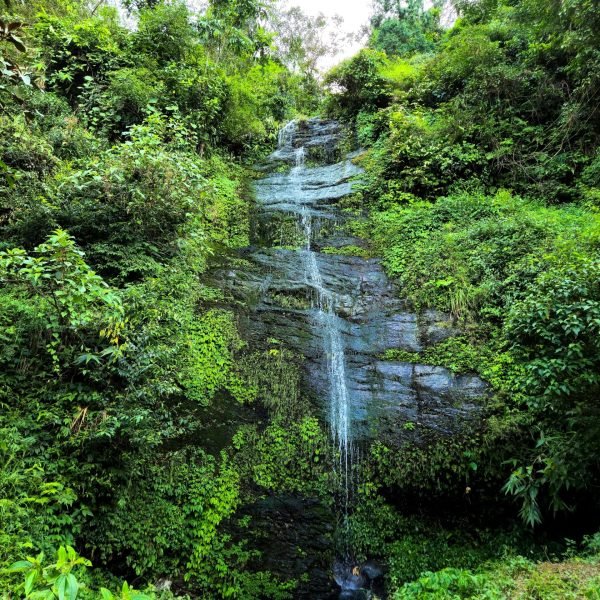
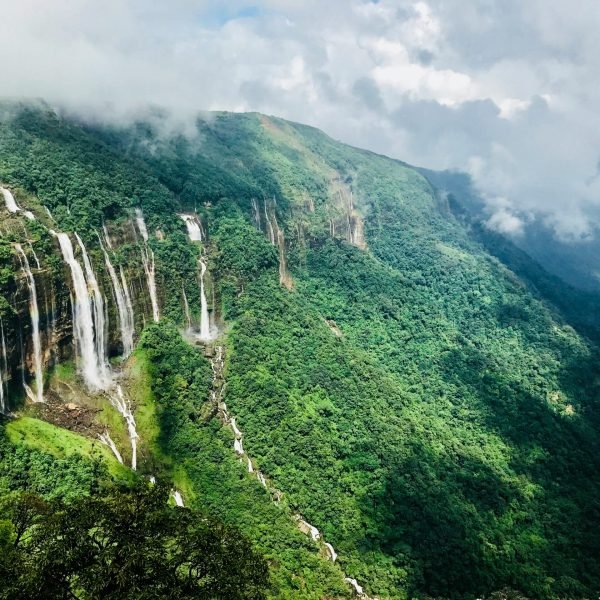
Nature lovers can explore the lush green forests of the Western Ghats and Northeast India, also best time to visit home to unique wildlife and hidden waterfalls. Whether you want to enjoy vibrant festivals, relax on a beach, or trek the Himalayas. Here’s our guide to the best times to visit India.

best time to visit India
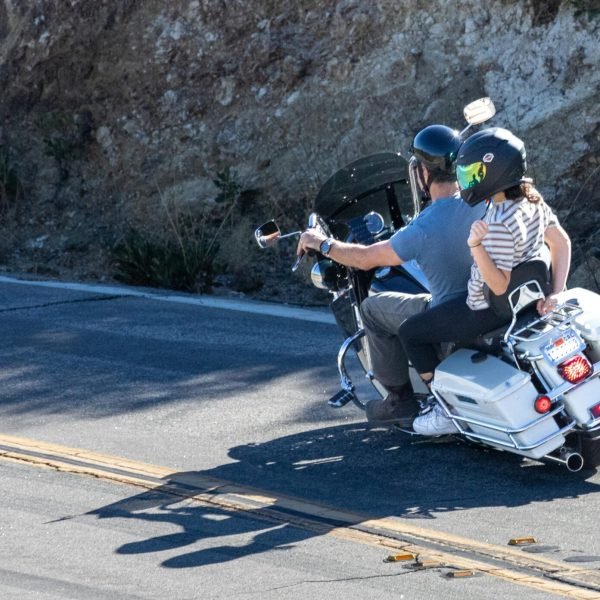
In rainy highway winding through snow-capped mountains, best time to visit India (Ladakh) for adventurous bike road trip. Joshi Milestoner / Unsplash

June to November is best time to visit India's highest peak Himalaya

India’s plains are drenched in monsoon rains, turning many tourist spots into challenging and risky destinations. Beaches and lowland areas grow quiet, with travelers avoiding the heavy downpours and unpredictable conditions. Passionate explorers, this is the best time to visit India’s highest list to pack up and venture into Ladakh. As the mountains stand tall above the monsoon’s rains from June to September, they become a sanctuary for adventure, retreat, and self-discovery.

Himalayas shift through a breathtaking transformation when early in the season, the high-altitude trails are at their best—snow still lingers on the peaks, and the weather is crisp yet inviting.

The lower valleys burst into life, waterfalls roar down the cliffs, and hidden meadows bloom in colors unseen at other times of the year. While some trails become challenging due to the rains, the high passes in Ladakh and Spiti remain open, offering dramatic landscapes untouched by the monsoon’s grasp.

October and November bring a beautiful change to the Himalayas as the monsoon fades away. The skies clear, the air turns crisp, and the forests glow with golden colors. It’s the best time to visit India’s most adventurous trekking or simply soaking in nature’s beauty. This is when the mountains call, inviting travellers to explore their magic. At the same time, Rajasthan’s deserts become a dream to experience, with cool breezes, golden dunes, and vibrant festivals.

best time to visit India
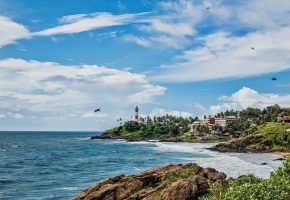
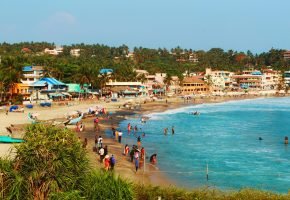
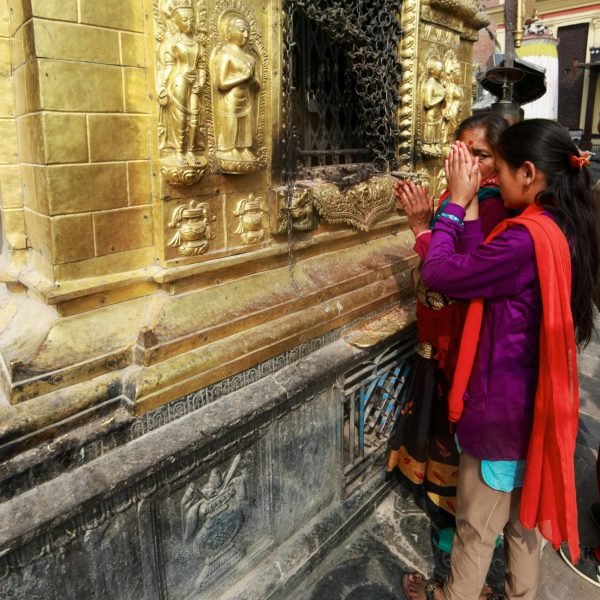
Tourist in Kerala’s beaches enjoying a paradise of golden sands at peak of march & view tells you it’s a best time to visit India. Merari Beach Kerala

December to March is best time to visit India's serene beaches and wildlife safaris

The world’s most beautiful beaches and thrilling wildlife destinations are at their best, offering the best time to visit India tropical season for exploration. Coastal regions across the globe enjoy clear skies, pleasant temperatures, and calm seas, making it an ideal time for sunseekers and water sports enthusiasts.

Whether it’s the white-sand beaches of the Maldives, the stunning coastlines of Thailand, the lively shores of Australia, or the serene Mediterranean retreats, this period brings crystal-clear waters, golden sunsets, and a relaxing tropical atmosphere. It’s the best time to visit India for swimming, snorkeling, diving, or simply unwinding by the sea.

best time to visit India
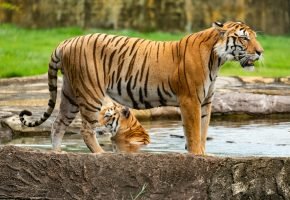
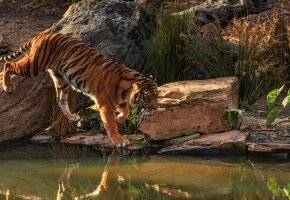
Winter season is best time to capture moment of majestic tiger walks along a forest trail. Vincenzo Cassano Unsplash

At the same time, wildlife safaris reach their peak as dry seasons settle over many of the world’s top wildlife destinations. In Africa, the vast savannas of Kenya, Kerala, and safari of South Africa provide incredible game-viewing experiences, with herds gathering around waterholes and predators on the move.

In India, national parks like Ranthambore, Kanha, and Jim Corbett come alive with sightings of majestic tigers, leopards, and elephants. South America’s Amazon rainforest offers rare glimpses of exotic creatures, while the Galápagos Islands provide a unique chance to observe untouched wildlife up close.

Whether you’re lounging on sun-kissed beaches or venturing into the wild, December to March is the best time to visit India’s tropical season for unforgettable experiences in nature. It’s the time when the world’s landscapes, both coastal and wilderness, put on their most mesmerizing display, offering travelers the perfect mix of adventure.

best time to visit India
Indian Holi is the vibrant festival of flowers, joy, and togetherness. Dharmesh Patil / Unsplash

June to November is the India’s Grand Festival Season

India is a land of vibrant celebrations, where each festival carries its own charm and significance. From the illuminated nights of Diwali to the colourful chaos of Holi, the country embraces its traditions with unique regional flavors, creating a mesmerizing cultural experience.

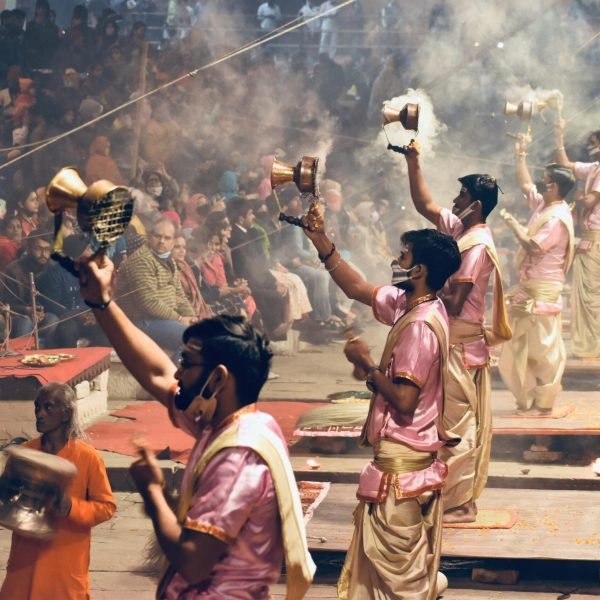
In Varanasi, Diwali takes on an ethereal charm as the ghats of the Ganges glow with thousands of diyas (oil lamps), and the Ganga Aarti casts a spiritual spell. The magic deepens with Dev Deepawali, when the city appears as if the stars have descended to Earth. Meanwhile, Holi, the festival of colors, is celebrated across India, but in Mathura and Vrindavan, the birthplace of Lord Krishna, it transforms into a divine spectacle. The Lathmar Holi of Barsana, where women playfully chase men with sticks, recreates a legendary tale from Krishna’s life.
The energy continues in Gujarat during Navratri, where the entire state turns into a dance floor for Garba and Dandiya Raas, making it one of the most visually stunning celebrations in India. In Mumbai, Ganesh Chaturthi brings the city together in devotion, as massive idols of Lord Ganesha are worshipped before the grand Visarjan (immersion), where millions gather to bid an emotional farewell.
Beyond spiritual celebrations, India hosts unique cultural fairs like the Pushkar Camel Fair in Rajasthan, a lively blend of religious devotion and rural festivities, complete with camel races, folk performances, and quirky contests like the Longest Moustache Competition. The Rath Yatra of Puri, Odisha, is another grand spectacle, where deities Lord Jagannath, Balabhadra, and Subhadra leave their temple to journey in colossal wooden chariots, allowing devotees a rare opportunity to see and touch them.

For a more surreal experience, the Rann Utsav in Gujarat transforms the vast White Rann of Kutch into a glowing desert under the full moon. This months-long festival showcases Gujarat’s vibrant folk music, handicrafts, and breathtaking landscapes, offering a once-in-a-lifetime experience.

best places to visit in India
Camel fest time to visit India’s Rann of Kutch festival with summer golden vibes. Hari Nandakumar / Unsplash

Your Best Time to Visit India in any season

There is no reason to visit India; it’s unique in its own way. Home to some of the world’s oldest civilizations, India boasts magnificent historical landmarks like the Taj Mahal, Jaipur’s royal palaces, and ancient temples in Tamil Nadu. The country’s diverse traditions, languages, and festivals create a vibrant atmosphere that captivates visitors. Whether it’s celebrating Diwali with dazzling lights or playing with colours during Holi, every festival in India is a unique experience.

For food lovers, India is a paradise. Each region has its own distinctive cuisine, from the spicy curries of Punjab to the delicate dosas of South India and the flavourful street food of Mumbai. The variety of flavours, spices, and cooking styles makes every meal a delightful adventure.

India is also a spiritual hub, attracting travelers seeking peace, meditation, and self-discovery. Whether practicing yoga in Rishikesh, visiting Buddhist monasteries in Ladakh, or experiencing the sacred ghats of Varanasi, India offers a deeply transformative journey for the soul.

Beyond its landscapes, history, and spirituality, India’s people are its greatest treasure. The warmth, hospitality, and welcoming nature of the locals make travelers feel at home. Whether exploring bustling cities or remote villages, you’ll always find smiles, stories, and genuine kindness.

A trip to India is more than just a vacation—it’s an unforgettable adventure filled with discovery, wonder, and lifelong memories with your loved one. Whether you want to explore its cultural richness, indulge in exotic flavors, or find inner peace, India promises an experience like no other.

Trusted Websites for More Travel Info

When planning a trip to India, consulting official and reputable sources is essential to determine the best time to visit. The Incredible India website, managed by the Ministry of Tourism, Government of India, serves as the official tourism portal. This comprehensive resource offers detailed information on India’s diverse regions, climates, and attractions, helping travelers make informed decisions about their visit. Tourism of India website provides guidance on optimal travel periods, highlighting seasonal variations and regional climates.

GUIDED BY TRAVEL MEET WORLD

Yoga within Travel the perfect flow of Experience

Explore wellness within Travel

by

Explore Related Articles

Best time to visit UAE

Best time to visit United States

What is the best time to visit Malaysia?

Best time to visit Egypt

LEAVE A COMMENT


    Agra Fort

    @ Yash Rai

    Agra Fort

    Delhi,

    U. Pradesh,

    India,

    Asia

    Agra Fort stands as a symbol of the mighty Mughal Empire. While the Taj Mahal narrates a tale of eternal love, Agra Fort speaks of conquests, ambition, and the relentless spirit of emperors who once ruled from within its mighty walls.

    Agra Fort, a UNESCO World Heritage Site, is a stunning red sandstone fortress located in Agra, Uttar Pradesh, India. Situated on the right bank of the Yamuna River, just 2.5 km northwest of the world-famous Taj Mahal, this grand fort is an architectural masterpiece built during the Mughal era. It is easily accessible from all parts of Agra, with the Taj Mahal being just a short drive away. Originally constructed as a military fortification, it later evolved into a lavish royal residence and center of administration for the Mughal emperors.

    The fort was first built by Raja Badal Singh in the 11th century, but its most significant transformation occurred under Emperor Akbar in 1565. His successors, particularly Shah Jahan, further enhanced its beauty by incorporating white marble structures, making it an exquisite blend of Rajput and Mughal architecture.

    Agra Fort is not just a historical monument but a massive fortress that stands as a testament to the grandeur and strategic brilliance of the Mughal era. Covering an impressive 94 acres, the fort has a semi-circular shape and is enclosed by towering 70-foot-high walls, making it one of the most formidable structures in India. Made from red sandstone, the fort was built to be both a royal palace and a strong military base. Its large size and solid structure made it a powerful and secure place for the Mughal rulers. The fort has four main entry gates, with the Delhi Gate being the most significant due to its grand design and historical importance. However, the Amar Singh Gate is now the designated entrance for visitors.

    One of the most fascinating transformations of Agra Fort took place under Emperor Shah Jahan, who infused elements of elegance into its rugged structure by adding delicate white marble palaces. Among these is the Musamman Burj, a beautiful marble tower with intricate carvings and a breathtaking view of the Taj Mahal. Ironically, this very tower became Shah Jahan’s prison when he was confined there by his son Aurangzeb, spending his last years gazing at the Taj Mahal from afar.

    Adding to the mystery of Agra Fort are its hidden tunnels and secret passages, which are believed to have once connected the fort to the Taj Mahal, Fatehpur Sikri, and other significant locations. While some of these tunnels have collapsed or remain inaccessible, their existence fuels curiosity among historians and travelers alike.

    With the decline of the Mughal Empire, Agra Fort fell into the hands of the British in the 19th century, who repurposed it as a military base. They made modifications to the fort and destroyed some of its original Mughal structures, leaving behind remnants of colonial influence. Despite these changes, Agra Fort remains an architectural marvel, echoing tales of war, royalty, betrayal, and resilience—making it one of the most fascinating historical sites in India.

    Let's Connect With

    The official information about Agra Fort is available on the Taj Mahal’s official website.

    https://www.tajmahal.gov.in/agrafort.aspx?utm_ 

    https://agra.nic.in/tourist-place/agra-fort/?utm_

    Around Agra Fort

    1. Taj Mahal

    2.5 km

    One of the Seven Wonders of the World, known for its breathtaking white marble beauty.

    2. Jahangir Mahal

    0 km

    A stunning palace built by Akbar for his son, Jahangir.

    3. Mehtab Bagh

    6 km

    A garden giving the best sunset views of the Taj Mahal from across the Yamuna River.

    4. Itmad-ud-Daulah’s Tomb (Baby Taj)

    4 km

    A beautiful white marble tomb often considered a draft of the Taj Mahal.

    5. Chini Ka Rauza

    3 km

    A Persian-style tomb known for its colorful tilework.

    6. Akbar’s Tomb (Sikandra)

    13 km

    The grand tomb of Emperor Akbar, featuring stunning Mughal architecture.

    7. Fatehpur Sikri

    40 km

    A UNESCO World Heritage Site, once the capital of the Mughal Empire under Akbar.

    8. Bharatpur Bird Sanctuary

    55 km

    A UNESCO-listed bird sanctuary, perfect for nature enthusiasts.

    Rajasthan Top Attractions

    39 km

    720 km

    40 km

    In the southeastern corner of Rajasthan, Ranthambore National Park sits proudly in the Sawai Madhopur district. It’s around 160 km from Jaipur and easily accessible by road Read More

    In the very heart of Jaipur, Rajasthan, where the energy of the old city blends seamlessly with its majestic past, stands the City Palace — a timeless symbol Read More

    Jaisalmer Fort, often referred to as Sonar Quila or the Golden Fort, stands majestically in the heart of the Thar Desert in the city of Jaisalmer, Rajasthan. Located close to the India – Pakistan Read More

    Make Reason to Travel

    Books transport us to new worlds with every page, but travel lets us live those stories. Documentaries show breathtaking places, but stepping beyond the screen brings them to life. Movies spark adventure, but the real magic begins when we pack our bags and go. 🌍

    Books

    Documentaries

    Memories

    Movies

    03. ARTICLES

    Explore latest stories

    Health Guide

    Top Yoga Places in the Himalayas

    High in the folds of the Read More

    Health Guide

    Simple Wellness Habits Before You Go

    If you’re trekking through the Arashiyama Bamboo Grove

    Health Guide

    How to Stay Healthy While Traveling

    Travel has taught something powerful: wellness isn’t tied

    Health Guide

    Best Solo Travel and Mental Health Guide

    There’s something quietly radical about packing a bag,

    Health Guide

    Best Places to Visit for Mental Wellness

    In a world where constant connectivity often overshadows

    Amer Fort

    @ AXP Photography

    Amer Fort

    Jaipur,

    Rajasthan,

    India,

    Asia

    “Feel the Echoes of Maharajas as You Walk Through the Grand Courtyards of Amer Fort”.

    Amer Fort, also known as Amber Fort, is a magnificent historical fortress located in Amer, a town just 11 kilometers from Jaipur, Rajasthan. Perched on a rugged hill overlooking Maota Lake, this fort is one of the most iconic landmarks of Rajasthan, known for its breathtaking architecture, intricate carvings, and royal history. Built with red sandstone and marble, Amer Fort reflects a fusion of Rajput and Mughal architectural styles, making it a must-visit attraction for history lovers and travelers.

    The grand legacy of the Rajput rulers can still be felt in its walls and courtyards. Every step inside the fort takes you deeper into history, where kings once ruled with power and pride. As you walk through the vast courtyards, each stone beneath your feet holds the weight of history, whispering tales of bravery, royalty, and intrigue. The grand entrance, Suraj Pol, once welcomed victorious warriors returning from battle, their armor glistening in the golden Rajasthani sun. The expansive Jaleb Chowk, where royal soldiers once assembled for parades and celebrations, now stands as a silent witness to the past, its sandstone walls echoing the footsteps of long-gone Maharajas.

    Moving deeper into the fort, the Diwan-e-Aam, or Hall of Public Audience, unveils a world where the kings sat on an elevated throne, listening to the voices of their people. The intricately carved pillars and arches, blending Mughal and Rajput styles, still resonate with the echoes of royal proclamations. The journey continues to the opulent Ganesh Pol, an artistic gateway adorned with delicate frescoes, leading to the private chambers of the Maharajas. As you pass through its archways, it feels as if the whispers of royal secrets still linger in the air.

    No visit to Amer Fort is complete without standing inside the Sheesh Mahal, the Mirror Palace. Here, thousands of tiny glass fragments shimmer in the dim light, reflecting a bygone era of luxurious feasts, grand celebrations, and royal gatherings. Just a single flame once illuminated the entire hall, creating an illusion of a starlit sky—a marvel that still captivates visitors today. As you pause to take in the breathtaking view from the fort’s ramparts, overlooking Maota Lake and the rolling Aravalli Hills, you can almost hear the distant echoes of royal processions, the rhythmic beats of war drums, and the galloping hooves of Rajput warriors.

    Amer Fort is more than just a historic site; it is a reminder of Rajasthan’s royal past. Every courtyard, corridor, and palace tells the story of the Maharajas who once ruled with bravery and grandeur. As you walk through its grand pathways, you can feel the echoes of history all around, bringing the fort’s past to life.

    Let's Connect With

    This official website provides comprehensive insights to help you plan your visit to this magnificent heritage site.

    Around Amer Fort

    1. Panna Meena Ka Kund

    0.5 km

    A beautiful stepwell from the 16th century. Known for its symmetrical stairs.

    2. Jaigarh Fort

    2.5 km

    In Aravalli hills, Jaigarh Fort is known as the “Fort of Victory. Home to the world’s largest cannon on wheels, Jaivana Cannon.

    3. Nahargarh Fort

    8 km

    Built as a defensive fort to protect Jaipur. Famous for its sunset views of Jaipur city.

    4. Jal Mahal

    6 km

    A floating palace in the middle of Man Sagar Lake. A perfect place for birdwatching and evening strolls.

    5. Royal Gaitor

    7 km

    The cenotaphs of Jaipur’s royal family, A peaceful and less crowded place.

    6. Hawa Mahal

    11 km

    The iconic “Palace of Winds” with 953 small windows (jharokhas). Built for royal women to observe city life without being seen.

    7. City Palace

    11 km

    Houses museums with royal costumes, weapons, and artifacts. Home to Jaipur’s royal family.

    8. Jantar Mantar

    11 km

    A UNESCO World Heritage Site for astronomical instruments. the largest stone sundial in the world.

    Rajasthan Top Attractions

    11 km

    160 km

    560 km

    In the southeastern corner of Rajasthan, Ranthambore National Park sits proudly in the Sawai Madhopur district. It’s around 160 km from Jaipur and easily accessible by road Read More

    In the very heart of Jaipur, Rajasthan, where the energy of the old city blends seamlessly with its majestic past, stands the City Palace — a timeless symbol Read More

    Jaisalmer Fort, often referred to as Sonar Quila or the Golden Fort, stands majestically in the heart of the Thar Desert in the city of Jaisalmer, Rajasthan. Located close to the India – Pakistan Read More

    Make Reason to Travel

    Books transport us to new worlds with every page, but travel lets us live those stories. Documentaries show breathtaking places, but stepping beyond the screen brings them to life. Movies spark adventure, but the real magic begins when we pack our bags and go. 🌍

    Books

    Documentaries

    Memories

    Movies

    03. ARTICLES

    Explore latest stories

    Food & Drink

    10 Thai Food Experiences You Must Try

    Touch down in Thailand, and you’ll quickly realize Read More

    Food & Drink

    What to Eat and Drink in India

    When you travel through India, you don’t just eat;

    Beaches & Islands

    How to Plan a Summer Beach Trip in 2025

    There’s something timeless about the pull of the

    Adventure

    14 Best Islands in Asia to Visit in 2025

    Asia, with its vast stretch of coastlines and turquoise

    Budget Trip

    10 Destinations for Budget Friendly Travel

    Wanderlust doesn’t have to come with a hefty price

    India – More Attractions

    Leh Palace stands proudly on Namgyal Hill, offering a commanding view over Leh Town in Ladakh, northern India Read More

    The Arashiyama Bamboo Grove in Kyoto offers a unique auditory experience that complements Read More

    The Grand Canyon isn’t just a giant hole carved by the Colorado River; it’s like a time machine made of stone. Read More

    Kruger National Park stretches across the northeastern edge of South Africa, nestled between the Read More

    The Dubai Frame is more than just an architectural landmark; it’s like stepping through a giant golden Read More

    Las Vegas Known as “The Entertainment Capital of the World,” it’s where people come to Read More

    A desert safari feels like entering a living painting of endless golden waves, where each dune holds the mystery of Read More

    The Phi Phi Islands are a small archipelago tucked away in the Andaman Sea, off the Read More

    Sanchi Stupa is located on a hilltop in Chanspa, Leh, in the Union Territory of Ladakh, India. The stupa offers Read More

    The Garden Route is a breathtaking coastal drive in South Africa, stretching roughly 300 kilometers from Mossel Bay in Read More

    Darjeeling is one of the only places in the world where tea is plucked by hand exclusively by women, Read More

    Makadi Bay Beach lies gracefully between the desert cliffs and the turquoise waters of the Red Read More

    Magnetic Hill is located on the Leh-Kargil-Baltic National Highway, about 30 kilometers from Leh, Ladakh, Read More

    The Okinawa beaches are scattered across a chain of islands off Kyushu. The most accessible ones lie on Read More

    The Sheikh Zayed Grand Mosque stands like a dream carved in white marble, glowing under the Abu Dhabi Read More

    Tucked away from the sparkling beaches and vibrant nightlife of Thailand’s most famous Read More

    The Drakensberg Mountains, meaning “Dragon’s Mountain” in Afrikaans, stretch majestically across the eastern Read More

    The Mosque of Muhammad Ali Built in the 19th century, this mosque is more than just a religious building; it’s a symbol Read More

    The Burj Khalifa isn’t just the world’s tallest tower; it’s a symbol of Dubai’s sky-high ambition, rising Read More

    Tucked into the green heart of Peninsular Malaysia, Taman Negara is more than a national park; Read More

    Alcatraz Island, often known for its infamous prison, has a quiet, mysterious charm that goes beyond Read More

    Mount Fuji is one of the bucket-list destinations all rolled into one. Standing tall at 3,776 meters (12,389 feet), Read More

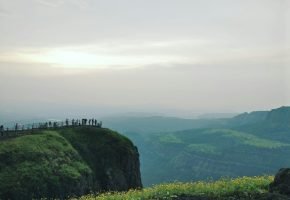
    Lonavala is a serene hill station located in the Pune district of Maharashtra, nestled in the Sahyadri ranges of Read More

    Batu Caves is located in Gombak, a district just 13 kilometers north of Kuala Lumpur, Malaysia’s bustling Read More

    India

    Overview:

    India is a vast and diverse country located in South Asia, known for its rich history, cultural heritage, and geographical variety. It is the seventh-largest country in the world by land area and the most populous nation, with people from many different religions, languages, and traditions living together. From the towering Himalayas in the north to the tropical beaches in the south, India offers a wide range of landscapes and climates. .

    The country is also home to some of the world’s oldest civilizations, with a history that dates back thousands of years. The country follows a democratic system of government and is made up of 28 states and 8 union territories, each with its own unique culture and identity. Festivals, food, clothing, and traditions vary widely across regions, making India one of the most culturally vibrant countries in the world.

    When to Visit:

    The climate of India varies widely, with tropical, subtropical, and temperate conditions influenced by monsoon rains, geography, and seasonal changes.

    Dry Season (October to March)

    During these months, the weather is pleasant, with cooler temperatures and low humidity, making it ideal for travel. This is the best time to explore popular destinations like Rajasthan for its deserts and forts, Goa for beaches, and Kerala for backwaters. Sightseeing, cultural tours, and outdoor activities are much more comfortable during this season.

    Wet Season (June to September)

    When the monsoon rains arrive across most parts of India. While heavy rainfall can sometimes disrupt travel plans, this season brings lush green landscapes and is perfect for nature lovers. Hill stations and places like Munnar and Coorg look especially beautiful during this time. It’s also a great period for budget travelers, as prices for hotels and flights are usually lower.

    Special Events and Festivals:

    India is famous for its vibrant festivals, which reflect its rich culture and traditions:

    • Diwali in allover India (October-November)
    •  Holi in allover India (March)
    • Pushkar Camel Fair (November)
    • Onam in Kerala (August-September

    Pocket Travel Tips

    Quick Facts

    Language: English, Hindi

    Currency: Indian Rupee (₹)

    1 USD = 93.26 ₹

    Backpacking in India with a min. budget around per day is 16$.

    Visa

    Most travelers need to apply for a visa in advance, and the easiest option is the e-Visa, which can be completed online without visiting an embassy.

    Travel Insurance

    VisitorsCoverage is one of the very few that covers travel in India

    How The Indian Welcome

    India

    Hospitality in India is deeply rooted in the tradition of “Atithi Devo Bhava,” which means “The guest is God.” Visitors are often welcomed with warmth, kindness, and genuine care, whether in homes, hotels, or local communities.

    You’ll experience friendly smiles, helpful nature, and a strong sense of respect that makes travelers feel safe, valued, and truly at home, even when they are far away.

    From my experience I will say Indian’s are so friendly attitude with their guest.

    Know More to Get Travelling in India

    Eat With Host

    Discover a unique way to experience local culture, where you can enjoy authentic meals hosted by locals around the world.

    From home-cooked dinners to food tours, it’s the perfect way to connect through food with New People.

    Start your delicious journey today Eatwith.

    Accommodation

    I personally use Hostelworld where you easily find budget-friendly hostels and social stays in one click.

    Luxury platforms like CheapOair help you compare prices and book the best options for your trip.

    Transportation

    Local city bus charges in India are very affordable and budget-friendly. Fares usually start from around ₹5 to ₹10 for short distances and can go up to ₹20–₹50 or more depending on the distance and city.


    Tip: Don’t ride with Auto-rickshaws go with Ola, Uber its offer Discount and Cashback option for Traveler.

    All My Articles on India

    7 Best Travel Insurance Plans for India

    12 Best Travel Insurance Plans for India

    11 most stunning places to visit in India

    The 11 most stunning best places to visit in India

    Best Things to Do in India

    The 14 Best Things to Do in India

    best time to visit India

    What is the best time to visit India?

    12 Best Things About India's Tourist Visa​

    12 Best Things About India's Tourist Visa

    Things to Know Before Traveling to India

    18 Best Things to Know Before Traveling to India

    The Best Ways to Travel Across India

    The Best Ways to Travel Across India

    Indian Currency: To Know Before Travel to India

    Indian Currency to Know Before Travel to India

    What to Eat and Drink in Varanasi, India

    What to Eat and Drink in Varanasi, India

    Magnetic Hill

    Overview:

    Magnetic Hill is located on the Leh-Kargil-Baltic National Highway, about 30 kilometers from Leh, Ladakh, India. It is situated between the Himalayan hills and the Indus River. The hill is easy to spot due to the large signage placed by the Border Roads Organization (BRO), and there’s even a designated “Magnetic Hill Road” patch marked with white paint, where the magic supposedly happens.

    At Magnetic Hill, visitors are welcomed by a clearly marked signboard installed by the Border Roads Organization (BRO), which reads, “Magnetic Hill: The Phenomenon That Defies Gravity. Park your vehicle in the box marked with white paint on the road.” This designated spot is where the so-called anti-gravity effect can be experienced.

    Highlights

    Best visited in daylight

    The illusion works best when visibility is clear.

    Near Indus River

    You can enjoy scenic views of the river nearby.

    Surrounded by barren mountains

    The unique terrain enhances the illusion effect.

    Let's Connect With

    Itinerary Highlights

    Here’s a simple and experience-rich itinerary for visiting Leh Palace.

    Morning (Best Time to Visit)

    • Start from Leh around 9:00 AM
    • Enjoy a scenic drive on the Leh–Kargil highway (approx. 30–40 mins)


    Mid-Morning

    • Reach Magnetic Hill and stop at the marked “Magic Point”
    • Turn off your vehicle and experience the gravity illusion
    • Spend 20–30 minutes clicking photos and videos.


    Nearby Exploration

    • Visit Gurudwara Pathar Sahib (5–10 mins away)
    • Stop by the Indus–Zanskar Confluence for stunning river views

    Afternoon

    • Return to Leh by 1:30–2:00 PM
    • Relax or explore local cafés/markets

    Know More to Get Travelling in Ladakh

    Eat With Host

    Discover a unique way to experience local culture, where you can enjoy authentic meals hosted by locals around the world.

    From home-cooked dinners to food tours, it’s the perfect way to connect through food with New People.

    Start your delicious journey today Eatwith.

    Accommodation

    I personally use Hostelworld where you easily find budget-friendly hostels and social stays in one click.

    Luxury platforms like CheapOair help you compare prices and book the best options for your trip.

    Transportation

    Reaching Magnetic Hill from Leh is very easy as it’s just about 30 km (40–45 minutes) on the Leh–Kargil highway.


    You can hire a taxi (₹1,500–₹2,500 round trip), rent a bike (₹800–₹1,500 per day), or join a shared cab (~₹300–₹500 per person).

    Top Attractions Near Magnetic Hill

    Gurudwara Pathar Sahib

    3-3.5 km

    The Gurudwara is maintained by the Indian Army and offers free langar for all Tourists.

    Nimmoo Village

    7-8 km

    known for its apricot orchards and traditional Ladakhi lifestyle. It’s also the rafting starting point for Zanskar expeditions.

    Sangam

    8 km

    The Sangam Point is where the turquoise waters of the Indus River meet the muddy Zanskar River.

    Hall of Fame, Leh

    26-30 km

    This military museum built and maintained by the Indian Army honors the brave soldiers who laid down their lives in the Kargil War.

    Spituk Monastery

    20 km

    The monastery hosts a sacred festival called Gustor every year in January.

    Basgo Palace and Monastery

    12 km

    The Basgo Monastery, perched on a hilltop, features mud-brick ruins, large Maitreya Buddha statues, and colorful frescoes.

    Likir Monastery

    25 km

    It features a giant golden statue of Maitreya Buddha (75 feet tall) that looks over the mountains.

    Alchi Monastery

    35 km

    Known for its ancient murals, wooden sculptures, and Indo-Tibetan architecture.

    All My Articles on Ladakh

    Plan the Perfect Bike Ride from Delhi to Ladakh

    Plan the Perfect Bike Ride from Delhi to Ladakh

    11 most stunning places to visit in India

    The 11 most stunning best places to visit in India

    Best Wildlife Places in Ladakh

    Best Wildlife Places in Ladakh

    Nubra Valley

    Overview:

    Nubra Valley lies quietly on the northern side of Leh, separated by the high Khardung La Pass. On a map, it looks like a wide-open bowl carved by two best rivers, the Shyok and the Nubra, both running through cold deserts and tiny green villages. 

    Although it belongs to Ladakh, the landscape feels like a completely different world: half desert, half oasis. The valley sits close to the borders of Pakistan and China, which adds a layer of mystery and strategic importance.

    Nubra Valley is a rare cold desert sitting over 10,000 feet high, where soft sand dunes blend unexpectedly with snow-covered mountain peaks. As you walk through the valley, you may feel warm sunlight on the dunes yet encounter icy winds near the rivers.

    Highlights

    Famous double-humped camels

    Ride the unique Bactrian camels in Hunder Sand Dunes.

    Shyok & Nubra rivers

    Beautiful river landscapes perfect for photography.

    Peaceful villages

    Experience local life in villages like Diskit, Hunder, and Turtuk.

    Star gazing paradise

    Clear skies make it perfect for night photography.

    Apricot orchards

    Especially beautiful and fruitful during summer months.

    Let's Connect With

    Official Ladakh government page on Nubra Valley:
    https://ladakh.gov.in/places-centres/nubra/ (part of the Ladakh administration site)

    Visiting Leh Palace helps you understand the traditions, lifestyle, and history of Ladakh.

    Official tourism section of the Ladakh government (covers tourism across Ladakh including Nubra):
    https://ladakh.gov.in/tourism/ (official UT tourism info)

    These are the official government pages where you can get authentic information about Nubra Valley, attractions, access, and guidelines directly from the UT administration.

    Itinerary Highlights

    Here’s a simple and travel-friendly itinerary for Nubra Valley:

    Day 1: Leh → Nubra Valley

    • Start early from Leh (around 7:00–8:00 AM)
    • Cross Khardung La Pass (quick stop for photos)
    • Reach Nubra Valley by afternoon
    • Visit Diskit Monastery and see the giant Buddha statue
    • Head to Hunder Sand Dunes
    • Enjoy a double-humped camel ride and sunset views
    • Overnight stay in Hunder/Diskit (camp or hotel)


    Day 2: Explore & Return to Leh

    • Morning walk in the valley and enjoy peaceful views
    • Optional visit to Turtuk Village (if extending, otherwise skip)
    • Start return journey via Khardung La Pass
    • Reach Leh by evening (around 5:00–6:00 PM)


    Know More to Get Travelling in Ladakh

    Eat With Host

    Discover a unique way to experience local culture, where you can enjoy authentic meals hosted by locals around the world.

    From home-cooked dinners to food tours, it’s the perfect way to connect through food with New People.

    Start your delicious journey today Eatwith.

    Accommodation

    I personally use Hostelworld where you easily find budget-friendly hostels and social stays in one click.

    Luxury platforms like CheapOair help you compare prices and book the best options for your trip.

    Transportation

    You can reach Nubra Valley from Leh by road via the famous Khardung La Pass, covering about 120 km in 5–6 hours.


    TIP: The road is motorable but high-altitude, so travel early and ensure you carry an Inner Line Permit, which is mandatory for access.

    Top Attractions Near Nubra Valley

    Diskit Monastery

    12 km

    A historic Buddhist monastery overlooking the valley with a giant Maitreya Buddha and amazing views.

    Yarab Tso Lake

    15 km from sumur

    A serene high-altitude lake surrounded by mountains — ideal for quiet reflection and photography.

    Hunder Sand Dunes

    25 km

    Rolling golden dunes set against the mountains, famous for double-humped camel safaris.

    Panamik Hot Springs

    30 km

    Natural sulphur hot springs believed to have therapeutic properties and perfect for relaxation.

    Khardung La Pass

    40 km

    The famed high mountain pass that serves as the dramatic gateway into Nubra Valley with breathtaking views.

    Sumur Village

    40 km

    A tranquil village by the Nubra River with traditional homes, orchards, and peaceful hiking trails.

    Samstanling Monastery

    40 km

    An 18th-century monastery near Sumur known for its peaceful atmosphere and murals.

    Turtuk Village

    90-100 km

    One of India’s northernmost villages with unique Balti culture, lush orchards, and beautiful lanes.

    All My Articles on Ladakh

    Plan the Perfect Bike Ride from Delhi to Ladakh

    Plan the Perfect Bike Ride from Delhi to Ladakh

    11 most stunning places to visit in India

    The 11 most stunning best places to visit in India

    Best Wildlife Places in Ladakh

    Best Wildlife Places in Ladakh

    Shanti Stupa

    Overview:

    Shanti Stupa is located on a hilltop in Chanspa, Leh, in the Union Territory of Ladakh, India. The stupa gives panoramic views of the Leh town and the snow-capped peaks of the Ladakh Range. This peaceful, white-domed structure is a 5-kilometer drive from the main Leh Market and is also accessible by a steep flight of steps, perfect for those who love a short trek with a spiritual reward. .

    The stupa is that it houses relics of the Buddha, enshrined by the 14th Dalai Lama himself. Architecturally, the Shanti Stupa combines traditional Ladakhi and Japanese elements, and its white dome stands out vividly against the stark brown of the surrounding mountains.

    Despite often being confused with the ancient Sanchi Stupa in Madhya Pradesh, the Shanti Stupa in Leh is a modern symbol of Buddhist spirituality in the Himalayas.

    Highlights

    Buddha Relief Panels

    Features beautiful carvings depicting the life of Gautama Buddha.

    Stunning Sunset Point

    One of the best places in Leh to watch golden sunsets.

    Pure White Dome

    Its bright white structure looks magical against Ladakh’s blue skies.

    Cultural Blend

    Represents Indo-Japanese friendship and Buddhist heritage.

    Let's Connect With

    Jammu & Kashmir Tourism Development Corporation (JKTDC) jktdc.co.in/Leh-Palace.aspx?utm_

    Itinerary Highlights

    Start from Leh around sunrise (5:30–6:30 AM) or sunset (5:30–7:00 PM) for the best views.

    Reach the Stupa

    Take a taxi or bike (10–15 mins from Leh market). You can also climb the stairs for a short, scenic walk.


    Explore & Relax (1–2 hours)

    Capture panoramic views of Leh town and the mountains—especially beautiful during sunset.

    Walk around the stupa, admire the white dome, and see the panels of Gautama Buddha. Sit quietly and enjoy the peaceful atmosphere.


    Enjoy Views & Photos

    Capture panoramic views of Leh town and the mountains—especially beautiful during sunset.

    Return to Leh

    Head back to Leh and relax at a nearby café or explore the local market.

    Know More to Get Travelling in Ladakh

    Eat With Host

    Discover a unique way to experience local culture, where you can enjoy authentic meals hosted by locals around the world.

    From home-cooked dinners to food tours, it’s the perfect way to connect through food with New People.

    Start your delicious journey today Eatwith.

    Accommodation

    I personally use Hostelworld where you easily find budget-friendly hostels and social stays in one click.

    Luxury platforms like CheapOair help you compare prices and book the best options for your trip.

    Transportation

    From Leh market, you can hire a taxi (₹200–₹400), rent a bike (₹800–₹1500 per day), or take a shared auto (₹50–₹150).


    It’s just 10–15 minutes by road, and there’s also a staircase if you prefer walking.

    Top Attractions Near Shanti Stupa

    Sankar Monastery

    4.9 km

    A peaceful, less-crowded monastery located close to the city center. 

    Leh Main Bazaar

    1-1.5 km

    Shop for Tibetan handicrafts, woolens, Pashmina shawls, prayer flags, and handmade jewelry. 

    Leh Palace

    0 km

    Though now in ruins, its rustic charm and museum collection of paintings, jewelry, and traditional attire are worth exploring.

    Namgyal Tsemo Monastery

    0.5-1 km

    this monastery is famous for its towering golden statue of Maitreya Buddha and ancient manuscripts.

    Tsemo Castle

    1 km

    The hike up gives you panoramic views of the entire Leh valley and surrounding mountains.

    Zorawar Fort

    2 km

    This historic fort was built by General Zorawar Singh and offers a mix of military history and rustic architecture.

    Hall of Fame Museum

    4 km

    Run by the Indian Army, It is an emotional and inspiring visit that adds depth to your understanding of the region.

    Magnetic Hill

    30 km

    A gravity-defying stretch of road where vehicles seem to move uphill on their own. A fun and curious stop for travelers.

    All My Articles on Ladakh

    Plan the Perfect Bike Ride from Delhi to Ladakh

    Plan the Perfect Bike Ride from Delhi to Ladakh

    11 most stunning places to visit in India

    The 11 most stunning best places to visit in India

    Best Wildlife Places in Ladakh

    Best Wildlife Places in Ladakh

    Leh Palace

    Overview:

    Leh Palace stands proudly on Namgyal Hill, giving you a view over Leh Town in Ladakh, northern India. Visible from nearly every part of the town, it’s just a short walk or drive uphill from the main bazaar, making it an easy and rewarding visit for all travelers.

    Leh, the largest town and administrative hub of Ladakh, sits at a high altitude of around 11,500 feet (3,500 meters) above sea level. Nestled along the Indus River, it is surrounded by the breathtaking Himalayas and Zanskar ranges.

    Due to its high-altitude desert climate, Leh experiences extreme temperatures. The best time to visit India (Ladakh) is from May to September, when the weather is pleasant, roads are open, and most attractions are accessible.

    Highlights

    Panoramic Views of Leh

    From the top, you get breathtaking views of Leh town, the Zanskar Range, and the vast Indus Valley.

    Ancient Artifacts & Murals

    Inside, you’ll find old paintings, royal jewelry, ceremonial dresses, and artifacts preserved by the Archaeological Survey of India.

    Peaceful & Less Crowded

    Compared to other tourist spots, it offers a calm and spiritual vibe—ideal for quiet exploration.

    Gateway to Ladakhi Culture

    Visiting Leh Palace helps you understand the traditions, lifestyle, and history of Ladakh.

    Let's Connect With

    Archaeological Survey of India (ASI) Archaeological Survey of India

    Archaeological Survey of India (ASI) jktdc.co.in/Leh-Palace.aspx?utm_

    Itinerary Highlights

    Here’s a simple and experience-rich itinerary for visiting Leh Palace.

    7:30 AM – Walk Up to the Palace

    Park your vehicle or get dropped near the base and enjoy a short uphill walk. The climb is gentle but take it slow due to high altitude.


    8:00 AM – Explore the Palace

    Spend 1–2 hours exploring the nine-storey structure. Walk through ancient rooms, corridors, and terraces while learning about the royal history of King Sengge Namgyal. Don’t miss the museum section maintained by the Archaeological Survey of India.


    Then Head to the top floors for breathtaking views of Leh, the Indus Valley, and surrounding mountains—perfect for photos and peaceful moments.


    10:30 AM – Visit Nearby Attractions

    After Leh Palace, walk or drive to nearby spots like:

    • Namgyal Tsemo Monastery (just above the palace)
    • Leh Market for local shopping and cafes

    12:00 PM – Relax & Refuel

    Head back to Leh town and enjoy breakfast or brunch at a cozy café.


    Know More to Get Travelling in Ladakh

    Eat With Host

    Discover a unique way to experience local culture, where you can enjoy authentic meals hosted by locals around the world.

    From home-cooked dinners to food tours, it’s the perfect way to connect through food with New People.

    Start your delicious journey today Eatwith.

    Accommodation

    I personally use Hostelworld where you easily find budget-friendly hostels and social stays in one click.

    Luxury platforms like CheapOair help you compare prices and book the best options for your trip.

    Transportation

    If you’re already in Leh, you can hire a local taxi (₹200–₹500), rent a bike (₹800–₹1500 per day), or even walk if you’re staying nearby—it takes around 20–30 minutes uphill.


    For budget travelers, shared taxis or autos cost around ₹50–₹150.

    Top Attractions Near Leh Palace

    Namgyal Tsemo Monastery

    1 km

    Home to a giant Maitreya Buddha statue, ancient scriptures, and panoramic views of Leh.

    Leh Main Bazaar

    1 km

    A bustling market with local cafes, handicrafts, Tibetan jewelry, pashmina shawls, and souvenirs.

    Zorawar Fort

    2 km

    A lesser-known fort built by General Zorawar Singh, showcasing weapons, coins, and military heritage.

    Shanti Stupa

    3-5 km

    A beautiful, white-domedstupa offering spectacular sunrise/sunset views over Leh and the surrounding mountains.

    Sankar Monastery

    1.4-2 km

    A quiet and peaceful monastery affiliated with the Gelugpa sect, great for a short visit and meditation.

    Hall of Fame Museum

    4 km

    Run by the Indian Army, this museum honors the bravery of soldiers and gives insight into Ladakh’s history, culture, and border security.

    Spituk Monastery

    8 km

    Perched on a hill overlooking the Indus River, known for its Giant Kali statue and dramatic views.

    Magnetic Hill

    30 km

    A gravity-defying stretch of road where vehicles seem to move uphill on their own. A fun and curious stop for travelers.

    All My Articles on Ladakh

    Plan the Perfect Bike Ride from Delhi to Ladakh

    Plan the Perfect Bike Ride from Delhi to Ladakh

    11 most stunning places to visit in India

    The 11 most stunning best places to visit in India

    Best Wildlife Places in Ladakh

    Best Wildlife Places in Ladakh

    Ladakh

    @ Hans_Jurgen_Mager

    Overview:

    Ladakh is a high-altitude region located in the northern part of India, known for its cold desert movie landscape, cle mountains, and clear blue skies. The region is home to ancient monasteries, traditional villages, and a peaceful lifestyle influenced by Tibetan Buddhism. Due to its elevation, Ladakh has a harsh climate with very low rainfall, making it one of the driest places in India.

    Ladakh is also famous for adventure and exploration. The region’s culture, festivals, and warm hospitality make it special for visitors.

    When to Visit:

    Ladakh has a cold desert climate with low rainfall, extreme temperatures, and clear sunny skies most of the year.

    Dry Season (May to September)

    During these months, the weather is clear, roads are open, and you can easily explore places like Pangong Lake and Nubra Valley. Temperatures are pleasant during the day, making it perfect for biking, trekking, and sightseeing. This is also the peak tourist season when Ladakh is at its most accessible and vibrant.

    Wet Season (July to early September)

    Ladakh receives very little rainfall because it lies in a rain-shadow area. However, routes from Manali and Srinagar may experience landslides, so travel can be slightly unpredictable. Winters (October to April) are extremely cold, with heavy snowfall and limited access, making it suitable only for experienced travelers.

    Special Events and Festivals:

    Ladakh is rich in cultural festivals that reflect its deep Buddhist traditions.

    • Hemis Festival (June–July)
    •  Losar Festival (December–January)

    Pocket Travel Tips

    Getting in

    The nearest airport is in Leh, well connected to major cities like Delhi and Mumbai offer stunning aerial views of the Himalayas.

    By road, which is an adventure, but these routes open between May and October.

    Safety Tips

    Ladakh is safe and peaceful destination.

    Only challenges like high altitude, unpredictable weather, and remote areas mean you must acclimatize properly, plan transport in advance, and stay cautious for a safe journey.

    Access Internet

    Stay connected easily in Ladakh with an eSIM from Saily—perfect for travelers exploring hilly areas where network can vary.


    How The Ladakh Welcome

    pexels-ex-route-adventures-656223369-33792537

    Good gesture for welcoming travelers they offer butter tea (gur-gur chai) it’s a home like feeling.

    Staying in places like Nubra Valley or near Pangong Lake often includes home-cooked meals, storytelling, and a chance to experience their simple lifestyle.

    During celebrations, travelers are invited to watch traditional dances, visit monasteries, and take part in rituals.

    Know More to Get Travelling in Ladakh

    Eat With Host

    Discover a unique way to experience local culture, where you can enjoy authentic meals hosted by locals around the world.

    From home-cooked dinners to food tours, it’s the perfect way to connect through food with New People.

    Start your delicious journey today Eatwith.

    Accommodation

    I personally use Hostelworld where you easily find budget-friendly hostels and social stays in one click.

    Luxury platforms like CheapOair help you compare prices and book the best options for your trip.

    Transportation

    Government buses in Nubra Valley and Kargil, but they operate on limited schedules.


    Bus fares are ₹100 to ₹500, or it may be vary depending on seasons.

    Top Attractions in Ladakh

    Leh Palace

    Palace gives a glimpse into Ladakh’s historic monarchy.

    The palace stands above Leh, providing panoramic views of the town and surrounding mountains.

    Shanti Stupa

    It was inaugurated by Tenzin Gyatso, symbolizing strong Indo-Japanese cultural ties.

    Magnetic Hill

    Vehicles appear to move uphill on their own, creating a fascinating.

    Intriguing roadside attractions, adding a fun.

    Nubra Valley

    Valley mix of desert and snow-covered landscapes creating fertile villages and green patches amid the rugged terrain.

    All My Articles on Ladakh

    Plan the Perfect Bike Ride from Delhi to Ladakh

    Plan the Perfect Bike Ride from Delhi to Ladakh

    11 most stunning places to visit in India

    The 11 most stunning best places to visit in India

    Best Wildlife Places in Ladakh

    Best Wildlife Places in Ladakh