@Shubham_Sharma

Overview:
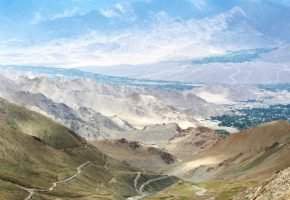
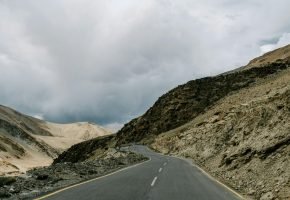
Magnetic Hill is located on the Leh-Kargil-Baltic National Highway, about 30 kilometers from Leh, Ladakh, India. It is situated between the Himalayan hills and the Indus River. The hill is easy to spot due to the large signage placed by the Border Roads Organization (BRO), and there’s even a designated “Magnetic Hill Road” patch marked with white paint, where the magic supposedly happens.
At Magnetic Hill, visitors are welcomed by a clearly marked signboard installed by the Border Roads Organization (BRO), which reads, “Magnetic Hill: The Phenomenon That Defies Gravity. Park your vehicle in the box marked with white paint on the road.” This designated spot is where the so-called anti-gravity effect can be experienced.
Highlights
Best visited in daylight
The illusion works best when visibility is clear.
Near Indus River
You can enjoy scenic views of the river nearby.
Surrounded by barren mountains
The unique terrain enhances the illusion effect.
Let's Connect With
Itinerary Highlights
Here’s a simple and experience-rich itinerary for visiting Leh Palace.
Morning (Best Time to Visit)
- Start from Leh around 9:00 AM
- Enjoy a scenic drive on the Leh–Kargil highway (approx. 30–40 mins)
Mid-Morning
- Reach Magnetic Hill and stop at the marked “Magic Point”
- Turn off your vehicle and experience the gravity illusion
- Spend 20–30 minutes clicking photos and videos.
Nearby Exploration
- Visit Gurudwara Pathar Sahib (5–10 mins away)
- Stop by the Indus–Zanskar Confluence for stunning river views
Afternoon
- Return to Leh by 1:30–2:00 PM
- Relax or explore local cafés/markets
Know More to Get Travelling in Ladakh
Eat With Host
Discover a unique way to experience local culture, where you can enjoy authentic meals hosted by locals around the world.
From home-cooked dinners to food tours, it’s the perfect way to connect through food with New People.
Start your delicious journey today Eatwith.
Accommodation
I personally use Hostelworld where you easily find budget-friendly hostels and social stays in one click.
Luxury platforms like CheapOair help you compare prices and book the best options for your trip.
Transportation
Reaching Magnetic Hill from Leh is very easy as it’s just about 30 km (40–45 minutes) on the Leh–Kargil highway.
You can hire a taxi (₹1,500–₹2,500 round trip), rent a bike (₹800–₹1,500 per day), or join a shared cab (~₹300–₹500 per person).
Top Attractions Near Magnetic Hill
Gurudwara Pathar Sahib
3-3.5 km
The Gurudwara is maintained by the Indian Army and offers free langar for all Tourists.
Nimmoo Village
7-8 km
known for its apricot orchards and traditional Ladakhi lifestyle. It’s also the rafting starting point for Zanskar expeditions.
Sangam
8 km
The Sangam Point is where the turquoise waters of the Indus River meet the muddy Zanskar River.
Hall of Fame, Leh
26-30 km
This military museum built and maintained by the Indian Army honors the brave soldiers who laid down their lives in the Kargil War.
Spituk Monastery
20 km
The monastery hosts a sacred festival called Gustor every year in January.
Basgo Palace and Monastery
12 km
The Basgo Monastery, perched on a hilltop, features mud-brick ruins, large Maitreya Buddha statues, and colorful frescoes.
Likir Monastery
25 km
It features a giant golden statue of Maitreya Buddha (75 feet tall) that looks over the mountains.
Alchi Monastery
35 km
Known for its ancient murals, wooden sculptures, and Indo-Tibetan architecture.