How to Travel the World on a Budget in 2026

How to Travel the World on a Budget in 2026

How to Travel the World on a Budget in 2025

In 2026, budget travel isn’t about sacrificing comfort; it’s about discovering creative ways to see more of the world while spending less and experiencing more travel to places like UAE. 

With AI travel planners, stay-for-free platforms, and global work-trade networks gaining traction, the modern traveler has tools that make the world feel more accessible than ever.

If you’re a solo explorer, a digital nomad, or a dreamer with a shoestring budget, it is the year to see more while spending less. 

As currencies shift, new visa rules roll out, and tech continues to break down borders, your next big adventure could cost less than your daily coffee habit. Here’s your guide on how to travel the world on a budget in 2026.

How to Travel the World on a Budget in 2026

Plan Smarter, Not Cheaper: Budgeting in the AI Era

How to Travel the World on a Budget in 2026

 Here you can rent a beach apartment for $20–$30/night in summer. Barnabas Davoti / Unsplash

Budget travel in 2026 isn’t just about finding the lowest price; it’s about using smart tools to plan better. AI-powered trip planners now make it easier than ever to uncover real-time deals on flights, stays, and activities that fit your travel style and budget.

AI tools like ChatGPT can craft personalized travel plans, while apps like Hopper use predictive tech to spot the best times to book and uncover hidden fare deals, savvy travelers can combine these insights with flexible dates and alternative airports to score the lowest prices possible.

What’s more, new-generation budgeting apps can flag hidden expenses like visa charges, city taxes, or tipping norms before you even land, so there are fewer surprises along the way. With these tools in your pocket, planning a dream trip becomes less about sacrifice and more about strategy.

Travel with a Purpose: Voluntourism, Work Exchanges & Eco Swaps

In 2026, more travelers are choosing meaningful experiences over tourist checklists, and budget travel is following the same shift. 

Platforms like WWOOF, Workaway, and Worldpackers connect you with hosts around the world who offer free accommodation (and often meals) in exchange for help with farming, teaching, or community projects.

These aren’t just cost-cutting options; they’re immersive cultural exchanges that let you live like a local. Beyond that, regenerative tourism programs are growing in popularity, allowing travelers to support environmental or social efforts like reforestation or wildlife care while covering their basic travel needs.

By opting for sustainable, give-back-style travel, you not only save money but also reduce your carbon footprint and create more meaningful, lasting memories. It’s budget travel with heart.

Confused between plans? Here helps you compare coverage, price, and benefits side by side.

→ Compare Travel Insurance Plans Now

Fly Different: Skiplagging, Stopover Hopping & Subscription Flights

How to Travel the World on a Budget in 2026

Bosnia gives $5 meals, stunning views, and UNESCO gems—minus the Western Europe price tag. Fabio Fistarol / Unsplash

Airfare doesn’t have to eat up your travel budget, especially if you know a few tricks that smart travelers are using in 2025. One of them is skiplagging (or hidden city ticketing), where you book a flight with a layover in your actual destination and skip the final leg, often saving you hundreds.

While not every airline loves it, it’s a legal loophole when used carefully (and without checked baggage). Another clever tactic is to take advantage of airlines that offer free or extended stopovers, like Icelandair, Qatar Airways, or Turkish Airlines, which let you explore an extra country for no extra cost.

And for frequent flyers, flight subscription services such as FlyLine and Surf Air provide access to regular flights at discounted flat monthly rates. 

 These unconventional flight strategies allow budget travelers to stretch their miles further and turn travel days into bonus adventures.

Explore more hidden gems and audio-guided tours using WeGoTrip.

Live Global, Pay Local: Currency Hacks in 2025

One of the smartest ways to stretch your travel budget in 2025 is by being strategic with how and where you spend your money. With global cards like Wise, Revolut, or Niyo, travelers can avoid hefty foreign transaction fees and get real exchange rates while swiping abroad.

These cards support multiple currencies and often include ATM fee refunds, making them ideal for long-term or multi-country travel. 

 Add to that the power of real-time currency comparison apps, which show where your home currency has the most value on any given day, and you can actually plan trips based on economic advantage.

From Southeast Asia to parts of Eastern Europe and Latin America, there are still plenty of destinations where the dollar, euro, or rupee stretches surprisingly far, giving you a luxury feel for a fraction of the cost. With the right financial tools, you don’t need a big budget to live large globally.

Stay for Less with the New Gen of Accommodations

Gone are the days when budget travel meant crammed hostels or low-rated motels. In 2025, a new wave of affordable accommodation options is making travel both comfortable and community driven.

Co-living spaces like Selina and Outsite are designed especially for digital nomads, offering fast Wi-Fi, shared kitchens, social events, and flexible pricing for long or short stays. 

And if you’re traveling in the summer, consider university dorms, which are often rented out to travelers at bargain rates when students are away. These modern, flexible stay options help you save money while living like a local, sometimes even in style.

Eat Like a Local, Not a Tourist

How to Travel the World on a Budget in 2026

Oaxaca and Guanajuato give rich culture, tasty street food, and travel under $35 a day. Sylvain Ibarra / Unsplash

In 2026, one of the best ways to save money and connect with local culture is by skipping tourist traps and eating where the locals do.

Instead of pricey restaurants, consider joining food tours led by students or locals, many of which are free or “pay-what-you-can,” offering not only delicious bites but also personal stories and cultural insights.

For a more intimate experience, apps like Travelingspoon connect you with local hosts who cook homemade meals and welcome travelers into their homes, giving you a true taste of the region at a fraction of the cost. And when it comes to street food, you don’t have to compromise on hygiene.

A few golden rules, like picking stalls with long lines, watching how food is prepared, and choosing vendors where locals eat, can help you enjoy authentic, safe, and budget-friendly meals around the world. Eating like a local isn’t just cheaper; it’s often far more memorable.

BudgetTravel.com: The online arm of Arthur Frommer’s Budget Travel magazine. Offers up-to-date advice, destination guides, and cost-saving strategies for global travel.

Go Digital Nomad Lite: Earn While You Roam

You don’t need a remote job or full-time gig to fund your travels in 2025, just a bit of creativity and a Wi-Fi connection. Micro-jobs have made it easier than ever for travelers to earn while exploring, whether it’s testing websites on UserTesting, chatting in English on Cambly, or landing short-term freelance gigs on the road.

If you’d rather document your journey, consider launching a trip-supported side hustle like a travel blog, short-form video content on YouTube or Instagram, or sharing affiliate links to products and services you already use. These can start small but grow into steady passive income.

For hands-on travelers, seasonal jobs like working at hostels in Bali or ski lodges in Canada offer the best way to earn while exploring, often with free stays included. These flexible income options let you extend your trip, cover daily costs, and build something meaningful while you’re on the move.

Ready for your next adventure? Book your perfect hostel with Hostelworld and meet travelers from all around the world.

Get Around the Smart Way

Transportation doesn’t have to be a major expense if you know how to move like a local. In 2025, smart travelers are ditching pricey taxis and tourist-marketed passes for local transit cards that offer big discounts on buses, metros, and trams. Many cities have unlimited daily or weekly passes that locals use but tourists often overlook.

For longer journeys, rideshare communities like BlaBlaCar in Europe or Poparide in Canada connect you with drivers heading in the same direction, making it easy to split fuel costs and meet locals along the way. And when traveling between cities or countries, consider sleeper buses or overnight trains.

These not only save a night’s accommodation but also let you wake up in a new destination, ready to explore. Combining comfort, community, and savings, these smart transport options help you go farther without spending more.

Pack Budget-Friendly, Travel Longer

How to Travel the World on a Budget in 2026

Cenotes (natural swimming holes) and Mayan ruins gives low-cost adventure. Andrea Tamburini / Unsplash

Packing smart can directly impact how long and how affordably you travel. In 2026, ultralight travel isn’t just a trend; it’s a budget traveler’s secret weapon.

By sticking to carry-on luggage only, you avoid checked bag fees, move around more easily, and never worry about lost luggage delays. It’s not just about packing less; it’s about packing smarter.

Bringing essentials like a refillable water bottle, mini cooking kit, and a universal travel adapter helps you avoid buying overpriced items on the road. You can refill water instead of buying plastic bottles, cook simple meals when needed, and charge your devices anywhere without hunting for the right plug.

And don’t skip the right travel insurance; many providers now offer budget-focused plans that cover essentials like medical emergencies and cancellations without the extra fluff. With a lean, thoughtful pack, you’re not just saving money; you’re setting yourself up for smoother, longer adventures.

Instead of checking multiple websites, try VisitorsCoverage to compare everything in one place.

2025 Budget Travel Hotspots to Watch

Every year brings new destinations onto the radar, and 2026 is no exception. This year, several countries newly opened to tourism due to post-conflict recovery or relaxed entry policies are emerging as affordable and culturally rich places to explore.

Think of places like Albania, with its Mediterranean coastline and low prices, or Angola, which is cautiously opening up to international visitors and gives raw, untouched landscapes. 

Beyond that, travelers are discovering lesser-known islands and cities that now offer visa-free or extended stays, making them perfect for long-term travel, often without the crowds.

At the same time, a growing list of countries like Colombia, Sri Lanka, and Georgia are promoting digital nomad visas that allow you to live affordably while working remotely. These destinations combine low costs, vibrant culture, and modern infrastructure, making them the budget-friendly travel gems to watch in 2025.

FAQs

1. How can I travel the world on a low budget in 2026?

Choose affordable destinations, travel during the off-season, and save on flights, accommodation, and food.

2. What is the cheapest way to travel between countries?

Compare budget airlines, buses, trains, and shared transport to find the most affordable routes.

3. How can I save money on accommodation while traveling?

Stay in hostels, guesthouses, budget hotels, homestays, or use trusted house-sitting options.

4. Which destinations are best for budget travelers in 2026?

Countries across Southeast Asia, South Asia, Eastern Europe, and parts of Central America offer many affordable travel options.

5. How can I reduce food costs while traveling?

Eat at local restaurants, street-food stalls, markets, and small family-run cafés instead of tourist restaurants.

6. How much money should I save before traveling the world?

Set a daily budget based on your destinations and keep an emergency fund separate from your regular travel expenses.

7. Does travel insurance cover adventure sports in India?

Only if you select a plan that includes high-risk activities like trekking in Ladakh, paragliding in Bir Billing, or scuba diving in the Andamans.

8. Can I buy travel insurance after arriving in India?

Some international providers allow late purchases, but coverage typically starts after a waiting period or excludes initial days.


You May Also Like

10 Best Things to Do in Kerala, India​

10 Best Things to Do in Kerala, India

5 Of the Best Hikes in South Africa

5 Of the Best Hikes in South Africa

The Best Places to Eat Croissants in Paris

The Best Places to Eat Croissants in Paris

Leave a Comment


Hello!


Hi, I’m Pooja Mokashi, a passionate storyteller and travel content creator behind Travel Meet World. Based in Mumbai, I love discovering local cultures and helping travelers explore the world with confidence and smart planning.

Unlock Your Free Travel Hacks

Join 5,000+ travelers getting Free Weekly Travel Tips, Get Exclusive Updates & Download my free travel checklist
How to Budget for a Dream Trip

How to Budget for a Dream Trip

How to Budget for a Dream Trip

Budgeting for a dream trip means planning smart to afford unforgettable moments—without the money stress. Tom D Arby / Pexels

Dreams if it’s sipping chai on a Ladakh hillside or dancing beneath lantern-lit skies in Thailand, turning your travel fantasy into reality takes more than wanderlust; it takes a thoughtful, empowering budget.

It isn’t about limiting yourself; it’s about making space for the moments that matter most. So if your dream involves boarding passes, bucket-list moments, and stories worth telling, let’s uncover how to make it happen smartly, joyfully, and within your budget.

Instead of settling for generic money-saving tips, this guide walks you through creative, personalized strategies to help you build your trip fund step-by-step, so your dream doesn’t stay a Pinterest board fantasy.

If you’re dreaming of a solo soul-search in Japan or a month-long café-hop across Europe, it’s time to make your travel goals real and your budget smarter. Here is a guide for you on how to budget for a dream trip.

How to Budget for a Dream Trip

Start with the dream, imagine the experience first, then build a budget that brings it to life. Austin Distel / Unsplash

Start with the Dream, Not the Budget

When planning your dream trip, begin with your imagination, not your bank account. Picture the kind of moments you want to live watch the sunrise from a mountain peak in Tiger Hill, wandering through colorful local markets in Rajasthan, or sipping coffee in a quiet café tucked away in a historic town Egypt.

Focus on how you want to feel and what experiences will make the trip unforgettable. Once your dream is clear, it becomes easier to shape a budget that supports it without sacrificing what matters most to you.

Creating a visual “dream board” or writing in a travel journal can help you get clear on what excites and inspires you most. Once your vision is set, prioritize what matters to you: maybe it’s authentic local food over fancy hotels or meaningful experiences over shopping. By identifying what parts of the journey matter most, you’ll be able to shape a budget around your values, not the other way around.

Know Your Magic Number

Instead of randomly setting aside money each month, try reverse budgeting: research the real costs of your trip first—flights, accommodations, meals, activities, local transport, and even visas—then work backward to figure out how much you need to save and by when.

Break it down further by calculating a rough daily budget and separating essential daily expenses (like food and transport) from one-time experiences (like skydiving or museum passes). Having a clear, realistic number in mind gives your savings purpose and helps you stay focused and confident along the way.

How to Budget for a Dream Trip

Is it fact that 70% of travelers say budget is the biggest factor when planning a dream trip. Orva Studio / Unsplash


The 50/30/20 Dream Travel Rule

One of the easiest ways to start saving for your dream trip is by using the 50/30/20 rule but with a travel twist. This budgeting method divides your monthly income into 50% for needs (like rent and bills), 30% for wants (like dining out or entertainment), and 20% for savings.

To make it work for your trip, consider allocating a portion of that 20% or even adjusting the percentages to build your travel fund based on your trip timeline. For example, if your trip is just six months away, you might dedicate more to savings temporarily.

Make it easier by automating transfers into a separate “Trip Vault” account, so the money is out of sight and steadily growing. This way, you’re not just saving randomly; you’re building a habit that keeps your dream trip on track, one paycheck at a time.

The Seasonal Strategy

Traveling during the shoulder season, those quieter months just before or after peak travel times, not only means lower costs on flights and stays but also a more peaceful, authentic experience without the usual tourist crowds.

You can also save big by picking lesser-known destinations that offer the same charm as popular spots but at a fraction of the price, like swapping Paris for Porto or Bali for Sri Lanka. Be sure to check the local calendar—events like festivals, public holidays, and school vacations can drive up prices and crowd popular spots.

If you want to join the celebration, plan ahead and budget accordingly. With smart timing and a little flexibility, your dream trip can be longer, richer, and far more affordable than you imagined.

Micro-Budgeting Big Expenses

Try mixing luxury with budget-friendly options: splurge on one night at a dream hotel or resort, then balance it with cheaper stays like hostels, guesthouses, or homestays. For transportation, think in layers.

Combine trains, buses, and budget airlines depending on what’s cheapest and most efficient between each stop. Don’t forget to track your daily spending per location, as costs can vary widely from city to city or country to country.

If one destination is eating up your budget too fast, you can always shift plans slightly. This kind of micro-budgeting helps you stay flexible and in control, without giving up the moments that matter.

How to Budget for a Dream Trip

Using budget travel apps like Trail Wallet or Travel Spend can help cut overspending by up to 20%. Andrew Ruiz / Unsplash

Use the Right Budget Tools & Apps

There are plenty of budget tracking apps like Trail Wallet, TravelSpend, or Splitwise that let you log expenses in real time, categorize spending, and even convert currencies instantly.

For places with limited internet, it’s smart to have a backup offline method. A small travel notebook, pre-downloaded app, or notes app can help you jot down costs on the go.

If you like staying organized, you can also create simple spreadsheet templates before your trip to estimate expenses by category (flights, food, accommodations, etc.) and update them daily while traveling. These tools make it easy to see where your money is going, spot areas to cut back, and avoid nasty surprises.

Budget Your Trip, this platform provides real-world cost data from travelers—covering accommodation, food, transportation, and activities in destinations worldwide. It also offers tracking tools to help you build and monitor a realistic budget based on real travel experiences.


Budget Like a Local, Not a Tourist

One of the best ways to stretch your travel budget is to experience your destination the way locals do. Instead of dining at tourist-packed restaurants, try eating where the residents eat.

Local street food, small family-run cafés, or bustling markets often offer authentic meals at a fraction of the price. When it comes to getting around, skip the taxis and use public transport passes, shared rides, or even rent a bike like the locals. Buying a local SIM card can also help you stay connected cheaply and access real-time info on transit and events.

And don’t overlook the free cultural gems. Many cities offer complimentary walking tours, entry-free museum days, community events, or seasonal festivals that give you a true taste of the culture without costing a thing. By living like a local, you not only save money but also gain a richer, more meaningful travel experience.

Monitor Currency Trends Before You Book

Keeping an eye on currency exchange rates can make a big difference to your travel budget. A strong exchange rate can stretch your money further, while a weak one can quickly inflate your costs.

Before booking anything, take some time to track currency trends for your destination; sometimes waiting even a few weeks can help you lock in a better deal. If you spot a favorable rate early, consider exchanging a portion of your money in advance or loading it onto a forex travel card, which often offers better rates and lower fees than international credit or debit cards.

Forex cards also help you stick to a set budget and protect you from currency fluctuations during your trip. By planning ahead and using the right tools, you can avoid surprises and make the most of every rupee or dollar spent abroad.

How to Budget for a Dream Trip

On average, travelers spend 6 months saving and planning financially for a long vacation. Colin Watts/ Unsplash

The Power of Points, Rewards, and Miles

Earning points, miles, or rewards isn’t just for frequent flyers; it’s one of the smartest ways to bring your dream trip closer. Travel hacking sounds complex, but at its core, it’s simply about turning your everyday expenses into future travel opportunities.

With the right travel rewards credit card, you can collect points on things you already spend money on, like groceries, fuel, bills, or subscriptions, and redeem them for free flights, hotel stays, upgrades, or even experiences. Many of these cards come with hidden perks like priority boarding, airport lounge access, and complimentary travel insurance.

The key is to use the card responsibly: stay within your budget, pay your balance in full, and watch for limited time offers or bonuses. When done right, your regular spending can work behind the scenes to help fund that big adventure with no extra effort, just smarter habits.

Freelance Your Way There

With a little creativity and effort, you can freelance your way to your destination by picking upside hustles that directly support your travel goals. If it’s weekend dog walking, freelance writing, tutoring, or selling handmade items online, every small gig can help you fund a part of your journey.

For example, you might cover your Bali yoga retreat by offering local classes or selling digital guides. You can even monetize the planning process itself by starting a blog, YouTube channel, or Instagram account to share your journey, tips, or travel hacks.

Add in affiliate links or brand collaborations, and your prep work can start paying you before you ever step on the plane. It’s all about turning your time, skills, and passion into income that moves you closer to your dream destination.

GUIDED BY EXPERT

Yoga within Travel the perfect flow of Experience

Explore wellness in anywhere

by

Explore Related stories

Budget Trip

10 Destinations for Budget Friendly Travel

In 2025, budget travel isn’t about sacrificing comfort Read More

Budget Trip

How to Explore Rajasthan on Budget

In December 2018, I traveled to Rajasthan with my friends

Budget Trip

Best Guide to Budget Travel in Japan 2025

Japan might sound pricey at first, but if you know where to

Budget Trip

Top 10 Travel Hacks Every Explorer Should Know

Traveling is exciting, but let’s be real: it can also get

Budget Trip

10 Destinations for Budget Friendly Travel

Wanderlust doesn’t have to come with a hefty price tag

LEAVE A COMMENT

Error: Contact form not found.

10 Destinations for Budget-Friendly Travel

10 Destinations for Budget-Friendly Travel

10 Destinations for Budget-Friendly Travel

10 Destinations for Budget-friendly travel is all about exploring the world without overspending. Gsn Travel / Pexels

Wanderlust doesn’t have to come with a hefty price tag. In a world where travel often seems reserved for the rich and glamorous, the truth is that unforgettable adventures are still within reach, even on a budget.

In fact, some of the world’s most memorable experiences—sunsets over mountain villages, islands for sea thrills and surf breaks, sizzling street food under neon lights, or ancient ruins tucked away in quiet corners—can be surprisingly affordable.

If you’re a student on a shoestring budget, a digital nomad seeking value, or just a curious soul hungry for exploration, we’ve rounded up ten destinations where your money stretches further, your experiences grow richer, and your adventure stay unforgettable. So pack light, spend smart, and get ready to explore. Here are 10 destinations for budget-friendly travel.

10 Destinations for Budget-Friendly Travel

Da Nang, Vietnam is a hidden budget gem where golden beaches, street food, and cultural sights come at a fraction of the cost. Kiril Dobrev / Unsplash

1. Beyond the Obvious: Hidden Budget Gems

When planning a budget trip, most travelers flock to big-name cities, but often, it’s the lesser-known spots that offer the real charm without the heavy costs. Plovdiv, Bulgaria, and Da Nang, Vietnam, often get overlooked as travelers flock to pricier spots like Sofia or Hanoi, despite offering vibrant culture and rich experiences at a lower cost.

These hidden gems come with lower accommodation rates, cheaper meals, and fewer tourist crowds, all while offering authentic local experiences. From ancient ruins and colorful street art to relaxing beaches and buzzing night markets, these destinations prove you don’t need to follow the crowd to find value and adventure.

10 Destinations for Budget-Friendly Travel

Santorini in November gives iconic views, no crowds, and big savings on stays and dining. Matthew Waring / Unsplash

2. Off-Season, On Budget

Off-season travel is one of the smartest ways to explore the world without overspending. Places like Santorini in November or Kyoto in January transform during quieter months—prices drop, tourist crowds thin out, and the atmosphere becomes more relaxed and genuine.

You’ll find great deals on accommodation and flights and get to enjoy iconic sights without long lines or noise. If it’s walking through Kyoto’s peaceful winter Arashiyama Bamboo Grove or watching a calm sunset over Santorini’s cliffs, traveling in the off-season reveals a quieter, more authentic side of these famous destinations.

10 Destinations for Budget-Friendly Travel

Turkey is a top currency advantage hotspot, where your money stretches further on food, shopping, and stunning experiences. Mahmutyilmaz / Pexels


3. Currency Advantage Hotspots

Certain destinations stretch your travel budget further thanks to strong exchange rate advantages. Countries like Argentina and Turkey currently offer incredible value for travelers, making them perfect for budget-conscious explorers.

In cities like Istanbul or Buenos Aires, a full local meal might cost less than a fast-food combo back home, and you can often find comfortable hostels or guesthouses for under $15 a night. Craving coffee? You can sip a good one for less than the price of a bus ride—just $1 or $2.

These currency advantages stretch your travel budget without sacrificing experience. If you’re savoring Turkish kebabs, dancing through Argentina’s tango nights, or riding local buses for spare change, every moment feels richer without the high costs. If you’re looking to travel more for less, these hotspots make it possible.

10 Destinations for Budget-Friendly Travel

Pokhara is a backpacker’s paradise, giving scenic hikes, cheap stays, and laid-back lakeside vibes—all on a budget. Nirajan Dhakal / Unsplash

4. Backpacker’s Paradise Picks

Certain places naturally cater to backpackers, combining budget-friendly living with a laid-back vibe and a strong sense of traveler community. Cities like Pokhara in Nepal and Chiang Mai in Thailand are perfect examples.

These destinations are known for their laid-back vibe, thriving hostel communities, and super cheap food—think delicious street noodles or momos for just $1. Add to that low-cost trekking tours, scooter rentals, yoga retreats, and vibrant night markets, and you’ve got an adventure without the big price tag.

Whether you’re relaxing by Pokhara’s lakeside or joining a cooking class in Chiang Mai, these places make it easy to travel slow, connect with fellow travelers, and make your money go a long way.

10 Destinations for Budget-Friendly Travel

Explore world-class museums, royal parks, and iconic landmarks all for free in the heart of the capital. Dominika Gregus / Pexels

5. Free Attractions Capital

In some cities, the best experiences come free, letting you wander through history, art, and culture without spending a dime. Take London, where world-class museums like the British Museum and the Tate Modern are completely free to enter, or Mexico City, where historic neighborhoods, public art, and ancient ruins can be explored at little to no cost.

These destinations prove that unforgettable experiences don’t have to come at a high cost. With free walking tours, lively street performances, grand architecture, and green public spaces, these cities invite you to dive into their culture without worrying about your wallet. If you’re admiring historic landmarks or catching a local festival, every moment feels rich even if the price is next to nothing.

10 Destinations for Budget-Friendly Travel

Budget beach escapes give sun, sand, and sea without the splurge, it perfect for relaxing getaways that don’t break the bank. Marie Volkert / Unsplash

6. Budget Beach Escapes

You don’t need a luxury budget to soak up the sun and unwind by the sea. Across the globe, there are coastal gems where the beauty is world-class, but the costs are refreshingly low. In Gokarna, India, laid-back shores and simple beach huts offer a peaceful alternative to Goa.

Zanzibar, Tanzania, Africa charms with turquoise waters, spice-laden markets, and affordable beachfront stays. And the Albanian Riviera surprises with Mediterranean vibes minus the tourist crowds and high prices. From morning swims to sunset strolls, these spots let you embrace beaches & islands life without burning through your budget.

One of the most trusted voices in budget travel, Nomadic Matt offers practical advice, in-depth destination guides, and cost-saving tips tailored for affordable lifestyle travel. He’s been helping travelers save money since 2008. 


10 Destinations for Budget-Friendly Travel

Local eats for less let you savor authentic flavors and street food delights without burning a hole in your wallet. Kartika Paramita / Unsplash

7. Local Eats for Less

Some of the best travel memories are born over local dishes bursting with flavor—and thankfully, in many places, great food doesn’t come with a hefty bill. Cities like Penang, Malaysia, and Tbilisi, Georgia, are perfect examples of places where food is both affordable and unforgettable.

In Penang, the streets are lined with sizzling stalls serving up favorites like spicy laksa and char kway teow for just a couple of dollars. Meanwhile, in Tbilisi, comfort food like cheesy khachapuri and juicy dumplings fill you up without emptying your wallet.

These destinations turn every meal into a cultural experience, reminding us of that dining on a budget can still be rich in taste and tradition.

8. Eco-Stays & Volunteering Spots

For travelers who want to stretch their budget while giving back to the planet or local communities, eco-stays and volunteer experiences offer a rewarding alternative. Places like Portugal and Costa Rica have embraced sustainable tourism, giving affordable accommodations such as eco-hostels, permaculture farms, and work-exchange programs.

In Portugal, you might spend your days helping out at an organic vineyard in exchange for a cozy bed and homemade meals. In Costa Rica, you can stay at lush jungle lodges for free by helping with tasks like organic farming, eco-building, or community education.

These experiences not only save money but also connect you with local life, like-minded travelers, and a deeper sense of purpose. It’s conscious travel that nurtures the planet—and keeps your spending in check.

10 Destinations for Budget-Friendly Travel

Public transport-friendly cities make exploring easy and affordable, with efficient systems that save both time and money. Pedro Farto / Unsplash

9. Public Transport-Friendly Cities

Exploring a city doesn’t have to come with a hefty transportation bill, especially in places where public transit is both budget-friendly and a joy to use. Cities like Budapest, Lisbon, and Seoul make getting around easy, affordable, and often scenic.

In Budapest, you can hop between thermal baths, hilltop castles, and café-lined streets via an efficient tram and metro system. Lisbon’s vintage yellow trams offer a postcard-worthy ride through its hilly neighborhoods for just a few euros.

And in Seoul, the sleek, high-tech subway gets you almost anywhere fast, clean, and without denting your wallet. Even better, these cities are made for walking, letting you soak in the local atmosphere at your own pace. With transit this smooth, getting around is part of the adventure, not just a way to reach it.

10 Affordable Destinations for Budget-Friendly Travel

Digital nomad deals give long stays, low living costs, and remote work perks in vibrant, budget-friendly destinations. Vruyr Martirosyan / Unsplash

10. Digital Nomad Deals

For remote workers looking to blend lifestyle, productivity, and value, some cities around the world offer the ideal setup. With affordable rent, fast Wi-Fi, and long-stay visa options, places like Medellín, Colombia, and Tbilisi, Georgia, have become go-to spots for digital nomads.

Medellín charms with its eternal spring weather, modern co-working spaces, and low living costs, making it easy to focus and explore. Meanwhile, Tbilisi welcomes remote workers with cozy rentals, rich culture, and a one-year digital nomad visa that makes settling in simple.

These destinations allow you to work from beautiful places, live comfortably on a budget, and be part of a thriving global community, all without sacrificing quality or connection.

GUIDED BY EXPERT

Yoga within Travel the perfect flow of Experience

Explore wellness in anywhere

by

Explore Related stories

Budget Trip

How to Explore Rajasthan on Budget

In December 2018, I traveled to Rajasthan with my friends Read More

Budget Trip

How to Travel the World on a Budget in 2025

In 2025, budget travel isn’t about sacrificing comfort; it’s

Budget Trip

Best Guide to Budget Travel in Japan 2025

Japan might sound pricey at first, but if you know where to

Budget Trip

Top 10 Travel Hacks Every Explorer Should Know

Traveling is exciting, but let’s be real: it can also get

Budget Trip

How to Budget for a Dream Trip

Dreams Whether it’s sipping chai on a Ladakh hillside or

LEAVE A COMMENT

Error: Contact form not found.

Top 10 Travel Hacks Every Explorer Should Know

Top 10 Travel Hacks Every Explorer Should Know

Top 10 Travel Hacks Every Explorer Should Know

Travel Hacks Every Explorer Should Know — smart shortcuts that make your journeys smoother, cheaper, and stress-free. Asadphoto / Pexels

Traveling is exciting, but let’s be real: it can also get overwhelming, expensive, and unpredictable. After taking several trips, I’ve realized that it’s not just about where you go, but how smartly you move to any country like South Africa to United States

If it’s skipping long queues or avoiding extra charges, small hacks can lead to big benefits. That’s why put together these top 10 travel hacks every explorer should know, not the same old tips you find everywhere, but clever, real-world hacks I’ve used (and wish I knew earlier).

These hacks are perfect for travelers looking to save time, cut costs, and avoid unnecessary stress along the way.

1. The 3-Minute Research Rule Before Booking Anything

Before you confirm any booking, if it’s a hotel room, a city tour, a local cab, or even a budget flight, you have to always take a 3-minute pause. In that small window of time, you do a quick background check that often saves you from big regrets.

You will glance through a few recent reviews (especially the 1- and 2-star ones), check for authentic photos uploaded by real travelers, and quickly search the place on Google, Instagram, or Reddit. Sometimes, just reading one comment about a scam or seeing a non-filtered photo tells that all you need to know.

It’s not about overthinking or delaying your trip; it’s about being smart in the moment. you have dodged shady hostels, overpriced cab services, and fake tour operators, all thanks to this tiny habit. On the flip side, you have to discovered better-rated stays just around the corner or a cheaper deal on a different app you hadn’t checked.

No need to dive deep; just a quick scan online can help you steer clear of sketchy bookings or last-minute regrets. It’s more about taking a mindful pause than doing full-blown research. In those few minutes, you’re giving yourself room to make a smarter choice, without rushing into something you might regret.

Top 10 Travel Hacks Every Explorer Should Know

Make every trip smoother and more affordable with these expert-approved travel tricks. Markus Winkler / Pexels

2. Create a “Fake Hotel Booking” Folder for Visa or Immigration

When you’re applying for a visa or entering a new country, officials often ask for proof of accommodation. That’s where this smart travel hack comes in: creating a “fake” hotel booking folder using temporary, free-cancellation reservations.

Websites like Booking.com, Agoda, or Expedia offer hotel bookings with no upfront payment and free cancellation. You can easily reserve a stay, get an official confirmation email, and use that as your temporary “proof” of where you’ll be staying. These confirmations look perfectly legitimate for embassy appointments or border checks; they show the hotel name, dates, and your name.

To keep things organized, you have to always create a folder on phone or email titled “Visa/Immigration Documents” and store these bookings there, just in case you asked to show them during a visa process or on arrival. Once you finalize your real stay, or if plans change, you simply cancel the temporary reservation before the free cancellation deadline.

This trick is especially useful for long-term travelers, digital nomads, or spontaneous backpackers who don’t want to be tied down to fixed hotel plans. It saves money, avoids unnecessary stress, and helps you stay one step ahead when dealing with formalities.

3. Offline Access Mastery: Not Just Maps, But Docs & IDs

When you’re traveling, especially in remote areas or countries where internet access is unreliable, having certain things saved offline can make a huge difference. Most travelers remember to download Google Maps or translation apps, but offline access should go beyond just maps. That’s where this hack comes in: create a dedicated offline folder on your phone with all your essential documents.

You always make sure to save a scanned copy of your passport, visa, travel insurance, flight tickets, hotel confirmations, and even your local SIM card details. If you lose signal, can’t connect to Wi-Fi, or if your mobile data runs out, you still have everything you need right there on your phone. you usually use apps like Google Drive (set to offline), Dropbox, or even simple PDF viewers, and you make sure the files are available even when you are completely disconnected.

One of the most underrated things you have to keep in this folder is a list of emergency contacts like family numbers, your country’s embassy, and local emergency services. you even store the addresses of your accommodation or pickup points in case you need to show them to a cab driver.

This small habit has saved your more than once, especially when you needed to show ID or confirm a booking but couldn’t get online. It’s not the best step, but it gives you a huge safety net when things go off track. Since we depend heavily on being online, smart travelers stay ready for the times when connection disappears.

4. The Rule of 2 in Packing: Pack 2 of What You Can’t Replace Abroad

Packing smart isn’t just about traveling light; it’s about being prepared for the unexpected without overstuffing your bag. That’s where the Rule of 2 comes in: bring two of any small item that’s hard to find or replace abroad.

Think of the items you can’t afford to lose or might struggle to replace during your trip. For me, that usually includes essential medications, a SIM card ejector pin, contact lenses, power adapters, and even an extra debit or credit card. These things take up almost no space, but if you misplace one or it breaks, it can create a real problem, especially if you’re in a remote location or non-English-speaking country.

The Rule of 2 has saved me more than once. Once, your universal adapter gave out mid-trip, but you had a backup. Another time, you lost your SIM ejector and couldn’t swap SIMs until you remembered you packed an extra. These little things seem minor until you desperately need them and can’t find a replacement anywhere.

So next time you pack, pause and think: What’s essential, hard to replace, and small enough to double up on? Follow the Rule of 2, and you’ll travel lighter and smarter with fewer “uh-oh” moments along the way.

Top 10 Travel Hacks Every Explorer Should Know

Avoid rookie mistakes and explore like a pro with these essential travel hacks. Sejio / Pexels

5. Drop a Pin Before You Leave the Airport or Train Station

The moment you arrive in a new city, whether by plane, train, or bus, it’s easy to get swept up in the excitement or rush of getting to your accommodation. But before you move even a few steps away from the terminal, take just a second to drop a pin on Google Maps and save that location. It may not seem important at the time, but this simple action can save you a lot of stress later.

It helps you trace your way back to where you first arrived, if it’s to catch a return train, meet a ride, or find nearby help. you usually label the pin something simple like “Arrival Point” or “Main Station” so you can find it quickly when needed.

It’s also incredibly helpful in places with complex or unfamiliar layouts, where station exits and local landmarks all start to look the same. If you are staying nearby or planning to return to that same airport/train station, that one saved location becomes your go-to reference point.

It’s a tiny habit that takes just seconds but can spare you hours of stress, especially when you’re jetlagged, disoriented, or disconnected. It’s like planting your own digital compass the moment you arrive.

6. “Invisible Money” Hack: Split Your Cash Across 4 Secret Spots

While traveling through unfamiliar places, few things feel worse than losing your wallet or falling victim to a pickpocket. That’s why everyone follow what it calls the “Invisible Money” hack, a simple but effective way to make sure you are never completely out of cash, no matter what.

Rather than putting all your cash in one place, you have to spread small emergency stashes across four clever hiding spots. you stash a few bills in places that are best to forget but hard to steal, like inside a lip balm tube, tucked into the lining of a shoe or sandal, inside a sewn-in pocket of your backpack, or rolled into a belt loop pouch. The idea is to hide it in places even you wouldn’t look unless you really had to.

This trick has saved me more than once, like when you were in a market and your card stopped working, or during a long bus ride when you realized you was out of cash. Instead of panicking, you just tapped into one of your hidden stashes and got through the moment smoothly.

It’s not about stuffing your bags with cash. It’s about being smart with small, hidden reserves. Having that quiet backup tucked away gives you peace of mind, knowing you’re never completely stranded, no matter what happens.

The Travel Hack – A popular blog founded in 2009 by Monica, sharing in‑depth travel tips, packing guides, destination advice, and more.


7. Live Language Hack: Record a Native Saying Key Phrases on Your Phone

No matter how good your language app is, it won’t always work when you’re out of network—or when your pronunciation gets lost in translation. Ask a local (from your hotel, hostel, or even a friendly café staff) to record a few essential phrases in their native language on your phone. Things like:

“I’m allergic to peanuts.”

“Please take me to this address.”

“How much does this cost?”

“I need help.”

Why it works: Hearing a local voice cut through confusion fast; it sounds familiar to the listener, builds trust, and shows effort on your part. In regions where English isn’t common or accents vary by street, this simple audio trick can be your secret weapon for smoother, safer interactions.

It takes less than five minutes to set up, and those few phrases could help you avoid misunderstandings, stay safe, or even make a local smile. Plus, it feels more respectful than pointing your phone at someone with a translation app; they hear their language spoken by one of their own.

8. Crowdsourced Safety: Join Local WhatsApp or Telegram Travel Groups

One of the most underrated travel hacks isn’t on a map; it’s inside local chat groups, where real-time advice flows faster than any guidebook can keep up. Before or during your trip, search for WhatsApp or Telegram groups dedicated to travelers or expats in the city or country you’re visiting. You’ll often find groups like “Backpackers in Bali” or “Digital Nomads Mexico City,” and they’re absolute goldmines.

Why? These groups offer real-time insights directly from people who are already there, from the latest taxi scams and sketchy neighborhoods to which ATMs are safe and what areas to avoid after dark.

It’s like having a personal travel radar powered by hundreds of eyes and ears on the ground. If you’re figuring out a safe way back after dark, tracking down a missing bag, or just double-checking if an area’s okay to visit, someone in the group usually has your back with quick, local advice.

It’s community-powered, immediate, and often more accurate than anything you’ll find on a blog. And when you’re in an unfamiliar place, there’s nothing more reassuring than knowing you’re not navigating it alone.

Top 10 Travel Hacks Every Explorer Should Know

Level up your adventures with simple strategies that go a long way. Gustavo Fring / Pexels

9. Hidden Charging Spots in Airports and Stations

When your phone’s hanging on to that last 9% after a flight or train ride, hunting down a power outlet suddenly feels more urgent than finding food or Wi-Fi. That’s where hidden charging spots come in, and seasoned travelers know where to look.

Start by checking behind or near ATMs. Banks often install power outlets for maintenance staff, and these are usually accessible even if not meant for public use. These low-traffic areas often have unused outlets tucked away, making them perfect for a quick recharge without the crowd or noise of busy terminals.

Then there are old payphone booths; many of them have been decommissioned but still have power sources nearby. Look beneath them or along the wall where wiring once ran. Information desks, under-seating benches, and even janitor closets (with the door slightly open) may also have a lonely outlet waiting to rescue your device.

Once you discover a few of these hidden gems, you’ll never panic about battery life in transit again. Just remember: if you’re using an unofficial spot, be discreet and courteous, and don’t block access or create a hazard.

Top 10 Travel Hacks Every Explorer Should Know

Stay ahead of the crowds and costs with insider tricks every traveler should know. Asanjorjo / Pexels

10. Turn Layovers into Mini-Adventures with the “4-Hour Rule”

A long layover isn’t wasted time; it’s your built-in excuse to step out, get a quick taste of a new city, and turn transit into a tiny travel story of its own. That’s where the “4-Hour Rule” comes in. If you have at least four hours between connecting flights (excluding time needed for immigration, customs, and airport return), you can often squeeze in a quick sightseeing trip or even a mini food & drink or adventure travel nearby without risking your next departure.

Here’s how it works: First, calculate how much of your layover time is realistically free. For international flights, you’ll usually need to be back at the airport 2 hours before departure. Factor in about 30–60 minutes for immigration checks and the ride back to the airport. That means on a 6-hour layover, you still have a solid 2 to 2.5 hours to soak in a new city without stressing about your next flight.

Next, look up what’s within 30 minutes of the airport by train, taxi, or metro. Many major airports are surprisingly close to iconic spots. For example, at Haneda in Tokyo, you can hop over to Shinagawa for a quick ramen fix; from Amsterdam Airport, a short train ride gets you canal-side in no time; and in Doha, the vibrant Souq Waqif is close enough for a stroll and mint tea before heading back. Search “places near [airport name] for short layover” to quickly spot gems.

Food crawls, cultural strolls, or even quick market visits can turn your layover into a memorable chapter of your trip. But always keep a local SIM or offline map ready and set a “leave-the-city” alarm on your phone just in case you get caught up in the fun. With the right prep, the “4-Hour Rule” transforms idle time into a chance to collect an extra experience and maybe even an unexpected story to tell.

GUIDED BY EXPERT

Yoga within Travel the perfect flow of Experience

Explore wellness in anywhere

by

Explore Related stories

Budget Trip

Best Guide to Budget Travel in Japan 2025

Japan might sound pricey at first, but if you know where to Read More

Budget Trip

How to Explore Rajasthan on Budget

In December 2018, I traveled to Rajasthan with my friends

Budget Trip

10 Destinations for Budget Friendly Travel

Wanderlust doesn’t have to come with a hefty price tag

Budget Trip

How to Travel the World on a Budget in 2025

In 2025, budget travel isn’t about sacrificing comfort

Budget Trip

How to Budget for a Dream Trip

Dreams Whether it’s sipping chai on a Ladakh hillside or

LEAVE A COMMENT

Error: Contact form not found.

Best Guide to Budget Travel in Japan 2026

Best Guide to Budget Travel in Japan 2026

Best Guide to Budget Travel in Japan 2026

Japan might sound pricey at first, but if you know where to look, 2025 is actually the perfect year to explore it on a budget. With smart planning, local hacks, and a bit of curiosity, exploring Japan on a budget isn’t just possible, it’s exciting and deeply rewarding.

That’s where travel insurance becomes essential. It gives you peace of mind, financial protection, and support when things don’t go as planned. Let’s claim one of the 7 best travel insurance plans for India.

From hopping on overnight buses to staying in quiet temples and grabbing meals from quirky vending machines, this guide shows you how to explore Japan affordably without missing out on the charm and wonder. 

 This is your complete best guide to budget travel in Japan 2025—smart, simple, and full of local secrets.

Explore the perfect season for your travel style and start planning your dream Japan adventure today! Read the Top 10 Places to See Cherry Blossoms in Japan

Why Japan in 2025 is Cheaper Than You Think

Many travelers still assume Japan is expensive, but 2025 is actually one of the most budget-friendly years to visit. Since the pandemic, Japan has introduced special tourism campaigns to welcome back international visitors; think discounted passes, hotel deals, and even regional perks just for travelers.

Traveling early in 2025 has its perks. Japan is rolling out local discounts on popular spots, public transport, and even meals to welcome back tourists.

Plus, Japan’s travel system has become more flexible with “travel bubbles” between nearby countries and updated regional rail passes that are cheaper and more tailored than the old JR Pass. Therefore, with careful planning, visiting Japan in 2025 can be surprisingly affordable.

Micro adventures: Explore Japan’s Hidden Villages for Under $10

Best Guide to Budget Travel in Japan 2026

Budget for stunning rural landscapes without the high costs. Antoine Cantoro / Unsplash

Confused between plans? Here helps you compare coverage, price, and benefits side by side.

→ Compare Travel Insurance Plans Now

If you want to experience the real, untouched side of Japan beyond the cities and tourist hotspots, then micro adventures are perfect for you. 

For less than $10, you can explore scenic hiking trails, join in traditional farming tasks, or share a home-cooked meal with a local family through simple homestay programs.

Some places even offer one-day treks that end with a community dinner or allow you to volunteer for a few hours in exchange for food or lodging. There are apps like TABICA or Kominka Stay that connect you with locals offering these unique rural experiences.

It’s budget-friendly, culturally rich, and gives you a deep, personal connection to Japan that most tourists miss.

Budgeting the Japanese Way: What Bento Boxes Teach You About Daily Spending

Japan has a beautiful way of blending simplicity with value, and you’ll see this clearly in something as small as a bento box. 

These compact meals are not just tasty and balanced, but they also reflect how the Japanese approach daily spending with intention and care.

Locals often buy affordable, ready-to-eat bentos from convenience stores (konbini), where you can grab a full meal for as low as ¥300–¥500. Morning markets are another smart spot, offering fresh meals and snacks at half the price of restaurants.

If you’re up for a cheerful cultural experience, try a bento-building workshop or even make your own with ingredients from 100-yen stores and supermarkets.

It’s not just budget-friendly—it’s the best way to eat healthy and learn how the Japanese keep things minimal yet meaningful.

Zero-Yen Travel: Exploring the ‘Tada Tabi’ (Free Travel) Movement

Imagine traveling across Japan without spending anything on stays and still getting unforgettable experiences. That’s the idea behind Tada Tabi, which literally means “free travel.” In 2025, this movement is gaining more popularity, especially among budget travelers and backpackers.

Platforms like WWOOF Japan and Workaway let you volunteer on farms, at guesthouses, or with local families in exchange for free accommodation and meals. 

You can also find peaceful temple stays, where helping out with simple chores like cleaning or preparing for ceremonies earns you a free night’s staycation.

On top of that, many Japanese towns now host free walking tours, cultural performances, and seasonal festivals where travelers are encouraged to join in without paying a yen. It’s all about trading your time, curiosity, or effort for a deeper experience without spending your savings.

Beyond Tokyo: Cities That Offer More for Less

Best Guide to Budget Travel in Japan 2026

Tokyo temples to city viewpoints, ideal for budget travelers. Zhaoli Jin / Unsplash

When people think of Japan, Tokyo is usually the first stop, but stepping outside the capital can lead to richer experiences and serious savings. 

Cities like Fukuoka, Kanazawa, Matsuyama, and Nagano not only give beautiful sights and unique local culture, but they’re also much more affordable.

For example, a night’s stay, meals, and transport in these cities can cost 30–50% less than in Tokyo. 

In Fukuoka, you can enjoy seaside ramen stalls; in Kanazawa, explore samurai districts and gold-leaf crafts; in Matsuyama, relax in Japan’s oldest hot spring; and in Nagano, visit peaceful mountain temples or ski on a budget.

These places are less crowded, more welcoming, and give you a more local, real taste of Japan without emptying your wallet.

Night Owl Strategies: How Traveling After Dark Saves Money

If you’re someone who doesn’t mind staying up late, Japan can actually reward you for it. Traveling after dark isn’t just peaceful; it can save you a lot of money. Instead of booking a hotel, many budget travelers use overnight buses to go from one city to another.

You save on both a night’s stay and transport! For a quirky experience, you can even crash at a net café; many of them are open 24/7 with private booths, free drinks, and Wi-Fi for under ¥2,000 a night. 

Once the crowds disappear, late-night sightseeing becomes a whole new vibe, especially around temples, city streets, or riversides.

You’ll also find 24-hour ramen shops, public baths (sento), and vending machines offering hot meals and drinks at any hour. It’s a whole different side of Japan that’s calm, cheap, and kind of magical.

The official and most trusted resource for budget travel in Japan is the Japan National Tourism Organization (JNTO)’s website. They offer a comprehensive guide titled “Guide to Traveling Japan on a Budget”, with up-to-date tips on saving money on transport, meals, accommodations, and attractions—all from a reliable official source.

100-Yen Living: A Week of Meals, Supplies & Fun at the ¥100 Store

If you’re watching your wallet in Japan, don’t skip the 100-yen stores. Daiso, Seria, and Can Do are packed with affordable surprises. These stores are full of surprises; you can grab snacks, instant meals, toiletries, laundry supplies, and even kitchen tools, all for just ¥100 (plus tax).

It’s totally possible to survive on items from these stores for a week, especially if you mix in simple konbini meals or groceries. 

You can also build your own little travel kit here: chopsticks, reusable bottles, socks, face masks, rain ponchos—everything you didn’t know you’d need.

And if you’re looking for souvenirs, skip the tourist traps and check the 100-yen aisle for quirky gifts like sushi magnets, origami kits, and the best Japanese stationery. It’s cheap, useful, and surprisingly fun!

Turn your travel plans into reality with Klook’s best deals on activities, transport, hotels, and more.

Budget Culture Hacking: Experience Japan’s Rich Traditions Without Paying Entry Fees

In fact, some of the best cultural moments in Japan are completely free if you know where to look. For starters, many sumo stables allow visitors to quietly watch morning practice sessions; no ticket is needed, just respect the space.

Throughout the year, you’ll find traditional festivals (matsuri) in almost every city, where you can enjoy performances, street food, and parades without paying a yen.

Japan’s many shrines and temples are also open to the public, and some of the most beautiful ones are free to enter. If you’re into anime or manga, places like Akihabara or Osaka’s Den Den Town have themed cafés, photo spots, and merch zones that are fun to explore even without spending.

If you’re looking for something interactive, many local cultural centers offer free or low-cost activities like kimono try-ons, origami workshops, and calligraphy sessions perfect for experiencing Japanese tradition without spending much.

The Rail Pass Revolution of 2025: What’s New & What’s Worth It

Best Guide to Budget Travel in Japan 2026

Many Japanese villages give free festivals and scenic hikes. Hsu Matt / Unsplash

Train travel in Japan looks a little different in 2025, and choosing the right rail pass can seriously help you cut costs. The well-known JR Pass is still available, but after the big price jump in 2023, a 7-day pass now costs about ¥50,000, and if you’re looking for more comfort in the Green Car, that’ll set you back around ¥70,000.

Unless you’re traveling long distances every day, the ordinary pass is usually enough, while the Green Car upgrade, if you opt for it on the train, means paying a hefty add‑on fee on top of the regular fare. 

For example, JR Hokkaido, JR East, JR Kyushu, and others offer multi‑day regional passes at lower prices (around ¥22,000–¥37,000), which are perfect if you’re exploring one area thoroughly.

These regional deals often include non‑JR trains and buses, giving you more flexibility than the national JR Pass, especially when you’re not hopping between Tokyo and Osaka multiple times.

Calls at ticket counters or online let you pay just for the seat upgrade while your standard JR Pass covers the base fare.

Personally, I prefer using VisitorsCoverage because it’s simple, transparent, and beginner friendly.

Instead of checking multiple websites, try VisitorsCoverage to compare everything in one place.

Local Secrets: What Japanese Students, Seniors & Salarymen Know About Cheap Travel

If anyone knows how to stretch a yen, it’s the locals, especially students, seniors, and salarymen. University students often stay in super affordable hostels or capsule hotels, some starting as low as ¥1,500 a night.

They also eat at cheap chain restaurants or school cafeterias that welcome outsiders—places where you can get a full meal for If you plan your trip smart, things like early rail reservations and off-peak travel can really help lower your costs. 

Even Japan’s hardworking salarymen know how to keep daily expenses low. You’ll often see them grabbing affordable meals from konbini, eating at standing sushi bars, and using commuter discount cards.

What they’ve mastered is balancing convenience with cost—no frills, no waste. By picking up on these smart everyday habits, you can stretch your budget just like the locals do, without missing out on the experience.

Digital Japan for Free: Wi-Fi Zones, SIMs, and Offline Apps That Save You Money

Staying connected in Japan is easier (and cheaper) than ever in 2025, especially if you know where to look. Most major cities now have updated city-wide free Wi-Fi maps, making it super simple to find hotspots in stations, parks, cafés, and shopping areas.

If you prefer mobile data, eSIM plans have become really affordable. Some start at just $3–$5 for a few days of basic data, and they work smoothly across regions. 

To save even more, make sure to download offline maps, translation apps like Google Translate or Yomiwa, and coupon apps like Klook or the Japan Official Travel App. These tools help you navigate, talk to locals, and find discounts, all without needing constant internet.

Seasonal Sweet Spots: Best Time to Visit for Budget and Beauty

Best Guide to Budget Travel in Japan 2026

The best time to visit Japan for budget and beauty is during Japan’s off-season. Mak / Unsplash

Japan changes beautifully with each season, and if you time your trip right, you can enjoy stunning views without spending much or dealing with big crowds.

For example, instead of visiting Tokyo or Kyoto during cherry blossom season (when prices and crowds are high), head to lesser-known places like Matsumoto or Hirosaki, where the sakura views are just as dreamy but way more peaceful and affordable.

During winter, instead of splurging on popular ski spots like Niseko, head to Nozawa Onsen or Myoko Kogen—both offer amazing snow, relaxing hot springs, and a much more budget-friendly vibe. 

 When autumn arrives, vibrant fall colors light up peaceful towns like Karuizawa and Takachiho Gorge, where you can enjoy scenic hikes, cozy stays, and seasonal charm without the high prices or crowds.

Plus, every season has free festivals like lantern festivals in summer or harvest events in fall—so there’s always something cultural and beautiful to enjoy without breaking your budget.

FAQs

1. What is the best way to travel Japan on a budget?

Use local trains and buses, stay in hostels or budget hotels, and eat at affordable local restaurants and convenience stores.

2. How much does a budget trip to Japan cost per day?

A budget traveler can aim for around ¥8,000–¥12,000 per day, excluding international flights.

3. What is the cheapest time to visit Japan in 2026?

Winter and the rainy season are generally more budget-friendly, while avoiding peak cherry blossom and autumn periods can reduce costs.

4. Is Japan expensive for Indian travelers?

Japan can be affordable with careful planning, especially by choosing budget accommodation, public transport, and reasonably priced local food.

5. How can I save money on transportation in Japan?

Compare regional rail passes with individual tickets and use local trains, buses, and rechargeable IC cards where practical.

6. Where should I stay in Japan on a budget?

Hostels, capsule hotels, guesthouses, and budget business hotels are excellent options for affordable stays.

You May Also Like

10 Best Things to Do in Kerala, India​

10 Best Things to Do in Kerala, India

5 Of the Best Hikes in South Africa

5 Of the Best Hikes in South Africa

The Best Places to Eat Croissants in Paris

The Best Places to Eat Croissants in Paris

Leave a Comment


Hello!


Hi, I’m Pooja Mokashi, a passionate storyteller and travel content creator behind Travel Meet World. Based in Mumbai, I love discovering local cultures and helping travelers explore the world with confidence and smart planning.

Unlock Your Free Travel Hacks

Join 5,000+ travelers getting Free Weekly Travel Tips, Get Exclusive Updates & Download my free travel checklist

How to Explore Rajasthan on a Budget

How to Explore Rajasthan on a Budget

How to Explore Rajasthan on a Budget

In December 2018, I traveled to Rajasthan with my friends, experiencing the journey through a mix of train rides, road trips, and cab rides. I must say it was one of the best experiences of my life, and I should really love to visit again.

Luckily, we found a person online who provides tour packages and essential information for each location in Rajasthan, India. I covered Jaipur, Udaipur, Jodhpur, Alwar, and Jaisalmer in 8 days.

I’d love to share my itinerary here as a handy guide for anyone looking for how to explore Rajasthan on a budget.

  • Quick itinerary: Jaipur (4N) → Alwar → Jaisalmer (2N) → Jodhpur (1N)
  • Our Budget: 15000 Rs/person

Here’s a quick breakdown of our journey:

The beauty of the desert, vibrant markets, and peaceful evenings made this journey one of the most memorable travel experiences of my life.

How to Explore Rajasthan on a Budget

A journey through Rajasthan is a colorful ride through royal forts. Aashh Subba / Unsplash

Detailed Itinerary

Day 1: We started our journey by train from Bandra Terminus, Mumbai, on 12th Dec 2018 by DEE Garib Rath in 3A; it had charges of around 1000 Rs per person. 

We had 16 persons, so we booked 4 cabs to reach the station. The train leaves Mumbai station at 12:00 PM and reaches Jaipur the next day at 5:55 AM.

Day 2: Arrival in Jaipur

We had pre-booked a travel to reach our hotel, which was just 2 km from the station. We started our first morning in Jaipur with breakfast at Hotel Nirwana Hometel, where we stayed for ₹3,000 per person booked through Agoda. 

After freshening up, we left for Jal Mahal, Amber Fort and the Central Museum. Nighttime is best to see Hawa Mahal. We enjoyed a lively rooftop musical performance at Jaipur Adda, located within the same hotel. 

The entry fee was ₹500 per person, and the vibrant ambiance made it a memorable evening. The next day we left the hotel at 10 AM.

Ready for your next adventure? Book your perfect hostel with Hostelworld and meet travelers from all around the world.

Day 3: Jaipur Sightseeing & Local Flavors

We spent the entire day soaking in the lively vibe of Jaipur’s markets. In the afternoon, we took a relaxed stroll through the colorful Johari Bazaar, famous for its sparkling jewelry, traditional textiles, and vibrant energy, perfect for some window shopping and souvenir hunting.

How to Explore Rajasthan on a Budget

At Chokhi Dhani, women in traditional attire perform graceful Rajasthani folk dances. Photo Gallery

By evening, we headed to Chokhi Dhani, a cultural village experience that gave us a true taste of Rajasthani hospitality. The entry was ₹3,000 per person, and it was totally worth it! 

Our group especially loved the dal baati churma, along with a collection of other traditional dishes served in the grand Rajasthani style.

After a fun-filled evening, we boarded our overnight travel and rested up for the next day’s adventure.

Day 4: Exploring the Mystique of Bhangarh Fort

We started our journey to Alwar early in the morning and reached the iconic Bhangarh Fort by around 7:00 AM, one of the most mysterious and fascinating historical sites in India.

Bathed in the soft morning light, the fort’s ancient ruins and surrounding Aravalli hills created a magical and slightly eerie atmosphere perfect for soaking in its folklore and mystery. The entry fee was just ₹50, making it a budget-friendly yet unforgettable experience.

After exploring the fort and its surroundings, we headed back to Jaipur for an overnight stay, reflecting on a day filled with adventure and heritage.

Explore more hidden gems and audio-guided tours using WeGoTrip.

How to Explore Rajasthan on a Budget

Amber Palace is a majestic hilltop fort in Jaipur. Shivani Sonkar / Unsplash

Day 5: Discovering Jaipur’s Royal Heritage

Day five was dedicated to uncovering the vibrant cultural essence of Jaipur. We began with a visit to the majestic City Palace, a beautiful blend of Mughal and Rajput architecture that offers a glimpse into the royal lifestyle. The intricate courtyards, museums, and royal artifacts left us in awe.

Next, we walked over to the nearby Jantar Mantar, a UNESCO World Heritage Site known for its fascinating astronomical instruments. It was truly impressive to see how advanced timekeeping and celestial calculations were centuries ago.

Day 6: Exploring the Historic City of Jaisalmer

The next leg of our adventure took us to the majestic desert city of Jaisalmer. We checked in at the beautiful Narayan Niwas Palace, a heritage hotel that instantly transported us to a royal era with its regal architecture and grand interiors.

Our sightseeing began with a visit to the awe-inspiring Jain temples inside the Sonar Quila (Golden Fort), an architectural marvel made entirely of yellow sandstone, glowing golden under the sun.

Next, we wandered through the lanes of Jaisalmer to explore its historic Havelis, including the stunning Patwon Ki Haveli. With its delicately carved façades and artistic lattice windows, it offered a peek into the opulent lifestyle of Jaisalmer’s wealthy merchants. (Entry fee: ₹100)

We ended our day with a peaceful visit to Gadisar Lake, a serene, picturesque spot with no entry fee, perfect for relaxing, watching birds, and capturing beautiful sunset photos.

Day 7: Jaisalmer Sightseeing & Desert Adventure

This was easily one of the most memorable days of our trip! We started the morning by visiting the iconic Jaisalmer Fort (entry fee ₹50), also known as Sonar Quila.

Later, we hopped on a local bus to Khuri, a small village about 50 km deep into the Thar Desert. From there, we headed toward the stunning Sam Desert for our desert adventure.

There’s no entry fee to visit the dunes, but you can enjoy a camel safari (₹20–₹200) or a jeep safari (₹500–₹1,500) for a thrilling ride across the sands.

By evening, we arrived at Helsinki Desert Camp, run by Badal Singh. The package cost ₹1,000 per person and included a cozy stay, delicious meals, and a camel ride. 

As the sun set, the magic began; folk music, traditional Rajasthani dance, and live singing around a bonfire created the perfect desert vibe. We spent the night under the open sky, stargazing in the freezing December cold.

Note: Don’t miss any activity in the desert.

how to explore Rajasthan on a budget

Museums, and royal artifacts that showcase Jaipur’s royal heritage. Danielle Barnes / Unsplash

Day 8: From Haunted Legends to the Blue City

We began our day with a visit to the mysterious Kuldhara Village, located about 22 km from Sam Desert. Known for its eerie silence and abandoned charm, it gave us a fascinating glimpse into Rajasthan’s legends..

After soaking in the ghost-town vibes, we hit the road and made our way toward the vibrant city of Jodhpur, ready for the next adventure.

Day 9: Royal Welcome to Jodhpur

Our journey continued from Jaisalmer to Jodhpur, where our first stop was the grand Umaid Bhawan Palace, famous not just for its royal charm but also as the wedding venue of Priyanka Chopra and Nick Jonas. 

We then explored the serene Jaswant Thada and the mighty Mehrangarh Fort, both offering breathtaking views and a deep dive into the city’s regal history.

Day 10: Wrapping Up the Journey

On the night of 21st December 2018, we made our way back to Jaipur and caught our train to Mumbai, taking with us lasting memories of Rajasthan’s vibrant colors, rich culture, warm hospitality, and the kindness of its people.

The official tourism portal for Rajasthan is Tourism Department, Government of Rajasthan – tourism.rajasthan.gov.in

Additionally, the Rajasthan Tourism Development Corporation (RTDC) offers travel packages and accommodation at heritage hotels: rtdc.tourism.rajasthan.gov.in

Best Time to visit

The best time to visit Rajasthan is during the winter months, from October to March, when the weather is at its most pleasant. With temperatures ranging between 10°C and 27°C, the cool, comfortable climate makes it ideal for exploring Rajasthan’s rich heritage, vibrant cities, and vast desert landscapes. 

Our experience was a horribly cold weather night in December in the Sam desert. It is also the peak tourist season, bringing events like the Pushkar Camel Fair, the Jaipur Literature Festival, and the Desert Festival in Jaisalmer, which showcase the state’s culture and traditions.

Winter is perfect for camel safaris in Thar Desert Jaisalmer, sightseeing at Jaipur’s Amber Fort, and boat rides on Udaipur’s serene lakes. Winter remains the most favorable for a comprehensive and enjoyable experience.

How to Explore Rajasthan on a Budget

Colorful Camel Festival is a vibrant celebration of desert life. Mahesh Patel / Unsplash

Budget Friendly Backpackers

How Much it Cost to Travel Rajasthan?

If you prefer luxury travel, Rajasthan offers opulent heritage hotels, fine dining, and premium experiences such as private guided tours and luxury train rides like the Palace on Wheels. 

Daily expenses in this category can range between INR 10,000 and 25,000 or more, depending on the level of indulgence. Overall, Rajasthan caters to all budgets, making it an accessible destination for every traveler.

Money-Saving Tips for Your Rajasthan Trip: Budget-Friendly Advice

Traveling During the Off-Season

Planning your trip to Rajasthan during the off-season is one of the smartest ways to save money and enjoy a unique travel experience. With fewer tourists around, accommodation and transportation costs drop significantly compared to the peak season, which typically runs from October to March.

The reduced crowds also give you better bargaining power, whether in bustling markets or when negotiating room rates. Traveling during the monsoon brings a refreshing twist to exploring Rajasthan, transforming its usually arid landscapes into lush, green scenery and offering a calm, enchanting atmosphere that’s unlike any other season.

FAQs

What is the best time to explore Rajasthan on a budget?

The best time to visit Rajasthan on a budget is between July and September or late January to March. During these months, hotel prices are lower, tourist crowds are smaller, and you can enjoy pleasant weather in many cities.

How many days are enough for a budget trip to Rajasthan?

A 7 to 10-day trip is ideal for exploring Rajasthan on a budget. It gives you enough time to visit popular destinations like Jaipur, Jodhpur, Udaipur, Pushkar, and Jaisalmer without rushing.

Which are the cheapest cities to visit in Rajasthan for travelers?

Pushkar, Jaipur, Jodhpur, and Bikaner are some of the most affordable cities in Rajasthan. These destinations offer budget hostels, cheap local food, and many free or low-cost attractions.

How can I travel around Rajasthan at a low cost?

You can save money by using Rajasthan State Transport buses, sleeper trains, shared taxis, and auto-rickshaws. Overnight trains are especially helpful for reducing accommodation costs.

Are hostels and budget hotels easily available in Rajasthan?

  • Yes, Rajasthan has many affordable hostels, guesthouses, and budget hotels for backpackers and solo travelers. Popular tourist cities offer clean stays starting from budget-friendly prices.
  •  

What are the best budget-friendly foods to try in Rajasthan?

Rajasthan is famous for affordable and delicious street food like kachori, dal baati churma, mirchi vada, poha, and ghewar. Local eateries and street stalls are perfect for budget travelers.

Is Rajasthan safe for solo female travelers on a budget trip?

Yes, Rajasthan is generally safe for solo female travelers if basic precautions are followed. Staying in trusted accommodations, avoiding isolated places at night, and using verified transport can help ensure a safe journey.

What are the free or low-cost attractions to visit in Rajasthan?

Many attractions in Rajasthan are affordable, including local markets, lakes, temples, desert sunsets, and heritage streets. Places like Jal Mahal, Pushkar Lake, and local bazaars can be explored at little to no cost.

How much money is needed for a 7-day budget trip to Rajasthan?

A budget traveler can explore Rajasthan for around ₹12,000 to ₹25,000 for 7 days, depending on accommodation style, transport choices, and activities.

What are the best budget travel tips for first-time visitors to Rajasthan?

Book train tickets early, travel during off-season months, stay in hostels, eat at local restaurants, use public transport, and plan your itinerary smartly to save money while enjoying Rajasthan fully.


You May Also Like

Best Wildlife Places in Ladakh

Best Wildlife Places in Ladakh

5 Of the Best Hikes in South Africa

5 Of the Best Hikes in South Africa

10 Best Islands for Surf & Sea Thrills

Best Islands for Sea Thrills and Surf Breaks

Leave a Comment


Hello!


Hi, I’m Pooja Mokashi, a passionate storyteller and travel content creator behind Travel Meet World. Based in Mumbai, I love discovering local cultures and helping travelers explore the world with confidence and smart planning.

Unlock Your Free Travel Hacks

Join 5,000+ travelers getting Free Weekly Travel Tips, Get Exclusive Updates & Download my free travel checklist

What to Eat and Drink in Varanasi, India

What to Eat and Drink in Varanasi, India

What to Eat and Drink in Varanasi, India

In Varanasi, history isn’t just seen; it’s tasted. Every corner serves up a centuries-old story, seasoned perfectly for your senses. Here, every alley has a smell, every ghat has a flavor, and every bite tells a story steeped in centuries of tradition, devotion, and everyday life.

From spicy kachoris sizzling in mustard oil to sweet, creamy malaiyo that melts like winter fog, the city’s food culture reflects its spiritual rhythm and timeless charm.

But eating in Varanasi isn’t just about what’s on the plate; it’s about where you eat it: on temple steps after darshan, beside the Ganges at sunrise, or inside age-old family-run stalls passed down through generations.

If you’re sipping thandai topped with rose petals or crunching into a fire paan lit before your eyes, Varanasi gives an unforgettable culinary journey that’s equal parts sacred and streetwise. Here’s your ultimate guide to what to eat and drink in Varanasi, India.

What to Eat and Drink in Varanasi, India

Lassi delicious taste that’s perfect for cooling down while exploring the city. Tejas/Pexels

1. From Ghats to Gut: A Day of Eating Along the Ganges

Begin your day in Varanasi the way locals do—early morning, when the air is cool and the ghats are alive with chants and rituals. Head to Assi Ghat and sip on a hot cup of chai served in a clay kulhad while watching the sunrise over the Ganges. It’s peaceful, spiritual, and sets the tone for a soulful food journey.

Next, make your way toward Dashashwamedh Ghat, one of the oldest and busiest ghats. Local breakfast stalls line the narrow lanes nearby. Kickstart your morning with a classic Varanasi combo: crispy kachori soaked in spicy sabzi, followed by a swirl of jalebi or a bowl of airy malaiyo if you’re visiting in winter.

As the city gets busier, take a walk through the buzzing Vishwanath Gali, where street snacks tempt you at every step: chaat, tamatar chaat, samosa, litti chokha, and more. This stretch is where you taste the real everyday life of Banaras, in all its spice and chaos.

By sunset, circle back to the river for something cool and comforting. Try a tall glass of thandai, either classic or bhaang-infused (during festivals), and a sweet treat like rabri or kulfi. Sit by the ghats, watch the Ganga Aarti, and reflect on a day that fed not just your stomach, but your spirit too.

2. Beyond Kachori: 7 Varanasi Dishes You Won’t Find in a Tourist Brochure

When most people think of Varanasi food, they stop at kachori, jalebi, and lassi. But locals know there’s a whole hidden menu that rarely makes it to travel guides. 

Take Launglata, for example, a crispy, deep-fried sweet stuffed with khoya and cloves, found mainly in winter, and made in small, sweet shops tucked inside local neighborhoods. 

Or Kachnar ki sabzi, a seasonal dish made from the delicate buds of the kachnar tree, cooked in a spicy mustard-based gravy, is something only old-school Varanasi families still prepare.

Bael sharbat, made from wood apple, is a traditional summer drink in Varanasi known for its natural cooling effect, while Gud ki chai, brewed with jaggery, warms the body during winter—both rarely seen on menus but treasured in local homes for generations.

If lucky enough to be invited into a local Brahmin or Bhojpuri household, you might get to taste truly unique home-cooked food that’s passed down through generations—dishes that don’t have names on street signs but are full of culture, history, and love.

Confused between plans? Here helps you compare coverage, price, and benefits side by side.

→ Compare Travel Insurance Plans Now

3. Sattvik to Sinful: The Varanasi Food Duality You Never Knew

What to Eat and Drink in Varanasi, India

Varanasi offers 30+ traditional dishes, many served on the same ghats. Roman Saienko / Pexels

In Varanasi, food is more than nourishment—it’s a sacred journey that blends spiritual simplicity with rich, flavorful indulgence. Take the sattvik temple offerings, like panchamrit or khichdi, which are simple, wholesome dishes offered to deities, made with pure ingredients and free from any spices or strong flavors.

Just outside the temples in Varanasi, street food stalls serve spicy kachori, chaat, and samosas, offering bold, flavorful snacks that contrast sharply with the simple, sattvik temple prasad prepared without onion or garlic.

After the Ganga Aarti, you’ll receive prasad, often a sweet, calming offering like boondi or sundal, simple and gentle. But once the rituals end, cravings often shift toward indulgent treats like a chilled glass of thandai or a rich serving of rabri paired with hot, syrupy jalebi.

And then there are the seasonal desserts that make their appearance at specific times of the year, like malaiyo in winter—light, frothy, and heavenly—or gujiya during Holi.

4. Drink the Divine: A Local’s Map to Varanasi’s Sacred Beverages

One of the most iconic drinks is thandai, a chilled, creamy mixture of milk, dry fruits, rose petals, and spices. Sometimes it’s infused with bhaang (an edible form of cannabis) during festivals like Mahashivratri and Holi, when it’s consumed as a sacred offering to Lord Shiva. Locals see it not just as a drink but as a spiritual connection.

The iconic Blue Lassi Shop, nestled in a narrow lane close to Manikarnika Ghat, is famous for its thick, fruit-filled lassis served in clay cups. It has become a stop for travelers from around the world.

But ask locals, and they’ll tell you about hidden lassi stalls, just as good as family-run places that have been serving their recipes for decades, away from the crowds.

Wander into the quieter temple alleys, and you’ll often find Ayurvedic drink stalls selling herbal concoctions made from tulsi, giloy, and mulethi. 

These drinks are not only refreshing but also believed to purify the body and support healing, something many devotees sip after visiting temples.

In winter, another favorite is hot saffron milk served in traditional kulhads (clay cups). Thick, creamy, and topped with malai (cream), it’s comfort in a cup. Locals drink it after evening rituals or while strolling the chilly ghats; it’s warming, grounding, and perfectly Banarasi.

5. Food as Ritual: Eating Through Varanasi’s Festivals

What to Eat and Drink in Varanasi, India

Kachori Sabzi a crispy, spicy Banarasi breakfast served with flavorful potato or chana sabzi. Ravi Sharma/ Unsplash

In Varanasi, food isn’t just something people eat during festivals; it’s an essential part of the celebration itself. 

During Navratri, when many locals fast, you’ll find special falahari food (fast-friendly meals) everywhere—light, simple dishes like sabudana khichdi, kuttu puris, and vrat thalis made without onion or garlic. These meals are rooted in devotion and purity, served at home and in temple kitchens.

Come Holi, and the mood (and food) completely changes. The streets fill with color, music, and the unmistakable aroma of gujiyas, sweet dumplings stuffed with khoya and dry fruits. 

Alongside them, locals drink thandai, often mixed with bhaang, as part of the age-old tradition connected to Lord Shiva. It’s a time when even the drinks carry a festive buzz.

Sankat Mochan Sangeet Samaroh is where Varanasi’s love for music and food comes together in perfect harmony. As soulful classical performances echo through the temple grounds, the surrounding lanes come alive with the aroma of freshly made chaat, crispy kachoris, and syrupy jalebis, creating a festive atmosphere that delights both the ears and the taste buds.

6. Kulhad Culture: Why Clay Cups Rule Varanasi’s Drink Scene

In Varanasi, sipping a drink isn’t just about the flavor; it’s about the experience, and nothing captures that better than a kulhad, the traditional unglazed clay cup. Locals will tell you that chai simply tastes better in a kulhad, and they’re right for both emotional and scientific reasons.

The porous clay of a kulhad enhances the drink by adding a natural, earthy aroma, while its insulation keeps your beverage warm and gives each sip a comforting, old-world charm. Plus, since it’s eco-friendly and biodegradable, it adds a zero-waste charm to your sip.

Though kulhad chai remains a timeless classic, Varanasi’s younger generation is giving it a fresh twist with creative takes like kulhad lassi and even kulhad coffee. You’ll now find kulhad lassis, thick and creamy, served with toppings like saffron and pistachio.

And if you want a taste of true local heritage, search for the oldest kulhad chaiwallah in town. Tucked away near the ghats or in narrow alleys, these chai vendors have been serving generations with their time-tested brews. 

 Each sip from their kulhad tells a story of the city, of tradition, and of slowing down in a speedy world.

Visit Varanasi – The city’s official tourism site features a dedicated section on where to eat, covering popular chaat joints, lassi stalls, sweets, and beverage spots.

7. Street Food on the Steps: The Ghatside Culinary Crawl

Picture yourself perched on the steps of Assi or Dashashwamedh Ghat, a warm kulhad of chai in hand, while the Ganges flows silently below. 

Around you, the aroma of freshly fried samosas, pakoras, and sweet banana fritters fills the air, as local vendors cook everything fresh, just a few feet away. There’s no fine dining here, just simple, soulful food made with heart and history.

Many of these vendors have been serving at the ghats for decades and are full of Ganga tales; they might share a blessing, a local myth, or just a warm smile as they hand over your snack. Some even say a quiet prayer before preparing your food, treating the act as something sacred.

Turn your travel plans into reality with Klook’s best deals on activities, transport, hotels, and more.

And then there’s the atmosphere, truly unmatched. As you eat, you might hear a santoor player in the distance or the gentle chants from a boat passing by. 

Sometimes, it’s just the rhythm of the river and the rustle of prayer lamps floating on the water. It’s a moment where the food, the setting, and the spirit of the city come together.

8. Varanasi’s 24-Hour Food Clock: What Locals Eat by the Hour

In Varanasi, the day often begins around 5 AM with the first kulhad of chai by the river, especially at Assi Ghat, where locals and early risers sip tea while watching the sunrise and morning rituals unfold along the Ganges.

Around 9 AM, Varanasi wakes up to the aroma of a classic local breakfast: flaky kachoris stuffed with lentils, served with a fiery potato sabzi, and finished off with golden jalebis dripping in syrup, all dished out by age-old family stalls hidden in the city’s winding lanes.

Come 12 PM, many locals opt for a sattvik lunch, especially if they’ve visited a temple. These meals are simple and spiritual, often made without garlic or onion and served at home or as prasad in temple kitchens, keeping the afternoon light and pure.

By 4 PM, as the afternoon heat fades, Varanasi shifts into snacking mode. The streets around Godowlia buzz with life, and it’s the perfect time to dive into a plate of spicy tamatar chaat or creamy dahi puri.

To cool off, grab a rich, chilled kulhad lassi topped with a layer of saffron and a generous scoop of malai; it’s the perfect balance of tang and sweetness.

By 8 PM, the locals head toward areas like Lanka for dinner. Many go for a wholesome thali complete with roti, sabzi, dal, rice, and pickle served either in messes or small eateries that feel like home.

Finally, as the day winds down around 11 PM, people often sip on hot milk served in kulhads, topped with malai or a touch of saffron. It’s a soothing end to a flavorful day—warm, quiet, and unmistakably Banarasi.

Personally, I prefer using VisitorsCoverage because it’s simple, transparent, and beginner friendly.

Instead of checking multiple websites, try VisitorsCoverage to compare everything in one place.

9. The Paan Trail: From Tradition to TikTok Fame

In Varanasi, paan is more than just a mouth freshener; it’s a symbol of hospitality, ritual, and local pride. Some of the city’s paan shops have been around for over 100 years, passing down secret blends of betel leaves, areca nut, spices, and sweet fillings through generations.

These shops are not only famous for their taste but also for their connection to Varanasi’s culture; people eat paan after meals, offer it to guests, and even use it in religious ceremonies and weddings.

Now, paan has stepped into the spotlight, reinvented for the social media age. Take the fiery spectacle of fire paan, where the leaf is briefly set ablaze and popped into the mouth—bold, theatrical, and made for viral videos. 

Then there’s chocolate paan, a modern favorite that replaces traditional fillings with gooey chocolate, dry fruits, and colorful sprinkles, turning this age-old ritual into a playful, dessert-like treat that’s as Insta-worthy as it is flavorful.

Start your trip stress-free with a reliable airport transfer from Welcome Pickups.

10. Where Food Meets Faith: Temple Kitchens and Street Altars

In Varanasi, food isn’t just made; it’s blessed. Walk through the narrow lanes around the temples, and you’ll often see small kitchens tucked behind shrines, where simple meals like khichdi, puris, or halwa are being cooked as prasad offerings for the gods that are later distributed to devotees.

These meals are made with devotion, following age-old traditions, often without onion or garlic, and served with a sense of reverence you can feel in every bite.

What’s truly unique in Varanasi is how spirituality spills into everyday food culture. Many local food stalls, even the tiniest tea vendors, have miniature shrines right next to their setup, with incense sticks burning and flowers placed fresh each morning.

Some vendors will tell you they don’t begin cooking without lighting a diya (lamp), or that their secret recipe was once a family offering to a god. For many of them, selling food is not just a business; it’s a spiritual duty, passed down through generations.

You May Also Like

10 Best Things to Do in Kerala, India​

10 Best Things to Do in Kerala, India

5 Of the Best Hikes in South Africa

5 Of the Best Hikes in South Africa

The Best Places to Eat Croissants in Paris

The Best Places to Eat Croissants in Paris

Leave a Comment


Hello!


Hi, I’m Pooja Mokashi, a passionate storyteller and travel content creator behind Travel Meet World. Based in Mumbai, I love discovering local cultures and helping travelers explore the world with confidence and smart planning.

Unlock Your Free Travel Hacks

Join 5,000+ travelers getting Free Weekly Travel Tips, Get Exclusive Updates & Download my free travel checklist

Best Street Food of Mumbai You Can’t Miss

Best Street Food of Mumbai You Can't Miss

Best Street Food of Mumbai You Can't Miss

Step into the streets of Mumbai, and you’ll quickly realize the city speaks in flavors. Long before you spot the Gateway or hear the honk of a BEST bus, it’s the wafting scent of spicy pav bhaji, tangy chutneys, and ghee-soaked dosas that calls out to you.

If it’s a paper plate of pani puri bursting with flavor in Bandra or a smoky seekh roll served fresh in Nagpada, Mumbai’s food stalls serve more than just meals; they serve memories, made one bite at a time.

Here, food stalls aren’t just businesses; they’re landmarks, often passed down through generations, guarded like family legacies. Whether you’re a local riding the local train or a first-timer lost in Colaba’s alleys, there’s a street-side dish waiting to surprise you, comfort you, or totally blow your taste buds.

So, skip the polished cafés for a day and join the real feast; these are the best street foods of Mumbai you can’t miss.

1. More Than Just Pav: The Real Mumbai Street Food Culture

Over the decades, people from all over India came to Mumbai for work, bringing their own flavors and food traditions. These influences blended into a snack culture that’s fast, flavorful, and deeply rooted in the city’s daily life.

Best Street Food of Mumbai You Can't Miss

Vada Pav is the heart of Mumbai’s real street food culture. Dhally Romy / Pexels

Take the vada pav, for example. It might look like a simple potato fritter in a bun, but it’s so much more. It was born in the 1960s as an affordable meal for mill workers—hearty, spicy, and easy to eat with one hand. 

Today, it’s not just a snack; it’s a symbol of Mumbai’s hustle and unity, served from carts outside railway stations, colleges, and office buildings.

And it’s not just vada pav. There are hidden stories behind many street foods, like how Chinese bhel was created by mixing Indo-Chinese flavors in local stalls, or how misal pav became a spicy breakfast hero in working-class neighborhoods. Every snack has a background, and every stall has a loyal crowd.

Confused between plans? Here helps you compare coverage, price, and benefits side by side.

→ Compare Travel Insurance Plans Now

2. Chaat Cart Chronicles: From Chowpatty to Chembur

Best Street Food of Mumbai You Can't Miss

Chowpatty cart tells a tangy tale of Mumbai’s love for crunch. Nishaan Ahmed / Unsplash

If you’re standing barefoot on Chowpatty Beach or weaving through the vibrant lanes of Chembur, you’ll find chaat carts dishing out bold flavors with local flair.

Each neighborhood adds its twist—extra spice here, a special chutney there—turning every plate into a flavorful story of the city’s diversity and street food genius.

Many of these stalls are small, family-run setups that don’t even show up on Zomato or Google Maps. But locals know them well, and they’ve been favorites for years.

You’ll find hidden legends in back alleys, near train stations, or tucked between crowded markets, where the food is fresh, full of flavor, and made with love. These are the spots where taste matters more than décor and every rupee is worth it.

3. Under ₹100: Flavors That Beat Fancy Restaurants

Some of the city’s most unforgettable meals come from humble street stalls, and they cost less than ₹100. Whether it’s a spicy pav bhaji sizzling on a roadside tava or a plate of crispy kanda bhajiya during the monsoon, these dishes offer gourmet-level taste without the fancy price tag.

“Under ₹100: Flavors That Beat Fancy Restaurants” means that you can find street food in Mumbai so delicious that it easily rivals dishes from expensive restaurants, but at a fraction of the cost.

Another option could be enjoying a crispy samosa from Guru Kripa in Sion, a piping-hot plate of pav bhaji from Sardar Pav Bhaji near Tardeo, or a fresh plate of pani puri from Elco Pani Puri Centre in Bandra, each bursting with flavor and still under ₹100.

Places like Anand Stall near Mithibai College serve buttery pav bhaji that’s full of flavor, while Cannon Pav Bhaji opposite CST is a local legend for budget-friendly bites. s.

 These stalls prove that in Mumbai, it’s not the price tag that makes the food special; it’s the taste, the freshness, and the love locals have for these timeless spots.

4. Night Bites & Midnight Cravings: Street Food After Dark

The streets glow under dim lights, and the aroma of late-night snacks fills the air. Whether its students diving into a hot plate of anda bhurji or taxi drivers recharging with fiery kheema pav, Mumbai’s food scene doesn’t sleep.

Legendary spots like Bademiya in Colaba and Ghatkopar’s buzzing khau galli transform into midnight hotspots, feeding the city long after dark.

There’s a unique energy in these late hours shared over roadside tables, steam rising in the humid air, and the sound of spatulas hitting hot tavas. 

In these quiet yet alive corners of the city, food isn’t just fuel; it’s a feeling, a memory in the making. Midnight in Mumbai isn’t dark; it’s delicious.

5. Women Who Run the Tava: The Queens of Mumbai Street Food

Best Street Food of Mumbai You Can't Miss

Aaram Vada Pav near CST or Swati Snacks—have been run by women for decades. Aditya Sethia/ Unsplash

Behind some of Mumbai’s most loved street food stalls are women who’ve quietly become legends in their own right. These are the mothers, widows, and daughters who turned a small tava and a handful of recipes into thriving food corners.

Whether it’s the aunty selling home-style idlis at Dadar station or the woman expertly flipping dosas in Matunga’s crowded lanes, their presence is strong, steady, and full of flavor.

Many of them started out of necessity but ended up building loyal customer bases that span generations. Their food isn’t just tasty; it’s comforting, honest, and made with heart. They’re not just street vendors; they’re the soul of Mumbai’s food culture.

6. Sweet & Spicy Mumbai: The Perfect Snack Harmony

Mumbai’s snacks are all about balance, where every bite has a little drama of its own. Unlike in many cities where flavors stick to just spicy or sweet, Mumbai blends both in a way that feels natural and satisfying.

This unique taste comes from Maharashtrian roots, where even a simple dish like misal has layers of heat, tanginess, and a hint of sweetness. Local ingredients like jaggery, kokum, green chilies, tamarind, and fresh coriander come together to create this flavor fusion.

Snacks like kanda poha, bhel puri, and sabudana vada bring the perfect mix of textures and flavors—crispy yet soft, mildly sweet yet boldly spicy—all in a single bite. 

 It’s this mix that makes Mumbai’s street food so addictive: your taste buds are always guessing and yet always satisfied. In a city that moves fast, these layered flavors feel like tiny moments of comfort.

National Association of Street Vendors of India (NASVI) – A national body advocating for street vendors, including those in Mumbai. Their site offers updates on street‑food safety regulations, events, and vendor support: nasvinet.org

7. Beyond Vada Pav: Mumbai’s Hyperlocal Snack Secrets

Best Street Food of Mumbai You Can't Miss

Lalbaug’s fiery misal is a local gem in Mumbai. Chefrbs / Pexels

Vada pav and pav bhaji may headline the menu, but the real flavor of Mumbai’s streets simmers quietly in its hidden, hyperlocal snack spots known only to the regulars. Across the city, every neighborhood hides its food gems that even many locals don’t know about.

Ready for your next adventure? Book your perfect hostel with Hostelworld and meet travelers from all around the world.

In Lalbaug, misal isn’t just spicy; it’s a bold, fiery version loved by regulars who’ve been eating it for decades. Step into Bhendi Bazaar, and the air itself tells a story rich with the aroma of kebabs slow-cooked over charcoal, crafted from recipes whispered down through generations

These aren’t the snacks you’ll see in tourist guides or trending reels; they’re rooted in local traditions, made with pride, and found in small shops or carts that regulars swear by.

8. From Train Tracks to Chowpatty: How Mumbai Moves on Food

In Mumbai, food doesn’t just satisfy hunger; it keeps the city moving. With its speedy life, packed trains, and tight schedules, street food fits perfectly into how Mumbaikars live and work. 

At railway stations like Dadar, Andheri, and CST, you’ll find vendors selling hot vada pavs, samosas, chai, and more to thousands of commuters daily.

These quick bites fuel the morning rush and the evening return, making local trains not just a mode of transport but a mobile food culture. 

And let’s not forget the legendary dabbawalas, Mumbai’s lunch-hour heroes who weave through the city’s chaos to deliver thousands of home-cooked meals with unmatched accuracy and timeless tradition.

In a way, they help spread local flavors from one corner of Mumbai to another. And on weekends or evenings, people head to spots like Chowpatty not just for the sea breeze, but for pav bhaji, kulfi, and corn roasted on coal.

Instead of checking multiple websites, try VisitorsCoverage to compare everything in one place.

9. The Street Food Time Capsule: Oldest Vendors Still Running

Some of Mumbai’s most iconic street food isn’t new or trendy; it’s timeless. Tucked between modern shops and traffic signals are stalls that have been running for over 50 years, still using the same recipes their founders once did.

These places are more than just food joints; they’re living pieces of Mumbai’s history. If it’s the buttery pav bhaji at Sardar Refreshments near Tardeo or the spicy ragda patties at Anand Stall by Mithibai, these vendors have been feeding generations.

The ingredients, the tawa, and even the serving style haven’t changed much since the 1940s or 50s because people still come back for that exact same taste. Eating here isn’t just about filling your stomach; it’s about taking a bite out of Mumbai’s past.

Explore more hidden gems and audio-guided tours using WeGoTrip.

10. The Street Food Rules No One Told You About

Street food in Mumbai is a delicious adventure, but beneath the chaos lies a secret code that only true locals play by. For starters, there’s a quiet etiquette people follow: don’t block the cart, eat quickly, and make space for others.

Most regulars avoid sitting down or lingering too long; it’s all about quick bites and keeping the line moving. Then there’s the question of cleanliness. Locals have their ways of spotting the best stall: look for fresh ingredients, busy crowds (a sign of high turnover), and a vendor who keeps things covered or uses gloves.

Surprisingly, not all street food experiments are welcome. Ask for dahi in your pani puri or pair pav bhaji with noodles, and you might just offend a Mumbaikar’s deeply held food instincts. It’s not that you can’t do it, but to a true Mumbaikar, it’s just… not done.

The post contain affiliate links  that help support my business in creating content like this. If you make a purchase using one of these links, I may receive compensation at no extra cost to you. Read my Terms of use for more information.

The Travel Resources I Used While Travelling

By purchasing through the following links, You can support me to grow together at no additional cost.

Klook & Hostelworld: To find the best hotels, hostels and guesthouses

Kiwitaxi & Busbud: To book taxi and buses in advance

Aviasales & AirHelp: To find the cheapest flights & save 10% on each.

Saily & Airalo : Get your affordable eSIM data for international travel

Radical Storage: Store your luggage securely and travel hands-free anywhere you go.

GoCity: Travelers access to multiple attractions and experiences at a discounted price.

Visitorscoverage : One of the best reviewed travel insurance companies

WeGoTrip: Discover self-guided audio tours

👋 Note from the author: Did this article impact the way you planned your trip? Have any question? Please comment at the end of the article! It help this blog grow and helps me know what types of articles to write more.

You May Also Like

10 Best Things to Do in Kerala, India​

10 Best Things to Do in Kerala, India

5 Of the Best Hikes in South Africa

5 Of the Best Hikes in South Africa

The Best Places to Eat Croissants in Paris

The Best Places to Eat Croissants in Paris

Leave a Comment


Hello!


Hi, I’m Pooja Mokashi, a passionate storyteller and travel content creator behind Travel Meet World. Based in Mumbai, I love discovering local cultures and helping travelers explore the world with confidence and smart planning.

Unlock Your Free Travel Hacks

Join 5,000+ travelers getting Free Weekly Travel Tips, Get Exclusive Updates & Download my free travel checklist

10 Thai Food Experiences You Must Try

10 Thai Food Experiences You Must Try

10 Thai Food Experiences You Must Try

Touch down in Thailand, and you’ll quickly realize this isn’t just a place where you eat; it’s a place where food meets feeling. In Thailand, every bite tells a secret, every street corner hums with history, and meals aren’t served—they’re shared, celebrated, and sacred.

You won’t just taste heat in a bowl of Tom Yum; you’ll feel the energy of generations who passed down that perfect balance of sour, spice, and spirit. 

I personally prefer Yesim for reliable data while traveling across multiple countries.

In Thailand, you might sip sunrise tea in a temple courtyard, snack on grilled skewers while floating down a canal, and end your night with spicy noodles beneath a sky buzzing with tuk-tuks and neon signs.

This isn’t your average “must-try foods” list; it’s a journey through textures you’ve never imagined, flavors that flirt with your limits, and moments that feel less like a meal and more like a memory in the making. Here’s your ultimate guide to 10 Thai food experiences you must try.

10 Thai Food Experiences You Must Try

Pad Thai is iconic stir-fried noodle dish, packed with sweet, tangy, and savory flavors. Gu Ko / Pexels

1. Pad Thai? More Like Pad-Slay.

This is a playful way of saying that Pad Thai is not just a regular noodle dish; it’s amazing and totally worth the hype. The phrase “Pad-Slay” adds a Gen Z twist, showing how impressive and flavorful it is.

Hit up a Bangkok street cart at 1 AM. In Bangkok, the best Pad Thai often isn’t found in fancy restaurants; it’s served at small street stalls, especially late at night when the city is still buzzing. 

Around 1 AM, you’ll find locals and travelers crowding around food carts, drawn in by the smell of hot noodles and spices.

Savor classic Pad Thai with smoky wok flavor and street-side vibes. “OG” means “original,” referring to the traditional version of Pad Thai made by street vendors who’ve been perfecting the dish for years. “Wok Hei” is a Chinese cooking term meaning “the breath of the wok.” 

It describes the smoky, slightly charred flavor you get when noodles are stir-fried quickly in a scorching wok, a flavor that gives Pad Thai its signature taste when made right.

Bonus: Film it for a reel that actually smells like fire. This part adds a fun, social media-friendly suggestion. The cooking process is so dramatic and exciting with flames, steam, and sizzling sounds that filming it for a short Instagram or TikTok reel makes sense. The dish looks (and smells) so good, it’s like your phone might actually capture the flavor!

Confused between plans? Here helps you compare coverage, price, and benefits side by side.

→ Compare Travel Insurance Plans Now

2. Mango Sticky Rice = Thailand’s Dessert Era

10 Thai Food Experiences You Must Try

Mango Sticky Rice is Thailand’s sweetest classic dish. Princess Grace / Pexels

This fun line means that mango sticky rice isn’t just a dessert; it’s the iconic Thai dessert that defines the country’s sweet side. It’s like a golden era of flavor, combining simplicity with deep tradition and visual appeal.

It’s sweet, photogenic, and gluten-free (for the vibes). This dessert is made from sticky (glutinous) rice soaked in rich coconut milk, served with slices of fresh, juicy mango. It tastes naturally sweet and comforting.

It’s also super pretty, with perfectly shaped rice, golden mango slices, and sometimes a drizzle of coconut cream or sesame seeds on top. Because it’s made without wheat, it’s also gluten-free, which adds to its popularity, especially among health-conscious or trend-following foodies.

Pair it with a Thai iced tea and post that aesthetic snap. To make the experience even better, pair it with a Thai iced tea, a cold, sweet, and creamy drink with a bright orange hue. It’s the kind of food that’s made for Instagram, so you’ll probably want to take a photo before eating.

3. Street Food Roulette in Chiang Mai

The night markets are alive with sizzling sounds, colorful ingredients, and dishes you probably can’t pronounce but will never forget.

Skip the familiar and let the locals take the lead; ask a street vendor to serve you their personal favorite or the dish they grew up eating. You’ll likely end up with something you’ve never tried, but that’s the beauty of it. One spontaneous choice could turn into the most memorable bite of your trip.

It’s spicy, chaotic, and potentially life changing. The experience can be intense; flavors can be bold, especially with spice, and the market itself is usually busy, loud, and lively. But it’s exactly this energy that makes it exciting.

You might discover a dish you never expected to love, or you might learn something new about Thai culture just by eating what’s served.

You only YOLO once. This fun, Gen Z-style line reminds you to go for it, try new things, be adventurous, and embrace the unknown.

4. Level-Up with Tom Yum Soup (Spicy Edition)

Tom Yum is Thailand’s iconic soup that delivers a serious flavor punch. Bursting with fiery chili, zesty lime, lemongrass, and the earthy kick of galangal, it’s a bold blend that wakes up every sense. 

 It’s not your average comfort soup; this one brings the heat, the tang, and the aroma all in one spoonful. If you think you’ve mastered spicy food, Tom Yum is here to challenge everything you thought you knew.

This soup delivers a spicy thrill—warming your soul, tingling your taste buds, and leaving you with a deliciously fiery afterglow. Tom Yum doesn’t play best with spice, but that fiery kick is exactly what makes it unforgettable. 

It’s intense, and the heat hits quickly. You might feel tears welling up, your nose running, or just a wave of spicy excitement.

Bonus points if your eyes water on Insta. If you’re filming your food adventures, this is the perfect moment to capture. A spoonful of spicy Tom Yum followed by watery eyes and a dramatic reaction makes for the best reel or insta. It’s entertaining, relatable, and totally worth the spice challenge.

5. Floating Markets = Floating Flavors

10 Thai Food Experiences You Must Try

Floating markets flavorful bites straight from the boat. Miguel Cuenca / Pexels

Exploring a floating market in Thailand feels like drifting through a living food festival on water. Traditional wooden boats glide past, overflowing with tropical fruits, homemade sweets, and hot, savory bites cooked right on board. 

 It’s more than just shopping; it’s a sensory journey where local flavors, warm smiles, and the gentle rhythm of the canal come together in the most authentic way.

Sip coconut water from an actual coconut while a grandma in a boat serves you grilled skewers. Picture yourself relaxing on a wooden platform by the water, holding a chilled coconut with a straw poking out of it. Nearby, an elderly Thai woman paddles her boat up to you, skillfully grilling meat or seafood skewers right on board.

#IslandVibesActivated, the moment feels so tropical and laid-back; it’s like a scene from a postcard or your next Instagram story.

6. Insects Are Protein Now? Try a Bug Snack.

In Thailand, eating insects isn’t just a dare; it’s a normal part of street food culture, and it’s surprisingly smart. Crickets, silkworms, and even grasshoppers are packed with protein and nutrients, making them a sustainable snack that’s best for both your body and the planet.

Eat a deep-fried cricket for the clout and tell people you’re sustainable now. Trying a bug snack like a crispy, deep-fried cricket is a bold move that definitely earns bragging rights. It’s the kind of thing people love to post online, especially because it shows you’re open-minded, adventurous, and eco-aware.

It’s giving “planet-conscious foodie.” By choosing insect snacks, you’re embracing a low-impact, environmentally friendly protein source. It shows you care about sustainability and you’re not afraid to step out of your comfort zone. Basically, you’re a next-level foodie with a cause.

The official online resource for authentic Thai food experiences is the Tourism Authority of Thailand’s “Amazing Thailand” website, which includes a dedicated section on local cuisine and food adventures: TourismThailand.org.

7. Hot Pot with Thai Twist

Thai hot pot, also known as Jim Jum, is a fun and flavorful way to enjoy a meal with friends or family. It’s a shared dining experience where a pot of bubbling broth is placed in the center of the table, and everyone cooks their food in it. 

But unlike regular hot pot, the Thai version is packed with local herbs like lemongrass, basil, galangal, and kaffir lime leaves, giving the broth a fragrant, zesty kick that’s uniquely Thai.

You gather your favorite people, choose from thinly sliced meats, seafood, veggies, and noodles, and drop them into the broth to cook. The herbs infuse everything with rich, aromatic flavors, making every bite taste fresh and vibrant.

It’s more than just eating; it’s a social ritual. Everyone cooks together, dips into flavorful sauces, and shares laughs around the steamy pot. It’s cozy, interactive, and perfect for bonding. 

As the playful line says, “Friends who dip together, stick together” because the experience brings people closer through food, fun, and a little steam.

8. Isaan Food = Underrated Fire

Isaan cuisine, from Thailand’s northeast region, doesn’t always get the spotlight, but it absolutely should. The flavors are bold, raw, fiery, and full of personality. It’s a part of Thai food culture that’s less polished than tourist-friendly dishes, but that’s what makes it so exciting and real.

Northeast Thai dishes like Som Tam (papaya salad) and Larb hit hard with sour, spicy, and crunchy energy. Dishes like Som Tam (green papaya salad) are a mix of shredded unripe papaya, lime juice, fish sauce, chili, garlic, and crushed peanuts.

It’s spicy, tangy, a little sweet, and has a super crunchy texture. Larb, a minced meat salad with herbs, lime, and roasted rice powder, hits you with a savory-sour punch that’s both refreshing and fiery. These dishes aren’t just meals; they’re flavor explosions.

Isaan food isn’t your average viral dish. It doesn’t come with cheesy pulls or pastel colors; it’s raw, rustic, and intensely flavorful. But once you taste it, you realize it’s unlike anything you’ve had before. 

It’s the kind of food experience that deserves more hype than it gets, especially for adventurous eaters who are always chasing something new.

Personally, I prefer using VisitorsCoverage because it’s simple, transparent, and beginner friendly.

Instead of checking multiple websites, try VisitorsCoverage to compare everything in one place.

9. Vegan Thai? Yes, It Slaps

Thai cuisine is packed with bold, plant-based dishes that are naturally vegan-friendly and bursting with flavor. In fact, the spices, herbs, and coconut-based sauces make even the simplest ingredients taste incredible. It’s not just healthy; it’s downright delicious.

From tofu satay to coconut-based curries, plant-based food in Thailand is far from boring. Whether it’s skewers of grilled tofu with creamy peanut sauce or rich green curry made with coconut milk and veggies, the vegan versions of Thai favorites are just as satisfying. 

You won’t feel like you’re “missing out” at all; instead, you’ll feel like you’ve discovered a new world of flavor.

Eating plant-based in Thailand isn’t just good for your body; it’s good for your Instagram too. The colorful ingredients and artful presentation make every vegan meal look as good as it tastes. So yes, your stomach will thank you, and so will your followers.

10. Dessert Cafés in Bangkok = Pastel Heaven

10 Thai Food Experiences You Must Try

Dessert cafés in Bangkok are a dreamland of colorful sweets. Ptmp / Unsplash

Bangkok’s dessert café scene is like stepping into a dream: soft colors, playful themes, and sugary creations that look like they came straight out of a fantasy. 

These cafés are more than just places to eat; they’re carefully designed spaces made for hanging out, snapping photos, and enjoying sweets that are as cute as they are delicious.

Cotton candy drinks, rainbow crepes, and galaxy ice cream are perfect for a photo dump with “accidentally cute” energy. 

You’ll find creative desserts like drinks topped with fluffy clouds of cotton candy, crepes layered in rainbow colors, or ice cream swirled in galaxy-like shades of blue and purple.

Planning your next trip? Book tours, attraction tickets, airport transfers, eSIMs & unforgettable travel experiences worldwide with Klook

You May Also Like

10 Best Things to Do in Kerala, India​

10 Best Things to Do in Kerala, India

5 Of the Best Hikes in South Africa

5 Of the Best Hikes in South Africa

Plan the Perfect Bike Ride from Delhi to Ladakh

Bike Ride from Delhi to Ladakh

Leave a Comment


Hello!


Hi, I’m Pooja Mokashi, a passionate storyteller and travel content creator behind Travel Meet World. Based in Mumbai, I love discovering local cultures and helping travelers explore the world with confidence and smart planning.

Unlock Your Free Travel Hacks

Join 5,000+ travelers getting Free Weekly Travel Tips, Get Exclusive Updates & Download my free travel checklist

The Best Places to Eat Croissants in Paris

The Best Places to Eat Croissants in Paris

The Best Places to Eat Croissants in Paris

In Paris, discovering the perfect croissant is more than a morning delight; it’s a joyful celebration of French culture. From flaky golden layers to that irresistible buttery aroma, the croissant is more than just a pastry in France; it’s an emblem of French baking artistry.

Across the city’s arrondissements, from quiet neighborhood boulangeries to world-famous patisseries, Paris offers a treasure trove of spots where this iconic treat reaches its full potential. and other option to the Sun & Flakes: 10 Best Beaches in Europe Where you sit & eat the Flakiest Croissants.

If you’re craving the classic croissant au beurre or curious to try modern twists filled with praline or fruit, this guide will take you through the best places to eat croissants in Paris, where every bite is a delicious slice of French tradition.

Why Paris Croissants Are Famous Worldwide

The croissant became famous in Paris during the 19th century when French bakers perfected its flaky, buttery texture. Today, it is one of the most loved breakfast pastries in the world.

French croissants taste richer because many bakeries use high-quality French butter with a creamy texture and deep flavor. This gives the croissant its soft layers and golden crispiness.

Parisian bakers still follow traditional methods like slow dough fermentation and careful hand-layering. These techniques create the light, airy layers inside every croissant.

Many bakeries in Paris bake fresh croissants early every morning. The smell of warm pastries, small local cafés, and authentic recipes make the experience unforgettable for travelers.

What Makes a Perfect Paris Croissant?

A perfect croissant in Paris has thin, crispy golden layers on the outside that create a light crunch with every bite.

Fresh French butter gives Paris croissants their rich smell and delicious flavor, making every bakery in the city feel inviting in the morning.

Inside, the croissant should feel soft, airy, and full of delicate flaky layers that melt in your mouth.

The best time to enjoy a croissant in Paris is early morning when bakeries serve them warm straight from the oven with fresh coffee.

Best Neighborhoods in Paris for Croissants

Le Marais

Le Marais is famous for its charming streets, trendy cafés, and authentic bakeries serving fresh buttery croissants every morning.

Saint-Germain-des-Prés

This classic Paris neighborhood offers elegant cafés and traditional French bakeries perfect for enjoying a quiet breakfast.

Montmartre

Montmartre combines artistic charm with cozy local bakeries where visitors can enjoy warm croissants near beautiful Paris viewpoints.

Tip: Local bakeries often serve fresher and more authentic croissants at better prices, while tourist cafés usually focus more on location and atmosphere.

Top Bakeries for the Best Croissants in Paris
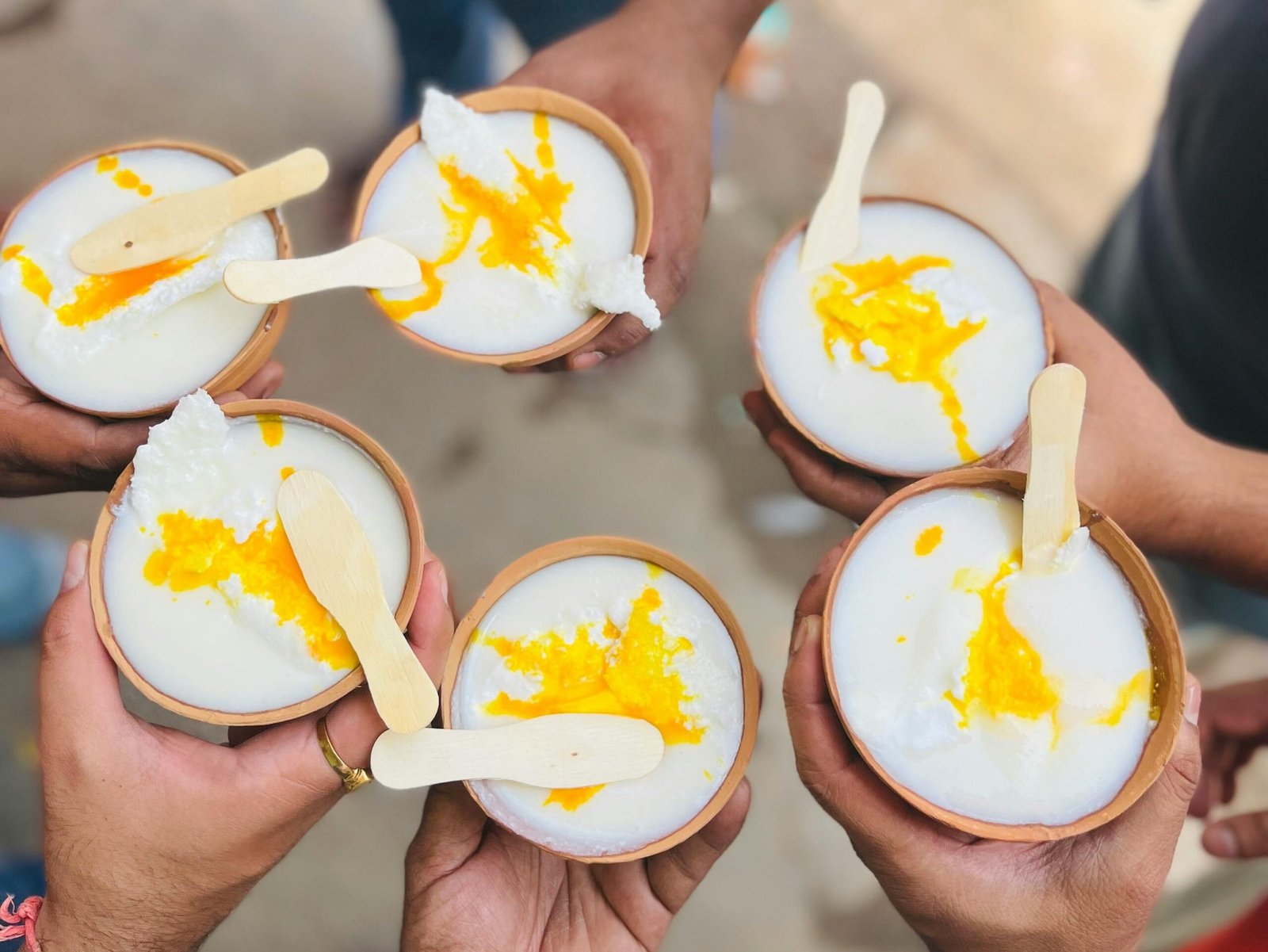
What is an Arrondissement in Paris?
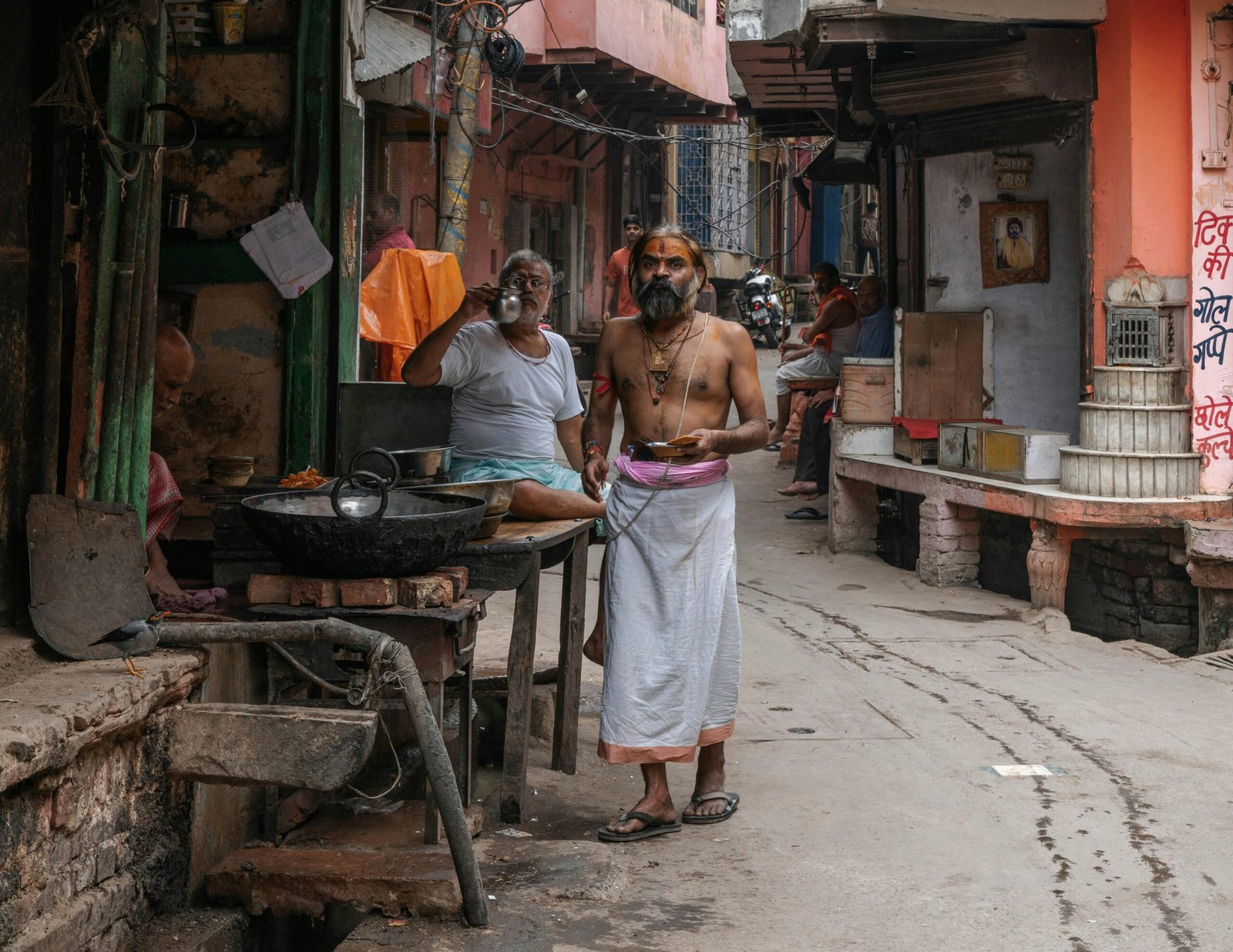
Here questions came to your mind that what is arrondissement. So, Paris is divided into 20 administrative districts called “arrondissements” (pronounced ah-rohn-dees-mahn). Think of them like neighborhoods or boroughs—each one has its own number, character, and charm. They start in the center of the city and spiral outward in a clockwise direction, like a snail shell.

So when you see (2nd arrondissement), it means that place is located in the 2nd district of Paris, which is:

10th arrondissement – Trendy area near Canal Saint-Martin.

5th arrondissement – Historic area near Notre-Dame and Panthéon.

2nd arrondissement – near Opéra Garnier and department stores. Stylish and modern.

7th arrondissement – Elegant district, home to Eiffel Tower and Les Invalides.

Planning your next trip? Book tours, attraction tickets, airport transfers, eSIMs & unforgettable travel experiences worldwide with Klook

1. Du Pain et des Idées (10th arrondissement)

The Best Places to Eat Croissants in Paris

lets you taste the soul of French pastry culture. Sasif Awan / Pexels

4.3•Bakery

What: Famous for its crispy, deeply buttery croissants made with traditional slow-fermented dough. This bakery is loved for its authentic Parisian baking style and beautiful vintage interior.

Signature Style: Classic buttery croissant with rich flaky layers

Price Range: €€

Best Time to Visit: Early morning before 9 AM

Nearby Attractions: Canal Saint-Martin

If you’re looking for the tastiest croissants in Paris, then you’ve got to check out Du Pain et des Idées in the 10th arrondissement. Set in the trendy 10th arrondissement near Canal Saint-Martin, this bakery has become a go-to spot for croissant lovers of all kinds.

It’s especially famous for its Croissant au Beurre, a classic French butter croissant that’s everything it should be golden and flaky on the outside and soft and airy inside. Each bite is rich, slightly crisp, and melts in your mouth with that deep, buttery flavor that defines a perfect Parisian croissant.

What also makes this place stand out is its charming old-world atmosphere. The bakery has a beautiful vintage look with hand-painted ceilings, wooden display counters, and a warm, inviting feel. While the croissant is the star, there’s another pastry here that deserves just as much attention: their pistachio-chocolate escargot.

Don’t let the name scare you; “escargot” just refers to its spiral shape. This pastry combines crushed pistachios and rich chocolate in a soft, buttery swirl that’s both sweet and slightly nutty. It’s unique, flavorful, and a wonderful treat if you’re in the mood for something beyond the classic croissant.

2. La Maison d’Isabelle (5th arrondissement – Latin Quarter)

4.5•Bakery

What: Known for its award-winning butter croissants baked with premium French butter and organic flour. Travelers love the warm, soft inside and perfectly golden crust.

Signature Style: Traditional all-butter croissant

Price Range: €

Best Time to Visit: Fresh morning batches around 7–9 AM

Nearby Attractions: Latin Quarter and Panthéon


If you’re wandering through the charming Latin Quarter of Paris, make sure to stop by La Maison d’Isabelle, a cozy bakery in the 5th arrondissement. This spot may look small from the outside, but it has earned a big name for itself, especially after winning the title of Best Croissant in Paris in 2018.

Another reason to love this location is that it is just a short walk from iconic landmarks like Notre-Dame Cathedral and the Panthéon. La Maison d’Isabelle is an ideal stop to grab a buttery treat, sit on a nearby bench, and soak in the beauty of historic Paris with a croissant in hand.

3. Pierre Hermé (Multiple locations)

The Best Places to Eat Croissants in Paris

Crispiness a true taste of France. Suissounet / Pexels

4.4•Pastry shop

What: A luxury pastry destination in Paris famous for elegant pastries and perfectly layered croissants with rich buttery flavor.

Signature Style: Gourmet French croissant with refined texture

Price Range: €€€

Best Time to Visit: Late morning with coffee

Nearby Attractions: Rue Bonaparte and Saint-Germain-des-Prés

A visit to Pierre Hermé is a must if you’re craving a luxurious, high-end pastry experience. With multiple locations across Paris, this world-famous pastry house offers a completely different take on the classic croissant. 

Known as the “Picasso of Pastry,” Pierre Hermé is celebrated for his bold flavor combinations and artistic presentation, making each croissant feel more like haute couture than breakfast.

4. Cédric Grolet Opéra (2nd arrondissement)

3.4•Pastry shop

What: this luxury pastry shop is one of the most Instagram-famous bakeries in Paris. The croissants are known for their artistic presentation, delicate flaky layers, and rich buttery texture.

Signature Style: Elegant gourmet croissants and artistic pastries

Price Range: €€€€

Best Time to Visit: Early morning to avoid long queues

Nearby Attractions: Opéra Garnier, Palais Royal, Louvre area

This is far from your typical neighborhood bakery. Cédric Grolet, a globally renowned pastry chef, is the mastermind behind it. 

The display itself is minimalistic yet stylish, putting all the attention on the flawless, golden croissants and beautifully layered viennoiseries. One item you absolutely shouldn’t miss is the “Croissant Noisette,” a hazelnut-filled croissant that’s rich, nutty, and completely unforgettable.

Explore the world at your own pace with Auto Europe — compare car rental deals, save big, and book your perfect ride for your next adventure worldwide. 

5. La Parisienne (7th arrondissement – near Invalides)

4.3•Bakery

What: This bakery is famous for its authentic French pastries and buttery croissants.

Signature Style: Traditional buttery French croissant

Price Range: €

Best Time to Visit: Around 7–9 AM for fresh oven-baked pastries

Nearby Attractions: Eiffel Tower, Invalides, Rue Saint-Dominique cafés

Situated in the elegant 7th arrondissement, not far from Les Invalides and just a short walk from the Eiffel Tower, La Parisienne is a bakery that has earned serious pastry credentials. In fact, it was awarded the title of Best Croissant in Paris in 2016, a huge honor in a city where croissants are taken very seriously.

La Parisienne is especially lovely to visit after a morning walk along the Seine or around the Eiffel Tower area. It offers a quiet moment to slow down and enjoy one of Paris’s best croissants, perhaps on a bench nearby or while wandering the peaceful, tree-lined streets of the neighborhood. 

Hidden Local Croissant Spots Most Tourists Miss

Boulangerie Utopie A small local bakery loved by Parisians for its buttery croissants and quiet neighborhood atmosphere away from major tourist crowds.

Mamiche Known for soft flaky croissants and warm morning bakery culture, this hidden gem is popular with locals and early breakfast visitors.

Maison Aleph A unique bakery blending French pastry traditions with creative flavors, offering a peaceful café experience in central Paris.

Blé Sucré Famous for rich buttery pastries and a relaxed local vibe, especially during early Paris mornings.

Tapisserie A stylish hidden pastry shop offering beautifully layered croissants and less crowded seating compared to tourist cafés.

Instead of checking multiple websites, try VisitorsCoverage to compare everything in one place.

Best Time to Eat Fresh Croissants in Paris

In Paris, bakeries start baking before sunrise, and the streets fill with the smell of warm butter and fresh pastries. Morning is the most authentic time to enjoy a Parisian croissant experience.

Many locals visit bakeries early because croissants are freshest in the morning just after baking. Popular bakeries can quickly sell out of their best pastries before 9 AM.

Classic French Breakfast Experience

A classic breakfast in Paris often includes a warm buttery croissant served with rich espresso or creamy café au lait at a cozy sidewalk café.

Many Paris cafés are famous for thick French hot chocolate paired with fresh pastries, creating a comforting morning experience during cool Paris mornings.

Budget Guide for Eating Croissants in Paris

Many local bakeries in Paris sell fresh butter croissants for around €1 to €2, especially in neighborhood boulangeries away from tourist areas.

Famous pastry chefs and luxury bakeries like Cédric Grolet Opéra offer premium croissants and artistic pastries that can cost between €7 and €9 for a high-end dessert experience.

In 2026, the average price of a classic butter croissant in Paris is usually around €1.30 to €2.00 depending on the bakery location and ingredients used. Coffee-and-croissant breakfasts in cafés often cost around €4 to €8.

Budget Tip: Buying croissants directly from local boulangeries is usually cheaper and fresher than eating in tourist cafés. Many locals also grab pastries early in the morning for the best quality and prices.

Tips Before Visiting Paris Bakeries

Using simple words like “Bonjour” (hello) and “Merci” (thank you) is appreciated in Paris and creates a friendlier bakery experience with locals.

Most bakeries accept cards, but carrying a small amount of cash is helpful for quick purchases at smaller neighborhood boulangeries.

Cafés near major attractions may charge higher prices for average pastries. Small local bakeries often offer fresher croissants, better quality, and a more authentic Paris experience.

FAQs

Where can I find the best croissant in Paris?

Some of the most popular bakeries for croissants in Paris include Du Pain et des Idées, La Maison d’Isabelle, and Cédric Grolet Opéra.

What time should I buy croissants in Paris?

The best time is early morning between 7 AM and 9 AM when croissants are freshly baked and still warm from the oven.

Are croissants expensive in Paris?

Classic butter croissants are usually affordable and cost around €1 to €2 at local bakeries, while luxury pastry shops may charge more for premium creations.

Which bakery do locals recommend?

Many locals recommend neighborhood bakeries like Mamiche and Blé Sucré for authentic flavors and fewer tourist crowds.

What is the difference between French croissants and regular croissants?

French croissants are known for their rich butter, delicate flaky layers, and traditional baking methods that create a lighter and crispier texture.

Is it worth trying almond croissants in Paris?

Yes, almond croissants are one of the most loved pastries in Paris. They are sweeter, filled with almond cream, and often topped with powdered sugar and toasted almonds.

You May Also Like

10 Best Beaches in Europe

10 Best Beaches in Europe

5 Of the Best Hikes in South Africa

5 Of the Best Hikes in South Africa

10 Best Islands for Surf & Sea Thrills

Best Islands for Sea Thrills and Surf Breaks

Leave a Comment


Hello!


Hi, I’m Pooja Mokashi, a passionate storyteller and travel content creator behind Travel Meet World. Based in Mumbai, I love discovering local cultures and helping travelers explore the world with confidence and smart planning.

Unlock Your Free Travel Hacks

Join 5,000+ travelers getting Free Weekly Travel Tips, Get Exclusive Updates & Download my free travel checklist