What to Eat and Drink in Varanasi, India
In Varanasi, history isn’t just seen; it’s tasted. Every corner serves up a centuries-old story, seasoned perfectly for your senses. Here, every alley has a smell, every ghat has a flavor, and every bite tells a story steeped in centuries of tradition, devotion, and everyday life.
From spicy kachoris sizzling in mustard oil to sweet, creamy malaiyo that melts like winter fog, the city’s food culture reflects its spiritual rhythm and timeless charm.
But eating in Varanasi isn’t just about what’s on the plate; it’s about where you eat it: on temple steps after darshan, beside the Ganges at sunrise, or inside age-old family-run stalls passed down through generations.
If you’re sipping thandai topped with rose petals or crunching into a fire paan lit before your eyes, Varanasi gives an unforgettable culinary journey that’s equal parts sacred and streetwise. Here’s your ultimate guide to what to eat and drink in Varanasi, India.
Lassi delicious taste that’s perfect for cooling down while exploring the city. Tejas/Pexels
1. From Ghats to Gut: A Day of Eating Along the Ganges
Begin your day in Varanasi the way locals do—early morning, when the air is cool and the ghats are alive with chants and rituals. Head to Assi Ghat and sip on a hot cup of chai served in a clay kulhad while watching the sunrise over the Ganges. It’s peaceful, spiritual, and sets the tone for a soulful food journey.
Next, make your way toward Dashashwamedh Ghat, one of the oldest and busiest ghats. Local breakfast stalls line the narrow lanes nearby. Kickstart your morning with a classic Varanasi combo: crispy kachori soaked in spicy sabzi, followed by a swirl of jalebi or a bowl of airy malaiyo if you’re visiting in winter.
As the city gets busier, take a walk through the buzzing Vishwanath Gali, where street snacks tempt you at every step: chaat, tamatar chaat, samosa, litti chokha, and more. This stretch is where you taste the real everyday life of Banaras, in all its spice and chaos.
By sunset, circle back to the river for something cool and comforting. Try a tall glass of thandai, either classic or bhaang-infused (during festivals), and a sweet treat like rabri or kulfi. Sit by the ghats, watch the Ganga Aarti, and reflect on a day that fed not just your stomach, but your spirit too.
2. Beyond Kachori: 7 Varanasi Dishes You Won’t Find in a Tourist Brochure
When most people think of Varanasi food, they stop at kachori, jalebi, and lassi. But locals know there’s a whole hidden menu that rarely makes it to travel guides.
Take Launglata, for example, a crispy, deep-fried sweet stuffed with khoya and cloves, found mainly in winter, and made in small, sweet shops tucked inside local neighborhoods.
Or Kachnar ki sabzi, a seasonal dish made from the delicate buds of the kachnar tree, cooked in a spicy mustard-based gravy, is something only old-school Varanasi families still prepare.
Bael sharbat, made from wood apple, is a traditional summer drink in Varanasi known for its natural cooling effect, while Gud ki chai, brewed with jaggery, warms the body during winter—both rarely seen on menus but treasured in local homes for generations.
If lucky enough to be invited into a local Brahmin or Bhojpuri household, you might get to taste truly unique home-cooked food that’s passed down through generations—dishes that don’t have names on street signs but are full of culture, history, and love.
Confused between plans? Here helps you compare coverage, price, and benefits side by side.
3. Sattvik to Sinful: The Varanasi Food Duality You Never Knew
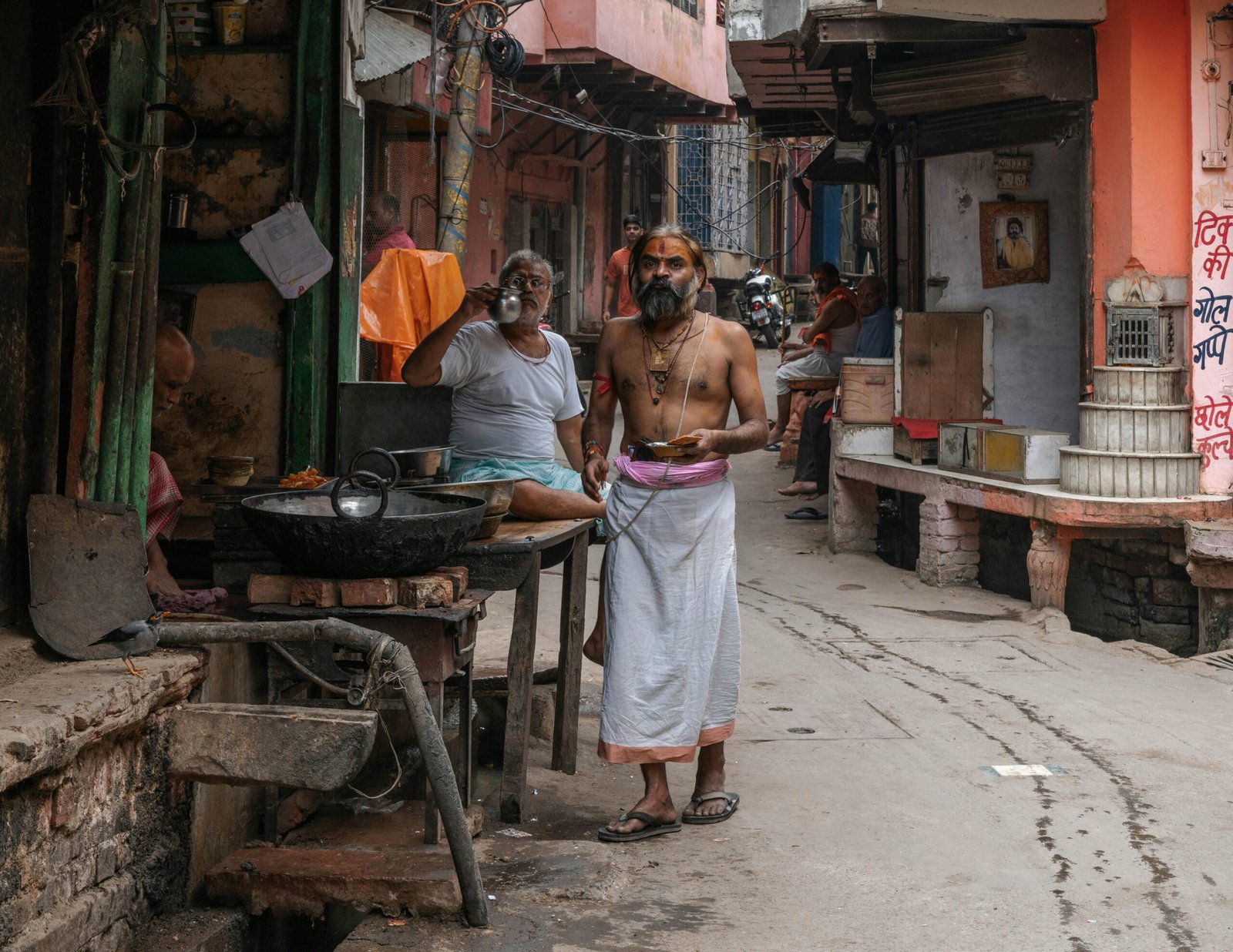
Varanasi offers 30+ traditional dishes, many served on the same ghats. Roman Saienko / Pexels
In Varanasi, food is more than nourishment—it’s a sacred journey that blends spiritual simplicity with rich, flavorful indulgence. Take the sattvik temple offerings, like panchamrit or khichdi, which are simple, wholesome dishes offered to deities, made with pure ingredients and free from any spices or strong flavors.
Just outside the temples in Varanasi, street food stalls serve spicy kachori, chaat, and samosas, offering bold, flavorful snacks that contrast sharply with the simple, sattvik temple prasad prepared without onion or garlic.
After the Ganga Aarti, you’ll receive prasad, often a sweet, calming offering like boondi or sundal, simple and gentle. But once the rituals end, cravings often shift toward indulgent treats like a chilled glass of thandai or a rich serving of rabri paired with hot, syrupy jalebi.
And then there are the seasonal desserts that make their appearance at specific times of the year, like malaiyo in winter—light, frothy, and heavenly—or gujiya during Holi.
4. Drink the Divine: A Local’s Map to Varanasi’s Sacred Beverages
One of the most iconic drinks is thandai, a chilled, creamy mixture of milk, dry fruits, rose petals, and spices. Sometimes it’s infused with bhaang (an edible form of cannabis) during festivals like Mahashivratri and Holi, when it’s consumed as a sacred offering to Lord Shiva. Locals see it not just as a drink but as a spiritual connection.
The iconic Blue Lassi Shop, nestled in a narrow lane close to Manikarnika Ghat, is famous for its thick, fruit-filled lassis served in clay cups. It has become a stop for travelers from around the world.
But ask locals, and they’ll tell you about hidden lassi stalls, just as good as family-run places that have been serving their recipes for decades, away from the crowds.
Wander into the quieter temple alleys, and you’ll often find Ayurvedic drink stalls selling herbal concoctions made from tulsi, giloy, and mulethi.
These drinks are not only refreshing but also believed to purify the body and support healing, something many devotees sip after visiting temples.
In winter, another favorite is hot saffron milk served in traditional kulhads (clay cups). Thick, creamy, and topped with malai (cream), it’s comfort in a cup. Locals drink it after evening rituals or while strolling the chilly ghats; it’s warming, grounding, and perfectly Banarasi.
5. Food as Ritual: Eating Through Varanasi’s Festivals
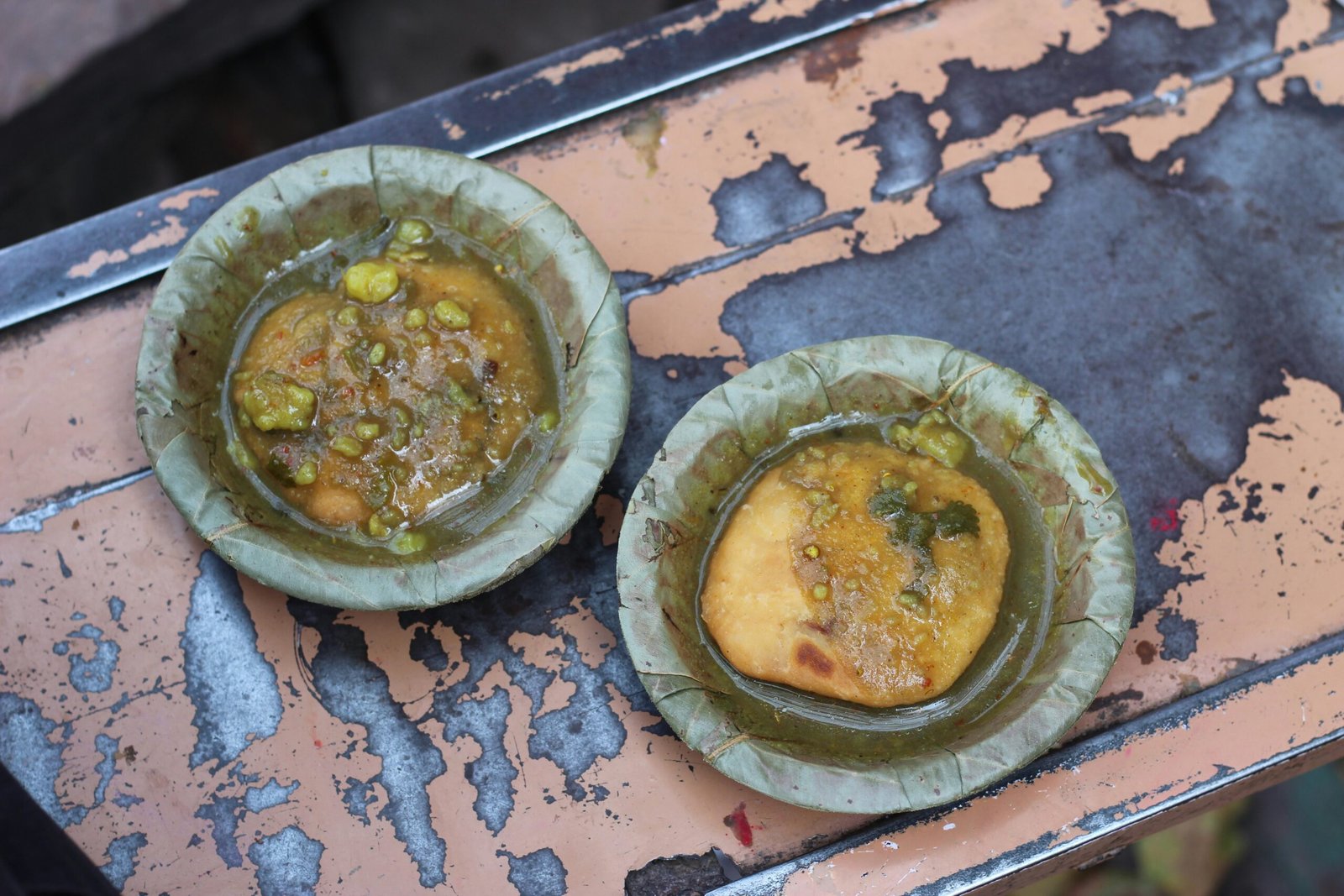
Kachori Sabzi a crispy, spicy Banarasi breakfast served with flavorful potato or chana sabzi. Ravi Sharma/ Unsplash
In Varanasi, food isn’t just something people eat during festivals; it’s an essential part of the celebration itself.
During Navratri, when many locals fast, you’ll find special falahari food (fast-friendly meals) everywhere—light, simple dishes like sabudana khichdi, kuttu puris, and vrat thalis made without onion or garlic. These meals are rooted in devotion and purity, served at home and in temple kitchens.
Come Holi, and the mood (and food) completely changes. The streets fill with color, music, and the unmistakable aroma of gujiyas, sweet dumplings stuffed with khoya and dry fruits.
Alongside them, locals drink thandai, often mixed with bhaang, as part of the age-old tradition connected to Lord Shiva. It’s a time when even the drinks carry a festive buzz.
Sankat Mochan Sangeet Samaroh is where Varanasi’s love for music and food comes together in perfect harmony. As soulful classical performances echo through the temple grounds, the surrounding lanes come alive with the aroma of freshly made chaat, crispy kachoris, and syrupy jalebis, creating a festive atmosphere that delights both the ears and the taste buds.
6. Kulhad Culture: Why Clay Cups Rule Varanasi’s Drink Scene
In Varanasi, sipping a drink isn’t just about the flavor; it’s about the experience, and nothing captures that better than a kulhad, the traditional unglazed clay cup. Locals will tell you that chai simply tastes better in a kulhad, and they’re right for both emotional and scientific reasons.
The porous clay of a kulhad enhances the drink by adding a natural, earthy aroma, while its insulation keeps your beverage warm and gives each sip a comforting, old-world charm. Plus, since it’s eco-friendly and biodegradable, it adds a zero-waste charm to your sip.
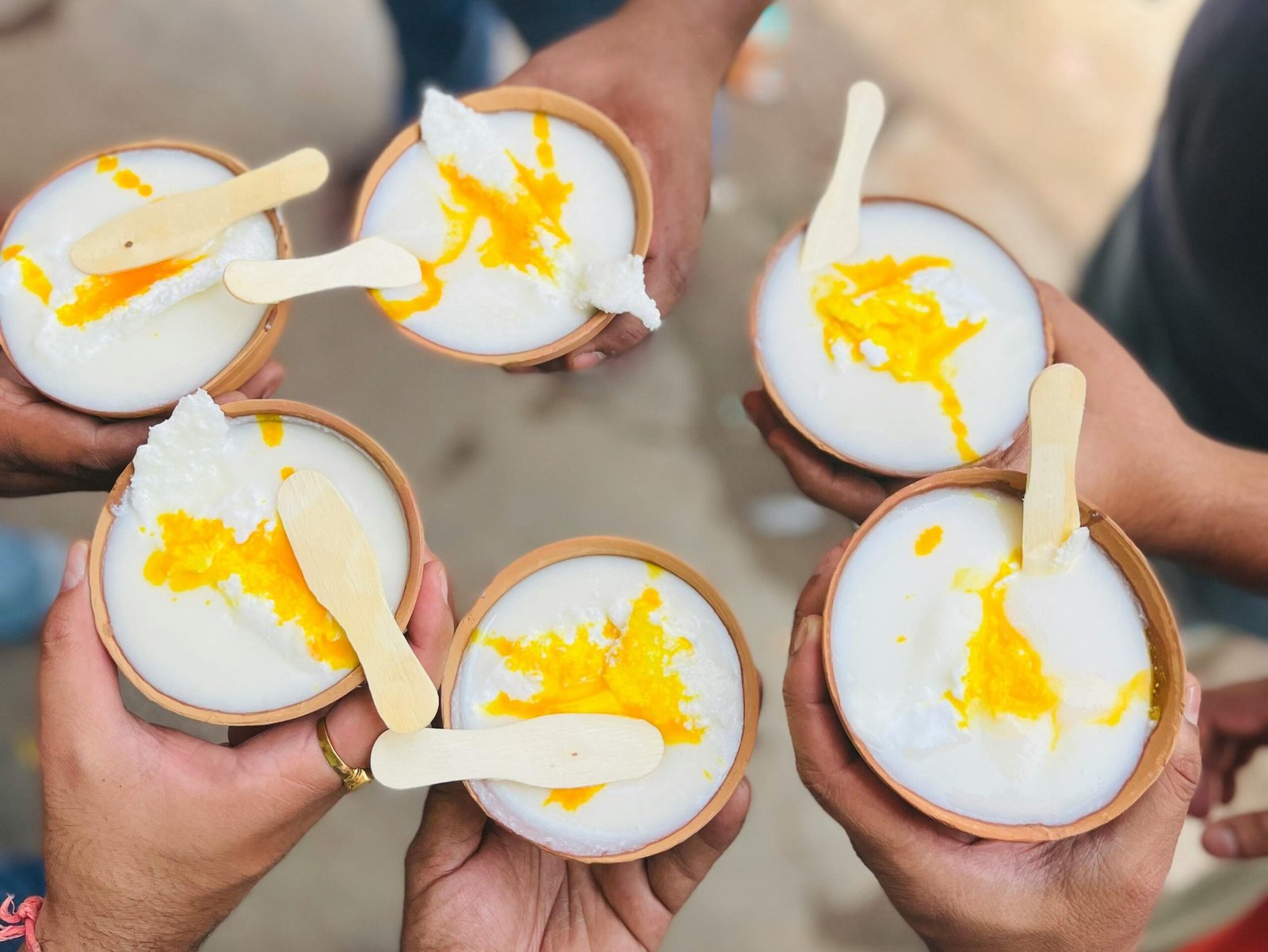
Though kulhad chai remains a timeless classic, Varanasi’s younger generation is giving it a fresh twist with creative takes like kulhad lassi and even kulhad coffee. You’ll now find kulhad lassis, thick and creamy, served with toppings like saffron and pistachio.
And if you want a taste of true local heritage, search for the oldest kulhad chaiwallah in town. Tucked away near the ghats or in narrow alleys, these chai vendors have been serving generations with their time-tested brews.
Each sip from their kulhad tells a story of the city, of tradition, and of slowing down in a speedy world.
Visit Varanasi – The city’s official tourism site features a dedicated section on where to eat, covering popular chaat joints, lassi stalls, sweets, and beverage spots.
7. Street Food on the Steps: The Ghatside Culinary Crawl
Picture yourself perched on the steps of Assi or Dashashwamedh Ghat, a warm kulhad of chai in hand, while the Ganges flows silently below.
Around you, the aroma of freshly fried samosas, pakoras, and sweet banana fritters fills the air, as local vendors cook everything fresh, just a few feet away. There’s no fine dining here, just simple, soulful food made with heart and history.
Many of these vendors have been serving at the ghats for decades and are full of Ganga tales; they might share a blessing, a local myth, or just a warm smile as they hand over your snack. Some even say a quiet prayer before preparing your food, treating the act as something sacred.
Turn your travel plans into reality with Klook’s best deals on activities, transport, hotels, and more.
And then there’s the atmosphere, truly unmatched. As you eat, you might hear a santoor player in the distance or the gentle chants from a boat passing by.
Sometimes, it’s just the rhythm of the river and the rustle of prayer lamps floating on the water. It’s a moment where the food, the setting, and the spirit of the city come together.
8. Varanasi’s 24-Hour Food Clock: What Locals Eat by the Hour
In Varanasi, the day often begins around 5 AM with the first kulhad of chai by the river, especially at Assi Ghat, where locals and early risers sip tea while watching the sunrise and morning rituals unfold along the Ganges.
Around 9 AM, Varanasi wakes up to the aroma of a classic local breakfast: flaky kachoris stuffed with lentils, served with a fiery potato sabzi, and finished off with golden jalebis dripping in syrup, all dished out by age-old family stalls hidden in the city’s winding lanes.
Come 12 PM, many locals opt for a sattvik lunch, especially if they’ve visited a temple. These meals are simple and spiritual, often made without garlic or onion and served at home or as prasad in temple kitchens, keeping the afternoon light and pure.
By 4 PM, as the afternoon heat fades, Varanasi shifts into snacking mode. The streets around Godowlia buzz with life, and it’s the perfect time to dive into a plate of spicy tamatar chaat or creamy dahi puri.
To cool off, grab a rich, chilled kulhad lassi topped with a layer of saffron and a generous scoop of malai; it’s the perfect balance of tang and sweetness.
By 8 PM, the locals head toward areas like Lanka for dinner. Many go for a wholesome thali complete with roti, sabzi, dal, rice, and pickle served either in messes or small eateries that feel like home.
Finally, as the day winds down around 11 PM, people often sip on hot milk served in kulhads, topped with malai or a touch of saffron. It’s a soothing end to a flavorful day—warm, quiet, and unmistakably Banarasi.
Personally, I prefer using VisitorsCoverage because it’s simple, transparent, and beginner friendly.
Instead of checking multiple websites, try VisitorsCoverage to compare everything in one place.
9. The Paan Trail: From Tradition to TikTok Fame
In Varanasi, paan is more than just a mouth freshener; it’s a symbol of hospitality, ritual, and local pride. Some of the city’s paan shops have been around for over 100 years, passing down secret blends of betel leaves, areca nut, spices, and sweet fillings through generations.
These shops are not only famous for their taste but also for their connection to Varanasi’s culture; people eat paan after meals, offer it to guests, and even use it in religious ceremonies and weddings.
Now, paan has stepped into the spotlight, reinvented for the social media age. Take the fiery spectacle of fire paan, where the leaf is briefly set ablaze and popped into the mouth—bold, theatrical, and made for viral videos.
Then there’s chocolate paan, a modern favorite that replaces traditional fillings with gooey chocolate, dry fruits, and colorful sprinkles, turning this age-old ritual into a playful, dessert-like treat that’s as Insta-worthy as it is flavorful.
Start your trip stress-free with a reliable airport transfer from Welcome Pickups.
10. Where Food Meets Faith: Temple Kitchens and Street Altars
In Varanasi, food isn’t just made; it’s blessed. Walk through the narrow lanes around the temples, and you’ll often see small kitchens tucked behind shrines, where simple meals like khichdi, puris, or halwa are being cooked as prasad offerings for the gods that are later distributed to devotees.
These meals are made with devotion, following age-old traditions, often without onion or garlic, and served with a sense of reverence you can feel in every bite.
What’s truly unique in Varanasi is how spirituality spills into everyday food culture. Many local food stalls, even the tiniest tea vendors, have miniature shrines right next to their setup, with incense sticks burning and flowers placed fresh each morning.
Some vendors will tell you they don’t begin cooking without lighting a diya (lamp), or that their secret recipe was once a family offering to a god. For many of them, selling food is not just a business; it’s a spiritual duty, passed down through generations.


Leave a Comment
Hello!
Hi, I’m Pooja Mokashi, a passionate storyteller and travel content creator behind Travel Meet World. Based in Mumbai, I love discovering local cultures and helping travelers explore the world with confidence and smart planning.
Unlock Your Free Travel Hacks
Join 5,000+ travelers getting Free Weekly Travel Tips, Get Exclusive Updates & Download my free travel checklist