The Best Places to Eat Croissants in Paris

The Best Places to Eat Croissants in Paris
The Best Places to Eat Croissants in Paris

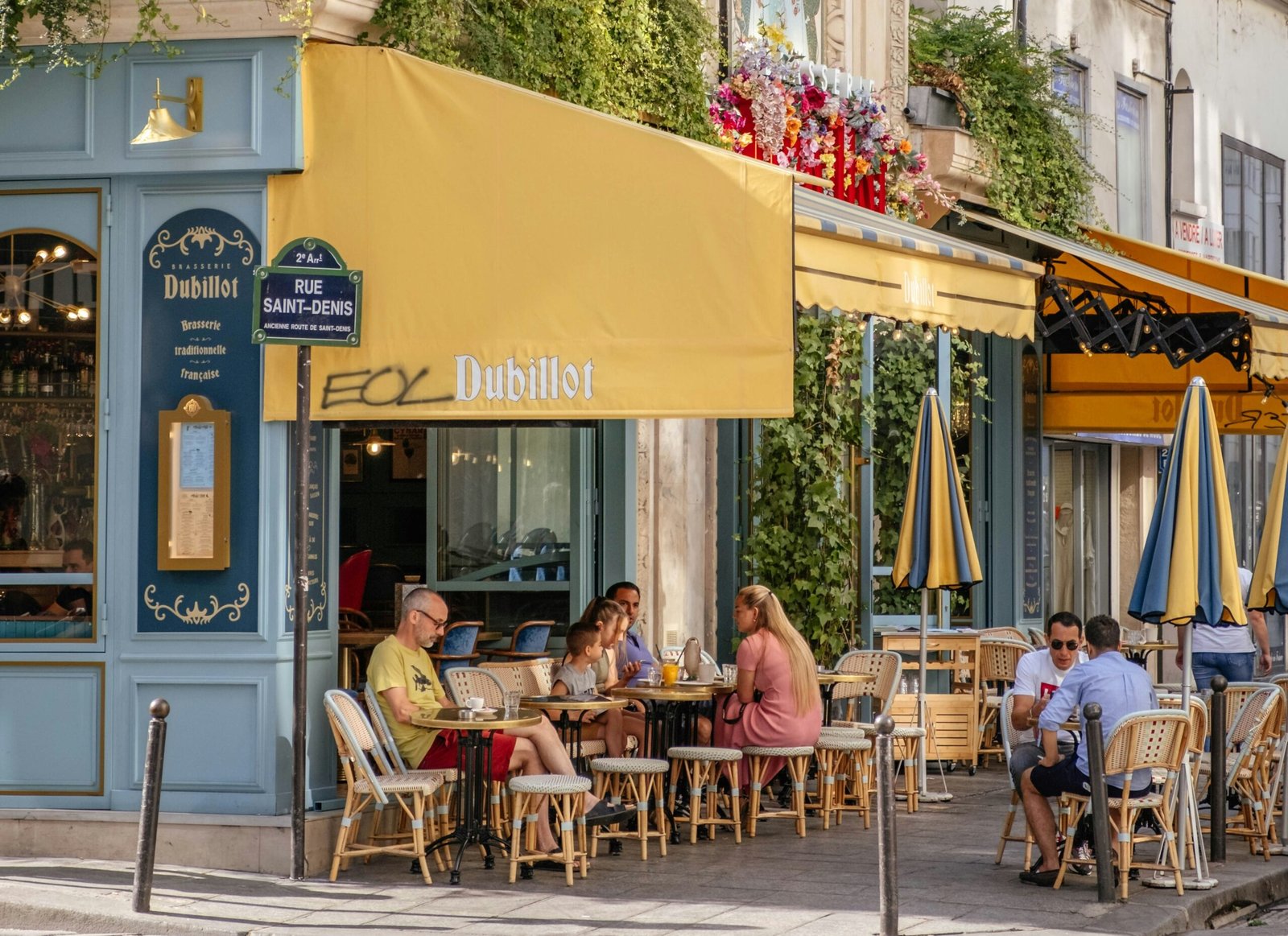
In Paris, discovering the perfect croissant is more than a morning delight; it’s a joyful celebration of French culture. From flaky golden layers to that irresistible buttery aroma, the croissant is more than just a pastry in France; it’s an emblem of French baking artistry.

Across the city’s arrondissements, from quiet neighborhood boulangeries to world-famous patisseries, Paris offers a treasure trove of spots where this iconic treat reaches its full potential. and other option to the Sun & Flakes: 10 Best Beaches in Europe Where you sit & eat the Flakiest Croissants.

If you’re craving the classic croissant au beurre or curious to try modern twists filled with praline or fruit, this guide will take you through the best places to eat croissants in Paris, where every bite is a delicious slice of French tradition.

Why Paris Croissants Are Famous Worldwide

The croissant became famous in Paris during the 19th century when French bakers perfected its flaky, buttery texture. Today, it is one of the most loved breakfast pastries in the world.

French croissants taste richer because many bakeries use high-quality French butter with a creamy texture and deep flavor. This gives the croissant its soft layers and golden crispiness.

Parisian bakers still follow traditional methods like slow dough fermentation and careful hand-layering. These techniques create the light, airy layers inside every croissant.

Many bakeries in Paris bake fresh croissants early every morning. The smell of warm pastries, small local cafés, and authentic recipes make the experience unforgettable for travelers.

What Makes a Perfect Paris Croissant?

A perfect croissant in Paris has thin, crispy golden layers on the outside that create a light crunch with every bite.

Fresh French butter gives Paris croissants their rich smell and delicious flavor, making every bakery in the city feel inviting in the morning.

Inside, the croissant should feel soft, airy, and full of delicate flaky layers that melt in your mouth.

The best time to enjoy a croissant in Paris is early morning when bakeries serve them warm straight from the oven with fresh coffee.

Best Neighborhoods in Paris for Croissants

Le Marais

Le Marais is famous for its charming streets, trendy cafés, and authentic bakeries serving fresh buttery croissants every morning.

Saint-Germain-des-Prés

This classic Paris neighborhood offers elegant cafés and traditional French bakeries perfect for enjoying a quiet breakfast.

Montmartre

Montmartre combines artistic charm with cozy local bakeries where visitors can enjoy warm croissants near beautiful Paris viewpoints.

Tip: Local bakeries often serve fresher and more authentic croissants at better prices, while tourist cafés usually focus more on location and atmosphere.

Top Bakeries for the Best Croissants in Paris

What is an Arrondissement in Paris?

Here questions came to your mind that what is arrondissement. So, Paris is divided into 20 administrative districts called “arrondissements” (pronounced ah-rohn-dees-mahn). Think of them like neighborhoods or boroughs—each one has its own number, character, and charm. They start in the center of the city and spiral outward in a clockwise direction, like a snail shell.

So when you see (2nd arrondissement), it means that place is located in the 2nd district of Paris, which is:

10th arrondissement – Trendy area near Canal Saint-Martin.

5th arrondissement – Historic area near Notre-Dame and Panthéon.

2nd arrondissement – near Opéra Garnier and department stores. Stylish and modern.

7th arrondissement – Elegant district, home to Eiffel Tower and Les Invalides.

Planning your next trip? Book tours, attraction tickets, airport transfers, eSIMs & unforgettable travel experiences worldwide with Klook

1. Du Pain et des Idées (10th arrondissement)
The Best Places to Eat Croissants in Paris

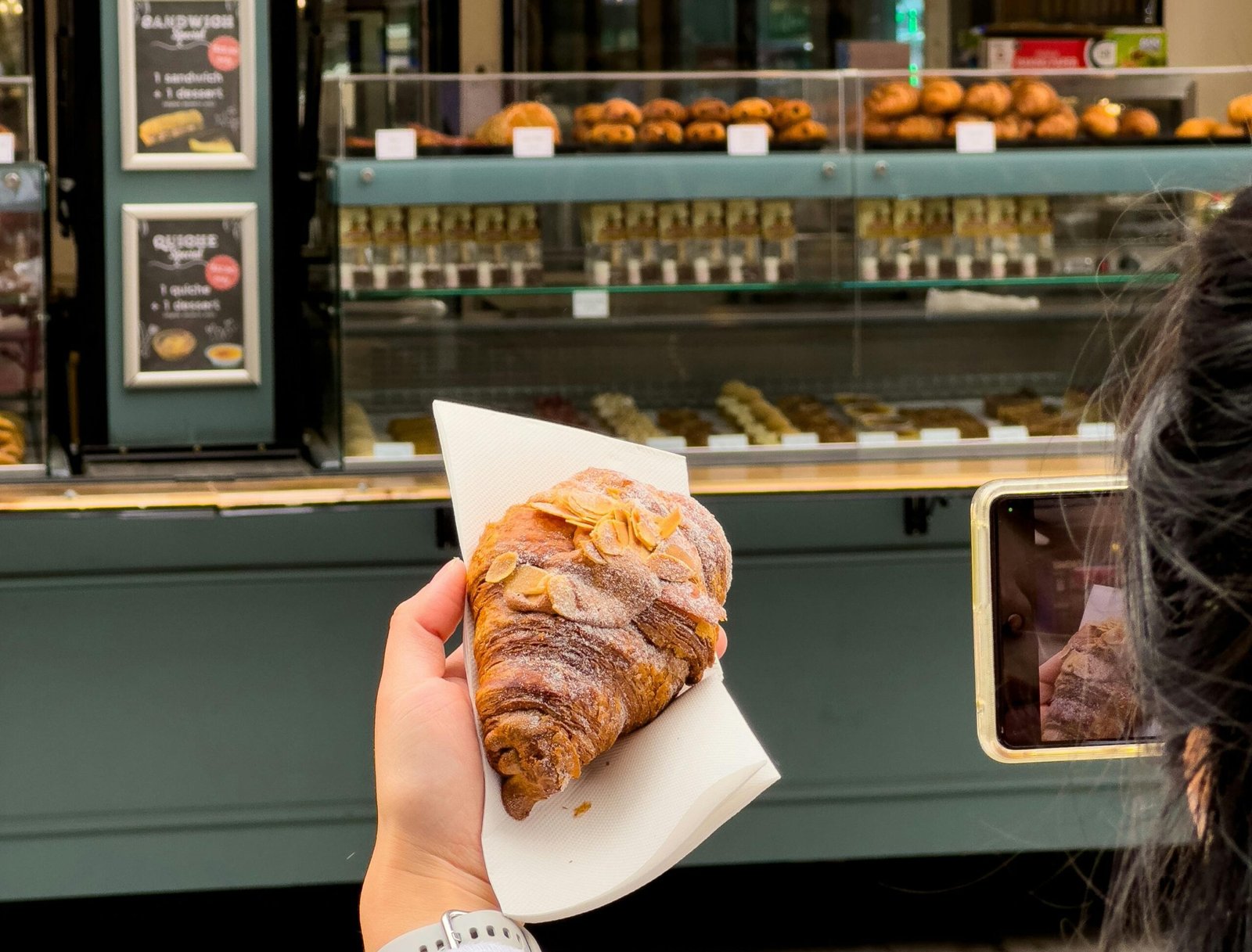
lets you taste the soul of French pastry culture. Sasif Awan / Pexels

4.3Bakery

What: Famous for its crispy, deeply buttery croissants made with traditional slow-fermented dough. This bakery is loved for its authentic Parisian baking style and beautiful vintage interior.

Signature Style: Classic buttery croissant with rich flaky layers

Price Range: €€

Best Time to Visit: Early morning before 9 AM

Nearby Attractions: Canal Saint-Martin

If you’re looking for the tastiest croissants in Paris, then you’ve got to check out Du Pain et des Idées in the 10th arrondissement. Set in the trendy 10th arrondissement near Canal Saint-Martin, this bakery has become a go-to spot for croissant lovers of all kinds.

It’s especially famous for its Croissant au Beurre, a classic French butter croissant that’s everything it should be golden and flaky on the outside and soft and airy inside. Each bite is rich, slightly crisp, and melts in your mouth with that deep, buttery flavor that defines a perfect Parisian croissant.

What also makes this place stand out is its charming old-world atmosphere. The bakery has a beautiful vintage look with hand-painted ceilings, wooden display counters, and a warm, inviting feel. While the croissant is the star, there’s another pastry here that deserves just as much attention: their pistachio-chocolate escargot.

Don’t let the name scare you; “escargot” just refers to its spiral shape. This pastry combines crushed pistachios and rich chocolate in a soft, buttery swirl that’s both sweet and slightly nutty. It’s unique, flavorful, and a wonderful treat if you’re in the mood for something beyond the classic croissant.

2. La Maison d’Isabelle (5th arrondissement – Latin Quarter)

4.5Bakery

What: Known for its award-winning butter croissants baked with premium French butter and organic flour. Travelers love the warm, soft inside and perfectly golden crust.

Signature Style: Traditional all-butter croissant

Price Range:

Best Time to Visit: Fresh morning batches around 7–9 AM

Nearby Attractions: Latin Quarter and Panthéon


If you’re wandering through the charming Latin Quarter of Paris, make sure to stop by La Maison d’Isabelle, a cozy bakery in the 5th arrondissement. This spot may look small from the outside, but it has earned a big name for itself, especially after winning the title of Best Croissant in Paris in 2018.

Another reason to love this location is that it is just a short walk from iconic landmarks like Notre-Dame Cathedral and the Panthéon. La Maison d’Isabelle is an ideal stop to grab a buttery treat, sit on a nearby bench, and soak in the beauty of historic Paris with a croissant in hand.

3. Pierre Hermé (Multiple locations)
The Best Places to Eat Croissants in Paris

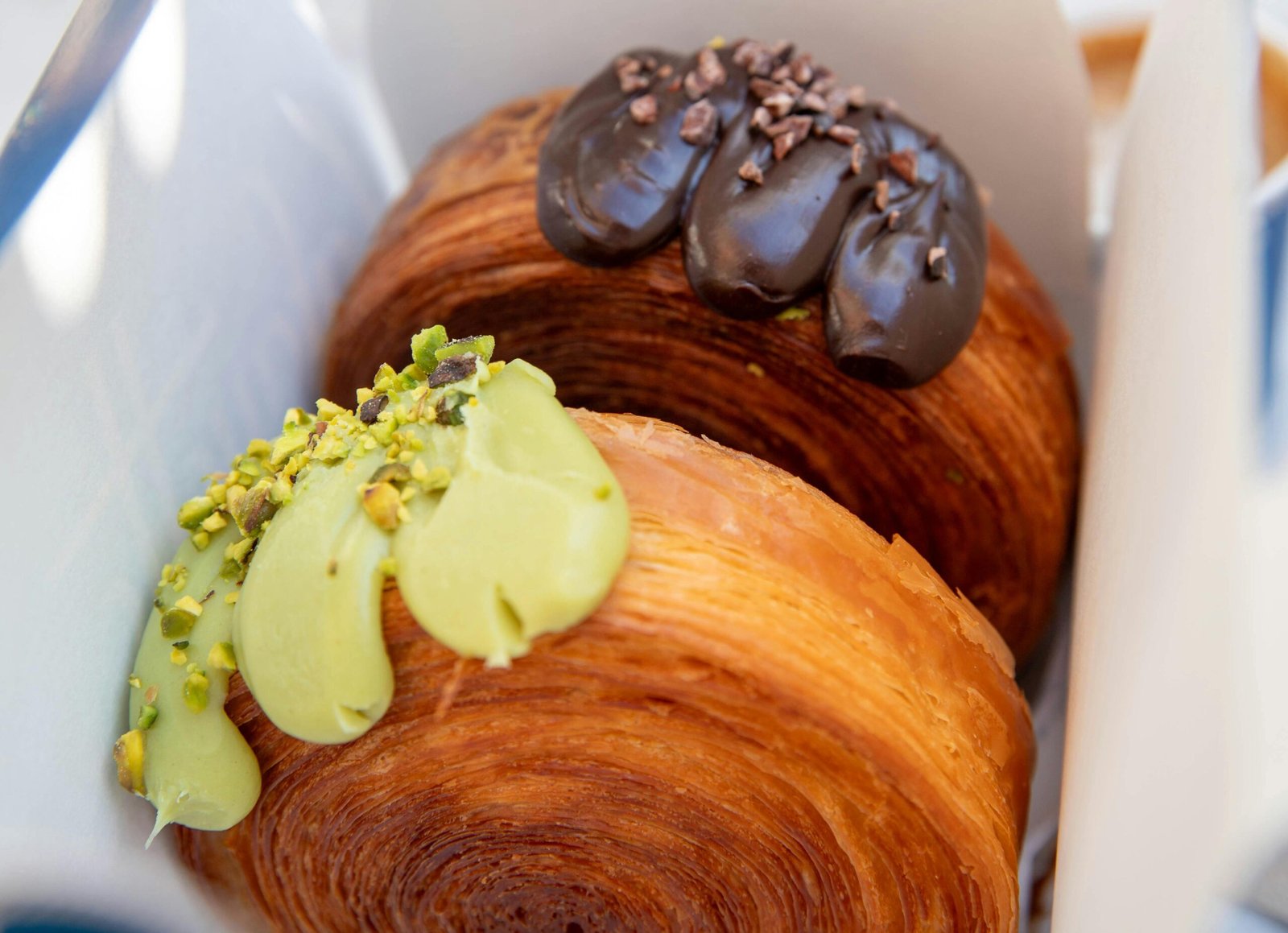
Crispiness a true taste of France. Suissounet / Pexels

4.4Pastry shop

What: A luxury pastry destination in Paris famous for elegant pastries and perfectly layered croissants with rich buttery flavor.

Signature Style: Gourmet French croissant with refined texture

Price Range: €€€

Best Time to Visit: Late morning with coffee

Nearby Attractions: Rue Bonaparte and Saint-Germain-des-Prés

A visit to Pierre Hermé is a must if you’re craving a luxurious, high-end pastry experience. With multiple locations across Paris, this world-famous pastry house offers a completely different take on the classic croissant. 

Known as the “Picasso of Pastry,” Pierre Hermé is celebrated for his bold flavor combinations and artistic presentation, making each croissant feel more like haute couture than breakfast.

4. Cédric Grolet Opéra (2nd arrondissement)

3.4Pastry shop

What: this luxury pastry shop is one of the most Instagram-famous bakeries in Paris. The croissants are known for their artistic presentation, delicate flaky layers, and rich buttery texture.

Signature Style: Elegant gourmet croissants and artistic pastries

Price Range: €€€€

Best Time to Visit: Early morning to avoid long queues

Nearby Attractions: Opéra Garnier, Palais Royal, Louvre area

This is far from your typical neighborhood bakery. Cédric Grolet, a globally renowned pastry chef, is the mastermind behind it. 

The display itself is minimalistic yet stylish, putting all the attention on the flawless, golden croissants and beautifully layered viennoiseries. One item you absolutely shouldn’t miss is the “Croissant Noisette,” a hazelnut-filled croissant that’s rich, nutty, and completely unforgettable.

Explore the world at your own pace with Auto Europecompare car rental deals, save big, and book your perfect ride for your next adventure worldwide. 

5. La Parisienne (7th arrondissement – near Invalides)

4.3Bakery

What: This bakery is famous for its authentic French pastries and buttery croissants.

Signature Style: Traditional buttery French croissant

Price Range:

Best Time to Visit: Around 7–9 AM for fresh oven-baked pastries

Nearby Attractions: Eiffel Tower, Invalides, Rue Saint-Dominique cafés

Situated in the elegant 7th arrondissement, not far from Les Invalides and just a short walk from the Eiffel Tower, La Parisienne is a bakery that has earned serious pastry credentials. In fact, it was awarded the title of Best Croissant in Paris in 2016, a huge honor in a city where croissants are taken very seriously.

La Parisienne is especially lovely to visit after a morning walk along the Seine or around the Eiffel Tower area. It offers a quiet moment to slow down and enjoy one of Paris’s best croissants, perhaps on a bench nearby or while wandering the peaceful, tree-lined streets of the neighborhood. 

Hidden Local Croissant Spots Most Tourists Miss

Boulangerie Utopie A small local bakery loved by Parisians for its buttery croissants and quiet neighborhood atmosphere away from major tourist crowds.

Mamiche Known for soft flaky croissants and warm morning bakery culture, this hidden gem is popular with locals and early breakfast visitors.

Maison Aleph A unique bakery blending French pastry traditions with creative flavors, offering a peaceful café experience in central Paris.

Blé Sucré Famous for rich buttery pastries and a relaxed local vibe, especially during early Paris mornings.

Tapisserie A stylish hidden pastry shop offering beautifully layered croissants and less crowded seating compared to tourist cafés.

Instead of checking multiple websites, try VisitorsCoverage to compare everything in one place.

Best Time to Eat Fresh Croissants in Paris

In Paris, bakeries start baking before sunrise, and the streets fill with the smell of warm butter and fresh pastries. Morning is the most authentic time to enjoy a Parisian croissant experience.

Many locals visit bakeries early because croissants are freshest in the morning just after baking. Popular bakeries can quickly sell out of their best pastries before 9 AM.

Classic French Breakfast Experience

A classic breakfast in Paris often includes a warm buttery croissant served with rich espresso or creamy café au lait at a cozy sidewalk café.

Many Paris cafés are famous for thick French hot chocolate paired with fresh pastries, creating a comforting morning experience during cool Paris mornings.

Budget Guide for Eating Croissants in Paris

Many local bakeries in Paris sell fresh butter croissants for around €1 to €2, especially in neighborhood boulangeries away from tourist areas.

Famous pastry chefs and luxury bakeries like Cédric Grolet Opéra offer premium croissants and artistic pastries that can cost between €7 and €9 for a high-end dessert experience.

In 2026, the average price of a classic butter croissant in Paris is usually around €1.30 to €2.00 depending on the bakery location and ingredients used. Coffee-and-croissant breakfasts in cafés often cost around €4 to €8.

Budget Tip: Buying croissants directly from local boulangeries is usually cheaper and fresher than eating in tourist cafés. Many locals also grab pastries early in the morning for the best quality and prices.

Tips Before Visiting Paris Bakeries

Using simple words like “Bonjour” (hello) and “Merci” (thank you) is appreciated in Paris and creates a friendlier bakery experience with locals.

Most bakeries accept cards, but carrying a small amount of cash is helpful for quick purchases at smaller neighborhood boulangeries.

Cafés near major attractions may charge higher prices for average pastries. Small local bakeries often offer fresher croissants, better quality, and a more authentic Paris experience.

FAQs

Where can I find the best croissant in Paris?

Some of the most popular bakeries for croissants in Paris include Du Pain et des Idées, La Maison d’Isabelle, and Cédric Grolet Opéra.

What time should I buy croissants in Paris?

The best time is early morning between 7 AM and 9 AM when croissants are freshly baked and still warm from the oven.

Are croissants expensive in Paris?

Classic butter croissants are usually affordable and cost around €1 to €2 at local bakeries, while luxury pastry shops may charge more for premium creations.

Which bakery do locals recommend?

Many locals recommend neighborhood bakeries like Mamiche and Blé Sucré for authentic flavors and fewer tourist crowds.

What is the difference between French croissants and regular croissants?

French croissants are known for their rich butter, delicate flaky layers, and traditional baking methods that create a lighter and crispier texture.

Is it worth trying almond croissants in Paris?

Yes, almond croissants are one of the most loved pastries in Paris. They are sweeter, filled with almond cream, and often topped with powdered sugar and toasted almonds.


You May Also Like

10 Best Beaches in Europe

10 Best Beaches in Europe

5 Of the Best Hikes in South Africa

5 Of the Best Hikes in South Africa

Best Islands for Sea Thrills and Surf Breaks

Best Islands for Sea Thrills and Surf Breaks

Leave a Comment


Hello!


Hi, I’m Pooja Mokashi, a passionate storyteller and travel content creator behind Travel Meet World. Based in Mumbai, I love discovering local cultures and helping travelers explore the world with confidence and smart planning.

Unlock Your Free Travel Hacks

Join 5,000+ travelers getting Free Weekly Travel Tips, Get Exclusive Updates & Download my free travel checklist
What to Eat and Drink in India

What to Eat and Drink in India

What to Eat and Drink in India

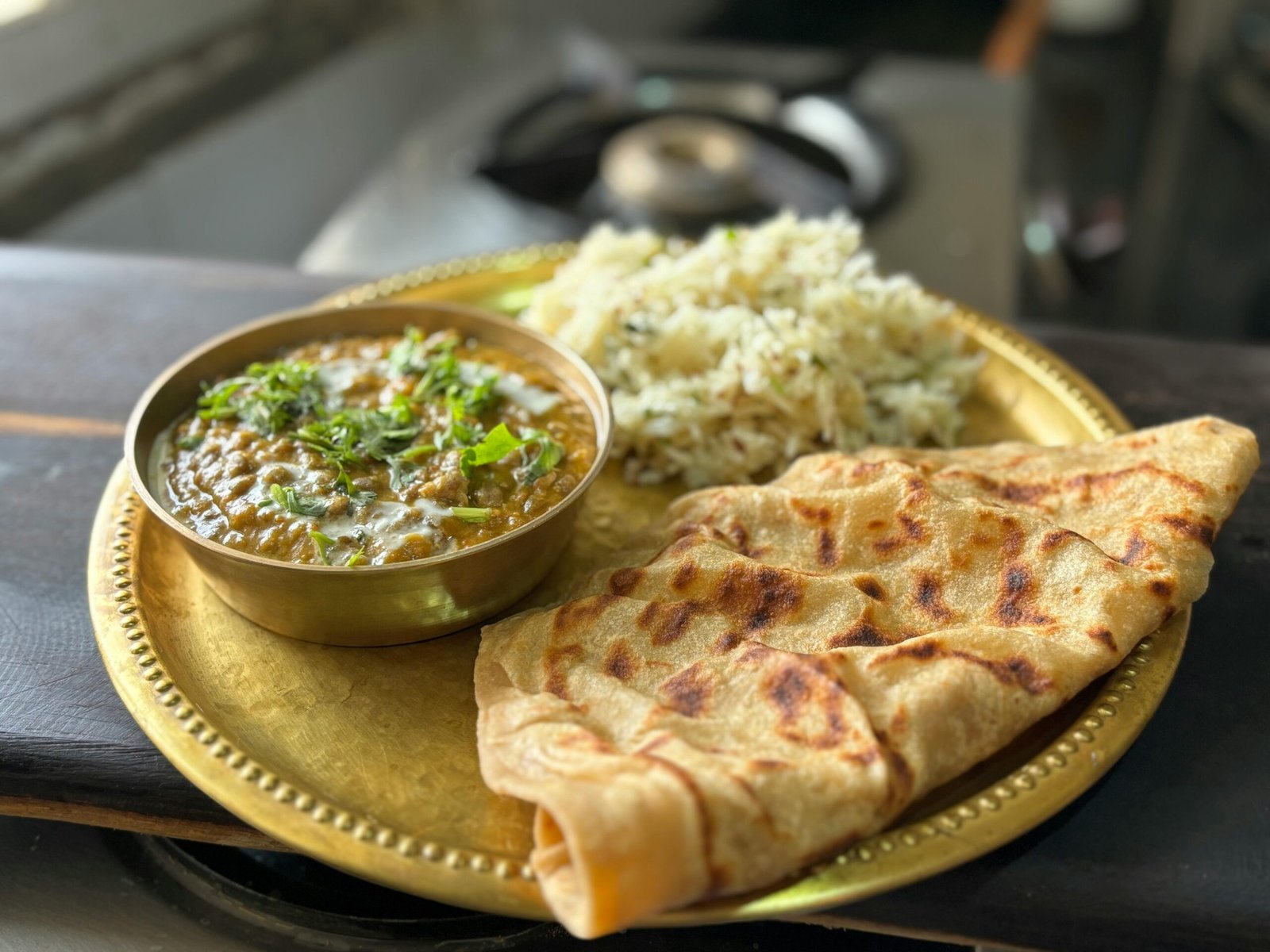
Explore India to eat and drink is a vibrant mix of ritual, emotion, and regional flavor. Valeriya / Pexels

When you travel through India, you don’t just eat; you experience. Every dish tells a story, every sip carries a tradition, and every bite reveals a layer of the country’s soul.

Indian food isn’t just about curries or spicy flavors; it’s a moving celebration of history, geography, festivals, and emotion. From a roadside chai tapri buzzing with laughter to a quiet temple kitchen serving prasad made with devotion, food in India shows up in unexpected ways.

It’s not just about what’s on the plate; it’s about who’s serving it, when it’s eaten, and why it matters. In this journey, we’re going beyond the usual food lists to explore it truly means what to eat and drink in India.

What to Eat and Drink in India

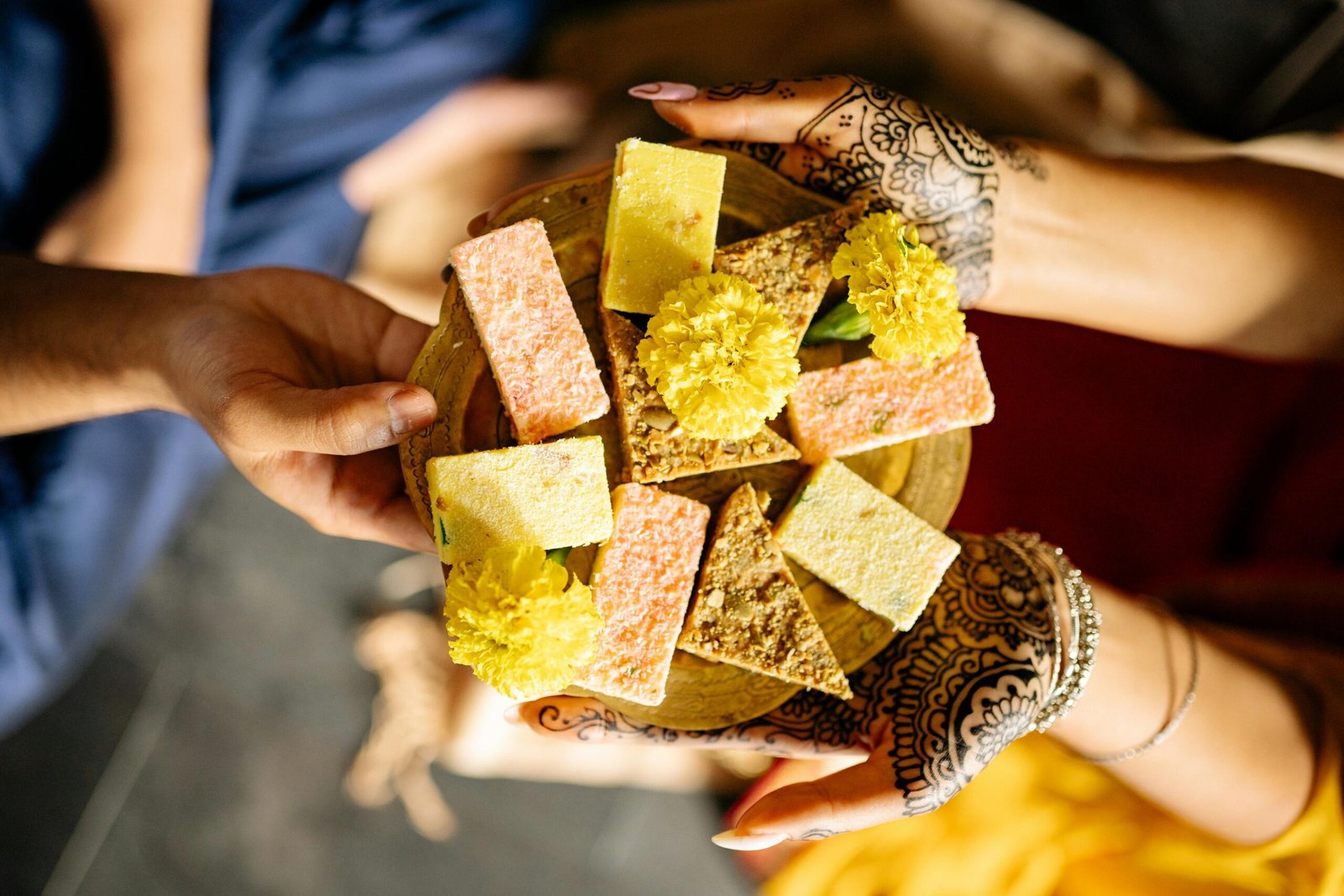
India takes you on a flavorful journey where every bite and sip reveals a new region, culture, and story. Chefrbs / Pexels

A Culinary Map: Exploring India Bite by Bite, Sip by Sip

Imagine India as a giant thali, each region offering its signature flavor, tradition, and story. Travel from the snowy peaks of Kashmir, where you warm your hands with a cup of fragrant kahwa, to the lush backwaters of Kerala, where a traditional sadya is served on a banana leaf.

As you move east, Assam welcomes you with its strong, malty tea culture, deeply rooted in morning rituals and social pauses. Swing to the West and you’ll find the crunchy, tangy joy of Gujarat’s chaats, bursting with textures and unexpected flavors.

But the real charm lies in the subtle regional quirks, like how certain communities, especially Jains and some Brahmins, avoid onions and garlic as part of their spiritual lifestyle.

In India, food isn’t just eaten; it’s deeply lived. Every bite and every sip is a reflection of local values, climate, beliefs, and centuries-old customs. This isn’t just a map; it’s a living, breathing flavor trail stitched across a vibrant culture.

What to Eat and Drink in India

Every festival turns into a feast, with dishes that change as the weather, traditions, and celebrations do. Yankrukov / Pexels

2. From Festivals to Feasts: India’s Seasonal Food Calendar

Festivals are not just celebrations; they’re flavor-packed events where food becomes the highlight. During Holi, the air smells of gujiyas and thandai, cooling drinks infused with spices and dry fruits to welcome spring. Come Diwali, kitchens light up with the crackle of chaklis, laddoos, and rich desserts prepared days in advance.

Eid brings the warmth of sheer kurma and fragrant biryanis shared with neighbors and friends, while Pongal in the South celebrates the harvest with sweet and savory versions of the dish it’s named after. Even the drinks follow the rhythm of the season, from jaljeera in the scorching heat to neer mor (spiced buttermilk) that cools you down in summer.

Then there’s the contrast in food settings: temple meals are simple, sattvic, and soulful, cooked without onions or garlic, and served with devotion. Wedding feasts, on the other hand, are grand and indulgent, full of variety and flair. And street food? That’s the pulse of everyday celebration—spontaneous, spicy, and full of local character. In India, time isn’t told by clocks; it’s told by what’s cooking.

What to Eat and Drink in India

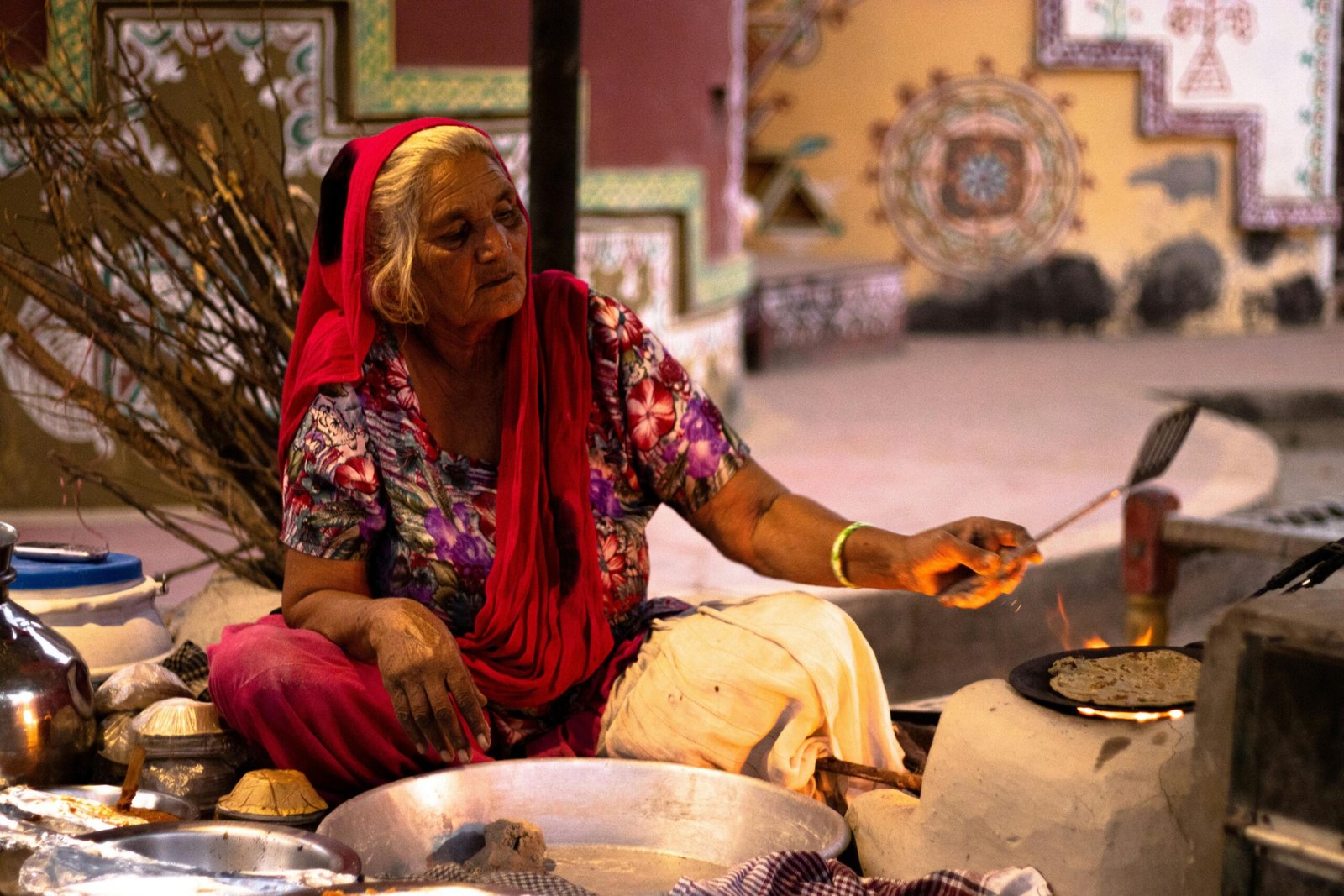
Ancient recipes like millet rotis cooked on cow dung fires or jackfruit seed stews once made by grandmother.  Swastik Arora / Pexels


3. Beyond Butter Chicken: Dishes You’ve Never Heard Of (But Should Try)

The real magic simmers quietly in the background in remote tribal villages, forest kitchens, and ancestral homes where cooking is instinct, not instruction. These hidden gems reflect how India truly eats—rooted in the land, tied to the seasons, and full of character.

From foraged bamboo shoots cooked over firewood to fermented grains turned into soul-warming drinks, these dishes might not be found on restaurant menus, but they carry the aroma of identity, memory, and heritage that makes Indian food so much more than what meets the plate.

In the Northeast, people cook dishes like bamboo shoot curry that carry a sharp, earthy flavor, mirroring the wild landscape around them. In Sikkim, locals drink tongba, a fermented millet brew served in bamboo mugs and sipped through straws to stay warm in the cold weather. Then there’s Zutho from Nagaland, a rice beer brewed at home for special gatherings.

These aren’t restaurant meals; they’re stories of survival, identity, and deep connection to the land. Today, as India’s food scene evolves, a wave of new-age chefs is traveling back to their roots, reviving ancient recipes and forgotten ingredients like millet rotis cooked on cow dung fires or jackfruit seed stews once made by grandmothers. These are the dishes that don’t just fill your stomach; they change how you understand India.

4. Drink like a Local: India’s Homemade and Heritage Beverages

To truly understand India, you need to drink like a local. Start your day with a steel glass of chaas (spiced buttermilk) or maybe sol kadhi, a soothing pink drink made from kokum and coconut milk, popular along the Konkan coast.

When summer heat kicks in, locals reach for bael sharbat, a thick, pulpy drink made from wood apple that cools the body and aids digestion. But India’s liquid heritage isn’t limited to non-alcoholic treats. Tribal communities across the forests of central India make mahua, a naturally fermented spirit from flowers, and use it in rituals and celebrations.

Down in Goa, feni distilled from cashew or coconut is strong, sharp, and proudly local. In the hills of Himachal, you’ll find lugdi, a fermented rice brew, and in Kerala, fresh toddy tapped straight from palm trees.

From the first morning sip to a sleepy nightcap, Indian drinks are more than just beverages; they’re memories, traditions, and flavors that connect people to place. You won’t find most of these in fancy bars, but ask a local, and they’ll pour you a story.

5. The Language of Taste: How Indian Food Talks in All Five Senses

You hear it first, the sharp tadka crackling as spices hit hot ghee, promising flavor before you even take a bite. Then comes the aroma of each region, with its scent signature, whether it’s the smoky whiff of mustard oil in Bengal or the deep masala trails of a Maharashtrian curry.

In India, food is often served on banana leaves, clay pots, or steel thalis not merely out of tradition, but to awaken the senses: banana leaves release a gentle aroma, clay pots retain warmth and infuse an earthy depth, while steel thalis add a rhythmic clatter that enhances the dining experience.

Textures also matter deeply: a single meal can include crisp papads, creamy dals, soupy rasams, and crumbly sweets all carefully balanced to keep your senses engaged. Long after the meal ends, the sharp, cooling burst of paan stays with you like the final note in a perfectly composed song. In India, eating isn’t just about filling your stomach; it’s a conversation between you and the food, spoken through sound, scent, texture, memory, and heart.

What to Eat and Drink in India

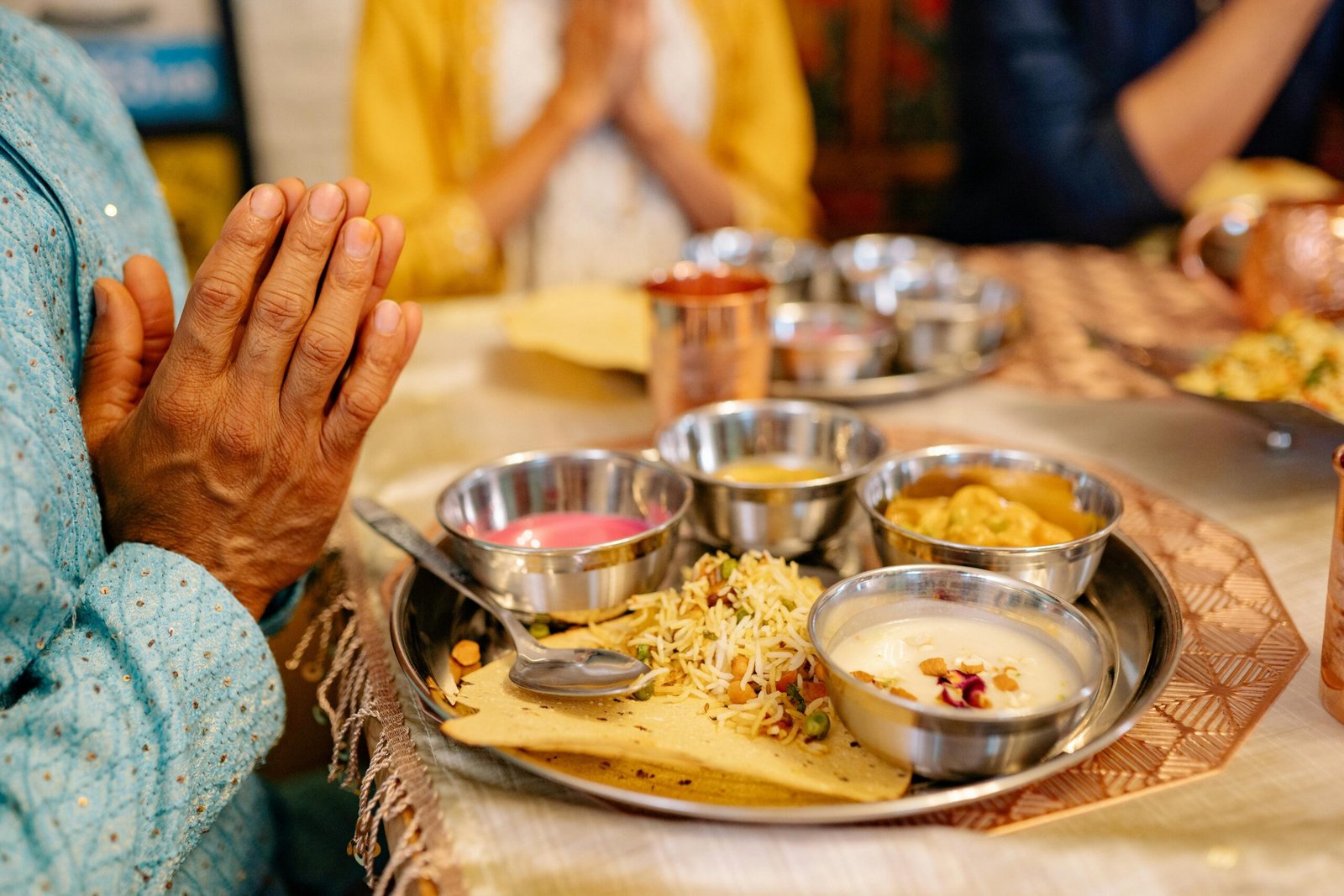
India’s eating culture is very delightful which is rooted in tradition, sharing, and togetherness. Yankrukov / Pexels


6. Thalis, Tiffins and Tapris: The Culture of Eating in India

In India, food isn’t just about what’s on your plate; it’s about where it’s served, how it’s eaten, and who you share it with. The contents of a Rajasthani thali speak of desert spices and ghee-rich rotis, while a South Indian thali whispers coconut, curry leaves, and rice in every corner.

In Mumbai, tiffin isn’t just lunch; it’s a lifeline. Mumbai’s iconic dabbawalas carry more than just tiffins; they deliver a taste of home, bridging hearts across the city with every meal. In Punjab, eating is a group celebration; think shared platters, laughter, and second servings insisted on with love.

And then there are the humble tapris, roadside tea stalls where strangers become friends over a cup of chai and a plate of hot pakoras. Together, these everyday rituals reflect the deeper Indian philosophy: food is not just for the body; it feeds the heart, too.

The official government initiative for promoting safe, healthy, and sustainable food practices in India is Eat Right India, launched by the Food Safety and Standards Authority of India (FSSAI). 


7. Heirloom Recipes and Grandma’s Kitchen: Culinary Nostalgia in India

There’s something magical about stepping into a grandma’s kitchen in India; it’s where recipes don’t live in books but in memory, instinct, and love. These heirloom dishes, passed down through generations, carry more than just flavor; they hold stories of villages, seasons, and silent sacrifices.

From slow-fermented dosas in the South to spicy bharwan mirchi in the North, many of these recipes are now fading, quietly replaced by instant meals. But if you’ve ever tasted your nani’s hand-ground chutney or dadi’s sun-dried papads rolled out on old cotton sarees, you know that no restaurant can recreate that comfort.

Even the pickles, tangy, spicy, or sweet, weren’t just condiments; they were seasonal rituals, often made in bulk with gossip, sunlight, and patience. That’s what real love tastes like in Indian food: not fancy plating, but the hours of slow cooking, the perfectly balanced spices, and the feeling that someone made it just for you.

8. What Locals Eat When They’re Sick, Sad, or Celebrating

When someone is sick or feeling low, it’s not medicine they ask for first; it’s a bowl of warm khichdi, a dash of ghee, and maybe some pickle on the side. Light, easy to digest, and full of comfort, this dish is like a soft hug in edible form. In the South, rasam is another spicy, tangy, and steamy remedy; it clears sinuses and revives the spirit.

During religious fasts, people don’t just starve; they prepare special dishes like sabudana khichdi or fruit platters, which bring both nourishment and peace. After the fast ends, celebratory meals like prasad are offered first to the divine and then shared with everyone—a beautiful act of gratitude through food.

Even Ayurveda, India’s ancient healing system, treats food as medicine, suggesting what to eat based on your mood, body type, and season. Whether it’s a spoonful of turmeric milk before bed or cooling buttermilk during a hot afternoon, Indian food quietly works in the background, healing, comforting, and celebrating you at every turn.

9. Food Rules Indians Actually Follow (Even if They Don’t Admit It)

In India, food isn’t just eaten; it’s respected. Like how some elders will avoid having chai with onion pakoras after sunset because it’s believed to upset digestion or simply because “it’s not the right time.” Ask why, and the answer is usually a mix of tradition and gut instinct.

Washing hands before and after meals, even when cutlery is used, isn’t just about hygiene; it’s a ritual that mentally prepares you to eat with intention and ends with a sense of closure.

There’s also a deep connection to nature in Indian food habits. During summers, people naturally shift to cooling foods like buttermilk, raw mango, and watermelon, while winters bring in ghee-rich dishes and warming spices.

These seasonal dos and don’ts, quietly passed down through generations, are deeply rooted in ancient wisdom blending Ayurveda, climate rhythms, and everyday experience. They might seem small, but they show how food in India is guided by balance, timing, and quiet intuition.

What to Eat and Drink in India

When no one’s watching, Indians crave midnight comforts like parathas, pasta, Maggi or sweet jaggery rice. Kunal Lakhotia / Pexels

10. The Midnight Menu: What Indians Eat When No One’s Watching

As the night deepens and silence takes over, a hidden food story comes alive in India—intimate, spontaneous, and full of quiet comfort. At 2 AM, it’s not uncommon for someone to sneak into the kitchen and heat up last night’s paratha, paired with a spoonful of achaar, because somehow, it tastes better in silence.

College students satisfy their midnight cravings with Maggi, which is quick to make, comforting to eat, and always shared with stories and sleepy laughter. Stroll through the quiet city streets at night, and you’ll find chai tapris glowing under soft streetlights, serving steaming kulhad chai to cab drivers, night owls, and drifting souls.

Some find joy in late-night kulfis or those dramatic ice cream rolls made fresh on cold slabs, while others head straight to the fridge for a chilled bowl of leftover jaggery rice. These midnight bites aren’t fancy or planned; they’re spontaneous, emotional, and proof that in India, food always finds a way to be there for you even in the quietest hours.

GUIDED BY EXPERT

Yoga within Travel the perfect flow of Experience

Explore wellness in anywhere

by

Explore Related stories

Food & Drink

10 Thai Food Experiences You Must Try

Touch down in Thailand, and you’ll Read More

Food & Drink

What to Eat and Drink in Varanasi, India

In Varanasi, history isn’t just seen; it’s tasted.

Food & Drink

The Best Spots to Eat Croissants in Paris

In Paris, discovering the perfect croissant is more than a

Food & Drink

What to eat and drink in Phuket

When you think of Old Phuket, golden beaches and islands

Food & Drink

Best Street Food of Mumbai You Can't Miss

Step into the streets of Mumbai, and you’ll quickly realize

LEAVE A COMMENT

Error: Contact form not found.