Best Places to visit in Egypt

Best Places to visit in Egypt

Best Places to visit in Egypt
This is the best places to visit in Egypt where traveler poses on a camel with the iconic Great Pyramid of Giza. Epirojene / Pexels

One of the top places to visit is Cairo, the capital city, where the bustling streets meet rich Islamic architecture and the world-renowned Egyptian Museum, home to the treasures of Tutankhamun. Just outside Cairo lies Giza, where the awe-inspiring Great Pyramids and the Sphinx stand as powerful symbols of Egypt‘s ancient glory.

Traveling south, Luxor is often called the world’s greatest open-air museum, featuring the Valley of the Kings, Karnak Temple, and Luxor Temple, all testaments to Egypt’s royal past. Further along the Nile is Aswan, known for its relaxed atmosphere, Philae Temple, and scenic felucca rides.

If you’re in search of natural beauty and serenity, the Siwa Oasis, tucked away in Egypt’s Western Desert, gives a remote escape filled with palm groves, shimmering salt lakes, and a deep connection to Berber heritage.

On the other side of the country, the Red Sea Riviera—home to coastal gems like Hurghada, Sharm El Sheikh, and Dahab—invites travelers to experience a different kind of wonder. With its turquoise waters, thriving coral reefs, and world-renowned dive sites, this region is perfect for underwater adventures, sun-soaked beaches, and laid-back coastal vibes must say this is the best time to visit Egypt. Here are the best places to visit in Egypt.

Best Places to visit in Egypt

The Pyramids of Giza are ancient tombs, and the Sphinx is a mythical guardian statue where tourist attraction is more. Dilip Poddar / Unplash

1. Pyramids of Giza & The Sphinx

Best for iconic ancient wonder and a symbol of pharaonic power.

The Pyramids of Giza, located on the Giza Plateau just outside of Cairo, are Egypt’s most iconic landmarks and the last surviving wonder of the original Seven Wonders of the Ancient World. Built over 4,500 years ago during the Fourth Dynasty of the Old Kingdom, these massive stone structures served as royal tombs for the pharaohs, most famously Khufu (Cheops).

The precise engineering of these pyramids, made from millions of limestone blocks, continues to amaze researchers and visitors alike. Guarding the pyramids stands the majestic Great Sphinx, an ancient statue with the body of a lion and the face of a man thought to symbolize Pharaoh Khafre.

Remarkably, it was carved from a single massive limestone outcrop, making it one of the oldest and largest monolithic statues in the world. Visiting early in the morning or at sunset is recommended to avoid both the intense desert heat and large tourist crowds, allowing for a more peaceful and magical experience.

Did You Know? The Great Pyramid of Giza originally stood at an astonishing 146.6 meters (481 feet) tall, making it the tallest human-made structure on Earth for nearly 3,800 years, a record it held until England’s Lincoln Cathedral surpassed it in the 14th century. That’s a testament to the incredible engineering skills of ancient Egyptians!

Best Places to visit in Egypt

The Valley of the Kings is a royal burial site in Egypt, home to tombs of pharaohs, including Tutankhamun. Dilip Poddar / Unsplash

2. Luxor & The Valley of the Kings

Famous for its royal tombs and grand temples.

Located in southern Egypt, Luxor contains approximately one-third of the world’s ancient monuments, including the famed Karnak Temple, Luxor Temple, and the royal tombs in the Valley of the Kings, making it one of the most archaeologically rich cities on the planet.

This historic city was once the ancient Egyptian capital of Thebes, and today it houses some of the most significant archaeological treasures on Earth. Among its most famous attractions are the Karnak Temple Complex, one of the largest religious structures ever built, and Luxor Temple, a beautifully preserved site illuminated at night.

Situated on the Nile’s west bank, the Valley of the Kings is a vast desert burial ground where more than 60 intricately decorated tombs of ancient pharaohs and nobles are hidden among the rocky cliffs. These tombs, including that of King Tutankhamun, are adorned with intricate wall paintings and hieroglyphics that reveal stories of the afterlife.

Best Places to visit in Egypt

Abu Simbel Temples, carved by Ramses II, are famed for their giant statues and dramatic relocation. Dmitrii Zhodzishs / Unsplash


3. Abu Simbel Temples

Best for its giant statues and rock-cut temples built by Ramses II.

Near Egypt’s southern border with Sudan stand the magnificent Abu Simbel Temples, two massive rock-cut monuments built in the 13th century BC by Pharaoh Ramses II. The grander of the two temples was constructed to glorify Ramses himself, while the second was dedicated to his beloved queen, Nefertari, a rare honor in ancient Egyptian history.

These temples are famous for their grand statues of Ramses II, each towering over 20 meters tall, and for the intricate interior chambers adorned with reliefs and hieroglyphs depicting the pharaoh’s military victories and divine power.

The temples’ architecture is not only impressive but also demonstrates an advanced understanding of engineering, especially their alignment to the sun. Every year, on February 22 and October 22, the sunlight illuminates the inner sanctuary, highlighting the statues of Ramses and the gods, a spectacle that celebrates his reign. What makes these temples even more remarkable is the story behind their relocation in the 1960s.

Best Places to visit in Egypt

Cairo is Egypt’s lively capital, where ancient pharaohs’ history meets the buzz of modern city life. Hatem Ramadan / Unsplash

4. Cairo

A bustling cultural hub rich with history, museums, mosques, and vibrant local life.

Cairo, the vibrant heart of Egypt, is a city where pharaohs’ legacies meet the pulse of modern life, blending timeless history with energetic urban charm. Home to over 20 million people, it offers a mix of historic treasures and everyday energy. Don’t miss the Egyptian Museum, home to a vast collection of ancient artifacts, including the legendary golden mask and treasures of King Tutankhamun.

Wander through Islamic Cairo, where centuries-old mosques and narrow alleys tell the story of a rich religious and architectural heritage. For a true taste of local culture, stroll through the Khan El Khalili Bazaar, a lively marketplace filled with spices, souvenirs, jewelry, and traditional crafts.

While exploring, don’t miss out on trying Egyptian street food like koshari (a hearty mix of rice, lentils, and pasta) and falafel made with fava beans; both are delicious, affordable, and deeply rooted in local traditions. Cairo may feel overwhelming at first, which makes it one of the best places to visit in Egypt world.

Best Places to visit in Egypt

Aswan is a one of the best places to visit in Egypt for peaceful Nile city known for Nubian culture and ancient granite quarries. Axp / Unsplash

5. Aswan

Best for its peaceful Nile views, Nubian heritage, and ancient temples.

Set along the southern stretch of the Nile River, Aswan is one of Egypt’s most scenic and laid-back destinations. Known for its tranquil atmosphere and rich Nubian heritage, the city is dotted with palm-lined shores, colorful homes, and historic sites.

Among its must-see attractions are the elegant Philae Temple, which was carefully relocated to an island to protect it from the waters of the Aswan High Dam, and the intriguing Unfinished Obelisk, which lies partially carved from bedrock, giving a glimpse into ancient Egyptian engineering.

Visitors are often drawn to the Nubian villages, where warm hospitality and vibrant traditions provide an authentic cultural experience. One of the most memorable moments in Aswan is taking a felucca ride at sunset, as the gentle sailboat glides across the Nile, surrounded by golden skies and timeless scenery.

Best Places to visit in Egypt

The city was once Cleopatra’s capital, where she ruled and built her legendary palace near the harbor. Mostafa Mahdy / Unsplash

6. Alexandria

Best for coastal city blending Greco-Roman history with a modern Mediterranean vibe.

Situated along Egypt’s northern Mediterranean coast, Alexandria stands out for its cool sea breeze, relaxed coastal vibe, and deep Greco-Roman roots. Founded by Alexander the Great in 331 BC, the city became home to the legendary Library of Alexandria, which once housed hundreds of thousands of scrolls and attracted scholars from across the ancient world, making it one of the earliest and most significant centers of knowledge and science in human history.

Alexandria’s historic landmarks are rich with tales of its glorious past. One such site is the Catacombs of Kom El Shoqafa, an extraordinary burial complex where Egyptian, Greek, and Roman artistic styles converge, giving a glimpse into the cultural fusion of the ancient world.

The Bibliotheca Alexandrina, inaugurated in 2002, stands just meters from the presumed site of the ancient Library of Alexandria and can house over 8 million books, symbolizing Egypt’s renewed commitment to global learning and cultural exchange.

Unlike many other Egyptian cities, Alexandria blends Mediterranean charm with classical heritage, its streets lined with French and Italian-style buildings, lively corniches, and a reputation for some of the freshest seafood in the country, reflecting its centuries-old ties to Europe and the sea.

The official website for exploring the best places to visit in Egypt is VisitEgypt.com. Operated by the Egyptian Tourism Authority, this platform offers comprehensive travel resources, including curated itineraries, cultural insights, and practical travel tips.

20 Best Things to Know Before Traveling to Egypt

Its striking white rock formations resemble mushrooms, animals, and other bizarre shapes. Ahmed Azab / Unsplash

7. White Desert (Sahara el Beyda)

Best for surreal natural wonder with wind-sculpted white rock formations.

Located in Egypt’s Western Desert, the White Desert (Sahara el Beyda) is a truly surreal landscape, where the sands and wind have sculpted stunning white chalk rock formations that stretch as far as the eye can see.

With its strange, otherworldly rock formations, the White Desert feels like a scene from another planet. The stark white sands set against a vibrant blue sky create a breathtaking contrast. For adventurers seeking something extraordinary, this desert gives the perfect setting for overnight camping, allowing you to immerse yourself in its tranquil beauty beneath a blanket of stars.

The tranquility of the desert under the stars offers a serene and magical experience, as the stillness of the surroundings provides an opportunity to fully immerse oneself in the beauty of nature, far away from the noise of the modern world.

Best Places to visit in Egypt

This is the Siwa Salt Lake in Egypt, known for its turquoise waters and natural salt formations. Mo willy / Unsplash

8. Siwa Oasis

Best for remote desert paradise, natural springs and traditional Berber culture.

Nestled deep in Egypt’s Western Desert, close to the Libyan border, Siwa Oasis remains one of the country’s most secluded and enchanting destinations. Known for its untouched beauty, the oasis is surrounded by vast sand and groves of date palms, giving a serene contrast to Egypt’s bustling cities.

Visitors come to relax in its natural hot and cold springs, float in its mineral-rich salt lakes, and experience the age-old practice of sand therapy. With its slow pace of life and strong Amazigh (Berber) heritage, Siwa is a peaceful retreat ideal for those seeking solitude, healing, and a deeper connection to nature and tradition.

The oasis holds deep historical and cultural significance, most notably as the site of the Oracle Temple of Amun, where Alexander the Great is believed to have received divine confirmation of his rule. Life in Siwa moves at a slower pace, with a distinct Berber culture, mud-brick architecture, and a close-knit community that has preserved its traditions for centuries.

Best Places to visit in Egypt
Dahab is best known for the Blue Hole, a globally renowned dive site with vibrant coral and marine life. Yuriy Kostin / Unsplash

9. Dahab

Best for laid-back vibe, crystal-clear waters, and world-class diving spots.

Located on the southeast coast of Egypt’s Sinai Peninsula, Dahab is a relaxed beach town that has transformed from a sleepy Bedouin fishing village into one of Egypt’s most beloved alternative travel destinations.

Unlike the more commercialized resorts of Sharm El-Sheikh, Dahab gives a laid-back, bohemian vibe that attracts backpackers, divers, and nature lovers from around the world.

Dahab is best known for the Blue Hole, a globally renowned dive site with vibrant coral and marine life. Its relaxed atmosphere, seaside cafés, and access to both diving and desert adventures make it a top spot for laid-back thrill-seekers.

Best Places to visit in Egypt

The city is a gateway to the Sinai Peninsula’s rugged mountains and sacred sites like Mount Sinai. Omar Elsharawy / Unsplash

10. Sharm El-Sheikh

Best for luxury beach destination perfect for snorkeling, diving, and relaxing by the Red Sea.

Located at the southern end of the Sinai Peninsula, Sharm El-Sheikh is a premier Red Sea resort town known for its stunning coral reefs, clear blue waters, and luxurious beachfront resorts. It’s a favorite among divers and snorkelers, especially near the protected Ras Mohammed National Park, where marine biodiversity thrives beneath the surface.

The town is home to a range of luxury hotels and beach resorts, making it ideal for sun-soaked holidays. Sharm also serves as a gateway for hiking Mount Sinai, where many travelers make the early morning trek to catch the sunrise from the summit, a spiritual and unforgettable experience.

If you’re diving with colorful marine life, lounging on sandy beaches, or exploring sacred mountains, Sharm El-Sheikh gives a diverse and unforgettable Red Sea escape.

GUIDED BY EXPERT

Yoga within Travel the perfect flow of Experience

Explore wellness in anywhere

by

Explore Related Articles

22 Best Places to Visit in United States

Best Places to visit in South Africa

10 best places to visit in Malaysia

The 11 most stunning best places to visit in India?

LEAVE A COMMENT

Error: Contact form not found.

Best time to visit Egypt

Best time to visit Egypt

andreea-munteanu-lxZOgK5ccfc-unsplash

A woman stands amid the towering, hieroglyph-covered columns of Karnak Temple, taking in its ancient grandeur. Andreea Munteanu / Unsplash

Egypt is more than just sunshine and pyramids; each month gives something different, from local traditions to seasonal activities. While most travelers focus on avoiding the heat, what many don’t realize is how Egypt’s seasons align with local traditions, agricultural cycles, and even celestial events.

For instance, in February and October, the Abu Simbel temples light up in perfect alignment with the sun, a 3,000-year-old architectural marvel timed to mark the birthday and coronation of Pharaoh Ramses II. In September, villages around the Nile celebrate the annual date harvest, and in spring, the oases bloom with rare desert flowers.

This guide goes beyond weather charts to help you discover when Egypt truly comes alive, whether you’re chasing quiet spirituality during Ramadan, coral reefs in summer, or golden light across ancient stone in winter. Each month has a unique story to make it the best time to visit Egypt.

Best time to visit Egypt

Egypt’s iconic sites like the Pyramids, with cooler weather making exploration comfortable. Hossam Omar / Unsplash

October to February – The Golden Season for Exploring Ancient Egypt

From October to February, Egypt enjoys its most comfortable weather, with daytime temperatures averaging between 20°C and 26°C (68°F and 79°F), making it the best season for outdoor exploration. It’s the best time to visit Egypt’s iconic sites like the Pyramids of Giza, where cooler weather allows visitors to walk around the vast desert plateau without the exhausting summer heat.

The Nile River also gives a peaceful and scenic cruise experience during these months, especially between Luxor and Aswan, where ancient temples such as Karnak, Philae, and Edfu lie along the route. Since this is Egypt’s winter, the sun remains warm but gentle, making open-air temples, tombs, and archaeological sites more enjoyable to explore.

According to the Egyptian Meteorological Authority, this season sees the least chance of extreme weather, making travel smoother and more reliable. It’s also the peak tourist season, so visitors can expect a vibrant atmosphere, cultural festivals, and extended hours at major attractions.

Best time to visit Egypt

The best time to visit Egypt is when palm trees bloom and desert wildflowers add vibrant color to the landscape. Micheal Mitrakos / Unsplash

March to April – Desert in Bloom and Local Culture at Its Peak

During March and April, Egypt experiences a brief but beautiful spring. In desert regions like Siwa Oasis and Bahariya, it’s the best time to visit Egypt when palm trees begin to bloom and the landscape becomes more vibrant with fresh greenery and desert wildflowers.

The temperatures during this period are moderate, usually ranging between 22°C and 30°C (72°F and 86°F), making it pleasant for travelers to explore both desert areas and cities. It’s also a culturally rich time of year in Upper Egypt, where towns like Luxor and Aswan host local festivals, including spring markets, traditional music events, and family gatherings ahead of the Ramadan season.

These months also align with `, an ancient Egyptian spring celebration still observed across the country, where families enjoy picnics outdoors and eat special seasonal foods. Overall, March to April offers a unique mix of natural beauty and authentic cultural experiences that many visitors miss.

May – A Spiritual Pause During Ramadan

In some years, Ramadan coincides with May, bringing a distinctive ambiance to Egypt that sets it apart from other months. During this time, the pace of daily life slows down, especially in the afternoon, as Muslims fast from dawn to sunset. While some shops and cafes may open late or reduce hours, the quiet streets offer a peaceful and reflective side of Egypt that most tourists don’t often see.

As evening approaches during Ramadan, the atmosphere across Egypt changes noticeably. The call to prayer signals the end of the fast, and families gather for Iftar, the evening meal. Traditional Egyptian Iftar meals often include dates, lentil soup, and mahshi (vegetables stuffed with rice and herbs), which are commonly prepared across the country.

It is also part of Egyptian hospitality to invite guests, including travelers, to share in these meals. After sunset, many mosques are illuminated with decorative lights, and neighborhoods are decorated with colorful “fanoos” lanterns, a tradition dating back to the Fatimid era symbolizing celebration and community spirit.

While it’s important to be respectful during the day (like avoiding eating or drinking in public), visiting Egypt during Ramadan allows travelers to witness a deeply spiritual and communal experience. According to Egypt’s Ministry of Tourism, Ramadan is increasingly seen as a time for cultural exchange between locals and visitors.

June to August – Best Time for Red Sea Diving and Beach Escapes

While much of Egypt experiences extreme heat from June to August, the Red Sea coast remains a popular escape due to its refreshing sea breezes and vibrant underwater life. Coastal cities like Sharm El Sheikh, Hurghada, and Marsa Alam are ideal during these summer months, especially for diving, snorkeling, and beach activities.

The Red Sea is home to over 1,000 species of fish and more than 200 types of coral, making it one of the world’s top diving destinations, according to National Geographic. Water temperatures during this season range from 26°C to 30°C (79°F to 86°F), providing excellent visibility and comfortable conditions for exploring coral reefs, shipwrecks, and marine reserves such as Ras Mohammed National Park.

Unlike the inland areas where temperatures can exceed 40°C (104°F), the Red Sea resorts enjoy cooler evenings, modern beachfront accommodations, and shaded coastal areas. For travelers seeking adventure and relaxation by the sea, summer is the best time to enjoy Egypt’s coastal charm away from the intense desert heat.

September – Date Harvest Season and Oasis Life

In September, Egypt’s western oases, like Siwa, Bahariya, Dakhla, and Kharga, enter their busiest season, as farmers begin harvesting ripe dates from the tall palm trees that define the desert landscape. Egypt is one of the world’s top date producers, according to the United Nations Food and Agriculture Organization (FAO). It ranks first globally, contributing over 1.7 million tons of dates annually.

During this month, palm groves in these lush desert settlements come alive as farmers handpick ripe dates from tall palms using traditional climbing methods. The harvest season is not just agricultural but cultural; local communities often hold small celebrations that include traditional music, folk dancing, and food prepared with fresh dates.

Visitors to these oases in September can witness authentic rural life, stay in eco-lodges made of mud brick, and learn about ancient irrigation systems like the “qanat.” The weather is also slightly cooler than the peak summer months, making it an ideal time for exploring natural springs, salt lakes, and historic ruins tucked within Egypt’s fertile desert pockets.

Best time to visit Egypt
Cruises and yachts float on the sparkling Nile River, a hotspot for diving and relaxation in Egypt. Bogdan Kupriets / Unsplash

October to March – Nile River at Its Dreamiest

Between October and March, Egypt enjoys cooler, more pleasant weather, with daytime temperatures ranging from 20°C to 28°C (68°F to 82°F), making it the ideal time for exploring the Nile by boat. This period is considered the high season for Nile cruises, which typically run between Luxor and Aswan, two cities rich in ancient history and home to landmarks such as the Karnak Temple, the Valley of the Kings, and Philae Temple.

The river’s calm waters during these months allow for smooth sailing, whether you’re aboard a large cruise ship or a traditional felucca, the sailboats used on the Nile for centuries. According to the Egyptian Ministry of Tourism, over half of all Nile cruise bookings occur during this cooler season, thanks to its comfortable weather and clearer skies.

Sunsets over the river are particularly beautiful in these months, casting a golden glow over palm-lined banks, village life, and ancient monuments. For travelers seeking both relaxation and cultural discovery, this is truly the best time to visit Egypt and experience the timeless magic of the Nile.

February to April – Egypt for Art Lovers and Creative Souls

From February to April, Egypt experiences a cultural awakening that goes beyond its ancient wonders. It’s when Cairo’s contemporary art scene becomes especially vibrant, with numerous galleries and creative spaces hosting seasonal exhibitions, installations, and artist talks. One of the highlights is Cairo Photo Week (usually held in February), which brings together international and regional photographers in workshops and public exhibitions.

During these months, the weather is mild and ideal for gallery hopping in neighborhoods like Zamalek and Downtown Cairo, home to renowned venues such as Townhouse Gallery, SOMA Art, and Mashrabia Gallery. This season also sees a renewed interest in traditional crafts, with cultural festivals and artisan markets popping up across cities and oases, showcasing Egyptian heritage through pottery, weaving, jewelry, and calligraphy.

According to the Egyptian Ministry of Culture, this period marks a rise in cultural tourism, as visitors seek experiences that connect them with Egypt’s modern identity and creative communities. Spring’s natural beauty—blooming trees and comfortable temperatures—complements the artistic energy, making it a perfect time for creatively inspired travel.

Best time to visit Egypt
The grand mosque in Cairo stands tall with elegant minarets and palm trees under a clear blue sky. Noel Schlafli / Unsplash

November – Best Time to Discover Islamic Cairo

November is one of the most pleasant months to explore Islamic Cairo, thanks to cooler temperatures ranging between 18°C and 26°C (64°F to 79°F) and fewer tourists compared to the peak winter months. This historic district, a UNESCO World Heritage Site, is home to some of Egypt’s finest Islamic architecture, including iconic mosques like Al-Azhar, Sultan Hassan, and Al-Rifa’i, as well as centuries-old madrasas and hammams.

The air is clearer in November, making the skyline of minarets and domes especially striking during sunrise and sunset. It’s also an ideal time to walk through medieval gates such as Bab Zuweila and Bab al-Futuh and to shop in Khan El Khalili, Cairo’s most famous souk, where artisans sell traditional brassware, perfumes, and textiles.

Data from Egypt’s tourism reports and local travel agencies indicate that November sees increased interest in cultural and heritage tourism, especially in historic areas like Islamic Cairo, due to the mild weather and clearer skies.

With its dense concentration of Islamic architecture and preserved medieval streets, this district provides ideal conditions in November for travelers focused on history, architecture, and photography—without the peak-season crowds or intense summer heat.

December – A Different Kind of Winter Escape

While many countries experience cold and snow in December, Egypt gives a sunny and warm alternative, making it an ideal winter escape. Daytime temperatures range between 20°C and 26°C (68°F to 79°F) in cities like Luxor and Aswan, providing the perfect climate for visiting ancient sites such as the Valley of the Kings, Karnak Temple, and Abu Simbel without the discomfort of extreme heat.

The dry desert climate and minimal rainfall during December provide excellent visibility and natural lighting, making it the best time for outdoor photography, especially at ancient sites. On the Red Sea coast, including popular resorts like Hurghada and Sharm El Sheikh, average daytime temperatures range from 21°C to 25°C (70°F to 77°F). These conditions remain ideal for swimming, snorkeling, and diving, as marine life visibility is high and the weather is comfortably mild.

According to Egypt’s Tourism Promotion Authority, December sees a noticeable rise in international arrivals, particularly from Europe, as travelers seek sunshine and cultural experiences during the holiday season. Unlike traditional winter destinations, Egypt in December gives warmth, history, and relaxation all in one, without the crowds typical of other global hotspots.

July to August – For the Brave and Budget-Savvy

According to the Egyptian Meteorological Authority, July and August are Egypt’s hottest months, with average daytime temperatures in Upper Egypt, particularly in cities like Luxor and Aswan, regularly surpassing 40°C (104°F).

Because of the extreme summer heat, July and August are considered Egypt’s low tourism season, resulting in fewer visitors and lower demand for tours and accommodations. During this time, many airlines, hotels, and local tour providers reduce their prices significantly, often by 30% to 50%, to attract travelers. Travel agencies actively promote these discounted rates in summer packages, making it an ideal time for budget-conscious visitors to explore Egypt at a lower cost.

Major tourist sites such as the Pyramids of Giza or Karnak Temple are far less crowded, offering a peaceful and unhurried experience for those willing to manage the heat by starting early in the day. Desert destinations such as the White Desert and Bahariya Oasis remain accessible even during the summer months, offering unique landscapes and early-morning excursions despite the heat.

While daytime temperatures are high, the skies are typically clear, creating spectacular conditions for sunrise and sunset desert safaris. Local guides often schedule activities early in the morning or late in the evening to avoid peak heat hours, ensuring safety and comfort. For budget-conscious travelers who can handle the heat, it’s a rewarding time to explore Egypt in a quieter and more affordable way.

20 Best Things to Know Before Traveling to Egypt
Unique rock formations and golden sands create a surreal, otherworldly landscape in Egypt’s White Desert. Ahmed Azab / Unsplash

June – Stargazing and Ancient Astronomy

June is the best time to explore Egypt’s deserts and enjoy stargazing, thanks to the clear skies and warm evenings. The dry desert air provides optimal visibility for observing constellations and planets, making it an ideal month for camping under the stars. Desert regions such as the White Desert, Bahariya Oasis, and Sinai offer unique opportunities for stargazing, with Bedouin guides often leading tours that link the stars to ancient Egyptian mythology.

Ancient Egyptians were among the first to map the stars, and their architectural marvels, like the Pyramids of Giza and the temples of Karnak, are aligned with celestial bodies. For example, the Great Pyramid is aligned with the stars of Orion’s Belt, which was believed to represent Osiris, the god of the afterlife.

In June, the cooler desert nights allow travelers to relax by a campfire, listen to local legends, and gaze at constellations that were once used for navigation and marking the seasons. This blend of history, culture, and nature makes June an excellent time for travelers seeking to connect with Egypt’s ancient past while enjoying the peacefulness of the desert night.

September – Tea, Dates, and the Simplicity of Village Life

In September, Egypt’s rural villages come alive with the harvest of dates, one of the country’s most important agricultural products. Dates are one of Egypt’s major crops, with the country being one of the largest producers globally. The oases of Siwa, Bahariya, and the Nile Valley are key regions for date cultivation.

During September, many local farmers open their farms to visitors, allowing them to experience the date harvest firsthand. It gives a unique opportunity to experience the rhythm of village life, where agriculture, hospitality, and tradition intersect.

Local homes, particularly in Nubian communities along the Nile, often welcome travelers with a warm cup of mint tea, a beverage deeply embedded in Egyptian culture. In addition to tea, visitors can enjoy homemade meals that feature locally grown ingredients such as dates, lentils, and vegetables. As part of the experience, travelers might participate in traditional activities like cooking classes, where they learn to prepare regional dishes such as “koshari” or “molokhia.”

Henna celebrations are another cultural highlight, where women create intricate designs on hands and feet as part of festive occasions. According to the Egyptian Ministry of Tourism, rural tourism has become increasingly popular, as more travelers seek authentic, slower-paced experiences that allow them to connect with the everyday customs and agricultural traditions of the Egyptian countryside.

Trusted Websites for More Travel Info

The official tourism portal offering comprehensive information on destinations, tour packages, events, and travel tips. Egypt Vacations, Travel & Tourism – Visit Egypt Official Website

GUIDED BY EXPERT

Yoga within Travel the perfect flow of Experience

Explore wellness in anywhere

by

Explore Related Articles

Best time to visit UAE

What is the best time to visit Japan?

What is the best time to visit India?

What is the best time to visit Malaysia?

LEAVE A COMMENT

Error: Contact form not found.
Egypt

Overview:

Egypt is a fascinating country located in North Africa is centered around the Nile River, which has supported life for thousands of years and remains essential for agriculture and daily living.

The Nile River is the longest river in the world and was the main reason ancient Egyptian civilization could grow in the desert. Around 90% of Egypt is desert, mainly part of the Sahara Desert, so most people live near the Nile River.


When to Visit:

Egypt mainly has two seasons instead of the typical four:

Dry Season (October to April)

This is the best time to visit Egypt. The weather is pleasant, especially for exploring places like the Pyramids of Giza and temples in Luxor. Day temperatures are comfortable, making sightseeing easier compared to the intense summer heat.

Wet Season (May to September)

Egypt doesn’t really have a “wet season” because rainfall is extremely rare. Instead, this period is very hot and dry, especially in desert areas. However, coastal regions near the Red Sea are still good for beach vacations and diving.

Special Events and Festivals:

Festivals in Egypt blend ancient traditions and modern culture.

  • Sham El-Nessim
  • Abu Simbel Sun Festival
  • Ramadan in Egypt

Pocket Travel Tips

Quick Facts

Language: Arabic

Currency: Egyptian Pound (EGP)

1 USD ≈ 48–50 EGP (approx)

Backpack travel budget is around 26.85 to 53 $ per day depending on your travel style.

Visa

Travelers can easily get an e-Visa online before arrival, making the process quick and convenient.

Travel Insurance

VisitorsCoverage is one of the very few that covers travel in Egypt.

How The Egypt Welcome

pexels-bassel-zaki-706250525-30721485

In Egypt, a unique thing many people don’t know is that if you visit someone’s home, they may keep offering you food again and again, even if you say no—because for them, a “full guest” means they have shown true respect and honor.

Guests are often served traditional dishes like Koshari or Fatta.

In Egypt, hospitality is deeply rooted in ancient traditions where guests are treated with honor, often offered tea or sweets they offered much more.

Know More to Get Travelling in Egypt

Eat With Host

Discover a unique way to experience local culture, where you can enjoy authentic meals hosted by locals around the world.

From home-cooked dinners to food tours, it’s the perfect way to connect through food with New People.

Start your delicious journey today Eatwith.

Accommodation

I personally use Hostelworld where you easily find budget-friendly hostels and social stays in one click.

Go to Luxury platforms like CheapOair check your compare prices and book the best options for your trip.

Transportation

Metro rides in Cairo starting around 5–10 EGP (~₹10–₹20 / ~5–10 THB)


Egypt has one of the oldest railway networks in the world

Top Attractions in Egypt

Giza Plateau

The pyramids are perfectly aligned with the cardinal directions (north, south, east, west), showing advanced knowledge.

You know the nose of the Sphinx is missing, and its exact cause is still a mystery.

Mosque

 Mosque of Muhammad Ali is also known as the “Alabaster Mosque” because its walls are made of beautiful alabaster stone.

Makadi Bay Beach

Blue water is about 30 km south of Hurghada, making it a peaceful escape from busy tourist areas.

Bazaar

The Khan El Khalili market is also known for its traditional cafes where you can enjoy tea and best egyptian coffee.

All My Articles onEgypt

Best Places to visit in Egypt

Best Places to visit in Egypt

andreea-munteanu-lxZOgK5ccfc-unsplash

Best time to visit Egypt

Best Things on Egypt's Tourist Visa

10 Best Things on Egypt's Tourist Visa

20 Best Things to Know Before Traveling to Egypt

20 Best Things to Know Before Traveling to Egypt

Best Ways to Travel Across Egypt

12 Best Ways to Travel Across Egypt

Best Travel Insurance Plans for Egypt

12 Best Travel Insurance Plans for Egypt

Best Things to Do in Egypt

20 Best Things to Do in Egypt

Need to Know About Egyptian Currency

8 Need to Know About Egyptian Currency

Need to Know About Thailand Currency

Need to Know About Thailand Currency

Need to Know About Thailand Currency

Need to know about Thailand Currency when you meet an elderly woman at a floating market exchanging food for cash with a smile. Norbert Braun / Unsplash

When planning a trip to Thailand, understanding the local currency is not just a financial necessity; it’s a key part of immersing yourself in the culture. The official currency of Thailand is the Thai Baht (฿ or THB), and it’s deeply woven into the everyday lives of locals, from vibrant floating markets in Bangkok to serene temples in Chiang Mai.

While modern Thailand is increasingly card-friendly, cash still reigns supreme in many areas, especially rural towns, street stalls, and local transport. Beyond just knowing the exchange rate, travelers should be aware of how currency is used, where to exchange money safely, the cultural respect tied to banknotes featuring the king’s image, and the budgeting nuances that can greatly influence your experience.

That’s everything you need to know about Thailand currency.

Need to Know About Thailand Currency

A vendor at a bustling floating market handling Thai baht while selling goods. Frida Aguilar Estrada / Unsplash

1. Baht Basics: Getting to Know Thailand’s Official Currency

The Thai Baht, symbolized as ฿ and coded as THB, is the official currency of Thailand and plays a significant role not only in the country’s economy but also in its cultural identity. The term “baht” has ancient roots, originally used as a unit of weight for silver, and it later evolved into the name of the national currency. 

Today, the Thai baht is available in a variety of coins and banknotes, each showcasing elements of the country’s heritage and monarchy. Coins come in denominations of 1, 2, 5, and 10 baht, while banknotes are issued in 20, 50-, 100-, 500-, and 1,000-baht values.

These notes are not only functional but also artistic, featuring detailed designs that reflect Thailand’s rich history, royal traditions, and national pride. Most notes prominently display the portraits of King Rama IX (Bhumibol Adulyadej) or the reigning monarch, King Rama X, serving as a constant reminder of the deep respect Thai people hold for their royal family.

A unique and culturally important fact about Thai currency is that it bears the image of the king, which makes stepping on a coin or banknote considered highly disrespectful and even illegal. In Thai culture, the monarchy is deeply respected, and any perceived defacement of the king’s image, including placing a foot on a fallen banknote or coin (which may happen unintentionally), can lead to fines or more serious consequences. 

This is why travelers are advised to treat Thai currency with care and never use their feet to stop a rolling coin or pick up a bill, as such actions can offend locals and violate Thai laws that protect the dignity of the monarchy.

2. Money Exchange in Thailand: Dos and Don’ts

Exchanging money in Thailand can be straightforward if you know where to go and what to watch out for. Airports may give convenience, especially after a long flight, but they typically have less favorable exchange rates compared to other options. For the best value, it’s advisable to use local exchange kiosks in city centers, particularly well-known ones like Superrich (in both orange and green branding), which are trusted by locals and travelers alike for competitive rates and transparency.

Banks are a reliable place to exchange currency in Thailand, but they typically give less competitive rates and may include a transaction fee. Avoid street exchangers and unlicensed kiosks, as they often scam travelers or deal in counterfeit notes. Verifying the amount and authenticity of received cash immediately is essential, particularly in tourist-heavy areas.

3. Cash vs. Card: What Do Locals Prefer?

In Thailand, cash remains the most widely accepted form of payment, especially in local markets, for tuk-tuk rides, and at temples. Street vendors, small shops, and many forms of public transportation often only accept cash, so having enough Thai baht on hand is essential for convenience.

However, debit and credit cards are increasingly accepted at larger establishments like hotels, shopping malls, and chain restaurants. Grab Rides, the popular ride-hailing service, also supports card payments, making it easy to get around in cities like Bangkok.

For a more modern, cashless experience, UPI (Unified Payments Interface) and QR code payments have become increasingly popular in Thailand. Travelers can easily make payments via QR codes at various shops, restaurants, and even some street vendors, using mobile banking apps or Thai mobile wallets like TrueMoney, Rabbit Line Pay, and AirPay.

These payment methods are convenient, quick, and often give better exchange rates for international cards. However, despite the rise of mobile payments, cash remains crucial for many small transactions, particularly in rural areas or with smaller vendors. It’s a best idea to carry both cash and cards to ensure you’re prepared for any situation while traveling in Thailand.

4. How Much Baht Is Enough? Daily Budgeting in Thailand

Your daily budget in Thailand varies based on your travel style, whether you’re on a tight budget or indulging in luxury. For a budget traveler, you can comfortably manage with around 1,000 to 1,500 THB per day. It includes staying in budget accommodations like hostels, enjoying affordable street food, and using public transport.

Street food is one of the best bargains in Thailand, with meals ranging from 30 to 100 THB. Public transportation is also inexpensive, with buses and the BTS Skytrain in Bangkok costing between 10 and 50 THB. For tuk-tuks or motorbike taxis, fares typically range from 50 to 150 THB, depending on the distance and negotiation skills.

For a luxury traveler, a daily budget can rise significantly, ranging from 4,000 to 10,000 THB or more. This would cover stays in high-end hotels or resorts, fine dining, private transportation, and organized tours. Entry tickets to attractions like temples, museums, or theme parks typically cost between 100 and 500 THB, though special tours or experiences (like river cruises or shows) can go up to 1,000 THB or higher.

Need to Know About Thailand Currency
A close-up of a 20 Thai baht (Thailand Currency) banknote featuring King Bhumibol Adulyadej.  Luoqing / Pexels

5. Currency Conversion: Real-time Tools and Apps

When traveling to Thailand, using real-time currency conversion apps can help you stay on top of the latest exchange rates and avoid confusion. Apps like XE Currency, Revolut, and Currency Converter Plus let you track live rates and convert currencies instantly, whether you’re online or offline.

These tools are especially useful when you’re out exploring, ensuring you make smart choices when exchanging money or shopping. For those using international cards, apps like Wise (formerly TransferWise) can offer better exchange rates and lower fees compared to standard bank conversions, making it a cost-effective option for managing your money abroad.

However, travelers should avoid using dynamic currency conversion (DCC) at ATMs or points of sale. DCC allows you to pay in your home currency instead of Thai baht, but this option often comes with hidden fees and poor exchange rates. It may seem convenient at first, but the actual cost is usually higher than paying in local currency. It’s best to opt for transactions in Thai baht to avoid unnecessary charges and get the most favorable rates.

Google Lens allows users to scan and translate Thai currency signs in real time, making it easier to identify banknotes and denominations. This tool is especially helpful for travelers unfamiliar with the Thai language, as it provides instant translations by simply pointing a smartphone camera at the currency. It helps prevent confusion and reduces the risk of mistakes when handling or exchanging money in Thailand.

6. The Hidden Stories Behind Thai Banknotes

Thai banknotes are more than just currency—they’re windows into the country’s rich history, culture, and monarchy. Each denomination features portraits of Thai kings, most commonly King Rama IX (Bhumibol Adulyadej) and King Rama X (Maha Vajiralongkorn), along with imagery that reflects Thailand’s heritage.

The back of the 20-baht Thai banknote features King Rama I, the founder of Bangkok, while other denominations display images of famous temples, national landmarks, and important royal events. These design elements are rich in symbolism, reflecting Thailand’s deep respect for its monarchy, Buddhist traditions, and cultural heritage.

Over time, the design of Thai banknotes has changed to include advanced security features such as holograms, color-shifting ink, and watermarks to prevent counterfeiting. These updates also reflect changes in Thailand’s leadership, with newer series issued under King Rama X featuring his portrait and revised design themes, replacing those of King Rama IX.

Travelers might also come across commemorative banknotes, which are occasionally issued to mark royal birthdays, anniversaries, or national milestones. These notes often have unique designs and higher sentimental or collectible value, making them cherished souvenirs for those interested in Thai history and culture.

7. Arriving in Thailand: Should You Bring USD or Convert Locally?

When landing in Thailand—whether at Suvarnabhumi Airport or Don Mueang Airport—you’ll find currency exchange booths readily available, but their rates are usually less favorable compared to city centers. It’s advisable to exchange just enough Thai baht at the airport to cover initial expenses like transport, SIM cards, or snacks. The best foreign currencies to bring for exchange are USD, EUR, GBP, or JPY, as they typically offer the most competitive rates across Thailand.

Locals and seasoned travelers often suggest using independent money exchange services in the city, such as SuperRich or Vasu Exchange, which give significantly better rates than banks or airports. Another helpful hack is to check online rates in advance and avoid exchanging money on weekends or public holidays when margins may widen.

Additionally, always decline dynamic currency conversion (DCC) when paying with an international card—opting to pay in Thai baht gives you better control over exchange rates and avoids hidden fees.

8. Currency Rules: What Not to Do with Thai Baht

Thailand enforces strict respect for its currency because Thai baht banknotes feature images of the royal family, particularly the king, who holds a highly revered position in Thai society.

Defacing, tearing, or stepping on Thai banknotes is considered disrespectful and even illegal, as it’s seen as an insult to the monarchy. This includes accidentally stepping on a note to stop it from blowing away, which can result in fines or even legal action.

When it comes to bringing baht into or out of Thailand, travelers are allowed to carry up to 50,000 THB per person when leaving the country. However, if you’re traveling to neighboring countries like Laos, Cambodia, Myanmar, Vietnam, or Malaysia, the limit increases to 500,000 THB.

For any amount over 20,000 USD (or its equivalent) entering or exiting the country, you must declare it to Thai customs authorities to comply with anti-money laundering regulations. It’s important to follow these rules to avoid complications at the airport and ensure a smooth travel experience.

9. Emergency Money Tips: Lost Wallet or Card Abroad?

If your wallet or card goes missing in Thailand, take immediate action to protect your finances. Start by calling your bank to freeze or cancel your card and stop any fraudulent activity. Most major banks have round-the-clock support. Next, report the loss to the nearest Thai police station to get an official document, which may be required for insurance claims or when seeking help from your embassy. Taking swift steps can help you stay safe and regain access to funds faster during your trip.

If you’ve lost your passport along with your money, contact your country’s embassy or consulate for support; they can help issue a temporary travel document and advise on accessing funds. For quick cash in emergencies, services like Western Union or MoneyGram allow family or friends to send you money within minutes, which you can pick up at hundreds of locations across Thailand, including banks and convenience stores.

Some travelers also rely on digital wallets or backup cards stored securely online to access emergency funds. Being prepared with copies of important documents and a backup payment method can make a major difference in stressful situations.

10. Spending Smarter: How to Stretch Your Baht While Traveling

Traveling in Thailand can be incredibly affordable if you know where to look for value. Discount apps like Klook, Traveloka, and Grab often give deals on attractions, transport, and food, helping tourists save on common expenses. Many local businesses also provide special rates for tourists, especially when booking online in advance.

When it comes to shopping, markets are far more budget-friendly than malls. Places like Chatuchak Weekend Market or local night bazaars offer souvenirs, clothes, and street food at prices that are often negotiable, unlike fixed prices in upscale shopping centers.

To make your baht go even further, explore free or low-cost attractions such as Bangkok’s temples, local festivals, public parks, and scenic viewpoints. Cities like Chiang Mai, Pai, and Krabi give budget-friendly accommodations and outdoor activities like hiking, swimming, or exploring waterfalls, all at little to no cost.

By mixing smart digital tools with local know-how and a willingness to explore beyond tourist traps, you can enjoy a rich and fulfilling travel experience in Thailand without breaking the bank.

Official Thailand government websites

Everything You Need to Know About Thailand Currency

Bank Of Thailand (BOT) – The official website for information on Thailand’s currency is the Bank of Thailand (BOT), which serves as the country’s central bank.The BOT is responsible for issuing and regulating the Thai baht (THB), including overseeing banknotes, coins, and currency-related policies. https://www.bot.or.th/en/statistics/exchange-rate.html?utm_

FAQs

 1. What denominations are available in Thai currency?

  • Coins: 1, 2, 5, and 10 baht

  • Banknotes: 20, 50, 100, 500, and 1,000 baht
    All banknotes feature Thai kings and cultural symbols.

2. Should I exchange money before arriving in Thailand or after?

It’s usually better to exchange a small amount at the airport for immediate needs and convert larger amounts at local money exchange services like SuperRich in cities for better rates.

3. Can I use credit/debit cards in Thailand?

Yes, cards are accepted in hotels, malls, and restaurants, but cash is preferred in markets, street food stalls, and rural areas.

4. Are digital payments like QR codes or UPI accepted in Thailand?

Yes, QR code payments via Thai mobile wallets are common, and UPI-based apps like PhonePe or Paytm may work at selected places that support international QR interoperability.

5. Is it illegal to step on Thai currency?

Yes. Thai banknotes carry the image of the King. Stepping on or disrespecting currency is considered an insult to the monarchy and is a criminal offense.

6. How much Thai Baht can I bring in or take out of the country?

  • Up to 50,000 THB can be taken out per person.

  • Up to 500,000 THB if traveling to neighboring countries.

  • Amounts over USD 20,000 (or equivalent) must be declared.

7. Where can I check official exchange rates?

You can check official and updated exchange rates at the Bank of Thailand website.

GUIDED BY EXPERT

Yoga within Travel the perfect flow of Experience

Explore wellness in anywhere

by

Explore Related Articles

Indian Currency to Know Before Travel to India

8 Need to Know About Egyptian Currency

You Should Know About UAE Currency

Japanese Currency to Know Before Travel to Japan

LEAVE A COMMENT

Error: Contact form not found.
10 Best Things on Thailand’s Tourist Visa

10 Best Things on Thailand's Tourist Visa

Best Things on Thailand's Tourist Visa

Thailand has made its system even more welcoming with smoother e-visa processes. Nopparuj Lamaikul / Unsplash

For many travelers, applying for a visa is the least exciting part of planning a trip, but Thailand makes it refreshingly simple and surprisingly stress-free. Thailand isn’t just loved for its tropical charm and rich culture; it also stands out for having one of the easiest and most flexible tourist visa systems in Asia, making it a top choice for travelers looking to explore without limits.

In 2025, Thailand has made its system even more welcoming with smoother e-visa processes, extended stay options, and visa-free access for more nationalities. These updates are part of the country’s effort to boost tourism while adapting to the needs of modern travelers.

This article explores the 10 best things on Thailand’s tourist visa that every traveler should know—not just facts and rules, but real-life benefits that make travel smoother, smarter, and more enjoyable. 

Best Things on Thailand's Tourist Visa
Thailand has you covered with its Visa on Arrival (VoA) program. As of 2025, citizens of 19 countries. Rach Teo / Unsplash

1. Thailand Offers a “Visa on Arrival” for Last-Minute Planners

If you’re the kind of traveler who books last-minute getaways, Thailand has you covered with its Visa on Arrival (VoA) program. As of 2025, citizens of 19 countries, including India, China, Kazakhstan, Saudi Arabia, and Uzbekistan, can conveniently get their tourist visa right after landing at Thailand’s international airports or key land border checkpoints, skipping the need for any pre-trip paperwork.

This convenient system allows eligible visitors to stay for up to 15 days without applying in advance. The process is quick and straightforward—upon arrival, travelers fill out a short form, present their passport (with at least 30 days of validity), a passport-sized photo, return flight confirmation, and proof of accommodation, and then pay a fee of approximately 2,000 Thai Baht (about $55–$60 USD).

In many airports, there are dedicated VoA counters that streamline the entire process, often taking just 20 to 30 minutes. This flexible entry method is ideal for spontaneous travelers, business visitors, or those attending events who didn’t have time for prior visa arrangements, giving a gateway into Thailand’s vibrant culture and scenery. 

Best Things on Thailand's Tourist Visa

Thailand’s passport is one of the world’s most powerful passport, giving visa-free access to over 80 countries. Noppon Meenuch / Unsplash

2. You Can Extend Your Stay with Just a Trip to the Local Immigration Office — No Need to Leave Thailand

A standout advantage of Thailand’s tourist visa system is that you don’t need to leave the country to extend your stay. While many nations require travelers to cross borders for a “visa run,” Thailand makes it far easier; you can simply head to the nearest immigration office and request a 30-day extension. It’s a hassle-free solution for those who fall in love with the country and decide to stay a little longer, without the need for extra travel or paperwork abroad.

This is especially helpful for those who decide to stay longer for leisure, health retreats, or remote work. The process is relatively straightforward: you’ll need your passport, a photocopy of your main ID pages and current visa stamp, a passport-sized photo, and a completed extension form.

The fee is 1,900 Thai Baht (around $50–55 USD), and approvals are usually granted on the same day. Whether you’re on a 30-day visa-free stay or an e-visa, this in-country extension gives you flexibility and peace of mind—no border runs, no travel stress, just more time to soak in Thailand’s beauty.

3. Thailand Once Had a “Special Tourist Visa” (STV) for COVID-Era Travelers — 90 Days + 2 Extensions Possible!

During the COVID-19 pandemic, Thailand introduced a unique solution to support tourism while maintaining safety: the Special Tourist Visa (STV). Thailand launched the STV in late 2020 specifically to welcome long-term travelers who were willing to follow strict health protocols.

What made this visa remarkable was its extended duration: it granted an initial 90-day stay, with the option to renew it twice, allowing a total stay of up to 270 days, nearly nine months.

At the time, it was one of the longest tourist visas offered globally, making it especially attractive for digital nomads, retirees, and slow travelers who wanted to settle in Thailand for an extended period.

Applicants had to meet certain requirements, such as providing proof of long-stay accommodation (like hotel bookings, condo leases, or private residence ownership), health insurance, and, in some cases, financial proof.

Though the STV program officially ended in 2022, it remains a powerful example of how Thailand adapted creatively during global travel disruptions, and it hinted at the country’s potential for future long-stay visa options.

4. Your Visa Validity Is Based on Entry Date, Not Issue Date

One of the most traveler-friendly aspects of Thailand’s tourist visa system is that the validity period begins on the day you enter the country, not when the visa is issued. For instance, if your visa is approved and issued in April, but you don’t actually enter Thailand until July, your stay duration (whether it’s 30, 60, or 90 days depending on the visa type) will only start counting from your arrival date in July.

This system gives incredible flexibility, especially for travelers who like to plan ahead but don’t have fixed travel dates. It allows you to apply for your visa well in advance without worrying about losing days before you arrive. For backpackers, digital nomads, or anyone navigating multiple destinations, this grace period makes Thailand even more appealing as a flexible, no-pressure travel destination.

5. Thailand Offers a Medical Visa That Allows Foreigners to Stay for 90 Days for Treatment

Renowned for its high-quality yet affordable healthcare, Thailand has become a global hotspot for medical tourism, and its medical visa—available under Non-Immigrant “O” or “M” categories—makes long-term treatment visits easier than ever. This visa permits international patients to stay up to 90 days in the country for a wide range of procedures, not limited to major surgeries.

From cosmetic enhancements and dental care to fertility treatments and wellness therapies, travelers can access world-class medical services while enjoying Thailand’s comfortable recovery environments. It’s a visa designed not just for healing but for a stress-free and rejuvenating experience.

Travelers can apply even if they’re visiting for dental procedures, cosmetic surgery, fertility treatments, orthopedic care, or wellness therapies. To qualify, applicants typically need to show a letter of appointment or confirmation from a licensed Thai hospital or clinic, along with proof of finances and valid health insurance.

Many people choose Thailand for medical care due to its high-quality hospitals, internationally accredited doctors, and significantly lower costs compared to Western countries. This visa is ideal for patients who want world-class treatment while recovering in a calm, resort-like environment, and it’s a strong part of the country’s efforts to position itself as a healthcare hub in Asia.

6. Thailand’s Tourist Visa Can Be a Gateway to a Thai Elite Visa (5–20 years stay)

If you find yourself enchanted by Thailand’s vibrant culture and lifestyle, a standard tourist visa could be the first step toward a much longer adventure. For those looking to make their stay more permanent, Thailand gives the Thai Elite Visa program, a premium long-term residency option designed for comfort and convenience.

While the upfront cost may seem high, it comes with a wealth of premium benefits: fast-track airport services, VIP lounge access, annual health checkups, assistance with immigration and banking, and even a dedicated concierge team.

Unlike most long-stay visas that require work permits or retirement qualifications, the Elite Visa is open to anyone who can afford the membership, making it especially attractive to frequent visitors, digital nomads, retirees, or business professionals.

7. Some Border Crossings Now Use Facial Recognition Instead of Passport Stamps

To simplify the immigration process and improve security, Thailand is rolling out automated biometric systems, such as facial recognition, at major land and airport entry points.

These high-tech systems allow frequent travelers to bypass the traditional passport stamp process, making re-entry smoother and faster. With facial recognition, travelers can simply walk up to the kiosk, have their face scanned, and be instantly identified based on stored biometric data.

This change speeds up processing times and minimizes the risk of human error, making border crossings more efficient and seamless. For frequent visitors, business travelers, and digital nomads, this modern system gives a seamless, hassle-free experience, allowing them to spend less time at immigration and more time enjoying Thailand’s vibrant offerings.

8. The Thai Government Sometimes Waives Visa Fees to Boost Tourism in Off-Seasons

To encourage tourism during off-peak seasons, the Thai government has occasionally waived or reduced visa fees for tourists from certain countries. This strategy is often implemented during periods of low travel demand or economic downturns as a way to attract more visitors and stimulate the tourism industry.

For example, during certain months when visitor numbers tend to drop, Thailand has offered discounts on visa-on-arrival fees or even waived them entirely for travelers from specific nationalities, making it more affordable for tourists to visit.

Planning your trip during these fee waiver periods can lead to notable cost savings while also allowing you to explore Thailand’s top destinations with fewer tourists around. These seasonal incentives not only make travel more budget-friendly but also help the Thai tourism industry maintain steady visitor flows throughout the year, especially during quieter months.

9. Visa on Arrival is Valid at 48 Entry Points (Air, Sea, Land)

One of the most convenient features of Thailand’s Visa on Arrival (VOA) system is its wide accessibility; it’s valid at 48 official entry points, including not just major international airports but also select land and sea borders.

This means travelers aren’t limited to flying into Bangkok or Phuket; they can choose more flexible and adventurous routes through neighboring countries like Cambodia, Laos, or Malaysia and still obtain their visa directly upon arrival.

This broad availability allows for more spontaneous and diverse travel plans, especially for backpackers or regional explorers who may prefer overland journeys to international flights. It’s yet another way Thailand’s visa policies cater to all kinds of travelers, from casual vacationers to those seeking more unconventional, border-crossing adventures.

Best Things on Thailand's Tourist Visa
You can enter and exit the country multiple times during that period, making it a great option for travelers. Ketut Subiyanto / Pexels

10. Tourist Visa Doesn’t Forbid Remote Work — But It’s a Legal Grey Area

While Thailand’s tourist visa is officially intended for leisure and travel, the rules around remote work remain somewhat of a legal grey area. The visa doesn’t specifically prohibit tourists from working online for foreign companies, and many digital nomads do use tourist visas to stay in the country while continuing their remote jobs.

While the tourist visa isn’t meant for employment, especially not with Thai companies or any work tied to the local economy, many remote workers still use it to stay in Thailand. As long as you’re working discreetly for a company based abroad, say, answering emails from a beach in Phuket or taking calls from a Chiang Mai coworking space, you’re unlikely to face issues. Technically, it’s a legal gray zone, but in practice, authorities rarely enforce restrictions unless the work directly impacts local business.

Many remote workers treat the tourist visa as a short-term workaround while they apply for more appropriate options like the Thailand Long-Term Resident (LTR) visa, which was introduced to attract professionals and retirees. Until clearer policies emerge, digital nomads are advised to keep a low profile, avoid Thai clients, and keep up with immigration updates to avoid unintended violations.

Official Thailand government websites

This is the central platform for applying for tourist visas online. It supports applications for various visa types, including single-entry and multiple-entry tourist visas. You can upload documents, pay fees, and track your application status here. https://www.thaievisa.go.th/?utm_

GUIDED BY EXPERT

Yoga within Travel the perfect flow of Experience

Explore wellness in anywhere

by

Explore Related Articles

12 Things About India's Tourist Visa

Best Things on United States Tourist Visa

Best Things on South Africa Tourist Visa

10 Best Things on Malaysia's Tourist Visa

LEAVE A COMMENT

Error: Contact form not found.
12 Best Travel Insurance Plans for Thailand

8 Best Travel Insurance Plans for Thailand

Best Travel Insurance Plans for Thailand

In a world where plans change in seconds, having the right travel insurance is the smartest thing you can carry. Jason Quentin / Unsplash

Thailand is one of the world’s top travel destinations, known for its lively street markets, beautiful islands, and exciting activities like motorbiking and scuba diving. But while the country offers best experiences, it also comes with certain risks.

According to the World Health Organization and Thailand’s Ministry of Public Health, road accidents are a major concern, with motorcycle crashes accounting for over 70% of traffic-related deaths. Tourists, particularly those renting motorbikes without proper licenses or helmets, are frequently among the injured.

Add to that the potential for foodborne illnesses, sudden tropical storms disrupting your flights or ferries, and costly hospital visits (which can run up to $500–$1,000 a day for foreigners), and it becomes clear: skipping travel insurance in Thailand isn’t just risky; it can be expensive.

A solid travel insurance plan can turn a travel disaster into a minor hiccup. Here are the 8 best travel insurance plans for Thailand.

Best Travel Insurance Plans for Thailand
Travel insurance can protect you from weather-related disruptions in Thailand. Joanna Wojcicka / Unsplash

1. SafetyWing

Best for digital nomads & long-term travelers

When choosing the right travel insurance for your trip to Thailand, it’s essential to select a plan that aligns with your travel style and needs. SafetyWing is a top choice for digital nomads and long-term travelers spending extended periods in Thailand.

Whether you’re based in Bangkok working remotely or exploring the islands like Koh Samui, SafetyWing offers flexible monthly plans with comprehensive coverage, including medical care and travel delays. Its adaptability is a perfect match for those who move frequently or stay in places for months at a time.

Best Travel Insurance Plans for Thailand

Travel insurance is vital for emergencies and delays, especially on remote Thai islands like Koh Phi Phi or Koh Tao. Ekaterina Vyunnik / Unsplash

2. World Nomads

Best for backpackers & adventure seekers

Thailand’s rugged Chiang Mai mountains or the underwater wonders of Koh Tao require insurance that covers both everyday mishaps and adrenaline-fueled activities like trekking, scuba diving, and motorbiking.

World Nomads excels in giving coverage for such adventures, ensuring that backpackers can enjoy their journey through the jungles of Kanchanaburi or along the beaches of Phuket with peace of mind.

Best Travel Insurance Plans for Thailand
Travel Insurance is protected from taking boat trips around Krabi’s islands can involve unexpected incidents. Jonny-Clow / Unsplash

3. Tata AIG Travel Guard

Best for Indian travelers

For Indian travelers heading to Thailand, Tata AIG Travel Guard is a highly recommended travel insurance plan. This plan is specifically tailored to meet the needs of Indian nationals and offers excellent customer support, making it a convenient option for those traveling from major cities like New Delhi or Mumbai.

If you’re visiting popular tourist spots such as Pattaya, known for its vibrant nightlife, or Hua Hin, famous for its peaceful beaches, Tata AIG provides comprehensive coverage for both short-term and long-term travelers. The plan’s key benefit is its coverage of medical emergencies, giving Indian tourists protection against unforeseen health issues during their stay in Thailand.

It includes hospitalization, emergency treatment, and evacuation if needed. Additionally, Tata AIG’s plan gives protection against trip cancellations, which can be a major concern for travelers who’ve invested in non-refundable flights and accommodations. If your plans change unexpectedly, the insurance helps recover those costs.

The policy also covers baggage loss, a common issue that travelers face, especially on long international flights. What sets Tata AIG Travel Guard apart is its efficient claims process, backed by a network of service providers that understand the specific needs of Indian travelers abroad.

4. Allianz Global Assistance

Best for families

For families planning a trip to Thailand, Allianz Global Assistance provides comprehensive travel insurance that caters specifically to the needs of parents and children. Whether you’re enjoying the excitement of Disney’s Dream World in Bangkok or unwinding on the tranquil beaches of Koh Lanta, Allianz ensures that the entire family is protected.

One of the standout features of Allianz’s plan is its coverage for medical emergencies, ensuring that if any member of the family falls ill or gets injured, they will receive timely medical treatment, whether in a local clinic or a hospital. Allianz also covers trip cancellations, which can be especially important for families who may have booked non-refundable flights and accommodations.

If an unexpected event such as a family emergency forces you to cancel or cut your trip short, Allianz can help recover those costs. Another key benefit of Allianz’s plan is that it provides coverage for children under the same policy, allowing families to manage their insurance in a simple and streamlined way. This feature makes it easier for parents to travel with young children, knowing that their medical needs, trip interruptions, and baggage losses are covered.

5. AXA Thailand Travel Insurance

Best local option for shorter trips

AXA Thailand Travel Insurance is an ideal choice for travelers planning short visits to Thailand, giving a practical and affordable solution tailored to the local environment. Whether you’re exploring the peaceful temples and night bazaars of Chiang Rai or enjoying a relaxing weekend on the stunning beaches of Koh Phi Phi, AXA’s coverage provides essential protection.

As a local provider, AXA offers the advantage of understanding Thai healthcare systems, cultural nuances, and language, making it easier for travelers to access help when needed. The plan typically includes basic medical coverage, travel delays, trip cancellations, and lost baggage, which are common issues for short-term tourists.

Its quick claims process and responsive support make it particularly convenient for those on tighter schedules or limited stays. With AXA, travelers can confidently enjoy Thailand’s beauty and culture, knowing they have reliable local insurance support behind them.

6. IMG Patriot Travel Medical Insurance

Best for medical-focused needs

IMG Patriot Travel Medical Insurance is an excellent option for travelers who prioritize health and medical coverage during their trip to Thailand. This plan is especially valuable for those visiting the country for specific health-related purposes, such as attending wellness retreats in Pai, known for its peaceful atmosphere and holistic healing centers, or undergoing medical treatments in Bangkok, a city famous for world-class private hospitals and affordable procedures.

IMG Patriot is tailored to meet these needs, offering extensive medical benefits that include coverage for emergency treatment, in-patient and out-patient care, hospital stays, doctor visits, and even emergency medical evacuation if necessary. It’s also highly flexible, with options to choose deductibles and policy limits that suit different budgets and trip durations.

Whether you’re planning preventive care or need support for chronic conditions while abroad, IMG Patriot gives you access to a broad network of healthcare providers and 24/7 global assistance. This makes it one of the most reliable choices for travelers whose primary concern is staying healthy and secure while experiencing

7. Cover-More

Best for seniors & cruise travelers

Cover-More is an excellent option for seniors planning to visit Thailand, especially for those embarking on cruises around the country’s beautiful islands or enjoying peaceful retreats like Koh Chang. This insurance provider gives specialized coverage tailored to the needs of older travelers, including those with pre-existing medical conditions.

Cover-More understands the unique risks that come with aging, providing plans that focus on age-specific needs such as medical emergencies, emergency medical evacuation, and even trip cancellations. These plans ensure that seniors can enjoy their travels without worrying about unexpected medical issues or disruptions to their plans.

For travelers heading on cruises through the Andaman Sea or exploring less accessible islands, the plan provides extra protection for activities like boat trips and island hopping, which may pose additional risks. With its comprehensive and senior-friendly coverage, Cover-More gives peace of mind, allowing older travelers to fully enjoy their Thailand experience with the reassurance that they are well-protected throughout their journey.

8. VisitorsCoverage

Best for flexibility & custom plans

If you’re planning a trip to Thailand and want an insurance provider that offers comprehensive protection with easy customization, World Nomads is a great option. Ideal for adventurous travelers, World Nomads provides coverage for activities like trekking in Chiang Mai, scuba diving in Phuket, or exploring the jungles of Khao Sok National Park. With flexible plans that can be adjusted as your travel itinerary evolves, you can feel secure no matter where your Thai adventure takes you.

The platform provides a wide range of options, including protection for medical emergencies, trip cancellations, and even coverage for adventure sports like scuba diving or trekking, which are common in Thailand. It allows travelers to select plans based on the duration of their stay, types of activities, and any pre-existing medical conditions, ensuring that you’re covered for what matters most.

VisitorsCoverage’s flexibility and wide selection of insurers make it an excellent choice for anyone looking to personalize their travel insurance and gain peace of mind while exploring the diverse landscapes and experiences Thailand offers.

the official portal of the Tourism Authority of Thailand: Travel Insurance to Thailand

FAQs

Q1. Is travel insurance mandatory for Thailand?

As of now, travel insurance is not mandatory for most travelers. However, it is highly recommended, especially for covering medical emergencies, accidents, and trip interruptions.


Q2. What does Thailand travel insurance typically cover?

Most policies include:

  • Emergency medical expenses (including COVID-19)

  • Trip cancellation or interruption

  • Lost or delayed baggage

  • Personal liability

  • Emergency evacuation or repatriation


Q3. Can I buy travel insurance after arriving in Thailand?

No, most insurance providers require you to purchase travel insurance before your departure or before you enter Thailand.

Q4. What is AXA Sawasdee Thailand?

It is a government-approved travel insurance plan specifically designed for foreign travelers visiting Thailand. It meets the immigration and visa requirements (if any).


Q5. What are the coverage limits of AXA Sawasdee Thailand?

  • Medical Expenses: up to THB 750,000

  • Accidental Death & Disability: up to THB 1,000,000

  • COVID-19 treatment: included

  • 24/7 assistance and direct billing with partner hospitals


Q6. Who can buy AXA Sawasdee Thailand insurance?

Any non-Thai citizen aged 6 months to 79 years, visiting Thailand for tourism, business, or other short-term purposes.


Q7. How long can I be covered?

Coverage is available for 7 to 180 days per trip.


Q8. Is there a waiting period?

No. Coverage starts immediately after you pass through immigration in Thailand.


Q9. Is it accepted for visa applications?

Yes, it is widely accepted for visa applications and entry requirements, especially when Thailand temporarily enforces mandatory insurance rules (like during pandemics).


Q10. How do I make a claim?

You can contact the insurer’s 24/7 helpline or submit a claim online with receipts and supporting documents (medical bills, police reports, etc.).


Q11. Is cashless hospital service available?

Yes, especially with AXA’s partner hospitals in Thailand. For emergencies or hospitalization, you may not need to pay upfront.


Q12. What documents do I need to buy the policy?

Just a valid passport and travel dates. No medical tests are required.


GUIDED BY EXPERT

Yoga within Travel the perfect flow of Experience

Explore wellness in anywhere

by

Explore Related Articles

Best Travel Insurance Plans for United States

12 Best Travel Insurance Plans for India

Best Travel Insurance Plans for UAE

12 Best Travel Insurance Plans for Japan

LEAVE A COMMENT

Error: Contact form not found.
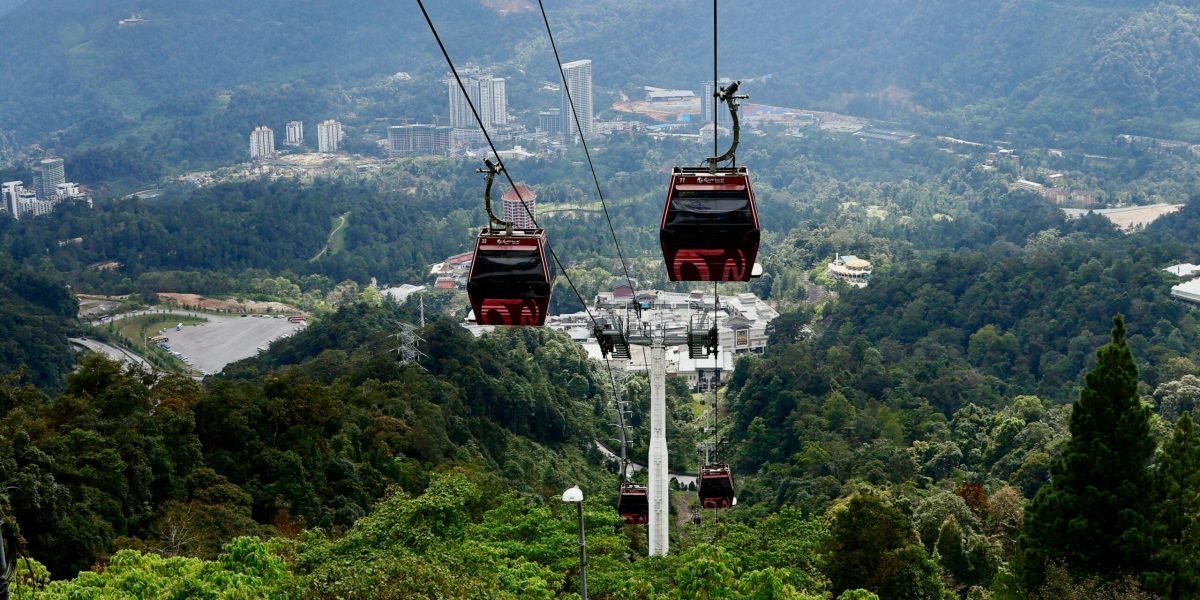
12 Best Ways to Travel Across Thailand

12 Best Ways to Travel Across Thailand

Best Ways to Travel Across Thailand

Nightfall in the city where tuk-tuks, neon lights, and endless street markets bring the streets to life—welcome to chaos you’ll fall in love with. Dan Freeman / Unsplash

When people think of traveling across Thailand, they often picture budget airlines, overnight buses, or the classic tuk-tuk ride through Bangkok’s traffic. But what if you could experience the kingdom not just by moving through it but by flowing with it?

Thailand’s real charm doesn’t lie in how fast you get from Chiang Mai to Krabi; it’s in the in-between moments: drifting on a bamboo raft past sleepy jungle villages, catching a ride with a monk on a motorbike, or navigating temple towns guided only by the scent of street food.

This isn’t just a travel guide; it’s a portal to alternative paths, where the journey becomes a form of storytelling. Forget Google Maps. Let rivers, festivals, and food trails lead the way. These 12 unconventional travel modes will help you explore Thailand in a way no itinerary ever could—raw, real, and wildly unforgettable. Let’s know the 12 Best Ways to Travel Across Thailand.

Best Ways to Travel Across Thailand
The greenish, Thailand’s older train routes, like Bangkok to Kanchanaburi is best way to travel across Thailand. Maria Krasnova / Unsplash

1. Slow Train Sojourns: Ride the Rails with Locals on Scenic Routes

There’s something timeless about traveling by slow train in Thailand, a gentle rhythm that invites you to pause, observe, and truly absorb your surroundings. Unlike high-speed options that blur the landscape into a streak of green, Thailand’s older train routes, like Bangkok to Kanchanaburi or Chiang Mai to Lampang, give an intimate window into the country’s soul.

The carriages are often filled with a colorful mix of monks, schoolchildren, street vendors, and locals heading home, creating an unfiltered glimpse into daily Thai life. As the train ambles through rice paddies, mountain curves, and sleepy villages, vendors hop on and off, selling steaming bags of sticky rice, grilled chicken, and sweet coconut pancakes, turning your seat into a moving food stall.

Conversations spark easily, especially when you share a snack or attempt a few Thai phrases. These scenic rail journeys are not just about reaching your destination; they’re about the stories that unfold between stations, the smiles exchanged without words, and the slow magic of letting the journey lead the way.

2. Motorbike Caravan Culture: Join a Group Ride Through Northern Thailand

In Northern Thailand, the road doesn’t just take you places; it brings people together. Whether you’re winding through the cool hills of Chiang Rai, cruising into the laid-back charm of Pai, or tackling the legendary twists of the Mae Hong Son Loop, joining a motorbike group ride transforms the journey into a shared story. It’s not just travel; it’s a rolling community, stitched together by adventure, spontaneity, and the open road.

These caravan-style journeys bring together a mix of travelers—some seasoned riders, others first-timers—all united by a sense of freedom and curiosity. The ride itself is unforgettable: sharp curves hugging the mountains, fog-kissed valleys opening up after every turn, and endless green stretching as far as the eye can see.

Along the way, riders make spontaneous stops at hilltop cafés, roadside noodle stalls, or tiny villages selling handmade crafts. These pauses aren’t just about resting; they become moments to share stories, laugh over language mix-ups, or help each other patch up a flat tire. In a group, even the most challenging stretches of road feel lighter, and strangers quickly become friends as you navigate the highs and lows of the route together.

Riding in a motorbike caravan through Northern Thailand isn’t just a means of transport; it’s a moving community, a shared rhythm of adventure, and one of the most intimate ways to explore the country’s untamed beauty.

Best Ways to Travel Across Thailand

Smiles and spices float side by side in this vibrant dance of tradition at a bustling Thai floating market. Alyssa Pay / Unsplash

3. Longtail Boat Hopping Through Floating Markets and Hidden Canals

Beyond the busy streets and crowded night markets of Thailand lies a quieter, more fluid way of travel: gliding through the country’s veins of water on a traditional longtail boat. While many visitors take these boats for short tourist rides in Bangkok or around the floating markets of Damnoen Saduak, the real magic begins when you venture off the beaten waterways.

In provinces like Amphawa, Ayutthaya, and Nakhon Pathom, longtail boats become more than just transportation; they become passageways into another world. You drift past stilted wooden homes, wave to fishermen casting nets at sunrise, and stop at hidden floating markets where vendors pass you steaming bowls of noodles directly from their boats.

There’s a rhythm to canal life that’s soothing and deeply connected to Thai tradition. Some routes lead to ancient temples only accessible by water, others to villages untouched by modern tourism. Traveling this way invites you to slow down, listen to the splash of the oar, and see Thailand not from a highway or rail but from the water, where life flows gently and authentically.

Best Ways to Travel Across Thailand

A temple-to-temple walking pilgrimage through the spiritual heartlands of Chiang Mai. Kiril Dobrev / Unsplash

4. Temple-to-Temple Walking Pilgrimage

In a world that often rushes, walking slowly from one sacred space to another can be a transformative experience. A temple-to-temple walking pilgrimage through the spiritual heartlands of Chiang Mai or the ancient ruins of Sukhothai invites you to step off the tourist trail and into a deeper rhythm, one guided by intention rather than itinerary.

As you move quietly on foot between temples, the journey becomes more than just physical; it turns inward. Along the way, you may encounter saffron-robed monks giving gentle smiles, hear the soft chime of temple bells in the distance, or be welcomed to join a morning alms-giving ceremony.

Many routes can be combined with short meditation retreats, where travelers can stay overnight in temple grounds, join in chanting, or receive personal blessings from resident monks. This form of travel is not measured in kilometers, but in moments of stillness, connection, and quiet insight.

5. Hitchhiking with a Twist: Sharing the Road with Thai Truckers

Along the quiet roads of Isaan and the long highways connecting Laos and the south, Thai truck drivers often provide more than just transportation. They play a key role in giving travelers an authentic experience, granting them access to rural areas and everyday life that is often overlooked by conventional tourism.

With a polite smile and Thailand’s signature thumb-down hitchhiking gesture, you’ll often find truckers happy to give a lift and sometimes even share a meal or introduce you to hidden roadside gems far off the tourist radar.

Safety is essential: dressing respectfully, steering clear of nighttime rides, and being clear about your destination are important unwritten rules. Hitchhiking in Thailand is less about chance and more about building trust, embracing humility, and experiencing the unspoken connections that make the journey unforgettable.

Every ride comes with a different story: a trucker who once studied in Germany, a farmer hauling fruit to Bangkok, or a woman who turns her cab into a karaoke booth. It’s a mode of travel that strips away filters and brings you face-to-face with the real, unfiltered heartbeat of the country one generous ride at a time.

Best Ways to Travel Across Thailand

Zooming through Bangkok’s neon pulse, the tuk-tuk turns every street into an adventure soundtrack. Yuya / Unsplash

6. Tuk-Tuk Travel Challenges Across Cities

Forget boring transit apps and predictable itineraries; why not turn city-hopping into a quirky quest with a self-made Tuk-Tuk Adventure Challenge? The idea is simple but wildly fun: visit five different Thai cities, and in each one, complete a unique mission using only tuk-tuks as your mode of transport.

Whether it’s finding the spiciest street food in Bangkok, locating a hidden mural in Chiang Mai, bartering at a floating market in Ayutthaya, delivering a postcard to a stranger in Phuket, or chasing sunset views in Hat Yai, each city brings its own flavor and its own tuk-tuk character.

This lighthearted, DIY journey turns getting around into part of the fun, letting you enjoy local conversations, colorful city scenes, and the upbeat energy of Thailand, all from the seat of a tuk-tuk.

7. Travel by Festivals: Follow the Calendar, Not the Map

Why follow a map when you can follow the rhythm of celebration? In Thailand, the festival calendar is a vibrant guide in itself, leading travelers on a journey shaped not by distance, but by cultural heartbeat.

Picture starting your journey in Chiang Mai beneath a sky lit by thousands of lanterns during the magical Yi Peng Festival, then making your way south to join the joyful chaos of Songkran, where the streets erupt in laughter, water fights, and New Year blessings.

Weeks later, you could be in Lopburi, watching hundreds of monkeys enjoy a royal spread during the delightfully bizarre Monkey Buffet Festival, a scene you won’t find anywhere else. Following festivals across Thailand lets you witness the country in full color, when communities come alive with tradition, laughter, and unforgettable energy.

Each event Gives not only visual spectacle but also a chance to take part in rituals, taste seasonal food, and interact with locals in a setting of joy and tradition. You explore the country in a dynamic way by building your itinerary around unforgettable moments rather than just destinations.

8. Jungle Cable Car and Zipline Routes in Northern Thailand

In Northern Thailand, adventures like Flight of the Gibbon near Chiang Mai offer a thrilling ride through the jungle, where you can zip across treetops, soar over waterfalls, and take in stunning rainforest vistas—an exhilarating way to connect with nature.

These experiences go beyond typical tourist attractions; they’re part of sustainable initiatives that support both conservation and local communities. As you glide from platform to platform, you’re treated to breathtaking views of unspoiled jungle while journeying through a vibrant ecosystem, often with expert guides who enrich the experience with stories about local wildlife and forest traditions.

Some routes even include rope bridges, skywalks, and short forest hikes, turning a simple ride into a full-on jungle immersion. It’s nature-based mobility at its most exciting, where getting from A to B becomes part of the adventure itself.

Best Ways to Travel Across Thailand

Gliding on a bamboo raft through peaceful waters surrounded by mountains and forest. Gokudo / Pexels

9. DIY Bamboo Rafting as a Mode of Transport

For an authentic and hands-on adventure, why not craft your own bamboo raft and drift down the serene rivers of Chiang Mai or Kanchanaburi? Bamboo rafting offers a unique way to connect with nature, where travelers are invited to help build their rafts from locally sourced bamboo and paddle their way through lush landscapes.

The journey isn’t just about floating downriver; it’s an immersive experience where you learn the craft of bamboo construction, an ancient local tradition, before setting off on the water. As you float through tranquil rivers, you pass vibrant jungle foliage, rolling hills, and hidden waterfalls, all while watching life unfold along the riverbanks.

In some areas, the river itself becomes the road, guiding you through peaceful villages and untouched nature, giving you a sense of timelessness that few other modes of transport can offer.

Along the way, you’ll also have the chance to interact with local communities and hear stories passed down through generations, making this journey one of cultural exploration as well as natural beauty.

Best Ways to Travel Across Thailand

Experience the local culture, markets, and street vendors that bring delicious dishes to life. Markus Winkler / Unsplash

10. Travel by Food Trail: Navigating Thailand Based on Regional Dishes

Why follow a typical travel route when you can navigate Thailand through its rich tapestry of flavors? Embark on a culinary journey that takes you across the country, tracing the origins of its iconic dishes.

Begin in Isaan, where the zesty som tam (green papaya salad) offers a perfect balance of spice, sourness, and crunch, setting the stage for a taste-packed adventure. From there, make your way south to Phuket or Krabi, where seafood curries like massaman and gaeng pla (fish curry) offer an irresistible mix of fresh catch and rich spices.

Next, head to Bangkok, where you can savor the city’s famous pad Thai and boat noodles, then move on to Ayutthaya for delicious slow-cooked dishes like braised pork leg. Each stop introduces you to amazing food and lets you experience the local culture, markets, and street vendors that bring these dishes to life.

norbert-braun-kHmxMbFlk8I-unsplash
Best Ways to Travel Across Thailand is waiting for the ride that tells a story of the city on every window. Norbert Braun / Unsplash

11. Eco-Tourism Trains and Green Buses Only

For travelers eager to explore Thailand sustainably, opting for eco-friendly transport like the SRT Green Line and green buses is an excellent choice. The SRT Green Line provides an environmentally conscious way to travel between cities, giving a low-emission, energy-efficient alternative to traditional train journeys. With a reduced carbon footprint, this service allows you to enjoy the scenic beauty of Thailand while contributing to a greener planet.

These trains feature energy-efficient systems, making travel comfortable and environmentally responsible. Additionally, Thailand’s expanding network of green buses, powered by clean energy, givies another excellent way to reduce your environmental impact while traveling.

These buses not only operate on compressed natural gas (CNG) or electric power but also offer a smoother, quieter ride through the country’s bustling cities and serene countryside. By choosing these green options, travelers can enjoy the stunning landscapes, cultural landmarks, and vibrant communities of Thailand while helping to protect the environment for future generations.

12. Nomadic Vanlife or Car Rental from North to South

Imagine waking up to the serene sounds of nature in one of Thailand’s stunning national parks, from Doi Inthanon in the north to Khao Sok in the south, where you can camp under the stars and explore remote hiking trails.

With a van or car, you can set an itinerary, exploring hidden beaches along the Andaman Sea or wandering through the peaceful, less-traveled regions of Isaan, away from the usual tourist spots.

Whether you decide to camp by the tranquil Pai River or park up along a serene beach in Krabi, you can enjoy the luxury of choosing your ideal spot to catch a stunning sunset or sunrise.

Equipped with everything from beds to basic cooking facilities, these vehicles give the ultimate nomadic experience, allowing you to truly connect with the land and the communities you pass through.

With vanlife or car rentals in Thailand, you gain the freedom to explore beyond the typical tourist spots, uncovering hidden gems and iconic landmarks alike throughout the country.

The official website for smart and sustainable travel across Thailand is Smart Travel Thailand. This platform offers a range of eco-friendly transportation options, including the SRT Green Line trains and green buses, which are designed to reduce your carbon footprint while traveling between cities. Additionally, the website provides information on eco-tourism initiatives, digital travel tools, and sustainable travel practices to help you plan a responsible and enjoyable journey through Thailand.

GUIDED BY EXPERT

Yoga within Travel the perfect flow of Experience

Explore wellness in anywhere

by

Explore Related Articles

The 18 Best Ways to Travel Across Japan

The 12 Best Ways to Travel Across Malaysia

12 Best Ways to Travel Across Egypt

12 Best Ways to Travel Across South Africa

LEAVE A COMMENT

Error: Contact form not found.
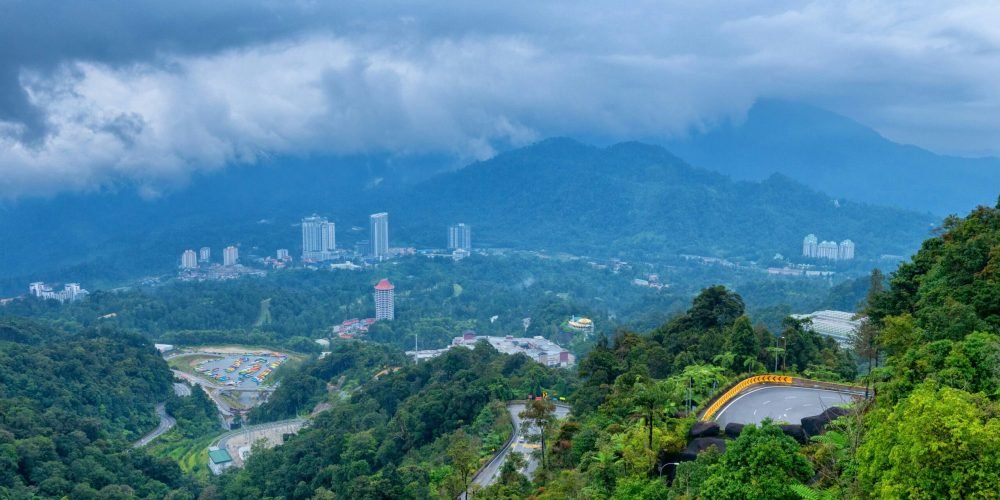
Best Things to Do in Thailand

20 Best Things to Do in Thailand

Best Ways to Travel Across Thailand

A smiling vendor paddles her boat of fresh fruits and flowers through a vibrant tapestry of Thailand’s floating market life. Alyssa Pay / Unsplash

Thailand’s true charm is found in the Golden Triangle, where the misty mountains of Chiang Rai meet the Mekong River, which forms the border between Thailand, Laos, and Myanmar. It’s in the ancient temples of Ayutthaya, now UNESCO World Heritage sites, slowly being overtaken by nature, and in the remote villages of Isaan, where traditional life continues at a slower pace, far from the typical tourist path.

In the north, the eerie quiet of Doi Inthanon National Park contrasts with the lively markets of Chiang Mai, and in the south, secret coves and hidden caves beckon adventurers away from the crowded islands. From the sleepy town of Pai, nestled in the northern hills, to the ancient ruins of Sukhothai that whisper stories of the past, Thailand reveals itself not in its popular spots but in its quieter, deeper moments.

Here, the beauty isn’t in the obvious; it’s in the places that invite you to look closer, listen harder, and experience Thailand in a way most visitors never will. Ready to step off the beaten path? Let’s explore the 20 best things to do in Thailand that most travelers never even hear about.

tong-kbp-6HX3jfCvwgs-unsplash

A serene gathering of monks in saffron robes reflects devotion beneath the golden gaze of Buddha. Tong Kbp / Unsplash

1. Attend a Local Monk Chat in Chiang Mai

One of the most enlightening experiences you can have in Chiang Mai is participating in a Monk Chat—a rare opportunity to connect with Buddhist monks and gain insight into their way of life. Chiang Mai, known for its rich spiritual heritage and serene temples, gives a chance to sit down with monks in a casual, open setting where you can ask questions and engage in meaningful conversations about Buddhism, meditation, and the daily rituals that shape their lives.

These informal chats are often held at temples like Wat Chedi Luang or Wat Phra Singh, where visitors can gather in peaceful temple gardens surrounded by ancient structures. As you talk to the monks, you’ll discover how their practice of meditation, mindfulness, and ethical living impacts their daily existence.

The monks often share their perspectives on everything from the pursuit of happiness to the importance of compassion, helping you understand the deeper philosophies that guide their spiritual journey.

The atmosphere is calm and non-judgmental, giving a rare opportunity to ask questions that might otherwise feel difficult to pose. It’s an experience that opens your mind, enriches your travels, and helps you reflect on life from a different perspective.

2. Explore the Ghost Tower of Bangkok (Sathorn Unique Tower)

The Sathorn Unique Tower, often called the Ghost Tower, is an unfinished skyscraper in Bangkok that stands as a haunting reminder of unfulfilled ambition. This 49-story skyscraper was originally intended to be a luxurious high-rise with breathtaking views of the Chao Phraya River and surrounding cityscape.

However, construction came to an abrupt halt in the late 1990s during the Asian financial crisis, leaving the tower unfinished and abandoned. Now, it stands as an urban relic, half-built and haunting, a strange contrast against the modern buildings that have since risen around it.

Despite its incomplete state, the Ghost Tower has become a destination for those with a taste for the unconventional. The tower’s skeletal frame and hollow windows create a surreal atmosphere that feels both unsettling and fascinating.

As you explore the various floors, you’ll notice the eerie quiet that fills the air; only the sounds of distant traffic and the occasional creak of the building’s aging framework break the silence.

Best Things to Do in Thailand
Udon Thani lies one of the country’s most enchanting naturals, the Red Lotus Sea. Shakib Uzzaman / Unsplash

3. Visit the Red Lotus Sea in Udon Thani

Tucked away in Thailand’s northeastern province of Udon Thani lies one of the country’s most enchanting naturals, the Red Lotus Sea, locally known as Talay Bua Daeng. This breathtaking lake transforms into a dreamlike scene between January and February, when thousands of vibrant red-pink lotus flowers bloom across the calm water.

As you glide through the lake in a small boat during the early morning hours, when the flowers are fully open, the horizon becomes a sea of color stretching as far as the eye can see. The serene setting is accompanied by the sounds of birds and gentle ripples, creating a peaceful, almost surreal atmosphere.

Despite its name, the lotuses are more pink than red, and their beauty is best appreciated up close, making the boat ride an essential part of the experience. Far from the typical tourist trail, the Red Lotus Sea offers a unique glimpse into the natural beauty and calm spirit of Thailand’s lesser-explored northeast.

4. Experience a Muay Thai Training Camp in Isaan

For a truly immersive experience in Thailand, few adventures match the intensity and authenticity of joining a Muay Thai training camp in Isaan, the country’s northeastern heartland. Unlike the commercial gyms found in tourist hubs, Isaan’s camps are deeply rooted in tradition and community.

Here, Muay Thai isn’t just a sport; it’s a way of life passed down through generations. Training alongside local fighters, you’ll rise with the sun for early morning runs, practice strikes under the watchful eyes of seasoned trainers, and condition your body and mind in the same rustic gyms where champions are made.

The experience goes beyond physical discipline; it immerses you in the daily rhythm of rural Thai life. Between sessions, you’ll share meals with locals, explore rice fields, and perhaps even attend village festivals or local matches. Tough, humbling, and inspiring, training in Isaan gives a rare chance to connect with the true spirit of Thailand—raw, proud, and fiercely resilient.

5. Join the Monkey Buffet Festival in Lopburi

Each year, the ancient town of Lopburi in central Thailand throws an unforgettable feast not for people, but for its most mischievous residents during the wildly unique Monkey Buffet Festival. Held in late November, this festival is dedicated entirely to the thousands of long-tailed macaques that roam freely around the town, particularly near the ancient Phra Prang Sam Yot temple.

Locals prepare grand spreads of fruits, sticky rice, and sweet treats, arranging them in colorful displays on tables, tiered platforms, and even carved ice sculptures, all for the monkeys to enjoy. The festival isn’t just a spectacle; it’s rooted in the belief that these macaques bring fortune and prosperity to the town.

What begins as a gesture of respect quickly turns into a playful, chaotic celebration that draws curious visitors from around the world, turning sleepy Lopburi into a buzzing hub of culture, laughter, and monkey mischief.

Visitors can witness the monkeys indulging in their feast, climbing on statues, and playfully interacting with the crowds. It’s a bizarre yet charming blend of wildlife, culture, and community spirit that you won’t find anywhere else in the world, proof of Thailand’s unique ability to turn even the wildest traditions into something joyful and memorable.

Best Things to Do in Thailand

It’s a peaceful sanctuary in Thailand where rescued elephants roam freely, healed by care and compassion. Luca Iaconelli / Unsplash

6. Volunteer at Elephant Nature Park (Not a Ride!)

Volunteering at Elephant Nature Park near Chiang Mai gives a powerful, hands-on way to support ethical wildlife tourism in Thailand. Unlike traditional elephant attractions that promote rides or performances, this sanctuary is dedicated to rescuing and rehabilitating elephants that have suffered from logging, street begging, or abusive tourism industries.

As a volunteer, your days are spent preparing food, feeding the elephants, cleaning their enclosures, and even walking alongside them as they roam freely through the park’s lush grounds. You’ll learn about their stories, many heartbreaking, some hopeful, and witness firsthand the slow, healing process of trust rebuilding. The park also emphasizes education, helping visitors understand why riding elephants is harmful and how true conservation begins with respect.

Beyond elephants, the sanctuary is home to rescued dogs, cats, buffaloes, and more, creating a broader impact on animal welfare. It’s a deeply moving experience that allows you to give back while connecting with these gentle giants in a way that’s respectful, meaningful, and unforgettable.

7. Discover the Thai Grandmother Café Trend

Across Thailand, a quiet culinary movement is gaining heartwarming momentum: the rise of grandmother-run cafés, where food is cooked with soul, memory, and decades of tradition. These charming spots, often tucked into alleys or hidden behind modest storefronts, are lovingly operated by senior women who serve up dishes rarely found on modern menus.

From forgotten regional curries to hand-pounded chili pastes and slow-cooked stews, each plate carries the flavor of time—recipes passed down through generations, prepared just as they were in village kitchens long before fast food and fusion trends. These cafés aren’t just about food; they’re about preserving culture, celebrating elders, and creating intimate spaces where stories are shared along with meals.

Whether it’s a tiny eatery in Chiang Mai run by a former street vendor or a Bangkok café where grandma still uses charcoal stoves, visiting one is like stepping into a living museum of Thai culinary heritage with a side of warm smiles and wisdom you won’t find in any cookbook.

Best Things to Do in Thailand

Phuket is a vibrant and intense celebration of spiritual cleansing Vegetarian Festival. Anna Korzik / Unsplash

8. Participate in the Vegetarian Festival in Phuket (With Fire Walking!)

Every year during the ninth lunar month, usually in September or October, Phuket transforms into the stage for one of Thailand’s most extraordinary spiritual events, the Vegetarian Festival. Don’t be misled by the name; this isn’t just a celebration of plant-based eating.

Rooted in ancient Taoist beliefs, the festival is a powerful ritual of cleansing, sacrifice, and devotion. Over nine days, participants from the island’s Chinese-Thai community follow strict practices, giving up meat, alcohol, and worldly pleasures to purify both body and soul. The atmosphere becomes electric with spiritual energy, where the physical acts of abstinence are just the beginning of a much deeper journey into faith and resilience.

But what truly captivates visitors are the extreme rituals performed by spirit mediums, known as Ma Song, who enter trance-like states believed to be possessions by divine entities. In these states, they walk across burning coals, climb bladed ladders, and pierce their cheeks, arms, and faces with everything from skewers to bicycle parts, all without showing pain.

The streets of Phuket Town erupt in a whirlwind of firecrackers, rhythmic drumming, and parades of devotees dressed in white, turning the city into a living tapestry of devotion, intensity, and otherworldly spectacle.

9. Sleep in a Floating Bamboo Raft House in Kanchanaburi

Spending a night in a floating bamboo raft house on the River Kwai in Kanchanaburi is one of Thailand’s most peaceful and unforgettable experiences. Nestled along the quiet river’s edge and wrapped in thick jungle greenery, these modest yet inviting raft houses offer a peaceful retreat from modern life, inviting you to slow down and soak in nature’s rhythm.

Forget Wi-Fi, traffic, and city noise here; you’ll fall asleep to the gentle flow of the river below and wake to the whisper of leaves swaying in the morning breeze. At night, the stars reflect on the river’s surface, and the only light comes from lanterns and fireflies dancing in the dark. Wake up to mist rising off the water, jump straight in for a swim, or paddle a kayak through the quiet morning fog.

Many raft houses are locally run and eco-conscious, giving home-cooked Thai meals and a glimpse into a slower, more grounded way of life. It’s not luxury in the traditional sense, but it’s rich in something far rarer: stillness, beauty, and a genuine connection to place.

10. Go Midnight Squid Fishing in Koh Tao

Midnight squid fishing in Koh Tao is one of those rare, offbeat adventures that connects you directly with the island’s coastal soul. As night falls, you’ll board a small wooden boat with local fishermen, heading out into the dark, open waters lit only by moonlight and green lamps used to attract squid.

The air is cool, the sea calm, and the experience oddly meditative as you learn to drop your line, feel for the subtle tugs, and reel in your slippery catch. It’s not about filling buckets; it’s about sharing quiet conversations, listening to stories from the sea, and seeing a side of island life that tourists often miss.

Once the fishing wraps up, the reward is immediate: a dockside cook-up of your fresh catch, grilled or stir-fried with Thai spices and served right under the stars. It’s a simple yet memorable way to experience the ocean not just as a backdrop, but as a way of life. 

11. Take a Blind Massage by Visually Impaired Therapists

Receiving a massage from a visually impaired therapist in Thailand is not only incredibly healing but also deeply meaningful. Many blind massage centers across the country, especially in cities like Bangkok and Chiang Mai, are part of social enterprises that empower the visually impaired with skilled employment and independence.

What makes the experience unique is the therapist’s extraordinary sense of touch, refined, intuitive, and incredibly precise. Without visual distractions, these therapists often have an enhanced ability to detect muscle tension and energy blockages, allowing them to deliver a massage that feels both deeply personal and remarkably effective.

You can opt for a traditional Thai massage or a soothing oil-based therapy, all delivered in a serene, welcoming space where gentle music or tranquil silence enhances the deeply relaxing atmosphere. Beyond the physical relief, there’s something quietly powerful about knowing that your visit supports a community and celebrates ability over disability. It’s a humbling reminder that healing works both ways.

Best Things to Do in Thailand

Best things to do in Thailand exploring this food scene is like tasting a living history quietly preserved on plates. Jerome Jome / Unsplash

12. Discover Thai Japanese Fusion Food in Chanthaburi

In the quiet, fruit-rich province of Chanthaburi, a lesser-known culinary story unfolds, one born from the unlikely intersection of Thai and Japanese culture during World War II. When Japanese soldiers were stationed in the area, some chose to stay behind after the war, marrying locals and subtly blending their culinary traditions into Thai kitchens.

Today, this fusion lives on in rare, home-style dishes you won’t find in Bangkok or tourist hotspots. Think of fragrant Thai herbs meeting miso broth or stir-fried vegetables laced with soy-marinated mackerel. One standout is “Katsu Gaeng Pa,” a crispy pork cutlet served with jungle curry, offering a bold mix of textures and spices.

Hidden family-run restaurants and roadside stalls in Chanthaburi still serve these cross-cultural plates, where tempura vegetables might be dipped in spicy Thai chili sauce or sushi rolls are reimagined with local tropical fruits. Exploring this food scene is like tasting a living history quietly preserved on plates passed down through generations.

13. Visit a Fortune Teller at Bangkok’s Wat Pho

Tucked within the historic grounds of Wat Pho, best known for its massive Reclining Buddha, is a lesser-known experience that adds a mystical touch to your visit: meeting a traditional Thai fortune teller. These astrologers, often seated quietly near the temple’s shaded courtyards, give insights drawn from ancient Buddhist, Hindu, and Thai spiritual traditions.

Using a mix of birth charts, palm readings, and even numerology, they unravel the patterns of your life, offering guidance on everything from love and health to career and karma. Some may chant softly, consult aged books, or use symbolic cards unique to Thai mysticism. While the atmosphere remains serene and respectful, there’s an unmistakable sense of ceremony, especially as incense swirls around golden statues and monks pass silently nearby.

If you’re a believer or just curious, the experience is intimate, fascinating, and uniquely Thai, providing not just predictions but an understanding of how spirituality is interwoven with everyday life in Thailand.

14. Attend an Underground Art Gallery in Chiang Rai

Beyond Chiang Rai’s famous White Temple and tourist-heavy landmarks lies a lesser-seen creative undercurrent: underground art galleries that challenge the norm and pulse with raw, political expression. These hidden spaces, often tucked away in abandoned buildings, alley basements, or local homes-turned-exhibition rooms, showcase works by emerging Thai artists who use their craft to comment on social issues, identity, environment, and power.

You might walk into a room filled with protest graffiti, installations made of recycled waste, or mixed-media pieces exploring generational trauma and censorship. The vibe is intimate and edgy, and conversations with the artists are often unfiltered, personal, and passionate. Visiting one of these underground galleries gives you a rare window into Thailand’s contemporary soul, far removed from temples and markets, yet just as rich in culture and meaning.

15. Explore the Abandoned Airplane Graveyard in Bangkok

Tucked away on the eastern edge of Bangkok, just beyond the city’s bustling traffic and towering billboards, lies one of its strangest urban secrets: the Abandoned Airplane Graveyard.

Here, the rusting shells of old jumbo jets and commercial aircraft lie scattered in an overgrown lot, their torn fuselages and exposed cabins eerily silent reminders of a past life in the skies. But this isn’t just a playground for urban explorers; several Thai families have made these aircraft their home, constructing makeshift makeinteriors, and photographing the haunting beauty of nature slowly reclaiming metal.

The experience is surreal: standing in a cockpit with shattered windows, shifting shelters within the hollowed-out planes. For a small donation, some residents may allow curious visitors to climb aboard and wander through the gutted reeds growing through the floor while kids play nearby and laundry hangs from a wing.

It’s a place that blends decay with resilience, giving a raw, unsanitized glimpse into both Bangkok’s hidden corners and the resourcefulness of the people who live there. This is the best thing to do in Thailand.

Best Things to Do in Thailand

An ancient rite in ink, captures the spiritual art of Sak Yant tattooing, where sacred geometry meets devotion and pain. Sippakorn / Unsplash

16. Join a Traditional Sak Yant Tattoo Ceremony

Sak Yant tattoos are usually done by a Buddhist monk or a respected ajarn (tattoo master) in a quiet temple or rural studio, where the smell of incense fills the air. Instead of a machine, they use a sharp metal rod or bamboo stick to carefully draw sacred symbols or words onto your skin.

As the monk gently taps the tattoo in place, he also whispers blessings, making the moment feel peaceful and powerful. You don’t just leave with a tattoo; you leave with a meaning and a memory you’ll never forget.

The monk uses a long, thin bamboo stick or steel rod to hand-poke intricate geometric designs, animals, or script into the skin, each symbol carrying specific blessings, such as protection, courage, or best fortune. Before the tattooing begins, the master will often meditate, read your aura, or ask questions to determine which yantra is right for you.

The process is intense not just physically, but emotionally as you sit silently, surrounded by centuries-old chants and the rhythm of tapping metal. When it’s over, the monk often blesses the tattoo with sacred words, sealing its spiritual energy.

17. Do a “No Phone” Digital Detox Retreat in Pai

In the quiet mountain town of Pai, far from Thailand’s busy cities, you’ll find peaceful retreats that invite you to completely unplug—no phones, no Wi-Fi, no distractions. Surrounded by green valleys, hot springs, and gentle streams, these digital detox retreats give a chance to slow down and reconnect with yourself.

Each day gives a mix of gentle yoga, guided meditation, quiet walks through nature, personal reflection time, and peaceful moments of silence. Without screens, your senses become sharper; you hear the birds, notice the breeze, and actually taste your food. Evenings might include group reflections or just watching the stars in stillness.

At first, it may feel uncomfortable, even strange, but by the end, many feel lighter, clearer, and more present. Doing a “no phone” retreat in Pai isn’t just a break from the internet; it’s a reset for your mind and soul in one of Thailand’s most peaceful corners.

18. Visit a Rainbow Eucalyptus Forest in the South

Hidden in the lush, humid landscapes of southern Thailand, particularly around provinces like Phatthalung or Nakhon Si Thammarat, you’ll find something that looks straight out of a fairytale: rainbow eucalyptus trees.

These stunning trees, with bark that naturally peels away to reveal streaks of bright green, blue, orange, maroon, and purple, look as if an artist painted them by hand. The colors become more vivid after rainfall, when the moisture deepens their hues.

Walking through a grove of these trees feels surreal, like stepping into a living watercolor painting. Though not widely known to tourists, a visit to one of these forests offers a peaceful, visually magical experience perfect for quiet photography, sketching, or simply standing still in awe.

Best Things to Do in Thailand

Koh Phayam is a peaceful escape for those craving simplicity and connection to nature. Conor Murphy / Unsplash

19. Take a Ferry to a Thai Island with No Tourists (like Koh Phayam)

Tucked away in the quiet corners of the Andaman Sea, Koh Phayam offers a glimpse of Thailand before mass tourism arrived. Accessible by ferry from Ranong, this off-the-grid island trades in luxury resorts for bungalows on the beach and traffic for the hum of scooters on sandy trails. With no cars and minimal internet, life here flows at a slower, more intentional pace.

Locals welcome you with warmth, the beaches stretch out almost empty, and the sunsets feel like private shows just for you. Whether you’re sipping coconut water in a hammock or watching hornbills glide across the treetops, Koh Phayam is a peaceful escape for those craving simplicity and connection to nature.

Here, move slowly. You can walk barefoot along nearly empty beaches, eat fresh seafood at local huts, watch sunsets in total silence, or nap in a hammock under a cashew tree. With no loud bars or party scenes, the island invites you to truly relax and enjoy the rhythm of simple life.

20. Learn the Secret Craft of Thai Fruit Carving

Thai fruit carving is more than just decoration; it’s a centuries-old art once reserved for the royal court, where chefs turned everyday fruits into elegant works of beauty. Today, you can learn this intricate skill through hands-on workshops offered in places like Bangkok, Chiang Mai, or even at local markets in smaller towns.

Guided by skilled artisans, you’ll discover how to transform papayas, watermelons, and carrots into delicate flowers, birds, and swirling patterns using only a few simple tools and a lot of focus. The process requires patience and a steady hand, but it’s surprisingly meditative and incredibly satisfying.

Each carved piece becomes a blend of nature and creativity, and you’ll leave not only with edible art but also a deeper appreciation for Thai attention to detail and tradition. It’s a unique souvenir and a story you can taste and share.

The official website for exploring the best things to do in Thailand is the Tourism Authority of Thailand (TAT), accessible at: The official website of Tourism Authority of Thailand

GUIDED BY EXPERT

Yoga within Travel the perfect flow of Experience

Explore wellness in anywhere

by

Explore Related Articles

24 Best Things to Do in Malaysia

20 Best Things to Do in United States

20 Best Things to Do in Japan

The 14 Best Things to Do in India

LEAVE A COMMENT

Error: Contact form not found.
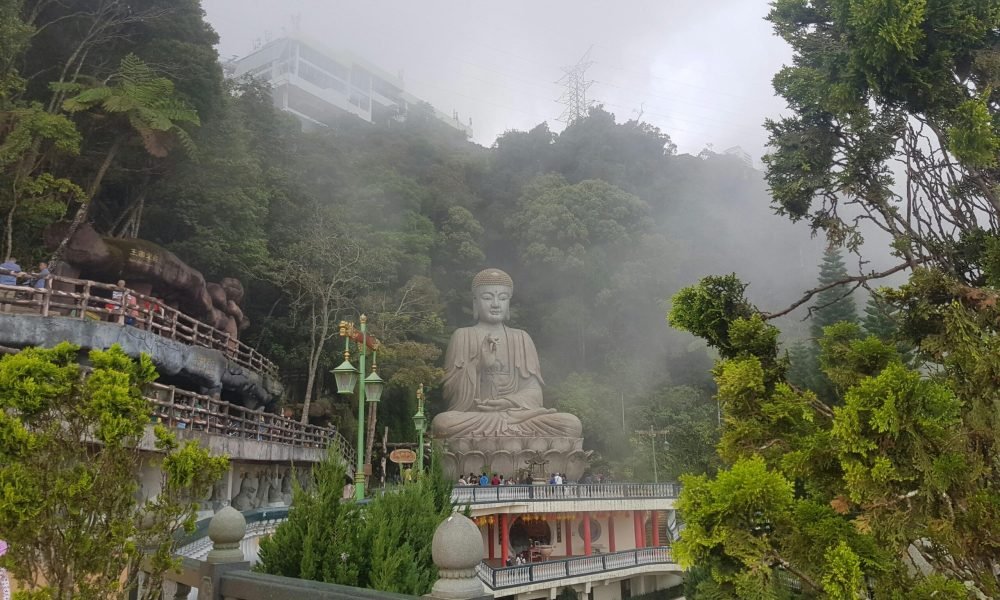
Things to Know Before Traveling to Thailand

12 Best Things to Know Before Traveling to Thailand

Best Things to Know Before Traveling to Thailand

Bangkok Pride is one of Southeast Asia’s biggest LGBTQ+ parades, drawing over 50,000 people. Phuwanai Chaosuan / Unsplash

The moment you step off the plane in Thailand, you’re greeted by something more than just tropical heat—it’s a feeling. It’s the smile of the immigration officer, the quiet wai from the hotel staff, and the sound of a tuk-tuk buzzing past with street food scents trailing behind.

To Thailand, you need to look beyond the guidebook clichés. There’s an unspoken code of warmth, beliefs, humor, and tradition that shapes how things work, from the way locals handle time to the unexpected meanings behind a smile.

It’s understanding why no one argues in public, why stray dogs are lovingly fed, or how spiritual beliefs guide even everyday choices. These unusual yet essential insights will help you connect with the real Thailand—quietly powerful, beautifully layered, and full of surprises. Let’s plan a trip and here guide you on best things to know before traveling to Thailand.

Best Things to Know Before Traveling to Thailand

A person pours a creamy mix into banana leaf cups, prepping a traditional Thai street dessert. Louis Gan / Unsplash

1. Thailand is More Than Beaches and Temples

When people think of Thailand, their minds often jump to its turquoise beaches, ornate temples, and bustling street markets. But beyond these iconic sights lies a creative soul that many travelers overlook.

In cities like Chiang Mai and Bangkok, hidden among the busy streets, you’ll find cozy literary cafés filled with local poets, artists, and students sipping Thai iced tea while reading indie novels or sketching in notebooks.

Bangkok’s Ari and Thonglor neighborhoods, for instance, are home to minimalist bookshops and underground art galleries that showcase the voices of Thailand’s younger generation.

Further away from the cities, rural provinces like Nan and Ubon Ratchathani are nurturing grassroots creative communities—quiet villages where locals run pottery workshops, organic dye studios, and handmade craft cooperatives.

These places don’t make it onto the glossy brochures, but they reveal a side of Thailand that’s deeply artistic, refreshingly authentic, and quietly transformative for those willing to explore beyond the obvious.

2. Respect the “Sanuk” Spirit – It’s a Way of Life

In Thailand, the idea of sanuk, about having fun, is a core part of how people live, connect, and communicate. More than a word, sanuk reflects a deeply rooted cultural belief that life should be enjoyable, no matter the task at hand.

Whether it’s a street vendor joking with customers, office colleagues playfully teasing each other, or a bus driver singing along to a radio tune, Thai people naturally seek to infuse joy into even the most routine moments.

In Thailand, doing something well isn’t enough; it should be enjoyable, too. That’s why you’ll rarely see open conflict in public, why humor is a natural part of conversation, and why even busy workplaces often feel laid-back and friendly. It’s these lighthearted interactions that often become the most cherished travel memories. and here is the best things to know before traveling to Thailand.

Best Things to Know Before Traveling to Thailand

Thailand’s street food scene is so renowned that CNN once ranked Bangkok as the best city in the world for street food. Thaimaaopas / Unsplash

3. Avoid Tourist Traps: Eat Where the Locals Eat at Midnight

Thailand’s food scene is world-famous, but many travelers end up sticking to the same busy night markets listed in every guidebook, often paying more for watered-down flavors. If you want best things to know before traveling to Thailand real Thai food, avoid the touristy places and go out late at night when the streets are full of local flavor and energy.

These late-night food corners aren’t built for Instagram; they exist for locals wrapping up long shifts, taxi drivers grabbing a hot bowl of noodles, and groups of friends catching up over spicy grilled meats and sticky rice.

Best Things to Know Before Traveling to Thailand

This vibrant scene at Cozy at Ten Guesthouse in Bangkok captures the lively charm of Thai night markets. Syed Ahmad / Unsplash

Places like Bangkok’s Ratchada Train Market (Talad Rot Fai) or Chiang Mai’s Chang Phuak Gate stalls are the best examples, where you’ll find steaming bowls of boat noodles, fragrant moo ping skewers, and crispy fried oyster omelets served until the early hours. 

The prices are lower, the flavors are bolder, and the conversations are more authentic. If you really want to taste Thailand, trust the locals’ footsteps because the best meals often begin when the city sleeps.

Best Things to Know Before Traveling to Thailand

Thailand called the “Land of Smiles” because smiling is a deeply rooted part of Thai etiquette and communication. Boudewijn Huysmas / Unsplash

4. The Real Meaning Behind Thai Smiles

See Thai people as cheerful and friendly (which they often are); not every smile you receive means happiness or agreement. Thai culture recognizes as many as 13 different types of smiles, each used in different situations.

Some show joy or politeness, while others might express embarrassment, uncertainty, or even quiet disagreement. For example, someone might smile when they’re uncomfortable or trying to avoid conflict. This gentle approach helps keep interactions smooth and respectful, which is highly valued in Thai society.

As a traveler, being aware of these subtle differences can help you avoid misunderstandings and respond more thoughtfully. So, while you’ll see plenty of warm smiles during your trip, remember that not all of them mean the same thing; it’s the Thai way of communicating emotions quietly and gracefully.

5. Why the Thai Calendar Might Confuse You

If you glance at a Thai calendar and think you’ve time-traveled into the future, you’re not alone. Thailand uses the Buddhist Era (B.E.) calendar, which is 543 years ahead of the Gregorian calendar. So, while the world marks 2025, Thailand is already in the year 2568, a gap that pops up on everything from train tickets and hotel forms to public holiday banners.

This difference appears in more places than you’d expect on train tickets, official documents, museum signs, and even hotel registration forms. The best things to know before traveling to Thailand about Gregorian calendar is commonly used in tourist spots, you’ll find that smaller towns and government offices tend to stick exclusively to the Buddhist calendar.

This can cause confusion if you’re booking tickets or planning around festivals, as Thai holidays like Songkran (Thai New Year) are based on the local calendar. To avoid misunderstandings, it helps to double-check dates and remember this calendar shift, especially when filling out forms or making reservations.

6. Don’t Underestimate the Power of the Wai Greeting

The wai is a friendly hello in Thailand, and it’s a powerful symbol of respect and social etiquette. People press their palms together and bow their heads slightly to use this gesture for greetings, gratitude, apologies, and farewells. The wai follows an unspoken code tied to age, status, and occasion, making it far more complex than simply mimicking others.

The position of the hands and depth of the bow change depending on who you’re addressing; higher hands and deeper bows are reserved for monks, elders, and people of higher status. It’s also important to know when not to initiate a wai. For example, it’s not customary to wai service staff, children, or people working in shops; doing so may create awkwardness or confusion.

As a visitor, the best things to know before traveling to Thailand. it’s perfectly okay to return a wai when it’s offered, especially from someone older or in a respectful setting. Learning the subtle meaning behind this graceful gesture can help you connect more genuinely with locals and show your understanding of Thai customs.

7. Street Dogs Are Everywhere – But They Have a Story

If you walk through any Thai city or village, you’ll likely notice soi dogs, stray or semi-stray street dogs, resting in temple courtyards, wandering through alleys, or lounging outside shops. While some travelers see them as a sign of neglect, these dogs are actually woven into the fabric of Thai society.

Rooted in Buddhist beliefs, many Thais see caring for stray animals as an act of compassion and a way to earn merit. Locals often leave food and water for these dogs, and some temples even take them in as quiet residents.

Unlike in many Western countries, where stray animals are quickly removed, Thailand’s cultural values tend to promote tolerance and kindness, even toward animals without owners. Though not all soi dogs are friendly, many are accustomed to people and live peaceful lives among them.

Understanding this quiet coexistence helps visitors see beyond first impressions and shows how Thai values extend not just to humans, but to all living beings.

8. ATM Fees & SIM Cards: What Locals Know But Tourists Don’t

Many tourists in Thailand end up spending more than they need to on everyday essentials like ATM withdrawals and mobile data simply because they don’t know the local tricks. For instance, most Thai ATMs charge foreign cards a fee of around 220 baht per withdrawal, but AEON Bank ATMs (found in some malls and supermarkets) typically give lower fees or none at all.

Using these can save you quite a bit over a long trip. The same goes for SIM cards: while airport counters seem convenient, they often sell tourist packages at inflated prices. Locals know that buying a SIM card from a nearby 7-Eleven or a local mobile shop not only gives you better rates but also more flexible data options.

Being aware of these small but significant tips can make your travel budget stretch much further and help you blend in like someone who’s been here before.

Wat Arun Temple

Modest yet colorful traditional Thai clothing is welcomed at temples, especially during festivals. Yoav Aziz / Unsplash

9. Dress Codes for Sacred Places Go Beyond Shoulders and Knees

When visiting temples or royal sites in Thailand, covering your shoulders and knees is just the beginning. Thai culture has quiet but important rules about how to dress, based on respect and tradition. For example, certain colors carry cultural weight, especially on days connected to the royal family.

Wearing black or overly dark colors during festive occasions or bright reds on royal mourning days can unintentionally send the wrong message. Likewise, clothing with religious symbols or sacred imagery, especially tattoos of the Buddha, can be highly disrespectful if not covered, particularly in holy places. one of the best things to know before traveling to Thailand.

While locals may not always speak up, inappropriate dress is quietly frowned upon and may even result in being denied entry to a temple or palace. To show genuine cultural awareness, opt for modest, clean clothing in neutral or respectful colors, and always remove your shoes before entering inner sanctuaries.

10. Island Time Is Real – and Not Just on the Islands

In Thailand, time doesn’t always move according to the clock. Whether you’re waiting for a bus in Bangkok or catching a ferry to the islands, you’ll quickly notice that things often run on “Thai time,” a laid-back, flexible sense of scheduling that values patience over precision.

Buses may leave late, boat schedules might shift without much notice, and even appointments can start a little behind. But this isn’t seen as disorganized; it’s simply a reflection of the country’s relaxed and unhurried culture.

As a traveler, adjusting your mindset to match this rhythm can make your trip far more enjoyable. Build in extra time between activities, stay flexible with your plans, and try not to rush—it’s all part of experiencing Thailand the way locals do. and it matter things to know before traveling to Thailand.

11. How Thai People Navigate Conflict (Hint: They Don’t)

In Thai culture, avoiding confrontation is more than just politeness; it’s a deeply rooted value tied to maintaining harmony and saving face. Open arguments, loud complaints, or public displays of frustration are generally disrespectful and embarrassing, not just for the person on the receiving end but for everyone involved.

Rather than face conflict head-on, Thai people tend to use indirect communication, subtle body language, or a calm, quiet withdrawal to express disagreement. This approach preserves dignity and keeps relationships intact. As a traveler, it’s important to adopt a similar mindset.

If you run into issues, whether it’s a hotel mix-up or a food order gone wrong, staying calm, speaking gently, and smiling will go much further than getting upset. By showing patience and respect, you’re more likely to find a solution, and you’ll earn the appreciation of locals who value grace under pressure. and this is the best things to know before traveling to Thailand.

12. The Secret World of Thai Superstitions and Lucky Charms

Thailand may appear modern and bustling on the surface, but behind everyday life lies a rich world of superstitions and spiritual beliefs that quietly guide decisions, behaviors, and traditions. From small spirit houses outside homes and businesses, meant to honor guardian spirits, to amulets blessed by monks, these things show how deeply many Thais are connected to the spiritual world.

People might avoid certain numbers, colors, or directions on specific days, and it’s common to see taxi drivers hanging Buddha charms or protective tokens from their rearview mirrors. Even sak yant tattoos, made famous by travelers, hold sacred meanings and are believed to offer protection, strength, or luck, especially when blessed by a monk or traditional ajarn.

The official website for planning your trip to Thailand is the Tourism Authority of Thailand (TAT) site: The official website of Tourism Authority of Thailand its guide you on best things to know before traveling to Thailand.

GUIDED BY EXPERT

Yoga within Travel the perfect flow of Experience

Explore wellness in anywhere

by

Explore Related Articles

Things Know Before Traveling to United States

Things Know Before Traveling to South Africa

20 Best Things to Know Before Traveling to Egypt

18 Best Things to Know Before Traveling to India

LEAVE A COMMENT

Error: Contact form not found.
Phi Phi Islands

@ Prashant

Phi Phi Islands

Krabi,

Thailand,

Asia

The Phi Phi Islands are a small archipelago tucked away in the Andaman Sea, off the southwestern coast of Thailand. They fall under the jurisdiction of Krabi Province and are situated about 40 kilometers from both Krabi and Phuket. The islands are accessible only by boat, which makes the journey itself feel like part of the adventure. When your boat glides across the turquoise sea and the dramatic limestone cliffs of the islands rise into view, it feels as if you’ve entered a scene straight from a tropical dream.

Unlike many other beach destinations that are dotted with resorts and traffic, the Phi Phi Islands are largely car-free and have a slower, more laid-back rhythm. The main inhabited island, Phi Phi Don, is known for its vibrant walking streets, while its quieter sibling, Phi Phi Leh, remains untouched by permanent development. It’s here you’ll find the legendary Maya Bay, made famous by the film The Beach, but the islands’ real charm goes beyond movie scenes.

Phi Phi’s landscape is where nature puts on a show—dramatic limestone cliffs plunge into turquoise waters, golden beaches melt into dense green jungles, and each sunset paints the sky with surreal colors. As evening falls, the island transforms: waves lap gently in the background, reggae rhythms drift through the air, and fire dancers light up the shores, creating an atmosphere that’s both dreamlike and electric.

The Phi Phi Islands offer a perfect blend of nature, adventure, and nightlife in one stunning destination. Nearby, Viking Cave holds ancient drawings and swiftlet nests harvested for bird’s nest soup.

Over on Phi Phi Don, a hike to the viewpoint reveals breathtaking butterfly-shaped twin bays, especially beautiful at sunrise or sunset. As night falls, Tonsai Beach comes alive with fire shows, music, and glowing beach bars, creating a vibrant party under the stars. Whether you’re after serenity or excitement, the Phi Phi Islands deliver an unforgettable island experience.

Food in Phi Phi is a vibrant mix of Thai tradition and island flair, offering flavors that are both bold and tropical. From quick bites at beach shacks to candlelit dinners by the sea, every meal feels like a celebration. Signature dishes include pad thai, noodles stir-fried in tangy tamarind sauce with fresh-caught seafood, and massaman curry, a comforting, mildly sweet blend of chicken, cinnamon, and peanuts served with rice.

Seafood lovers are in for a treat with freshly grilled barracuda or red snapper, chosen straight from the catch and seasoned with zesty lime, chili, and garlic for a burst of island flavor. To beat the heat, nothing tops a scoop of creamy coconut ice cream served in a shell, both refreshing and picture-perfect. And when the night winds down, banana pancakes crispy on the edges, soft in the center, and dripping with honey or chocolate are the go-to indulgence after a lively beach party.

Let's Connect With

The Phi Phi Islands do not have a singular official website dedicated solely to them. However, for comprehensive and authoritative information, you can refer to the Tourism Authority of Thailand’s official page for Ko Phi Phi: https://www.tourismthailand.org/Destinations/Provinces/ko-phi-phi/359?utm_


Around Phi Phi Islands

1. Maya Bay (Phi Phi Leh)

5 km

A stunning cove made famous by The Beach, ideal for swimming and photos.

2. Railay Beach

38 km

Famous for its limestone cliffs, hidden caves, and rock climbing.

3. Ao Nang

40 km

A lively beach resort town known for cliffside bars, nightlife, and island-hopping tours.

4. Krabi Town

42 km

A charming riverside town with markets, temples, and access to mainland adventures.

5. Patong Beach

50 km

A bustling beach destination known for nightlife, shopping, and entertainment.

6. Koh Lanta

55 km

A laid-back island with long beaches, chilled vibes, and fewer crowds.

7. Phang Nga Bay

70 km

Home to James Bond Island and dramatic limestone karsts rising from emerald waters.

8. Koh Yao Noi / Koh Yao Yai

70 km

Peaceful twin islands perfect for cycling, kayaking, and rural island life.

Thailand Top Attractions

840 km

840 km

17 km

Perched gracefully along the western edge of Bangkok’s Chao Phraya River, Wat Arun Temple—lovingly called the Temple of Dawn—is a place of worship in Bangkok, Read More

Tucked away from the sparkling beaches and vibrant nightlife of Thailand’s most famous island, Old Phuket Town is a hidden gem that tells a story unlike any other. Read More

Rising high above the island’s lush hills, the Big Buddha of Phuket stands as a symbol of peace, faith, and calmness that watches over both locals and travelers. Read More

Make Reason to Travel

Books transport us to new worlds with every page, but travel lets us live those stories. Documentaries show breathtaking places, but stepping beyond the screen brings them to life. Movies spark adventure, but the real magic begins when we pack our bags and go. 🌍

Books

Documentaries

Memories

Movies

03. ARTICLES

Explore latest stories

Health Guide

How to Stay Healthy While Traveling

Travel has taught something powerful Read More

Adventure

Plan the Perfect Bike Ride from Delhi to Ladakh

Imagine riding through some of the world’s highest

Beaches & Islands

How to Plan a Summer Beach Trip in 2025

There’s something timeless about the pull of the

Adventure

14 Best Islands in Asia to Visit in 2025

Asia, with its vast stretch of coastlines and turquoise

Budget Trip

10 Destinations for Budget Friendly Travel

Wanderlust doesn’t have to come with a hefty price