@ Dilip Poddar
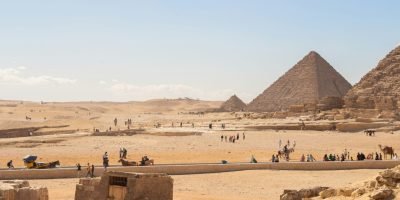
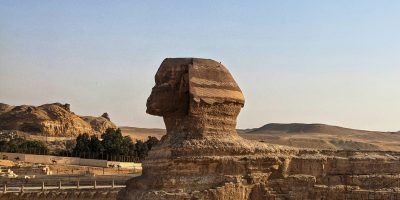
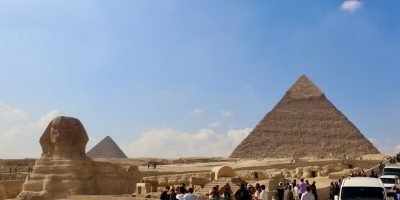
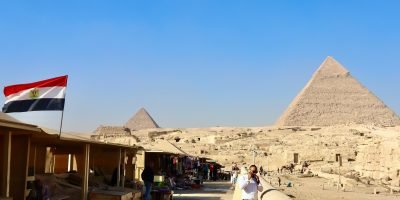
Pyramids of Giza and the Sphinx
Giza Necropolis,
Cairo,
Egypt,
Africa
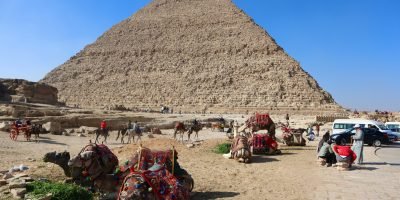
Just outside the bustling heart of Cairo, Egypt’s capital, lies a stretch of desert that feels like a gateway to the past. The Giza Plateau, where the pyramids of Giza and the Sphinx proudly stand, is located about 13 km southwest of downtown Cairo. The sandy horizon and massive stone monuments seem frozen in history, yet they’re just a short ride from cafes, buses, and modern buildings.
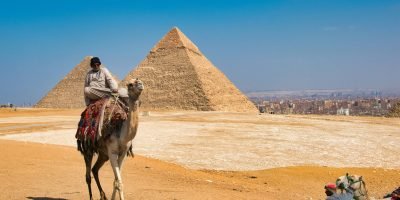
Standing tall on the Giza Plateau, the Great Pyramid of Khufu, along with the Pyramids of Khafre and Menkaure, forms the legendary trio that has guarded Egypt’s desert skyline for over 4,500 years. These are not just piles of stone; they’re mathematical marvels built over 4,500 years ago.
The Great Pyramid alone was once the tallest man-made structure in the world without cranes, computers, or modern machinery. The deeper you learn, the more mind-blowing it gets: the pyramid is almost perfectly aligned with the cardinal directions, and the base forms a nearly perfect square similar to Pyramids of Giza and the Sphinx.
With the muscular body of a lion and the calm, watchful face of a man, the Great Sphinx stands (Pyramids of Giza and the Sphinx) as Egypt’s timeless riddle, carved deep into the desert stone. Most believe it bears the likeness of Pharaoh Khafre, symbolizing royal authority fused with the strength of the animal kingdom. Stretched across nearly 73 meters, this limestone giant isn’t just big; it’s the largest single-stone statue on the planet.
But when you stand before it, it doesn’t feel like you’re looking at a sculpture; it feels like something is looking back. The Pyramids of Giza and the Sphinx doesn’t speak, yet it whispers of forgotten kings, desert winds, and legends still buried beneath the sand.
Beyond the pyramids themselves, the Giza Plateau offers more than just photo opportunities. You can step inside the Great Pyramid, climb through narrow stone passages, and feel the dense, silent atmosphere inside the king’s chamber.
You can also take a camel ride at sunset, with the golden light casting dramatic shadows on the sand. Nearby, the Solar Boat Museum displays a full-sized boat believed to have been used to carry Pharaoh Khufu’s body across the Nile, a glimpse into how the ancient Egyptians prepared for the afterlife.
After walking under the desert sun, you’ll want something flavorful. Fortunately, the area around Giza has some authentic Egyptian bites worth trying. Step into a small roadside eatery and try koshari, a filling mix of rice, lentils, pasta, and spicy tomato sauce, topped with crispy onions.
If you’re craving something grilled, kofta (minced meat skewers) and shawarma are local favorites. Many tourists also enjoy sipping on fresh hibiscus tea or sugarcane juice from nearby street vendors. For a sit-down experience with pyramid views, restaurants like 9 Pyramids Lounge offer Egyptian cuisine with a touch of elegance, blending old-world charm with modern comfort.
Let's Connect With
https://egymonuments.gov.eg/en/monuments/the-great-sphinx?utm This is official website for the Pyramids of Giza and the Sphinx is managed by Egypt’s Ministry of Tourism and Antiquities. This platform offers comprehensive information about these iconic monuments, including their history, architectural details, and visitor guidelines.
Ticket Booking: To plan your visit and purchase tickets online, the official booking portal is available at: Giza plateau – Book Your Tickets
Around Pyramids of Giza and the Sphinx
1. Giza Plateau Sound and Light Show
0.3 km
A mesmerizing evening show narrating Egypt’s history through lights projected on the pyramids.
2. The Grand Egyptian Museum
2 km
Desert skyline photo with all three pyramids in one frame, this quiet spot in the open desert is the best panoramic viewpoint.
3. Pharaonic Village
12 km
A living museum where actors recreate scenes of ancient Egyptian life along the Nile.
4. Cairo Tower
15 km
Offers panoramic city views and a revolving restaurant atop a 187-meter-high tower on Gezira Island.
5. Nile River Dinner Cruise
17 km
A small green space near the Giza district, ideal for a quiet break or a local-style picnic after your pyramid visit.
6. Khan El Khalili Bazaar
18 km
A vibrant centuries-old market filled with spices, jewelry, perfumes, and souvenirs.
7. Al-Azhar Mosque
19 km
One of Cairo’s oldest mosques and a center of Islamic learning dating back to the 10th century.
8. The Hanging Church
20 km
A historic Coptic church built above a Roman fortress, known for its wooden ceiling and ancient icons.
Egypt Top Attractions
The Mosque of Muhammad Ali Built in the 19th century, this mosque is more than just a religious building; it’s a symbol of Egypt’s shift into the modern age under one Read More
Makadi Bay Beach lies gracefully between the desert cliffs and the turquoise waters of the Red Sea, about 30 kilometers south of Hurghada, Egypt. This stunning Read More
Tucked within the maze-like streets of Islamic Cairo, Khan El Khalili Bazaar is a centuries-old marketplace that continues to pulse with life, color, and culture. Located near Read More
Make Reason to Travel
Books transport us to new worlds with every page, but travel lets us live those stories. Documentaries show breathtaking places, but stepping beyond the screen brings them to life. Movies spark adventure, but the real magic begins when we pack our bags and go. 🌍
03. ARTICLES
Explore latest stories
Nature Visit
10 best places to visit in Malaysia
Malaysia a captivating blend of modernity and Read More