Best Places to visit in South Africa

Best Places to visit in South Africa

Best Places to visit in South Africa
The best places to visit in South Africa where plan a trip that captures the true spirit and beauty of South Africa. Kevin Benkenstein / Unsplash

South Africa is a land of Stunning diversity where vibrant cities meet untamed wilderness, and centuries-old traditions blend seamlessly with modern innovation. Known as the “Rainbow Nation,” this diverse country gives an incredible variety of experiences, from thrilling wildlife safaris and majestic mountains to golden beaches and rich cultural heritage.

Whether you’re an adventure seeker, a nature lover, a history enthusiast, or a laid-back traveler, South Africa has something for everyone. Each destination, from the iconic Table Mountain in Cape Town to the Big Five roaming Kruger National Park, and from the picturesque Garden Route to the cultural depth of Johannesburg, tells a unique story.

This carefully curated list of South Africa’s top destinations will take you through the country’s most unforgettable experiences, helping you plan a trip that captures the true spirit and beauty of South Africa. And here is the explanation of the best places to visit in South Africa.

Best Places to visit in South Africa

The V&A Waterfront is Cape Town’s lively harbor hub with shops, restaurants, and mountain views. Delano Ramdas / Unplash

1. Cape Town

Best for scenic views, beaches, and iconic landmarks like Table Mountain.

Cape Town, South Africa’s dazzling coastal gem, is a city where natural wonders and cultural richness come together in perfect harmony. A ride on the rotating cable car to the mountain’s flat summit rewards visitors with sweeping vistas of the city, coastline, and nearby islands.

Beyond the mountain, Cape Town’s golden beaches, like Camps Bay and Clifton, are perfect for relaxing, surfing, or simply watching the sun dip into the Atlantic. The vibrant V&A Waterfront is a bustling hub of activity, filled with restaurants, boutiques, live music, and museums, making it a favorite for both locals and travelers.

Just a ferry ride away lies Robben Island, where Nelson Mandela was imprisoned, a powerful reminder of South Africa’s history and journey toward freedom. Whether you’re drawn to its dramatic landscapes or its deep cultural roots, Cape Town promises a travel experience that’s both enriching and exhilarating.

Best Places to visit in South Africa

Kruger National Park is one of the best places in Africa to see wild lions roaming freely in their natural habitat. Diego Morales / Unsplash

2. Kruger National Park

Best for Big Five safaris and unforgettable wildlife encounters.

Kruger National Park is one of Africa’s most famous safari destinations and one of the continent’s largest game reserves, giving an authentic and thrilling wildlife experience.

Stretching across nearly 20,000 square kilometers, it’s home to the legendary Big Five—lion, leopard, elephant, rhino, and buffalo—alongside hundreds of bird species and other animals. Whether you choose a self-drive adventure or a guided game drive, you’ll witness raw nature up close.

For an extra magical experience, a sunrise safari brings the bush to life in golden morning light, while bird lovers will enjoy spotting rare species like the lilac-breasted roller or southern ground hornbill.

Best Things to Do in South Africa

Garden route takes you through ancient forests, dramatic cliffs, and picturesque seaside villages. Trey Smith / Unsplash


3. Garden Route

Best for road trips, coastal beauty, and outdoor adventures.

The Garden Route is a breathtaking coastal drive along South Africa’s southeastern shoreline, known for its mix of wild beauty and laid-back charm. Spanning from Mossel Bay to Storms River, this route takes you through ancient forests, dramatic cliffs, and picturesque seaside villages.

Stop at the Knysna Lagoon for kayaking or oyster tasting, walk the suspension bridges of Tsitsikamma National Park, or get your adrenaline pumping with a jump from the Bloukrans Bridge, the world’s highest commercial bungee.

It’s one of South Africa’s must-visit destinations, giving a perfect mix of hiking trails, stunning landscapes, and exciting adventures to suit every type of traveler.

Best Places to visit in South Africa

Johannesburg is one of the largest cities built without a major water source, born from a gold rush in 1886. Tania Melnyczuk / Unsplash

4. Johannesburg

Best for history, culture, and urban energy.

As South Africa’s largest city, Johannesburg is a vibrant center of culture, history, and economic growth. Often skipped by tourists, “Jozi” surprises visitors with its powerful stories of the past and a bold, creative spirit that defines its present.

At the heart of its historical significance is the Apartheid Museum, a moving and immersive space that brings South Africa’s struggle for freedom to life through photos, artifacts, and personal stories.

A visit here provides essential context to the country’s recent past. Not far away lies Soweto (Southwestern Townships), once a center of resistance, now a thriving cultural neighborhood. The Maboneng Precinct is a vibrant, artsy neighborhood filled with galleries, cafes, and street art, reflecting the city’s youthful and resilient spirit.

Best Places to visit in South Africa

The Mountains are a breathtaking range famed for their rugged peaks, soaring cliffs, and serene, misty valleys. Dannii Coughlan / Unsplash

5. Drakensberg Mountains

Best for hiking, mountain scenery, and ancient rock art.

The Drakensberg Mountains, meaning “Dragon Mountains,” are a stunning natural wonder known for their towering peaks, dramatic cliffs, and peaceful valleys. This UNESCO World Heritage Site is a hiker’s paradise, giving everything from gentle walks to challenging climbs.

Be sure to explore the iconic Amphitheatre, a dramatic rock wall that ranks among the world’s most striking cliff formations, and don’t miss the breathtaking Tugela Falls, one of the tallest waterfalls on the planet.

Tucked away in the surrounding rock faces, ancient San rock paintings give a fascinating glimpse into the spiritual world and daily life of South Africa’s earliest people.

Best Places to visit in South Africa

uShaka Marine World Durban’s top marine park, is an aquarium, water rides, dolphin shows, and beach fun. Zander / Unsplash

6. Durban

Best for beaches, surfing, and flavorful Indian-influenced cuisine.

Durban is a laid-back, sun-soaked coastal city known for its warm Indian Ocean waters and multicultural vibe. The city’s beachfront, especially the Golden Mile, is perfect for surfing, swimming, and people-watching.

Durban has a strong Indian influence, which shines through in its spicy street food and bustling Victoria Street Market. Families will love the uShaka Marine World, a massive theme park with aquariums, water rides, and marine shows. Durban combines the charm of the beach with the richness of cultural fusion.

The official website for exploring the best places to visit in South Africa is the South African Tourism portal: https://www.southafrica.net/in/en/


Best Places to visit in South Africa

Charming seaside town that’s become world-famous for its land-based whale watching from all side. Grant Durr / Unsplash

7. Hermanus

Best for whale watching and oceanfront charm.

Hermanus is a charming seaside town that’s become world-famous for its land-based whale watching. From June to November, this is best time to visit South Africa, southern right whales migrate close to the shore, and you can see them breaching from the cliff paths—no boat required.

Visit during the Whale Festival in September for live music, food, and marine education. For more adrenaline, try shark cage diving nearby in Gansbaai, where you can come face-to-face with great whites in their natural habitat.

Best Places to visit in South Africa

A lush collection of indigenous and exotic plants across peaceful themed gardens. Nenad Gataric / Unsplash

8. Stellenbosch

Best for wine tasting and exploring charming Cape Dutch architecture.

Stellenbosch, set amid the rolling vineyards of South Africa’s renowned Cape Winelands, is located just 45 minutes from Cape Town. It’s the country’s second-oldest town, celebrated for its graceful Cape Dutch buildings, tree-lined streets, and rich winemaking heritage.

The region is home to some of the country’s top vineyards, producing award-winning wines and offering cellar tours, scenic tastings, and fine-dining experiences against a backdrop of rolling hills and mountains.

As a university town, Stellenbosch has a youthful energy, with vibrant student life adding a lively buzz to its historic ambiance. The Stellenbosch University Botanic Garden—the oldest of its kind in South Africa—is a peaceful retreat showcasing indigenous flora and rare plant species. Strolling through Dorp Street, you’ll discover a mix of quaint bookstores, art galleries, artisan bakeries, and cozy cafes, each corner offering a little piece of history.

Beyond wine and culture, Stellenbosch also offers outdoor experiences like cycling through vineyards, hot air ballooning, and hiking in nearby Jonkershoek Nature Reserve. Whether you’re a wine enthusiast, a history buff, or simply in search of peaceful countryside charm, Stellenbosch is a must-visit gem that captures the essence of the Western Cape.

Best Places to visit in South Africa
One of South Africa’s best places to see elephants in a malaria-free environment. Etienne Steenkamp / Unsplash

9. Addo Elephant National Park

Best for seeing elephants and malaria-free safaris.

Located in the Eastern Cape, Addo Elephant National Park is one of South Africa’s best places to see elephants in a malaria-free environment. Originally established to protect just 11 elephants, the park now supports over 600, along with lions, buffalo, leopards, and rhinos, making it a Big Five reserve.

Unlike many other parks, Addo also includes a marine section where you might spot whales and great white sharks. Enjoy game drives, horseback safaris, and birdwatching in this safe and accessible wildlife haven.

Best Places to visit in South Africa

Blyde River Canyon is a lush, scenic wonder and one of the world’s largest green canyons. Wynand Uys / Unsplash

10. Blyde River Canyon

Best for dramatic landscapes and scenic viewpoints.

The Blyde River Canyon is one of the largest and greenest canyons in the world, carved through the Drakensberg escarpment. Situated on the Panorama Route in Mpumalanga, it boasts stunning vistas of towering cliffs, winding river valleys, and vibrant green forests.

Don’t miss scenic stops like God’s Window, which offers sweeping views over the Lowveld, and Bourke’s Luck Potholes, a natural wonder formed by centuries of water erosion. And it’s one of the best places to visit in South Africa.

GUIDED BY EXPERT

Yoga within Travel the perfect flow of Experience

Explore wellness in anywhere

by

Explore Related Articles

22 Best Places to Visit in United States

Best time to visit South Africa

Best Places to visit in Egypt

The 11 most stunning best places to visit in India?

LEAVE A COMMENT

Error: Contact form not found.

Best time to visit South Africa​

Best time to visit South Africa

Best Things to Do in South Africa

The best time to visit South Africa is depends on your dream, whether it’s a wildlife safari, beach escape, or colorful festival.  Arka Pudota / Unsplash

South Africa is a land where every season brings a new reason to explore. Whether it’s the dry winter months revealing hidden wildlife near watering holes or the colorful spring bloom transforming arid landscapes into living art, the timing of your visit can completely shape your experience.

The country’s diverse regions give something year-round: sun-soaked beaches in summer, peaceful vineyards during autumn harvest, snow-dusted mountains in winter, and vibrant festivals in spring.

Instead of asking when the best place to visit in South Africa, think about what kind of adventure you want. In South Africa, every season gives something special. The right time to go depends on your dream, whether it’s a wildlife safari, beach escape, or colorful festival. Each month has its own unique story, making any time the best time to visit South Africa.

12 Best Ways to Travel Across South Africa

It’s the best time to visit South Africa to see the safari wildlife out in the open is possible in September. Redcharlie / Unsplash

May to September – Safari Season in Full Roar

South Africa’s dry winter months, from May to September, give prime safari conditions as clear skies, sparse vegetation, and shrinking water sources draw wildlife out into the open.

It makes it easier for visitors to spot the legendary Big Five—lion, leopard, elephant, rhino, and buffalo—especially in top reserves like Kruger National Park, Addo Elephant Park, and Madikwe Game Reserve.

The cooler temperatures mean animals are more active during the day, and you won’t have to deal with the heat or bugs of summer. It’s nature’s drama at its finest, where every game drive feels like a live episode of National Geographic.

Best time to visit South Africa

A spectacular bloom of wildflowers that blanket the Northern Cape in waves of vibrant color. Claudia Schlettwein / Unsplash

August to October – Wildflower Wonderland in Namaqualand

Between August and October, Namaqualand’s usually barren desert turns into a living canvas, as spring rains awaken a spectacular bloom of wildflowers that blanket the Northern Cape in waves of vibrant color.

Bright orange daisies, purple vygies, and countless other native species carpet the landscape, creating one of the world’s most spectacular natural displays. This fleeting floral explosion draws botanists, photographers, and nature lovers from around the globe.

The most popular wildflower viewing areas are located between Springbok and Nieuwoudtville, where designated flower routes pass through mountainous terrain and open fields, showcasing a seasonal bloom that typically lasts from late August to early October.

June to November – Whale Watching in Hermanus

Between June and November, Hermanus transforms into a whale-watching paradise as Southern Right Whales journey from the cold Antarctic seas to South Africa’s warmer coastline to mate, calve, and rest in sheltered bays.

These majestic creatures swim astonishingly close to the coast, often just meters from the shore. Hermanus provides unbeatable views of the whales from its renowned cliff-top paths, which run for several kilometers along the shoreline and give panoramic vantage points of the ocean below.

For a more up-close encounter, boat tours depart regularly, giving breathtaking views of breaching whales, mothers with calves, and even the occasional humpback or Bryde’s whale. The town even celebrates this annual event with the lively Hermanus Whale Festival in September, a celebration of marine life, conservation, and coastal culture.

February to April – Wine Country at Its Juiciest

From February to April, South Africa’s premier wine regions—Stellenbosch, Franschhoek, and Paarl—come alive with the energy of harvest season. It’s the perfect time to explore the Cape Winelands, as grapes are plucked from the vines, and the air is filled with the scent of ripening fruit.

Many estates open their doors for special harvest experiences, including guided cellar tours, grape picking, and even traditional grape-stomping festivals. Visitors can enjoy wine tastings straight from the barrel, paired with gourmet meals in scenic vineyard settings.

With warm days, golden light, and lush, green valleys stretching into the mountains, it’s a dreamlike time to sip, swirl, and savor the very best of South Africa’s wine culture.

Best time to visit South Africa

Summer in Cape Town brings stunning landscapes and vibrant city life. Tobias Reich / Unsplash

December to January – Cape Town’s Summer Buzz

During December and January, Cape Town experiences warm summer weather with average temperatures ranging from 20°C to 30°C, making it ideal for visiting popular beaches such as Camps Bay, Clifton, and Muizenberg while the city hosts numerous cultural events and festivals.

The festive spirit is everywhere, from sunset concerts at Kirstenbosch Gardens to buzzing beachfront cafés and world-class music and cultural festivals. New Year’s Eve is a major highlight, marked by fireworks over the V&A Waterfront, vibrant parties, and traditional Cape Minstrel parades on January 2nd.

Whether you’re hiking Table Mountain at sunrise or dancing the night away by the sea, Cape Town in summer gives a unique blend of natural beauty and cultural energy that’s hard to resist.

Best time to visit South Africa
This Season creating ideal conditions for hiking through its rugged peaks and lush valleys. Dannii Coughlan / Unsplash

March and April – Hike the Drakensberg Without the Heat

In March and April, the Drakensberg Mountains enjoy mild temperatures and clear, fresh air as the summer heat eases, creating ideal conditions for hiking through its rugged peaks and lush valleys.

Thanks to recent summer rains, the Drakensberg remains rich with greenery and vibrant landscapes. With cooler temperatures and lower humidity, hikers can comfortably tackle longer and more demanding trails without the discomfort of summer’s intense heat.

Whether you’re aiming for panoramic summit views or peaceful forest walks, this shoulder season gives the ideal climate for an unforgettable Drakensberg adventure.

Best time to visit South Africa

These adorable penguins bask on warm rocks, stroll along the beach, or glide through clear coastal waters. Bernd Schell / Unsplash

September – Penguins & Sunshine at Boulders Beach

September marks the start of spring in South Africa, and it’s a fantastic time to visit Boulders Beach near Simon’s Town, home to a colony of endangered African penguins.

As the weather warms up and the skies stay mostly clear, these charming birds can be seen sunbathing on the smooth granite boulders, waddling across the sand, or swimming in the shallow turquoise waters.

Since September falls just before the peak summer for tourists, the beach is less crowded, giving visitors a more peaceful and personal experience.

Wooden boardwalks allow for close, respectful viewing of the penguins in their natural habitat, making it a dream spot for wildlife photography and family-friendly outings. It’s a rare chance to relax on a beach where nature steals the spotlight.

March – Art & Culture Bloom at Cape Town Carnival

Every March, Cape Town bursts into a spectacle of creativity and color during the Cape Town Carnival, a celebration that transforms the city’s streets into a vibrant stage of music, dance, and cultural pride.

Held along the Fan Walk in Green Point, this annual event features dazzling floats, performers in elaborate costumes, and diverse local talent representing the rich cultural mix of South Africa.

The energy is electric, blending the spirit of summer with artistic expression from across the country. Crowds gather to enjoy live performances, food stalls, and an open-air party that lasts well into the night.

June to August – Winter Waves for Surfers in Jeffrey’s Bay

From June to August, Jeffrey’s Bay, often called J-Bay, becomes the ultimate destination for serious surfers. While winter may be quieter for general tourism, it’s the best time for surfing, thanks to powerful and consistent swells rolling in from the Indian Ocean.

This stretch of South Africa’s Eastern Cape coastline is best for its long, right-hand point break, with waves that can run for over 300 meters. The cooler season also means fewer beach crowds, giving surfers more space to ride.

It is also when Jeffrey’s Bay hosts the renowned J-Bay Open, a major stop on the World Surf League (WSL) tour that draws elite surfers and global spectators. Whether you’re paddling out or just enjoying the action from the shoreline, winter in J-Bay gives front-row seats to world-class surfing.

December – Festive Sparkle Across South Africa

December marks the height of summer in South Africa, bringing with it a joyful blend of holiday spirit, sunny skies, and vibrant celebrations. With schools out and families on vacation, the country comes alive with energy, color, and festive cheer.

In December, Durban’s sun-soaked beaches become a hub of holiday fun, with beachside braais, live music, and crowds soaking in the warm evenings and ocean breeze. Meanwhile, Cape Town celebrates the season with twinkling lights, bustling holiday markets, and dazzling fireworks shows over the iconic V&A Waterfront to ring in Christmas and the New Year.

From beach towns to mountain villages, locals and visitors alike embrace the holiday spirit with cultural events, vibrant decorations, and a sense of togetherness. It’s one of the liveliest and most heartwarming times to experience the energy and diversity of South African summer.

Best time to visit South Africa
October showcases the Garden Route at its freshest and most scenic view. Za Tourist / Unsplash

October – Garden Route in Its Greenest Form

October is a magical time to explore South Africa’s famed Garden Route, as spring rains breathe new life into this already stunning stretch of coastline. Running from Mossel Bay to Storms River, the route bursts into shades of green, with forests, fynbos, and wildflowers painting the landscape in vibrant colors.

Nature reserves like Tsitsikamma and Knysna come alive with birdsong, blooming flora, and cascading waterfalls. The mild spring weather makes it ideal for road-tripping, hiking, or kayaking in tranquil lagoons.

Along the way, you’ll be treated to panoramic ocean views, charming towns, and occasional sightings of dolphins or migrating whales. October showcases the Garden Route at its freshest and most scenic, giving an unforgettable mix of mountains, sea, and springtime beauty.

April – Best of Both Worlds Weather

April is one of the most balanced months to visit South Africa, giving mild, pleasant weather that makes it perfect for exploring both inland and coastal regions. The intense summer heat has faded, but it’s still warm enough to enjoy beach outings in places like Durban or Cape Town.

At the same time, cooler mornings and evenings make safari destinations like Kruger National Park or Addo Elephant Park more comfortable and rewarding, with good chances of spotting wildlife as vegetation begins to thin.

April’s mild weather and lighter crowds make it perfect for a diverse travel plan, from coastal drives and vineyard visits to game drives and scenic hikes. It bridges the warmth of summer and the crispness of winter, giving travelers a comfortable and flexible window to explore South Africa’s top regions.

July – Snow in the Mountains of Lesotho & Drakensberg

In July, the high-altitude regions of Lesotho and the Drakensberg Mountains reveal a lesser-known side of South Africa where snowy peaks, icy valleys, and crisp mountain air create a true winter wonderland.

While the rest of the country stays cool and dry, these uplands give a rare glimpse of snow-covered landscapes in the heart of Southern Africa.

Remote mountain villages like Sani Pass and Afriski Resort in Lesotho give cozy retreats, log fires, and the rare chance to ski or snowboard in Africa. In the Drakensberg, snow-dusted trails, crisp air, and dramatic icy cliffs provide a stunning backdrop for hikers and nature lovers.

It’s a quiet, magical season that feels worlds away from South Africa’s typical sun-soaked image perfect for those seeking solitude, adventure, and snow in a place you wouldn’t expect it.

Anytime – South Africa’s Season Shifts by Region

Due to its diverse geography, South Africa experiences a range of climates across regions, allowing for travel throughout the year. Take Cape Town as an example; its Mediterranean climate means warm, sunny days dominate the summer months (December to February), while winter (June to August) brings cooler temperatures and regular rainfall.

In contrast, inland regions such as Kruger National Park and the Kalahari are best visited during the dry winter months, when wildlife viewing is at its peak. Meanwhile, subtropical zones like Durban stay warm and humid throughout the year, making them ideal for beach lovers in any season.

Whether you’re chasing whales along the coast, wine tasting in the Western Cape, or going on safari up north, South Africa gives something special in every month as long as you match your plans to the season and region.

Trusted Websites for More Travel Info

The official source for information on the best time to visit South Africa is the country’s national tourism website: The Best Time to Visit South Africa: Tips for Planning your Holiday around your Favourite Activities (GL)


GUIDED BY EXPERT

Yoga within Travel the perfect flow of Experience

Explore wellness in anywhere

by

Explore Related Articles

Best time to visit UAE

Best time to visit Egypt

12 Best Things to Know Before Traveling to Thailand

What is the best time to visit Malaysia?

LEAVE A COMMENT

Error: Contact form not found.

South Africa

@Yasmine_Arfaoui

Overview:

The country is often called the “Rainbow Nation” because people from many different cultures, languages, and traditions live together here. The country has stunning landscapes, from the scenic Table Mountain to long coastlines along both the Atlantic and Indian Oceans.

South Africa has 11 official languages, making it one of the most multilingual countries in the world. You know it is the only country in the world with three capital cities – Pretoria, Bloemfontein, and Cape Town.


When to Visit:

South Africa has opposite seasons to India, so its climate feels different.

Dry Season (May to September)

The best time for wildlife safaris because animals gather around water sources and are easier to spot. Places like Kruger National Park become perfect for game drives during this time. The weather is cooler, mornings can be chilly, but days are mostly sunny and comfortable for travel.

Wet Season (October to April)

Welcome with summer rains and greener landscapes. This time is ideal if you love nature, photography, and fewer crowds. Coastal cities like Cape Town and Durban are great for beaches during these months. However, afternoon rains are common, but they usually don’t last long, so travel plans are rarely disturbed.

Special Events and Festivals:

South Africa’s festivals are deeply connected to its culture, music, and history, making them different from other countries.

  • Cape Town International Jazz Festival (Biggest Jazz Festival)
  • National Arts Festival
  •  Reed Dance Festival
  • Kaapse Klopse Carnival

Pocket Travel Tips

Quick Facts

Language: 11 official languages (including English, Zulu, Afrikaans)

Currency: South African Rand (ZAR)

1 USD = 16.37 ZAR

Capital Cities: Pretoria (admin), Cape Town (legislative), Bloemfontein (judicial)

Backpacking Budget: 32$ – 64$ per day 

Visa

Offers visa-free entry to many countries for short stays, mainly for tourism and business purposes.

A unique rule is that your passport must have at least 2 blank pages, otherwise you may be denied entry even with a valid visa.

Travel Insurance

VisitorsCoverage is one of the very few that covers travel in South Africa.

How The South Africa Welcome

pexels-claytonsgallary-30333011

South African hospitality is deeply rooted in the African philosophy of Ubuntu, which means “I am because we are”—people genuinely treat guests like part of their family, not just visitors.

Traditional meals like braai (barbecue), pap (maize porridge), and meat dishes are commonly served, and eating together is an important bonding experience.

In many homes and communities, especially among Zulu and Xhosa cultures, welcoming someone includes often asking about your well-being before anything else.

Know More to Get Travelling in South Africa

Eat With Host

Discover a unique way to experience local culture, where you can enjoy authentic meals hosted by locals around the world.

From home-cooked dinners to food tours, it’s the perfect way to connect through food with New People.

Start your delicious journey today Eatwith.

Accommodation

I personally use Hostelworld where you easily find budget-friendly hostels and social stays in one click.

Go to Luxury platforms like CheapOair check your compare prices and book the best options for your trip.

Transportation

Transportation in South Africa is affordable but not always well-connected; in cities like Cape Town and Johannesburg, travelers use buses, taxis, and ride apps.


A unique fact is that South Africa has a luxury train called the Blue Train, known as a “hotel on wheels.

Top Attractions in South Africa

Mountains

Drakensberg Mountains known as the “Dragon Mountains” because of their dramatic peaks and misty appearance.

Over 35,000 San rock paintings here tell stories of early human life thousands of years ago.

Kruger National Park

With the home to the Big Five, Kruger has its own airport and luxury lodges inside the park for travelers. Here you have to enjoy self-drive safaris.

Garden Route

A unique fact is that it includes one of the world’s highest bungee jumps at Bloukrans Bridge.

uShaka Marine World

Experience feels like an underwater adventure. Its aquarium is built inside a recreated sunken ship, which is rare in the world.

All My Articles on South Africa

pexels-490714164-28157156

Best Places to Spot the Big 5 in Africa

Best Places to visit in South Africa

Best Places to visit in South Africa

5 Of the Best Hikes in South Africa

5 Of the Best Hikes in South Africa

Best Things to Do in South Africa

Best time to visit South Africa

Things Know Before Traveling to South Africa

Things Know Before Traveling to South Africa

Best Things to Do in South Africa

20 Best Things to Do in South Africa

Best Ways to Travel Across South Africa

12 Best Ways to Travel Across South Africa

Need to Know About South Africa Currency

Need to Know About South Africa Currency

Best Things on South Africa Tourist Visa

Best Things on South Africa Tourist Visa

Best Travel Insurance Plans for South Africa

Best Travel Insurance Plans for South Africa

Need to Know About Egyptian Currency

8 Need to Know About Egyptian Currency

Need to Know About Egyptian Currency

Local Egyptian markets rely on cash, with small notes key for easy bargaining and buying. Ahmad Ajmi / Unsplash

The Egyptian pound, locally called “geneih masri” (جنيه مصري), traces its name to the British “guinea,” a historic gold coin reflecting a blend of colonial influence and national identity.

When Egypt introduced its own modern currency during British influence in the late 19th century, the term was adopted and paired with “masri,” meaning “Egyptian,” to represent the country’s identity.

Introduced in 1834, the Egyptian pound replaced the piastre as the country’s primary currency unit, though the piastre remains in use today as a subunit (100 piastres = 1 pound). The Central Bank of Egypt oversees its issuance and regulation.

Over time, the EGP has evolved from gold- and silver-backed notes to paper money and now to modern polymer banknotes. Locally, Egyptians still refer to the currency as geneih masri, a term deeply embedded in everyday speech, symbolizing national pride and economic history.

That’s everything you need to know about Egyptian currency.

Need to Know About Egyptian Currency

It’s always recommended to carry small change when visiting local markets or using public transport. Mahmoud Diab / Unsplash

1. Currency Denominations: Notes & Coins

Need to know about Egyptian currency, Egypt’s currency system includes both paper notes and coins, designed to reflect the country’s rich cultural and historical heritage. Paper banknotes are issued in denominations of 1, 5, 10, 20, 50, 100, and 200 Egyptian Pounds (EGP), with newer versions of the 10- and 20-pound notes now printed on durable polymer for added security and longevity.

Coins are used in smaller values and are measured in piastres, which are subdivisions of the pound (100 piastres = 1 pound). These coins are popular in daily transactions, especially for small purchases like bus fares, snacks, or tipping.

What makes Egyptian coins unique is their beautiful designs; many features ancient temples, and the Pyramids of Giza and the Sphinx, symbolizing the deep connection between the modern economy and Egypt’s ancient past. These artistic imprints not only serve a monetary purpose but also act as daily reminders of Egypt’s vast and enduring legacy.

2. Polymer Banknotes: The Future of Cash in Egypt

Egypt has recently introduced polymer banknotes for the 10- and 20-pound denominations, marking a step forward in the country’s currency modernization. Unlike traditional paper notes, these polymer notes are made from a durable, plastic-like material that makes them far more resistant to wear and tear, moisture, and dirt.

This enhanced durability means they last much longer in circulation, reducing the need for frequent replacements and lowering overall costs. Additionally, polymer notes incorporate advanced security features that make them harder to counterfeit, helping to protect the economy from fraud.

In addition to being more durable and secure, polymer banknotes are also eco-friendly, as they consume fewer resources during production and are fully recyclable at the end of their use. With the shift to polymer notes, Egypt is embracing a modern, sustainable approach to currency, enhancing both environmental responsibility and user convenience for locals and tourists.

3. Cash is King: Currency Use in Daily Life

In Egypt, cash remains the dominant method of payment, especially in everyday situations where digital or card payments are uncommon. It’s essential to carry small denominations of Egyptian pounds, such as 5s, 10s, and 20s, as many local vendors, taxi drivers, and food stalls often don’t have change for larger notes.

Whether you’re bargaining in a bustling street market, grabbing a quick falafel from a roadside cart, or paying for a short taxi ride, small bills make transactions smoother and faster. and this is the best things to know before traveling to Egypt.

Tipping, known locally as “baksheesh,” is also a common part of daily life offered to service workers, guides, and even restroom attendants and is typically given in coins or low-value notes. While larger businesses and hotels in urban areas may accept cards, in most parts of Egypt, having cash on hand, especially in smaller amounts, is not just helpful; it’s essential for a hassle-free experience.

4. Currency Exchange: What Tourists Should Know

For travelers visiting Egypt, knowing where and how to exchange money is key to a smooth trip. The safest and most reliable places to exchange currency are banks, official currency exchange offices, and ATMs, which are widely available in cities, airports, and tourist areas.

ATMs connected to international networks often offer fair exchange rates and are convenient for withdrawing local currency directly. While airport kiosks are handy upon arrival, they may give slightly lower rates compared to city banks or exchange bureaus.  Need to know about Egyptian currency that tourists should be cautious of the black market, which may offer tempting rates but is illegal and risky; it can involve counterfeit money or scams.

The most widely accepted foreign currencies for exchange in Egypt are the U.S. dollar (USD), euro (EUR), and British pound (GBP), all of which typically fetch better rates and are convertible. Always count your money before leaving the counter and keep the receipt, as it may be required for re-exchanging currency when departing the country.

Need to Know About Egyptian Currency

Egyptian coins iconic symbols like the Sphinx and ancient pharaohs, blending modern currency with rich heritage. Abdulla / Pexels

5. EGP vs Global Currencies

The Egyptian Pound (EGP) has seen considerable fluctuations over the years when compared to major global currencies like the U.S. Dollar (USD) and the Euro (EUR). Due to various economic challenges, including inflation, rising import costs, and global market pressures, the EGP has gradually decreased in value.

Travelers often find Egypt an affordable destination, as their foreign currency can go a long way. However, for locals, the weakening pound has led to higher living costs and reduced purchasing power, especially for imported goods.

Egypt’s central bank occasionally devalues the currency as part of economic reforms or agreements with international lenders like the IMF, aiming to stabilize the economy and boost exports.

6. Mobile Payments and Cards in Egypt

While Egypt is gradually embracing digital payments, the use of debit and credit cards is primarily concentrated in urban areas, such as Cairo, Alexandria, and major tourist destinations like Luxor and Sharm El-Sheikh. In these cities, hotels, shopping malls, upscale restaurants, and large supermarkets commonly accept cards and even support mobile wallets like Apple Pay or local fintech apps.

However, the situation changes in rural regions and traditional markets, where cash remains king. In small towns, street vendors, local eateries, taxis, and souks often lack the infrastructure for card transactions, making it difficult to rely on plastic or digital payment alone.

Mobile banking and fintech are growing, especially among younger Egyptians, but adoption is still limited outside of major cities. For travelers, it’s best to use cards where available, but always carry cash, particularly small denominations for everyday purchases, tips, and transport in less-developed areas.

7. Currency Tips for Travelers

While Egypt is gradually embracing digital payments, the use of debit and credit cards is primarily concentrated in urban areas, such as Cairo, Alexandria, and major tourist destinations like Luxor and Sharm El-Sheikh. In these cities, hotels, shopping malls, upscale restaurants, and large supermarkets commonly accept cards and even support mobile wallets like Apple Pay or local fintech apps.

However, the situation changes in rural regions and traditional markets, where cash remains king. In small towns, street vendors, local eateries, taxis, and souks often lack the infrastructure for card transactions, making it difficult to rely on plastic or digital payment alone. Mobile banking and fintech are growing, especially among younger Egyptians, but adoption is still limited outside of major cities.

For travelers, it’s best to use cards where available but always carry cash, particularly small denominations for everyday purchases, tips, and transport in less-developed areas.

Need to Know About Egyptian Currency
Need to know about Egyptian currency, Egypt now prints 10 and 20-pound notes in durable, secure polymer material. Hamed Taha / Unsplash

8. Fun Facts About Egyptian Currency

Egyptian currency is not just a medium of exchange; it’s also a canvas of the country’s history, culture, and identity. Need to know about Egyptian currency where Many banknotes feature intricate Islamic architecture, including famous mosques like the Mosque of Muhammad Ali and Sultan Hassan Mosque, reflecting Egypt’s deep religious and artistic heritage.

Some older notes, especially from the 20th century, have become rare collectibles, valued by numismatists for their unique designs and limited print runs. For instance, vintage piastre notes or bills with printing errors can be worth far more than their face value. Even the smallest coin may carry a symbol of Nefertiti or a pyramid, making every transaction in Egypt feel like a small journey through its storied past.

Official Egypt government websites
Everything You Need to Know About Egyptian Currency

The official website for Egyptian currency is maintained by the Central Bank of Egypt (CBE). You can access it at www.cbe.org.eg. This site provides comprehensive information on the Egyptian Pound (EGP), including current exchange rates, monetary policy updates, financial regulations, and details about currency issuance. For instance, the CBE has issued polymer banknotes for the 10 and 20-pound denominations, enhancing durability and security.

FAQs

 1. Are polymer banknotes used in Egypt?

Yes, Egypt has introduced polymer notes for the 10 and 20-pound denominations for improved durability and security.

2. Can I use foreign currency in Egypt?


In tourist areas, some businesses may accept USD, Euro, or GBP, but it’s best to pay in EGP, especially in local markets and for transport.

3. Where can I exchange currency in Egypt?

You can exchange money at banks, ATMs, hotels, and official exchange offices. Avoid street or black-market exchanges.

4. Is it better to bring cash or cards?

Bring a mix of both. Cash is essential for daily expenses, especially small bills. Cards are accepted in cities and hotels.

5. How can I avoid counterfeit money?

Use official exchange outlets and always check security features like watermarks, clear windows, and raised ink on notes.

6. Do I need to tip in Egypt?

Yes, tipping (baksheesh) is a common custom. Use small denominations for tips in restaurants, hotels, and for services.

7. Is it easy to withdraw money from ATMs in Egypt?

Yes, ATMs are widely available in cities and airports. Make sure your card is activated for international use.

8. Can I take Egyptian currency out of the country?

There are limits on how much EGP you can carry when leaving Egypt. It’s best to exchange excess currency before departure.

GUIDED BY EXPERT

Yoga within Travel the perfect flow of Experience

Explore wellness in anywhere

by

Explore Related Articles

Indian Currency to Know Before Travel to India

You Should Know About UAE Currency

Need to Know About Thailand Currency

Japanese Currency to Know Before Travel to Japan

LEAVE A COMMENT

Error: Contact form not found.

10 Best Things on Egypt’s Tourist Visa

10 Best Things on Egypt's Tourist Visa

Best Things on Egypt's Tourist Visa
The best things on Egypt’s tourist visa, Egypt has made its system even more welcoming with smoother e-visa processes. AXP / Unsplash

It’s the first step on a journey through history, culture, and adventure, unlocking access to a land where ancient wonders and modern life exist side by side. But beyond simply granting access, this visa comes with hidden advantages that many travelers overlook.

It’s a permit to enter; it’s a passport to a deeper, more flexible, and more enriching travel experience in one of the world’s most fascinating destinations. From flexible options to application processes and access to world-famous heritage sites, this visa is your key to the best Egypt adventure.

In this guide, we’ll explore the best things on Egypt’s tourist visa, one of the most rewarding for global explorers.

Best Things on Egypt's Tourist Visa
Egypt gives an official electronic visa (e-Visa) system for over 70 nationalities. Kristina Loburets / Unsplash

1. Visa That Unlocks an Entire Civilization

A tourist visa to Egypt isn’t just a travel formality; it’s your personal invitation to step into the heart of an ancient world. With it, you’re not just entering a country; you’re crossing into a land where towering pyramids, majestic temples, and centuries-old traditions still echo through the desert.

From the hieroglyph-covered temples of Luxor to the peaceful charm of Coptic churches hidden in the heart of Cairo, Egypt’s tourist visa gives more than just entry; it gives immersion.

It grants you the chance to stand before the mighty Pyramids of Giza and the Sphinx, where ancient engineering continues to baffle the modern mind, and to wander through sacred spaces where early Christianity quietly took root. Every site you visit becomes a chapter in a living story, one that stretches back thousands of years and still pulses with mystery, meaning, and majesty.

Every step in Egypt is a walk through a living museum, whether you’re wandering the Valley of the Kings, sailing the Nile like ancient queens and emperors, or hearing the Islamic call to prayer echo through thousand-year-old minarets. The visa invites you into a story that began over 5,000 years ago and continues to unfold with every traveler who comes to see it.

Best Things on Egypt's Tourist Visa

First-time visitors or short-term travelers exploring iconic spots like Cairo, Luxor, and Aswan. Dilip Poddar / Unsplash

2. Flexible Duration Options for All Travel Styles

Egypt’s tourist visa stands out for its ability to suit a wide range of travel preferences. Whether you’re a solo backpacker chasing adventure, a couple seeking a cultural escape, or a long-term traveler wanting to immerse yourself in everyday Egyptian life, there’s a visa to match your pace.

From short-term stays perfect for a quick historical tour to multi-entry options for those exploring the region, Egypt’s visa system is designed to move with you no matter how you choose to travel.

The single-entry visa, valid for up to 30 days, is ideal for first-time visitors or short-term travelers exploring iconic spots like Cairo, Luxor, and Aswan. For those who plan to leave and re-enter Egypt, perhaps pairing it with nearby destinations like Jordan or the UAE, the multiple-entry visa allows you to come and go within a six-month period, making it perfect for flexible itineraries.

Long-term travelers and slow explorers can apply for visa extensions once inside Egypt, giving them more time to truly experience the country’s depth at their own pace. With options tailored to different travel rhythms and lifestyles, Egypt’s tourist visa ensures your adventure doesn’t feel rushed or restricted.

3. Easy E-Visa System: No More Embassy Queues

Gone are the days of long embassy lines and complicated paperwork. Egypt’s modern e-visa system has revolutionized the way travelers plan their trips. With just a few clicks, you can apply for a tourist visa from the comfort of your home, avoiding the hassle of in-person visits or courier services.

The online application process is straightforward, user-friendly, and takes only minutes to complete. Most travelers receive their approved visa within a few days, sometimes even sooner, making it perfect for those who decide to visit Egypt on short notice.

Whether you’re planning a last-minute getaway or just prefer stress-free planning, the e-visa system ensures your journey begins with ease, convenience, and confidence.

4. Affordable for Budget Travelers

One of the biggest advantages of Egypt’s tourist visa is its affordability, making it a choice for budget-conscious explorers.

Compared to visa fees for other popular destinations such as Schengen countries, the U.S., or the UK, Egypt’s visa costs are significantly lower, often ranging from $25 to $60 USD, depending on the type and duration.

For students, solo adventurers, and budget travelers, it means they can invest more in memorable experiences like local tours, authentic meals, or desert excursions instead of spending heavily just to cross the border.

Whether you’re exploring ancient ruins, sailing down the Nile, or sampling street food in bustling Cairo, the low visa cost helps stretch your travel budget further.

5. Multiple Entry Visa = Multi-Destination Middle East Tour

Egypt’s multiple-entry tourist visa is an excellent choice for travelers eager to turn their trip into a multi-country journey across the Middle East and beyond. Valid for up to six months with multiple visits allowed, it’s the perfect choice for those planning a broader Middle East adventure.

With Egypt as your base, you can easily hop over to nearby destinations like Jordan to see Petra, Turkey for Istanbul’s cultural fusion, the UAE for a modern desert escape, or even Israel for its religious landmarks.

This visa allows you to leave and re-enter Egypt without the hassle of reapplying, ideal for regional circuits or spontaneous side trips. Whether you’re tracing ancient trade routes, exploring different cultures, or just maximizing your journey through the region, the multiple-entry visa gives both convenience and incredible travel value.

6. Valid for Iconic Events & Unique Experiences

Travelers can witness the awe-inspiring Sun Festival at Abu Simbel, where twice a year, sunlight illuminates the inner sanctuary of Ramses II’s temple, a marvel of ancient engineering and cosmic alignment.

During Ramadan, Cairo transforms at night into a city of glowing lanterns, vibrant street feasts, and warm communal energy, giving visitors a deeply spiritual atmosphere.

For nature lovers, the vast Egyptian deserts become the perfect backdrop for meteor showers, with guided night safaris that combine stargazing and Bedouin storytelling under the clearest skies.

7. Visa Validity Window Encourages Spontaneous Journeys

One of the key advantages of Egypt’s tourist visa is its 90-day entry window from the date it’s issued, allowing you the flexibility to travel on your schedule.

Instead of rushing to lock in plans, you have three full months to choose the perfect time to begin your adventure, ideal for spontaneous trips or adjusting to unexpected changes. It’s ideal for last-minute travelers, digital nomads, or anyone whose plans tend to shift.

It gives you the freedom to travel when you’re truly ready, whether that’s next week or two months from now, making it ideal for those who like to keep their journey open-ended or adjust plans on the fly.

8. Cultural Immersion Without Bureaucratic Burden

Egypt’s streamlined tourist visa process doesn’t just make entry simple; it lays the foundation for a deeper, more meaningful connection with the country and its people. With fewer bureaucratic hurdles, travelers can focus on immersive experiences that go beyond sightseeing.

You might find yourself learning to cook traditional dishes with a family in Luxor, staying in a Nubian village in Aswan where colorful homes and warm hospitality reflect centuries of tradition, or picking up the basics of hieroglyphics from a local street artist eager to share Egypt’s ancient script.

This ease of access encourages visitors to slow down, engage authentically, and experience the country not as a tourist but as a welcomed guest, something that turns a simple trip into a lifelong memory.

9. Strong Visa Acceptance for Most Nationalities

Egypt’s tourist visa policy is impressively welcoming, with citizens from over 70 countries eligible for the convenient e-visa or visa-on-arrival. This broad acceptance makes Egypt one of the most accessible destinations in the region for international travelers.

Whether you’re from the United States, Canada, the UK, the EU, Australia, New Zealand, India, or many parts of Asia and Latin America, you can often skip the hassle of embassy visits and apply online or simply get your visa upon arrival at major airports like Cairo, Hurghada, or Sharm El-Sheikh.

This inclusive approach reflects Egypt’s strong focus on tourism and global connectivity, making it easy for a wide range of travelers to experience the country’s rich culture, history, and landscapes with minimal entry barriers.

Best Things on Egypt's Tourist Visa
Best things on Egypt Tourist visa are your key to the best Egypt adventure. Charles Escat / Unsplash

10. Visa Extensions for the Curious Soul

For travelers who find themselves captivated by Egypt’s magic and aren’t quite ready to leave, the country offers the option to extend your tourist visa while you’re still there.

Whether you’re a digital nomad enchanted by Nile-side cafes, a long-stay traveler soaking up local life, or an archaeology enthusiast wishing to dive deeper into ancient sites, Egypt’s visa extension process gives you the flexibility to stay longer.

Applications can be made at immigration offices such as the Mogamma building in Cairo, and while the process may take a few days and some patience, it’s entirely doable without leaving the country.

This extension option is a blessing for those whose short vacation turns into a desire to explore more, learn more, and truly connect with Egypt beyond the guidebooks.

Official Egypt government websites

The official website for applying for Egypt’s tourist e-visa is: https://visa2egypt.gov.eg/

GUIDED BY EXPERT

Yoga within Travel the perfect flow of Experience

Explore wellness in anywhere

by

Explore Related Articles

12 Things About India's Tourist Visa

Best Things on United States Tourist Visa

Best Things on South Africa Tourist Visa

10 Best Things on Malaysia's Tourist Visa

LEAVE A COMMENT

Error: Contact form not found.

12 Best Travel Insurance Plans for Egypt

12 Best Travel Insurance Plans for Egypt

Best Travel Insurance Plans for Egypt

In a world where plans change in seconds, having the right travel insurance is the smartest thing you can carry. Abdelrahman Ismail / Unsplash

If you’re standing in awe before the Great Pyramids, drifting down the Nile on a felucca, or weaving through the vibrant chaos of Cairo’s bazaars, Egypt gives an adventure steeped in history and wonder. From sudden medical emergencies to unexpected cancellations, navigating a country as culturally and geographically diverse as Egypt makes travel insurance not just a backup but a necessity.

While cities like Cairo and Luxor have adequate healthcare facilities, venturing into Egypt’s remote deserts or diving in the Red Sea can present serious challenges if urgent care or evacuation is needed. Trip disruptions caused by illness, travel delays, or unexpected political unrest can occur more frequently than travelers anticipate.

Egypt’s rich cultural norms add another layer of complexity. Unfamiliar customs, strict dress codes at religious sites, and rules around photography can sometimes lead to accidental missteps. Plus, crowded markets and tourist hotspots can make travelers vulnerable to scams or theft. That’s why having insurance specifically suited for Egypt doesn’t just protect your finances; it helps you travel with confidence and peace of mind.

Now, let’s explore the 12 best travel insurance plans for Egypt here on your journey through the land of pharaohs.

Best Travel Insurance Plans for Egypt
Travel insurance can protect you from weather-related disruptions in Egypt. Abdelrahman Ismail / Unsplash

1. SafetyWing – Best for Long-Term Explorers & Remote Workers

SafetyWing is a top choice for digital nomads, remote workers, and long-term travelers heading to Egypt and beyond. Designed with flexibility in mind, this insurance plan gives continuous global coverage, including Egypt, other parts of Africa, and the broader Middle East.

One of its standout features is the subscription-style model; travelers can pay on a monthly basis and cancel anytime, making it ideal for those without fixed return dates. It covers essentials like emergency medical care, trip interruption, lost luggage, and even COVID-19 treatment.

What sets SafetyWing apart is its borderless approach: you can move from one country to another without needing to change or update your policy. For remote workers exploring ancient temples in Luxor or navigating the lively streets of Cairo, SafetyWing gives the added benefit of limited home-country coverage, ideal for brief visits back home without needing to pause your policy, making it one of the most convenient and nomad-friendly options on the market.

Best Travel Insurance Plans for Egypt

Travel Insurance is premium support that complements your luxury travel experience. Christian Romei / Unsplash

2. Allianz Global Assistance – Best for Comprehensive Luxury Trips

Allianz Global Assistance is an excellent choice for travelers seeking a premium, worry-free experience while exploring Egypt in style. Whether you’re enjoying a luxury Nile cruise, staying in five-star hotels near the Pyramids of Giza and the Sphinx, or flying in for a private tour of the Valley of the Kings, this is the best travel insurance plan for Egypt.

One of its standout features is its concierge service, which acts like a personal travel assistant, helping you book reservations, find local experiences, or manage last-minute changes.

It also gives robust protection against baggage delays, unexpected trip interruptions, medical emergencies, and missed connections—common hassles that can disrupt even the most carefully planned itinerary.

With Allianz, you gain more than just insurance; you receive premium support that complements your luxury travel experience, allowing you to explore Egypt with complete peace of mind.

Best Travel Insurance Plans for Egypt
Insurance gives coverage for a wide range of activities from camel rides across the Sahara. Michael Starkie / Unsplash

3. World Nomads – Best for Adventure & Cultural Travelers

World Nomads is the ideal insurance choice for thrill-seekers and culturally curious travelers heading to Egypt. Tailored for those who crave immersive and adventurous experiences, it gives coverage for a wide range of activities from camel rides across the Sahara and trekking through the White Desert to scuba diving in the coral-rich waters of the Red Sea.

What sets World Nomads apart is its flexibility travelers can customize their policy with add-ons that suit their itinerary, such as coverage for high-risk sports or extended trips.

It also includes protection for stolen or lost gear, making it perfect for travelers carrying cameras, drones, or diving equipment. With World Nomads, you’re free to explore Egypt’s ancient wonders and natural landscapes with confidence, knowing you’re protected every step of the way.

4. IMG Patriot International – Best for Medical Coverage

IMG Patriot International is a top-tier choice for travelers who want dependable medical coverage during their trip to Egypt. With access to a trusted network of hospitals and clinics in key cities like Cairo and Luxor, this plan ensures you can receive prompt and professional care when it matters most.

If you’re dealing with a sudden illness or an unexpected injury while exploring Egypt’s ancient landmarks or remote regions, IMG provides the medical support you need with confidence and ease.

Whether you’re experiencing a heat-related issue in the desert or need urgent care after a mishap on a Nile cruise, IMG ensures you’re not left navigating the healthcare system alone.

The plan also gives 24/7 multilingual support, which is especially helpful in a country where language barriers can complicate medical situations. With its high medical limits and responsive assistance team, IMG Patriot International gives peace of mind for travelers who want top-tier health protection throughout their Egyptian journey.

5. VisitorsCoverage – Best for Customizing Your Plan

VisitorsCoverage is an excellent choice for travelers who want flexibility and control over their insurance coverage while visiting Egypt. This platform makes it customizable for your insurance plan based on your unique travel plans, whether you need coverage for COVID-19, protection against trip interruptions, or added security for weather-related disruptions that could impact your journey through Egypt’s deserts or along the Nile.

The intuitive online comparison tool helps Egypt-bound travelers evaluate multiple plans side by side, making it simple to find one that matches their itinerary and budget.

What makes VisitorsCoverage particularly user-friendly is its clear, jargon-free policy descriptions and customizable features, which let you fine-tune everything from medical limits to add-on benefits. For travelers who value transparency and personalization, VisitorsCoverage offers a smart and flexible solution for staying protected on the road.

6. Travelex Insurance Services – Best for Family Travel

Travelex Insurance Services is a fantastic choice for families planning a trip to Egypt, giving comprehensive protection with features that make traveling with children easier and more affordable. One of its biggest advantages is that children under 17 are often covered at no additional cost when traveling with a covered adult, making it budget-friendly for parents.

The plan includes coverage for trip cancellations, delays, or interruptions, which is especially helpful when plans change due to illness or unexpected issues. Whether you’re booking a Nile cruise, visiting the Pyramids of Giza, or exploring the Egyptian Museum in Cairo, Travelex helps ensure your family’s adventure goes smoothly.

7. Cover-More – Best for Senior Travelers

Cover-More is a trusted choice for senior travelers heading to Egypt, offering excellent coverage specifically designed to meet the needs of older adults. One of its key strengths is its comprehensive protection for pre-existing medical conditions, which is crucial for retirees who want to explore with confidence.

Whether you’re touring the ancient temples of Luxor, climbing into tombs in the Valley of the Kings, or enjoying a relaxed cruise down the Nile, Cover-More ensures that health concerns won’t hold you back.

The plan also includes tailored support services such as emergency assistance, medication replacement, and access to experienced medical professionals, making it easier for seniors to travel independently and safely. With its senior-friendly features and dependable coverage, Cover-More empowers older travelers to enjoy Egypt’s rich history.

8. AIG Travel Guard – Best for Business & Short-Term Trips

AIG Travel Guard is an ideal option for business travelers and those planning short visits to Egypt, particularly to major hubs like Cairo or Alexandria. Designed with the fast-paced needs of professionals in mind, this plan gives strong coverage for trip delays, missed connections, and last-minute cancellations that could disrupt important meetings or events.

It also includes protection against the theft or loss of valuable tech such as laptops, smartphones, or presentation equipment crucial for those working on the go. Additionally, AIG provides emergency business assistance, including help with lost documents, translation services, or urgent communication needs.

With its practical benefits and efficient support, Travel Guard ensures that short-term and business travelers can focus on their goals without being sidetracked by unexpected setbacks.

9. AXA Assistance USA – Best for Schengen + Egypt Combo Trips

AXA Assistance USA is a smart choice for travelers planning to explore both Europe and Egypt in a single journey. Tailored for those visiting Schengen countries and extending their trip to North Africa, this plan meets Schengen visa requirements while also giving robust protection for your time in Egypt.

It features high medical coverage limits, making it suitable for emergencies in both European cities and Egypt’s more remote regions. The policy also includes crisis assistance services vital for handling unexpected events such as political unrest, natural disasters, or lost travel documents.

Whether you’re strolling through Paris one week and visiting the pyramids the next, AXA ensures seamless, border-spanning coverage that keeps you protected throughout your entire itinerary.

10. Seven Corners – Best for Group or Student Travelers

Seven Corners is a top pick for group and student travelers heading to Egypt, giving flexible insurance plans that are perfect for educational tours, yoga retreats, or archaeology expeditions.

Designed to simplify coverage for multiple travelers, their group plans are to manage and customize whether you’re traveling with a university program, a cultural club, or a wellness group.

One standout feature is their school trip cancellation protection, which reimburses non-refundable costs if the trip is called off due to illness, political unrest, or other covered reasons.

Seven Corners also provides emergency medical coverage, lost baggage protection, and 24/7 travel assistance, crucial when coordinating logistics for a group. With reliable support and scalable options, this plan ensures that students, teachers, and group leaders can explore Egypt’s ancient wonders with confidence and ease.

11. Trawick International – Best for Coverage in Political Unrest

Trawick International stands out for travelers heading to Egypt who want extra protection in uncertain political environments. Known for its strong emergency evacuation and relocation services, this plan is especially valuable for those concerned about protests, civil unrest, or border tensions that can occasionally arise in the region.

If the political situation changes suddenly, Trawick ensures you can be safely and quickly moved to a secure location or evacuated from the country altogether.

In addition to standard benefits like trip interruption, medical coverage, and lost baggage protection, Trawick’s policies are designed with crisis scenarios in mind, making it a smart choice for cautious travelers, journalists, aid workers, or anyone prioritizing safety while exploring Egypt’s complex and dynamic landscape.

12. HTH Worldwide – Best for High-End Medical Access

HTH Worldwide is the preferred choice for travelers who prioritize premium healthcare access while visiting Egypt. This plan is partnered with top-tier, internationally accredited hospitals in major cities like Cairo and coastal destinations such as Hurghada, ideal for those vacationing at luxury resorts or engaging in Red Sea activities.

One of its standout advantages is the direct billing system, allowing travelers to access medical care without the hassle of paying upfront and filing reimbursement claims later.

HTH Worldwide also gives high coverage limits and access to English-speaking doctors, ensuring you receive world-class medical attention with ease and comfort. For travelers who want the reassurance of elite healthcare during their Egyptian journey, HTH delivers both security and peace of mind.

HTH Worldwide also gives high coverage limits and access to English-speaking doctors, ensuring you receive world-class medical attention with ease and comfort. For travelers who want the reassurance of elite healthcare during their Egyptian journey, HTH delivers both security and peace of mind.

These official resources can help you select a travel insurance plan that aligns with your needs for a trip to Egypt. Always ensure to read the policy details and consult with the provider to understand the coverage fully. Travel Insurance for Egypt: Our Best Options in 2024

3. FAQs

Q1. Is travel insurance mandatory for visiting Egypt?

No, travel insurance is not legally required for entry into Egypt, but it is strongly recommended due to potential medical costs, travel disruptions, or emergencies.


Q2. What should a good travel insurance plan for Egypt include?

Look for coverage that includes medical emergencies, trip cancellations or delays, theft or loss of belongings, and evacuation—especially important in desert or remote regions.


Q3. Are adventure activities like scuba diving or camel riding covered?

Many insurers like World Nomads or SafetyWing cover adventurous activities, but always check the policy details or add extra coverage if needed.


Q4. Does travel insurance cover political unrest or protests in Egypt?

Some insurers, such as Trawick International, offer specific coverage for political evacuation or trip disruptions caused by civil unrest. Always verify this in your plan.


Q5. Can I get coverage if I already have a pre-existing medical condition?

Yes, some plans like Cover-More or IMG offer coverage for pre-existing conditions, but you may need to meet certain requirements or pay an additional premium.


Q6. What if I get sick with COVID-19 while in Egypt?

Most modern plans include COVID-19 coverage for treatment and trip changes, but always confirm this before purchasing, especially if you’re concerned about newer variants or travel restrictions.


Q7. Is my gear (camera, laptop, etc.) covered during the trip?

Insurers like World Nomads and AIG Travel Guard provide protection against theft or damage to valuables like electronics, but limits and conditions vary.


Q8. Can I buy travel insurance after I arrive in Egypt?

It’s possible with certain providers like SafetyWing, but coverage may have a waiting period or exclude certain benefits. It’s always safer to buy before departure.


Q9. How do I file a claim while traveling in Egypt?

Most providers offer 24/7 global support and online claim portals. Keep digital copies of receipts, medical reports, and police records to make the process smoother.


Q10. What is the best travel insurance for digital nomads or remote workers in Egypt?

SafetyWing is often recommended for its flexible, monthly subscription model and global coverage, ideal for long-term and remote travelers.


GUIDED BY EXPERT

Yoga within Travel the perfect flow of Experience

Explore wellness in anywhere

by

Explore Related Articles

Best Travel Insurance Plans for United States

12 Best Travel Insurance Plans for India

8 Best Travel Insurance Plans for Thailand
12 Best Travel Insurance Plans for Japan

LEAVE A COMMENT

Error: Contact form not found.

12 Best Ways to Travel Across Egypt

12 Best Ways to Travel Across Egypt

Best Ways to Travel Across Egypt

Egypt’s transport options—from feluccas to desert jeeps—let you explore the country at every pace and angle. M Abnodey / Unsplash

Egypt is a best adventure where the journey itself becomes part of the experience, with each mode of travel giving a unique way to connect with the country’s rich culture, history, and landscapes. Every mode of transport gives a unique and enriching perspective of the country’s beauty and soul.

Gliding along the Nile on a traditional felucca offers a peaceful escape from the modern world, allowing you to connect with the timeless beauty of the river and experience Egypt as travelers did centuries ago.

A camel ride near the pyramids becomes more than just a photo; it’s a magical moment where you connect with centuries of desert tradition. Taking a local train or microbus in Egypt gives a genuine window into everyday life where you pass through lively neighborhoods, overhear local chatter, and witness the country’s vibrant culture unfolding in real time.

In peaceful places like Siwa, cycling gives a sense of freedom and simplicity, while an all-time desert safari opens your eyes to the breathtaking silence and star-filled skies of the Sahara.

Egypt is a place best experienced at your pace, where every journey adds meaning to the adventure, and every path taken reveals something beautiful and off beaten. Let’s know the 12 Best Ways to Travel Across Egypt.

1. Nile River Cruises – Sail Like the Pharaohs

Cruising the Nile between Luxor and Aswan on a traditional dahabiya gives one of the most serene and immersive ways to experience Egypt. Unlike large cruise ships, a dahabiya is a smaller, wind-powered boat that glides gently along the river, allowing you to truly soak in the beauty of the Nile Valley.

With only a handful of cabins, these boats provide a quiet, personalized experience that blends comfort with authenticity. Along the way, you can explore lesser-known temples, stop at peaceful riverside villages, and enjoy views of palm groves, ancient ruins, and daily life unfolding on the riverbanks.

2. Felucca Ride – Embrace Silence on the Nile

Sailing on a felucca gives a tranquil and timeless way to explore the Nile, allowing you to experience the river much like people have for centuries. These traditional wooden sailboats, guided by skilled Nubian boatmen, move gently with the wind without engines, giving a quiet escape from the noise of modern life.

As you drift along the calm waters near Aswan or Luxor, you’ll see timeless scenes of daily life: farmers tending to their fields, children playing along the banks, and birds gliding overhead. What makes the experience even more special is the opportunity to spend the night on board.

With no artificial lights or sounds, you can lie back on soft cushions, wrapped in warm blankets, and gaze at a sky full of stars while the river softly rocks you to sleep. It’s a magical, slow-paced journey that connects you deeply to Egypt’s natural beauty and ancient rhythms to make it one of the best ways to travel across Egypt.

3. Overnight Trains – Cairo to Luxor/Aswan

Taking an overnight train from Cairo to Luxor or Aswan is not just a way to travel; it’s an experience that immerses you in the heart of Egyptian life. These sleeper trains give comfortable private cabins, complete with beds, clean linens, and hot meals served directly to your compartment.

As the train moves steadily through the darkened countryside, you can relax, read, or strike up conversations with fellow travelers, locals, and tourists alike, sharing stories and tips about Egypt.

It’s a practical choice that saves both time and the cost of a night’s stay while giving a more grounded view of the country beyond the tourist trail. And this is one of the best ways to travel across Egypt.

4. Domestic Flights – Fast Track Between Major Cities

For travelers short on time or looking to cover large distances quickly, domestic flights in Egypt give a fast and convenient way to connect major destinations. Airlines like EgyptAir and Nile Air operate regular, budget-friendly routes between Cairo, Luxor, Aswan, Sharm El-Sheikh, Hurghada, and even the remote marvel of Abu Simbel.

These flights are especially useful when traveling from the Nile Valley to coastal areas or southern Egypt, where overland journeys can be long and tiring. Booking in advance often secures better deals, and most flights are under 90 minutes, making them a time-efficient choice. With modern terminals and frequent departures, flying domestically allows you to maximize your trip and spend more time exploring Egypt’s incredible attractions.

Best Things to Do in Egypt

White Desert safari jeeps take you on an adrenaline-filled ride through surreal chalk formations and endless golden dunes. Ahmed Azab / Unsplash

5. Desert Safari Jeeps – Chase Dunes in White & Black Desert

A desert safari by 4×4 jeep is one of the most thrilling ways to explore Egypt’s surreal White and Black Deserts. These striking landscapes, located near the Bahariya Oasis, are known for their dramatic rock formations, fossil-covered plains, and volcanic hills.

With skilled Bedouin guides leading the way in rugged 4×4 vehicles, you’ll journey deep into the desert, cruising over golden dunes, exploring hidden gems like Crystal Mountain, and pausing to marvel at bizarrely shaped limestone formations carved by wind and time into surreal, otherworldly figures.

What makes this journey truly special are the small moments sipping sweet mint tea with your guides as the sun sets over the desert, sharing stories around a campfire, and sleeping under a sky filled with stars. It’s a thrilling yet serene escape that transports you beyond the usual tourist paths, immersing you in the untouched, otherworldly landscapes of Egypt’s remote western desert.

6. Taxis & Ride Apps – Navigate Urban Chaos in Cairo

Getting around Cairo can be a challenge, but taxis and ride-hailing apps offer practical solutions for navigating the city’s fast-paced streets. Traditional white taxis are everywhere, but it’s important to agree on the fare before starting your ride, as many drivers don’t use meters.

A more reliable and comfortable option is using ride apps like Careem, a popular regional alternative to Uber that operates across Egypt. These apps provide upfront pricing, air-conditioned cars, and a safer experience, especially for travelers unfamiliar with local routes or language.

Whether you’re heading to the Egyptian Museum or catching a sunset at the Citadel, taxis and ride apps give you the flexibility to explore Cairo at your own pace just be prepared for some traffic and a bit of adventure along the way.

Best Ways to Travel Across Egypt

Egypt’s microbuses give a fast, budget-friendly, and authentic way to experience local life in motion. Juan Nino / Unsplash

7. Microbuses – Travel Like a True Local

For travelers short on time or looking to cover large distances quickly, domestic flights in Egypt give a fast and convenient way to connect major destinations. Airlines like EgyptAir and Nile Air operate regular, budget-friendly routes between Cairo, Luxor, Aswan, Sharm El-Sheikh, Hurghada, and even the remote marvel of Abu Simbel.

These flights are especially useful when traveling from the Nile Valley to coastal areas or southern Egypt, where overland journeys can be long and tiring. Booking in advance often secures better deals, and most flights are under 90 minutes, making them a time-efficient choice. With modern terminals and frequent departures, flying domestically allows you to maximize your trip and spend more time exploring Egypt’s incredible attractions.

Best Ways to Travel Across Egypt

Horse and camel rides near the Pyramids give a timeless way to explore Egypt’s ancient desert landscapes. Fynn Schmidt / Unsplash

8. Horse & Camel Rides – Ancient Transport at the Pyramids

Exploring the area around the Pyramids of Giza on horseback or camelback is one of the best ways to travel across Egypt and connect with its ancient past. These traditional forms of transport give a unique way to explore the desert landscape and feel connected to the past, much like travelers and traders did thousands of years ago.

For the most memorable experience, plan your ride at sunrise or sunset when the crowds are thinner, the heat is gentler, and the golden light casts a magical glow over the ancient stones.

Local guides often lead the rides, sharing stories and helping you capture unforgettable photos with the pyramids as your backdrop. Whether you choose the steady pace of a camel or the swift stride of a horse, it’s a peaceful, timeless way to see one of the world’s most famous wonders.

9. Metro System in Cairo – Escape Traffic Below Ground

Cairo’s metro system is a speedy, affordable, and efficient way to get around the city, especially when traffic above ground can be overwhelming. As Africa’s first metro, launched in 1987, it remains one of the continent’s busiest and most reliable urban rail networks.

The trains connect major districts, including downtown Cairo, Giza, and even areas near the pyramids, making it easy for travelers to access key attractions without the stress of road congestion. The metro is also budget-friendly, with clearly marked stations and separate cars for women to ensure comfort and safety.

10. Bicycles – Explore Dahab or Siwa on Two Wheels

Exploring Egypt’s quieter regions like Dahab or Siwa by bicycle gives a refreshing and peaceful way to soak in the natural beauty and local culture. In Siwa, cycling lets you glide through quiet, palm-shaded trails, past crumbling mud-brick ruins and sparkling salt pools, all while soaking up the peaceful, timeless charm of this secluded desert haven.

In Dahab, cycling along the Red Sea coast gives you the freedom to stop at beachside cafés, snorkel spots, and local markets at your pace. Biking not only allows for greater connection with the environment but also supports eco-friendly travel. With little traffic and scenic routes, these destinations are perfect for two-wheeled adventures that are both relaxing and enriching.

Best Ways to Travel Across Egypt
the Red Sea is a scenic and practical way to travel between Egypt’s mainland and the Sinai Peninsula. Md Arafat-ul-Alam / Unsplash

11. Red Sea Ferries – Connect Between Mainland & Sinai

Taking a ferry across the Red Sea is a scenic and practical way to travel between Egypt’s mainland and the Sinai Peninsula. One of the most popular routes is from Hurghada to Sharm El-Sheikh, which saves time compared to overland travel and gives stunning views of the sea along the way.

The ferry ride typically takes around two hours, allowing you to relax, enjoy the ocean breeze, and spot the changing colors of the water as you cross. It’s the best alternative for travelers who want to avoid long bus rides or domestic flights, and it adds a unique experience to your journey. With comfortable seating and convenient schedules, Red Sea ferries make the journey as enjoyable as the destination.

12. Walking Tours – Best in Historic Quarters

Walking tours give an intimate and immersive way to uncover Egypt’s rich cultural layers. Led by a local expert, you can wander through Coptic Cairo’s peaceful lanes, where hidden chapels and age-old churches tell the story of Egypt’s Christian roots.

In Islamic Cairo, every step reveals a piece of history, from towering minarets and ornate mosques to vibrant marketplaces echoing with local life. These guided walks let you absorb the sights, sounds, and stories that often go unnoticed, making each neighborhood come alive with character and meaning.

In Alexandria, a stroll along the scenic corniche gives views of the Mediterranean, colonial-era buildings, and hidden cafés that echo the city’s cosmopolitan past. Walking allows you to move at a slower pace, notice the small details, and hear the untold stories behind each site. It’s a chance to connect more deeply with Egypt’s layered history and everyday life in a way no vehicle ever could.

The official website for planning travel across Egypt is Experience Egypt. This is the official promotional platform of the Egyptian Ministry of Tourism and Antiquities, giving comprehensive information on destinations, transportation options, cultural sites, and travel tips.

GUIDED BY EXPERT

Yoga within Travel the perfect flow of Experience

Explore wellness in anywhere

by

Explore Related Articles

The 18 Best Ways to Travel Across Japan

The 12 Best Ways to Travel Across Malaysia

Best Ways to Travel Across UAE

12 Best Ways to Travel Across South Africa

LEAVE A COMMENT

Error: Contact form not found.
Best Things to Do in Egypt

20 Best Things to Do in Egypt

Best Things to Do in Egypt

Camel riding in Egypt lets you explore the desert and pyramids just like ancient travelers once did. Benjamin Deyoung / Unsplash

Ancient temples, tombs, and cities still stand today in Egypt, preserving some of the world’s oldest history. From the vast Sahara dunes to the green shores of the Nile, Egypt beautifully connects its rich history with today’s vibrant culture.

Whether you’re standing in awe before the towering Great Pyramids of Giza and Sphinx, sailing peacefully on a felucca through Luxor’s twilight skies, or sipping mint tea in a Nubian village by the river, this country gives you the best things. But Egypt is not only about temples and tombs; it’s also about coral reefs in the Red Sea, colorful bazaars buzzing with life, hot springs in hidden oases, and stories shared over home-cooked meals.

This guide highlights 20 of the best things to do in Egypt, from famous landmarks to hidden gems that will leave you inspired and wanting to explore more.

Best Things to Do in Egypt

Best things to do in Egypt to see the lion’s body and a human face, long thought to be a silent guardian of the ancient burial site. Dilip Poddar / Unsplash

1. Marvel at the Great Pyramids of Giza and the Sphinx

Standing tall on the edge of Cairo’s desert, the Great Pyramids of Giza are Egypt’s most iconic and awe-inspiring landmarks. Dating back more than 4,500 years, these massive pyramids were built as burial sites for Egypt’s pharaohs, most notably for Pharaoh Khufu, whose pyramid is still the largest ever built.

Although each limestone block weighs several tons, the pyramids were constructed with incredible accuracy, so much so that engineers today still wonder how the ancient builders achieved such precision. Close to the pyramids stands the Great Sphinx, a giant limestone figure with a lion’s body and a human face, long thought to be a silent guardian of the ancient burial site.

Fact: Originally, the Great Pyramid was coated with smooth, polished Tura limestone casing stones that reflected sunlight, causing it to sparkle brilliantly like a precious jewel. Today, a few of these polished stones still shine at the base, giving a glimpse of the pyramid’s original dazzling brilliance. 

Best Things to Do in Egypt

The Pharaohs’ tombs are hidden desert gateways to Egypt’s ancient secrets. Dmitrii Zhodzishskii / Unsplash

2. Step Inside the Tombs of the Pharaohs in the Valley of the Kings

Hidden among the arid hills on the west bank of the Nile near Luxor lies the Valley of the Kings, an ancient royal burial ground that holds the secrets of Egypt’s most powerful rulers. For over 500 years, pharaohs of the New Kingdom, including the famous Tutankhamun, were buried in elaborately decorated tombs carved deep into the limestone cliffs.

As you walk through the corridors, vibrant wall paintings still glow with scenes of the afterlife, gods, and sacred rituals, preserved for millennia by the dry desert air. Each tomb was uniquely designed to guide the soul of the king to the afterlife, filled with treasures, symbolic texts, and hidden chambers.

Fact: Tutankhamun’s tomb, discovered in 1922 almost completely intact, contained over 5,000 artifacts—including the famous golden death mask—and sparked global fascination with Egyptology. Visiting the valley today gives more than just history; it’s a step into the heart of ancient beliefs, craftsmanship, and the eternal legacy of the pharaohs.

Best Things to Do in Egypt

Karnak and Luxor temples are stone diaries of Egypt’s ancient gods and kings. AXP / Unsplash

3. Explore the Massive Temples of Karnak and Luxor

Located on the east bank of the Nile in Luxor, the temples of Karnak and Luxor are some of ancient Egypt’s most impressive architectural wonders. Karnak, considered the largest religious complex ever built, took over 2,000 years to complete, with successive pharaohs expanding and decorating it to reflect their power and devotion.

Entering the Hypostyle Hall at Karnak, adorned with 134 towering columns adorned with intricate hieroglyphs, evokes a sense of entering a sacred space eternally frozen in time. Nearby, the Luxor Temple stands gracefully amidst the city’s bustle, once connected to Karnak by the Avenue of Sphinxes, a grand ceremonial route flanked by ram-headed statues that echoed with the footsteps of priests, pharaohs, and festival processions.

Fact: Recent excavations have revealed that the Avenue of Sphinxes stretched over 2.7 kilometers and was used for grand processions during the annual Opet Festival, where statues of the gods were paraded between the temples. Exploring these sites today offers a powerful glimpse into Egypt’s religious life and the architectural genius of its ancient builders. 

Best Places to visit in Egypt

Abu Simbel is a colossal rock-cut temple where Ramses II’s legacy rises with the sun to awe the world. Dmitrii Zhodzishskii / Unsplash

4. Uncover the Secrets of Abu Simbel, Ramses II’s Monumental Legacy

Deep in southern Egypt near the Sudanese border, the temples of Abu Simbel rise dramatically from the desert, carved directly into a sandstone cliff. Built by Pharaoh Ramses II over 3,000 years ago, this awe-inspiring complex was created to honor the gods and to showcase the might of the pharaoh himself.

Four colossal statues of Ramses, each over 20 meters tall, guard the entrance and set the tone for what lies within: vast halls, detailed wall carvings, and sacred chambers bathed in golden light. The smaller temple beside it is dedicated to his beloved wife, Queen Nefertari, one of the rare times a royal consort was given such architectural honor.

Fact: In the 1960s, the entire temple complex was carefully dismantled and relocated to higher ground to save it from flooding caused by the construction of the Aswan High Dam. This massive engineering feat, led by UNESCO, preserved one of Egypt’s greatest treasures and remains a global symbol of heritage conservation. Visiting Abu Simbel is not just a trip through history; it’s a powerful experience of devotion, artistry, and timeless pride.

Best Things to Do in Egypt
The sky turns shades of gold, pink, and orange, casting a magical glow over the water and surrounding landscapes. Gijs-Jakobs / Unsplash

5. Sail the Nile on a Traditional Felucca at Sunset

There’s no better way to experience the timeless beauty of Egypt than by gliding along the Nile in a traditional felucca, a wooden sailboat powered only by the wind. As the sun begins to set, the sky turns shades of gold, pink, and orange, casting a magical glow over the water and surrounding landscapes.

With the soft rustle of sails and the rhythmic flow of the Nile beneath you, a felucca ride feels like slipping into a slower, more timeless world. Unlike noisy motorboats, these traditional sailboats move gracefully and silently, offering an eco-friendly journey that mirrors how Egyptians once traveled thousands of years ago.

A unique fact: the design of the felucca has remained largely unchanged since the time of the pharaohs, making it not only a relaxing experience but also a living piece of Egypt’s maritime history.

Best time to visit Egypt

The Nile, the world’s longest river, has been Egypt’s lifeline for over 5,000 years. Bogdan Kupriets / Unsplash

6. Take a Multi-Day Nile Cruise from Aswan to Luxor

Cruising the Nile from Aswan to Luxor over several days gives a truly memorable way to experience the heart of Egypt and its ancient wonders. As the river winds through timeless landscapes, passengers enjoy a front-row seat to ancient temples, riverside villages, and golden desert horizons.

Spanning three to four days, the cruise offers a perfect mix of relaxation and discovery. Along the way, you’ll visit remarkable landmarks such as the dual-deity Temple of Kom Ombo and the grand Temple of Edfu, one of Egypt’s best-preserved sites. Onboard, expect warm Egyptian hospitality, delicious traditional meals, and enchanting evening entertainment beneath the open sky.

Fact: The route between Aswan and Luxor mirrors the same path ancient Egyptians used during sacred processions, connecting the religious centers of Upper Egypt.

Best Things to Do in Egypt

Their brightly colored homes with bold geometric patterns create a vibrant, welcoming atmosphere. AXP / Unsplash

7. Discover Nubian Culture in a Village along the Nile

Tucked along the banks of the Nile near Aswan, colorful Nubian villages give a warm and vibrant glimpse into one of Egypt’s oldest living cultures. Their homes, adorned with vivid colors and striking geometric designs in shades of blue, orange, and pink, create a vibrant and welcoming atmosphere that delights both sight and spirit.

A visit here goes beyond sightseeing; you’re welcomed with open arms by locals who are proud to share their traditions, music, cuisine, and stories. You might sip hibiscus tea in a family courtyard, learn to cook authentic Nubian dishes, or listen to folk songs passed down for generations.

Fact: The Nubians have their language, called Nobiin, which is still spoken in daily life but has no written form, preserving their history mainly through oral storytelling. Visiting a Nubian village is not just a cultural experience; it’s a heartfelt connection with a resilient community that has preserved its identity through centuries of change.

Best Things to Do in Egypt

The Mosque of Muhammad Ali, with its grand Ottoman domes, crowns Cairo’s skyline as a symbol of history and faith. Dilip Poddar/ Unsplash

8. Wander the Islamic Cairo District and Climb the Citadel

Wandering through Islamic Cairo feels like entering a living museum, where ancient mosques, lively markets, and narrow stone alleys reveal the rich layers of Cairo’s medieval past. This vibrant district showcases Cairo’s medieval heart, where minarets pierce the skyline and traditional craftsmanship thrives in places like Khan el-Khalili market.

The Citadel of Saladin stands as one of Islamic Cairo’s most iconic sights, a powerful 12th-century stronghold built to shield the city from Crusader invasions. From its elevated perch, you can take in panoramic views of the city below, while inside, the grand Mosque of Muhammad Ali impresses with its graceful Ottoman architecture, alabaster walls, and majestic domes.

Fact: The Citadel served as Egypt’s seat of government for over 700 years, housing rulers from the Ayyubid, Mamluk, and Ottoman periods. Visiting Islamic Cairo isn’t just a historical tour; it’s an immersive journey through the spiritual, artistic, and political soul of old Cairo.

9. Get Lost in Khan El Khalili Bazaar’s Historic Alleyways

Khan El Khalili, Cairo’s iconic bazaar, bursts with color, aroma, and energy, offering a timeless journey through Egypt’s rich culture and craftsmanship. Located in the heart of Islamic Cairo, this centuries-old bazaar is a maze of narrow alleys lined with shops selling everything from glittering lanterns and handwoven textiles to spices, perfumes, and handcrafted jewelry.

As you wander through its vibrant lanes, you’ll hear the calls of merchants, the clinking of copperware, and the soft hum of Arabic music in the background. It’s a place where haggling is part of the fun, and each turn reveals something unexpected: an ancient mosque, a hidden courtyard café, or a shop filled with antiques.

Fact: Dating back to the 14th century, Khan El Khalili was once a bustling center for foreign merchants, built atop the site of an old mausoleum. Today, it remains a vibrant symbol of Cairo’s rich heritage, where age-old traditions and everyday commerce come alive in every corner.

Best Things to Do in Egypt

The Grand Egyptian Museum displays Egypt’s ancient treasures in a stunning modern building by the Pyramids. Unsplash

10. Visit the Grand Egyptian Museum (GEM) – Ancient Meets Futuristic

Located near the famous Giza Pyramids, the Grand Egyptian Museum (GEM) gives a fresh way to explore Egypt’s ancient history by combining old treasures with modern technology and design. Designed to be the largest archaeological museum in the world, GEM blends cutting-edge architecture with ancient treasures in a space that feels both monumental and modern.

Visitors can explore over 100,000 artifacts, including the complete collection of King Tutankhamun’s tomb, many of which will be on public display for the first time. The building’s sleek, light-filled design includes panoramic views of the pyramids and vast galleries that bring Egypt’s history to life through interactive technology and immersive exhibits.

Fact: A unique feature of the museum is its alabaster-covered facade, designed with triangular shapes that perfectly line up with the pyramids’ axis, symbolizing a bridge between Egypt’s ancient past and its future. Beyond being a museum, GEM serves as a vibrant cultural hub that transforms how we engage with Egypt’s enduring heritage.

Best Things to Do in Egypt

The White Desert dazzles with its surreal, chalk-white rock formations sculpted by nature’s winds. Ahmed Azab / Unsplash

11. Experience a White Desert Safari in Farafra

Venturing into the White Desert near Farafra is like stepping onto another planet, where surreal landscapes of chalk-white rock formations rise dramatically against the endless desert sands. This otherworldly environment, shaped over millennia by wind and sand, offers a breathtaking contrast to the more familiar golden dunes of Egypt.

A safari here typically includes a thrilling 4×4 ride, camping under a blanket of stars, and witnessing the desert’s magical silence at sunrise and sunset. What makes the White Desert truly unique is its bizarre natural sculptures: mushroom-shaped rocks, towering pillars, and abstract shapes carved by nature that seem almost sculpted by an artist’s hand.

Fact: The White Desert’s striking white color comes from the high concentration of chalk and calcium carbonate in the soil, which reflects sunlight and creates its glowing appearance. Exploring Farafra’s White Desert is an unforgettable adventure, offering both tranquility and a glimpse into the earth’s ancient geological artistry.

12. Soak in Natural Hot Springs at Siwa Oasis

Nestled in the heart of Egypt’s Western Desert, Siwa Oasis offers a serene escape filled with natural wonders, including its famous hot springs. These warm, mineral-rich waters have been cherished for centuries, believed to possess healing properties that soothe both body and mind.

Bathing in the hot springs provides a unique opportunity to relax amid the oasis’s stunning palm groves and tranquil desert landscape. Beyond their therapeutic benefits, the springs are also a cultural hub where locals and visitors alike gather, sharing stories and traditions passed down through generations.

Fact: The warm waters of Siwa’s hot springs come from natural geothermal sources deep beneath the desert, keeping them soothingly warm throughout the year. Soaking here refreshes both body and spirit while giving a glimpse into the timeless culture of this secluded desert oasis.

13. Camp Under the Stars with Bedouins in the Sinai Desert

Spending a night camping with Bedouin tribes in the Sinai Desert is an unforgettable experience that immerses you in ancient traditions and natural beauty. As the sun sets behind rugged mountains, the vast desert sky transforms into a dazzling canopy of stars, far from the city’s light pollution.

Bedouin hosts welcome you with warm hospitality, sharing stories around a crackling fire, serving traditional food, and giving tea brewed with fragrant herbs. The simple, rustic tents provide shelter but allow you to feel fully connected to the desert’s silence and vastness.

Fact: Bedouins have navigated the Sinai for thousands of years using the stars as their guide, relying on constellations like Orion and the Big Dipper to find their way through the desert’s shifting sands. Camping with them not only gives a night of peaceful reflection but also a rare glimpse into a resilient culture that has thrived in one of the world’s most challenging environments.

14. Dive or Snorkel in the Red Sea at Dahab or Sharm El Sheikh

The Red Sea, with its crystal-clear waters and vibrant coral reefs, offers some of the world’s best diving and snorkeling experiences, particularly at popular spots like Dahab and Sharm El Sheikh. Beneath the surface, you’ll discover a colorful underwater world teeming with exotic marine life, from graceful sea turtles and playful dolphins to schools of shimmering tropical fish and intricate coral gardens.

Dahab’s Blue Hole is famous among divers for its dramatic underwater sinkhole, while Sharm El Sheikh boasts the stunning Ras Mohammed National Park, known for its diverse ecosystems and impressive coral walls.

Fact: The Red Sea’s high salinity and warm temperatures create ideal conditions for coral growth, resulting in reefs that are among the most resilient and biodiverse on the planet. Whether you’re a seasoned diver or a beginner snorkeler, exploring these underwater wonders promises an unforgettable adventure full of natural beauty and vibrant life.

15. Kite Surf or Relax at El Gouna’s Stylish Beaches

El Gouna, often called the “Venice of the Red Sea,” is a chic resort town famous for its stunning beaches and vibrant watersports scene. Whether you’re an adrenaline seeker or simply looking to unwind, El Gouna offers the perfect blend of excitement and relaxation. Its steady winds and warm, clear waters create ideal conditions for kitesurfing, attracting enthusiasts from around the world.

Fact: El Gouna is a sustainable town designed with eco-friendly principles, including solar-powered buildings and extensive water recycling systems, making it a pioneer in environmentally conscious tourism in Egypt. Visiting El Gouna lets you enjoy modern luxury while connecting with nature in a responsible way.

Best Things to Do in Egypt

Marsa Alam is a tranquil Red Sea paradise known for its pristine beaches and vibrant marine life. Nader Ayman / Unsplash

16. Unwind in the Tranquil Charm of Marsa Alam

Hidden along Egypt’s Red Sea shoreline, Marsa Alam is a serene getaway famous for its pristine beaches and sparkling clear waters. Unlike the busier resort towns, Marsa Alam offers a quiet escape where you can relax on soft sandy shores, swim alongside vibrant coral reefs, or simply soak up the serene desert backdrop. The area is also a gateway to the famous Wadi El Gemal National Park, home to rare wildlife and stunning natural scenery.

Fact: Marsa Alam is one of the few places in the world where you can encounter the endangered dugong, a gentle marine mammal often called the “sea cow,” which peacefully grazes in its coastal waters.

17. Explore the Ancient Catacombs of Kom El Shoqafa in Alexandria

Hidden beneath the bustling streets of Alexandria lies one of Egypt’s most fascinating archaeological treasures, the Catacombs of Kom El Shoqafa.

As you descend the spiral staircase into the multi-level burial site, you’ll find carved chambers, statues, and sarcophagi decorated with a fusion of mythological motifs and cultural symbols. One of the most striking features is the Hall of Caracalla, believed to have been a mass burial site for humans and horses.

Fact: The catacombs came to light in 1900 when a donkey vanished into a hole in the ground, revealing the entrance to this vast underground burial site. Exploring Kom El Shoqafa gives a rare glimpse into a world where Egyptian, Greek, and Roman cultures intertwined in stone beneath Alexandria’s streets.

18. Walk Through the Painted Streets of Al-Qasr in Dakhla Oasis

As you wander its narrow, shaded streets lined with mudbrick houses, you’ll see intricate wooden lintels inscribed with Islamic calligraphy and colorful painted walls that reflect the village’s rich cultural heritage.

Once a medieval Islamic settlement, Al-Qasr still preserves centuries-old structures like mosques, schools, and homes built using traditional desert architecture. It shows how people in the desert lived comfortably by using natural materials and clever building methods.

Fact: The village’s wooden doors were crafted from repurposed palm trunks and inscribed with Quranic verses, some of which date back over 800 years, making them some of the oldest surviving Islamic wooden carvings in Egypt.

Best Things to Do in Egypt

Join a cooking class with a local family in Luxor or Aswan to savor authentic Egyptian flavors and traditions. Md-Shahin / Unsplash

19. Take a Cooking Class with a Local Family in Luxor or Aswan

Joining a local family in Luxor or Aswan for a cooking class is more than just learning recipes; it’s a warm invitation into the heart of Egyptian hospitality. In a cozy home kitchen, you’ll discover how to prepare traditional dishes like molokhia, stuffed vine leaves, or freshly baked baladi bread, using age-old techniques passed down through generations.

As you chop, stir, and season side by side, you’ll hear stories about daily life, culture, and food traditions that connect families across the country.

Fact: In many Upper Egyptian homes, bread is still baked in a clay oven known as a furn, an ancient method dating back to Pharaonic times that gives the bread its signature flavor and texture. Sharing this meal at the end of the lesson creates not only a delicious memory but also a meaningful connection with a local way of life.

20. Attend a Sufi Whirling or Traditional Music Performance

Performed by dervishes dressed in vibrant, flowing robes, the dance represents a form of meditation, spinning in harmony with live music and rhythmic chants to achieve a deeper connection with the divine.

These performances, often held in historic venues like Cairo’s Wekalet El Ghouri, blend sacred movement with mesmerizing drumbeats, flutes, and traditional instruments that echo centuries-old practices.

Fact: Unlike the more silent Sufi whirling in Turkey, Egypt’s Tanoura dance incorporates bright colors and storytelling through movement, with each spin symbolizing the universe and the dancer’s journey through the spiritual world. Attending a performance offers not just entertainment but a powerful glimpse into Egypt’s mystical and musical heritage.

The official website for exploring the best things to do in Egypt is Visit Egypt. Operated by Egypt’s Ministry of Tourism and Antiquities, this site offers comprehensive travel information.

GUIDED BY EXPERT

Yoga within Travel the perfect flow of Experience

Explore wellness in anywhere

by

Explore Related Articles

24 Best Things to Do in Malaysia

20 Best Things to Do in United States

20 Best Things to Do in Japan

The 14 Best Things to Do in India

LEAVE A COMMENT

Error: Contact form not found.

Things to Know Before Traveling to Egypt

20 Best Things to Know Before Traveling to Egypt

20 Best Things to Know Before Traveling to Egypt
The best things to know before traveling to Egypt that Egypt is a mix of old and new, calm and chaos, sacred and everyday. Spencer Davis / Unsplash

When most people think of Egypt, they imagine giant pyramids, golden tombs, and powerful pharaohs. But there’s much more to Egypt than its ancient monuments. It’s a country full of life, traditions, and surprises, home to over 100 million people and one of the oldest continuous civilizations in the world.

Modern cafés stand beside centuries-old mosques. Donkey carts travel the same roads as shiny luxury cars. And the Nile River still plays a big role in everyday life, just as it did during Cleopatra’s time. In places like Aswan, you’ll find colorful markets filled with spices, fabrics, and friendly faces. In Old Cairo, you can hear the soft sound of Sufi chants floating through the air.

Egypt is a mix of old and new, calm and chaos, sacred and everyday. If you travel with an open mind and heart, Egypt will show you stories, beauty, and moments you’ll never forget. Here are the best things to know before traveling to Egypt.

20 Best Things to Know Before Traveling to Egypt

The White Desert in Egypt is a surreal, chalk-white landscape shaped by wind and sand. Ahmed Azab / Unsplash

1. Egypt is More Than Just Pyramids: Prepare to Go Beyond Giza

While the Pyramids of Giza are undoubtedly iconic and a must-see, there’s so much more to Egypt waiting beyond the tourist trail. For a truly enriching experience, venture into the country’s hidden gems. The Siwa Oasis, located near the Libyan border, gives a peaceful escape with palm groves, salt lakes, and ancient mud-brick architecture.

It’s also known for its unique Berber culture and the legendary Oracle Temple visited by Alexander the Great. Far out in the White Desert, travelers can witness surreal chalk formations shaped by wind and time, creating a landscape that looks like another planet.

For a taste of authentic local life, the colorful Nubian villages along the Nile near Aswan welcome visitors with warm hospitality, brightly painted homes, and vibrant traditions passed down through generations. Exploring these lesser-known places shows a different side of Egypt and gives a deeper connection to its rich and diverse culture.

2. Time Runs Differently: Learn About 'Egyptian Time'

In Egypt, locals commonly refer to this flexible approach as “Egyptian time,” where being a little late or even an hour or two is generally acceptable and rarely causes stress. Whether you’re catching a tour, booking a taxi, or meeting someone for dinner, it’s common for times to shift and plans to change unexpectedly.

People don’t see it as rude; they simply follow a cultural norm shaped by a slower, more laid-back pace of life. At first, this relaxed approach to time might feel unusual or even inconvenient, especially if you’re used to a tightly scheduled routine. But learning to adjust can make your journey more enjoyable.

Instead of stressing over delays, you’ll find more joy in spontaneous moments and unexpected experiences. In Egypt, letting go of strict plans often leads to the most memorable adventures—because here, it’s not about the clock but about the connections and stories along the way.

20 Best Things to Know Before Traveling to Egypt

Traditional Dress wearing is one of the best things to know before traveling to Egypt. Noriely Fernandez / Unsplash

3. Dress Like a Local—Respectfully and Comfortably

When visiting Egypt, dressing modestly isn’t just about following rules; it’s a sign of cultural respect, especially in rural areas, traditional neighborhoods, and religious sites. For women, this often means choosing light, breathable outfits that give coverage for the shoulders, chest, and knees, allowing both comfort and cultural respect.

Men typically wear pants and short- or long-sleeved shirts rather than shorts and tank tops. While cities like Cairo or Alexandria may feel more relaxed in terms of dress, modesty is still appreciated and can help travelers avoid unwanted attention.

At the same time, Egypt’s climate, especially in the summer, can be intensely hot, so it’s important to choose breathable fabrics like cotton or linen. A lightweight scarf can also come in handy not just for covering your head in mosques but for sun protection and dusty environments.

Blending in with local dress not only shows respect but also helps you feel more comfortable and confident as you explore the country. This is one of the best things to know before traveling to Egypt; it helps you stay comfortable and respectful wherever you go!

20 Best Things to Know Before Traveling to Egypt

Cairo’s chaos is a lively mix of noise, crowds, and nonstop energy. Thales Botelho / Unsplash

4. Cairo Chaos: Mastering the Art of Navigating the Capital

Cairo is home to more than 20 million people: it’s bursting with energy day and night. The streets are alive with honking horns, busy markets, and crowds of people going about their day. At times, especially during rush hour, the traffic can feel intense; cars inch forward, and crossing the street becomes a mini adventure.

The air is often filled with the sounds of traffic and a layer of dust, but it all adds to the unique rhythm of the city. Cairo doesn’t slow down, and that’s what makes it so exciting. 

Try to avoid peak hours when planning your outings and give yourself extra time to get anywhere. Ride-sharing apps like Uber and Careem are more reliable than hailing a cab on the street and help avoid confusion with prices.

Drivers in Cairo often ignore traffic signals and don’t stop at crosswalks, so pedestrians need to stay alert. Crossing the road often requires confidence and timing, especially in busy areas where traffic rarely slows down.

According to local norms, drivers expect pedestrians to move quickly and predictably. Despite the unpredictable traffic, Cairo remains one of the most dynamic cities in the world, full of movement, energy, and cultural vibrance. Travelers who stay aware and adaptable often find navigating the city becomes easier with each day.

5. Egyptian Pounds Only: Currency Tips You Didn’t Expect

While many places in Egypt may accept credit cards, carrying Egyptian pounds, especially small notes, is essential for a smooth travel experience. Whether you’re buying a bottle of water, tipping a bathroom attendant, or taking a short taxi ride, having smaller denominations makes daily transactions much easier.

Vendors or drivers won’t have change for large bills, and ATMs often dispense only higher notes. Egyptians practice baksheesh by giving small tips as gestures of gratitude, making it a deeply rooted part of their culture. From hotel porters and tour guides to restroom attendants and even helpful strangers, tipping is not just appreciated; it’s expected.

While it might feel unusual at first, baksheesh isn’t seen as a bribe but as a way of acknowledging service. Keeping a stash of 5s, 10s, and 20-pound notes handy will save you both time and awkward moments, helping you navigate Egypt like a local.

6. Wi-Fi Is Slow—Be Ready to Travel Offline

Internet coverage in Egypt isn’t always reliable, particularly in remote areas or at historical landmarks where signals can be weak or completely unavailable. Even in hotels or cafés, Wi-Fi is often slow and unreliable, making it tough to rely on real-time browsing or navigation. That’s why it’s smart to prepare before you arrive.

Download offline maps, translation apps, language packs, and any travel guides you’ll need ahead of time. Apps like Google Maps, Google Translate, and cultural guides like Triposo or Lonely Planet can work without data if saved in advance.

Having these tools at your fingertips not only saves time but also keeps you confident and independent in unfamiliar places. Whether you’re navigating the alleyways of Cairo or exploring remote temples, traveling with offline resources turns tech frustrations into smooth, worry-free adventures.

7. Language of Hospitality: Learn the Power of a Few Arabic Words

Using just a few basic Arabic words in Egypt can make a big difference in how locals respond to you. Locals truly appreciate when visitors make the effort to greet them in their language; it shows respect and curiosity about the culture.

Simple phrases like “Salam Alaikum” (peace be upon you), “Shukran” (thank you), and “Min Fadlak” (please) can instantly brighten someone’s mood and often lead to more welcoming, friendly interactions. You might even find shopkeepers giving small discounts, taxi drivers being more patient, or strangers eager to help just because you used a polite phrase.

Even though English is widely understood in tourist spots, speaking a bit of Arabic shows respect and effort. It often leads to warmer interactions, meaningful connections, and sometimes even a helping hand or heartfelt smile from locals in this famously welcoming country.

8. Friday Is a Holy Day: Know the Weekly Rhythm

In Egypt, Friday is the most important day of the week for Muslims, similar to Sunday in many Western countries. It’s the day of Jumu’ah, the main congregational prayer held around midday, and you’ll notice a slower pace across cities and towns.

Many government offices, banks, and some local businesses close either for the whole day or during prayer hours. While tourist attractions usually remain open, services like public transport, taxis, and even small shops may pause briefly during prayer time.

The call to prayer around noon draws large crowds to mosques, and streets near major religious centers may become temporarily congested or blocked. For travelers, it’s a best idea to plan around this quiet window and use the time to relax, enjoy a leisurely breakfast, or explore less crowded areas.

9. Uber Over Taxis: Safer and Cheaper for Tourists

In busy cities like Cairo and Alexandria, using ride-sharing apps like Uber and Careem has become a preferred choice for many travelers. Unlike traditional taxis, which may not always use meters or can involve haggling over fares, these apps offer transparent pricing, GPS tracking, and cashless payment, making the entire experience smoother and safer.

Tourists often find that Uber drivers are more professional and that the routes are more reliable, especially when language barriers come into play. You can avoid the stress of explaining destinations or negotiating prices by simply entering your drop-off location in the app.

Plus, prices are usually lower than what you’d pay to a street taxi, particularly for short rides. Whether you’re heading to a museum, your hotel, or a hidden café, ride-sharing apps make navigating Egyptian cities far less intimidating for first-time visitors.

20 Best Things to Know Before Traveling to Egypt

Guided by local handlers, camels—often called the “ships of the desert”. Shelby Murphy / Unsplash

10. Camel Rides Aren’t Always Ethical—Know Before You Ride

Camel rides may seem like a classic Egyptian experience, especially near the pyramids, but it’s important to look deeper before hopping on. Not all camel rides are ethical, and some animals endure harsh treatment, poor living conditions, or are overworked in extreme heat without proper care.

While many travelers see it as a fun photo opportunity, supporting rides that neglect animal welfare can unknowingly contribute to cruelty. If riding a camel is on your bucket list, choose tour operators who prioritize animal well-being look for signs like clean animals, shaded resting areas, and access to water.

Better yet, consider skipping the ride and admiring these majestic creatures from a distance while supporting local guides in other ways. Being a responsible traveler means making choices that align with compassion, and in Egypt, that might mean trading a five-minute ride for a more thoughtful experience.

11. Tourists Get Two Prices: Why Bargaining Is a Must

In Egypt’s bustling markets and souvenir shops, it’s no secret that tourists are often quoted higher prices than locals. It isn’t considered cheating; it’s just part of the local shopping culture, where bargaining is not only expected but encouraged.

Prices are rarely fixed, especially in bazaars like Khan el-Khalili in Cairo or street stalls in Luxor. Vendors typically start high, assuming you’ll negotiate down. Locals see haggling as a friendly exchange and even treat it like a bit of a game.

A smile, patience, and a sense of humor go a long way, and walking away politely can often lead to a better offer. To get a fair deal, it helps to ask locals for a general price range beforehand or compare a few shops before settling. Learning to bargain doesn’t just help you spend wisely; it also lets you connect with local culture in a fun and memorable way.

12. Summer Heat Is Real: When and Where to Escape It

Egypt’s summer heat can be intense, especially from June to August, when temperatures often soar above 40°C (104°F), making outdoor sightseeing uncomfortable and even risky. The best time to visit Egypt is during the cooler months from October to April, when the weather is milder for travelers.

If you do travel in the summer, plan your days carefully to avoid the midday sun. Early mornings and late afternoons are perfect for exploring ancient sites in places like Luxor and Aswan, where the desert heat is particularly fierce.

To escape the heat, consider river cruises along the Nile that offer shaded decks and cooling breezes, or head to the Mediterranean coast, where cities like Alexandria enjoy cooler temperatures. Staying hydrated, wearing breathable clothing, and taking regular breaks indoors or in shaded areas will help you enjoy Egypt’s wonders without overheating.

The official website for comprehensive travel information about Egypt is Visit Egypt: https://visitegypt.com/. This site, managed by the Egyptian Ministry of Tourism and Antiquities, offers a wealth of resources to help you plan your trip.

13. Water, Hygiene & Street Food: What’s Safe to Eat?

Staying cautious with food and water in Egypt can make a big difference in your trip. Avoid drinking tap water, even in hotels, and instead choose bottled water, which is easy to find and inexpensive. Egyptian street food is flavorful, affordable, and worth trying, but choose your vendors wisely.

Go where the locals eat, and look for stalls with high turnover and visible cleanliness. Dishes like koshari, falafel (ta’ameya), and grilled meats are popular and generally safe if freshly prepared. Be cautious with raw salads, unpeeled fruits, or anything that may have been sitting out too long.

Since hygiene standards can vary, hand sanitizer should be carried, and ice in drinks should be avoided unless it is known to be made from purified water. With smart choices, you can enjoy Egypt’s culinary scene without worrying about your stomach.

14. Police Checkpoints Are Common—Don’t Be Alarmed

In Egypt, seeing police checkpoints, especially near tourist attractions, major roads, and city entrances, is completely normal and part of the government’s efforts to maintain safety. Uniformed officers and plainclothes security personnel are often present around temples, museums, hotels, and transportation hubs.

While it may feel intimidating at first, these checkpoints are generally routine and non-intrusive. Security officers rarely stop tourists, and when they do, they usually check a passport or bag quickly before sending them on with a friendly wave. The visible security presence is meant to deter crime and reassure both locals and travelers.

Just carry a copy of your passport, stay calm, and cooperate politely if approached. Being aware of this setup ahead of time helps you feel more comfortable and confident as you explore Egypt’s vibrant cities and ancient wonders.

15. Ancient Egypt vs. Modern Egypt: Know the Contrast

While towering pyramids, hieroglyphs, and pharaohs may define Egypt in the eyes of many travelers, the country today is far more complex and contemporary than its ancient image suggests. With a majority of its population under 30, Egypt reflects a youthful energy that drives its music, fashion, activism, and tech-savvy urban life, blending tradition with modern global influences.

In cities like Cairo and Alexandria, you’ll find young Egyptians listening to hip-hop, sipping coffee in stylish cafés, and using social media to express opinions and drive social change. The streets are filled with a mix of modern cars, traditional markets, and neon-lit storefronts. Politically, Egypt has seen significant shifts in the past decade, and conversations about identity, progress, and tradition are common among locals, especially the younger generation.

Travelers who come expecting only ancient ruins may miss out on the dynamic culture that exists today. To truly experience Egypt, it’s important to appreciate both its historical depth and its modern-day reality.

16. Taking Photos Isn’t Always Free—Or Allowed

In Egypt, snapping a photo isn’t always as simple as pointing your camera and clicking. Many museums, tombs, and historical sites have specific rules about photography. In some places, taking pictures may require a paid photo permit, while in others, it’s strictly prohibited, especially when flash is involved, as it can damage ancient artwork.

Drone use is also heavily restricted and generally requires advance government approval, so bringing one without proper permission could lead to serious trouble at customs. When photographing locals, always ask first, especially in rural areas or religious settings where people may find it intrusive or disrespectful.

While some may welcome a picture, others may expect a small tip or kindly decline. Being aware of these unwritten rules and respecting personal and cultural boundaries helps ensure that your travel memories are captured thoughtfully and without offending anyone along the way.

17. Religion Shapes Daily Life: Cultural Etiquette Essentials

Islam plays a central role in everyday life across Egypt, and understanding this cultural rhythm can greatly enhance your travel experience. Five times a day, the call to prayer (adhan) echoes from mosques across cities and villages, gently pausing the pace of life.

During Ramadan, the holy month of fasting, daily routines shift. Many locals fast from sunrise to sunset, so restaurants may open later, and the streets can be quieter during the day but come alive at night. As a visitor, it’s considerate to refrain from eating, drinking, or smoking in public during daylight hours of Ramadan, particularly in areas that are not frequented by tourists.

When you visit mosques or religious sites, wear modest clothing that covers your shoulders and knees, and be prepared to cover your hair if you’re a woman. Even gestures like shaking hands can vary; some may prefer a nod or verbal greeting instead. Being mindful of these customs shows appreciation for local values and creates more meaningful interactions during your trip.

18. Trains, Buses & Boats: Navigating Egypt by Land & Nile

Getting around Egypt is an adventure in itself, with a mix of modern and traditional transport options. Trains connect major cities like Cairo, Alexandria, and Luxor, offering both economy and first-class experiences. They’re a budget-friendly and comfortable way to cover long distances, especially if you’re traveling overnight.

Buses are more flexible and reach destinations that trains don’t, such as coastal towns or remote villages. Local bus companies like Go Bus and Blue Bus provide air-conditioned rides at reasonable prices. However, one of the most iconic and scenic ways to explore Egypt is by boat. A Nile cruise from Luxor to Aswan or vice versa offers a relaxing journey through history, with stops at ancient temples like Karnak, Edfu, and Kom Ombo.

For a more intimate and traditional experience, consider a felucca ride these wind-powered sailboats offer a peaceful escape from modern noise and a closer look at rural riverside life. Whether by land or water, Egypt’s transport options add to the charm and depth of your travel experience.

19. Scams Exist—But So Does Unmatched Kindness

Like many popular tourist destinations, Egypt has its share of common scams, but with a little awareness, they’re easy to avoid. Some typical tricks include overly persistent “guides” at historical sites who demand high fees after offering unsolicited help or taxi drivers who refuse to use meters and overcharge unsuspecting travelers.

You might also encounter vendors who raise prices dramatically for tourists or offer “free” gifts that later come with demands for payment. The key to avoiding these situations is to stay polite but firm, agree on prices in advance, avoid accepting gives you didn’t ask for, and trust your instincts. That said, it’s important not to let these experiences cloud your view of Egypt.

Many locals go out of their way to help visitors, often expecting nothing in return. From strangers who help you find your way in a crowded souk to families who invite you in for tea, the genuine warmth and hospitality of Egyptians often leave a deeper impression than any scam ever could.

20. Egypt Will Change You—Travel with an Open Heart

Egypt is more than pyramids and ancient ruins. It’s a country that touches your spirit in unexpected ways. Beneath its grand monuments lies a vibrant culture filled with resilience, hospitality, and deep-rooted traditions.

You’ll witness contrasts everywhere: timeless temples beside bustling streets, silence in the desert followed by the lively rhythm of city markets. It’s in these contrasts that Egypt reveals its soul. Traveling here challenges your assumptions and invites you to slow down, listen, and feel.

Whether you’re watching the sunrise over the Nile, sharing laughter with a local vendor, or standing in awe before a 4,000-year-old statue, Egypt leaves an imprint on your heart. Come with curiosity, patience, and an open mind, and you’ll leave not just with memories, but with a renewed sense of wonder and connection.

GUIDED BY EXPERT

Yoga within Travel the perfect flow of Experience

Explore wellness in anywhere

by

Explore Related Articles

Things Know Before Traveling to United States

Things Know Before Traveling to South Africa

The Best time to visit Thailand

18 Best Things to Know Before Traveling to India

LEAVE A COMMENT

Error: Contact form not found.
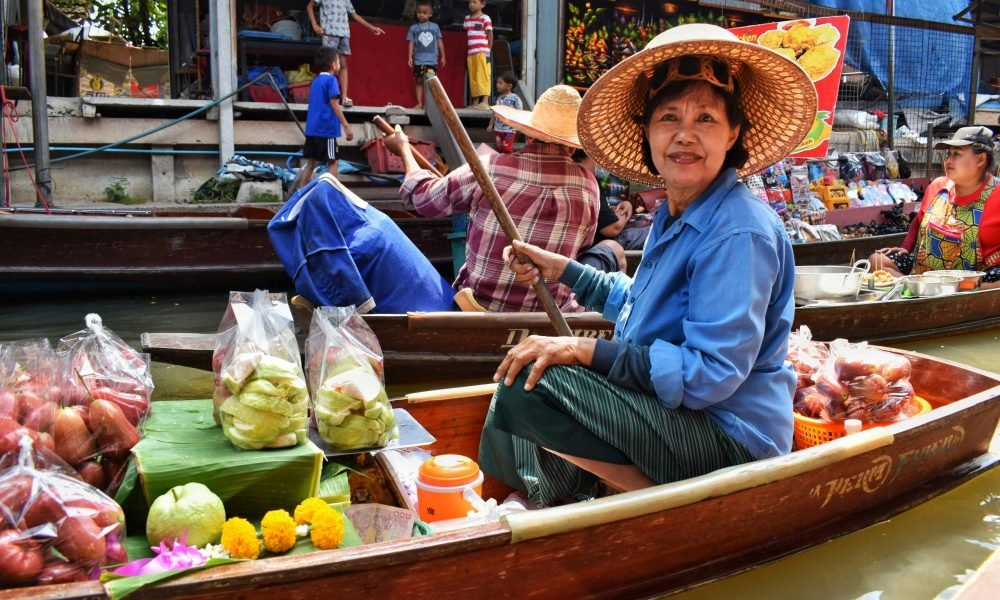
Pyramids of Giza and the Sphinx

@ Dilip Poddar

Pyramids of Giza and the Sphinx

Giza Necropolis,

Cairo,

Egypt,

Africa

Just outside the bustling heart of Cairo, Egypt’s capital, lies a stretch of desert that feels like a gateway to the past. The Giza Plateau, where the pyramids of Giza and the Sphinx proudly stand, is located about 13 km southwest of downtown Cairo. The sandy horizon and massive stone monuments seem frozen in history, yet they’re just a short ride from cafes, buses, and modern buildings. 

Standing tall on the Giza Plateau, the Great Pyramid of Khufu, along with the Pyramids of Khafre and Menkaure, forms the legendary trio that has guarded Egypt’s desert skyline for over 4,500 years. These are not just piles of stone; they’re mathematical marvels built over 4,500 years ago.

The Great Pyramid alone was once the tallest man-made structure in the world without cranes, computers, or modern machinery. The deeper you learn, the more mind-blowing it gets: the pyramid is almost perfectly aligned with the cardinal directions, and the base forms a nearly perfect square similar to Pyramids of Giza and the Sphinx.

With the muscular body of a lion and the calm, watchful face of a man, the Great Sphinx stands (Pyramids of Giza and the Sphinx) as Egypt’s timeless riddle, carved deep into the desert stone. Most believe it bears the likeness of Pharaoh Khafre, symbolizing royal authority fused with the strength of the animal kingdom. Stretched across nearly 73 meters, this limestone giant isn’t just big; it’s the largest single-stone statue on the planet.

But when you stand before it, it doesn’t feel like you’re looking at a sculpture; it feels like something is looking back. The Pyramids of Giza and the Sphinx doesn’t speak, yet it whispers of forgotten kings, desert winds, and legends still buried beneath the sand.
Beyond the pyramids themselves, the Giza Plateau offers more than just photo opportunities. You can step inside the Great Pyramid, climb through narrow stone passages, and feel the dense, silent atmosphere inside the king’s chamber.

You can also take a camel ride at sunset, with the golden light casting dramatic shadows on the sand. Nearby, the Solar Boat Museum displays a full-sized boat believed to have been used to carry Pharaoh Khufu’s body across the Nile, a glimpse into how the ancient Egyptians prepared for the afterlife.

After walking under the desert sun, you’ll want something flavorful. Fortunately, the area around Giza has some authentic Egyptian bites worth trying. Step into a small roadside eatery and try koshari, a filling mix of rice, lentils, pasta, and spicy tomato sauce, topped with crispy onions.

If you’re craving something grilled, kofta (minced meat skewers) and shawarma are local favorites. Many tourists also enjoy sipping on fresh hibiscus tea or sugarcane juice from nearby street vendors. For a sit-down experience with pyramid views, restaurants like 9 Pyramids Lounge offer Egyptian cuisine with a touch of elegance, blending old-world charm with modern comfort.

Let's Connect With

https://egymonuments.gov.eg/en/monuments/the-great-sphinx?utm This is official website for the Pyramids of Giza and the Sphinx is managed by Egypt’s Ministry of Tourism and Antiquities. This platform offers comprehensive information about these iconic monuments, including their history, architectural details, and visitor guidelines.

Ticket Booking: To plan your visit and purchase tickets online, the official booking portal is available at: Giza plateau – Book Your Tickets

Around Pyramids of Giza and the Sphinx

1. Giza Plateau Sound and Light Show

0.3 km

A mesmerizing evening show narrating Egypt’s history through lights projected on the pyramids.

2. The Grand Egyptian Museum

2 km

Desert skyline photo with all three pyramids in one frame, this quiet spot in the open desert is the best panoramic viewpoint.

3. Pharaonic Village

12 km

A living museum where actors recreate scenes of ancient Egyptian life along the Nile.

4. Cairo Tower

15 km

Offers panoramic city views and a revolving restaurant atop a 187-meter-high tower on Gezira Island.

5. Nile River Dinner Cruise

17 km

A small green space near the Giza district, ideal for a quiet break or a local-style picnic after your pyramid visit.

6. Khan El Khalili Bazaar

18 km

A vibrant centuries-old market filled with spices, jewelry, perfumes, and souvenirs.

7. Al-Azhar Mosque

19 km

One of Cairo’s oldest mosques and a center of Islamic learning dating back to the 10th century.

8. The Hanging Church

20 km

A historic Coptic church built above a Roman fortress, known for its wooden ceiling and ancient icons.

Egypt Top Attractions

20 km

450 km

20 km

The Mosque of Muhammad Ali Built in the 19th century, this mosque is more than just a religious building; it’s a symbol of Egypt’s shift into the modern age under one Read More

Makadi Bay Beach lies gracefully between the desert cliffs and the turquoise waters of the Red Sea, about 30 kilometers south of Hurghada, Egypt. This stunning Read More

Tucked within the maze-like streets of Islamic Cairo, Khan El Khalili Bazaar is a centuries-old marketplace that continues to pulse with life, color, and culture. Located near Read More

Make Reason to Travel

Books transport us to new worlds with every page, but travel lets us live those stories. Documentaries show breathtaking places, but stepping beyond the screen brings them to life. Movies spark adventure, but the real magic begins when we pack our bags and go. 🌍

Books

Documentaries

Memories

Movies

03. ARTICLES

Explore latest stories

Nature Visit

10 best places to visit in Malaysia

Malaysia a captivating blend of modernity and Read More

Beaches & Islands

10 Best Beaches in Europe

From sun-drenched shores to dramatic cliffside

Budget Trip

How to Budget for a Dream Trip

Dreams if it’s sipping chai on a Ladakh hillside or dancing

Nature Visit

Top Attractions to Explore in Darjeeling

Often referred to as the “Queen of the Hills,” Darjeeling

Activities

20 Best Things to Do in South Africa

South Africa is a land of striking contrasts and endless