Need to Know About Egyptian Currency

8 Need to Know About Egyptian Currency
Need to Know About Egyptian Currency

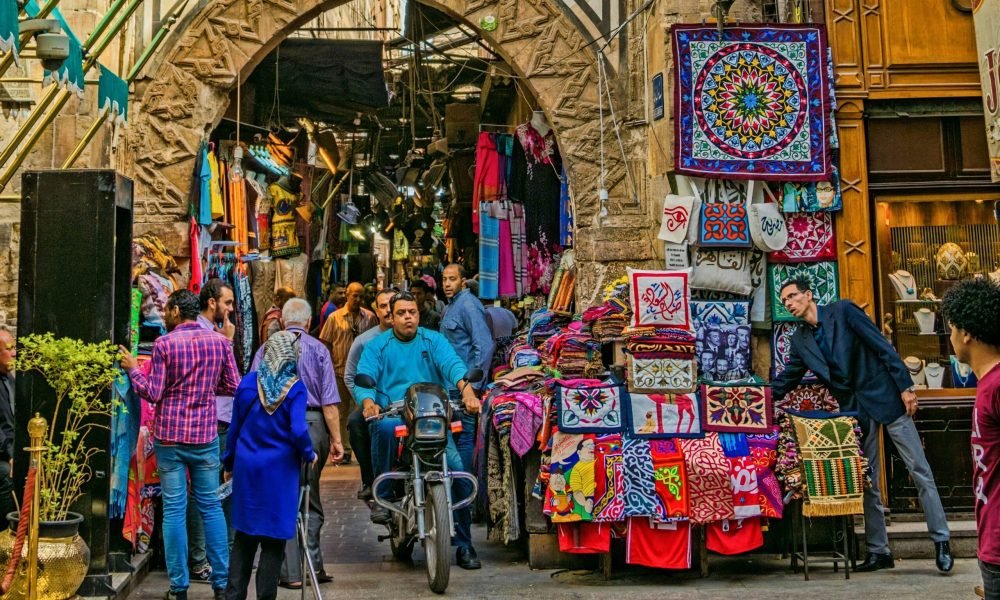
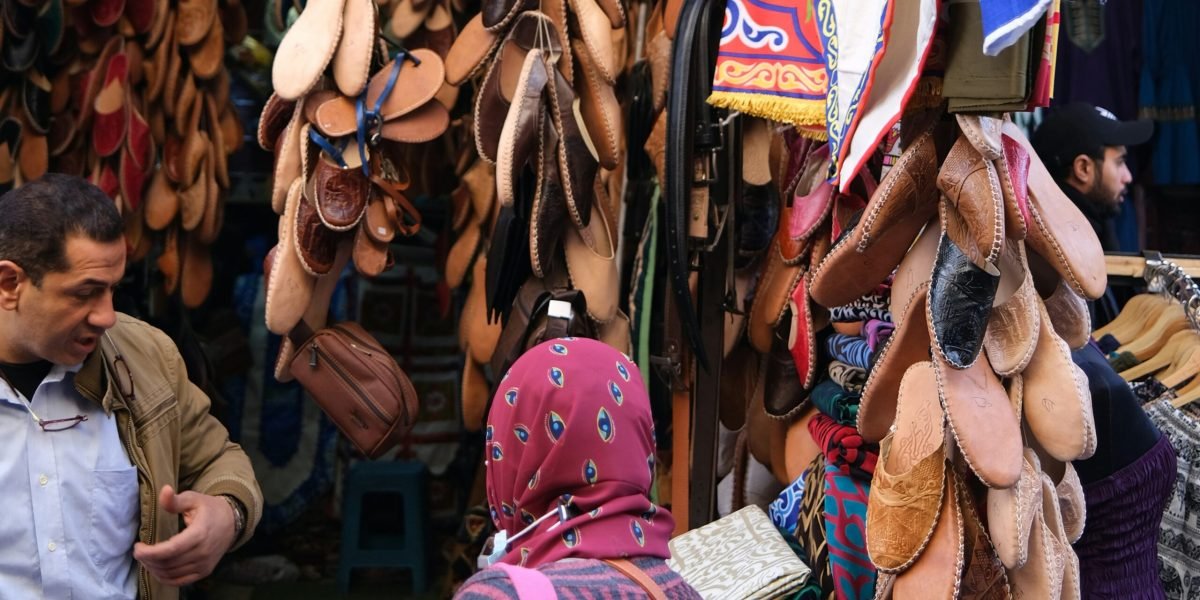
Local Egyptian markets rely on cash, with small notes key for easy bargaining and buying. Ahmad Ajmi / Unsplash

The Egyptian pound, locally called “geneih masri” (جنيه مصري), traces its name to the British “guinea,” a historic gold coin reflecting a blend of colonial influence and national identity.

When Egypt introduced its own modern currency during British influence in the late 19th century, the term was adopted and paired with “masri,” meaning “Egyptian,” to represent the country’s identity.

Introduced in 1834, the Egyptian pound replaced the piastre as the country’s primary currency unit, though the piastre remains in use today as a subunit (100 piastres = 1 pound). The Central Bank of Egypt oversees its issuance and regulation.

Over time, the EGP has evolved from gold- and silver-backed notes to paper money and now to modern polymer banknotes. Locally, Egyptians still refer to the currency as geneih masri, a term deeply embedded in everyday speech, symbolizing national pride and economic history.

That’s everything you need to know about Egyptian currency.

Need to Know About Egyptian Currency

It’s always recommended to carry small change when visiting local markets or using public transport. Mahmoud Diab / Unsplash

1. Currency Denominations: Notes & Coins

Need to know about Egyptian currency, Egypt’s currency system includes both paper notes and coins, designed to reflect the country’s rich cultural and historical heritage. Paper banknotes are issued in denominations of 1, 5, 10, 20, 50, 100, and 200 Egyptian Pounds (EGP), with newer versions of the 10- and 20-pound notes now printed on durable polymer for added security and longevity.

Coins are used in smaller values and are measured in piastres, which are subdivisions of the pound (100 piastres = 1 pound). These coins are popular in daily transactions, especially for small purchases like bus fares, snacks, or tipping.

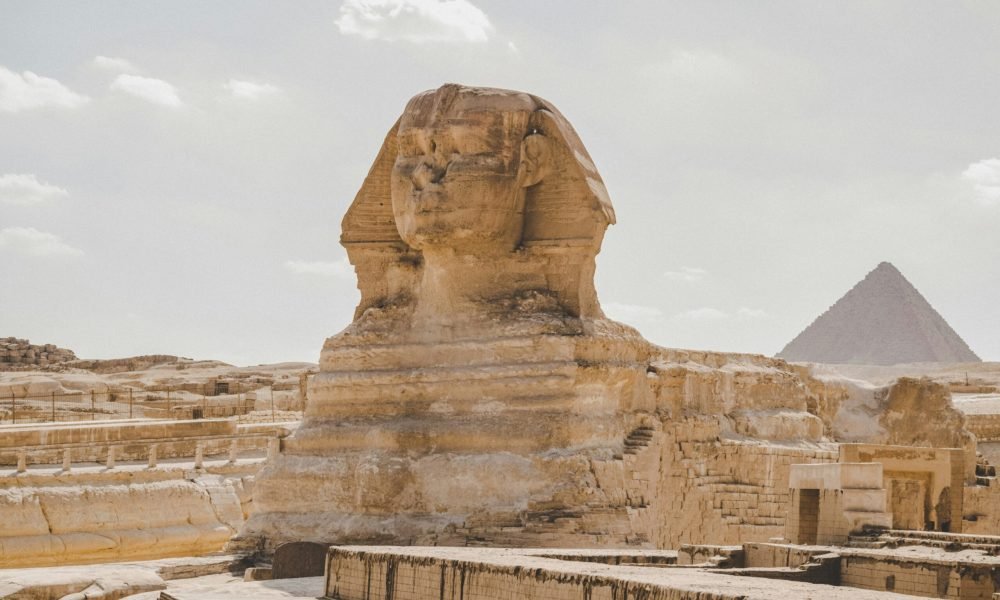
What makes Egyptian coins unique is their beautiful designs; many features ancient temples, and the Pyramids of Giza and the Sphinx, symbolizing the deep connection between the modern economy and Egypt’s ancient past. These artistic imprints not only serve a monetary purpose but also act as daily reminders of Egypt’s vast and enduring legacy.

2. Polymer Banknotes: The Future of Cash in Egypt

Egypt has recently introduced polymer banknotes for the 10- and 20-pound denominations, marking a step forward in the country’s currency modernization. Unlike traditional paper notes, these polymer notes are made from a durable, plastic-like material that makes them far more resistant to wear and tear, moisture, and dirt.

This enhanced durability means they last much longer in circulation, reducing the need for frequent replacements and lowering overall costs. Additionally, polymer notes incorporate advanced security features that make them harder to counterfeit, helping to protect the economy from fraud.

In addition to being more durable and secure, polymer banknotes are also eco-friendly, as they consume fewer resources during production and are fully recyclable at the end of their use. With the shift to polymer notes, Egypt is embracing a modern, sustainable approach to currency, enhancing both environmental responsibility and user convenience for locals and tourists.

3. Cash is King: Currency Use in Daily Life

In Egypt, cash remains the dominant method of payment, especially in everyday situations where digital or card payments are uncommon. It’s essential to carry small denominations of Egyptian pounds, such as 5s, 10s, and 20s, as many local vendors, taxi drivers, and food stalls often don’t have change for larger notes.

Whether you’re bargaining in a bustling street market, grabbing a quick falafel from a roadside cart, or paying for a short taxi ride, small bills make transactions smoother and faster. and this is the best things to know before traveling to Egypt.

Tipping, known locally as “baksheesh,” is also a common part of daily life offered to service workers, guides, and even restroom attendants and is typically given in coins or low-value notes. While larger businesses and hotels in urban areas may accept cards, in most parts of Egypt, having cash on hand, especially in smaller amounts, is not just helpful; it’s essential for a hassle-free experience.

4. Currency Exchange: What Tourists Should Know

For travelers visiting Egypt, knowing where and how to exchange money is key to a smooth trip. The safest and most reliable places to exchange currency are banks, official currency exchange offices, and ATMs, which are widely available in cities, airports, and tourist areas.

ATMs connected to international networks often offer fair exchange rates and are convenient for withdrawing local currency directly. While airport kiosks are handy upon arrival, they may give slightly lower rates compared to city banks or exchange bureaus.  Need to know about Egyptian currency that tourists should be cautious of the black market, which may offer tempting rates but is illegal and risky; it can involve counterfeit money or scams.

The most widely accepted foreign currencies for exchange in Egypt are the U.S. dollar (USD), euro (EUR), and British pound (GBP), all of which typically fetch better rates and are convertible. Always count your money before leaving the counter and keep the receipt, as it may be required for re-exchanging currency when departing the country.

Need to Know About Egyptian Currency

Egyptian coins iconic symbols like the Sphinx and ancient pharaohs, blending modern currency with rich heritage. Abdulla / Pexels

5. EGP vs Global Currencies

The Egyptian Pound (EGP) has seen considerable fluctuations over the years when compared to major global currencies like the U.S. Dollar (USD) and the Euro (EUR). Due to various economic challenges, including inflation, rising import costs, and global market pressures, the EGP has gradually decreased in value.

Travelers often find Egypt an affordable destination, as their foreign currency can go a long way. However, for locals, the weakening pound has led to higher living costs and reduced purchasing power, especially for imported goods.

Egypt’s central bank occasionally devalues the currency as part of economic reforms or agreements with international lenders like the IMF, aiming to stabilize the economy and boost exports.

6. Mobile Payments and Cards in Egypt

While Egypt is gradually embracing digital payments, the use of debit and credit cards is primarily concentrated in urban areas, such as Cairo, Alexandria, and major tourist destinations like Luxor and Sharm El-Sheikh. In these cities, hotels, shopping malls, upscale restaurants, and large supermarkets commonly accept cards and even support mobile wallets like Apple Pay or local fintech apps.

However, the situation changes in rural regions and traditional markets, where cash remains king. In small towns, street vendors, local eateries, taxis, and souks often lack the infrastructure for card transactions, making it difficult to rely on plastic or digital payment alone.

Mobile banking and fintech are growing, especially among younger Egyptians, but adoption is still limited outside of major cities. For travelers, it’s best to use cards where available, but always carry cash, particularly small denominations for everyday purchases, tips, and transport in less-developed areas.

7. Currency Tips for Travelers

While Egypt is gradually embracing digital payments, the use of debit and credit cards is primarily concentrated in urban areas, such as Cairo, Alexandria, and major tourist destinations like Luxor and Sharm El-Sheikh. In these cities, hotels, shopping malls, upscale restaurants, and large supermarkets commonly accept cards and even support mobile wallets like Apple Pay or local fintech apps.

However, the situation changes in rural regions and traditional markets, where cash remains king. In small towns, street vendors, local eateries, taxis, and souks often lack the infrastructure for card transactions, making it difficult to rely on plastic or digital payment alone. Mobile banking and fintech are growing, especially among younger Egyptians, but adoption is still limited outside of major cities.

For travelers, it’s best to use cards where available but always carry cash, particularly small denominations for everyday purchases, tips, and transport in less-developed areas.

Need to Know About Egyptian Currency
Need to know about Egyptian currency, Egypt now prints 10 and 20-pound notes in durable, secure polymer material. Hamed Taha / Unsplash

8. Fun Facts About Egyptian Currency

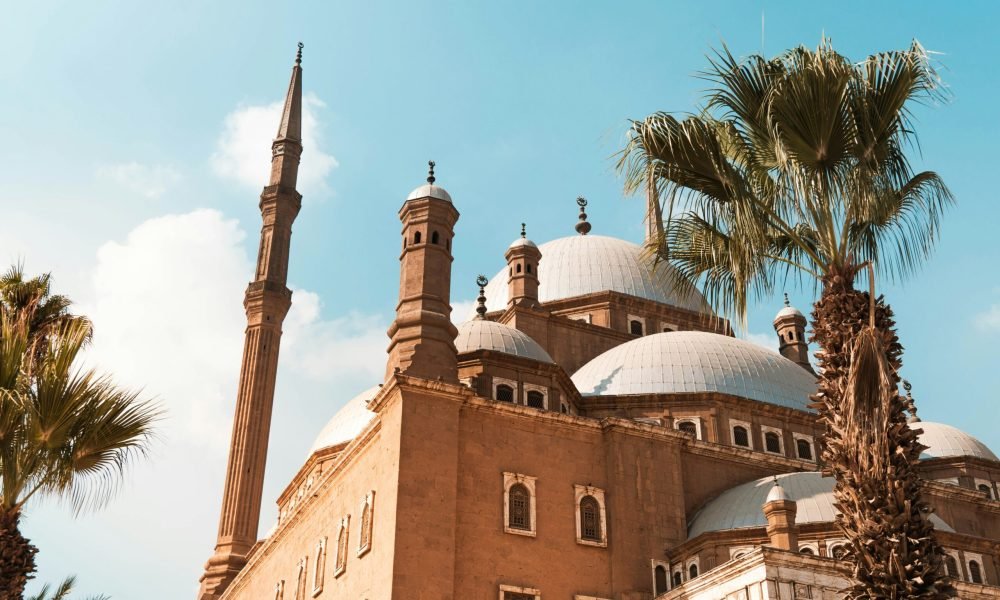
Egyptian currency is not just a medium of exchange; it’s also a canvas of the country’s history, culture, and identity. Need to know about Egyptian currency where Many banknotes feature intricate Islamic architecture, including famous mosques like the Mosque of Muhammad Ali and Sultan Hassan Mosque, reflecting Egypt’s deep religious and artistic heritage.

Some older notes, especially from the 20th century, have become rare collectibles, valued by numismatists for their unique designs and limited print runs. For instance, vintage piastre notes or bills with printing errors can be worth far more than their face value. Even the smallest coin may carry a symbol of Nefertiti or a pyramid, making every transaction in Egypt feel like a small journey through its storied past.

Official Egypt government websites
Everything You Need to Know About Egyptian Currency

The official website for Egyptian currency is maintained by the Central Bank of Egypt (CBE). You can access it at www.cbe.org.eg. This site provides comprehensive information on the Egyptian Pound (EGP), including current exchange rates, monetary policy updates, financial regulations, and details about currency issuance. For instance, the CBE has issued polymer banknotes for the 10 and 20-pound denominations, enhancing durability and security.

FAQs

 1. Are polymer banknotes used in Egypt?

Yes, Egypt has introduced polymer notes for the 10 and 20-pound denominations for improved durability and security.

2. Can I use foreign currency in Egypt?


In tourist areas, some businesses may accept USD, Euro, or GBP, but it’s best to pay in EGP, especially in local markets and for transport.

3. Where can I exchange currency in Egypt?

You can exchange money at banks, ATMs, hotels, and official exchange offices. Avoid street or black-market exchanges.

4. Is it better to bring cash or cards?

Bring a mix of both. Cash is essential for daily expenses, especially small bills. Cards are accepted in cities and hotels.

5. How can I avoid counterfeit money?

Use official exchange outlets and always check security features like watermarks, clear windows, and raised ink on notes.

6. Do I need to tip in Egypt?

Yes, tipping (baksheesh) is a common custom. Use small denominations for tips in restaurants, hotels, and for services.

7. Is it easy to withdraw money from ATMs in Egypt?

Yes, ATMs are widely available in cities and airports. Make sure your card is activated for international use.

8. Can I take Egyptian currency out of the country?

There are limits on how much EGP you can carry when leaving Egypt. It’s best to exchange excess currency before departure.

GUIDED BY EXPERT

Yoga within Travel the perfect flow of Experience

Explore wellness in anywhere

by

Explore Related Articles

Indian Currency to Know Before Travel to India

You Should Know About UAE Currency

Need to Know About Thailand Currency

Japanese Currency to Know Before Travel to Japan

LEAVE A COMMENT

Error: Contact form not found.
10 Best Things on Egypt’s Tourist Visa

10 Best Things on Egypt's Tourist Visa

Best Things on Egypt's Tourist Visa

It’s the first step on a journey through history, culture, and adventure, unlocking access to a land where ancient wonders and modern life exist side by side. But beyond simply granting access, this visa comes with hidden advantages that many travelers overlook.

It’s a permit to enter; it’s a passport to a deeper, more flexible, and more enriching travel experience in one of the world’s most fascinating destinations. 

From flexible options to application processes and access to world-famous heritage sites, this visa is your key to the best Egypt adventure.

In this guide, we’ll explore the best things on Egypt’s tourist visa, one of the most rewarding for global explorers.

10 Best Things on Egypt's Tourist Visa

1. Visa That Unlocks an Entire Civilization

A tourist visa to Egypt isn’t just a travel formality; it’s your personal invitation to step into the heart of an ancient world. 

With it, you’re not just entering a country; you’re crossing into a land where towering pyramids, majestic temples, and centuries-old traditions still echo through the desert.

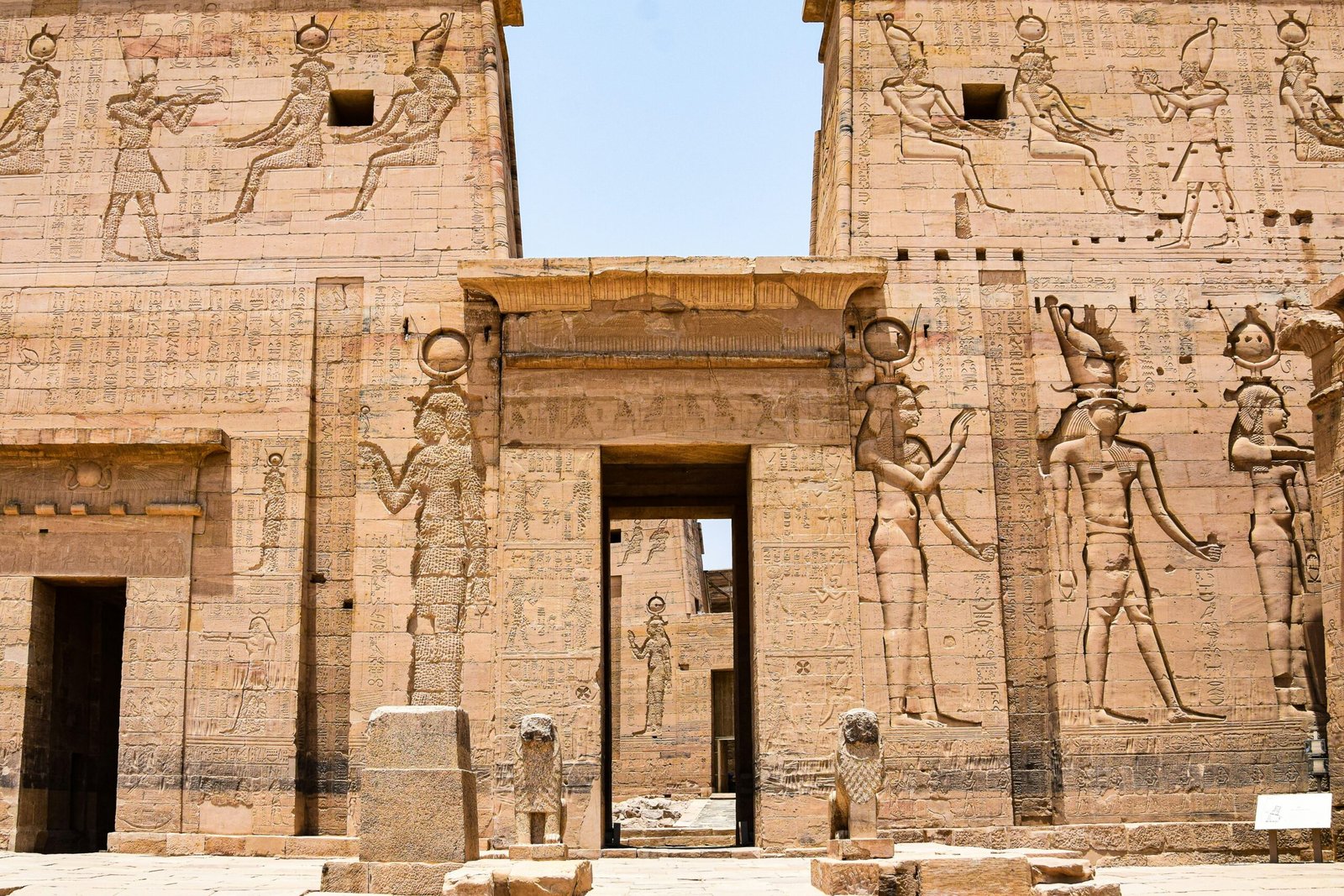
From the hieroglyph-covered temples of Luxor to the peaceful charm of Coptic churches hidden in the heart of Cairo, Egypt’s tourist visa gives more than just entry; it gives immersion.

It grants you the chance to stand before the mighty Pyramids of Giza and the Sphinx, where ancient engineering continues to baffle the modern mind, and to wander through sacred spaces where early Christianity quietly took root. 

Every site you visit becomes a chapter in a living story, one that stretches back thousands of years and still pulses with mystery, meaning, and majesty.

Every step in Egypt is a walk through a living museum, whether you’re wandering the Valley of the Kings, sailing the Nile like ancient queens and emperors, or hearing the Islamic call to prayer echo through thousand-year-old minarets. 

The visa invites you into a story that began over 5,000 years ago and continues to unfold with every traveler who comes to see it.

Best Things on Egypt's Tourist Visa
Tourist visa are your key to the best Egypt adventure. Charles Escat / Unsplash

2. Flexible Duration Options for All Travel Styles

Egypt’s tourist visa stands out for its ability to suit a wide range of travel preferences. Whether you’re a solo backpacker chasing adventure, a couple seeking a cultural escape, or a long-term traveler wanting to immerse yourself in everyday Egyptian life, there’s a visa to match your pace.

From short-term stays perfect for a quick historical tour to multi-entry options for those exploring the region, Egypt’s visa system is designed to move with you no matter how you choose to travel.

The single-entry visa, valid for up to 30 days, is ideal for first-time visitors or short-term travelers exploring iconic spots like Cairo, Luxor, and Aswan. 

For those who plan to leave and re-enter Egypt, perhaps pairing it with nearby destinations like Jordan or the UAE, the multiple-entry visa allows you to come and go within a six-month period, making it perfect for flexible itineraries.

Long-term travelers and slow explorers can apply for visa extensions once inside Egypt, giving them more time to truly experience the country’s depth at their own pace. 

With options tailored to different travel rhythms and lifestyles, Egypt’s tourist visa ensures your adventure doesn’t feel rushed or restricted.

Confused between plans? Here helps you compare coverage, price, and benefits side by side.

→ Compare Travel Insurance Plans Now

3. Easy E-Visa System: No More Embassy Queues

Gone are the days of long embassy lines and complicated paperwork. Egypt’s modern e-visa system has revolutionized the way travelers plan their trips. 

With just a few clicks, you can apply for a tourist visa from the comfort of your home, avoiding the hassle of in-person visits or courier services.

The online application process is straightforward, user-friendly, and takes only minutes to complete. Most travelers receive their approved visa within a few days, sometimes even sooner, making it perfect for those who decide to visit Egypt on short notice.

Whether you’re planning a last-minute getaway or just prefer stress-free planning, the e-visa system ensures your journey begins with ease, convenience, and confidence.

4. Affordable for Budget Travelers

One of the biggest advantages of Egypt’s tourist visa is its affordability, making it a choice for budget-conscious explorers.

Compared to visa fees for other popular destinations such as Schengen countries, the U.S., or the UK, Egypt’s visa costs are significantly lower, often ranging from $25 to $60 USD, depending on the type and duration.

For students, solo adventurers, and budget travelers, it means they can invest more in memorable experiences like local tours, authentic meals, or desert excursions instead of spending heavily just to cross the border.

Whether you’re exploring ancient ruins, sailing down the Nile, or sampling street food in bustling Cairo, the low visa cost helps stretch your travel budget further.

5. Multiple Entry Visa = Multi-Destination Middle East Tour

Egypt’s multiple-entry tourist visa is an excellent choice for travelers eager to turn their trip into a multi-country journey across the Middle East and beyond. 

Valid for up to six months with multiple visits allowed, it’s the perfect choice for those planning a broader Middle East adventure.

With Egypt as your base, you can easily hop over to nearby destinations like Jordan to see Petra, Turkey for Istanbul’s cultural fusion, the UAE for a modern desert escape, or even Israel for its religious landmarks.

This visa allows you to leave and re-enter Egypt without the hassle of reapplying, ideal for regional circuits or spontaneous side trips. 

Whether you’re tracing ancient trade routes, exploring different cultures, or just maximizing your journey through the region, the multiple-entry visa gives both convenience and incredible travel value.

6. Valid for Iconic Events & Unique Experiences

Best Things on Egypt's Tourist Visa
Egypt gives an official electronic visa (e-Visa) system for over 70 nationalities. Kristina Loburets / Unsplash

Travelers can witness the awe-inspiring Sun Festival at Abu Simbel, where twice a year, sunlight illuminates the inner sanctuary of Ramses II’s temple, a marvel of ancient engineering and cosmic alignment.

During Ramadan, Cairo transforms at night into a city of glowing lanterns, vibrant street feasts, and warm communal energy, giving visitors a deeply spiritual atmosphere.

For nature lovers, the vast Egyptian deserts become the perfect backdrop for meteor showers, with guided night safaris that combine stargazing and Bedouin storytelling under the clearest skies.

7. Visa Validity Window Encourages Spontaneous Journeys

One of the key advantages of Egypt’s tourist visa is its 90-day entry window from the date it’s issued, allowing you the flexibility to travel on your schedule.

Instead of rushing to lock in plans, you have three full months to choose the perfect time to begin your adventure, ideal for spontaneous trips or adjusting to unexpected changes. It’s ideal for last-minute travelers, digital nomads, or anyone whose plans tend to shift.

It gives you the freedom to travel when you’re truly ready, whether that’s next week or two months from now, making it ideal for those who like to keep their journey open-ended or adjust plans on the fly.

8. Cultural Immersion Without Bureaucratic Burden

Egypt’s streamlined tourist visa process doesn’t just make entry simple; it lays the foundation for a deeper, more meaningful connection with the country and its people. With fewer bureaucratic hurdles, travelers can focus on immersive experiences that go beyond sightseeing.

You might find yourself learning to cook traditional dishes with a family in Luxor, staying in a Nubian village in Aswan where colorful homes and warm hospitality reflect centuries of tradition, or picking up the basics of hieroglyphics from a local street artist eager to share Egypt’s ancient script.

This ease of access encourages visitors to slow down, engage authentically, and experience the country not as a tourist but as a welcomed guest, something that turns a simple trip into a lifelong memory.

Personally, I prefer using VisitorsCoverage because it’s simple, transparent, and beginner friendly.

Instead of checking multiple websites, try VisitorsCoverage to compare everything in one place.

9. Strong Visa Acceptance for Most Nationalities

Best Things on Egypt's Tourist Visa
First-time visitors or short-term travelers exploring iconic spots like Cairo, Luxor, and Aswan. Dilip Poddar / Unsplash

Egypt’s tourist visa policy is impressively welcoming, with citizens from over 70 countries eligible for the convenient e-visa or visa-on-arrival. 

This broad acceptance makes Egypt one of the most accessible destinations in the region for international travelers.

Whether you’re from the United States, Canada, the UK, the EU, Australia, New Zealand, India, or many parts of Asia and Latin America, you can often skip the hassle of embassy visits and apply online or simply get your visa upon arrival at major airports like Cairo, Hurghada, or Sharm El-Sheikh.

Whether you’re from the United States, Canada, the UK, the EU, Australia, New Zealand, India, or many parts of Asia and Latin America, you can often skip the hassle of embassy visits and apply online or simply get your visa upon arrival at major airports like Cairo, Hurghada, or Sharm El-Sheikh.

10. Visa Extensions for the Curious Soul

For travelers who find themselves captivated by Egypt’s magic and aren’t quite ready to leave, the country offers the option to extend your tourist visa while you’re still there.

Whether you’re a digital nomad enchanted by Nile-side cafes, a long-stay traveler soaking up local life, or an archaeology enthusiast wishing to dive deeper into ancient sites, Egypt’s visa extension process gives you the flexibility to stay longer.

Applications can be made at immigration offices such as the Mogamma building in Cairo, and while the process may take a few days and some patience, it’s entirely doable without leaving the country.

This extension option is a blessing for those whose short vacation turns into a desire to explore more, learn more, and truly connect with Egypt beyond the guidebooks.

Official Egypt government websites

The official website for applying for Egypt’s tourist e-visa is: https://visa2egypt.gov.eg/

FAQs

What can I do in Egypt with a tourist visa?

It generally allows eligible travelers to visit Egypt for sightseeing, holidays, and cultural experiences.

Can I visit the Pyramids with an Egypt tourist visa?

Yes, visiting famous attractions such as the Pyramids of Giza is permitted for tourists.

Can I explore multiple cities on one Egypt tourist visa?

Generally, yes—you can travel between destinations such as Cairo, Luxor, Aswan, and Hurghada during your authorized stay.

How long can I stay in Egypt on a tourist visa?

The permitted stay depends on the visa type and the conditions granted by Egyptian authorities.

Can I extend my Egypt tourist visa?

Extensions may be possible in certain circumstances through the relevant Egyptian immigration authorities.

Does an Egypt tourist visa guarantee entry?

No, final admission is determined by Egyptian immigration officials at the port of entry.

You May Also Like

10 Remote Islands for a Real Break

10 Remote Islands for a Real Break

5 Of the Best Hikes in South Africa

5 Of the Best Hikes in South Africa

The Best Places to Eat Croissants in Paris

The Best Places to Eat Croissants in Paris

Leave a Comment


Hello!


Hi, I’m Pooja Mokashi, a passionate storyteller and travel content creator behind Travel Meet World. Based in Mumbai, I love discovering local cultures and helping travelers explore the world with confidence and smart planning.

Unlock Your Free Travel Hacks

Join 5,000+ travelers getting Free Weekly Travel Tips, Get Exclusive Updates & Download my free travel checklist

12 Best Travel Insurance Plans for Egypt

12 Best Travel Insurance Plans for Egypt

Best Travel Insurance Plans for Egypt

If you’re standing in awe before the Great Pyramids, drifting down the Nile on a felucca, or weaving through the vibrant chaos of Cairo’s bazaars, Egypt gives an adventure steeped in history and wonder.

From sudden medical emergencies to unexpected cancellations, navigating a country as culturally and geographically diverse as Egypt makes travel insurance not just a backup but a necessity.

While cities like Cairo and Luxor have adequate healthcare facilities, venturing into Egypt’s remote deserts or diving in the Red Sea can present serious challenges if urgent care or evacuation is needed. 

 Trip disruptions caused by illness, travel delays, or unexpected political unrest can occur more frequently than travelers anticipate.

Egypt’s rich cultural norms add another layer of complexity. Unfamiliar customs, strict dress codes at religious sites, and rules around photography can sometimes lead to accidental missteps. 

Plus, crowded markets and tourist hotspots can make travelers vulnerable to scams or theft. That’s why having insurance specifically suited for Egypt doesn’t just protect your finances; it helps you travel with confidence and peace of mind.

Now, let’s explore the 12 best travel insurance plans for Egypt here on your journey through the land of pharaohs.

Turn your travel plans into reality with Klook’s best deals on activities, transport, hotels, and more.

1. SafetyWing – Best for Long-Term Explorers & Remote Workers

SafetyWing is a top choice for digital nomads, remote workers, and long-term travelers heading to Egypt and beyond. 

Designed with flexibility in mind, this insurance plan gives continuous global coverage, including Egypt, other parts of Africa, and the broader Middle East.

One of its standout features is the subscription-style model; travelers can pay on a monthly basis and cancel anytime, making it ideal for those without fixed return dates. It covers essentials like emergency medical care, trip interruption, lost luggage, and even COVID-19 treatment.

What sets SafetyWing apart is its borderless approach: you can move from one country to another without needing to change or update your policy. 

For remote workers exploring ancient temples in Luxor or navigating the lively streets of Cairo, SafetyWing gives the added benefit of limited home-country coverage, ideal for brief visits back home without needing to pause your policy, making it one of the most convenient and nomad-friendly options on the market.

2. Allianz Global Assistance – Best for Comprehensive Luxury Trips

Best Travel Insurance Plans for Egypt
Travel insurance can protect you from weather-related disruptions. Abdelrahman Ismail / Unsplash

Allianz Global Assistance is an excellent choice for travelers seeking a premium, worry-free experience while exploring Egypt in style. 

Whether you’re enjoying a luxury Nile cruise, staying in five-star hotels near the Pyramids of Giza and the Sphinx, or flying in for a private tour of the Valley of the Kings, this is the best travel insurance plan for Egypt.

One of its standout features is its concierge service, which acts like a personal travel assistant, helping you book reservations, find local experiences, or manage last-minute changes.

It also gives robust protection against baggage delays, unexpected trip interruptions, medical emergencies, and missed connections—common hassles that can disrupt even the most carefully planned itinerary.

With Allianz, you gain more than just insurance; you receive premium support that complements your luxury travel experience, allowing you to explore Egypt with complete peace of mind.

Confused between plans? Here helps you compare coverage, price, and benefits side by side.

→ Compare Travel Insurance Plans Now

3. World Nomads – Best for Adventure & Cultural Travelers

World Nomads is the ideal insurance choice for thrill-seekers and culturally curious travelers heading to Egypt. 

Tailored for those who crave immersive and adventurous experiences, it gives coverage for a wide range of activities from camel rides across the Sahara and trekking through the White Desert to scuba diving in the coral-rich waters of the Red Sea.

What sets World Nomads apart is its flexibility travelers can customize their policy with add-ons that suit their itinerary, such as coverage for high-risk sports or extended trips.

It also includes protection for stolen or lost gear, making it perfect for travelers carrying cameras, drones, or diving equipment. With World Nomads, you’re free to explore Egypt’s ancient wonders and natural landscapes with confidence, knowing you’re protected every step of the way.

4. IMG Patriot International – Best for Medical Coverage

Best Travel Insurance Plans for Egypt
It’s a premium support that complements your luxury travel experience. Christian Romei / Unsplash

IMG Patriot International is a top-tier choice for travelers who want dependable medical coverage during their trip to Egypt. 

With access to a trusted network of hospitals and clinics in key cities like Cairo and Luxor, this plan ensures you can receive prompt and professional care when it matters most.

If you’re dealing with a sudden illness or an unexpected injury while exploring Egypt’s ancient landmarks or remote regions, IMG provides the medical support you need with confidence and ease.

Whether you’re experiencing a heat-related issue in the desert or need urgent care after a mishap on a Nile cruise, IMG ensures you’re not left navigating the healthcare system alone.

The plan also gives 24/7 multilingual support, which is especially helpful in a country where language barriers can complicate medical situations. 

With its high medical limits and responsive assistance team, IMG Patriot International gives peace of mind for travelers who want top-tier health protection throughout their Egyptian journey.

5. VisitorsCoverage – Best for Customizing Your Plan

VisitorsCoverage is an excellent choice for travelers who want flexibility and control over their insurance coverage while visiting Egypt. 

This platform makes it customizable for your insurance plan based on your unique travel plans, whether you need coverage for COVID-19, protection against trip interruptions, or added security for weather-related disruptions that could impact your journey through Egypt’s deserts or along the Nile.

The intuitive online comparison tool helps Egypt-bound travelers evaluate multiple plans side by side, making it simple to find one that matches their itinerary and budget.

What makes VisitorsCoverage particularly user-friendly is its clear, jargon-free policy descriptions and customizable features, which let you fine-tune everything from medical limits to add-on benefits. 

For travelers who value transparency and personalization, VisitorsCoverage offers a smart and flexible solution for staying protected on the road.

6. Travelex Insurance Services – Best for Family Travel

Travelex Insurance Services is a fantastic choice for families planning a trip to Egypt, giving comprehensive protection with features that make traveling with children easier and more affordable. 

One of its biggest advantages is that children under 17 are often covered at no additional cost when traveling with a covered adult, making it budget-friendly for parents.

The plan includes coverage for trip cancellations, delays, or interruptions, which is especially helpful when plans change due to illness or unexpected issues. 

Start your trip stress-free with a reliable airport transfer from Welcome Pickups.

7. Cover-More – Best for Senior Travelers

12 Best Travel Insurance Plans for Egypt

Cover-More is a trusted choice for senior travelers heading to Egypt, offering excellent coverage specifically designed to meet the needs of older adults. 

One of its key strengths is its comprehensive protection for pre-existing medical conditions, which is crucial for retirees who want to explore with confidence.

The plan also includes tailored support services such as emergency assistance, medication replacement, and access to experienced medical professionals, making it easier for seniors to travel independently and safely. 

With its senior-friendly features and dependable coverage, Cover-More empowers older travelers to enjoy Egypt’s rich history.

8. AIG Travel Guard – Best for Business & Short-Term Trips

AIG Travel Guard is an ideal option for business travelers and those planning short visits to Egypt, particularly to major hubs like Cairo or Alexandria. 

Designed with the fast-paced needs of professionals in mind, this plan gives strong coverage for trip delays, missed connections, and last-minute cancellations that could disrupt important meetings or events.

At the end of the day, the right insurance is the one that lets you travel stress-free, knowing you’re covered no matter what happens.

It also includes protection against the theft or loss of valuable tech such as laptops, smartphones, or presentation equipment crucial for those working on the go. 

Additionally, AIG provides emergency business assistance, including help with lost documents, translation services, or urgent communication needs.

With its practical benefits and efficient support, Travel Guard ensures that short-term and business travelers can focus on their goals without being sidetracked by unexpected setbacks.

9. AXA Assistance USA – Best for Schengen + Egypt Combo Trips

AXA Assistance USA is a smart choice for travelers planning to explore both Europe and Egypt in a single journey. 

Tailored for those visiting Schengen countries and extending their trip to North Africa, this plan meets Schengen visa requirements while also giving robust protection for your time in Egypt.

It features high medical coverage limits, making it suitable for emergencies in both European cities and Egypt’s more remote regions. 

The policy also includes crisis assistance services vital for handling unexpected events such as political unrest, natural disasters, or lost travel documents.

Whether you’re strolling through Paris one week and visiting the pyramids the next, AXA ensures seamless, border-spanning coverage that keeps you protected throughout your entire itinerary.

10. Seven Corners – Best for Group or Student Travelers

Seven Corners is a top pick for group and student travelers heading to Egypt, giving flexible insurance plans that are perfect for educational tours, yoga retreats, or archaeology expeditions.

Designed to simplify coverage for multiple travelers, their group plans are to manage and customize whether you’re traveling with a university program, a cultural club, or a wellness group.

One standout feature is their school trip cancellation protection, which reimburses non-refundable costs if the trip is called off due to illness, political unrest, or other covered reasons.

Seven Corners also provides emergency medical coverage, lost baggage protection, and 24/7 travel assistance, crucial when coordinating logistics for a group. 

With reliable support and scalable options, this plan ensures that students, teachers, and group leaders can explore Egypt’s ancient wonders with confidence and ease.

🛡️ Travel with confidence wherever you go — protect your journey with reliable coverage from VisitorCoverage today!

11. Trawick International – Best for Coverage in Political Unrest

Trawick International stands out for travelers heading to Egypt who want extra protection in uncertain political environments. 

Known for its strong emergency evacuation and relocation services, this plan is especially valuable for those concerned about protests, civil unrest, or border tensions that can occasionally arise in the region.

If the political situation changes suddenly, Trawick ensures you can be safely and quickly moved to a secure location or evacuated from the country altogether.

In addition to standard benefits like trip interruption, medical coverage, and lost baggage protection, Trawick’s policies are designed with crisis scenarios in mind, making it a smart choice for cautious travelers, journalists, aid workers, or anyone prioritizing safety while exploring Egypt’s complex and dynamic landscape.

12. HTH Worldwide – Best for High-End Medical Access

HTH Worldwide is the preferred choice for travelers who prioritize premium healthcare access while visiting Egypt. 

This plan is partnered with top-tier, internationally accredited hospitals in major cities like Cairo and coastal destinations such as Hurghada, ideal for those vacationing at luxury resorts or engaging in Red Sea activities.

One of its standout advantages is the direct billing system, allowing travelers to access medical care without the hassle of paying upfront and filing reimbursement claims later.

HTH Worldwide also gives high coverage limits and access to English-speaking doctors, ensuring you receive world-class medical attention with ease and comfort. 

For travelers who want the reassurance of elite healthcare during their Egyptian journey, HTH delivers both security and peace of mind.

These official resources can help you select a travel insurance plan that aligns with your needs for a trip to Egypt. Always ensure to read the policy details and consult with the provider to understand the coverage fully. Travel Insurance for Egypt: Our Best Options in 2024

FAQs

1. Is travel insurance mandatory for visiting Egypt?

No, travel insurance is not legally required for entry into Egypt, but it is strongly recommended due to potential medical costs, travel disruptions, or emergencies.

2. What should a good travel insurance plan for Egypt include?

Look for coverage that includes medical emergencies, trip cancellations or delays, theft or loss of belongings, and evacuation—especially important in desert or remote regions.

3. Are adventure activities like scuba diving or camel riding covered?

Many insurers like World Nomads or SafetyWing cover adventurous activities, but always check the policy details or add extra coverage if needed.

4. Does travel insurance cover political unrest or protests in Egypt?

Some insurers, such as Trawick International, offer specific coverage for political evacuation or trip disruptions caused by civil unrest. Always verify this in your plan.

5. Can I get coverage if I already have a pre-existing medical condition?

Yes, some plans like Cover-More or IMG offer coverage for pre-existing conditions, but you may need to meet certain requirements or pay an additional premium.

You May Also Like

10 Best Things to Do in Kerala, India​

10 Best Things to Do in Kerala, India

5 Of the Best Hikes in South Africa

5 Of the Best Hikes in South Africa

The Best Places to Eat Croissants in Paris

The Best Places to Eat Croissants in Paris

Leave a Comment


Hello!


Hi, I’m Pooja Mokashi, a passionate storyteller and travel content creator behind Travel Meet World. Based in Mumbai, I love discovering local cultures and helping travelers explore the world with confidence and smart planning.

Unlock Your Free Travel Hacks

Join 5,000+ travelers getting Free Weekly Travel Tips, Get Exclusive Updates & Download my free travel checklist

12 Best Ways to Travel Across Egypt

12 Best Ways to Travel Across Egypt

Best Ways to Travel Across Egypt

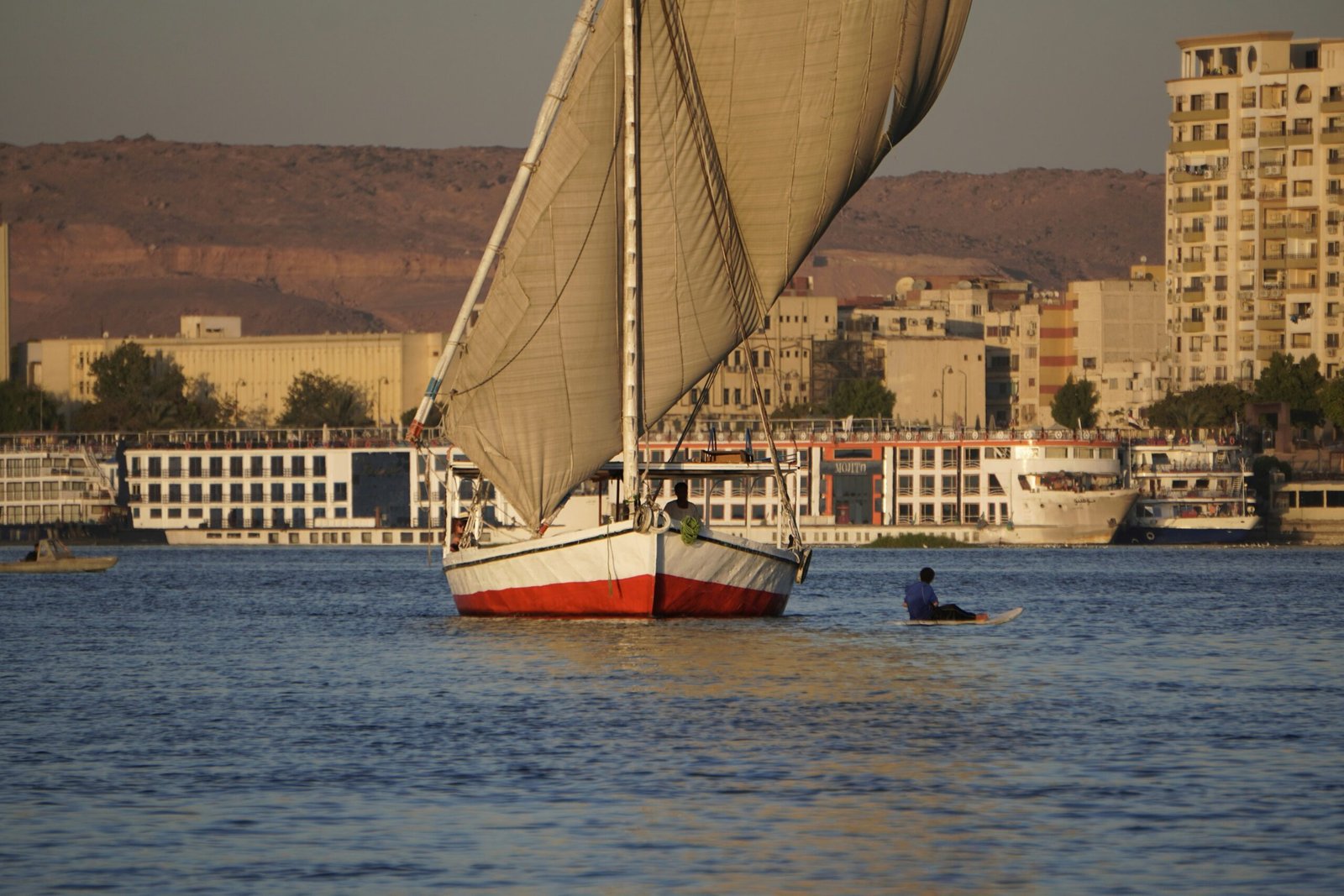
Egypt’s transport options—from feluccas to desert jeeps—let you explore the country at every pace and angle. M Abnodey / Unsplash

Egypt is a best adventure where the journey itself becomes part of the experience, with each mode of travel giving a unique way to connect with the country’s rich culture, history, and landscapes. Every mode of transport gives a unique and enriching perspective of the country’s beauty and soul.

Gliding along the Nile on a traditional felucca offers a peaceful escape from the modern world, allowing you to connect with the timeless beauty of the river and experience Egypt as travelers did centuries ago.

A camel ride near the pyramids becomes more than just a photo; it’s a magical moment where you connect with centuries of desert tradition. Taking a local train or microbus in Egypt gives a genuine window into everyday life where you pass through lively neighborhoods, overhear local chatter, and witness the country’s vibrant culture unfolding in real time.

In peaceful places like Siwa, cycling gives a sense of freedom and simplicity, while an all-time desert safari opens your eyes to the breathtaking silence and star-filled skies of the Sahara.

Egypt is a place best experienced at your pace, where every journey adds meaning to the adventure, and every path taken reveals something beautiful and off beaten. Let’s know the 12 Best Ways to Travel Across Egypt.

1. Nile River Cruises – Sail Like the Pharaohs

Cruising the Nile between Luxor and Aswan on a traditional dahabiya gives one of the most serene and immersive ways to experience Egypt. Unlike large cruise ships, a dahabiya is a smaller, wind-powered boat that glides gently along the river, allowing you to truly soak in the beauty of the Nile Valley.

With only a handful of cabins, these boats provide a quiet, personalized experience that blends comfort with authenticity. Along the way, you can explore lesser-known temples, stop at peaceful riverside villages, and enjoy views of palm groves, ancient ruins, and daily life unfolding on the riverbanks.

2. Felucca Ride – Embrace Silence on the Nile

Sailing on a felucca gives a tranquil and timeless way to explore the Nile, allowing you to experience the river much like people have for centuries. These traditional wooden sailboats, guided by skilled Nubian boatmen, move gently with the wind without engines, giving a quiet escape from the noise of modern life.

As you drift along the calm waters near Aswan or Luxor, you’ll see timeless scenes of daily life: farmers tending to their fields, children playing along the banks, and birds gliding overhead. What makes the experience even more special is the opportunity to spend the night on board.

With no artificial lights or sounds, you can lie back on soft cushions, wrapped in warm blankets, and gaze at a sky full of stars while the river softly rocks you to sleep. It’s a magical, slow-paced journey that connects you deeply to Egypt’s natural beauty and ancient rhythms to make it one of the best ways to travel across Egypt.

3. Overnight Trains – Cairo to Luxor/Aswan

Taking an overnight train from Cairo to Luxor or Aswan is not just a way to travel; it’s an experience that immerses you in the heart of Egyptian life. These sleeper trains give comfortable private cabins, complete with beds, clean linens, and hot meals served directly to your compartment.

As the train moves steadily through the darkened countryside, you can relax, read, or strike up conversations with fellow travelers, locals, and tourists alike, sharing stories and tips about Egypt.

It’s a practical choice that saves both time and the cost of a night’s stay while giving a more grounded view of the country beyond the tourist trail. And this is one of the best ways to travel across Egypt.

4. Domestic Flights – Fast Track Between Major Cities

For travelers short on time or looking to cover large distances quickly, domestic flights in Egypt give a fast and convenient way to connect major destinations. Airlines like EgyptAir and Nile Air operate regular, budget-friendly routes between Cairo, Luxor, Aswan, Sharm El-Sheikh, Hurghada, and even the remote marvel of Abu Simbel.

These flights are especially useful when traveling from the Nile Valley to coastal areas or southern Egypt, where overland journeys can be long and tiring. Booking in advance often secures better deals, and most flights are under 90 minutes, making them a time-efficient choice. With modern terminals and frequent departures, flying domestically allows you to maximize your trip and spend more time exploring Egypt’s incredible attractions.

Best Things to Do in Egypt

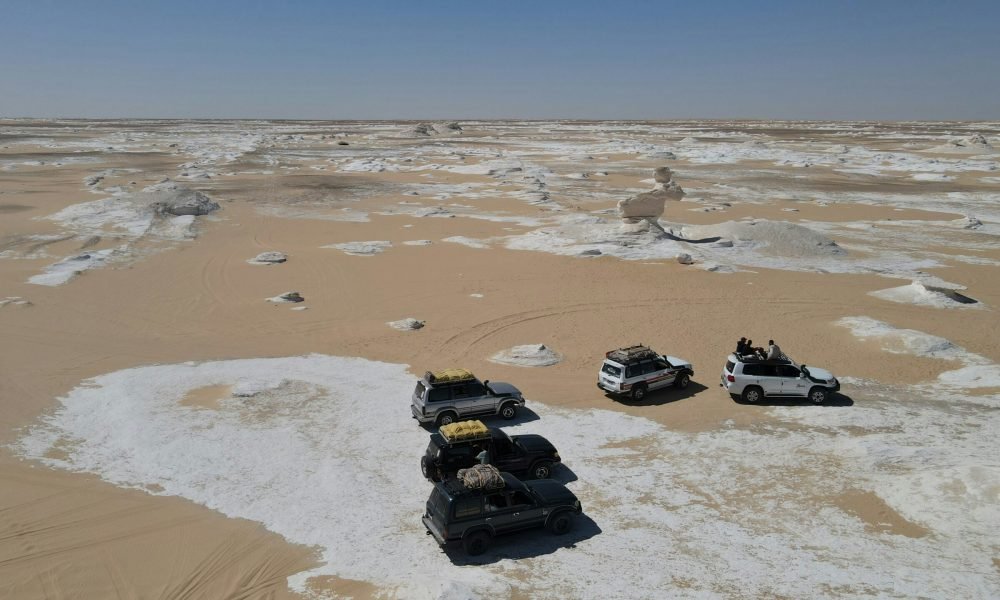
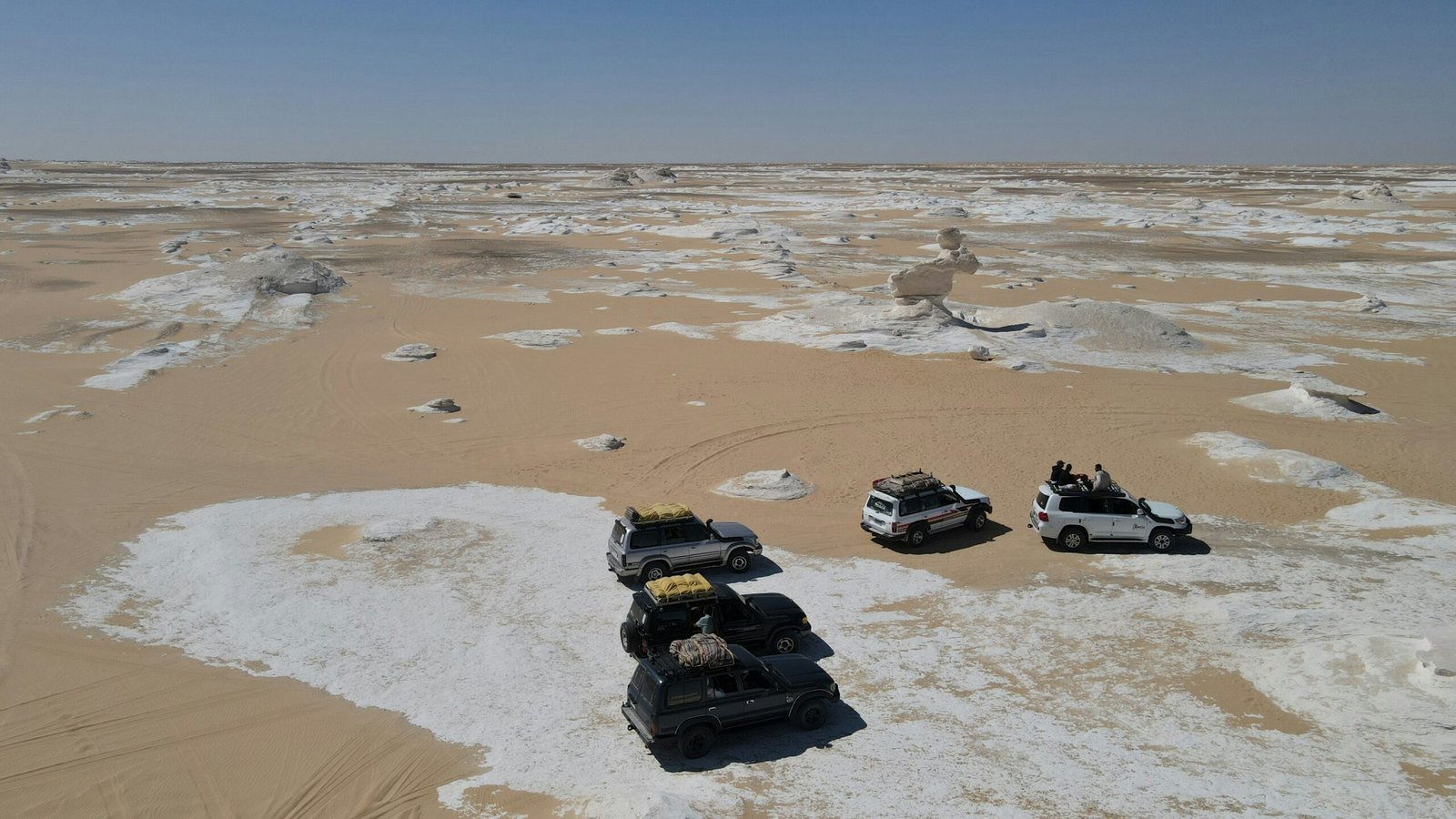
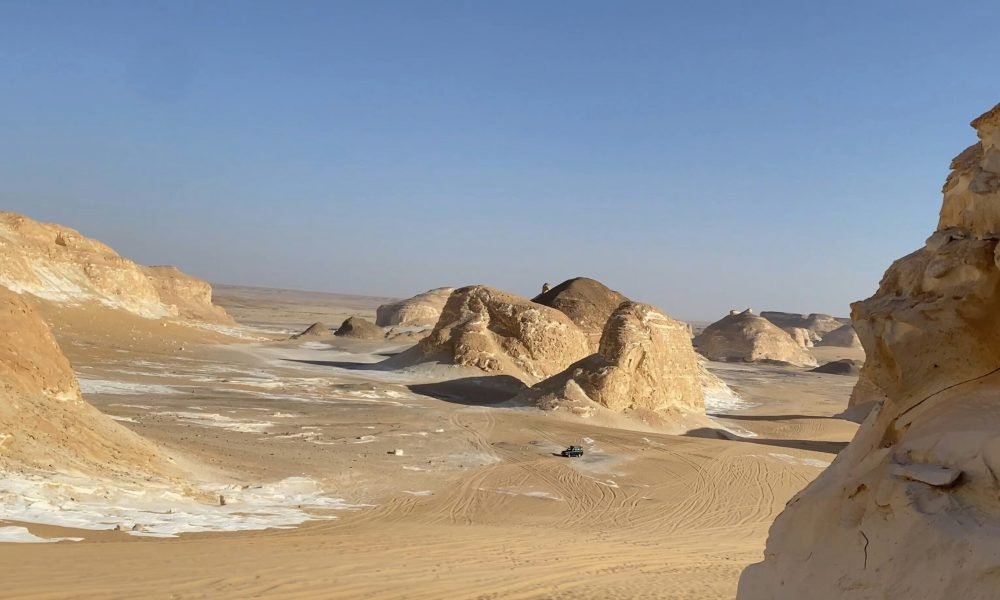
White Desert safari jeeps take you on an adrenaline-filled ride through surreal chalk formations and endless golden dunes. Ahmed Azab / Unsplash

5. Desert Safari Jeeps – Chase Dunes in White & Black Desert

A desert safari by 4×4 jeep is one of the most thrilling ways to explore Egypt’s surreal White and Black Deserts. These striking landscapes, located near the Bahariya Oasis, are known for their dramatic rock formations, fossil-covered plains, and volcanic hills.

With skilled Bedouin guides leading the way in rugged 4×4 vehicles, you’ll journey deep into the desert, cruising over golden dunes, exploring hidden gems like Crystal Mountain, and pausing to marvel at bizarrely shaped limestone formations carved by wind and time into surreal, otherworldly figures.

What makes this journey truly special are the small moments sipping sweet mint tea with your guides as the sun sets over the desert, sharing stories around a campfire, and sleeping under a sky filled with stars. It’s a thrilling yet serene escape that transports you beyond the usual tourist paths, immersing you in the untouched, otherworldly landscapes of Egypt’s remote western desert.

6. Taxis & Ride Apps – Navigate Urban Chaos in Cairo

Getting around Cairo can be a challenge, but taxis and ride-hailing apps offer practical solutions for navigating the city’s fast-paced streets. Traditional white taxis are everywhere, but it’s important to agree on the fare before starting your ride, as many drivers don’t use meters.

A more reliable and comfortable option is using ride apps like Careem, a popular regional alternative to Uber that operates across Egypt. These apps provide upfront pricing, air-conditioned cars, and a safer experience, especially for travelers unfamiliar with local routes or language.

Whether you’re heading to the Egyptian Museum or catching a sunset at the Citadel, taxis and ride apps give you the flexibility to explore Cairo at your own pace just be prepared for some traffic and a bit of adventure along the way.

Best Ways to Travel Across Egypt

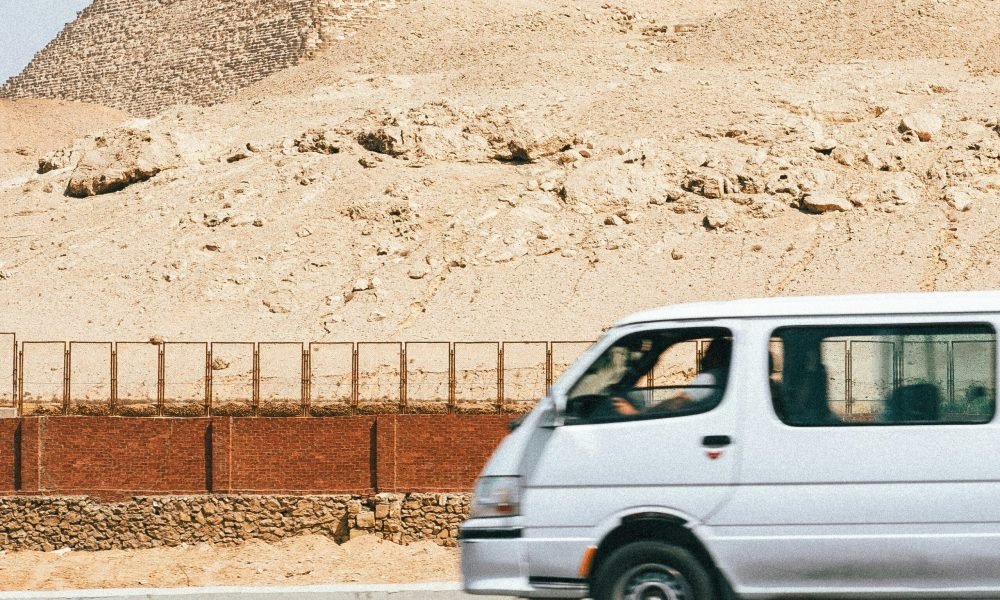
Egypt’s microbuses give a fast, budget-friendly, and authentic way to experience local life in motion. Juan Nino / Unsplash

7. Microbuses – Travel Like a True Local

For travelers short on time or looking to cover large distances quickly, domestic flights in Egypt give a fast and convenient way to connect major destinations. Airlines like EgyptAir and Nile Air operate regular, budget-friendly routes between Cairo, Luxor, Aswan, Sharm El-Sheikh, Hurghada, and even the remote marvel of Abu Simbel.

These flights are especially useful when traveling from the Nile Valley to coastal areas or southern Egypt, where overland journeys can be long and tiring. Booking in advance often secures better deals, and most flights are under 90 minutes, making them a time-efficient choice. With modern terminals and frequent departures, flying domestically allows you to maximize your trip and spend more time exploring Egypt’s incredible attractions.

Best Ways to Travel Across Egypt

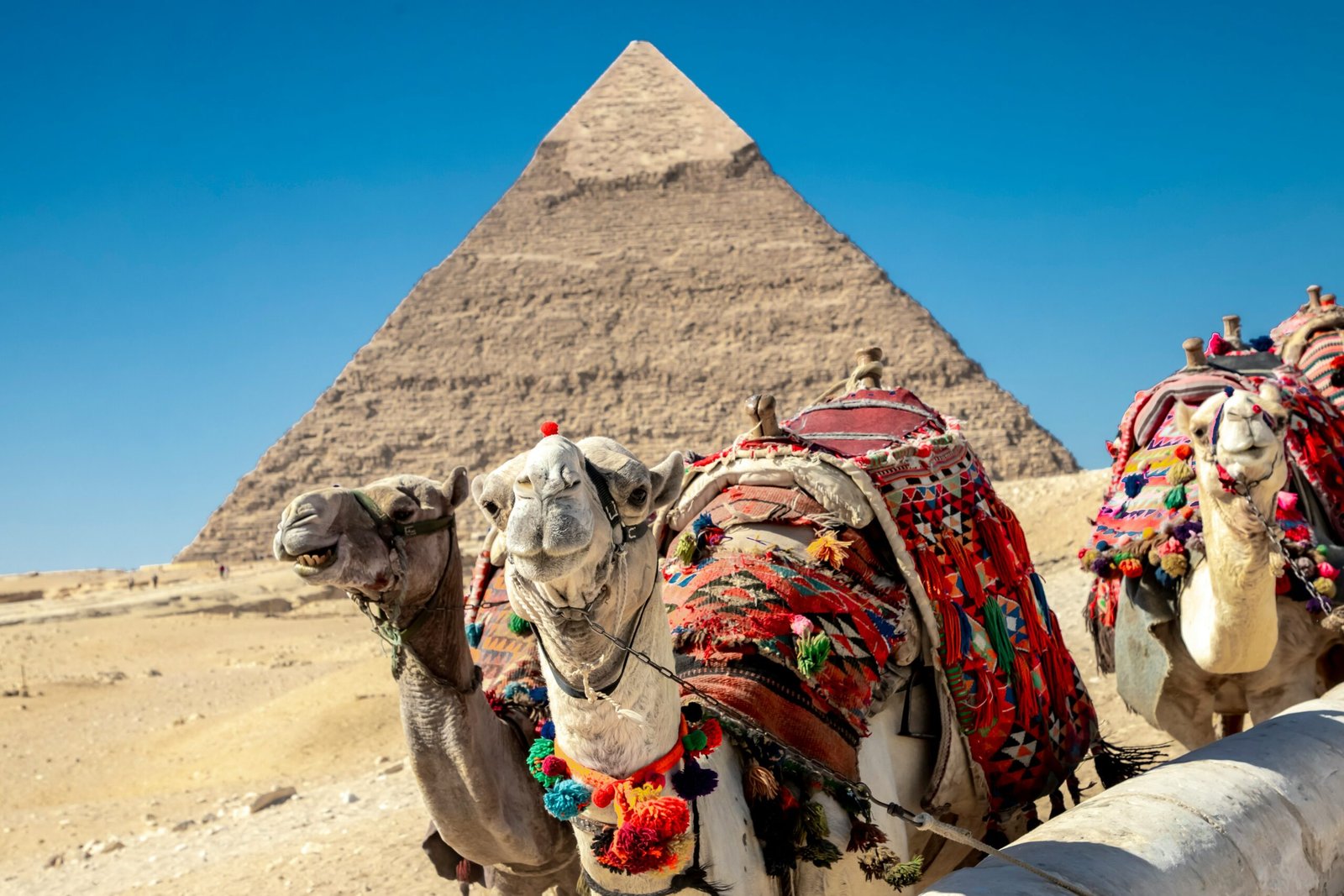
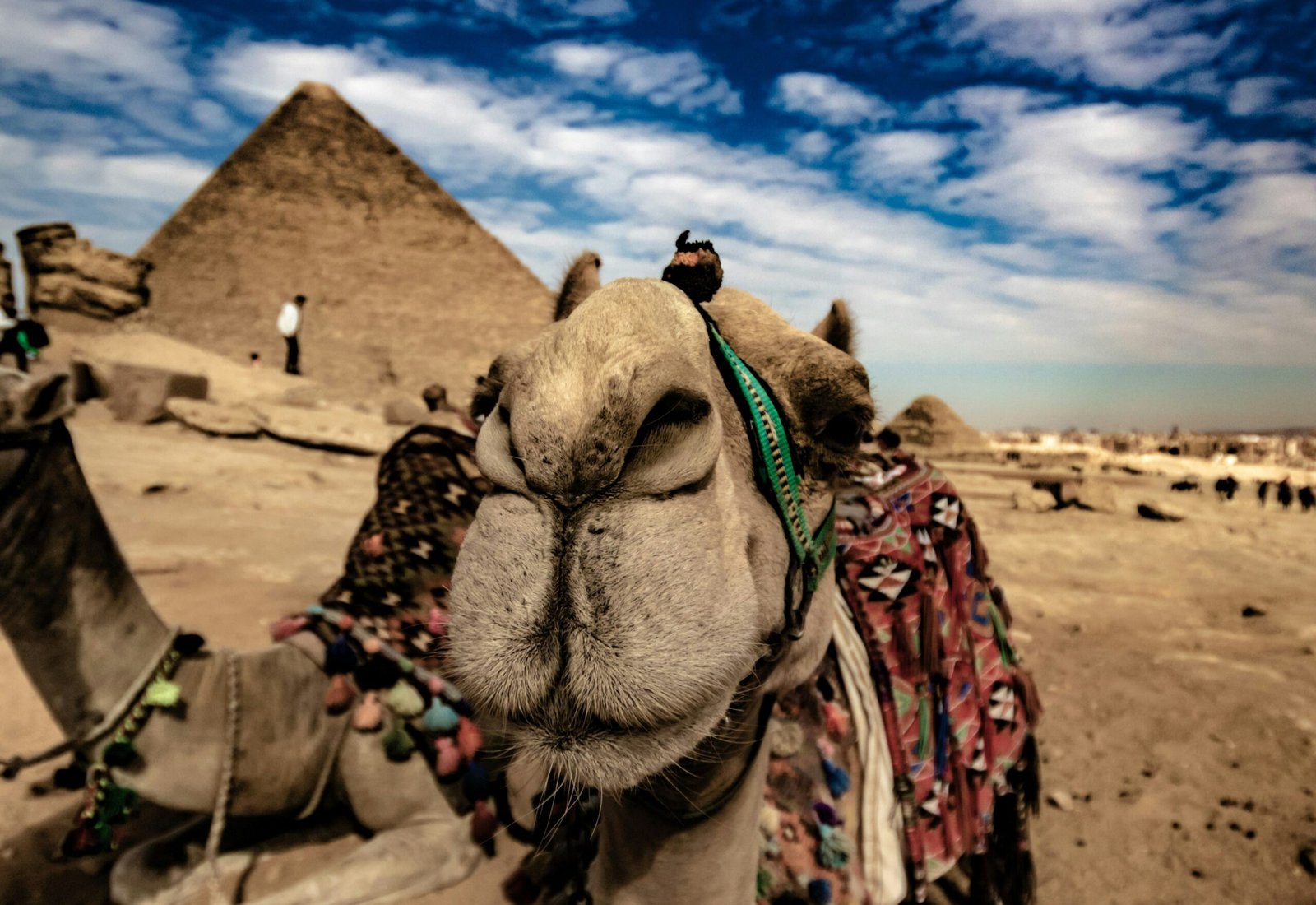
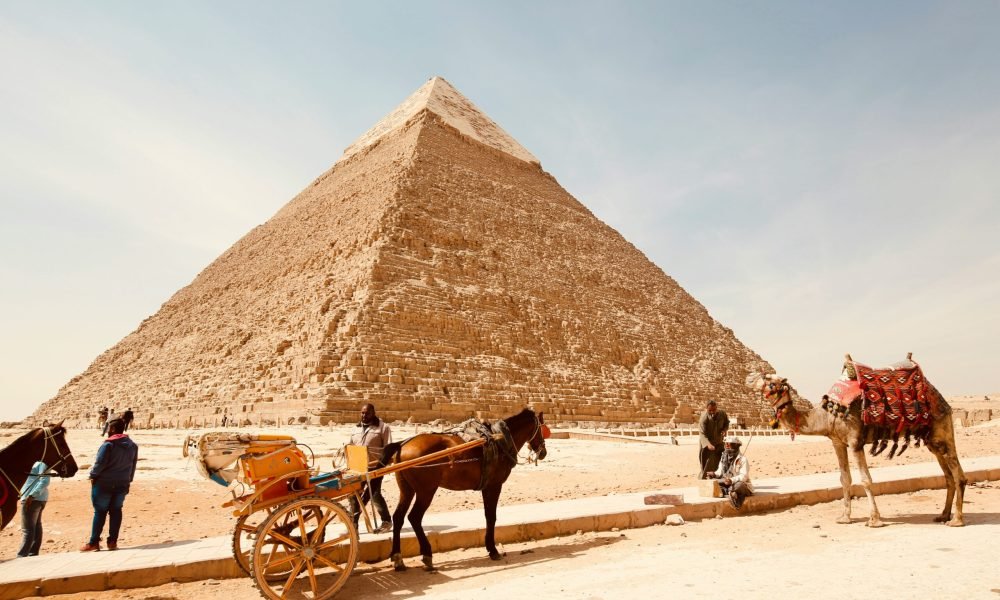
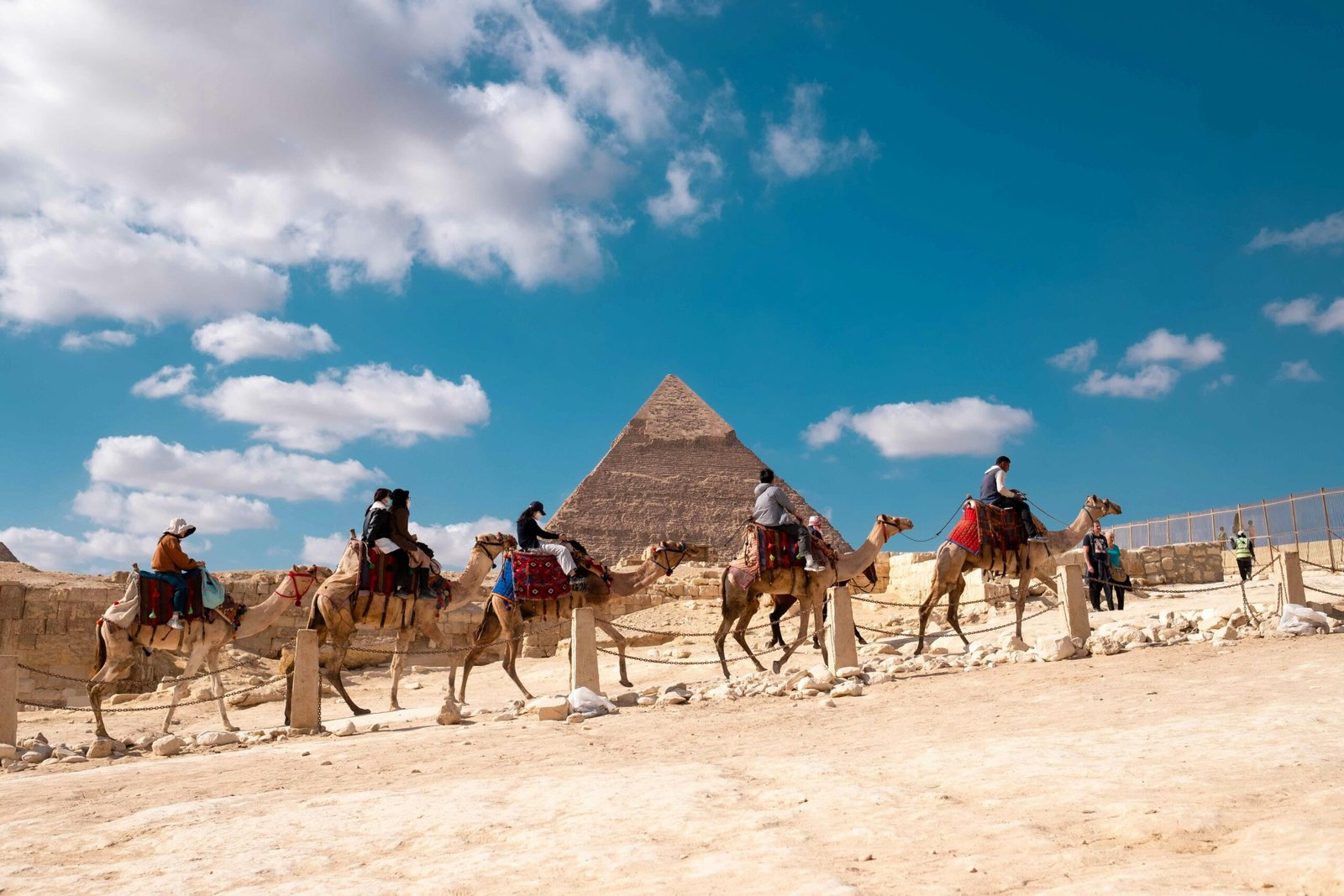
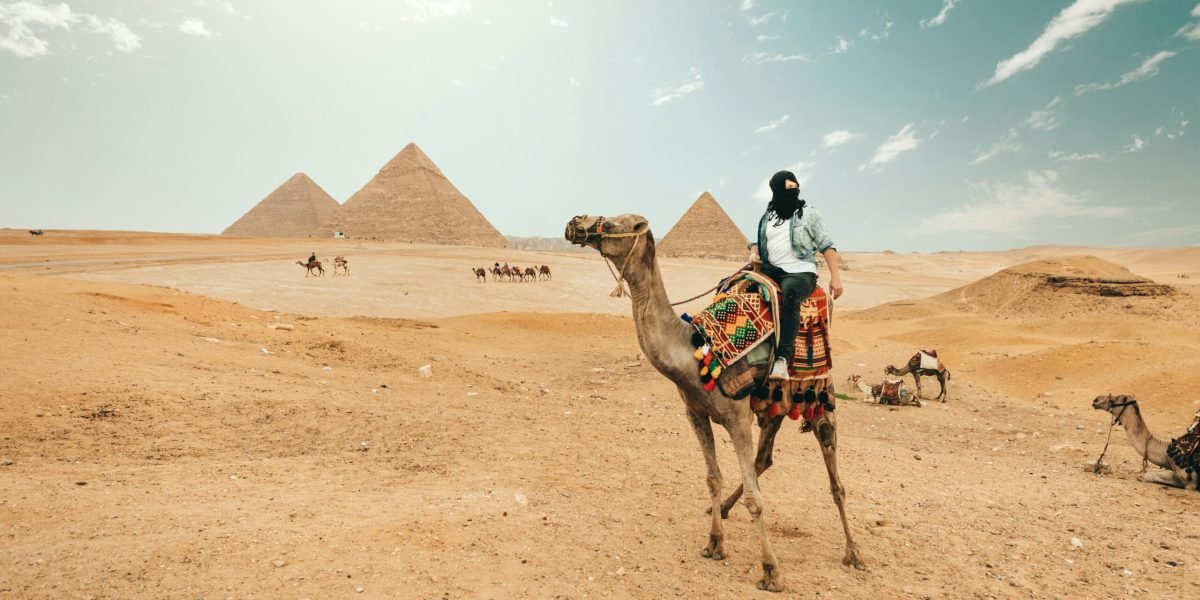
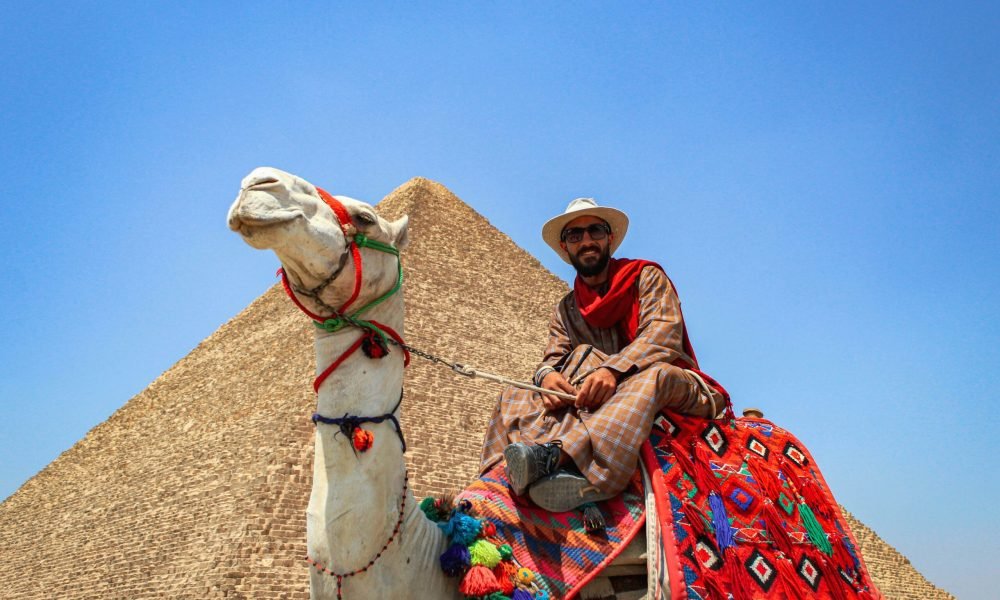
Horse and camel rides near the Pyramids give a timeless way to explore Egypt’s ancient desert landscapes. Fynn Schmidt / Unsplash

8. Horse & Camel Rides – Ancient Transport at the Pyramids

Exploring the area around the Pyramids of Giza on horseback or camelback is one of the best ways to travel across Egypt and connect with its ancient past. These traditional forms of transport give a unique way to explore the desert landscape and feel connected to the past, much like travelers and traders did thousands of years ago.

For the most memorable experience, plan your ride at sunrise or sunset when the crowds are thinner, the heat is gentler, and the golden light casts a magical glow over the ancient stones.

Local guides often lead the rides, sharing stories and helping you capture unforgettable photos with the pyramids as your backdrop. Whether you choose the steady pace of a camel or the swift stride of a horse, it’s a peaceful, timeless way to see one of the world’s most famous wonders.

9. Metro System in Cairo – Escape Traffic Below Ground

Cairo’s metro system is a speedy, affordable, and efficient way to get around the city, especially when traffic above ground can be overwhelming. As Africa’s first metro, launched in 1987, it remains one of the continent’s busiest and most reliable urban rail networks.

The trains connect major districts, including downtown Cairo, Giza, and even areas near the pyramids, making it easy for travelers to access key attractions without the stress of road congestion. The metro is also budget-friendly, with clearly marked stations and separate cars for women to ensure comfort and safety.

10. Bicycles – Explore Dahab or Siwa on Two Wheels

Exploring Egypt’s quieter regions like Dahab or Siwa by bicycle gives a refreshing and peaceful way to soak in the natural beauty and local culture. In Siwa, cycling lets you glide through quiet, palm-shaded trails, past crumbling mud-brick ruins and sparkling salt pools, all while soaking up the peaceful, timeless charm of this secluded desert haven.

In Dahab, cycling along the Red Sea coast gives you the freedom to stop at beachside cafés, snorkel spots, and local markets at your pace. Biking not only allows for greater connection with the environment but also supports eco-friendly travel. With little traffic and scenic routes, these destinations are perfect for two-wheeled adventures that are both relaxing and enriching.

Best Ways to Travel Across Egypt
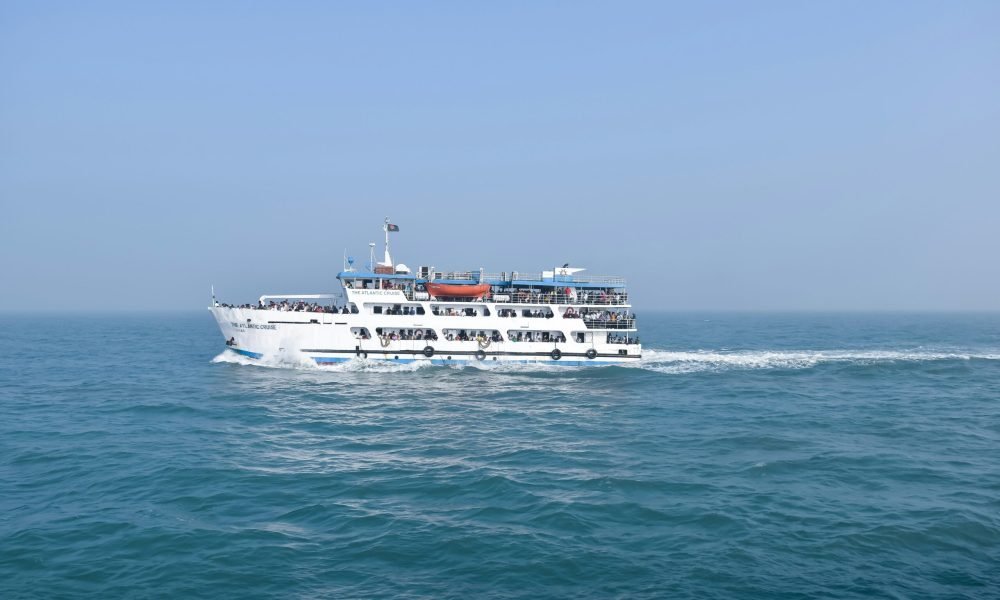
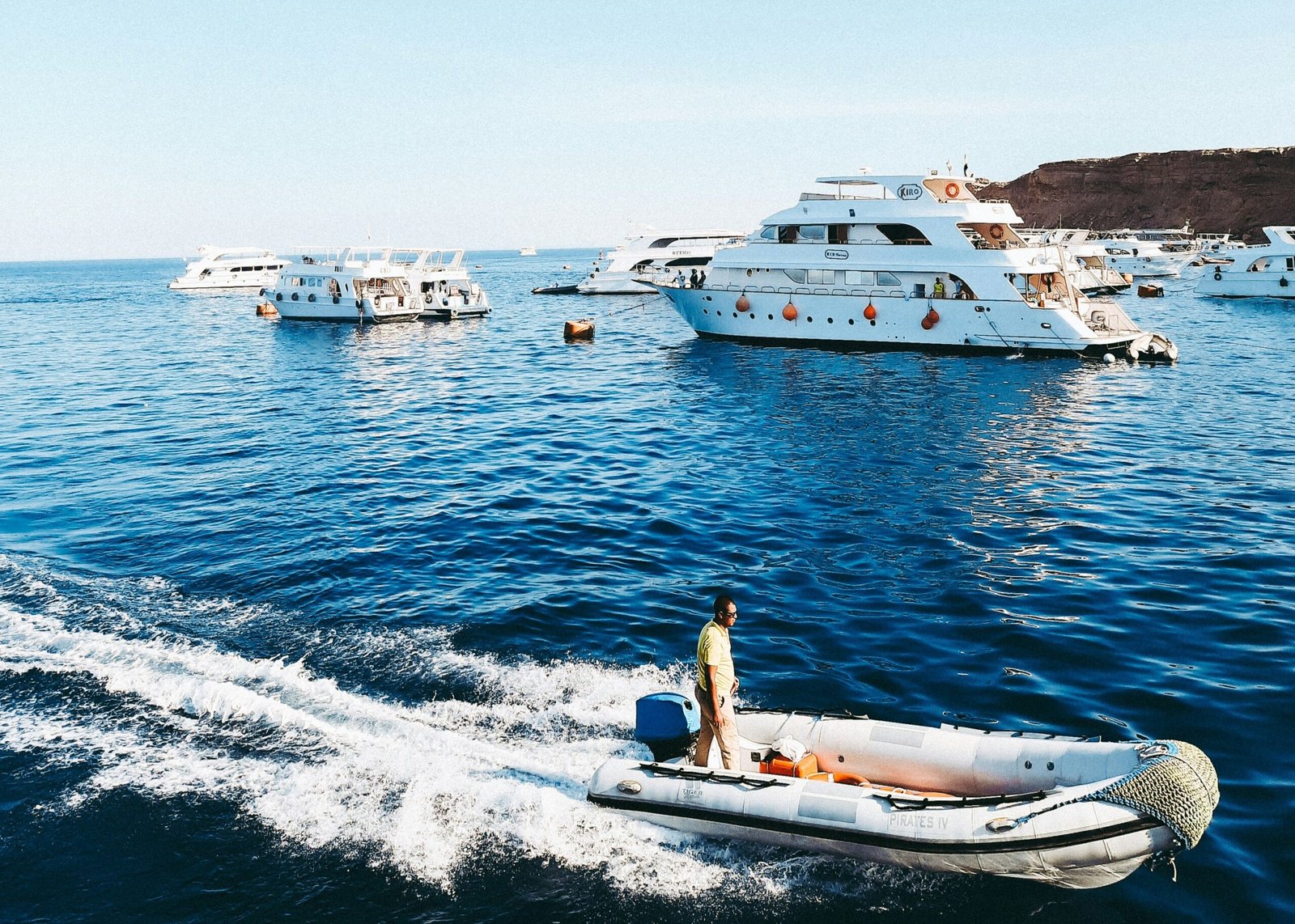
the Red Sea is a scenic and practical way to travel between Egypt’s mainland and the Sinai Peninsula. Md Arafat-ul-Alam / Unsplash

11. Red Sea Ferries – Connect Between Mainland & Sinai

Taking a ferry across the Red Sea is a scenic and practical way to travel between Egypt’s mainland and the Sinai Peninsula. One of the most popular routes is from Hurghada to Sharm El-Sheikh, which saves time compared to overland travel and gives stunning views of the sea along the way.

The ferry ride typically takes around two hours, allowing you to relax, enjoy the ocean breeze, and spot the changing colors of the water as you cross. It’s the best alternative for travelers who want to avoid long bus rides or domestic flights, and it adds a unique experience to your journey. With comfortable seating and convenient schedules, Red Sea ferries make the journey as enjoyable as the destination.

12. Walking Tours – Best in Historic Quarters

Walking tours give an intimate and immersive way to uncover Egypt’s rich cultural layers. Led by a local expert, you can wander through Coptic Cairo’s peaceful lanes, where hidden chapels and age-old churches tell the story of Egypt’s Christian roots.

In Islamic Cairo, every step reveals a piece of history, from towering minarets and ornate mosques to vibrant marketplaces echoing with local life. These guided walks let you absorb the sights, sounds, and stories that often go unnoticed, making each neighborhood come alive with character and meaning.

In Alexandria, a stroll along the scenic corniche gives views of the Mediterranean, colonial-era buildings, and hidden cafés that echo the city’s cosmopolitan past. Walking allows you to move at a slower pace, notice the small details, and hear the untold stories behind each site. It’s a chance to connect more deeply with Egypt’s layered history and everyday life in a way no vehicle ever could.

The official website for planning travel across Egypt is Experience Egypt. This is the official promotional platform of the Egyptian Ministry of Tourism and Antiquities, giving comprehensive information on destinations, transportation options, cultural sites, and travel tips.

GUIDED BY EXPERT

Yoga within Travel the perfect flow of Experience

Explore wellness in anywhere

by

Explore Related Articles

The 18 Best Ways to Travel Across Japan

The 12 Best Ways to Travel Across Malaysia

Best Ways to Travel Across UAE

12 Best Ways to Travel Across South Africa

LEAVE A COMMENT

Error: Contact form not found.
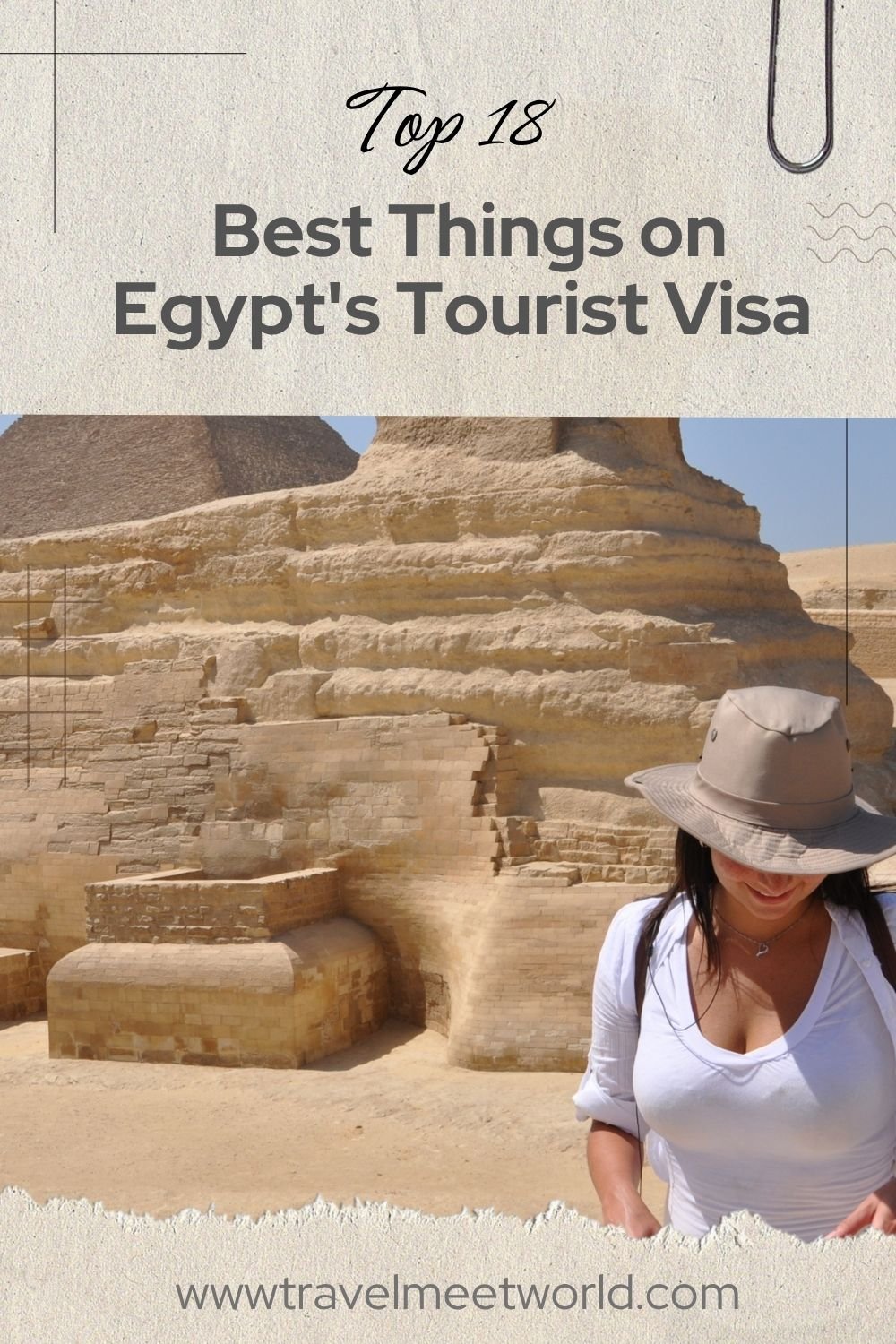
Best Things to Do in Egypt

20 Best Things to Do in Egypt

Best Things to Do in Egypt

Ancient temples, tombs, and cities still stand today in Egypt, preserving some of the world’s oldest history. From the vast Sahara dunes to the green shores of the Nile, Egypt beautifully connects its rich history with today’s vibrant culture.

Whether you’re standing in awe before the towering Great Pyramids of Giza and Sphinx, sailing peacefully on a felucca through Luxor’s twilight skies, or sipping mint tea in a Nubian village by the river, this country gives you the best things. 

But Egypt is not only about temples and tombs; it’s also about coral reefs in the Red Sea, colorful bazaars buzzing with life, hot springs in hidden oases, and stories shared over home-cooked meals.

This guide highlights 20 of the best things to do in Egypt, from famous landmarks to hidden gems that will leave you inspired and wanting to explore more.

1. Marvel at the Great Pyramids of Giza and the Sphinx

Standing tall on the edge of Cairo’s desert, the Great Pyramids of Giza are Egypt’s most iconic and awe-inspiring landmarks. 

 Dating back more than 4,500 years, these massive pyramids were built as burial sites for Egypt’s pharaohs, most notably for Pharaoh Khufu, whose pyramid is still the largest ever built.

Although each limestone block weighs several tons, the pyramids were constructed with incredible accuracy, so much so that engineers today still wonder how the ancient builders achieved such precision. 
Fact: Originally, the Great Pyramid was coated with smooth, polished Tura limestone casing stones that reflected sunlight, causing it to sparkle brilliantly like a precious jewel. Today, a few of these polished stones still shine at the base, giving a glimpse of the pyramid’s original dazzling brilliance. 

Confused between plans? Here helps you compare coverage, price, and benefits side by side.

→ Compare Travel Insurance Plans Now

2. Step Inside the Tombs of the Pharaohs in the Valley of the Kings

Best Things to Do in Egypt

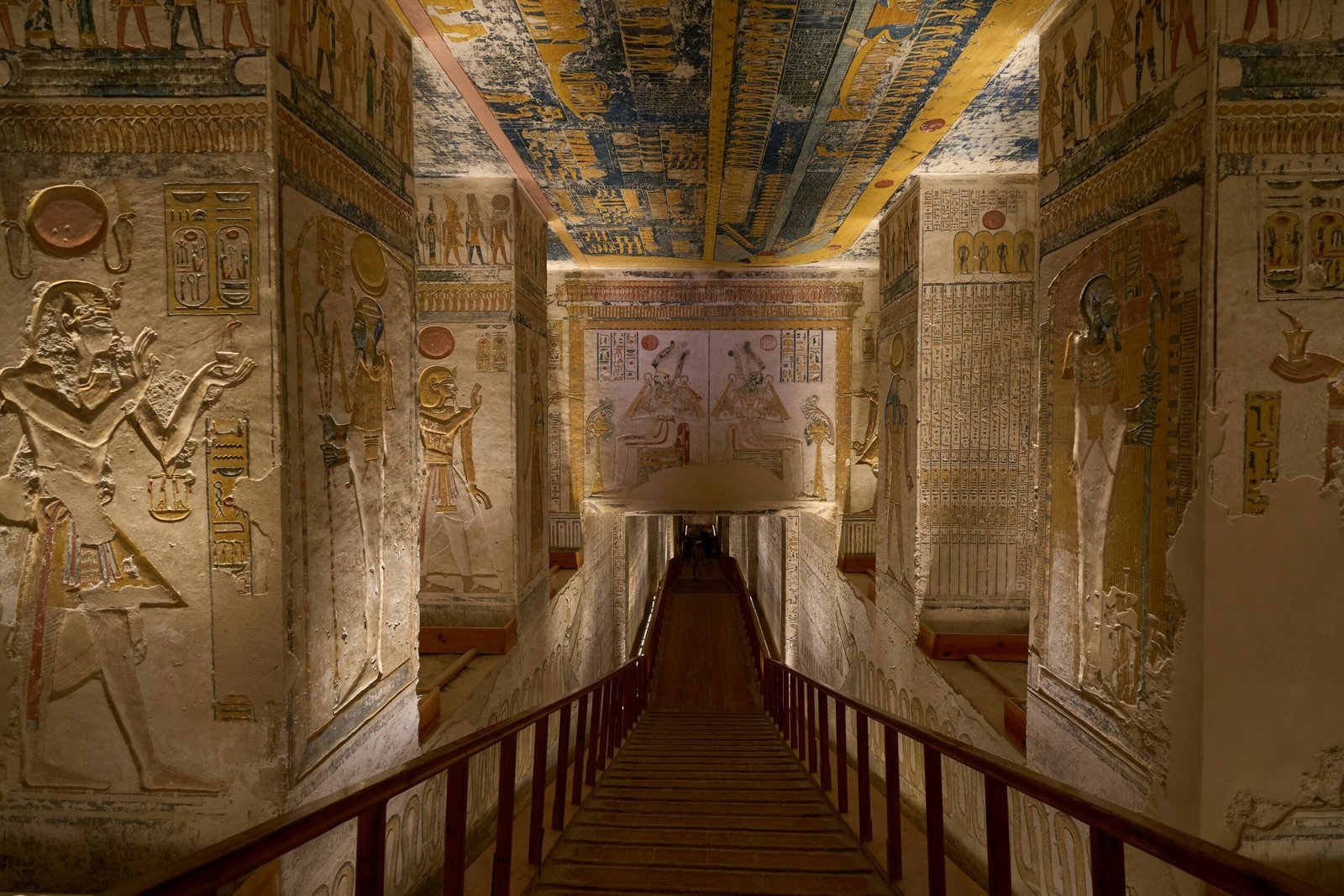
The Pharaohs’ tombs are hidden desert gateways to Egypt’s ancient secrets. Dmitrii Zhodzishskii / Unsplash

Hidden among the arid hills on the west bank of the Nile near Luxor lies the Valley of the Kings, an ancient royal burial ground that holds the secrets of Egypt’s most powerful rulers.

For over 500 years, pharaohs of the New Kingdom, including the famous Tutankhamun, were buried in elaborately decorated tombs carved deep into the limestone cliffs.

As you walk through the corridors, vibrant wall paintings still glow with scenes of the afterlife, gods, and sacred rituals, preserved for millennia by the dry desert air. 

Each tomb was uniquely designed to guide the soul of the king to the afterlife, filled with treasures, symbolic texts, and hidden chambers.

Fact: Tutankhamun’s tomb, discovered in 1922 almost completely intact, contained over 5,000 artifacts—including the famous golden death mask—and sparked global fascination with Egyptology. Visiting the valley today gives more than just history; it’s a step into the heart of ancient beliefs, craftsmanship, and the eternal legacy of the pharaohs.

3. Explore the Massive Temples of Karnak and Luxor

Best Things to Do in Egypt

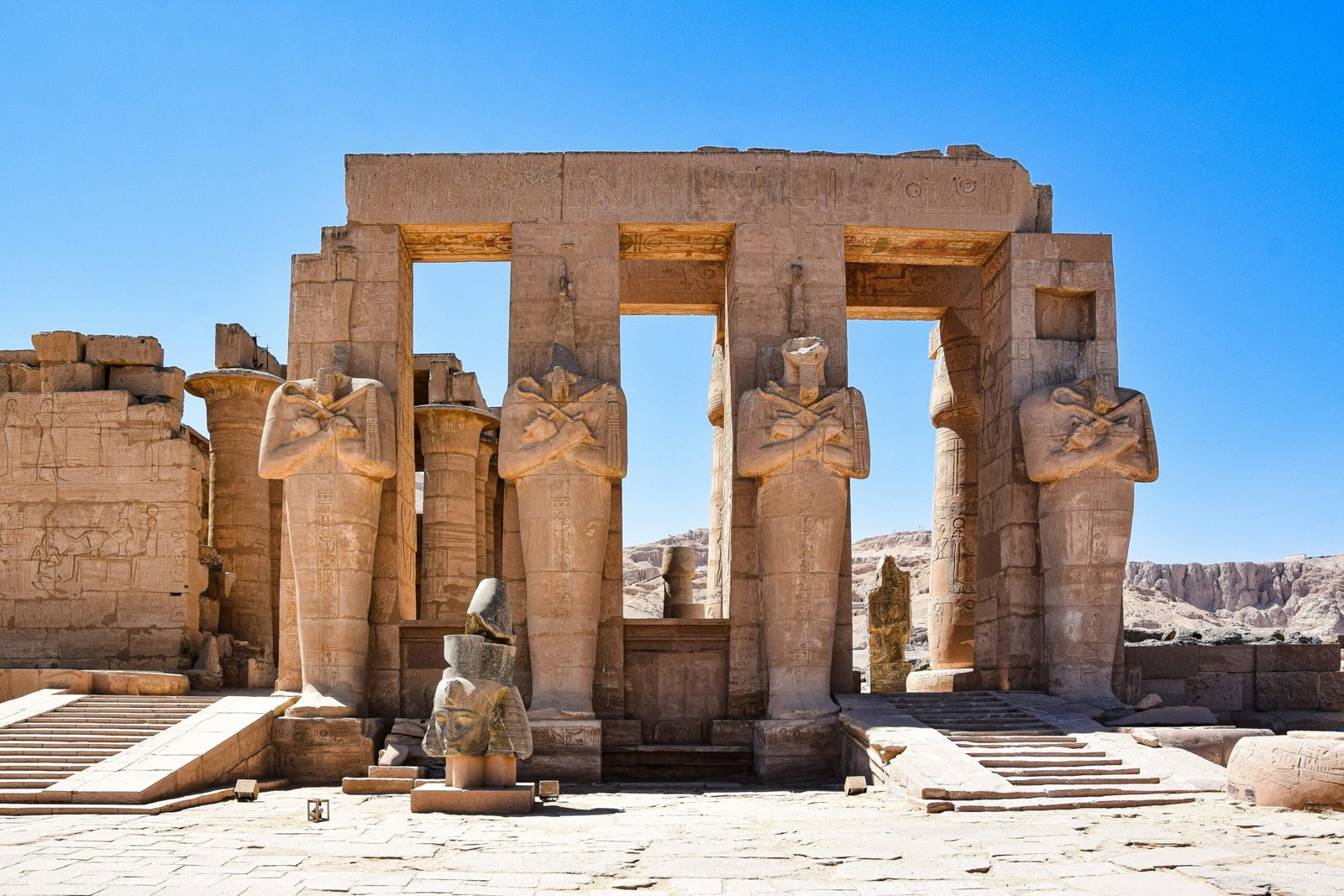
Karnak and Luxor temples are stone diaries of Egypt’s ancient gods and kings. AXP / Unsplash

Located on the east bank of the Nile in Luxor, the temples of Karnak and Luxor are some of ancient Egypt’s most impressive architectural wonders. 

Karnak, considered the largest religious complex ever built, took over 2,000 years to complete, with successive pharaohs expanding and decorating it to reflect their power and devotion.

Find exciting tours and experiences with Wegotrip at your favourite destination and start exploring like a local.

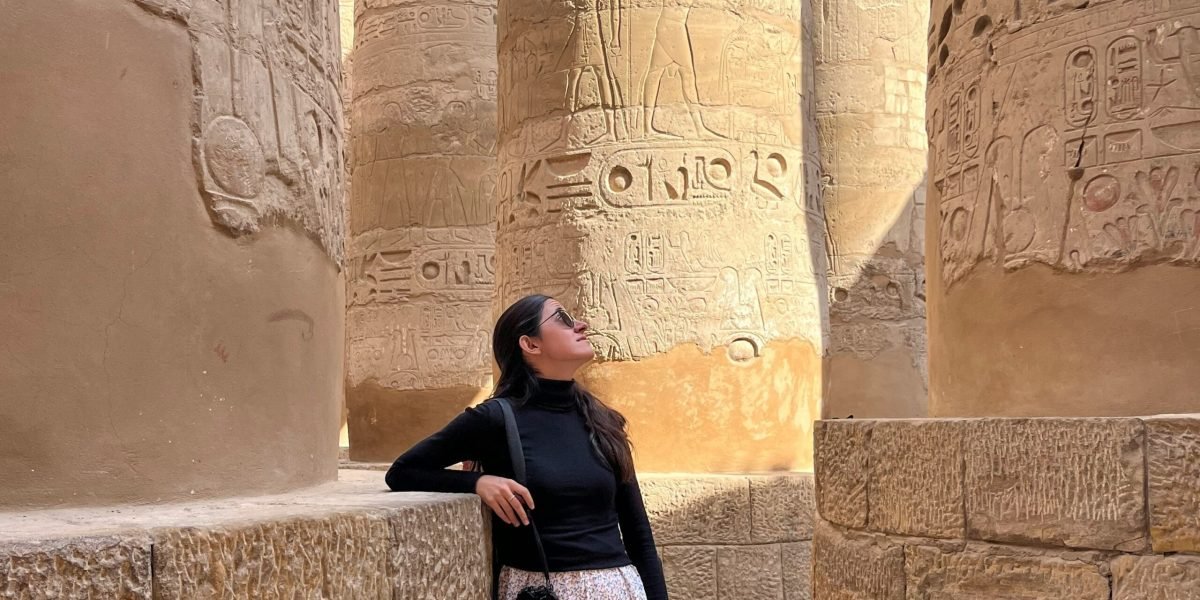
Entering the Hypostyle Hall at Karnak, adorned with 134 towering columns adorned with intricate hieroglyphs, evokes a sense of entering a sacred space eternally frozen in time.

Nearby, the Luxor Temple stands gracefully amidst the city’s bustle, once connected to Karnak by the Avenue of Sphinxes, a grand ceremonial route flanked by ram-headed statues that echoed with the footsteps of priests, pharaohs, and festival processions.

Fact: Recent excavations have revealed that the Avenue of Sphinxes stretched over 2.7 kilometers and was used for grand processions during the annual Opet Festival, where statues of the gods were paraded between the temples. Exploring these sites today offers a powerful glimpse into Egypt’s religious life and the architectural genius of its ancient builders. 

4. Uncover the Secrets of Abu Simbel, Ramses II’s Monumental Legacy

Best Things to Do in Egypt

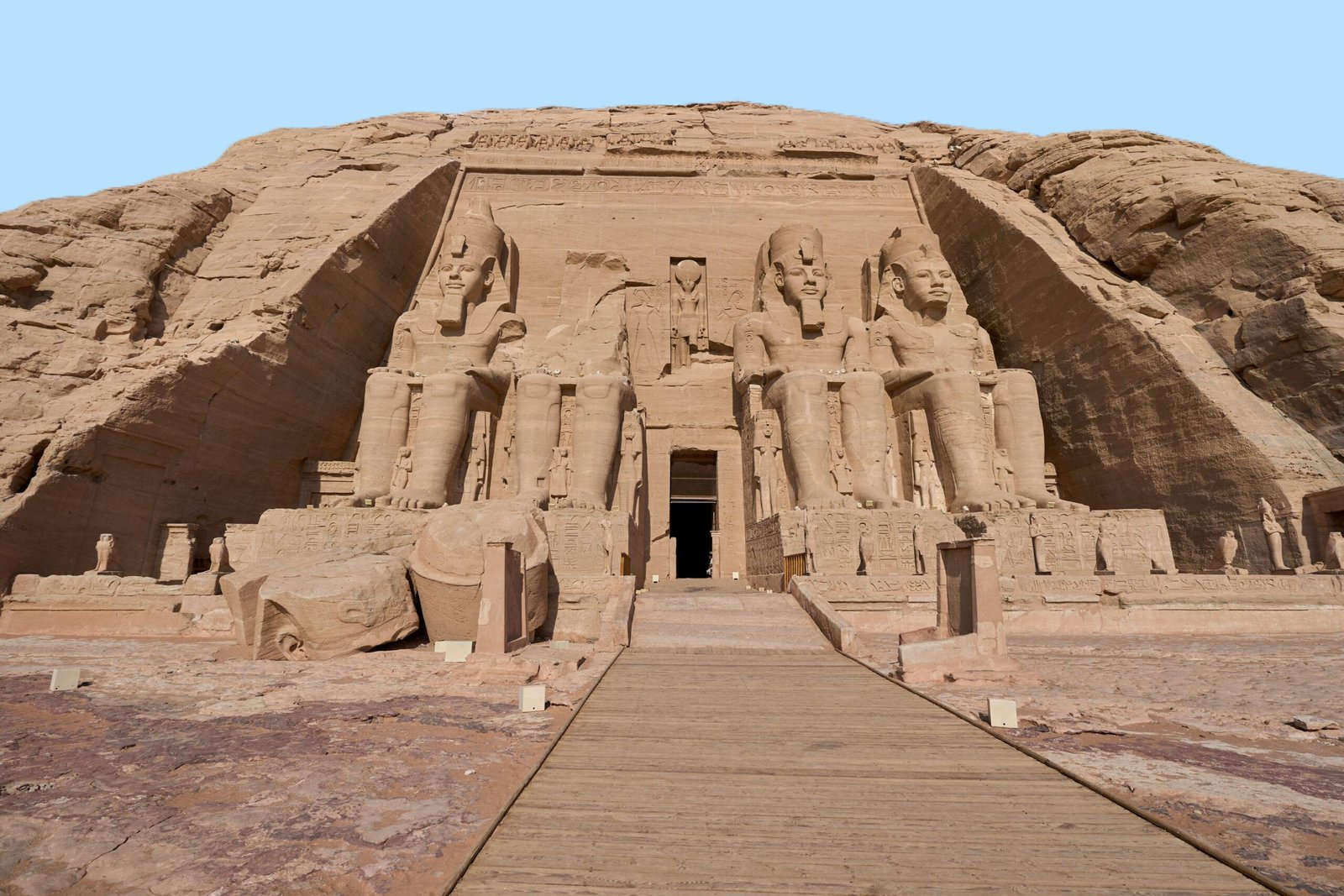
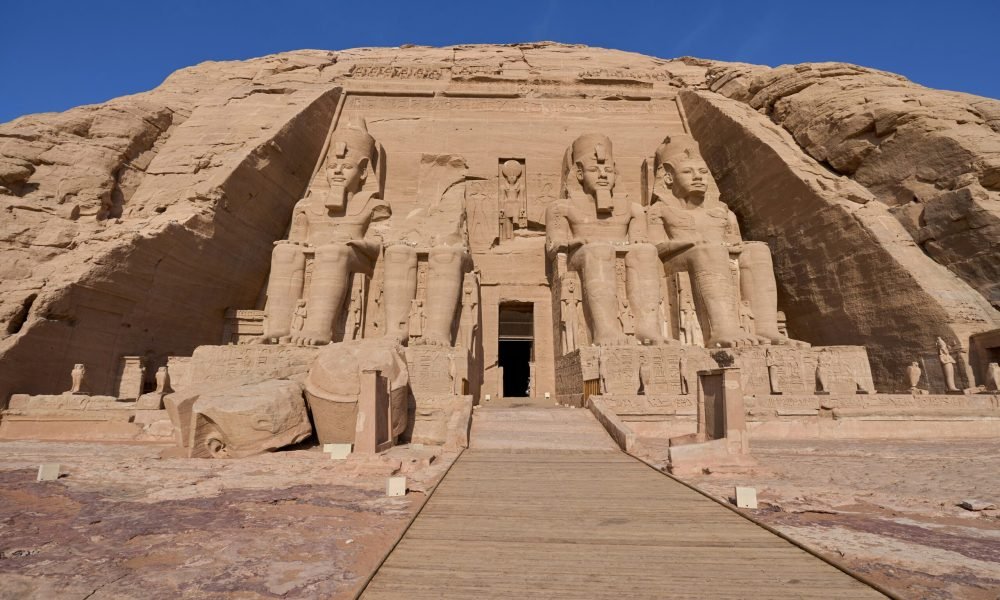
Abu Simbel is a colossal rock-cut temple where Ramses II’s legacy rises. Dmitrii Zhodzishskii / Unsplash

Deep in southern Egypt near the Sudanese border, the temples of Abu Simbel rise dramatically from the desert, carved directly into a sandstone cliff.

Built by Pharaoh Ramses II over 3,000 years ago, this awe-inspiring complex was created to honor the gods and to showcase the might of the pharaoh himself.

Four colossal statues of Ramses, each over 20 meters tall, guard the entrance and set the tone for what lies within: vast halls, detailed wall carvings, and sacred chambers bathed in golden light. 

The smaller temple beside it is dedicated to his beloved wife, Queen Nefertari, one of the rare times a royal consort was given such architectural honor.

Fact: In the 1960s, the entire temple complex was carefully dismantled and relocated to higher ground to save it from flooding caused by the construction of the Aswan High Dam. 

This massive engineering feat, led by UNESCO, preserved one of Egypt’s greatest treasures and remains a global symbol of heritage conservation. Visiting Abu Simbel is not just a trip through history; it’s a powerful experience of devotion, artistry, and timeless pride.

Stay connected wherever your journey takes you with an Airalo eSIM—perfect for maps, bookings, messages, and travel on the go.

5. Sail the Nile on a Traditional Felucca at Sunset

There’s no better way to experience the timeless beauty of Egypt than by gliding along the Nile in a traditional felucca, a wooden sailboat powered only by the wind. 

As the sun begins to set, the sky turns shades of gold, pink, and orange, casting a magical glow over the water and surrounding landscapes.

With the soft rustle of sails and the rhythmic flow of the Nile beneath you, a felucca ride feels like slipping into a slower, more timeless world. 

Unlike noisy motorboats, these traditional sailboats move gracefully and silently, offering an eco-friendly journey that mirrors how Egyptians once traveled thousands of years ago.

A unique fact: the design of the felucca has remained largely unchanged since the time of the pharaohs, making it not only a relaxing experience but also a living piece of Egypt’s maritime history.

6. Take a Multi-Day Nile Cruise from Aswan to Luxor

Best time to visit Egypt

The Nile, the world’s longest river, has been Egypt’s lifeline for over 5,000 years. Bogdan Kupriets / Unsplash

Cruising the Nile from Aswan to Luxor over several days gives a truly memorable way to experience the heart of Egypt and its ancient wonders. 

As the river winds through timeless landscapes, passengers enjoy a front-row seat to ancient temples, riverside villages, and golden desert horizons.

Spanning three to four days, the cruise offers a perfect mix of relaxation and discovery. Along the way, you’ll visit remarkable landmarks such as the dual-deity Temple of Kom Ombo and the grand Temple of Edfu, one of Egypt’s best-preserved sites. 

 Onboard, expect warm Egyptian hospitality, delicious traditional meals, and enchanting evening entertainment beneath the open sky.

Fact: The route between Aswan and Luxor mirrors the same path ancient Egyptians used during sacred processions, connecting the religious centers of Upper Egypt.

7. Discover Nubian Culture in a Village along the Nile

Best Things to Do in Egypt

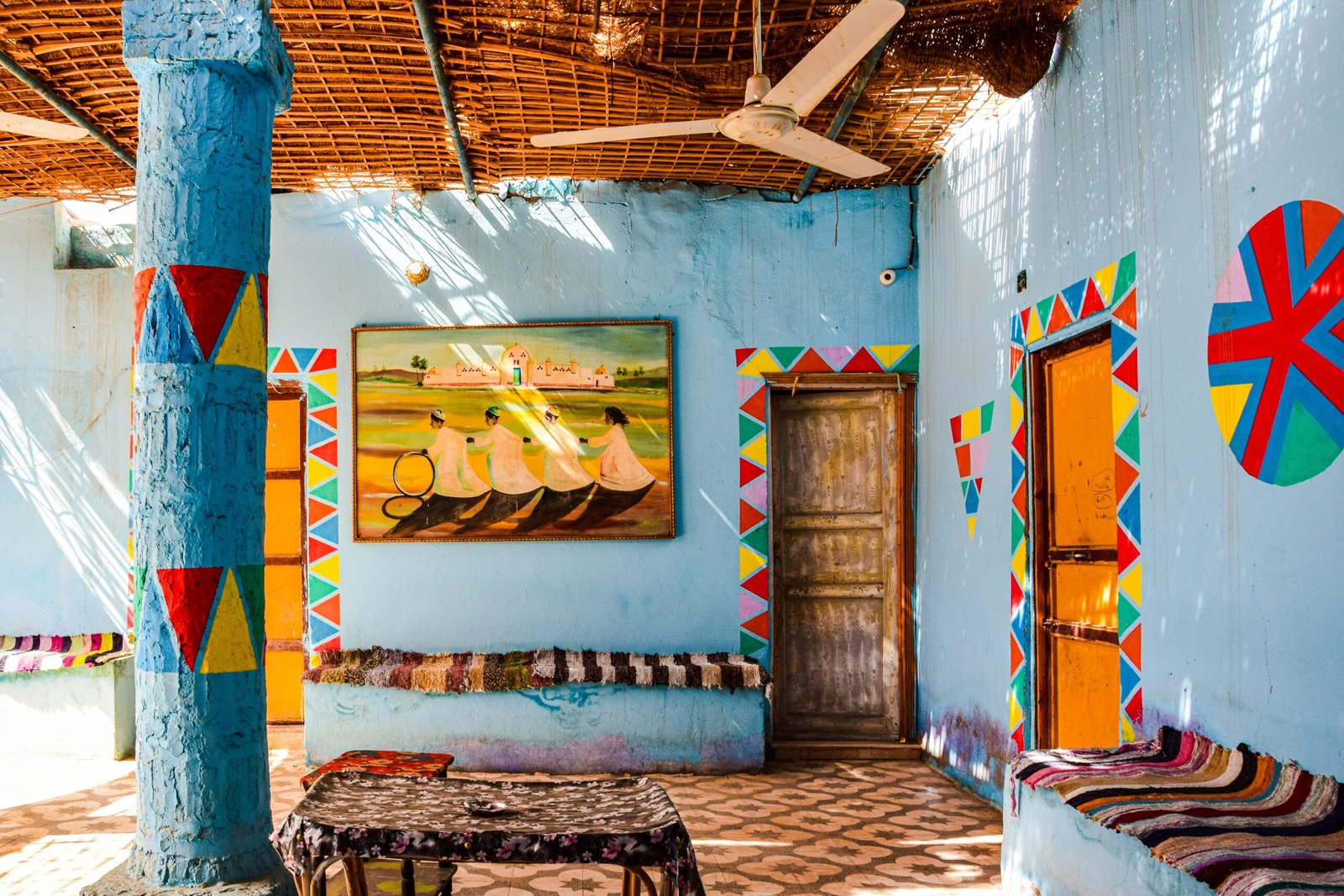
Their brightly colored homes with bold geometric patterns create a vibrant, welcoming atmosphere. AXP / Unsplash

Tucked along the banks of the Nile near Aswan, colorful Nubian villages give a warm and vibrant glimpse into one of Egypt’s oldest living cultures. 

Their homes, adorned with vivid colors and striking geometric designs in shades of blue, orange, and pink, create a vibrant and welcoming atmosphere that delights both sight and spirit.

A visit here goes beyond sightseeing; you’re welcomed with open arms by locals who are proud to share their traditions, music, cuisine, and stories. 

You might sip hibiscus tea in a family courtyard, learn to cook authentic Nubian dishes, or listen to folk songs passed down for generations.

Fact: The Nubians have their language, called Nobiin, which is still spoken in daily life but has no written form, preserving their history mainly through oral storytelling. Visiting a Nubian village is not just a cultural experience; it’s a heartfelt connection with a resilient community that has preserved its identity through centuries of change.

8. Wander the Islamic Cairo District and Climb the Citadel

Wandering through Islamic Cairo feels like entering a living museum, where ancient mosques, lively markets, and narrow stone alleys reveal the rich layers of Cairo’s medieval past. 

This vibrant district showcases Cairo’s medieval heart, where minarets pierce the skyline and traditional craftsmanship thrives in places like Khan el-Khalili market.

The Citadel of Saladin stands as one of Islamic Cairo’s most iconic sights, a powerful 12th-century stronghold built to shield the city from Crusader invasions. 

From its elevated perch, you can take in panoramic views of the city below, while inside, the grand Mosque of Muhammad Ali impresses with its graceful Ottoman architecture, alabaster walls, and majestic domes.

Fact: The Citadel served as Egypt’s seat of government for over 700 years, housing rulers from the Ayyubid, Mamluk, and Ottoman periods. Visiting Islamic Cairo isn’t just a historical tour; it’s an immersive journey through the spiritual, artistic, and political soul of old Cairo.

9. Get Lost in Khan El Khalili Bazaar’s Historic Alleyways

Khan El Khalili, Cairo’s iconic bazaar, bursts with color, aroma, and energy, offering a timeless journey through Egypt’s rich culture and craftsmanship. 

Located in the heart of Islamic Cairo, this centuries-old bazaar is a maze of narrow alleys lined with shops selling everything from glittering lanterns and handwoven textiles to spices, perfumes, and handcrafted jewelry.

As you wander through its vibrant lanes, you’ll hear the calls of merchants, the clinking of copperware, and the soft hum of Arabic music in the background.

It’s a place where haggling is part of the fun, and each turn reveals something unexpected: an ancient mosque, a hidden courtyard café, or a shop filled with antiques.

Fact: Dating back to the 14th century, Khan El Khalili was once a bustling center for foreign merchants, built atop the site of an old mausoleum. Today, it remains a vibrant symbol of Cairo’s rich heritage, where age-old traditions and everyday commerce come alive in every corner.

10. Visit the Grand Egyptian Museum (GEM) – Ancient Meets Futuristic

Best Things to Do in Egypt

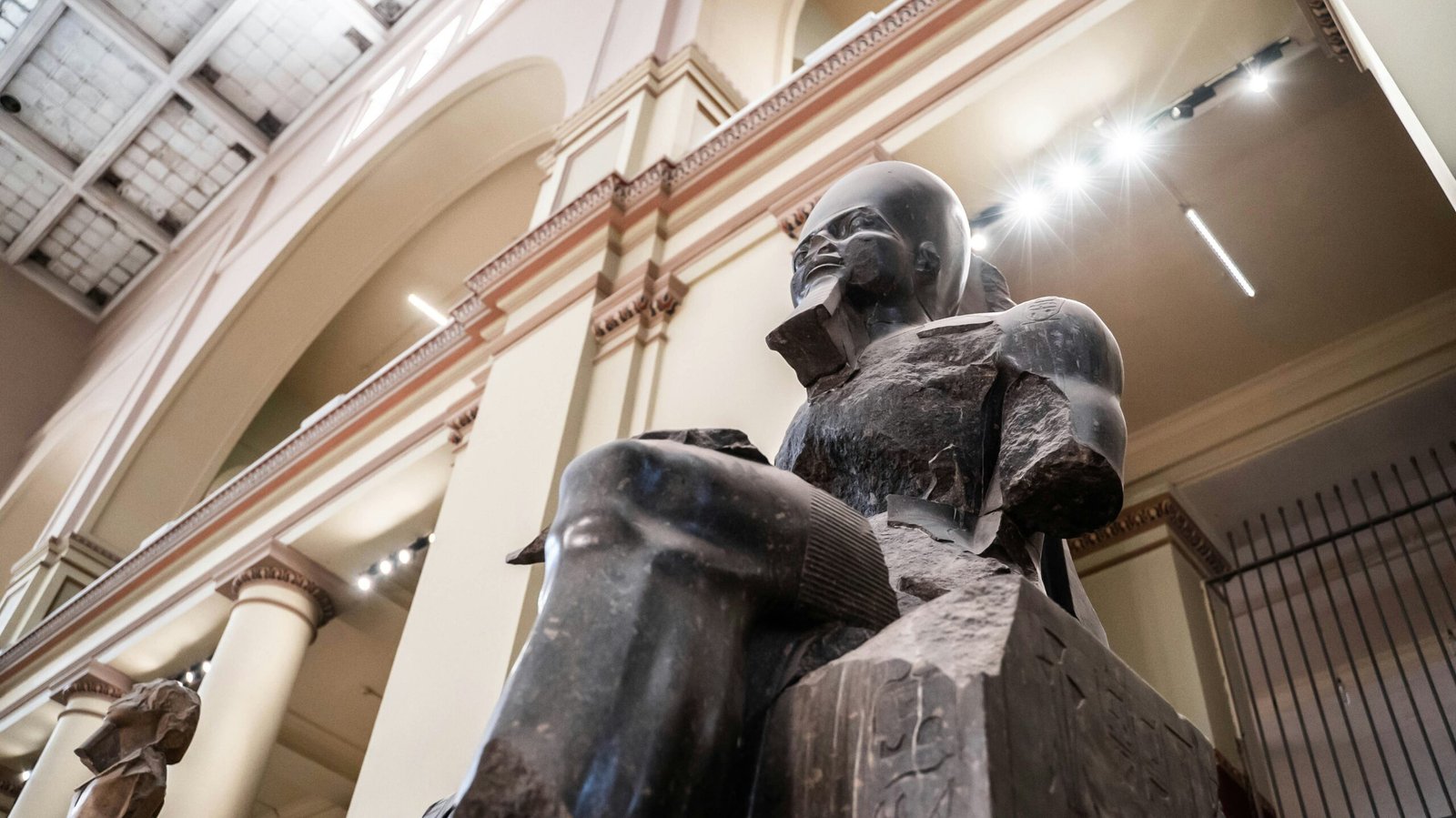
The Grand Egyptian Museum displays Egypt’s ancient treasures in a stunning modern building by the Pyramids. Unsplash

Located near the famous Giza Pyramids, the Grand Egyptian Museum (GEM) gives a fresh way to explore Egypt’s ancient history by combining old treasures with modern technology and design. 

Designed to be the largest archaeological museum in the world, GEM blends cutting-edge architecture with ancient treasures in a space that feels both monumental and modern.

Visitors can explore over 100,000 artifacts, including the complete collection of King Tutankhamun’s tomb, many of which will be on public display for the first time. 

The building’s sleek, light-filled design includes panoramic views of the pyramids and vast galleries that bring Egypt’s history to life through interactive technology and immersive exhibits.

Fact: A unique feature of the museum is its alabaster-covered facade, designed with triangular shapes that perfectly line up with the pyramids’ axis, symbolizing a bridge between Egypt’s ancient past and its future. Beyond being a museum, GEM serves as a vibrant cultural hub that transforms how we engage with Egypt’s enduring heritage.

11. Experience a White Desert Safari in Farafra

Best Things to Do in Egypt

The White Desert dazzles with its surreal, chalk-white rock formations. Ahmed Azab / Unsplash

Venturing into the White Desert near Farafra is like stepping onto another planet, where surreal landscapes of chalk-white rock formations rise dramatically against the endless desert sands. 

This otherworldly environment, shaped over millennia by wind and sand, offers a breathtaking contrast to the more familiar golden dunes of Egypt.

A safari here typically includes a thrilling 4×4 ride, camping under a blanket of stars, and witnessing the desert’s magical silence at sunrise and sunset. 

What makes the White Desert truly unique is its bizarre natural sculptures: mushroom-shaped rocks, towering pillars, and abstract shapes carved by nature that seem almost sculpted by an artist’s hand.

Fact: The White Desert’s striking white color comes from the high concentration of chalk and calcium carbonate in the soil, which reflects sunlight and creates its glowing appearance. Exploring Farafra’s White Desert is an unforgettable adventure, offering both tranquility and a glimpse into the earth’s ancient geological artistry.

12. Soak in Natural Hot Springs at Siwa Oasis

Nestled in the heart of Egypt’s Western Desert, Siwa Oasis offers a serene escape filled with natural wonders, including its famous hot springs. 

These warm, mineral-rich waters have been cherished for centuries, believed to possess healing properties that soothe both body and mind.

Bathing in the hot springs provides a unique opportunity to relax amid the oasis’s stunning palm groves and tranquil desert landscape. 

Fact: The warm waters of Siwa’s hot springs come from natural geothermal sources deep beneath the desert, keeping them soothingly warm throughout the year. Soaking here refreshes both body and spirit while giving a glimpse into the timeless culture of this secluded desert oasis.

13. Camp Under the Stars with Bedouins in the Sinai Desert

Spending a night camping with Bedouin tribes in the Sinai Desert is an unforgettable experience that immerses you in ancient traditions and natural beauty.

As the sun sets behind rugged mountains, the vast desert sky transforms into a dazzling canopy of stars, far from the city’s light pollution.

Bedouin hosts welcome you with warm hospitality, sharing stories around a crackling fire, serving traditional food, and giving tea brewed with fragrant herbs. The simple, rustic tents provide shelter but allow you to feel fully connected to the desert’s silence and vastness.

Fact: Bedouins have navigated the Sinai for thousands of years using the stars as their guide, relying on constellations like Orion and the Big Dipper to find their way through the desert’s shifting sands. Camping with them not only gives a night of peaceful reflection but also a rare glimpse into a resilient culture that has thrived in one of the world’s most challenging environments.

14. Dive or Snorkel in the Red Sea at Dahab or Sharm El Sheikh

The Red Sea, with its crystal-clear waters and vibrant coral reefs, offers some of the world’s best diving and snorkeling experiences, particularly at popular spots like Dahab and Sharm El Sheikh. 

Beneath the surface, you’ll discover a colorful underwater world teeming with exotic marine life, from graceful sea turtles and playful dolphins to schools of shimmering tropical fish and intricate coral gardens.

Dahab’s Blue Hole is famous among divers for its dramatic underwater sinkhole, while Sharm El Sheikh boasts the stunning Ras Mohammed National Park, known for its diverse ecosystems and impressive coral walls.

Fact: The Red Sea’s high salinity and warm temperatures create ideal conditions for coral growth, resulting in reefs that are among the most resilient and biodiverse on the planet. Whether you’re a seasoned diver or a beginner snorkeler, exploring these underwater wonders promises an unforgettable adventure full of natural beauty and vibrant life.

15. Kite Surf or Relax at El Gouna’s Stylish Beaches

El Gouna, often called the “Venice of the Red Sea,” is a chic resort town famous for its stunning beaches and vibrant watersports scene. Its steady winds and warm, clear waters create ideal conditions for kitesurfing, attracting enthusiasts from around the world.

Fact: El Gouna is a sustainable town designed with eco-friendly principles, including solar-powered buildings and extensive water recycling systems, making it a pioneer in environmentally conscious tourism in Egypt. Visiting El Gouna lets you enjoy modern luxury while connecting with nature in a responsible way.

Personally, I prefer using VisitorsCoverage because it’s simple, transparent, and beginner friendly.

Instead of checking multiple websites, try VisitorsCoverage to compare everything in one place.

16. Unwind in the Tranquil Charm of Marsa Alam

Hidden along Egypt’s Red Sea shoreline, Marsa Alam is a serene getaway famous for its pristine beaches and sparkling clear waters. 

Unlike the busier resort towns, Marsa Alam offers a quiet escape where you can relax on soft sandy shores, swim alongside vibrant coral reefs, or simply soak up the serene desert backdrop. 

The area is also a gateway to the famous Wadi El Gemal National Park, home to rare wildlife and stunning natural scenery.

Fact: Marsa Alam is one of the few places in the world where you can encounter the endangered dugong, a gentle marine mammal often called the “sea cow,” which peacefully grazes in its coastal waters.

17. Explore the Ancient Catacombs of Kom El Shoqafa in Alexandria

Hidden beneath the bustling streets of Alexandria lies one of Egypt’s most fascinating archaeological treasures, the Catacombs of Kom El Shoqafa.

As you descend the spiral staircase into the multi-level burial site, you’ll find carved chambers, statues, and sarcophagi decorated with a fusion of mythological motifs and cultural symbols. 

One of the most striking features is the Hall of Caracalla, believed to have been a mass burial site for humans and horses.

Fact: The catacombs came to light in 1900 when a donkey vanished into a hole in the ground, revealing the entrance to this vast underground burial site. Exploring Kom El Shoqafa gives a rare glimpse into a world where Egyptian, Greek, and Roman cultures intertwined in stone beneath Alexandria’s streets.

18. Walk Through the Painted Streets of Al-Qasr in Dakhla Oasis

As you wander its narrow, shaded streets lined with mudbrick houses, you’ll see intricate wooden lintels inscribed with Islamic calligraphy and colorful painted walls that reflect the village’s rich cultural heritage.

Once a medieval Islamic settlement, Al-Qasr still preserves centuries-old structures like mosques, schools, and homes built using traditional desert architecture. It shows how people in the desert lived comfortably by using natural materials and clever building methods.

Fact: The village’s wooden doors were crafted from repurposed palm trunks and inscribed with Quranic verses, some of which date back over 800 years, making them some of the oldest surviving Islamic wooden carvings in Egypt.

19. Take a Cooking Class with a Local Family in Luxor or Aswan

Joining a local family in Luxor or Aswan for a cooking class is more than just learning recipes; it’s a warm invitation into the heart of Egyptian hospitality. 

In a cozy home kitchen, you’ll discover how to prepare traditional dishes like molokhia, stuffed vine leaves, or freshly baked baladi bread, using age-old techniques passed down through generations.

As you chop, stir, and season side by side, you’ll hear stories about daily life, culture, and food traditions that connect families across the country.

Fact: In many Upper Egyptian homes, bread is still baked in a clay oven known as a furn, an ancient method dating back to Pharaonic times that gives the bread its signature flavor and texture. Sharing this meal at the end of the lesson creates not only a delicious memory but also a meaningful connection with a local way of life.

20. Attend a Sufi Whirling or Traditional Music Performance

Performed by dervishes dressed in vibrant, flowing robes, the dance represents a form of meditation, spinning in harmony with live music and rhythmic chants to achieve a deeper connection with the divine.

These performances, often held in historic venues like Cairo’s Wekalet El Ghouri, blend sacred movement with mesmerizing drumbeats, flutes, and traditional instruments that echo centuries-old practices.

Fact: Unlike the more silent Sufi whirling in Turkey, Egypt’s Tanoura dance incorporates bright colors and storytelling through movement, with each spin symbolizing the universe and the dancer’s journey through the spiritual world. Attending a performance offers not just entertainment but a powerful glimpse into Egypt’s mystical and musical heritage.

The official website for exploring the best things to do in Egypt is Visit Egypt. Operated by Egypt’s Ministry of Tourism and Antiquities, this site offers comprehensive travel information.

FAQs

What are the top must-see landmarks in Egypt?

The absolute must-sees are the Pyramids of Giza and the Great Sphinx in Cairo, alongside the royal tombs in Luxor's Valley of the Kings.

Is taking a Nile River cruise recommended?

Yes, a multi-day Nile cruise between Luxor and Aswan is widely considered the best way to see ancient riverside temples and rural landscapes.

  •  

Where are the best spots for diving and snorkeling in Egypt?

The Red Sea resort towns of Sharm El Sheikh and Dahab offer world-class coral reefs and marine biodiversity.

  •  

What is the best way to experience traditional local culture?

Wandering through Cairo’s historic Khan El Khalili Bazaar or visiting a colorful Nubian village along the Nile in Aswan provides an authentic cultural immersion.

Can visitors tour the newest major attraction near the pyramids?

Yes, the Grand Egyptian Museum (GEM) near Giza houses over 100,000 ancient artifacts, including the complete Tutankhamun collection.

  •  

When is the best time of year to visit Egypt for sightseeing?

The cooler months between October and March provide ideal, comfortable weather for exploring outdoor historical sites and deserts.

You May Also Like

10 Best Things to Do in Kerala, India​

10 Best Things to Do in Kerala, India

How to Plan a Summer Beach Trip in 2026

How to Plan a Summer Beach Trip in 2026

The Best Places to Eat Croissants in Paris

The Best Places to Eat Croissants in Paris

Leave a Comment


Hello!


Hi, I’m Pooja Mokashi, a passionate storyteller and travel content creator behind Travel Meet World. Based in Mumbai, I love discovering local cultures and helping travelers explore the world with confidence and smart planning.

Unlock Your Free Travel Hacks

Join 5,000+ travelers getting Free Weekly Travel Tips, Get Exclusive Updates & Download my free travel checklist

The official website for exploring the best things to do in Egypt is Visit Egypt. Operated by Egypt’s Ministry of Tourism and Antiquities, this site offers comprehensive travel information.

Things to Know Before Traveling to Egypt

20 Best Things to Know Before Traveling to Egypt

20 Best Things to Know Before Traveling to Egypt
The best things to know before traveling to Egypt that Egypt is a mix of old and new, calm and chaos, sacred and everyday. Spencer Davis / Unsplash

When most people think of Egypt, they imagine giant pyramids, golden tombs, and powerful pharaohs. But there’s much more to Egypt than its ancient monuments. It’s a country full of life, traditions, and surprises, home to over 100 million people and one of the oldest continuous civilizations in the world.

Modern cafés stand beside centuries-old mosques. Donkey carts travel the same roads as shiny luxury cars. And the Nile River still plays a big role in everyday life, just as it did during Cleopatra’s time. In places like Aswan, you’ll find colorful markets filled with spices, fabrics, and friendly faces. In Old Cairo, you can hear the soft sound of Sufi chants floating through the air.

Egypt is a mix of old and new, calm and chaos, sacred and everyday. If you travel with an open mind and heart, Egypt will show you stories, beauty, and moments you’ll never forget. Here are the best things to know before traveling to Egypt.

20 Best Things to Know Before Traveling to Egypt

The White Desert in Egypt is a surreal, chalk-white landscape shaped by wind and sand. Ahmed Azab / Unsplash

1. Egypt is More Than Just Pyramids: Prepare to Go Beyond Giza

While the Pyramids of Giza are undoubtedly iconic and a must-see, there’s so much more to Egypt waiting beyond the tourist trail. For a truly enriching experience, venture into the country’s hidden gems. The Siwa Oasis, located near the Libyan border, gives a peaceful escape with palm groves, salt lakes, and ancient mud-brick architecture.

It’s also known for its unique Berber culture and the legendary Oracle Temple visited by Alexander the Great. Far out in the White Desert, travelers can witness surreal chalk formations shaped by wind and time, creating a landscape that looks like another planet.

For a taste of authentic local life, the colorful Nubian villages along the Nile near Aswan welcome visitors with warm hospitality, brightly painted homes, and vibrant traditions passed down through generations. Exploring these lesser-known places shows a different side of Egypt and gives a deeper connection to its rich and diverse culture.

2. Time Runs Differently: Learn About 'Egyptian Time'

In Egypt, locals commonly refer to this flexible approach as “Egyptian time,” where being a little late or even an hour or two is generally acceptable and rarely causes stress. Whether you’re catching a tour, booking a taxi, or meeting someone for dinner, it’s common for times to shift and plans to change unexpectedly.

People don’t see it as rude; they simply follow a cultural norm shaped by a slower, more laid-back pace of life. At first, this relaxed approach to time might feel unusual or even inconvenient, especially if you’re used to a tightly scheduled routine. But learning to adjust can make your journey more enjoyable.

Instead of stressing over delays, you’ll find more joy in spontaneous moments and unexpected experiences. In Egypt, letting go of strict plans often leads to the most memorable adventures—because here, it’s not about the clock but about the connections and stories along the way.

20 Best Things to Know Before Traveling to Egypt

Traditional Dress wearing is one of the best things to know before traveling to Egypt. Noriely Fernandez / Unsplash

3. Dress Like a Local—Respectfully and Comfortably

When visiting Egypt, dressing modestly isn’t just about following rules; it’s a sign of cultural respect, especially in rural areas, traditional neighborhoods, and religious sites. For women, this often means choosing light, breathable outfits that give coverage for the shoulders, chest, and knees, allowing both comfort and cultural respect.

Men typically wear pants and short- or long-sleeved shirts rather than shorts and tank tops. While cities like Cairo or Alexandria may feel more relaxed in terms of dress, modesty is still appreciated and can help travelers avoid unwanted attention.

At the same time, Egypt’s climate, especially in the summer, can be intensely hot, so it’s important to choose breathable fabrics like cotton or linen. A lightweight scarf can also come in handy not just for covering your head in mosques but for sun protection and dusty environments.

Blending in with local dress not only shows respect but also helps you feel more comfortable and confident as you explore the country. This is one of the best things to know before traveling to Egypt; it helps you stay comfortable and respectful wherever you go!

20 Best Things to Know Before Traveling to Egypt

Cairo’s chaos is a lively mix of noise, crowds, and nonstop energy. Thales Botelho / Unsplash

4. Cairo Chaos: Mastering the Art of Navigating the Capital

Cairo is home to more than 20 million people: it’s bursting with energy day and night. The streets are alive with honking horns, busy markets, and crowds of people going about their day. At times, especially during rush hour, the traffic can feel intense; cars inch forward, and crossing the street becomes a mini adventure.

The air is often filled with the sounds of traffic and a layer of dust, but it all adds to the unique rhythm of the city. Cairo doesn’t slow down, and that’s what makes it so exciting. 

Try to avoid peak hours when planning your outings and give yourself extra time to get anywhere. Ride-sharing apps like Uber and Careem are more reliable than hailing a cab on the street and help avoid confusion with prices.

Drivers in Cairo often ignore traffic signals and don’t stop at crosswalks, so pedestrians need to stay alert. Crossing the road often requires confidence and timing, especially in busy areas where traffic rarely slows down.

According to local norms, drivers expect pedestrians to move quickly and predictably. Despite the unpredictable traffic, Cairo remains one of the most dynamic cities in the world, full of movement, energy, and cultural vibrance. Travelers who stay aware and adaptable often find navigating the city becomes easier with each day.

5. Egyptian Pounds Only: Currency Tips You Didn’t Expect

While many places in Egypt may accept credit cards, carrying Egyptian pounds, especially small notes, is essential for a smooth travel experience. Whether you’re buying a bottle of water, tipping a bathroom attendant, or taking a short taxi ride, having smaller denominations makes daily transactions much easier.

Vendors or drivers won’t have change for large bills, and ATMs often dispense only higher notes. Egyptians practice baksheesh by giving small tips as gestures of gratitude, making it a deeply rooted part of their culture. From hotel porters and tour guides to restroom attendants and even helpful strangers, tipping is not just appreciated; it’s expected.

While it might feel unusual at first, baksheesh isn’t seen as a bribe but as a way of acknowledging service. Keeping a stash of 5s, 10s, and 20-pound notes handy will save you both time and awkward moments, helping you navigate Egypt like a local.

6. Wi-Fi Is Slow—Be Ready to Travel Offline

Internet coverage in Egypt isn’t always reliable, particularly in remote areas or at historical landmarks where signals can be weak or completely unavailable. Even in hotels or cafés, Wi-Fi is often slow and unreliable, making it tough to rely on real-time browsing or navigation. That’s why it’s smart to prepare before you arrive.

Download offline maps, translation apps, language packs, and any travel guides you’ll need ahead of time. Apps like Google Maps, Google Translate, and cultural guides like Triposo or Lonely Planet can work without data if saved in advance.

Having these tools at your fingertips not only saves time but also keeps you confident and independent in unfamiliar places. Whether you’re navigating the alleyways of Cairo or exploring remote temples, traveling with offline resources turns tech frustrations into smooth, worry-free adventures.

7. Language of Hospitality: Learn the Power of a Few Arabic Words

Using just a few basic Arabic words in Egypt can make a big difference in how locals respond to you. Locals truly appreciate when visitors make the effort to greet them in their language; it shows respect and curiosity about the culture.

Simple phrases like “Salam Alaikum” (peace be upon you), “Shukran” (thank you), and “Min Fadlak” (please) can instantly brighten someone’s mood and often lead to more welcoming, friendly interactions. You might even find shopkeepers giving small discounts, taxi drivers being more patient, or strangers eager to help just because you used a polite phrase.

Even though English is widely understood in tourist spots, speaking a bit of Arabic shows respect and effort. It often leads to warmer interactions, meaningful connections, and sometimes even a helping hand or heartfelt smile from locals in this famously welcoming country.

8. Friday Is a Holy Day: Know the Weekly Rhythm

In Egypt, Friday is the most important day of the week for Muslims, similar to Sunday in many Western countries. It’s the day of Jumu’ah, the main congregational prayer held around midday, and you’ll notice a slower pace across cities and towns.

Many government offices, banks, and some local businesses close either for the whole day or during prayer hours. While tourist attractions usually remain open, services like public transport, taxis, and even small shops may pause briefly during prayer time.

The call to prayer around noon draws large crowds to mosques, and streets near major religious centers may become temporarily congested or blocked. For travelers, it’s a best idea to plan around this quiet window and use the time to relax, enjoy a leisurely breakfast, or explore less crowded areas.

9. Uber Over Taxis: Safer and Cheaper for Tourists

In busy cities like Cairo and Alexandria, using ride-sharing apps like Uber and Careem has become a preferred choice for many travelers. Unlike traditional taxis, which may not always use meters or can involve haggling over fares, these apps offer transparent pricing, GPS tracking, and cashless payment, making the entire experience smoother and safer.

Tourists often find that Uber drivers are more professional and that the routes are more reliable, especially when language barriers come into play. You can avoid the stress of explaining destinations or negotiating prices by simply entering your drop-off location in the app.

Plus, prices are usually lower than what you’d pay to a street taxi, particularly for short rides. Whether you’re heading to a museum, your hotel, or a hidden café, ride-sharing apps make navigating Egyptian cities far less intimidating for first-time visitors.

20 Best Things to Know Before Traveling to Egypt

Guided by local handlers, camels—often called the “ships of the desert”. Shelby Murphy / Unsplash

10. Camel Rides Aren’t Always Ethical—Know Before You Ride

Camel rides may seem like a classic Egyptian experience, especially near the pyramids, but it’s important to look deeper before hopping on. Not all camel rides are ethical, and some animals endure harsh treatment, poor living conditions, or are overworked in extreme heat without proper care.

While many travelers see it as a fun photo opportunity, supporting rides that neglect animal welfare can unknowingly contribute to cruelty. If riding a camel is on your bucket list, choose tour operators who prioritize animal well-being look for signs like clean animals, shaded resting areas, and access to water.

Better yet, consider skipping the ride and admiring these majestic creatures from a distance while supporting local guides in other ways. Being a responsible traveler means making choices that align with compassion, and in Egypt, that might mean trading a five-minute ride for a more thoughtful experience.

11. Tourists Get Two Prices: Why Bargaining Is a Must

In Egypt’s bustling markets and souvenir shops, it’s no secret that tourists are often quoted higher prices than locals. It isn’t considered cheating; it’s just part of the local shopping culture, where bargaining is not only expected but encouraged.

Prices are rarely fixed, especially in bazaars like Khan el-Khalili in Cairo or street stalls in Luxor. Vendors typically start high, assuming you’ll negotiate down. Locals see haggling as a friendly exchange and even treat it like a bit of a game.

A smile, patience, and a sense of humor go a long way, and walking away politely can often lead to a better offer. To get a fair deal, it helps to ask locals for a general price range beforehand or compare a few shops before settling. Learning to bargain doesn’t just help you spend wisely; it also lets you connect with local culture in a fun and memorable way.

12. Summer Heat Is Real: When and Where to Escape It

Egypt’s summer heat can be intense, especially from June to August, when temperatures often soar above 40°C (104°F), making outdoor sightseeing uncomfortable and even risky. The best time to visit Egypt is during the cooler months from October to April, when the weather is milder for travelers.

If you do travel in the summer, plan your days carefully to avoid the midday sun. Early mornings and late afternoons are perfect for exploring ancient sites in places like Luxor and Aswan, where the desert heat is particularly fierce.

To escape the heat, consider river cruises along the Nile that offer shaded decks and cooling breezes, or head to the Mediterranean coast, where cities like Alexandria enjoy cooler temperatures. Staying hydrated, wearing breathable clothing, and taking regular breaks indoors or in shaded areas will help you enjoy Egypt’s wonders without overheating.

The official website for comprehensive travel information about Egypt is Visit Egypt: https://visitegypt.com/. This site, managed by the Egyptian Ministry of Tourism and Antiquities, offers a wealth of resources to help you plan your trip.

13. Water, Hygiene & Street Food: What’s Safe to Eat?

Staying cautious with food and water in Egypt can make a big difference in your trip. Avoid drinking tap water, even in hotels, and instead choose bottled water, which is easy to find and inexpensive. Egyptian street food is flavorful, affordable, and worth trying, but choose your vendors wisely.

Go where the locals eat, and look for stalls with high turnover and visible cleanliness. Dishes like koshari, falafel (ta’ameya), and grilled meats are popular and generally safe if freshly prepared. Be cautious with raw salads, unpeeled fruits, or anything that may have been sitting out too long.

Since hygiene standards can vary, hand sanitizer should be carried, and ice in drinks should be avoided unless it is known to be made from purified water. With smart choices, you can enjoy Egypt’s culinary scene without worrying about your stomach.

14. Police Checkpoints Are Common—Don’t Be Alarmed

In Egypt, seeing police checkpoints, especially near tourist attractions, major roads, and city entrances, is completely normal and part of the government’s efforts to maintain safety. Uniformed officers and plainclothes security personnel are often present around temples, museums, hotels, and transportation hubs.

While it may feel intimidating at first, these checkpoints are generally routine and non-intrusive. Security officers rarely stop tourists, and when they do, they usually check a passport or bag quickly before sending them on with a friendly wave. The visible security presence is meant to deter crime and reassure both locals and travelers.

Just carry a copy of your passport, stay calm, and cooperate politely if approached. Being aware of this setup ahead of time helps you feel more comfortable and confident as you explore Egypt’s vibrant cities and ancient wonders.

15. Ancient Egypt vs. Modern Egypt: Know the Contrast

While towering pyramids, hieroglyphs, and pharaohs may define Egypt in the eyes of many travelers, the country today is far more complex and contemporary than its ancient image suggests. With a majority of its population under 30, Egypt reflects a youthful energy that drives its music, fashion, activism, and tech-savvy urban life, blending tradition with modern global influences.

In cities like Cairo and Alexandria, you’ll find young Egyptians listening to hip-hop, sipping coffee in stylish cafés, and using social media to express opinions and drive social change. The streets are filled with a mix of modern cars, traditional markets, and neon-lit storefronts. Politically, Egypt has seen significant shifts in the past decade, and conversations about identity, progress, and tradition are common among locals, especially the younger generation.

Travelers who come expecting only ancient ruins may miss out on the dynamic culture that exists today. To truly experience Egypt, it’s important to appreciate both its historical depth and its modern-day reality.

16. Taking Photos Isn’t Always Free—Or Allowed

In Egypt, snapping a photo isn’t always as simple as pointing your camera and clicking. Many museums, tombs, and historical sites have specific rules about photography. In some places, taking pictures may require a paid photo permit, while in others, it’s strictly prohibited, especially when flash is involved, as it can damage ancient artwork.

Drone use is also heavily restricted and generally requires advance government approval, so bringing one without proper permission could lead to serious trouble at customs. When photographing locals, always ask first, especially in rural areas or religious settings where people may find it intrusive or disrespectful.

While some may welcome a picture, others may expect a small tip or kindly decline. Being aware of these unwritten rules and respecting personal and cultural boundaries helps ensure that your travel memories are captured thoughtfully and without offending anyone along the way.

17. Religion Shapes Daily Life: Cultural Etiquette Essentials

Islam plays a central role in everyday life across Egypt, and understanding this cultural rhythm can greatly enhance your travel experience. Five times a day, the call to prayer (adhan) echoes from mosques across cities and villages, gently pausing the pace of life.

During Ramadan, the holy month of fasting, daily routines shift. Many locals fast from sunrise to sunset, so restaurants may open later, and the streets can be quieter during the day but come alive at night. As a visitor, it’s considerate to refrain from eating, drinking, or smoking in public during daylight hours of Ramadan, particularly in areas that are not frequented by tourists.

When you visit mosques or religious sites, wear modest clothing that covers your shoulders and knees, and be prepared to cover your hair if you’re a woman. Even gestures like shaking hands can vary; some may prefer a nod or verbal greeting instead. Being mindful of these customs shows appreciation for local values and creates more meaningful interactions during your trip.

18. Trains, Buses & Boats: Navigating Egypt by Land & Nile

Getting around Egypt is an adventure in itself, with a mix of modern and traditional transport options. Trains connect major cities like Cairo, Alexandria, and Luxor, offering both economy and first-class experiences. They’re a budget-friendly and comfortable way to cover long distances, especially if you’re traveling overnight.

Buses are more flexible and reach destinations that trains don’t, such as coastal towns or remote villages. Local bus companies like Go Bus and Blue Bus provide air-conditioned rides at reasonable prices. However, one of the most iconic and scenic ways to explore Egypt is by boat. A Nile cruise from Luxor to Aswan or vice versa offers a relaxing journey through history, with stops at ancient temples like Karnak, Edfu, and Kom Ombo.

For a more intimate and traditional experience, consider a felucca ride these wind-powered sailboats offer a peaceful escape from modern noise and a closer look at rural riverside life. Whether by land or water, Egypt’s transport options add to the charm and depth of your travel experience.

19. Scams Exist—But So Does Unmatched Kindness

Like many popular tourist destinations, Egypt has its share of common scams, but with a little awareness, they’re easy to avoid. Some typical tricks include overly persistent “guides” at historical sites who demand high fees after offering unsolicited help or taxi drivers who refuse to use meters and overcharge unsuspecting travelers.

You might also encounter vendors who raise prices dramatically for tourists or offer “free” gifts that later come with demands for payment. The key to avoiding these situations is to stay polite but firm, agree on prices in advance, avoid accepting gives you didn’t ask for, and trust your instincts. That said, it’s important not to let these experiences cloud your view of Egypt.

Many locals go out of their way to help visitors, often expecting nothing in return. From strangers who help you find your way in a crowded souk to families who invite you in for tea, the genuine warmth and hospitality of Egyptians often leave a deeper impression than any scam ever could.

20. Egypt Will Change You—Travel with an Open Heart

Egypt is more than pyramids and ancient ruins. It’s a country that touches your spirit in unexpected ways. Beneath its grand monuments lies a vibrant culture filled with resilience, hospitality, and deep-rooted traditions.

You’ll witness contrasts everywhere: timeless temples beside bustling streets, silence in the desert followed by the lively rhythm of city markets. It’s in these contrasts that Egypt reveals its soul. Traveling here challenges your assumptions and invites you to slow down, listen, and feel.

Whether you’re watching the sunrise over the Nile, sharing laughter with a local vendor, or standing in awe before a 4,000-year-old statue, Egypt leaves an imprint on your heart. Come with curiosity, patience, and an open mind, and you’ll leave not just with memories, but with a renewed sense of wonder and connection.

GUIDED BY EXPERT

Yoga within Travel the perfect flow of Experience

Explore wellness in anywhere

by

Explore Related Articles

Things Know Before Traveling to United States

Things Know Before Traveling to South Africa

The Best time to visit Thailand

18 Best Things to Know Before Traveling to India

LEAVE A COMMENT

Error: Contact form not found.
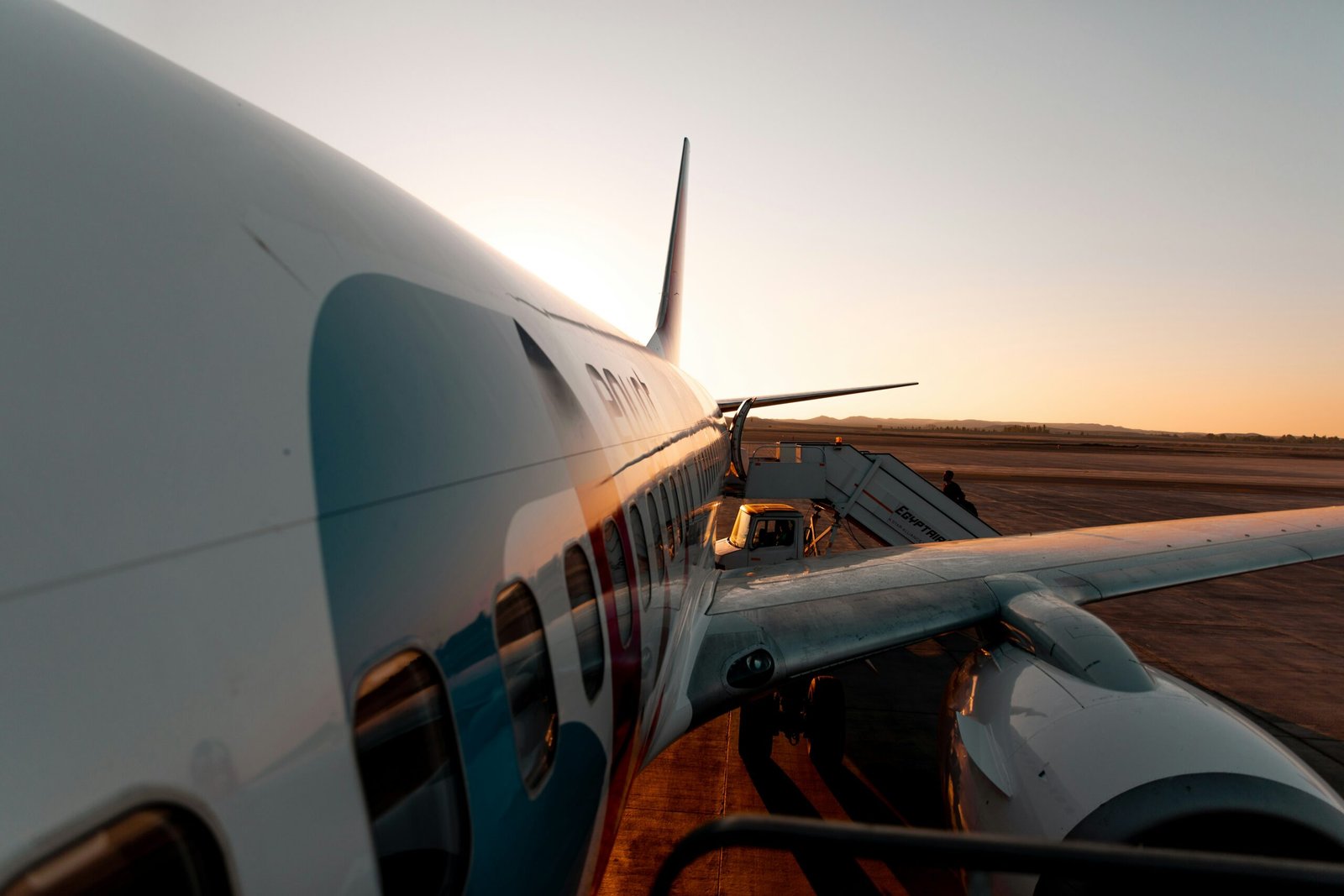
Pyramids of Giza and the Sphinx

@ Dilip Poddar

Overview:

Just outside the bustling heart of Cairo, Egypt’s capital, lies a stretch of desert that feels like a gateway to the past. The Giza Plateau, where the pyramids of Giza and the Sphinx proudly stand, is located about 13 km southwest of downtown Cairo. The sandy horizon and massive stone monuments seem frozen in history, yet they’re just a short ride from cafes, buses, and modern buildings. 

Standing tall on the Giza Plateau, the Great Pyramid of Khufu, along with the Pyramids of Khafre and Menkaure, forms the legendary trio that has guarded Egypt’s desert skyline for over 4,500 years. These are not just piles of stone; they’re mathematical marvels built over 4,500 years ago.

Highlights

Panoramic Viewpoint

Just 2 km away in the open desert, a quiet spot captures all three pyramids in a single frame.

Pharaonic Village

Located 12 km away, this is a living museum where actors recreate ancient Egyptian life along the Nile.

Cairo Tower & Nile Cruises

Positioned 15 km to 17 km away, you can experience panoramic city views from the 187-meter-high tower or enjoy a relaxing dinner cruise on the Nile River.

Let's Connect With

https://egymonuments.gov.eg/en/monuments/the-great-sphinx?utm This is official website for the Pyramids of Giza and the Sphinx is managed by Egypt’s Ministry of Tourism and Antiquities. This platform offers comprehensive information about these iconic monuments, including their history, architectural details, and visitor guidelines.

Ticket Booking: To plan your visit and purchase tickets online, the official booking portal is available at: Giza plateau – Book Your Tickets

Itinerary Highlights

Here is a well-paced, ultimate one-day itinerary for exploring the Pyramids of Giza and the Sphinx

Morning: The Giza Plateau & Ancient Wonders

08:00 AM – Arrival & Ticket Office (Mena House Gate)

  • The Plan: Arrive right as the gates open to beat both the crowds and the midday heat. Purchase your general plateau entry and decide if you want to brave the narrow interior corridors of the Great Pyramid.

08:30 AM – The Great Pyramid of Khufu

  • The Plan: Walk the massive perimeter of the last surviving Wonder of the Ancient World. If you secured an interior ticket, climb through the narrow ascending passage into the historic King's Chamber.

09:30 AM – Khafre, Menkaure, & The Panoramic Viewpoint

  • The Plan: Head across the plateau to the Pyramids of Khafre and Menkaure. Take a short camel or walking trip out to the Giza Panoramic Viewpoint in the open desert—this is the exact spot to capture all three majestic pyramids aligned in a single frame.

Midday: The Guardian of the Desert & Local Eats

11:00 AM – The Great Sphinx and Valley Temple

  • The Plan: Wind your way down to the limestone enclosure of the legendary Great Sphinx and explore the adjacent, megalithic granite blocks of the Valley Temple where pharaohs were once mummified.

12:00 PM – Traditional Egyptian Lunch

  • The Plan: Head off the plateau into nearby Nazlet El-Semman or grab a rooftop table overlooking the monuments. Indulge in a satisfying lunch of fresh baladi bread, falafel, grilled kebab & kofta, or a hearty plate of street-style Koshari.


Afternoon: Artifacts & Modern Treasures

01:30 PM – The Grand Egyptian Museum (GEM)

  • The Plan: Take a quick 2-kilometer drive from the plateau to the state-of-the-art Grand Egyptian Museum. Spend 3 to 4 hours exploring the vast atriums, statues of ancient kings, the complete Tutankhamun collection, and thousands of years of preserved history.

Evening: Sunset & Nightlife Add-Ons

06:00 PM – Sound and Light Show or Nile Dinner Cruise (Optional)

  • The Plan: Wrap up your day by watching the Pyramids light up in a multi-colored evening display, or head into central Cairo for a relaxing dinner cruise along the Nile River.

Know More to Get Travelling in Egypt

Eat With Host

Discover a unique way to experience local culture, where you can enjoy authentic meals hosted by locals around the world.

From home-cooked dinners to food tours, it’s the perfect way to connect through food with New People.

Start your delicious journey today Eatwith.

Accommodation

I personally use Hostelworld where you easily find budget-friendly hostels and social stays in one click.

Luxury platforms like Klook help you compare prices and book the best options for your trip.

Transportation

Traveling from central Cairo to the Pyramids of Giza and the Sphinx (about 15–20 km away) is quick and easy via reliable Uber or DiDi ride-hailing apps, a pre-arranged private hotel taxi, an all-inclusive guided day tour, or a budget-friendly combination of Cairo’s Metro Line 2 to Giza Station followed by a short local taxi or microbus.


Top Attractions Near Pyramids of Giza and the Sphinx

Giza Plateau Sound and Light Show

0.3 km

A mesmerizing evening show narrating Egypt’s history through lights projected on the pyramids.

The Grand Egyptian Museum

2 km

Desert skyline photo with all three pyramids in one frame, this quiet spot in the open desert is the best panoramic viewpoint.

Pharaonic Village

12 km

A living museum where actors recreate scenes of ancient Egyptian life along the Nile.

Cairo Tower

15 km

Offers panoramic city views and a revolving restaurant atop a 187-meter-high tower on Gezira Island.

Nile River Dinner Cruise

17 km

A small green space near the Giza district, ideal for a quiet break or a local-style picnic after your pyramid visit.

Khan El Khalili Bazaar

18 km

A vibrant centuries-old market filled with spices, jewelry, perfumes, and souvenirs.

Al-Azhar Mosque

19 km

One of Cairo’s oldest mosques and a center of Islamic learning dating back to the 10th century.

The Hanging Church

20 km

A historic Coptic church built above a Roman fortress, known for its wooden ceiling and ancient icons.

All My Articles on Egypt

Best Things to Do in Egypt

20 Best Things to Do in Egypt

Best Travel Insurance Plans for Egypt

12 Best Travel Insurance Plans for Egypt

Best Things on Egypt's Tourist Visa

10 Best Things on Egypt's Tourist Visa

Best Places to visit in Egypt

Best Places to visit in Egypt

Best Places to visit in Egypt
This is the best places to visit in Egypt where traveler poses on a camel with the iconic Great Pyramid of Giza. Epirojene / Pexels

One of the top places to visit is Cairo, the capital city, where the bustling streets meet rich Islamic architecture and the world-renowned Egyptian Museum, home to the treasures of Tutankhamun. Just outside Cairo lies Giza, where the awe-inspiring Great Pyramids and the Sphinx stand as powerful symbols of Egypt‘s ancient glory.

Traveling south, Luxor is often called the world’s greatest open-air museum, featuring the Valley of the Kings, Karnak Temple, and Luxor Temple, all testaments to Egypt’s royal past. Further along the Nile is Aswan, known for its relaxed atmosphere, Philae Temple, and scenic felucca rides.

If you’re in search of natural beauty and serenity, the Siwa Oasis, tucked away in Egypt’s Western Desert, gives a remote escape filled with palm groves, shimmering salt lakes, and a deep connection to Berber heritage.

On the other side of the country, the Red Sea Riviera—home to coastal gems like Hurghada, Sharm El Sheikh, and Dahab—invites travelers to experience a different kind of wonder. With its turquoise waters, thriving coral reefs, and world-renowned dive sites, this region is perfect for underwater adventures, sun-soaked beaches, and laid-back coastal vibes must say this is the best time to visit Egypt. Here are the best places to visit in Egypt.

Best Places to visit in Egypt

The Pyramids of Giza are ancient tombs, and the Sphinx is a mythical guardian statue where tourist attraction is more. Dilip Poddar / Unplash

1. Pyramids of Giza & The Sphinx

Best for iconic ancient wonder and a symbol of pharaonic power.

The Pyramids of Giza, located on the Giza Plateau just outside of Cairo, are Egypt’s most iconic landmarks and the last surviving wonder of the original Seven Wonders of the Ancient World. Built over 4,500 years ago during the Fourth Dynasty of the Old Kingdom, these massive stone structures served as royal tombs for the pharaohs, most famously Khufu (Cheops).

The precise engineering of these pyramids, made from millions of limestone blocks, continues to amaze researchers and visitors alike. Guarding the pyramids stands the majestic Great Sphinx, an ancient statue with the body of a lion and the face of a man thought to symbolize Pharaoh Khafre.

Remarkably, it was carved from a single massive limestone outcrop, making it one of the oldest and largest monolithic statues in the world. Visiting early in the morning or at sunset is recommended to avoid both the intense desert heat and large tourist crowds, allowing for a more peaceful and magical experience.

Did You Know? The Great Pyramid of Giza originally stood at an astonishing 146.6 meters (481 feet) tall, making it the tallest human-made structure on Earth for nearly 3,800 years, a record it held until England’s Lincoln Cathedral surpassed it in the 14th century. That’s a testament to the incredible engineering skills of ancient Egyptians!

Best Places to visit in Egypt

The Valley of the Kings is a royal burial site in Egypt, home to tombs of pharaohs, including Tutankhamun. Dilip Poddar / Unsplash

2. Luxor & The Valley of the Kings

Famous for its royal tombs and grand temples.

Located in southern Egypt, Luxor contains approximately one-third of the world’s ancient monuments, including the famed Karnak Temple, Luxor Temple, and the royal tombs in the Valley of the Kings, making it one of the most archaeologically rich cities on the planet.

This historic city was once the ancient Egyptian capital of Thebes, and today it houses some of the most significant archaeological treasures on Earth. Among its most famous attractions are the Karnak Temple Complex, one of the largest religious structures ever built, and Luxor Temple, a beautifully preserved site illuminated at night.

Situated on the Nile’s west bank, the Valley of the Kings is a vast desert burial ground where more than 60 intricately decorated tombs of ancient pharaohs and nobles are hidden among the rocky cliffs. These tombs, including that of King Tutankhamun, are adorned with intricate wall paintings and hieroglyphics that reveal stories of the afterlife.

Best Places to visit in Egypt

Abu Simbel Temples, carved by Ramses II, are famed for their giant statues and dramatic relocation. Dmitrii Zhodzishs / Unsplash


3. Abu Simbel Temples

Best for its giant statues and rock-cut temples built by Ramses II.

Near Egypt’s southern border with Sudan stand the magnificent Abu Simbel Temples, two massive rock-cut monuments built in the 13th century BC by Pharaoh Ramses II. The grander of the two temples was constructed to glorify Ramses himself, while the second was dedicated to his beloved queen, Nefertari, a rare honor in ancient Egyptian history.

These temples are famous for their grand statues of Ramses II, each towering over 20 meters tall, and for the intricate interior chambers adorned with reliefs and hieroglyphs depicting the pharaoh’s military victories and divine power.

The temples’ architecture is not only impressive but also demonstrates an advanced understanding of engineering, especially their alignment to the sun. Every year, on February 22 and October 22, the sunlight illuminates the inner sanctuary, highlighting the statues of Ramses and the gods, a spectacle that celebrates his reign. What makes these temples even more remarkable is the story behind their relocation in the 1960s.

Best Places to visit in Egypt

Cairo is Egypt’s lively capital, where ancient pharaohs’ history meets the buzz of modern city life. Hatem Ramadan / Unsplash

4. Cairo

A bustling cultural hub rich with history, museums, mosques, and vibrant local life.

Cairo, the vibrant heart of Egypt, is a city where pharaohs’ legacies meet the pulse of modern life, blending timeless history with energetic urban charm. Home to over 20 million people, it offers a mix of historic treasures and everyday energy. Don’t miss the Egyptian Museum, home to a vast collection of ancient artifacts, including the legendary golden mask and treasures of King Tutankhamun.

Wander through Islamic Cairo, where centuries-old mosques and narrow alleys tell the story of a rich religious and architectural heritage. For a true taste of local culture, stroll through the Khan El Khalili Bazaar, a lively marketplace filled with spices, souvenirs, jewelry, and traditional crafts.

While exploring, don’t miss out on trying Egyptian street food like koshari (a hearty mix of rice, lentils, and pasta) and falafel made with fava beans; both are delicious, affordable, and deeply rooted in local traditions. Cairo may feel overwhelming at first, which makes it one of the best places to visit in Egypt world.

Best Places to visit in Egypt

Aswan is a one of the best places to visit in Egypt for peaceful Nile city known for Nubian culture and ancient granite quarries. Axp / Unsplash

5. Aswan

Best for its peaceful Nile views, Nubian heritage, and ancient temples.

Set along the southern stretch of the Nile River, Aswan is one of Egypt’s most scenic and laid-back destinations. Known for its tranquil atmosphere and rich Nubian heritage, the city is dotted with palm-lined shores, colorful homes, and historic sites.

Among its must-see attractions are the elegant Philae Temple, which was carefully relocated to an island to protect it from the waters of the Aswan High Dam, and the intriguing Unfinished Obelisk, which lies partially carved from bedrock, giving a glimpse into ancient Egyptian engineering.

Visitors are often drawn to the Nubian villages, where warm hospitality and vibrant traditions provide an authentic cultural experience. One of the most memorable moments in Aswan is taking a felucca ride at sunset, as the gentle sailboat glides across the Nile, surrounded by golden skies and timeless scenery.

Best Places to visit in Egypt

The city was once Cleopatra’s capital, where she ruled and built her legendary palace near the harbor. Mostafa Mahdy / Unsplash

6. Alexandria

Best for coastal city blending Greco-Roman history with a modern Mediterranean vibe.

Situated along Egypt’s northern Mediterranean coast, Alexandria stands out for its cool sea breeze, relaxed coastal vibe, and deep Greco-Roman roots. Founded by Alexander the Great in 331 BC, the city became home to the legendary Library of Alexandria, which once housed hundreds of thousands of scrolls and attracted scholars from across the ancient world, making it one of the earliest and most significant centers of knowledge and science in human history.

Alexandria’s historic landmarks are rich with tales of its glorious past. One such site is the Catacombs of Kom El Shoqafa, an extraordinary burial complex where Egyptian, Greek, and Roman artistic styles converge, giving a glimpse into the cultural fusion of the ancient world.

The Bibliotheca Alexandrina, inaugurated in 2002, stands just meters from the presumed site of the ancient Library of Alexandria and can house over 8 million books, symbolizing Egypt’s renewed commitment to global learning and cultural exchange.

Unlike many other Egyptian cities, Alexandria blends Mediterranean charm with classical heritage, its streets lined with French and Italian-style buildings, lively corniches, and a reputation for some of the freshest seafood in the country, reflecting its centuries-old ties to Europe and the sea.

The official website for exploring the best places to visit in Egypt is VisitEgypt.com. Operated by the Egyptian Tourism Authority, this platform offers comprehensive travel resources, including curated itineraries, cultural insights, and practical travel tips.

20 Best Things to Know Before Traveling to Egypt

Its striking white rock formations resemble mushrooms, animals, and other bizarre shapes. Ahmed Azab / Unsplash

7. White Desert (Sahara el Beyda)

Best for surreal natural wonder with wind-sculpted white rock formations.

Located in Egypt’s Western Desert, the White Desert (Sahara el Beyda) is a truly surreal landscape, where the sands and wind have sculpted stunning white chalk rock formations that stretch as far as the eye can see.

With its strange, otherworldly rock formations, the White Desert feels like a scene from another planet. The stark white sands set against a vibrant blue sky create a breathtaking contrast. For adventurers seeking something extraordinary, this desert gives the perfect setting for overnight camping, allowing you to immerse yourself in its tranquil beauty beneath a blanket of stars.

The tranquility of the desert under the stars offers a serene and magical experience, as the stillness of the surroundings provides an opportunity to fully immerse oneself in the beauty of nature, far away from the noise of the modern world.

Best Places to visit in Egypt

This is the Siwa Salt Lake in Egypt, known for its turquoise waters and natural salt formations. Mo willy / Unsplash

8. Siwa Oasis

Best for remote desert paradise, natural springs and traditional Berber culture.

Nestled deep in Egypt’s Western Desert, close to the Libyan border, Siwa Oasis remains one of the country’s most secluded and enchanting destinations. Known for its untouched beauty, the oasis is surrounded by vast sand and groves of date palms, giving a serene contrast to Egypt’s bustling cities.

Visitors come to relax in its natural hot and cold springs, float in its mineral-rich salt lakes, and experience the age-old practice of sand therapy. With its slow pace of life and strong Amazigh (Berber) heritage, Siwa is a peaceful retreat ideal for those seeking solitude, healing, and a deeper connection to nature and tradition.

The oasis holds deep historical and cultural significance, most notably as the site of the Oracle Temple of Amun, where Alexander the Great is believed to have received divine confirmation of his rule. Life in Siwa moves at a slower pace, with a distinct Berber culture, mud-brick architecture, and a close-knit community that has preserved its traditions for centuries.

Best Places to visit in Egypt
Dahab is best known for the Blue Hole, a globally renowned dive site with vibrant coral and marine life. Yuriy Kostin / Unsplash

9. Dahab

Best for laid-back vibe, crystal-clear waters, and world-class diving spots.

Located on the southeast coast of Egypt’s Sinai Peninsula, Dahab is a relaxed beach town that has transformed from a sleepy Bedouin fishing village into one of Egypt’s most beloved alternative travel destinations.

Unlike the more commercialized resorts of Sharm El-Sheikh, Dahab gives a laid-back, bohemian vibe that attracts backpackers, divers, and nature lovers from around the world.

Dahab is best known for the Blue Hole, a globally renowned dive site with vibrant coral and marine life. Its relaxed atmosphere, seaside cafés, and access to both diving and desert adventures make it a top spot for laid-back thrill-seekers.

Best Places to visit in Egypt

The city is a gateway to the Sinai Peninsula’s rugged mountains and sacred sites like Mount Sinai. Omar Elsharawy / Unsplash

10. Sharm El-Sheikh

Best for luxury beach destination perfect for snorkeling, diving, and relaxing by the Red Sea.

Located at the southern end of the Sinai Peninsula, Sharm El-Sheikh is a premier Red Sea resort town known for its stunning coral reefs, clear blue waters, and luxurious beachfront resorts. It’s a favorite among divers and snorkelers, especially near the protected Ras Mohammed National Park, where marine biodiversity thrives beneath the surface.

The town is home to a range of luxury hotels and beach resorts, making it ideal for sun-soaked holidays. Sharm also serves as a gateway for hiking Mount Sinai, where many travelers make the early morning trek to catch the sunrise from the summit, a spiritual and unforgettable experience.

If you’re diving with colorful marine life, lounging on sandy beaches, or exploring sacred mountains, Sharm El-Sheikh gives a diverse and unforgettable Red Sea escape.

GUIDED BY EXPERT

Yoga within Travel the perfect flow of Experience

Explore wellness in anywhere

by

Explore Related Articles

22 Best Places to Visit in United States

Best Places to visit in South Africa

10 best places to visit in Malaysia

The 11 most stunning best places to visit in India?

LEAVE A COMMENT

Error: Contact form not found.
Best time to visit Egypt

Best time to visit Egypt

andreea-munteanu-lxZOgK5ccfc-unsplash

A woman stands amid the towering, hieroglyph-covered columns of Karnak Temple, taking in its ancient grandeur. Andreea Munteanu / Unsplash

Egypt is more than just sunshine and pyramids; each month gives something different, from local traditions to seasonal activities. While most travelers focus on avoiding the heat, what many don’t realize is how Egypt’s seasons align with local traditions, agricultural cycles, and even celestial events.

For instance, in February and October, the Abu Simbel temples light up in perfect alignment with the sun, a 3,000-year-old architectural marvel timed to mark the birthday and coronation of Pharaoh Ramses II. In September, villages around the Nile celebrate the annual date harvest, and in spring, the oases bloom with rare desert flowers.

This guide goes beyond weather charts to help you discover when Egypt truly comes alive, whether you’re chasing quiet spirituality during Ramadan, coral reefs in summer, or golden light across ancient stone in winter. Each month has a unique story to make it the best time to visit Egypt.

Best time to visit Egypt

Egypt’s iconic sites like the Pyramids, with cooler weather making exploration comfortable. Hossam Omar / Unsplash

October to February – The Golden Season for Exploring Ancient Egypt

From October to February, Egypt enjoys its most comfortable weather, with daytime temperatures averaging between 20°C and 26°C (68°F and 79°F), making it the best season for outdoor exploration. It’s the best time to visit Egypt’s iconic sites like the Pyramids of Giza, where cooler weather allows visitors to walk around the vast desert plateau without the exhausting summer heat.

The Nile River also gives a peaceful and scenic cruise experience during these months, especially between Luxor and Aswan, where ancient temples such as Karnak, Philae, and Edfu lie along the route. Since this is Egypt’s winter, the sun remains warm but gentle, making open-air temples, tombs, and archaeological sites more enjoyable to explore.

According to the Egyptian Meteorological Authority, this season sees the least chance of extreme weather, making travel smoother and more reliable. It’s also the peak tourist season, so visitors can expect a vibrant atmosphere, cultural festivals, and extended hours at major attractions.

Best time to visit Egypt

The best time to visit Egypt is when palm trees bloom and desert wildflowers add vibrant color to the landscape. Micheal Mitrakos / Unsplash

March to April – Desert in Bloom and Local Culture at Its Peak

During March and April, Egypt experiences a brief but beautiful spring. In desert regions like Siwa Oasis and Bahariya, it’s the best time to visit Egypt when palm trees begin to bloom and the landscape becomes more vibrant with fresh greenery and desert wildflowers.

The temperatures during this period are moderate, usually ranging between 22°C and 30°C (72°F and 86°F), making it pleasant for travelers to explore both desert areas and cities. It’s also a culturally rich time of year in Upper Egypt, where towns like Luxor and Aswan host local festivals, including spring markets, traditional music events, and family gatherings ahead of the Ramadan season.

These months also align with `, an ancient Egyptian spring celebration still observed across the country, where families enjoy picnics outdoors and eat special seasonal foods. Overall, March to April offers a unique mix of natural beauty and authentic cultural experiences that many visitors miss.

May – A Spiritual Pause During Ramadan

In some years, Ramadan coincides with May, bringing a distinctive ambiance to Egypt that sets it apart from other months. During this time, the pace of daily life slows down, especially in the afternoon, as Muslims fast from dawn to sunset. While some shops and cafes may open late or reduce hours, the quiet streets offer a peaceful and reflective side of Egypt that most tourists don’t often see.

As evening approaches during Ramadan, the atmosphere across Egypt changes noticeably. The call to prayer signals the end of the fast, and families gather for Iftar, the evening meal. Traditional Egyptian Iftar meals often include dates, lentil soup, and mahshi (vegetables stuffed with rice and herbs), which are commonly prepared across the country.

It is also part of Egyptian hospitality to invite guests, including travelers, to share in these meals. After sunset, many mosques are illuminated with decorative lights, and neighborhoods are decorated with colorful “fanoos” lanterns, a tradition dating back to the Fatimid era symbolizing celebration and community spirit.

While it’s important to be respectful during the day (like avoiding eating or drinking in public), visiting Egypt during Ramadan allows travelers to witness a deeply spiritual and communal experience. According to Egypt’s Ministry of Tourism, Ramadan is increasingly seen as a time for cultural exchange between locals and visitors.

June to August – Best Time for Red Sea Diving and Beach Escapes

While much of Egypt experiences extreme heat from June to August, the Red Sea coast remains a popular escape due to its refreshing sea breezes and vibrant underwater life. Coastal cities like Sharm El Sheikh, Hurghada, and Marsa Alam are ideal during these summer months, especially for diving, snorkeling, and beach activities.

The Red Sea is home to over 1,000 species of fish and more than 200 types of coral, making it one of the world’s top diving destinations, according to National Geographic. Water temperatures during this season range from 26°C to 30°C (79°F to 86°F), providing excellent visibility and comfortable conditions for exploring coral reefs, shipwrecks, and marine reserves such as Ras Mohammed National Park.

Unlike the inland areas where temperatures can exceed 40°C (104°F), the Red Sea resorts enjoy cooler evenings, modern beachfront accommodations, and shaded coastal areas. For travelers seeking adventure and relaxation by the sea, summer is the best time to enjoy Egypt’s coastal charm away from the intense desert heat.

September – Date Harvest Season and Oasis Life

In September, Egypt’s western oases, like Siwa, Bahariya, Dakhla, and Kharga, enter their busiest season, as farmers begin harvesting ripe dates from the tall palm trees that define the desert landscape. Egypt is one of the world’s top date producers, according to the United Nations Food and Agriculture Organization (FAO). It ranks first globally, contributing over 1.7 million tons of dates annually.

During this month, palm groves in these lush desert settlements come alive as farmers handpick ripe dates from tall palms using traditional climbing methods. The harvest season is not just agricultural but cultural; local communities often hold small celebrations that include traditional music, folk dancing, and food prepared with fresh dates.

Visitors to these oases in September can witness authentic rural life, stay in eco-lodges made of mud brick, and learn about ancient irrigation systems like the “qanat.” The weather is also slightly cooler than the peak summer months, making it an ideal time for exploring natural springs, salt lakes, and historic ruins tucked within Egypt’s fertile desert pockets.

Best time to visit Egypt
Cruises and yachts float on the sparkling Nile River, a hotspot for diving and relaxation in Egypt. Bogdan Kupriets / Unsplash

October to March – Nile River at Its Dreamiest

Between October and March, Egypt enjoys cooler, more pleasant weather, with daytime temperatures ranging from 20°C to 28°C (68°F to 82°F), making it the ideal time for exploring the Nile by boat. This period is considered the high season for Nile cruises, which typically run between Luxor and Aswan, two cities rich in ancient history and home to landmarks such as the Karnak Temple, the Valley of the Kings, and Philae Temple.

The river’s calm waters during these months allow for smooth sailing, whether you’re aboard a large cruise ship or a traditional felucca, the sailboats used on the Nile for centuries. According to the Egyptian Ministry of Tourism, over half of all Nile cruise bookings occur during this cooler season, thanks to its comfortable weather and clearer skies.

Sunsets over the river are particularly beautiful in these months, casting a golden glow over palm-lined banks, village life, and ancient monuments. For travelers seeking both relaxation and cultural discovery, this is truly the best time to visit Egypt and experience the timeless magic of the Nile.

February to April – Egypt for Art Lovers and Creative Souls

From February to April, Egypt experiences a cultural awakening that goes beyond its ancient wonders. It’s when Cairo’s contemporary art scene becomes especially vibrant, with numerous galleries and creative spaces hosting seasonal exhibitions, installations, and artist talks. One of the highlights is Cairo Photo Week (usually held in February), which brings together international and regional photographers in workshops and public exhibitions.

During these months, the weather is mild and ideal for gallery hopping in neighborhoods like Zamalek and Downtown Cairo, home to renowned venues such as Townhouse Gallery, SOMA Art, and Mashrabia Gallery. This season also sees a renewed interest in traditional crafts, with cultural festivals and artisan markets popping up across cities and oases, showcasing Egyptian heritage through pottery, weaving, jewelry, and calligraphy.

According to the Egyptian Ministry of Culture, this period marks a rise in cultural tourism, as visitors seek experiences that connect them with Egypt’s modern identity and creative communities. Spring’s natural beauty—blooming trees and comfortable temperatures—complements the artistic energy, making it a perfect time for creatively inspired travel.

Best time to visit Egypt
The grand mosque in Cairo stands tall with elegant minarets and palm trees under a clear blue sky. Noel Schlafli / Unsplash

November – Best Time to Discover Islamic Cairo

November is one of the most pleasant months to explore Islamic Cairo, thanks to cooler temperatures ranging between 18°C and 26°C (64°F to 79°F) and fewer tourists compared to the peak winter months. This historic district, a UNESCO World Heritage Site, is home to some of Egypt’s finest Islamic architecture, including iconic mosques like Al-Azhar, Sultan Hassan, and Al-Rifa’i, as well as centuries-old madrasas and hammams.

The air is clearer in November, making the skyline of minarets and domes especially striking during sunrise and sunset. It’s also an ideal time to walk through medieval gates such as Bab Zuweila and Bab al-Futuh and to shop in Khan El Khalili, Cairo’s most famous souk, where artisans sell traditional brassware, perfumes, and textiles.

Data from Egypt’s tourism reports and local travel agencies indicate that November sees increased interest in cultural and heritage tourism, especially in historic areas like Islamic Cairo, due to the mild weather and clearer skies.

With its dense concentration of Islamic architecture and preserved medieval streets, this district provides ideal conditions in November for travelers focused on history, architecture, and photography—without the peak-season crowds or intense summer heat.

December – A Different Kind of Winter Escape

While many countries experience cold and snow in December, Egypt gives a sunny and warm alternative, making it an ideal winter escape. Daytime temperatures range between 20°C and 26°C (68°F to 79°F) in cities like Luxor and Aswan, providing the perfect climate for visiting ancient sites such as the Valley of the Kings, Karnak Temple, and Abu Simbel without the discomfort of extreme heat.

The dry desert climate and minimal rainfall during December provide excellent visibility and natural lighting, making it the best time for outdoor photography, especially at ancient sites. On the Red Sea coast, including popular resorts like Hurghada and Sharm El Sheikh, average daytime temperatures range from 21°C to 25°C (70°F to 77°F). These conditions remain ideal for swimming, snorkeling, and diving, as marine life visibility is high and the weather is comfortably mild.

According to Egypt’s Tourism Promotion Authority, December sees a noticeable rise in international arrivals, particularly from Europe, as travelers seek sunshine and cultural experiences during the holiday season. Unlike traditional winter destinations, Egypt in December gives warmth, history, and relaxation all in one, without the crowds typical of other global hotspots.

July to August – For the Brave and Budget-Savvy

According to the Egyptian Meteorological Authority, July and August are Egypt’s hottest months, with average daytime temperatures in Upper Egypt, particularly in cities like Luxor and Aswan, regularly surpassing 40°C (104°F).

Because of the extreme summer heat, July and August are considered Egypt’s low tourism season, resulting in fewer visitors and lower demand for tours and accommodations. During this time, many airlines, hotels, and local tour providers reduce their prices significantly, often by 30% to 50%, to attract travelers. Travel agencies actively promote these discounted rates in summer packages, making it an ideal time for budget-conscious visitors to explore Egypt at a lower cost.

Major tourist sites such as the Pyramids of Giza or Karnak Temple are far less crowded, offering a peaceful and unhurried experience for those willing to manage the heat by starting early in the day. Desert destinations such as the White Desert and Bahariya Oasis remain accessible even during the summer months, offering unique landscapes and early-morning excursions despite the heat.

While daytime temperatures are high, the skies are typically clear, creating spectacular conditions for sunrise and sunset desert safaris. Local guides often schedule activities early in the morning or late in the evening to avoid peak heat hours, ensuring safety and comfort. For budget-conscious travelers who can handle the heat, it’s a rewarding time to explore Egypt in a quieter and more affordable way.

20 Best Things to Know Before Traveling to Egypt
Unique rock formations and golden sands create a surreal, otherworldly landscape in Egypt’s White Desert. Ahmed Azab / Unsplash

June – Stargazing and Ancient Astronomy

June is the best time to explore Egypt’s deserts and enjoy stargazing, thanks to the clear skies and warm evenings. The dry desert air provides optimal visibility for observing constellations and planets, making it an ideal month for camping under the stars. Desert regions such as the White Desert, Bahariya Oasis, and Sinai offer unique opportunities for stargazing, with Bedouin guides often leading tours that link the stars to ancient Egyptian mythology.

Ancient Egyptians were among the first to map the stars, and their architectural marvels, like the Pyramids of Giza and the temples of Karnak, are aligned with celestial bodies. For example, the Great Pyramid is aligned with the stars of Orion’s Belt, which was believed to represent Osiris, the god of the afterlife.

In June, the cooler desert nights allow travelers to relax by a campfire, listen to local legends, and gaze at constellations that were once used for navigation and marking the seasons. This blend of history, culture, and nature makes June an excellent time for travelers seeking to connect with Egypt’s ancient past while enjoying the peacefulness of the desert night.

September – Tea, Dates, and the Simplicity of Village Life

In September, Egypt’s rural villages come alive with the harvest of dates, one of the country’s most important agricultural products. Dates are one of Egypt’s major crops, with the country being one of the largest producers globally. The oases of Siwa, Bahariya, and the Nile Valley are key regions for date cultivation.

During September, many local farmers open their farms to visitors, allowing them to experience the date harvest firsthand. It gives a unique opportunity to experience the rhythm of village life, where agriculture, hospitality, and tradition intersect.

Local homes, particularly in Nubian communities along the Nile, often welcome travelers with a warm cup of mint tea, a beverage deeply embedded in Egyptian culture. In addition to tea, visitors can enjoy homemade meals that feature locally grown ingredients such as dates, lentils, and vegetables. As part of the experience, travelers might participate in traditional activities like cooking classes, where they learn to prepare regional dishes such as “koshari” or “molokhia.”

Henna celebrations are another cultural highlight, where women create intricate designs on hands and feet as part of festive occasions. According to the Egyptian Ministry of Tourism, rural tourism has become increasingly popular, as more travelers seek authentic, slower-paced experiences that allow them to connect with the everyday customs and agricultural traditions of the Egyptian countryside.

Trusted Websites for More Travel Info

The official tourism portal offering comprehensive information on destinations, tour packages, events, and travel tips. Egypt Vacations, Travel & Tourism – Visit Egypt Official Website

GUIDED BY EXPERT

Yoga within Travel the perfect flow of Experience

Explore wellness in anywhere

by

Explore Related Articles

Best time to visit UAE

What is the best time to visit Japan?

What is the best time to visit India?

What is the best time to visit Malaysia?

LEAVE A COMMENT

Error: Contact form not found.
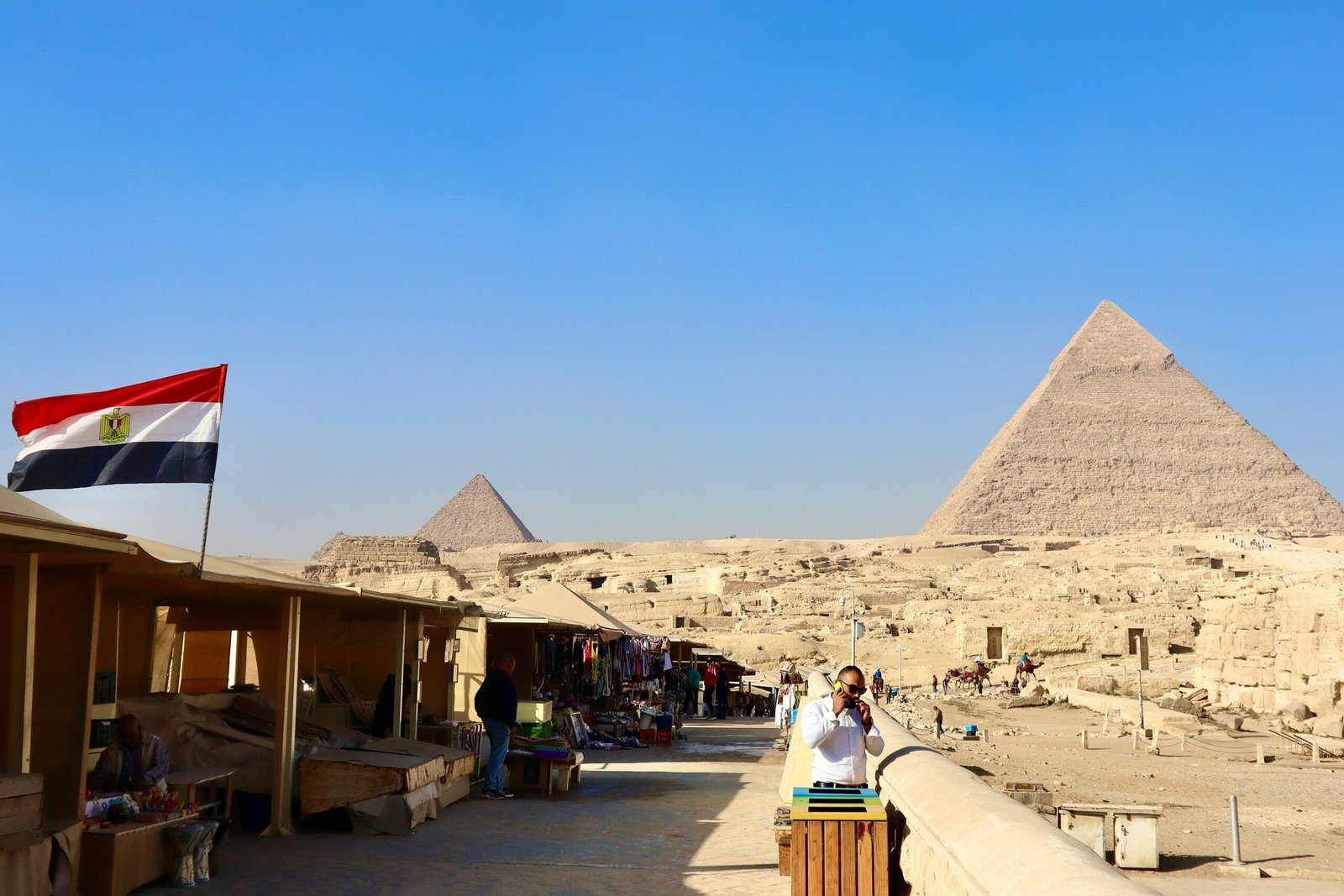
Egypt

Overview:

Egypt is a fascinating country located in North Africa is centered around the Nile River, which has supported life for thousands of years and remains essential for agriculture and daily living.

The Nile River is the longest river in the world and was the main reason ancient Egyptian civilization could grow in the desert. Around 90% of Egypt is desert, mainly part of the Sahara Desert, so most people live near the Nile River.


When to Visit:

Egypt mainly has two seasons instead of the typical four:

Dry Season (October to April)

This is the best time to visit Egypt. The weather is pleasant, especially for exploring places like the Pyramids of Giza and temples in Luxor. Day temperatures are comfortable, making sightseeing easier compared to the intense summer heat.

Wet Season (May to September)

Egypt doesn’t really have a “wet season” because rainfall is extremely rare. Instead, this period is very hot and dry, especially in desert areas. However, coastal regions near the Red Sea are still good for beach vacations and diving.

Special Events and Festivals:

Festivals in Egypt blend ancient traditions and modern culture.

  • Sham El-Nessim
  • Abu Simbel Sun Festival
  • Ramadan in Egypt

Pocket Travel Tips

Quick Facts

Language: Arabic

Currency: Egyptian Pound (EGP)

1 USD ≈ 48–50 EGP (approx)

Backpack travel budget is around 26.85 to 53 $ per day depending on your travel style.

Visa

Travelers can easily get an e-Visa online before arrival, making the process quick and convenient.

Travel Insurance

VisitorsCoverage is one of the very few that covers travel in Egypt.

How The Egypt Welcome

pexels-bassel-zaki-706250525-30721485

In Egypt, a unique thing many people don’t know is that if you visit someone’s home, they may keep offering you food again and again, even if you say no—because for them, a “full guest” means they have shown true respect and honor.

Guests are often served traditional dishes like Koshari or Fatta.

In Egypt, hospitality is deeply rooted in ancient traditions where guests are treated with honor, often offered tea or sweets they offered much more.

Know More to Get Travelling in Egypt

Eat With Host

Discover a unique way to experience local culture, where you can enjoy authentic meals hosted by locals around the world.
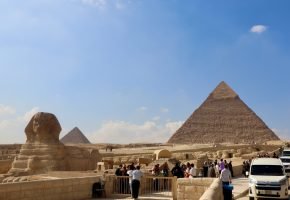
From home-cooked dinners to food tours, it’s the perfect way to connect through food with New People.
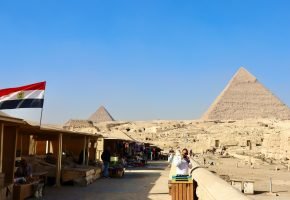
Start your delicious journey today Eatwith.

Accommodation

I personally use Hostelworld where you easily find budget-friendly hostels and social stays in one click.

Go to Luxury platforms like CheapOair check your compare prices and book the best options for your trip.

Transportation

Metro rides in Cairo starting around 5–10 EGP (~₹10–₹20 / ~5–10 THB)


Egypt has one of the oldest railway networks in the world

Top Attractions in Egypt

Giza Plateau

The pyramids are perfectly aligned with the cardinal directions (north, south, east, west), showing advanced knowledge.

You know the nose of the Sphinx is missing, and its exact cause is still a mystery.

Mosque

 Mosque of Muhammad Ali is also known as the “Alabaster Mosque” because its walls are made of beautiful alabaster stone.

Makadi Bay Beach

Blue water is about 30 km south of Hurghada, making it a peaceful escape from busy tourist areas.

Bazaar

The Khan El Khalili market is also known for its traditional cafes where you can enjoy tea and best egyptian coffee.

All My Articles onEgypt

Best Things on Egypt's Tourist Visa

10 Best Things on Egypt's Tourist Visa

Best Travel Insurance Plans for Egypt

12 Best Travel Insurance Plans for Egypt

Best Things to Do in Egypt

20 Best Things to Do in Egypt