How to Stay Healthy While Traveling

How to Stay Healthy While Traveling
How to Stay Healthy While Traveling

Travel has taught something powerful: wellness isn’t tied to a gym, a routine, or even a fixed mindset; it’s a way of living, rooted in local wisdom, daily rituals, and the rhythms of each culture. 

Across the world, everyone discovered that every place carries its version of healing, from Food & Drink and movement to silence and connection.

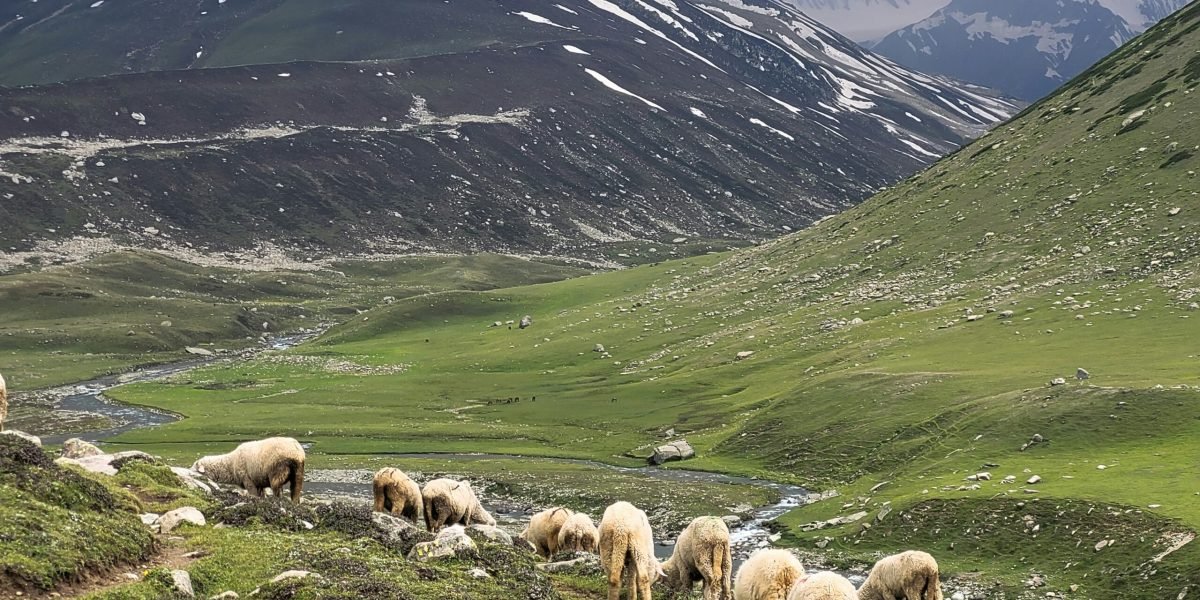
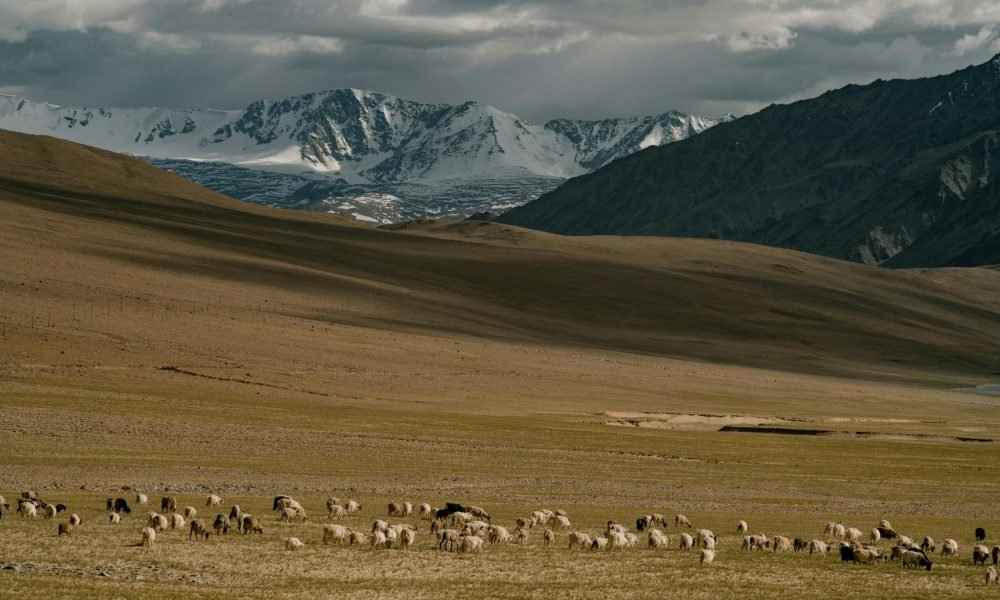
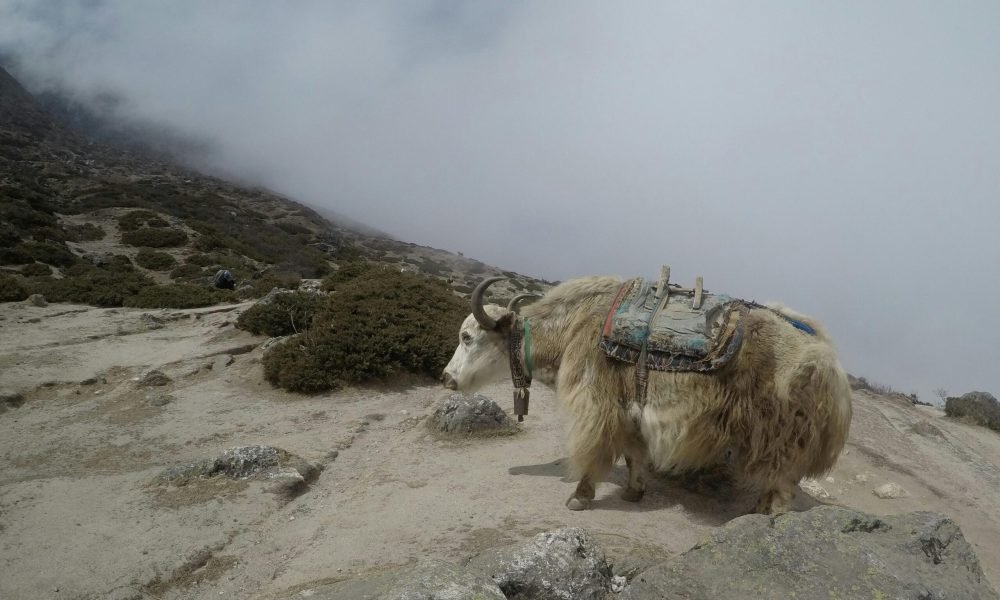
High in Ladakh’s Himalayan desert, where oxygen is scarce and silence is vast, deep breathing and slow, mindful movement are not just practices; they’re survival tools, passed down through generations of mountain life.

In Japan, people experienced how wellness emerges through stillness by practicing Shinrin-yoku (forest bathing), where walking mindfully among trees actively lowers stress hormones and calms the nervous system. 

In Bali, they flowed through open-air yoga studios surrounded by rice paddies and realized how movement, breath, and nature are deeply entwined in the local way of life.

In Morocco, African people stepped into centuries-old hammams, where steam, black soap, and deep exfoliation offer more than just clean skin; they symbolize purification and community healing.

And in Italy, please watch how long lunches filled with laughter, fresh food, and seasonal ingredients are part of a culture where eating well is an act of joy and self-care.

This guide brings together how to stay healthy while traveling and the small, powerful wellness practices learned from across the globe to help you stay energized, grounded, and truly alive on every journey.

Read this article to get more information on Simple Wellness Habits Before You Go.

Pre-Trip Prep: Building Your Travel Immunity​

A week before your journey, begin boosting your body’s natural defenses with simple, time-tested remedies like turmeric shots, fresh ginger tea, or local honey that support gut health and immunity.

These aren’t just Grandma’s suggestions; they’re powerful tools that help your body adjust to new climates, altitudes, and time zones.

While it’s tempting to rely on Google for travel health tips, consulting a travel health specialist can give you destination-specific advice, from vaccines to altitude prep to food sensitivities you may not expect.

And don’t forget to build your own “immunity kit,” a small pouch filled with travel wellness essentials: probiotics for digestion, ORS (oral rehydration salts) for hydration during long flights or heat exposure, essential oils like eucalyptus or peppermint for energy and congestion.

Even a few herbs or home remedies from your culture that have never let you down. Think of it as your personal shield, lightweight, natural, and incredibly effective wherever you roam.

How to Stay Healthy While Traveling

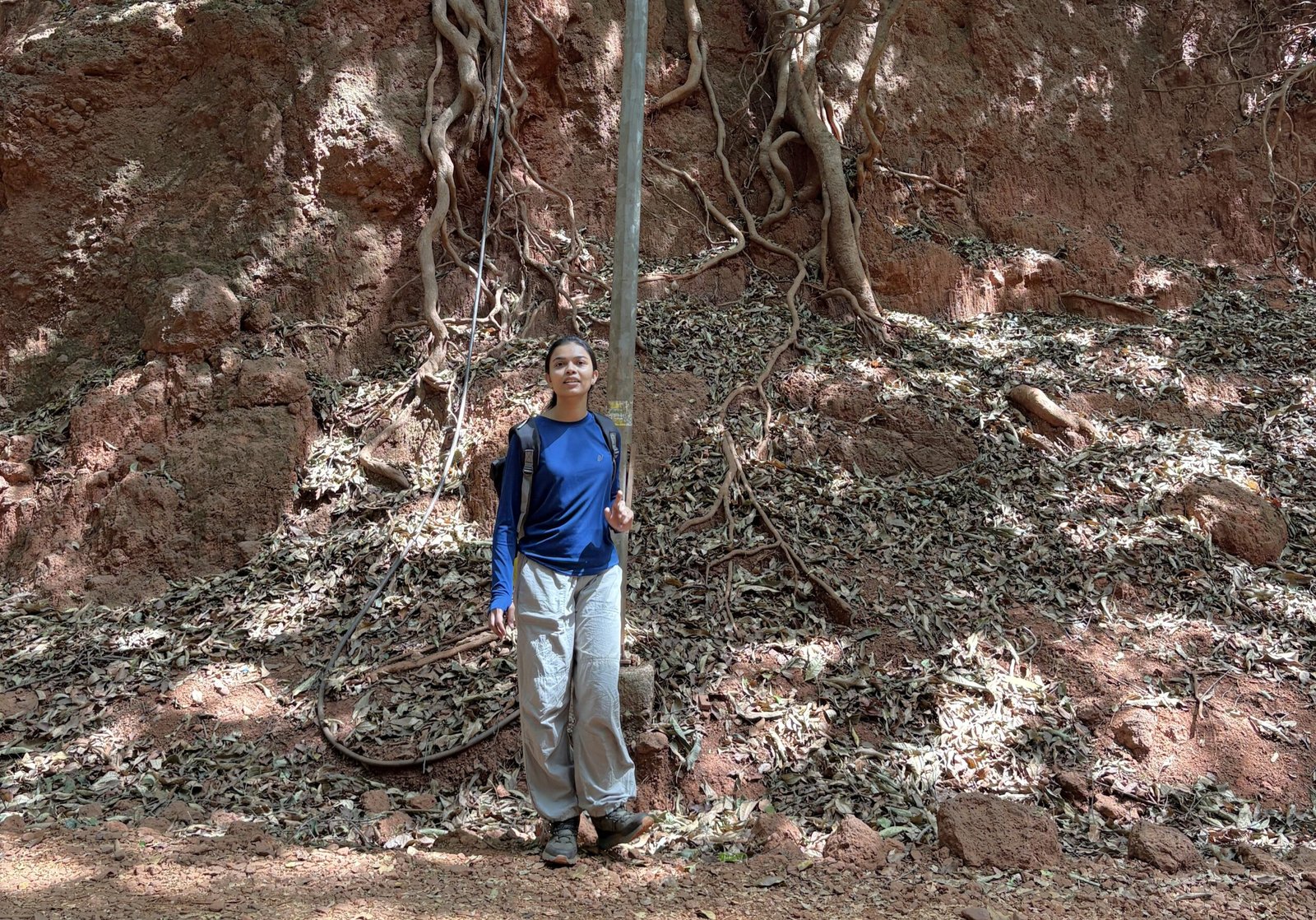
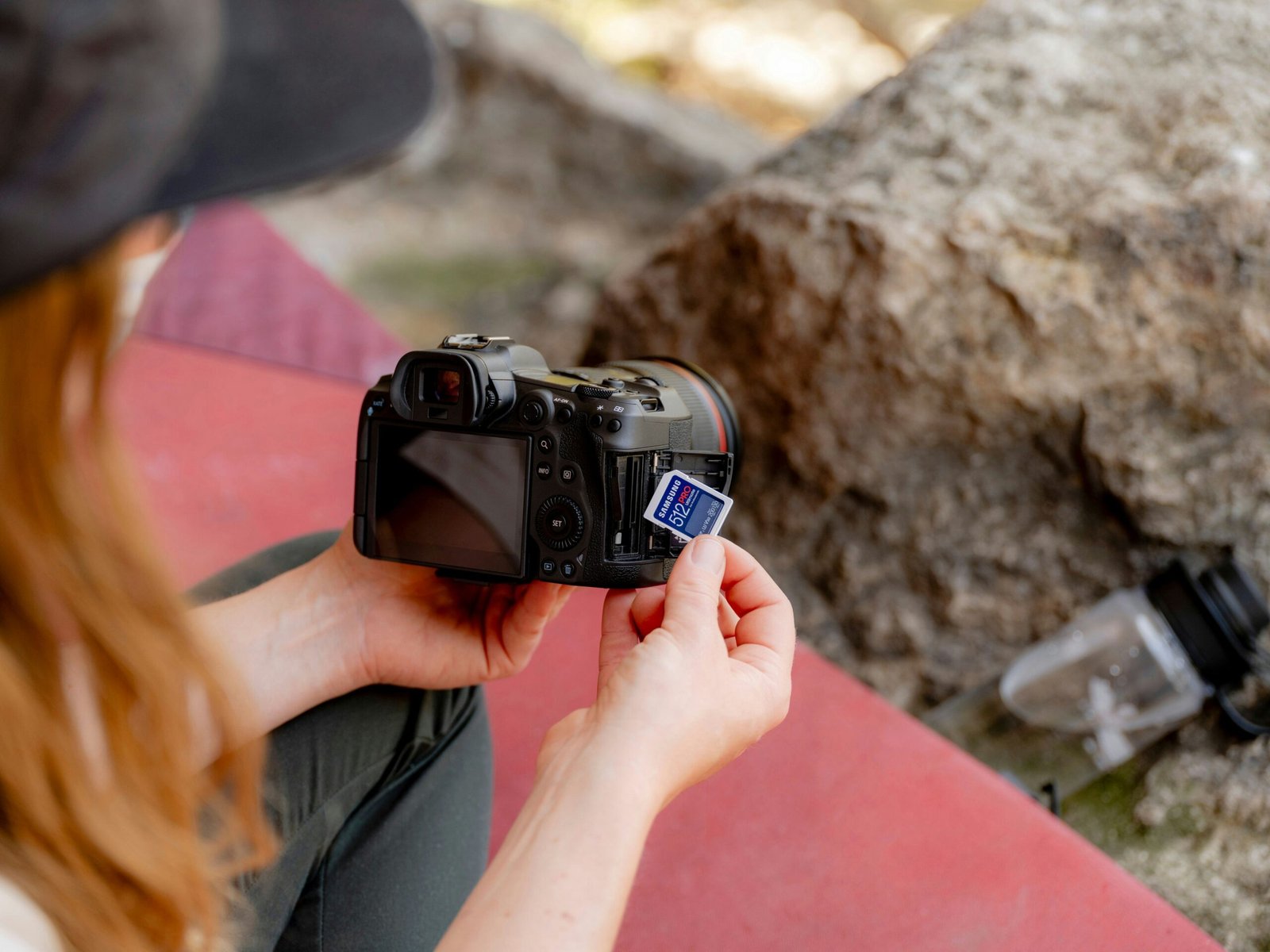
Do self-care before every journey. Artem Beliaikin / Unsplash

Mindful Packing for Health on the Go

Packing with intention can make a huge difference in how you feel on the road. Instead of overloading your bag with things you won’t use, focus on smart wellness items that are light, versatile, and travel tested.

A set of resistance bands takes up almost no space but lets you stretch or strength-train anywhere from your hostel balcony to a park bench. 

A mini foam roller or massage ball can save your back and legs after long flights or hikes, while a reusable water bottle with a built-in filter ensures you stay hydrated without relying on plastic or questionable tap water.

And hydration? It’s more than just sipping water. Airplane cabins are drier than deserts, so boost your hydration game by adding electrolytes, herbal infusions, or even a pinch of pink salt to your water bottle. 

Staying well in transit isn’t about luxury; it’s about small, mindful choices that help you land feeling clear, calm, and ready for adventure.

Turn your travel plans into reality with Klook’s best deals on activities, transport, hotels, and more.

Airports and Airplanes: Germ-Free, Stress-Free

Airports and airplanes may get you closer to your destination, but they can also test your immunity and patience. To stay both germ-free and stress-free, it starts with what you carry and how you move. Swap store-bought sanitizers for a DIY hand spray made from natural oils like tea tree or lavender mixed with alcohol.

It’s antibacterial, smells calming, and won’t dry out your hands. Long layovers and cramped seats can leave your body stiff and swollen, so use that time to move intentionally: try a few airport yoga stretches in quiet corners or do simple in-flight leg lifts and neck rolls to keep your circulation flowing and mind at ease.

And hydration? It’s more than just sipping water. Airplane cabins are drier than deserts, so boost your hydration game by adding electrolytes, herbal infusions, or even a pinch of pink salt to your water bottle. 

Staying well in transit isn’t about luxury; it’s about small, mindful choices that help you land feeling clear, calm, and ready for adventure.

Eat Well, everywhere: Navigating Local Foods Smartly

Eating well while traveling doesn’t mean skipping local delicacies it means learning how to enjoy them mindfully. 

 One of the simplest (and most rewarding) rules I follow is the “one local plate a day” habit not only does it support regional kitchens and farmers, but it also helps your gut adapt to local ingredients, spices, and microbes.

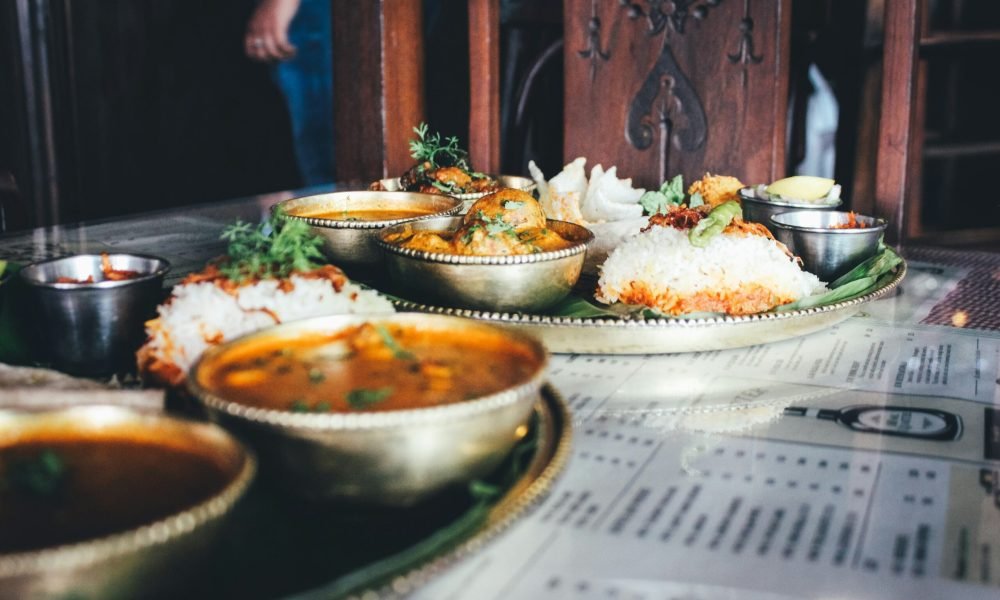
Whether it’s a thali in Mumbai, nasi lemak in Malaysia, or tagine in Morocco, your body slowly builds tolerance while your taste buds get to celebrate culture. Another secret weapon? Fermented foods. 

From Japan’s miso soup and Korea’s kimchi to Germany’s sauerkraut and South India’s idli-dosa, these probiotic-rich dishes naturally support digestion and keep your microbiome happy.

But here’s where many travelers go wrong: sugar traps. That fresh-looking smoothie or “natural” fruit juice from a roadside stall may be loaded with added syrups or powders. 

Always check what goes into your drink, and when in doubt, choose whole fruits or drinks like coconut water straight from the shell. Traveling is about tasting, but thriving on the road is about tasting smart.

Sleep Like a Traveler, Not a Tourist

Over time, start to build a toolkit of travel-tested rituals that help body unwind, no matter the time zone or chaos outside. 

A dab of lavender balm on the wrists, a white noise app to block out unfamiliar sounds, and simple grounding techniques like placing your bare feet on the floor or taking a few deep breaths before bed can gently signal your nervous system that it’s time to rest.

Reset your internal clock with smart circadian hacks: get natural sunlight first thing in the morning, take a quick cold shower to jolt your system awake, and time your meals according to your destination’s schedule (not your body’s cravings).

These small, science-backed shifts help you sleep like a calm, adaptable traveler, ready for whatever the journey brings next.

Stay Fit Without a Gym

You don’t need a gym to stay strong on the road; the world itself can be your workout space. 

You’re waking up in a cozy hostel room or stepping onto a breezy hotel balcony, a 10-minute bodyweight routine of squats, lunges, planks, and stretches is all it takes to energize your day.

Fitness doesn’t stop at the room door. Turn your destination into your gym: explore neighborhoods on foot instead of by taxi, take the stairs at temples and towers, and trade Google Maps for a walking tour to get your steps and stories in.

And for something truly memorable, join a local wellness activity; try sunrise yoga in Thailand, capoeira circles in Brazil, or early morning tai chi with locals in a Chinese park.

Not only do you stay fit, but you also connect with culture on a deeper level. Travel fitness isn’t about reps or routines; it’s about moving with intention, wherever your journey takes you.

Budget Your Trip, this platform provides real-world cost data from travelers—covering accommodation, food, transportation, and activities in destinations worldwide. It also offers tracking tools to help you build and monitor a realistic budget based on real travel experiences.

Mental Wellness on the Move

Travel might look like freedom on the outside, but inside, it can sometimes feel overwhelming with new environments, constant movement, and unfamiliar faces. That’s why mental wellness needs a seat on your journey too. 

One of the simplest tools I swear by is travel journaling; even just ten minutes a day helps untangle emotions, track moods, and reflect on the deeper layers of your experience.

When the excitement turns into exhaustion, know it’s okay to pause before you burn out. Take a slow day. Skip the must-see and instead find a quiet café, listen to your favorite music, or take a nap without guilt. 

And in those intense, crowded moments, whether it’s a packed market in Bangkok or a chaotic train station in Mumbai, simple mindful breathing becomes a lifeline.

Try the 4-7-8 method or just inhale deeply for four counts, hold for seven, and exhale slowly. It calms your nervous system and brings you right back to the present.

Because mental wellness on the move isn’t about perfection; it’s about listening in, slowing down, and creating space for yourself wherever you are.

🌿 Take a break from the chaos and discover peaceful destinations that refresh your mind, body, and soul — here.

Best Places to Visit for Mental Wellness

Digital Detox (Even When Using Google Maps)

In a world where travel and tech are tightly woven together, a digital detox might sound impossible, but it’s exactly what your mind needs to truly arrive. 

Even with Google Maps in your pocket, setting phone-free moments like sunrise strolls, mindful meals, or sunset views helps you trade screen time for real-time presence.

Challenge yourself to find or create “no-WiFi zones”: a hidden beach in Thailand, a mountain trail in Ladakh, a silent monastery in Malaysia—places where signal drops and presence rises.

And when the urge to post kicks in, ask yourself: Is this moment for the world or just for me? Because the most unforgettable travel moments aren’t captured; they’re experienced in the stillness, the smiles, and the stories we truly live.
How to Stay Healthy While Traveling
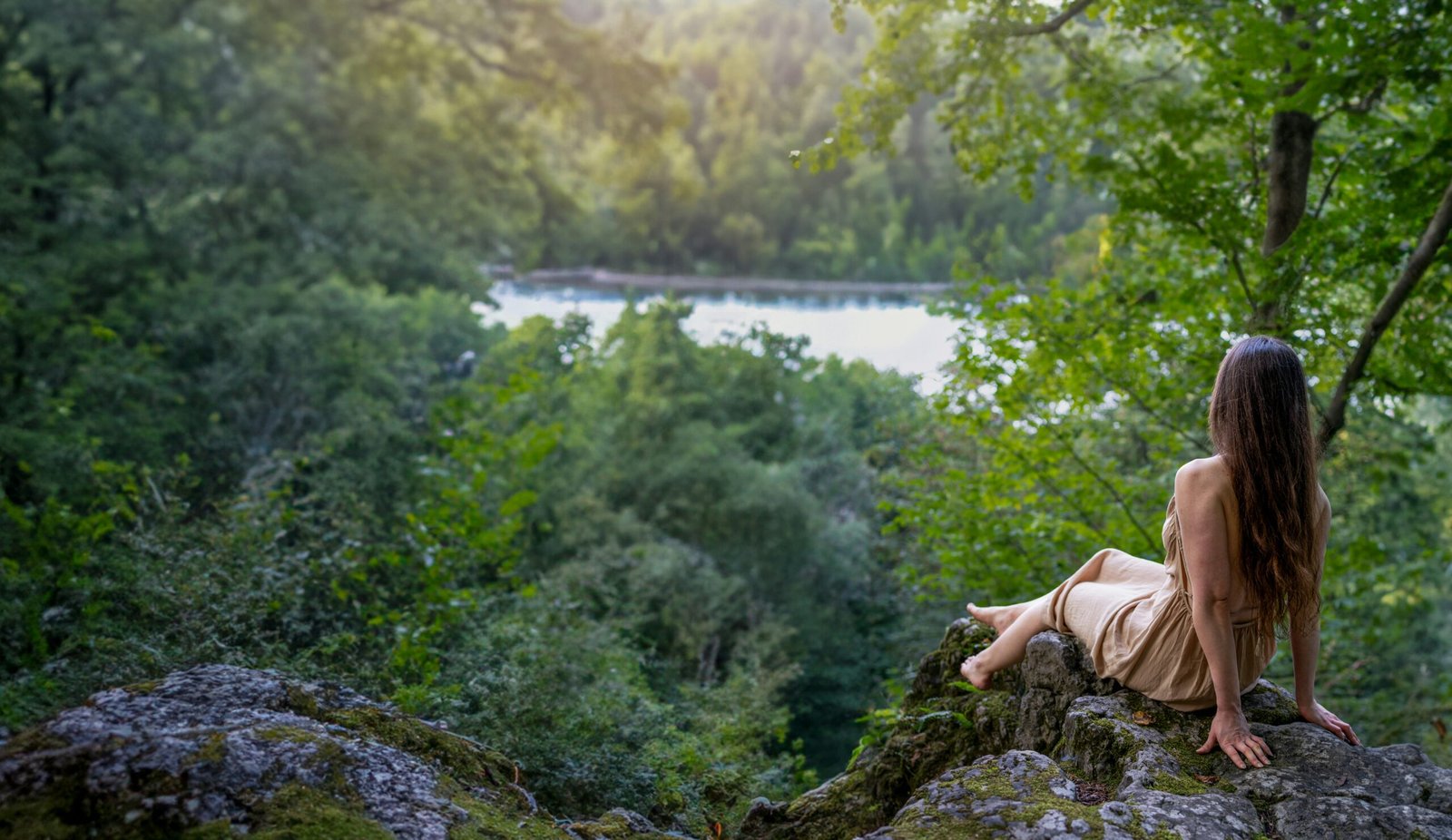
 Use nature as your personal gym. Darktez / Unsplash

Healthy Hygiene Habits Abroad

Staying healthy abroad isn’t just about hand sanitizer; it’s about understanding and respecting how different cultures approach cleanliness. 

For example, in Japan, removing shoes before entering homes, ryokans, and even some restaurants isn’t just custom; it’s a way of keeping indoor spaces spiritually and physically clean.

In India, locals have long trusted the power of neem sticks for oral care, ubtan powders for skin, and clay masks for detoxing a natural, chemical-free methods that travelers can embrace too.

In Morocco, deep-cleansing hammam rituals with black soap and exfoliating mitts are more than beauty routines; they’re part of a wellness culture that honors the body.

When traveling, observe and adopt these practices where possible, whether it’s using filtered water for brushing your teeth, carrying your own cutlery, or learning to cleanse with herbal rinses from local markets.

Hygiene on the road is about blending mindfulness with local wisdom and keeping both your body and your respect intact.

How to Stay Healthy While Traveling

Mindful hygiene with every meal. Rajasekhar R / Unsplash

Emergency Ready: Plan B Wellness

When the unexpected hits on the road, Plan B Wellness becomes your quiet anchor to restoring balance with calm, care, and confidence wherever you land. Start by choosing travel insurance that goes beyond just flight delays and lost luggage.

Look for plans that cover wellness treatments, such as emergency doctor visits and alternative therapies. 

Emotional emergencies like burnout, anxiety, or homesickness rarely follow a schedule—being ready for them is just as vital as packing your passport.

Before you leave, download global mental health apps like BetterHelp or iAmWell, or research local support groups or expat circles in the countries you’re visiting. 

You experience true travel freedom when you face challenges knowing support is there if you need it.

🛡️ Travel with confidence wherever you go — protect your journey with reliable coverage from VisitorCoverage today!

How to Reset Your Body Faster While Traveling

One of the best ways to beat jet lag is to adapt to the destination time as quickly as possible. Try sleeping and eating according to local time immediately after arrival. 

Spend time in natural sunlight during the day because sunlight helps reset your body clock naturally. Staying hydrated, avoiding heavy alcohol intake on flights, and taking short naps instead of long daytime sleep can also help your body adjust faster.

Healthy Habits for Long-Term Travelers & Digital Nomads

Healthy routines create stability even when your surroundings constantly change. Digital nomads often feel more balanced when they maintain small daily habits such as morning walks, regular meal times, journaling, yoga, or setting fixed work hours.

Choosing accommodations with comfortable workspaces, nearby grocery stores, and access to nature can also make long-term travel healthier and less stressful.

Working while traveling often blurs the line between productivity and relaxation. Many travelers end up overworking during the day and sightseeing until late at night, which quickly drains both mental and physical energy.

Scheduling dedicated work hours, planning rest days, and limiting nonstop social activities can help maintain balance.

Prioritizing self-care through exercise, mindfulness, nutritious meals, and quality sleep allows travelers to enjoy both their career and their adventures without feeling overwhelmed.

Why Travel Burnout Happens Faster Than You Think

Many travelers feel pressure to visit every famous attraction, take perfect photos, and maximize every minute of their trip. Social media often creates unrealistic expectations that traveling should always feel exciting and productive.

This mindset can turn vacations into exhausting checklists instead of enjoyable experiences. Constant rushing between destinations leaves little time for genuine connection, relaxation, or appreciation of the place itself.

Rest is not wasted travel time, it is an important part of staying healthy while exploring the world. Some of the most memorable travel moments happen during slow mornings, quiet walks, local café visits, or simply watching everyday life unfold.

Allowing time for recovery helps travelers enjoy destinations more deeply, maintain mental clarity, and avoid physical exhaustion during long journeys.

Healthy Travel Habits That Save Money Too

Carrying basic medicines, drinking safe water, getting enough rest, and purchasing travel insurance before your trip can help travelers avoid unexpected medical costs and stressful hospital visits abroad.

Travelers can reduce stomach problems by eating at busy stalls with high customer turnover, choosing freshly cooked hot meals, and avoiding raw or uncovered foods left in the open for long periods.

Carrying affordable healthy snacks like nuts, bananas, roasted chickpeas, protein bars, dry fruits, or homemade sandwiches helps maintain energy during long flights, train rides, and road trips.


You May Also Like

How to Plan a Summer Beach Trip in 2026

Best Things to Do in UAE

How to Explore Rajasthan on a Budget

How to Explore Rajasthan on a Budget

The Best Places to Eat Croissants in Paris

The Best Places to Eat Croissants in Paris

Leave a Comment


Hello!


Hi, I’m Pooja Mokashi, a passionate storyteller and travel content creator behind Travel Meet World. Based in Mumbai, I love discovering local cultures and helping travelers explore the world with confidence and smart planning.

Unlock Your Free Travel Hacks

Join 5,000+ travelers getting Free Weekly Travel Tips, Get Exclusive Updates & Download my free travel checklist
Best Ways to Travel Stress-Free

Best Ways to Travel Stress-Free

Best Ways to Travel Stress-Free

I tend to romanticize the idea of a flawless journey, perfect schedules, smooth connections, and not a single bump along the way. But in striving for perfection, I often overlook what truly makes travel meaningful with solo travel and mental health.

True travel isn’t just about seamless plans or perfectly filtered photos in country like India. It’s about who we become when the plans don’t go our way. 

Often, it’s the wrong road that leads to the most unforgettable view, or the stranger’s unexpected kindness that leaves the deepest imprint.

Growth doesn’t announce itself, it unfolds quietly in the spaces we didn’t plan for. Beyond the stress-free travel get you detail on: one where the destination is not just a place, but a more present, open Mindness, and self-aware version of ourselves.

Why Silence Feels Louder on the Road

There was a time when I thought travel was only about ticking places off a bucket list, taking photos, and chasing beautiful sunsets. 

But somewhere between long train rides, empty mountain roads, and quiet mornings in unfamiliar cities, I realized something unexpected silence feels different when you travel. It feels louder.

I remember sitting near a quiet beach after sunset with no Wi-Fi, no music, and nobody around me. At first, the silence felt uncomfortable. 

Ready for your next seaside escape? Explore the 10 best beaches in Mumbai, soak in the sunsets, and make unforgettable memories.

My mind kept replaying worries, memories, and questions I had ignored for months. But after some time, that silence started feeling peaceful instead of empty. It became a space where I could finally hear myself clearly.

Travel has a strange way of slowing your mind down. When you’re watching mountains even that moments on the road often reveal thoughts we hide beneath busy schedules back home.

You noticed that Solo travel especially changes the way silence feels. Without familiar people around, you stop performing for others and start understanding your real emotions.

You notice what truly excites you, what drains you, and what kind of life actually makes you happy.

Best Ways to Travel Stress-Free

Explore more you feel stress free. Anderson Schmig / Unsplash

The Version of You That Only Appears While Traveling

I just feel that, It’s our version that says yes to new experiences, talks to strangers more easily, takes unexpected risks, and feels strangely alive in unfamiliar places.

 Back home, we often live inside routines, responsibilities, and the expectations of others. But travel creates space where we can meet a different side of ourselves.

I noticed this during one of my solo trips. At home, I usually overthink small decisions and stay inside my comfort zone. But while traveling, I suddenly became more confident.

Here is your Karnala Fort Trek Guide (2026), Must Read!

I could navigate unknown streets, ask strangers for help, try unfamiliar food, and adapt to situations I never imagined handling alone. It made me realize that confidence was always inside me. While travel simply gave it room to appear.

Travel and self-discovery are deeply connected because journeys constantly place us outside familiar environments. When comfort disappears, self-awareness grows.

You notice your fears, your strengths, your patience level, and the kind of experiences that truly bring you joy. Sometimes a simple solo walk in a new city teaches more about yourself than months spent inside the same routine.

Must prefer Saily for reliable data while traveling across multiple countries.

Travel Teach You Who Are You When the Wi-Fi Drops?

In our hyper-connected world, Wi-Fi often feels like oxygen, something we expect to be available wherever we go. But when it vanishes, especially in the middle of a foreign place or during a crucial moment, a strange silence sets in. 

The notifications stop. The maps freeze. The urge to share, check, scroll, or search meets a dead end. And in that uncomfortable stillness, something unexpected happens we meet ourselves.

Who are you without the constant digital hum? Are you impatient, anxious, or relieved? Do you panic, or do you breathe deeper and take in the moment around you? 

The absence of connection turns into a quiet mirror, revealing just how much we’ve leaned on technology and how often we’ve overlooked the richness of the present moment.

Your Emotional Luggage

Instead of randomly setting aside money each month, try reverse budgeting: research the real costs of your trip first, flights, accommodations, meals, activities, local transport, and even visas, then work backward to figure out how much you need to save and by when.

Break it down further by calculating a rough daily budget and separating essential daily expenses (like food and transport) from one-time experiences (like skydiving or museum passes). Having a clear, realistic number in mind gives your savings purpose and helps you stay focused and confident along the way.

The People You Meet Shape the Person You Become

I’ve personally realized that every journey changes me a little because of the people I meet. Some inspire confidence, some teach patience, and others completely shift my perspective about life. 

Sometimes a short conversation during a train ride can stay in your mind longer than an entire sightseeing itinerary.

Travel also teaches us empathy in a very natural way. When you spend time around different cultures, you begin to understand that there is no single “correct” way to live. 

Interestingly, unfamiliar places often make people more open emotionally. Travelers share stories, fears, dreams, and experiences with strangers because there is a sense of freedom away from everyday routines. These honest connections can feel surprisingly meaningful, even if they only last a few hours or days.

When Plans Fail, Identity Emerges

Most people imagine travel as perfectly planned itineraries, smooth journeys, and beautiful moments that go exactly as expected. But in reality, some of the most important travel experiences begin when plans completely fall apart.

Missed trains, canceled bookings, wrong turns, bad weather, or unexpected problems often become the moments that reveal who we truly are.

I’ve learned that travel rarely follows a perfect schedule. There were times when I felt frustrated because things didn’t go according to plan. I remember feeling stressed after getting lost in an unfamiliar place with low phone battery and no clear direction. 

At that moment, I had two choices, panic or adapt. Surprisingly, those difficult situations taught me more about myself than any comfortable vacation ever could.

I think that’s why difficult journeys often create the deepest personal growth. When everything is going smoothly, we stay comfortable.

Travel as a Mirror to Your Core

Travel strips away the familiar. It places us in environments where no one knows our name, our background, or our story. In this anonymity lies something powerful: the chance to meet ourselves without performance. With no audience to impress or routines to follow, we begin to notice who we truly are when no one’s watching.

Do we still act with kindness when there’s no social reward? Do we seek to learn, or do we only wish to consume? Travel, in its rawest form, becomes a mirror reflecting not the curated version we show the world, but the one that surfaces in silence, solitude, and spontaneous moments.

It is also where the difference between a tourist and a traveler quietly emerges. A tourist often moves through the world with an external checklist: landmarks, photos, souvenirs. 

A traveler moves with intention not just to see a place but to understand it. It’s about mindset. A tourist asks, “What can I take from here?” A traveler wonders, “What can I learn from here, and how will it change me?”

You Return with More Than Photos

A well-planned trip can be enjoyable. Smooth logistics, beautiful scenery, delicious food & drink, and a well-executed itinerary all contribute to a satisfying experience. 

However, research and travel psychology suggest that the most impactful journeys are those that offer meaningful challenges and personal growth.

Transformational travel, a concept now widely recognized in the travel industry, refers to experiences that create lasting change in a person’s perspective, behavior, or sense of self.

Transformational travel, a concept now widely recognized in the travel industry, refers to experiences that create lasting change in a person’s perspective, behavior, or sense of self.

The official website for Stress Free Travel Inc., the full-service travel agency, is stressfreetravelinc.com.

Best Ways to Travel Stress-Free
Calmer you are, the better your brain can process new environments. Victoria / Unsplash

The Confidence You Build When Nobody Knows You

One of the most powerful things about travel especially solo traveler is the freedom of being unknown. In unfamiliar places, nobody knows your past, your routine, or the version of you people expect at home. That space quietly builds confidence.

When you travel alone, every decision becomes yours, from navigating new streets to handling unexpected situations.

At first, it can feel uncomfortable, but over time you learn to trust your instincts and rely on yourself. Even small moments, like finding your way in a new city or solving a problem alone, slowly create emotional strength.

Solo travel teaches you that confidence is not about always feeling fearless. It’s about realizing you can handle uncertainty, adapt to change, and keep moving forward even when things feel unfamiliar.

When you travelling solo or without phone Search hidden gems and audio-guided tours using WeGoTrip.

The Hidden Loneliness Nobody Talks About in Travel

Social media often shows travel as nonstop happiness, adventure, and freedom. But real travel emotions are more complicated. 

Along with excitement, there are moments of silence, isolation, confusion, and emotional exhaustion — especially during solo trips. Many travelers smile for photos while quietly processing loneliness behind the scenes.

Best Ways to Travel Stress-Free

Yet solitude on the road can also become a powerful form of personal growth. When you spend time alone in unfamiliar places, you slowly learn to enjoy your own company. 

You become more self-aware, emotionally independent, and connected to your thoughts without constant distractions. Over time, loneliness can transform into clarity, confidence, and a deeper understanding of yourself. It will teach you beyond the stress free travel.

FAQs

Can travel help with mental clarity?

Yes, travel often helps people slow down, reflect, and reset their mindset.

Why do people feel different while traveling?

New environments create freedom, confidence, and fresh perspectives.

Why do unexpected travel moments become memorable?

Unplanned situations often create the deepest emotional experiences and personal growth.

Can travel change your personality?

Travel may not completely change you, but it can reshape your mindset and confidence.

Is travel more about experiences than destinations?

For many people, meaningful experiences matter more than famous places.

You May Also Like

Best Places to visit in Egypt

Best Places to visit in Egypt

5 Of the Best Hikes in South Africa

5 Of the Best Hikes in South Africa

The Best Places to Eat Croissants in Paris

The Best Places to Eat Croissants in Paris

Leave a Comment


Hello!


Hi, I’m Pooja Mokashi, a passionate storyteller and travel content creator behind Travel Meet World. Based in Mumbai, I love discovering local cultures and helping travelers explore the world with confidence and smart planning.

Unlock Your Free Travel Hacks

Join 5,000+ travelers getting Free Weekly Travel Tips, Get Exclusive Updates & Download my free travel checklist
Top Attractions to Explore in Darjeeling

Top Attractions to Explore in Darjeeling

Top Attractions to Explore in Darjeeling

Darjeeling, the Queen of the Hills famous for its toy train, mountain views, and iconic tea gardens. Sabyasachi Das / Pexels

Often referred to as the “Queen of the Hills,” Darjeeling holds a regal place among India’s hill stations, not just for its breathtaking natural beauty, but for the cultural richness and colonial charm it still gracefully carries.

Perched in the lesser Himalayas of West Bengal, this enchanting town earned its royal title thanks to its cool climate, sweeping views of snow-capped peaks like Kanchenjunga, and its serene blend of nature, history, and adventure.

Once a summer retreat for British officials, Darjeeling has evolved into a vibrant travel destination that continues to captivate both first-time visitors and seasoned explorers.

Here is the romantic echo of the narrow-gauge Darjeeling Himalayan Railway, the scent of fresh tea from its world-famous estates, or the warmth of local hospitality, there’s something deeply timeless about this hill station. This guide will take you through the top attractions to explore in Darjeeling, the queen of the hills.

Top Attractions to Explore in Darjeeling

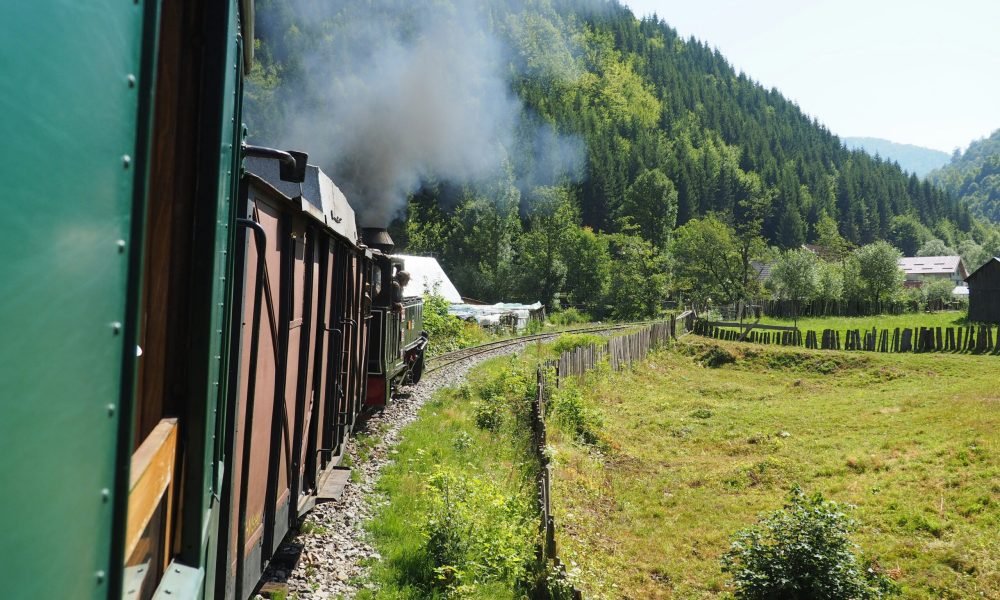
Darjeeling’s toy train weaves through misty hills as a UNESCO World Heritage gem. Ioana Mohanu / Unsplash

Ride Through Time: The Darjeeling Himalayan Railway

Hop on the iconic Darjeeling Himalayan Railway, fondly known as the Toy Train, and drift through the misty hills as this charming heritage ride takes you on a slow, scenic journey through time.

Recognized as a UNESCO World Heritage Site, this narrow-gauge railway built in the late 1800s is a living relic of colonial engineering and charm. The most breathtaking stretch runs from Darjeeling to Ghum, India’s highest railway station, winding through dense forests, tea gardens, and tiny mountain villages, with every curve offering postcard-perfect views.

As the train whistles past old stone bridges and around Batasia loops, you’ll feel transported to a simpler era. Don’t forget your camera; this ride isn’t just a commute, it’s a visual storybook of Darjeeling’s soul, especially magical in the early morning fog or during golden hour.

A New Dawn: Sunrise from Tiger Hill

Waking up at 4 AM might seem unreasonable anywhere else, but in Darjeeling, it marks the beginning of a magical experience you’ll never forget. As you ascend toward Tiger Hill, sitting proudly at 8,482 feet, the world is still wrapped in darkness, save for the occasional flicker of headlights winding through the sleepy hills.

As dawn unfolds, the sky blushes with hues of gold and rose, gently lighting up the Kanchenjunga range in a moment that feels utterly timeless. On rare, clear mornings, even the mighty Mount Everest peeks through the horizon, distant yet awe-inspiring.

The morning cold can be unforgiving, so bundle up, pack a hot drink, and set out by 3:45 AM to secure a peaceful perch before the sunrise seekers arrive. But once you’re standing there, watching light spill over the Himalayan peaks, it’s no longer just about the sunrise. It’s about feeling incredibly small in the most beautiful way, as if the mountains themselves are welcoming you into a new day.

Top Attractions to Explore in Darjeeling

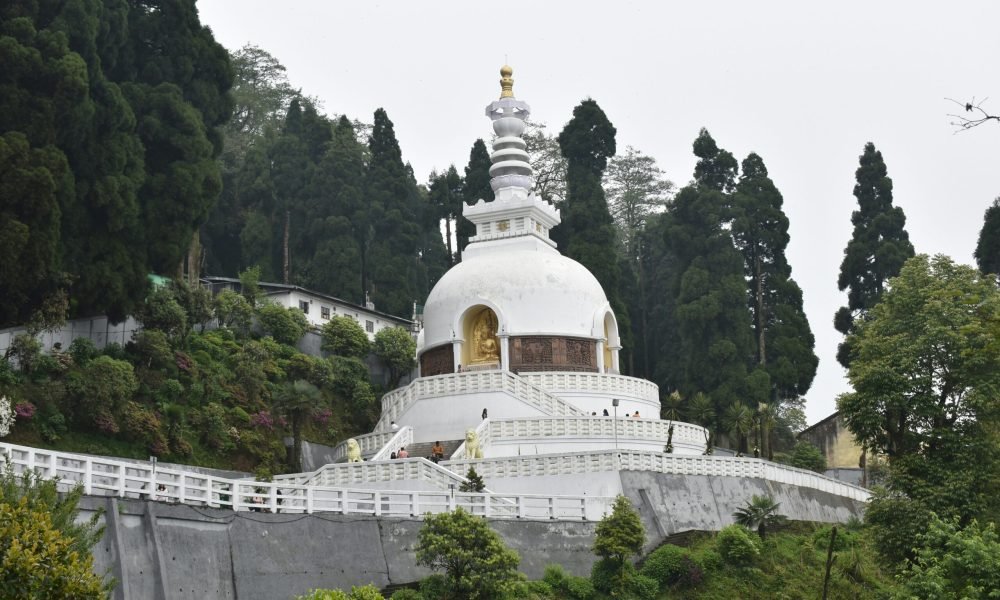
Darjeeling’s Peace Pagoda promotes peace and features four Buddha avatars in white marble. Priyanka Chakraborty / Unsplash


Whispers of Faith: Ghum Monastery & Peace Pagoda

High above the bustling streets of Darjeeling, where clouds drift lazily between pine trees, lies the Ghum Monastery, a serene retreat built in 1850 and the oldest Tibetan monastery in the region.

Behind its humble exterior lies a sanctuary of calm, where a towering 15-foot Maitreya Buddha watches over the hall surrounded by faded prayer scrolls, flickering butter lamps, and the quiet rhythm of chanting monks.

It’s a place where time slows down, and silence speaks louder than words. Just a short distance away, the Peace Pagoda stands tall, its white dome shining like a beacon of calm amid the emerald hills.

Commissioned by Japanese monk Nichidatsu Fujii, it was built to spread a global message of peace and non-violence. As you stroll along the circular platform, you’re greeted by four striking Buddha sculptures, each capturing a moment from his journey to enlightenment.

Top Attractions to Explore in Darjeeling

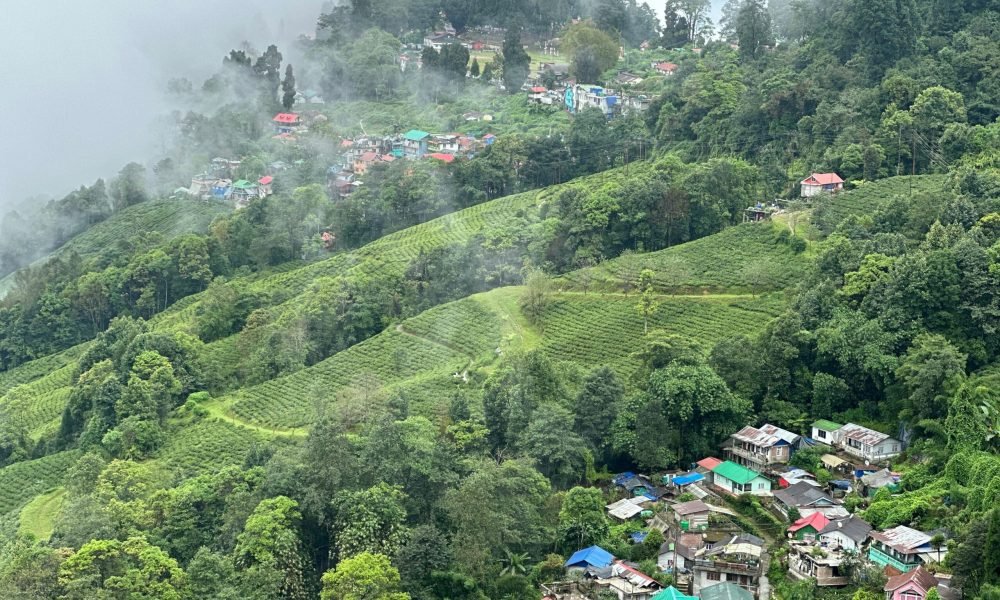
Darjeeling Tea, known as the “Champagne of Teas,” is prized for its unique aroma and limited origin. Tselha Dolma / Unsplash


Tea Tales: Explore a Darjeeling Tea Estate

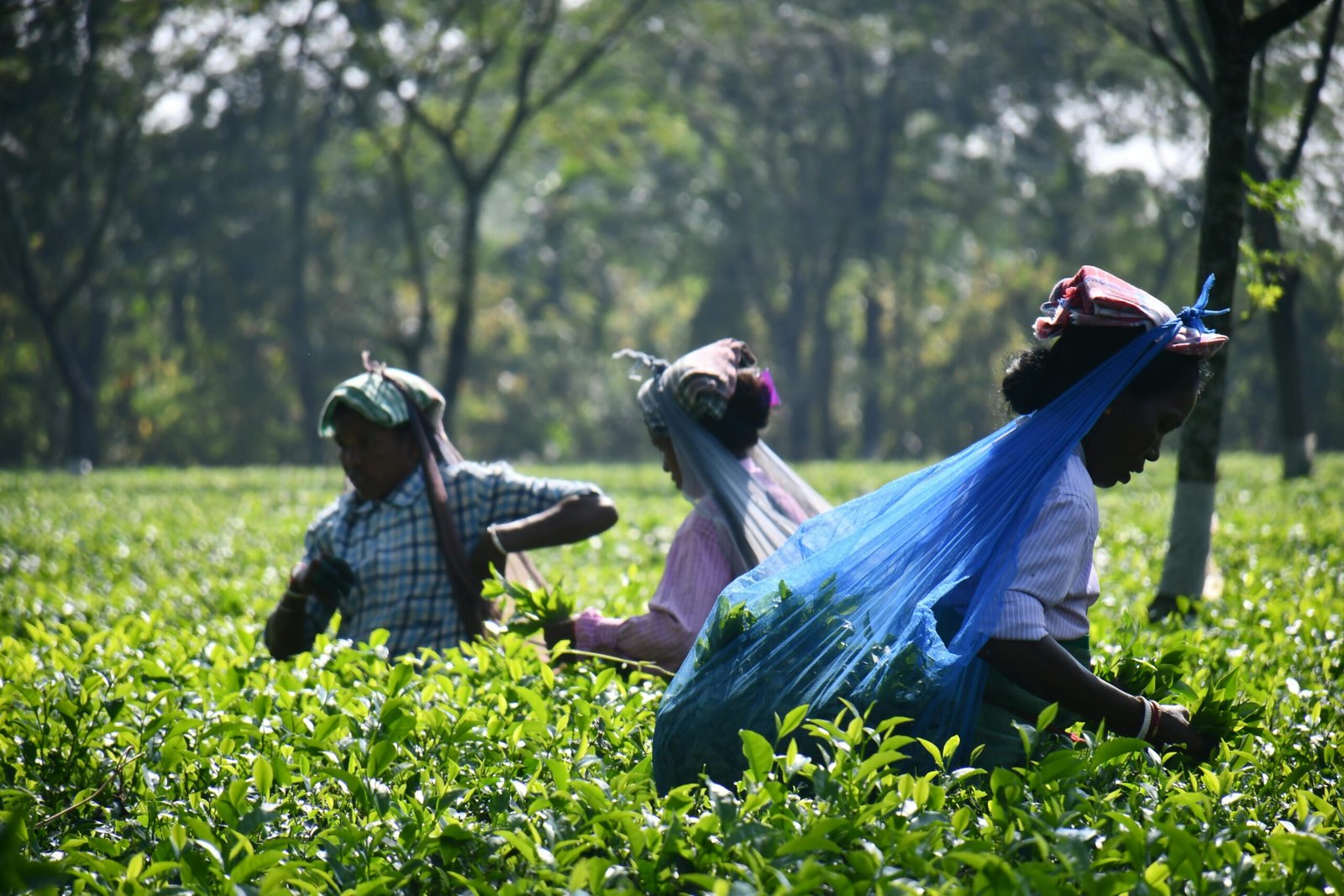
A visit to Darjeeling isn’t truly complete until you wander through its rolling tea gardens, where every leaf tells a tale steeped in history and Himalayan mist. As you wander through neatly terraced slopes shrouded in morning mist, you’ll likely spot local women plucking delicate two-leaf-one-bud shoots, their hands moving with practiced grace.

Join in, if you wish; it’s not just a photo-op but a soulful connection to the rhythm of the land. Inside the factory, watch the magic unfold as freshly plucked leaves are withered, rolled, and dried using time-honored methods.

And then comes the best part: tasting the legendary Darjeeling tea, often called the “Champagne of Teas” for its floral aroma and light, muscatel flavor. Whether you sip it overlooking the plantations or take a box home, this experience lingers far beyond the cup, a quiet reminder of the hills, the hands, and the heritage behind every brew.

Colonial Charm at The Mall (Chowrasta)

Chowrasta, the bustling heart of Darjeeling, is an open promenade where the present meets the past, echoing with colonial charm and wrapped in cool mountain air.

This pedestrian square, flanked by pine trees and panoramic views of the snow-capped Himalayas, is where locals and travelers gather to unwind.

By day, it’s a place to browse charming old bookstores, sip on hot chocolate in hilltop cafés like Keventer’s, and nibble on roasted corn or steaming momos from local stalls like Beni’s Café. Children laugh as they ride ponies around the square, while elders swap stories on weathered benches under the winter sun.

If you’re shopping for handcrafted souvenirs, gazing at mountain silhouettes, or simply soaking in the laid-back vibe, The Mall isn’t just a street; it’s Darjeeling’s pride in motion.

Botanical Beauty: Lloyd’s Botanical Garden

Darjeeling usual tourist buzz, Lloyd’s Botanical Garden is one of most underrated gems. Tucked away like a secret whispered by the hills, this 40-acre garden, rooted in the 19th century it gives a timeless escape where nature speaks softly and history lingers in every leaf.

It’s home to an incredible collection of rare Himalayan flora, exotic orchids, medicinal plants, and towering trees that seem to have stories etched into their bark. Shaded pathways wind through fern-covered corners, vibrant flower beds, and hidden benches perfect for quiet reflection or a sketchpad session.

For nature photographers, it is paradise, where every leaf, bloom, and butterfly seems camera-ready. If you’re looking to escape the crowds and reconnect with the rhythm of nature, Lloyd’s offers more than beauty; it offers breathing space.

Darjeeling District Government – Tourist Places
The state government’s official site lists key local attractions—including tea gardens, monasteries, and museums.


Top Attractions to Explore in Darjeeling

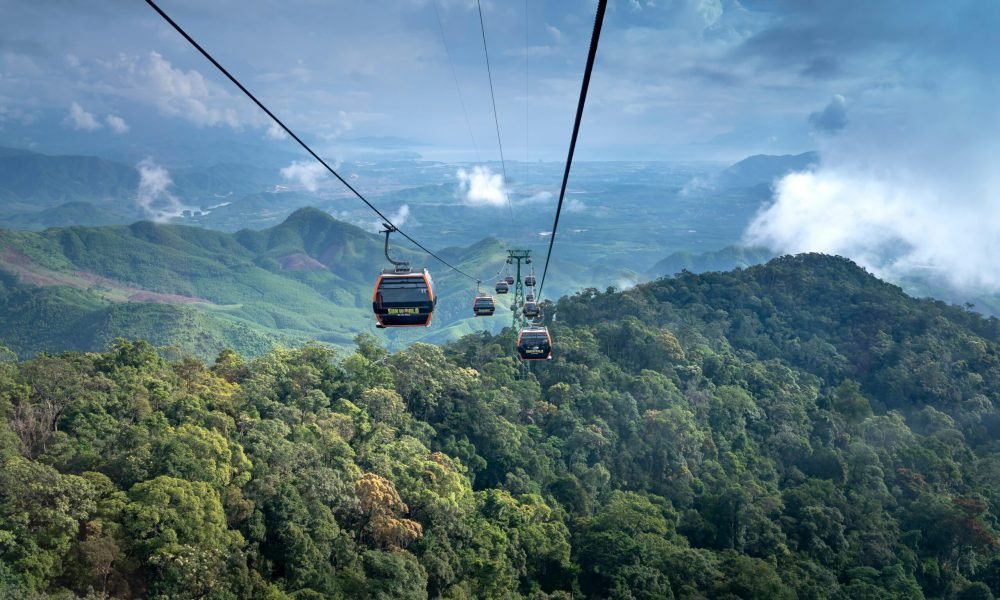
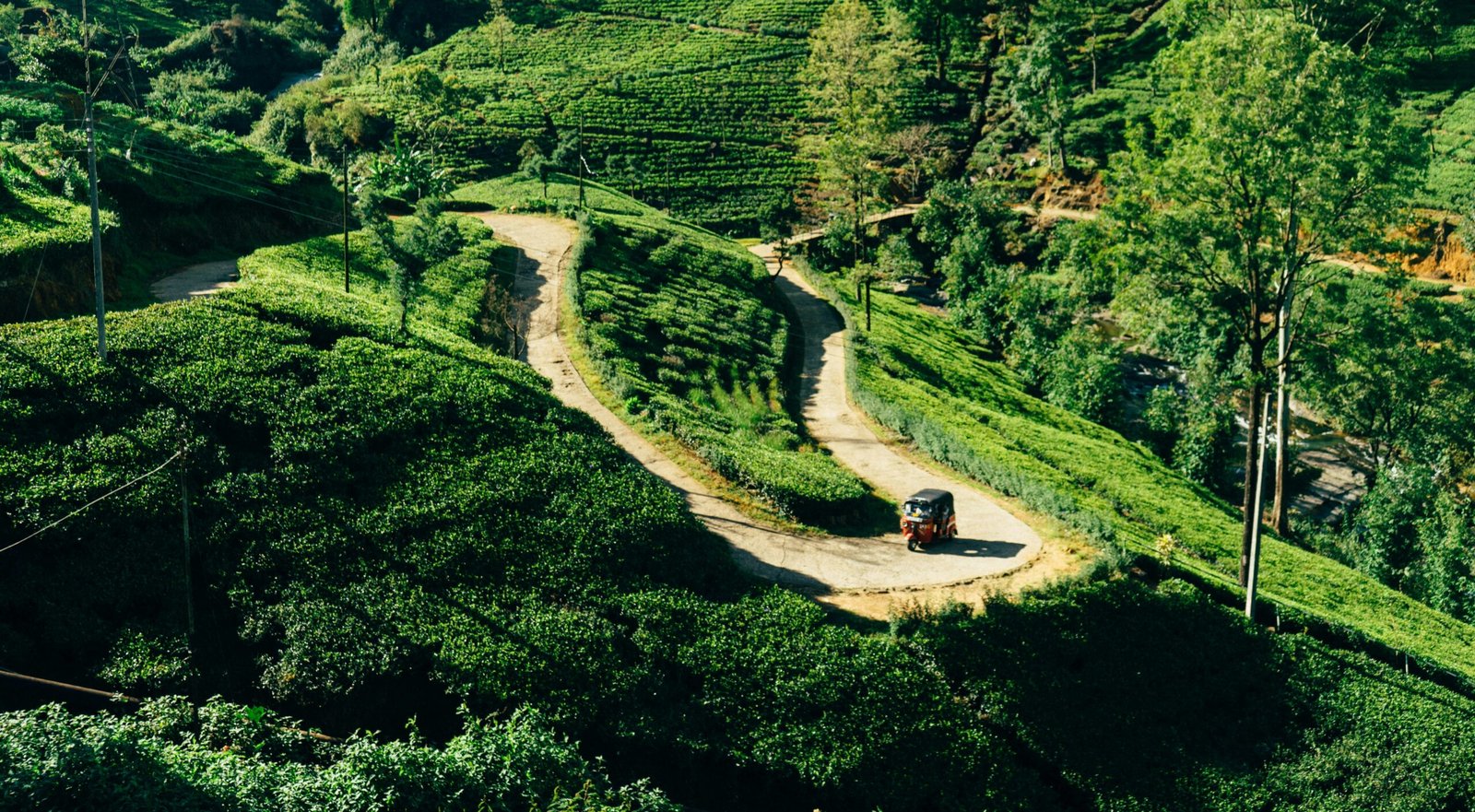
Enjoy aerial view of lush tea gardens, rolling hills, and the majestic Kanchenjunga range. Quang Nguyen Vinh / Pexels


Darjeeling Ropeway: Floating Over Tea Gardens

Suspended high above the ground, the Darjeeling Ropeway gently lifts you over rolling tea gardens, emerald valleys, and tiny mountain hamlets nestled among the hills. As the cable car moves slowly across the landscape, you’ll see women working in the tea fields below, winding rivers snaking through the greenery, and layers of mist hugging the slopes in the distance.

The ride stretches from Singamari to Tukvar, covering around 5 km of pure visual delight. For the clearest views, plan your ride in the morning hours during spring or autumn, when the skies are crisp and the scenery is at its greenest.

Tickets are affordable, but lines can get long during tourist season, so arrive early and carry a light jacket, as the air can get cool at higher altitudes. More than just a ride, it is your chance to float silently above Darjeeling’s soul, capturing the hills in all their layered glory.

Meet the Mountaineers: Himalayan Mountaineering Institute & Zoo

Perched on the slopes of Darjeeling, the Himalayan Mountaineering Institute (HMI) established in 1954 in honor of Tenzing Norgay’s Everest triumph, it’s not just a museum; it’s a tribute to human grit and high-altitude dreams.

Inside, you’ll find weather-beaten gear from early climbs, faded photographs that freeze fearless moments in time, and handwritten notes that reveal the quiet courage behind every summit. Right next door is Darjeeling Zoo, one of the few high-altitude zoos in the world, home to rare and endangered Himalayan species like the elusive red panda, snow leopards, and Himalayan wolves.

It’s a surreal experience walking among animals adapted to the very peaks that mountaineers dream of conquering. The combo ticket gives you access to the Natural History Museum as well, where you can dive deeper into the region’s unique ecology.

Local Life: Offbeat Experiences in Tibetan Refugee Centre

Tucked away on a quiet hillside in Darjeeling, the Tibetan Refugee Self-Help Centre gives more than just handcrafted souvenirs; it gives a window into resilience. Established in 1959 by Tibetan refugees who fled their homeland during the Chinese occupation, this center is both a workshop and a living museum of cultural survival.

Here, you’ll find hand-woven carpets, woolen shawls, hand-stitched jackets, and intricately carved wooden items, each crafted by artisans who have passed down their skills through generations. But beyond the crafts lie deeper stories of people who rebuilt their lives with nothing but thread, tradition, and determination.

Visitors are often greeted warmly, and if you’re lucky, you might hear firsthand accounts from elders who walked across snowy mountain passes decades ago. Buying directly from the center not only ensures authenticity and quality but also supports a self-sustained community where every rupee helps preserve a disappearing way of life. It’s not just shopping; it’s soul-touching.

Top Attractions to Explore in Darjeeling

Darjeeling’s cuisine blends Nepali, Tibetan, and Bengali flavors, it famous for momos, thukpa, and traditional teas. Outcast India / Unsplash


Tastes of Darjeeling: Food Trail You Can’t Miss

Start with the ever popular momos, pillowy dumplings bursting with savory fillings, before warming your soul with a hearty bowl of thukpa. From buttery churpee cheese to traditional Nepali and Tibetan fare, each dish is a glimpse into the hills’ way of life.

Don’t miss a meal at Glenary’s or Keventer’s, where vintage charm meets panoramic views, perfect for soaking in the town’s spirit, one bite at a time. Follow it up with a bowl of thukpa, a Tibetan noodle soup that’s both heart- and soul-warming, especially on misty, chilly afternoons.

If you’re feeling adventurous, try churpee, a traditional yak milk cheese that’s tough, chewy, and full of flavor, often sold as a snack in local markets. The town also offers a beautiful blend of Nepali, Tibetan, and Bengali cuisines, often cooked in small family-run kitchens where recipes are passed down like heirlooms.

For sit-down spots, Glenary’s is perfect for a colonial-style breakfast with views of the valley, while Keventer’s rooftop serves sausages and hot chocolate with Kanchenjunga as your backdrop. From steaming street bites to heritage cafes, Darjeeling invites you to slow down and savor its flavors, one comforting spoonful at a time.

GUIDED BY EXPERT

Yoga within Travel the perfect flow of Experience

Explore wellness in anywhere

by

Explore Related stories

Wildlife Visit

Best Places to Spot the Big 5 in Africa

Encountering Africa’s Big 5 in the wild isn’t just a travel Read More

Nature Visit

Top 6 Tea Estates to Visit in Wayanad

Nestled in the Western Ghats of Kerala, Wayanad is

Wildlife Visit

Best Wildlife Places in Ladakh

Ladakh’s wild beauty lies in its stunning variety of

Nature Visit

10 best places to visit in Malaysia

Malaysia a captivating blend of modernity and tradition,

Activities

20 Best Things to Do in South Africa

South Africa is a land of striking contrasts and endless

LEAVE A COMMENT

Error: Contact form not found.

Best Wildlife Places in Ladakh

Best Wildlife Places in Ladakh

Best Wildlife Places in Ladakh

Ladakh hosts rare Himalayan wildlife in high-altitude sanctuaries like Hemis and Changthang. Faraz Nazir / Unsplash

Ladakh’s wild beauty lies in its stunning variety of landscapes: alpine meadows, glacial rivers, saltwater lakes, and cold deserts all coming together to create a rich ecosystem. Despite its remote and rugged terrain, the region is home to an astonishing array of wildlife uniquely adapted to thrive in extreme conditions.

From the elusive snow leopard camouflaged against rocky slopes to the sure-footed Himalayan ibex and the swift Tibetan wild ass roaming open plains, each species adds to the magic of this untamed land. For nature lovers and wildlife photographers, Ladakh offers a rare chance to witness and capture life in one of the planet’s most raw and resilient environments.

From snow leopards silently stalking the cliffs to herds of Tibetan wild asses grazing the barren plains, every sighting feels like a rare gift of nature. These remote and untouched habitats offer more than just wildlife encounters; they invite travelers into a world where nature remains wild, raw, and deeply humbling.

This guide takes you through the best wildlife places in Ladakh for nature lovers, each offering a rich fusion of natural beauty, local culture, and unforgettable wildlife experiences.

Best Wildlife Places in Ladakh

Conservation efforts and eco-tourism initiatives are helping protect Ladakh’s fragile wildlife and promote responsible travel. Jahanzaib Khan / Pexels

1. Hemis National Park: The Kingdom of the Snow Leopard

Hemis National Park, tucked deep in the eastern part of Ladakh, is often called the “Snow Leopard Capital of the World.” Spanning over 4,400 square kilometers, this vast, rugged terrain of Rocky Mountains, deep gorges, and dry alpine valleys is the ideal habitat for one of the world’s most elusive big cats, the snow leopard.

The best time to visit Ladakh for a chance to spot this majestic animal is between November and March, when heavy snowfall pushes prey like blue sheep to lower altitudes, and the snow leopards follow.

But snow leopards aren’t the only creatures that call this park home. Blue sheep (bharal) are commonly seen in herds scaling cliffs with ease. You might also spot the Tibetan wolf, red fox, and Himalayan marmots, as well as rare bird species like the golden eagle and lammergeier (bearded vulture).

For wildlife photographers, Hemis is a dream destination, but it comes with challenges. Since spotting a snow leopard often requires patience and distance, a telephoto lens (400 mm or higher) is essential. Dressing in earth-tone clothing or camouflage helps you blend into the rocky terrain without disturbing the animals.

Hiring a local guide or wildlife tracker is highly recommended; they know the terrain, understand animal movement patterns, and can take you to less-crowded, promising vantage points. Whether you’re aiming to photograph predators or just soak in the remote Himalayan wilderness, Hemis offers a rare and unforgettable experience.

Best Wildlife Places in Ladakh

The Changpa nomads live close to Ladakh’s wildlife and help protect their fragile environment. Yogendras / Pexels

2. Changthang Wildlife Sanctuary: Home of the Tibetan Wild Ass

Located in the remote eastern reaches of Ladakh, Changthang Wildlife Sanctuary stretches across a sweeping high-altitude plateau that gives a raw and untouched wilderness experience. Known for its stark, otherworldly beauty, this cold desert ecosystem is a unique mix of grassy meadows, saltwater lakes, and barren mountains. Despite the harsh conditions—freezing winds, dry air, and minimal vegetation—this sanctuary is home to a rich variety of wildlife.

Among Changthang’s most distinctive wildlife is the Tibetan wild ass, or kiang, known for its strength and graceful presence across the open plains. These elegant, chestnut-colored animals roam freely across the grasslands in herds, often galloping at impressive speeds. The sanctuary is also a haven for black-necked cranes, a rare and sacred bird in Ladakhi and Tibetan culture, as well as other migratory birds like bar-headed geese and Brahminy ducks that arrive in the summer to breed near high-altitude lakes like Tso Moriri and Pangong Tso.

Beyond the wildlife, Changthang offers a deeper experience through cultural encounters with the Changpa nomads, the traditional herders of this region. Living in harmony with nature, the Changpa rear pashmina goats and move seasonally in search of pasture. Visiting their camps can give you insight into their simple yet resilient lifestyle, deeply rooted in the rhythms of the land. Together, the wildlife and culture of Changthang make it not just a sanctuary for animals but for anyone seeking peace, silence, and raw connection to the earth.

3. Tso Moriri Lake: Birdwatcher’s Paradise

Encircled by majestic snow-covered mountains and expansive grasslands, this striking turquoise lake serves not only as a visual delight but also as a vital nesting site for endangered and migratory birds. During the summer months, species such as the bar-headed goose, Brahminy duck, and black-necked crane flock to the lake to nest, feed, and raise their young. For birdwatchers and nature lovers, it’s a rare opportunity to observe these birds in their natural, undisturbed habitat.

The lakeside scenery is equally captivating for photographers. With its vast skies, shimmering waters, and dramatic mountain backdrops, Tso Moriri offers perfect wide-angle landscape shots, especially during sunrise and sunset when the colors of the sky reflect on the lake’s surface. 

However, it’s essential to approach this fragile environment with care. Respecting bird nesting zones, avoiding loud noises, and not venturing too close to wildlife are key ethical practices that help preserve the delicate ecosystem of Tso Moriri. Stick to marked paths, avoid using drones near bird colonies, and always carry back your waste. This mindful approach ensures that the lake remains a safe haven for both birds and future travelers seeking its quiet magic.

Best Wildlife Places in Ladakh

Despite harsh conditions, Changthang Wildlife Sanctuary supports species like lynx, Tibetan wolves, and woolly hares. Julia Volk / Pexels

4. Nubra Valley: Wildlife Among Sand Dunes and Mountains

Tucked between the Ladakh and Karakoram ranges, Nubra Valley gives one of the most surreal landscapes in the region, a rare blend of rolling sand dunes, snow-covered peaks, and green oasis-like villages. While it may appear barren at first glance, this cold desert valley is full of unexpected biodiversity. Thanks to its unique climate and varied terrain, a surprising range of wildlife thrives here.

One of the most iconic sights in Nubra is the Bactrian camel, known for its two humps and history as a trade companion along the ancient Silk Route. Today, these camels can be seen leisurely walking through the Hunder sand dunes, giving a glimpse into a time when caravans crossed these mountains.

Venture into higher altitudes or rocky outcrops, and you may spot the Himalayan ibex, a majestic mountain goat with large, curved horns that is well-adapted to the steep cliffs. For nature enthusiasts and photographers, Nubra Valley has several lesser-known trails that offer beautiful wildlife viewing and landscape photo opportunities.

Walks around villages like Sumur and Panamik take you through poplar groves, riversides, and viewpoints that overlook both the sand deserts and snowy peaks. Sunrise and sunset are particularly magical, with soft golden light transforming the entire valley into a photographer’s dream. You’re here to spot rare wildlife or simply soak in the contrasts of desert and mountain, Nubra is full of natural surprises.

Best Wildlife Places in Ladakh

Ladakh is home to unique species found nowhere else in India, like the Tibetan wild ass (kiang) and Tibetan gazelle. Lisanne / Pexels

5. Suru and Zanskar Valleys: Remote and Raw

For travelers seeking solitude and raw beauty, the Suru and Zanskar Valleys in western Ladakh offer untouched alpine landscapes, glacier-fed rivers, and cliffside monasteries. These remote valleys are rich in high-altitude wildlife, including marmots, Himalayan foxes, and the elusive lynx. In summer, the region comes alive with colorful wildflowers, making it a paradise for nature lovers and offbeat explorers.

Unlike the more visited parts of Ladakh, these valleys are peaceful, uncrowded, and deeply immersive. Every bend in the road gives sweeping views, whether it’s the Nun-Kun peaks in Suru or the deep gorges and frozen rivers of Zanskar. The changing light, dramatic weather, and raw textures of the terrain make this region ideal for capturing moody, powerful landscape shots.

However, traveling here requires planning. Seasonal access is limited. The roads to Zanskar are usually open only from late June to early October, depending on snowfall. Harsh weather, remote locations, and limited mobile connectivity mean travelers must be well-prepared. 

It’s wise to carry extra fuel and warm clothing and travel with a local guide or in a group, especially if venturing deep into the valley. Despite these challenges, the rewards are immense: pristine beauty, rare wildlife, and a sense of solitude that few places on earth can offer.

6. Tips for Ethical Wildlife Watching in Ladakh

Ladakh’s fragile ecosystems and rare wildlife demand extra care from every traveler. Whether you’re trekking through Hemis National Park or watching birds near Tso Moriri, responsible behavior is key to preserving the natural balance of this high-altitude environment.

The golden rule is simple: “Leave no trace.” Avoid littering, stay on marked trails, and carry reusable water bottles and containers to reduce plastic use. Don’t pick plants, disturb nests, or approach animals too closely; doing so can stress wildlife and even alter their natural behavior. Silence is golden in the wild. Keeping noise levels down helps both you and others enjoy authentic sightings without scaring animals away.

It’s highly recommended to hire certified local wildlife guides. Not only do they increase your chances of spotting rare species like the snow leopard or black-necked crane, but they also understand the rhythms of the land and ensure you’re treading lightly. Supporting local guides and eco-tour operators also contributes to Ladakh’s community-based conservation efforts.

When it comes to photography and ecotourism, respect must come before the perfect shot. Avoid using flash, especially near birds or nocturnal animals, and maintain a respectful distance using zoom lenses rather than getting physically close. Drones should be avoided in wildlife areas, as they can disrupt animals, especially during nesting or breeding seasons.

This is the official government portal for Ladakh’s wildlife conservation efforts, including details on national parks, sanctuaries, management activities, and policies: Forest, Ecology & Environment Department – Ladakh (Wildlife Division)

GUIDED BY EXPERT

Yoga within Travel the perfect flow of Experience

Explore wellness in anywhere

by

Explore Related stories

Nature Visit

Top Attractions to Explore in Darjeeling

Often referred to as the “Queen of the Hills,” Darjeeling Read More

Nature Visit

Top 6 Tea Estates to Visit in Wayanad

Nestled in the Western Ghats of Kerala, Wayanad is

Wildlife Visit

Best Places to Spot the Big 5 in Africa

Encountering Africa’s Big 5 in the wild isn’t just a travel

Nature Visit

10 best places to visit in Malaysia

Malaysia a captivating blend of modernity and tradition,

Activities

20 Best Things to Do in South Africa

South Africa is a land of striking contrasts and endless

LEAVE A COMMENT

    Top 6 Tea Estates to Visit in Wayanad

    Top 6 Tea Estates to Visit in Wayanad

    Top 6 Tea Estates to Visit in Wayanad

    Nestled in the Western Ghats of Kerala, Wayanad is a land of mist-covered hills, lush forests, cascading waterfalls, and spice-scented air. 

    While the region is often praised for its wildlife sanctuaries and trekking trails, You know verdant tea estates remain one of Wayanad’s most beautiful yet underrated attractions.

    Unlike the crowded plantations of Munnar or Darjeeling, Wayanad’s tea gardens gives a quieter, more intimate experience perfect for travelers seeking peace, nature, and authenticity.

    Strolling through rows of neatly trimmed tea bushes, watching local workers hand-pluck the leaves, and sipping freshly brewed tea surrounded by greenery can be incredibly grounding.

    This guide takes you through the top 6 tea estates to visit in Wayanad, each giving a rich fusion of natural beauty, local culture, and unforgettable tea experiences.

    Top 6 Tea Estates to Visit in Wayanad

    Kerala is known for Munnar’s tea gardens. Martin Pechy / Unsplash

    Why Visit Tea Estates in Wayanad?

    Visiting tea plantations in Wayanad gives travelers a chance to experience authentic plantation life in Kerala.

    Another major highlight is the opportunity to taste fresh organic tea directly from local plantations.

    And the best part is many tea estates focus on sustainable farming and eco-tourism, allowing visitors to enjoy natural surroundings while supporting responsible travel experiences in Kerala.

    Top 6 Tea Estates to Visit in Wayanad

    Top 6 Tea Estates to Visit in Wayanad

    Meppadi Tea Estate – The Heart of Wayanad’s Tea Belt

    For first-time visitors to Wayanad’s tea country, Meppadi Tea Estate gives the perfect introduction to the region’s charm, culture, and calm. What makes it truly ideal is its easy accessibility. 

    Located just a short drive from Kalpetta and close to famous attractions like Soochipara Falls and Edakkal Caves, Meppadi fits effortlessly into most travel routes.

    Unlike more commercialized or remote plantations, it strikes a rare balance: it’s tourist-friendly without losing its authenticity.

    The landscape is both dramatic and gentle, with rolling tea-covered hills that are easy to walk through, with clearly marked paths and safe viewing spots.

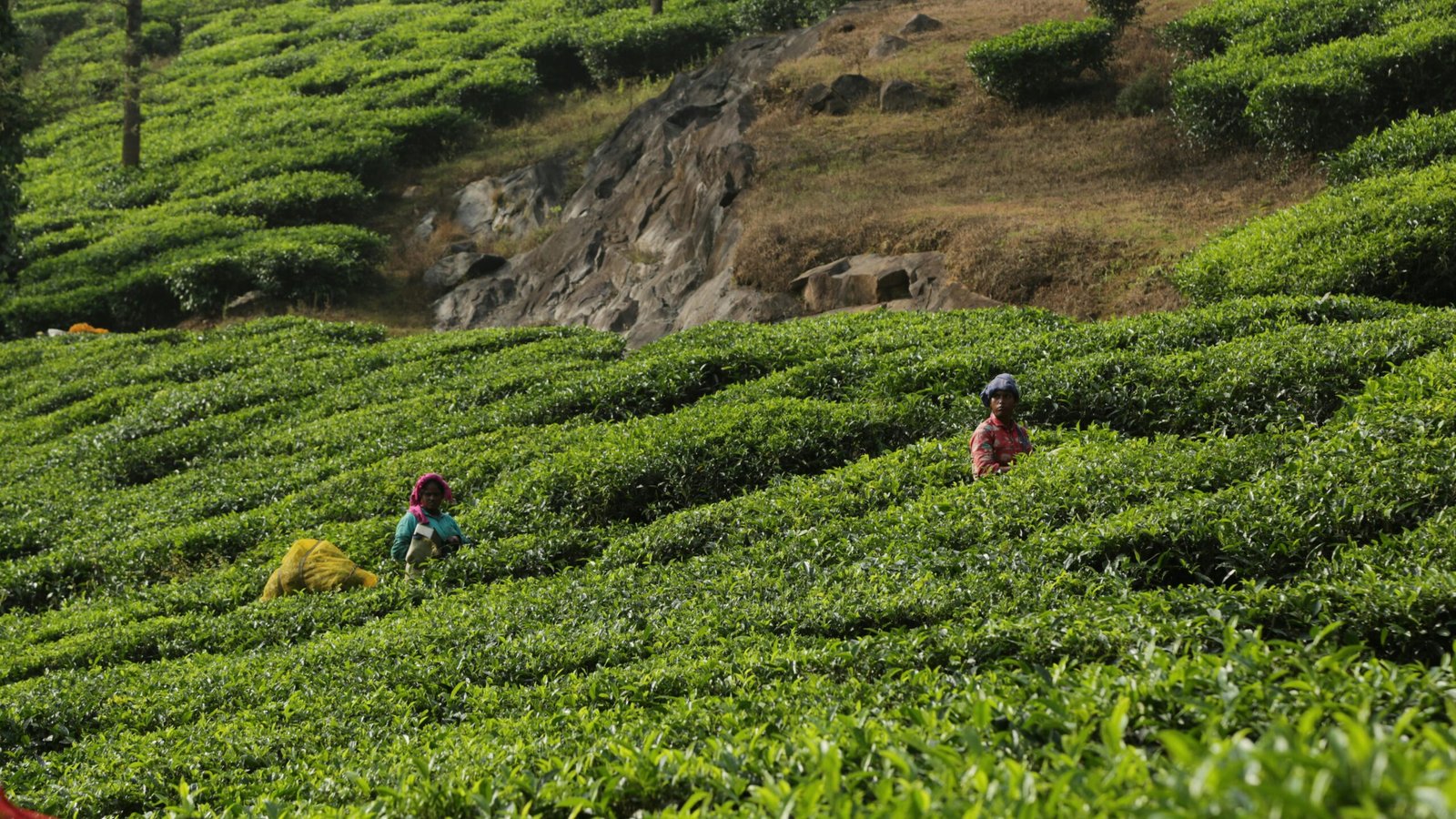
    Visitors can join guided tea walks that explain not just the tea-making process but also local history, plant varieties, and the daily lives of the workers, especially the women whose skilled hands bring the leaves to life. 

    The estate staff are known for their friendly and informative approach, making even solo travelers and first-time explorers feel welcome and at ease.

    The factory visit is a highlight, giving a fascinating behind-the-scenes look at how fresh green leaves are transformed into the tea we love, all without requiring any prior knowledge. 

    If you’re coming to relax, to learn, or just to take in the views while sipping a cup of freshly brewed local tea, Meppadi offers a gentle, immersive, and memorable experience perfect for those new to Wayanad’s tea trails.

    “Not sure where to go? I always compare flight prices on Aviasales to discover the cheapest beach destinations worldwide.”

    Top 6 Tea Estates to Visit in Wayanad

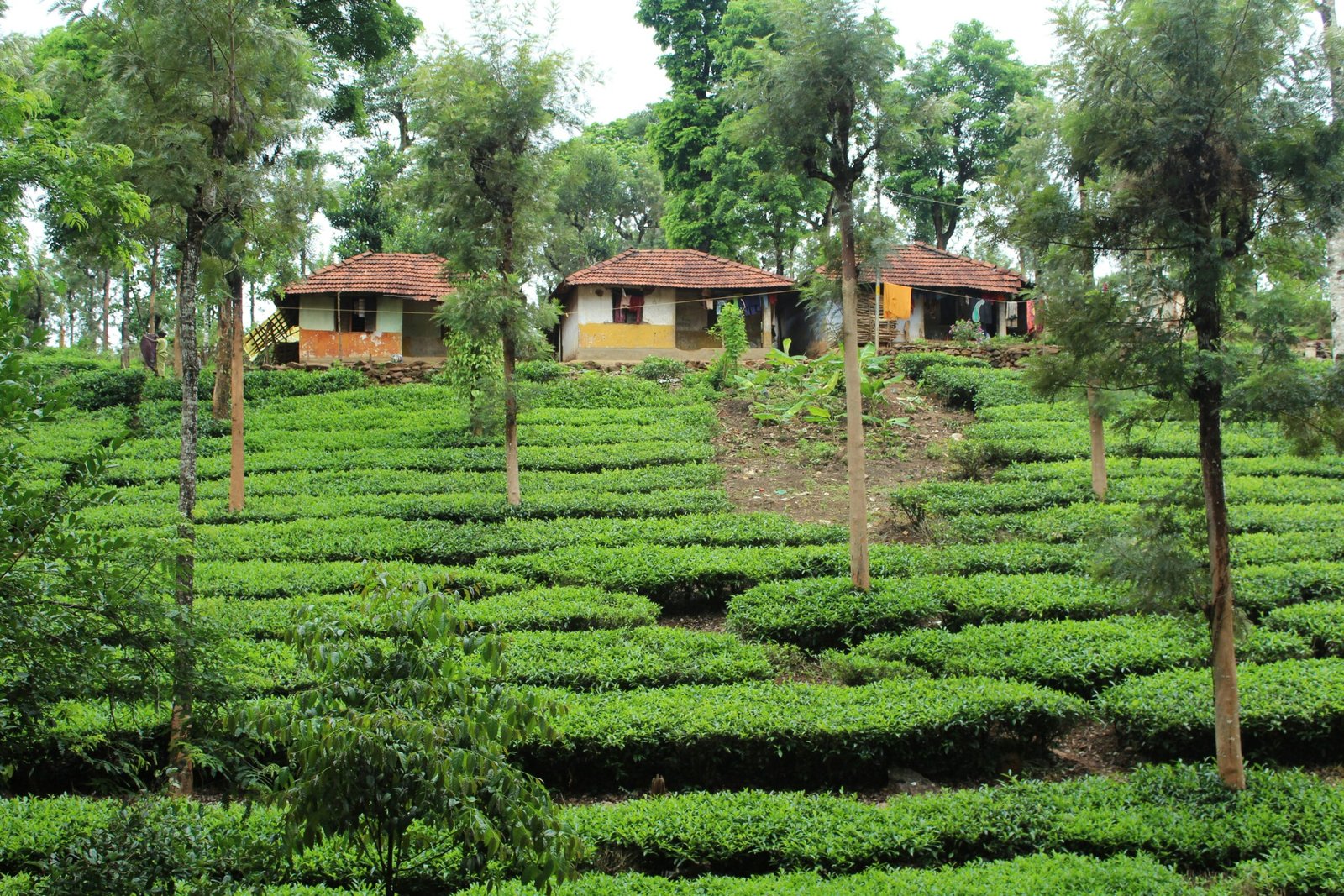
    Somewhere house in the tea estate.

    Priyadarshini Tea Estate – A Cooperative Success Story

    The serene hills of Mananthavady in Wayanad, Priyadarshini Tea Estate stands out not just for its natural beauty but for its inspiring story of empowerment and sustainability. 

    What makes this estate truly special is that it’s owned and managed by indigenous tribal communities, making it a rare example of a successful cooperative model in the tea industry. 

    Formed under the Mananthavady Tribal Society, this estate provides employment, dignity, and self-reliance to hundreds of tribal families who have lived on this land for generations.

    Unlike commercial tea estates, Priyadarshini takes a deep-rooted, organic approach to farming; they avoid harmful chemicals, use traditional methods, and promote biodiversity within their fields.

    Walking through the estate feels like stepping into a more conscious version of agriculture, where every leaf is plucked with care and every practice respects the balance of nature.

    Visitors are often amazed by the quiet strength of the workers, especially the tribal women whose smiles and stories reveal a deep connection to the land.

    It’s a chance to see how a community has come together to create something meaningful economically and socially. For travelers seeking more than just beautiful views, it is a place where tourism directly supports local livelihoods and makes a real difference in people’s lives.

    Achoor Estate – A Hidden Gem in the Hills

    Achoor Estate remains one of the region’s most breathtaking yet lesser-known tea plantations. Blanketed in mist and surrounded by whispering trees, Achoor is a raw, untouched version of Wayanad’s beauty, one that hasn’t been shaped for tourists but preserved for those who truly want to connect with nature.

    The estate’s narrow walking trails weave gently through the tea fields, occasionally opening up to panoramic hill views, secluded forest patches, or quiet streams where birdsong is the only sound, you’ll hear.

    What makes Achoor truly special is its quiet charm; it’s not a place for crowds or curated tours, but a haven for those who love to wander, observe, and reflect. 

    Vythiri Tea Garden – Where Luxury Meets Nature

    Nestled among emerald-green slopes and misty valleys, this tea estate is surrounded by some of Wayanad’s finest upscale resorts, spa retreats, and treehouse stays, making it a favorite escape for honeymooners and luxury-seeking travelers. 

    Unlike traditional tea estates that focus solely on farming, Vythiri offers an elevated experience where sipping tea comes with candlelit dinners, forest views, and personalized service.

    Here, you can enjoy guided estate walks that take you through perfectly manicured tea rows while learning about the estate’s legacy and cultivation practices. 

    After the tour, guests are treated to fine dining experiences that pair handcrafted teas with gourmet meals, often featuring local Kerala flavors with a modern twist. 

    What makes Vythiri Tea Garden truly unique is its ability to offer a nature-rich escape without giving up on elegance. 

    Chundale Estate – History and Nature Combined

    Located just a few kilometers from Kalpetta town, Chundale Estate gives a rare blend of accessibility, colonial charm, and natural beauty, making it a perfect stop for travelers on a tight schedule or those looking for a quick but meaningful escape into Wayanad’s tea culture.

    As you stroll through its grounds, you’ll notice colonial-era buildings, vintage tea-processing machinery, and architectural remnants from the British era, all whispering stories of Wayanad’s early plantation days.

    The heritage factory, still partly functional, gives you a fascinating peek into how tea was traditionally processed long before automation and modern packaging.

    The estate is wrapped in calm gentle slopes, shaded paths, and towering old trees that seem to whisper stories of the past. Chundale gives a meaningful experience without the need for an intense hike or a full-day commitment.

    Top 6 Tea Estates to Visit in Wayanad
    Estates give travelers a deeper look into plantation life. Vignesh Vinod / Pexels

    Harrisons Malayalam Ltd – The Commercial Powerhouse

    If you want to witness tea production on a grand scale, Harrisons Malayalam Ltd gives a fascinating glimpse into the industrial side of Wayanad’s tea story.

    As one of the largest plantation companies in South India, Harrisons isn’t just a tea estate; it’s a massive operation that plays a major role in India’s tea export economy.

    Unlike smaller, family-run plantations, Harrisons gives visitors a chance to understand the complex logistics, machinery, and global networks behind every packet of tea that travels from Wayanad to international markets.

    The estate also houses a professional-grade factory that requires advance booking for guided tours, making it a more structured but highly educational visit. 

    While it may not offer the cozy charm of smaller estates, Harrisons Malayalam Ltd is ideal for curious minds, researchers, and serious tea enthusiasts who want to explore the powerhouse that fuels Wayanad’s tea economy.

    A government-supported tribal cooperative initiative. Featured on Kerala Tourism’s official site, which outlines estate tours, the tea museum, accommodations, and entry fees.

    Best Time to Visit Tea Estates in Wayanad

    The best time to explore the beautiful tea estates of Wayanad is between June and February, when the hills remain fresh, green, and surrounded by cool mountain weather.

    The tea gardens look their greenest during the Mansoon (June to September), making it one of the most photogenic times to visit Wayanad.

    Clear skies in Winter (October to February) and fresh air also create excellent conditions for photography and scenic drives through the Western Ghats.

    Things to Do in Wayanad Tea Plantations

    Tea Tasting Sessions and Factory Visits- One of the most popular experiences in Wayanad’s tea estates is tasting freshly processed tea directly from local plantations.

    Nature Walks and Plantation Photography- Early mornings and sunset hours are especially beautiful for capturing scenic landscapes, rolling tea fields, and cloud-covered valleys of the Western Ghats.

    Birdwatching and Eco-Tourism Activities- The tea estates of Wayanad are home to many species of birds, butterflies, and small wildlife because of their location near forest regions and the Western Ghats ecosystem.

    Staying in Plantation Resorts and Homestays- Many travelers choose to stay inside tea plantation resorts and traditional homestays to fully experience the peaceful atmosphere of Wayanad.

    Have a late flight? Store your luggage safely with Radical Storage and explore freely.

    Want to discover more of God’s Own Country? Read here full guide to the 10 Best Things to Do in Kerala before planning your itinerary.

    Travel Tips for Visiting Tea Estates in Wayanad

    Carry Light Jackets and Comfortable Walking Shoes

    Respect Plantation Rules and Local Workers

    Best Transport Options for Exploring Tea Gardens

    Visit Early Morning for Better Views and Fewer Crowds

    FAQs

    What is the best time to visit tea estates in Wayanad?

    The best time to visit Wayanad tea estates is between October and February when the weather is cool and pleasant for sightseeing, plantation walks, and photography. Monsoon months from June to September also offer beautiful lush green landscapes. 

    Are tea factory tours available in Wayanad?

    Yes, several tea plantations in Wayanad offer guided factory tours where visitors can learn about tea processing, tea leaf harvesting, and traditional tea-making methods.

    Can travelers stay inside tea plantations in Wayanad?

    Many tea estates in Wayanad have plantation resorts, eco-stays, and homestays that allow travelers to stay surrounded by scenic tea gardens and mountain views.

    How many days are enough to explore Wayanad tea estates?

    A 2 to 3-day trip is usually enough to explore major tea plantations, nearby waterfalls, scenic viewpoints, and other attractions in Wayanad comfortably.

    Are Wayanad tea estates suitable for family trips?

    Yes, Wayanad tea plantations are family-friendly destinations.

    What should I carry while visiting tea estates in Wayanad?

    Visitors should carry comfortable walking shoes, light jackets, rain protection during monsoon season, cameras for photography, and reusable water bottles for plantation walks and outdoor activities.

    You May Also Like

    Best Things to Do in India

    The 14 Best Things to Do in India

    5 Of the Best Hikes in South Africa

    5 Of the Best Hikes in South Africa

    11 most stunning places to visit in India

    11 most stunning places to visit in India

    Leave a Comment


    Hello!


    Hi, I’m Pooja Mokashi, a passionate storyteller and travel content creator behind Travel Meet World. Based in Mumbai, I love discovering local cultures and helping travelers explore the world with confidence and smart planning.

    Unlock Your Free Travel Hacks

    Join 5,000+ travelers getting Free Weekly Travel Tips, Get Exclusive Updates & Download my free travel checklist
    Best Places to Spot the Big 5 in Africa

    Best Places to Spot the Big 5 in Africa

    Best Places to Spot the Big 5 in Africa

    Encountering Africa’s Big 5 in the wild isn’t just a travel milestone—it’s a heart-pounding, soul-awakening journey into the untamed rhythms of nature, where every moment feels like a scene from a living documentary.

    Originally coined by big-game hunters to describe the five most challenging animals to track on foot the lion, leopard, elephant, rhinoceros, and Cape buffalo. Today, the term stands for the ultimate wildlife adventure.

    These iconic animals roam across some of the most breathtaking landscapes on Earth, from golden savannas to dense riverine forests. 

    we’ll reveal the top safari destinations in South Africa where the Big 5 still roam freely and where every game drive brings you one step closer to witnessing nature’s fiercest and most majestic creatures in their natural element. Here is guide you on best places to spot the Big 5 in Africa.

    Best Time of Year to See the Big 5

    Timing is everything when it comes to spotting the Big 5, and understanding Africa’s seasonal shifts can greatly increase your chances. 

    In general, the dry season, which runs from June to October across most regions, is considered the best time to visit South Africa for Big 5 safaris. Visibility is excellent, and game drives are more predictable.

    Best Places to Spot the Big 5 in Africa

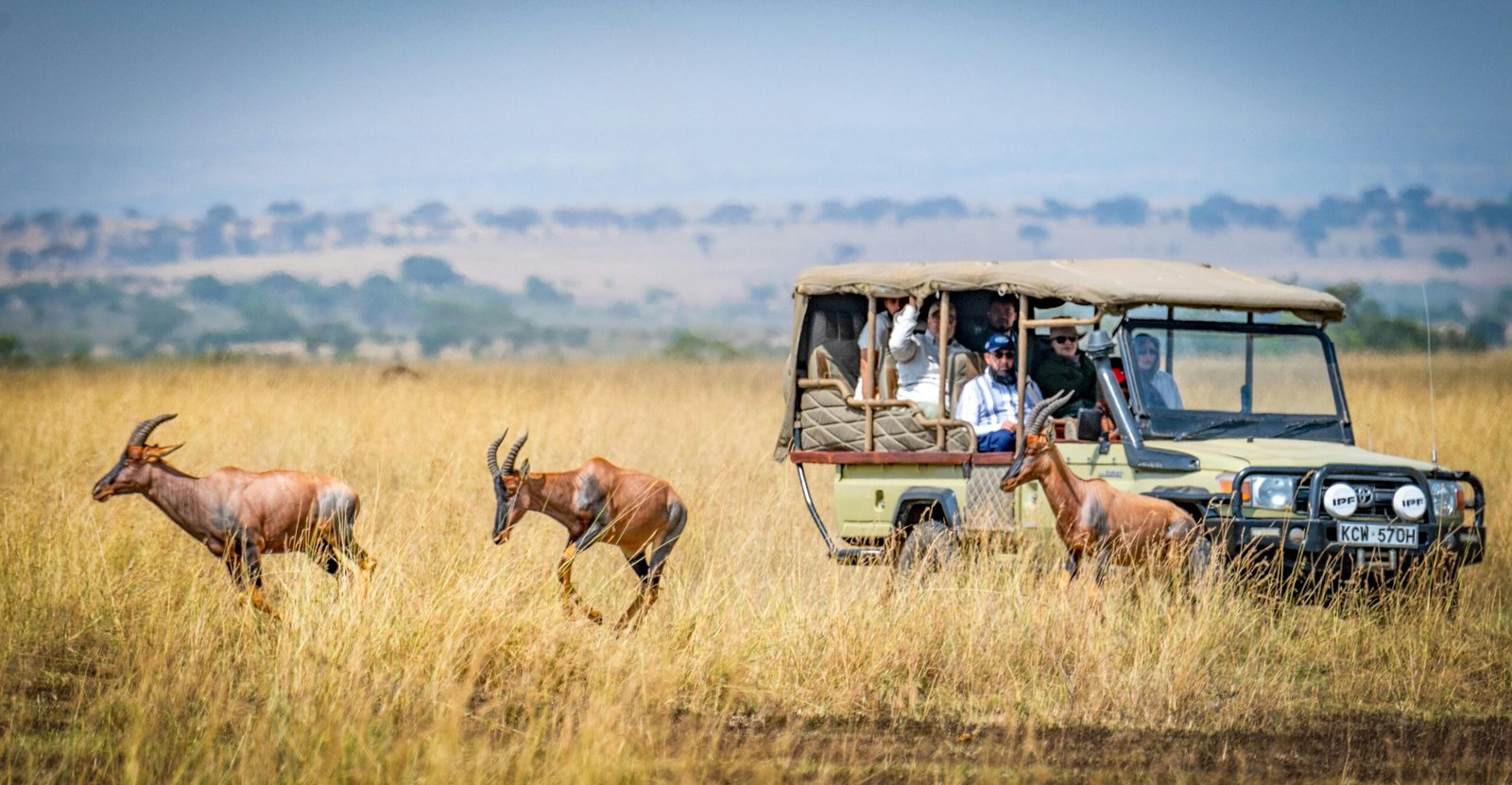
    Masai Mara borders Tanzania’s Serengeti is famous for its lion sightings. Gary Whyte / Pexels

    On the other hand, the wet season, also known as the “green season,” from November to May, offers a different kind of magic. 

    Though animals are harder to spot due to thick foliage, the landscapes are lush, migratory birds arrive in flocks, and baby animals are born, attracting predators and creating dramatic scenes in the wild.

    Though animals are harder to spot due to thick foliage, the landscapes are lush, migratory birds arrive in flocks, and baby animals are born, attracting predators and creating dramatic scenes in the wild.

    Regional climate plays a big role too: Southern Africa (South Africa, Botswana, and Namibia) has a more defined dry season, making it ideal for safaris from May to October. 

    In contrast, East Africa (Kenya, Tanzania, and Uganda) experiences two rainy seasons, with short rains in November–December and long rains in March–May, so the best windows are typically January–February and June–October.

    Tip: Visit the Serengeti in January–February for calving season, the Masai Mara from July to October for the Great Migration, and Kruger National Park anytime between June and September for classic Big 5 encounters. 

    Why Africa Is the Ultimate Destination for Big 5 Safaris

    The golden savannas of Kenya to the vast national parks of South Africa and the wild plains of Tanzania, Africa get some of the best opportunities to see lions, elephants, rhinos, leopards, and buffalo in their natural habitat.

    I personally prefer Yesim for reliable data while traveling across multiple countries.

    Best Places to Spot the Big 5 in Africa

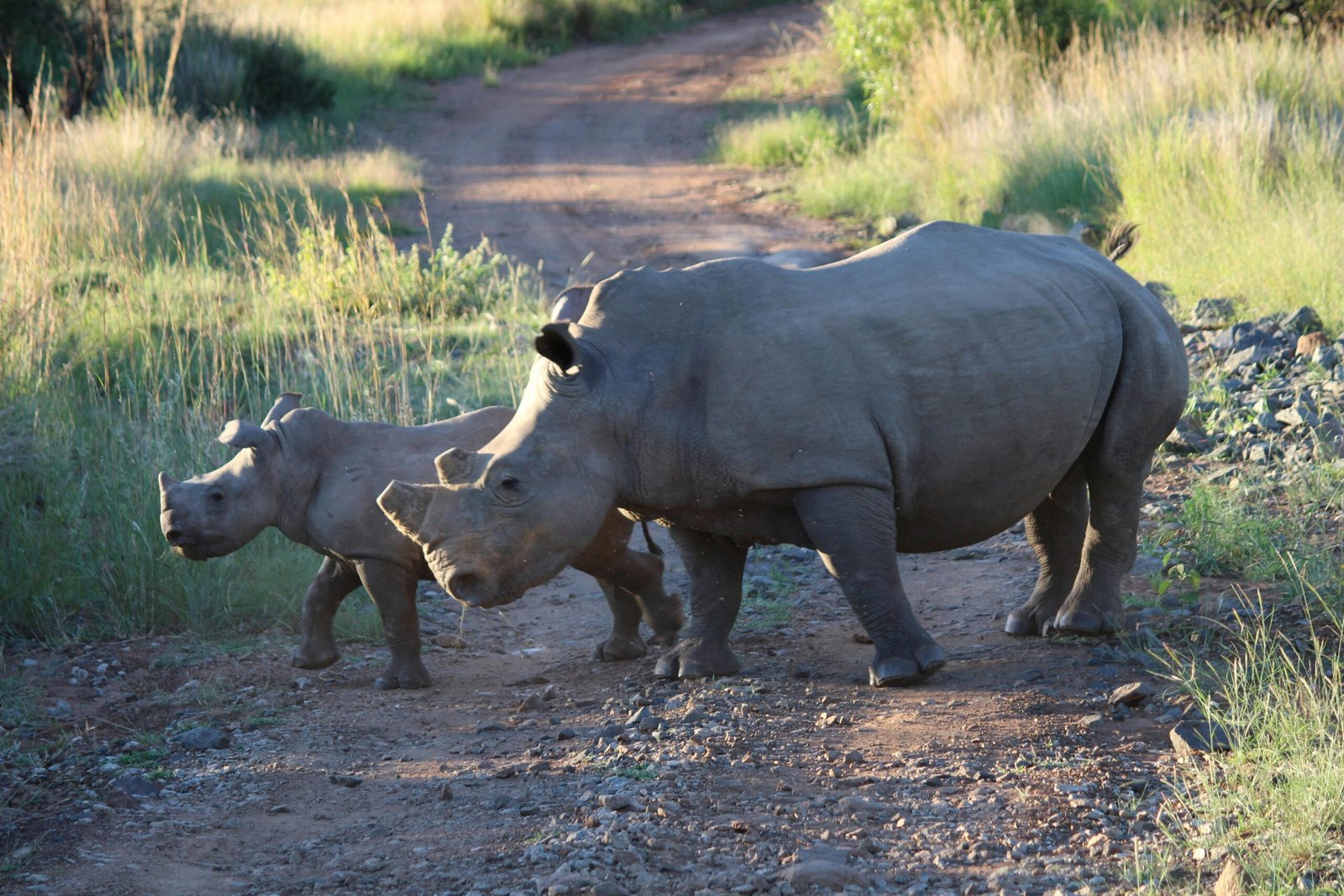
    Rhinos are harder to spot in Serengeti but often visible in Ngorongoro. Marcus Frieze / Pexels

    One of the biggest reasons travelers choose Africa for safari adventures is the variety of landscapes and safari styles available. Visitors can enjoy classic jeep safaris, luxury tented camps, walking safaris, river safaris, and even hot air balloon rides over wildlife-filled plains.

    Africa’s rich safari culture also makes the experience unforgettable. Local guides and conservation experts share deep knowledge about wildlife, nature, and tribal traditions, helping travelers connect with the continent beyond just animal sightings.

    Best African Countries for First-Time Safari Travelers

     South Africa is often the best starting point because it offers excellent infrastructure, affordable safari options, and easy self-drive experiences. . 

    Here Famous parks like Kruger National Park provide high chances of spotting the Big 5 along with comfortable lodges and guided game drives.

    Kenya and Tanzania are perfect for travelers who dream of classic African safari landscapes filled with endless savannas and incredible wildlife.

    Destinations like Masai Mara National Reserve and Serengeti National Park are world-famous for Big 5 sightings and the Great Migration.

    Botswana is known for luxury safaris and rich wildlife in the Okavango Delta, while Namibia offers dramatic desert landscapes and wildlife viewing in places like Etosha National Park.

    Luxury vs Budget Big 5 Safari Experiences

    A luxury Big 5 safari in Africa offers premium experiences such as private game drives, luxury lodges, gourmet dining, spa treatments, and exclusive wildlife viewing areas.

    Travelers staying in luxury safari camps in destinations like Botswana or Tanzania can expect personalized service, high-end tented suites, and unforgettable views of wildlife directly from their accommodation.

    Budget Big 5 safaris are ideal for travelers who want to experience African wildlife without spending a fortune.

    Countries like South Africa and Kenya offer affordable safari packages with shared game drives, budget lodges, camping options, and self-drive safaris.

    Tip: No matter the budget, both options give travelers the chance to witness Africa’s amazing wildlife and experience the excitement of a real Big 5 safari adventure.

    How Many Days Do You Need for a Big 5 Safari?

    For the best chance of spotting all the Big 5 animals in Africa, travelers should plan a safari of at least 3 to 5 days. Short 1–2 day safaris can still offer amazing wildlife sightings, but longer stays provide more game drives.

    Popular safari destinations such as Kruger National Park and Serengeti National Park are ideal for multi-day safari experiences with higher chances of seeing the complete Big 5.

    Popular safari destinations such as Kruger National Park and Serengeti National Park are ideal for multi-day safari experiences with higher chances of seeing the complete Big 5.

    Detail on Top National Parks and Game Reserves by Country

    Kruger National Park, South Africa

    Kruger National Park is often the first name that comes up when talking about Big 5 safaris—and for good reason. It’s one of the few places in Africa where you can realistically spot all five iconic animals.

    What sets Kruger apart is not just the wildlife but also its ease of access; you can fly into nearby airports like Skukuza or Nelspruit or even drive from Johannesburg in less than five hours.

    Guided game drives, especially in adjacent private reserves like Sabi Sands, offer expert-led experiences with higher chances of close-up sightings and off-road access. 

    Masai Mara, Kenya

    What truly sets the Mara apart is the annual Great Migration, when over 1.5 million wildebeest, zebras, and gazelles thunder across the plains from the Serengeti into Kenya, typically between July and October.

    Beyond the wildlife, the Masai Mara offers something deeper: a connection with Kenya’s rich tribal heritage.

    Here, you can visit traditional Maasai villages, learn about their semi-nomadic lifestyle, and even hear firsthand stories of coexisting with lions.

    Serengeti National Park, Tanzania

    Serengeti National Park is Tanzania’s iconic wilderness, where endless grasslands meet the horizon and powerful big cats prowl freely beneath wide, open skies. Known for its incredible populations of lions, leopards, and cheetahs

    Towering elephants wander through acacia-dotted landscapes, and hyenas cackle in the distance as the circle of life plays out before your eyes.

    The Ngorongoro Crater is a rare chance to see all of the Big 5 animals within just a few hours, making it the ideal counterpart to the Serengeti’s vast, free-ranging wilderness.

    Best Places to Spot the Big 5 in Africa

    Chobe National Park, Botswana

    Chobe National Park is home to over 120,000 elephants; it boasts one of the largest elephant populations on the planet, often seen in dramatic, dusty herds as they march toward the Chobe River.

    Alongside them roam massive groups of Cape buffalo, creating powerful scenes of wildlife at scale that few parks can match.

    Watching a herd of elephants swim across the river, or spotting crocodiles and hippos just below the surface, adds an entirely new dimension to wildlife viewing.

    Etosha National Park, Namibia

    Etosha National Park gives a safari experience unlike anywhere else in Africa—one where the animals come to you.

    What truly sets Etosha apart is its reputation as one of the best places to see both black and white rhinos in the wild, particularly against the stark backdrop of white salt pans and golden grass.

    In Etosha, the silence of the desert is broken only by the rumble of hooves and the distant roar of a lion—a raw, timeless safari that feels deeply connected to the soul of Africa.

    Hwange National Park, Zimbabwe

    What sets Hwange apart is not only its sheer size but also the incredible density of wildlife, especially lions and elephants that move effortlessly through its wide grasslands and shaded woodlands.

    Fact is, Hwange National Park is home to over 40,000 elephants, often seen in massive herds around its network of pumped waterholes, especially during the dry season.

    Murchison Falls & Queen Elizabeth National Parks, Uganda

    Murchison Falls, where the mighty Nile River explodes through a narrow gorge, is not only dramatic in scenery but also ideal for boat safaris, one of the most peaceful ways to spot hippos, crocodiles, elephants, and birdlife, including the rare shoebill stork.

    Meanwhile, Queen Elizabeth National Park gives tree-climbing lions in the Ishasha sector and water-based game viewing along the Kazinga Channel, where wildlife congregates on the banks in remarkable numbers.

    What makes these parks even more special is their proximity to Bwindi Impenetrable Forest, home to the endangered mountain gorillas, meaning you can go from tracking lions on the savannah to trekking with gorillas in the jungle, all within one unforgettable journey.

    Big 5 Safari Packing List for Travelers

    Travelers should carry lightweight neutral-colored clothing, a warm jacket for early morning game drives, comfortable walking shoes, sunglasses, sunscreen, and a hat to protect from the sun.

    Essential safari gear includes binoculars for spotting distant wildlife, a good camera with extra batteries and memory cards, and a power bank for charging devices during long trips.

    It is also important to pack basic medicines such as motion sickness tablets, pain relievers, insect repellent, allergy medication, and personal prescriptions.

    In some safari regions, travelers may also need malaria prevention medicine and travel insurance documents.

    How Much Does a Big 5 Safari Cost in Africa?

    Budget safaris usually cost around $150–$300 per day. It include shared game drives, camping, or basic lodges in countries like South Africa and Kenya.

    Mid-range safaris generally range from $350–$700 per day. It include comfortable lodges, guided game drives, meals, and better safari facilities.

    Luxury safaris can cost $800 to over $2,500 per day, It include private safaris, luxury tented camps, fine dining, and exclusive wildlife experiences.

    Tip: Flight tickets, park fees, and travel insurance may increase the total safari cost.

    Tips for Spotting the Big 5 on Safari

    Catching a glimpse of the Big 5 in their natural habitat isn’t just about luck; it’s about timing, preparation, and the eyes of those who know the land best.

    I told you that early morning and late afternoon game drives are your golden windows for wildlife viewing.

    To enhance your chances of close wildlife encounters, dress in earthy tones like khaki, olive, or tan colors that help you blend into the natural environment and avoid drawing attention from skittish animals.

    With the right timing, gear, and guidance, your chances of seeing the Big 5 increase dramatically, and every sighting becomes a story you’ll tell for years.

    Personally, I prefer using VisitorsCoverage because it’s simple, transparent, and beginner friendly.

    Instead of checking multiple websites, try VisitorsCoverage to compare everything in one place.

    Eco-Friendly and Ethical Safari Options

    As safari tourism grows, so does our responsibility to protect the wild places we explore. Fortunately, many African parks are leading the way in conservation and anti-poaching efforts, investing in ranger training, wildlife monitoring, and community-based patrols to safeguard endangered species like rhinos and elephants.

    Choosing to visit reserves that actively contribute to conservation, such as those involved in wildlife reintroduction or habitat restoration, helps ensure your trip has a lasting positive impact.

    Many eco-lodges and tented camps work hand-in-hand with local communities, hiring local staff, sourcing food sustainably, and supporting education and healthcare programs.

    By staying at these properties, you’re not just enjoying a beautiful view; you’re helping fuel a sustainable economy that values nature.

    Zoom in with your lens, not your vehicle. Avoid loud noises, sudden movements, or blocking an animal’s path.

    When we travel with awareness, every photo, every sighting, and every story becomes part of a bigger picture—one where both travelers and wildlife thrive.

    One official website that offers authoritative information on top Big 5 safari destinations in Africa is the Ngorongoro Conservation Area Authority, which manages the Ngorongoro Crater in Tanzania—a renowned site where visitors can often spot all five iconic species in one visit.

    Bonus: Hidden Gem Safari Spots for Big 5 Viewing

    Here in South Africa, off-road tracking is allowed, giving guides the freedom to follow animal movements and create unforgettable sightings.

    In Kenya and Zambia, community-run conservancies are redefining safaris by offering exclusive wildlife access with fewer vehicles while directly supporting local livelihoods and conservation.

    These areas often feel like private wildernesses, where you can spend an hour with a lion pride without another jeep in sight.

    FAQs

    1. Is it possible to see all Big 5 in one day?

    Yes, it is possible to spot all the Big 5 animals — lion, leopard, elephant, rhino, and buffalo — in a single day, especially in famous safari destinations like Kruger National Park or Masai Mara National Reserve

    2. Which country is cheapest for a Big 5 safari?

    South Africa is often considered the most budget-friendly destination for a Big 5 safari. Travelers can enjoy self-drive safaris, affordable lodges, and lower park fees compared to luxury safari destinations like Botswana or Tanzania. Kenya and Namibia also offer good mid-range safari options for budget travelers.

    3. Are African safaris safe for tourists?

    Early morning and evening safaris usually provide the best chance of spotting one.


    4. What is the best month for safari in Africa?

    The best safari months in Africa are usually during the dry season, from June to October.

    5. Which Big 5 animal is hardest to spot?

    The leopard is widely considered the hardest Big 5 animal to spot during safari trips.

    6. What is the best timing spot Leopard?

    The leopard is widely considered the hardest Big 5 animal to spot during safari trips.

    You May Also Like

    Things Know Before Traveling to South Africa

    Things Know Before Traveling to South Africa

    5 Of the Best Hikes in South Africa

    5 Of the Best Hikes in South Africa

    Best Places to visit in South Africa

    Best Places to visit in South Africa

    Leave a Comment


    Hello!


    Hi, I’m Pooja Mokashi, a passionate storyteller and travel content creator behind Travel Meet World. Based in Mumbai, I love discovering local cultures and helping travelers explore the world with confidence and smart planning.

    Unlock Your Free Travel Hacks

    Join 5,000+ travelers getting Free Weekly Travel Tips, Get Exclusive Updates & Download my free travel checklist
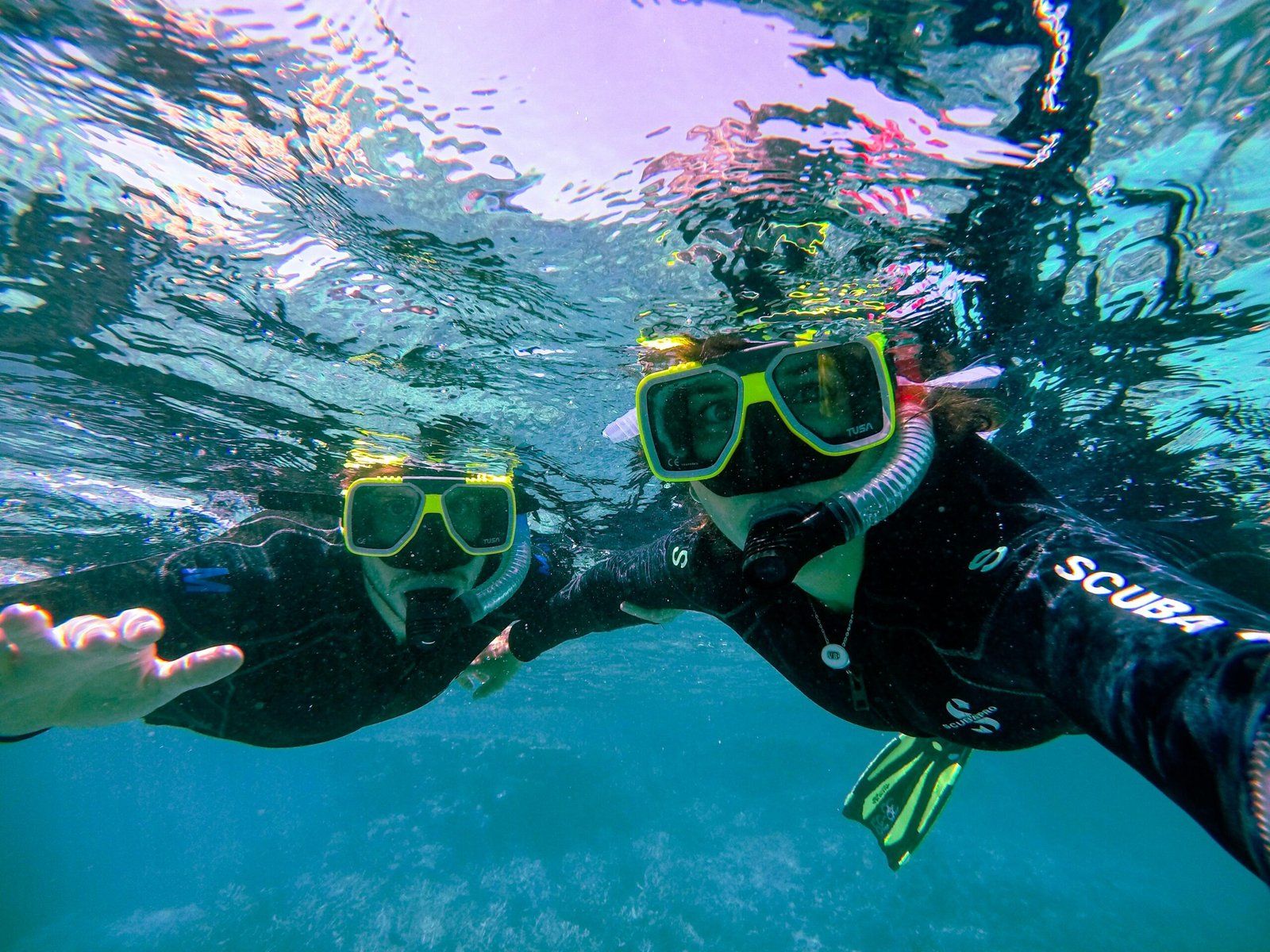
    Wildlife & Nature

    Wildlife & Nature

    Wildlife Visit

    Best Places to Spot the Big 5 in Africa

    Encountering Africa’s Big 5 in the wild isn’t just a travel milestone—it’s a heart-pounding, soul-awakening journey into the untamed rhythms of nature, where every moment feels like Read More

    Nature Visit

    Top 6 Tea Estates to Visit in Wayanad

    Nestled in the Western Ghats of Kerala Wayanad is a land of mist-covered hills, lush forests, cascading waterfalls, and spice-scented air. While the region is often praised for its Read More

    Wildlife Visit

    Best Wildlife Places in Ladakh

    Ladakh’s wild beauty lies in its stunning variety of landscapes: alpine meadows, glacial rivers, saltwater lakes, and cold deserts all coming together to create a rich ecosystem. Despite Read More

    Nature Visit

    Top Attractions to Explore in Darjeeling

    Often referred to as the “Queen of the Hills,” Darjeeling holds a regal place among India’s hill stations, not just for its breathtaking natural beauty, Read More

    Nature Visit

    20 Best Things to Do in South Africa

    South Africa is a land of striking contrasts and endless wonders, where vast savannas meet dramatic coastlines and ancient mountains rise beside bustling cities. Read More

    Nature Visit

    10 best places to visit in Malaysia

    Malaysia a captivating blend of modernity and tradition, invites travelers with its pristine beaches, lush rainforests, vibrant cities, and centuries-old temples. From the towering Read More

    How to Travel the World on a Budget in 2025

    How to Travel the World on a Budget in 2025

    How to Travel the World on a Budget in 2025

    Traveling the world on a budget means exploring boldly, spending wisely, and collecting rich experiences, not expenses. Pixabay / Pexels

    In 2025, budget travel isn’t about sacrificing comfort; it’s about discovering creative ways to see more of the world while spending less and experiencing more travel to places like UAE. With AI travel planners, stay-for-free platforms, and global work-trade networks gaining traction, the modern traveler has tools that make the world feel more accessible than ever.

    If you’re a solo explorer, a digital nomad, or a dreamer with a shoestring budget, it is the year to see more while spending less. As currencies shift, new visa rules roll out, and tech continues to break down borders, your next big adventure could cost less than your daily coffee habit. Here’s your guide on how to travel the world on a budget in 2025.

    How to Travel the World on a Budget in 2025

    Greece and Italy—but for a fraction of the price. You can rent a beach apartment for $20–$30/night in summer. Barnabas Davoti / Unsplash

    Plan Smarter, Not Cheaper: Budgeting in the AI Era

    Budget travel in 2025 isn’t just about finding the lowest price; it’s about using smart tools to plan better. AI-powered trip planners now make it easier than ever to uncover real-time deals on flights, stays, and activities that fit your travel style and budget.

    AI tools like ChatGPT can craft personalized travel plans, while apps like Hopper use predictive tech to spot the best times to book and uncover hidden fare deals, savvy travelers can combine these insights with flexible dates and alternative airports to score the lowest prices possible.

    What’s more, new-generation budgeting apps can flag hidden expenses like visa charges, city taxes, or tipping norms before you even land, so there are fewer surprises along the way. With these tools in your pocket, planning a dream trip becomes less about sacrifice and more about strategy.

    Travel with a Purpose: Voluntourism, Work Exchanges & Eco Swaps

    In 2025, more travelers are choosing meaningful experiences over tourist checklists, and budget travel is following the same shift. Platforms like WWOOF, Workaway, and Worldpackers connect you with hosts around the world who offer free accommodation (and often meals) in exchange for help with farming, teaching, or community projects.

    These aren’t just cost-cutting options; they’re immersive cultural exchanges that let you live like a local. Beyond that, regenerative tourism programs are growing in popularity, allowing travelers to support environmental or social efforts like reforestation or wildlife care while covering their basic travel needs.

    By opting for sustainable, give-back-style travel, you not only save money but also reduce your carbon footprint and create more meaningful, lasting memories. It’s budget travel with heart.

    How to Travel the World on a Budget in 2025

    Bosnia gives $5 meals, stunning views, and UNESCO gems—minus the Western Europe price tag. Fabio Fistarol / Unsplash


    Fly Different: Skiplagging, Stopover Hopping & Subscription Flights

    Airfare doesn’t have to eat up your travel budget, especially if you know a few tricks that smart travelers are using in 2025. One of them is skiplagging (or hidden city ticketing), where you book a flight with a layover in your actual destination and skip the final leg, often saving you hundreds.

    While not every airline loves it, it’s a legal loophole when used carefully (and without checked baggage). Another clever tactic is to take advantage of airlines that offer free or extended stopovers, like Icelandair, Qatar Airways, or Turkish Airlines, which let you explore an extra country for no extra cost.

    And for frequent flyers, flight subscription services such as FlyLine and Surf Air provide access to regular flights at discounted flat monthly rates. These unconventional flight strategies allow budget travelers to stretch their miles further and turn travel days into bonus adventures.

    Live Global, Pay Local: Currency Hacks in 2025

    One of the smartest ways to stretch your travel budget in 2025 is by being strategic with how and where you spend your money. With global cards like Wise, Revolut, or Niyo, travelers can avoid hefty foreign transaction fees and get real exchange rates while swiping abroad.

    These cards support multiple currencies and often include ATM fee refunds, making them ideal for long-term or multi-country travel. Add to that the power of real-time currency comparison apps, which show where your home currency has the most value on any given day, and you can actually plan trips based on economic advantage.

    From Southeast Asia to parts of Eastern Europe and Latin America, there are still plenty of destinations where the dollar, euro, or rupee stretches surprisingly far, giving you a luxury feel for a fraction of the cost. With the right financial tools, you don’t need a big budget to live large globally.

    Stay for Less with the New Gen of Accommodations

    Gone are the days when budget travel meant crammed hostels or low-rated motels. In 2025, a new wave of affordable accommodation options is making travel both comfortable and community driven.

    Co-living spaces like Selina and Outsite are designed especially for digital nomads, offering fast Wi-Fi, shared kitchens, social events, and flexible pricing for long or short stays. If you’re open to a bit of responsibility in exchange for comfort, house-sitting platforms like TrustedHousesitters and Nomador let you stay in beautiful homes, often with pets to care for, completely free.

    And if you’re traveling in the summer, consider university dorms, which are often rented out to travelers at bargain rates when students are away. These modern, flexible stay options help you save money while living like a local, sometimes even in style.

    How to Travel the World on a Budget in 2025

    Oaxaca and Guanajuato give rich culture, tasty street food, and travel under $35 a day. Sylvain Ibarra / Unsplash

    Eat Like a Local, Not a Tourist

    In 2025, one of the best ways to save money and connect with local culture is by skipping tourist traps and eating where the locals do. Instead of pricey restaurants, consider joining food tours led by students or locals, many of which are free or “pay-what-you-can,” offering not only delicious bites but also personal stories and cultural insights.

    For a more intimate experience, apps like Eatwith and Travelingspoon connect you with local hosts who cook homemade meals and welcome travelers into their homes, giving you a true taste of the region at a fraction of the cost. And when it comes to street food, you don’t have to compromise on hygiene.

    A few golden rules, like picking stalls with long lines, watching how food is prepared, and choosing vendors where locals eat, can help you enjoy authentic, safe, and budget-friendly meals around the world. Eating like a local isn’t just cheaper; it’s often far more memorable.

    BudgetTravel.com: The online arm of Arthur Frommer’s Budget Travel magazine. Offers up-to-date advice, destination guides, and cost-saving strategies for global travel.


    Go Digital Nomad Lite: Earn While You Roam

    You don’t need a remote job or full-time gig to fund your travels in 2025, just a bit of creativity and a Wi-Fi connection. Micro-jobs have made it easier than ever for travelers to earn while exploring, whether it’s testing websites on UserTesting, chatting in English on Cambly, or landing short-term freelance gigs on the road.

    If you’d rather document your journey, consider launching a trip-supported side hustle like a travel blog, short-form video content on YouTube or Instagram, or sharing affiliate links to products and services you already use. These can start small but grow into steady passive income.

    For hands-on travelers, seasonal jobs like working at hostels in Bali or ski lodges in Canada offer the best way to earn while exploring, often with free stays included. These flexible income options let you extend your trip, cover daily costs, and build something meaningful while you’re on the move.

    Get Around the Smart Way

    Transportation doesn’t have to be a major expense if you know how to move like a local. In 2025, smart travelers are ditching pricey taxis and tourist-marketed passes for local transit cards that offer big discounts on buses, metros, and trams. Many cities have unlimited daily or weekly passes that locals use but tourists often overlook.

    For longer journeys, rideshare communities like BlaBlaCar in Europe or Poparide in Canada connect you with drivers heading in the same direction, making it easy to split fuel costs and meet locals along the way. And when traveling between cities or countries, consider sleeper buses or overnight trains.

    These not only save a night’s accommodation but also let you wake up in a new destination, ready to explore. Combining comfort, community, and savings, these smart transport options help you go farther without spending more.

    How to Travel the World on a Budget in 2025

    Cenotes (natural swimming holes) and Mayan ruins gives low-cost adventure. Andrea Tamburini / Unsplash

    Pack Budget-Friendly, Travel Longer

    Packing smart can directly impact how long and how affordably you travel. In 2025, ultralight travel isn’t just a trend; it’s a budget traveler’s secret weapon. By sticking to carry-on luggage only, you avoid checked bag fees, move around more easily, and never worry about lost luggage delays. It’s not just about packing less; it’s about packing smarter.

    Bringing essentials like a refillable water bottle, mini cooking kit, and a universal travel adapter helps you avoid buying overpriced items on the road. You can refill water instead of buying plastic bottles, cook simple meals when needed, and charge your devices anywhere without hunting for the right plug.

    And don’t skip the right travel insurance; many providers now offer budget-focused plans that cover essentials like medical emergencies and cancellations without the extra fluff. With a lean, thoughtful pack, you’re not just saving money; you’re setting yourself up for smoother, longer adventures.

    2025 Budget Travel Hotspots to Watch

    Every year brings new destinations onto the radar, and 2025 is no exception. This year, several countries newly opened to tourism due to post-conflict recovery or relaxed entry policies are emerging as affordable and culturally rich places to explore.

    Think of places like Albania, with its Mediterranean coastline and low prices, or Angola, which is cautiously opening up to international visitors and gives raw, untouched landscapes. Beyond that, travelers are discovering lesser-known islands and cities that now offer visa-free or extended stays, making them perfect for long-term travel, often without the crowds.

    At the same time, a growing list of countries like Colombia, Sri Lanka, and Georgia are promoting digital nomad visas that allow you to live affordably while working remotely. These destinations combine low costs, vibrant culture, and modern infrastructure, making them the budget-friendly travel gems to watch in 2025.
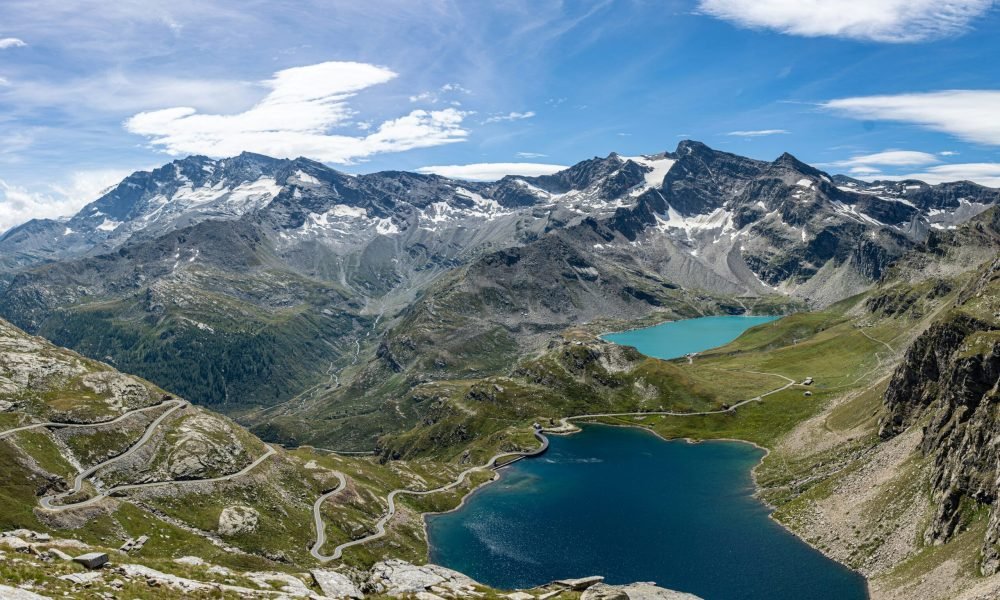
    GUIDED BY EXPERT

    Yoga within Travel the perfect flow of Experience

    Explore wellness in anywhere

    by

    Explore Related stories

    Budget Trip

    10 Destinations for Budget Friendly Travel

    Wanderlust doesn’t have to come with a hefty price tag. Read More

    Budget Trip

    How to Explore Rajasthan on Budget

    In December 2018, I traveled to Rajasthan with my friends

    Budget Trip

    Best Guide to Budget Travel in Japan 2025

    Japan might sound pricey at first, but if you know where to

    Budget Trip

    Top 10 Travel Hacks Every Explorer Should Know

    Traveling is exciting, but let’s be real: it can also get

    Budget Trip

    How to Budget for a Dream Trip

    Dreams Whether it’s sipping chai on a Ladakh hillside or

    LEAVE A COMMENT

    Error: Contact form not found.

    How to Budget for a Dream Trip

    How to Budget for a Dream Trip

    How to Budget for a Dream Trip

    Budgeting for a dream trip means planning smart to afford unforgettable moments—without the money stress. Tom D Arby / Pexels

    Dreams if it’s sipping chai on a Ladakh hillside or dancing beneath lantern-lit skies in Thailand, turning your travel fantasy into reality takes more than wanderlust; it takes a thoughtful, empowering budget.

    It isn’t about limiting yourself; it’s about making space for the moments that matter most. So if your dream involves boarding passes, bucket-list moments, and stories worth telling, let’s uncover how to make it happen smartly, joyfully, and within your budget.
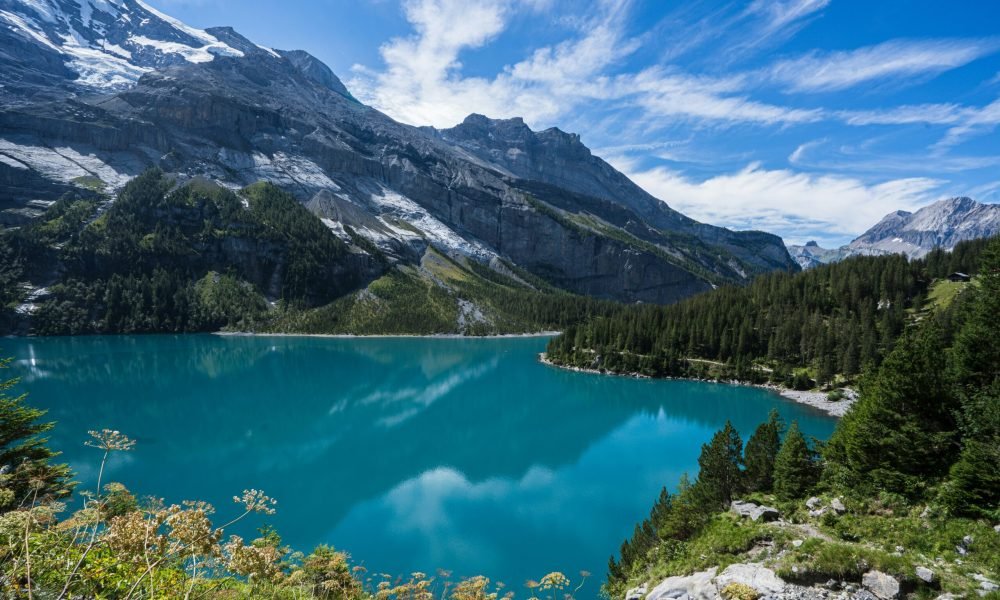
    Instead of settling for generic money-saving tips, this guide walks you through creative, personalized strategies to help you build your trip fund step-by-step, so your dream doesn’t stay a Pinterest board fantasy.
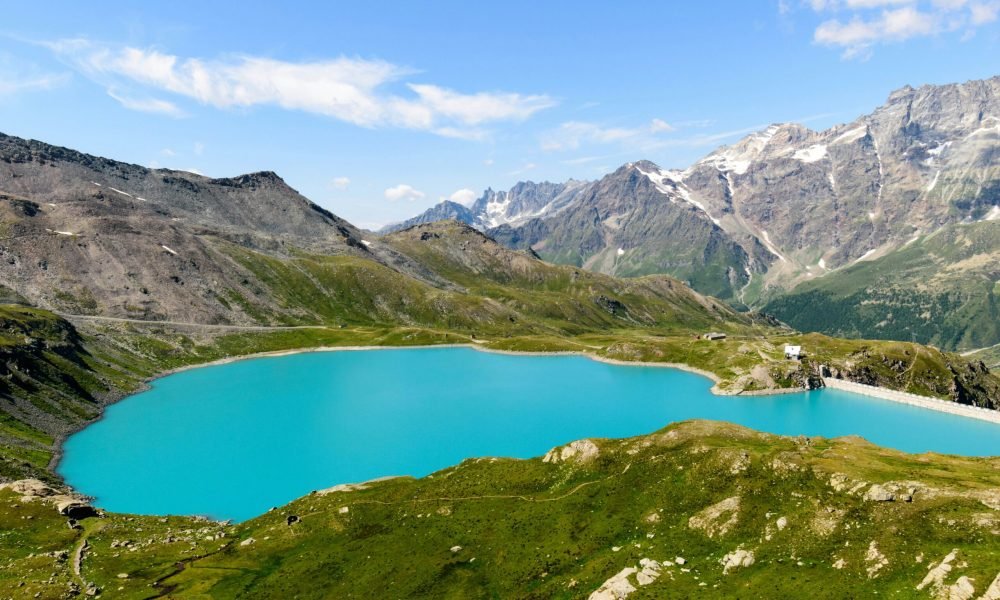
    If you’re dreaming of a solo soul-search in Japan or a month-long café-hop across Europe, it’s time to make your travel goals real and your budget smarter. Here is a guide for you on how to budget for a dream trip.
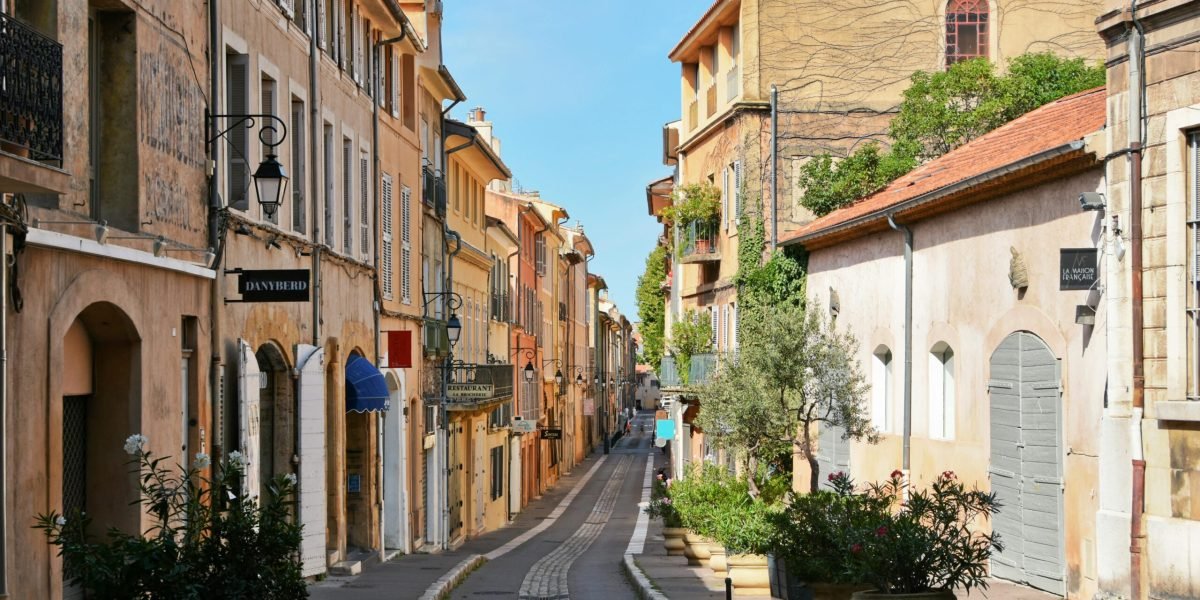
    How to Budget for a Dream Trip

    Start with the dream, imagine the experience first, then build a budget that brings it to life. Austin Distel / Unsplash

    Start with the Dream, Not the Budget

    When planning your dream trip, begin with your imagination, not your bank account. Picture the kind of moments you want to live watch the sunrise from a mountain peak in Tiger Hill, wandering through colorful local markets in Rajasthan, or sipping coffee in a quiet café tucked away in a historic town Egypt.

    Focus on how you want to feel and what experiences will make the trip unforgettable. Once your dream is clear, it becomes easier to shape a budget that supports it without sacrificing what matters most to you.

    Creating a visual “dream board” or writing in a travel journal can help you get clear on what excites and inspires you most. Once your vision is set, prioritize what matters to you: maybe it’s authentic local food over fancy hotels or meaningful experiences over shopping. By identifying what parts of the journey matter most, you’ll be able to shape a budget around your values, not the other way around.

    Know Your Magic Number

    Instead of randomly setting aside money each month, try reverse budgeting: research the real costs of your trip first—flights, accommodations, meals, activities, local transport, and even visas—then work backward to figure out how much you need to save and by when.

    Break it down further by calculating a rough daily budget and separating essential daily expenses (like food and transport) from one-time experiences (like skydiving or museum passes). Having a clear, realistic number in mind gives your savings purpose and helps you stay focused and confident along the way.

    How to Budget for a Dream Trip

    Is it fact that 70% of travelers say budget is the biggest factor when planning a dream trip. Orva Studio / Unsplash


    The 50/30/20 Dream Travel Rule

    One of the easiest ways to start saving for your dream trip is by using the 50/30/20 rule but with a travel twist. This budgeting method divides your monthly income into 50% for needs (like rent and bills), 30% for wants (like dining out or entertainment), and 20% for savings.

    To make it work for your trip, consider allocating a portion of that 20% or even adjusting the percentages to build your travel fund based on your trip timeline. For example, if your trip is just six months away, you might dedicate more to savings temporarily.

    Make it easier by automating transfers into a separate “Trip Vault” account, so the money is out of sight and steadily growing. This way, you’re not just saving randomly; you’re building a habit that keeps your dream trip on track, one paycheck at a time.

    The Seasonal Strategy

    Traveling during the shoulder season, those quieter months just before or after peak travel times, not only means lower costs on flights and stays but also a more peaceful, authentic experience without the usual tourist crowds.

    You can also save big by picking lesser-known destinations that offer the same charm as popular spots but at a fraction of the price, like swapping Paris for Porto or Bali for Sri Lanka. Be sure to check the local calendar—events like festivals, public holidays, and school vacations can drive up prices and crowd popular spots.

    If you want to join the celebration, plan ahead and budget accordingly. With smart timing and a little flexibility, your dream trip can be longer, richer, and far more affordable than you imagined.

    Micro-Budgeting Big Expenses

    Try mixing luxury with budget-friendly options: splurge on one night at a dream hotel or resort, then balance it with cheaper stays like hostels, guesthouses, or homestays. For transportation, think in layers.

    Combine trains, buses, and budget airlines depending on what’s cheapest and most efficient between each stop. Don’t forget to track your daily spending per location, as costs can vary widely from city to city or country to country.

    If one destination is eating up your budget too fast, you can always shift plans slightly. This kind of micro-budgeting helps you stay flexible and in control, without giving up the moments that matter.

    How to Budget for a Dream Trip

    Using budget travel apps like Trail Wallet or Travel Spend can help cut overspending by up to 20%. Andrew Ruiz / Unsplash

    Use the Right Budget Tools & Apps

    There are plenty of budget tracking apps like Trail Wallet, TravelSpend, or Splitwise that let you log expenses in real time, categorize spending, and even convert currencies instantly.

    For places with limited internet, it’s smart to have a backup offline method. A small travel notebook, pre-downloaded app, or notes app can help you jot down costs on the go.

    If you like staying organized, you can also create simple spreadsheet templates before your trip to estimate expenses by category (flights, food, accommodations, etc.) and update them daily while traveling. These tools make it easy to see where your money is going, spot areas to cut back, and avoid nasty surprises.

    Budget Your Trip, this platform provides real-world cost data from travelers—covering accommodation, food, transportation, and activities in destinations worldwide. It also offers tracking tools to help you build and monitor a realistic budget based on real travel experiences.


    Budget Like a Local, Not a Tourist

    One of the best ways to stretch your travel budget is to experience your destination the way locals do. Instead of dining at tourist-packed restaurants, try eating where the residents eat.

    Local street food, small family-run cafés, or bustling markets often offer authentic meals at a fraction of the price. When it comes to getting around, skip the taxis and use public transport passes, shared rides, or even rent a bike like the locals. Buying a local SIM card can also help you stay connected cheaply and access real-time info on transit and events.

    And don’t overlook the free cultural gems. Many cities offer complimentary walking tours, entry-free museum days, community events, or seasonal festivals that give you a true taste of the culture without costing a thing. By living like a local, you not only save money but also gain a richer, more meaningful travel experience.

    Monitor Currency Trends Before You Book

    Keeping an eye on currency exchange rates can make a big difference to your travel budget. A strong exchange rate can stretch your money further, while a weak one can quickly inflate your costs.

    Before booking anything, take some time to track currency trends for your destination; sometimes waiting even a few weeks can help you lock in a better deal. If you spot a favorable rate early, consider exchanging a portion of your money in advance or loading it onto a forex travel card, which often offers better rates and lower fees than international credit or debit cards.

    Forex cards also help you stick to a set budget and protect you from currency fluctuations during your trip. By planning ahead and using the right tools, you can avoid surprises and make the most of every rupee or dollar spent abroad.

    How to Budget for a Dream Trip

    On average, travelers spend 6 months saving and planning financially for a long vacation. Colin Watts/ Unsplash

    The Power of Points, Rewards, and Miles

    Earning points, miles, or rewards isn’t just for frequent flyers; it’s one of the smartest ways to bring your dream trip closer. Travel hacking sounds complex, but at its core, it’s simply about turning your everyday expenses into future travel opportunities.

    With the right travel rewards credit card, you can collect points on things you already spend money on, like groceries, fuel, bills, or subscriptions, and redeem them for free flights, hotel stays, upgrades, or even experiences. Many of these cards come with hidden perks like priority boarding, airport lounge access, and complimentary travel insurance.

    The key is to use the card responsibly: stay within your budget, pay your balance in full, and watch for limited time offers or bonuses. When done right, your regular spending can work behind the scenes to help fund that big adventure with no extra effort, just smarter habits.

    Freelance Your Way There

    With a little creativity and effort, you can freelance your way to your destination by picking upside hustles that directly support your travel goals. If it’s weekend dog walking, freelance writing, tutoring, or selling handmade items online, every small gig can help you fund a part of your journey.

    For example, you might cover your Bali yoga retreat by offering local classes or selling digital guides. You can even monetize the planning process itself by starting a blog, YouTube channel, or Instagram account to share your journey, tips, or travel hacks.

    Add in affiliate links or brand collaborations, and your prep work can start paying you before you ever step on the plane. It’s all about turning your time, skills, and passion into income that moves you closer to your dream destination.

    GUIDED BY EXPERT

    Yoga within Travel the perfect flow of Experience

    Explore wellness in anywhere

    by

    Explore Related stories

    Budget Trip

    10 Destinations for Budget Friendly Travel

    In 2025, budget travel isn’t about sacrificing comfort Read More

    Budget Trip

    How to Explore Rajasthan on Budget

    In December 2018, I traveled to Rajasthan with my friends

    Budget Trip

    Best Guide to Budget Travel in Japan 2025

    Japan might sound pricey at first, but if you know where to

    Budget Trip

    Top 10 Travel Hacks Every Explorer Should Know

    Traveling is exciting, but let’s be real: it can also get

    Budget Trip

    10 Destinations for Budget Friendly Travel

    Wanderlust doesn’t have to come with a hefty price tag

    LEAVE A COMMENT

    Error: Contact form not found.

    10 Destinations for Budget-Friendly Travel

    10 Destinations for Budget-Friendly Travel

    10 Destinations for Budget-Friendly Travel

    10 Destinations for Budget-friendly travel is all about exploring the world without overspending. Gsn Travel / Pexels

    Wanderlust doesn’t have to come with a hefty price tag. In a world where travel often seems reserved for the rich and glamorous, the truth is that unforgettable adventures are still within reach, even on a budget.

    In fact, some of the world’s most memorable experiences—sunsets over mountain villages, islands for sea thrills and surf breaks, sizzling street food under neon lights, or ancient ruins tucked away in quiet corners—can be surprisingly affordable.

    If you’re a student on a shoestring budget, a digital nomad seeking value, or just a curious soul hungry for exploration, we’ve rounded up ten destinations where your money stretches further, your experiences grow richer, and your adventure stay unforgettable. So pack light, spend smart, and get ready to explore. Here are 10 destinations for budget-friendly travel.

    10 Destinations for Budget-Friendly Travel

    Da Nang, Vietnam is a hidden budget gem where golden beaches, street food, and cultural sights come at a fraction of the cost. Kiril Dobrev / Unsplash

    1. Beyond the Obvious: Hidden Budget Gems

    When planning a budget trip, most travelers flock to big-name cities, but often, it’s the lesser-known spots that offer the real charm without the heavy costs. Plovdiv, Bulgaria, and Da Nang, Vietnam, often get overlooked as travelers flock to pricier spots like Sofia or Hanoi, despite offering vibrant culture and rich experiences at a lower cost.

    These hidden gems come with lower accommodation rates, cheaper meals, and fewer tourist crowds, all while offering authentic local experiences. From ancient ruins and colorful street art to relaxing beaches and buzzing night markets, these destinations prove you don’t need to follow the crowd to find value and adventure.

    10 Destinations for Budget-Friendly Travel

    Santorini in November gives iconic views, no crowds, and big savings on stays and dining. Matthew Waring / Unsplash

    2. Off-Season, On Budget

    Off-season travel is one of the smartest ways to explore the world without overspending. Places like Santorini in November or Kyoto in January transform during quieter months—prices drop, tourist crowds thin out, and the atmosphere becomes more relaxed and genuine.

    You’ll find great deals on accommodation and flights and get to enjoy iconic sights without long lines or noise. If it’s walking through Kyoto’s peaceful winter Arashiyama Bamboo Grove or watching a calm sunset over Santorini’s cliffs, traveling in the off-season reveals a quieter, more authentic side of these famous destinations.

    10 Destinations for Budget-Friendly Travel

    Turkey is a top currency advantage hotspot, where your money stretches further on food, shopping, and stunning experiences. Mahmutyilmaz / Pexels


    3. Currency Advantage Hotspots

    Certain destinations stretch your travel budget further thanks to strong exchange rate advantages. Countries like Argentina and Turkey currently offer incredible value for travelers, making them perfect for budget-conscious explorers.

    In cities like Istanbul or Buenos Aires, a full local meal might cost less than a fast-food combo back home, and you can often find comfortable hostels or guesthouses for under $15 a night. Craving coffee? You can sip a good one for less than the price of a bus ride—just $1 or $2.

    These currency advantages stretch your travel budget without sacrificing experience. If you’re savoring Turkish kebabs, dancing through Argentina’s tango nights, or riding local buses for spare change, every moment feels richer without the high costs. If you’re looking to travel more for less, these hotspots make it possible.

    10 Destinations for Budget-Friendly Travel

    Pokhara is a backpacker’s paradise, giving scenic hikes, cheap stays, and laid-back lakeside vibes—all on a budget. Nirajan Dhakal / Unsplash

    4. Backpacker’s Paradise Picks

    Certain places naturally cater to backpackers, combining budget-friendly living with a laid-back vibe and a strong sense of traveler community. Cities like Pokhara in Nepal and Chiang Mai in Thailand are perfect examples.

    These destinations are known for their laid-back vibe, thriving hostel communities, and super cheap food—think delicious street noodles or momos for just $1. Add to that low-cost trekking tours, scooter rentals, yoga retreats, and vibrant night markets, and you’ve got an adventure without the big price tag.

    Whether you’re relaxing by Pokhara’s lakeside or joining a cooking class in Chiang Mai, these places make it easy to travel slow, connect with fellow travelers, and make your money go a long way.

    10 Destinations for Budget-Friendly Travel

    Explore world-class museums, royal parks, and iconic landmarks all for free in the heart of the capital. Dominika Gregus / Pexels

    5. Free Attractions Capital

    In some cities, the best experiences come free, letting you wander through history, art, and culture without spending a dime. Take London, where world-class museums like the British Museum and the Tate Modern are completely free to enter, or Mexico City, where historic neighborhoods, public art, and ancient ruins can be explored at little to no cost.

    These destinations prove that unforgettable experiences don’t have to come at a high cost. With free walking tours, lively street performances, grand architecture, and green public spaces, these cities invite you to dive into their culture without worrying about your wallet. If you’re admiring historic landmarks or catching a local festival, every moment feels rich even if the price is next to nothing.

    10 Destinations for Budget-Friendly Travel

    Budget beach escapes give sun, sand, and sea without the splurge, it perfect for relaxing getaways that don’t break the bank. Marie Volkert / Unsplash

    6. Budget Beach Escapes

    You don’t need a luxury budget to soak up the sun and unwind by the sea. Across the globe, there are coastal gems where the beauty is world-class, but the costs are refreshingly low. In Gokarna, India, laid-back shores and simple beach huts offer a peaceful alternative to Goa.

    Zanzibar, Tanzania, Africa charms with turquoise waters, spice-laden markets, and affordable beachfront stays. And the Albanian Riviera surprises with Mediterranean vibes minus the tourist crowds and high prices. From morning swims to sunset strolls, these spots let you embrace beaches & islands life without burning through your budget.

    One of the most trusted voices in budget travel, Nomadic Matt offers practical advice, in-depth destination guides, and cost-saving tips tailored for affordable lifestyle travel. He’s been helping travelers save money since 2008. 


    10 Destinations for Budget-Friendly Travel

    Local eats for less let you savor authentic flavors and street food delights without burning a hole in your wallet. Kartika Paramita / Unsplash

    7. Local Eats for Less

    Some of the best travel memories are born over local dishes bursting with flavor—and thankfully, in many places, great food doesn’t come with a hefty bill. Cities like Penang, Malaysia, and Tbilisi, Georgia, are perfect examples of places where food is both affordable and unforgettable.

    In Penang, the streets are lined with sizzling stalls serving up favorites like spicy laksa and char kway teow for just a couple of dollars. Meanwhile, in Tbilisi, comfort food like cheesy khachapuri and juicy dumplings fill you up without emptying your wallet.

    These destinations turn every meal into a cultural experience, reminding us of that dining on a budget can still be rich in taste and tradition.

    8. Eco-Stays & Volunteering Spots

    For travelers who want to stretch their budget while giving back to the planet or local communities, eco-stays and volunteer experiences offer a rewarding alternative. Places like Portugal and Costa Rica have embraced sustainable tourism, giving affordable accommodations such as eco-hostels, permaculture farms, and work-exchange programs.

    In Portugal, you might spend your days helping out at an organic vineyard in exchange for a cozy bed and homemade meals. In Costa Rica, you can stay at lush jungle lodges for free by helping with tasks like organic farming, eco-building, or community education.

    These experiences not only save money but also connect you with local life, like-minded travelers, and a deeper sense of purpose. It’s conscious travel that nurtures the planet—and keeps your spending in check.

    10 Destinations for Budget-Friendly Travel

    Public transport-friendly cities make exploring easy and affordable, with efficient systems that save both time and money. Pedro Farto / Unsplash

    9. Public Transport-Friendly Cities

    Exploring a city doesn’t have to come with a hefty transportation bill, especially in places where public transit is both budget-friendly and a joy to use. Cities like Budapest, Lisbon, and Seoul make getting around easy, affordable, and often scenic.

    In Budapest, you can hop between thermal baths, hilltop castles, and café-lined streets via an efficient tram and metro system. Lisbon’s vintage yellow trams offer a postcard-worthy ride through its hilly neighborhoods for just a few euros.

    And in Seoul, the sleek, high-tech subway gets you almost anywhere fast, clean, and without denting your wallet. Even better, these cities are made for walking, letting you soak in the local atmosphere at your own pace. With transit this smooth, getting around is part of the adventure, not just a way to reach it.

    10 Affordable Destinations for Budget-Friendly Travel

    Digital nomad deals give long stays, low living costs, and remote work perks in vibrant, budget-friendly destinations. Vruyr Martirosyan / Unsplash

    10. Digital Nomad Deals

    For remote workers looking to blend lifestyle, productivity, and value, some cities around the world offer the ideal setup. With affordable rent, fast Wi-Fi, and long-stay visa options, places like Medellín, Colombia, and Tbilisi, Georgia, have become go-to spots for digital nomads.

    Medellín charms with its eternal spring weather, modern co-working spaces, and low living costs, making it easy to focus and explore. Meanwhile, Tbilisi welcomes remote workers with cozy rentals, rich culture, and a one-year digital nomad visa that makes settling in simple.

    These destinations allow you to work from beautiful places, live comfortably on a budget, and be part of a thriving global community, all without sacrificing quality or connection.

    GUIDED BY EXPERT

    Yoga within Travel the perfect flow of Experience

    Explore wellness in anywhere

    by

    Explore Related stories

    Budget Trip

    How to Explore Rajasthan on Budget

    In December 2018, I traveled to Rajasthan with my friends Read More

    Budget Trip

    How to Travel the World on a Budget in 2025

    In 2025, budget travel isn’t about sacrificing comfort; it’s

    Budget Trip

    Best Guide to Budget Travel in Japan 2025

    Japan might sound pricey at first, but if you know where to

    Budget Trip

    Top 10 Travel Hacks Every Explorer Should Know

    Traveling is exciting, but let’s be real: it can also get

    Budget Trip

    How to Budget for a Dream Trip

    Dreams Whether it’s sipping chai on a Ladakh hillside or

    LEAVE A COMMENT

    Error: Contact form not found.