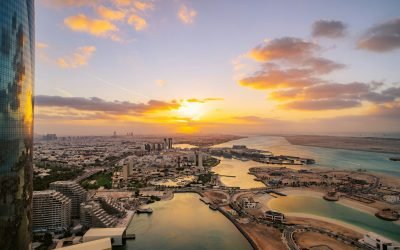
Best Solo Travel and Mental Health Guide
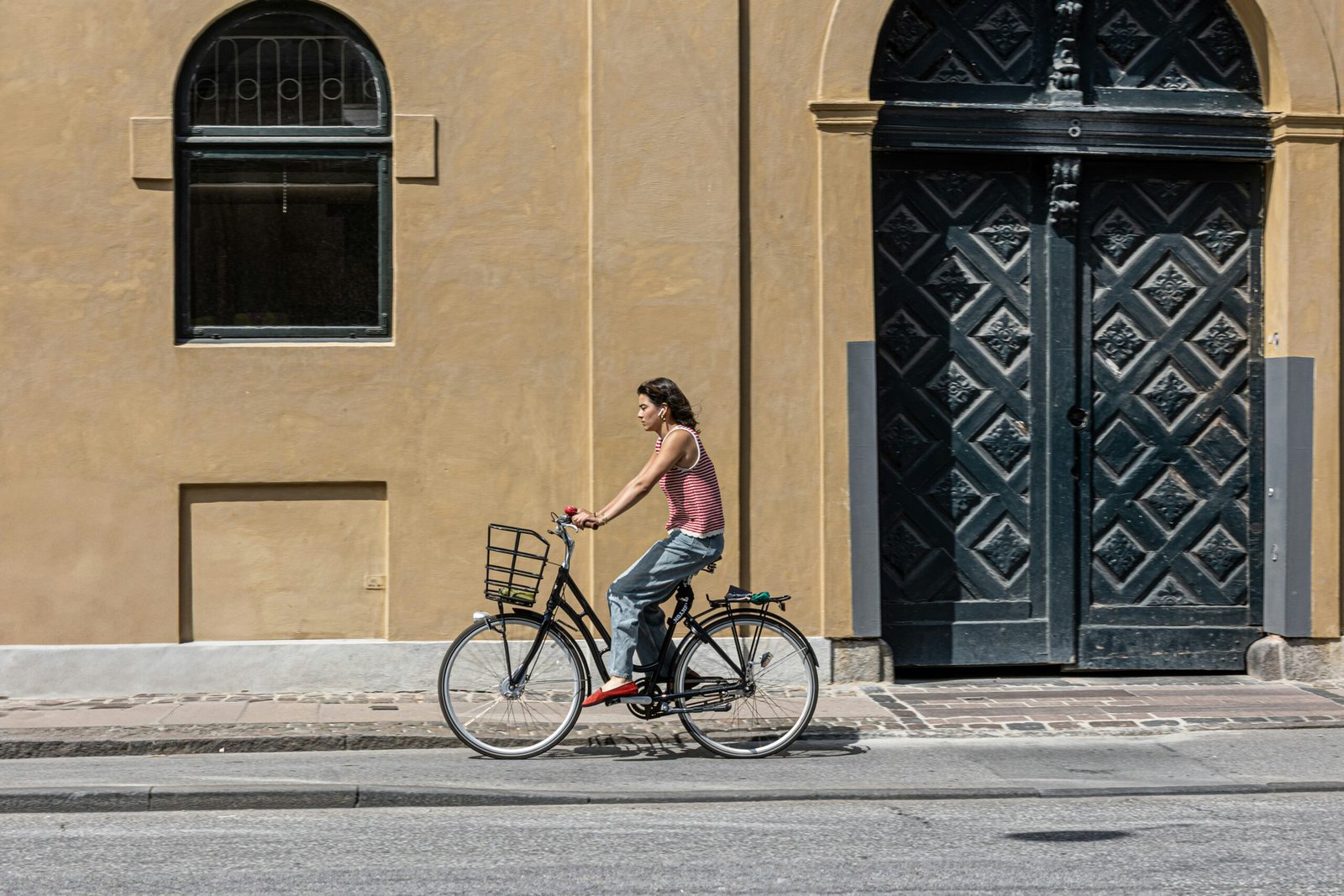
There’s something quietly radical about packing a bag, turning off the noise of your routine life, and stepping into the world alone. Solo travel tests your strength, and quietly reshapes who you are.
For many, it’s not about chasing the next destination but about running into themselves. When you travel alone, there’s no one else to distract you from your thoughts, fears, hopes, or healing.
In those quiet moments watching the world blur past a train window, exploring 10 Remote Islands for a Real Break, walking through dew-covered trails at dawn, or sitting alone in a bustling café, your inner world begins to speak louder, demanding reflection, healing, and presence.
This isn’t always easy. But that’s the beauty of it. Here the best solo travel and mental health guide force you to listen inward, to build resilience, and to grow in ways no therapy room or self-help book quite can.
Why Solo Travel Is Good for Your Mind
The Freedom to Travel at Your Own Pace
This is first and most important to you. When you travel alone, every decision is yours. You can wake up early for a sunrise, spend hours in a museum, or relax at a café without worrying about anyone else’s schedule.
During my bachelor’s degree, I took a solo trip to Rajasthan. Although I had planned to visit several attractions in a single day, the beauty of Hawa Mahal inspired me to slow down and spend the afternoon exploring the local markets instead. One of the best parts of solo travel was the freedom to change my plans whenever I wanted, making the journey more relaxed and enjoyable.
Building Self-Confidence Through New Experiences
Solo travel often places you in situations where you must solve problems independently. Every challenge you overcome becomes proof of your capability.
Learning to Enjoy Your Own Company
Many people are so busy with work, family, and social media that they rarely spend meaningful time alone. Solo travel creates opportunities to reconnect with yourself.
Key Takeaway:
Solo is about discovering that you can navigate the world independently, trust your decisions, and find happiness in your own company. Those lessons often stay with you long after the trip ends.
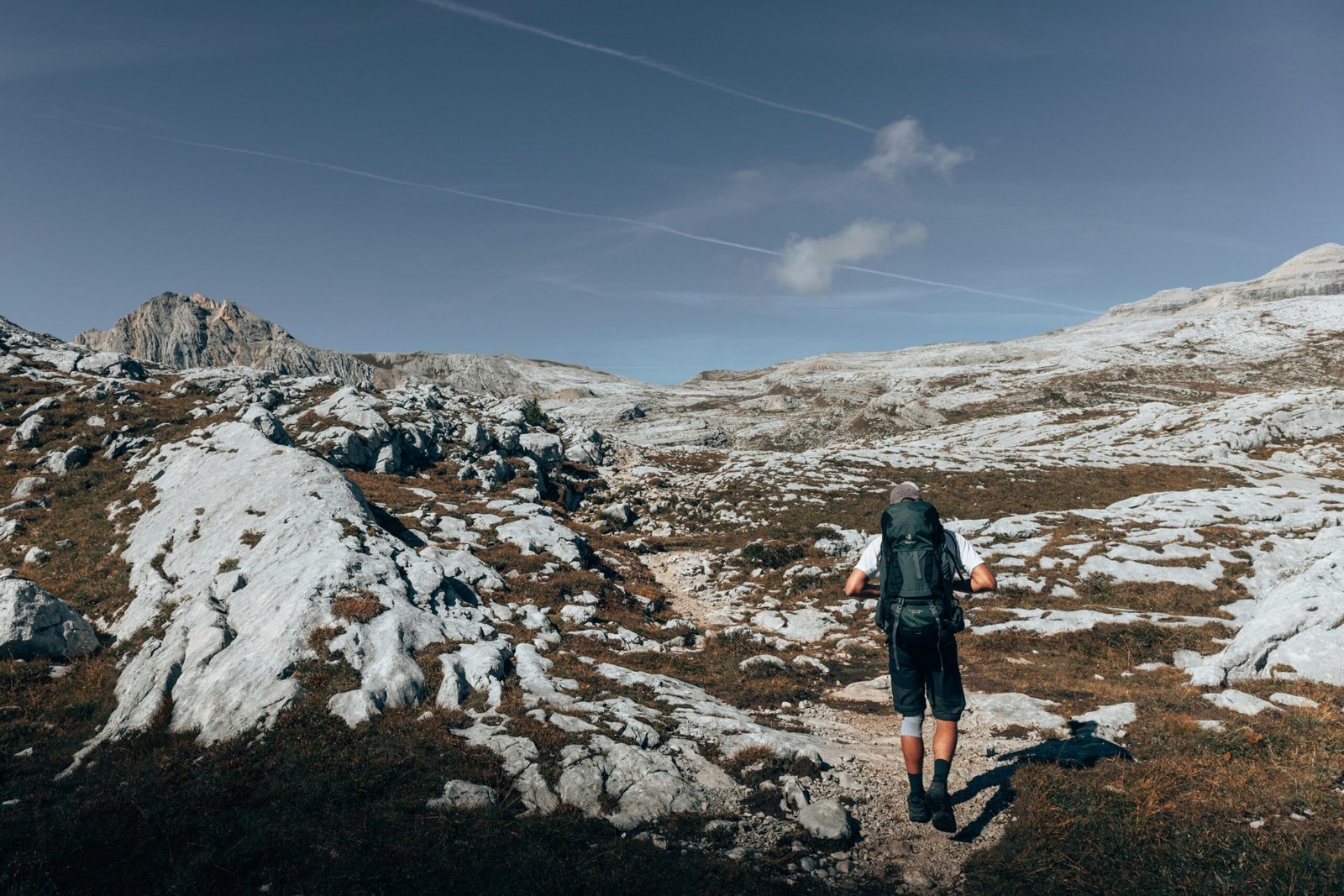
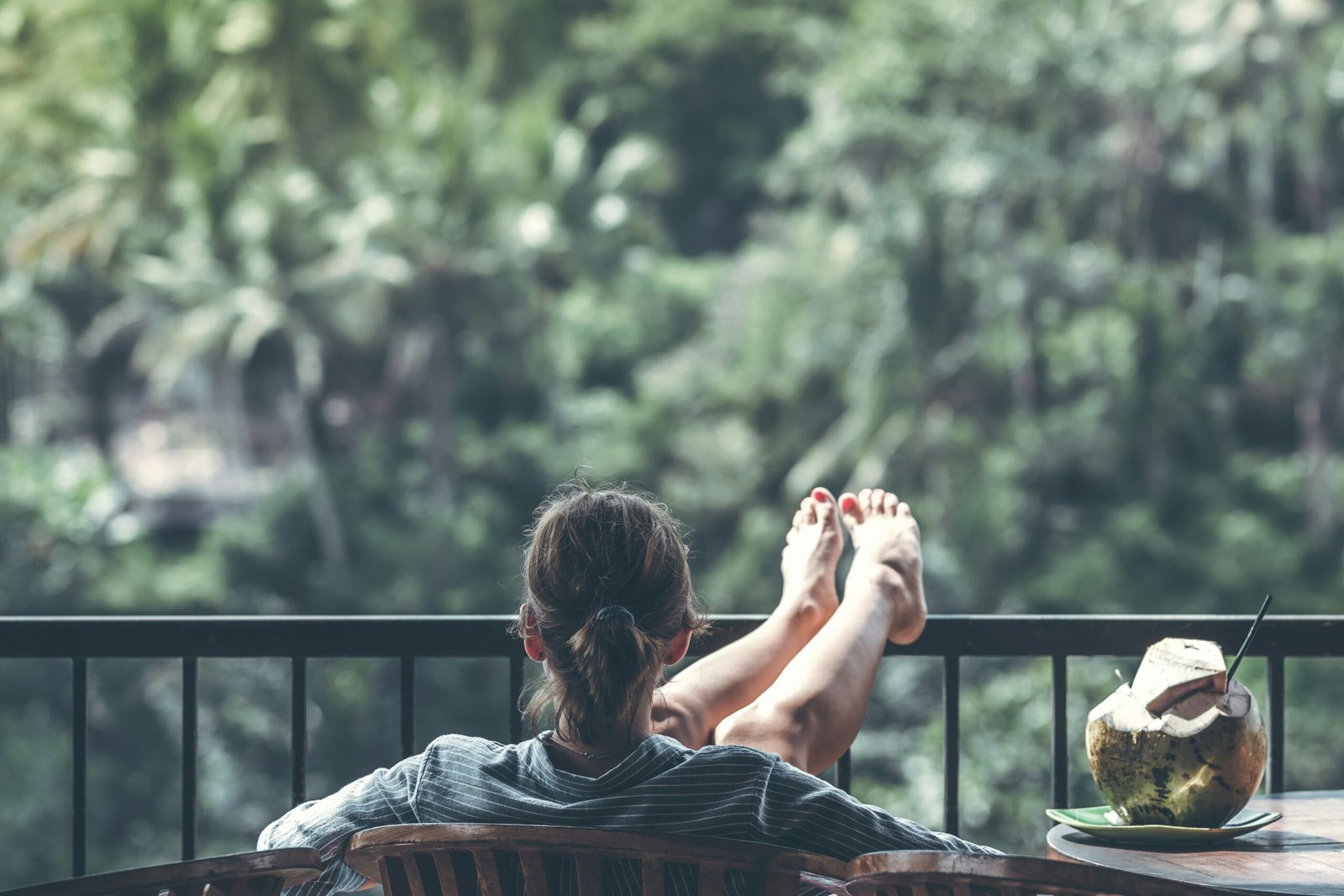
Solo travel boosts mental wellness. Tobias Rademacher / Unsplash
Finding Inner Peace Through Solo Adventures
Daily responsibilities, deadlines, and constant notifications can leave little room to relax. Solo travel offers a chance to step away from familiar routines and focus on the present moment.
After weeks of personal responsibilities, I took a solo trip to Karnala Fort (Mumbai). At Mountain top I surrounded by fresh air and scenic viewpoints, I felt a sense of calm that was difficult to find in my everyday life. Even a short break helped me return feeling refreshed and mentally recharged.
Confused between plans? Here helps you compare coverage, price, and benefits side by side.
Exploring new places encourages you to slow down and appreciate your surroundings. Nature, in particular, has a way of calming the mind and helping you feel more grounded.
Traveling alone provides valuable time to think without the usual distractions of daily life. It can help you reflect on your goals, priorities, and personal growth.
Traveling alone provides valuable time to think without the usual distractions of daily life. It can help you reflect on your goals, priorities, and personal growth.
How Solo Travel Builds Emotional Strength
Travel doesn’t always go according to plan. When you’re traveling alone, you learn to handle unexpected situations on your own, which builds confidence and emotional strength.
During my first solo trip to Mumbai, India, I accidentally boarded the wrong local train and ended up at an unfamiliar station. Instead of panicking, I asked for directions, figured out the correct route, and continued my journey. That experience taught me that I could stay calm and solve problems independently.
Solo travel often requires you to adjust your plans when things don’t go as expected. Learning to adapt helps you become more resilient both on the road and in everyday life.
Being alone in a new place means making decisions without relying on others. Each successful decision strengthens your trust in yourself.
Key Takeaway:
Being alone in a new place means making decisions without relying on others. Each successful decision strengthens your trust in yourself.
The Confidence You Gain from Traveling Alone
One of the greatest benefits of solo travel is learning to make decisions for yourself. From choosing destinations to planning daily activities, every choice is based on what you truly want.
Every successful solo trip is filled with small victories. Whether it’s navigating a new city, managing your budget, or trying something new, these moments create a strong sense of accomplishment.
Traveling alone gives you time to understand your interests, values, and goals without the influence of friends, family, or social expectations.
Mindful Travel Habits for Better Well-Being
Writing about your travel experiences helps you slow down and appreciate the journey. A journal can capture memories, emotions, and lessons that might otherwise be forgotten.
Yes, this is true, I spent a few minutes each evening writing about the places I visited, the people I met, and the moments that made me smile. Looking back at those entries later allowed me to relive the experience and recognize how much I had grown during the trip. This is good to give reward to yourself.
Travel becomes more meaningful when you focus on what you appreciate rather than what is missing. Gratitude helps you notice the small moments that make a journey special.
While watching the sunrise at Tiger Hill, Kerala. I felt grateful for the opportunity to witness such a beautiful view. Instead of worrying about future plans, I simply appreciated being there. That mindset made the experience even more memorable.
It’s easy to spend a trip taking photos or thinking about the next destination. Mindful travel encourages you to fully experience where you are right now.
Meaningful Connections Along the Journey
One of the most rewarding parts of solo travel is the opportunity to meet people from diverse backgrounds. These encounters can broaden your understanding of the world and make your journey more memorable.
Travel introduces you to people whose experiences may be very different from your own. Listening to their stories can inspire new ways of thinking and help you see life from a fresh perspective.
Travel friendships often form quickly because people share unique experiences together. Even brief connections can leave a lasting impact.
How Travel Helps You Reconnect with Yourself
Discovering Your Passions and Interests
When you’re away from your daily routine, you have the freedom to explore activities and experiences that genuinely interest you. Travel can reveal passions you may never have noticed at home.
Understanding Your Personal Goals
Travel provides quiet moments to reflect on where you are in life and where you want to go. Being away from familiar distractions often makes it easier to think clearly about your future.
Returning Home with a Fresh Mindset
A change of environment can help you see life from a new perspective. Many travelers return home feeling refreshed, motivated, and more appreciative of both their journeys and everyday lives.
Small Solo Travel Experiences That Create Big Growth
Solo travel encourages you to say “yes” to experiences you might normally avoid. Every new activity helps build confidence and creates lasting memories.
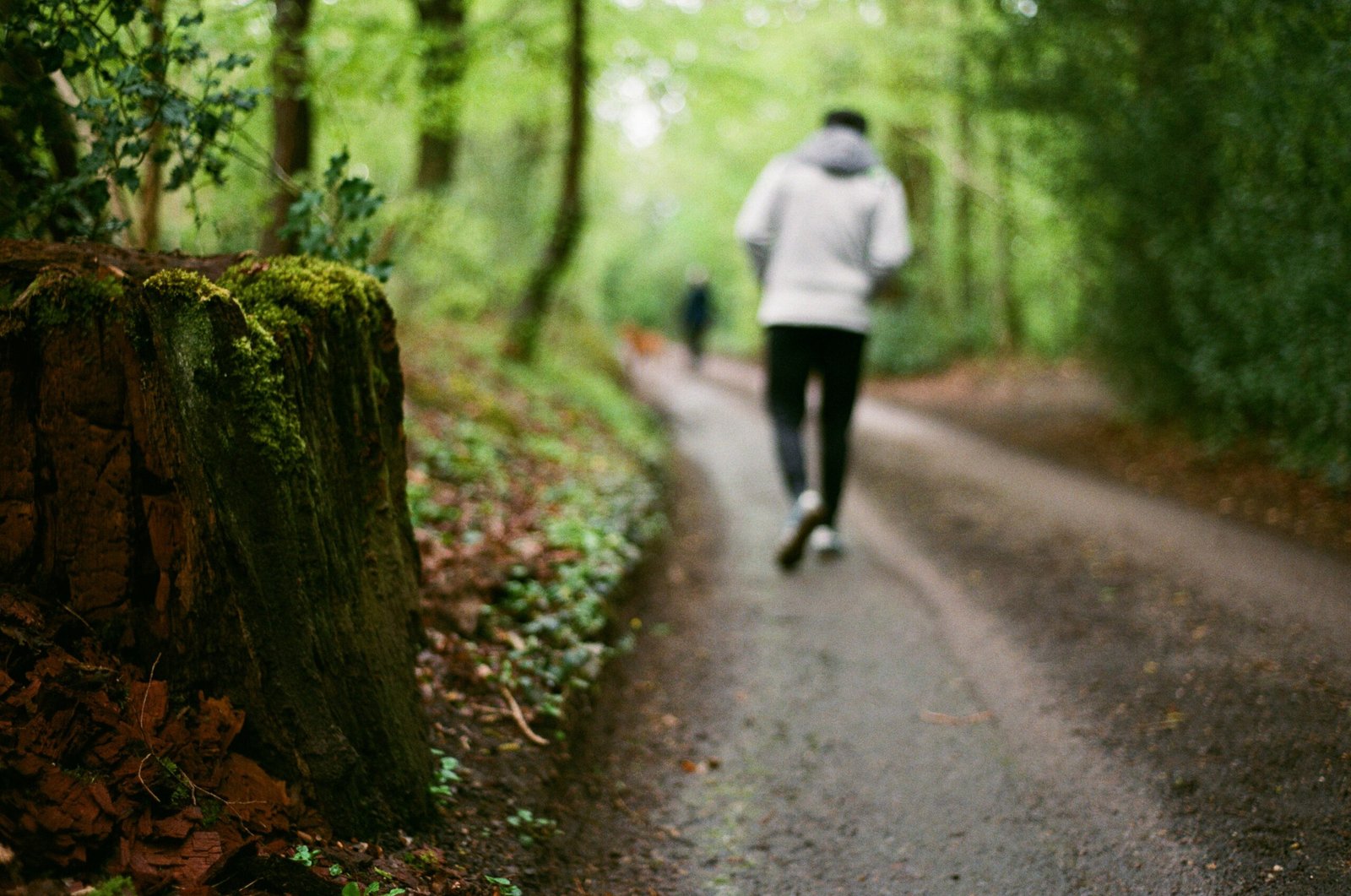
Mental health wins on the road alone. Rob Sutherland / Unsplash
Visiting places you’ve never been before teaches you how to adapt, stay curious, and embrace uncertainty. Even a short walk through an unfamiliar area can become a valuable learning experience.
Growth happens when you challenge yourself. Solo travel naturally pushes you to communicate with strangers, make decisions independently, and handle unexpected situations.
Key Takeaway:
Growth happens when you challenge yourself. Solo travel naturally pushes you to communicate with strangers, make decisions independently, and handle unexpected situations.
Creating a Healthy Travel Routine
It’s tempting to fill every hour of a trip with sightseeing, but constant activity can leave you feeling exhausted. A healthy travel routine includes time to relax and recharge.
Personally, I prefer using Kkday because convenient booking, instant confirmation, and competitive prices on top travel experiences.
Get your unforgettable tours, attractions, and travel experiences worldwide with Kkday.
Good sleep and healthy meals play a major role in keeping you energized while traveling. Looking after your body allows you to make the most of every experience.
Travel naturally provides opportunities to stay active, whether it’s walking through cities, hiking scenic trails, or exploring local neighborhoods on foot.
Returning Home Happier and More Inspired
The confidence you gain while traveling alone doesn’t stay at the destination—it follows you home. After successfully navigating new places, solving problems, and making decisions independently, everyday challenges often feel more manageable.
Every journey teaches valuable lessons, whether it’s patience, adaptability, or the importance of staying open to new experiences. These lessons can continue to benefit you long after the trip ends.
Travel often inspires you to keep exploring, but with a deeper understanding of what you truly enjoy. Future trips become less about checking destinations off a list and more about creating meaningful experiences.

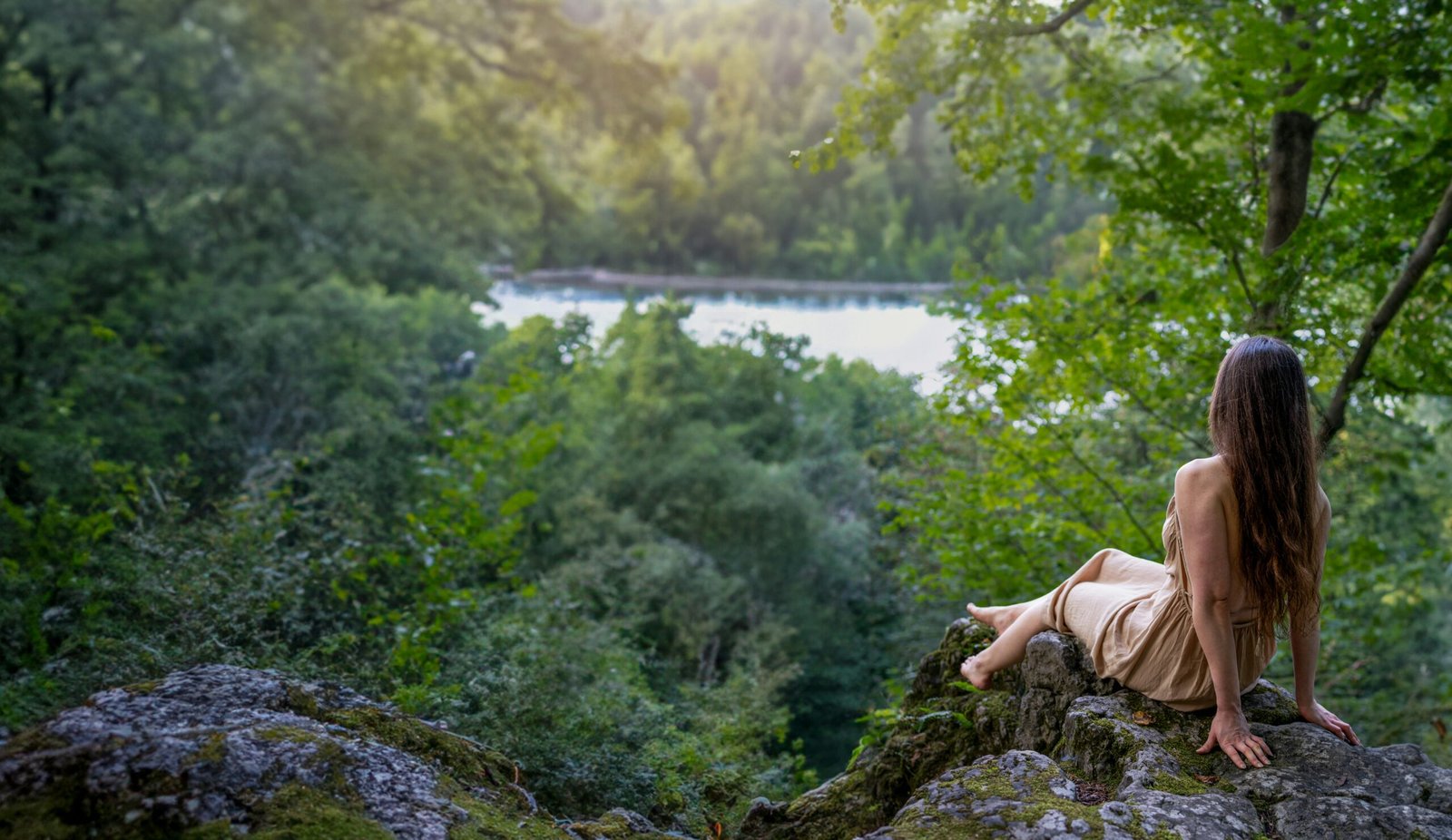
Growing into who you truly are. Dylan Lu / Unsplash
Using Solo Travel to Escape from Toxic Patterns
Recognizing when life feels suffocating, when your energy is constantly depleted, or when you no longer recognize yourself is the beginning of this journey.
Solo travel gives a unique space to pause and breathe, not to run from problems, but to rebuild without noise or pressure. You’re no longer defined by how others see you, but by how you choose to see yourself.
For longtime staying connected to the version of yourself you met on the road. In this way, solo travel becomes a healthy rebellion, not against others, but against the parts of ourselves that kept us small.
Mental Health Wins on the Road Alone
Standing beside a crashing Beaches & Islands, walking through a Arashiyama Bamboo Grove, or watching the sunrise from a mountain pass calms the nervous system and grounds your mind.
Scientific studies have shown that natural landscapes reduce anxiety, lower cortisol levels, and even increase feelings of hope.
Add to it your inner practices of journaling your emotions at the end of the day, meditating under open skies, and sketching or photographing scenes that move you, and suddenly, the solo trip becomes a sanctuary for mental restoration.
These rituals turn solo travel into more than a getaway; they transform it into a mental health retreat.
My Personal Mental Health Journey
I was born a confident child who loved being involved in everything. Whether it was school activities, meeting new people, learning something new, or taking on challenges, I always approached life with enthusiasm and courage. I believed in myself and enjoyed exploring the world around me. However, my life changed suddenly after a major accident. The accident affected me physically and emotionally, and for a long time it felt like everything I had built within myself had been taken away. I struggled with pain, fear, self-doubt, and uncertainty about the future. Simple things that once felt easy became difficult, and there were moments when I questioned whether I would ever feel like myself again.
Recovery was not a quick or easy journey. It took patience, determination, and countless small steps forward. There were good days and difficult days, but I refused to give up. Over time, I began rebuilding my confidence piece by piece. I learned that strength is not about never falling—it’s about finding the courage to rise again after life knocks you down. Travel became an important part of that healing process. Exploring new places, meeting different people, and navigating unfamiliar situations reminded me that I was still capable, independent, and strong. Every solo trip helped me trust myself a little more and showed me how far I had come.
Today, I look back at that accident not only as one of the hardest experiences of my life but also as a turning point that taught me resilience. It changed me, but it did not define me. I may have lost confidence for a while, but I found it again through perseverance, self-belief, and new experiences. My journey taught me that healing takes time, growth often comes from challenges, and no matter how difficult life becomes, it is possible to rebuild yourself and move forward with hope.
Hope you like it! My story
Pooja
The Transformative Power of Solo Travel
Traveling alone is more than just visiting a new destination, it’s an opportunity to discover what you’re truly capable of. Without relying on friends or family, you learn to make decisions, solve problems, and navigate unfamiliar situations on your own.
A solo trip teaches independence, confidence, and self-reliance in a way that few other experiences can.
The lessons learned while traveling often stay with you long after the journey ends. Travel teaches adaptability, patience, resilience, and the importance of staying open to new experiences. These qualities can positively influence your personal and professional life for years to come.
While destinations offer beautiful memories, the most meaningful part of travel is often the transformation that happens within. The experiences, lessons, and self-discovery gained along the way can change how you view yourself and the world.
The Travel Psychologist (Dr. Charlotte Russell)
A UK-based clinical psychologist who explores how solo travel fosters self-awareness, resilience, and personal growth, with well-cited articles backing psychological benefits.
The Travel Resources I Used While Travelling
By purchasing through the following links, You can support me to grow together at no additional cost.
Klook & Hostelworld: To find the best hotels, hostels and guesthouses
Radical Storage: Store your luggage securely and travel hands-free anywhere you go.
Eatwith: Connect with locals through home meals.
Visitorscoverage : One of the best reviewed travel insurance companies
WeGoTrip: Discover self-guided audio tours


Leave a Comment
Hello!
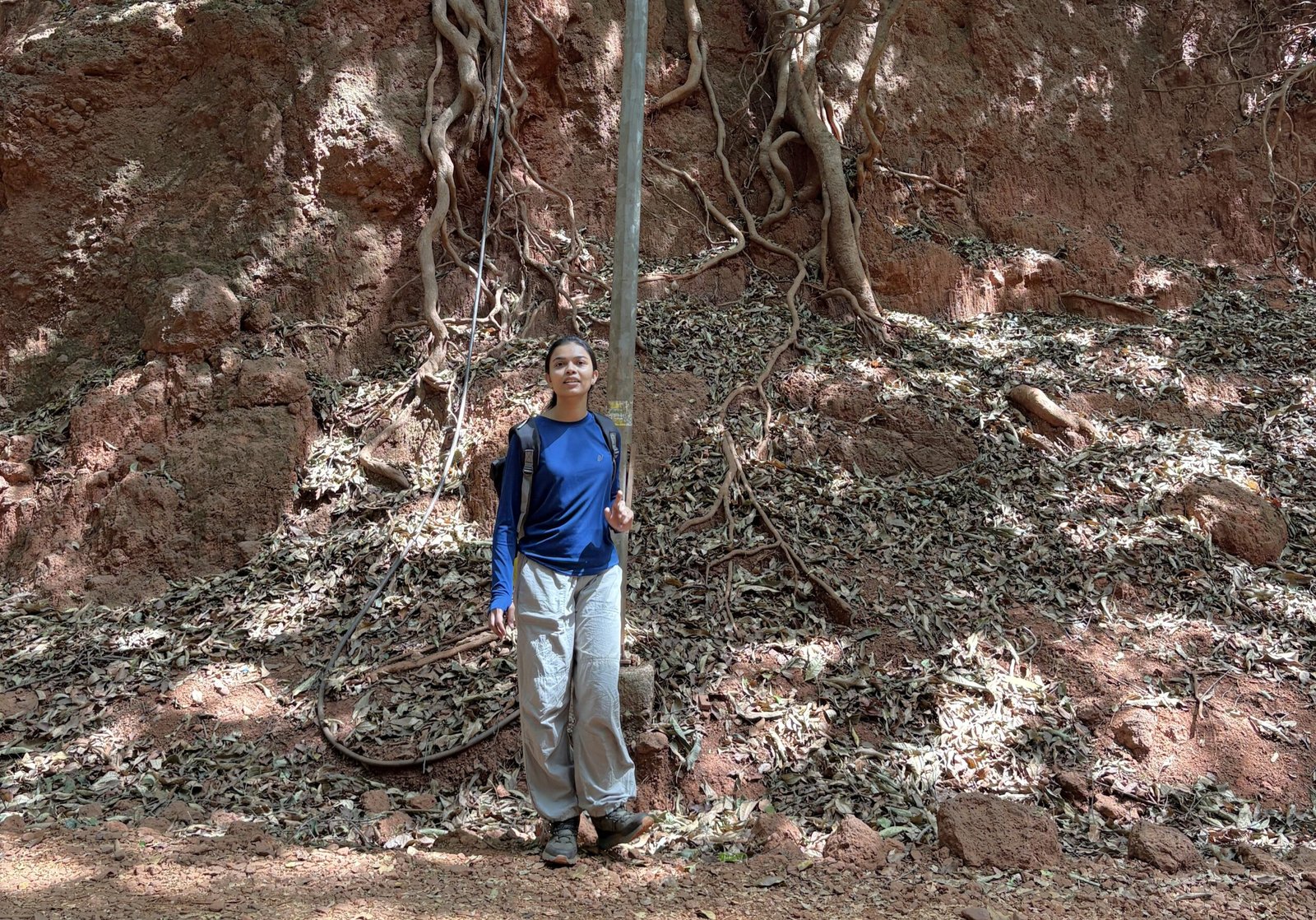
Hi, I’m Pooja Mokashi, a passionate storyteller and travel content creator behind Travel Meet World. Based in Mumbai, I love discovering local cultures and helping travelers explore the world with confidence and smart planning.
Unlock Your Free Travel Hacks
Join 5,000+ travelers getting Free Weekly Travel Tips, Get Exclusive Updates & Download my free travel checklist