Best Things to Do in India

The 14 Best Things to Do in India
Best Things to Do in India
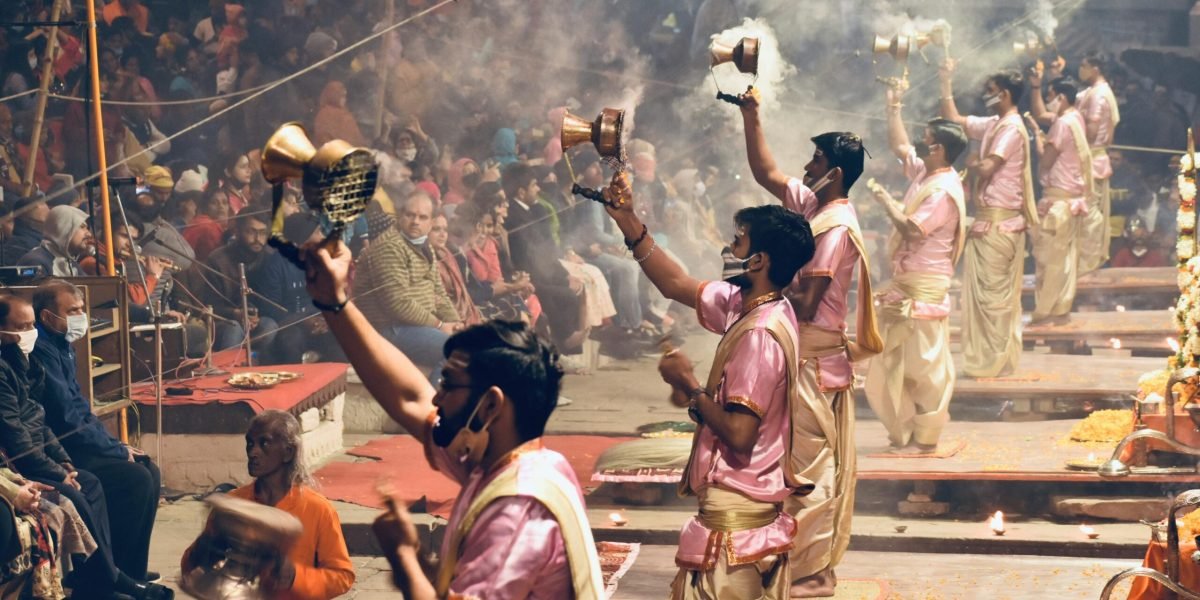
Devotees pray at a sacred temple, reflecting India’s deep spiritual tradition. Bharatanirudh / Pexels

India is home to some of the world’s most extraordinary and lesser-known wonders. Here are some best things to do in India. Walking through a valley where flowers bloom only once every 12 years, creating a surreal carpet of colors, or stepping inside a 1,000-year-old temple that remains submerged underwater for most of the year.

Another experience is the mystical desert where sand fly when you walk on it, or visit a village where people speak an ancient whistling language instead of words. India is a land of secrets waiting to be discovered. Here explain more mysterious 14 best things to do in India.
Best Things to Do in India
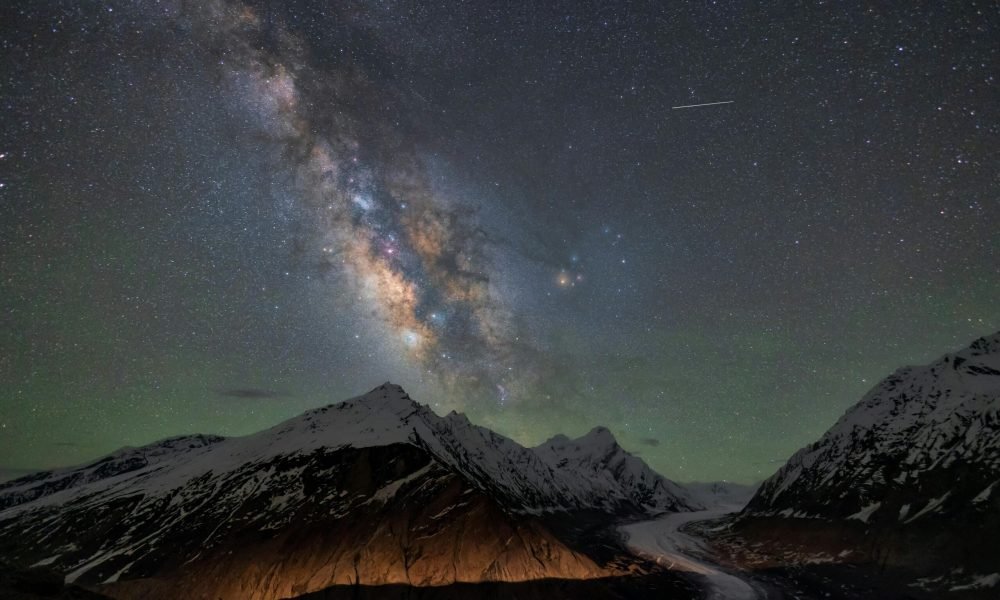
A stunning view of the Milky Way stretching over the snow-capped mountains of Ladakh’s. Vikashkr / pexels

1. Stargazing in the Dark Sky Reserve of Ladakh

Stargazing in the Dark Sky Reserve of Ladakh (Hanle) is the best things to do in India, giving some of the clearest and darkest skies in the world. Nestled at an altitude of over 4,500 meters, Hanle is home to India’s first officially recognized Dark Sky Reserve, making it a haven for astronomers and astrophotographers. Hanle gives an unparalleled view of the Milky Way, constellations, and deep-space objects due to its minimal light pollution, dry air, and clear skies.

The Indian Astronomical Observatory (IAO), one of the world’s highest observatories, is located here, further enhancing its reputation as a premier stargazing destination. The best time to visit India‘s region is between May and September, when clear skies dominate the region and new moon nights give pitch-black conditions for astrophotography. Whether you’re a space enthusiast or simply seeking the magic of an unpolluted night sky, Hanle’s Dark Sky Reserve gives a once-in-a-lifetime celestial experience.

Best Things to Do in India
This window and interior carving of City Palace tell us Rajputana royalty and heritage. Johan Mouchet / Unsplash

2. Stay in a 500-Year-Old Haveli Turned Homestay

Rajasthan is home to some of the most exquisite and lesser known havelis, now transformed into heritage homestays, where travelers can experience the grandeur of its royal past. These centuries-old mansions once housed kings, noble families, and wealthy merchants, featuring intricate carvings, hand-painted frescoes, grand courtyards, and feeling like hidden passageways that still hold untold stories and some past realities.

One such gem is Malji Ka Kamra in Churu, a 20th-century haveli that once served as a lavish guesthouse for the region’s noblemen. Its Italian-style balconies, Shekhawati frescoes, and restored royal suites make it an enchanting stay, giving a glimpse into Rajasthan’s aristocratic past. Mandir Palace in Jaisalmer, a 250-year-old palace-haveli, was once home to the city’s royal family. The palace, adorned with intricately carved jharokhas (balconies) and stunning views of Jaisalmer Fort, still exudes the regal charm of the desert kingdom.

Neemrana Fort-Palace & City Palace a stunning 15th-century haveli-turned-fortress, is the best thing to do in India. It features hanging gardens, underground escape routes, and panoramic views of the Aravalli Hills, giving a glimpse into Rajputana royalty and heritage.
Best Things to Do in India
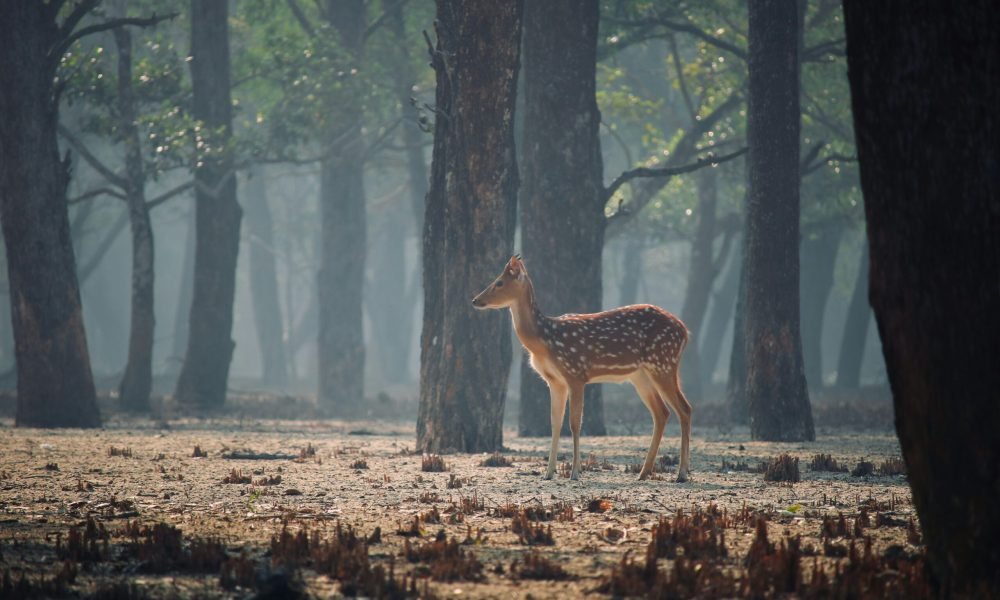
Sundarbans is home of the majestic Royal Bengal Tiger and spotted deer (chital), and rich biodiversity. Mamun Srizon / Unsplash

3. Kayak Through the Floating Forests of Sundarbans

The best things to do in India are in Sundarbans, by kayak, experiencing the world’s largest tidal mangrove forest. As you paddle through the narrow creeks and winding waterways, you find yourself surrounded by towering mangrove trees with roots rising from the water, creating an otherworldly floating forest.

Kayaking allows you to venture deep into hidden channels where boats cannot go, giving a closer look at the diverse ecosystem, from exotic birds to the occasional glimpse of a crocodile sunbathing on the banks.

If you’re lucky, you might even spot the elusive Royal Bengal Tiger drinking from the river’s edge. Kayaking through the floating forests of the Sundarbans, tigers can swim. The Royal Bengal Tiger in this region has adapted to the mangrove ecosystem, often seen wading through the water or even swimming across rivers in search of prey.

Best Things to Do in India
One of the best views of the centuries-old temples, boulder-strewn hills, and lush paddy fields below. Alka Jha / Unsplash

4. Take a Hot Air Balloon Ride Over Hampi’s Ruins

Floating high above the ancient ruins of Hampi in a hot air balloon is nothing short of magical. As the sun rises, the golden light bathes the rocky landscape, revealing a breathtaking view of the centuries-old temples, boulder-strewn hills, and lush paddy fields below. From this serene vantage point, you’ll see the grandeur of the Vijayanagara Empire in a way that no walking tour can match. Drifting gently in the air, you can spot the famous Virupaksha Temple, the Tungabhadra River winding through the terrain, and the surreal, moon-like landscapes that make Hampi so unique.

The experience is both peaceful and exhilarating, giving a bird’s-eye view of one of India’s most stunning UNESCO World Heritage Sites. Whether you’re an adventurer or a history lover, a hot air balloon ride over Hampi is the best thing to do in India.

Best Things to Do in India
The world’s longest and deepest underground crystal-clear water underground river. Itsthenmp / Pexels

5. Explore an Underground River in Meghalaya

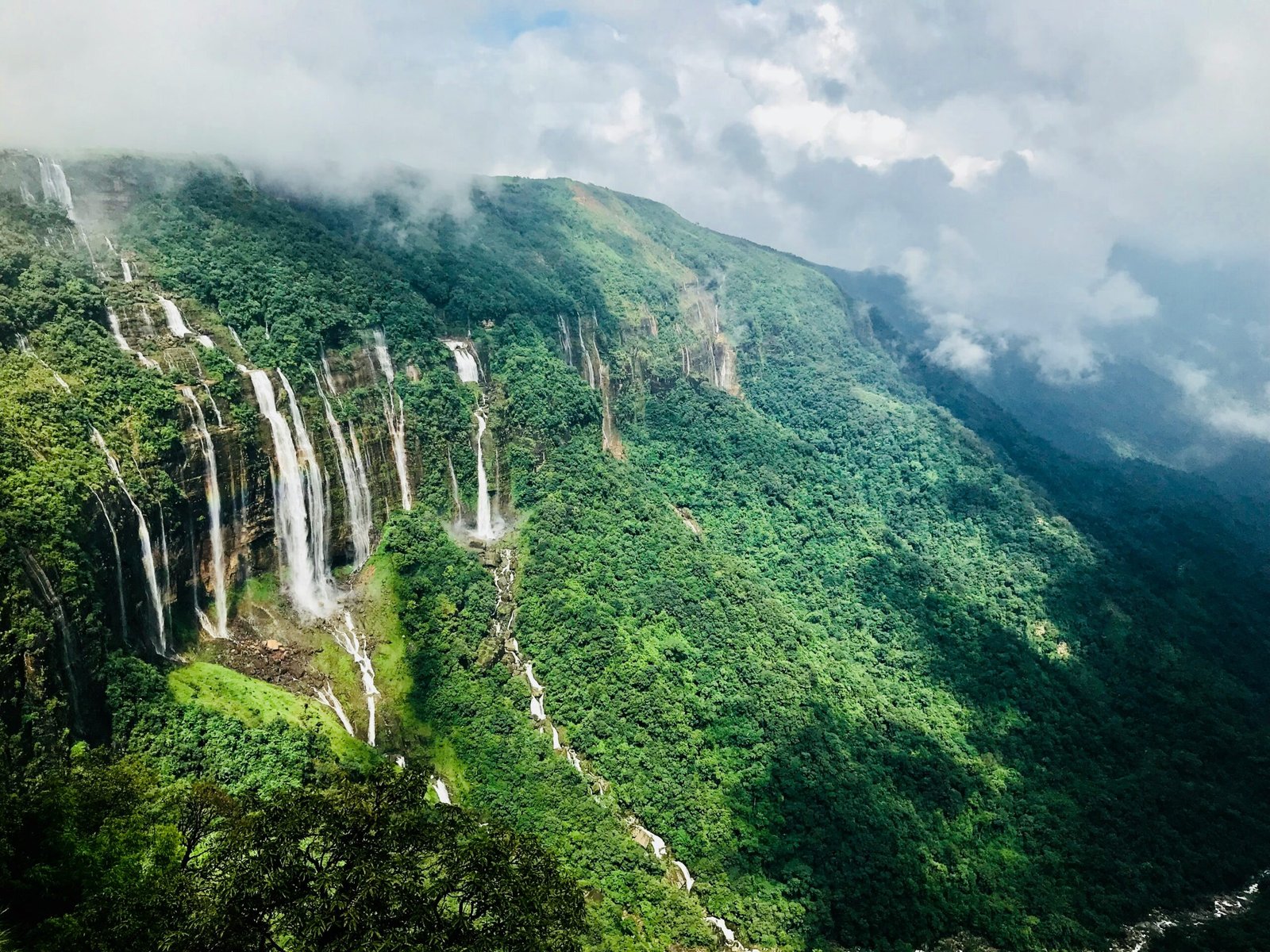
Venturing into the underground rivers of Meghalaya is like stepping into a secret realm carved by nature over millions of years. Hidden beneath the lush green hills, these mystical rivers flow through vast limestone caves, creating an otherworldly landscape of stalactites, stalagmites, and echoing chambers. As you glide through the crystal-clear waters in a kayak or raft, the only sounds you hear are the gentle ripples and the occasional drip of water from the cave ceiling. Some passages are illuminated by beams of sunlight piercing through natural openings, casting a magical glow on the cave walls.

Siju Cave, one of the longest caves in India, houses an underground river that weaves through its ancient rock formations, while the lesser-known Liat Prah Cave boasts the largest cave passage in the country. The experience is both thrilling and surreal, giving a glimpse into Meghalaya’s hidden world where time seems to stand still.

Best Things to Do in India
The fireflies light up Indian forest magical sight before the monsoon rains arrive. Avinash / Pexels

6. Witness Fireflies Light Up an Entire Forest

Every year, as the pre-monsoon season arrives, certain forests in . transform into an enchanting wonderland as thousands of fireflies light up the trees in synchronized flashes. This mesmerizing natural phenomenon can be witnessed in forests around Rajmachi, Bhandardara, Purushwadi, and Bhimashankar, where these tiny bioluminescent insects create a breathtaking display that looks like a starry sky brought down to Earth. As night falls, entire trees flicker with the rhythmic glow of countless fireflies, pulsing in perfect harmony, turning the dense forest into a glowing, dreamlike world.

The Rajmachi Fireflies Festival and similar events in Bhandardara and Purushwadi give the perfect opportunity to experience this magical sight before the monsoon rains arrive. Walking through the illuminated forest, surrounded by the soft hum of nature and the glow of thousands of fireflies, is an otherworldly experience—a rare and fleeting moment that feels straight out of a fantasy.

Best Things to Do in India
This is a rare chance to witness the sacred traditions, storytelling, and spirit of the Naga people. Mohemad Abdul Rasheed / Unsplash

7. Participate in the Festival of Beating Drums in Nagaland

In the heart of Nagaland, where traditions run deep and the tribal spirit thrives, the Festival of Beating Drums is a spectacular celebration of music, unity, and ancestral heritage. This electrifying event brings together various Naga tribes, each showcasing their unique drumming styles that have been passed down for generations.

As the festival begins, the rhythmic beats of massive log drums, carved from ancient trees, echo through the hills, creating a powerful and almost hypnotic sound that resonates deep within the soul. The synchronized drumming is often accompanied by war cries, folk chants, and traditional dances, representing the warrior legacy and folklore of Nagaland.

The energy is infectious as the entire community gathers around, dressed in vibrant tribal attire adorned with feathers, beads, and handcrafted ornaments, moving to the pulsating beats. For visitors, it’s more than just a musical event—it’s an immersive cultural experience, giving a rare chance to witness the sacred traditions, storytelling, and spirit of the Naga people.
Best Things to Do in India
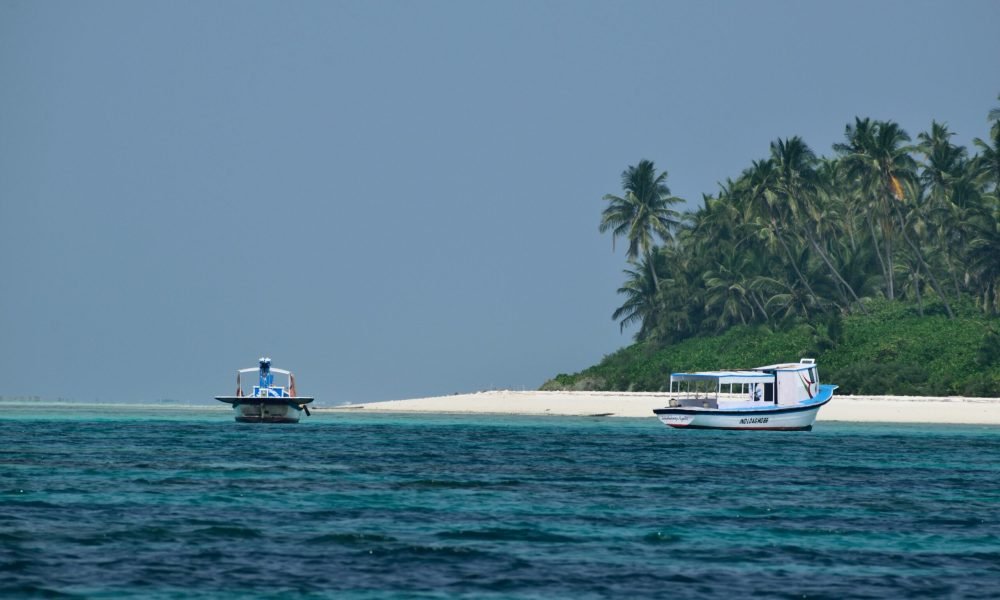
Beaches of Lakshadweep where the shoreline shimmers with a mystical blue glow water under the night sky. Sanjeev Maurya / Pexels

8. Find a Secret Beach That Glows in the Dark

The bioluminescent beaches of Lakshadweep give this rare and magical phenomenon, where the shoreline shimmers with a mystical blue glow under the night sky. This breathtaking sight is caused by microscopic marine organisms called phytoplankton, which emit a soft blue light when disturbed by the waves or movement in the water.

You can see this magical bioluminescence at Agatti Island, Bangaram Island, and Kavaratti in Lakshadweep, where the clear waters and untouched beaches create the perfect setting for this breathtaking sight.

​Recent studies have unveiled the presence of zoanthid pools along Mumbai‘s coastline, particularly near areas like Haji Ali and Worli. Zoanthids are small marine creatures related to corals and sea anemones. They form colorful colonies on rocks near the shore. Under ultraviolet light, they glow beautifully, creating a stunning natural light show along the coastline.

9. Visit a Hidden Island Where Dolphins Dance at Sunrise

Tucked away in the mighty Brahmaputra River, Assam is home to a hidden island where you can witness the graceful dance of freshwater dolphins at sunrise. As the first light of dawn paints the sky in hues of orange and pink, the calm waters of the river come alive with the playful leaps of the endangered Gangetic River Dolphins. These intelligent and elusive creatures, locally known as “Sihu,” surface gracefully, creating ripples in the golden waters.

Another spot is the Kulsi River Island, a lesser-known haven where dolphins thrive in the pristine, undisturbed waters. Unlike oceanic dolphins, these rare freshwater dolphins rely on echolocation to navigate the murky river, making their sudden appearances even more special. A boat ride at dawn, gliding through the misty river, gives the best chance to see them in their natural habitat.
Best Things to Do in India
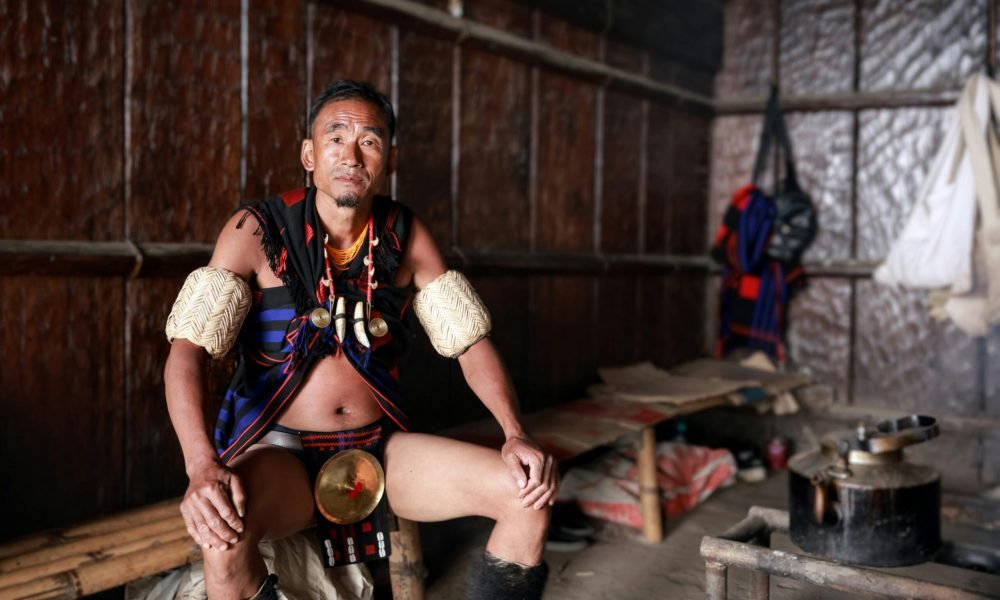
A visit to the Konyak heartland, one of India’s most fascinating and vanishing tribal cultures. Anusree Gs / Pexels

10. Live with the Last Head-Hunters of India

Deep in the remote hills of Nagaland, the Konyak tribe carries a fading legacy of warrior traditions, face tattoos, and tribal pride. They were feared headhunters, known for their hornbill-feathered headgear and tattooed faces. The headhunting was a rite of passage where warriors took enemy heads as trophies to prove their strength and bravery.

Longwa, one of the most gives a rare opportunity to live among the last surviving headhunters, hear their war stories, and witness their unique way of life. Visitors can experience traditional Konyak crafts, blacksmithing, opium-smoking rituals, and tribal festivals like Aoling, which celebrates the arrival of spring. As the last of the tattooed warriors age, their stories become even more precious, making a visit to the Konyak heartland a journey into one of India’s most fascinating and vanishing tribal cultures.

11. Attend a Wedding of the Gods in Madhya Pradesh

One of the best things to do in India is experience in Madhya Pradesh is witnessing the annual celestial wedding known as the “Vishnu-Karthikeya Vivah, or the Wedding of the Gods. Held in Ujjain and other temple towns, this grand festival reenacts the sacred marriage of Lord Karthikeya, the son of Lord Shiva and Goddess Parvati, to his divine consorts. The event is celebrated with devotion, rituals, and vibrant festivities, making it a truly special experience.

The wedding ceremony follows elaborate Vedic rituals, just like a traditional Hindu wedding, complete with processions, priestly chants, and joyous celebrations. Devotees play the role of family members, carrying out rituals as if attending a real wedding. The temple is beautifully decorated, and devotees bring wedding gifts, sing bhajans, and participate in the divine feast (prasad distribution).

The atmosphere is filled with music, dance, and religious fervor, making it the best experience for visitors.
Best Things to Do in India
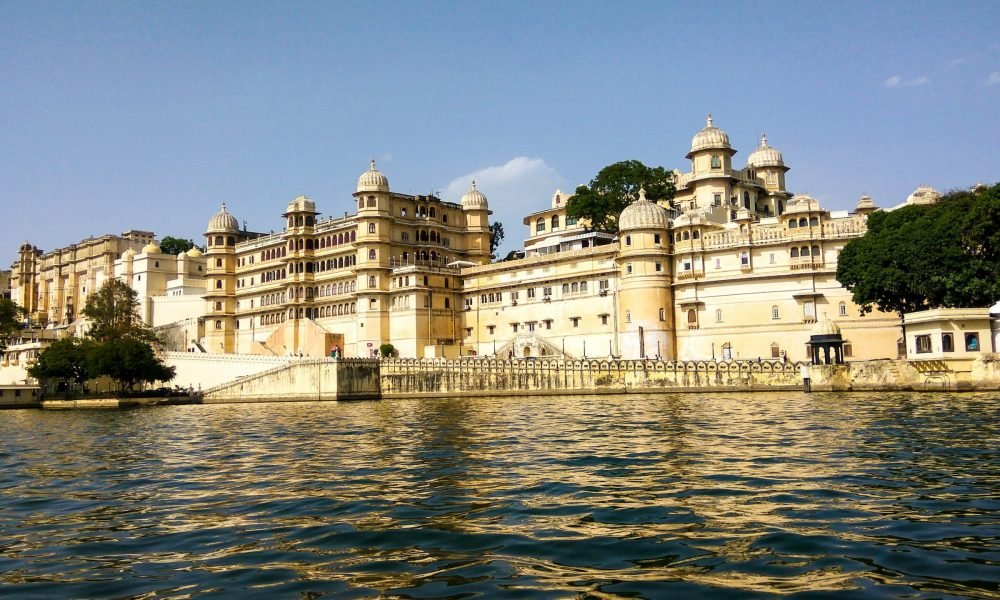
The palace still stands as a testament to Udaipur’s regal past, giving visitors a glimpse into an era of royalty. Pranav Panchal / Unsplash

12. Explore a Lost Floating Palace in Udaipur

Udaipur, the City of Lakes, is home to some of the most breathtaking palaces in India, but hidden among its waters lies a lesser-known gem—a lost floating palace. This mysterious structure, partially submerged in the lake, was once a lavish retreat for royalty.

To reach this hidden gem, you’ll need to take a boat ride across the waters, where you can see birds nesting in its ruins and the golden hues of the setting sun reflecting off its ancient stones. Unlike the famous Lake Palace, this forgotten relic remains untouched by modern luxury, giving a dreamy, offbeat adventure for history lovers and explorers. Exploring this lost floating palace is truly a one-of-a-kind experience and deserves a place among the best things to do in India.
Best Things to Do in India
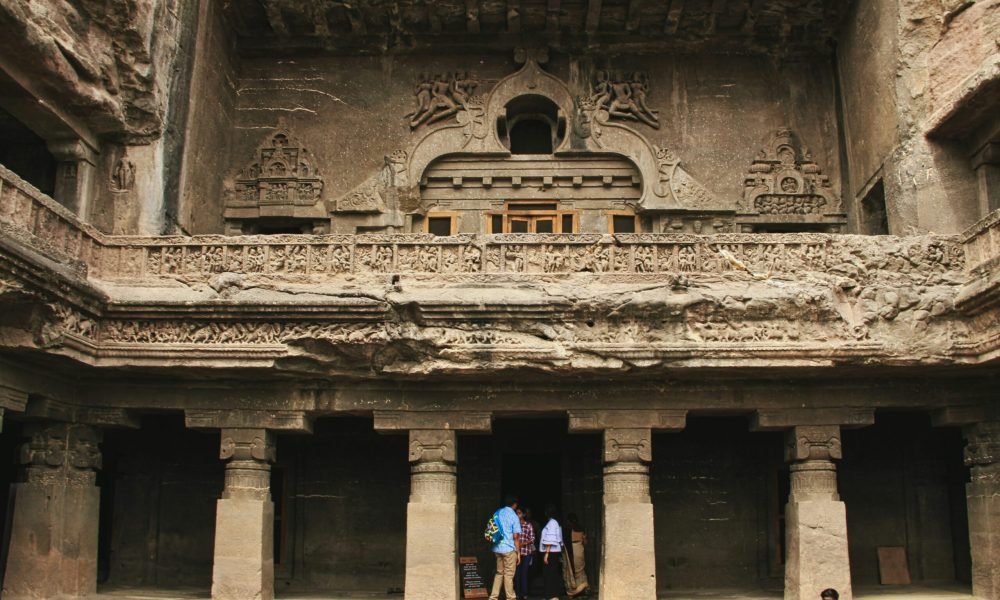
Maharashtra’s rock caves are nature’s hidden galleries and forgotten civilizations. Setu chhaya / Unsplash

13. Walk Through a 2,000-Year-Old Underground City in Maharashtra

Maharashtra is home to some of India’s most fascinating underground cities and cave complexes, dating back over 2,000 years. The Ellora Caves, a UNESCO World Heritage Site, house an entire city-like structure carved into the rock, with elaborate temples, monasteries, and halls hidden beneath the earth. The Ajanta Caves, another architectural wonder, feature intricate Buddhist murals and prayer halls that once served as a sanctuary for monks.

The Karla and Bhaja Caves near Lonavala contain vast underground chambers that once hosted ancient traders and travelers. These underground marvels remain shrouded in mystery, drawing history enthusiasts and explorers eager to uncover their secrets. Whether it’s the grandeur of Ellora, the artistic brilliance of Ajanta, or the secluded charm of Karla and Bhaja, Maharashtra’s ancient exploration is the best thing to do in India.
Best Things to Do in India
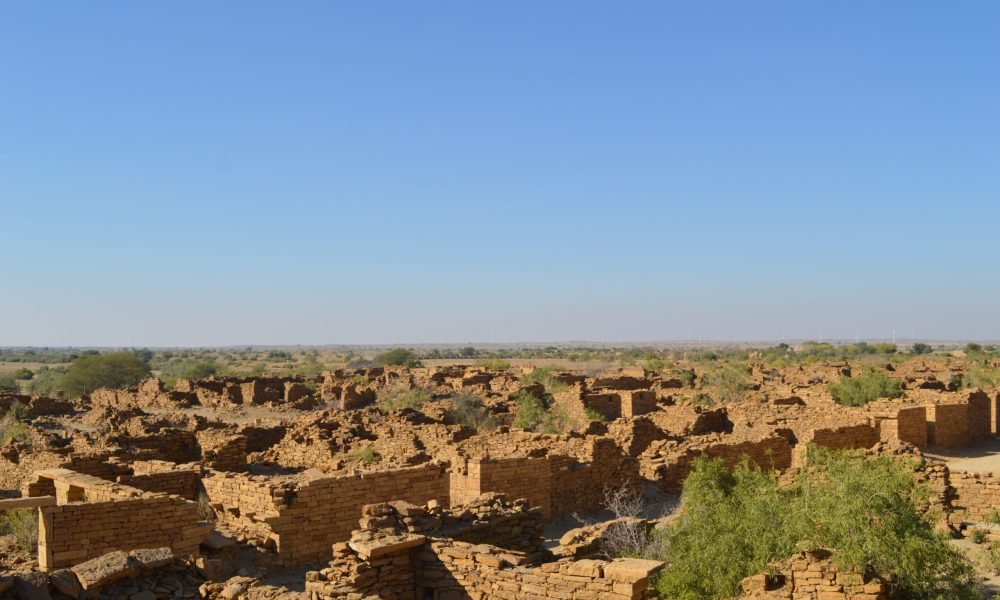
In the Thar desert of Rajasthan, the hunting mysterious village welcome you with secrets. DSC

14. Visit the Ghost Town That Was Abandoned Overnight

Deep in the Thar Desert of Rajasthan, the Kuldhara Village stands as a haunting reminder of an unsolved mystery. Once a prosperous settlement of the Paliwal Brahmins, this village was suddenly abandoned overnight in the early 19th century, and to this day, no one knows exactly why. According to local legends, the villagers cursed Kuldhara before leaving, ensuring that no one could ever settle there again. Many believe they fled to escape the oppression of a ruthless ruler, while others claim supernatural forces drove them away.

Walking through the deserted lanes and crumbling sandstone houses, you can feel an eerie silence that hangs over the village. The temple, stepwells, and ruins still stand, whispering stories of a once-thriving community. Some visitors and locals report feeling an unsettling presence, hearing whispers in the wind, or experiencing a sudden drop in temperature. Whether you visit for the thrill of the unknown or the historical intrigue, Kuldhara remains one of India’s most mysterious ghost towns, drawing curious travelers eager to uncover its secrets.

GUIDED BY TRAVEL MEET WORLD

Yoga within Travel the perfect flow of Experience

Explore wellness within Travel

by

Explore Related Articles

20 Best Things to Do in Thailand

20 Best Things to Do in United States

24 Best Things to Do in Malaysia

20 Best Things to Do in Japan

LEAVE A COMMENT


    Things to Know Before Traveling to India

    18 Best Things to Know Before Traveling to India

    Things to Know Before Traveling to India
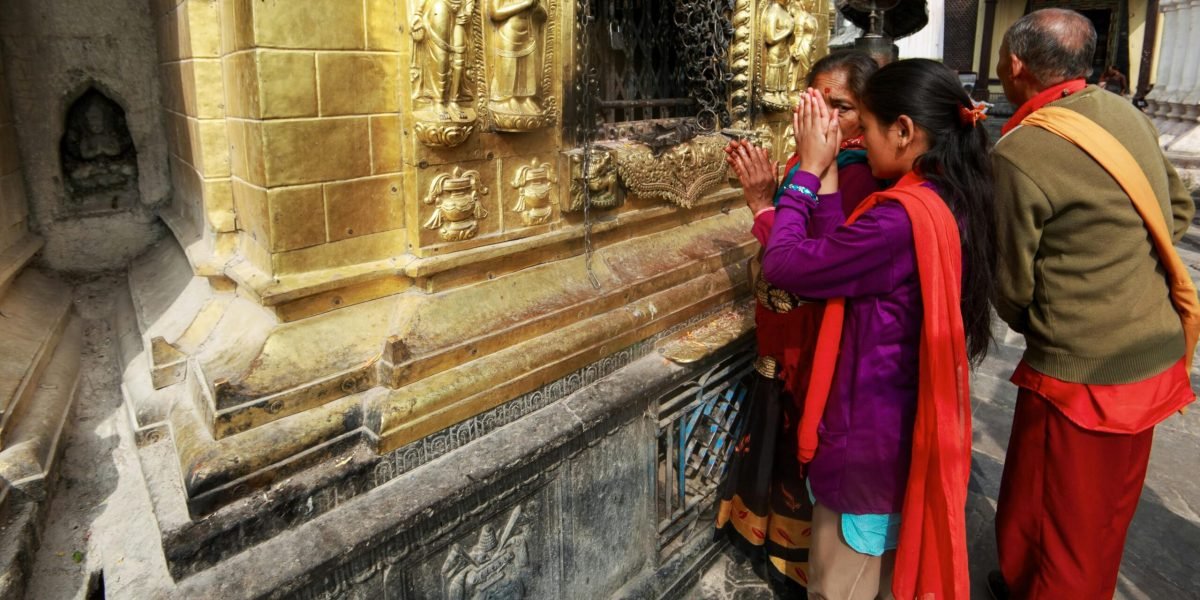
    Devotees pray at a sacred temple, reflecting India’s deep spiritual tradition. Tkirkgoz / Pexels

    Whether it’s the breathtaking beauty of the Taj Mahal, the lively streets of Mumbai, or the peaceful ghats of Varanasi, there is many best places to visit in India with something special for everyone. It’s a country full of surprises—some exciting, some overwhelming, but all special to make your journey smoother and more enjoyable

    Here are 18 important things to know before traveling to India. From cultural tips to travel hacks, these insights will help you experience India at its best.

    1. The emotional rollercoaster of India

    Visiting India is an emotional journey that takes you through a whirlwind of sensations, contrasts, and best moments. One moment, you’re mesmerized by the breathtaking beauty of the Taj Mahal; the next, you’re navigating the chaotic streets of Old Delhi, dodging rickshaws, cows, and street vendors calling out their best deals.

    The sheer intensity of life in India can feel overwhelming—crowded markets, honking traffic, and an endless explosion of colors, smells, and sounds. But then, just when it seems too much, India surprises you with moments of pure magic. It could be the kindness of a stranger giving you chai on a long train ride, the serenity of a temple at sunrise, or the deep wisdom hidden in everyday conversations. India doesn’t just change your perspective on travel—it changes how you see the world. And when you leave, you don’t just take memories with you—you take a piece of India in your heart. Let’s ahead more surprising things to Know before traveling to India.

    Things to Know Before Traveling to India
    One of the best local things to know before traveling to India is Master the skills of how to bargain in local street. Rafiee Artist / Unsplash

    2. The art of bargaining like a local

    Bargaining in India isn’t just about getting a good deal—it’s an art, a social interaction, and sometimes even a fun game and more than things to know before traveling to India with your family or solo. Whether you’re shopping for handcrafted souvenirs in Jaipur’s bustling bazaars or picking up spices in a crowded Delhi market, knowing how to haggle can save you money and give you an authentic local experience.

    The key is confidence—start by asking for the price, then counter with half or even a third of it. The seller will protest (sometimes dramatically), but that’s part of the dance. Keep a smile, stay patient, and be willing to walk away—this often brings the “final price” down even more. But bargaining isn’t just about numbers; it’s about respect. Build rapport, crack a joke, and enjoy the process. Remember, in India, a friendly negotiation isn’t seen as rude—it’s expected. Master this skill, and you won’t just shop like a traveler; you’ll shop like a true local.

    3. Why slow travel is the best way to experience India

    Whether it’s sipping chai at a roadside stall while chatting with locals, taking a leisurely boat ride along the Ganges at sunrise, or wandering through a quiet village where time seems to stand still, these moments make India better than other places.

    India’s essence isn’t just in its famous landmarks; it’s in the unplanned moments, the stories you hear, and the connections you make. By traveling slowly, you get to experience the real India—the small joys, the deep spirituality, and the warmth of its people—without feeling overwhelmed by the chaos. So, instead of racing through India, let India reveal itself to you, one beautiful moment at a time.

    4. How to blend in and avoid the "Tourist" label

    India welcomes travelers with open arms, but standing out as an obvious tourist can sometimes lead to unwanted attention or higher prices. Blending in isn’t about changing who you are—it’s about understanding and respecting local customs. Dressing modestly is the first step; in many parts of India, especially religious sites, covering your shoulders and legs shows respect. Observing how locals greet each other—using “Namaste” with a slight bow of the head rather than a handshake—can also help you connect effortlessly.

    When visiting temples or homes, remove your shoes without being asked, and avoid public displays of affection, which can be seen as inappropriate. Another key aspect is adjusting to India’s rhythm; things may not always run on schedule.

    Avoid raising your voice in frustration and embrace the flow of life around you. By showing awareness, curiosity, and cultural sensitivity, you’ll not only avoid the “tourist” label but also gain deeper, more meaningful interactions with the people you meet.

    Things to Know Before Traveling to India
    This is real adventure more than something valuable travel by train. Shyam Chinthaka / Unsplash

    5. Why the Train Journey is the Real Adventure

    Traveling by train in India is the best thing to know and enjoy that moment when you step onto the platform; the energy is electric. Vendors weave through the crowds selling steaming cups of chai, fresh samosas, and packets of namkeen. Once aboard, especially in the sleeper class, you find yourself in a moving microcosm of India—families sharing homemade meals, curious co-passengers eager to strike up a conversation, and the rhythmic clatter of tracks creating a soothing backdrop.

    The changing landscapes outside the window—bustling cities, golden fields, dense forests, and misty mountains—make the journey just as mesmerizing as the destination. Unlike flights or road trips, trains allow you to slow down and truly soak in the country’s essence. Whether you’re stretched out on a sleeper berth, sipping chai by the door, or exchanging travel stories with strangers who soon feel like friends, an Indian train journey is an experience you’ll never forget.

    6. Why Indian Hospitality is Unlike Anywhere Else

    The traditional saying “Atithi Devo Bhava” (Guest is God) isn’t just a phrase; it’s a way of life. Whether you’re in a bustling city or a remote village, don’t be surprised if a stranger invites you into their home for chai or insists you share a home-cooked meal. Indian hospitality goes beyond politeness—it’s warmth, generosity, and genuine care.

    The kindness is often overwhelming, but it comes from a place of deep-rooted culture and tradition. In India, you never truly feel alone—there’s always someone ready to help, share a story, or simply welcome you with a smile.

    7. The Realities of India’s Time Perception

    If someone in India tells you, “Just five minutes,” don’t take it literally—it could mean anything from 10 minutes to an hour or more! Time in India flows at its own pace, and patience is key. Trains may run late, meetings might start after the scheduled time, and a “quick errand” could turn into an extended social interaction. This isn’t due to inefficiency but rather a cultural mindset that values relationships and flexibility over strict punctuality.

    Life in India moves with a rhythm of its own—one that prioritizes experiences over the clock. Instead of stressing over delays, embrace the unpredictability. Strike up a conversation, enjoy the moment, and go with the flow. Adapting to India’s time perception isn’t just about adjusting your schedule—it’s about shifting your perspective and learning to enjoy the journey.

    Things to Know Before Traveling to India
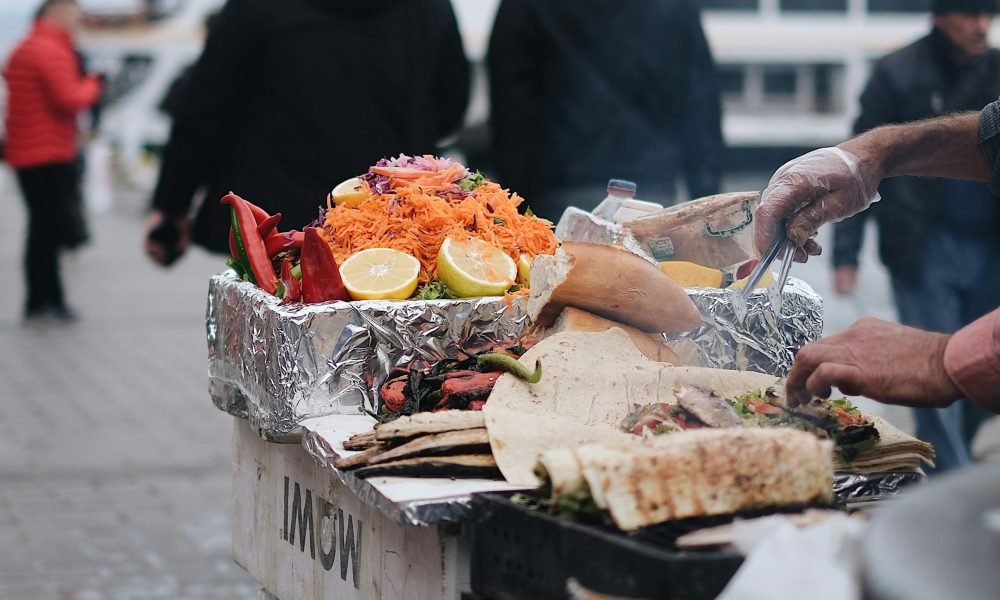
    Indian street food is a burst of flavors, spices, and textures. I Am Hogir / Pexels

    8. The Best Food is Often Found in the Most Unexpected Places

    In India, the most stunning meals don’t always come from fancy restaurants—they’re found sizzling on roadside stalls, tucked away in busy markets, or served from a tiny cart on a street corner. Whether it’s a crispy, spice-filled pani puri in Mumbai, Mirchi Bada in Rajasthan, Petha in Agra, Darjeeling delicious momos, a buttery paratha straight off the tandoor in Delhi, or a steaming plate of idli-sambar at a roadside stall in Chennai, the best dishes are often the simplest.

    The magic of Indian street food lies in its authenticity—recipes passed down through generations, perfected over time, and served with passion. The energy of street vendors, the symphony of sizzling tavas, and the aroma of masalas in the air create an experience that goes beyond just eating—it’s a cultural immersion. While hygiene is a concern, choosing busy stalls with a high turnover of fresh food and sticking to cooked items can help ensure a safe and delicious experience. In India, street food isn’t just a quick bite; it’s a way of life, and no trip is complete without diving into its vibrant, flavorful world.

    9. India is a Country of Extremes

    India is a land where opposites don’t just exist—they thrive side by side. One moment, you might be standing in front of a majestic city palace, and the next, navigating through a narrow alley bustling with street vendors. Ultra-modern skyscrapers loom over centuries-old temples, and luxury malls coexist with vibrant local bazaars.

    The climate, too, is extreme—you can experience the scorching heat of Rajasthan’s (Sam Sand Dunes) deserts, the freezing cold of Ladakh’s mountains, and the tropical humidity of Kerala, all within the same country. The contrasts extend to daily life as well; while some cities never sleep, offering 24/7 action, others follow a slow, timeless rhythm.

    This mix of contradictions is what makes India an exhilarating and unpredictable experience. Embrace the chaos, adjust your expectations, and let India show you its magic when you search little things to know before traveling to India—one extreme at a time—and you will enjoy every corner of India.

    10. Thing is Not Every Cow is Holy & Not Every Indian is Vegetarian

    India’s food culture is incredibly diverse, shaped by religion, geography, and personal choices. While a large portion of the population follows a vegetarian diet—especially in states like Gujarat, Rajasthan, and Madhya Pradesh—there are many regions where meat is an integral part of daily meals. From biryani in Hyderabad to fish curry in Kerala and tandoori chicken in Punjab, India has a rich non-vegetarian food scene.

    Another myth is that Indian vegetarian food is bland or limited. In reality, it’s bursting with flavors, with dishes like paneer butter masala, chole bhature, and masala dosa offering just as much depth as any meat dish. Understanding these nuances will help you appreciate India’s complex relationship with food, where tradition, belief, and modern lifestyles all blend together. So, whether you’re a vegetarian or a meat lover, India has something for every palate—you just need to know where to look to select the best things to eat in India.

    11. Why You Should Learn Basic Hindi Phrases (Even If Everyone Speaks English)

    While English is widely spoken in India, especially in major cities and tourist areas, learning a few basic Hindi phrases can completely transform your travel experience. Many locals, especially in smaller towns and villages, may not be fluent in English, and even in cities, using Hindi can help you connect with people on a deeper level. A simple “Namaste” (hello), “Shukriya” (thank you), or “Kitne ka hai?”

    Beyond communication, making an effort to speak Hindi shows respect for the local culture. Vendors, rickshaw drivers, and shopkeepers often appreciate it when travelers attempt their language, making them more helpful and less likely to overcharge. Even if your pronunciation isn’t perfect, the effort itself is what matters.

    Learning basic phrases also helps in practical situations, like asking for directions (“Yeh kahan” hai?”—”Where is this?) or ordering food without confusion. While you can get by with English in most places, a little Hindi can unlock more authentic interactions, deeper connections, and a richer, more immersive travel experience.

    12. Holy Cows and Monkey Gangs

    In India, wildlife isn’t just found in forests and national parks—it’s right in the middle of daily life. While these cows are generally calm, it’s best to avoid touching or disturbing them, as they hold religious significance for many. In contrast, monkeys—especially in cities like Jaipur, Varanasi, and Rishikesh—are far less peaceful. These mischievous “monkey gangs” are notorious for snatching food, sunglasses, and even phones from unsuspecting travelers.

    To stay safe, avoid carrying food openly, keep valuables secured, and never make eye contact with a monkey. Some temples, like the famous Monkey Temple (Galta Ji) in Jaipur, have entire troops of monkeys that expect visitors to feed them. If you’re carrying snacks, be ready for a quick grab-and-run. Similarly, in places like Goa and Kerala, you might come across wandering cows on beaches and, in hill stations, unexpected encounters with langurs (larger monkeys) or even elephants.

    When you planning to visit this pocket things in India. Respect the animals, observe from a safe distance, and remember—you’re in their territory just as much as they are in yours.

    Things to Know Before Traveling to India
    Enjoy Theyyam, a vibrant and traditional ritualistic Dance festival from Kerala, India. Ajin K S / Unsplash

    13. The Joy of Festivals

    In India, festivals aren’t just marked on calendars—they seem to happen everywhere, all the time. One moment, you’re walking through a quiet street, and the next, you’re caught in a burst of music, colors, and dancing. Whether it’s a grand national festival like Diwali (Festival of Lights), Holi (Festival of Colors), or Durga Puja, or a small local celebration dedicated to a village deity, India’s festive spirit is contagious. Even weddings feel like full-scale festivals, with processions, fireworks, and drumming filling the streets.

    In India, festivals aren’t just marked on calendars—they seem to happen everywhere, all the time. One moment, you’re walking through a quiet street, and the next, you’re caught in a burst of music, colors, and dancing. Whether it’s a grand national festival like Diwali (Festival of Lights), Holi (Festival of Colors), or Durga Puja, or a small local celebration dedicated to a village deity, India’s festive spirit is contagious. Even weddings feel like full-scale festivals, with processions, fireworks, and drumming filling the streets.

    https://indianculture.gov.in/ Managed by the Ministry of Culture, this platform offers extensive details on India’s history, culture, and heritage, including a dedicated section on festivals.

    14. The Many Shades of India’s Weather

    India’s weather is as diverse as its culture—one day, you might be sweating under the blazing sun, and the next, caught in an unexpected downpour. The country experiences extreme contrasts, from the scorching heat of Rajasthan’s deserts to the heavy monsoon rains in Kerala and the freezing winters of the Himalayas. If you’re traveling across different regions, packing smart is essential because India’s climate can change dramatically from one state to another, even within the same day.

    Amazing things to know before traveling to India In summer (March to June), sunscreen, sunglasses, and light cotton clothes are a must, especially if you’re visiting hot cities like Jaipur or Delhi. But don’t be surprised—just when you think it’s all about the heat, monsoon season (June to September) brings sudden downpours, flooding streets within minutes. In cities like Mumbai or Goa, an umbrella or raincoat is very important. Meanwhile, winters (December to February) can be surprisingly chilly in northern India, so places like Delhi, Agra, and Shimla will demand warm layers and a jacket.

    The best way to handle India’s unpredictable weather? Be ready for anything! Carry sunscreen and an umbrella, pack layers for temperature changes, and stay flexible. Whether it’s scorching sun or sudden rain, a little preparation will help you enjoy every moment of your trip.

    https://mausam.imd.gov.in/ The official website for India’s climate and weather information is the India Meteorological Department (IMD).

    15. The Hidden Charm of India’s Small Towns

    While India’s big cities like Delhi, Mumbai, and Bangalore are full of energy and excitement, the real magic often lies in its small towns. Away from the crowds and chaos, these lesser-known places offer a glimpse into authentic Indian life, untouched traditions, and heartwarming hospitality. Imagine strolling through the blue-washed lanes of Jodhpur’s old town, sipping chai in a quiet corner of Bundi, or watching the sun set over the ghats of Pushkar. These towns move at their own pace, allowing you to slow down, breathe, and truly connect with the culture.

    what makes small towns special is their simplicity and warmth. Locals are more likely to invite you into their homes, share stories, and treat you like family. You’ll find centuries-old temples, bustling weekly markets, and artisans still practicing crafts that have been passed down for generations. Whether it’s the spiritual vibes of Rishikesh, the French charm of Pondicherry, or the peaceful tea estates of Darjeeling, India’s small towns hold a story that’s impossible to find in a guidebook—you just have to experience it for yourself.

    16. Don’t Be Afraid to Eat With Your Hands

    In India, eating isn’t just about taste—it’s about experience, and that includes using your hands. While Western dining etiquette often favors forks and spoons, many of India’s most flavorful dishes—like fluffy naan with butter chicken, crispy dosas with chutney, or fragrant biryanis—are best enjoyed the traditional way: with your fingers. Eating with your hands isn’t just a cultural practice; it enhances the connection between you and your food, letting you feel its texture, temperature, and consistency before taking a bite.

    Beyond just taste, there’s a deeper philosophy behind this. According to Ayurveda, eating with your hands engages your senses and even aids digestion by stimulating nerve endings that send signals to your stomach. Plus, many Indian meals are served on banana leaves or steel thalis, where mixing different flavors—like tangy pickles, creamy curries, and crunchy papad—happens naturally in your palm. If you’re unsure how to start, just remember: use your right hand, keep your fingers neat, and scoop food with small, mindful bites.

    So, the next time you sit down for an authentic Indian meal, ditch the cutlery, dive in with your hands, and savor every bite—because some flavors are meant to be felt as much as they are tasted!

    17. The Magic of a Simple "Chai Pe Charcha" (Tea-Time Conversation)

    In India, chai is more than just a drink—it’s an experience, a tradition, and a conversation starter. Whether you’re sipping a steaming cup at a roadside stall in Mumbai, a bustling train station in Delhi, or a quiet village in Rajasthan, chai brings people together. The phrase “Chai Pe Charcha” literally means “discussions over tea,” and in India, some of the most interesting conversations happen over a small glass of this spiced, milky brew.

    Chai stalls, or “tapris, are where friendships form, debates spark, and strangers turn into acquaintances. You might find yourself chatting with a rickshaw driver about cricket, discussing life with a shopkeeper, or sharing travel stories with fellow backpackers. Unlike a formal café setting, a roadside chai stall is informal, welcoming, and full of life. The chaiwallah (tea vendor) serves cup after cup while locals engage in deep conversations—whether it’s politics, Bollywood, or just the latest gossip.

    Drinking chai in India isn’t just about quenching thirst; it’s about slowing down, soaking in the moment, and embracing the warmth of human connection. So, next time you pass by a small tea stall, don’t hesitate—grab a cup, take a sip, and let the magic of “Chai Pe Charcha” unfold!

    18. India Will Teach You Patience – But It Will Also Reward You in Ways You Can’t Imagine

    Here’s the magic thing to know before traveling to India —the rewards of patience in India are unlike anywhere else. Waiting on a long train journey? You’ll end up sharing chai and life stories with a stranger who treats you like family. Stuck in a slow-moving temple queue? You’ll witness age-old rituals and receive blessings that stay with you forever. Navigating a crowded street? You might stumble upon a hidden shop selling the most beautiful, handcrafted souvenirs.

    India teaches you that sometimes, the best experiences happen when you stop rushing and start surrendering to the moment. The delays, the detours, the unexpected twists—they all add to the richness of your journey.

    GUIDED BY TRAVEL MEET WORLD

    Yoga within Travel the perfect flow of Experience

    Explore wellness within Travel

    by
    Explore Related Articles

    Things Know Before Traveling to United States

    Things Know Before Traveling to South Africa

    20 Best Things to Know Before Traveling to Egypt

    12 Best Things to Know Before Traveling to Malaysia

    LEAVE A COMMENT


      11 most stunning places to visit in India

      11 most stunning places to visit in India

      11 most stunning places to visit in India

      Get ready to backpack with me because I will tell you 11 most stunning places to visit in India in your ninetiestwentiesand thirties, there is no age limit to travel, only you have to step away from the doorstep.

      Now I will tell you some pick moments from my last trip, I explored Matharan that’s truly amazing. Where I still remember standing under a sky the mountain feels so small and alive. and you know you also have to experience walking through quiet village where strangers smiled like old friends. 

      So let’s talk about some stunning mix of iconic destinations and off beaten places where you should go at once in your entire life or maybe you should not try to go there.

      Now instead of randomly choosing destination you have to select here Indian places region wise, So it’s made your planning smoother, smarter and more exciting.

      Top 11 Stunning Places in India at a Glance

      So here is your Interactive Indian Map Then Plan your own Journey by Region.

      Ladakh – Best time: May to September | Ideal for: Adventure, solo travel

      Himachal Pradesh – Best time: March to June | Ideal for: Mountains

      Uttarakhand – Best time: September to November | Ideal for: Spiritual trips

      Rajasthan – Best time: October to March | Ideal for: Culture, heritage, desert

      Kerala – Best time: October to March | Ideal for: Couples

      West Bengal – Best time: October to March | Ideal for: Culture, hill stations

      Maharashtra – Best time: October to March | Ideal for: Beaches, forts, city life

      Goa – Best time: November to February | Ideal for: Friends, nightlife, couples

      Plan your Journey by Region

      NORTH INDIA

      LADAKH

      You know traveling to Ladakh feels like stepping into another world, where rugged mountains, endless skies, and crystal-clear lakes create their own beautiful landscape unlike anywhere else in India.

      Nestled high in the Himalayas, Ladakh is famous for its dramatic terrain, Buddhist monasteries, and thrilling high-altitude roads like Khardung La. 

      Why it’s stunning: A dreamland of dramatic mountains, crystal-clear skies, and roads that feel like they touch the clouds.
      Best experiences: Pangong Lake sunrise, Nubra Valley dunes, biking through Khardung La
      Insider tip: Acclimatize for 1–2 days to avoid altitude sickness
      Budget idea: Medium to luxury (bike trips can increase cost)

      Ladakh can be done on a tight budget ($200) or turned into a luxury Himalayan escape ($2000+)
      Best time to visit: May to September

      Manali is a cozy mountain town with cafe life.

      HIMICHAL PRADESH

      Travelling from café-hopping in Manali and paragliding in Bir to discovering hidden villages like Jibhi, Himachal give adventure with calm in a way that feels personal and refreshing.

      Why it’s stunning: Snowy peaks, pine forests, and peaceful hill towns that feel like a slow escape from chaos
      Best experiences: Paragliding in Bir, cafes in Manali, trekking in Kasol.
      Insider tip: Visit offbeat villages like Jibhi for fewer crowds
      Budget idea: Low to medium, Budget (per day): $20 – $80
      Best time to visit: May to September

      UTTARAKHAND

      Valley of Flowers isn’t always visible, it takes a time to bloom. This UNESCO site blooms for just a few weeks (July–August), and outside that window, it looks like a simple green valley. Timing is everything.

      What makes it truly special is the balance—you can seek thrill in the mountains or simply sit back, sip chai, and watch the clouds drift by.

      Why it’s stunning: A spiritual and scenic blend of rivers, temples, and Himalayan beauty
      Best experiences: Ganga Aarti in Rishikesh, Kedarnath trek, Nainital lakes
      Insider tip: Early morning views here are magical—don’t miss sunrise

      Budget idea: Low to medium, Budget (per day): $25 – $90
      Best time to visit: September to November

      11 most stunning places to visit in India
      The honey-hued golden sandstone, used in forts and havelis. Dr. Kishan Patel / Unsplash

      RAJASTHAN

      You heard about “Pink City”, ok I’ll tell you reason behind it, why it’s called a pink city?

      Rajasthan welcome prince and they exclaimed, “wow! the city is pink” and that’s no one dare to correct him. Places like Jaipur, Udaipur, and Jaisalmer all feel different, but everywhere you go, you’ll notice the Royal culture is strong and still alive.

      Why it’s stunning: Royal palaces, golden deserts, and vibrant culture that feels straight out of a movie
      Best experiences: Camel safari in Jaisalmer, Jaipur forts, Udaipur lakes
      Insider tip: Stay in a heritage haveli for an authentic royal experience

      Budget idea: (per day): $30 – $120
      Best time to visit: October to March

      SOUTH INDIA

      KERALA

      India’s lush western coast is lush with greenery and beaches, from the serene backwaters of Alleppey, where houseboats glide through lush greenery, to the misty hills of Munnar.

      Elite Hack: For a festival experience, plan your visit around Onam (August-September) for grand celebrations or catch the Nehru Trophy Boat Race in Alleppey for an adrenaline-filled experience.

      Why it’s stunning: A tropical paradise of backwaters, greenery, and calm coastal vibes
      Best experiences: Houseboat in Alleppey, Munnar tea gardens, Kovalam beaches
      Insider tip: Try local Kerala meals served on banana leaf

      Budget idea: Medium
      Best time to visit: October to March

      EAST INDIA

      WEST BENGAL

      You can watch the sunrise over the Himalayas in Darjeeling, explore the busy streets and colonial charm of Kolkata, and experience deep-rooted traditions through festivals like Durga Puja.

      Why it’s stunning: A mix of colonial charm, tea plantations, and artistic culture
      Best experiences: Darjeeling sunrise, Kolkata Street food, tea estate walks
      Insider tip: Visit during Durga Puja for a magical cultural vibe

      Budget idea: Low to medium, Budget (per day): $20 – $80
      Best time to visit: October to March

      WEST INDIA

      MAHARASHTRA

      From the Bollywood energy of Mumbai to the cool hills of Lonavala and the quiet beaches of the Konkan coast, every place feels different but connected to culture.

      If you want more travel tips and guide on Maharashtra or Metro City like Mumbai, you can mail me.

      Why it’s stunning: Sun, sand, nightlife, and a carefree vibe you won’t find anywhere else

      Best experiences: Beach hopping, water sports, party nights


      Insider tip: South Goa is less crowded than North Goa

      Budget idea: Medium to luxury, Budget (per day): $25 – $90
      Best time to visit: November to February

      GOA

      Exploring lively shacks and markets in North Goa or just riding a scooter with no fixed plan. 

      Traveling to Goa is all about easy vibes and doing things your own way.

      Why it’s stunning: A spiritual and scenic blend of rivers, temples, and Himalayan beauty
      Best experiences: Ganga Aarti in Rishikesh, Kedarnath trek, Nainital lakes
      Insider tip: Early morning views here are magical—don’t miss sunrise

      Budget idea: Low to medium, Budget (per day): $30 – $120
      Best time to visit: September to November

      Secret Places Most Tourists Miss

      Malana (Himachal Pradesh): Here locals behave they are descendants of Alexander the greats.

      If you touch any person randomly? No, the place here we are not allowed to touch walls, temples or people – it’s considered impure.

      Chadar Trek (Ladakh): Anyone walk through a frozen river? No, the Zanskar Region of Ladakh where the river is frozen in temperature goes 30° C.

      So, if you want to go there you have a good fitness.

      Komic Village (Spiti Valley): One of the highest motorable villages in the world, where life feels raw, silent, and completely disconnected from the noise of cities.

      Yes, it is highest inhabited village connected by motorable road.

      Kuldhara (Rajasthan): It is abandoned “ghost village” 19 km west of Jaisalmer.

      Bhangarh Fort (Alwar): Listed India’s most hunted place legally prohibited entry after dark.


      Budget Travel Tips (Travel India Without Overspending)

      Traveling across India can be surprisingly affordable if you plan smart. Here’s how you can explore more while spending less:

      How to Travel India Cheaply

      Choose budget stays like hostels, guesthouses, or homestays

      Travel in groups to split costs (especially taxis in mountains)

      Avoid peak tourist seasons if possible

      Use local transport instead of private cars

      Transport Tips (Train, Flights, Buses)

      Trains: Best and cheapest option for long distances (book early on IRCTC)

      Buses: Great for short routes and overnight journeys (cheaper than hotels)

      Flights: Book 3–6 weeks early for lowest fares (use fare comparison apps)

      Local travel: Rent scooters in places like Goa or use shared taxis in Ladakh

      Food Cost Ideas

      Eat at local dhabas or small restaurants → $2–$5 per meal

      Try street food (safe & fresh spots only)

      Avoid tourist cafés daily—they increase budget fast

      Carry snacks/water during travel

      7-Day India Itinerary (Perfect for First-Time Travelers)

      Day 1: Maharashtra (Mumbai)→  Arrival in Mumbai→ Marine Drive sunset, street food experience

      Day 2: Rajasthan (Jaipur)→ Fly to Jaipur→ Visit Amber Fort & local markets

      Day 3: LadakhFly to Leh→ Rest + light local exploration (acclimatization)

      Day 4: Ladakh Exploration→ Visit Pangong Lake or Nubra Valley→ Enjoy mountain views & peaceful vibes

      Day 5: West Bengal (Darjeeling)Fly to Darjeeling→ Relax with tea garden views

      Day 6: KeralaFly to Kochi / Alleppey→ Experience backwaters or houseboat

      Day 7: Departure→ Relax morning + return journey

      Important Note

      👉 This is a fast-paced itinerary covering different parts of India.
      👉 For a better experience, choose 1–2 regions instead of all.

      Pro Tip (Very Important)

      Must Read:

      “If you want a relaxed trip, explore each region separately—I’ve linked detailed guides for each destination above.”

      Travel Tips & Safety (India Travel Guide)

      Best Apps to Use

      Google Maps – For directions, offline maps, and saving places

      Uber / Ola – Safe and reliable transport in cities

      IRCTC Rail Connect – Book train tickets easily

      MakeMyTrip – Flights, hotels, and packages

      Zomato – Find good restaurants and reviews

      Cultural Tips 

      Dress modestly in temples and rural areas

      Remove shoes before entering religious places

      Use right hand while giving/receiving items

      Always ask before taking photos of people

      Respect local traditions—it makes locals more welcoming

      Safety Tips for Solo Female Travelers

      Prefer daytime travel for new places

      Book verified stays (check reviews carefully)

      Use Uber/Ola instead of random taxis

      Avoid isolated areas at night

      Share your live location with someone you trust

      Trust your instincts—if something feels off, leave

      Respect local traditions—it makes locals more welcoming

      Ready to Plan Your India Trip?

      You’ve just seen some of the most stunning places in India—now it’s time to turn inspiration into action. Whether you’re dreaming of mountains, beaches, or hidden gems, your perfect trip starts with the right planning tools.

      Book Your Flights (Save Smart)

      Find the best deals early and avoid last-minute high prices.
      👉 Compare and book affordable flights for your destination now

      Find the Perfect Stay

      From budget hostels to luxury stays—choose what fits your style.
      👉 Explore top-rated hotels and stays with the best prices

      FAQs

      1. What is the best time to visit India?

      The best time is October to March for most regions. If you want mountains like Ladakh, visit in summer (May–September), while monsoon (June–September) is best for greenery in places like Kerala.

      2. Which is the most beautiful place in India?

      There’s no single answer—India has many stunning places. Popular ones include Ladakh for mountains, Goa for beaches, and Rajasthan for culture and heritage.

      3. Is India safe for solo female travelers?

      Yes, India can be safe if you travel smart. Stick to well-known areas, use trusted transport like Uber, and avoid isolated places at night. Many solo female travelers explore India comfortably with basic precautions.

      4. How much does it cost to travel in India?

      India suits every budget. You can travel on $20–$40/day (budget) or go up to $100+/day (mid-range to luxury) depending on your choices.

      5. What are the best places for first-time travelers?

      Start with easy and popular destinations like Delhi, Jaipur, Goa, or Kerala for a smooth experience.

      6. How can I travel cheaply in India?

      Use trains and buses, eat local food, and stay in hostels or budget hotels. Booking early and traveling in groups also helps reduce costs.

      7. Do I need travel insurance for India?

      Yes, travel insurance is highly recommended for medical emergencies, cancellations, and unexpected situations—especially for long trips or adventure travel.

      8. What should I pack for India travel?

      Pack light clothes, comfortable shoes, sunscreen, basic medicines, and a power bank. If visiting mountains, carry warm layers.

      You May Also Like

      How to Plan a Summer Beach Trip in 2026

      How to Plan a Summer Beach Trip in 2026

      5 Of the Best Hikes in South Africa

      5 Of the Best Hikes in South Africa

      The Best Places to Eat Croissants in Paris

      The Best Places to Eat Croissants in Paris