United States​

@Jose_Oliveira

Overview:

The United States has 50 states and is one of the largest countries in the world. What makes it unique is how every state has its own culture, food, accent, and lifestyle, yet they all connect under one system, creating a mix you won’t find anywhere else.

Another special thing about the United States is its constant innovation and change. Trends in technology, entertainment, and fashion often start here and spread worldwide. the United States is known as a melting pot because people from different countries and backgrounds have settled here over time.


When to Visit:

The United States has a highly diverse climate, ranging from cold snowy winters in the north to hot tropical weather in places like Florida and Hawaii.

Dry Season (April to October)

Spring (April–June) brings blooming landscapes and pleasant temperatures, while autumn (September–October) offers colorful fall foliage, especially in places like New England. Summer (June–August) is dry in many regions but can be hot, making it ideal for beaches and national parks.

Wet Season (November to March)

Northern regions experience snowfall, especially around cities like Chicago and New York City, while the Pacific Northwest sees heavy rainfall. However, this season is perfect for winter sports in places like Colorado.

Special Events and Festivals:

From desert art gatherings to nationwide food traditions, celebrations here are often large-scale.

  •  Thanksgiving (November)
  • Burning Man (August–September)
  • Halloween (October 31st)
  • Super Bowl (February)

Pocket Travel Tips

Quick Facts

Language: English

Currency: US Dollar ($)

Capital: Washington, D.C.

Population: 330+ million people

Backpacking Budget: Approx 63$–106$ per day

Visa

The USA’s Visa Waiver Program (VWP) allows certain travelers to visit for up to 90 days without a visa, but they must get ESTA approval online before traveling.

Travel Insurance

VisitorsCoverage is one of the very few that covers travel in United States.

How The United States Welcome

pexels-inderpreet-singh-2160027123-36655444

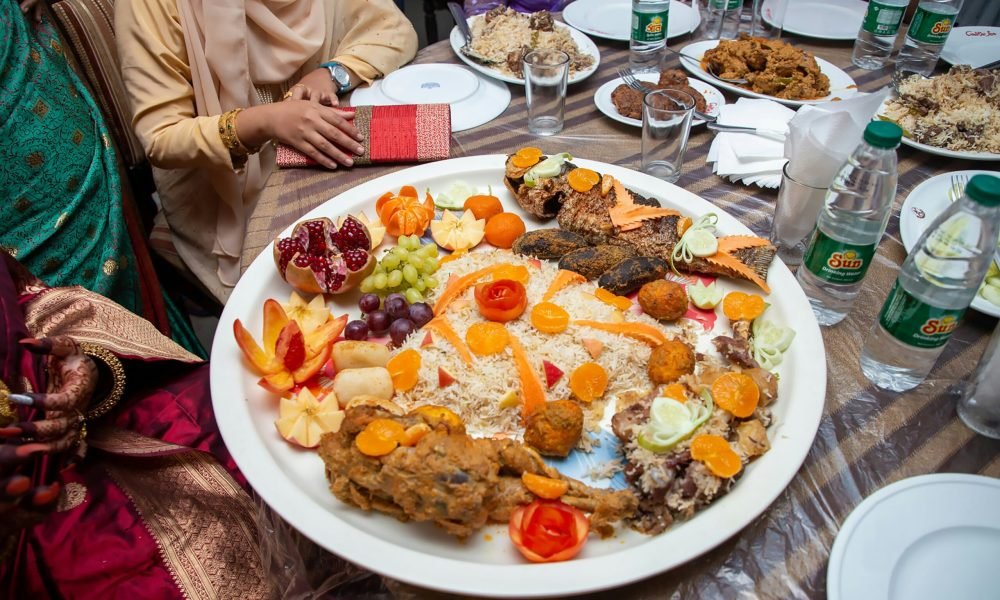
In the USA, hospitality is friendly but informal—people often greet with a smile, a casual “Hi” or “How are you?” even if they don’t know you, which feels warm but not overly traditional like in many other countries

When it comes to food, guests are often asked about their preferences or dietary choices first, and meals can be customized with their choices. 

Welcome gesture is respect for personal space and choice, hosts make guests feel comfortable by giving freedom rather than being overly attentive.

Know More to Get Travelling in United States

Eat With Host

Discover a unique way to experience local culture, where you can enjoy authentic meals hosted by locals around the world.

From home-cooked dinners to food tours, it’s the perfect way to connect through food with New People.

Start your delicious journey today Eatwith.

Accommodation

I personally use Hostelworld where you easily find budget-friendly hostels and social stays in one click.

Go to Luxury platforms like CheapOair check your compare prices and book the best options for your trip.

Transportation

In smaller cities and rural areas, public transport is limited, so travelers often rely on taxis or ride-sharing services like Uber and Lyft.


Train services like Amtrak connect many cities but they are slower than flights.

Top Attractions in United States

Las Vegas

The “Entertainment Capital of the World” for its casinos, shows, and nightlife.

It is one of the brightest places on Earth, visible from space due to its intense lights.

Alcatraz Island

located in the middle of San Francisco Bay, surrounded by cold and strong ocean currents.

Grand Canyon

It is 6 million years old changes colors of the canyon throughout the day, creating stunning sunrise and sunset views.

Yellowstone National Park

It sits on a massive supervolcano, making it one of the most geologically active places on Earth.

All My Articles on United States

Best Things on United States Tourist Visa​

Best Things on United States Tourist Visa

Best time to visit United States

Best time to visit United States

Best Places to Visit in United States

22 Best Places to Visit in United States

Things Know Before Traveling to United States

Things Know Before Traveling to United States

Best Things to Do in United States

20 Best Things to Do in United States

Need to Know About United States Currency

Need to Know About United States Currency

pexels-alper-cakir-475046453-15792471

Best Ways to Travel Across United States

Best Travel Insurance Plans for United States​

Best Travel Insurance Plans for United States

Need to Know About South Africa Currency

Need to Know About South Africa Currency

Need to Know About South Africa Currency

What makes South Africa currency truly special is how it blends beauty with meaning. Swiss Educational College / Unsplash

South Africa’s currency is called the rand, and it plays an important role in the daily lives of its people, travelers, and businesses. Named after the Witwatersrand (meaning “white waters ridge”), where gold was discovered, the rand reflects the country’s rich natural resources and economic journey.

From city malls to rural markets, the rand is used everywhere, and its colorful banknotes are easy to recognize. What makes South Africa’s currency truly special is how it blends beauty with meaning. Each note features iconic wildlife or Nelson Mandela, showing the country’s pride in both its natural heritage and historic leaders.

Whether you’re shopping in Cape Town, Costal Drive in Garden Route, tipping a safari guide, or buying a handmade souvenir in a village, understanding the rand gives you a deeper connection to the culture and rhythm of South African life.

That’s everything you need to know about South Africa currency.

Need to Know About South Africa Currency

People often overlook these security touches, but they show how carefully the designers have crafted the currency. Tanya Paquet / Unsplash

1. The Rainbow Currency: How South Africa’s Banknotes Reflect Its Diverse Cultures

South Africa’s currency, the rand, is more than just money; it’s a celebration of the country’s rich and diverse identity. Each banknote tells a visual story of what makes South Africa unique. On one side, you’ll find powerful images of the Big Five animals—lion, leopard, elephant, rhino, and buffalo—representing the country’s deep connection to wildlife and nature.

On the other side, more recent notes honor Nelson Mandela, a global symbol of peace and freedom, reminding people of South Africa’s journey from apartheid to democracy. These thoughtful designs aren’t just beautiful; they reflect the spirit of a nation known as the “Rainbow Nation,” where different cultures, languages, and histories come together. Holding a South African rand is like holding a piece of the country’s soul and this is most important need to know about South Africa currency.

2. Currency That Talks: Hidden Security Features Most Tourists Overlook

South African banknotes aren’t just beautiful; they’re full of clever design features that make them secure and user-friendly. Many visitors don’t realize that each note includes smart details built to prevent counterfeiting and support accessibility.

You’ll notice raised printing you can feel with your fingers, an important tool not only for stopping fake notes but also for helping people with visual impairments tell denominations apart. There’s also microtext (tiny lettering), color-changing ink that shifts when you tilt the note, and detailed watermarks, all working together to protect the rand. and this much you need to know about South Africa currency.

People often overlook these security touches, but they show how carefully the designers have crafted the currency. The next time you use a rand, take a closer look; you might be surprised by how much thought is hidden in plain sight.

3. Dual Pricing Reality: How Rand Works Differently for Locals vs. Tourists

In many places across South Africa, especially in local markets, taxis, and near tourist attractions, the same item or service may come with two different prices: one for locals and a higher one for tourists. Here you need to know about South Africa currency.

Locals usually know the standard rates and can bargain confidently, while tourists, especially those unfamiliar with the rand, might end up paying more. Vendors might give a handcrafted souvenir to a tourist for R100, even though they sell it to locals for just R50. This “dual pricing” can also happen with taxi fares or entry fees at certain places.

The best way to avoid overpaying is to ask locals about fair prices, compare rates beforehand, and don’t be afraid to negotiate with a smile. Understanding this system helps travelers spend smarter and feel more connected to everyday South African life.

4. The Curious Case of Coins: Why Small Change Matters More Than You Think

In South Africa, coins might seem like small change, but they play a big role in everyday life. People often use R2 and R5 coins for quick transactions where notes aren’t practical.

For example, when paying parking guards, buying snacks from informal street vendors, or hopping into a minibus taxi, having coins makes things faster and easier. Many of these services don’t deal with cards or large bills, so locals always keep a few coins handy.

Tourists often overlook the need for exact change and end up stuck when they don’t have it. These humble coins may not seem like much, but they help keep the daily flow of South African life moving smoothly, especially in cash-based situations.

Need to Know About South Africa Currency
Need to know about South Africa currency travelers should carry small cash for local areas where cards aren’t accepted. Mali Desha / Unsplash

5. Township Economics: How the Rand Powers Informal and Cash-Only Markets

In South Africa’s townships and rural communities, cash continues to rule everyday life. Unlike the cities where card swipes and digital payments are common, small local markets still depend mostly on physical rand notes and coins. Street vendors, small shop owners, minibus drivers, and even hair salons in these areas often operate outside the formal banking system.

They prefer using cash because it’s faster, easier to trust, and works without needing machines or the internet. This cash-based system supports everyday life by creating jobs and offering essential services to millions of people.

Travelers should always keep some small cash on hand, especially when exploring local areas or street markets, where card machines are often unavailable. The way the rand moves through these cash-only spaces shows just how deeply it supports community-level trade and survival in South Africa.

6. The Global Rand: Why South Africa’s Currency Is Popular Among Currency Traders

Although the rand is South Africa’s national currency, it plays a major role in international markets and ranks among the most actively traded emerging-market currencies worldwide.

That’s because the rand is highly volatile; its value can shift quickly, which grabs the attention of traders who want to take advantage of price swings. On top of that, South Africa’s strong ties to natural resources like gold, coal, and platinum mean the rand often moves in response to global commodity trends, making it even more appealing to investors.

The rand often moves in sync with global gold prices; when gold goes up or down, the rand usually does too. That’s why international traders watch it so closely. Even though it belongs to just one country, the rand reacts to global market shifts, making it a popular choice for those involved in currency trading and investment. that you need to know about South Africa currency.

7. Swipe Smart: Why Card Usage Isn’t Equal Across All Provinces

In South Africa, using cards for payments is common in major cities like Cape Town or Johannesburg, where most shops, restaurants, and even small businesses have card machines or digital payment options. However, when you travel to rural provinces like the Eastern Cape or Limpopo, the situation changes quite a bit.

Many areas there still operate mostly on cash because of limited access to banking infrastructure, fewer card machines, and unreliable internet. Small vendors, minibus taxis, and informal markets in these regions often don’t accept cards at all.

This uneven access creates a digital gap between urban and rural areas. That’s why it’s smart for travelers to always carry some cash when heading outside the big cities because swiping your card may not always be an option.

Need to Know About South Africa Currency
Need to know about South Africa currency, South Africa now prints Banknotes: R10, R20, R50, R100, R200. Sincerely Media / Unsplash

8. Currency Superstitions: The Beliefs Locals Attach to Money and Luck

In South Africa, money isn’t just a way to pay; it’s also tied to culture, tradition, and even superstition. In many communities, people believe that how you handle money can affect your luck or future wealth. For example, offering a folded note at weddings or festive events is thought to carry blessings, symbolizing a wish for success, prosperity, and positive energy.

In some places, coins are used in traditional ceremonies or kept in special places at home to attract good fortune. It’s also considered bad luck to hand over money with your left hand, as the right hand is traditionally associated with respect and giving.

These small rituals and beliefs show how deeply money connects with everyday life and spiritual meaning for many South Africans. As a traveler, noticing these cultural touches can help you understand the local mindset and maybe even bring you a bit of luck yourself. That’s everything you need to know about South Africa currency.

Official South Africa government websites
Everything You Need to Know About South Africa Currency

Visit their official site at resbank.co.za, where you’ll find comprehensive information on the rand, including exchange rates, monetary policy, press releases, and the latest currency updates

FAQs

1. Why is the rand considered volatile in global markets?

Because its value is strongly influenced by global commodity prices, political factors, and economic data—making it popular among currency traders.


2. What denominations are available in South African currency?


Banknotes: R10, R20, R50, R100, R200
Coins: 10c, 20c, 50c, R1, R2, R5


3. What does “ZAR” stand for?

“ZAR” comes from the Dutch “Zuid-Afrikaanse Rand” (South African Rand). It’s the international currency code.


4. Can I use US dollars, euros, or other foreign currencies in South Africa?

No. Only South African Rand is accepted for transactions. You’ll need to exchange your currency or withdraw rands from local ATMs.


5. Are credit and debit cards widely accepted in South Africa?

Yes, especially in urban areas like Johannesburg, Cape Town, and Durban. But cash is still important in rural regions and townships.


6. Is it easy to exchange foreign currency in South Africa?

Yes. Currency exchange services are available at airports, banks, malls, and licensed bureaux de change.


7. How can I tell if a South African note is real?

Look for security features: watermarks, raised printing, color-shifting ink, transparent windows, and microtext.


8. Is it safe to carry cash around in South Africa?

It’s generally safe in tourist areas, but it’s best to carry small amounts and be discreet. Avoid flashing large sums of money in public.


9. Is the South African Rand accepted in neighboring countries?

Yes, in some countries like Lesotho, Eswatini (Swaziland), and Namibia, the rand is accepted alongside or instead of local currency.


GUIDED BY EXPERT

Yoga within Travel the perfect flow of Experience

Explore wellness in anywhere

by

Explore Related Articles

22 Best Places to Visit in United States

Best Places to visit in South Africa

Best Places to visit in Egypt

The 11 most stunning best places to visit in India?

LEAVE A COMMENT

Error: Contact form not found.
Best Things on South Africa Tourist Visa

Best Things on South Africa Tourist Visa

Best Things on South Africa Tourist Visa
The best things on South Africa tourist visa, it made its system even more welcoming with smoother e-visa processes. Quintingel / Pexels

South Africa is a country where dramatic landscapes, diverse cultures, and thrilling experiences come together to create a truly unforgettable destination. Whether it’s spotting lions on a safari in Kruger National Park, driving along the lush Garden Route, or exploring the dynamic urban life of Cape Town and Johannesburg, every region has its own unique charm. With a deep cultural heritage and incredible landscapes, South Africa invites you to experience something unforgettable at every turn.

If you’re drawn to thrilling outdoor adventures in Drakensberg Mountains, scenic landscapes, diverse cuisine, or historical landmarks, the country promises a rich and memorable journey. However, before you dive into planning your itinerary, it’s crucial to understand the tourist visa process. Being informed ahead of time can help you avoid unnecessary hassles, delays, or entry issues, ensuring your trip starts off smooth and stress-free, just as it should.

In this guide, we’ll explore the best things on South Africa tourist visa, one of the most rewarding for global explorers.

Best Things on South Africa Tourist Visa
South Africa allows visa-free or visa-on-arrival entry for tourists coming from South Africa. Still Pictur / Pexels

1. Ubuntu & Visa Culture

How South Africa’s Spirit Influences Your Visa Journey.

The philosophy of Ubuntu, which means “I am because we are,” is a core part of South African culture. It reflects the values of kindness, respect, and community. While the visa process is mostly formal and follows set rules, you can still feel this spirit of Ubuntu in how South African officials interact with travelers.

For example, embassy staff or border officers often appreciate politeness, honesty, and genuine curiosity about their country. If you approach your visa application or entry with a respectful attitude and a willingness to understand local customs, it can create a positive impression.

It’s not about skipping rules; it’s about human connection. The values of Ubuntu remind us that travel isn’t just about documents and stamps; it’s about people, understanding, and shared respect.

Best Things on South Africa Tourist Visa

You can often visit nearby countries without needing a separate visa in advance. Mpho Mojapelo / Unsplash

2. Hidden Visa Benefits

How a South Africa Tourist Visa Opens Doors to Neighboring Countries.

One of the lesser-known advantages of having a South Africa tourist visa is how easily it allows you to explore nearby countries like Eswatini, Lesotho, and Botswana. These neighboring countries are not only close by but also give visa-free or visa-on-arrival access to many nationalities who are already visiting South Africa.

That means if you’re in South Africa on a tourist visa, you can often take a short trip across the border without needing to apply for a separate visa in advance. For example, you could enjoy a safari in Botswana, visit mountain villages in Lesotho, or explore the cultural heart of Eswatini, all without the hassle of additional paperwork.

This makes South Africa a perfect starting point for a multi-country trip across Southern Africa, giving your travel plans more freedom and flexibility. And this is one of the best things on South Africa.

3. The “Transit Visa” Myth

Why Many Travelers Overestimate the Need for It.

Many travelers aren’t sure whether they need a transit visa when connecting through South Africa, especially at major hubs like OR Tambo International Airport in Johannesburg.

Fortunately, if you remain in the international transit area and your layover is brief, you typically won’t need a visa at all. This makes layovers much more convenient than expected. A transit visa is typically needed only if you plan to exit the airport or if your connecting flight involves switching terminals or rechecking baggage with a different airline.

To avoid any surprises, it’s always the best idea to review your itinerary and airline guidelines in advance, but for most travelers, South Africa gives a smooth and visa-free transit experience.

4. Visa-Free Wildlife Viewing?

How Certain Protected Areas Allow Entry Without Extra Permits

One of the delightful surprises for nature lovers visiting South Africa is that some wildlife parks and game reserves don’t require any extra permits beyond your valid tourist visa. As long as you’ve entered the country legally with the correct visa, you can access many of these natural areas without going through additional paperwork.

For instance, parks such as Kruger National Park, Addo Elephant National Park, and Golden Gate Highlands welcome tourists who already have a valid South African visa; no special permits are required, just a standard conservation or entrance fee paid at the gate.

Unlike some countries where protected zones need special permissions, South Africa keeps the process simple so travelers can easily explore its rich biodiversity. This makes wildlife viewing more spontaneous and budget-friendly, allowing you to enjoy the wild without unnecessary red tape.

5. The Role of South Africa’s Biodiversity in Visa Extensions

Can Nature Trips Help You Extend?

In South Africa, nature isn’t just something to admire; in some cases, it can even support your stay. Travelers who come for ecotourism or volunteer in conservation projects sometimes find that their involvement can strengthen a case for a visa extension.

If you’re part of a structured program like helping at a wildlife sanctuary, working with marine conservation teams, or supporting reforestation efforts, it may show immigration officials that you’re contributing to a meaningful cause.

Some programs qualify under special permits or extended stay categories, even though a tourist visa doesn’t automatically allow work or volunteering.

Applying with proof of your participation, a letter from the organization, and a clear exit plan can make your request more likely to succeed. So, for travelers passionate about nature, South Africa’s biodiversity might not only inspire you, it could help you stay a little longer.

6. Evolving Digital Visa Trends

The Future of South Africa’s Tourist Visa and Biometric Data

South Africa, like many countries, is starting to move toward more digital and tech-driven visa systems, which could make travel faster and more secure in the future. Things like online visa applications, biometric data collection (such as fingerprints and facial scans), and automated border checks are becoming more common.

These technologies aim to make the process smoother for travelers while helping the government improve security and efficiency. However, this shift also brings up important privacy questions. Travelers might wonder how their personal data is stored, used, and protected.

South Africa is likely to introduce more digital solutions, balancing security with data privacy, as it updates its immigration system. Future travelers will enjoy easier access but must also stay informed about how authorities handle their personal information.

7. How South Africa’s Multiple Entry Visas Support Pan-African Road Trips and Adventure Travel

If you’re planning an epic overland adventure across Southern Africa, South Africa’s multiple-entry tourist visa can be a huge advantage. This type of visa lets you leave and re-enter the country multiple times during its validity period, perfect for road trips that take you across borders into nearby countries like Namibia, Botswana, Lesotho, Eswatini, or even Mozambique.

With a multiple-entry visa, you can re-enter South Africa as needed, giving you the freedom to explore neighboring countries without the hassle of reapplying or facing unnecessary travel interruptions.

It’s ideal for travelers doing Pan-African journeys by car, motorbike, or even group tours, where crossing borders is part of the adventure. Make sure to map out your journey and review the visa requirements for each country along the way to fully enjoy your cross-border adventure.

8. Why Your Travel Insurance Might Influence Your Visa Approval

Many travelers don’t realize that having travel insurance can actually improve your chances of getting a South African visa approved. While most people view insurance as just a safety net for emergencies, it also shows immigration officials that you’re prepared, responsible, and financially stable—all qualities that strengthen your visa application.

Some visa officers may see valid travel insurance as a sign that you won’t become a burden on the country’s healthcare system or get stuck due to unexpected situations. It also proves that you’ve carefully planned your trip, which adds credibility to your travel intentions.

In some cases, especially for longer stays or multiple-entry visas, presenting a strong insurance policy can make a subtle but positive difference in how your application is viewed, even if it’s not officially listed as a requirement.

9. Behind-the-Scenes

Common but Overlooked Embassy Questions That Can Speed Up Your Visa

When applying for a South African visa, most people focus only on the basic checklist: passport, photos, itinerary, and bank statements. But what many don’t know is that embassies often pay close attention to lesser-known details that can actually speed up your approval.

For example, having a clear cover letter explaining your travel plans, ties to your home country (like a job, family, or school), and your return intentions can make a strong impression. Some embassies also appreciate seeing proof of accommodation bookings from verified platforms, a day-by-day itinerary, or even travel insurance with coverage dates that match your trip exactly.

These aren’t always required, but they show that you’re organized and serious about your visit. By including these overlooked documents or answering common embassy questions thoughtfully during interviews, you increase your chances of faster approval—even if no one talks about it online.

Best Things on South Africa Tourist Visa
Best things on South Africa Tourist visa is your key to the best South Africa adventure. Taryn Elliott / Pexels

10. South Africa Visa & Cultural Festivals

Timing Your Visa Application Around Key Local Events

If you’re planning to visit South Africa, one smart way to get more out of your visa is by timing your application around the country’s major cultural festivals. Events like the Cape Town Jazz Festival, Durban July, or National Arts Festival in Makhanda not only make your trip more exciting but can also strengthen your visa application.

When you mention these well-known events in your itinerary or cover letter, it shows the embassy that you’ve done your research and have a genuine reason for visiting at that time. In some cases, this can even help you get a longer visa to cover the full duration of the event and a bit of travel around it.

Plus, being in South Africa during a local festival lets you experience the culture at its most vibrant through music, food, dance, and community, turning a regular trip into something truly unforgettable.

Official South Africa government websites

South African Government (Gov.za) – The official portal for visa application requirements and procedures: https://www.gov.za/

GUIDED BY EXPERT

Yoga within Travel the perfect flow of Experience

Explore wellness in anywhere

by

Explore Related Articles

Best Travel Insurance Plans for United States

12 Best Travel Insurance Plans for India

8 Best Travel Insurance Plans for Thailand

12 Best Travel Insurance Plans for Japan

LEAVE A COMMENT

Error: Contact form not found.
Best Travel Insurance Plans for South Africa

Best Travel Insurance Plans for South Africa

Best Travel Insurance Plans for South Africa

Travel insurance for South Africa covers medical emergencies, trip issues, and adventure risks. Angelo Moleele / Unsplash

Travel insurance is essential for any trip to South Africa because, despite all the incredible experiences like safaris, beautiful beaches, and cultural adventures, surprises can happen anytime.

You might face health problems, have to cancel your plans suddenly, lose your luggage, or even deal with theft. Having insurance helps protect you from these unexpected challenges so your trip doesn’t get ruined.

And since many travelers come here for adventure travel activities like hiking, diving, or game drives, having insurance gives peace of mind in case of accidents or injuries. Medical care, especially in remote areas or during emergencies, can get expensive without coverage.

If you’re a tourist, a student on an exchange program, a business traveler, or someone seeking thrilling outdoor adventures, travel insurance helps protect your trip, your money, and your health so you can enjoy South Africa without unnecessary stress.

Now, let’s explore the 12 best travel insurance plans for South Africa here on your journey through the Land of Diversity.

Best Travel Insurance Plans for South Africa

Some plans exclude high-risk zones, so check if rural areas are covered. Lizel Snyman De Gouveia / Unsplash

1. SafetyWing – Best for Digital Nomads and Long Trips

SafetyWing is an excellent choice for digital nomads and travelers planning long stays in South Africa or anywhere else. What makes it stand out is its rolling monthly plan, which means you can pay as you go without committing to a full year upfront.

This flexibility is perfect if you’re working remotely or traveling slowly from place to place, since you can easily extend or pause your coverage as your plans change. It covers essential medical needs and emergencies, so you’re protected regardless of where you are, even in more remote areas.

Overall, SafetyWing gives a hassle-free, affordable way to stay insured while embracing a flexible travel lifestyle.

Best Travel Insurance Plans for South Africa
Best travel insurance plans for South Africa are to Choose multi-country plans if visiting South Africa and nearby nations. Besir Oz / Unsplash

2. World Nomads – Best for Adventure Travelers

World Nomads is the best option for people who love adventure travel, especially if you’re planning to do exciting things in South Africa like going on a safari, hiking in the mountains, or scuba diving. It’s designed for travelers who are active and want to explore more than just cities.

A big advantage of World Nomads is its flexibility; you can purchase or extend your coverage even after your trip has started, which is really convenient if your travel plans shift along the way.

It gives you solid coverage for medical emergencies, lost gear, and even trip interruptions, so you can focus on enjoying your adventures without worrying too much.

Best Travel Insurance Plans for South Africa

Trip delay or cancellation coverage helps during South Africa’s rainy season. Hassan Amra / Unsplash

3. Allianz Travel Insurance – Best for Frequent Travelers

Allianz Travel Insurance is a smart choice if you travel often, especially for work or leisure across different countries. They offer annual multi-trip plans, which means you don’t have to buy a new policy every time you fly somewhere; it covers multiple trips throughout the year.

It is perfect for frequent travelers who want reliable protection without the hassle. Allianz is also known for its strong global support, so regardless of where you are—even in South Africa—you can reach out anytime for help with medical issues, lost luggage, or travel delays. It’s simple, efficient, and gives you peace of mind for every trip you take.

4. Trawick International – Best COVID-19 and Health Coverage

Trawick International is a solid choice if you’re looking for strong health coverage, especially when it comes to COVID-19. It covers not just medical treatment if you get sick, but also extra costs like quarantine stays, which can be a big relief during uncertain travel times.

It makes it the best option for older travelers or anyone who wants extra protection for their health. It’s designed to handle unexpected medical situations smoothly, so you can travel through South Africa or anywhere else with more peace of mind.

5. AXA Assistance – Best for Comprehensive Coverage

AXA Assistance is a great pick if you want complete, all-around travel insurance. It covers important things like trip interruptions, so if you have to cut your trip short for any reason, you won’t lose all your money.

It also includes emergency medical evacuation, which is super helpful if something serious happens and you need to be transported to a hospital quickly, especially from a remote area in South Africa.

Plus, they offer optional add-ons, so you can customize your plan based on what kind of trip you’re taking. It’s a smart choice for anyone who doesn’t want to take chances with their travel safety.

6. IMG Global – Best for Customizable Plans

IMG Global is a best choice if you’re looking for travel insurance that you can shape around your specific travel plans. It lets you customize your coverage based on what you really need, whether you’re going on a quick vacation or staying longer in South Africa.

It’s also a popular choice for students, giving plans that cover everything from health emergencies to study-related travel issues. With IMG, you get the freedom to design a plan that works for your purpose, whether you’re studying abroad, working remotely, or just exploring new places.

7. CoverMore – Best for Australian Travelers to South Africa

CoverMore is the best option for Australian travelers heading to South Africa. It’s well-known for having a strong medical support network, so if something goes wrong, you can get quick and reliable help. It is especially important if you’re visiting remote areas or going on adventurous trips.

It’s also a top choice for older travelers because their plans specifically address health issues related to age, providing extra reassurance. Overall, CoverMore helps Australians feel secure and confident throughout their journey, knowing they have reliable protection wherever they go.

8. VisitorsCoverage – Best for U.S. Travelers

VisitorsCoverage is an excellent choice for travelers from the U.S. visiting South Africa because it gives a clear and easy-to-use comparison tool. It lets you quickly see and compare different insurance plans side by side so you can find the best coverage that fits your budget and needs.

On top of that, they provide strong customer support, meaning if you ever have questions or need help during your trip, someone reliable is just a call or message away. It’s a convenient and trustworthy option for American travelers who want to make smart insurance choices.

9. InsureMyTrip – Best Comparison Platform

InsureMyTrip is one of the best platforms if you want to compare many travel insurance options all in one place. It makes searching easy by letting you view dozens of policies side by side so you can find the one that fits your needs and budget perfectly.

What’s especially useful are its helpful filters that allow you to narrow down choices specifically for traveling to South Africa, such as coverage for safaris or adventure activities. This way, you can quickly find a plan that suits your trip without spending hours researching.

10. Travel Guard (AIG) – Best for Business Travelers

Travel Guard from AIG is an excellent option for business travelers visiting South Africa. It provides premium services that cover more than just the basics, including assistance if you lose essential documents like your passport or work-related papers, ensuring you’re never left stranded.

Additionally, it gives protection for your business equipment, which is crucial if you’re carrying valuable items like laptops or cameras. With Travel Guard, you get dependable support that lets you concentrate on your work trip without the stress of unforeseen issues.

11. Heymondo – Best for App-Based Claims

Heymondo allows travelers to manage their insurance entirely through a mobile app, enabling quick claim submissions and providing real-time support features that make it especially convenient for those traveling in South Africa.

A major advantage is that you typically won’t need to cover medical costs upfront. Heymondo takes care of the bills directly. This means less hassle and faster support, so you can focus on enjoying your trip without worrying about unexpected medical costs.

12. Battleface – Best for Off-the-Grid or Risky Travel

Battleface is an excellent choice if you’re planning to travel to remote or high-risk areas in South Africa or beyond. It gives coverage for travel in off-the-grid locations where medical help might be difficult to find.

It also protects you against risks like civil unrest and includes political evacuation, which is vital if things suddenly become unsafe.

Because of this, it’s a popular pick among journalists, aid workers, and extreme adventurers who need reliable protection in challenging environments. With Battleface, you can feel confident knowing you have reliable coverage wherever your journey leads.

Provides affordable travel insurance policies covering lost luggage, canceled flights, and unexpected medical expenses. International & Local Travel Insurance – Old Mutual Insure

3. FAQs

Q1. Is travel insurance mandatory for South Africa?

No, it’s not mandatory, but it’s highly recommended due to medical and travel risks.


Q2. Does travel insurance cover safari accidents or wildlife injuries?

Only if your plan includes adventure or high-risk activity coverage—always read the fine print.


Q3. Can I buy travel insurance after arriving in South Africa?

Some companies allow it, but coverage may have waiting periods or limited benefits.


Q4. What if I already have travel insurance from my credit card?

Credit card insurance may offer basic coverage but often lacks full medical or adventure protection.


Q5. Will my insurance cover theft or loss of belongings?

Yes, most plans include coverage for lost or stolen luggage, passports, and electronics.


Q6. Does travel insurance cover COVID-19 in South Africa?

Many modern plans include COVID-19 coverage for treatment, quarantine, or cancellations—check your policy.


Q7. What kind of medical emergencies are usually covered?

Accidents, hospital stays, ambulance services, emergency evacuations, and doctor visits are commonly included.


Q8. How much does travel insurance for South Africa typically cost?

It depends on your age, trip duration, and coverage level, but it usually ranges from $40 to $150 for a two-week trip.


Q9. What documents do I need to file a claim?

You typically need a copy of your insurance policy, passport, receipts for expenses, and police or hospital reports, depending on the claim type.


Q10. Can I cancel my travel insurance if my trip is postponed?

Yes, many plans offer free cancellation within a “cooling-off” period (usually 10–15 days) or if you haven’t started your trip yet.


GUIDED BY EXPERT

Yoga within Travel the perfect flow of Experience

Explore wellness in anywhere

by

Explore Related Articles

24 Best Things to Do in Malaysia

20 Best Things to Do in United States

20 Best Things to Do in Japan

The 14 Best Things to Do in India

LEAVE A COMMENT

Error: Contact form not found.
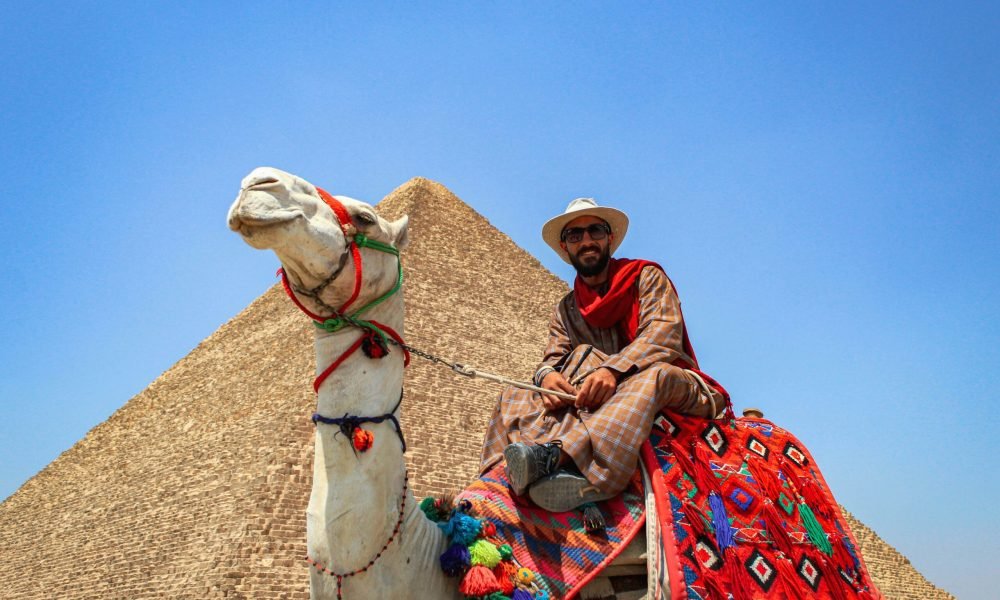
12 Best Ways to Travel Across South Africa

12 Best Ways to Travel Across South Africa

Best Ways to Travel Across South Africa

Traveling across South Africa blends adventure, culture, wildlife, and scenic beauty in one trip. Tiry Nelson Gono / Unsplash

South Africa is a truly incredible country, giving a wide variety of landscapes, lively cities, and a rich mix of cultures. Traveling here means you can experience everything from wild safaris and beautiful coastlines to historic towns and bustling urban life.

There are many ways to get around South Africa, and each give something different, whether it’s the freedom of a road trip, the excitement of a safari, or the chance to connect with locals using public transport.

Picking the right way to travel can really shape your adventure and help you see the country in a unique way. In this article, Here shares 12 best ways to travel across South Africa so you can find the perfect fit for your journey and make unforgettable memories along the way.

1. Road Trips on the Garden Route

A road trip along South Africa’s Garden Route is one of the best ways to see some of the country’s most beautiful coastal scenery. This drive takes you through a mix of amazing places, from green forests and rolling hills to quiet beaches and clear blue waters.

Along the way, you can stop at lovely small towns like Knysna and Plettenberg Bay, where you’ll find cozy cafés, local markets, and friendly people. The route is full of little hidden spots too, like peaceful lagoons and nature parks, where you can take a break, go for a walk, or just enjoy the calm surroundings.

The best thing about driving yourself is that you can stop whenever you want, explore at your pace, and really take in the natural beauty and relaxed vibe of the Garden Route. It’s a perfect mix of adventure and chill time for anyone visiting South Africa.

12 Best Ways to Travel Across South Africa

Safari adventures in Kruger National Park offer a thrilling chance to see the Big Five in their natural habitat. Red Charlie / Unsplash

2. Safari Adventures in Kruger National Park

A safari in Kruger National Park offers an incredible chance to see South Africa’s wildlife closely in their natural home. Visitors explore Kruger National Park in specially equipped 4×4 vehicles accompanied by trained guides who use their expertise to locate and identify wildlife that is often difficult to see on your own.

The real highlight is seeing the Big Five—lion, leopard, elephant, buffalo, and rhino—in their natural environment, which is an unforgettable experience. Besides the Big Five, you’ll also get to see other incredible animals like giraffes, hippos, zebras, and a greater variety of birds.

The park is vast and filled with different landscapes, from open savannas to dense bush, making every safari drive unique. Whether it’s early morning or late afternoon, being out in the wild surrounded by nature’s sounds and sights creates a special connection you won’t forget.

12 Best Ways to Travel Across South Africa

The Blue Train is a luxury ride between Pretoria and Cape Town with stunning views and top-class comfort. Juan Smith / Unsplash

3. Train Journeys: The Blue Train Experience

The Blue Train offers a luxurious and timeless way to travel across South Africa, connecting Pretoria and Cape Town while passing through stunning scenery. Passengers enjoy a comfortable and elegant experience that blends classic charm with modern comfort.

Onboard, you’ll find spacious suites, fine dining, and attentive service that make the trip feel more like a moving five-star hotel than just transportation. As the train slowly winds its way across mountains, valleys, and open plains, you can relax and enjoy the changing scenery from large windows or the observation lounge.

The Blue Train is perfect for those who want to travel in comfort while experiencing South Africa’s natural beauty in a relaxed, elegant setting. And this is one of the 12 best ways to travel across South Africa.

4. Self-Drive on the Panorama Route

Driving yourself along the Panorama Route is one of the best ways to explore some of South Africa’s most stunning natural sights. This route takes you through breathtaking landscapes filled with dramatic waterfalls, deep canyons, and lush forests.

Self-driving the Panorama Route allows travelers the flexibility to pause at various points of interest, including scenic viewpoints, hiking trails, and small towns along the way.

Highlights along the way include places like God’s Window, Bourke’s Luck Potholes, and the Blyde River Canyon, each offering incredible views and plenty of photo opportunities. Self-driving gives you the freedom to take your time, explore hidden spots, and enjoy the peaceful beauty of the area without feeling rushed.

5. Biking Through the Drakensberg Mountains

For those who love adventure, mountain biking in the Drakensberg Mountains is an exciting way to explore this rugged and beautiful region. The area is full of challenging trails that take you through stunning landscapes, steep hills, rocky paths, and lush valleys.

Riding here lets you get closer to nature and enjoy incredible views you might miss on foot or by car. Whether you’re a beginner or an experienced biker, there are routes suited to different skill levels, so everyone can find a trail that fits them.

Plus, biking through the Drakensberg gives you a chance to feel the fresh mountain air and discover hidden spots away from the crowds, making it an unforgettable experience for adventure seekers.

6. Flying Between Major Cities with Domestic Flights

Flying between South Africa’s major cities is the best way to save time and cover long distances quickly. Whether you’re traveling from Johannesburg to Cape Town, Durban, or other key destinations, domestic flights make it best to hop around the country without spending hours on the road.

This option is especially handy if you want to see multiple regions but have limited time. Airports in these cities are well connected, and flights are frequent, offering convenience and comfort.

Choosing to fly allows you to spend more time exploring your destinations rather than traveling, making your trip more efficient and enjoyable.

12 Best Ways to Travel Across South Africa

Minibus taxis are a popular, fast, and affordable way for locals to travel within South African cities and towns. Etienne Swanepoel / Unsplash

7. Backpacking with Public Transport and Minibus Taxis

Backpacking around South Africa using public transport and minibus taxis is the best way to truly experience local life. These taxis are the most common way locals get around cities and towns, so by using them, you get a firsthand look at everyday South African culture.

Although public transport and minibus taxi routes can be busy and less organized compared to other systems, they remain one of the most affordable and widely used forms of travel in South Africa, providing opportunities to interact with diverse communities and explore areas often overlooked by tourists.

This style of travel is perfect for those who want to go beyond the usual tourist spots and connect more deeply with the country and its people.

12 Best Ways to Travel Across South Africa

Wild Coast boat cruises offer ocean views, wildlife sightings, and a peaceful escape. Nico Smit / Unsplash

8. Boat Cruises Along the Wild Coast

Taking a boat cruise along South Africa’s Wild Coast is a fantastic way to experience the country’s rugged and beautiful shoreline from a different perspective. These eco-friendly tours let you glide through clear waters while enjoying views of untouched beaches, rocky cliffs, and hidden coves that are difficult to reach by land.

Along the way, you might spot dolphins, whales, and types of seabirds, making the trip even more special. Since the Wild Coast is less developed than other coastal areas, cruising here feels peaceful and close to nature. It’s a perfect option for anyone who loves the ocean and wants to explore South Africa’s coastline in a relaxed, environmentally conscious way.

9. Hiking and Trekking the Otter Trail

The Otter Trail is one of South Africa’s most famous hiking routes and a must-do for anyone who loves nature and the outdoors. This multi-day trek takes you along the rugged coastline of the Tsitsikamma National Park, where you’ll be treated to breathtaking views of the ocean, cliffs, and indigenous forests.

Along the way, you’ll pass waterfalls, rocky beaches, and chances to spot wildlife like otters, dolphins, and types of birds. The trail is challenging but rewarding, offering a real sense of adventure as you hike through some of the country’s most untouched and beautiful landscapes.

Hiking the Otter Trail lets you disconnect from the busy world and fully immerse yourself in nature’s peace and power.

10. Horseback Riding Through the Karoo

Horseback riding through the Karoo offers a unique chance to experience this expansive semi-desert area up close, letting you connect with its rugged beauty in a way that’s impossible from a car.

The quiet rhythm of horseback lets you soak in the endless skies, strange rock formations, and sparse but fascinating plants and wildlife that make the Karoo so unique. It’s a slower, more peaceful way to travel that lets you appreciate the stillness and solitude of this remote area.

No matter your skill level, horseback riding in this region provides a unique and unforgettable way to explore beyond the typical tourist paths.

11. Luxury Campervan Tours for Flexibility and Comfort

Luxury campervan tours are a perfect way to enjoy the freedom of a road trip while still having all the comforts of home with you. Traveling this way lets you explore South Africa’s hidden gems and less-visited places that bigger vehicles might not reach easily.

Inside a campervan, you’ll find cozy sleeping areas, a small kitchen, and often even modern amenities like heating and Wi-Fi, making your journey comfortable and convenient. You can stop wherever you like, set up camp in beautiful spots, and have everything you need right there with you.

This style of travel is best for those who want flexibility, comfort, and the chance to experience South Africa at their pace without giving up the little luxuries.

12. Cultural Tours via Guided Bus Trips

Taking a guided bus tour is the best way to dive into South Africa’s rich culture and history without worrying about the logistics. These organized trips often include visits to townships, historic sites, museums, and cultural centers, giving you a better understanding of the country’s diverse heritage.

Traveling by bus means you can relax and focus on learning from knowledgeable guides who share stories, local traditions, and important historical facts. It’s also a chance to meet other travelers and see parts of South Africa you might not easily find on your own.

Whether you’re interested in the struggle for freedom, traditional customs, or modern-day culture, these tours offer an informative and meaningful way to connect with the heart of the country.

The official website for traveling across South Africa is www.southafrica.net. This site is managed by South African Tourism, the country’s national tourism marketing agency. It offers comprehensive information on destinations, activities, accommodations, and cultural experiences throughout South Africa.


For official government resources related to tourism, including visa information and policy updates, you can visit the Department of Tourism’s website at www.tourism.gov.za.


GUIDED BY EXPERT

Yoga within Travel the perfect flow of Experience

Explore wellness in anywhere

by

Explore Related Articles

Best time to visit UAE

Best time to visit Egypt

12 Best Things to Know Before Traveling to Thailand

What is the best time to visit Malaysia?

LEAVE A COMMENT

Error: Contact form not found.
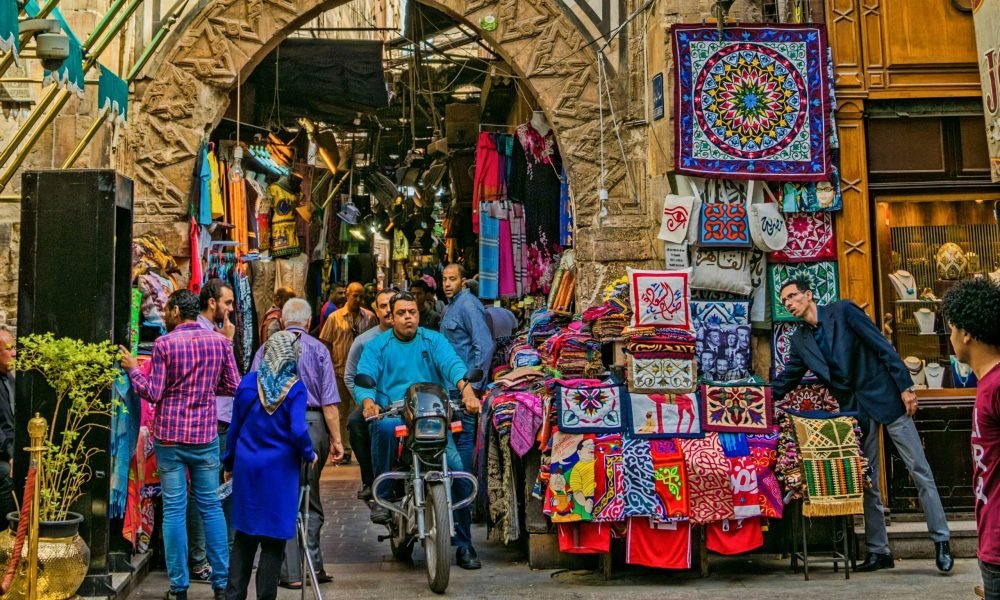
Best Things to Do in South Africa

20 Best Things to Do in South Africa

Best Things to Do in South Africa

The best things to do in South Africa it gives thrilling safaris, vibrant cities, and off beaten nature view. Johnny Africa / Unsplash

South Africa is a land of striking contrasts and endless wonders, where vast savannas meet dramatic coastlines and ancient mountains rise beside bustling cities.

If you’re seeking thrilling safaris to spot the iconic Big Five, exploring vibrant cities like Cape Town and Johannesburg, or immersing yourself in history and local traditions, this beautiful nation has something unforgettable to offer.

With its world-famous natural wonders like Table Mountain, the Garden Route, and Blyde River Canyon, as well as unique cultural experiences such as township tours and traditional cuisine, South Africa promises an enriching journey full of discovery and excitement.

Here’s a curated list of the 20 best things to do in South Africa to help you make the most of your visit to this incredible destination.

Best Things to Do in South Africa

Experience thrilling wildlife encounters on a safari in South Africa’s Kruger National Park. Annakate Auten / Unsplash

1. Go on a Safari in Kruger National Park

Going on a safari in Kruger National Park is one of the most iconic and best experiences in South Africa. Spanning nearly 20,000 square kilometers, this vast wilderness is one of Africa’s largest and most renowned game reserves.

It’s home to an incredible variety of wildlife, including the famous Big Five: lion, leopard, elephant, rhino, and buffalo—a term originally coined by hunters to describe the most difficult animals to track on foot and now a bucket-list goal for wildlife enthusiasts.

Kruger gives both guided game drives and self-drive safaris, allowing visitors to explore its diverse landscapes ranging from savannas and forests to riverbeds and rocky outcrops. With a well-developed infrastructure of rest camps, lodges, and picnic spots, you can experience the raw beauty of the African bush without sacrificing comfort.

Whether it’s watching a pride of lions lounging in the golden grass, spotting a shy leopard slinking through the trees, or hearing elephants trumpet in the distance, a safari in Kruger delivers thrilling encounters and lifelong memories.

Best Things to Do in South Africa

The Garden Route is a scenic coastal drive featuring forests, beaches, and charming town. Trey Smith / Unsplash

2. Drive the Garden Route

A road trip on the Garden Route is a beautiful journey through some of South Africa’s most scenic and varied places. Stretching for about 300 kilometers between Mossel Bay in the Western Cape and Storms River in the Eastern Cape, this coastal road winds through a breathtaking mix of landscapes, from emerald-green forests and tranquil lakes to golden beaches and rugged cliffs.

Along the way, you’ll discover charming towns like Knysna, famous for its oysters and lagoon views; Plettenberg Bay, known for its pristine beaches and dolphin sightings; and Wilderness, a peaceful haven of rivers, forests, and birdlife.

Adventure seekers can hike in Tsitsikamma National Park, go bungee jumping from Bloukrans Bridge (the highest commercial bridge jump in the world), or kayak through lush river gorges. For those who prefer a relaxed pace, there are countless opportunities to enjoy wine tastings, art galleries, and cozy coastal cafés.

Best Things to Do in South Africa

Climb Table Mountain in Cape Town for best views of the city and ocean below. Dannii Coughlan / Unsplash

3. Climb Table Mountain in Cape Town

Table Mountain is one of Cape Town’s most iconic landmarks and climbing it is an unforgettable experience that combines adventure with stunning views from the top. Adventurous travelers can choose from several scenic hiking trails, such as Platteklip Gorge, Skeleton Gorge, or India Venster, each giving unique landscapes ranging from lush forests to rocky ridges.

For those who prefer a quicker route, the Table Mountain Aerial Cableway provides a smooth and thrilling ride to the summit in just a few minutes, with rotating floors that give you 360-degree views on the way up. At the top, you’re rewarded with panoramic vistas of Cape Town, the Atlantic Ocean, Robben Island, the Cape Peninsula, and even the distant Hottentots-Holland Mountains on a clear day.

The flat summit also features walking paths, a café, and opportunities to spot wildlife like rock hyraxes (locally called dassies). Whether you’re climbing under the golden light of sunrise or enjoying a cable car ride at sunset, a visit to Table Mountain is an unforgettable highlight of any South African journey.

Best Things to Do in South Africa

Robben Island is a historic prison where Nelson Mandela was held during apartheid. Arka Pudota / Unsplash

4. Visit Robben Island

Visiting Robben Island is a powerful and emotional experience, especially when you learn about its role in South Africa’s history. This small island, just off the coast of Cape Town, is where Nelson Mandela was imprisoned for 18 of his 27 years behind bars during apartheid.

You can take a short ferry ride from the V&A Waterfront, and once you arrive, former political prisoners often guide the tours, sharing their personal stories. Walking through the old prison buildings, including Mandela’s tiny cell, gives you a real sense of the struggle for freedom and the harsh reality of life under apartheid.

Best Things to Do in South Africa

Blyde River Canyon is a lush, scenic gorge with stunning panoramic views. Thibaut Tiberghien / Unsplash

5. Explore the Blyde River Canyon

Exploring the Blyde River Canyon is like stepping into a hidden world full of natural beauty and peaceful views. It’s one of the largest green canyons in the world and is covered with lush vegetation, which makes it stand out from other rocky canyons.

As you drive or walk through the area, you’ll come across breathtaking viewpoints like God’s Window, Three Rondavels, and Bourke’s Luck Potholes, each giving incredible views of cliffs, valleys, and waterfalls.

You can also hike, go boating, or just sit and take in the fresh mountain air. Whether you’re into photography, adventure, or just enjoying nature, the Blyde River Canyon is a peaceful and unforgettable place to explore.

Best Things to Do in South Africa

Durban’s beaches boast warm waters, golden sands, and a fun, laid-back vibe. Finding Dan Dan Grinwis / Unsplash

6. Relax on the Beaches of Durban

Relaxing on the beaches of Durban is the perfect way to unwind and soak up the coastal vibes of South Africa. The city sits along the warm Indian Ocean, so the water is best for swimming all year round. Whether you’re lying on the golden sand, trying your hand at surfing, or just dipping your feet in the waves, Durban’s beaches are full of energy and fun.

Places like North Beach and uShaka Beach are popular spots where you can also find cool beachfront markets, local snacks, and people roller-skating or playing volleyball. It’s the perfect spot to unwind, soak in the ocean breeze, and experience the laid-back vibe that Durban is known for.

7. Tour the Winelands near Stellenbosch and Franschhoek

Touring the Winelands near Stellenbosch and Franschhoek is a peaceful and enjoyable experience, especially if you love wine, nature, or just relaxing in beautiful places. These two charming towns are surrounded by rolling hills and endless vineyards, making them some of the most famous wine regions in South Africa.

You can visit local wine estates, taste different types of wine from crisp whites to bold reds, and even pair them with cheese or chocolate. The scenery is absolutely stunning, with mountain backdrops, historic buildings, and quiet countryside roads.

Some wine farms also give cellar tours, picnics, or outdoor restaurants with vineyard views. Whether you’re a wine expert or just curious, this is the best way to enjoy South Africa’s natural beauty and world-class wines all at once.

8. Visit the Apartheid Museum in Johannesburg

Visiting the Apartheid Museum in Johannesburg is a moving and eye-opening experience that helps you understand the difficult history of apartheid in South Africa.

The museum uses powerful exhibits, photos, videos, and personal stories to show how the system of racial segregation affected millions of people. Walking through the museum, you get a sense of the struggles, injustices, and resilience of those who lived through those times.

It’s not just about learning facts; it’s about feeling the impact of this history and appreciating the hard-fought journey toward freedom and equality. The museum gives a chance to reflect on South Africa’s past and the ongoing hope for a more just future.

9. Go Shark Cage Diving in Gansbaai

Gansbaai is known as the “Great White Shark Capital of the World” and is a popular destination for shark cage diving.

During this activity, specially designed cages are used to safely lower participants into the ocean, allowing them to observe great white sharks up close in their natural environment.

This experience gives a unique opportunity to study and appreciate these apex predators while ensuring safety for both humans and sharks. 

10. Drive the Panorama Route

Driving the Panorama Route is the best way to explore some of South Africa’s most beautiful natural sights all in one trip. This scenic route takes you through mountain passes and valleys filled with stunning views.

Along the way, you’ll stop at incredible places like God’s Window, where you can look out over a vast, green landscape that stretches as far as the eye can see. You’ll also visit Bourke’s Luck Potholes, unique rock formations shaped by swirling water over thousands of years, which make for the best photo spots.

The route is full of waterfalls, forests, and dramatic cliffs, giving you a chance to connect with nature and enjoy peaceful moments in breathtaking surroundings. It’s a perfect day trip for anyone wanting to experience the wild beauty of South Africa’s Lowveld region.

11. Experience uShaka Marine World in Durban

A trip to uShaka Marine World in Durban is a lively and action-packed experience, perfect for families, friends, or anyone looking to enjoy marine life and water adventures in one place. It’s one of the biggest marine theme parks in Africa and has so much to give in one place. You can explore a huge aquarium built inside a shipwreck, where you’ll see sharks, stingrays, and colorful fish swimming in giant tanks.

There’s also a water park with thrilling slides, lazy rivers, and splash zones that are perfect for cooling off. One of the highlights is the dolphin and seal shows, where you can watch these amazing animals perform and interact with trainers. Whether you’re into marine life, water rides, or just want to relax by the beach, uShaka has something for everyone.

12. Hike in the Drakensberg Mountains

Hiking in the Drakensberg Mountains is the best way to connect with nature and take in some of South Africa’s most breathtaking scenery. This mountain range, which stretches across parts of KwaZulu-Natal and the Eastern Cape, is full of rugged cliffs, green valleys, and peaceful trails. If you’re a beginner or an experienced hiker, there are plenty of routes to choose from, some short and easy, others more challenging and rewarding.

Along the way, you might come across waterfalls, wildflowers, and even ancient San rock art painted on the cave walls, telling stories from thousands of years ago. The air is fresh, the views are wide open, and it’s a perfect place to escape into nature and enjoy the quiet beauty of the mountains.

Best Things to Do in South Africa

It gives close-up views of elephants and Big Five wildlife in a malaria-free setting. Martijn Vonk / Unsplash

13. Visit Addo Elephant National Park

Visiting Addo Elephant National Park is the best way to see elephants up close in their natural environment without worrying about malaria. Located near Port Elizabeth in the Eastern Cape, this park is home to over 600 elephants, making it one of the best places in South Africa to watch these gentle giants roam freely.

You can drive through the park in your car or join a guided safari to spot not just elephants, but also lions, buffalo, zebras, and more. The scenery is beautiful, with open plains, thick bush, and peaceful watering holes where animals gather. It’s a relaxed, family-friendly safari experience that gives you a real feel for South Africa’s wildlife and natural beauty.

14. Explore the Cape Winelands

Exploring the Cape Winelands is about more than just tasting the best wine; it’s a full experience of beauty, culture, and relaxation. The area includes picturesque towns like Stellenbosch, Franschhoek, and Paarl, all set against a backdrop of majestic mountains, sweeping vineyards, and a peaceful countryside vibe.

While wine tasting is definitely a highlight, you’ll also find amazing gourmet food, cozy cafes, and top-rated restaurants that serve everything from farm-style meals to fine dining.

You can stroll through local markets, take a bike ride through the vineyards, or simply sit back and enjoy the peaceful countryside views. It’s the kind of place that’s perfect for slowing down and enjoying the good things in life: delicious wine, delicious food, and beautiful surroundings.

15. Discover Johannesburg’s Maboneng Precinct

Exploring the Maboneng Precinct in Johannesburg is like stepping into the creative heart of the city. Once an old industrial area, it’s now one of the coolest and most colorful neighborhoods in Joburg, filled with street art, quirky shops, and a buzzing vibe.

You can walk around and find art galleries, design studios, and stylish cafes, all packed into a few walkable blocks. There are also rooftop bars, live music spots, and weekend markets where local artists and food vendors show off their work. It’s the best place to soak up South Africa’s modern culture, meet creative people, and enjoy the lively energy of the city.

16. Go Whale Watching in Hermanus

Going whale watching in Hermanus is one of the most magical things you can do along South Africa’s coast. This small seaside town is one of the best places in the world to see southern right whales, especially during the winter and spring months (from June to November).

What’s incredible is that you don’t even need a boat; you can spot these massive, gentle creatures right from the shore as they swim close to land, sometimes breaching or waving their tails.

There are also guided boat tours if you want a closer look. With beautiful ocean views, fresh sea air, and the chance to see whales in their natural habitat, Hermanus gives a peaceful yet exciting experience that’s perfect for nature lovers.

Best Things to Do in South Africa

The Cango Caves in Oudtshoorn are a stunning underground wonder of limestone chambers and dramatic rock formations. Dirk Toerien / Unsplash

17. Explore the Cango Caves in Oudtshoorn

The Cango Caves in Oudtshoorn, South Africa, are not just ordinary caves but a breathtaking underground wonder carved by nature over millions of years. Stretching for more than 4 kilometers, only a portion is open to visitors, showcasing vast limestone chambers decorated with dramatic stalactites and stalagmites that seem almost sculpted by an artist’s hand.

What makes the caves truly unique is their blend of natural beauty and ancient history—archaeological finds here reveal that humans inhabited the area as far back as the Early Stone Age.

Visitors can choose between an effortless heritage tour that highlights the awe-inspiring chambers or an adventurous crawl-and-squeeze “adventure tour” through narrow tunnels and hidden passageways. The Cango Caves are not only a geological masterpiece but also a journey into South Africa’s deep natural and cultural heritage.

18. Visit the Valley of Desolation in Camdeboo National Park

Visiting the Valley of Desolation in Camdeboo National Park feels like stepping into another world. Located near the town of Graaff-Reinet, this spot is famous for its towering rock columns that rise straight out of the landscape.

These dramatic stone formations were shaped by volcanic activity and erosion over millions of years, and they stand high above the vast Karoo semi-desert.

When you reach the viewpoint, the wide, open view takes your breath away with endless plains stretching out below and a real sense of quiet, untouched nature. It’s the perfect place for photography, peaceful reflection, or just taking in the raw beauty of South Africa’s unique geology.

Best Things to Do in South Africa

A Township Tour in Soweto gives a powerful glimpse into South Africa’s history, culture, and vibrant community life. Sandy Ravaloniaina / Unsplash

19. Take a Township Tour in Soweto

Taking a township tour in Soweto is a powerful and eye-opening way to learn more about South Africa’s culture, history, and everyday life. Soweto, short for “Southwestern Townships,” is one of the most well-known townships in the country and played a big role in the fight against apartheid.

On a guided tour, you can walk or ride through the vibrant streets, meet local people, and hear stories about the community’s past and present. You’ll visit notable spots such as Vilakazi Street, the unique street where both Nelson Mandela and Desmond Tutu, two Nobel Peace Prize laureates, once called home.

Beyond the history, you’ll also get a feel for the energy, music, food, and spirit of Soweto today. It’s an experience that’s both educational and deeply meaningful.

20. Try Local Foods and Street Markets

Sampling local dishes and visiting street markets is a fantastic way to dive into South Africa’s vibrant culture and unique tastes. You can enjoy specialties like bunny chow, which is bread filled with spicy curry; boerewors, a tasty traditional sausage; and chakalaka, a flavorful and spicy vegetable relish.

You’ll often find these dishes at bustling street markets and food stalls, particularly in major cities like Johannesburg and Cape Town. These markets are vibrant and lively, filled with vendors giving fresh fruits and vegetables, handcrafted goods, traditional clothing, and local music.

Wandering through these vibrant spots gives you a real taste of the local lifestyle and a chance to connect with the friendly people behind the food.

The official website for exploring the best things to do in South Africa is South African Tourism. This government-run platform offers comprehensive travel guides, activity suggestions, and trip planning resources tailored for various interests, including adventure, culture, wildlife, and relaxation.

GUIDED BY EXPERT

Yoga within Travel the perfect flow of Experience

Explore wellness in anywhere

by

Explore Related Articles

12 Things About India's Tourist Visa

Best Things on United States Tourist Visa

Best time to visit UAE

10 Best Things on Malaysia's Tourist Visa

LEAVE A COMMENT

Error: Contact form not found.

Things Know Before Traveling to South Africa

Things Know Before Traveling to South Africa

Things Know Before Traveling to South Africa
South Africa is known as the “Rainbow Nation” due to its rich mix of ethnicities. Andrew Jooste / Unsplash

One moment, you’re watching elephants bathe under a fiery savanna sunset; the next, you’re sipping artisan coffee in a bustling Cape Town market with Table Mountain as your backdrop.

But before you dive into this land of breathtaking biodiversity and layered history, there are a few key things every traveler should know, not just for safety or convenience, but to truly understand and connect with the country.

From the cultural philosophy of Ubuntu to the unexpected rhythm of township life, from navigating internal flights to respecting local customs, traveling South Africa with awareness adds richness to every step of your journey.

Whether you’re chasing wildlife, waves, or stories, this guide gives you fresh, thoughtful insights to help you move with confidence, curiosity, and respect. Before you pack your bags for South Africa, here’s what you need to know—the best things to know before traveling to South Africa to make your journey smoother and more enriching.

Things Know Before Traveling to South Africa

South Africa’s landscape spans deserts, savannas, forests, and two ocean coastlines. Bernd M Schell / Unsplash

1. Time Zones Within a Time Zone: Why the Sun Can Surprise You

South Africa uses one official time zone across the entire country. But what many travelers don’t realize is that the country stretches more than 1,500 kilometers from east to west, meaning sunrise and sunset times can differ by over an hour depending on where you are.

For example, in Durban on the east coast, the sun rises and sets much earlier than it does in Cape Town on the west coast. Your watch may show the same time in both cities, but your experience of daylight can differ.

This subtle time shift can surprise travelers, especially those aiming for perfect sunrise hikes, early-morning safaris, or golden-hour photography. The lesson? Don’t rely solely on the clock. Always check the actual sunrise and sunset times for your location to make the most of each daylight moment in South Africa.

2. The Big Five and Beyond: What Safari Brochures Don’t Tell You

While the Big Five—lion, leopard, elephant, buffalo, and rhino—often steal the spotlight in safari brochures, South Africa’s wildlife gives so much more than just these headline species. Beyond the poster stars lie elusive and endangered creatures like the shy pangolin, the sleek caracal, or the striking aardvark—animals rarely seen but deeply rewarding to spot.

These hidden gems are more likely to appear in conservation-centered reserves that prioritize biodiversity and animal welfare over sheer size or tourist traffic. Unlike commercial game parks focused on guaranteed sightings, smaller private or community-led reserves often create more meaningful experiences, where trained rangers share knowledge about animal behavior, habitat threats, and efforts to protect lesser-known species.

While seeing the Big Five is a major highlight for many, South Africa is also home to rare and lesser-known species like pangolins, caracals, and aardvarks, giving unique wildlife encounters that aren’t always promoted in typical safari brochures.

3. Train Travel Is a Vibe — But Not the Kind You Expect

Train travel in South Africa gives a striking contrast between high-end luxury and grassroots practicality. At the luxury end, Rovos Rail and The Blue Train promise an unforgettable journey complete with vintage-style coaches, gourmet meals, and impeccable service, all wrapped in old-world charm.

These trains aren’t just transport; they’re rolling boutique hotels, ideal for travelers who want to savor the scenery in style. Designed to evoke a sense of timeless elegance, they glide through some of South Africa’s most breathtaking landscapes, turning the journey itself into a highlight of the trip.

On the other hand, local commuter trains, like those run by Metrorail, are an entirely different experience—affordable, crowded, and often lacking in comfort or punctuality. While they’re essential for many South Africans, they require careful planning for tourists, especially in terms of safety, timing, and routes.

In between, you’ll find options like Shosholoza Meyl, which gives long-distance, budget-friendly train travel with sleeper cabins that are simple but serviceable for the adventurous traveler. If you’re dreaming of rail journeys in South Africa, it’s important to know that the “vibe” can range from luxury lounge to local hustle, so choose your train with your comfort and expectations in mind.

Things Know Before Traveling to South Africa

South African food blends indigenous flavors with multicultural influences, from chakalaka to braai. Karabo Mdluli / Unsplash

4. Food is a Patchwork of Cultures — Not Just Braai and Biltong

While many travelers associate South African cuisine with staples like braai (barbecue) and biltong (dried meat), the country’s food scene is actually a diverse landscape woven from centuries of migration, trade, and tradition. Each dish tells a deeper cultural story. Take umngqusho, a hearty Xhosa dish made of samp and beans, beloved by Nelson Mandela and rooted in indigenous cooking.

Then there’s bobotie, a fragrant Cape Malay dish of spiced minced meat baked with an egg-based topping, reflecting the legacy of Southeast Asian slaves brought to the Cape during Dutch colonial rule. And in Durban, bunny chow, a hollowed-out loaf of bread filled with fiery Indian curry, speaks to the country’s large Indian community and their creative culinary adaptations.

South Africa’s kitchens are where cultures collide and coexist, giving flavors that go far beyond what’s found in tourist brochures. To truly experience the nation’s soul, don’t just eat; ask about the story behind what’s on your plate.

5. Safety Beyond Headlines: Understanding ‘Common Sense’ in South Africa

South Africa often makes headlines for crime, which can make first-time travelers hesitant, but the reality on the ground is far more nuanced. While crime does exist, it’s often concentrated in specific areas and situations, many of which tourists are unlikely to encounter.

Locals move through daily life with confidence, using a mix of street smarts, awareness, and simple precautions like avoiding isolated areas at night, locking valuables out of sight, and relying on trusted transport. Safety here isn’t about constant fear; it’s about informed choices. Tourists who respect local advice, stay aware of their surroundings, and avoid high-risk zones usually travel without issue.

In fact, many visitors are surprised by how warm, helpful, and open South Africans are. Understanding the difference between media narratives and actual experience is key. South Africa rewards the mindful traveler with deep connections, unforgettable landscapes, and vibrant urban life, far beyond the headlines.

6. Why You Might (Briefly) Love Being Offline

In a world obsessed with constant connection, South Africa gives rare and welcome pockets of digital silence. From remote safari lodges in Kruger to windswept deserts in the Karoo or rural villages in the Drakensberg, there are many places where Wi-Fi is weak or nonexistent, and that’s part of the magic.

With no signal to distract you, you’re fully present: watching elephants cross a dusty road, sharing stories around a fire, or simply listening to the rhythm of the wild. These off-the-grid moments give you a chance to reset mentally, reconnect with nature, and appreciate the slower pace of local life. But a digital detox takes a little prep. Download offline maps, inform loved ones in advance, and bring a journal or a best book.

What begins as a temporary inconvenience often ends up as the most refreshing part of your journey. In South Africa, disconnecting from the world might be exactly how you connect with yourself.

7. Understanding Ubuntu: The Heartbeat of South African Culture

Ubuntu is a central concept in South African culture, emphasizing mutual respect, community, and shared humanity. Commonly summarized as “I am because we are,” it reflects a collective approach to life that influences social interactions, hospitality, and community values across the country.

In practice, Ubuntu shows up in the warm hospitality extended to strangers, in neighbors helping one another without hesitation, and in the collective spirit felt in townships, rural villages, and even bustling cities. Whether you’re invited into a local’s home for a meal, greeted with genuine warmth at a guesthouse, or helped without being asked on the street, you’re witnessing Ubuntu in action.

It reminds travelers that in South Africa, community comes before self, and every person is part of a larger whole. Experiencing South Africa goes beyond visiting landmarks; understanding the cultural philosophy of Ubuntu—centered on community, compassion, and shared humanity—is essential to appreciating the country’s social fabric.

8. Two Oceans, Two Personalities: Swimming in the Indian vs. Atlantic

One of South Africa’s most fascinating natural contrasts is where two mighty oceans meet, each with its own distinct personality. On the eastern coast, Durban is lapped by the warm waters of the Indian Ocean, making it a year-round beach destination with gentle waves and tropical currents that invite long swims and surfing.

Meanwhile, Cape Town’s coastline along the Atlantic Ocean gives a much chillier experience, with sea temperatures often ranging from 10 to 14°C (50 to 57°F), even during the warmer months. This sharp contrast in water temperature is driven by ocean currents. While the east coast benefits from the warm Agulhas Current, the west coast is cooled by the Benguela Current, which flows up from the icy waters of the Southern Ocean near Antarctica.

The contrast creates a unique travel experience where one day you’re basking in the warm surf of Durban, and the next, braving Cape Town’s crisp Atlantic waters. Knowing the difference helps you plan smarter, pack accordingly, and pick the coast that best suits your style of beach escape.

9. Street Style & Township Cool: Fashion Statements You’ll Want to Pack

South Africa’s style scene is as bold and diverse as its people, especially when it comes to street fashion and township culture. In Johannesburg and Cape Town, locals showcase a mix of bold prints, sleek tracksuits, carefully curated vintage pieces, and Afrofuturist styles, each look reflecting a unique personal and cultural narrative.

In townships like Soweto and Khayelitsha, fashion is both a form of art and identity, often blending traditional beadwork, Zulu patterns, and modern streetwear in bold, expressive combinations. Local designers and youth-led brands are reshaping what “Instagrammable” looks like, with edgy photo spots, mural-covered walls, and pop-up thrift markets becoming part of the experience.

Traveling in South Africa goes beyond clothing; it’s about embracing a culture where fashion expresses resilience, identity, and creativity. Whether you want to fit in or make a statement, bring vibrant colors, unique accessories, and, most importantly, an open heart.

Things Know Before Traveling to South Africa

Live marimba music in South Africa showcases vibrant rhythms and rich cultural heritage. The Charles Gallery / Unsplash

10. Music is a Map: Travel Through Soundscapes from Kwaito to Gqom

In South Africa, music plays a vital role in expressing cultural identity, social history, and political resistance across diverse communities. Each region pulses with its rhythm. In Johannesburg, you’ll hear the deep, slow groove of Kwaito, a post-apartheid genre that emerged in the ’90s blending house beats with African lyrics and township slang.

Travel to Durban, and you’ll encounter Gqom, a raw, bass-heavy sound born in local clubs that has now exploded onto global dance floors. In the Cape, jazz has deep roots, fused with Cape Malay influences and protest heritage, while in the Eastern Cape, traditional Xhosa music and gospel remain deeply spiritual and community driven.

If you’re hearing amapiano beats from a car stereo, live marimba on a street corner, or soulful harmonies in a rural church, South African music narrates stories of survival, joy, struggle, and celebration. To truly understand the country, let your ears guide you because the soundscape here is as layered and vibrant as the land itself.

11. Driving Long Distance? Prepare for ‘Petrol Station Culture’

South African road trips offer more than just fueling your vehicle; they invite you to experience a vibrant roadside culture unlike anywhere else. Known affectionately as the country’s “petrol station culture,” many fuel stops double as vibrant hubs where travelers pause to refuel both their vehicles and themselves.

These aren’t your typical gas stations; many feature cozy cafés serving fresh coffee and local snacks, bustling craft markets showcasing handmade jewelry, textiles, and souvenirs, and sometimes even live music or impromptu cultural exchanges.

If you’re cruising the Garden Route, heading to the Drakensberg Mountains, or making your way up to Kruger National Park, embracing this roadside culture adds unexpected richness to your journey, turning mundane breaks into memorable moments. Make sure to fill up regularly, since fuel stations can be sparse and long stretches between stops are common.

Things Know Before Traveling to South Africa

South Africa’s seasons flip northern hemisphere norms—summer shines in December, winter chills in June. Joshua Kraus / Unsplash

12. Seasons Are Upside Down—But Not Just the Weather

best time to visit South Africa requires adapting not only to its flipped seasons—winter from June to August and summer from December to February —but also to the various lifestyle changes that accompany this reversal, affecting much more than just the climate.

Fruits like peaches and grapes come into season just when travelers from the north would expect winter berries to be ripe. Additionally, school holidays fall in December and July, causing busy periods at popular destinations during these local breaks. Wildlife behavior also changes with the seasons; many species migrate or breed at times that may be unexpected for visitors familiar with northern hemisphere cycles.

This seasonal inversion affects everything from hotel prices and tour availability to crowd sizes and even local behaviors, making it essential for travelers to plan with the southern calendar in mind to make the most of their South African experience.

The official website for comprehensive travel information about South Africa is the South African Tourism portal: www.southafrica.net. This site offers a wealth of resources for travelers, including destination guides, cultural insights, practical tips, and details on attractions across the country.


13. Dual Pricing Exists, But It's Not What You Think

In South Africa, you might notice that some tourist attractions, parks, and services charge different prices for locals versus foreign visitors—a practice known as dual pricing. Rather than a simple scheme to overcharge tourists, dual pricing is part of a broader effort to balance economic realities in a country marked by stark income inequalities.

Many locals live on modest incomes, so lower prices help ensure that cultural sites and natural reserves remain accessible to all South Africans, fostering national pride and inclusion.

For tourists, the higher fees often reflect the additional revenue needed to maintain these attractions at international standards. Knowing this helps travelers appreciate the social context and supports a more respectful and informed visit to South Africa’s diverse destinations.

14. You’re a Guest, not a Documentary Crew: Ethical Photography Matters

When traveling in South Africa, capturing stunning photos is tempting, but it’s crucial to remember that behind every smile, ritual, or wild animal is a living being deserving respect. Ethical photography means seeking consent before photographing people, especially in intimate or cultural settings, rather than treating locals like subjects in a documentary.

Many communities have deep cultural practices and sacred ceremonies that require sensitivity; snapping photos without permission can feel invasive or disrespectful. Similarly, wildlife photography demands patience and care to avoid disturbing animals or their habitats.

True ethical photography prioritizes the dignity and comfort of those you capture over social media likes or viral moments. By approaching your camera with mindfulness and respect, you not only create meaningful images but also foster trust and positive connections, ensuring your travel memories honor the people and places you visit.

GUIDED BY EXPERT

Yoga within Travel the perfect flow of Experience

Explore wellness in anywhere

by

Explore Related Articles

Indian Currency to Know Before Travel to India

8 Need to Know About Egyptian Currency

Need to Know About Thailand Currency

Japanese Currency to Know Before Travel to Japan

LEAVE A COMMENT

Error: Contact form not found.
Garden Route

@ Trey Smith

Garden Route

South Africa

The Garden Route is a breathtaking coastal drive in South Africa, stretching roughly 300 kilometers from Mossel Bay in the Western Cape to Storms River in the Eastern Cape, offering a blend of ocean views, forested mountains, and charming towns along the way. It hugs the Indian Ocean on one side while mountain ranges like the Outeniqua and Tsitsikamma frame it from inland. This corridor of coast is not just a route; it’s a living gallery of landscapes that change every few kilometers.
The route runs through two national parks, Garden Route National Park and parts of the Tsitsikamma Forest. It’s named not after manmade gardens but for its lush, natural vegetation and rich greenery—an evergreen belt even during dry summers.

The Garden Route is dotted with gems that blend natural beauty, adventure, and rich culture. Begin in Mossel Bay, a historic seaside town known for its warm Indian Ocean surf and the Bartolomeu Dias Museum. Further along lies the forested tranquility of Knysna Lagoon, framed by the iconic sandstone Knysna Heads. A ferry ride takes you to Featherbed Nature Reserve, where coastal hiking trails offer breathtaking ocean views.

Just beyond, Wilderness National Park enchants visitors with its lakes, rivers, and bird-filled forests perfect for canoeing down the Touw River or wandering the Half Collared Kingfisher Trail. Adventure seekers will find their thrill in Plettenberg Bay, with golden beaches, marine safaris, and the adrenaline rush of jumping off Bloukrans Bridge, the highest commercial bungee jump in the world. End your journey by stepping into the untamed wonder of Tsitsikamma National Park, where the dramatic Storms River Suspension Bridge stretches above swirling waters and the legendary Otter Trail winds through cliffs, forests, and sea-sprayed coastlines.
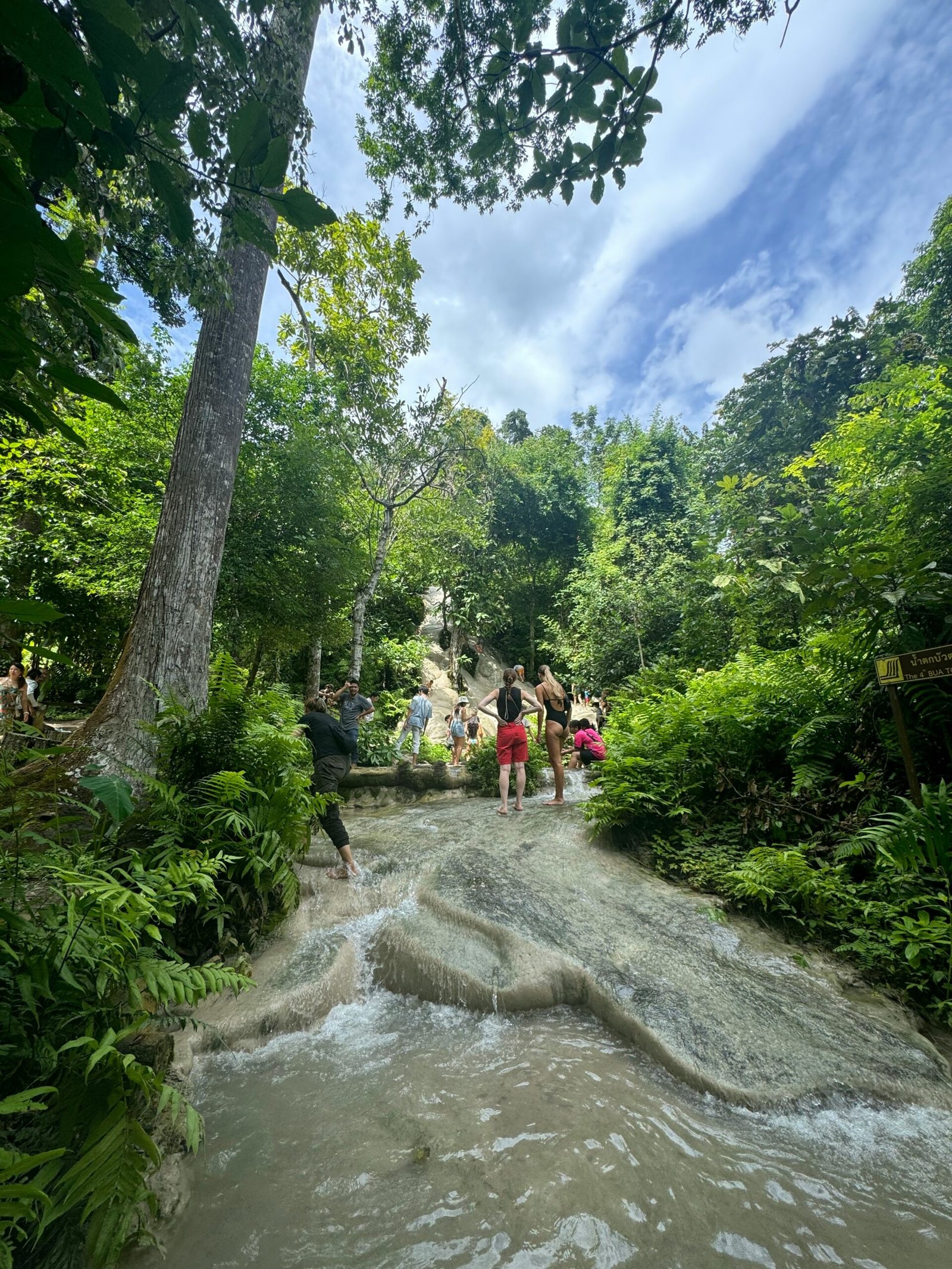
Along the coast, indulge in fresh seafood platters featuring grilled prawns, tender calamari, and line fish caught the same day, especially in towns like Plettenberg Bay and Wilderness. Don’t miss out on Knysna’s famous oysters—plump, ocean-fresh, and typically enjoyed raw with a dash of lemon or Tabasco for a zesty bite of the sea. For something hearty, grab a boerewors roll from a roadside stall, a flavorful sausage spiced with coriander and clove, nestled in a bun.

Dive into tradition with bobotie, a comforting Cape Malay dish of curried minced meat baked under a golden egg custard, blending sweet and savory in every bite. And no road trip here is complete without biltong, South Africa’s beloved air-dried spiced meat, perfect for snacking on the go. Together, these flavors reflect the rich culture and culinary diversity of the Garden Route.

Let's Connect With

This site provides comprehensive information on municipal services, regional development, and local governance for the Garden Route area. For tourism-specific information, including attractions, accommodations, and activities in the Garden Route and Klein Karoo region, you can visit the official tourism website: https://www.gardenroute.gov.za/


Additionally, if you’re interested in exploring the Garden Route National Park, which encompasses areas like Tsitsikamma, Knysna, and Wilderness, the South African National Parks (SANParks) official page offers detailed information: https://www.sanparks.org/parks/garden-route


Around Garden Route

1. Plettenberg Bay

35 km

A glamorous seaside town famous for dolphin and whale watching, beaches, and water sports.

2. George

60 km

A central town nestled between mountains and ocean, ideal for golf, hiking, and scenic drives.

3. Nature’s Valley

70 km

A tranquil paradise with untouched beaches, lagoons, and forest trails — ideal for nature lovers.

4. Tsitsikamma National Park

90 km

Known for its dramatic cliffs, suspension bridge, and lush forest trails along the coast.

5. Mossel Bay

100 km

A charming coastal town where the Garden Route begins — great for shark cage diving and beaches.

6. Oudtshoorn

120 km

The “Ostrich Capital of the World,” giving farm tours and access to the Cango Caves.

7. Addo Elephant National Park

180 km

Home to over 600 elephants, lions, and buffaloes — perfect for a wildlife safari experience.

8. Jeffreys Bay

180 km

One of the world’s best surfing destinations with golden beaches and relaxed coastal charm.

South Africa Top Attractions

1693 km

1063 km

1080 km

Kruger National Park stretches across the northeastern edge of South Africa, nestled between the Limpopo and Mpumalanga provinces. It borders Read More

uShaka Marine World, set along Durban’s lively beachfront, is more than just a theme park—it’s a mix of marine life, entertainment, education, and African Read More

The Drakensberg Mountains, meaning “Dragon’s Mountain” in Afrikaans, stretch majestically across the eastern part of South Africa, forming a natural boundary Read More

Make Reason to Travel

Books transport us to new worlds with every page, but travel lets us live those stories. Documentaries show breathtaking places, but stepping beyond the screen brings them to life. Movies spark adventure, but the real magic begins when we pack our bags and go. 🌍

Books

Documentaries

Memories

Movies

03. ARTICLES

Explore latest stories

Wildlife Visit

Best Wildlife Places in Ladakh

Ladakh’s wild beauty lies in its stunning variety of Read More

Beaches & Islands

10 Best Beaches in Europe

From sun-drenched shores to dramatic cliffside

Health Guide

Beyond the Stress-Free Travel

We tend to romanticize the idea of a flawless journey,

Nature Visit

Top Attractions to Explore in Darjeeling

Varanasi, history isn’t just seen; it’s tasted. Every

Activities

20 Best Things to Do in South Africa

South Africa is a land of striking contrasts and

Kruger National Park

@ Alexa Kaminsky

Kruger National Park

South Africa

Kruger National Park stretches across the northeastern edge of South Africa, nestled between the Limpopo and Mpumalanga provinces. It borders Mozambique to the east and Zimbabwe to the north, making it part of the larger Great Limpopo Transfrontier Park, a vast peace park that links conservation areas across three countries. The park covers nearly 20,000 square kilometers, making it one of Africa’s largest game reserves.

Established in 1926, it’s South Africa’s first national park and among the oldest protected reserves in Africa. Kruger National Park is home to over 500 bird species, 147 mammal species, and over 2,000 plant species. It has archaeological treasures, including Iron Age sites and ancient San rock art. The park offers a unique ‘Big Five’ experience (lion, leopard, rhino, elephant, and buffalo) in their natural habitat. It has its own international airport (Skukuza Airport) within the park itself, which is quite rare globally.

Start your journey at Skukuza Rest Camp, the largest and most developed camp in Kruger National Park. With its on-site museum, riverside walking trails, and well-equipped restaurants, it’s the perfect hub for exploring the park in comfort. Nearby, the Crocodile Bridge Gate Area is a hotspot for early morning game drives, often delivering thrilling sightings of lions and rhinos, making it a favorite entry point for first-time visitors.

Heading further into the park, the Olifants River Viewpoint offers a magical panorama where you can watch elephants bathe in golden light as the sun sets over the bushveld. For those seeking serenity, Biyamiti Weir provides a peaceful stop, where crocodiles, kingfishers, and hippos coexist in still waters away from the crowds. Finally, the journey to the Pafuri Region in the far north rewards travelers with lush biodiversity, dramatic baobab trees, and excellent birdwatching—an untouched paradise for nature photographers and quiet explorers.

While Kruger National Park may not be a gourmet hotspot, it offers a warm and earthy culinary experience that perfectly complements its wild surroundings. Evenings often center around a braai (barbecue), where visitors grill under the stars, savoring the smoky flavors of boerewors (spicy sausage) and marinated steaks. Traditional dishes like potjiekos, a slow-cooked stew made in cast-iron pots over open flames, bring together game meat, root vegetables, and local herbs for a deeply satisfying meal.

Early mornings in the bush begin with rooibos tea and rusks, a comforting combo where the crispy, dry biscuit is dunked in hot tea as the savannah stirs to life. For snacking during game drives, nothing beats biltong and droëwors, seasoned, air-dried meats that are both filling and flavorful. Many main camps, including Lower Sabie and Satara, also feature riverside restaurants serving up light meals, pizzas, and chilled Castle Lager, letting you dine with a view of elephants or hippos passing by.

Let's Connect With

The official website for Kruger National Park is maintained by South African National Parks (SANParks) and can be accessed at: https://www.sanparks.org/parks/kruger


Around Kruger National Park

1. Hazyview

40 km

A lively tourist town near Kruger’s Phabeni Gate, famous for adventure sports and lush banana plantations.

2. Blyde River Canyon

70 km

One of the world’s largest green canyons, offering breathtaking viewpoints like God’s Window and the Three Rondavels.

3. Hoedspruit

70 km

A wildlife hub giving luxury lodges, reptile centers, and easy access to private game reserves.

4. God’s Window

80 km

A spectacular cliff-edge viewpoint overlooking lush valleys and the Lowveld plains.

5. Graskop

90 km

A charming town known for its adventure activities like the Graskop Gorge Lift and scenic waterfalls.

6. Panorama Route

60-100 km

A scenic drive with waterfalls, canyons, and mountain passes showcasing South Africa’s natural beauty.

7. Sabie

100 km

A peaceful mountain town surrounded by waterfalls and pine forests, perfect for hiking and picnics.

8. Magoeb - askloof

150 km

A lush mountain area filled with forests, hiking trails, and tranquil lodges — known as the “Land of the Silver Mist.”

South Africa Top Attractions

600 km

1300 km

400 km

uShaka Marine World, set along Durban’s lively beachfront, is more than just a theme park—it’s a mix of marine life, entertainment, education, and African Read More

The Garden Route is a breathtaking coastal drive in South Africa, stretching roughly 300 kilometers from Mossel Bay in the Western Cape to Storms River Read More

The Drakensberg Mountains, meaning “Dragon’s Mountain” in Afrikaans, stretch majestically across the eastern part of South Africa, forming a natural boundary Read More

Make Reason to Travel

Books transport us to new worlds with every page, but travel lets us live those stories. Documentaries show breathtaking places, but stepping beyond the screen brings them to life. Movies spark adventure, but the real magic begins when we pack our bags and go. 🌍

Books

Documentaries

Memories

Movies

03. ARTICLES

Explore latest stories

Health Guide

Simple Wellness Habits Before You Go

If you’re trekking through the Arashiyama Bamboo Grove Read More

Beaches & Islands

10 Best Beaches in Europe

From sun-drenched shores to dramatic cliffside

Health Guide

Best Places to Visit for Mental Wellness

In a world where constant connectivity often overshadows

Nature Visit

Top Attractions to Explore in Darjeeling

Varanasi, history isn’t just seen; it’s tasted. Every

Health Guide

Top Yoga Places in the Himalayas

High in the folds of the Himalayas, where clouds drift like

Drakensberg Mountains

@ Arthur Hickinbotham

Drakensberg Mountains

South Africa

The Drakensberg Mountains, meaning “Dragon’s Mountain” in Afrikaans, stretch majestically across the eastern part of South Africa, forming a natural boundary between the provinces of KwaZulu-Natal and Lesotho. This rugged mountain range is part of the uKhahlamba-Drakensberg Park, a UNESCO World Heritage Site. The Zulu people call it uKhahlamba, or “Barrier of Spears,” a name that perfectly matches its jagged, spear-like peaks that pierce the clouds.

The Drakensberg Mountains is Southern Africa’s highest mountain range, topped by Thabana Ntlenyana at 3,482 meters in Lesotho. Over 35,000 ancient San rock paintings can be found hidden in caves and rock shelters, making it one of the richest rock art sites in the world. The range is a source of water for millions, feeding the Tugela River, which plunges down as Tugela Falls, one of the highest waterfalls on Earth.

The Drakensberg Mountains are home to some of South Africa’s most breathtaking natural and cultural attractions. One of the most iconic sights is the Amphitheatre Cliff Face, a massive, curved wall of rock stretching over 5 kilometers and rising more than 1,200 meters—an unforgettable spot for hikers, climbers, and photographers. Nearby, the Tugela Falls Hike offers a thrilling trek to the top of the world’s second-highest waterfall, where misty cliffs and sweeping views create a dreamlike experience.

Set within this breathtaking landscape, Royal Natal National Park offers lush valleys, sparkling rivers, and peaceful picnic areas surrounded by towering basalt cliffs. Adding a powerful cultural touch are the Bushman Rock Art Tours, where visitors can discover centuries-old paintings left by the San people—South Africa’s earliest inhabitants—telling stories of life, spirit, and connection to the land. and this is the one of the best places to visit in South Africa.

Food in the Drakensberg Mountains region is a true reflection of its landscape: earthy, comforting, and full of character. Traditional South African meals, made with fresh, locally sourced ingredients, are commonly served in mountain lodges and village kitchens. A highlight is potjiekos, a traditional stew of tender meat and vegetables, slow-cooked over an open fire in cast-iron pots and enriched with the earthy aroma of local herbs.

The region’s cool mountain streams make it ideal for trout farming, with the fish often served grilled, smoked, or cured. Maize porridge (pap) is a beloved staple, typically enjoyed with spicy tomato sauces or hearty stews. You’ll also find local honey and artisanal cheeses, produced in the clean mountain air and sold at roadside stalls or farm shops. To complement it all, many inns offer craft beers and homemade ginger beer, often brewed with botanicals from the surrounding highlands, delivering a refreshing taste of the Drakensberg (Drakensberg Mountains) in every sip.

Let's Connect With

This comprehensive guide provides details on accommodation, hiking trails, safety tips, weather information, and contact details for local tourism and rescue services. Whether you’re planning a getaway to Royal Natal, exploring the Amphitheatre, or tracing ancient rock art, it’s the best starting point to research and book your Drakensberg Mountains adventure. https://drakensberg.org/

Around Drakensberg Mountains

1. Royal Natal National Park

25 km

Home to the famous Amphitheatre cliff face and scenic Tugela Falls, the world’s second-highest waterfall.

2. Monks Cowl

30 km

A stunning modern museum showcasing over 100,000 ancient Egyptian artifacts, including treasures of Tutankhamun.

3. Cathedral Peak

40 km

A striking mountain peak offering excellent hiking trails and panoramic views of the Drakensberg range.

4. Drakensberg Canopy Tour

45 km

A thrilling zipline adventure through lush forest canyons near the Central Drakensberg.

5. Giants Castle Game Reserve

70 km

Enjoy a scenic night cruise with traditional music, belly dancing, and views of illuminated Cairo.

6. Kamberg Nature Reserve

75 km

Offers peaceful hiking trails, trout fishing, and ancient Bushman rock art sites.

7. Midlands Meander

80 km

A scenic route filled with art galleries, local crafts, cozy cafés, and countryside charm.

8. Howick Falls

90 km

A dramatic 95-meter waterfall set in the quaint town of Howick, ideal for photography lovers.

South Africa Top Attractions

700 km

900 km

250 km

Kruger National Park stretches across the northeastern edge of South Africa, nestled between the Limpopo and Mpumalanga provinces. It borders Read More

The Garden Route is a breathtaking coastal drive in South Africa, stretching roughly 300 kilometers from Mossel Bay in the Western Cape to Storms River Read More

uShaka Marine World, set along Durban’s lively beachfront, is more than just a theme park—it’s a mix of marine life, entertainment, education, and African Read More

Make Reason to Travel

Books transport us to new worlds with every page, but travel lets us live those stories. Documentaries show breathtaking places, but stepping beyond the screen brings them to life. Movies spark adventure, but the real magic begins when we pack our bags and go. 🌍

Books

Documentaries

Memories

Movies

03. ARTICLES

Explore latest stories

Health Guide

How to Stay Healthy While Traveling

Travel has taught something powerful Read More

Adventure

Plan the Perfect Bike Ride from Delhi to Ladakh

Imagine riding through some of the world’s highest

Beaches & Islands

How to Plan a Summer Beach Trip in 2025

There’s something timeless about the pull of the

Adventure

14 Best Islands in Asia to Visit in 2025

Asia, with its vast stretch of coastlines and turquoise

Budget Trip

10 Destinations for Budget Friendly Travel

Wanderlust doesn’t have to come with a hefty price