12 Best Travel Insurance Plans for Malaysia

12 Best Travel Insurance Plans for Malaysia
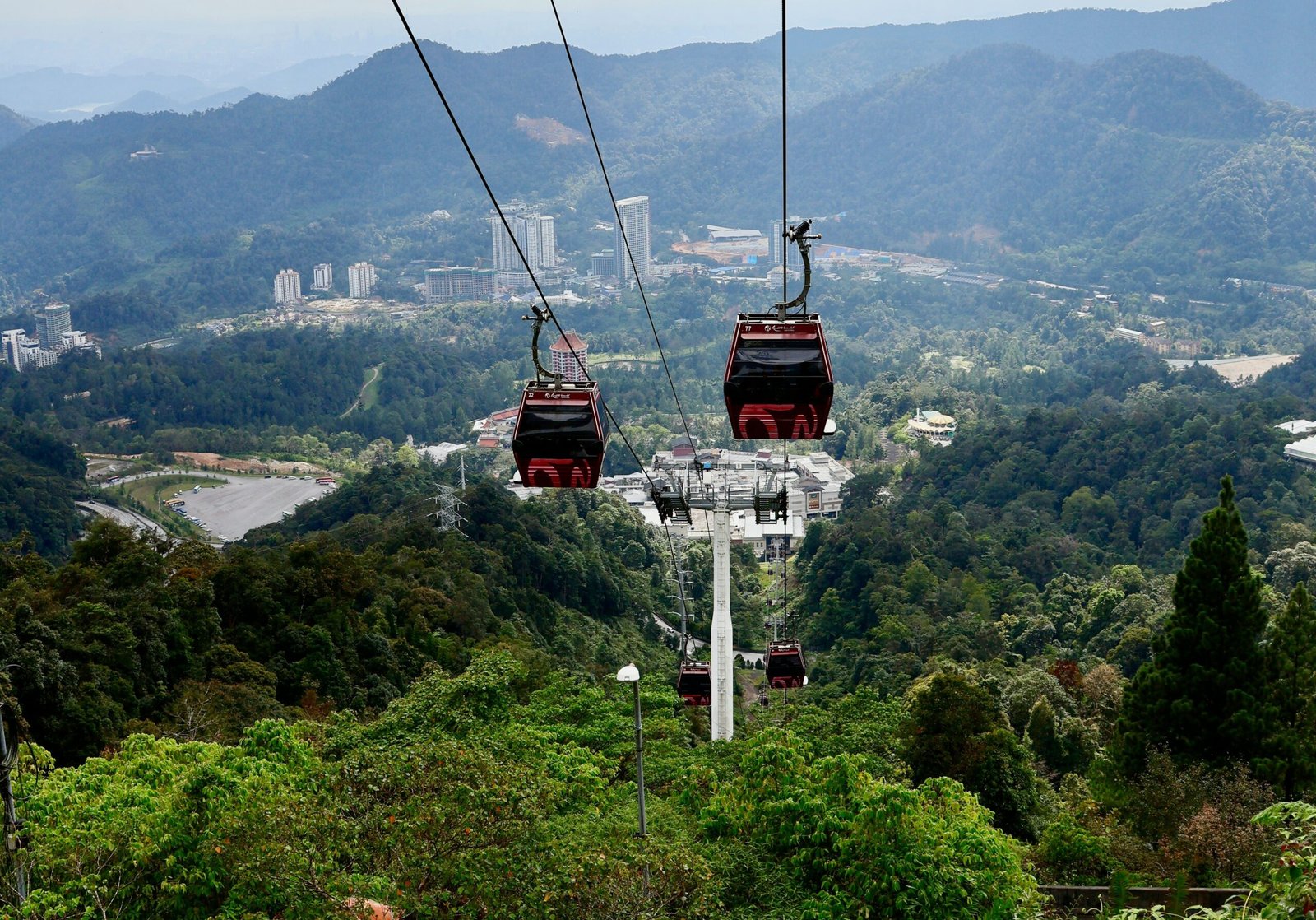
12 Best Travel Insurance Plans for Malaysia

Can you imagine landing in India for your dream trip? Your itinerary is ready, excitement is high, but your luggage doesn’t arrive? Or worse, you suddenly fall sick in a new city where you don’t know hospitals, costs, or the system. You know situations like these can quickly turn a beautiful journey into a stressful experience.

We call it Incredible India because it is full of vibrant culture, diverse landscapes, and delicious street food. From the busy streets of Mumbai to the peaceful backwaters of Kerala, every corner gives something unique. But at the same time, travel here can be unpredictable; flight delays, health issues, lost belongings, or sudden plan changes are all real possibilities.

That’s where travel insurance becomes essential. It gives you peace of mind, financial protection, and support when things don’t go as planned. Let’s claim one of the 7 best travel insurance plans for India.

According to a 2023 study by International SOS, India ranked among the top five countries where travelers needed emergency medical assistance, mostly due to dehydration, infections, or road mishaps.

How Travel Insurance Works in India (For Indians & Foreign Visitors)

Travel insurance works like a financial safety net. You pay a small premium, and if something goes wrong during your trip—medical emergency, trip cancellation, lost baggage, the insurance company covers your expenses based on your plan.
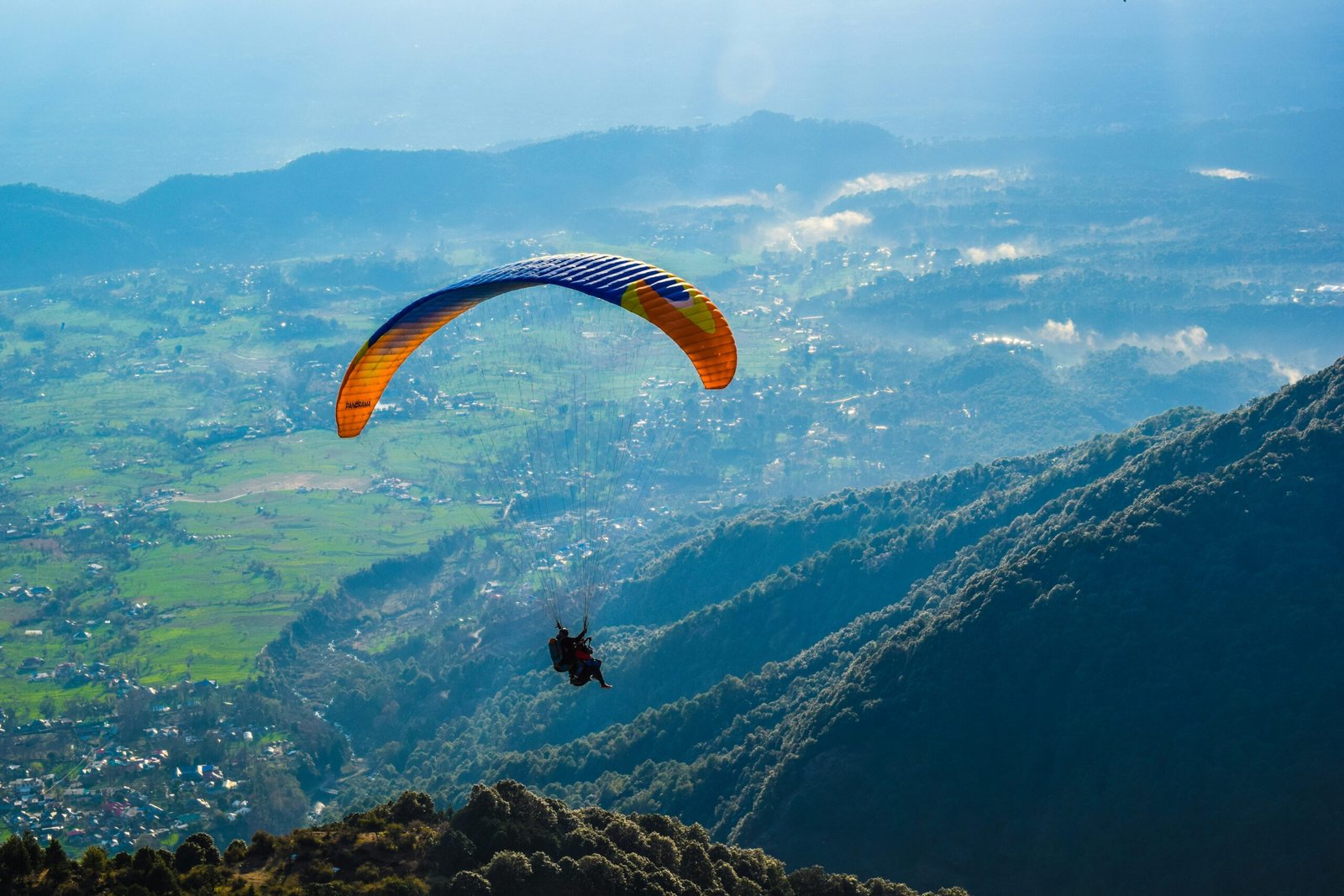
7 Best Travel Insurance Plans for India

Fastest grab your best travel insurance plan. Arun Kashyap / Unsplash

Quick Comparison Table

Confused between plans? Here helps you compare coverage, price, and benefits side by side.

→ Compare Travel Insurance Plans Now

How Travel Insurance Works for Indians

For Indian travelers, travel insurance is mainly used when traveling outside India.

How Travel Insurance Works for Foreigners Visiting India

Foreign travelers coming to India must or should have travel insurance that covers their stay in India.

What Does Travel Insurance Cover in India? (For both Indians and foreigners)

24/7 helpline, Evacuation or repatriation

What is NOT Covered in Travel Insurance

💡 Pro Tip: Always read the policy wording and exclusions carefully—because most claim rejections happen due to misunderstanding what is not covered.

Important Things to Explain Here Must Read

Every plan has a coverage limit (e.g., $50,000 or $100,000)

How to Choose the Right Plan (Step-by-Step Guide)

👉 Simple tip: Don’t overthink it—just match your plan with your trip.
Short trip = basic plan
Long or adventurous trip = strong, comprehensive plan

At the end of the day, the right insurance is the one that lets you travel stress-free, knowing you’re covered no matter what happens.


Cost of Travel Insurance for India

Let’s talk honestly—travel insurance is actually quite affordable compared to the protection it gives. You’re not spending a huge amount, but it can save you from unexpected expenses worth thousands.

Personally, I prefer using VisitorsCoverage because it’s simple, transparent, and beginner friendly.

Instead of checking multiple websites, try VisitorsCoverage to compare everything in one place.

Best Travel Insurance Based on Travel Type

Not every traveler needs the same insurance. The best plan for you depends on how you travel, not just where you go. Think of it like choosing the right outfit—it should match your journey.

My Suggested Plan for First-Time Travelers

If you’re visiting India for the first time, don’t overcomplicate things. You don’t need the most expensive plan—but you also shouldn’t go for the cheapest one. What you really need is a balanced plan that covers the basics properly.

FAQs

1. How Travel Insurance Work?

It works like a safety backup for your trip- whether you are an Indian traveling abroad or a foreigner visiting India.

2. What covers in Travel Insurance ?

It covers unexpected medical expenses, Travel delays and other emergencies so you don't face stress.

3. Can I get travel insurance different for different countries? l

No, you don't need a separate insurance for each country. You only need policy that covers the region you are traveling to. 

4. Do I need travel insurance to get an Indian visa?

While it's not mandatory for most tourist visas, travel insurance is highly recommended for your safety and peace of mind during your visit to India.

5. Can I extend my insurance if I stay longer?

Yes, many insurance providers allow policy extensions online, but it's best to request an extension before your coverage expires.

6. What if I visit multiple countries in South Asia?

Choose a multi-country or regional plan that covers India and neighboring countries like Nepal, Sri Lanka, Bhutan, or the Maldives.

7. Does travel insurance cover adventure sports in India?

Only if you select a plan that includes high-risk activities like trekking in Ladakh, paragliding in Bir Billing, or scuba diving in the Andamans.

8. Can I buy travel insurance after arriving in India?

Some international providers allow late purchases, but coverage typically starts after a waiting period or excludes initial days.
You May Also Like

10 Best Things to Do in Kerala, India​

10 Best Things to Do in Kerala, India

5 Of the Best Hikes in South Africa

5 Of the Best Hikes in South Africa

The Best Places to Eat Croissants in Paris

The Best Places to Eat Croissants in Paris

Leave a Comment


Hello!


Hi, I’m Pooja Mokashi, a passionate storyteller and travel content creator behind Travel Meet World. Based in Mumbai, I love discovering local cultures and helping travelers explore the world with confidence and smart planning.

Unlock Your Free Travel Hacks

Join 5,000+ travelers getting Free Weekly Travel Tips, Get Exclusive Updates & Download my free travel checklist

Travel insurance is more than just a safety net when visiting Malaysia; it’s an essential tool that protects you from unexpected financial setbacks. While Malaysia is known for its vibrant cities, lush islands, and friendly locals, travelers can still encounter unforeseen challenges like sudden illnesses, accidents, or petty theft.

Medical care in Malaysia, though affordable compared to some countries, can still become expensive for foreigners, especially if hospitalization or specialized treatment is required. A simple emergency room visit can cost hundreds of dollars, and private hospitals may demand upfront payment. Additionally, Malaysia’s tropical climate increases the risk of mosquito-borne illnesses like dengue fever, making medical coverage even more crucial.

Beyond health concerns, travel insurance shields you from disruptions such as flight delays, lost baggage, or canceled tours, common issues during monsoon season or peak travel periods and that ensure the best time to visit Malaysia. By investing in a reliable policy, you ensure peace of mind, knowing that unexpected expenses won’t derail your journey or budget. Here are guides for the best travel insurance plans for Malaysia.
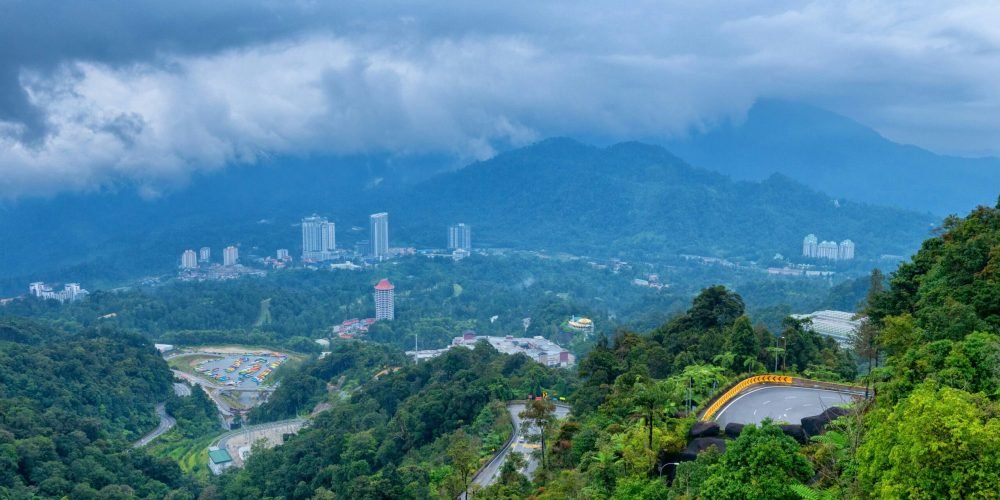
12 Best Travel Insurance Plans for Malaysia
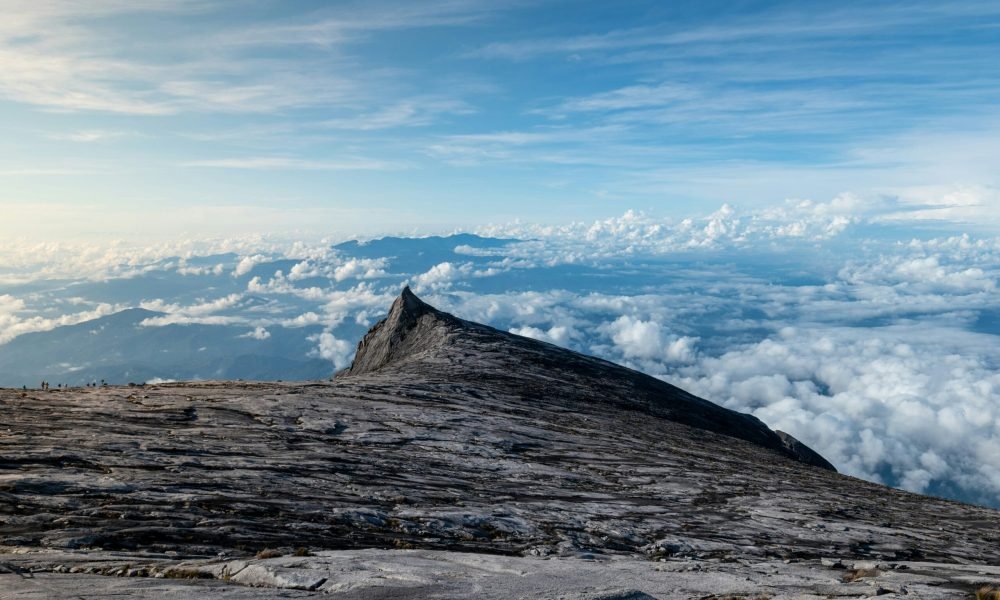
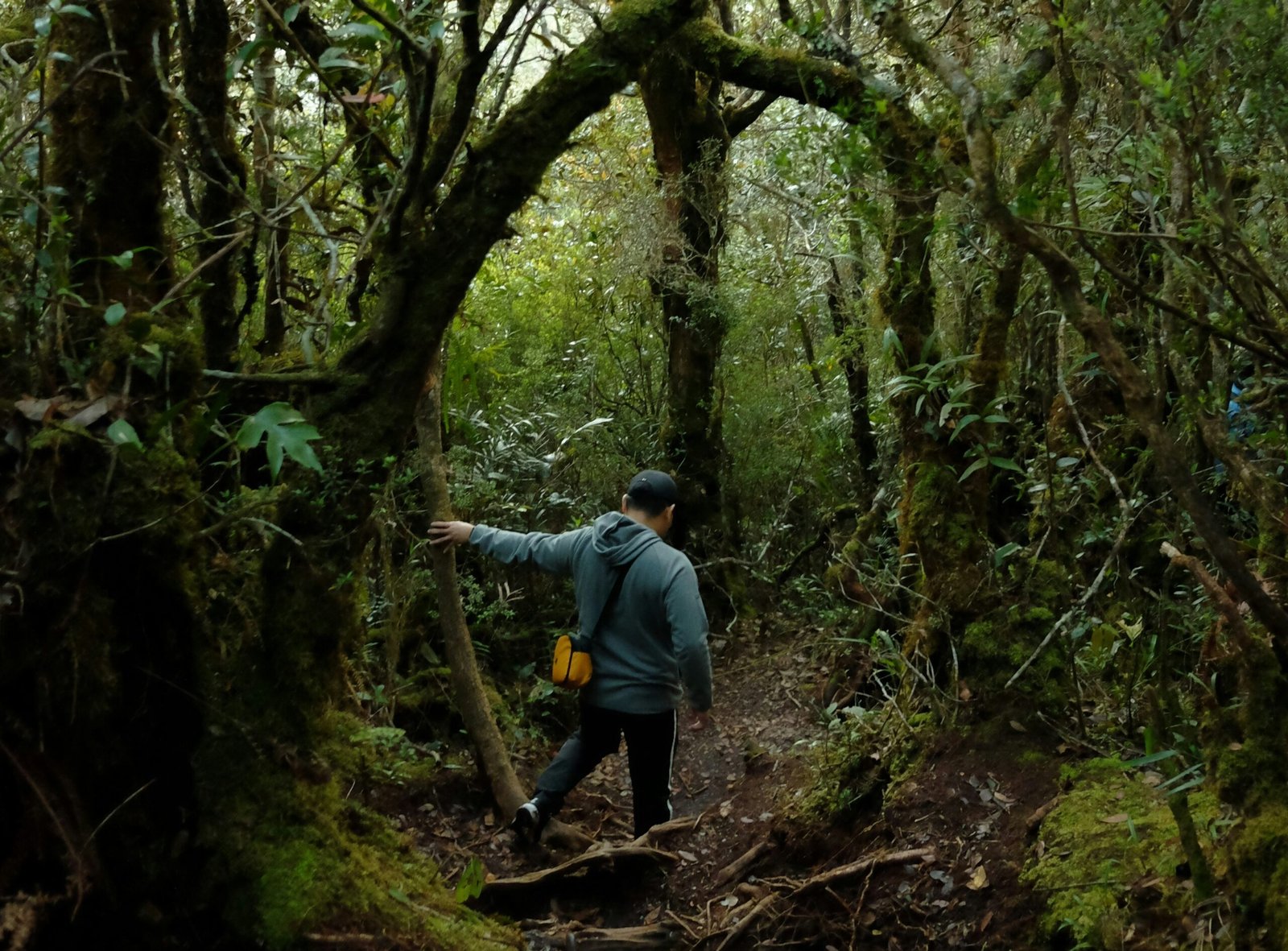
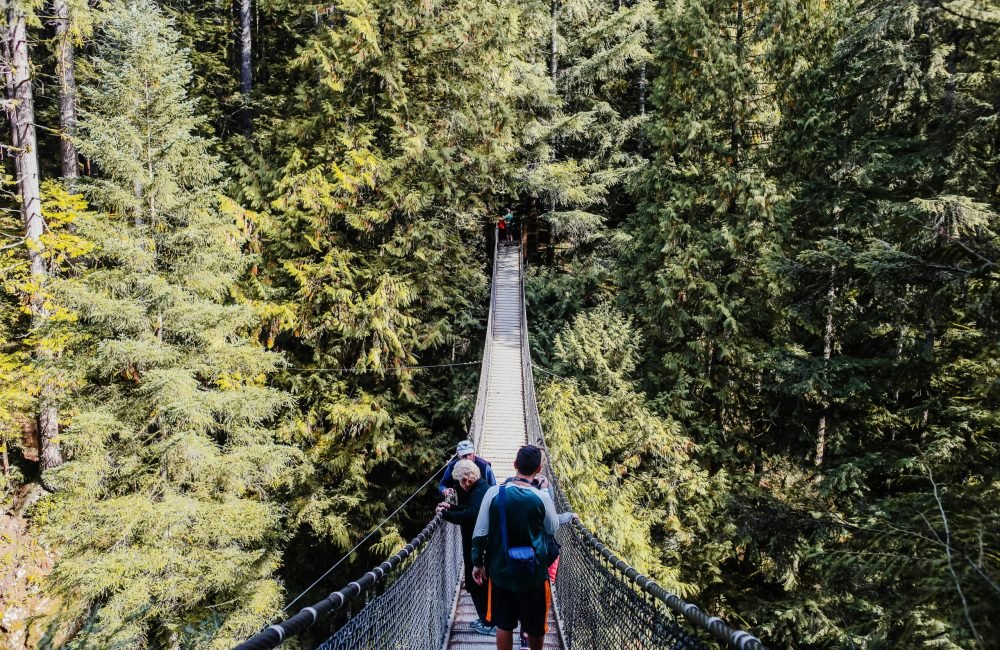
Trekking in Borneo, travel insurance keeps unexpected expenses from ruining your adventure. Mahmud Ahsan / Unsplash

1. Allianz Travel Easy

Allianz Travel Easy is an excellent choice for travelers exploring Malaysia’s diverse destinations, from the bustling streets of Kuala Lumpur to the pristine beaches of Langkawi and the cultural heart of Penang.

This insurance plan offers comprehensive protection with medical expenses covered up to RM800,000, ensuring peace of mind whether you’re trekking through the Cameron Highlands or snorkeling in the clear waters of the Perhentian Islands.

It also provides coverage for trip cancellations, travel delays, and lost luggage, ideal for those catching connecting flights from Kuala Lumpur International Airport or ferries to Tioman Island.

A unique highlight of Allianz Travel Easy is its complimentary exclusive cabin-size luggage with every purchase, offering travelers a practical and stylish companion for their adventures across Malaysia’s cities and islands.
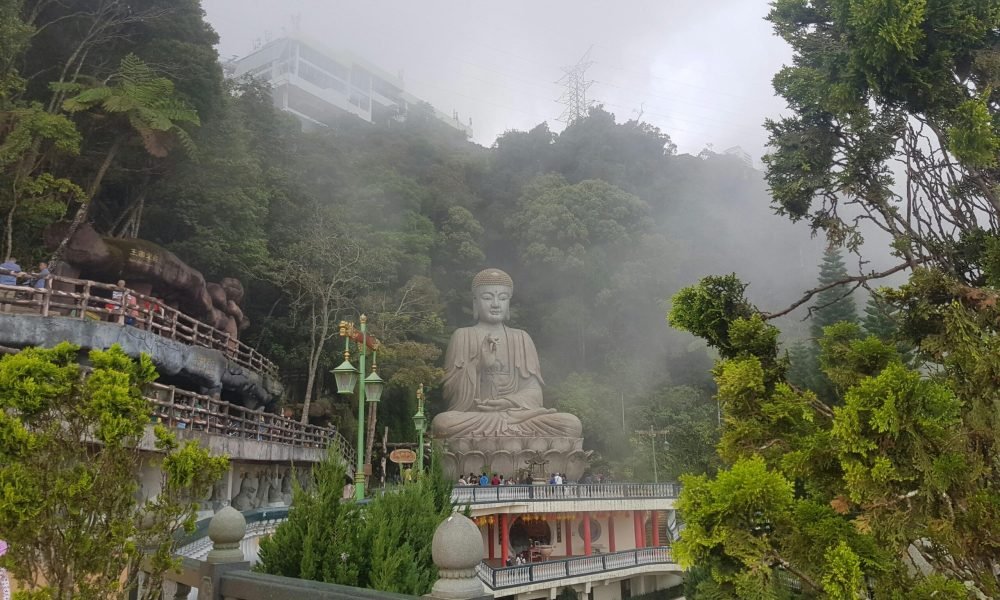
12 Best Travel Insurance Plans for Malaysia
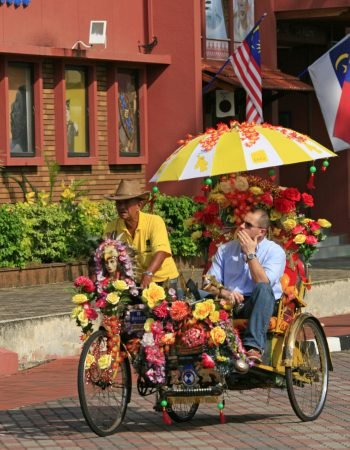
Malaysia’s tropical climate makes travel insurance essential before visit to Malaysia. Arifulhb / Pexels

2. Etiqa TripCare 360 Takaful Platinum

For travelers venturing through Malaysia’s diverse landscapes, whether wandering Kuala Lumpur’s lively streets, uncovering Malacca’s historic treasures, or exploring Borneo’s dense rainforests, Etiqa TripCare 360 Takaful Platinum offers exceptional travel insurance protection.

This Shariah-compliant plan offers high coverage limits, with medical expenses protected up to RM1.3 million, ensuring travelers are financially secure whether they fall ill in the cool hill stations of Genting Highlands or need emergency care after an adventurous trek in Sabah’s Mount Kinabalu.

The plan also provides compensation for travel delays up to RM12,500, a valuable safeguard for those catching ferries to Langkawi or domestic flights from Penang International Airport. A standout feature of Etiqa TripCare 360 Takaful Platinum is its cashless medical care network across Malaysia’s top hospitals, allowing travelers to access treatment without upfront payments.

Additionally, the optional COVID-19 coverage gives travelers added reassurance in today’s health-conscious environment. With its blend of generous coverage, ethical compliance, and practical benefits, this plan offers peace of mind for every journey through Malaysia’s diverse landscapes.
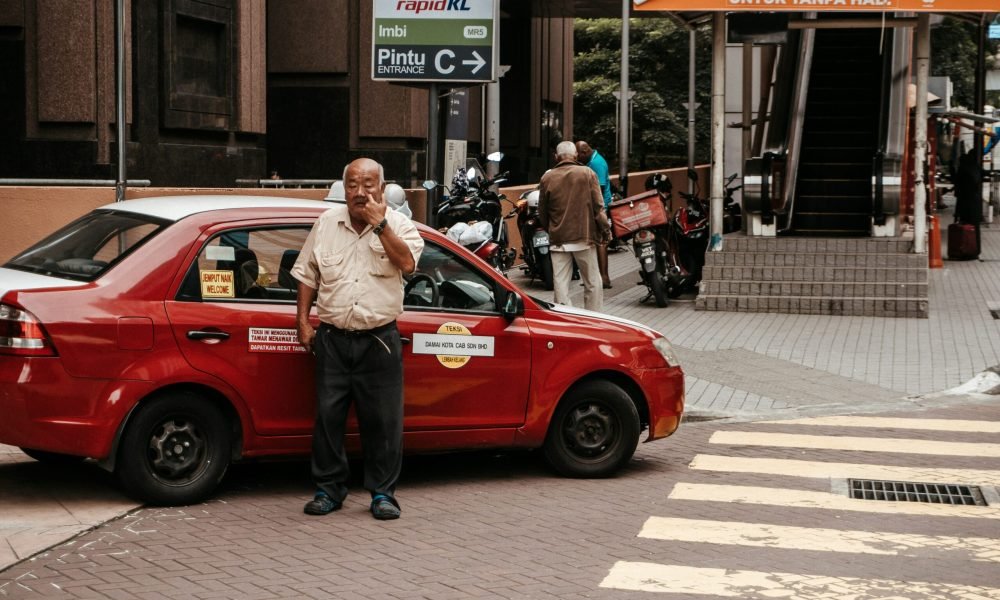
12 Best Travel Insurance Plans for Malaysia
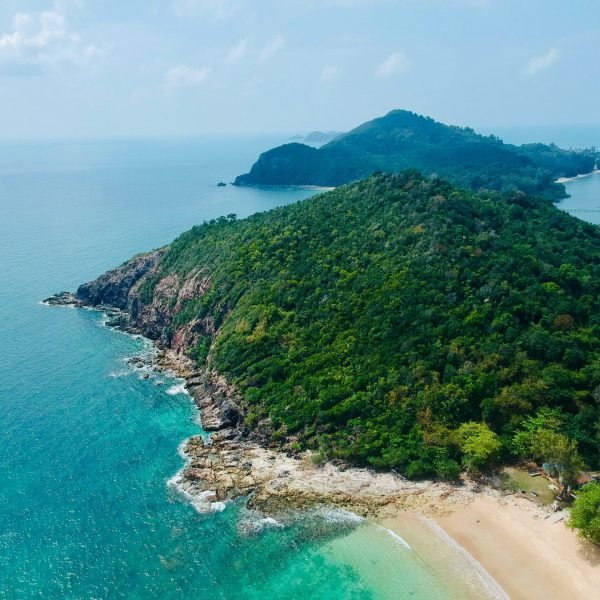
Tune Protect Travel Easy offers affordable coverage so travelers can explore Malaysia with confidence. Polinai / Unsplash

3. Tune Protect Travel Easy

Tune Protect Travel Easy is a smart, budget-friendly insurance plan designed for travelers eager to explore Malaysia without breaking the bank. With RM900,000 in medical coverage, it keeps you protected as you enjoy Kuala Lumpur’s Petronas Towers, Penang’s Street food, and Langkawi’s beaches.

This plan also includes travel delay benefits, making it especially useful for those flying from busy hubs like Kuala Lumpur International Airport or taking ferries to island destinations like Tioman.

Its unique appeal lies in its affordability, offering essential coverage for medical emergencies and trip disruptions without unnecessary extras, perfect for backpackers, solo travelers, or students traveling across Malaysia’s cities, rainforests, and beaches.

4. Chubb Travel Insurance

Chubb Travel Insurance offers solid protection for travelers exploring Malaysia’s vibrant destinations, whether you’re visiting the lively markets of Kuala Lumpur, hiking the trails of Penang Hill, or teeing off at world-class golf courses in Kota Kinabalu. With medical coverage up to RM450,000 and emergency medical evacuation included, this plan ensures you’re safeguarded even in remote areas like the Cameron Highlands or the islands of Sabah.

Notably, it also provides coverage for acts of terrorism, offering extra peace of mind in today’s unpredictable world. A standout feature is Chubb’s 24/7 worldwide emergency assistance, ensuring help is just a call away no matter where your journey takes you.

Golf enthusiasts will appreciate the optional golf benefits, covering lost or damaged equipment at popular Malaysian courses like The Mines Resort & Golf Club or TPC Kuala Lumpur.

5. Tokio Marine Explorer

Tokio Marine Explorer offers travelers a comprehensive safety net, making it an ideal choice for exploring Malaysia’s diverse landscapes from the bustling streets of Kuala Lumpur to the peaceful beaches of Langkawi and the rainforests of Sarawak.

With medical expenses covered up to RM1 million, it ensures that unexpected health emergencies won’t derail your trip, whether you need treatment in a private hospital in Penang or urgent care while trekking Mount Kinabalu.

The plan also protects personal belongings, offering luggage coverage in case of loss or damage, a valuable feature for those hopping between airports like Kuala Lumpur International or regional hubs like Kota Kinabalu.

A standout benefit of Tokio Marine Explorer is its inclusion of hospitalization coverage due to COVID-19 and emergency evacuation, giving travelers extra peace of mind in today’s health-conscious world.

6. MSIG TravelRight Plus Plan 2

MSIG TravelRight Plus Plan 2 is a versatile travel insurance option for those exploring Malaysia’s many attractions, from the colorful streets of George Town in Penang to the scenic heights of the Cameron Highlands of Malacca. With medical expenses covered up to RM400,000, it provides essential protection whether you’re seeking treatment at a private hospital in Kuala Lumpur or facing a health emergency in more remote destinations.

The plan also includes travel cancellation benefits, ensuring you’re financially safeguarded if your plans are disrupted due to unforeseen events like flight cancellations from Kuala Lumpur International Airport or ferry delays to Tioman Island.

What sets the MSIG TravelRight Plus Plan 2 apart is its flexible tier system, allowing travelers to choose a coverage level that matches their budget and travel needs, ideal for everyone from solo backpackers to families on vacation.

7. RHB Annual Travel Protector

RHB Annual Travel Protector is an excellent choice for frequent travelers exploring Malaysia’s vibrant cities and beyond, offering year-round protection with comprehensive coverage. With medical expenses insured up to RM600,000, it ensures peace of mind whether you’re visiting Kuala Lumpur’s bustling city center, enjoying the white sands of Langkawi, or exploring the heritage streets of Malacca.

The plan also provides valuable trip cancellation coverage, safeguarding your investment if unexpected events disrupt your itinerary, such as canceled flights from Kuala Lumpur International Airport or ferry delays to Penang.

8. Pacific Insurance Travel Pro

Pacific Insurance Travel Pro is a comprehensive travel insurance plan tailored for travelers exploring Malaysia’s diverse attractions, from the bustling streets of Kuala Lumpur to the serene beaches of Langkawi and the adventurous trails of Borneo.

Medical expenses are covered up to RM1 million and unlimited emergency medical evacuation. It ensures you’re protected whether you’re receiving treatment at a private hospital in Penang or require urgent evacuation from the jungles of Sabah.

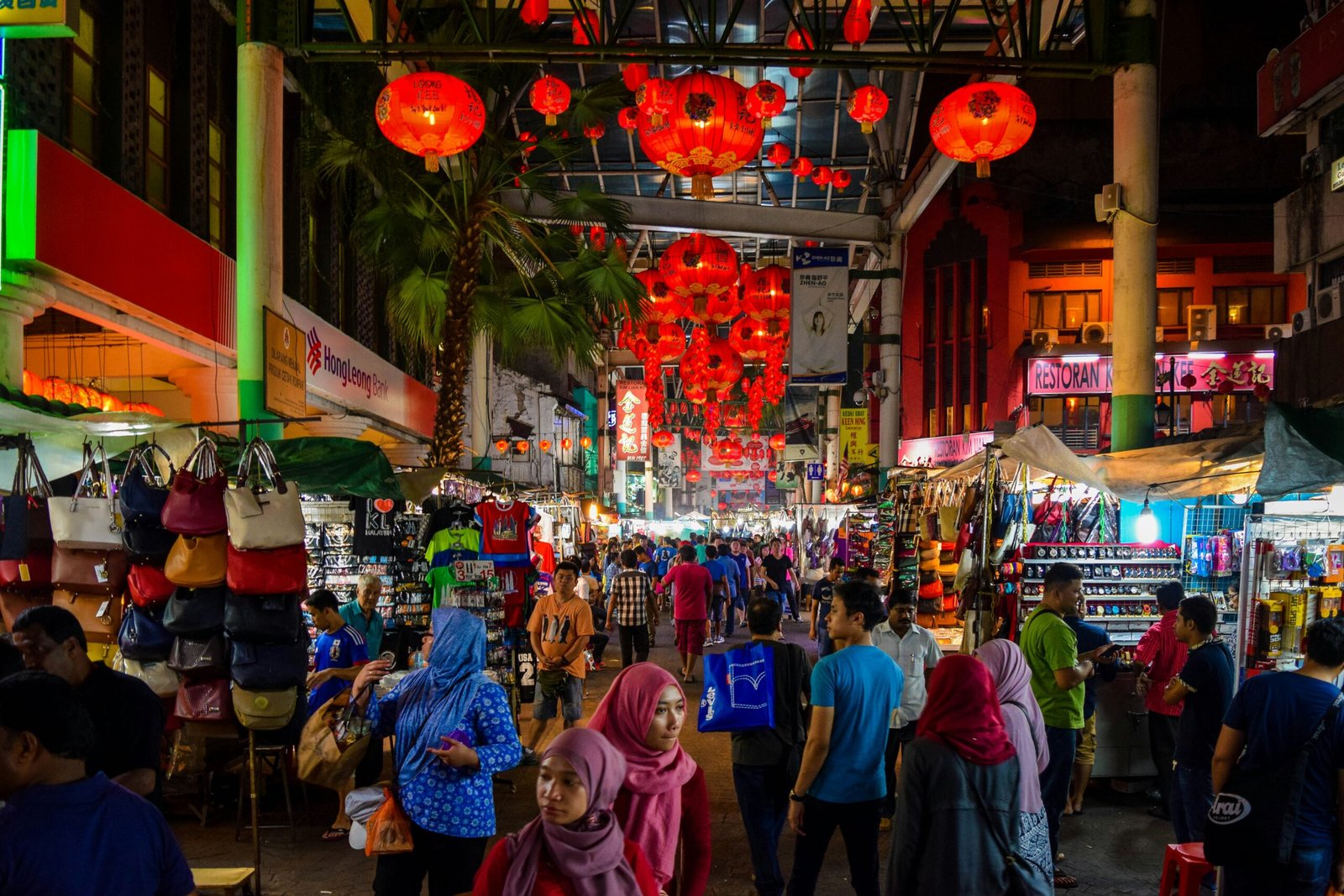
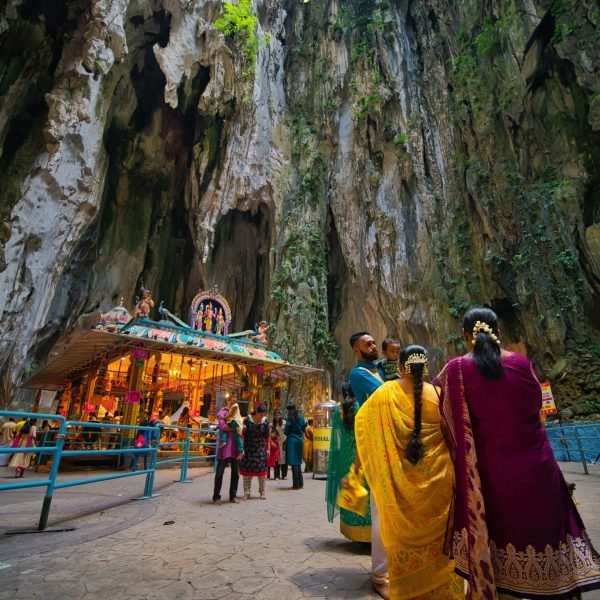
What sets this plan apart is its thoughtful additional benefits, including compensation for loss of credit cards, a valuable safeguard if theft occurs at busy tourist spots like Petaling Street Market or Batu Caves, and child care benefits that provide extra support for families traveling with young children.

Combining high medical coverage, unique perks, and strong emergency protection, Pacific Insurance Travel Pro offers travelers the confidence to explore Malaysia’s vibrant cities and natural wonders without worry.

9. Zurich Z-Travel Insurance

Zurich Z-Travel Insurance stands out as a premium choice for travelers exploring Malaysia’s rich destinations, whether wandering the vibrant streets of Kuala Lumpur, relaxing on the beaches of Langkawi, or hiking the rainforests of Sarawak. With unlimited medical expenses under the Diamond Plan, it provides exceptional protection for medical emergencies, whether treated at top hospitals in Penang or evacuated from remote areas like Mount Kinabalu.

The plan also offers baggage coverage up to RM5,000, ensuring compensation if belongings are lost or damaged while traveling through busy hubs like Kuala Lumpur International Airport or ferry terminals in Johor. Beyond core benefits, Zurich Z-Travel Insurance includes unique extras such as home care and pet care, offering support for unattended homes or pets while you’re abroad and optional COVID-19 coverage for added peace of mind.

This comprehensive plan blends high coverage, practical perks, and thoughtful add-ons, making it ideal for travelers seeking both protection and convenience across Malaysia’s diverse landscapes.

10. AXA Affin Smart Traveller Plan VIP

The AXA Affin Smart Traveller Plan VIP stands out from other travel insurance plans by offering a rare and valuable benefit: coverage for ransom payments in the event of a kidnapping or hostage situation, up to RM100,000 per person. This feature provides travelers with an added layer of security, especially when visiting regions where such risks may be higher.

In the unfortunate case of an abduction, the insurance can help cover the financial demands associated with securing the traveler’s release, reducing the burden on families and loved ones.

This protection goes beyond typical travel inconveniences, offering peace of mind for those concerned about personal safety while abroad.

11. QBE Travel Protector X

QBE Travel Protector X is the perfect insurance plan for adventurous travelers exploring Malaysia’s thrilling destinations, from ziplining over Langkawi’s lush canopy to scuba diving in the crystal-clear waters of Sipadan or even taking on the Genting Highlands theme park rides.

The coverage includes high-risk activities like bungee jumping, diving, and skiing is the best things to do in Malaysia; it offers peace of mind for adrenaline seekers heading to spots like Sunway Lagoon or the adventure parks of Sabah.

A standout feature is its family-friendly policy, providing coverage for an unlimited number of children under one plan, making it ideal for families vacationing together in Kuala Lumpur, Penang, or beyond.

By combining adventure-ready protection with flexible family coverage, QBE Travel Protector X ensures everyone can enjoy Malaysia’s excitement safely and confidently.

12. LUMA Travel Insurance

LUMA Travel Insurance offers travelers exploring Malaysia a comprehensive safety net, whether you’re wandering the bustling streets of Kuala Lumpur, trekking through the jungles of Taman Negara, or relaxing on the pristine beaches of Redang Island. With coverage for unexpected medical expenses and unlimited medical evacuation, it ensures you’re protected in both urban hospitals and remote adventure spots.

What truly sets LUMA apart is its 24/7 support from local travel and medical experts, tailored specifically to Malaysia’s healthcare and travel landscape, providing quick, reliable assistance whether you’re facing a minor health issue in Penang or an emergency evacuation from the Cameron Highlands.

Combining strong coverage with local expertise, LUMA Travel Insurance helps travelers explore Malaysia’s diverse destinations with confidence and peace of mind.

MyGOV – The Government of Malaysia’s Official Portal MyGOV – The Government of Malaysia’s Official Portal

3. FAQs

Q1. Is travel insurance mandatory for Japan?

It’s not mandatory for most nationalities, but highly recommended due to high medical costs and unpredictable situations like typhoons, earthquakes, or cancellations.


Q2. What if I already have health insurance in my home country?

Domestic health insurance usually doesn’t cover overseas treatments or evacuations—travel insurance fills that gap.


Q3. Will my plan cover earthquakes or tsunamis in Japan?

Many policies now include natural disaster coverage, but check specifically for “Act of God” clauses or add-on riders.


Q4. Can I buy travel insurance after arriving in Japan?

Some providers allow this (like SafetyWing or Genki), but most require purchase before departure. Coverage may start after a waiting period if bought post-arrival.


Q5. What’s the average cost of travel insurance for Japan for 2 weeks?

It ranges from $20 to $80 depending on age, coverage level, and add-ons.


Q6. Does travel insurance cover Japan Rail Pass refunds?

Only if the policy includes trip cancellation/interruption due to covered reasons. Check the fine print.


Q7. Will it cover skiing in Niseko or snowboarding accidents?

Only if the policy includes adventure sports. Some insurers offer special sports riders.


Q8. What’s the best plan for students or working holiday visa holders in Japan?

Plans like Genki Resident or SafetyWing are great for long-term stays with flexible terms.
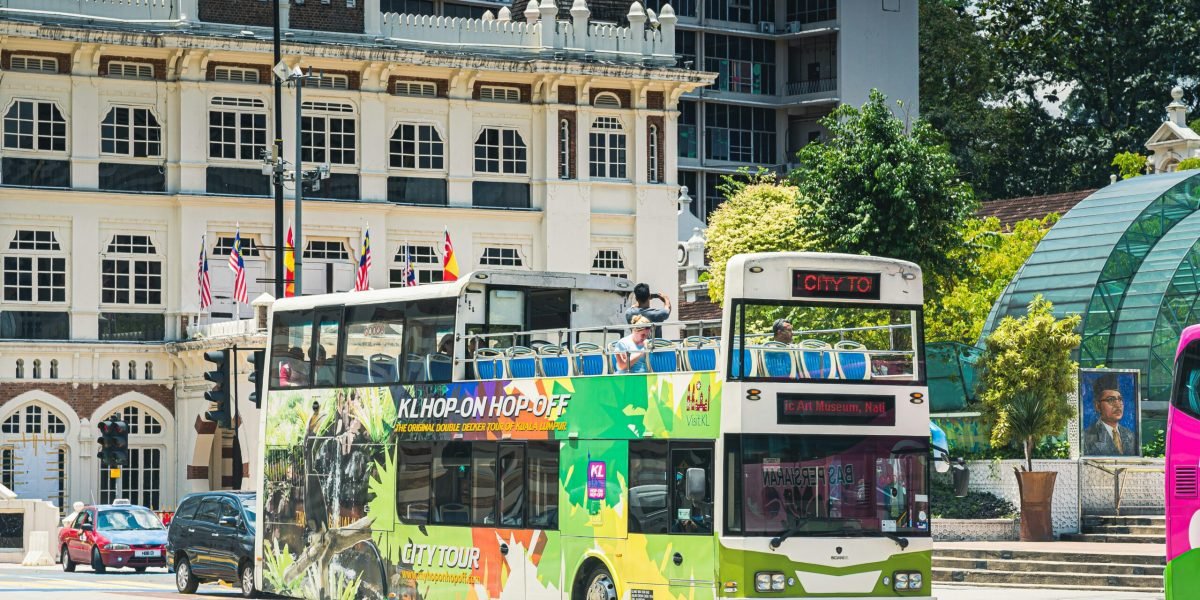
 

The 12 Best Ways to Travel Across Malaysia

The 12 Best Ways to Travel Across Malaysia

The 12 Best Ways to Travel Across Malaysia
The best colourful ways to travel across Malaysia is journey through vibrant cities.  Johen Redman / Unsplash

Most tourists don’t know Malaysia has a Jungle Railway, a historic train route cutting through dense rainforest from Tumpat (near the Thai border) down to Gemas. It’s known as one of Southeast Asia’s most scenic yet underused train journeys, offering glimpses of rural villages and untouched jungle few travelers ever see.

Few travelers realize Malaysia’s east coast is home to the Jungle Railway, a train route that winds through thick rainforest, crossing rivers and remote villages rarely visited by outsiders. From city streets to jungle trails, this guide takes you through the best ways to travel across Malaysia.

The 12 Best Ways to Travel Across Malaysia
Jungle train of east coast Malaysia Passing through every small rural villages. Chen Heng / Unsplash

1. Jungle Rail: The Legendary “Jungle Train” of East Coast Malaysia

Step aboard the Jungle Train, Malaysia’s historic rail journey that takes you deep into the natural heart of the east coast. Known as the KTM East Coast Line, this route offers more than just a way to travel; it’s an experience that immerses you in the country’s untamed beauty. As the train slowly winds its way through thick rainforests, you’ll see towering trees, hidden waterfalls, and a landscape untouched by modern highways.

Passing through small rural villages, known locally as kampungs, the train offers glimpses of simple village life. Children wave from dirt roads, farmers tend their fields, and traditional wooden houses dot the greenery. Every stop at an old colonial-era station feels like stepping back in time, with faded signs and weathered platforms standing as reminders of Malaysia’s past.

This isn’t a high-speed journey; it’s a chance to slow down and connect with the landscape. The rhythmic sound of the train, the sight of misty hills in the distance, and the peaceful vibe of traveling through nature make the Jungle Railway a truly unique way to explore Malaysia.

The 12 Best Ways to Travel Across Malaysia
Island-hopping by wooden boats is a fun and best ways to travel across Malaysia’s beautiful islands. Faizah Othman / Unsplash

2. Island-Hopping by Traditional Wooden Boats

Hopping between Malaysia’s islands on traditional wooden boats isn’t just transportation; it’s a journey steeped in history and local tradition. Tambang Bot is the lifeline for fishing communities. It invites you to glide across turquoise waters, feel the ocean breeze, and witness island life in a truly authentic way. Island-hopping in places like Langkawi, the Perhentian Islands, and Tioman becomes even more special aboard these vessels. and this is the best way to travel across Malaysia.

Instead of modern speedboats, the wooden boats glide steadily across clear blue waters, letting you soak in the scenery at a slower, more peaceful pace. You might spot flying fish, playful dolphins, or fishermen casting their nets as you travel between islands. At each stop, you’ll arrive directly onto sandy beaches or small wooden jetties, greeted by colorful fishing villages or quiet stretches of coastline.

The 12 Best Ways to Travel Across Malaysia
Cycle the Heritage Streets of Penang takes you past famous street art. Lightscape / Unsplash

Medical care in Malaysia, though affordable compared to some countries, can still become expensive for foreigners, especially if hospitalization or specialized treatment is required. A simple emergency room visit can cost hundreds of dollars, and private hospitals may demand upfront payment. Additionally, Malaysia’s tropical climate increases the risk of mosquito-borne illnesses like dengue fever, making medical coverage even more crucial.

3. Cycle the Heritage Streets of Penang & Melaka

Exploring Penang and Melaka by bicycle is one of the most enjoyable ways to experience their rich history and culture. Both cities are UNESCO World Heritage Sites, filled with narrow lanes, colorful murals, and centuries-old architecture. Riding a bike is the best ways to travel across Malaysia that allows you to slow down and soak in the details from ornate temples and colonial buildings to hidden cafés tucked away in alleyways.

In George Town, Penang, cycling takes you past famous street art, bustling food stalls, and lively markets, where the aroma of char kway teow and laksa fills the air. You can stop anytime to admire Chinese clan houses, old mosques, or British colonial landmarks, all within a compact, bike-friendly area.

In Melaka, pedaling through Jonker Street and the riverside promenade feels like stepping into a living museum. You’ll pass vibrant Peranakan townhouses, Dutch-built churches, and old fort ruins. Renting a bike or joining a guided cycling tour gives you the freedom to explore hidden spots off the tourist trail while enjoying the breeze and laid-back atmosphere of these historic towns.

4. Road Trip on Malaysia’s Pan-Borneo Highway

Taking a road trip along Malaysia’s Pan-Borneo Highway is an adventure through the untamed beauty of Sabah and Sarawak. The Pan-Borneo Highway weaves across Borneo, seamlessly connecting coastal towns, verdant rainforests, soaring mountains, and indigenous villages, offering travelers an extraordinary journey through Malaysia’s untamed and diverse landscapes.

The journey isn’t just about getting from one place to another; it’s about witnessing diverse landscapes unfold mile after mile, from wild rivers and limestone caves to paddy fields and jungle canopies.

As you drive, you’ll pass through small towns where local markets, food stalls, and longhouses welcome visitors with warmth and simplicity. Wildlife sanctuaries, national parks, and cultural heritage sites lie along the route, making it best to stop and explore.

5. Hop-On Hop-Off City Buses with Night Routes

Exploring Malaysia’s cities is even more exciting aboard the Hop-On Hop-Off buses, especially the night routes. These open-top, double-decker buses give travelers the best and most beautiful way to see top landmarks without the hassle of navigating public transport. By day, they stop at popular attractions like the Petronas Towers, Bukit Bintang, and Merdeka Square, but at night, the experience transforms into something magical as the city lights up.

At night in Kuala Lumpur, the bus route offers stunning views of the city skyline shimmering under the stars. Iconic buildings shimmer, street markets come alive, and the streets bustle with nightlife energy. You can hop off to explore famous food streets, visit illuminated landmarks, or simply stay on board to enjoy panoramic views of the city lights from the upper deck.

What makes these buses special is their flexibility, allowing you to discover the city whenever you want. Whether you want to catch a cultural performance, snap photos of the city’s vibrant street art, or grab late-night street food, the Hop-On Hop-Off night buses make it all easily accessible. It’s not just a ride; it’s a moving window into the heart of Malaysia’s urban life after dark.

6. Luxury Train Ride on the Eastern & Oriental Express

This luxury train, known for its elegant vintage design, runs between Singapore, Kuala Lumpur, and Bangkok, offering passengers a chance to experience Southeast Asia in style. Inside, polished wood panels, plush furnishings, and attentive service create an atmosphere of timeless sophistication. It’s more than transportation; it’s a rolling boutique hotel.

This luxury train, known for its elegant vintage design, runs between Singapore, Kuala Lumpur, and Bangkok, offering passengers a chance to experience Southeast Asia in style. Inside, polished wood panels, plush furnishings, and attentive service create an atmosphere of timeless sophistication. It’s more than transportation; it’s a rolling boutique hotel.

The 12 Best Ways to Travel Across Malaysia
Spot wild orangutans, pygmy elephants, and proboscis monkeys by longboat on the Kinabatangan River. Nazarizal Mohammad / Unsplash

7. Cruising the Rivers of Borneo by Longboat

In Sarawak and Sabah, traditional longboats glide along the Rajang and Kinabatangan rivers, carrying travelers deep into landscapes untouched by roads. These narrow wooden boats, steered by skilled local boatmen, have been used for generations by indigenous communities to navigate the winding waterways.

As you cruise along, the riverbanks come alive with sights and sounds of nature: hornbills soaring above, proboscis monkeys lounging in treetops, and crocodiles basking along muddy shores. The dense jungle seems to close in around the water, creating a sense of being completely immersed in nature. Passing by small riverside villages, you’ll witness a way of life deeply connected to the river, from fishing to trading goods by boat.

The 12 Best Ways to Travel Across Malaysia
Motorcycle Taxis is a chance to interact with locals, hear stories, and explore places off the tourist trail. Aga Ag / Unsplash

8. Ride Sharing the Local Way: Using Grab and Motorcycle Taxis

Getting around Malaysia about tapping into the local way of travel. Whether you’re zipping across Kuala Lumpur’s busy streets or heading to a hawker stall tucked in a quiet neighborhood, Grab connects you directly with drivers who often know the city’s hidden gems.
In some areas, especially smaller towns and islands, motorcycle taxis locally called ojek in neighboring countries provide a fast, nimble way to weave through traffic and narrow streets. Hopping on the back of a motorbike lets you experience the city like a local, feeling the wind in your hair and soaking up the sights from an open-air seat.
Choosing ride-sharing options like Grab or motorcycle taxis isn’t just about convenience; it’s a chance to interact with locals, hear stories, and explore places off the tourist trail. Every ride can turn into a conversation or lead you to a spot you wouldn’t have found on a map, making your journey feel more connected to the people and culture of Malaysia.

9. Flying with MASwings to Remote Destinations

If you’re looking to reach Malaysia’s most remote and untouched corners, flying with MASwings offers an unforgettable gateway. As a regional airline serving Sabah and Sarawak in Malaysian Borneo, MASwings operates short-haul flights that connect small towns, rural communities, and hard-to-reach destinations often inaccessible by road.

The experience itself is unique. You might board a small turboprop plane, flying low over sprawling rainforests, winding rivers, and dramatic mountain ranges. Watching the landscape unfold beneath you gives a sense of how vast and wild Borneo truly is. Upon landing, you’re often greeted by tiny airstrips surrounded by jungle or coastal scenery, where life moves at a slower, more traditional pace.

Flying with MASwings isn’t just about convenience; it’s a way to connect with isolated communities, support local tourism, and step into Malaysia’s most authentic environments. Each flight feels like the beginning of an adventure, carrying you from urban centers into places where culture, nature, and tradition remain deeply intertwined.

10. Taking the “Ferry to Nowhere”: Penang Ferry Adventure

The Penang Ferry Operating since 1920, this iconic ferry connects Butterworth on the mainland with George Town on Penang Island, offering passengers more than just transportation. As you step aboard the open-air deck, you’re greeted by sea breezes, the hum of engines, and sweeping views of George Town’s colonial skyline rising in the distance. For many travelers, it feels less like a commute and more like a nostalgic ride, evoking memories of Penang’s maritime heritage.

The ride itself is short, usually under 20 minutes, but the experience is rich. You’ll see fishing boats bobbing on the water, watch locals and tourists snapping photos, and hear the lively chatter of commuters heading home or to market. Vehicles line up alongside motorbikes and pedestrians, creating a charming mix of people and purposes all sharing the same vessel.

Even as bridges and modern transport options connect the island and mainland, the Penang Ferry remains a beloved symbol of the state’s history and character. Riding it offers a slow, scenic way to approach George Town, a fitting introduction to a place where past and present flow side by side.

11. Exploring by Campervan: Malaysia’s Growing Van Life Scene

In recent years, Malaysia has quietly embraced the global “van life” movement, with more travelers choosing campervans to explore the country at their own pace. Traveling by campervan in Malaysia offers the freedom to wake up by a quiet beach one day and in the cool highlands the next. With well-maintained highways, accessible petrol stations, and an increasing number of caravan-friendly campsites, it’s becoming easier than ever to experience Malaysia beyond the usual tourist routes.

Driving a campervan across Malaysia allows you to connect with nature in ways few other modes of travel can. Imagine parking by the turquoise waters of Langkawi, setting up camp in the misty hills of Cameron Highlands, or stopping overnight near a peaceful paddy field in Kedah. You’re not bound by hotel check-ins or rigid itineraries; every turn of the road offers a new possibility.

Beyond convenience, campervanning also lets you engage more deeply with local life. You might pull over at a roadside stall for freshly grilled satay or camp near a fishing village and chat with locals over a shared meal. It’s a slower, more intentional way of traveling, where the journey itself becomes as meaningful as the destination.

As Malaysia’s van life community grows, more travelers are discovering the joy of this mobile adventure blending independence, spontaneity, and a spirit of exploration that turns even the simplest road into a memorable story.

The 12 Best Ways to Travel Across Malaysia
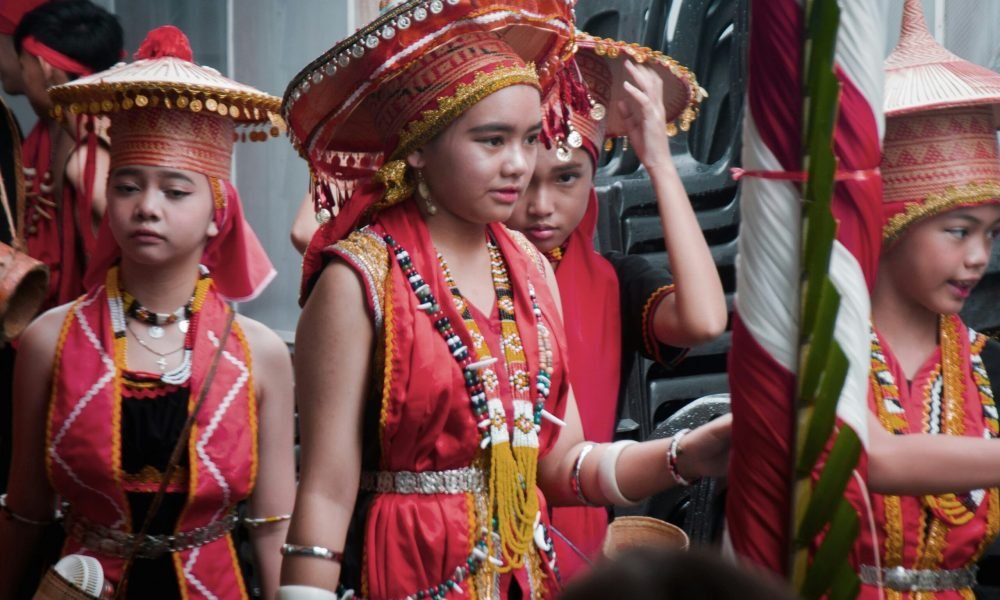
They Celebrate festivals like the famous Gawai Dayak harvest celebration. Shaggy Sirep / Unsplash

12. Hitchhiking Culture in Sabah & Sarawak (With Local Tips)

Hitchhiking across Sabah and Sarawak isn’t just a way to get from one place to another; it’s a window into the warmth and hospitality of Borneo’s people. While it’s not as common as in some Western countries, locals in rural parts of Malaysian Borneo are often open to giving travelers a lift, especially in areas where public transport is scarce. Along winding jungle roads and quiet village paths, it’s not unusual to find yourself hopping into the back of a pickup truck or sharing a ride with a family heading to the next town.

The experience is less about speed and more about connection. Drivers might invite you to stop for lunch at a roadside stall or point out hidden waterfalls and wildlife along the way. It’s a way of travel shaped by trust, spontaneity, and community, and every ride comes with its own unexpected stories. However, hitchhiking here requires patience, flexibility, and a respectful approach.

For those considering this adventure, a few local tips can make all the difference. It’s helpful to learn a few basic phrases in Malay or the local dialects to show appreciation and communicate your destination. Always carry water and snacks, as some stretches of road can be remote with little traffic. Smiling, dressing modestly, and standing near a visible landmark or junction will increase your chances of catching a ride.

Above all, hitchhiking in Sabah and Sarawak is about embracing the journey with an open mind. It offers not just transportation but a rare glimpse into the daily rhythms of life in Borneo, where strangers are often treated like friends, and every shared mile brings a new connection.

This is the official portal managed by Tourism Malaysia, offering verified information on attractions, activities, travel tips, and events across the country. Malaysia Truly Asia – The Official Tourism Website of Malaysia

GUIDED BY EXPERT

Yoga within Travel the perfect flow of Experience

Explore wellness in anywhere

by

Explore Related Articles

The 18 Best Ways to Travel Across Japan

Best Ways to Travel Across UAE

12 Best Ways to Travel Across Egypt

12 Best Ways to Travel Across South Africa

LEAVE A COMMENT

Error: Contact form not found.

Best Things to Do in Malaysia

24 Best Things to Do in Malaysia

Best Things to Do in Malaysia
Malaysia is best for island-hopping and jungle trekking to street food feasts and cultural discoveries. Abdelrahman Ismail/ Unsplash

Beyond the famous skyline of the Petronas Towers and postcard-perfect beaches, Malaysia invites you into a slower, deeper rhythm. It’s a place where fishing villages quietly talk, rainforests hide ancient mysteries, and the scent of street food lingers in the warm night air.

You might find yourself sipping tea above the misty Mossy Forest, gliding through glowing mangrove tunnels lit by fireflies, or falling asleep in a floating chalet as gentle waves rock you to dreams.

Here’s your ultimate guide to the best things to do in Malaysia—get ready for adventure, flavor, and experiences you’ll never forget.

Best Things to Do in Malaysia
Wander Penang’s old streets and discover vibrant murals hidden around every corner. Colin Roe / Unsplash

1. Hunt for murals in Penang’s old streets

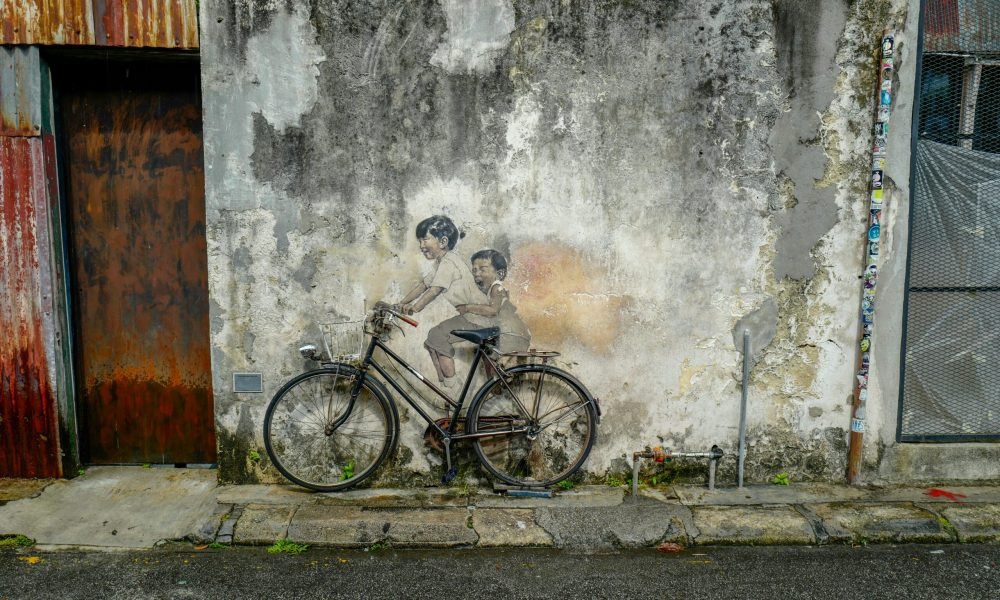
If you explore all day through the streets of George Town, Penang feels like stepping into a living art gallery. The once-forgotten walls of old shophouses and alleyways have been transformed into vibrant murals, each telling a story of local life, heritage, and humor. The most famous ones—like “Children on a Bicycle” or the boy peeking out of a real window—were painted by Lithuanian artist Ernest Zacharevic, sparking a street art movement across the city.

What makes this experience unique is that you’re not just admiring art; you are part of it. Many murals interact with real objects like bikes, chairs, or swings, making it perfect for creative photos.

Grab a street art map or just explore; every corner hides a new surprise for every traveler. Along the way, you’ll also pass quirky cafes, vintage shops, and food stalls, blending art with everyday life. This mural hunt isn’t just sightseeing; it’s a fun, Instagram-worthy adventure through Penang.

Best Things to Do in Malaysia
Home to wealthy Peranakan (Straits Chinese) families during Dutch and Portuguese colonial rule. Mankhan Suhan / Pexels

2. Feel the colonial vibes in Melaka’s Jonker Street

Jonker Street, at the heart of Melaka’s historic Chinatown, is where time seems to pause and history comes alive with a modern twist. Once home to wealthy Peranakan (Straits Chinese) families during Dutch and Portuguese colonial rule, the street is now a vibrant mix of heritage buildings, antique shops, quirky boutiques, and food stalls.

As you stroll past colorful colonial-era townhouses, you’ll hear soft tunes of traditional music, smell freshly made pineapple tarts, and see intricate details carved into centuries-old wooden doors. On weekends, the street transforms into a lively night market, buzzing with street food, souvenirs, and performances.

From tasting local treats like chicken rice balls to spotting a 300-year-old mosque or visiting the Baba & Nyonya Heritage Museum, every step along Jonker Street is a blend of Malaysia’s multicultural roots and colonial past.

Best Things to Do in Malaysia
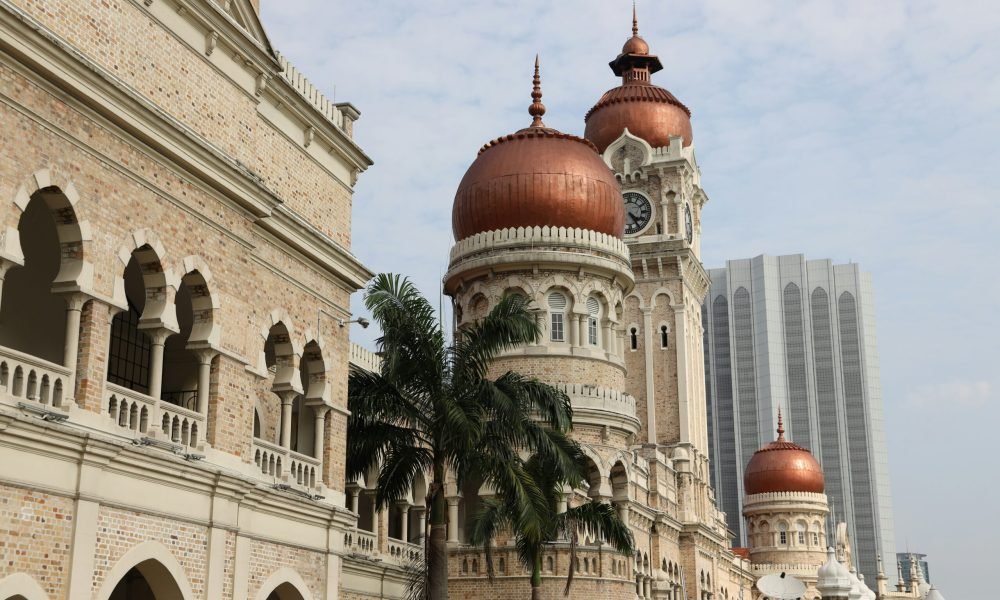
The Sultan Abdul Samad Building known for its striking clock tower and Moorish-inspired design. K Azwan / Unsplash

3. Snap photos at KL’s royal-style Sultan Abdul Samad Building

At the heart of Kuala Lumpur, there is the Sultan Abdul Samad Building, an architectural treasure that blends Moorish and colonial styles with elements of Islamic design and British colonial heritage. Finished in 1897, this impressive structure once served as the administrative hub for the British colonial government in Malaysia and remains a symbol of the country’s historical crossroads.

The building’s striking façade features elaborate arches, graceful domes, and a soaring clock tower that rings out every hour, amplifying its regal beauty. Whether you’re photographing the vibrant Dataran Merdeka square or marveling at the detailed stonework up close, the Sultan Abdul Samad Building offers a perfect mix of history, architecture, and culture, making it an unmissable landmark.

During the National Day celebrations, the square comes alive with parades and events, making the building the backdrop for many key moments in Malaysia’s independence story. As you capture its royal beauty, you’ll be transported back in time to the colonial days while still feeling the pulse of modern KL around you.

4. Watch a shadow puppet show in Kelantan

Kelantan is the heart of Malaysia’s Wayang Kulit, the ancient art of shadow puppetry that has been passed down through generations. Watching a Wayang Kulit performance is like stepping into a world of myth, legend, and tradition. The puppets, skillfully crafted from buffalo skin, are suspended before a glowing light, projecting intricate shadows onto a white screen.

The stories told are usually based on epic tales from Hindu mythology, like the Ramayana and Mahabharata, brought to life by skilled puppeteers. As the show unfolds, you’ll hear the sound of traditional drums, gongs, and singers narrating the story, creating a rich, atmospheric experience.

It’s more than just a performance; it’s a window into Kelantanese culture, filled with spiritual significance and artistry. A night spent watching a shadow puppet show is not just about entertainment; it’s about connecting with Malaysia’s deep cultural roots and preserving a centuries-old tradition.

Best Things to Do in Malaysia
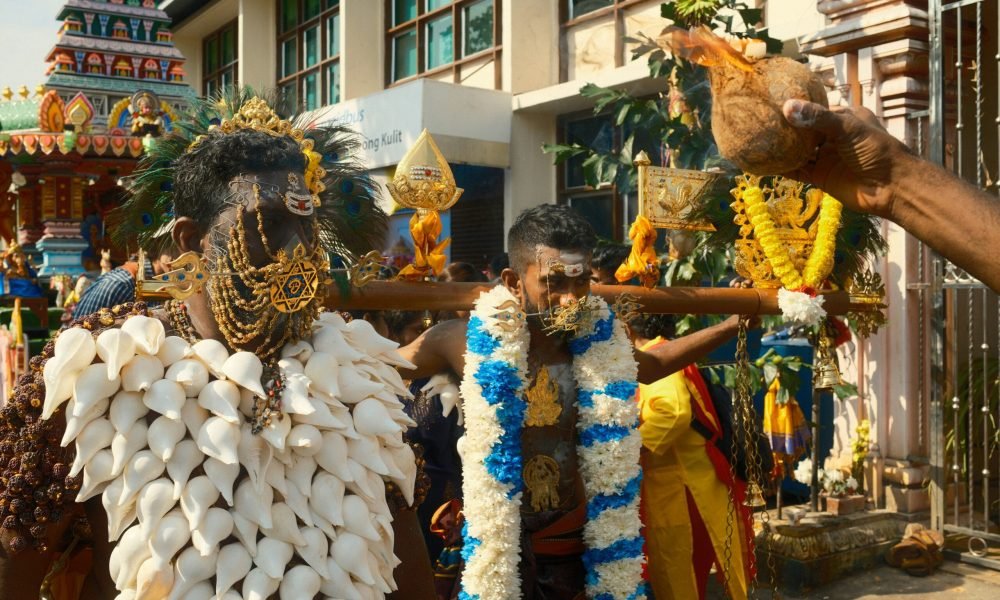
The best things to do in Malaysia is the colorful parades and rituals of Thaipusam. Kelvin Zyteng / Unsplash

5. Join a local festival – colors, drums, and smiles everywhere

Malaysia is a country known for its vibrant festivals, where traditions, colors, and laughter fill the streets. Whether it’s the bright fireworks and processions during Chinese New Year, the joyous rhythm of drums at Hari Raya celebrations, or the colorful parades and rituals of Thaipusam, these festivals are a true reflection of Malaysia’s rich cultural diversity.

As you immerse yourself in the celebration, you’ll feel the vibrant energy all around the air filled with the rhythm of traditional music, streets glowing with sparkling lights, and the mouthwatering aroma of local dishes drifting through the crowd. What makes it even more special is the genuine warmth of the locals, always welcoming, eager to share their cultural heritage, and inviting newcomers to be a part of the joy.

Whether it’s participating in the dances, trying on traditional clothes, or simply soaking in the vibrant atmosphere, being part of a local festival in Malaysia is the best experience that will leave you with lasting memories and a deeper connection to the country’s rich cultural tapestry.

Best Things to Do in Malaysia
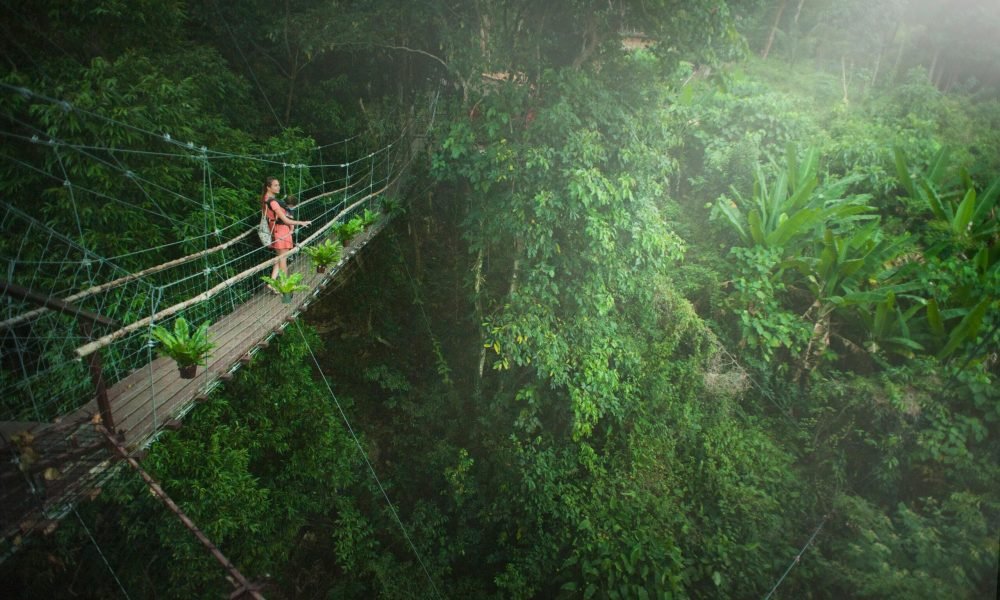
 The best things to do in Malaysia is bridge weaves through the treetops, offering breathtaking views of the lush jungle below. Freestock / Pexels

6. Walk above the trees in Taman Negara’s jungle bridge

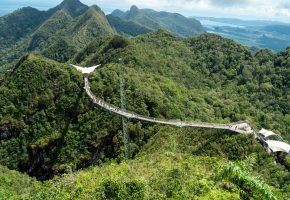
Taman Negara, Malaysia’s oldest national park, invites you to experience the rainforest like never before high above the forest floor on its famous canopy walkway. Suspended 40 meters above ground and stretching over 500 meters long, this narrow bridge weaves through the treetops, offering breathtaking views of the lush jungle below.

As you walk along the swaying bridge, you’ll feel a mix of thrill and wonder, surrounded by towering ancient trees, the distant calls of tropical birds, and the occasional glimpse of monkeys swinging through the branches. Every step reveals a new perspective of the rainforest’s rich biodiversity.

Early morning walks are especially magical, with mist drifting between the trees and the forest slowly waking up. This treetop adventure isn’t just about the views; it’s about feeling connected to one of the world’s oldest rainforests, alive with sounds, scents, and hidden wildlife all around you.

Best Things to Do in Malaysia
Climb higher to Mount Kinabalu, the scenery transforms into mysterious Clouds and rugged granite terrain. Bryan Heng / Unsplash

7. Hike Mount Kinabalu and catch sunrise above the clouds

Mount Kinabalu, Malaysia’s highest mountain at 4,095 meters, stands as an iconic challenge for climbers and nature lovers. The trek starts at Timpohon Gate, taking you through lush rainforests filled with rare orchids, tropical plants, and playful mountain squirrels. As you climb higher, the scenery transforms into misty alpine zones and rugged granite terrain, each step revealing a new side of this incredible mountain.

Beyond the famous skyline of the Petronas Towers and postcard-perfect beaches, Malaysia invites you into a slower, deeper rhythm. It’s a place where fishing villages quietly tell their stories, rainforests hide ancient mysteries, and the scent of street food lingers in the warm night air.

It’s a challenging trek requiring stamina and proper permits, but reaching the top brings an unmatched sense of achievement. This climb isn’t just about reaching a high point; it’s a chance to experience diverse ecosystems, stunning views, and the thrill of standing on Malaysia’s roof.

8. Crawl through ancient caves in Sarawak’s Mulu National Park

Step into a hidden underground world at Mulu National Park, where time has carved out some of the planet’s most spectacular caves. Deep in the rainforests of Sarawak, Borneo, these caves stretch beneath limestone cliffs, waiting to be explored. From the enormous chambers of Deer Cave to the crystal-clear underground streams of Clearwater Cave, each cavern holds its own story.

Adventurous visitors can go beyond the well-lit boardwalks, crawling through tight tunnels, muddy passages, and winding limestone corridors that few have dared to enter. Inside, you’ll discover towering stalactites, strange rock shapes, and hidden chambers untouched for centuries.

And as evening falls, you can witness the unforgettable sight of millions of bats streaming out of the cave mouth, creating patterns against the darkening sky. Exploring Mulu’s caves is more than sightseeing; it’s a thrilling journey into the earth’s ancient heart, where nature’s artistry and mystery come alive.

Best Things to Do in Malaysia
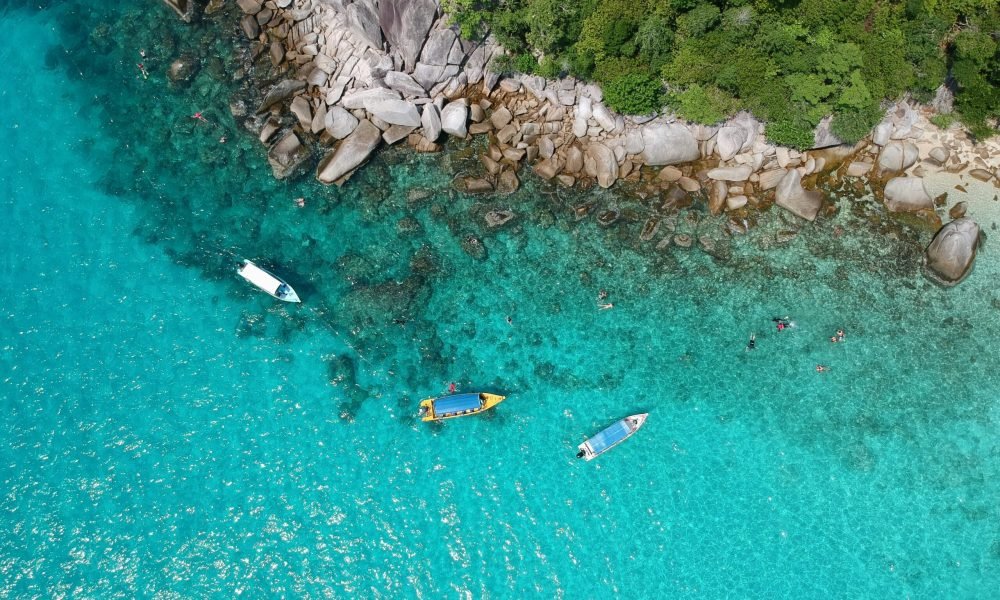
Swimming in the Perhentian Island feels like stepping into a natural aquarium. Hongbin / Unsplash

9. Swim in Perhentian’s crystal-clear waters

Imagine slipping into the warm, turquoise waters of the Perhentian Islands, where the sea is so clear you can see vibrant coral gardens and colorful fish even without a snorkel. Located off Malaysia’s east coast, these islands are a paradise for swimmers, with gentle waves, soft white sand, and hidden coves waiting to be explored.

As you swim through the calm sea, you might spot sea turtles gliding gracefully, playful clownfish darting between anemones, and schools of shimmering fish passing beneath you.

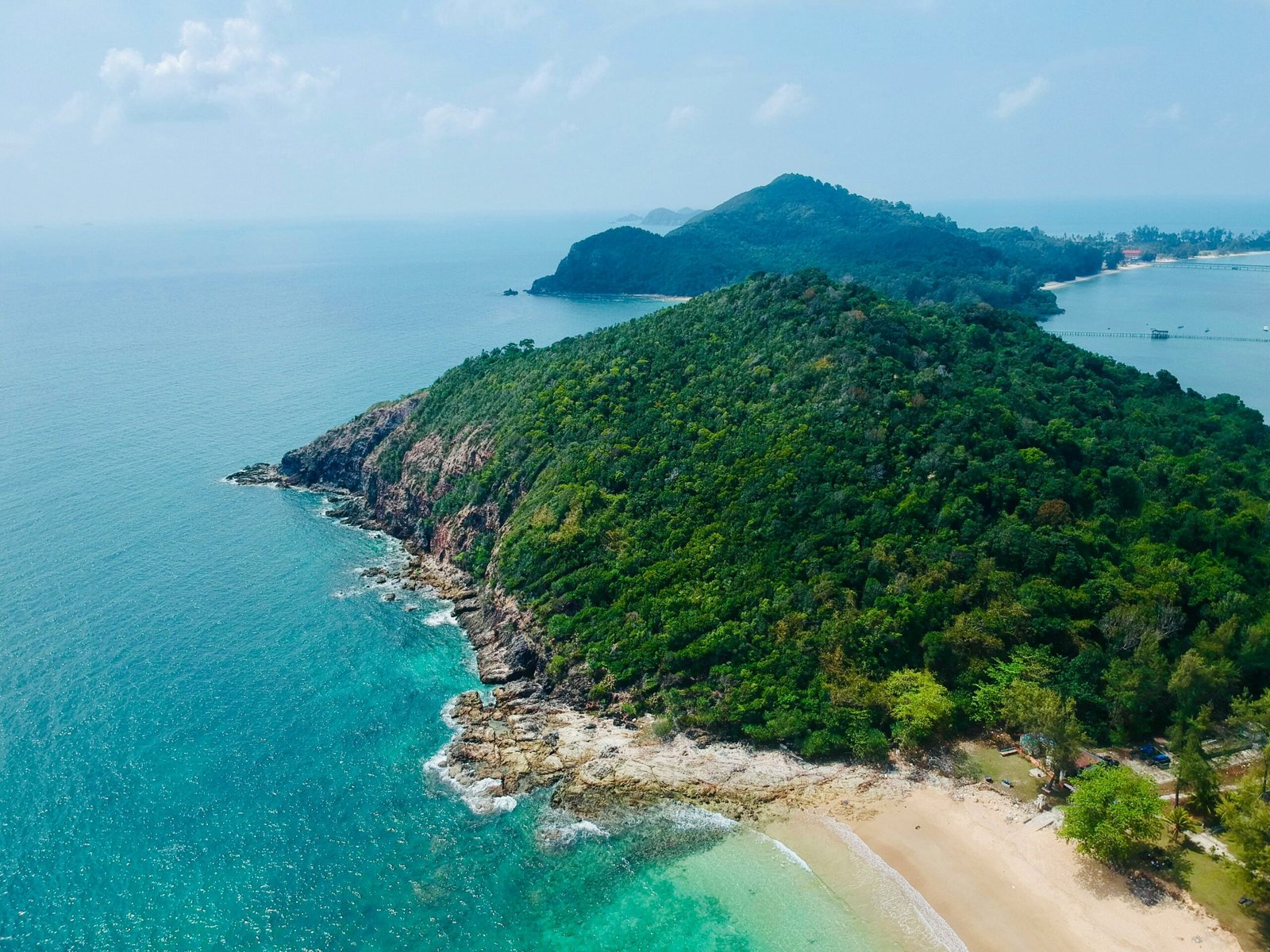
If you’re floating lazily under the sun, exploring underwater reefs, or diving into deeper blue waters, swimming here feels like stepping into a natural aquarium. The peaceful surroundings, free from crowds, make every dip refreshing and serene, a perfect escape into Malaysia’s island beauty.

10 best places to visit in Malaysia
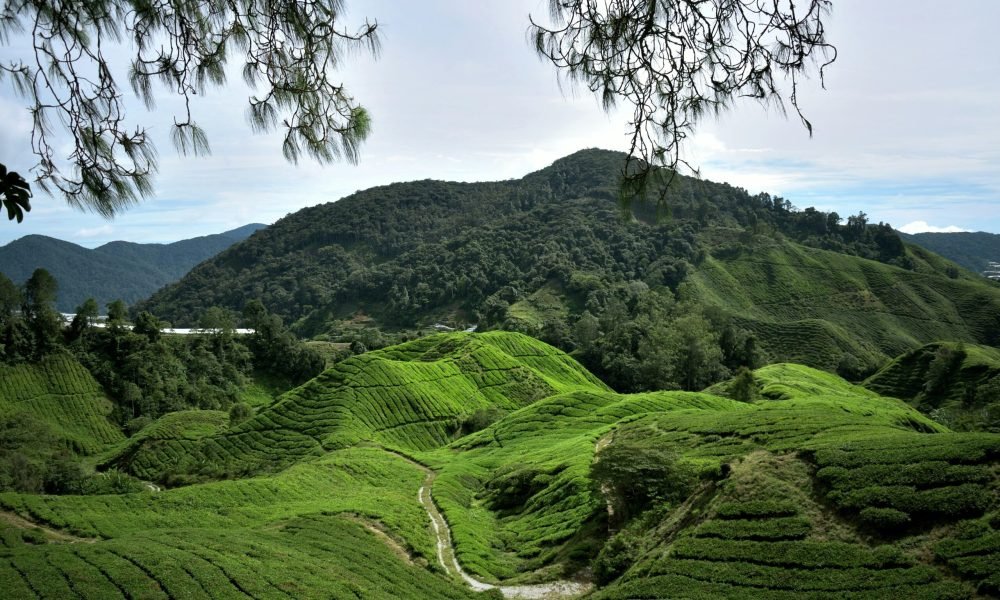
Cameron Highlands is a cool, lush retreat in Malaysia, famous for its tea plantations, strawberry farms, and misty forests. Simon Wiedensohler / Unsplash

10. Get lost in the dreamy Mossy Forest, Cameron Highlands

Step into the Mossy Forest of Cameron Highlands, and it feels like you’ve wandered into a fantasy world. Perched high on the mountain ridges, this enchanted forest is shrouded in mist and cool mountain air, with ancient trees wrapped in thick green moss, twisting roots, and dangling vines creating an otherworldly landscape.

Every path is lined with ferns, orchids, and pitcher plants, while the fog weaves between branches, giving the forest a mysterious, almost magical feel. As you walk along wooden boardwalks or venture deeper into the soft, moss-covered trails, you’ll hear the quiet sounds of birds and insects hidden in the greenery.

Best Things to Do in Malaysia
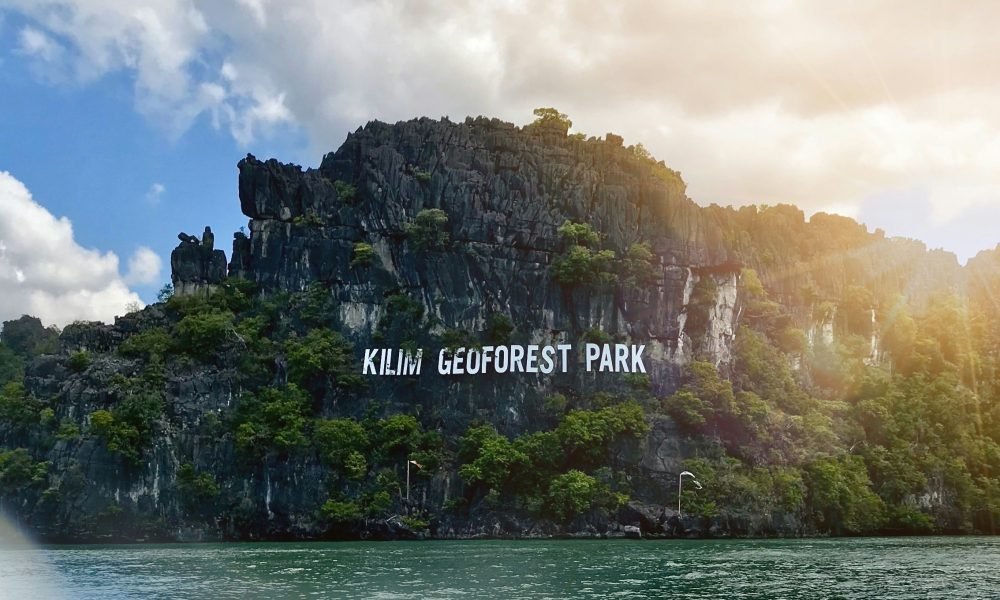
Island weaving between towering limestone cliffs, hidden lagoons, and unspoiled islands. Abdulrhman Alkhnaifer / Unsplash

11. Island-Hop around Langkawi’s GeoPark by Jet Ski

Feel the thrill of speeding across the emerald waters of Langkawi’s UNESCO Global Geopark on a jet ski, weaving between towering limestone cliffs, hidden lagoons, and unspoiled islands. This isn’t your average boat tour; it’s an adventurous way to explore the stunning natural wonders scattered across the Andaman Sea.

As you hop from island to island, you’ll ride past tall limestone cliffs, find hidden beaches that you can’t reach by foot, and swim in clear, cool waters. Along the way, you might see eagles flying high above, monkeys watching from the trees, and colorful fish swimming below. Every stop shows you something special about Langkawi’s wild, beautiful nature.

If you are circling around the famous Pregnant Maiden Lake or riding under natural rock arches, every stop reveals a new side of Langkawi’s breathtaking landscape.

12. Snorkel with Turtles at Tioman Island

Dive into the clear, warm waters of Tioman Island and experience the magic of swimming alongside gentle sea turtles in their natural home. Just a short swim from the shore, you’ll find coral reefs teeming with life, colorful fish, swaying anemones, and bright corals creating an underwater wonderland.

As you snorkel quietly, a turtle might glide past you, its smooth shell catching the sunlight as it moves gracefully through the water. It’s truly calming to see these gentle creatures swimming nearby, moving freely and peacefully through the sea without a care.

With calm waters and plenty of shallow reef areas, Tioman is perfect for beginners and experienced snorkelers alike, offering an easy way to connect with marine life in a stunning tropical setting.

Best Things to Do in Malaysia
A floating chalet in Semporna which wake up you to crystal-clear waters and stunning sea views right at your doorstep. Hongbin / Unsplash

13. Sleep in a Floating Chalet in Semporna

Waking up in a charming floating chalet, with the serene, turquoise waters of Semporna right at your doorstep, feels like you’ve stepped into a dream. As the morning sun paints the sky, the soft rocking of the waves lulls you awake, and you step out onto your private deck, greeted by views of endless blue seas stretching far into the distance. Below, vibrant schools of fish dart through the coral reefs, visible right from your window, offering a peaceful connection with the sea.

At night, the sky glows with thousands of stars, reflected in the water around you, creating a magical, peaceful atmosphere. Staying in a floating chalet isn’t just about a place to sleep. Here are the best things to do in Malaysia, which are fully immersed in nature.

14. Discover Rawa Island – Malaysia’s Lesser-Known Gem

Nestled off the east coast of Johor, Rawa Island is a quiet treasure waiting to be explored. The island’s small size adds to its cozy, intimate atmosphere; you can stroll from one end to the other in less than an hour, surrounded by nothing but nature. Free from cars and big resorts, Rawa offers a calm, laid-back escape that’s perfect for anyone looking to unwind and reconnect with the simple beauty of island life.

Days on Rawa are wonderfully simple yet unforgettable. You can snorkel just steps from the shore, discovering colorful corals and tropical fish that thrive in the clear waters. Adventurous visitors can try the island’s famous sea slide, a fun and playful way to plunge into the sea. For those who prefer to relax, swaying palm trees provide shade for lazy afternoons on the sand. As sunset approaches, the sky transforms into stunning shades of pink and gold, casting a soft glow over the ocean—an ideal moment for a quiet walk along the beach or a peaceful pause on your balcony.

Though small, Rawa Island leaves a big impression. If you’re looking for a slice of untouched paradise, Rawa Island is one of the best things to do in Malaysia.

15. Scuba Dive in Sipadan – One of the World’s Top Dive Spots

The island is famous for its unspoiled coral reefs, transparent waters, and unparalleled marine diversity. What makes Sipadan so special is its unique position atop an underwater mountain, creating a deep, vibrant ecosystem filled with diverse marine life. As you descend into the waters, you’ll immediately be surrounded by schools of colorful fish, sea turtles gliding gracefully, and, if you’re lucky, even sharks and manta rays.

The Sipadan dive sites cater to all levels of divers, from beginners to advanced explorers. Whether you’re gently floating along turtle tombs or exploring the drop-offs that lead into deep, clear blue, every dive feels like a journey into an untouched underwater world. The diversity of marine life, with over 3,000 species of fish and coral reported in the area, makes it one of the most biodiverse dive spots globally. The rich ecosystems draw divers from all over the world, eager to witness the beauty of Sipadan’s coral gardens, abundant fish life, and towering underwater walls.

But Sipadan isn’t just about the dive itself; it’s about experiencing the magic of nature. With its restricted number of daily dive permits, the island remains beautifully preserved, allowing for a more intimate connection with the underwater world. After your dive, the peaceful, remote island offers the perfect setting for relaxation, with its gentle waves and idyllic beaches waiting for you to unwind.

Best Things to Do in Malaysia
Jalan Alor’s night market offers a unique and delicious taste of Kuala Lumpur’s food night stalls. Mehdi Ben / Unsplash

16. Munch late-night bites at Jalan Alor Night Market

Jalan Alor, located in the heart of Kuala Lumpur, transforms into a bustling food haven after the sun sets. The night market is a sensory overload of delicious aromas, sizzling sounds, and vibrant sights that captivate locals and tourists alike.

As the evening rolls in, rows of food stalls line the street, offering an irresistible variety of Malaysian street food. From skewers of satay grilled to perfection to fresh cheong fun (rice noodle rolls) and roti john, the choices seem endless, with each dish more tempting than the last. The vibrant neon lights cast a warm glow over the stalls, creating a lively atmosphere where vendors call out to passersby, inviting them to sample their delights.

A stroll down Jalan Alor means diving deep into Malaysia’s culinary diversity. You can savor local favorites like char kway teow (stir-fried noodles with prawns and egg) or indulge in nasi lemak (fragrant coconut rice served with spicy sambal, fried chicken, and cucumber), all while soaking in the energetic vibe of the market. For those with a sweet tooth, there’s a tempting selection of traditional desserts like cendol (shaved ice with coconut milk, palm sugar, and green jelly) and apam balik (crispy pancakes filled with peanuts and sugar).

The charm of Jalan Alor isn’t just in the food; it’s in the atmosphere. The market buzzes with energy as people gather to share meals, chat with friends, and enjoy the vibrant city nightlife. The best part? The stalls stay open late, making it the perfect spot for a midnight snack after a long day of sightseeing or partying in the city. Whether you’re a first-time visitor or a regular, Jalan Alor’s night market offers a unique and unforgettable taste of Kuala Lumpur’s food scene.

Best Things to Do in Malaysia
Nasi Kandar is a hearty Malaysian rice dish served with a mix of rich, flavorful curries and a variety of tasty side dishes. Shootsaga / Pexels

17. Try Nasi Kandar – Penang’s famous mix-it-up rice feast

Nasi Kandar is a cherished Malaysian favorite where a simple plate of rice transforms into a flavorful feast. You’ll be invited to pile on an array of hearty curries, from fragrant chicken and fiery squid to spiced vegetables like okra and brinjal. As the rich gravies mingle together, they create a mouthwatering medley of spices, textures, and bold flavors. Each bite is a messy, satisfying celebration of Penang’s diverse culinary heritage.

It Served in bustling eateries that haven’t changed in decades, Nasi Kandar is not only food; it’s a reflection of Penang’s vibrant cultural heritage, bringing together Indian, Malay, and Chinese influences in every bite.

18. Learn to cook Malaysian dishes with a local aunty

The heart of Malaysian cooking comes alive in a local aunty’s kitchen, where every dish has a story. She invites you in with a cheerful smile, guiding you through time-honored recipes passed down through her family. You’ll grind chilies and spices by hand, stir simmering pots of curry, and wrap warm rice in banana leaves, all while hearing tales of tradition and childhood memories.

It’s more than a cooking lesson; it’s a glimpse into the soul of Malaysian food culture, shared with love and laughter. Between stirring pots and tasting sauces, she’ll share cooking secrets, cultural tips, and maybe even a few jokes. By the end of the lesson, you won’t just leave with new skills; you’ll carry home a deeper appreciation for Malaysia’s rich food traditions and the warmth of its people.

19. Sip frothy Teh Tarik at a street-side mamak café

At a small mamak café, it’s fun to watch the Teh Tarik maker pour the tea back and forth to make it frothy. The air smells sweet and warm. It’s not just a drink; it’s a cozy, shared moment.

The tea dances in the air before landing in your glass, perfectly frothy on top. As you take a sip, the blend of strong black tea and creamy condensed milk warms you from the inside, both sweet and bold. Around you, locals gather over conversations, laughter, and late-night snacks, turning an ordinary drink into a shared ritual of community and flavor.

Best Things to Do in Malaysia
Sarawak Laksa is a flavorful noodle soup called “breakfast of the gods” in Malaysia. Su la Pyae / Pexels

20. Slurp up Sarawak Laksa – spicy, rich, unforgettable

Sarawak Laksa is a noodle dish having bursts of flavors that stay with you long after the last bite. This Borneo specialty starts with thin rice noodles swimming in a fragrant broth made from a secret blend of spices, coconut milk, and tamarind. Topped with juicy prawns, shredded chicken, bean sprouts, and a sprinkle of fresh coriander, every spoonful offers a mix of creamy, tangy, and mildly spicy notes.

A squeeze of calamansi adds a citrusy kick, while a dollop of sambal on the side lets you turn up the heat. Eating Sarawak Laksa at a local hawker stall, surrounded by the sounds and smells of morning market life, makes the experience even more unforgettable.

Best Things to Do in Malaysia
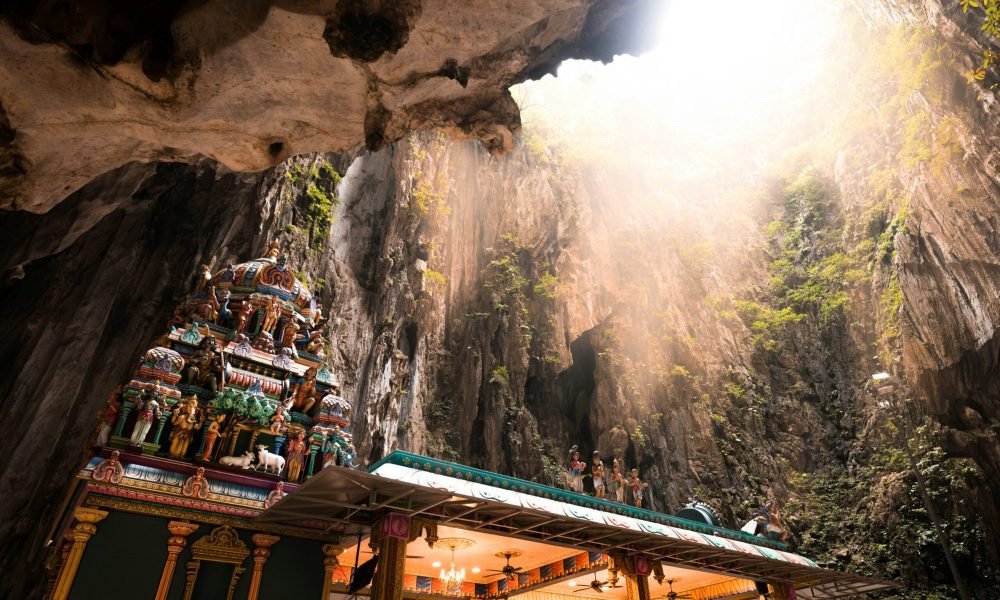
the limestone cliffs open into a vast cave in Between Temple that feels both grand and mystical. Thanish Ahmed / Unsplash

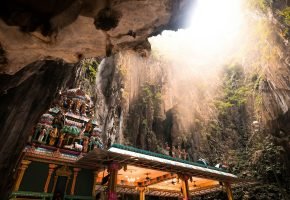
21. Climb to Batu Caves – meet monkeys, and marvel at the temple inside

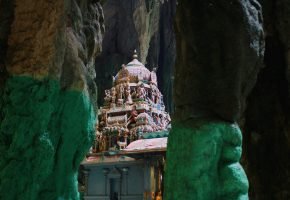
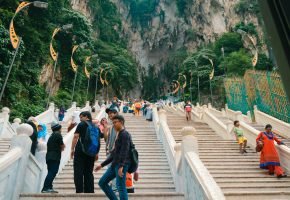
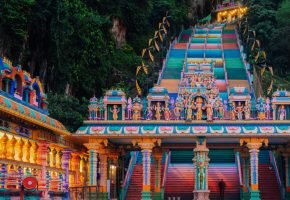
Climbing the colorful 272 steps to Batu Caves is an adventure in itself, as playful monkeys dart alongside you, hoping for treats. At the top, the limestone cliffs open into a vast cave that feels both grand and mystical. Inside, golden statues and shrines glow under shafts of natural light streaming through openings in the rock.

The temple’s atmosphere is peaceful yet alive, with the sound of prayers, the scent of incense, and occasional drums echoing off the cavern walls. Whether you’re visiting for the spiritual experience or simply to take in the stunning views over Kuala Lumpur, Batu Caves offers a blend of culture, nature, and lively surprises at every step.

Best Things to Do in Malaysia
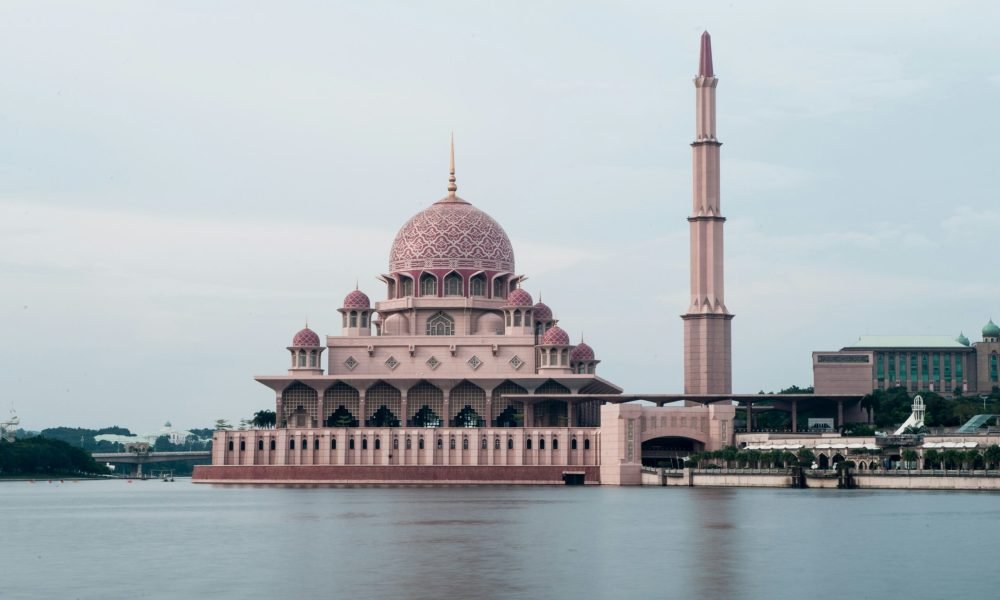
Its elegant rose-hued domes, reflects beautifully over the lake, creating a peaceful vibe. Alex Hudson / Unsplash

22. Visit the Pink Mosque in Putrajaya – it’s peaceful and pretty

Standing gracefully by the Putrajaya Lake, the Pink Mosque, or Masjid Putra, looks like something outstanding with its soft rose-colored domes and elegant minaret. As you step inside, the peaceful atmosphere immediately surrounds you; sunlight filters through intricate stained-glass windows, casting gentle patterns onto the marble floors.

The spacious prayer hall feels calm and serene, its high ceilings adorned with Islamic geometric designs. Outside, the mosque’s reflection shimmers on the water, creating a picture-perfect scene, especially at sunset. Whether you’re admiring its architecture or simply soaking in the quiet beauty, a visit here feels both inspiring and soothing.

Best Things to Do in Malaysia
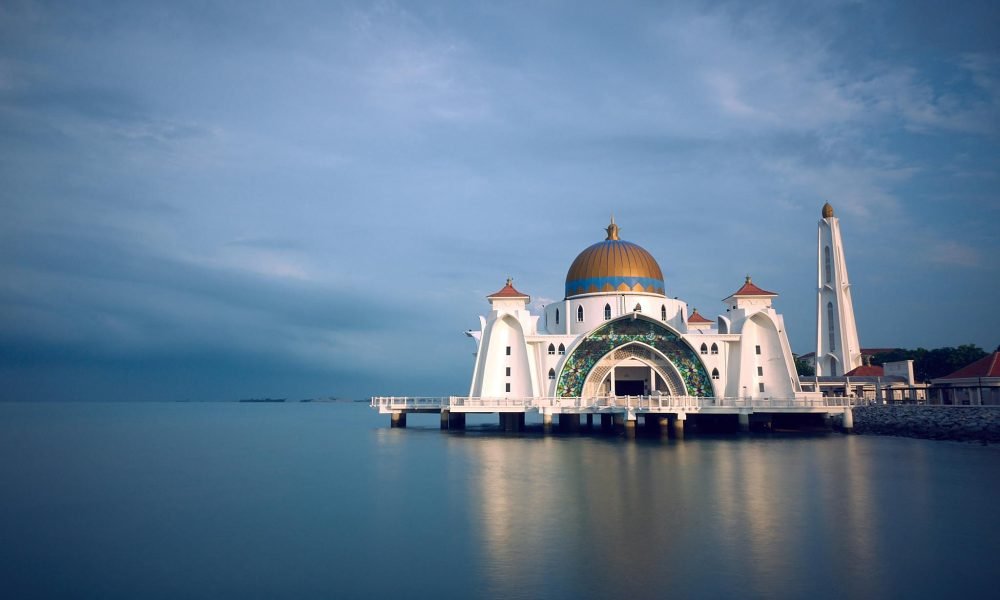
Best things to do in Malaysia is to see the sunset at Melaka Straits Mosque feels like it’s floating when the tide rises. Indragunawan / Pexels

23. Watch sunset from Melaka’s floating mosque

Perched on stilts above the gentle waves of the Strait of Malacca, the Melaka Straits Mosque feels like it’s floating when the tide rises. As the sun begins to set, the sky transforms into a canvas of gold, pink, and soft purple, casting a warm glow over the white walls and golden dome. Standing at the mosque’s edge, you’ll hear the sound of water lapping beneath as the call to prayer echoes gently across the sea.

The reflection of the mosque in the shimmering water makes the scene even more magical. Watching the sunset here isn’t just beautiful; it’s peaceful, almost spiritual, as the day fades into night with quiet grace.

Best Things to Do in Malaysia
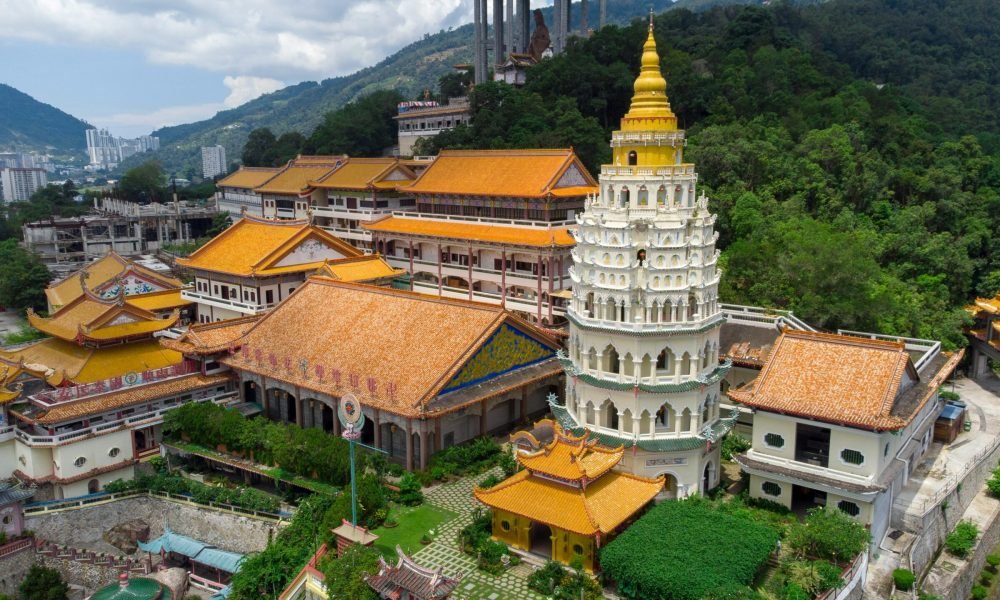
Penang’s Kek Lok Si Temple’s iconic yellow roof gleams brightly under the sun. Ong Wei / Unsplash

24. Light a wish lantern at Penang’s Kek Lok Si Temple

At Penang’s Kek Lok Si Temple, the air feels charged with hope as visitors gather under rows of colorful lanterns. Holding the wish lantern, you write your dreams or prayers carefully on its delicate surface before lighting it with a soft flame. As the lantern glows, you place it among hundreds of others, each shining like a tiny star beneath the temple’s grand pagodas and intricate rooftops.

Surrounded by flickering lights, the moment feels peaceful and symbolic, a quiet ritual of letting go, sending wishes upward, and being part of something timeless and beautiful.

This is the official portal managed by Tourism Malaysia, offering verified information on attractions, activities, travel tips, and events across the country. Malaysia Truly Asia – The Official Tourism Website of Malaysia

GUIDED BY TRAVEL MEET WORLD

Yoga within Travel the perfect flow of Experience

Explore wellness within Travel

by

Explore Related Articles

20 Best Things to Do in Thailand

20 Best Things to Do in United States

20 Best Things to Do in Japan

The 14 Best Things to Do in India

LEAVE A COMMENT

    Things to Know Before Traveling to Malaysia

    12 Best Things to Know Before Traveling to Malaysia

    Things to Know Before Traveling to Malaysia
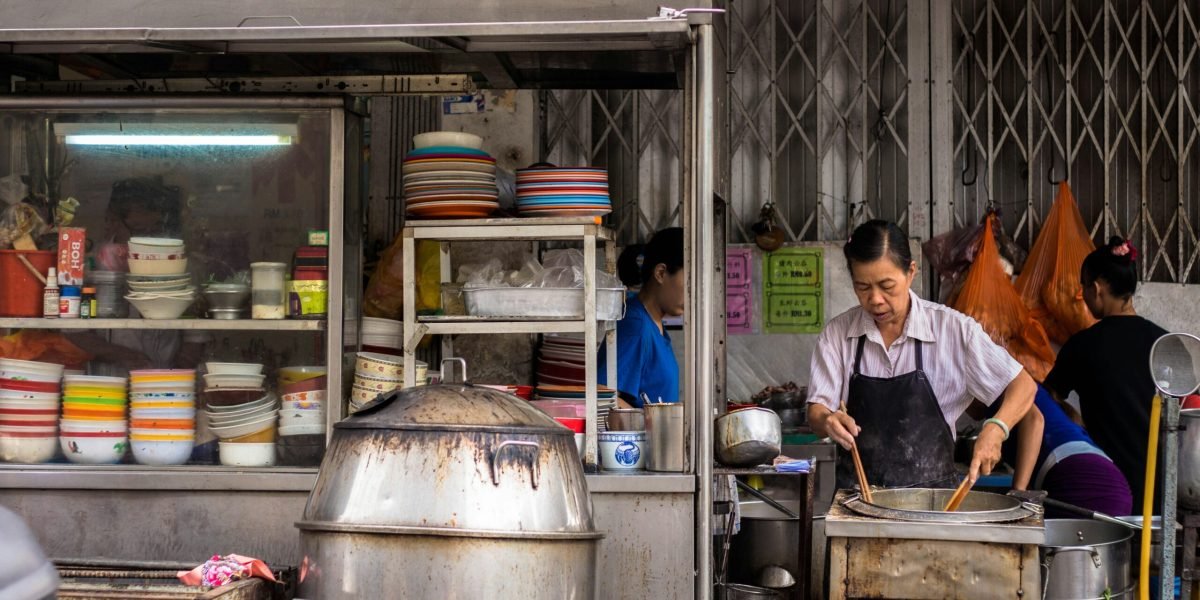
    Malaysia’s roadside tea stalls, known as “mamak stalls,” are lively spots where locals gather over teh tarik and late-night chats. Nicolas Joshua Anand / Unsplash

    Got Malaysia on your travel list? Start here. Get ready for a journey that blends skyscrapers with rainforests, street food with centuries-old temples, and modern malls with tribal traditions. Malaysia is a country of contrasts, and that’s what makes it unique than other places.

    But beyond the glossy brochures, there are things every traveler should know to make their experience smoother, deeper, and more meaningful. From cultural nuances to hidden travel hacks, knowing a few insider tips can help you see the country like a local, not just a tourist.

    This guide isn’t just about where to go; it’s about how to go smartly, respectfully, and with curiosity. Whether you’re visiting for beaches, food, festivals, or wildlife, these essential insights will enrich your Malaysian adventure from day one. If you want to travel without stress, these are things to know before traveling to Malaysia.

    Things to Know Before Traveling to Malaysia
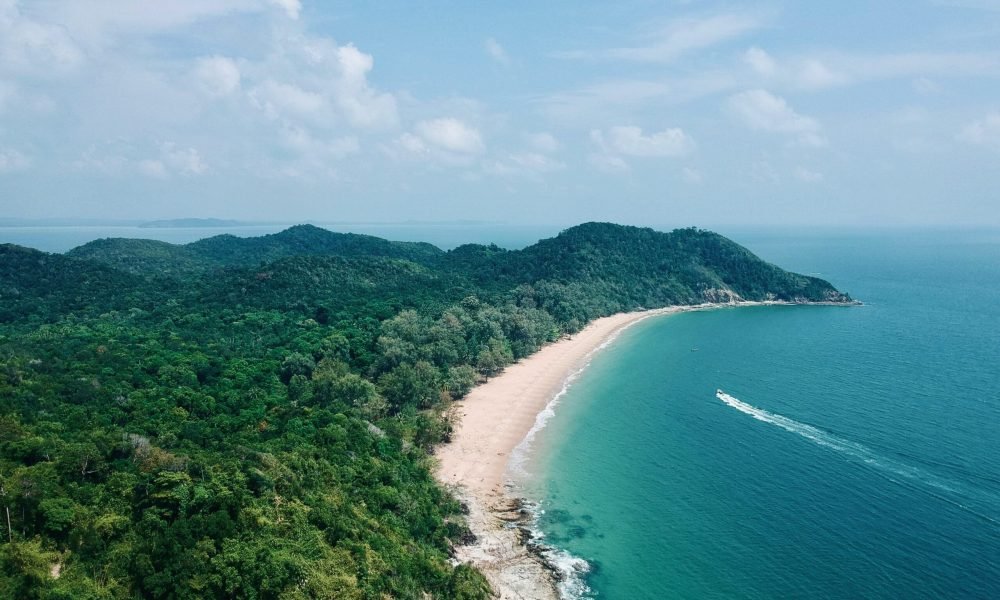
    Malaysia’s islands, like Langkawi and Perhentian, are best for their crystal-clear waters, white sand beaches, and marine life. Louis Gan / Unsplash

    1. Decode Malaysia’s “Twin Identity”

    Malaysia is a country split into two different parts. Peninsular Malaysia, connected to Thailand, is the more developed half, buzzing with megacities like Kuala Lumpur, high-speed trains, colonial towns, and an eclectic mix of Malay, Chinese, and Indian cultures.

    Here, everything feels connected and convenient: highways, shopping malls, and street food adventures unfold within a modern framework. It’s where travelers get their first taste of Malaysia’s multicultural charm: rooftop bars in Kuala Lumpur, historical strolls in George Town, or sipping chai at a Tamil temple corner stall.

    Across the South China Sea awaits Malaysian Borneo, a land of untamed beauty, where the two lush and wildlife-rich states of Sabah and Sarawak give a different face of Malaysia. Unlike the polished cities of the peninsula, Borneo invites you into a slower, wilder rhythm of life.

    The air feels ancient and alive, echoing with the calls of hornbills and gibbons. Travelers can glide up misty rivers to reach longhouses where communities like the Iban and Dayak tribes preserve centuries-old customs of communal living, spiritual ceremonies, and storytelling.

    It’s the only place in Malaysia where you can spot wild orangutans, trek with former headhunter communities, or take a boat deep into rainforest interiors where Wi-Fi vanishes and bird calls take over. While most tourists stick to the peninsula, those who venture into Borneo often leave with a deeper, more spiritual connection to nature and stories that the average visitor will never know.

    2. Water Isn’t Free — But It’s Still Safe

    In Malaysia, don’t expect a free glass of water with your meal, even at casual restaurants or hawker stalls. Whether it’s a tiny cup of warm water or a full glass of iced plain water, it usually comes with a small charge (often around RM 0.50 to RM 1).

    This may catch travelers off guard, especially those from countries where free water is the norm. However, it’s not about being stingy; rather, it’s a mix of cultural and practical reasons. Many local eateries prioritize traditional drinks like teh tarik (sweet milk tea) and barley water, which are far more popular than plain water among Malaysians.

    Malaysia is one of the places where tap water is generally safe to drink, especially in modern hotels and urban areas. In most modern hotels, filtered tap water is safe to drink; many even provide refill stations or encourage carrying the bottle to reduce plastic waste. Upscale restaurants often serve filtered water by request, though they may still charge for it.

    To stay eco-conscious and hydrated, consider carrying a reusable bottle with a built-in filter, especially if you’re planning rural or long-distance travel. Always ask when in doubt; Malaysians are generally helpful and won’t mind clarifying.

    Things to Know Before Traveling to Malaysia
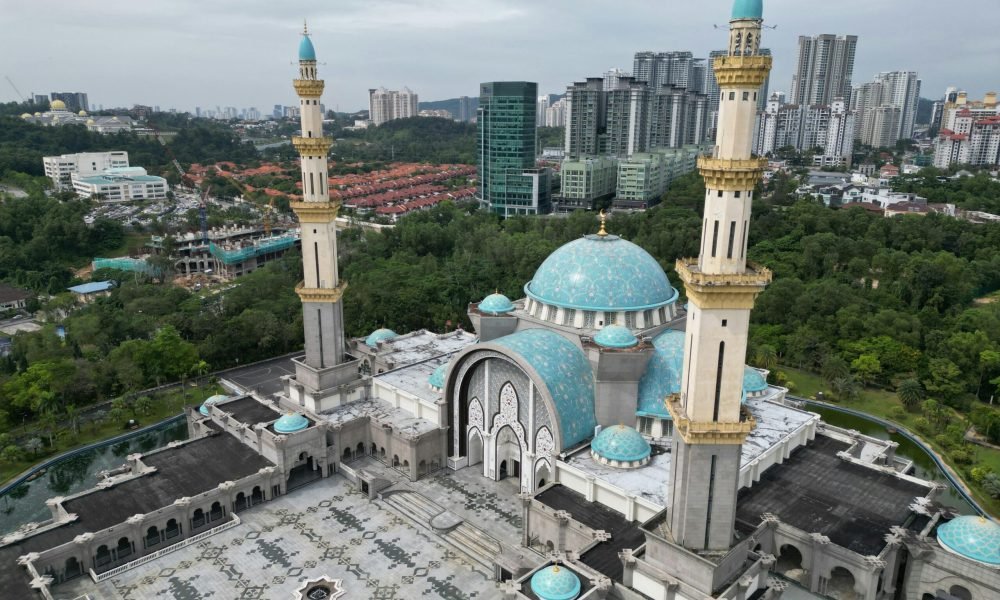
    The mosque can accommodate up to 15,000 worshippers, making it one of the largest in Southeast Asia. Tamjeedag / Pexels

    3. You’re Always 5 Minutes from a Mini-Mosque or a Giant Mall

    In Malaysia, you’ll quickly notice how seamlessly faith and commerce coexist. Urban planning here blends religion with retail in ways that feel completely natural. It’s not unusual to find a massive, ornate mosque like the National Mosque in Kuala Lumpur, just a stone’s throw away from modern shopping malls like Suria KLCC or Pavilion KL.

    In fact, malls are often built with prayer spaces inside, making it convenient for Muslims to perform their daily prayers without leaving the comfort of their shopping experience. Some malls even have dedicated mini mosques, ensuring that spiritual practices are never interrupted by the hustle and bustle of city life.

    This unique fusion of sacred and commercial spaces creates an atmosphere where people can enjoy a diverse shopping experience while being reminded of their faith. In malls like Lot 10 or Mid Valley Megamall, you’ll find prayer rooms tucked away in quieter corners, where shoppers can take a break and connect spiritually.

    Conversely, you might hear the call to prayer echoing across the bustling streets while you’re walking past rows of designer boutiques. It’s a fascinating blend that makes Malaysia feel deeply spiritual, yet entirely modern, where every corner holds a place for both personal reflection and retail indulgence.

    4. There’s a Local Version of Airbnb — And It’s Better for Culture

    While global platforms like Airbnb are popular in Malaysia, the country offers something far more immersive: local homestay networks like Kampungstay, RumahPenginapan, and Homestay Malaysia. These aren’t just rentals; they’re government-certified cultural experiences hosted in traditional village homes (known as kampungs).

    Instead of just sleeping in a spare room, you’re welcomed into a family’s home and daily rhythm. It’s an experience built on connection, not convenience—a chance to slow down and see how Malaysians live beyond city skylines and hotel lobbies.

    These stays often best things to know before traveling to Malaysia having hands-on cultural activities like cooking local dishes over firewood, learning traditional crafts like batik painting or weaving, and even participating in festivals. During Hari Raya (Eid), for example, guests might be invited to help prepare ketupat (rice dumplings), wear traditional clothing, or join in communal celebrations at the village mosque.

    In more rural areas, you could also learn how to plant paddy, fish using bamboo traps, or attend storytelling nights around a bonfire. For travelers seeking authenticity, these homestays go far beyond tourism; they’re a window into Malaysia’s heart and heritage.

    Things to Know Before Traveling to Malaysia
    Pavilion Kuala Lumpur is hosting unique events like the annual Pavilion Crystal Fountain Light Show. Ismail Teh / Unsplash

    5. Food Courts Aren’t Cheap Fakes — They’re Local Treasures

    In many parts of the world, mall food courts are seen as overpriced, bland, and inauthentic. But in Malaysia, the opposite is often true. Walk into a sleek, air-conditioned mall like Pavilion Kuala Lumpur or Mid Valley Megamall, and you’ll find food courts packed with local favorites, not just fast-food chains.

    These food courts, such as Food Republic or the curated, heritage-inspired Lot 10 Hutong, are home to legendary street food vendors, handpicked from across the country and brought indoors without compromising quality. You’ll find everything from rich, smoky char kway teow to spicy laksa, made by vendors who’ve perfected their craft over decades.

    Don’t let the polished setting fool you; locals eat at these food courts every day, often lining up during lunch hours for their favorite stall. The dishes might cost slightly more than a roadside stall (an extra RM 1 or 2), but what you get is comfort, cleanliness, and convenience, especially in Malaysia’s humid climate.

    Even more impressive, some stalls in places like Lot 10 Hutong are branches of century-old family businesses, preserving regional flavors from Penang, Ipoh, and Klang under one roof. If you’re unsure where to eat, just follow the longest queue in Malaysia; that’s usually the best food compass you’ll ever need.

    6. Midnight Mamak Culture is Sacred

    In Malaysia, the Mamak stall is not just a place to eat — it’s a way of life. These open-air, often 24/7 eateries, run primarily by Indian-Muslim communities, are the beating heart of Malaysia’s late-night culture.

    Whether it’s 10 PM or 3 AM, you’ll find tables full of people sipping teh tarik (pulled milk tea), tearing into hot, crispy roti canai, and sharing everything from laughter to life updates. The menu is cheap, delicious, and endless, from nasi lemak and mee goreng mamak to maggi goreng and tandoori chicken, all cooked fresh and fast.

    But more than the food, it’s the vibe that makes a Mamak stall special. You’ll see groups of young Malays, Chinese, and Indians gathered around a flickering TV screen during a football match or overhear passionate debates about local politics, music, or films.

    It’s where strangers become friends and where social lines blur. For locals, a Mamak is their third space—not home, not work, but the meeting ground of everyday life. If you want to experience the real Malaysia, don’t just visit a Mamak for dinner; stay for the midnight conversations and unfiltered cultural exchange.

    7. You’ll Hear Roosters in Cities — And Gongs in Forests

    In Malaysia, the boundary between urban modernity and traditional village life is often indistinct, with the sounds of rural living occasionally filling the air even in the midst of vibrant cities. In places like Kuala Lumpur or Penang, you may find yourself walking through busy neighborhoods or shopping malls only to be startled by the unmistakable crowing of a rooster.

    These birds, typically associated with rural kampungs, are not confined to the countryside. In fact, they are an integral part of daily life in many urban Malaysian communities, often roaming freely around small residential areas, adding an unexpected rural touch to the city’s soundscape.

    In the lush rainforests of Sarawak and Sabah, ancient indigenous traditions remain deeply rooted, offering a glimpse into a way of life that feels almost timeless. One of the most striking aspects of the gong is its iconic use by Borneo’s tribal communities to communicate across vast distances.

    In the remote longhouses nestled within the dense jungle, gongs still play a vital role in uniting people, whether it’s to announce a gathering, celebrate a festival, or mark a significant event. These massive, echoing gongs transcend their musical function, acting as a call to action for the entire village, ensuring that the community remains tightly bonded, even in the heart of the wilderness.

    The sound of these gongs, echoing through the forest or across the river, carries with its centuries of tradition, a living reminder of the strong ties to nature and culture that persist even in modern times.

    8. Plastic Bags Are Still Common — Bring a Foldable One

    Despite increasing environmental awareness and regional pushes for sustainability, plastic bags remain widespread in Malaysia. While efforts to reduce single-use plastics are gaining traction, many shops, from street vendors to large supermarkets, still offer plastic bags as the default for carrying purchases.

    The convenience of plastic has yet to be fully replaced by eco-friendly alternatives, especially in rural and suburban areas, where plastic usage is higher. While some major cities like Kuala Lumpur have started introducing bans or fees for plastic bags, they are not yet universal across the country, making it a challenge to avoid them altogether.

    However, don’t let this deter you; it’s easy to make a difference with a small habit. Bringing your own reusable bag is not only a smart way to avoid extra plastic charges, but it can also be a fun conversation starter, especially in rural towns. Many locals may find it unusual or interesting when visitors show up with their own foldable, reusable bags to carry groceries or souvenirs.

    It’s a great opportunity to gently share your commitment to sustainability, and in some cases, it might even spark interest in local eco-friendly initiatives. Plus, it’s a simple way to reduce your environmental impact while traveling through this vibrant country.

    9. Heritage Isn’t Just Buildings — It’s Spoken Language

    In Malaysia, heritage is much more than just architecture or artifacts; it’s deeply woven into the spoken word, particularly in communities with rich, multicultural roots. Among these are the Baba-Nyonya (Peranakan) and Chitty communities, whose creole languages are an integral part of their cultural identity.

    The Baba-Nyonya, descendants of Chinese immigrants who married local Malays, speak a unique blend of Malay and Hokkien, while the Chitty community, with Tamil heritage, blends Malay and Tamil in their own distinct creole. Sadly, these languages are fading as younger generations shift to mainstream languages like Bahasa Malaysia or English, making them increasingly difficult to hear in everyday conversation.

    As a traveler, you have a rare opportunity to connect with Malaysia’s living history by engaging with these communities. Locals, especially elders, often cherish the chance to share their language and stories with curious visitors. You can ask about simple phrases or even inquire about the meanings of old words, which often carry rich stories of the past.

    Many elders are proud to pass on their linguistic heritage and may appreciate your genuine interest. This exchange offers a deeper, more intimate experience of Malaysia’s cultural diversity, connecting you with a part of the country’s heritage that might otherwise be lost to time.

    10. Bug Spray Over Sunscreen — Especially in Borneo

    When traveling to Malaysia, especially the rainforests and beaches of Borneo, it’s not just the sun you need to worry about; it’s the insects. While sunburns can be an issue, sandflies and jungle mosquitoes are far more troublesome, and their bites can lead to itchy, uncomfortable rashes or even more serious illnesses like dengue fever.

    In regions like Sabah and Sarawak, where lush jungles meet pristine beaches, these insects are particularly active, often swarming around at dusk or near bodies of water. So, while sunscreen is still important, bug repellent should be your top priority. Forget the generic bug sprays you might use at home in Borneo; it’s best to pack stronger repellents or opt for natural alternatives that the locals swear by.

    In fact, many locals in Borneo rely on natural repellents like lemongrass oil, known for its insect-repelling properties, or the popular local remedy, “minyak cap kapak,” an herbal oil made from a blend of essential oils that has been used for generations to ward off mosquitoes. These oils not only keep the bugs at bay but also help soothe skin in case of any bites.

    Applying these natural repellents is a routine part of daily life, especially for those living near forests or coastal areas. As a traveler, adopting this practice will not only protect you from the nuisance of insects but also connect you with a more authentic, local way of coping with Malaysia’s abundant wildlife.

    11. Don’t Miss the Blue Hour Call to Prayer

    In Malaysia, one of the most beautiful and spiritual experiences happens during the blue hour, that fleeting time just after sunset, when the sky deepens into shades of indigo and gold. As the sun dips below the horizon, the azan (Islamic call to prayer) echoes through the streets, especially in cities like Georgetown and Malacca.

    The azan, sung from mosque minarets, fills the air with a gentle, melodic rhythm that invites reflection and calm. This moment is unique to Malaysia, where Islamic culture seamlessly blends with a rich diversity of other traditions.

    For many, the azan is more than just a religious ritual; it’s a call to pause and appreciate the present moment. Even though it’s a religious observance, locals, regardless of faith, often take a few seconds to stop what they’re doing and reflect, soaking in the beauty of the moment.

    In the narrow streets of Georgetown or the historic lanes of Malacca, it’s not uncommon to see people pausing mid-conversation, taking a breath, or gazing at the setting sun as the call to prayer rings out. As a traveler, respecting this moment not only allows you to connect more deeply with the local culture but also offers an opportunity to experience Malaysia’s soul, a place where spirituality, nature, and daily life harmoniously coexist.

    Things to Know Before Traveling to Malaysia
    The Gawai Dayak festival in Serian, Sarawak is a vibrant celebration of the indigenous harvest. Shaggy Sirep / Unsplash

    12. Festival Overload? Go for the Lesser-Known Ones

    While Malaysia is famous for its grand Thaipusam and Chinese New Year festivities, two such festivals are the Kaamatan Festival in Sabah and the Gawai Dayak festival in Sarawak, both of which honor the harvest seasons in Borneo.

    These events, deeply rooted in the indigenous traditions of the region, provide a much more intimate cultural experience compared to the larger, widely recognized celebrations and are perfect for travelers looking to connect on a deeper level with Malaysia’s vibrant heritage.

    While these festivals may not have the same international spotlight as the larger celebrations, they are deeply rooted in the indigenous cultures of the region and offer a far more personal connection to Malaysia’s cultural diversity. The Kaamatan Festival, for example, marks the end of the rice harvest and is a time of thanks, prayer, and community feasting, where the Kadazan-Dusun people celebrate with vibrant dances, traditional music, and the famous unduk ngadau (beauty queen) competition.

    Both festivals are also unique in that they remain incredibly community oriented. Unlike the massive crowds and commercialized atmosphere of more famous events, festivals like Kaamatan and Gawai Dayak invite tourists into their small-town charm, where visitors are treated like family rather than just spectators. Local families in Sabah and Sarawak open their homes to travelers, offering home-cooked meals, sharing stories of their traditions, and even involving visitors in the traditional rituals and dances.

    The official tourism website of Malaysia provides essential information on topics such as visa requirements, local customs, safety tips, and cultural etiquette to help travelers prepare for their visit. You can access this guide directly at: https://www.malaysia.travel/about-malaysia/travel-guide?utm_

    GUIDED BY TRAVEL MEET WORLD

    Yoga within Travel the perfect flow of Experience

    Explore wellness within Travel

    by

    Explore Related Articles

    Things Know Before Traveling to United States

    Things Know Before Traveling to South Africa

    20 Best Things to Know Before Traveling to Egypt

    18 Best Things to Know Before Traveling to India

    LEAVE A COMMENT

      Langkawi

      @ Hongwei Fan

      Langkawi

      Kedah,

      Malaysia,

      Asia

      Nestled in the Andaman Sea near the ThailandMalaysia border, Langkawi is a captivating cluster of 99 islands off the northwest coast of Peninsular Malaysia. Part of the state of Kedah, the archipelago is set apart from the mainland by the calm waters of the Straits of Malacca, offering a serene escape rich in tropical charm and cultural heritage.

      The main island, Pulau Langkawi, is the largest and most developed, with a lush landscape of emerald hills, rice paddies, and palm-fringed beaches. Due to its position in the tropics, Langkawi experiences a hot and humid climate year-round, with occasional monsoon showers from May to October is the best time to visit Malaysia. The Langkawi International Airport makes the island easily accessible from Kuala Lumpur and other Southeast Asian cities.

      Langkawi is more than just a tropical paradise; it holds a mix of legend, mystery, and deep-rooted culture. One of the island’s most intriguing aspects is the legend of Mahsuri, a woman wrongly accused of adultery, who was said to have cursed the island for seven generations. Her tomb, known as Makam Mahsuri, remains a spiritual site visited by locals and tourists alike.

      Another fascinating aspect is that Langkawi was declared a duty-free island in 1987, transforming its economy and drawing waves of both tourists and shoppers. While many tropical destinations lean heavily into tourism, Langkawi stands out for its commitment to preserving its natural beauty earning the honor of becoming Southeast Asia’s first UNESCO Global Geopark back in 2007.

      Langkawi is a diverse mix of attractions and natural landscapes. Take in panoramic island views from the Langkawi Sky Bridge, reached via the scenic SkyCab ride, or explore the lush mangroves and limestone cliffs of Kilim Karst Geoforest Park by boat. For beach lovers, lively Pantai Cenang and the tranquil shores of Tanjung Rhu provide perfect seaside escapes. Nature enthusiasts can cool off in the jungle pools of Telaga Tujuh Waterfalls after a rewarding hike through the rainforest.

      Langkawi’s culinary scene is a flavorful fusion of Malay, Thai, Chinese, and Indian traditions, with fresh seafood at its heart. Among the must-try dishes is ikan bakar, grilled fish infused with turmeric, lime, and spicy sambal, often found sizzling at local night markets like the one in Kuah Town. Another highlight is nasi kerabu, a visually stunning blue rice dish paired with fried chicken, herbs, and coconut flakes. For a taste of local comfort, try Laksa Kedah, a tangy fish-based noodle soup served with prawn paste, especially popular at roadside eateries such as Laksa Power near the airport. End your food journey on a sweet note with a chilled bowl of cendol, a delightful mix of pandan jelly, creamy coconut milk, and palm sugar syrup.

      Let's Connect With

      Part of the official Tourism Malaysia website, this section offers travel ideas, itineraries, and highlights of Langkawi’s unique offerings.Malaysia Truly Asia – Langkawi

      Around Langkawi

      1. Pulau Tuba

      A traditional fishing island with rural charm, mangroves, and hiking trails for travelers seeking an offbeat Langkawi experience.

      2. Wat Tham Kisap (Thai Cave Temple)

      11 km

      A quiet Buddhist temple built inside a limestone cave, offering peaceful vibes and insight into Langkawi’s Thai cultural roots.

      3. Pulau Dayang Bunting

      17 km

      It’s a Freshwater lake surrounded by hills shaped like a pregnant woman. Popular for swimming and boating in a peaceful setting.

      4. Kilim Karst Geoforest Park

      20 km

      A protected mangrove ecosystem with limestone cliffs, hidden caves, and boat tours showcasing eagles, monkeys, and marine life.

      5. Langkawi Craft Complex

      21 km

      A great place to discover local arts like batik, weaving, and woodwork with shops for authentic souvenirs and live craft demos.

      6. Gunung Raya

      22 km

      Langkawi’s highest mountain at 881 meters, with panoramic views, jungle trails, and chances to spot hornbills and dusky leaf monkeys.

      7. Pulau Beras Basah

      25 km

      This small tropical island offers white sands, clear waters, and coral reefs ideal for swimming, sunbathing, and snorkeling.

      8. Pulau Payar Marine Park

      35 km

      Malaysia’s first marine park, known for snorkeling and diving with reef sharks and vibrant coral gardens in crystal-clear waters.

      Malaysia Top Attractions

      450 km

      370 km

      460 km

      Tucked away from the sparkling beaches and vibrant nightlife of Thailand’s most famous island, Old Phuket Town is a hidden gem that tells a story unlike any other. Read More

      Batu Caves is located in Gombak, a district just 13 kilometers north of Kuala Lumpur, Malaysia’s bustling capital. Nestled in a limestone hill that dates back over 400 million years, the site Read More

      Tucked into the green heart of Peninsular Malaysia, Taman Negara is more than a national park; it is the soul of the Malaysian rainforest. Straddling three states—Pahang, Kelantan, and Read More

      Make Reason to Travel

      Books transport us to new worlds with every page, but travel lets us live those stories. Documentaries show breathtaking places, but stepping beyond the screen brings them to life. Movies spark adventure, but the real magic begins when we pack our bags and go. 🌍

      Books

      Documentaries

      Memories

      Movies

      03. ARTICLES

      Explore latest stories

      Health Guide

      How to Stay Healthy While Traveling

      Travel has taught something powerful Read More

      Adventure

      Plan the Perfect Bike Ride from Delhi to Ladakh

      Imagine riding through some of the world’s highest

      Beaches & Islands

      How to Plan a Summer Beach Trip in 2025

      There’s something timeless about the pull of the

      Adventure

      14 Best Islands in Asia to Visit in 2025

      Asia, with its vast stretch of coastlines and turquoise

      Budget Trip

      10 Destinations for Budget Friendly Travel

      Wanderlust doesn’t have to come with a hefty price

      Batu Caves

      @ Jason Rost

      Batu Caves

      Kuala Lumpur,

      Malaysia,

      Asia

      Batu Caves is located in Gombak, a district just 13 kilometers north of Kuala Lumpur, Malaysia’s bustling capital. Nestled in a limestone hill that dates back over 400 million years, the site is easily accessible by train via the KTM Komuter Batu Caves line or by road in under 30 minutes from central Kuala Lumpur.

      The Batu Caves are set within a limestone hill over 400 million years old, making it one of the oldest and most awe-inspiring natural formations in Malaysia. Beyond its geological significance, the site holds deep religious importance as one of the most sacred Hindu shrines outside of India, devoted to Lord Murugan, the revered god of war and victory.

      Dominating the entrance is a towering 42.7-meter (140-foot) golden statue of Lord Murugan, the tallest of its kind in the world, standing as a majestic guardian to the sacred caves. Visitors are welcomed by a vibrant flight of 272 rainbow-colored steps, which lead to the main temple cave, a journey that challenges both body and spirit, often enlivened by the presence of curious and playful monkeys along the way.

      Batu Caves is home to a fascinating network of cave temples and attractions, each offering a unique experience. The most prominent is the Temple Cave, also known as Cathedral Cave, a vast chamber with a soaring ceiling over 100 meters high that shelters several ornate Hindu shrines and celebrations of the Thaipusam festival. As natural light filters through the cave’s ceiling, it creates an ethereal and almost otherworldly ambiance.

      As you ascend the vibrant staircase of Batu Caves, you’ll come across the Dark Cave, about halfway up, a fascinating ecological treasure that’s currently closed for restoration. This cave was once a hidden realm of guided eco-tours, showcasing ancient rock formations and housing rare species like the trapdoor spider (Liphistius batuensis), a creature unique to this cave system. At the base of the hill, the Ramayana Cave gives a visually striking experience. Inside, the legendary Indian epic Ramayana is brought to life through glowing statues, dramatic murals, and vibrant dioramas, a creative blend of storytelling, culture, and art that appeals to both devotees and curious travelers.

      Adjacent to it, the Cave Villa offers an elaborately decorated space with sculptures, cultural exhibits, and serene fishponds, although some areas lean toward a more commercial presentation of tradition. Together, these caves form a rich tapestry of spirituality, mythology, and natural wonder.

      After a day of climbing steps and soaking in the spiritual energy of Batu Caves, hunger is bound to strike, and the area offers plenty of delicious, satisfying options. Just a short walk from the temple entrance, Dhivya’s Café is a vegetarian haven serving traditional South Indian dishes such as dosa, idli, sambar, and banana leaf rice, making it an ideal stop for those who prefer temple-friendly, meat-free meals.

      Another local favorite is Restoran Rani Vilas, a well-loved Indian restaurant known for its affordable thali sets, richly spiced curries, and warm hospitality, perfect for travelers looking to enjoy an authentic Malaysian Indian dining experience. For a quick bite or a refreshing treat, the path to the caves is lined with snack vendors selling fresh coconut water, crispy murukku, banana fritters, and sweet jaggery candies, offering visitors a delightful taste of local flavor in every bite.

      Let's Connect With

      Around Batu Caves

      1. Dark Cave

      A conservation site with guided eco-tours showcasing rare species and limestone formations.

      2. Ramayana Cave

      0.2 km

      Colorful cave depicting the Ramayana epic with statues and vibrant murals; entrance at the foot of Batu Caves.

      3. Kanching Waterfalls

      A scenic multi-tiered waterfall ideal for picnics, light hiking, and refreshing dips in nature.

      4. Templer Park

      8.5 km

      A forest reserve with hiking trails, waterfalls, and picnic spots, a peaceful escape from the city.

      5. Selayang Hot Spring

      5.5 km

      Local hot spring pools popular for relaxation and believed to have healing properties.

      6. Forest Research Institute Malaysia (FRIM)

      11 km

      Offers nature trails, a canopy walks, picnic areas, and a mini waterfall great for eco-tourism and family outings.

      7. Sri Shakti Dhevasthanam Temple (Bukit Rotan)

      17 km

      Beautifully built Hindu temple with intricate carvings and architecture, open to visitors of all faiths.

      8. Taman Eko Rimba Kanching

      7.5 km

      A lesser-known eco-park near Kanching Falls with peaceful trails and picnic spots.

      Malaysia Top Attractions

      460 km

      200 km

      220 km

      Tucked away from the sparkling beaches and vibrant nightlife of Thailand’s most famous island, Old Phuket Town is a hidden gem that tells a story unlike any other. Read More

      Tucked into the green heart of Peninsular Malaysia, Taman Negara is more than a national park; it is the soul of the Malaysian rainforest. Straddling three states—Pahang, Kelantan, and Read More

      Nestled in the Andaman Sea near the Thailand-Malaysia border, Langkawi is a captivating cluster of 99 islands off the northwest coast of Peninsular Malaysia. Part of the state of Kedah, Read More

      Make Reason to Travel

      Books transport us to new worlds with every page, but travel lets us live those stories. Documentaries show breathtaking places, but stepping beyond the screen brings them to life. Movies spark adventure, but the real magic begins when we pack our bags and go. 🌍

      Books

      Documentaries

      Memories

      Movies

      03. ARTICLES

      Explore latest stories

      Food & Drink

      10 Thai Food Experiences You Must Try

      Touch down in Thailand, and you’ll quickly realize Read More

      Food & Drink

      What to Eat and Drink in India

      When you travel through India, you don’t just eat;

      Beaches & Islands

      How to Plan a Summer Beach Trip in 2025

      There’s something timeless about the pull of the

      Adventure

      14 Best Islands in Asia to Visit in 2025

      Asia, with its vast stretch of coastlines and turquoise

      Budget Trip

      10 Destinations for Budget Friendly Travel

      Wanderlust doesn’t have to come with a hefty price

      Taman Negara

      @ Loh Weytor

      Taman Negara

      Pahang,

      Kelantan,

      Malaysia,

      Asia

      Tucked into the green heart of Peninsular Malaysia, Taman Negara is more than a national park; it is the soul of the Malaysian rainforest. Straddling three states—Pahang, Kelantan, and Terengganu—this massive, protected area covers over 4,300 square kilometers and serves as a gateway into an ancient ecosystem that has existed for more than 130 million years. Located about 240 kilometers northeast of Kuala Lumpur, it is accessible yet remote enough to feel completely untamed.

      Many travelers know that Taman Negara is one of the oldest rainforests in the world, but what’s often overlooked is how quietly it has resisted time. While other ecosystems evolved or vanished, this rainforest stayed rooted, enduring floods, climate shifts, and even human encroachment with unwavering resilience. It houses over 10,000 species of plants, nearly 200 species of mammals, and more than 300 types of birds, including rare creatures like the Malayan tiger, clouded leopard, and Asian tapir, many of which remain unseen to even the most seasoned explorers.

      This forest also shelters one of Malaysia’s last remaining indigenous hunter-gatherer communities, the Batek people, who live in harmony with the land. Their knowledge of the forest ranges from medicinal plants to tracking animals.

      Adventure pulses through every corner of Taman Negara. The best places to visit in Malaysia (Taman Negara) is treetops on the Canopy Walkway, where swaying bridges provide an aerial perspective of the jungle canopy and its inquisitive inhabitants. If you’re up for a challenge, the Gunung Tahan trek promises a rugged climb and panoramic rewards from Malaysia’s highest peak.

      Drift into calm at Lata Berkoh, a perfect spot for a cooling dip beneath ancient trees, or wade among tame red mahseer at the Kelah Sanctuary. Dive underground at Gua Telinga, where narrow limestone passages echo with bats and ancient stone formations. And when the forest turns dark, let the Night Safari Walk awaken your senses with glowing plants, nocturnal wildlife, and the sounds of nature in full symphony.

      Dining in Taman Negara is a cultural experience rooted in simplicity and tradition. Local eateries, often family-run or floating along the Tembeling River, serve dishes rich in forest flavors. Try Ikan Patin Masak Tempoyak, a bold river fish curry with fermented durian, or Gulai Daun Kayu, a wild herb stew inspired by Batek traditions. Grilled freshwater fish offers a smoky, natural taste, while tapai, a fermented rice dessert, brings a sweet-sour finish. Don’t miss a cup of jungle honey tea, known for its subtle sweetness and healing touch.

      Let's Connect With

      This site offers comprehensive information on park activities, tour packages, and travel tips. https://www.tamannegara.asia/

      Managed by Malaysia’s national tourism board, this portal provides detailed insights into Taman Negara and other attractions across the country. https://www.malaysia.travel/explore/taman-negara

      Around Taman Negara

      1. Kuala Tahan Village

      The main gateway to Taman Negara, this riverside village offers floating restaurants, budget stays, and insight into local Malay culture.

      2. Orang Asli Village

      2 - 5 km

      Visit the indigenous Batek tribe to learn about their hunter-gatherer lifestyle, survival skills, and harmonious relationship with the forest.

      3. Jerantut Town

      70 km

      The nearest major town with transport links, local food markets, and historical landmarks like the Jerantut District Museum.

      4. Lata Meraung Waterfall

      75 km

      A lesser known but picturesque waterfall near Jerantut, perfect for a peaceful dip and short jungle trek.

      5. Krau Wildlife Reserve

      90 km

      A protected area known for endangered species research and elephant conservation programs near Lanchang.

      6. Kuala Gandah Elephant Sanctuary

      110 km

      A rescue and rehab center for Malaysian elephants where visitors can observe and learn about elephant conservation.

      7. Fraser’s Hill

      130 km

      A colonial-era hill station ideal for birdwatching, nature walks, and enjoying cooler mountain air.

      8. Bentong Hot Springs

      160 km

      A soothing spot with natural hot mineral springs surrounded by forest—perfect for relaxation after jungle trekking.

      Malaysia Top Attractions

      450 km

      230 km

      220 km

      Tucked away from the sparkling beaches and vibrant nightlife of Thailand’s most famous island, Old Phuket Town is a hidden gem that tells a story unlike any other. Read More

      Batu Caves is located in Gombak, a district just 13 kilometers north of Kuala Lumpur, Malaysia’s bustling capital. Nestled in a limestone hill that dates back over 400 million years, the site Read More

      Nestled in the Andaman Sea near the Thailand-Malaysia border, Langkawi is a captivating cluster of 99 islands off the northwest coast of Peninsular Malaysia. Part of the state of Kedah, Read More

      Make Reason to Travel

      Books transport us to new worlds with every page, but travel lets us live those stories. Documentaries show breathtaking places, but stepping beyond the screen brings them to life. Movies spark adventure, but the real magic begins when we pack our bags and go. 🌍

      Books

      Documentaries

      Memories

      Movies

      03. ARTICLES

      Explore latest stories

      Food & Drink

      Best Street Food of Mumbai You Can't Miss

      Step into the streets of Mumbai, and you’ll quickly Read More

      Beaches & Islands

      10 Best Beaches in Europe

      From sun-drenched shores to dramatic cliffside

      Beaches & Islands

      Best Islands for Sea Thrills and Surf Breaks

      Envision carving through sapphire waves, floating

      Food & Drink

      What to Eat and Drink in Varanasi, India

      Often referred to as the “Queen of the Hills,” Darjeeling

      Budget Trip

      How to Explore Rajasthan on a Budget

      In December 2018, I traveled to Rajasthan with my friends

      10 Best Places to visit in Malaysia

      10 best places to visit in Malaysia

      10 best places to visit in Malaysia

      Malaysia, a captivating blend of modernity and tradition, invites travelers with its pristine beaches, lush rainforests, vibrant cities, and centuries-old temples. 

      From the towering skyscrapers of Kuala Lumpur to the tranquil islands of Langkawi and the wild beauty of Borneo, the country offers a rich tapestry of cultural diversity and natural wonders.

      👋 Note from the author: Did this article impact the way you planned your trip? Have any question? Please comment at the end of the article! It help this blog grow and helps me know what types of articles to write more.

      Experience the fusion of Malay, Chinese, Indian, and indigenous influences in places like historic Malacca and UNESCO-listed George Town, and immerse yourself in Malaysia’s unique flavors, from Penang’s Char Kway Teow to KL’s Satay.

      Whether hiking Mount Kinabalu, exploring the misty Cameron Highlands, or relaxing on the pristine beaches of the Perhentian Islands, Malaysia promises adventure, serenity, and unforgettable memories, all wrapped in its warm, welcoming embrace to everyone.

       And here guide you to 10 best places to visit in Malaysia.

      1. Kuala Lumpur

      The Petronas Twin Towers, once the tallest buildings in the world, soar above the city skyline, their shimmering glass and steel design reflecting the rapid growth of this cosmopolitan metropolis in Kuala Lumpur. Beneath the towers lies KLCC Park, a lush green escape offering a serene contrast to the towering city.

      10 best places to visit in Malaysia
      Malaysia Central Market offer mouthwatering street food. Ravin Rau / Unplash

      For a taste of local culture, the bustling Chinatown and Central Market offer colorful souvenirs, vibrant street art, and mouthwatering street food.

      Explore the sacred caves at Batu Caves, where limestone steps lead you to a Hindu temple nestled in the heart of the mountain. 

      Confused between plans? Here helps you compare coverage, price, and benefits side by side.

      → Compare Travel Insurance Plans Now

      2. Langkawi

      Langkawi, a breathtaking cluster of 99 islands, captivates visitors with its turquoise waters, soft white sands, and emerald rainforests, offering the perfect escape into tropical serenity.

      It’s best for both relaxation and adventure. Pantai Cenang offers bustling nightlife and water sports, while Langkawi Sky Bridge, suspended high above the rainforest, offers panoramic views of the islands.

      The Langkawi Wildlife Park and Underwater World invite you to explore diverse wildlife and marine life, while a trip to Langkawi’s Mangrove Forests offers serene boat rides through calm waters, surrounded by towering limestone cliffs. 

      10 best places to visit in Malaysia
      Yap Kongsi Temple in Penang is a beautifully preserved Chinese clan temple. Jessica Gala/ Unsplash

      3. Penang

      Penang, called the food capital of Malaysia. The UNESCO-listed George Town is the heart of the island, with its narrow streets lined with colonial-era buildings, colorful street art, and traditional shop houses.

      The island’s diverse food scene blends Malay, Chinese, and Indian influences. Whether you’re savoring Penang Laksa, Char Kway Teow, or Nasi Kandar, every dish tells a rich story of Penang’s multicultural heritage and prove you its a best places to visit in Malaysia.

      For those seeking tranquility, the lush slopes of Penang Hill and the serene Kek Lok Si Temple offer panoramic views and a chance to escape the bustling city below. Penang perfectly balances rich history with modern-day pleasures.

      4. Cameron Highlands

      Nestled in the heart of Malaysia’s central mountain range, Cameron Highlands is a charming hill station offering respite from the tropical heat.  the lush fields and sip fresh tea.

      Known for its sprawling tea plantations, the rolling green hills are dotted with tea estates like BOH Tea Plantation, where you can take a leisurely walk through the lush fields and sip fresh tea.

      Cameron Lavender Garden and Butterfly Garden are filled with beautiful flowers and colorful butterflies, perfect for a relaxing walk. The Mossy Forest feels magical, with old trees and misty trails. 

       With its cool weather, cozy cottages, and colorful gardens, it’s the one of the best places to visit in Malaysia for nature lovers and anyone who wants a peaceful escape.

      10 best places to visit in Malaysia
      Best place for hikers and adventure seekers. Malcom Johnny / Unsplash

      5. Borneo

      Borneo’s islands are full of amazing wildlife and rich forests. In the northeast, Sabah is perfect for nature lovers. It’s home to Mount Kinabalu, the tallest mountain in Southeast Asia, which attracts hikers and adventure seekers from around the world.

      The Sepilok Orangutan Rehabilitation Centre provides a unique chance to witness orangutans in their natural habitat. 

      Meanwhile, Sarawak offers the majestic Gunung Mulu National Park, a UNESCO World Heritage site known for its limestone caves and diverse wildlife. The indigenous cultures and pristine rainforests provide an authentic, untamed escape into the wild.

      I personally prefer Yesim for reliable data while traveling across multiple countries.

      6. Malacca

      Malacca (Melaka) is a UNESCO World Heritage site full of history and culture. This beautiful coastal town mixes Dutch, Portuguese, British, and Malay influences. 

      From St. Paul’s Hill, you can see beautiful views of the town and the sea. Nearby, you can explore A Famosa, one of the oldest European forts still standing in Asia.

      Meander down Jonker Street, where vibrant antique shops, street food stalls, and colorful buildings create a lively atmosphere, especially during the night market to fill like a best place to visit in Malaysia.

      7. Perhentian Islands

      If you love clear blue waters and beautiful beaches, the Perhentian Islands are the perfect place for you. Located off the northeast coast of Malaysia, they are famous for amazing snorkeling and diving spots.

      Perhentian Kecil is popular with backpackers, offering affordable accommodations and vibrant nightlife, while Perhentian Besar is more serene, ideal for families and couples. 

       The islands’ unspoiled beauty is perfect for relaxing on sandy beaches or exploring the coral reefs and abundant marine life just beneath the surface.

      8. Taman Negara National Park

      Taman Negara is one of the world’s oldest tropical rainforests, covering over 4,300 square miles of pristine wilderness. Known for its rich biodiversity, it’s a paradise for nature enthusiasts and wildlife lovers.

      A canopy walk through the treetops provides a unique perspective of the forest, while boat rides along the river offer sightings of exotic animals like tigers, elephants, and rhinoceroses.

      Hiking trails wind through the dense jungle, giving the feel of waterfalls and remote villages. Taman Negara is a chance to immerse yourself in the sights, sounds, and wonders of Malaysia’s natural beauty.

      Personally, I prefer using VisitorsCoverage because it’s simple, transparent, and beginner friendly.

      Instead of checking multiple websites, try VisitorsCoverage to compare everything in one place.

      10 best places to visit in Malaysia
      Ipoh gives natural wonders like Kek Lok Tong and Gua Tempurung. Iqx Azmi / Unsplash

      9. Ipoh

      Ipoh, the capital of Perak state, is often overlooked by travelers but offers a quiet yet captivating charm.

      Known for its colonial-era architecture and rich cultural history, Ipoh is home to Kek Lok Tong, a Buddhist temple set in a limestone cave, and Concubine Lane, a narrow alleyway full of colorful murals and heritage shops.

      The Lost World of Tambun offers family-friendly fun with hot springs, an amusement park, and a petting zoo, while the surrounding limestone hills provide scenic backdrops for hiking and exploration. 

      The official tourism website for Malaysia is Malaysia.Travel. This comprehensive portal, managed by Tourism Malaysia, offers detailed information on top destinations, cultural experiences, events, travel tips, and more to help you plan your visit.

      10. Kota Kinabalu

      Kota Kinabalu, often called “KK” by locals, is the vibrant capital of Sabah, located on the northwest coast of Borneo. This lively city is the main gateway for travelers eager to explore Borneo’s stunning wilderness and natural treasures. 

       With its easygoing charm, bustling markets, seaside sunsets, and modern conveniences, Kota Kinabalu offers the perfect starting point for a memorable adventure.

      Nature lovers find themselves spoiled for choice here. Just a short drive from the city lies the famous Kinabalu National Park, a UNESCO World Heritage Site home to Mount Kinabalu, the tallest mountain in Southeast Asia. 

      The nearby Tunku Abdul Rahman Marine Park is a cluster of beautiful islands perfect for snorkeling, diving, and beach hopping.

       Each island offers soft white sands, clear waters, and colorful coral reefs teeming with marine life. It’s an escape for those seeking a tropical day trip without venturing far from the city.

      Visit the Handicraft Market for local souvenirs, stroll along the lively Gaya Street Sunday Market, or catch a breathtaking sunset at Tanjung Aru Beach. You can also explore local traditions at the Mari Mari Cultural Village, where you’ll experience the customs and lifestyles of Sabah’s indigenous groups.

      More Related Articles on Malaysia

      The post contain affiliate links  that help support my business in creating content like this. If you make a purchase using one of these links, I may receive compensation at no extra cost to you. Read my Terms of use for more information.

      The Travel Resources I Used While Travelling

      By purchasing through the following links, You can support me to grow together at no additional cost.

      Klook & Hostelworld: To find the best hotels, hostels and guesthouses

      Kiwitaxi & Busbud: To book taxi and buses in advance

      Aviasales & AirHelp: To find the cheapest flights & save 10% on each.

      Saily & Airalo : Get your affordable eSIM data for international travel

      Radical Storage: Store your luggage securely and travel hands-free anywhere you go.

      GoCity: Travelers access to multiple attractions and experiences at a discounted price.

      Visitorscoverage : One of the best reviewed travel insurance companies

      WeGoTrip: Discover self-guided audio tours

      FAQs

      1. Is Kuala Lumpur worth visiting?

      Yes, Kuala Lumpur is ideal for skyscrapers, shopping, food, culture, and city attractions.

      2. Why should you visit Langkawi?

      Langkawi is famous for beautiful beaches, island scenery, nature, and relaxing escapes.

      3. What is Penang famous for?

      Penang is known for its heritage streets, vibrant culture, beaches, and delicious local food.

      4. How many days are enough to explore Malaysia?

      A 7–14 day trip is ideal for combining major cities, islands, highlands, and nature destinations.

      5. What makes Sarawak special?

      Sarawak offers rainforests, caves, wildlife, indigenous cultures, and adventure experiences in Malaysian Borneo.

      You May Also Like

      10 Best Things to Do in Kerala, India​

      10 Best Things to Do in Kerala, India

      5 Of the Best Hikes in South Africa

      5 Of the Best Hikes in South Africa

      The Best Places to Eat Croissants in Paris

      The Best Places to Eat Croissants in Paris

      Leave a Comment


      Hello!


      Hi, I’m Pooja Mokashi, a passionate storyteller and travel content creator behind Travel Meet World. Based in Mumbai, I love discovering local cultures and helping travelers explore the world with confidence and smart planning.

      Unlock Your Free Travel Hacks

      Join 5,000+ travelers getting Free Weekly Travel Tips, Get Exclusive Updates & Download my free travel checklist

      Best time to visit Malaysia

      What is the best time to visit Malaysia?

      best time to visit Malaysia
      If you are looking for the best time to visit Malaysia’s in vibrant festival season the Visitors visit at Batu Caves. Kelvin Zyteng / Unsplash

      Malaysia, a land where ancient rainforests meet futuristic skylines, offers a year-round tropical climate, but timing your trip right can unlock its true magic. From the dry, beach-perfect days of December to February on the west coast to the vibrant festival season of spring, each month paints a different story for every traveler.

      If you seek sun-soaked adventures, the islands of Langkawi and Penang are best explored during the dry season. Prefer lush landscapes and misty mornings? Head to the Cameron Highlands or Borneo during the refreshing rains of late summer.

      Whether you’re diving with turtles off the Perhentian Islands, sipping tea above emerald hills, or celebrating Thaipusam and Chinese New Year in the bustling cities, Malaysia’s shifting seasons promise an unforgettable journey, no matter when you arrive. Here’s a guide to the best time to visit Malaysia.

      best time to visit Malaysia
      This is the season when the nation lights up with the energy of Chinese New Year festivities. Somil Gupta / Unsplash

      February to April – Festivals, Fresh Flavors & Sun-Drenched Islands

      From February to April, Malaysia bursts into a lively celebration of culture, color, and coastal bliss. This is the season when the nation lights up with the energy of Chinese New Year festivities. Dragon dances, lantern-lit streets, and bustling night markets create the streets of Kuala Lumpur, Penang, and Malacca, which come alive with an electrifying spirit.

      Witness the powerful Thaipusam procession at Batu Caves, where devotees perform incredible acts of faith amidst thousands of chanting pilgrims. As the festive spirit fills the air, Malaysia’s west coast islands, like Langkawi and Penang, bask under clear skies and warm sunshine, offering perfect conditions for beach hopping, snorkeling, and sunset cruises.

      May to September – Crystal Waters, Coral Reefs & Island Escapes

      During these months, Malaysia’s east coast unveils its most dazzling side, inviting ocean lovers to a world of sunlit shores and sparkling waters. It’s the perfect time to uncover the beauty of the Perhentian Islands and Tioman Island, where endless blue skies, tranquil seas, and warm tropical breezes create the ultimate backdrop for unforgettable island escapes.

      Snorkel through coral gardens teeming with rainbow-colored fish, dive alongside sea turtles and reef sharks, or simply laze on powdery beaches that seem untouched by time. The waters during these months are at their clearest, offering visibility up to 30 meters—a dream for divers and underwater photographers.

      Whether you’re kayaking through hidden coves, hiking jungle trails to secret beaches, or watching fiery sunsets melt into turquoise horizons, Malaysia’s east coast invites you to escape into pure tropical magic, and it’s the best time to visit Malaysia.

      best time to visit Malaysia
      Cameron Highlands rolling tea plantations stretch out like green carpets. Tony Shi Hou Tang / Unsplash

      October to November – Misty Mountains, Tea Trails & Tranquil Highlands

      As October and November arrive, Malaysia offers a refreshing escape into its misty highlands. This is the best time to visit Malaysia in this season to leave the tropical heat and retreat into the cool, serene embrace of places like the Cameron Highlands. Rolling tea plantations stretch out like green carpets under a soft veil of mist, and the air is crisp with the scent of blooming flowers.

      Light showers bring the rainforests to life, painting them in deeper shades of emerald and filling the trails with the soothing sounds of nature. Wander through vibrant strawberry farms, sip freshly brewed tea overlooking endless valleys, and explore mossy forests that feel almost otherworldly. In these tranquil months, Malaysia’s highlands reveal a slower, dreamier side perfect for travelers seeking peace, nature, and a touch of magic.

      best time to visit Malaysia
      Parade during the Chinese Lantern Festival in Penang, Malaysia. You le / Unsplash

      December to January – City Lights, Beach Nights & Year-End Magic

      Kuala Lumpur transforms into a sparkling wonderland. From the bustling streets of Bukit Bintang to the chic malls of Suria KLCC, there’s an exciting mix of holiday events, festive sales, and performances. Locals and tourists come together to celebrate Christmas and New Year’s, creating a blend of traditions and joy. The streets are filled with the sounds of carolers, and markets offer delightful holiday treats.

      As the holiday season unfolds, the west coast beaches of Malaysia provide the perfect escape for sun-seekers and beach lovers. Langkawi and Penang, two of the most popular islands on this coast, bask in warm, sunny weather with a refreshing breeze throughout December and January. Langkawi, with its stunning beaches and turquoise waters, is the ideal place to relax by the sea, soak in the sun, and enjoy leisurely walks along quiet shores. Similarly, Penang, known for its vibrant culture, offers both beautiful beaches and a rich mix of history and modern attractions.

      The year-end period in Malaysia brings an atmosphere of celebration and new beginnings. Along the coast, as the sun sets, the beaches transform into perfect settings for intimate, starlit dinners and lively beach parties. Many resorts and hotels offer special year-end packages that include fireworks displays, live music, and festive dinners, making it an ideal time to unwind and embrace the fresh energy of the new year.

      December to January in Malaysia is unique because it allows you to immerse yourself in two different worlds in just one journey. The festive city lights and energetic celebrations of Kuala Lumpur contrast perfectly with the peaceful, sunny beaches of Langkawi and Penang. In the city, you can enjoy a winter-like atmosphere with decorations, lights, and cultural festivities, while just a short flight away, the islands invite you to bask in the tropical sun.

      best time to visit Malaysia
      Mouthwatering local cuisine cook handles half a dozen clay pots for his waiting customers.  Ash Edmonds / Unsplash

      March to May – Street Beats, Sakura Streets & Cultural Sweets

      Malaysia comes alive with a blend of vibrant street culture, lively festivals, and mouthwatering local cuisine. The best time to visit Malaysia is in season, when Penang, known as Malaysia’s cultural capital, becomes a canvas for street art, with colorful murals adorning its walls, transforming every corner into a masterpiece.

      As the holiday season unfolds, the west coast beaches of Malaysia provide the perfect escape for sun-seekers and beach lovers. Langkawi and Penang, two of the most popular islands on this coast, bask in warm, sunny weather with a refreshing breeze throughout December and January. Langkawi, with its stunning beaches and turquoise waters, is the ideal place to relax by the sea, soak in the sun, and enjoy leisurely walks along quiet shores. Similarly, Penang, known for its vibrant culture, offers both beautiful beaches and a rich mix of history and modern attractions.

      The streets pulse with energy as art lovers explore hidden alleys and vibrant neighborhoods filled with creative expressions. Food lovers will find their paradise during this time, as Malaysia’s tropical twist on food festivals takes center stage, from spicy laksa to sweet kuih (traditional cakes), all served in lively street markets and food stalls.

      best time to visit Malaysia
      It’s Ideal for trekking through Borneo’s jungles where every traveler pushes themselves to their limits. Rachel Claire / Pexels

      June to August – Rainforest Adventures, River Cruises & Rare Wildlife

      Between June and August, Malaysia’s dense rainforests and rich wildlife provide the perfect backdrop for an adventure. This period is ideal for trekking through Borneo’s jungles, where the air is crisp and the environment buzzes with the natural rhythms of wildlife, offering a truly immersive experience.

      The dense rainforests are teeming with rare species, and spotting orangutans swinging through the treetops or pygmy elephants roaming through the underbrush becomes a magical experience.

      The Kinabatangan River, often referred to as the “wildlife corridor,” beckons with its calm waters, perfect for river cruises that offer close encounters with exotic creatures like proboscis monkeys, crocodiles, and hundreds of bird species. Here is the best time to visit Malaysia.

      September to November – Rain-Kissed Cities, Spice Markets & Soulful Evenings

      The misty mornings and cooler temperatures create a serene atmosphere, perfect for wandering through vibrant local markets like the ones in Kuala Lumpur and Malacca. These spice markets are a sensory feast, offering the rich scents of freshly ground cardamom, cinnamon, and cloves and showcasing the flavors that define Malaysia’s diverse culinary heritage.

      The rain adds to the charm, making the evenings even more magical as the streets come alive with street food vendors serving up iconic dishes like nasi lemak, satay, and roti john. It’s a time when the country’s culture and cuisine shine through, inviting travelers to experience a slower pace, enjoy soulful moments, and savor the warmth of Malaysia’s hospitality.

      November to January – Carnival Colors, Cool Breezes & Christmas Markets

      From November to January, Malaysia comes alive with the vibrant energy of the holiday season, offering a blend of festive spirit, cultural festivities, and tropical charm. The streets of Kuala Lumpur and Penang are adorned with carnival-like colors, with decorations lighting up the city and creating a sense of wonder and joy. During this time, the cities host lively festivals, bustling Christmas markets, and extravagant shopping events, where visitors can indulge in everything from designer goods to handmade crafts.

      The cooler breezes of the season make outdoor events even more enjoyable, from food festivals to open-air concerts. As the year winds down, the beaches along the west coast, such as Langkawi and Penang, offer the perfect setting for New Year’s Eve fireworks displays, with celebrations lighting up the sky above the calm seas.

      Trusted Websites for More Travel Info

      This site offers detailed insights into Malaysia’s diverse regions, seasonal travel tips, and a calendar of events, helping you plan your trip according to your interests and the time of year. Malaysia Truly Asia – The Official Tourism Website of Malaysia

      GUIDED BY TRAVEL MEET WORLD

      Yoga within Travel the perfect flow of Experience

      Explore wellness within Travel

      by

      Explore Related Articles

      Best time to visit UAE

      Best time to visit United States

      What is the best time to visit India?

      Best time to visit Egypt

      LEAVE A COMMENT

        Malaysia

        Overview:

        Malaysia is a vibrant country in Southeast Asia divided into two main regions Peninsular Malaysia and East Malaysia on the island of Borneo. Interesting to said that it is home to one of the oldest rainforests in the world, especially in Borneo, which is estimated to be over 130 million years old—older than the Amazon rainforest.

        The famous Petronas Twin Towers in Kuala Lumpur were once the tallest buildings in the world and remain the tallest twin towers globally. Malaysia has a unique cultural mix of Malay, Chinese, and Indian communities, which is reflected in its languages, festivals, and especially its diverse and flavorful food.

        When to Visit:

        Malaysia has a tropical climate, so it experiences both dry and wet seasons, but unlike many countries, the weather varies by region.

        Dry Season (March to October)

        This is the best time for sightseeing, beaches, and island hopping with sunny skies and lower humidity on the west coast (including Kuala Lumpur, Langkawi, and Penang).

        Wet Season (June to September)

        Heavy rains can limit travel plans, but the landscapes become lush and peaceful, perfect for nature lovers especially affecting the east coast (like Perhentian Islands and Tioman).

        Special Events and Festivals:

        Malaysia’s festivals are special because different cultures celebrate together, creating experiences you won’t find anywhere else.

        •  Hari Raya Aidilfitri
        •  Thaipusam at Batu Caves
        • Gawai Dayak Festival in Borneo

        Pocket Travel Tips

        Quick Facts

        Language: English, Malay

        Currency: Malaysian Ringgit (MYR RM)

        1 USD = 3.95 MYR RM

        Backpacking Budget: You can travel on 26 $ to 53$ with a budget-friendly destination.

        Visa

        Many nationalities can enter Malaysia visa-free for 14 to 90 days, depending on their country of origin.

        Travel Insurance

        VisitorsCoverage is one of the very few that covers travel in Malaysia.

        How The Malaysia Welcome

        pexels-andromeda99-29292277

        The culture of Malaysia is Open-Heart “Open House” means in festivals like Hari Raya Aidilfitri, locals invite not just friends but even strangers into their homes.

        Tip: Instead of a handshake, Malays often greet with a gentle smile and slight bow, sometimes placing a hand over the heart

        Eat Malaysian food is the highest form of hospitality. Guests are served rich, flavorful dishes like Nasi Lemak.

        Know More to Get Travelling in Malaysia

        Eat With Host

        Discover a unique way to experience local culture, where you can enjoy authentic meals hosted by locals around the world.

        From home-cooked dinners to food tours, it’s the perfect way to connect through food with New People.

        Start your delicious journey today Eatwith.

        Accommodation

        I personally use Hostelworld where you easily find budget-friendly hostels and social stays in one click.

        Go to Luxury platforms like CheapOair check your compare prices and book the best options for your trip.

        Transportation

        In Kuala Lumpur, you can use MRT, LRT, and monorail trains.


        Ride-hailing apps like Grab make getting around convenient, even for first-time travelers.

        Top Attractions in Malaysia

        Taman Negara

        One of the oldest rainforests in the world, estimated to be over 130 million years old.

        You experience here canopy walks, jungle trekking, and river cruises.

        Batu Caves

        Limestone hill with golden statue of Lord Murugan and the colorful 272 steps leading to the main cave.

        Langkawi

        Famous for attraction like the Langkawi Sky Bridge and arial view of rainforest.

        All My Articles on Malaysia

        10 best places to visit in Malaysia

        10 best places to visit in Malaysia

        best time to visit Malaysia

        What is the best time to visit Malaysia?

        12 Best Travel Insurance Plans for Malaysia

        12 Best Travel Insurance Plans for Malaysia

        Things to Know Before Traveling to Malaysia

        12 Best Things to Know Before Traveling to Malaysia

        Best Things to Do in Malaysia

        24 Best Things to Do in Malaysia

        Best Things on Malaysia's Tourist Visa

        10 Best Things on Malaysia's Tourist Visa