Top 10 Places to See Cherry Blossoms in Japan

Top 10 Places to See Cherry Blossoms in Japan
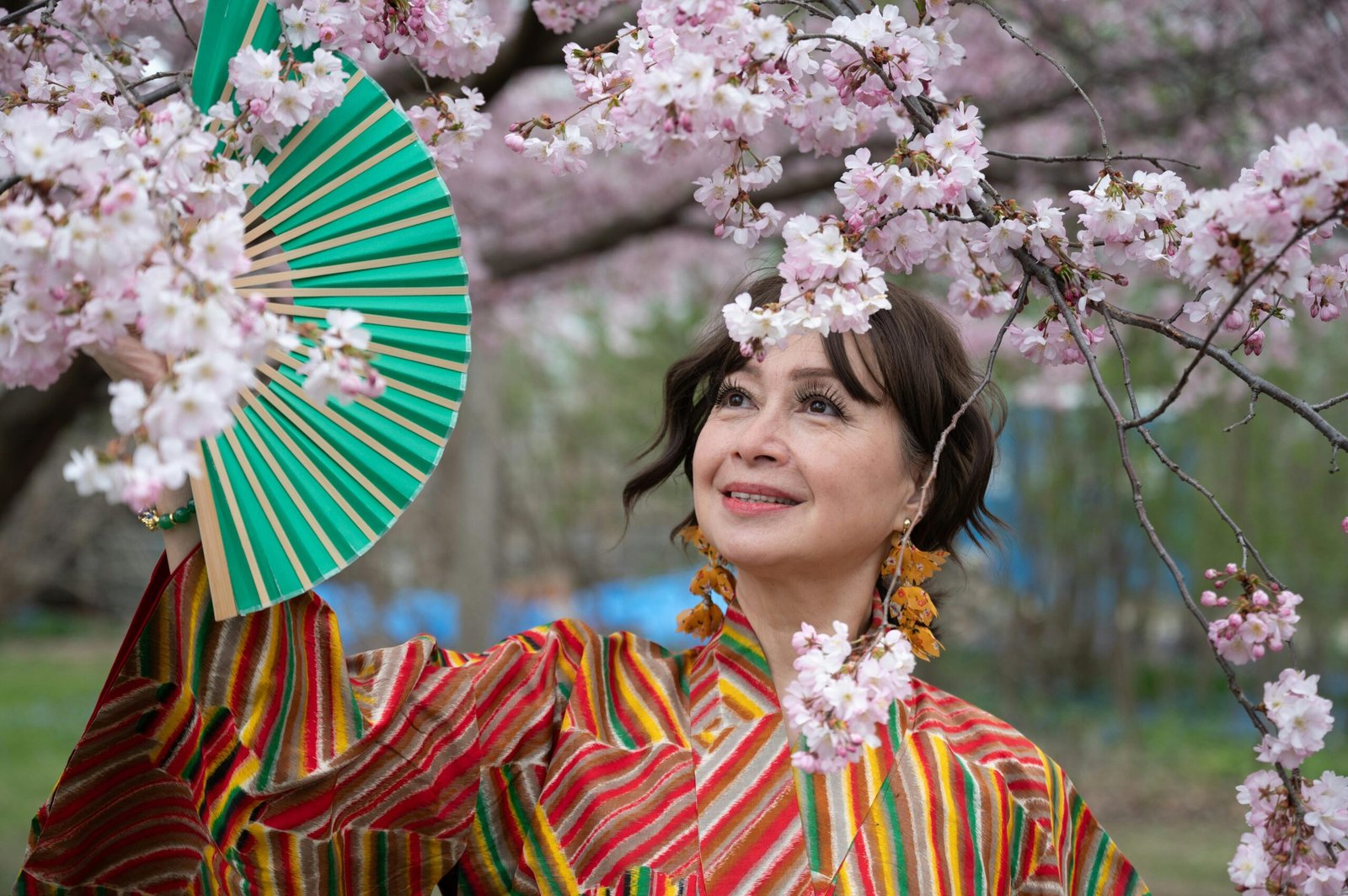
Top 10 Places to See Cherry Blossoms in Japan

Every spring, Japan transforms into a living canvas painted with delicate shades of pink and white as cherry blossoms, known locally as sakura, bloom across the country. 

This fleeting yet magical season holds deep cultural significance, symbolizing renewal, beauty, and the transient nature of life.

From bustling city parks to serene mountainsides, each region gives a unique way to experience the sakura season.

In this guide, we take you on a journey to the top 10 places to see cherry blossom in Japan—places that showcase the country’s natural beauty and immerse you in the spirit of Japanese spring. 

Best Time to See Cherry Blossoms in Japan

Japan’s cherry blossom season usually begins in late March and continues until early May, moving gradually from south to north. 

The exact bloom dates change every year depending on weather conditions, so checking the annual Sakura forecast before planning your trip is highly recommended.

Explore the perfect season for your travel style and start planning your dream Japan adventure today! Read the best time to visit Japan?
Top 10 Places to See Cherry Blossoms in Japan​

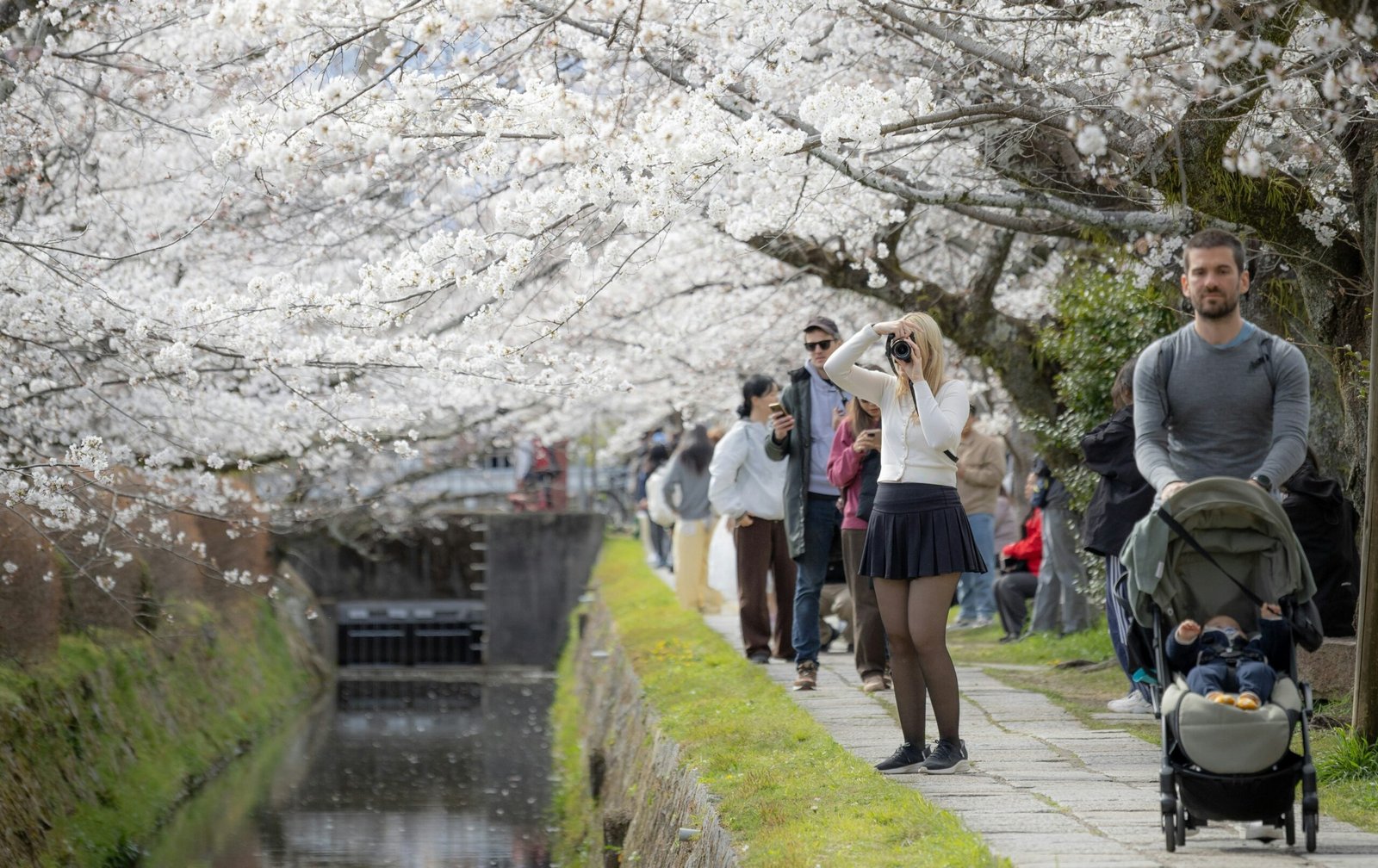
Blossom stroll along a scenic canal. Wenhao Ruan / Unsplash

Cherry Blossom Forecast by Region

Tokyo & Kyoto – Late March to early April
Famous parks and temples are usually in full bloom during this period.

Osaka – Early April
Ideal for castle parks and riverside Sakura views.

Hokkaido – Late April to early May
Perfect for travelers who miss the main Sakura season in central Japan.

Okinawa – January to February
The earliest cherry blossoms in Japan appear here due to the warmer climate.

Northern Japan (Tohoku Region) – Mid to late April
Cooler temperatures keep blossoms blooming longer.

Confused between plans? Here helps you compare coverage, price, and benefits side by side.

→ Compare Travel Insurance Plans Now

Peak Bloom Months from March to May

The most popular Sakura viewing season across Japan falls between:


March – Southern and central Japan begin blooming

April – Peak cherry blossom season in major cities like Tokyo, Kyoto, and Osaka

May – Late blooming spots in Hokkaido and mountainous regions

Weather and Travel Tips During Sakura Season

Carry light jackets because spring temperatures can change quickly.

Book hotels and train tickets early since Sakura season is one of Japan’s busiest travel periods.

Visit parks early in the morning for fewer crowds and better photography.

Keep a small umbrella with you because spring showers are common.

Weekdays are usually less crowded than weekends at popular Sakura spots.

Respect Hanami etiquette by keeping parks clean and avoiding damage to cherry trees.

Top 10 Places to See Cherry Blossoms

Ueno Park, Tokyo

Ueno Park in Tokyo is a vibrant hotspot where thousands gather to celebrate Japan’s cherry blossom season under a canopy of sakura trees. 

 Located right in the heart of the city, this historic park is home to over 1,000 cherry trees, most of which line the main pathway, creating a dreamy pink tunnel when in full bloom.

The festive atmosphere during the hanami (flower-viewing) season adds extra specialness to Ueno Park. 

Locals and tourists gather here for picnics under the trees, enjoying street food from countless stalls, music, and even traditional performances.

The park itself is more than just a sakura spot; it also houses famous attractions like Ueno Zoo, the Tokyo National Museum

Yoshinoyama (Mount Yoshino), Nara

Mount Yoshino, or Yoshinoyama, in Nara Prefecture is often considered the most breathtaking place to see cherry blossoms in all of Japan, and for good reason.

What makes Yoshino unique is the way the blossoms seem to “flow” down the mountain, creating a stunning pink and white cascade across the landscape. 

The area is divided into four sections: Shimo Senbon (lower), Naka Senbon (middle), Kami Senbon (upper), and Oku Senbon (inner), each blooming at slightly different times.

This means visitors can enjoy cherry blossoms for an extended period as they hike up the mountain. 

You’ll also find ancient temples and shrines like Kinpusen-ji, adding a mystical charm to the blossom-filled trails. 

During peak season, the view from the upper areas is truly magical, like looking out over a pink cloud stretching across the valley.

Maruyama Park, Kyoto

Maruyama Park is one of Kyoto’s most loved spots to experience the beauty of cherry blossoms, especially during spring evenings. Tucked beside the historic Yasaka Shrine in the Gion district, this park comes alive every year with people gathering under blooming sakura trees.

The park’s centerpiece is a stunning weeping cherry tree, known as shidare-zakura, whose long, graceful branches create a curtain of pink blossoms that captivate every visitor.

In peak bloom, the tree is beautifully lit up at night, casting a soft glow that transforms the park into a scene straight out of a springtime dream. The soft pink branches glowing against the dark sky attract photographers and couples alike.

Fun fact: this iconic weeping cherry tree is over 80 years old and has become a symbol of spring in Kyoto. Maruyama Park also offers plenty of space for hanami picnics, and during sakura season, it’s filled with festive food stalls and a joyful buzz.

Hirosaki Castle, Aomori

Hirosaki Castle, located in Aomori Prefecture, is often described as one of the most stunning places in Japan to see cherry blossoms, and once you visit, it’s easy to see why. 

Built in 1611, this charming historic castle becomes a breathtaking sight in spring, as over 2,600 cherry trees burst into bloom around it, turning the entire area into a scene straight out of a storybook.

What makes Hirosaki truly special is how the petals fall into the surrounding moats, forming a breathtaking pink carpet on the water. Visitors can walk along castle walls, cross charming wooden bridges, or take a boat ride while petals float all around. 

The castle is set inside Hirosaki Park, which becomes a massive hanami celebration zone every year, complete with food stalls, live performances, and people dressed in traditional kimono.

At night, the trees and castle are lit up with soft lanterns, giving the entire park a romantic, dreamy glow. This spot is often ranked in Japan’s top three cherry blossom locations, and the trees were originally planted by samurai more than 100 years ago.

Chureito Pagoda, Yamanashi

Chureito Pagoda, located in Fujiyoshida, Yamanashi Prefecture, is one of Japan’s most photographed cherry blossom spots, and for good reason. 

This striking five-story pagoda, built in 1963 as a peace memorial, sits on a hillside overlooking the city, with the majestic Mount Fuji perfectly aligned in the background.

During spring, the entire area bursts into color as cherry trees bloom around the pagoda, creating a postcard-perfect view that blends traditional Japanese architecture with natural beauty.

To reach this scenic spot, you’ll need to climb about 400 steps, but the view from the top is more than worth the effort. It’s especially popular among photographers who want to capture the classic “Japan in spring” shot of Mount Fuji, sakura, and the pagoda all in one frame.

The peaceful setting also makes it the best place to pause, reflect, and take in the breathtaking surroundings. Although the pagoda itself is not ancient, it’s become an iconic symbol of Japanese springtime thanks to how beautifully it showcases the harmony between culture and nature.

Shinjuku Gyoen, Tokyo

Unlike many other parks that get very crowded during hanami season, this one feels more relaxed thanks to its vast open lawns, beautifully landscaped gardens, and wide walking paths.

Shinjuku Gyoen stands out for its impressive mix of over 1,000 cherry trees and diverse sakura species, which bloom at different times, giving a longer, more extended cherry blossom experience than many other spots in Tokyo.

This means the cherry blossom season here lasts longer, usually from mid-March to late April, making it one of the best places to catch sakura even if you miss the peak in other areas.

The park blends three styles of gardens: Japanese traditional, French formal, and English landscape, giving you a mix of views and atmospheres to enjoy. 

Originally built as an imperial garden in the early 1900s, it’s now open to the public and is one of Tokyo’s most beautiful spring spots.

This is the official government tourism site for Japan. It offers a seasonal cherry blossom forecast, travel guides, and top sakura locations. https://www.japan.travel/en/

Philosopher’s Path, Kyoto

This charming stone path runs for around 2 kilometers beside a quiet canal, creating a calm, reflective atmosphere. 

In spring, the trail is transformed as hundreds of cherry trees burst into bloom, their petals gently falling into the water like soft pink snow. 

It’s the perfect place for a peaceful stroll, away from the crowds, where you can truly slow down and enjoy the beauty of nature all around you.

As you stroll here during sakura season, the soft pink petals often fall like snow, and the calm water reflects the blossoms, creating a serene and almost poetic atmosphere. It’s perfect for those who want to enjoy the cherry blossoms without the noise of big crowds.

Along the way, you’ll also find charming cafes, local shops, and small shrines like Honen-in and Eikan-do, which add to the quiet charm of the area. 

Meguro River, Tokyo

It’s the perfect spot if you’re looking for a romantic vibe where the beauty of nature meets the charm of the city. 

As the petals gently fall into the canal, the entire scene turns into a moving painting perfect for a slow stroll, a quiet date, or dreamy photography. 

Fun fact: this spot has become a favorite among couples and influencers, especially at sunset or during the golden glow of twilight.

Takato Castle Ruins Park, Nagano

Located in Nagano Prefecture, Takato Castle Ruins Park is widely regarded as one of Japan’s most magical and scenic spots to enjoy cherry blossom season.

What makes this park truly stand out is its unique variety of cherry trees called “Kohigan-zakura,” known for their deep pink petals that create a richer, more vivid sakura experience compared to the lighter shades seen elsewhere.

With around 1,500 cherry trees spread across the old castle grounds, the entire park turns into a glowing pink wonderland during peak bloom, usually in early to mid-April. 

The ruins of the castle add a touch of history and nostalgia to the scene, making it feel like you’ve stepped into a springtime fairy tale.

During the Takato Sakura Festival, the park is beautifully lit up at night, and visitors can enjoy food stalls, local crafts, and traditional performances. 

Takato’s cherry trees have been cultivated since the late 19th century, and the site is officially recognized as one of Japan’s top 100 cherry blossom viewing spots.

Kakunodate, Akita

Kakunodate, often called the “Little Kyoto of the North,” is a beautifully preserved samurai town in Akita Prefecture that becomes especially magical during cherry blossom season. 

What makes this place so unique is the combination of historic wooden samurai residences and the graceful beauty of weeping cherry trees (shidare-zakura) that line its old streets.

These trees, some of which are over 300 years old, drape their pink blossoms down like delicate curtains over the black wooden fences of the former samurai houses, creating a scene that feels both elegant and timeless.

Kakunodate is home to more than 400 cherry trees, and the contrast between the soft blooms and the strong samurai architecture makes it one of Japan’s most atmospheric sakura spots.

One of the island’s most iconic landmarks is Shurijo Castle, a UNESCO World Heritage Site that was once the royal palace of the Ryukyu kings. Although it was damaged by fire in 2019, restoration efforts are ongoing, and the site still holds deep cultural significance.

Cherry Blossom Travel Tips for Japan

Planning a Sakura trip to Japan can be magical, but the season is also one of the busiest travel periods in the country. A little preparation will help you enjoy the cherry blossoms without stress.

👉 Book Hotels Early During Sakura Season

Cherry blossom season attracts millions of travelers every year, especially in popular cities like Tokyo, Kyoto, and Osaka. Hotels near famous Sakura spots often sell out months in advance.

  • Book accommodations at least 3–5 months early
  • Stay near train stations for easier sightseeing
  • Consider smaller cities for cheaper hotel prices
  • Weekday stays are usually more affordable than weekends

👉 Best Japan Rail Pass Options for Travelers

Japan’s rail system is one of the easiest ways to explore multiple cherry blossom destinations.

  • The Japan Rail Pass is ideal for long-distance travel between cities
  • Regional rail passes can save money if visiting only one area
  • Use bullet trains (Shinkansen) for fast travel during peak Sakura season
  • Reserve seats early because trains become crowded during spring holidays

👉 Packing Tips for Spring Weather

Spring weather in Japan can change quickly, especially during March and April.

  • Carry light jackets or sweaters for cool mornings and evenings
  • Comfortable walking shoes are essential for parks and gardens
  • Pack a compact umbrella for sudden spring rain
  • Bring a power bank and camera for long sightseeing days
  • Layered clothing works best for changing temperatures

👉 Respecting Local Hanami Etiquette

Hanami, or flower viewing, is an important Japanese tradition. Respecting local customs helps everyone enjoy the Sakura season.

  • Avoid shaking or touching cherry blossom trees
  • Keep parks and picnic areas clean
  • Dispose of trash properly or carry it with you
  • Speak quietly in peaceful gardens and temples
  • Arrive early to secure picnic spots in popular parks
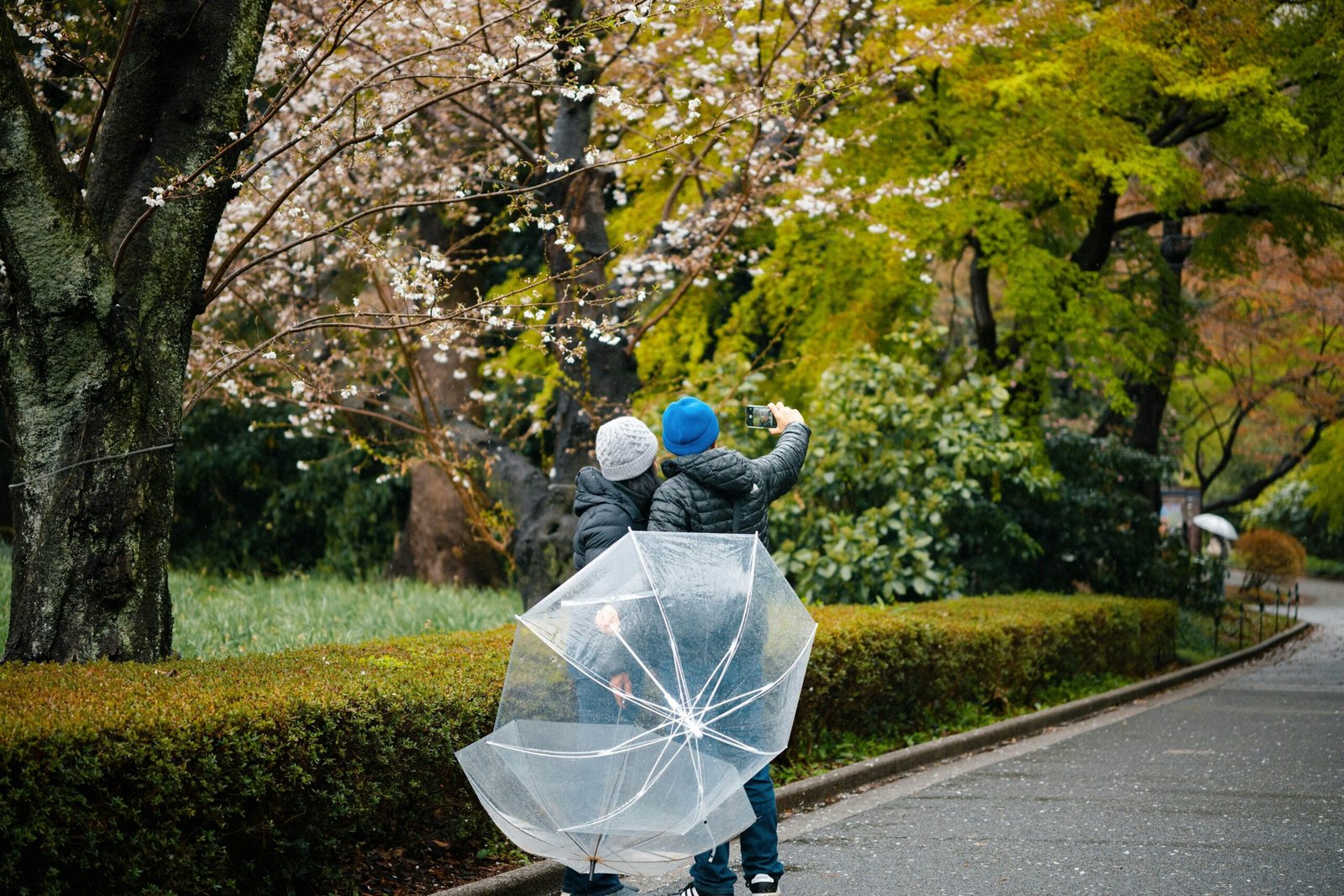
Top 10 Places to See Cherry Blossoms in Japan​

Best Cherry Blossom Festivals in Japan

Japan’s cherry blossom festivals, known as Sakura Matsuri, transform parks, castles, and riversides into lively celebration spots every spring. These festivals combine stunning cherry blossom views with traditional culture, local food, music, and evening illuminations.

👉 Famous Sakura Festivals Across Different Cities

One of the most popular festivals is held at Hirosaki Castle, where thousands of cherry trees surround the historic castle grounds. Visitors can enjoy Sakura tunnels, boat rides through petal-filled moats, and one of Japan’s most photographed spring landscapes.

In Tokyo, the Ueno Park Cherry Blossom Festival attracts huge crowds with street performances, picnic gatherings, and endless rows of Sakura trees.

Kyoto is famous for traditional spring celebrations at Maruyama Park, where the iconic weeping cherry tree becomes the center of nighttime festivities.

Another must-visit destination is Mount Yoshino, known for its mountain slopes covered with over 30,000 cherry blossom trees, creating breathtaking panoramic views.

👉 Night Illuminations and Food Stalls

Many cherry blossom festivals continue after sunset with magical nighttime illuminations called Yozakura. Lanterns and lights brighten the Sakura trees, creating a completely different atmosphere from daytime viewing.

Festival visitors can also enjoy:

  • Traditional Japanese street foods
  • Sakura-themed sweets and drinks
  • Local seafood and regional specialties
  • Seasonal spring desserts
  • Cultural music and dance performances

Popular illuminated Sakura spots include Osaka Castle Park and Chidorigafuchi, where reflections of cherry blossoms on the water create stunning evening scenery.

👉 Traditional Japanese Spring Celebrations

Cherry blossom festivals are deeply connected to Japanese culture and symbolize renewal, beauty, and the short-lived nature of life. Families, friends, and coworkers gather under the blooming trees for Hanami picnics, music, and seasonal celebrations.

During Sakura season, travelers can experience:

  • Traditional tea ceremonies
  • Kimono photography experiences
  • Japanese folk performances
  • Temple festivals and spring prayers
  • Local craft markets and cultural events

Instead of checking multiple websites, try VisitorsCoverage to compare everything in one place.

Budget Tips for Cherry Blossom Travel in Japan

Traveling during Japan’s cherry blossom season can be expensive, but smart planning helps reduce costs. Cities like Fukuoka, Sendai, and Nagoya are often more affordable than Tokyo or Kyoto while still offering beautiful Sakura views. 

Travelers can save money by staying in hostels, capsule hotels, or budget business hotels and using regional rail passes or overnight buses instead of expensive bullet trains. 

Many of Japan’s best cherry blossom spots, including Ueno Park, Osaka Castle Park, and Maruyama Park, are completely free to visit, making Sakura season enjoyable even for budget travelers.

FAQs

When is cherry blossom season in Japan?

Cherry blossom season in Japan usually lasts from late March to early May, depending on the region.

Which city in Japan has the best cherry blossoms?

Kyoto is often considered the best city for cherry blossoms because of its historic temples and scenic Sakura spots.

How long do cherry blossoms last in Japan?

Cherry blossoms typically stay in full bloom for about one to two weeks.

Is Japan crowded during Sakura season?

Yes, Japan becomes very crowded during Sakura season as it is one of the country’s busiest travel periods.

What should I wear during cherry blossom season in Japan?

Light jackets, comfortable walking shoes, and layered clothing are best for Japan’s spring weather.

Are cherry blossom festivals free in Japan?

Many cherry blossom festivals and public parks in Japan are free to enter, though some gardens may charge a small fee.

You May Also Like

12 Best Travel Insurance Plans for Japan

12 Best Travel Insurance Plans for Japan

5 Of the Best Hikes in South Africa

5 Of the Best Hikes in South Africa

best places to visit in Japan

The 10 best places to visit in Japan in 2025

Leave a Comment


Hello!


Hi, I’m Pooja Mokashi, a passionate storyteller and travel content creator behind Travel Meet World. Based in Mumbai, I love discovering local cultures and helping travelers explore the world with confidence and smart planning.

Unlock Your Free Travel Hacks

Join 5,000+ travelers getting Free Weekly Travel Tips, Get Exclusive Updates & Download my free travel checklist

Plan the Perfect Bike Ride from Delhi to Ladakh

Plan the Perfect Bike Ride from Delhi to Ladakh

Plan the Perfect Bike Ride from Delhi to Ladakh

Plan the perfect bike ride from Delhi to Ladakh with the right route, time, and gear for an epic Himalayan journey. Jonathan Charles / Unsplash

Imagine riding through some of the world’s highest motorable passes, surrounded by soaring peaks and an endless expanse of breathtaking landscapes—that’s the thrill of biking in Ladakh. A bike ride from Delhi to Ladakh is not just a journey; it’s an exciting adventure that challenges you to tackle tough mountain passes, challenging roads, and changing conditions.

Every turn on the road to Ladakh reveals a new surprise, from snowcapped peaks to deep blue lakes, making it one of the most awe-inspiring rides you’ve ever experienced. For many, a bike ride to Ladakh is more than just a road trip; it’s the realization of a lifelong dream of conquering the Himalayas on two wheels.

The journey from Delhi to Ladakh tests both your bike and your body. Riding for long hours, especially at high altitudes, can cause fatigue, so planning is important.

You will need focus and mental toughness to handle the tough terrain and loneliness. Breakdowns are common, so pack spare parts and a repair kit. Essential protective gear like helmets and jackets is a must for the journey.

Carrying a well-stocked first aid kit to deal with cuts, bruises, and altitude sickness is equally important. Given the limited food and accommodation options in remote areas, it becomes essential to budget properly for fuel, accommodation, and permits.

This guide provides comprehensive information for plan the perfect bike ride from Delhi to Ladakh, covering the best time to visit India (Ladakh), how to reach the destination, top activities, accommodation options, dining recommendations, and more.

What is the Best Time to Plan Ride?

In June, heavy winter snowfall melts, and authorities reopen most high-altitude passes like Rohtang La and Baralacha La. The snow has melted enough for safe passage, but you will still experience snow-capped peaks and cold temperatures. June is ideal if you want to avoid the massive crowds that come at the end of the season.

July and August give ideal riding weather with clear skies and scenic landscapes, though occasional rain on the Manali-Leh route may cause slippery roads. It’s also festival season, adding cultural charm to the journey.

September brings the end of the biking season, with cooler weather setting in and fewer tourists on the roads. By this time, the monsoon has passed, reducing the chances of rain-related challenges. The roads remain mostly smooth, and the scenery transforms into lush, vibrant landscapes after the monsoon. This is a great time for riders who prefer a quieter experience with fewer tourists.

How to Choose Right Route

When plan the perfect bike ride from Delhi to Ladakh, it is important to choose the right route for both safety and enjoyment. There are two main routes that riders usually take, each of which offers unique experiences and challenges. Here, we give you a detailed description of both:

1. Manali-Leh Highway (NH3)
Plan the Perfect Bike Ride from Delhi to Ladakh

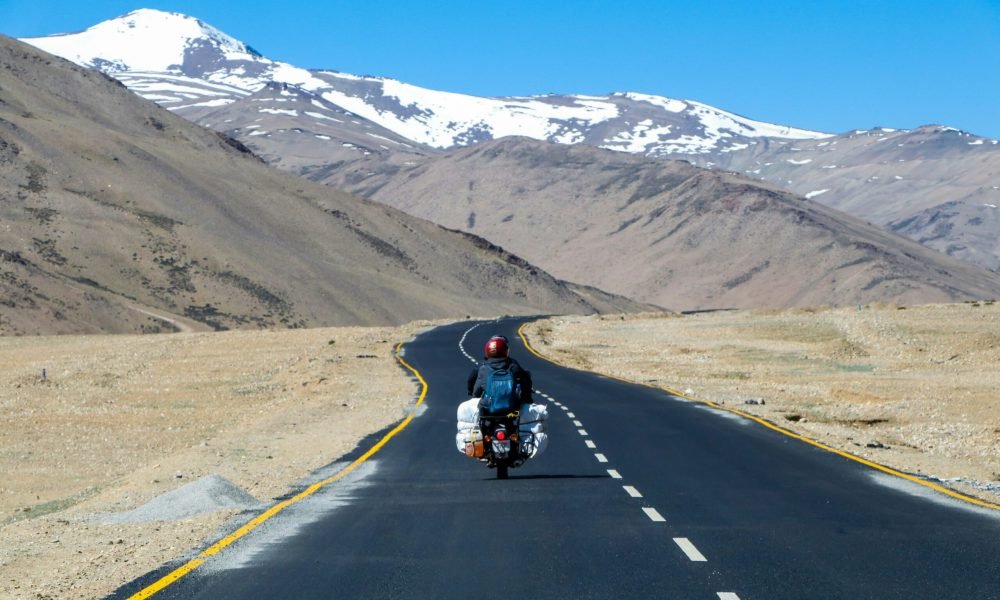
The Manali-Leh Highway (NH3) is a scenic high-altitude route linking Himachal Pradesh to Ladakh. Pixels Of life / Unsplash

Distance: Approximately 490 km from Manali to Leh

Duration: 2-3 days (depends on stops and acclimatization)

This is a more adventurous and challenging route, popular among adventure-seeking bikers. This road takes you through some of the highest motorable passes in the world, giving breathtaking landscapes but also testing your stamina.

  • Rohtang Pass, standing at 3,979 meters, is the first major hurdle on the journey, often marked by sudden weather changes like snowfall and landslides, even during the summer months. The pass gives spectacular views, but one needs to travel cautiously.
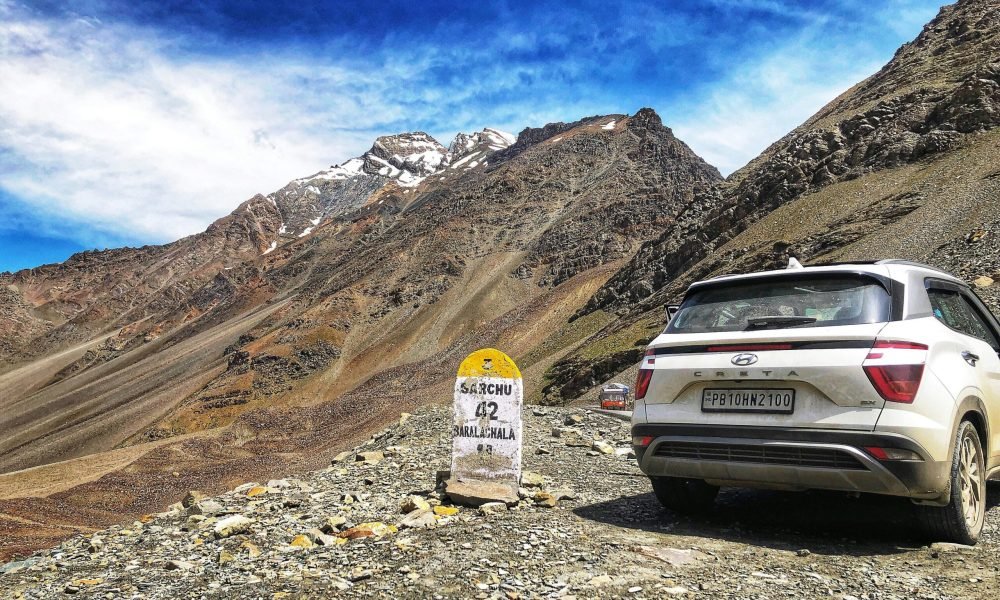
  • Baralacha La Pass, situated at an altitude of 4,890 meters, is known for its difficult terrain and occasional snowfall even in June. It connects the Lahaul Valley in Himachal Pradesh to Ladakh.

  • Sarchu: This is a popular overnight stop for bikers located between Baralacha La and Naki La. It is a must for acclimatization, as it is at a very high altitude (around 4,290 meters). Riders often camp here.

  • Gata Loops: A series of 21 hairpin bends that climb steeply from the valley floor to the Naki La Pass. These loops are famous for their challenge among the riders and give an exciting riding experience.

  • Tanglang La, at an altitude of 5,328 meters, is the second-highest motorable pass in the world and gives stunning views of the surrounding Himalayas.

Why choose this route?

The Manali-Leh Highway is perfect for adventure seekers, giving a thrilling ride with steep climbs, water crossings, and narrow roads. The route offers breathtaking views, from snow-capped peaks and high-altitude deserts to wide-open plains. Each stretch of the journey reveals stunning scenery. This route is difficult due to the high altitude and rough roads. Riders must carry fuel, food, and repair tools, as the region is sparsely populated.

2. Srinagar-Leh Highway (NH1D)
Plan the Perfect Bike Ride from Delhi to Ladakh

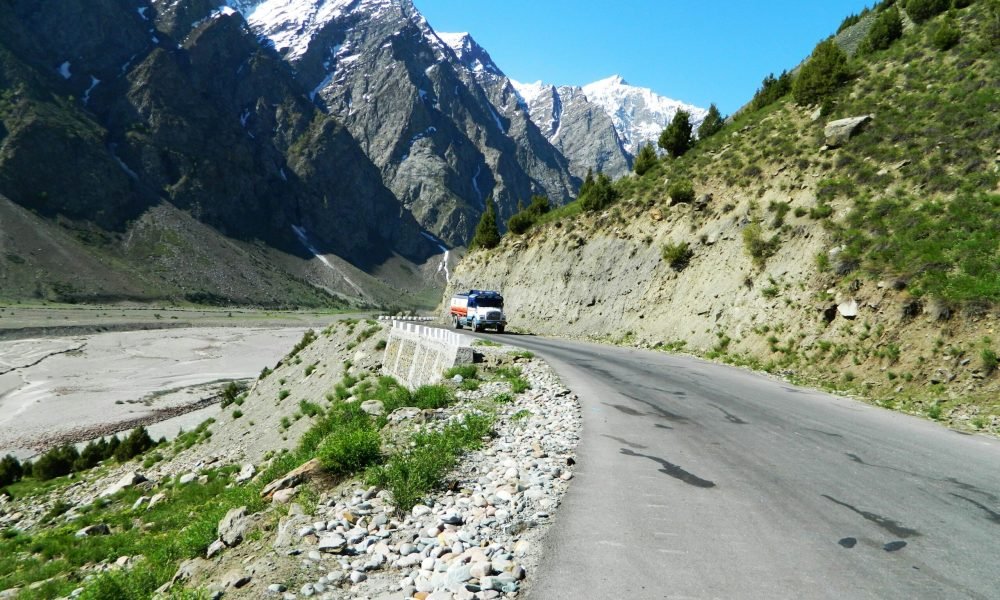
The best key route linking Kashmir to Ladakh through scenic valleys and high passes. Kuldeep Misra / Unsplash

Distance: Around 420 km from Srinagar to Leh.

The Srinagar-Leh highway is an easier option compared to the Manali-Leh route. It’s popular among riders who want to acclimate gradually due to its gentler climb and better road conditions, making for a smoother ride.

  • Sonamarg, a scenic hill station along the route, is famous for its green meadows and majestic mountain views, making it an ideal spot to unwind and acclimate before the higher altitudes.
  • Zoji La Pass: Located at an altitude of 3,528 meters, Zoji La is one of the toughest stretches of the road, with narrow, winding paths and steep cliffs that make it challenging, although it is at a lower altitude than the other passes.

  • Drass, one of the coldest inhabited places on the planet, is a key stopover for riders navigating the high-altitude terrain.

  • Kargil, positioned halfway between Srinagar and Leh, serves as a key overnight stop where riders can refuel, rest, and begin acclimatizing to the increasing altitude.

  • Lamayuru Monastery: One of the oldest and largest monasteries in Ladakh, Lamayuru is a beautiful spot for cultural exploration. Often called “Moonland,” the area is known for its surreal, moon-like terrain that sets it apart from the rest of the region.

  • Namik La and Fotu La: These two high-altitude passes, Namik La at 3,700 m and Fotu La at 4,108 m, offer beautiful views and a smoother ride than the tougher passes on the Manali-Leh route.

Why choose this route?

The gradual ascent on this route helps you adjust more easily to the high altitude, reducing the risk of altitude sickness compared to the Manali-Leh route.

The Srinagar-Leh highway is generally better maintained, with wider roads and fewer water crossings, making it an easier and more comfortable ride for beginners or those who prefer a less challenging route.

This route passes through historically important places like Kargil and Drass, giving you a chance to explore the rich cultural and military history of Ladakh. This route passes through historically important places like Kargil and Drass, giving you a chance to explore the rich cultural and military history of Ladakh.

3. Alternate Route: Spiti Valley to Leh
Plan the Perfect Bike Ride from Delhi to Ladakh

The Spiti to Leh bike route is a rugged, remote journey through high passes and stunning Himalayan views. Sahil Pradhan / Unsplash

Distance: Approximately 850 km

Duration: 5-6 days

Some riders opt for the Spiti Valley route before joining the Manali-Leh highway. Although this route is longer and more challenging, it gives breathtaking views and a remote experience.

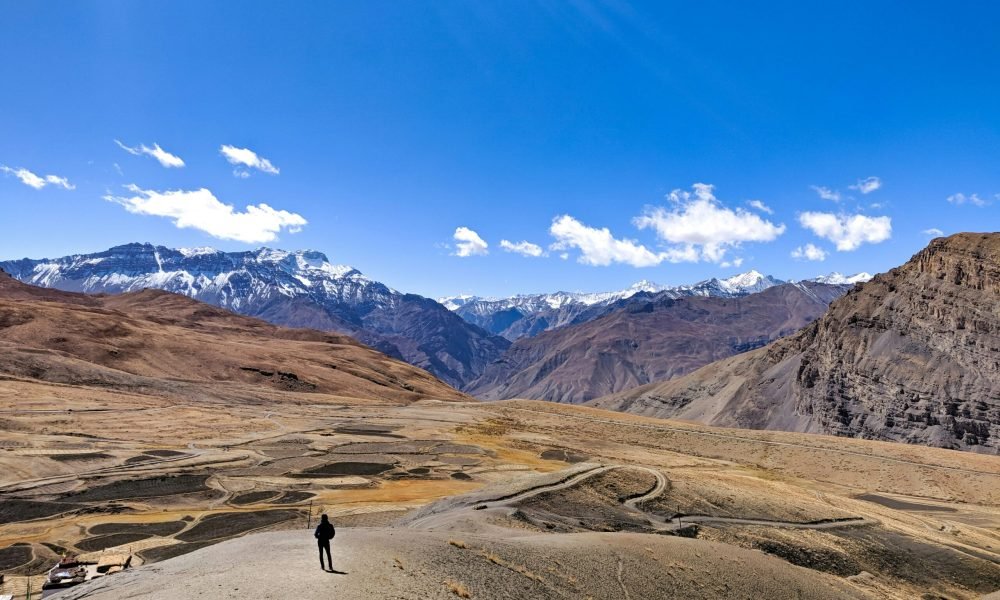
  • Spiti Valley: A stunning landscape dotted with remote villages and monasteries, known as the “middle land” between Tibet and India.
  • Kunzum La Pass, perched at 4,590 meters, presents challenging terrain but rewards travelers with spectacular views of the surrounding mountains.
  • Chandratal Lake: A beautiful high-altitude lake where many bikers camp to enjoy its turquoise waters.

Why choose this route?

Offbeat Expedition: Ideal for seasoned riders seeking remote and less-traveled routes filled with adventure.

Spectacular Views: The route has stunning landscapes with rugged mountains and ancient monasteries, making it one of the most beautiful ways to reach Leh.

What accommodation options and pit stops are available along the Delhi to Ladakh route?

Manali
  • Johnson Lodge & Spa: A boutique hotel with stunning views and a relaxing spa.
  • Hotel Hilltown: Known for its warm hospitality and cosy ambiance.
  • The Lost Tribe Hostel: Perfect for backpackers with dormitories ad private rooms.
Srinagar
  • Hotel Grand Mumtaz: Comfortable rooms near Dal Lake and easy access to attractions.
  • Vivanta Dal View: A luxurious hotel with breathtaking views of Dal Lake.
  • Houseboat Stay on Dal Lake: Offers unique views and traditional Kashmiri hospitality.
Kargil
  • Hotel D’Zojila: Basic amenities for a comfortable overnight stay.
  • Kargil Hotel: Reliable accommodation with essential services.
  • Kargil Guest House: A clean, friendly place for weary travelers.
Leh
  • The Grand Dragon Ladakh: A luxurious hotel that offers great amenities and spectacular views.
  • Hotel Hilltop: Popular for its friendly staff and comfortable rooms.
  • Tashi Tage Guest House: Known for its warm hospitality and the opportunity to meet other travelers.
Nubra Valley
  • Diskit Camp: Comfortable tents with great views. 
  • Yarab Tso Camp: Near Yarab Tso Lake, offering spectacular views.
Pangong Lake
  • Pangong Lake Camp: Tented accommodations with beautiful views of the lake.
Tso Moriri Lake
  • Nomad Life Camp: Basic amenities with great views of the surroundings.

Final Thoughts Your choice of accommodation can greatly impact your bike ride experience from Delhi to Ladakh. Whether you prefer hotels, guesthouses, or camping, each option has its own unique charm. Match your travel style and budget to create an unforgettable journey.

What Important Stopovers Along the Route?

When planning a bike ride from Delhi to Ladakh, it’s essential to be aware of the key stops along the route for rest, refueling, and proper acclimatization. The journey takes you through challenging terrain, and the major towns or villages along the way provide essential services and breaks.

1. Manali
Plan the Perfect Bike Ride from Delhi to Ladakh

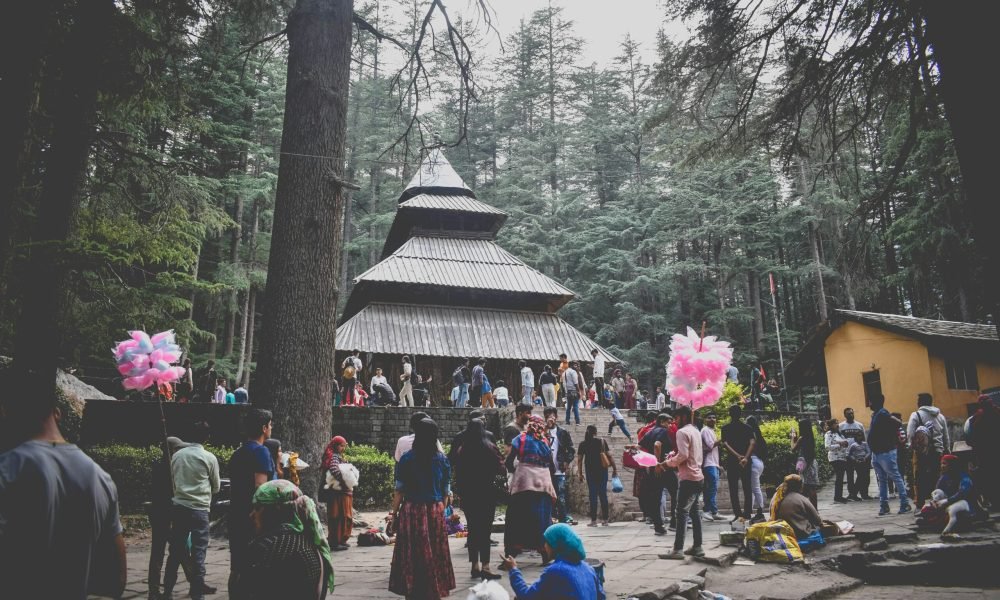
Hadimba and Manu Temples in Manali are serene, historic sites nestled in lush cedar forests with more tourist attraction. Aditya Chache / Unsplash
Altitude: 2,050 m

Distance from Delhi: 540 km

Manali, a well-known hill station, serves as the gateway to the picturesque Leh-Manali highway. It is the best place to rest after a long ride from Delhi and prepare for the tough journey ahead. You will find plenty of hotels, guesthouses, and repair shops here. It is also the last major town before entering the high-altitude regions, so it is the best place to double-check your gear, refuel, and stock up on supplies.

In Manali, visit the ancient Hadimba and Manu Temples for a cultural start to your journey. Unwind in the peaceful vibes of Old Manali or take a dip in the soothing Vashisht Hot Springs. The town also has plenty of fuel stations, making it a convenient stop before heading into higher altitudes.

2. Keylong
Plan the Perfect Bike Ride from Delhi to Ladakh

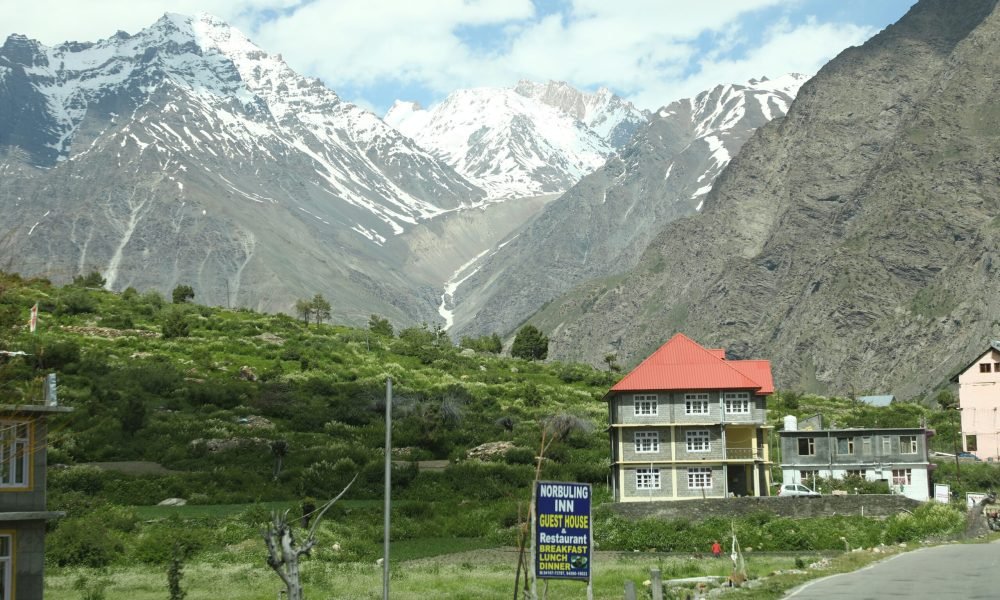
Keylong is known for its monasteries and apple orchards, adding cultural charm to the Manali-Leh route. Rajiv Sadh / Unsplash

Altitude: 3,080 m

Distance from Manali: 120 km

Keylong is a small town in the Lahaul Valley and serves as an important stopover for bikers. It is a good place to rest and acclimatise yourself to the high altitude before proceeding further. Keylong has several basic hotels and guesthouses, as well as a hospital, making it a safe stop in case of health issues like altitude sickness.

In Keylong, explore the spiritual charm of Shashur and Tayul Monasteries, and take time to enjoy the natural beauty of the surrounding Lahaul Valley. Fuel is limited but available make sure to top up here or at Tandi, just 9 km ahead, before continuing your journey.

3. Sarchu
Plan the Perfect Bike Ride from Delhi to Ladakh

Tented camps, making it a key stopover for acclimatization on the Manali-Leh highway. Bhavuk Garg / Pexels

Altitude: 4,290 m

Distance from Keylong: 107 km away.

Sarchu, located on the Himachal Pradesh-Jammu and Kashmir border is an important stop for bikers on their way to Leh. It is a popular spot for acclimatisation before tackling high passes like the Baralacha La. The accommodations are mostly tents, giving a remote but unforgettable camping experience under the stars.

At Sarchu, take in the breathtaking views of wide-open plains framed by snow-capped peaks—an ideal spot to rest and acclimatize before tackling the higher mountain passes. There are no fuel stations here, so ensure you refuel at Tandi and carry extra fuel in jerry cans, as the next pump is 250 km away in Leh.

4. Leh
Plan the Perfect Bike Ride from Delhi to Ladakh

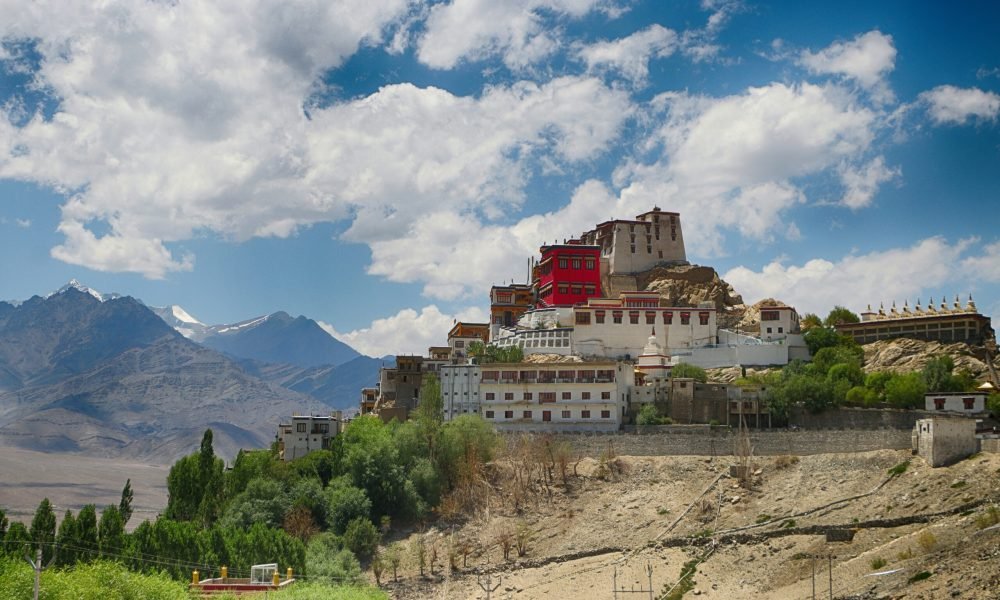
Leh Palace is a 17th-century hilltop monument with stunning views and rich royal history. Satyadev Hirani / Unsplash

Altitude: 3,500 m

Distance from Sarchu: 250 km

Leh is the final destination of your trip and the capital of Ladakh. It is the best place to rest, refuel and explore. In Leh you get all the facilities like hotels, restaurants and fuel stations. It is also an ideal base for a trip to Nubra Valley and Pangong Lake.

In Leh, explore cultural landmarks like Leh Palace, Shanti Stupa, and Thikse Monastery, and browse the lively Leh Bazaar for local crafts and souvenirs. Take time to acclimatize before venturing to higher-altitude spots like Khardung La. Fuel is easily available here, with several stations around town.

Why these stopovers are important?

These stopovers provide essential services for the journey:

Rest: The challenging terrain and high altitude require regular breaks to avoid fatigue and altitude sickness.

Refuel: Fuel stations are few in remote areas, so it is important to plan your stops carefully for refueling.

Acclimatization: Acute mountain sickness (AMS) can occur at high altitudes, and spending time at lower altitudes (such as in Keylong and Leh) helps the body adjust.

Major repairs: Poor Road conditions can make things difficult for your bike. Stopovers such as Manali, Keylong, and Leh offer mechanic and repair services.

Final tips

Plan your stops: It is important to know where you will stay each night and make sure you have enough fuel, food, and water.

Book in advance: During peak season, accommodations fill up quickly, so book your stay well ahead of time.

Carry essential supplies: There are no facilities in remote areas between these stopovers, so stock up on food, fuel, and any emergency supplies beforehand.

These stopovers help ensure a safe journey and give you a chance to enjoy stunning landscapes and unique cultural experiences along the way.

Tourism Department, UT Ladakh (official) — Explore infrastructure updates, tourism schemes, permits, and local attractions. https://ladakh.gov.in/tourism-2/?utm_

GUIDED BY EXPERT

Yoga within Travel the perfect flow of Experience

Explore wellness in anywhere

by

Explore Related stories

Adventure

14 Best Islands in Asia to Visit in 2025

Asia, with its vast stretch of coastlines and turquoise seas Read More

Adventure

10 Best Things to Do in Kerala, India

Nestled on the lush Malabar Coast of southwestern India

Adventure

Top 10 Places to See Cherry Blossoms in Japan

Every spring, Japan transforms into a living Canvas

Adventure

5 Of the Best Hikes in South Africa

South Africa is a hiker’s paradise, were rugged coastlines,

Adventure

10 Places to Travel in Winter 2025

Winter 2025 is the perfect time to explore a mix of

LEAVE A COMMENT

Error: Contact form not found.

You Should Know About UAE Currency

You Should Know About UAE Currency

You Should Know About UAE Currency

What makes UAE currency truly special is how it blends beauty with meaning. Pexels Katetrysh / Pexels 

In the United Arab Emirates, the dirham is more than a means of transaction—it’s a reflection of the country’s rapid rise, cultural pride, and modern-day rhythm, guiding you through everything from local souks to luxury skyscrapers.

The UAE Dirham (AED), often symbolized as “د.إ,” isn’t just paper and coins; it reflects the UAE’s transformation from desert trade routes to a global economic hub.

Whether you’re planning to shop in the glitzy malls of Dubai, negotiate in traditional souks, or dine in the sky-high restaurants of Abu Dhabi, knowing how the currency works helps you budget better, avoid scams, and connect more deeply with local culture.

From its history and design to exchange options and digital payment trends, here’s everything you need to know before you handle your first dirham. This guide helps you get comfortable with UAE currency so you can spend smart, tip right, and enjoy your trip without money worries. Here’s everything you need to know about the UAE currency​.

You Should Know About UAE Currency

Each Dirham note features a unique emirate landmark, like Ajman Fort (5 AED) or Dubai Trade Centre (100 AED). Katetrysh / Pexels

1. The Story Behind the Dirham: From Barter to Billions

Before the UAE had its currency, people mostly traded goods through bartering, like exchanging dates, pearls, spices, or livestock instead of using money. Later, when trade with other countries grew, foreign currencies became more common in the region.

The UAE came into existence, the Qatar-Dubai riyal was widely used across the region. That’s why in 1973, the UAE introduced its currency, the dirham (AED), officially replacing the Qatar-Dubai riyal and marking a new chapter in the nation’s economic journey.

From that point on, the dirham became part of the country’s rapid growth story. As oil discoveries changed the economy and modern cities like Dubai and Abu Dhabi started to rise, the dirham played a key role in supporting this transformation from simple trade routes to massive billion-dollar industries.

2. Understanding AED: Coins, Banknotes, and Their Unique Designs

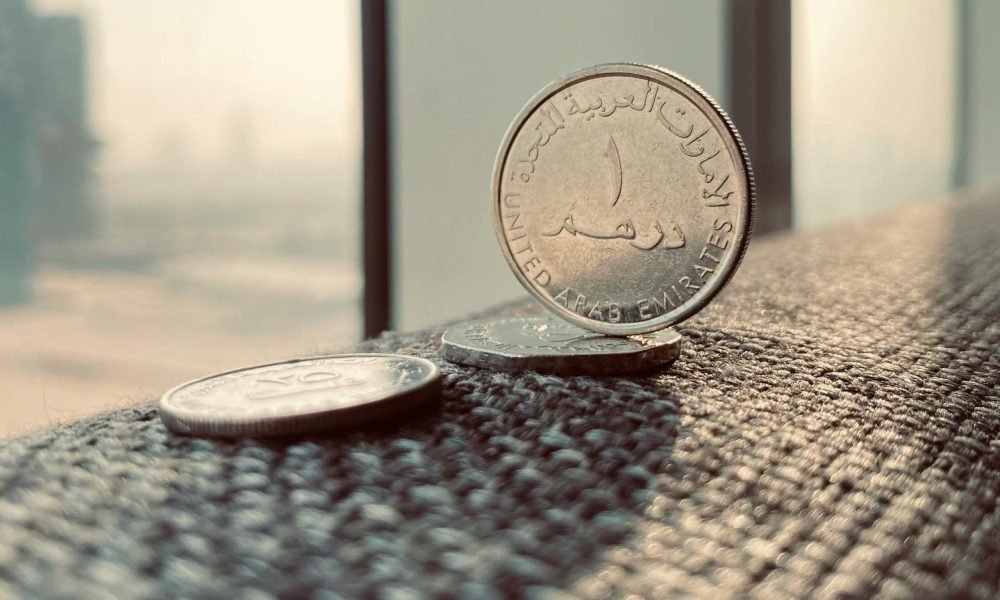
The UAE Dirham (AED) comes in both coins and banknotes, and each one has its own unique design that reflects the country’s culture and history. The coins include smaller values like 1, 5, 10, 25, and 50 fills, along with the 1-dirham coin. They usually show traditional symbols, like the Arabic coffee pot (dallah), which represents Emirati hospitality.

The banknotes come in different denominations, like 5, 10, 20, 50, 100, 200, 500, and 1000 dirhams. What makes them really special is the artwork on them; each note features a piece of Emirati culture.

The banknotes come in different denominations, like 5, 10, 20, 50, 100, 200, 500, and 1000 dirhams. What makes them really special is the artwork on them; each note features a piece of Emirati culture.

You’ll see designs like falcons, which are a proud national symbol; grand mosques representing Islamic architecture; and ancient forts that reflect the UAE’s heritage.

The notes also use Arabic on one side and English on the other, and the numbers appear in both languages too. These thoughtful details don’t just make the currency look beautiful; they also tell the story of the UAE’s identity through design.

3. Currency Code Confusion: Why AED is Called Dirham and Not Dinar

Many travelers get confused when they first hear about the UAE dirham because the currency code is AED, not something like “DRH” or “UAD.” But here’s the thing: AED stands for “Arab Emirates Dirham,” and it’s the official international currency code used in banking and foreign exchange. It follows a global format: ‘A’ for Arab, ‘E’ for Emirates, and ‘D’ for Dirham. But locally, people just call it “Dirham,” which is its traditional name.

People often ask why the UAE uses the word “dirham” instead of “dinar,” like Kuwait, Bahrain, or Jordan. The answer lies in history. The dirham has been part of the Arabian region for centuries, long before the UAE was even formed.

The term “dirham” traces back to the ancient Greek word “drachma” and entered Arabic through centuries of trade and interaction across regions. While other Gulf countries went with “Dinar,” the UAE chose to stick with the traditional Dirham as a way to honor its deep-rooted heritage and trading past.

So, even though the code “AED” might look confusing at first, it simply represents the UAE’s own version of the dirham, used both officially and proudly.

4. Where to Get Dirhams: Airports, Banks, and Exchange Houses

When you land in the UAE, you’ll find plenty of options to exchange your money into dirhams (AED) but knowing where to go can save you a lot. Most travelers first see currency exchange counters at the airport, which are super convenient, but they often come with less favorable rates and hidden fees.

If you’re not in a hurry, it’s better to visit a local bank or a licensed exchange house in the city. Places like Al Ansari Exchange, UAE Exchange, or Lulu Exchange offer better rates and clear service charges.

You can also check the daily rate online or ask for the exact amount you’ll receive before handing over your cash. Avoid shady or unlicensed money changers and always count your money before leaving the counter.

Also, try not to exchange all your money at once; carry only what you need and keep the rest for later, so you don’t end up paying unnecessary conversion charges.

pexels-katetrysh-10619950

Some UAE banknotes have raised marks to help the visually impaired identify them. Katetrysh / Pexels

5. Digital Wallets & Contactless Payments: UAE’s Cashless Leap

The UAE is quickly moving toward becoming a cashless society, and it’s easy to see why. Everywhere you go, from malls and restaurants to taxis and street shops, you’ll find contactless payment options.

Apps like Apple Pay, Google Pay, and Samsung Pay are widely accepted, and the UAE also has its own system called eDirham, which is used mainly for government payments and services.

Many locals and tourists now prefer tapping their phone or smartwatch instead of pulling out cash. It’s faster, safer, and super convenient, especially if you’re shopping or hopping between places.

Even small stores and local cafés are catching up, using QR code scanners and mobile payment machines. So, if you’re visiting, it’s a good idea to link your card to a digital wallet; you might not even need to carry much cash at all!

6. Currency Tips for Tourists: Avoiding Scams and Getting the Best Rates

When visiting the UAE, knowing a few smart currency tips can help you avoid overpaying or falling for common tourist traps. One common mistake tourist make is exchanging all their money at the airport, where the rates are usually not great and there may be hidden service fees.

A better option is to go to a licensed exchange house in the city; places like Al Ansari or Lulu Exchange often offer more favorable rates. Always check the rate before exchanging and ask for a printed receipt; this helps if there’s ever a mistake or you need to return foreign cash later.

Also, beware of unauthorized street exchangers; even if they give a tempting rate, it’s risky and could be a scam. When paying with cash in shops or taxis, count your change and double-check the currency, since UAE coins can be confusing. Staying informed can make a big difference in keeping your trip budget-friendly and hassle-free.

7. How Stable Is the Dirham? Pegging to the US Dollar

The UAE dirham is known for its strong stability, meaning its value stays consistent rather than fluctuating daily like many other currencies.

The peg has been in place since the late 1990s and gives a strong sense of economic stability. For travelers, it’s easier to plan expenses, and for businesses and investors, it builds trust and confidence in the market.

Since the US dollar is a globally strong currency, linking the dirham to it also helps protect the UAE from big currency swings or inflation. This fixed exchange rate plays a big role in making the UAE a safe and reliable place for trade, tourism, and foreign investment.

You Should Know About UAE Currency

Need to know about UAE currency, coins showcase heritage with symbols like the coffee pot and Arabic script. Umar Kuzhev / Pexels

8. Currency Etiquette in the UAE: Respect, Tipping, and Handling Cash

When you’re in the UAE, it’s best to know a bit about currency etiquette, especially since the culture values respectful behavior in all interactions, including when dealing with money. For example, when handing over cash, always try to use your right hand (or both hands together), as using the left hand alone is considered impolite in Emirati culture.

Also, avoid throwing or tossing money at someone; even by accident, it may be rude. When it comes to tipping, it’s not always expected but definitely appreciated. In restaurants, it’s customary to leave a 10% to 15% tip, provided the bill doesn’t already include a service charge.

In taxis, rounding up the fare is enough, and in hotels, giving a small tip to porters or housekeeping staff is a gorgeous gesture. Overall, being respectful when handling money, whether you’re making a payment or leaving a tip, leaves a positive impression and is genuinely appreciated.

9. Special Editions and Commemorative Notes

The UAE doesn’t just use currency for spending; it also uses it to celebrate important moments in its history. From time to time, the Central Bank releases special edition coins and notes to mark national achievements, anniversaries, or milestones like National Day, the UAE’s 50th Year, or even major events like the Expo 2020.

These commemorative dirhams often feature unique designs, different colors, or gold finishes, making them valuable not just in money but in meaning. While not commonly used for daily spending, these special editions are often treasured as keepsakes or valuable collectibles.

You can usually find them at select banks, currency exhibitions, or even on the official Central Bank website. For collectors, these limited-edition notes and coins are a beautiful way to own a piece of the UAE’s story.

10. Currency Conversion on the Go: Best Apps and Tools

When you’re shopping or spending in the UAE, having a quick way to check currency rates can save you time and money. Instead of guessing or doing mental math, you can use apps like XE Currency, Currency Converter Plus, or Google’s built-in converter to get real-time exchange rates.

These tools help you instantly convert AED to your home currency (and vice versa), which is super helpful when you’re comparing prices or deciding whether something is worth buying. Most of these apps also work offline, so even if you don’t have internet, you can still do a quick check.

It’s also a smart idea to bookmark a reliable website or app and use it as your go-to during your trip. With just a few taps, you’ll know exactly how much you’re spending—no surprises at checkout!

Official UAE government websites
Everything You Need to Know About UAE Currency

Their website provides details on Dirham banknotes, coins, exchange rates, and special commemorative issues. You can visit it at www.centralbank.ae.

FAQs

 1. Why does the UAE Dirham use Eastern Arabic numerals on coins and notes?

The UAE follows regional traditions, and Eastern Arabic numerals are widely used in the Arab world—though they might look unfamiliar to international visitors, they reflect the country’s cultural identity.

2. Can tourists use foreign currency like USD or EUR in the UAE?

While some high-end hotels or duty-free shops may accept major foreign currencies, it’s always safer and more cost-effective to use UAE Dirhams (AED) for everyday purchases.

3. Are there fake UAE Dirham notes in circulation? How can I spot them?

Fake notes are rare, but the Central Bank includes security features like holograms, raised text, and color-shifting ink. Always check for texture and embedded threads.

4. Is it possible to buy UAE commemorative coins or notes as souvenirs?

Yes! The Central Bank and licensed dealers sometimes offer special edition Dirhams that mark national events. These are great for collectors or as gifts.

5. Why doesn’t the UAE use “Dinar” like other Gulf countries?

The word Dirham has ancient roots in the region and comes from the Greek “Drachma.” It has been in use for centuries and reflects the UAE’s unique historical path.

6. Are digital payments accepted in taxis and local markets?

Yes, most taxis and even small shops now accept contactless cards and mobile wallets like Apple Pay, Google Pay, and eDirham. Still, carrying a small amount of cash is handy in rural areas.

7. Do UAE coins have expiry or redesign cycles like banknotes?

Coins don’t expire, and they rarely change. The designs have stayed consistent for decades, featuring symbols like the dallah (coffee pot) and oil rigs.

8. Can I exchange leftover Dirhams back to my home currency after my trip?

Yes, but it’s best to exchange them before leaving the UAE, as Dirhams may not be accepted or fetch good rates in all countries.

GUIDED BY EXPERT

Yoga within Travel the perfect flow of Experience

Explore wellness in anywhere

by

Explore Related Articles

Indian Currency to Know Before Travel to India

8 Need to Know About Egyptian Currency

Need to Know About Thailand Currency

Japanese Currency to Know Before Travel to Japan

LEAVE A COMMENT

Error: Contact form not found.

Best Things About the UAE Tourist Visa

Best Things About the UAE Tourist Visa

Best Things About the UAE Tourist Visa
 The best things about the UAE tourist visa, it gives easy access to top attractions across Dubai, Abu Dhabi, and beyond. Simon Infanger / Unsplash

Visiting the UAE begins with something simple yet powerful: a tourist visa designed to make exploring its diverse landscapes and cultures surprisingly seamless.

But beyond the basics, there are hidden perks and smart options that many travelers overlook, like short-stay transit visas, remote work opportunities, and even a pathway to long-term residency.

This guide uncovers the 10 standout benefits of the UAE tourist visa designed to make your journey not just easier, but more immersive, flexible, and full of unforgettable experiences.

In this guide, we’ll explore the best things about the UAE tourist visa, one of the most rewarding for global explorers.

Best Things About the UAE Tourist Visa

A 96-hour UAE transit visa lets layover travelers explore Dubai or Abu Dhabi briefly. Reinhart Julian / Unsplash

1. Hassle-Free E-Visa Application

What makes the UAE tourist visa stand out is how easy and straightforward the whole application process is: no stress, no long waits, just a few clicks and you’re done. You don’t need to visit an embassy or gather a pile of paperwork.

Instead, you can apply online from the comfort of your home, whether you’re sitting in a café, at work, or even on your phone while traveling. The online portal is user-friendly, and in just a few minutes, you can fill out the form, upload the required documents (like your passport and a photo), and submit your application.

It’s quick, simple, and saves you time, making it perfect for last-minute plans or smooth travel preparation. And this is one of the best things about the UAE tourist visa.

Best Things About the UAE Tourist Visa

The UAE’s Remote Work Visa lets tourists live in Dubai while working for a foreign company. Wu Yi / Unsplash

2. Flexible Stay Options

One of the best parts about getting a UAE tourist visa is that it fits your travel plans whether you’re going for a short vacation or a longer stay. You can choose between a 30-day or a 60-day visa, depending on how much time you want to spend exploring the country.

Even better, if you decide to stay longer than planned, the UAE gives you the option to extend your visa from within the country. This means you can extend your stay without the stress of leaving the country or booking a return flight just to renew your visa. With just a simple online or in-country process, you can usually add an extra 30 days, sometimes twice, without leaving.

This flexibility is perfect for people who travel slowly, want to visit family, or just fall in love with the place and need more time. Whether you’re enjoying the beaches of Fujairah, shopping in Dubai, or soaking in the culture of Abu Dhabi, the UAE makes it easy to stay a little longer.

3. 96-Hour Transit Visa Adventure

If you have a stopover in the UAE and don’t want to just sit at the airport, the 96-hour transit visa is a fantastic option. It’s made for travelers who are passing through the UAE on their way to another destination but want to experience a bit of the country along the way.

This visa gives you up to four full days to explore cities like Dubai, Abu Dhabi, or Sharjah, even if you’re only in the country for a short time. Whether you want to see the Burj Khalifa, visit the Sheikh Zayed Grand Mosque, shop in traditional souks, or just enjoy a delicious meal with a skyline view, it’s all possible with this short-term visa.

It’s easy to get and doesn’t require much paperwork. You can usually apply through your airline or a travel agency before your flight. It’s perfect for turning a layover into a mini vacation without committing to a long trip.

4. Multi-Entry Convenience

If you’re planning to visit multiple countries in the Gulf region, like Oman, Qatar, or Bahrain, the multi-entry UAE tourist visa is a smart choice. It allows you to enter and exit the UAE multiple times during the validity of your visa without having to apply for a new one each time you return.

This is especially useful if Dubai or Abu Dhabi is your main base and you’re doing short trips around the region. For example, you can spend a few days in Dubai, fly to Muscat for a weekend, and then come back to the UAE, all under the same visa.

The convenience of this option saves both time and money. You avoid the stress of reapplying or dealing with multiple visa processes. It’s perfect for business travelers, regional explorers, or anyone who wants flexibility while traveling across borders.

5. Remote Work Possibility

The UAE isn’t just for tourists; it’s also a good place for remote workers. The Virtual Work Residency Visa lets you stay in Dubai and work remotely for an overseas company, combining career stability with a fresh lifestyle. It’s perfect for freelancers, digital nomads, or remote employees who want a change of scenery without changing jobs.

This visa lets you stay in the UAE for up to a year, giving you the chance to enjoy the country’s modern lifestyle, reliable internet, coworking spaces, and high safety standards all while keeping up with your regular work schedule. You can wake up to views of the Burj Khalifa, take calls from a beachside café, or explore desert dunes on weekends.

It’s simple to apply; you just need to provide proof of your job or business, meet the minimum income requirement, and have valid health insurance.

6. Gateway to the Golden Visa

If you find yourself visiting the UAE often for business, investments, or even extended stays as a tourist, you might be on the path to something bigger: the UAE Golden Visa.

This is a long-term residency visa, usually valid for 5 or 10 years, designed for people who contribute to the country’s growth, like entrepreneurs, investors, skilled professionals, and frequent high-value visitors.

What’s best is that your regular tourist visits or business activities can help build your profile and demonstrate your commitment to the UAE. Over time, this can make you eligible to apply for the Golden Visa.

Once you qualify and receive the Golden Visa, you get a range of benefits like long-term residency without needing a local sponsor, the ability to live and work in the UAE freely, and even the ability to sponsor family members. For those who love the UAE and want a deeper connection with the country, this visa gives a stable and prestigious way to make that happen.

7. Explore All 7 Emirates

One of the most exciting parts about having a UAE tourist visa is that it doesn’t limit you to just one city. With a single visa, you can freely travel across all seven emirates, each with its character, culture, and landscapes. It’s like visiting seven different places within one country.

You can start in Dubai, known for its modern skyline, luxury shopping, and buzzing nightlife. Next, explore Abu Dhabi, the capital city where tradition and elegance come together, home to architectural wonders like the Sheikh Zayed Grand Mosque and world-class museums like the Louvre Abu Dhabi. If you’re into nature and history, Sharjah gives museums and heritage areas, while Ajman is best for peaceful beaches and a slower pace.

Fujairah charms with its serene beaches and rugged mountain scenery, while Ras Al Khaimah is ideal for thrill-seekers, giving ziplining, hiking, and desert adventures. And if you want a real desert experience, head to Liwa in the Abu Dhabi region or Umm Al Quwain for quiet lagoons and birdlife.

This freedom to move around without extra paperwork makes the UAE tourist visa incredibly convenient. It lets you experience the full range of what the UAE has to give, from skyscrapers to mountains and beaches to dunes, all in one unforgettable trip.

8. Transit Without Rush

If you have a layover in the UAE, you don’t have to just wait around at the airport. Thanks to the country’s well-connected airports and the option of a 96-hour transit visa, even a short stop can turn into a quick, exciting travel experience.

Dubai International (DXB) and Abu Dhabi International (AUH) rank among the world’s top airports, known for their seamless transit experience and easy access to city attractions through efficient transport links.

With the transit visa, you can step out and explore iconic spots like the Burj Khalifa, the Dubai Mall, or the Grand Mosque in Abu Dhabi without needing a full tourist visa.

It’s the best way to get a taste of the UAE if you’re on a tight schedule. Whether it’s a few hours or a couple of days, you can explore, relax, and still make it back in time for your connecting flight. This flexibility turns what could’ve been a boring wait into a memorable mini trip.

9. Visa on Arrival for Many

A major advantage for travelers is that the UAE gives visa-on-arrival access to citizens from more than 50 countries, making entry quick and effortless. If you’re from places like the USA, UK, most EU nations, Australia, Japan, and several others, you don’t need to apply for a visa in advance. You can simply land in the UAE and get your visa stamped at the airport, hassle-free.

It makes the UAE an ideal destination for spontaneous getaways or last-minute trips. Whether you’re planning a quick vacation, a short business visit, or just stopping by on your way to another country, you can enter without any delays or complicated paperwork.

The visa-on-arrival usually allows you to stay for 30 to 90 days, depending on your nationality, and in many cases, it can be renewed from within the UAE. This ease of entry has positioned the UAE as one of the region’s most traveler-friendly and inviting destinations for people from around the world.

Best Things About the UAE Tourist Visa

Best Tourist Visa makes travel easier, letting you explore more of UAE with less hassle. Carlvic Lim / Unsplash

10. Family-Friendly and Safe

One of the reasons the UAE tourist visa is so popular is because it suits all kinds of travelers, whether you’re going solo, traveling as a couple, or bringing the whole family along. The country is known for its high level of safety, clean public spaces, and well-organized infrastructure, which makes exploring stress-free and comfortable for everyone.

For families with kids, the UAE has tons of attractions that are not only fun but also well-maintained and secure, like theme parks, aquariums, desert tours, beaches, and cultural sites. Public transport is easy to use, roads are well-marked, and services like taxis and ride-shares are reliable and safe even at night.

On top of that, Emirati hospitality makes visitors feel genuinely welcome. Whether you’re asking for help in a market or checking into a hotel, you’ll often be met with kindness and respect. It’s this combination of safety, convenience, and warm local culture that makes the UAE tourist visa perfect for anyone looking for a peaceful and enjoyable trip.

Official UAE government websites

The official portal to apply for a UAE tourist visa is the UAE Government’s website: u.ae. There, under “Visa and Emirates ID” → “Tourist visa”, you’ll find all the official services—like applying online, checking requirements, and tracking your visa status

GUIDED BY EXPERT

Yoga within Travel the perfect flow of Experience

Explore wellness in anywhere

by

Explore Related Articles

12 Things About India's Tourist Visa

Best Things on United States Tourist Visa

Best Things on South Africa Tourist Visa

10 Best Things on Malaysia's Tourist Visa

LEAVE A COMMENT

Error: Contact form not found.

Best Travel Insurance Plans for UAE

Best Travel Insurance Plans for UAE

Best Travel Insurance Plans for UAE

The best UAE travel insurance plans blend medical cover, trip protection, and global support for every type of traveler. Victor Malyushev / Unsplash

The UAE is more than just a glittering playground of skyscrapers and sand; it’s a launchpad for global adventures. With millions traveling in and out of this vibrant hub each year, one essential item often gets overlooked amid the excitement: travel insurance.

Sure, your feed may be full of camel rides, luxury lounges, and sky-high views from the Burj Khalifa, but what protects your journey when plans derail? No matter how seasoned you are, travel has a way of throwing curveballs—from sudden sickness and lost baggage to flight hiccups and last-minute changes that turn smooth plans into stressful puzzles.

That’s why we’ve uncovered the 10 best travel insurance plans for UAE, each one giving tailored protection with its flair, from ethical coverage for Muslim travelers to luxury-level assistance for global explorers. Let’s dive in and find the one that fits your travel story best.

Best Travel Insurance Plans for UAE

Travel insurance is required for Schengen visas and often mandatory for tourists entering the UAE. Denis Harschi / Unsplash

1. Niva Bupa – The Health Guardian

Niva Bupa, the Health Guardian, is like having a calm, reliable guide by your side—someone who steps in quietly but confidently the moment things go off track. Whether you’re traveling alone across the Emirates or taking your family on a much-needed getaway, this travel insurance plan quietly supports you in the background.

Imagine losing your passport in a busy souk, catching a sudden fever while exploring Abu Dhabi, or needing urgent medical help in a new city. Niva Bupa steps in fast, handling the stressful parts so you don’t have to.

It covers not just hospital bills but also things like medical emergencies, trip interruptions, and even evacuation if needed. What I love most is that it feels like traveling with someone dependable by your side, especially when you’re far from home.

Best Travel Insurance Plans for UAE

Plans like Salama give Takaful (Halal) travel insurance, which is ethical and interest-free, based on Islamic principles. Vipul Asri / Unsplash

2. Orient Insurance – The Desert Defender

The Desert Defender feels like wearing invisible armor while traveling; you may not see it, but it’s always there to protect you. Powered by a leading name in UAE insurance, this plan is designed to suit every type of traveler, from first timers to frequent flyers.

It’s strong and reliable, stepping in when things go wrong like flight delays, medical emergencies, or even if you accidentally cause damage to someone else’s property. What sets it apart is its deep understanding of the region and the specific challenges that come with traveling to, from, or within the UAE.

Must say it’s perfect for people who want serious protection without the hassle. For those who travel often or chase bold adventures, this plan is like a quiet protector staying in the background but ready to act the moment trouble appears.

Best Travel Insurance Plans for UAE

UAE plans cover both outbound trips for residents and inbound travel for tourists, often with different benefit structures. Snap saga / Unsplash

3. Daman Travel Insurance – The Calm Companion

Daman Travel Insurance—The Calm Companion is that quiet, steady presence every traveler wishes they had, the kind that doesn’t shout for attention but is always ready when it counts. Backed by one of the UAE’s most trusted health insurance providers, Daman specializes in strong, medical-focused coverage.

It’s designed for travelers who want to feel genuinely secure, knowing that if anything health-related goes wrong, from minor illnesses to emergency treatment, help is just a call away. With smooth local coordination and speedy support, it’s especially useful for those who care more about peace of mind than paperwork.

What I love most about Daman is how effortlessly it fits into your journey. You don’t have to worry about complicated processes or fine print; it just works. Whether you’re a resident setting off on your next adventure or a visitor experiencing the UAE for the first time, Daman stays quietly in the background like a trusted travel companion. You might forget it’s even there until the moment you truly need it. And in that moment, it won’t let you down.

4. AXA Gulf (Now GIG Gulf) – The Jetsetter’s Shield

AXA Gulf, now known as GIG Gulf—The Jetsetter’s Shield, is perfect for those of us who are always on the move—whether it’s a work trip to London, a relaxing getaway to the Maldives, or an unplanned adventure across Southeast Asia.

What makes it stand out is how it blends global expertise with a local UAE touch—like having an international guide who truly understands where you’re coming from. It’s international, yes—but it still feels local, like it understands the way people in the UAE travel. With a reputation for reliability across continents, AXA (GIG Gulf) gives strong protection when it comes to delays, cancellations, medical emergencies, and more.

If you’re always chasing the next destination, this plan works quietly in the background, managing the unexpected so you can focus on the adventure, knowing you’re protected no matter where your passport takes you.

5. RSA Travel Insurance – The Elegant Protector

RSA Travel Insurance—The Elegant Protector is exactly what the name suggests: calm, classy, and always prepared. It’s the kind of travel insurance that doesn’t just give help; it delivers it with grace and precision.

If something goes wrong on your trip—a cancelled flight, lost luggage, or a medical emergency—RSA steps in smoothly, like a butler at a luxury hotel who already knows exactly what you need. It’s perfect for travelers who value smooth, stress-free solutions when things don’t go as planned.

What I really like about RSA is how fast and efficient their claim process is. You don’t have to chase them or deal with endless back-and-forth. Everything feels professional, quick, and easy. It’s especially great for UAE expats and residents who travel often, whether it’s for business or holidays.

6. Adamjee Insurance – The Budget Nomad’s Buddy

Adamjee Insurance—The Budget Nomad’s Buddy proves that smart protection doesn’t have to come with a hefty price tag. It’s designed for explorers who love discovering the world without draining their wallets think street food, local markets, and spontaneous weekend getaways.

What makes this plan stand out is its ability to balance affordability with genuine support. You get essential coverage, including medical emergencies, lost belongings, and travel delays, without the burden of complicated extras or overwhelming costs. It’s simple, practical, and highly traveler-friendly.

If you believe that smart planning is just as important as smart spending, this plan is your ideal travel companion. It gives you the freedom to explore confidently and travel light, knowing that even on a tight budget, you’re protected every step of the way.

7. Tokio Marine – The Global Strategist

Tokio Marine—The Global Strategist is made for the kind of traveler who thinks beyond borders, the one who hops between time zones, switches languages mid-flight, and sees travel not as a break but as a lifestyle.

What sets Tokio Marine apart is its seamless, almost instinctive support like a travel partner who’s already prepared for problems before you even notice them. It’s designed for international journeys that are complex, multi-stop, or fast-paced. From flight cancellations and baggage delays to medical emergencies far from home, this plan doesn’t just react; it plans ahead.

It’s especially ideal for digital nomads, frequent flyers, and global professionals who don’t have time to deal with hiccups. With Tokio Marine, your travels feel less like a risk and more like a perfectly calculated route with a quiet strategist by your side, handling the chaos while you stay focused on the journey.

8. Salama Islamic Arab Insurance – The Halal Shield

Salama Islamic Arab Insurance— The Halal Shield is more than just travel insurance—it’s a plan that aligns with your values while protecting your journey. For travelers who want ethical, Shariah-compliant coverage without sacrificing quality or clarity, Salama gives a sense of trust and spiritual peace. It’s thoughtfully designed for those who care not just about where they’re going, but also how they get there.

What makes Salama special is its transparency. There are no hidden terms or confusing clauses, just honest coverage that respects your beliefs. From medical emergencies to trip cancellations and lost luggage, Salama ensures you’re covered in a way that feels both secure and spiritually right.

If you’re someone who wants your travel choices to reflect your personal or religious values, Salama is like a protective companion who understands your path. It’s ideal for Muslim travelers and anyone who appreciates clean, transparent policies with a strong ethical foundation. With Salama, you get to explore the world with confidence, knowing your journey is protected in both body and soul.

9. Allianz Travel UAE – The First-Class Fixer

Allianz Travel UAE—The First-Class Fixer is the kind of travel insurance that matches the pace and standard of those who love to travel in style. It’s crafted for discerning travelers, the kind who prefer window seats in business class, five-star stays, and seamless journeys across the globe. With Allianz, it’s not just about coverage; it’s about class, speed, and absolute confidence in every detail of your trip.

What makes Allianz stand out is its reputation; it’s one of the biggest names in global insurance, and for good reason. Whether you’re dealing with something small, like a delayed bag or missed connection, or something serious, like a medical emergency requiring evacuation, Allianz responds with the calm efficiency of a five-star concierge. The service is smooth, the claims process is speedy, and everything feels designed to reduce stress, not add to it.

For travelers who expect nothing but excellence, Allianz works quietly in the background—anticipating issues and resolving them before they reach you. It’s the kind of support that turns unpredictable trips into smooth, first-class experiences from start to finish.

10. AIG UAE – The Global Pathfinder

AIG UAE— The Global Pathfinder is like having a calm, experienced guide walking beside you when your travel plans get complicated. It’s built for travelers who move through multiple countries, juggle tight connections, or have work trips mixed with leisure—the kind of journeys where even a small delay can throw everything off.

Whether it’s a sudden cancellation, a health emergency, lost luggage, or unexpected travel disruptions, AIG responds fast, turning confusion into calm with expert precision. It doesn’t just protect your trip; it helps you navigate it, which makes it ideal for people who travel with complex itineraries and can’t afford to waste time figuring things out on their own.

If you’re the kind of traveler who juggles tight schedules and ambitious plans, AIG acts like your personal logistics team, quietly handling the complications so you can stay focused on the destination, not the detours. It’s smart, reliable, and globally trusted the kind of coverage that adapts to your travel style and keeps you moving forward, no matter what the world throws your way.

You can search for “travel insurance” in the search bar to find updated guidelines, requirements (especially for inbound and outbound travelers), and links to licensed insurance providers operating in the UAE. https://u.ae/#/


3. FAQs

Q1. Can I buy travel insurance after I’ve already started my trip?

Most insurers require you to purchase the policy before your trip begins. However, some international providers may offer mid-trip coverage (usually with exclusions for existing events). Always check with the insurer directly.


Q2. Does UAE travel insurance cover adventure sports like dune bashing or scuba diving? 

Not always. Many basic plans exclude high-risk activities. If you’re planning desert safaris, skydiving, or diving in Fujairah, you’ll need optional adventure sports coverage or a special plan that includes these.


Q3. Will my UAE travel insurance cover visa rejections or delays?

Only certain plans cover trip cancellation due to visa denial, and you must show proof that the application was genuine and submitted on time. It’s rare, so look specifically for this benefit if it’s a concern.


Q4. Can I extend my travel insurance while I’m still abroad?

Yes, some providers like GIG Gulf, AIG, or Allianz allow extensions if you request before your policy expires — but terms vary. It’s safer to contact them early if your trip changes.


Q5. What happens if I need medical treatment but want to return home early instead of being treated abroad?

Many UAE insurers offer medical evacuation or repatriation, but only if it’s deemed necessary by their medical team. You can’t simply choose to fly home unless the condition and coverage allow it.


Q6. Can I insure my gadgets like a laptop, DSLR, or smartphone during travel?

Yes! Some plans offer optional gadget protection, especially useful for content creators or digital nomads. Look for this add-on if your gear is valuable.


Q7. Is Halal or Shariah-compliant travel insurance different from regular insurance?

Yes, it follows Takaful principles (mutual assistance and shared risk), avoids interest-based transactions, and is structured ethically. Providers like Salama specialize in this kind of travel coverage.


Q8. Can I buy travel insurance for in-country UAE travel (like from Dubai to Ras Al Khaimah)?

Generally, no. Travel insurance usually covers international trips, but some companies may offer domestic travel cover for specific cases like tourism packages or business trips.


Q9. What if I miss a connecting flight due to airport delays?

Some premium plans cover missed connections, but only if the delay is due to a covered reason (like a delayed inbound flight or bad weather). This is often listed under “travel disruption” benefits.


Q10. Do I need travel insurance if my credit card already offers it?

Yes and no. Many premium credit cards offer basic travel insurance, but it may have limited coverage, exclusions, or require you to book with the card. Always read the fine print — or consider using it as secondary coverage.


GUIDED BY EXPERT

Yoga within Travel the perfect flow of Experience

Explore wellness in anywhere

by

Explore Related Articles

Best Travel Insurance Plans for United States

12 Best Travel Insurance Plans for India

8 Best Travel Insurance Plans for Thailand

12 Best Travel Insurance Plans for Japan

LEAVE A COMMENT

Error: Contact form not found.

Best Ways to Travel Across UEA

Best Ways to Travel Across UAE

Best Ways to Travel Across UAE​

Best ways to travel across UAE is easy and exciting — from sleek metros to scenic desert drives. Simanta Saha / Unsplash

The UAE isn’t just a country; it’s a symphony of seven emirates, where ancient sands meet shimmering skylines, and every journey feels like a step through time and tomorrow. Each emirate hums with its rhythm: from the futuristic pulse of Dubai’s towers to the quiet whispers of Liwa’s desert winds.

But traveling across this dynamic land isn’t just about moving between places; it’s about stepping into moments. One minute you’re drifting on a wooden abra beneath lantern-lit souks, and the next you’re zipping past mirrored glass on a driverless metro.

Whether you’re pedaling past palm-lined promenades or cruising in comfort as the desert rolls by like a golden wave, the UAE turns every ride into a moment worth remembering.

In this guide, I’ll Walk you through 10 best ways to travel across UAE., so you can find what suits your vibe, your budget, and your sense of adventure.

Best Ways to Travel Across UAE

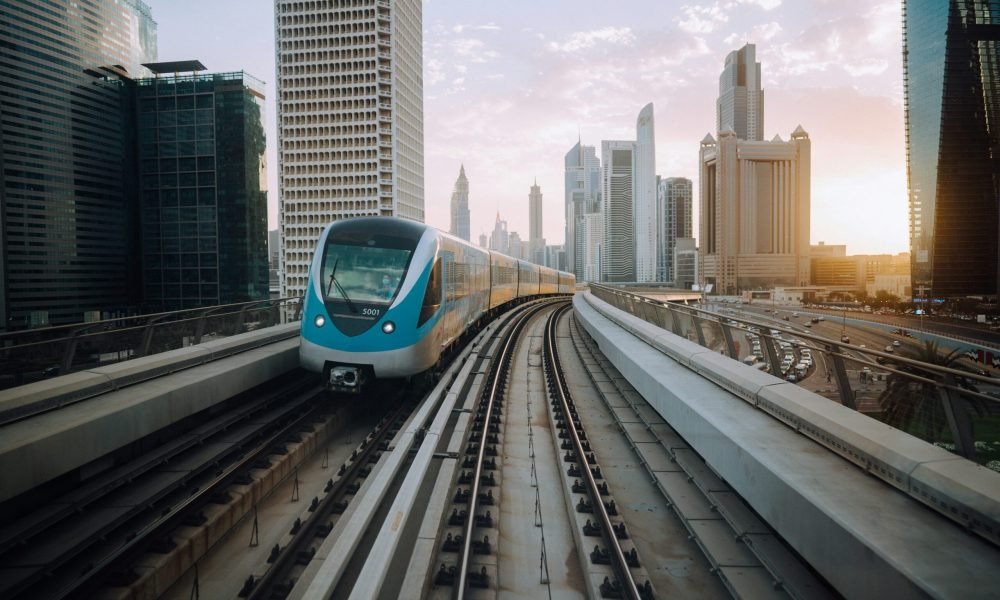
Soar above the city in the driverless Dubai Metro — a fast, futuristic way to explore the skyline. Damir Babacic / Unsplash

1. Glide Through the Sky – Dubai Metro

Riding the Dubai Metro is more than commuting; it’s like gliding through a futuristic city in motion. This fully automated, driverless train glides smoothly above the city, giving panoramic views of Dubai’s iconic skyline.

As you ride, you pass right by towering skyscrapers, massive shopping malls, and bustling neighborhoods, all without ever having to deal with traffic. It’s clean, fast, affordable, and easy to use, especially for travelers. Every station is easy to navigate with signs in both English and Arabic, and with a Nol card, you can simply tap in and out for a smooth, cashless ride.

Whether you’re heading to the Burj Khalifa, the airport, or just exploring the city, the Dubai Metro is more than public transport; it’s an experience that lets you see the city from a whole new perspective.

2. Ride the Pulse – Public Buses

Public buses in the UAE are one of the most affordable and reliable ways to travel, whether you’re exploring big cities or heading to smaller towns. These buses are fully air-conditioned (a blessing in the UAE heat!), clean, and generally run on time.

Whether you’re commuting within a city like Abu Dhabi or traveling between emirates, there’s usually a route that fits. You can catch a bus from Dubai to Sharjah or even go all the way to Fujairah for a scenic, relaxed journey.

What makes them special is how they connect the entire country, from the busy streets of Dubai to the peaceful beaches of Ajman. You get to sit among locals and travelers, watching daily life unfold through the window. And the best part? It’s very budget-friendly, with tickets costing only a few dirhams depending on your destination.

All major cities have proper bus stations and apps or kiosks to help you plan your route easily. For travelers who want to move around without spending too much, public buses are a smart and comfortable choice. They’re more than just transport; they’re part of the local rhythm.

Best Ways to Travel Across UAE​

Hop into a UAE taxi or book through an app for a quick, comfortable ride across any emirate. Fernando Jorge / Unsplash

3. Flag the Golden Camel – Taxis & Apps

Getting around the UAE is a breeze with taxis, and they’re everywhere from the airport terminals to city corners. The taxis are usually cream-colored with a colored roof, and they’re well-maintained, metered, and driven by polite, professional drivers.

But if you don’t feel like waving one down, just grab your phone and book a ride through apps like Careem or Uber. These ride-hailing apps let you choose the type of vehicle, see the fare in advance, and even track your ride in real time.

It’s super convenient, especially when you’re in a new area or want a cashless experience. For both short city hops and longer rides between emirates, taxis and ride apps give a hassle-free, reliable way to travel, always ready when you are, like your personal ride on demand.

4. Take the Wheel – Car Rentals

For travelers who crave flexibility and freedom, renting a car in the UAE is a smart and exciting choice. The country’s highways are smooth, clearly signposted, and easy to navigate, making driving here comfortable even for first timers.

Whether you’re cruising from Dubai to Abu Dhabi or venturing into the golden sands of Liwa or the rugged hills of Hatta, having your car gives you the freedom to discover the UAE’s hidden corners on your terms.

Rental agencies across the UAE give everything from budget-friendly cars to premium rides, and booking one is usually straightforward, especially if you carry a valid international driving permit.

With a rental car, your journey becomes more than just transport. It’s your road trip story. Pause where you like, chase a desert sunset, explore quiet villages, or sip tea at a roadside stall. When you’re behind the wheel, every route opens up endless possibilities.

5. City-to-City Magic – Intercity Coaches

Traveling between the emirates in the UAE is incredibly convenient thanks to intercity buses. These coaches are clean, air-conditioned, and comfortable, making them the best choice for anyone who wants to move from one city to another without the stress of driving.

You can just sit back, relax, and enjoy the ride while watching the desert scenery pass by. It’s a peaceful experience perfect for sipping a cup of hot karak, listening to music, or just daydreaming as the golden dunes and cityscapes shift outside your window.

Tickets are reasonably priced, and most bus stations are organized and easy to navigate, with clear schedules and helpful staff. For travelers looking for a comfortable and budget-friendly way to explore multiple parts of the UAE, intercity coaches give the perfect mix of ease and experience.

6. Fly the Falcon’s Path – Domestic Flights

If you’re short on time but still want to explore more of the UAE, taking a domestic flight can be a smart and time-saving option. Flights between cities like Dubai, Abu Dhabi, and Ras Al Khaimah are quick and convenient; some routes take less than an hour. This makes flying ideal for business travelers, weekend adventurers, or anyone who wants to cover more ground without spending hours on the road.

Airports in the UAE are modern, well-connected, and easy to navigate, so the whole process from check-in to landing is usually smooth and stress-free. Domestic flights might not always be the first thing that comes to mind when thinking of travel within the UAE, but for longer distances or tight schedules, they offer a fast and comfortable alternative.

Best Ways to Travel Across UAE​

UAE water taxis give a scenic way to travel across coastal areas, blending tradition with modern ease. Maxim Tolchinskiy / Unsplash

7. Drift with Time – Abras & Water Taxis

One of the most charming and unique ways to travel in the UAE, especially in Dubai, is by hopping on a traditional wooden abra. These small boats gently glide across Dubai Creek, connecting the modern city with its historic roots.

As the abra glides across the creek, one side reveals Dubai’s sleek skyscrapers and modern life, while the other welcomes you with the scent of spices and the charm of traditional souks. It’s a beautiful contrast, like watching two worlds meet in the middle of the water.

The ride itself is calm and refreshing, with just a few dirhams for a ticket. You sit low, close to the water’s edge, as the gentle waves and soft breeze carry you between Bur Dubai and Deira.

For something more modern or private, there are also water taxis and air-conditioned marine transport options that run across the coast and Dubai Marina. But the Abra stands out for its timeless charm. It’s the perfect way to pause, take in the contrast of old and new Dubai, and enjoy a side of the city that’s often missed by fast-paced travelers.

8. Cruise the Corniche – Bikes & E-Scooters

If you’re looking for a fun, eco-friendly way to explore the UAE, renting a bicycle or e-scooter is the best choice, especially in scenic spots like Abu Dhabi’s Corniche or Dubai Marina.

These areas are designed with wide, smooth pathways that are perfect for casual riding, with views of the sea, city skyline, and palm trees all around. Whether you’re out for a relaxing ride or just want to avoid traffic, it is a fresh, enjoyable way to experience the city.

You can easily rent bikes and e-scooters using mobile apps like Careem Bike or Tier. It’s affordable, convenient, and the best way to soak in the atmosphere whether you’re riding by the water, past cafés, or through green parks.

Plus, with the UAE’s beautiful winter weather, it’s especially perfect from October to April. So, ditch the engine for a while, feel the breeze on your face, and enjoy the city from a whole new angle.

9. Travel Like Royalty – Private Transfers

If comfort, privacy, and a touch of luxury are what you’re after, booking a private transfer is the perfect way to travel around the UAE.

These rides go beyond basic transport, giving plush interiors, cool air-conditioning, smooth leather seats, and refreshing bottled water to make every journey feel first-class.

Whether you’re heading to a five-star hotel, a desert resort, or straight from the airport to your destination, private transfers let you sit back and relax while everything is taken care of.

Best Ways to Travel Across UAE​

Wandering on foot through the desert lets you feel the soul of the UAE — silent, vast, and deeply. Daniel Zacatenco / Unsplash

10. Wander with Wonder – On Foot

Al Fahidi is one of Dubai’s oldest heritage sites, featuring early 1900s wind-tower homes, narrow lanes, and a glimpse into pre-oil era life. During the cooler months, especially from October to April, walking becomes a joy rather than a challenge.

Take Al Fahidi Historical District in Dubai, for example, a charming maze of narrow lanes, traditional wind-tower buildings, and peaceful courtyards. As you wander through its sandy-colored alleys, you’ll discover art galleries, small museums, and cozy cafés. Every corner feels like it holds a piece of the past, whispering stories of the old Dubai.

Walking allows you to notice the little things: the intricate architecture, the scent of spices in the air, and the rhythm of everyday life. Whether you’re exploring heritage areas, seaside promenades, or quiet neighborhoods, traveling on foot is a beautiful way to feel the UAE’s heartbeat right beneath your feet.

UAE’s official portal offers an overview of roadways, railways, waterways, airways, and smart mobility initiatives, including flying taxis and autonomous transport.
Official source: https://u.ae/#/


GUIDED BY EXPERT

Yoga within Travel the perfect flow of Experience

Explore wellness in anywhere

by

Explore Related Articles

The 18 Best Ways to Travel Across Japan

The 12 Best Ways to Travel Across Malaysia

12 Best Ways to Travel Across Egypt

12 Best Ways to Travel Across South Africa

LEAVE A COMMENT

Error: Contact form not found.

Best Things to Do in UAE

Best Things to Do in UAE

How to Plan a Summer Beach Trip in 2026

The best things to do in UAE is it blends desert thrills, rich culture, and modern luxury in one off beaten journey. Gamze-Teoman / Unsplash

The United Arab Emirates isn’t just a land of luxury malls and skyscrapers; it’s a fascinating blend of old and new, where golden deserts whisper tales of Bedouin life and cutting-edge cities rise boldly from the sand.

From serene mosques to sky-piercing towers, traditional souks to man-made islands, the UAE gives experiences that surprise, inspire, and linger long after your journey ends.

Beyond Dubai’s glitzy malls and Abu Dhabi’s royal palaces, the UAE hides quiet deserts echoing with legends, islands kissed by turquoise waters, and mountain villages where time seems to pause.

Whether you’re flying down the world’s longest zipline, enjoying Arabic coffee with locals in a traditional courtyard, or watching stars in the quiet Liwa desert, the UAE brings together culture, adventure, and modern beauty in a truly special way. Here are the most unique 14 best things to do in UAE.

1. Camp Under the Stars in the Liwa Desert

Camping under the stars in the Liwa Desert is like leaving the modern world behind and entering a land of silence, sand, and stars. Sitting at the edge of the Rub’ al Khali, known as the Empty Quarter, this vast desert Safari is the largest sea of sand on Earth, where towering golden dunes roll across the horizon like waves in a silent ocean.

As you drive deeper into the desert, the noise of city life fades, and you’re surrounded by endless, untouched beauty. It feels as if the world has paused. The shifting sunlight paints the sand in shades of gold and amber, and the only things you hear are the whisper of the wind and the soft crunch of your steps on the dunes.

At night, the real magic begins. When the sun goes down, the desert cools and falls into a deep silence, while the sky above comes alive with thousands of sparkling stars. With no city lights around, the sky turns into a sparkling canvas. You’ll see constellations twinkling, stars shooting by, and the Milky Way shining brightly above you.

Sitting by a campfire, sipping tea or Arabic coffee, wrapped in a blanket, you feel calm and connected to the earth in a way that’s hard to describe. It’s peaceful, pure, and unforgettable.

2. Visit the Ghost Village of Al Jazirat Al Hamra (Ras Al Khaimah)

Visiting the ghost village of Al Jazirat Al Hamra in Ras Al Khaimah feels like stepping into a forgotten time. This old village was once home to pearl divers and fishermen, full of life and community spirit. But in the 1960s, the village was suddenly abandoned. Some say it was because life became too difficult, while others think the rise of modern cities pulled people away.

What’s left behind is a hauntingly beautiful place filled with crumbling coral-stone houses, mosques, and narrow alleyways. The structures remain untouched, giving you a raw and real glimpse into how people lived before the UAE became the modern nation it is today.

The sun casts dramatic shadows over the broken walls, and the stillness makes it feel like time has completely stopped. Al Jazirat Al Hamra is more than just ruins; it’s a piece of living history, holding stories of the past, quietly waiting for someone to listen.

3. Hike the Hajar Mountains in Fujairah

Trekking through the Hajar Mountains in Fujairah reveals a hidden, untouched side of the UAE that feels completely different from its modern cities. These rugged, Rocky Mountains stretch across the eastern part of the country and are filled with natural wonders.

As you hike along winding trails, you’ll come across hidden wadis, beautiful valleys with freshwater pools, palm trees, and cool shade that offer a refreshing break from the desert heat. The air is fresh, the landscape is wild, and every turn feels like an adventure waiting to happen.

Along the way, you might spot ancient petroglyphs carved into the stones—symbols and drawings left behind by people who lived here long ago. You’ll also pass small mountain villages where life moves slowly, and traditions are still alive.

It’s a peaceful, grounding experience that feels far from the fast-paced life of the cities. Whether you’re exploring on foot or just soaking in the mountain views, the Hajar Mountains show you a side of the UAE that’s raw, real, and full of natural beauty.

Best Things to Do in UAE

Sharjah is the cultural heart of the UAE, known for its museums, heritage sites, and deep-rooted traditions. Palani Selvam / Unsplash

4. Explore the Cultural Capital of Sharjah

Exploring Sharjah is like diving deep into the cultural heart of the UAE. Unlike the fast-paced glamour of Dubai or Abu Dhabi, Sharjah gives a quieter, more soulful experience.

You’ll find treasures like the Sharjah Art Museum, filled with inspiring pieces by artists from the UAE and the wider region, and the Museum of Islamic Civilization, which showcases centuries of Islamic achievements in art, science, and culture.

As you walk through the old heritage areas with their restored wind-tower buildings, narrow lanes, and traditional markets, you’ll feel the true spirit of the Emirates. Sharjah isn’t just a place to visit; it’s a place to learn, reflect, and connect with the roots of Emirati culture.

5. Take a Mangrove Kayaking Tour in Abu Dhabi

Taking a mangrove kayaking tour in Abu Dhabi is a refreshing escape into nature, just minutes away from the city. As you paddle through the calm, green waters of the mangrove forests, you’re surrounded by silence, except for the sounds of birds and the soft splash of your paddle.

It’s hard to believe you’re so close to skyscrapers and highways. These mangroves are home to all kinds of wildlife. You might see graceful flamingos, herons, crabs, and even jumping fish along the way.

The air feels cleaner, the pace is slower, and everything around you feel peaceful and untouched. It’s a perfect mix of adventure and calm, giving you a chance to see a side of Abu Dhabi that most visitors miss.

Best Things to Do in UAE

At Al Dhafra Festival, camel beauty contests showcase a proud Bedouin tradition where camels are honored like royalty. Thomas Lohmann / Unsplash

6. Watch a Camel Beauty Contest at Al Dhafra Festival

Watching the camel beauty contest at Al Dhafra Festival gives you a unique chance to witness a proud Bedouin tradition that’s deeply rooted in Emirati culture and history. It might sound surprising, but this is a serious and highly respected event rooted in Bedouin tradition.

Camel owners from across the Gulf bring their finest camels—prized for their long necks, shiny coats, and perfect features—to compete for honor, prestige, and big prizes. The atmosphere is full of excitement, tradition, and pride.

It’s more than just a competition; it’s a celebration of heritage where you can also enjoy local food, music, and markets. Being part of it gives you a deep, personal glimpse into the Emirati way of life that goes far beyond the cities and skyscrapers.

7. Ride the World’s Longest Zipline in Jebel Jais

Soaring down the world’s longest zipline at Jebel Jais is a heart-pounding adventure that takes thrill to the next level. Located in Ras Al Khaimah’s rugged mountains, this adventure lets you soar high above deep canyons at speeds up to 160 km/h.

As you step off the edge and fly through the air, the wind in your face and the stunning views below make your heart race in the best way possible. The mountains stretch out around you, and for a few thrilling minutes, you feel like you’re flying.

It’s a mix of fear, freedom, and pure excitement perfect for thrill-seekers and nature lovers alike. Whether you go alone or with friends, this once-in-a-lifetime ride is something you’ll never forget.

Best Things to Do in UAE

Walking on the world’s largest hand-knotted carpet at Sheikh Zayed Grand Mosque is a stunning cultural experience. Marios Gkortsilas / Unsplash

8. Visit the World’s Largest Hand-Knotted Carpet at Sheikh Zayed Grand Mosque

Visiting the Sheikh Zayed Grand Mosque in Abu Dhabi is breathtaking on its own, but standing on the world’s largest hand-knotted carpet inside the main prayer hall makes it even more special.

This massive carpet was crafted by hundreds of skilled artisans and took years to complete. Every detail, from the patterns to the colors, reflects incredible precision and dedication. As you walk across it barefoot, you can actually feel the soft texture and fine work under your feet.

It’s not just a carpet; it’s a piece of living art that adds to the beauty and peacefulness of one of the most stunning mosques in the world. Being there feels calm, sacred, and unforgettable.

9. Catch Sunrise at Al Qudra Lakes (Dubai)

Watching the sunrise at Al Qudra Lakes feels like stepping into a peaceful dream, where the desert meets calm waters in perfect harmony. Just a short drive from Dubai, this man-made oasis feels far from the city’s busy life.

As the sun slowly rises, soft golden light reflects off the water, and the whole area comes to life. You’ll see flamingos, swans, and other birds gliding peacefully across the lakes, creating a calm and magical scene.

The cool morning breeze, the sounds of nature, and the open sky make it a perfect spot to relax, take photos, or just enjoy the beauty around you.

10. Explore the Louvre Abu Dhabi by Sea

Kayaking around the Louvre Abu Dhabi gives a unique and peaceful way to admire the museum’s incredible architecture from the water. Instead of walking through its grand halls, you paddle gently through calm waters around its striking dome, which seems to float above the sea.

As you glide along, the modern architecture blends beautifully with the natural surroundings, and the play of sunlight through the dome’s intricate design creates a magical view.

It’s quiet, peaceful, and completely different from a typical museum visit. Whether you’re into art, nature, or just want something special to do in Abu Dhabi, this kayak tour is both relaxing and unforgettable.

Best Things to Do in UAE

Dubai’s coffee scene mixes Arabic tradition with modern café vibes, from gahwa to gourmet brews. Mohammad Lotfian / Unsplash

11. Sip Coffee in an Emirati House at Al Bastakiya (Dubai)

Sipping traditional Arabic coffee in an old Emirati house at Al Bastakiya (now known as the Al Fahidi Historical Neighborhood) feels like traveling back in time. This part of Old Dubai is full of charm, with narrow lanes, tall wind towers, and restored houses that once belonged to traders and merchants.

As you explore, you’ll come across quiet heritage cafés where you can sit on cushions, enjoy gahwa (Arabic coffee) with dates, and soak in the peaceful atmosphere.

The scent of spices, the simple architecture, and the calm pace all reflect how life used to be before the city became a global hub. It’s a beautiful chance to experience the traditional heart of Dubai and enjoy a quiet moment away from the modern city buzz.

12. Drive the Serpent Roads of Jebel Hafeet (Al Ain)

Driving up the serpent-like roads of Jebel Hafeet in Al Ain is an experience every road trip lover should have. This winding mountain road is one of the most scenic drives in the Middle East, twisting and turning all the way up to the summit.

As you climb higher, you’re treated to breathtaking views of the desert, city, and rocky cliffs below. The fresh mountain air and dramatic landscape make the journey as exciting as the destination.

Once you reach the top, there’s a peaceful viewpoint where you can relax and take in the scenery. And nearby, you’ll find hot springs at the base, perfect for a relaxing dip after the drive. It’s the kind of adventure that combines thrill, beauty, and a little bit of calm, all in one trip.

13. Go Island Hopping in Abu Dhabi’s Hidden Beaches

Going island hopping in Abu Dhabi feels like escaping to a peaceful world far from the city’s hustle. Just a short boat ride away, islands like Al Maya and Sir Bani Yas welcome you with quiet shores, clear blue waters, and untouched natural beauty.

Al Maya is perfect for a quick, fun escape with soft sand and beach clubs, while Sir Bani Yas gives something more unique—luxury resorts, wildlife safaris, and untouched nature all in one place.

Whether you’re sunbathing, kayaking, or simply enjoying the view, these islands give you a chance to unwind and explore a calmer, more natural side of the UAE.

Best Things to Do in UAE

A desert falconry show showcases the deep bond in this timeless Emirati tradition. Rishab Lamichhane / Unsplash

14. Attend a Traditional Falconry Show in the Desert

Experiencing a traditional falconry show in the desert gives a unique glimpse into the UAE’s rich heritage and long-standing connection with nature.

In this centuries-old practice, you’ll see trained falcons soar through the sky with incredible speed and precision, responding to subtle commands from their falconer.

It’s not just a performance; it’s a demonstration of trust, skill, and a bond that has been passed down through generations. Recognized by UNESCO as a cultural treasure, falconry in the UAE is more than a sport; it’s a proud part of Emirati identity.

Surrounded by golden dunes and the quiet of the desert, the experience feels timeless and truly unforgettable. And this is one of the best things to do in the UAE.

UAE National Tourism Portal – This is the official federal tourism gateway, with a complete overview of attractions across all seven emirates. https://u.ae/#/

GUIDED BY EXPERT

Yoga within Travel the perfect flow of Experience

Explore wellness in anywhere

by

Explore Related Articles

24 Best Things to Do in Malaysia

20 Best Things to Do in United States

20 Best Things to Do in Japan

The 14 Best Things to Do in India

LEAVE A COMMENT

Error: Contact form not found.

Things Know Before Traveling to UAE

Things Know Before Traveling to UAE

Things Know Before Traveling to UAE
The best things to know before traveling to UAE that it blends tradition and innovation in one dynamic destination. Daniel Ponomarev / Pexels

Before visiting the UAE, I pictured a land of glittering skylines, endless shopping, and sun-soaked dunes—a postcard-perfect blend of luxury and desert charm. But stepping into the country was like opening a book I never expected, every page filled with contrasts, from peaceful mosques and bustling souks to futuristic transport and ancient Bedouin traditions.

The UAE is more than just Dubai’s shine or Abu Dhabi’s elegance; it’s where ancient traditions walk side by side with tomorrow’s technology. One moment you’re sipping coffee in a quiet souk, and the next you’re gliding on the world’s fastest metro or pausing as the sunset call to prayer fills the sky above the endless desert.

Whether you’re a solo traveler, a culture lover, or someone just chasing sunshine, knowing a few things in advance can turn your trip from best to unforgettable. Here are 12 things know before traveling to UAE.

Things Know Before Traveling to UAE

Mall’s outside is buzzing, beaches are lively, and people are out enjoying their day off. Louie Nicolo Nimor / Unsplash

1. Weekends Are Friday and Saturday

Something you might not expect when visiting the UAE is the weekend routine here. Friday and Saturday make up the weekend, while Sunday marks the start of the workweek, which feels a bit unusual if you’re used to the Saturday-Sunday break.

The workweek starts on Sunday and ends on Thursday, which means businesses, schools, and offices follow a slightly different rhythm. Friday is considered a holy day in Islam, so many places either open late or stay closed until the afternoon to allow time for Friday prayers.

If you’re planning to visit mosques, local markets, or government offices, it’s best to know it in advance so you don’t show up too early or find things closed. Saturdays, on the other hand, feel more like a typical weekend day. Malls are buzzing, beaches are lively, and people are out enjoying their day off.

2. Not Just Dubai — Each Emirate Has a Soul

When people think of the UAE, most instantly picture Dubai’s skyline and luxury, and while it’s truly impressive, there’s so much more to this country than just one city. Each of the seven emirates has its own personality, charm, and story to tell.

Sharjah is like the cultural heart, full of museums, art galleries, and traditional souqs that give you a real taste of Emirati heritage. Then there’s Ras Al Khaimah, where you’ll find rugged mountains, adventure sports, and peaceful nature far from the crowds.

Fujairah, on the eastern coast, gives something rare: quiet, untouched beaches along the Gulf of Oman, perfect for a slow day of snorkeling or simply relaxing. Every emirate feels like a different mood, and exploring beyond Dubai Frame helps you see the true spirit and diversity of the UAE.

Things Know Before Traveling to UAE

The customer enjoying the interaction, the culture, and the charm of traditional UAE life. Predrag Pesic / Unsplash

3. Shopping Isn’t Just in Malls

In the UAE, traditional souks give a more authentic shopping experience than high-end malls, combining local culture with vibrant displays of spices, perfumes, textiles, and handcrafted goods.

These buzzing markets are filled with colorful stalls selling everything from glittering gold jewelry and rich spices to oud perfumes, handmade crafts, and Arabic sweets.

Walking through a souk feels like stepping into an old Arabian tale, where every corner smells different and every item has a story. And here’s the fun part: bargaining is totally normal.

In fact, vendors expect it. Just smile, start a friendly conversation, and confidently negotiate the price. It’s not just about buying things; it’s about enjoying the interaction, the culture, and the charm of traditional UAE life.

4. Be Mindful of Public Displays

When visiting the UAE, it’s essential to be aware of the local norms around public affection, as cultural expectations here are more conservative than in many other countries.

Holding hands is usually accepted for married couples, but beyond that, things like kissing, hugging, or any overly affectionate gestures can be inappropriate, especially in conservative places like local markets, religious sites, or smaller towns.

The UAE values modesty in public behavior, and what might seem normal in your country could appear to be disrespectful here.

It’s not about being strict; it’s just part of the local culture and traditions. So, to be polite and avoid any awkward situations, it’s best to keep physical affection private and respectful when you’re out and about.

5. Some Apps Are Restricted

One thing that might surprise you while staying in the UAE is that some popular apps don’t work the way you’re used to, especially when it comes to voice and video calls.

Apps like WhatsApp, Skype, and FaceTime are often blocked for calling features, so even if you can send messages, the call functions won’t work unless you use a VPN, which is technically restricted too.

Instead, the UAE encourages the use of its own government-approved apps for calls, like BOTIM, ToTok, or Voico, which work smoothly within the country. So, before your trip, it’s a good idea to download one of these apps and set it up, especially if you’ll need to stay in touch with family or work back home.

6. Desert Isn’t Empty — It’s Alive

Most people think of the desert as a vast, empty space with just sand and silence. But in the UAE, the desert is full of life and unexpected experiences. Going on a Desert Safari isn’t just about riding over golden dunes or snapping a photo with a camel (though that’s fun too!).

The desert holds more than just dunes—you can catch a falconry show and watch these powerful birds soar with precision or try sandboarding, gliding down the sandy hills just like snowboarding, but under the desert sun. And if you stay into the evening, you might even spot a desert fox quietly moving through the shadows.

As daylight fades, the desert reveals its quiet magic. The sky melts into rich hues of amber and violet, the warmth gives way to a calming chill, and countless stars. It’s peaceful, magical, and full of surprises that show the desert isn’t empty at all; it’s very much alive.

7. Air-Conditioned Bus Stops Are a Thing

One of the coolest surprises (literally!) in the UAE is that many bus stops are fully air-conditioned. If you’re used to waiting in the heat or rain for public transport back home, this feels like a little luxury.

With summer temperatures often soaring above 45°C, standing outside in the sun isn’t easy, so the UAE came up with a smart solution. These enclosed, glass bus shelters give cool air, shade, and comfort, making public transportation much more bearable, especially during peak summer.

It might seem like a small detail, but once you experience it, you’ll realize how thoughtful and futuristic this simple idea really is. And this is one of the best things to know before traveling to the UAE.

8. Respect Dress Codes in Certain Areas

While exploring the UAE, being mindful of how you dress in specific places is key not just for comfort but to show respect for the country’s cultural and religious values. In public areas like malls, mosques, or government buildings, you’ll notice that people dress more conservatively, and it’s expected that visitors do the same.

That usually means covering your shoulders and knees, for both men and women. For women, carrying a light scarf or shawl is a smart idea not just for entering religious sites but also to quickly adjust your outfit if needed.

While beachwear is totally fine at resorts and private beaches, always dress more modestly in city areas to blend in respectfully and avoid unwanted attention. It’s a small gesture that goes a long way in showing cultural awareness.

9. Dining Etiquette Has a Cultural Twist

Dining in the UAE isn’t just about food; it’s a part of the culture and a reflection of hospitality. In traditional settings, like local homes or cultural restaurants, you might notice that people eat with their right hand instead of using cutlery.

This is rooted in Islamic tradition, where the right hand is considered clean and respectful for eating, while the left is used for other tasks. So, if you’re eating local dishes with your hands, try to use your right hand only. It’s a small gesture, but it shows cultural awareness.

People in the UAE take their time to enjoy meals. Whether you’re sipping Arabic coffee or sharing a big platter of rice and meat, the focus is on taking your time, enjoying each bite, and connecting with others. The slower pace and warm hospitality are part of what makes dining in the UAE such a special experience.

Things Know Before Traveling to UAE

One of the most stunning examples is the Sheikh Zayed Grand Mosque in Abu Dhabi that welcome to all. Belinda Fewings / Unsplash

10. Mosques Are Open to All (Some with Tours)

Many people think mosques are only for worshippers, but in the UAE, some of the most beautiful mosques actually welcome visitors of all backgrounds, giving you a chance to explore and learn. One of the most stunning examples is the Sheikh Zayed Grand Mosque in Abu Dhabi.

It’s not only an architectural masterpiece with white marble domes, massive chandeliers, and the world’s largest hand-knotted carpet; it also gives free guided tours. These tours are the best way to understand Islamic culture, history, and the meaning behind the design of the mosque.

The atmosphere is peaceful and respectful, and the guides are happy to answer questions. Just remember to dress modestly (long sleeves and covered legs; women are usually given a scarf or abaya if needed). Visiting a mosque here isn’t just sightseeing; it’s a cultural experience that leaves you feeling more connected to the place.

11. Jaywalking Is a Serious Offense

In the UAE, jaywalking is taken very seriously, and it’s something every traveler should be aware of. Even if the road looks completely empty or there’s no car in sight, you’re still expected to use designated pedestrian crossings or footbridges.

In the UAE, jaywalking is a punishable offense, with strict fines imposed even on tourists. Pedestrians in the UAE must use marked crosswalks at all times, and crossing the road illegally can lead to immediate fines, as law enforcement strictly monitors and enforces these rules.

The UAE places strong emphasis on pedestrian safety, so it’s important to stick to crosswalks and only cross when the signal turns green. It’s a simple habit that helps you avoid trouble and shows respect for local laws.

Things Know Before Traveling to UAE

Walk down almost any street, and you’ll find a mix of cultures blending together. Brandon Bynum / Unsplash

12. UAE Is a Cultural Mosaic

One of the most amazing things about the UAE is how culturally diverse it is. With over 80% of the population made up of expats from all over the world, the country feels like a global village.

Walk down almost any street, and you’ll find a mix of cultures blending together: Filipino bakeries, Indian street food like chaat, Lebanese shawarma stands, Ethiopian coffee shops, and even Russian supermarkets all just steps apart. This mix isn’t just in the food; it’s in the languages, fashion, music, and daily life.

You’ll hear different accents, see a variety of traditions, and meet people with stories from every corner of the globe. This vibrant mix of cultures is what gives the UAE its unique charm—a place that feels both cutting-edge and deeply welcoming, filled with diverse stories, flavors, and experiences.

UAE Government’s official portal for visitors – u.ae provides comprehensive guidance on visa requirements, cultural etiquette, emergency contacts, and highlights across all seven emirates. https://u.ae/#/


GUIDED BY EXPERT

Yoga within Travel the perfect flow of Experience

Explore wellness in anywhere

by

Explore Related Articles

Things Know Before Traveling to United States

Things Know Before Traveling to South Africa

The Best time to visit Thailand

18 Best Things to Know Before Traveling to India

LEAVE A COMMENT

Error: Contact form not found.

Sheikh Zayed Grand Mosque

@ Greeshma Gangadharan

Sheikh Zayed Grand Mosque

Middle East

The Sheikh Zayed Grand Mosque stands like a dream carved in white marble, glowing under the Abu Dhabi sun. With its graceful domes, shimmering pools, and delicate floral designs, it feels more like a serene art gallery than a monument. As you walk barefoot through its vast courtyards, the stillness wraps around you, a peaceful reminder of faith, unity, and timeless beauty. One stunning fact: The Sheikh Zayed Grand Mosque has 82 domes and can hold over 40,000 worshippers at once, making it one of the largest mosques in the world.

01. ATTRACTIONS

Never miss this place

The Burj Khalifa isn’t just the world’s tallest tower; it’s a symbol of Dubai’s sky-high ambition, rising like a beacon into the clouds.  Read More

A desert safari feels like entering a living painting of endless golden waves, where each dune holds the mystery of the desert’s timeless beauty. Read More

The Dubai Frame is more than just an architectural landmark; it’s like stepping through a giant golden picture frame into two worlds at once. On Read More

Make Reason to Travel

Books transport us to new worlds with every page, but travel lets us live those stories. Documentaries show breathtaking places, but stepping beyond the screen brings them to life. Movies spark adventure, but the real magic begins when we pack our bags and go. 🌍

Books

Documentaries

Memories

Movies

03. ARTICLES

Explore latest stories

Food & Drink

Best Street Food of Mumbai You Can't Miss

Step into the streets of Mumbai, and you’ll quickly Read More

Beaches & Islands

10 Best Beaches in Europe

From sun-drenched shores to dramatic cliffside

Beaches & Islands

Best Islands for Sea Thrills and Surf Breaks

Envision carving through sapphire waves, floating

Food & Drink

What to Eat and Drink in Varanasi, India

Often referred to as the “Queen of the Hills,” Darjeeling

Budget Trip

How to Explore Rajasthan on a Budget

In December 2018, I traveled to Rajasthan with my friends

03. GO AHEAD

UAE & Next Travel Stories

Dubai

Abu Dhabi

Sharjah

AI Ain

Desert Safari

@ Humphrey

Desert Safari

UAE,

Middle East

A desert safari feels like entering a living painting of endless golden waves, where each dune holds the mystery of the desert’s timeless beauty. As the sun sinks low, painting the sand in shades of fire, you ride over waves of sand in a 4x4, feeling both thrill and calm. From camel rides to starry skies and traditional dances by the fire, it’s more than just an adventure; it’s the desert whispering its ancient secrets to you. One fun fact: During a desert safari in Dubai, temperatures can drop sharply at night even in the summer—making it surprisingly chilly under the stars!

01. ATTRACTIONS

Never miss this place

The Burj Khalifa isn’t just the world’s tallest tower; it’s a symbol of Dubai’s sky-high ambition, rising like a beacon into the clouds.  Read More

The Sheikh Zayed Grand Mosque stands like a dream carved in white marble, glowing under the Abu Dhabi sun. With its graceful domes, Read More

The Dubai Frame is more than just an architectural landmark; it’s like stepping through a giant golden picture frame into two worlds at once. On Read More

Make Reason to Travel

Books transport us to new worlds with every page, but travel lets us live those stories. Documentaries show breathtaking places, but stepping beyond the screen brings them to life. Movies spark adventure, but the real magic begins when we pack our bags and go. 🌍

Books

Documentaries

Memories

Movies

03. ARTICLES

Explore latest stories

Food & Drink

What to Eat and Drink in India

When you travel through India, you don’t just eat; you Read More

Wildlife Visit

Best Places to Spot the Big 5 in Africa

Encountering Africa’s Big 5 in the wild isn’t just a travel

Health Guide

Beyond the Stress-Free Travel

We tend to romanticize the idea of a flawless journey,

Nature Visit

Top Attractions to Explore in Darjeeling

Often referred to as the “Queen of the Hills,” Darjeeling

Food & Drink

10 Thai Food Experiences You Must Try

Touch down in Thailand, and you’ll quickly realize this

03. GO AHEAD

UAE & Next travel Stories

Dubai

Abu Dhabi

Sharjah

AI Ain