Top 6 Tea Estates to Visit in Wayanad
Nestled in the Western Ghats of Kerala, Wayanad is a land of mist-covered hills, lush forests, cascading waterfalls, and spice-scented air.
While the region is often praised for its wildlife sanctuaries and trekking trails, You know verdant tea estates remain one of Wayanad’s most beautiful yet underrated attractions.
Unlike the crowded plantations of Munnar or Darjeeling, Wayanad’s tea gardens gives a quieter, more intimate experience perfect for travelers seeking peace, nature, and authenticity.
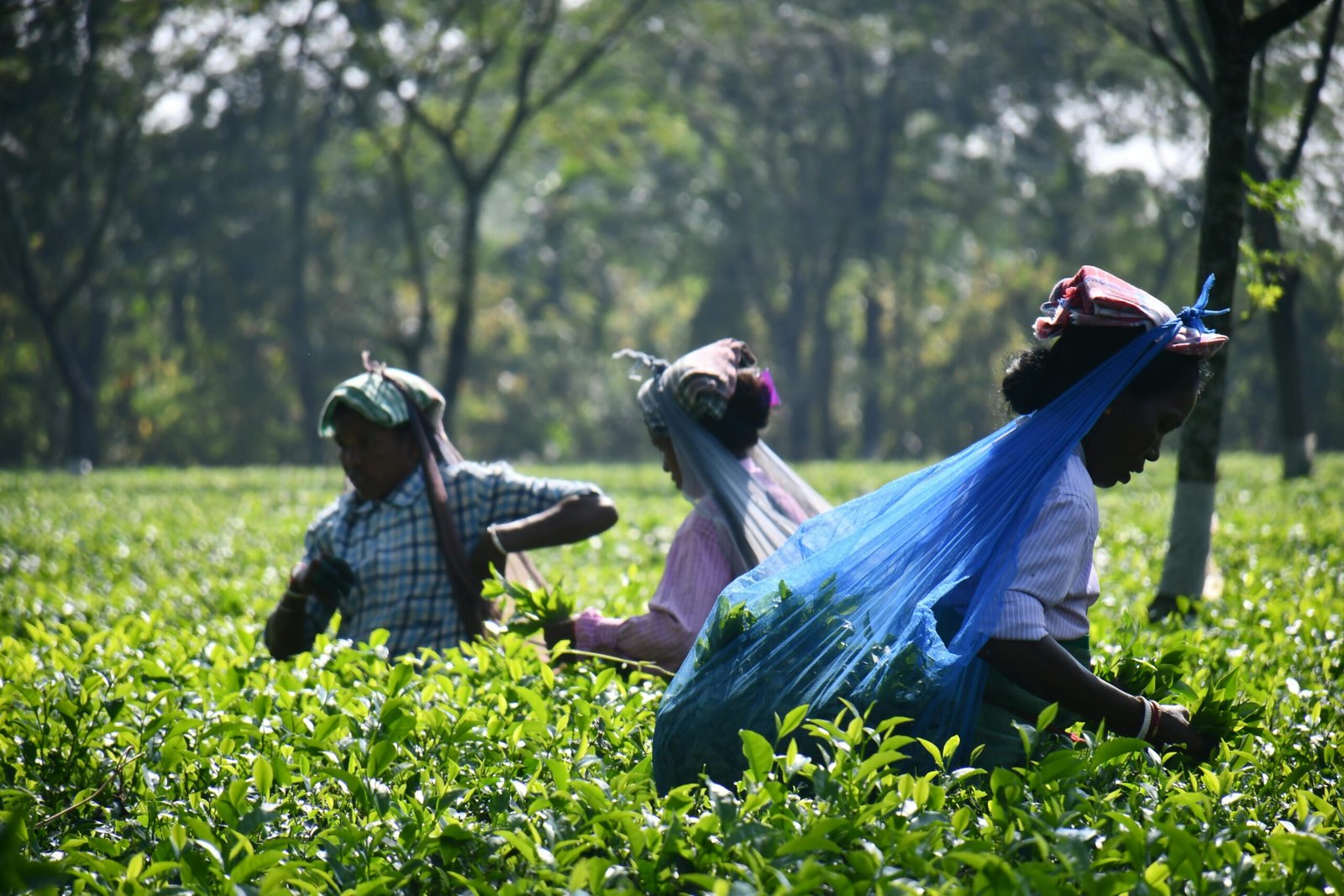
Strolling through rows of neatly trimmed tea bushes, watching local workers hand-pluck the leaves, and sipping freshly brewed tea surrounded by greenery can be incredibly grounding.
This guide takes you through the top 6 tea estates to visit in Wayanad, each giving a rich fusion of natural beauty, local culture, and unforgettable tea experiences.
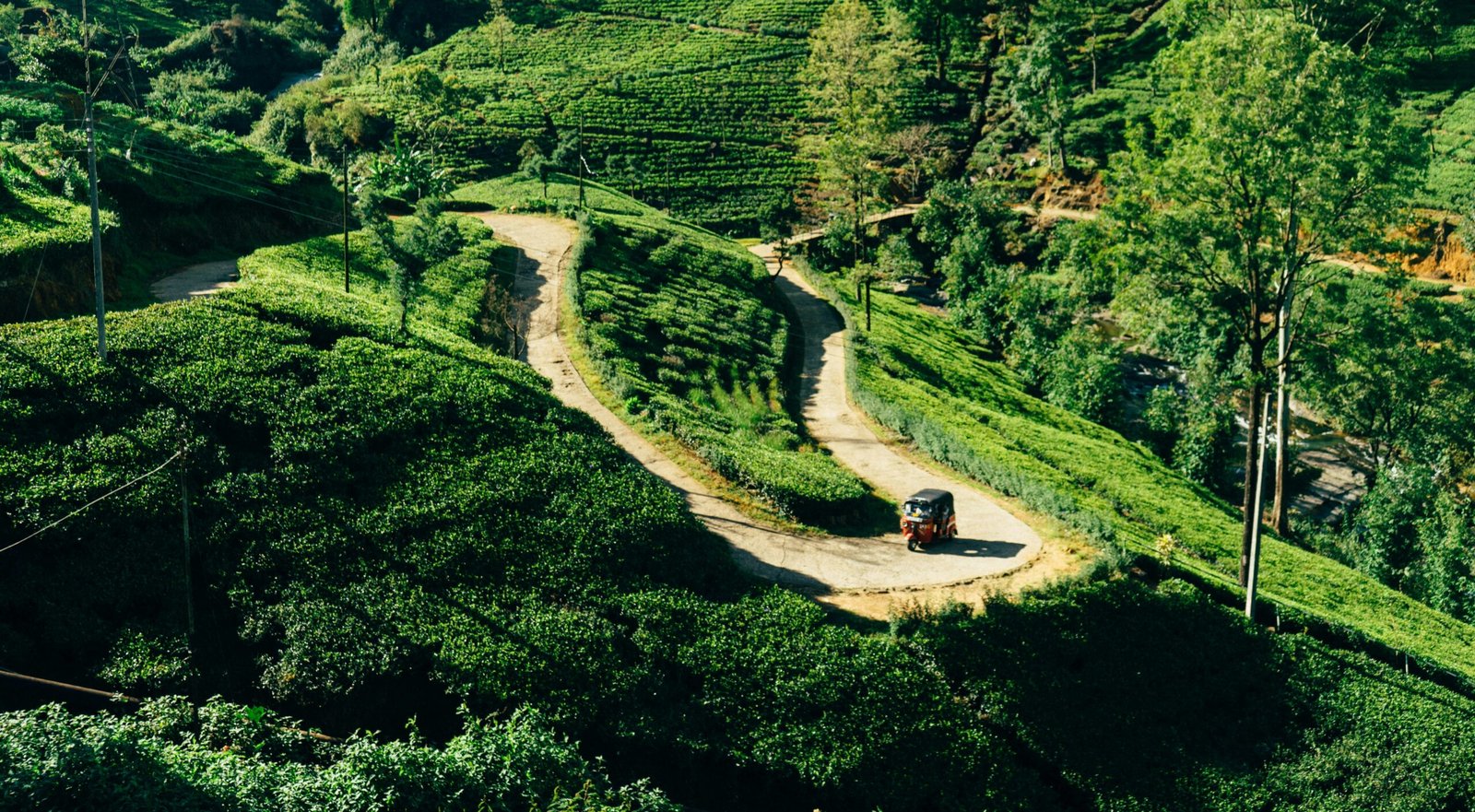
Kerala is known for Munnar’s tea gardens. Martin Pechy / Unsplash
Why Visit Tea Estates in Wayanad?
Visiting tea plantations in Wayanad gives travelers a chance to experience authentic plantation life in Kerala.
Another major highlight is the opportunity to taste fresh organic tea directly from local plantations.
And the best part is many tea estates focus on sustainable farming and eco-tourism, allowing visitors to enjoy natural surroundings while supporting responsible travel experiences in Kerala.
Top 6 Tea Estates to Visit in Wayanad
Meppadi Tea Estate – The Heart of Wayanad’s Tea Belt
For first-time visitors to Wayanad’s tea country, Meppadi Tea Estate gives the perfect introduction to the region’s charm, culture, and calm. What makes it truly ideal is its easy accessibility.
Located just a short drive from Kalpetta and close to famous attractions like Soochipara Falls and Edakkal Caves, Meppadi fits effortlessly into most travel routes.
Unlike more commercialized or remote plantations, it strikes a rare balance: it’s tourist-friendly without losing its authenticity.
The landscape is both dramatic and gentle, with rolling tea-covered hills that are easy to walk through, with clearly marked paths and safe viewing spots.
Visitors can join guided tea walks that explain not just the tea-making process but also local history, plant varieties, and the daily lives of the workers, especially the women whose skilled hands bring the leaves to life.
The estate staff are known for their friendly and informative approach, making even solo travelers and first-time explorers feel welcome and at ease.
The factory visit is a highlight, giving a fascinating behind-the-scenes look at how fresh green leaves are transformed into the tea we love, all without requiring any prior knowledge.
If you’re coming to relax, to learn, or just to take in the views while sipping a cup of freshly brewed local tea, Meppadi offers a gentle, immersive, and memorable experience perfect for those new to Wayanad’s tea trails.
“Not sure where to go? I always compare flight prices on Aviasales to discover the cheapest beach destinations worldwide.”
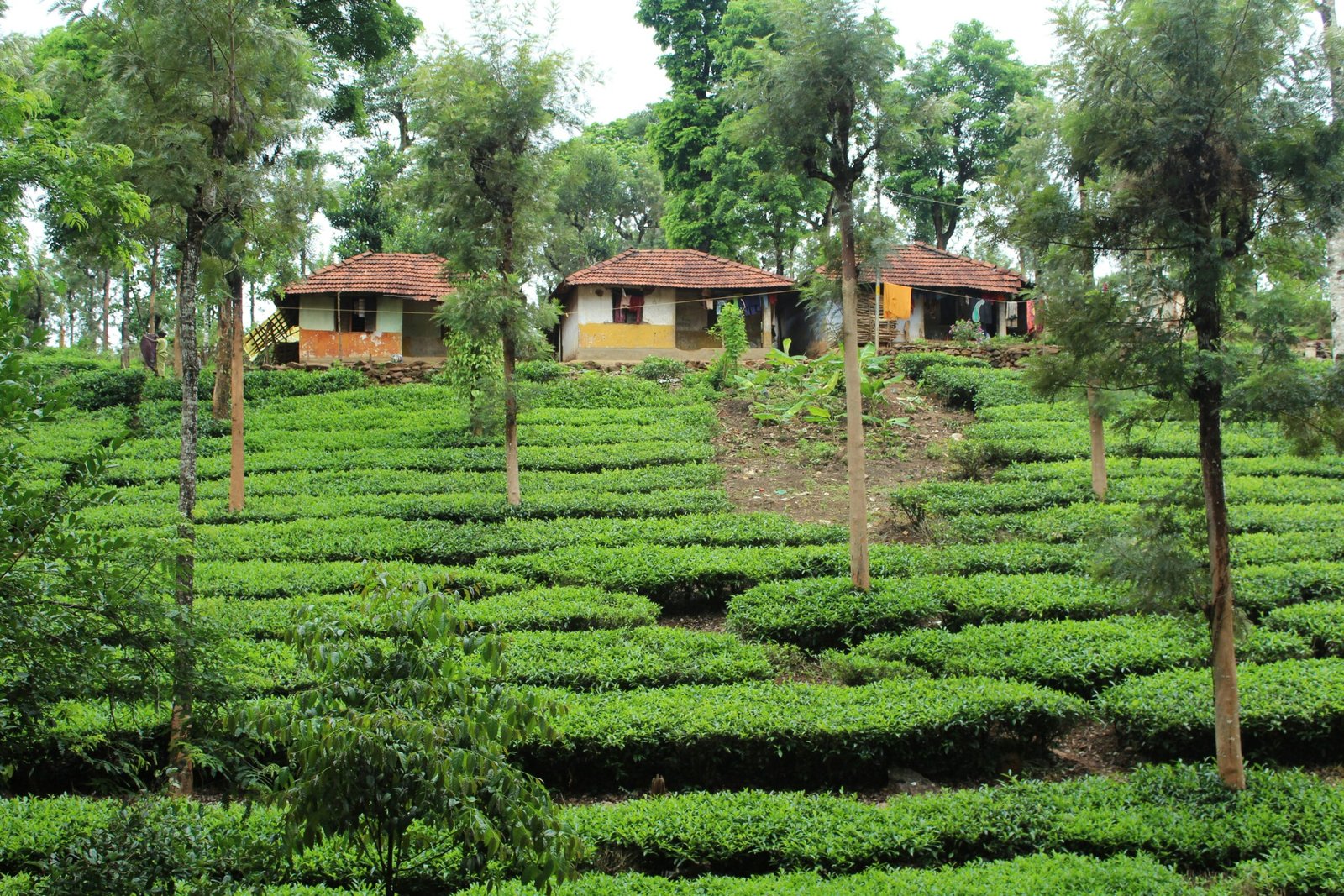
Somewhere house in the tea estate.
Priyadarshini Tea Estate – A Cooperative Success Story
The serene hills of Mananthavady in Wayanad, Priyadarshini Tea Estate stands out not just for its natural beauty but for its inspiring story of empowerment and sustainability.
What makes this estate truly special is that it’s owned and managed by indigenous tribal communities, making it a rare example of a successful cooperative model in the tea industry.
Formed under the Mananthavady Tribal Society, this estate provides employment, dignity, and self-reliance to hundreds of tribal families who have lived on this land for generations.
Unlike commercial tea estates, Priyadarshini takes a deep-rooted, organic approach to farming; they avoid harmful chemicals, use traditional methods, and promote biodiversity within their fields.
Walking through the estate feels like stepping into a more conscious version of agriculture, where every leaf is plucked with care and every practice respects the balance of nature.
Visitors are often amazed by the quiet strength of the workers, especially the tribal women whose smiles and stories reveal a deep connection to the land.
It’s a chance to see how a community has come together to create something meaningful economically and socially. For travelers seeking more than just beautiful views, it is a place where tourism directly supports local livelihoods and makes a real difference in people’s lives.
Achoor Estate – A Hidden Gem in the Hills
Achoor Estate remains one of the region’s most breathtaking yet lesser-known tea plantations. Blanketed in mist and surrounded by whispering trees, Achoor is a raw, untouched version of Wayanad’s beauty, one that hasn’t been shaped for tourists but preserved for those who truly want to connect with nature.
The estate’s narrow walking trails weave gently through the tea fields, occasionally opening up to panoramic hill views, secluded forest patches, or quiet streams where birdsong is the only sound, you’ll hear.
What makes Achoor truly special is its quiet charm; it’s not a place for crowds or curated tours, but a haven for those who love to wander, observe, and reflect.
Vythiri Tea Garden – Where Luxury Meets Nature
Nestled among emerald-green slopes and misty valleys, this tea estate is surrounded by some of Wayanad’s finest upscale resorts, spa retreats, and treehouse stays, making it a favorite escape for honeymooners and luxury-seeking travelers.
Unlike traditional tea estates that focus solely on farming, Vythiri offers an elevated experience where sipping tea comes with candlelit dinners, forest views, and personalized service.
Here, you can enjoy guided estate walks that take you through perfectly manicured tea rows while learning about the estate’s legacy and cultivation practices.
After the tour, guests are treated to fine dining experiences that pair handcrafted teas with gourmet meals, often featuring local Kerala flavors with a modern twist.
What makes Vythiri Tea Garden truly unique is its ability to offer a nature-rich escape without giving up on elegance.
Chundale Estate – History and Nature Combined
Located just a few kilometers from Kalpetta town, Chundale Estate gives a rare blend of accessibility, colonial charm, and natural beauty, making it a perfect stop for travelers on a tight schedule or those looking for a quick but meaningful escape into Wayanad’s tea culture.
As you stroll through its grounds, you’ll notice colonial-era buildings, vintage tea-processing machinery, and architectural remnants from the British era, all whispering stories of Wayanad’s early plantation days.
The heritage factory, still partly functional, gives you a fascinating peek into how tea was traditionally processed long before automation and modern packaging.
The estate is wrapped in calm gentle slopes, shaded paths, and towering old trees that seem to whisper stories of the past. Chundale gives a meaningful experience without the need for an intense hike or a full-day commitment.
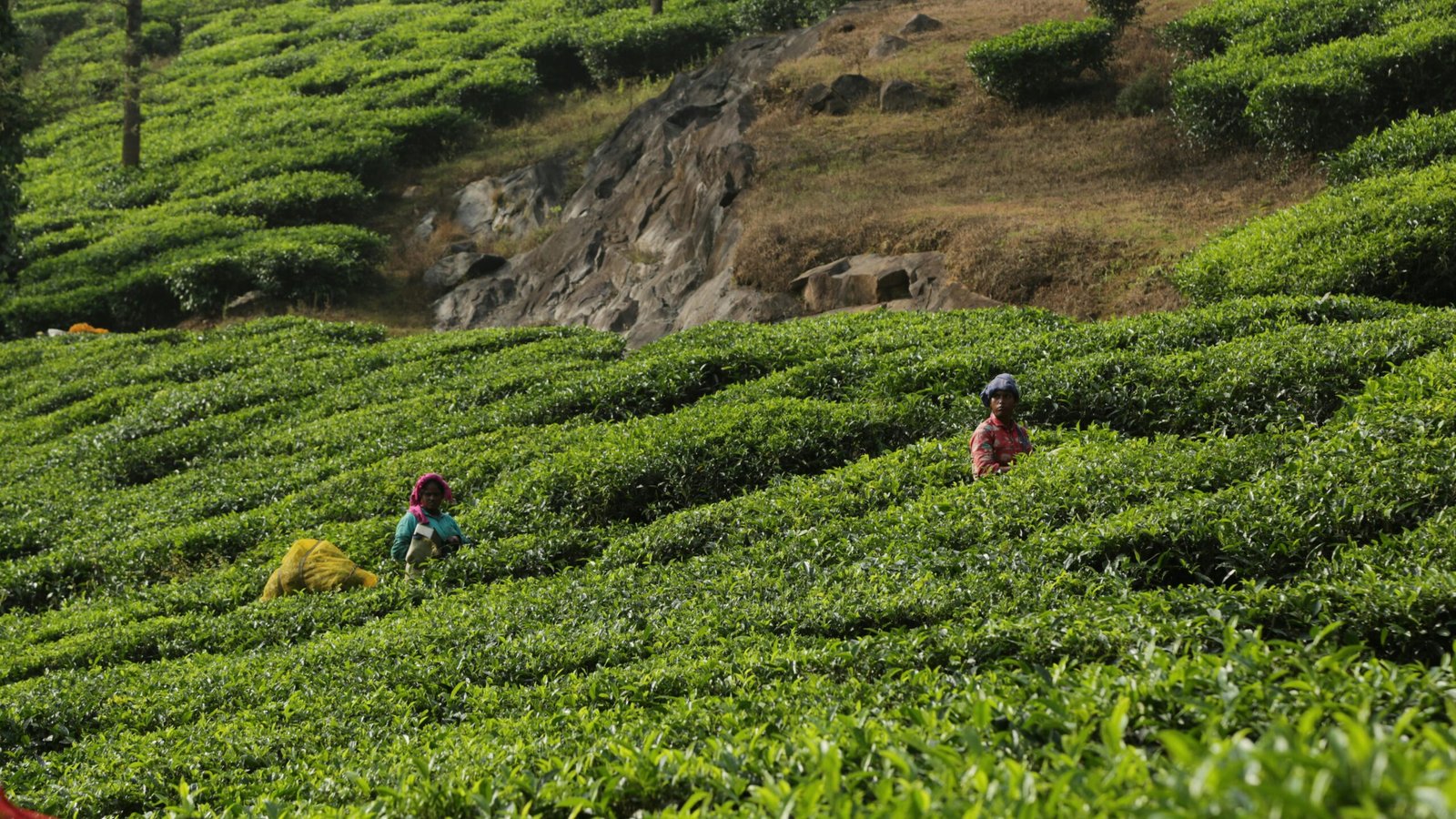
Estates give travelers a deeper look into plantation life. Vignesh Vinod / Pexels
Harrisons Malayalam Ltd – The Commercial Powerhouse
If you want to witness tea production on a grand scale, Harrisons Malayalam Ltd gives a fascinating glimpse into the industrial side of Wayanad’s tea story.
As one of the largest plantation companies in South India, Harrisons isn’t just a tea estate; it’s a massive operation that plays a major role in India’s tea export economy.
Unlike smaller, family-run plantations, Harrisons gives visitors a chance to understand the complex logistics, machinery, and global networks behind every packet of tea that travels from Wayanad to international markets.
The estate also houses a professional-grade factory that requires advance booking for guided tours, making it a more structured but highly educational visit.
While it may not offer the cozy charm of smaller estates, Harrisons Malayalam Ltd is ideal for curious minds, researchers, and serious tea enthusiasts who want to explore the powerhouse that fuels Wayanad’s tea economy.
A government-supported tribal cooperative initiative. Featured on Kerala Tourism’s official site, which outlines estate tours, the tea museum, accommodations, and entry fees.
Best Time to Visit Tea Estates in Wayanad
The best time to explore the beautiful tea estates of Wayanad is between June and February, when the hills remain fresh, green, and surrounded by cool mountain weather.
The tea gardens look their greenest during the Mansoon (June to September), making it one of the most photogenic times to visit Wayanad.
Clear skies in Winter (October to February) and fresh air also create excellent conditions for photography and scenic drives through the Western Ghats.
Things to Do in Wayanad Tea Plantations
Tea Tasting Sessions and Factory Visits- One of the most popular experiences in Wayanad’s tea estates is tasting freshly processed tea directly from local plantations.
Nature Walks and Plantation Photography- Early mornings and sunset hours are especially beautiful for capturing scenic landscapes, rolling tea fields, and cloud-covered valleys of the Western Ghats.
Birdwatching and Eco-Tourism Activities- The tea estates of Wayanad are home to many species of birds, butterflies, and small wildlife because of their location near forest regions and the Western Ghats ecosystem.
Staying in Plantation Resorts and Homestays- Many travelers choose to stay inside tea plantation resorts and traditional homestays to fully experience the peaceful atmosphere of Wayanad.
Have a late flight? Store your luggage safely with Radical Storage and explore freely.
Travel Tips for Visiting Tea Estates in Wayanad
Carry Light Jackets and Comfortable Walking Shoes
Respect Plantation Rules and Local Workers
Best Transport Options for Exploring Tea Gardens
Visit Early Morning for Better Views and Fewer Crowds
FAQs
What is the best time to visit tea estates in Wayanad?
The best time to visit Wayanad tea estates is between October and February when the weather is cool and pleasant for sightseeing, plantation walks, and photography. Monsoon months from June to September also offer beautiful lush green landscapes.
Are tea factory tours available in Wayanad?
Yes, several tea plantations in Wayanad offer guided factory tours where visitors can learn about tea processing, tea leaf harvesting, and traditional tea-making methods.
Can travelers stay inside tea plantations in Wayanad?
Many tea estates in Wayanad have plantation resorts, eco-stays, and homestays that allow travelers to stay surrounded by scenic tea gardens and mountain views.
How many days are enough to explore Wayanad tea estates?
A 2 to 3-day trip is usually enough to explore major tea plantations, nearby waterfalls, scenic viewpoints, and other attractions in Wayanad comfortably.
Are Wayanad tea estates suitable for family trips?
Yes, Wayanad tea plantations are family-friendly destinations.
What should I carry while visiting tea estates in Wayanad?
Visitors should carry comfortable walking shoes, light jackets, rain protection during monsoon season, cameras for photography, and reusable water bottles for plantation walks and outdoor activities.

Leave a Comment
Hello!
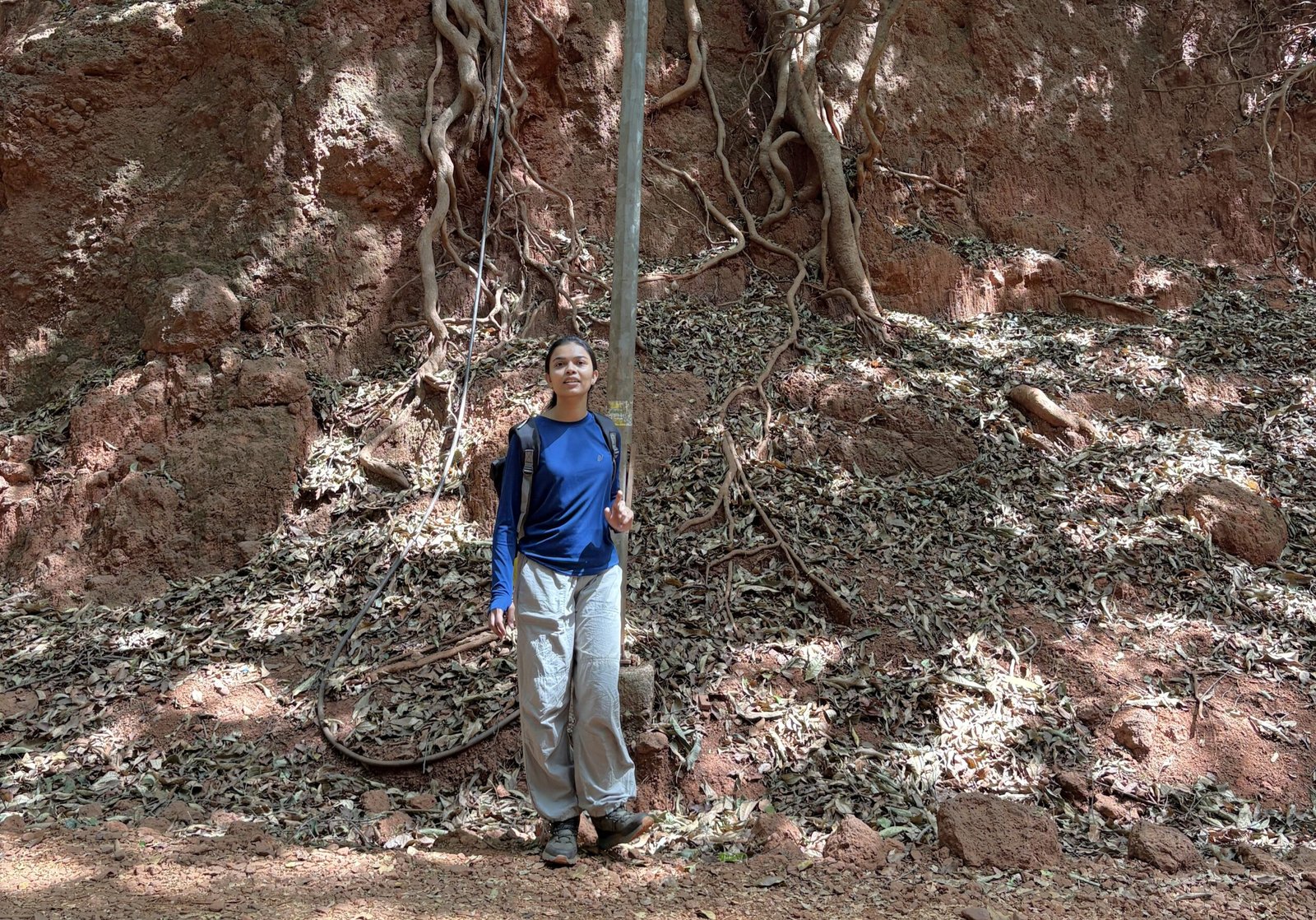
Hi, I’m Pooja Mokashi, a passionate storyteller and travel content creator behind Travel Meet World. Based in Mumbai, I love discovering local cultures and helping travelers explore the world with confidence and smart planning.
Unlock Your Free Travel Hacks
Join 5,000+ travelers getting Free Weekly Travel Tips, Get Exclusive Updates & Download my free travel checklist
I have been playing online for years and finally found a spot that does not waste my time. The interface is clean the deposits go through in seconds and the withdrawal limits actually match what is advertised. It feels like a community built by players who understand what we want. Keep up the amazing momentum. pkvinpkr