Best Places to Spot the Big 5 in Africa
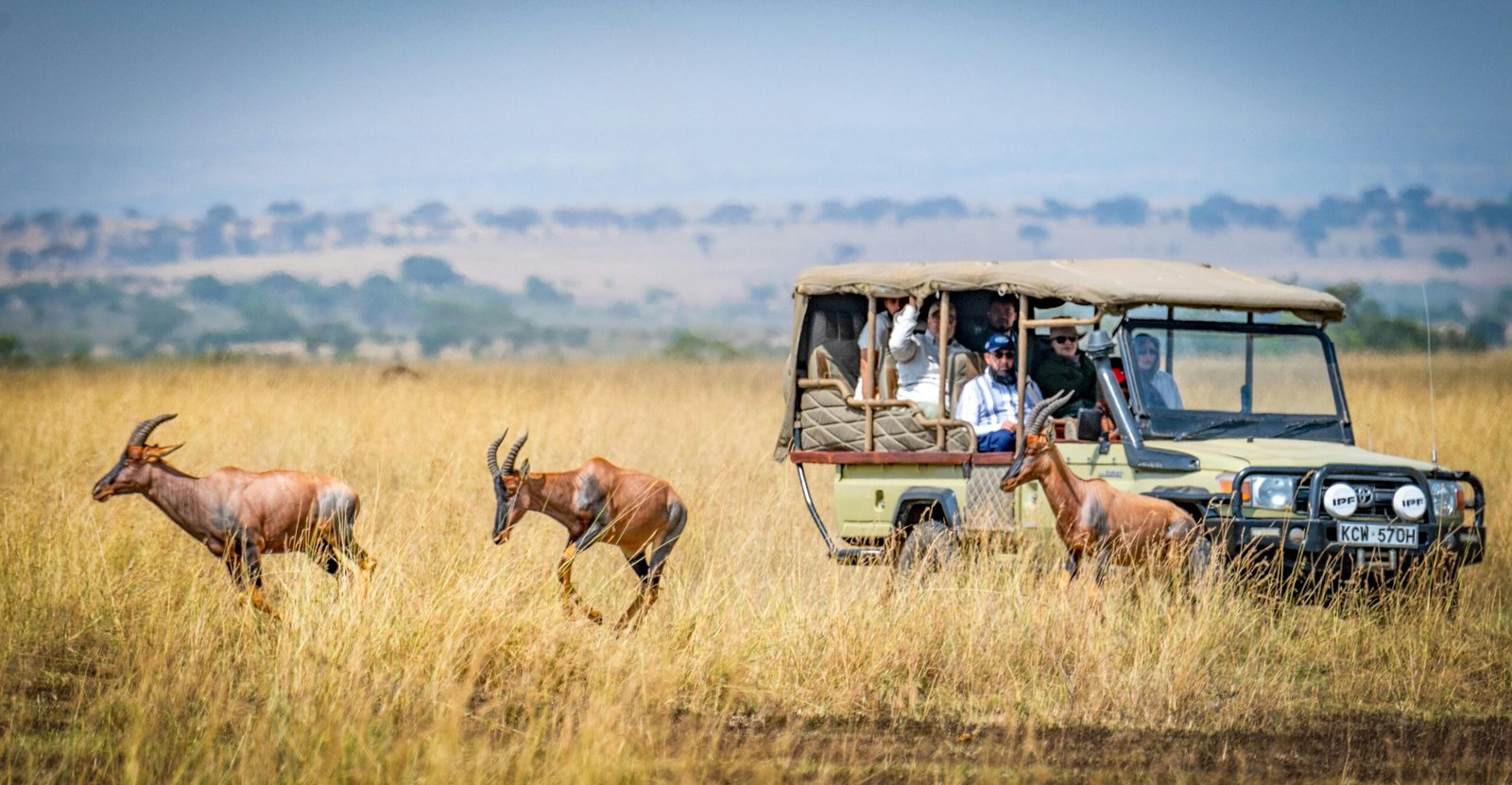
Encountering Africa’s Big 5 in the wild isn’t just a travel milestone—it’s a heart-pounding, soul-awakening journey into the untamed rhythms of nature, where every moment feels like a scene from a living documentary.
Originally coined by big-game hunters to describe the five most challenging animals to track on foot the lion, leopard, elephant, rhinoceros, and Cape buffalo. Today, the term stands for the ultimate wildlife adventure.
These iconic animals roam across some of the most breathtaking landscapes on Earth, from golden savannas to dense riverine forests.
we’ll reveal the top safari destinations in South Africa where the Big 5 still roam freely and where every game drive brings you one step closer to witnessing nature’s fiercest and most majestic creatures in their natural element. Here is guide you on best places to spot the Big 5 in Africa.
Best Time of Year to See the Big 5
Timing is everything when it comes to spotting the Big 5, and understanding Africa’s seasonal shifts can greatly increase your chances.
In general, the dry season, which runs from June to October across most regions, is considered the best time to visit South Africa for Big 5 safaris. Visibility is excellent, and game drives are more predictable.
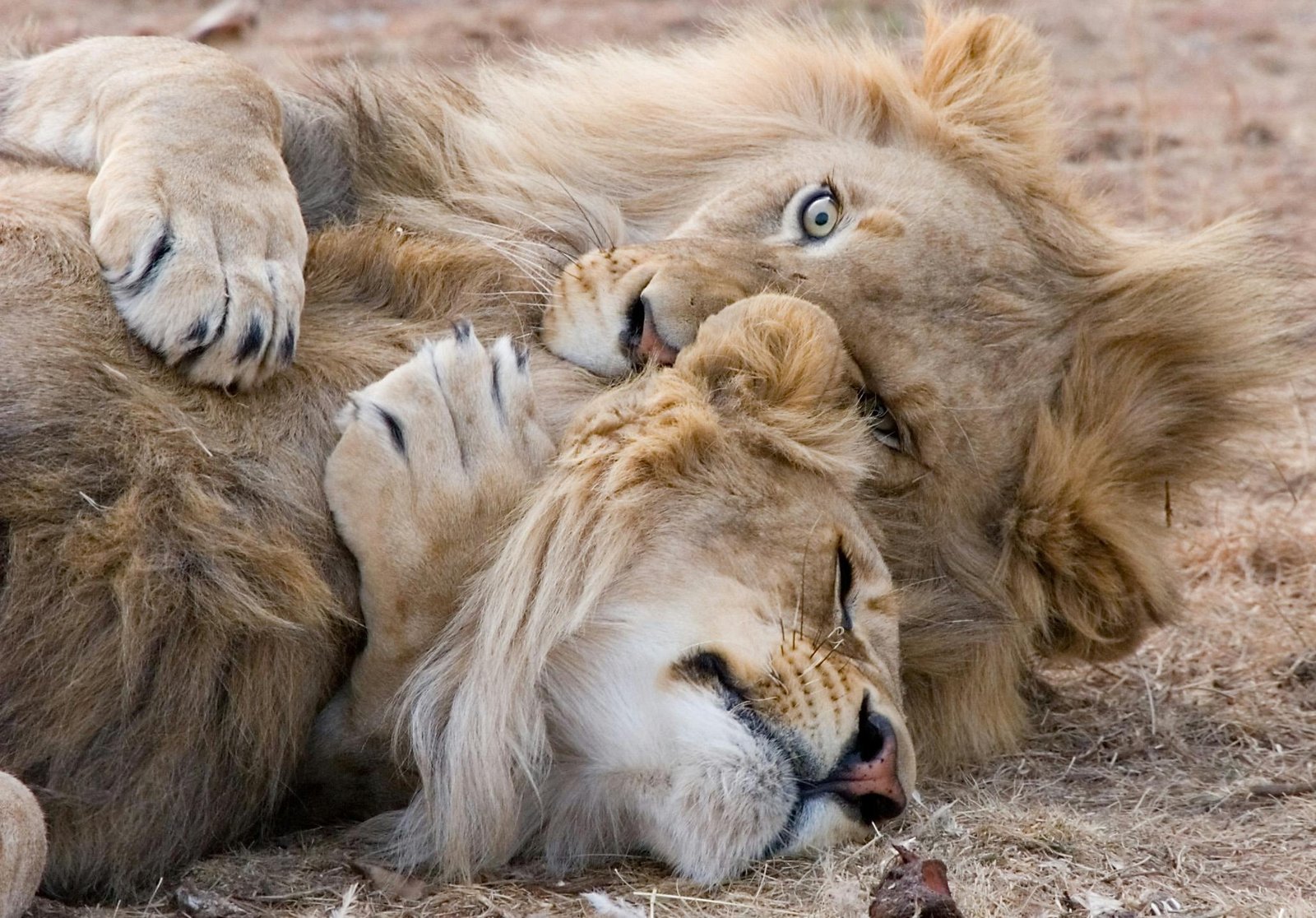
Masai Mara borders Tanzania’s Serengeti is famous for its lion sightings. Gary Whyte / Pexels
On the other hand, the wet season, also known as the “green season,” from November to May, offers a different kind of magic.
Though animals are harder to spot due to thick foliage, the landscapes are lush, migratory birds arrive in flocks, and baby animals are born, attracting predators and creating dramatic scenes in the wild.
Though animals are harder to spot due to thick foliage, the landscapes are lush, migratory birds arrive in flocks, and baby animals are born, attracting predators and creating dramatic scenes in the wild.
Regional climate plays a big role too: Southern Africa (South Africa, Botswana, and Namibia) has a more defined dry season, making it ideal for safaris from May to October.
In contrast, East Africa (Kenya, Tanzania, and Uganda) experiences two rainy seasons, with short rains in November–December and long rains in March–May, so the best windows are typically January–February and June–October.
Tip: Visit the Serengeti in January–February for calving season, the Masai Mara from July to October for the Great Migration, and Kruger National Park anytime between June and September for classic Big 5 encounters.
Why Africa Is the Ultimate Destination for Big 5 Safaris
The golden savannas of Kenya to the vast national parks of South Africa and the wild plains of Tanzania, Africa get some of the best opportunities to see lions, elephants, rhinos, leopards, and buffalo in their natural habitat.
I personally prefer Yesim for reliable data while traveling across multiple countries.
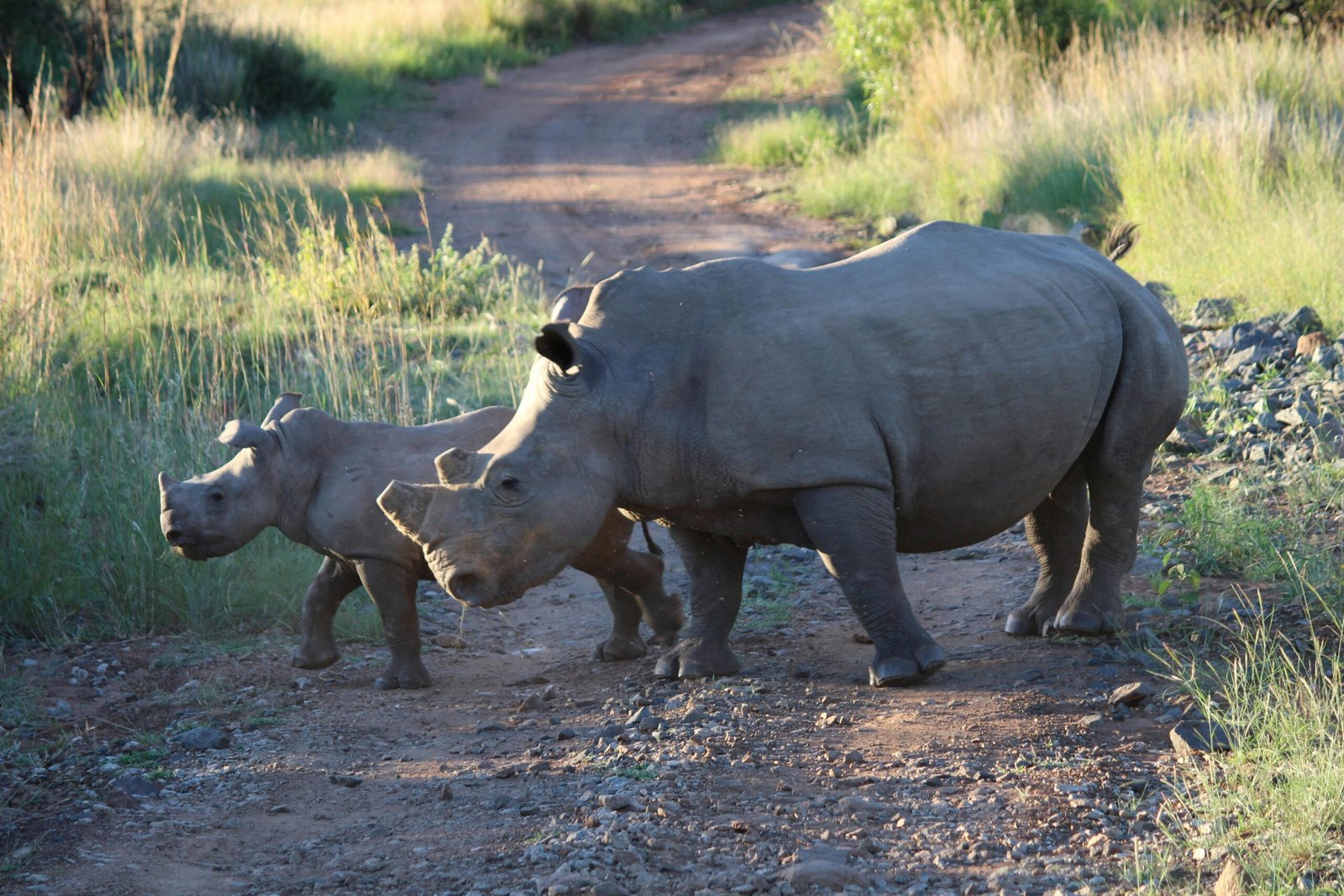
Rhinos are harder to spot in Serengeti but often visible in Ngorongoro. Marcus Frieze / Pexels
One of the biggest reasons travelers choose Africa for safari adventures is the variety of landscapes and safari styles available. Visitors can enjoy classic jeep safaris, luxury tented camps, walking safaris, river safaris, and even hot air balloon rides over wildlife-filled plains.
Africa’s rich safari culture also makes the experience unforgettable. Local guides and conservation experts share deep knowledge about wildlife, nature, and tribal traditions, helping travelers connect with the continent beyond just animal sightings.
Best African Countries for First-Time Safari Travelers
South Africa is often the best starting point because it offers excellent infrastructure, affordable safari options, and easy self-drive experiences. .
Here Famous parks like Kruger National Park provide high chances of spotting the Big 5 along with comfortable lodges and guided game drives.
Kenya and Tanzania are perfect for travelers who dream of classic African safari landscapes filled with endless savannas and incredible wildlife.
Destinations like Masai Mara National Reserve and Serengeti National Park are world-famous for Big 5 sightings and the Great Migration.
Botswana is known for luxury safaris and rich wildlife in the Okavango Delta, while Namibia offers dramatic desert landscapes and wildlife viewing in places like Etosha National Park.
Luxury vs Budget Big 5 Safari Experiences
A luxury Big 5 safari in Africa offers premium experiences such as private game drives, luxury lodges, gourmet dining, spa treatments, and exclusive wildlife viewing areas.
Travelers staying in luxury safari camps in destinations like Botswana or Tanzania can expect personalized service, high-end tented suites, and unforgettable views of wildlife directly from their accommodation.
Budget Big 5 safaris are ideal for travelers who want to experience African wildlife without spending a fortune.
Countries like South Africa and Kenya offer affordable safari packages with shared game drives, budget lodges, camping options, and self-drive safaris.
Tip: No matter the budget, both options give travelers the chance to witness Africa’s amazing wildlife and experience the excitement of a real Big 5 safari adventure.
How Many Days Do You Need for a Big 5 Safari?
For the best chance of spotting all the Big 5 animals in Africa, travelers should plan a safari of at least 3 to 5 days. Short 1–2 day safaris can still offer amazing wildlife sightings, but longer stays provide more game drives.
Popular safari destinations such as Kruger National Park and Serengeti National Park are ideal for multi-day safari experiences with higher chances of seeing the complete Big 5.
Popular safari destinations such as Kruger National Park and Serengeti National Park are ideal for multi-day safari experiences with higher chances of seeing the complete Big 5.
Detail on Top National Parks and Game Reserves by Country
Kruger National Park, South Africa
Kruger National Park is often the first name that comes up when talking about Big 5 safaris—and for good reason. It’s one of the few places in Africa where you can realistically spot all five iconic animals.
What sets Kruger apart is not just the wildlife but also its ease of access; you can fly into nearby airports like Skukuza or Nelspruit or even drive from Johannesburg in less than five hours.
Guided game drives, especially in adjacent private reserves like Sabi Sands, offer expert-led experiences with higher chances of close-up sightings and off-road access.
Masai Mara, Kenya
What truly sets the Mara apart is the annual Great Migration, when over 1.5 million wildebeest, zebras, and gazelles thunder across the plains from the Serengeti into Kenya, typically between July and October.
Beyond the wildlife, the Masai Mara offers something deeper: a connection with Kenya’s rich tribal heritage.
Here, you can visit traditional Maasai villages, learn about their semi-nomadic lifestyle, and even hear firsthand stories of coexisting with lions.
Serengeti National Park, Tanzania
Serengeti National Park is Tanzania’s iconic wilderness, where endless grasslands meet the horizon and powerful big cats prowl freely beneath wide, open skies. Known for its incredible populations of lions, leopards, and cheetahs
Towering elephants wander through acacia-dotted landscapes, and hyenas cackle in the distance as the circle of life plays out before your eyes.
The Ngorongoro Crater is a rare chance to see all of the Big 5 animals within just a few hours, making it the ideal counterpart to the Serengeti’s vast, free-ranging wilderness.
Chobe National Park, Botswana
Chobe National Park is home to over 120,000 elephants; it boasts one of the largest elephant populations on the planet, often seen in dramatic, dusty herds as they march toward the Chobe River.
Alongside them roam massive groups of Cape buffalo, creating powerful scenes of wildlife at scale that few parks can match.
Watching a herd of elephants swim across the river, or spotting crocodiles and hippos just below the surface, adds an entirely new dimension to wildlife viewing.
Etosha National Park, Namibia
Etosha National Park gives a safari experience unlike anywhere else in Africa—one where the animals come to you.
What truly sets Etosha apart is its reputation as one of the best places to see both black and white rhinos in the wild, particularly against the stark backdrop of white salt pans and golden grass.
In Etosha, the silence of the desert is broken only by the rumble of hooves and the distant roar of a lion—a raw, timeless safari that feels deeply connected to the soul of Africa.
Hwange National Park, Zimbabwe
What sets Hwange apart is not only its sheer size but also the incredible density of wildlife, especially lions and elephants that move effortlessly through its wide grasslands and shaded woodlands.
Fact is, Hwange National Park is home to over 40,000 elephants, often seen in massive herds around its network of pumped waterholes, especially during the dry season.
Murchison Falls & Queen Elizabeth National Parks, Uganda
Murchison Falls, where the mighty Nile River explodes through a narrow gorge, is not only dramatic in scenery but also ideal for boat safaris, one of the most peaceful ways to spot hippos, crocodiles, elephants, and birdlife, including the rare shoebill stork.
Meanwhile, Queen Elizabeth National Park gives tree-climbing lions in the Ishasha sector and water-based game viewing along the Kazinga Channel, where wildlife congregates on the banks in remarkable numbers.
What makes these parks even more special is their proximity to Bwindi Impenetrable Forest, home to the endangered mountain gorillas, meaning you can go from tracking lions on the savannah to trekking with gorillas in the jungle, all within one unforgettable journey.
Big 5 Safari Packing List for Travelers
Travelers should carry lightweight neutral-colored clothing, a warm jacket for early morning game drives, comfortable walking shoes, sunglasses, sunscreen, and a hat to protect from the sun.
Essential safari gear includes binoculars for spotting distant wildlife, a good camera with extra batteries and memory cards, and a power bank for charging devices during long trips.
It is also important to pack basic medicines such as motion sickness tablets, pain relievers, insect repellent, allergy medication, and personal prescriptions.
In some safari regions, travelers may also need malaria prevention medicine and travel insurance documents.
How Much Does a Big 5 Safari Cost in Africa?
Budget safaris usually cost around $150–$300 per day. It include shared game drives, camping, or basic lodges in countries like South Africa and Kenya.
Mid-range safaris generally range from $350–$700 per day. It include comfortable lodges, guided game drives, meals, and better safari facilities.
Luxury safaris can cost $800 to over $2,500 per day, It include private safaris, luxury tented camps, fine dining, and exclusive wildlife experiences.
Tip: Flight tickets, park fees, and travel insurance may increase the total safari cost.
Tips for Spotting the Big 5 on Safari
Catching a glimpse of the Big 5 in their natural habitat isn’t just about luck; it’s about timing, preparation, and the eyes of those who know the land best.
I told you that early morning and late afternoon game drives are your golden windows for wildlife viewing.
To enhance your chances of close wildlife encounters, dress in earthy tones like khaki, olive, or tan colors that help you blend into the natural environment and avoid drawing attention from skittish animals.
With the right timing, gear, and guidance, your chances of seeing the Big 5 increase dramatically, and every sighting becomes a story you’ll tell for years.
Personally, I prefer using VisitorsCoverage because it’s simple, transparent, and beginner friendly.
Instead of checking multiple websites, try VisitorsCoverage to compare everything in one place.
Eco-Friendly and Ethical Safari Options
As safari tourism grows, so does our responsibility to protect the wild places we explore. Fortunately, many African parks are leading the way in conservation and anti-poaching efforts, investing in ranger training, wildlife monitoring, and community-based patrols to safeguard endangered species like rhinos and elephants.
Choosing to visit reserves that actively contribute to conservation, such as those involved in wildlife reintroduction or habitat restoration, helps ensure your trip has a lasting positive impact.
Many eco-lodges and tented camps work hand-in-hand with local communities, hiring local staff, sourcing food sustainably, and supporting education and healthcare programs.
By staying at these properties, you’re not just enjoying a beautiful view; you’re helping fuel a sustainable economy that values nature.
Zoom in with your lens, not your vehicle. Avoid loud noises, sudden movements, or blocking an animal’s path.
When we travel with awareness, every photo, every sighting, and every story becomes part of a bigger picture—one where both travelers and wildlife thrive.
One official website that offers authoritative information on top Big 5 safari destinations in Africa is the Ngorongoro Conservation Area Authority, which manages the Ngorongoro Crater in Tanzania—a renowned site where visitors can often spot all five iconic species in one visit.
Bonus: Hidden Gem Safari Spots for Big 5 Viewing
Here in South Africa, off-road tracking is allowed, giving guides the freedom to follow animal movements and create unforgettable sightings.
In Kenya and Zambia, community-run conservancies are redefining safaris by offering exclusive wildlife access with fewer vehicles while directly supporting local livelihoods and conservation.
These areas often feel like private wildernesses, where you can spend an hour with a lion pride without another jeep in sight.
FAQs
1. Is it possible to see all Big 5 in one day?
Yes, it is possible to spot all the Big 5 animals — lion, leopard, elephant, rhino, and buffalo — in a single day, especially in famous safari destinations like Kruger National Park or Masai Mara National Reserve.
2. Which country is cheapest for a Big 5 safari?
South Africa is often considered the most budget-friendly destination for a Big 5 safari. Travelers can enjoy self-drive safaris, affordable lodges, and lower park fees compared to luxury safari destinations like Botswana or Tanzania. Kenya and Namibia also offer good mid-range safari options for budget travelers.
3. Are African safaris safe for tourists?
Early morning and evening safaris usually provide the best chance of spotting one.
4. What is the best month for safari in Africa?
The best safari months in Africa are usually during the dry season, from June to October.
5. Which Big 5 animal is hardest to spot?
The leopard is widely considered the hardest Big 5 animal to spot during safari trips.
6. What is the best timing spot Leopard?
The leopard is widely considered the hardest Big 5 animal to spot during safari trips.
Leave a Comment
Hello!
Hi, I’m Pooja Mokashi, a passionate storyteller and travel content creator behind Travel Meet World. Based in Mumbai, I love discovering local cultures and helping travelers explore the world with confidence and smart planning.
Unlock Your Free Travel Hacks
Join 5,000+ travelers getting Free Weekly Travel Tips, Get Exclusive Updates & Download my free travel checklist