5 Of the Best Hikes in South Africa
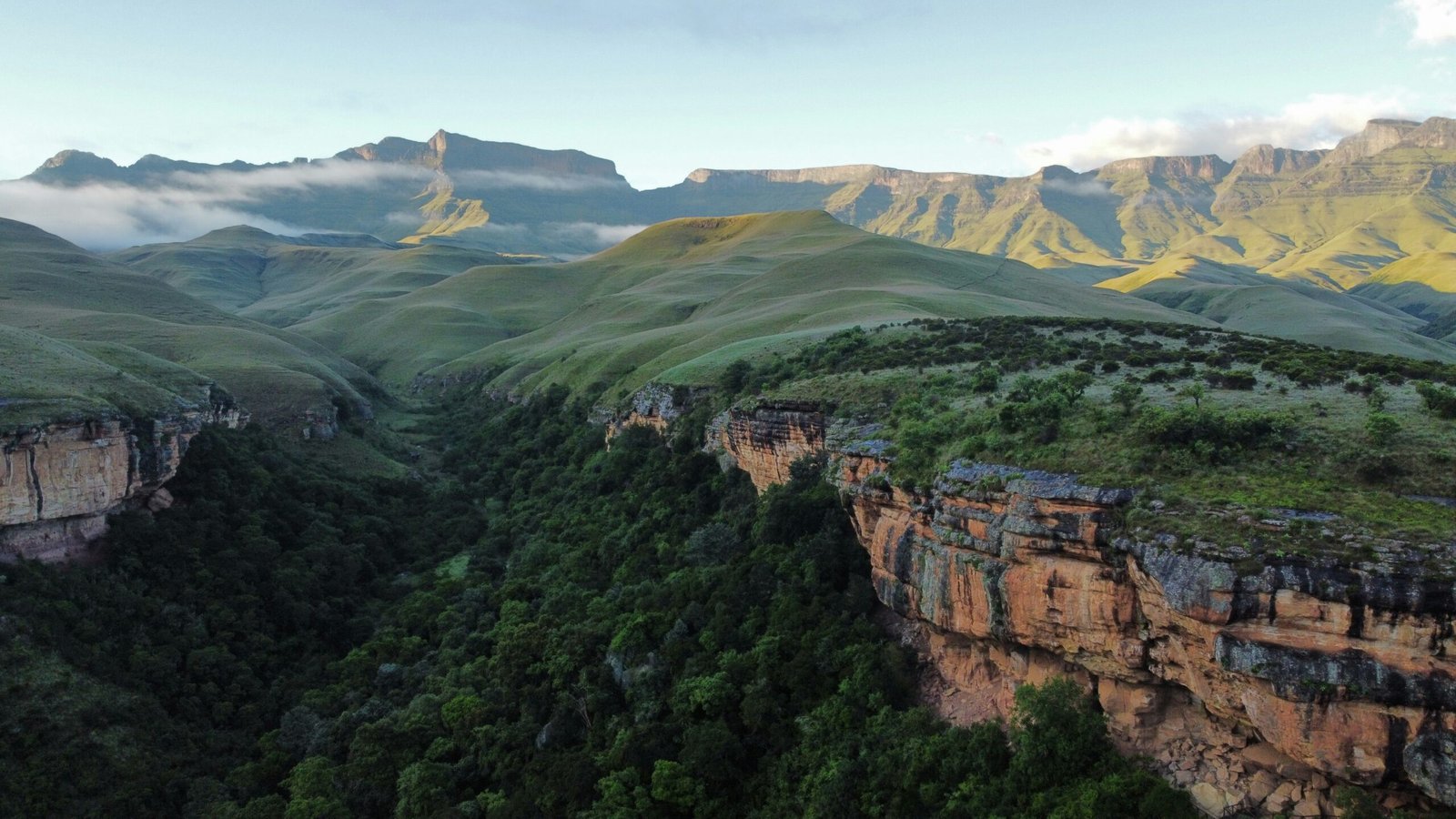
South Africa is a hiker’s paradise, where rugged coastlines, soaring mountains, and ancient valleys come together to create some of the most breathtaking trails on the continent.
If you’re trekking through the misty heights of the Drakensberg, weaving beneath ancient trees on the Garden Route, or ascending the sun-drenched trails of Cape Town’s rugged peaks, each hike unveils a different facet of South Africa’s stunning landscapes and vibrant biodiversity.
What makes hiking in South Africa truly unique is the blend of scenic landscapes, cultural history, and thrilling wildlife encounters, all within a few hours of each other.
From leisurely walks with panoramic ocean views to multi-day treks that test your endurance, these hikes offer something for every level of adventurer.
Here’s a curated list of the 5 Of the best hikes in South Africa to help you make the most of your visit to this incredible destination.

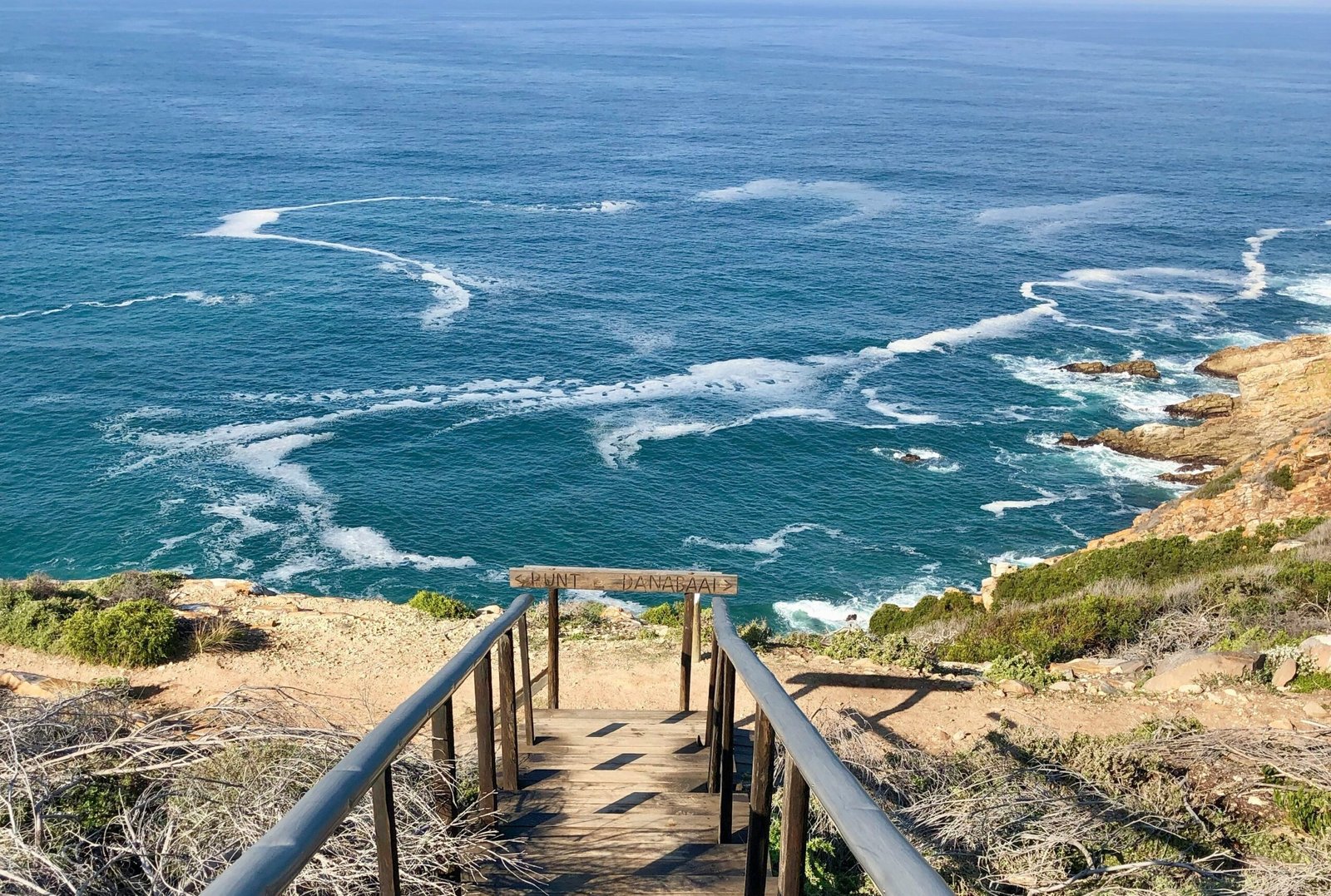
The Otter Trail is South Africa’s top coastal hike sea cliffs. Carmie / Unsplash
1. Otter Trail – Garden Route National Park
Quick Facts:
Trail Length: ~45 km
Duration: 5 days / 4 nights
Start & End: Storms River Mouth to Nature’s Valley
Permit: Required (very limited slots – book months in advance)
Difficulty: Moderate to strenuous
Best Time to Hike: March to May or September to November (mild weather, less rain)
The Otter Trail is one of South Africa’s most legendary hiking routes, winding through the wild and beautiful Tsitsikamma section of the Garden Route National Park.
Spanning approximately 45 kilometers over the course of five days, the Otter Trail traces a dramatic route along South Africa’s Tsitsikamma coastline, guiding hikers from Storms River Mouth to Nature’s Valley through some of the most stunning and unspoiled scenery in the country.
Named after the elusive Cape clawless otter, the trail leads you through dense indigenous forests, across rocky headlands, and along high sea cliffs with dramatic views of the Indian Ocean.
“Not sure where to go? I always compare flight prices on Aviasales to discover the cheapest beach destinations worldwide.”
You’ll encounter sparkling waterfalls cascading into tidal pools, cross small rivers (some with the help of a rope), and stop at untouched beaches perfect for a break or a swim.
One of the unique aspects of the Otter Trail is the network of rustic overnight huts, located in scenic spots with ocean views. Each hut site has basic facilities and offers a cozy place to rest after a day’s hike.
These huts make the trail accessible even for those new to multi-day hikes, provided they’re reasonably fit.
Besides otters, it’s common to spot dolphins riding the waves, and during certain seasons, southern right whales breaching offshore.
The forests are home to Knysna loeries, bushbuck, monkeys, and a wide variety of indigenous plant life, some found nowhere else on Earth.
In your words, hiking the Otter Trail is like walking through a dream where forest meets ocean, and every turn feels like a new discovery.
It’s challenging in parts, especially where river crossings depend on tides, but the reward is in the unmatched scenery and the peaceful sense of being far from the modern world.
2. Drakensberg Amphitheatre Hike – KwaZulu-Natal
Quick Facts:
Trail Length: Approx. 10–12 km round trip
Duration: 5 to 7 hours (round trip)
Start & End: Sentinel Car Park (access via Phuthaditjhaba area)
Permit: Yes (can be obtained at Witsieshoek Mountain Lodge or entry gate)
Difficulty: Moderate (some steep sections and chain ladders)
Best Time to Hike: April to September (dry season)
The Drakensberg Amphitheatre Hike in KwaZulu-Natal is one of South Africa’s most breathtaking hiking experiences, giving a combination of dramatic landscapes, high-altitude adventure, and natural wonders that are truly unforgettable.
This hike leads you to the top of the Amphitheatre, a massive rock wall that stretches over 5 kilometers wide and rises to more than 3,000 meters above sea level.
From the summit, you’re treated to sweeping views that overlook vast valleys and rugged cliffs and extend all the way into the highlands of Lesotho, a remote mountain kingdom nestled on the plateau.
A standout feature of this hike is the majestic Tugela Falls, which tumbles dramatically down the Amphitheatre’s towering cliffs in several stages.
Often ranked as the second-highest waterfall in the world with a staggering drop of 948 meters, it becomes especially breathtaking after rainfall, when the water flows in delicate silver streams that appear to fall from the sky.
The trail features an exciting challenge with chain ladders anchored to the cliffside, allowing hikers to scale the steep rock face and reach the summit safely.
Though this section can be daunting for anyone uneasy with heights, it injects a thrilling sense of adventure that often becomes a highlight of the entire hike.
Once you reach the top, you can walk along the flat, high-altitude plateau, where you might spot wildflowers, mountain streams, and even local wildlife like elands or baboons.
Confused between plans? Here helps you compare coverage, price, and benefits side by side.
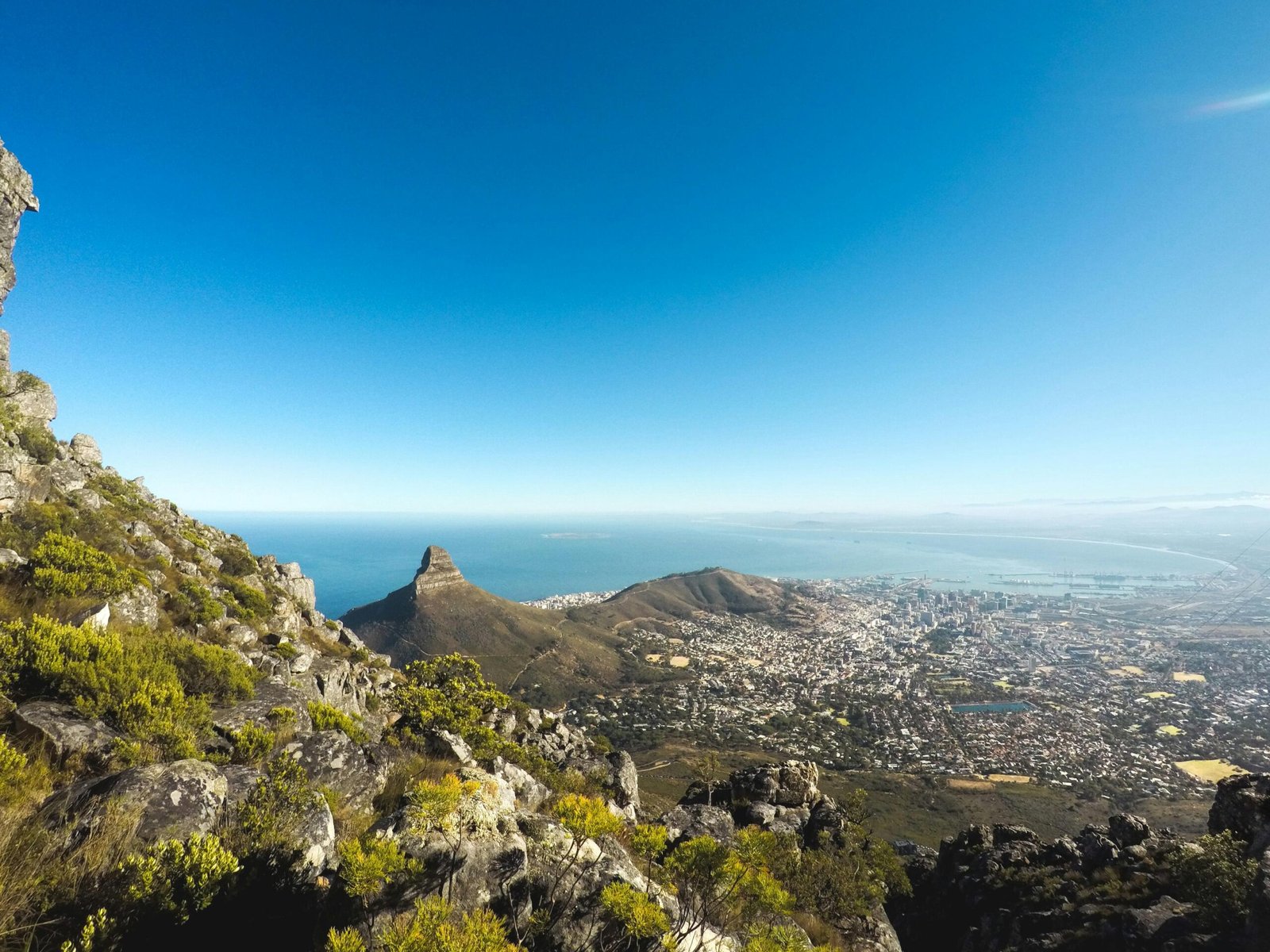
See the Lion’s Head in a Cape Town. Bohle media / Pexels
3. Lion’s Head – Cape Town
Quick Facts:
Trail Length: Approx. 5.5 km (round trip)
Duration: 1.5 to 2.5 hours (depending on pace)
Start & End: Easily reached from Cape Town city center
Permit: Do not need a permit or pay an entrance fee to hike Lion’s Head.
Difficulty: Easy to Moderate
Best Time to Hike: Early morning or late afternoon (avoid midday heat)
Lion’s Head stands out as one of Cape Town’s most beloved and easily reachable hikes, combining a short, scenic trail with thrilling rock scrambles and panoramic views that make it perfect for a quick outdoor escape.
Standing at 669 meters above sea level, this distinctive peak sits between Table Mountain and Signal Hill, forming part of the Table Mountain National Park.
What makes this hike especially popular is its 360-degree panoramic views, making it a favorite for sunrise and sunset hikes.
Watching the city light up at dawn or glow beneath the setting sun is an unforgettable experience, and many locals and tourists alike make the climb specifically for these magical moments.
I personally prefer Yesim for reliable data while traveling across multiple countries.
The trail spans approximately 5.5 kilometers in total, beginning as a relatively easy walking path before introducing rocky sections, metal ladders, and chains to assist with steep sections near the top.
Though these scrambles can be tricky, especially for beginners or those with a fear of heights, they add just enough challenge to make the hike fun and adventurous without being too technical.
In your words, hiking Lion’s Head feels like climbing a natural spiral staircase carved into a mountain, where every turn offers a new postcard-worthy view.
It’s close to the city, doesn’t take too long, and gives you a full experience of nature, excitement, and epic scenery all in one go.
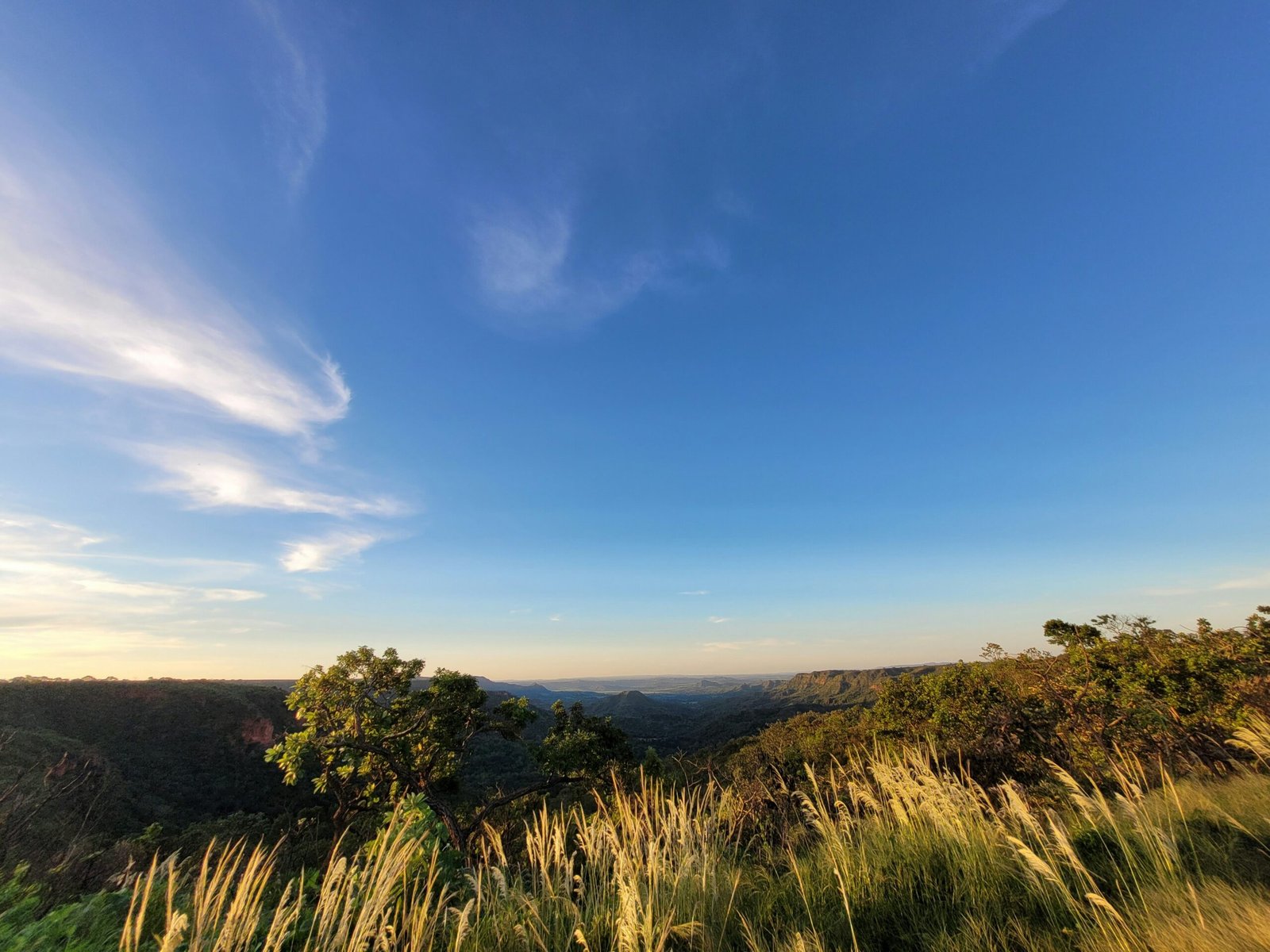
Trail leads through valleys and streams. Peniel Izac / Unsplash
4. Amphitheatre Heritage Trail – Royal Natal National Park
Quick Facts:
Trail Length: ~12 km (round trip)
Duration: 6 to 7 hours
Start & End: Trail begins at the Sentinel Car Park
Permit: Yes (available at park entrance)
Difficulty: Moderate
Best Time to Hike: April to September (dry season)
The Amphitheatre Heritage Trail in Royal Natal National Park is one of KwaZulu-Natal’s most rewarding day hikes, giving an immersive journey through South Africa’s majestic Drakensberg Mountain range.
This 12-kilometer round-trip trail is moderately challenging and takes around 6 to 7 hours to complete, making it ideal for nature lovers seeking both scenic beauty and solitude.
The hike begins with a gentle path that winds through lush valleys, grassy plains, and forested gorges, following the course of mountain streams and crossing small wooden bridges along the way.
As you move deeper into the park, the dramatic Amphitheatre Wall, a massive cliff face that stretches for over 5 kilometers, comes into full view, towering above the landscape like a natural fortress.
One of the most enchanting aspects of this trail is its biodiversity. Keep your eyes open for wildlife like baboons, antelopes, and bird species, including black eagles and other raptors.
If you’re lucky, you might also spot eland, South Africa’s largest antelope, grazing in the distance. The mix of flora, fauna, and breathtaking scenery makes it a paradise for photographers and wildlife watchers alike.
In your words, this hike feels like a peaceful, storybook walk into the heart of the mountains. The path flows gently with nature; streams trickle beside you, birds echo through the gorges, and around every bend, the amphitheater looms larger and more awe-inspiring.
It’s not too tough, but it gives you the feeling of having truly explored something wild and beautiful.
Personally, I prefer using VisitorsCoverage because it’s simple, transparent, and beginner friendly.
Instead of checking multiple websites, try VisitorsCoverage to compare everything in one place.
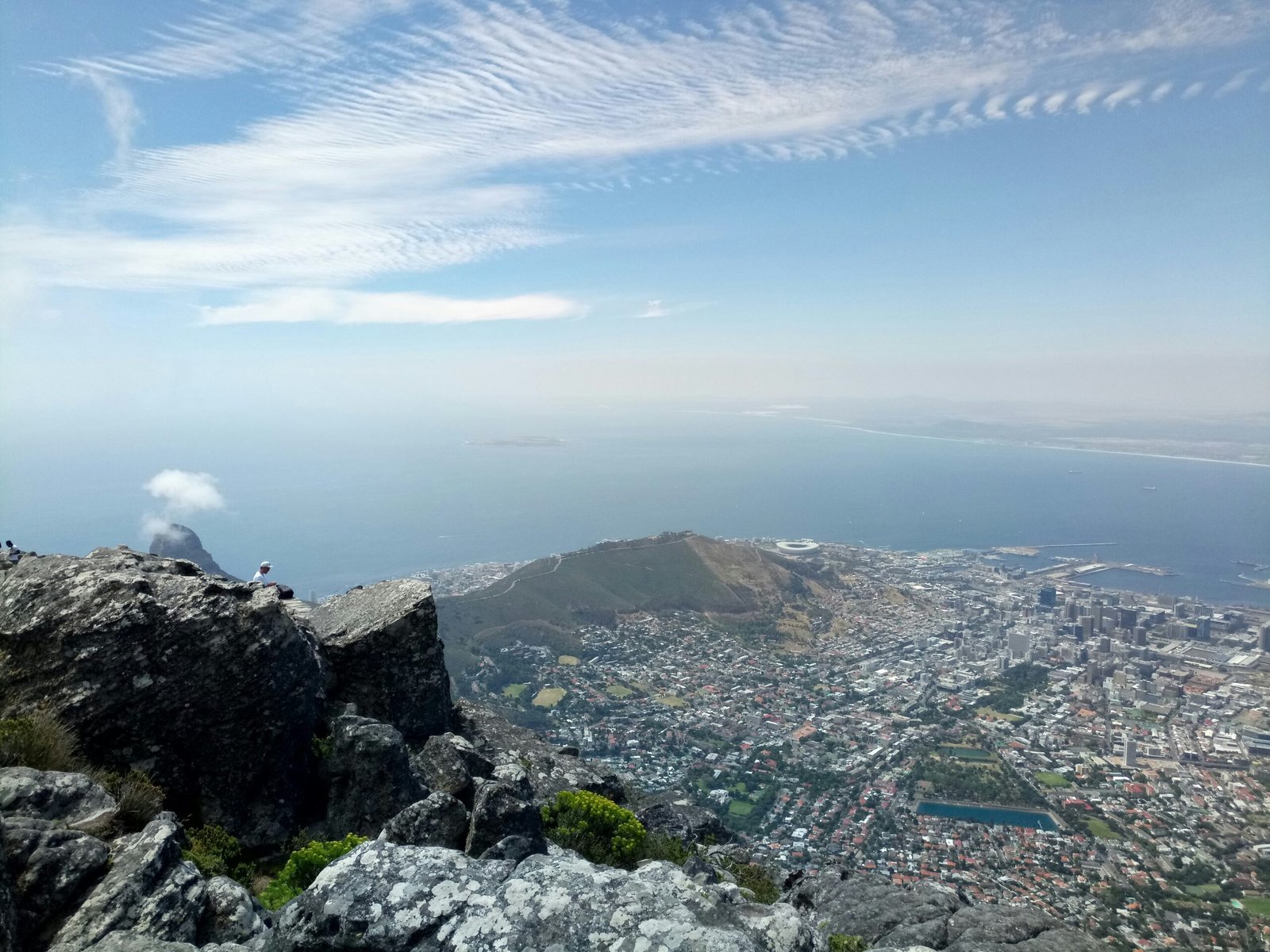
Mountain’s summit with sweeping views of Cape Town. Patrick Foh / Unsplash
5. Table Mountain via Platteklip Gorge – Cape Town
Quick Facts:
Trail Length: ~3 km one-way
Duration: 1.5 to 3 hours (uphill only)
Start & End: The Platteklip Gorge trailhead on Tafelberg Road, just past the lower cable car station in Cape Town.
Permit: No permit needed for the trail
Difficulty: Moderate to Challenging (steep and rocky)
Best Time to Hike: Early morning (to avoid heat and crowds)
Hiking Table Mountain via Platteklip Gorge is one of the most classic and direct ways to reach the summit of Cape Town’s most iconic natural landmark.
This steep, rocky trail carves its way up a dramatic cleft in the front face of Table Mountain, giving a physically demanding but incredibly rewarding experience.
Though the trail is only about 3 kilometers one-way, don’t let the short distance fool you; the continuous ascent is steep and can be challenging, especially under the sun. As you ascend, the views over Cape Town, Table Bay, and even Robben Island get better with every step.
The gorge itself is framed by rugged sandstone cliffs, and during the cooler months or after rain, you may spot small waterfalls and mist curling around the rocks, adding to the atmosphere.
Because the trail takes a direct route, it doesn’t involve technical climbing, but it does require good fitness and sure footing on the rocky terrain.
At the top of the gorge, a vast panoramic plateau welcomes you, offering the chance to explore more of Table Mountain or soak in sweeping views of Cape Town and the Atlantic Ocean. After the challenging climb, many hikers opt for a scenic, relaxing descent by cable car.
The official website for detailed, authoritative information on best hikes in South Africa is the Hikes, Walks & Trails section of the South African National Parks (SANParks) website. This resource covers hiking options across all national parks—including iconic trails like the Otter Trail and Table Mountain routes—complete with trail maps, difficulty ratings, and safety guidelines. https://www.sanparks.org/travel/plan/what-to-do/activities/hikes-walks-trails?utm_
FAQs
1. Which South African hike has the best mountain views?
The Drakensberg offers some of the country’s most spectacular mountain scenery, with trails ranging from easy walks to demanding climbs.
2. Is the Otter Trail difficult?
The Otter Trail is considered moderate to challenging because of steep sections, rocky terrain, and river crossings.
3. What should I pack for a South Africa hiking trip?
Carry plenty of water, comfortable hiking shoes, sun protection, weather-appropriate clothing, snacks, and a basic first-aid kit.
4. How difficult are the best hikes in South Africa?
Difficulty varies from easy and moderate routes to challenging mountain and multi-day hikes.
5. Is hiking in South Africa suitable for beginners?
Yes, South Africa has hikes for beginners as well as challenging multi-day trails for experienced hikers.


Leave a Comment
Hello!
Hi, I’m Pooja Mokashi, a passionate storyteller and travel content creator behind Travel Meet World. Based in Mumbai, I love discovering local cultures and helping travelers explore the world with confidence and smart planning.
Unlock Your Free Travel Hacks
Join 5,000+ travelers getting Free Weekly Travel Tips, Get Exclusive Updates & Download my free travel checklist