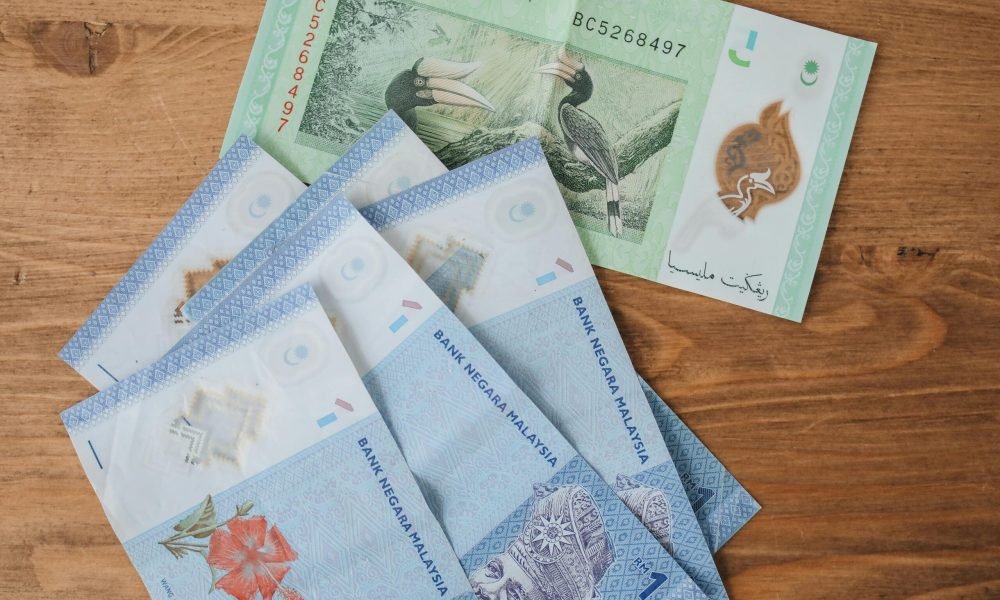
Many locals and collectors often seek notes with “fancy numbers” (like 888888 or 123456) and pay more than face value for them. Irwan Zahuri / Pexels
When you’re planning a trip toMalaysia, there’s a lot more to think about than just the stunning beaches of Langkawi or the bustling streets of Kuala Lumpur. One of the most important yet often overlooked aspects of traveling is understanding the local currency.
The Malaysian Ringgit (MYR) is the key to unlocking the local markets of Petaling Street, the vibrant street food stalls of Penang, and the charming rural towns in the Cameron Highlands. If you are haggling for souvenirs in George Town or enjoying a meal in a hawker center, knowing how the currency works can make your experience smoother and more enjoyable.
This guide is here to help you navigate the Malaysian Ringgit, with essential tips on denominations, money management, and avoiding common pitfalls. By understanding how to handle your cash, you’ll have more time to focus on the best experiences Malaysia has to offer. That’s everything you need to know about Malaysian currency.
Need to know about Malaysian Currency Notes feature national symbols like the hibiscus flower, representing unity and strength. Polina / Pexels
1. Thailand Offers a “Visa on Arrival” for Last-Minute Planners
Here’s Everything you need to know about Malaysian Currency something surprising: Malaysia’s banknotes don’t just stand out in design; they actually have their scent. Travelers often discover that a freshly printed ringgit carries a light, distinctive smell you won’t find on other currencies.
Malaysia prints its notes on polymer, a durable, water-resistant plastic material, instead of traditional paper. During production, the polymer absorbs certain compounds that give the new notes their signature smell, often described as slightly sweet or plasticky.
It’s something you’ll only notice if you hold a brand-new bill close. So next time you receive a crisp RM50 or RM100 from the bank or an ATM, take a gentle sniff; it’s a quirky, sensory way to connect with Malaysia’s modern currency story, and a fun detail many visitors miss.
2. The Story Behind the Hibiscus on RM1
Take a close look at the RM1 note, and you’ll spot a vibrant hibiscus flower printed on it. It’s not just decoration; it’s a powerful national symbol deeply woven into Malaysia’s identity. Malaysia chose the hibiscus, known locally as Bunga Raya, as its national flower in 1960 for its beauty and meaning.
Featuring the hibiscus on its currency, Malaysia honors its cultural pride and quietly shares a message of harmony and togetherness with everyone who handles its money.
Need to Know About Malaysian Currency when travelers eager to see this flower up close can visit the Perdana Botanical Gardens in Kuala Lumpur, where hibiscus plants bloom throughout the park, or explore the Hibiscus Garden in Port Dickson, home to hundreds of colorful hibiscus varieties. Every time you hold an RM1 note, you’re carrying a small tribute to Malaysia’s national spirit.
3. Did You Know You Can Collect ‘Fancy Numbers’ for Profit?
In Malaysia, currency collecting isn’t just about rare or old notes; it’s also about the numbers printed on them. Many locals and collectors seek notes with “fancy numbers” on banknotes.
These are serial numbers with special patterns, like repeating digits (888888), sequences (123456), or palindromes (122221). In Chinese culture, the number 8 symbolizes luck and prosperity, which makes banknotes featuring multiple eights highly prized and especially valuable and you have to need to know about Malaysian Currency fancy numbers.
This little-known practice means you could unknowingly receive a note worth far more than its printed value. As a traveler, it’s a tip: check your change at shops, restaurants, or ATMs; you might be holding a hidden treasure that collectors would love to buy!
4. Why the Color Orange Matters in RM20
Have you ever wondered why the RM20 note stands out with its bold orange color? Need to Know About Malaysian Currency. This bright shade isn’t just eye-catching; it carries cultural meaning too. Malaysia reintroduced the RM20 in its latest banknote series after discontinuing it for years and intentionally chose orange for its color. feels intentional. In many Asian cultures, orange symbolizes energy, warmth, and vitality.
It’s a color linked with optimism, enthusiasm, and positivity—qualities that reflect Malaysia’s lively markets, tropical landscapes, and vibrant culture. The warm tone also mirrors the country’s sunny climate and welcoming atmosphere. Every time you hold an RM20 note, you’re not just holding money; you’re holding a small symbol of Malaysia’s bold, energetic spirit.
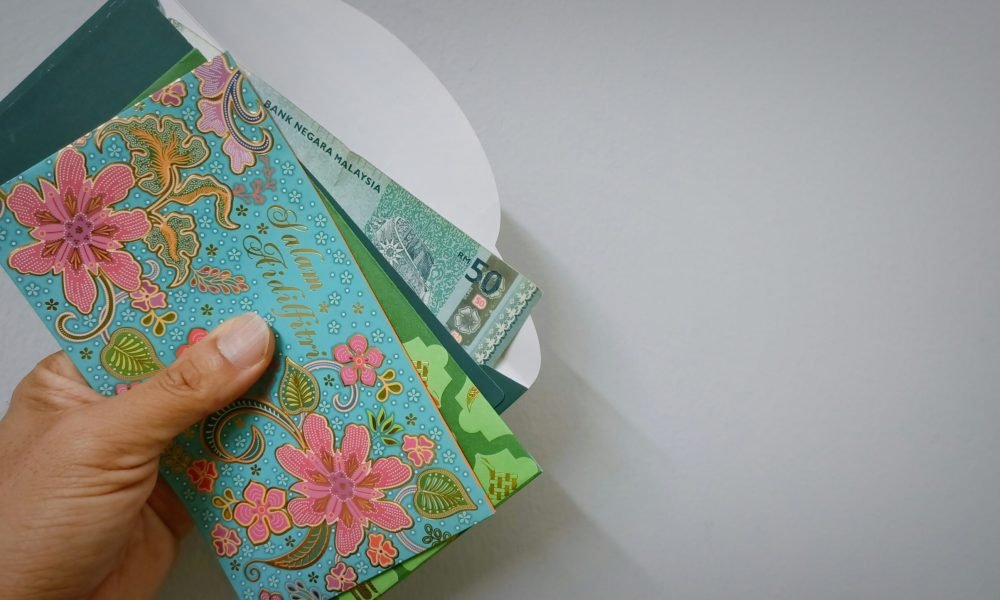
There is another thing Need to know about Malaysian Currency duit raya packets ia the festive versions of the currency. Nahrizul Kadri / Unsplash
5. A Guide to Spotting Eid Edition Money Packets
During Hari Raya (Eid al-Fitr), Malaysians partake in the beloved tradition of giving duit raya, or money gifts, to children and loved ones, typically enclosed in beautifully decorated packets. Need to know about Malaysian Currency that these vibrant envelopes are adorned with a blend of traditional designs, elaborate patterns, and occasional religious symbols, all crafted to honor the spirit of the festival.
In addition to the usual packets, some banks release special edition banknotes or limited-edition duit raya packets exclusively for the occasion. These festive versions of the currency often feature unique designs that reflect the cultural significance of the holiday.
While this practice isn’t widely covered in travel articles, it presents the best opportunity for tourists visiting Malaysia during Eid to not only experience the joyous atmosphere but also to collect these special items as souvenirs. Whether as a memento or a cultural keepsake, the limited editions are a thoughtful and distinctive reminder of a truly Malaysian celebration.
6. How the Ringgit Can Be a Conversation Starter
The Malaysian ringgit can serve as a surprising yet effective icebreaker when meeting locals. Many travelers use their home country’s money or discuss the intricate designs of Malaysian banknotes as a way to spark conversation, especially when interacting with street vendors, taxi drivers, or shopkeepers.
The Malaysian ringgit can serve as a surprising yet effective icebreaker when meeting locals. Many travelers use their home country’s money or discuss the intricate designs of Malaysian banknotes as a way to spark conversation, especially when interacting with street vendors, taxi drivers, or shopkeepers.
Using your money as a conversation starter is not only a fun and interactive way to engage with locals, but it also creates authentic exchanges that go beyond the typical tourist experience. It’s a unique tip that encourages cultural exchange and helps travelers form meaningful connections during their trip.
7. Why Some Locals Don’t Like the 1 Sen Coin
In Malaysia, the 1 sen coin, despite being legal tender, is rarely used in everyday transactions and has become somewhat of a novelty. The small value of the coin, combined with inflation, means it is often seen as impractical by locals.
In fact, many people find it so insignificant that they avoid using it altogether, opting instead to round up their payments or leave the change behind. As a result, the 1 sen coin is often discarded or stored away in drawers, seldom circulating in the economy. For tourists, it’s not worth the effort to hoard these tiny coins for payment, as they’re unlikely to be accepted or used.
It’s a quirky aspect of Malaysian currency that highlights how cultural and economic factors influence the practical use of money, and it’s best for travelers to focus on higher denominations when making purchases. This is seven important point that every traveler should Need to Know About Malaysian Currency before travel to Malaysia.
Official Malaysia government websites
Everything You Need to Know About Malaysian Currency
Bank Negara Malaysia (BNM) – The central bank of Malaysia provides comprehensive details about the country’s currency, including the design, security features, and updates on new banknotes and coins. Home – Bank Negara Malaysia
Malaysia’s Ministry of Finance – This site includes information on the country’s economic policies, fiscal matters, and updates related to the national currency. Portal Rasmi Kementerian Kewangan
FAQs
1. What is the official currency of Malaysia? Need to know about Malaysian Currency.
The official currency of Malaysia is the Malaysian Ringgit (MYR). It is abbreviated as RM, and 1 Ringgit is subdivided into 100 sen.
2. What banknotes are available in Malaysia?
The Malaysian Ringgit is available in the following banknotes: RM1, RM5, RM10, RM20, RM50, and RM100. Each note features different designs, with images of national leaders, historical landmarks, and symbols like the hibiscus flower.
3. What coins are in circulation in Malaysia?
The coins in circulation are 1 sen, 5 sen, 10 sen, 20 sen, and 50 sen. The 1 sen coin is rarely used due to its low value, while the higher denomination coins (50 sen and 20 sen) are more commonly used in daily transactions.
4. Can I use foreign currency in Malaysia?
No, Malaysia’s official currency is the Ringgit (MYR), and foreign currencies are generally not accepted. It is advisable to exchange foreign currency for Ringgit at banks or authorized exchange centers.
5. Where can I exchange currency in Malaysia?
Yes, Malaysian banknotes are safe to use. They are printed with security features like watermarks, holograms, and microtext to prevent counterfeiting.
6. Are Malaysian banknotes safe to use?
You can exchange at:
Airports (higher fees)
Local money changers
Banks (bring your passport) Always ask for a receipt.
7. Can I collect Malaysian banknotes as souvenirs?
Yes, many travelers collect Malaysian banknotes, especially limited edition or commemorative notes released during special events like Hari Raya (Eid al-Fitr) or Malaysia’s National Day. These notes often feature unique designs or special serial numbers.
8. Is tipping common in Malaysia? Need to Know About Malaysian Currency.
Tipping is not mandatory in Malaysia, but it is appreciated for good service, especially in restaurants or by taxi drivers. Some establishments may include a service charge in the bill.