Everything You Need to know About Japan's Tourist Visa
While entering Japan it’s crucial to understand the tourist visa process and ensure that everything you need to know about Japan’s tourist visa. Taiki Ishikawa / Unsplash
Japan stands as one of the world’s most fascinating travel destinations, attracting millions of visitors each year. From its rich history and cultural landmarks like Kyoto’s ancient temples and vibrant city life in Tokyo to its stunning natural landscapes, including Mount Fuji and beautiful Okinawa Beaches, Japan offers an unparalleled travel experience.
Before embarking on your Japanese adventure, it’s crucial to understand the tourist visa process. Each country has different requirements and conditions, and knowing the necessary steps can save you from unexpected delays or complications. By ensuring your visa is approved in advance, you can avoid the stress of last-minute paperwork and focus on planning your dream trip. A little preparation goes a long way, helping you make the best time to visit Japan.
Here is your guide to explain everything you need to know about Japan’s tourist visa.
Visa that best for travel plans ensures a smoother entry and a worry-free stay in Japan. Taiki Ishikawa / Unsplash
1. Types of Tourist Visas for Japan
Japan offers several types of tourist visas. The most common is the Short-Term Stay Visa, which allows visitors to stay in Japan for up to 90 days for tourism, business meetings, or visiting friends and family. This visa is usually single-entry, though multiple-entry options are available for certain nationalities or frequent travelers.
For many, a visa isn’t needed at all thanks to Japan’s Visa Waiver Program, which allows citizens of over 70 countries (like the U.S., Canada, most of Europe, Singapore, and Australia) to enter without a visa for short stays. However, those planning to engage in specific activities, such as visiting relatives, participating in cultural exchanges, or joining a short-term course, may apply under Special Tourist Visa Categories.
Everything You Need to know About Japan’s Tourist Visa. These tailored options require additional documentation but offer more flexibility depending on the purpose of your visit. Understanding the type of visa that best suits your travel plans ensures a smoother entry and a worry-free stay in Japan.
Everything you need to know about Japan’s tourist visa and clear documentation increases your chances of a smooth approval. Eunicee / Unsplash
2. Who Needs a Tourist Visa for Japan?
Everything you need to know about Japan’s tourist visa. whether or not you need a tourist visa to visit Japan depends largely on your nationality. Japan has mutual visa exemption agreements with over 70 countries, including the United States, Canada, Australia, the UK, most EU nations, Singapore, and several others. Citizens of these countries can enter Japan without a visa for short-term stays, typically for tourism, visiting family or friends, or business meetings.
The permitted duration of stay varies: 90 days for most, 30 days for a few like Thailand and Indonesia, and 15 days for certain cases, such as Brunei or some diplomatic passport holders. On the other hand, travelers from countries not part of the visa exemption list, including India, Pakistan, the Philippines, and several African and Middle Eastern nations, must obtain a tourist visa before arriving in Japan.
Everything you need to know about Japan’s tourist visa. Understanding your visa eligibility in advance helps avoid entry issues and ensures a smooth journey into the country’s rich cultural and natural beauty.
3. Requirements for Japan's Tourist Visa
To successfully apply for a Japan tourist visa, travelers must meet several specific requirements to demonstrate the purpose and feasibility of their visit. First and foremost, a valid passport is essential, with at least one blank page and validity extending well beyond the intended stay. Alongside the passport, applicants must submit a recent passport-sized photo (taken within the last six months) that meets Japan’s strict size and background specifications.
Everything you need to know about Japan’s tourist Visa having financial stability is also a key criterion; bank statements or salary slips are typically required to prove that you have sufficient funds to support yourself during the trip. Additionally, Everything You Need to know About Japan’s Tourist Visa a detailed travel itinerary, outlining your day-to-day plans, along with proof of accommodation bookings, such as hotel confirmations or a letter of invitation if staying with a host.
A confirmed return flight ticket strengthens your case by showing intent to leave Japan after your stay. All must be submitted with a completed visa application form, carefully filled out and signed. Providing accurate and thorough documentation increases your chances of a smooth approval process.
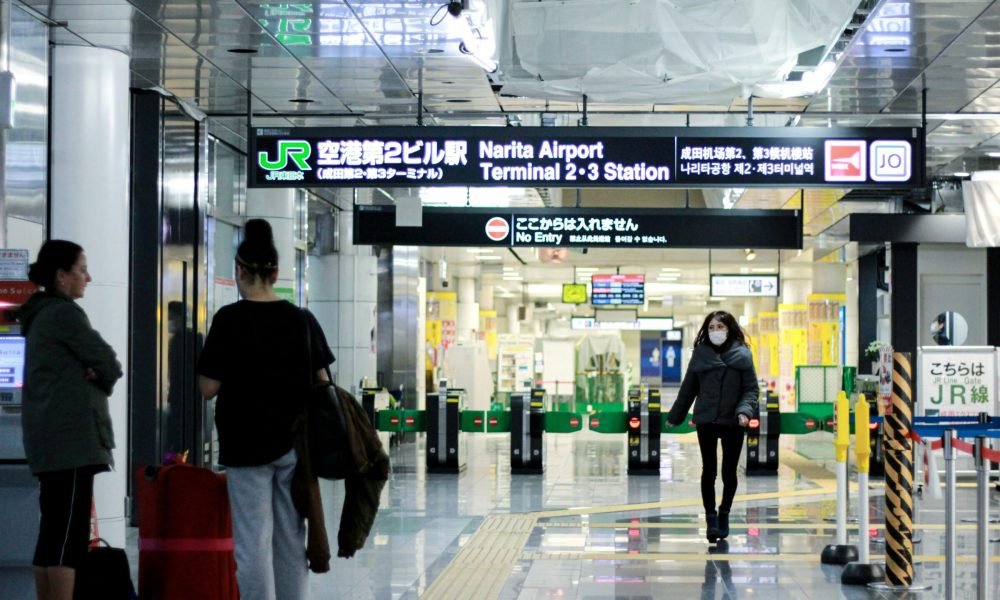
Bright signs, reflective floors, and the calm, organized atmosphere reflect Japan’s efficient transportation system. Lourd Tan / Unsplash
4. The Japan Tourist Visa Application Process
Here is your guide to explain everything you need to know about Japan's tourist visa.
Your Path to Japan: A Clear Step-by-Step Guide to Securing a Tourist Visa
Applying for a Japan tourist visa involves a straightforward but detail-oriented process. If yes, collect all required documents and begin the application process through the nearest Japanese embassy or consulate or an authorized visa agent.
Completing the Visa Application Form
Download the official visa application form here from the embassy website. Fill it out carefully with accurate information; mistakes or omissions can lead to delays. Make sure that you sign and date the check before you submit the form.
Submitting Necessary Documents
Submit your completed application form, valid passport, recent passport-sized photo, financial proof (like bank statements or salary slips), itinerary, accommodation details, and return flight booking. Each document supports your purpose of travel and assures Japanese authorities of your intent to return.
Visa Fee and Payment Methods
The tourist visa fee usually ranges between JPY 3,000 and 6,000, depending on the type (single or multiple entry). Payment methods vary by country; some accept only cash at the time of submission, while others may accept cards or bank transfers. Always check with your local embassy or visa agent in advance.
Visa Processing Time
Once submitted, processing usually takes 5 to 7 working days, though this can vary depending on the embassy, time of year, and your nationality. It’s best to apply at least 3–4 weeks in advance to avoid last-minute stress.
Where to Submit Your Application
Tourist visa applications must be submitted to the Japanese Embassy or Consulate in your country or through authorized visa agencies. Some embassies require appointments, while others work on a walk-in basis.
5. Common Challenges and How to Overcome Them
One of the most frequent hurdles in the Japan tourist visa process is incomplete or inaccurate documentation and everything you need to know about Japan’s tourist visa. Missing bank statements, unclear travel itineraries, or incorrect photo sizes can lead to delays or even rejection. To avoid this, double-check the checklist provided by the embassy and prepare your documents with care.
Delays are another common issue, especially during peak travel seasons. Japanese embassies may experience a surge in applications, which can slow down processing times. Applying at least a month in advance gives you a comfortable buffer and reduces last-minute stress. Everything You Need to know About Japan’s Tourist Visa.
In cases of visa denial, don’t panic; review the reason provided, which is often related to documentation, unclear travel intent, or financial insufficiency. Once you’ve identified the issue, correct it and consider reapplying with stronger evidence. If needed, seek advice from an authorized visa agent to improve your chances the second time around.
6. Tips for a Smooth Visa Application Process
To ensure a smooth Japan tourist visa application process, start by organizing all your documents with precision. Your passport, financial proof, detailed itinerary, flight and hotel bookings, and a properly filled application form should all be neatly arranged and double-checked. Submitting a complete, well-prepared file shows seriousness and builds trust with the visa officers.
Avoid common mistakes like mismatched dates, unclear travel purposes, or photographs that don’t meet official guidelines, as these can lead to unnecessary delays or outright rejection. Always use updated forms from the embassy’s official website and follow instructions word for word.
Once your application is submitted, many embassies or agencies provide a reference number or receipt that lets you track your visa status online or via phone. Staying proactive, detail-oriented, and timely can turn the often-stressful visa process into a quick and easy step toward your Japanese adventure. Everything You Need to know About Japan’s Tourist Visa before you travel.
7. After Your Tourist Visa is Approved
Once your Japan tourist visa is approved, the first thing you should do is carefully check the visa sticker in your passport to verify the validity dates, the number of entries allowed, and the duration of stay permitted. Mistakes are rare but possible, and it’s best to catch them early. Next, start preparing for your trip by getting travel insurance, which, while not always mandatory, is highly recommended to everything You need to know about Japan’s tourist visa cover unexpected medical costs or travel disruptions.
Familiarize yourself with Japanese yen and consider carrying some local currency for initial expenses like transport, meals, or SIM cards. Everything you need to know about Japan’s tourist visa so download useful apps for translation, navigation, and currency conversion to make your journey smoother.
8. Visa Extensions and Re-Entry Rules
Extending a tourist visa in Japan is generally not permitted unless there are exceptional circumstances, such as a medical emergency or natural disaster that prevents your departure. In such rare cases, you must apply for an extension through a regional immigration office in Japan before your visa expires and provide strong documentation to support your request.
If you overstay your visa, even by a single day, you may face serious consequences, including fines, detainment, deportation, and even a ban from re-entering Japan for several years. It’s crucial to respect your visa’s validity period and plan your departure accordingly. If you wish to return to Japan after your visit, you’ll need to leave the country and apply for a new tourist visa or re-enter under the Visa Waiver Program, if your nationality allows. Always stay informed and comply with Japan’s immigration rules to enjoy a hassle-free travel experience because Here is your guide to explain everything you need to know about Japan’s tourist visa before you travel.
Everything You Need to know About Japan’s Tourist Visa advantages for solo traveller. Federicoa / Pexels
9. Japan Visa Tips for Solo Female Travelers
When applying for a tourist visa, it’s wise to address any concerns the embassy might have by submitting clear and detailed documentation. They include a well-planned itinerary, confirmed hotel bookings, proof of financial independence, and a return flight ticket to show travel intent and responsibility.
Cultural awareness is key: Japan values modesty, respect, and social harmony, so dressing conservatively, learning a few basic Japanese phrases, and following local etiquette can enhance your experience and earn you warmth from locals. Everything you need to know about Japan’s tourist visa as a solo traveler, take advantage of female-only train cars, capsule hotels, and women-centric travel services that cater to comfort and safety.
Traveling alone in Japan is not only manageable; it can be incredibly empowering. With proper preparation, an open mind, and an adventurous spirit, solo women can explore Japan’s rich history, vibrant cities, and peaceful countryside with confidence and ease.
Everything You Need to know About Japan’s Tourist Visa while Traveling with your loved one in Japan. Suzi Kim / Unsplash
10. Cultural Etiquette Tips Once You Arrive
When visiting Japan, understanding and respecting local customs and etiquette can deeply enrich your travel experience. Simple gestures like bowing as a greeting, removing shoes before entering homes or certain traditional spaces, and saying “arigatou gozaimasu” (thank you) show appreciation for Japanese culture.
At shrines and temples, be sure to bow at the gate, cleanse your hands at the water basin, and avoid loud conversations.
Learning and respecting these customs not only prevents unintentional offense but also helps you connect more genuinely with locals, leading to a more immersive and meaningful journey through Japan. Everything you need to know about Japan’s tourist visa.
Q1. Do I need a visa if I’m just transiting through Japan?
If you’re transiting and not leaving the airport’s international zone, you usually don’t need a visa. But if you plan to exit the airport, even for a short layover or hotel stay, you may need a transit or tourist visa, depending on your nationality. Always confirm with your airline or local Japanese embassy before traveling.
Q2. Can I apply for a Japan tourist visa from within Japan?
No. Tourist visas must be applied for from outside Japan. You cannot convert or apply for a tourist visa while already in the country. If you’re on a different visa type and want to switch to a tourist visa, you must leave Japan and apply from your home country.
Q3. How can I extend my tourist visa in Japan?
Visa extensions are rare and only granted under exceptional circumstances, like a medical emergency or natural disaster. If you must extend, visit a regional immigration office before your visa expires, with supporting documents like hospital records. In most cases, it’s best to leave and reapply from abroad.
Q4. How long does it take to process a Japan tourist visa?
Visa processing usually takes 5 to 7 working days after submission, but it can vary depending on your country and the season. During peak travel times, it’s safer to apply at least 3 to 4 weeks in advance.
Q5. Is travel insurance mandatory for a Japan tourist visa?
It’s not mandatory, but highly recommended. Medical treatment in Japan can be expensive, and travel insurance also covers trip cancellations, theft, and accidents—making your journey safer and worry-free.
Q6. What financial proof is needed for a Japan tourist visa?
You should provide bank statements (last 3–6 months) showing enough funds to cover your trip, plus income proof like a salary slip or ITR (if applicable). There’s no fixed amount, but aim for enough to cover accommodation, food, travel, and emergencies.