
Thailand has made its system even more welcoming with smoother e-visa processes. Nopparuj Lamaikul / Unsplash
10 Best Things on Thailand's Tourist Visa
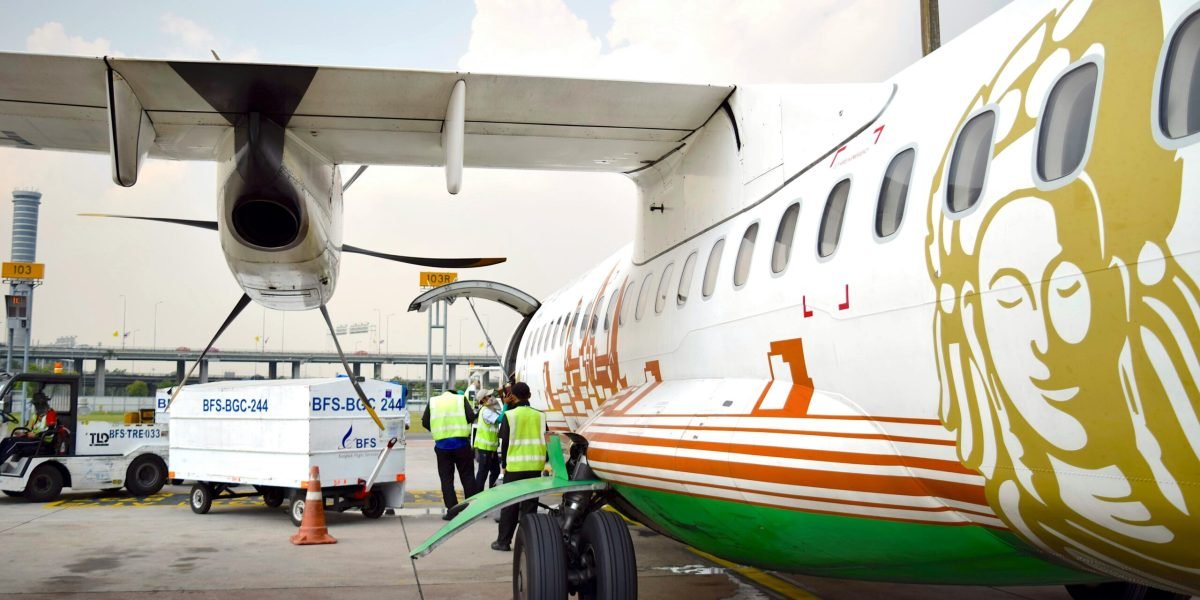
For many travelers, applying for a visa is the least exciting part of planning a trip, but Thailand makes it refreshingly simple and surprisingly stress-free. Thailand isn’t just loved for its tropical charm and rich culture; it also stands out for having one of the easiest and most flexible tourist visa systems in Asia, making it a top choice for travelers looking to explore without limits.
In 2025, Thailand has made its system even more welcoming with smoother e-visa processes, extended stay options, and visa-free access for more nationalities. These updates are part of the country’s effort to boost tourism while adapting to the needs of modern travelers.
This article explores the 10 best things on Thailand’s tourist visa that every traveler should know—not just facts and rules, but real-life benefits that make travel smoother, smarter, and more enjoyable.
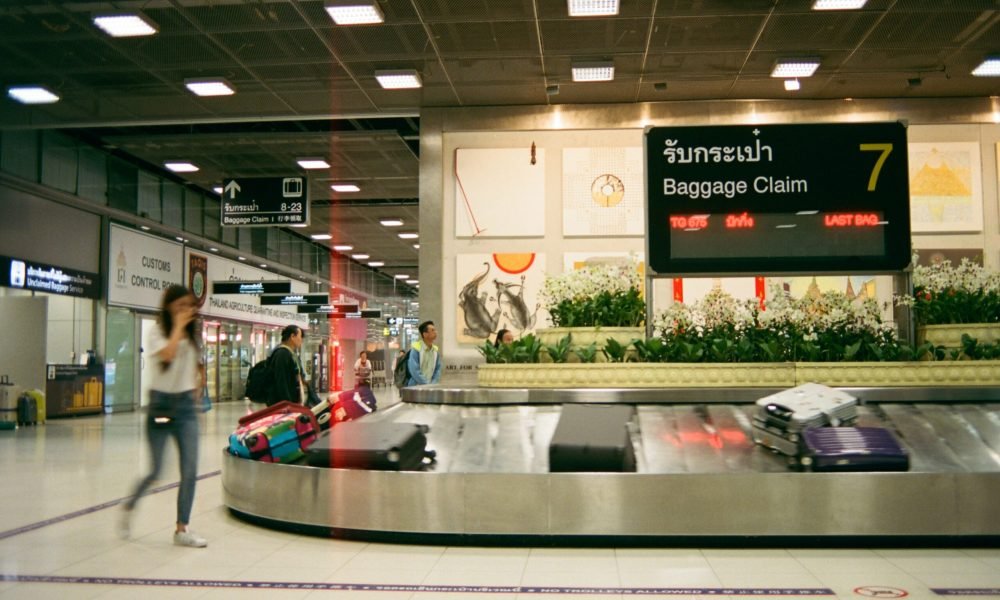
Thailand has you covered with its Visa on Arrival (VoA) program. As of 2025, citizens of 19 countries. Rach Teo / Unsplash
1. Thailand Offers a “Visa on Arrival” for Last-Minute Planners
If you’re the kind of traveler who books last-minute getaways, Thailand has you covered with its Visa on Arrival (VoA) program. As of 2025, citizens of 19 countries, including India, China, Kazakhstan, Saudi Arabia, and Uzbekistan, can conveniently get their tourist visa right after landing at Thailand’s international airports or key land border checkpoints, skipping the need for any pre-trip paperwork.
This convenient system allows eligible visitors to stay for up to 15 days without applying in advance. The process is quick and straightforward—upon arrival, travelers fill out a short form, present their passport (with at least 30 days of validity), a passport-sized photo, return flight confirmation, and proof of accommodation, and then pay a fee of approximately 2,000 Thai Baht (about $55–$60 USD).
In many airports, there are dedicated VoA counters that streamline the entire process, often taking just 20 to 30 minutes. This flexible entry method is ideal for spontaneous travelers, business visitors, or those attending events who didn’t have time for prior visa arrangements, giving a gateway into Thailand’s vibrant culture and scenery.
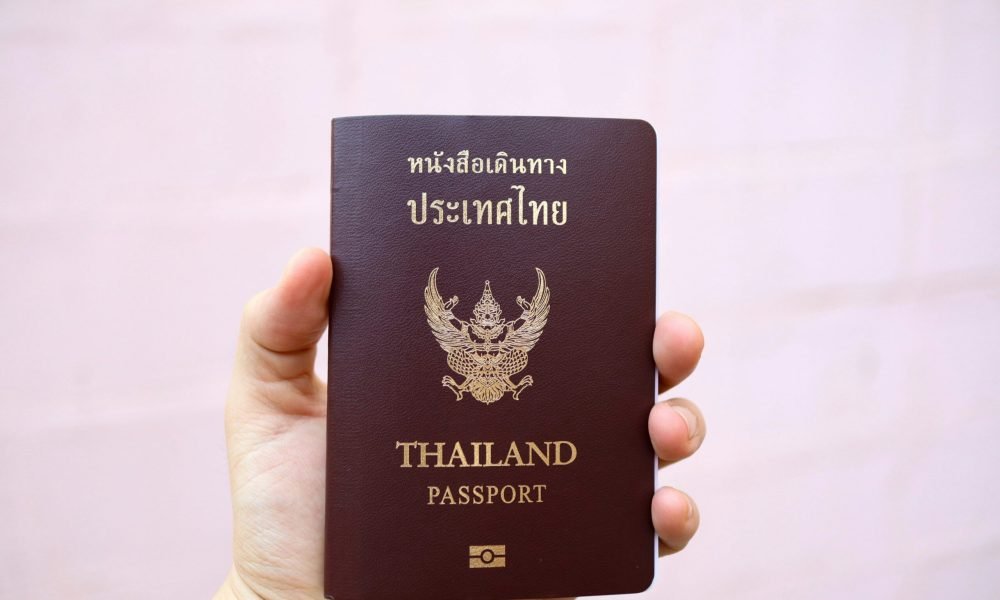
Thailand’s passport is one of the world’s most powerful passport, giving visa-free access to over 80 countries. Noppon Meenuch / Unsplash
2. You Can Extend Your Stay with Just a Trip to the Local Immigration Office — No Need to Leave Thailand
A standout advantage of Thailand’s tourist visa system is that you don’t need to leave the country to extend your stay. While many nations require travelers to cross borders for a “visa run,” Thailand makes it far easier; you can simply head to the nearest immigration office and request a 30-day extension. It’s a hassle-free solution for those who fall in love with the country and decide to stay a little longer, without the need for extra travel or paperwork abroad.
This is especially helpful for those who decide to stay longer for leisure, health retreats, or remote work. The process is relatively straightforward: you’ll need your passport, a photocopy of your main ID pages and current visa stamp, a passport-sized photo, and a completed extension form.
The fee is 1,900 Thai Baht (around $50–55 USD), and approvals are usually granted on the same day. Whether you’re on a 30-day visa-free stay or an e-visa, this in-country extension gives you flexibility and peace of mind—no border runs, no travel stress, just more time to soak in Thailand’s beauty.
3. Thailand Once Had a “Special Tourist Visa” (STV) for COVID-Era Travelers — 90 Days + 2 Extensions Possible!
During the COVID-19 pandemic, Thailand introduced a unique solution to support tourism while maintaining safety: the Special Tourist Visa (STV). Thailand launched the STV in late 2020 specifically to welcome long-term travelers who were willing to follow strict health protocols.
What made this visa remarkable was its extended duration: it granted an initial 90-day stay, with the option to renew it twice, allowing a total stay of up to 270 days, nearly nine months.
At the time, it was one of the longest tourist visas offered globally, making it especially attractive for digital nomads, retirees, and slow travelers who wanted to settle in Thailand for an extended period.
Applicants had to meet certain requirements, such as providing proof of long-stay accommodation (like hotel bookings, condo leases, or private residence ownership), health insurance, and, in some cases, financial proof.
Though the STV program officially ended in 2022, it remains a powerful example of how Thailand adapted creatively during global travel disruptions, and it hinted at the country’s potential for future long-stay visa options.
4. Your Visa Validity Is Based on Entry Date, Not Issue Date
One of the most traveler-friendly aspects of Thailand’s tourist visa system is that the validity period begins on the day you enter the country, not when the visa is issued. For instance, if your visa is approved and issued in April, but you don’t actually enter Thailand until July, your stay duration (whether it’s 30, 60, or 90 days depending on the visa type) will only start counting from your arrival date in July.
This system gives incredible flexibility, especially for travelers who like to plan ahead but don’t have fixed travel dates. It allows you to apply for your visa well in advance without worrying about losing days before you arrive. For backpackers, digital nomads, or anyone navigating multiple destinations, this grace period makes Thailand even more appealing as a flexible, no-pressure travel destination.
5. Thailand Offers a Medical Visa That Allows Foreigners to Stay for 90 Days for Treatment
Renowned for its high-quality yet affordable healthcare, Thailand has become a global hotspot for medical tourism, and its medical visa—available under Non-Immigrant “O” or “M” categories—makes long-term treatment visits easier than ever. This visa permits international patients to stay up to 90 days in the country for a wide range of procedures, not limited to major surgeries.
From cosmetic enhancements and dental care to fertility treatments and wellness therapies, travelers can access world-class medical services while enjoying Thailand’s comfortable recovery environments. It’s a visa designed not just for healing but for a stress-free and rejuvenating experience.
Travelers can apply even if they’re visiting for dental procedures, cosmetic surgery, fertility treatments, orthopedic care, or wellness therapies. To qualify, applicants typically need to show a letter of appointment or confirmation from a licensed Thai hospital or clinic, along with proof of finances and valid health insurance.
Many people choose Thailand for medical care due to its high-quality hospitals, internationally accredited doctors, and significantly lower costs compared to Western countries. This visa is ideal for patients who want world-class treatment while recovering in a calm, resort-like environment, and it’s a strong part of the country’s efforts to position itself as a healthcare hub in Asia.
6. Thailand’s Tourist Visa Can Be a Gateway to a Thai Elite Visa (5–20 years stay)
If you find yourself enchanted by Thailand’s vibrant culture and lifestyle, a standard tourist visa could be the first step toward a much longer adventure. For those looking to make their stay more permanent, Thailand gives the Thai Elite Visa program, a premium long-term residency option designed for comfort and convenience.
While the upfront cost may seem high, it comes with a wealth of premium benefits: fast-track airport services, VIP lounge access, annual health checkups, assistance with immigration and banking, and even a dedicated concierge team.
Unlike most long-stay visas that require work permits or retirement qualifications, the Elite Visa is open to anyone who can afford the membership, making it especially attractive to frequent visitors, digital nomads, retirees, or business professionals.
7. Some Border Crossings Now Use Facial Recognition Instead of Passport Stamps
To simplify the immigration process and improve security, Thailand is rolling out automated biometric systems, such as facial recognition, at major land and airport entry points.
These high-tech systems allow frequent travelers to bypass the traditional passport stamp process, making re-entry smoother and faster. With facial recognition, travelers can simply walk up to the kiosk, have their face scanned, and be instantly identified based on stored biometric data.
This change speeds up processing times and minimizes the risk of human error, making border crossings more efficient and seamless. For frequent visitors, business travelers, and digital nomads, this modern system gives a seamless, hassle-free experience, allowing them to spend less time at immigration and more time enjoying Thailand’s vibrant offerings.
8. The Thai Government Sometimes Waives Visa Fees to Boost Tourism in Off-Seasons
To encourage tourism during off-peak seasons, the Thai government has occasionally waived or reduced visa fees for tourists from certain countries. This strategy is often implemented during periods of low travel demand or economic downturns as a way to attract more visitors and stimulate the tourism industry.
For example, during certain months when visitor numbers tend to drop, Thailand has offered discounts on visa-on-arrival fees or even waived them entirely for travelers from specific nationalities, making it more affordable for tourists to visit.
Planning your trip during these fee waiver periods can lead to notable cost savings while also allowing you to explore Thailand’s top destinations with fewer tourists around. These seasonal incentives not only make travel more budget-friendly but also help the Thai tourism industry maintain steady visitor flows throughout the year, especially during quieter months.
9. Visa on Arrival is Valid at 48 Entry Points (Air, Sea, Land)
One of the most convenient features of Thailand’s Visa on Arrival (VOA) system is its wide accessibility; it’s valid at 48 official entry points, including not just major international airports but also select land and sea borders.
This broad availability allows for more spontaneous and diverse travel plans, especially for backpackers or regional explorers who may prefer overland journeys to international flights. It’s yet another way Thailand’s visa policies cater to all kinds of travelers, from casual vacationers to those seeking more unconventional, border-crossing adventures.

You can enter and exit the country multiple times during that period, making it a great option for travelers. Ketut Subiyanto / Pexels
10. Tourist Visa Doesn’t Forbid Remote Work — But It’s a Legal Grey Area
While Thailand’s tourist visa is officially intended for leisure and travel, the rules around remote work remain somewhat of a legal grey area. The visa doesn’t specifically prohibit tourists from working online for foreign companies, and many digital nomads do use tourist visas to stay in the country while continuing their remote jobs.
While the tourist visa isn’t meant for employment, especially not with Thai companies or any work tied to the local economy, many remote workers still use it to stay in Thailand. As long as you’re working discreetly for a company based abroad, say, answering emails from a beach in Phuket or taking calls from a Chiang Mai coworking space, you’re unlikely to face issues. Technically, it’s a legal gray zone, but in practice, authorities rarely enforce restrictions unless the work directly impacts local business.
Many remote workers treat the tourist visa as a short-term workaround while they apply for more appropriate options like the Thailand Long-Term Resident (LTR) visa, which was introduced to attract professionals and retirees. Until clearer policies emerge, digital nomads are advised to keep a low profile, avoid Thai clients, and keep up with immigration updates to avoid unintended violations.
Official Thailand government websites
This is the central platform for applying for tourist visas online. It supports applications for various visa types, including single-entry and multiple-entry tourist visas. You can upload documents, pay fees, and track your application status here. https://www.thaievisa.go.th/?utm_
GUIDED BY EXPERT
Yoga within Travel the perfect flow of Experience
Explore wellness in anywhere
by

Explore Related Articles
LEAVE A COMMENT
Error: Contact form not found.