
What makes South Africa currency truly special is how it blends beauty with meaning. Swiss Educational College / Unsplash
Need to Know About South Africa Currency
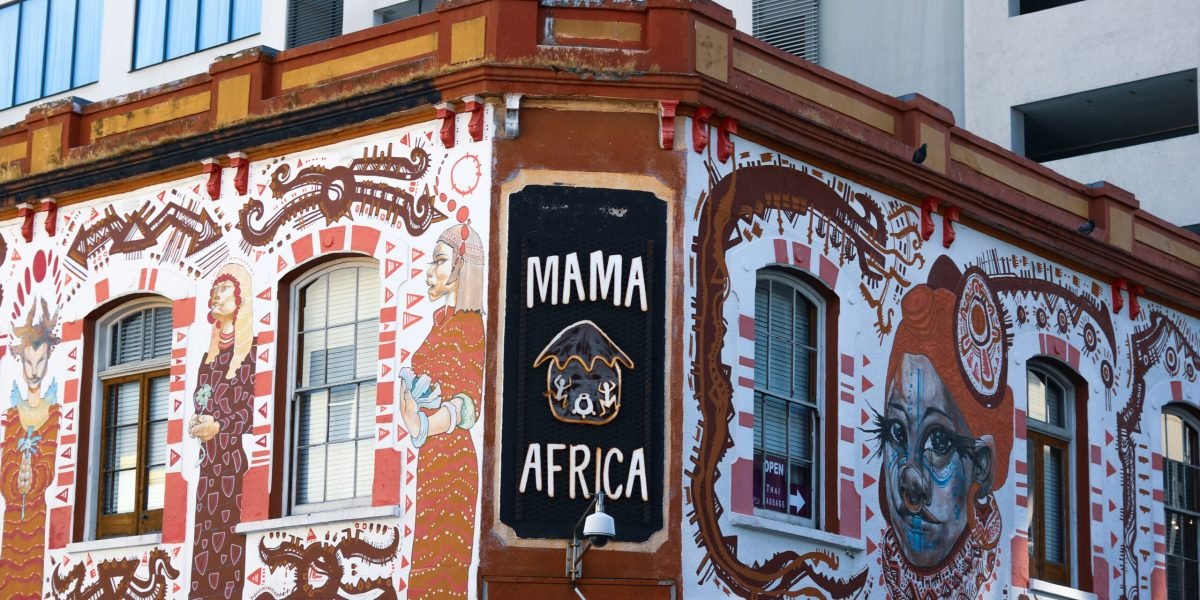
South Africa’s currency is called the rand, and it plays an important role in the daily lives of its people, travelers, and businesses. Named after the Witwatersrand (meaning “white waters ridge”), where gold was discovered, the rand reflects the country’s rich natural resources and economic journey.
From city malls to rural markets, the rand is used everywhere, and its colorful banknotes are easy to recognize. What makes South Africa’s currency truly special is how it blends beauty with meaning. Each note features iconic wildlife or Nelson Mandela, showing the country’s pride in both its natural heritage and historic leaders.
Whether you’re shopping in Cape Town, Costal Drive in Garden Route, tipping a safari guide, or buying a handmade souvenir in a village, understanding the rand gives you a deeper connection to the culture and rhythm of South African life.
That’s everything you need to know about South Africa currency.
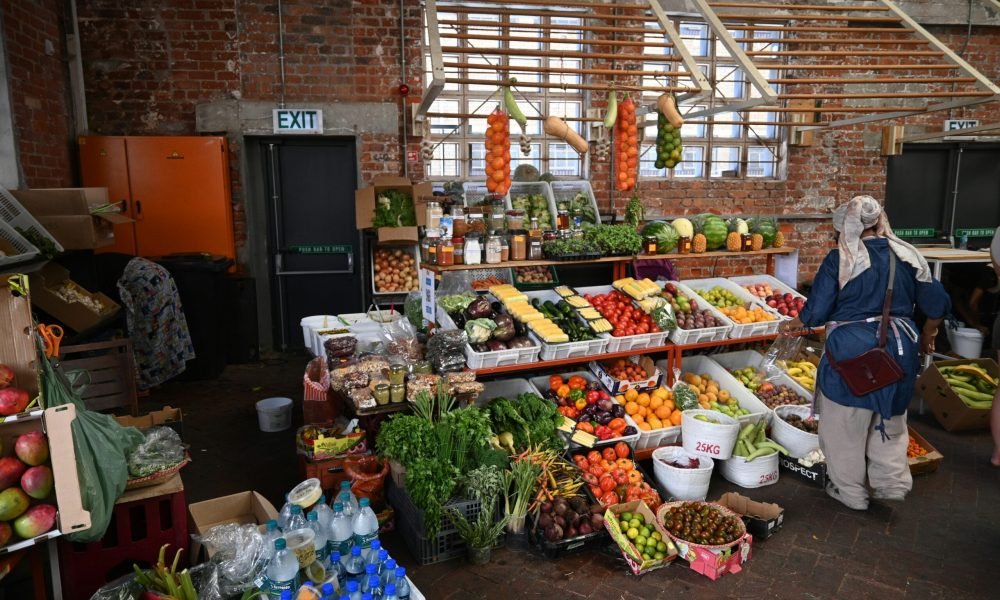
People often overlook these security touches, but they show how carefully the designers have crafted the currency. Tanya Paquet / Unsplash
1. The Rainbow Currency: How South Africa’s Banknotes Reflect Its Diverse Cultures
South Africa’s currency, the rand, is more than just money; it’s a celebration of the country’s rich and diverse identity. Each banknote tells a visual story of what makes South Africa unique. On one side, you’ll find powerful images of the Big Five animals—lion, leopard, elephant, rhino, and buffalo—representing the country’s deep connection to wildlife and nature.
On the other side, more recent notes honor Nelson Mandela, a global symbol of peace and freedom, reminding people of South Africa’s journey from apartheid to democracy. These thoughtful designs aren’t just beautiful; they reflect the spirit of a nation known as the “Rainbow Nation,” where different cultures, languages, and histories come together. Holding a South African rand is like holding a piece of the country’s soul and this is most important need to know about South Africa currency.
2. Currency That Talks: Hidden Security Features Most Tourists Overlook
South African banknotes aren’t just beautiful; they’re full of clever design features that make them secure and user-friendly. Many visitors don’t realize that each note includes smart details built to prevent counterfeiting and support accessibility.
You’ll notice raised printing you can feel with your fingers, an important tool not only for stopping fake notes but also for helping people with visual impairments tell denominations apart. There’s also microtext (tiny lettering), color-changing ink that shifts when you tilt the note, and detailed watermarks, all working together to protect the rand. and this much you need to know about South Africa currency.
People often overlook these security touches, but they show how carefully the designers have crafted the currency. The next time you use a rand, take a closer look; you might be surprised by how much thought is hidden in plain sight.
3. Dual Pricing Reality: How Rand Works Differently for Locals vs. Tourists
In many places across South Africa, especially in local markets, taxis, and near tourist attractions, the same item or service may come with two different prices: one for locals and a higher one for tourists. Here you need to know about South Africa currency.
Locals usually know the standard rates and can bargain confidently, while tourists, especially those unfamiliar with the rand, might end up paying more. Vendors might give a handcrafted souvenir to a tourist for R100, even though they sell it to locals for just R50. This “dual pricing” can also happen with taxi fares or entry fees at certain places.
The best way to avoid overpaying is to ask locals about fair prices, compare rates beforehand, and don’t be afraid to negotiate with a smile. Understanding this system helps travelers spend smarter and feel more connected to everyday South African life.
4. The Curious Case of Coins: Why Small Change Matters More Than You Think
In South Africa, coins might seem like small change, but they play a big role in everyday life. People often use R2 and R5 coins for quick transactions where notes aren’t practical.
For example, when paying parking guards, buying snacks from informal street vendors, or hopping into a minibus taxi, having coins makes things faster and easier. Many of these services don’t deal with cards or large bills, so locals always keep a few coins handy.
Tourists often overlook the need for exact change and end up stuck when they don’t have it. These humble coins may not seem like much, but they help keep the daily flow of South African life moving smoothly, especially in cash-based situations.

5. Township Economics: How the Rand Powers Informal and Cash-Only Markets
In South Africa’s townships and rural communities, cash continues to rule everyday life. Unlike the cities where card swipes and digital payments are common, small local markets still depend mostly on physical rand notes and coins. Street vendors, small shop owners, minibus drivers, and even hair salons in these areas often operate outside the formal banking system.
They prefer using cash because it’s faster, easier to trust, and works without needing machines or the internet. This cash-based system supports everyday life by creating jobs and offering essential services to millions of people.
Travelers should always keep some small cash on hand, especially when exploring local areas or street markets, where card machines are often unavailable. The way the rand moves through these cash-only spaces shows just how deeply it supports community-level trade and survival in South Africa.
6. The Global Rand: Why South Africa’s Currency Is Popular Among Currency Traders
Although the rand is South Africa’s national currency, it plays a major role in international markets and ranks among the most actively traded emerging-market currencies worldwide.
That’s because the rand is highly volatile; its value can shift quickly, which grabs the attention of traders who want to take advantage of price swings. On top of that, South Africa’s strong ties to natural resources like gold, coal, and platinum mean the rand often moves in response to global commodity trends, making it even more appealing to investors.
The rand often moves in sync with global gold prices; when gold goes up or down, the rand usually does too. That’s why international traders watch it so closely. Even though it belongs to just one country, the rand reacts to global market shifts, making it a popular choice for those involved in currency trading and investment. that you need to know about South Africa currency.
7. Swipe Smart: Why Card Usage Isn’t Equal Across All Provinces
In South Africa, using cards for payments is common in major cities like Cape Town or Johannesburg, where most shops, restaurants, and even small businesses have card machines or digital payment options. However, when you travel to rural provinces like the Eastern Cape or Limpopo, the situation changes quite a bit.
Many areas there still operate mostly on cash because of limited access to banking infrastructure, fewer card machines, and unreliable internet. Small vendors, minibus taxis, and informal markets in these regions often don’t accept cards at all.
This uneven access creates a digital gap between urban and rural areas. That’s why it’s smart for travelers to always carry some cash when heading outside the big cities because swiping your card may not always be an option.
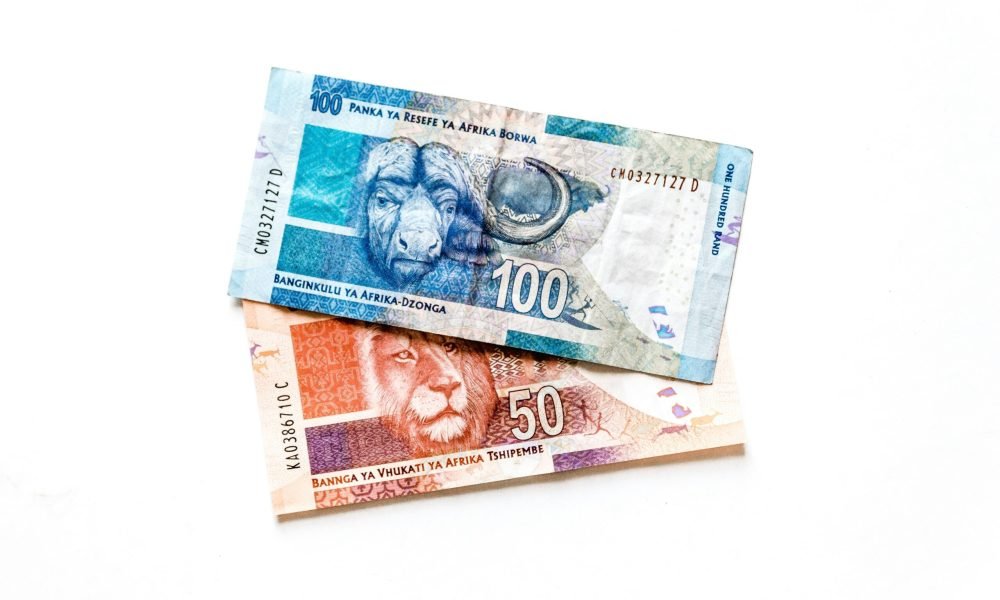
Need to know about South Africa currency, South Africa now prints Banknotes: R10, R20, R50, R100, R200. Sincerely Media / Unsplash
8. Currency Superstitions: The Beliefs Locals Attach to Money and Luck
In South Africa, money isn’t just a way to pay; it’s also tied to culture, tradition, and even superstition. In many communities, people believe that how you handle money can affect your luck or future wealth. For example, offering a folded note at weddings or festive events is thought to carry blessings, symbolizing a wish for success, prosperity, and positive energy.
In some places, coins are used in traditional ceremonies or kept in special places at home to attract good fortune. It’s also considered bad luck to hand over money with your left hand, as the right hand is traditionally associated with respect and giving.
These small rituals and beliefs show how deeply money connects with everyday life and spiritual meaning for many South Africans. As a traveler, noticing these cultural touches can help you understand the local mindset and maybe even bring you a bit of luck yourself. That’s everything you need to know about South Africa currency.
Official South Africa government websites
Everything You Need to Know About South Africa Currency
Visit their official site at resbank.co.za, where you’ll find comprehensive information on the rand, including exchange rates, monetary policy, press releases, and the latest currency updates
FAQs
1. Why is the rand considered volatile in global markets?
Because its value is strongly influenced by global commodity prices, political factors, and economic data—making it popular among currency traders.
2. What denominations are available in South African currency?
Banknotes: R10, R20, R50, R100, R200
Coins: 10c, 20c, 50c, R1, R2, R5
3. What does “ZAR” stand for?
“ZAR” comes from the Dutch “Zuid-Afrikaanse Rand” (South African Rand). It’s the international currency code.
4. Can I use US dollars, euros, or other foreign currencies in South Africa?
No. Only South African Rand is accepted for transactions. You’ll need to exchange your currency or withdraw rands from local ATMs.
5. Are credit and debit cards widely accepted in South Africa?
Yes, especially in urban areas like Johannesburg, Cape Town, and Durban. But cash is still important in rural regions and townships.
6. Is it easy to exchange foreign currency in South Africa?
Yes. Currency exchange services are available at airports, banks, malls, and licensed bureaux de change.
7. How can I tell if a South African note is real?
Look for security features: watermarks, raised printing, color-shifting ink, transparent windows, and microtext.
8. Is it safe to carry cash around in South Africa?
It’s generally safe in tourist areas, but it’s best to carry small amounts and be discreet. Avoid flashing large sums of money in public.
9. Is the South African Rand accepted in neighboring countries?
Yes, in some countries like Lesotho, Eswatini (Swaziland), and Namibia, the rand is accepted alongside or instead of local currency.
GUIDED BY EXPERT
Yoga within Travel the perfect flow of Experience
Explore wellness in anywhere
by

Explore Related Articles
LEAVE A COMMENT
Error: Contact form not found.