
Nightfall in the city where tuk-tuks, neon lights, and endless street markets bring the streets to life—welcome to chaos you’ll fall in love with. Dan Freeman / Unsplash
12 Best Ways to Travel Across Thailand
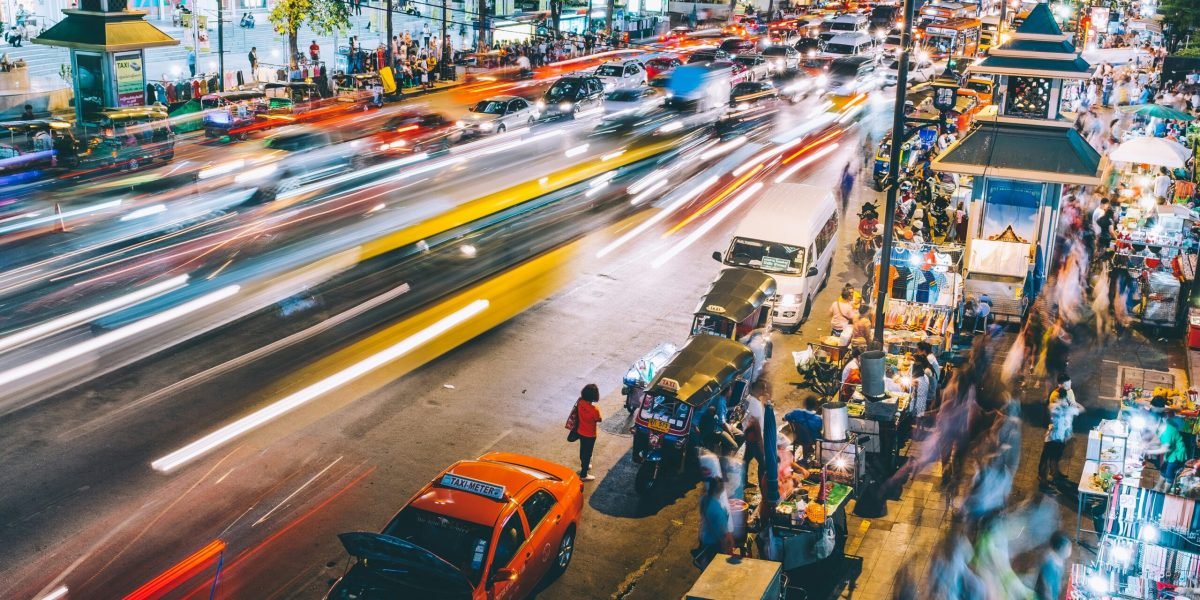
When people think of traveling across Thailand, they often picture budget airlines, overnight buses, or the classic tuk-tuk ride through Bangkok’s traffic. But what if you could experience the kingdom not just by moving through it but by flowing with it?
Thailand’s real charm doesn’t lie in how fast you get from Chiang Mai to Krabi; it’s in the in-between moments: drifting on a bamboo raft past sleepy jungle villages, catching a ride with a monk on a motorbike, or navigating temple towns guided only by the scent of street food.
This isn’t just a travel guide; it’s a portal to alternative paths, where the journey becomes a form of storytelling. Forget Google Maps. Let rivers, festivals, and food trails lead the way. These 12 unconventional travel modes will help you explore Thailand in a way no itinerary ever could—raw, real, and wildly unforgettable. Let’s know the 12 Best Ways to Travel Across Thailand.

The greenish, Thailand’s older train routes, like Bangkok to Kanchanaburi is best way to travel across Thailand. Maria Krasnova / Unsplash
1. Slow Train Sojourns: Ride the Rails with Locals on Scenic Routes
There’s something timeless about traveling by slow train in Thailand, a gentle rhythm that invites you to pause, observe, and truly absorb your surroundings. Unlike high-speed options that blur the landscape into a streak of green, Thailand’s older train routes, like Bangkok to Kanchanaburi or Chiang Mai to Lampang, give an intimate window into the country’s soul.
The carriages are often filled with a colorful mix of monks, schoolchildren, street vendors, and locals heading home, creating an unfiltered glimpse into daily Thai life. As the train ambles through rice paddies, mountain curves, and sleepy villages, vendors hop on and off, selling steaming bags of sticky rice, grilled chicken, and sweet coconut pancakes, turning your seat into a moving food stall.
Conversations spark easily, especially when you share a snack or attempt a few Thai phrases. These scenic rail journeys are not just about reaching your destination; they’re about the stories that unfold between stations, the smiles exchanged without words, and the slow magic of letting the journey lead the way.
2. Motorbike Caravan Culture: Join a Group Ride Through Northern Thailand
In Northern Thailand, the road doesn’t just take you places; it brings people together. Whether you’re winding through the cool hills of Chiang Rai, cruising into the laid-back charm of Pai, or tackling the legendary twists of the Mae Hong Son Loop, joining a motorbike group ride transforms the journey into a shared story. It’s not just travel; it’s a rolling community, stitched together by adventure, spontaneity, and the open road.
These caravan-style journeys bring together a mix of travelers—some seasoned riders, others first-timers—all united by a sense of freedom and curiosity. The ride itself is unforgettable: sharp curves hugging the mountains, fog-kissed valleys opening up after every turn, and endless green stretching as far as the eye can see.
Along the way, riders make spontaneous stops at hilltop cafés, roadside noodle stalls, or tiny villages selling handmade crafts. These pauses aren’t just about resting; they become moments to share stories, laugh over language mix-ups, or help each other patch up a flat tire. In a group, even the most challenging stretches of road feel lighter, and strangers quickly become friends as you navigate the highs and lows of the route together.
Riding in a motorbike caravan through Northern Thailand isn’t just a means of transport; it’s a moving community, a shared rhythm of adventure, and one of the most intimate ways to explore the country’s untamed beauty.
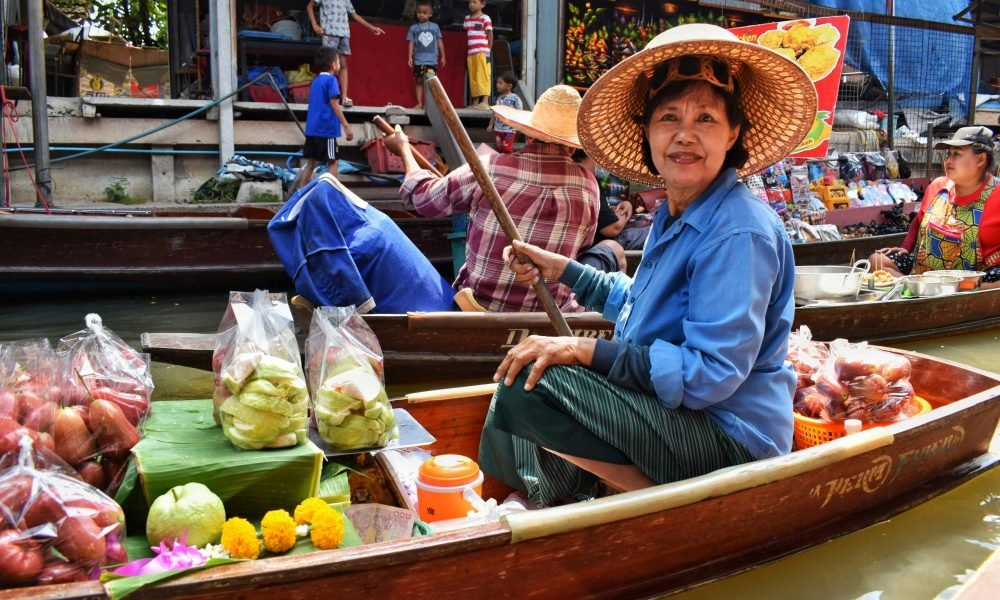
Smiles and spices float side by side in this vibrant dance of tradition at a bustling Thai floating market. Alyssa Pay / Unsplash
3. Longtail Boat Hopping Through Floating Markets and Hidden Canals
Beyond the busy streets and crowded night markets of Thailand lies a quieter, more fluid way of travel: gliding through the country’s veins of water on a traditional longtail boat. While many visitors take these boats for short tourist rides in Bangkok or around the floating markets of Damnoen Saduak, the real magic begins when you venture off the beaten waterways.
In provinces like Amphawa, Ayutthaya, and Nakhon Pathom, longtail boats become more than just transportation; they become passageways into another world. You drift past stilted wooden homes, wave to fishermen casting nets at sunrise, and stop at hidden floating markets where vendors pass you steaming bowls of noodles directly from their boats.
There’s a rhythm to canal life that’s soothing and deeply connected to Thai tradition. Some routes lead to ancient temples only accessible by water, others to villages untouched by modern tourism. Traveling this way invites you to slow down, listen to the splash of the oar, and see Thailand not from a highway or rail but from the water, where life flows gently and authentically.
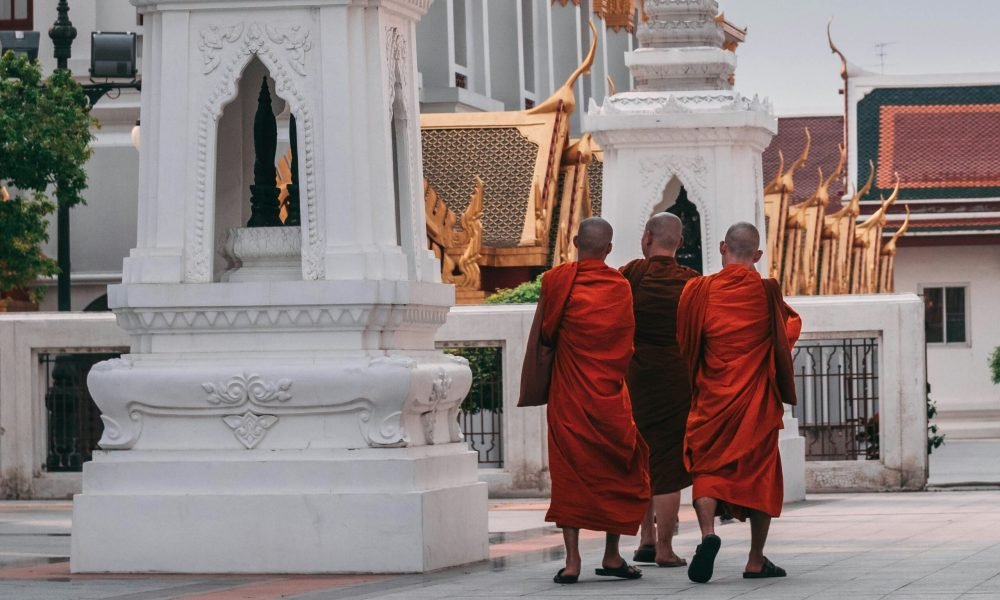
A temple-to-temple walking pilgrimage through the spiritual heartlands of Chiang Mai. Kiril Dobrev / Unsplash
4. Temple-to-Temple Walking Pilgrimage
In a world that often rushes, walking slowly from one sacred space to another can be a transformative experience. A temple-to-temple walking pilgrimage through the spiritual heartlands of Chiang Mai or the ancient ruins of Sukhothai invites you to step off the tourist trail and into a deeper rhythm, one guided by intention rather than itinerary.
As you move quietly on foot between temples, the journey becomes more than just physical; it turns inward. Along the way, you may encounter saffron-robed monks giving gentle smiles, hear the soft chime of temple bells in the distance, or be welcomed to join a morning alms-giving ceremony.
Many routes can be combined with short meditation retreats, where travelers can stay overnight in temple grounds, join in chanting, or receive personal blessings from resident monks. This form of travel is not measured in kilometers, but in moments of stillness, connection, and quiet insight.
5. Hitchhiking with a Twist: Sharing the Road with Thai Truckers
Along the quiet roads of Isaan and the long highways connecting Laos and the south, Thai truck drivers often provide more than just transportation. They play a key role in giving travelers an authentic experience, granting them access to rural areas and everyday life that is often overlooked by conventional tourism.
With a polite smile and Thailand’s signature thumb-down hitchhiking gesture, you’ll often find truckers happy to give a lift and sometimes even share a meal or introduce you to hidden roadside gems far off the tourist radar.
Safety is essential: dressing respectfully, steering clear of nighttime rides, and being clear about your destination are important unwritten rules. Hitchhiking in Thailand is less about chance and more about building trust, embracing humility, and experiencing the unspoken connections that make the journey unforgettable.
Every ride comes with a different story: a trucker who once studied in Germany, a farmer hauling fruit to Bangkok, or a woman who turns her cab into a karaoke booth. It’s a mode of travel that strips away filters and brings you face-to-face with the real, unfiltered heartbeat of the country one generous ride at a time.
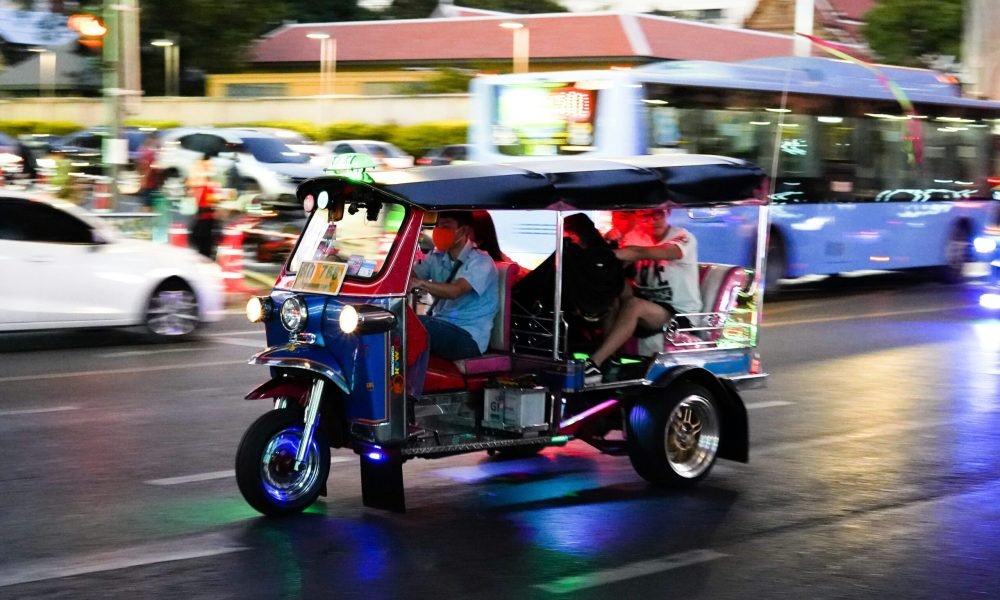
Zooming through Bangkok’s neon pulse, the tuk-tuk turns every street into an adventure soundtrack. Yuya / Unsplash
6. Tuk-Tuk Travel Challenges Across Cities
Forget boring transit apps and predictable itineraries; why not turn city-hopping into a quirky quest with a self-made Tuk-Tuk Adventure Challenge? The idea is simple but wildly fun: visit five different Thai cities, and in each one, complete a unique mission using only tuk-tuks as your mode of transport.
Whether it’s finding the spiciest street food in Bangkok, locating a hidden mural in Chiang Mai, bartering at a floating market in Ayutthaya, delivering a postcard to a stranger in Phuket, or chasing sunset views in Hat Yai, each city brings its own flavor and its own tuk-tuk character.
This lighthearted, DIY journey turns getting around into part of the fun, letting you enjoy local conversations, colorful city scenes, and the upbeat energy of Thailand, all from the seat of a tuk-tuk.
7. Travel by Festivals: Follow the Calendar, Not the Map
Why follow a map when you can follow the rhythm of celebration? In Thailand, the festival calendar is a vibrant guide in itself, leading travelers on a journey shaped not by distance, but by cultural heartbeat.
Picture starting your journey in Chiang Mai beneath a sky lit by thousands of lanterns during the magical Yi Peng Festival, then making your way south to join the joyful chaos of Songkran, where the streets erupt in laughter, water fights, and New Year blessings.
Weeks later, you could be in Lopburi, watching hundreds of monkeys enjoy a royal spread during the delightfully bizarre Monkey Buffet Festival, a scene you won’t find anywhere else. Following festivals across Thailand lets you witness the country in full color, when communities come alive with tradition, laughter, and unforgettable energy.
Each event Gives not only visual spectacle but also a chance to take part in rituals, taste seasonal food, and interact with locals in a setting of joy and tradition. You explore the country in a dynamic way by building your itinerary around unforgettable moments rather than just destinations.
8. Jungle Cable Car and Zipline Routes in Northern Thailand
In Northern Thailand, adventures like Flight of the Gibbon near Chiang Mai offer a thrilling ride through the jungle, where you can zip across treetops, soar over waterfalls, and take in stunning rainforest vistas—an exhilarating way to connect with nature.
These experiences go beyond typical tourist attractions; they’re part of sustainable initiatives that support both conservation and local communities. As you glide from platform to platform, you’re treated to breathtaking views of unspoiled jungle while journeying through a vibrant ecosystem, often with expert guides who enrich the experience with stories about local wildlife and forest traditions.
Some routes even include rope bridges, skywalks, and short forest hikes, turning a simple ride into a full-on jungle immersion. It’s nature-based mobility at its most exciting, where getting from A to B becomes part of the adventure itself.
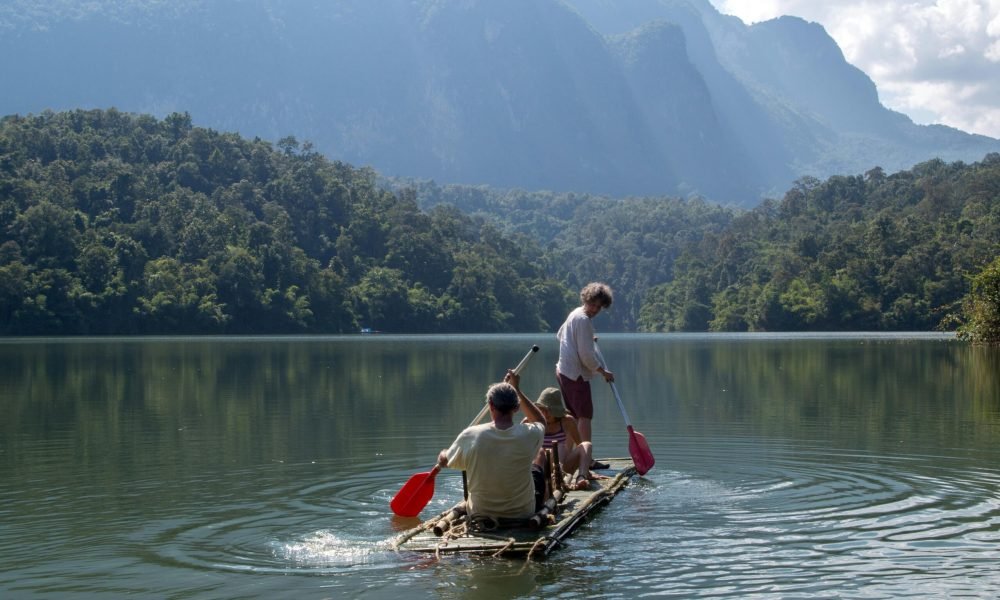
Gliding on a bamboo raft through peaceful waters surrounded by mountains and forest. Gokudo / Pexels
9. DIY Bamboo Rafting as a Mode of Transport
For an authentic and hands-on adventure, why not craft your own bamboo raft and drift down the serene rivers of Chiang Mai or Kanchanaburi? Bamboo rafting offers a unique way to connect with nature, where travelers are invited to help build their rafts from locally sourced bamboo and paddle their way through lush landscapes.
The journey isn’t just about floating downriver; it’s an immersive experience where you learn the craft of bamboo construction, an ancient local tradition, before setting off on the water. As you float through tranquil rivers, you pass vibrant jungle foliage, rolling hills, and hidden waterfalls, all while watching life unfold along the riverbanks.
In some areas, the river itself becomes the road, guiding you through peaceful villages and untouched nature, giving you a sense of timelessness that few other modes of transport can offer.
Along the way, you’ll also have the chance to interact with local communities and hear stories passed down through generations, making this journey one of cultural exploration as well as natural beauty.
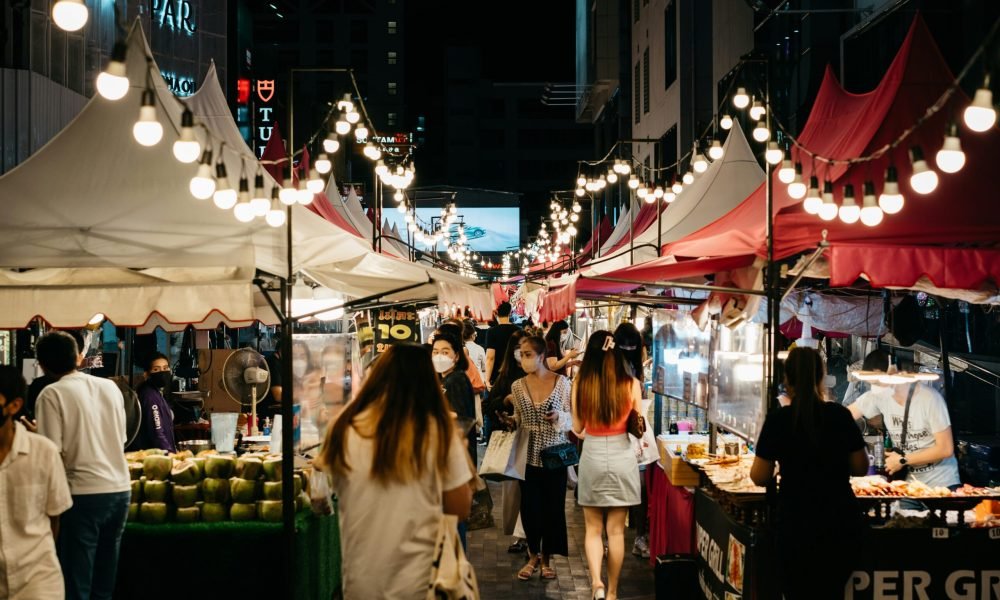
Experience the local culture, markets, and street vendors that bring delicious dishes to life. Markus Winkler / Unsplash
10. Travel by Food Trail: Navigating Thailand Based on Regional Dishes
Why follow a typical travel route when you can navigate Thailand through its rich tapestry of flavors? Embark on a culinary journey that takes you across the country, tracing the origins of its iconic dishes.
Begin in Isaan, where the zesty som tam (green papaya salad) offers a perfect balance of spice, sourness, and crunch, setting the stage for a taste-packed adventure. From there, make your way south to Phuket or Krabi, where seafood curries like massaman and gaeng pla (fish curry) offer an irresistible mix of fresh catch and rich spices.
Next, head to Bangkok, where you can savor the city’s famous pad Thai and boat noodles, then move on to Ayutthaya for delicious slow-cooked dishes like braised pork leg. Each stop introduces you to amazing food and lets you experience the local culture, markets, and street vendors that bring these dishes to life.
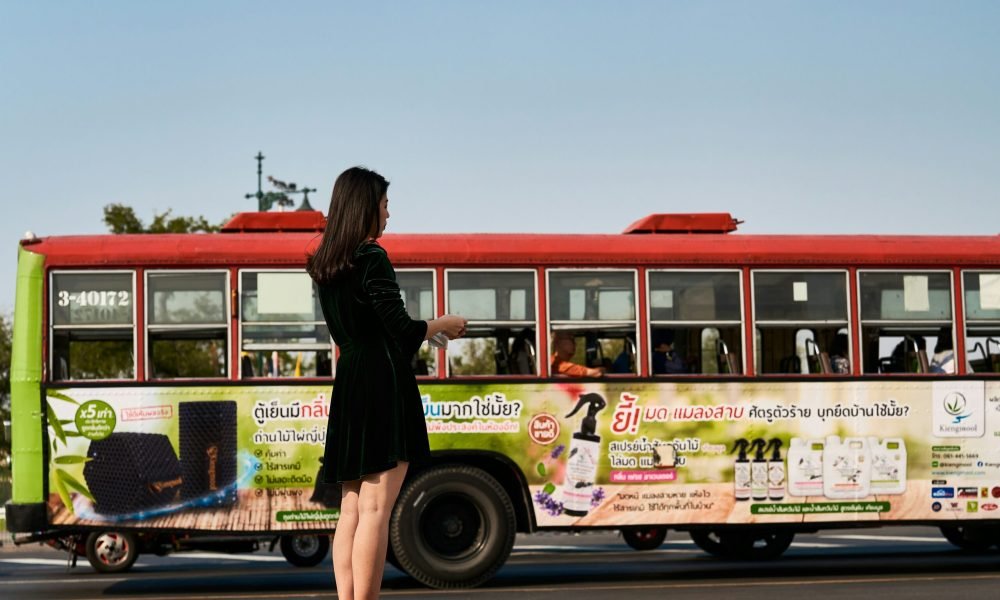
Best Ways to Travel Across Thailand is waiting for the ride that tells a story of the city on every window. Norbert Braun / Unsplash
11. Eco-Tourism Trains and Green Buses Only
For travelers eager to explore Thailand sustainably, opting for eco-friendly transport like the SRT Green Line and green buses is an excellent choice. The SRT Green Line provides an environmentally conscious way to travel between cities, giving a low-emission, energy-efficient alternative to traditional train journeys. With a reduced carbon footprint, this service allows you to enjoy the scenic beauty of Thailand while contributing to a greener planet.
These trains feature energy-efficient systems, making travel comfortable and environmentally responsible. Additionally, Thailand’s expanding network of green buses, powered by clean energy, givies another excellent way to reduce your environmental impact while traveling.
These buses not only operate on compressed natural gas (CNG) or electric power but also offer a smoother, quieter ride through the country’s bustling cities and serene countryside. By choosing these green options, travelers can enjoy the stunning landscapes, cultural landmarks, and vibrant communities of Thailand while helping to protect the environment for future generations.
12. Nomadic Vanlife or Car Rental from North to South
Imagine waking up to the serene sounds of nature in one of Thailand’s stunning national parks, from Doi Inthanon in the north to Khao Sok in the south, where you can camp under the stars and explore remote hiking trails.
With a van or car, you can set an itinerary, exploring hidden beaches along the Andaman Sea or wandering through the peaceful, less-traveled regions of Isaan, away from the usual tourist spots.
Whether you decide to camp by the tranquil Pai River or park up along a serene beach in Krabi, you can enjoy the luxury of choosing your ideal spot to catch a stunning sunset or sunrise.
Equipped with everything from beds to basic cooking facilities, these vehicles give the ultimate nomadic experience, allowing you to truly connect with the land and the communities you pass through.
With vanlife or car rentals in Thailand, you gain the freedom to explore beyond the typical tourist spots, uncovering hidden gems and iconic landmarks alike throughout the country.
The official website for smart and sustainable travel across Thailand is Smart Travel Thailand. This platform offers a range of eco-friendly transportation options, including the SRT Green Line trains and green buses, which are designed to reduce your carbon footprint while traveling between cities. Additionally, the website provides information on eco-tourism initiatives, digital travel tools, and sustainable travel practices to help you plan a responsible and enjoyable journey through Thailand.
GUIDED BY EXPERT
Yoga within Travel the perfect flow of Experience
Explore wellness in anywhere
by

Explore Related Articles
LEAVE A COMMENT
Error: Contact form not found.