12 Best Things to Know Before Traveling to Malaysia
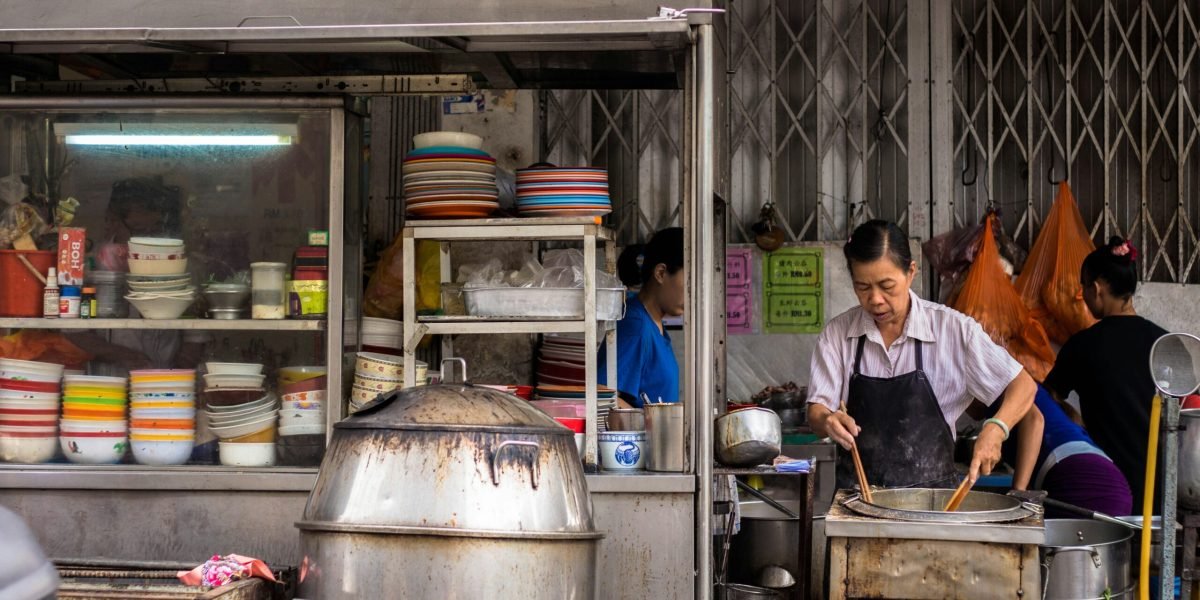
Malaysia’s roadside tea stalls, known as “mamak stalls,” are lively spots where locals gather over teh tarik and late-night chats. Nicolas Joshua Anand / Unsplash
Got Malaysia on your travel list? Start here. Get ready for a journey that blends skyscrapers with rainforests, street food with centuries-old temples, and modern malls with tribal traditions. Malaysia is a country of contrasts, and that’s what makes it unique than other places.
But beyond the glossy brochures, there are things every traveler should know to make their experience smoother, deeper, and more meaningful. From cultural nuances to hidden travel hacks, knowing a few insider tips can help you see the country like a local, not just a tourist.
This guide isn’t just about where to go; it’s about how to go smartly, respectfully, and with curiosity. Whether you’re visiting for beaches, food, festivals, or wildlife, these essential insights will enrich your Malaysian adventure from day one. If you want to travel without stress, these are things to know before traveling to Malaysia.
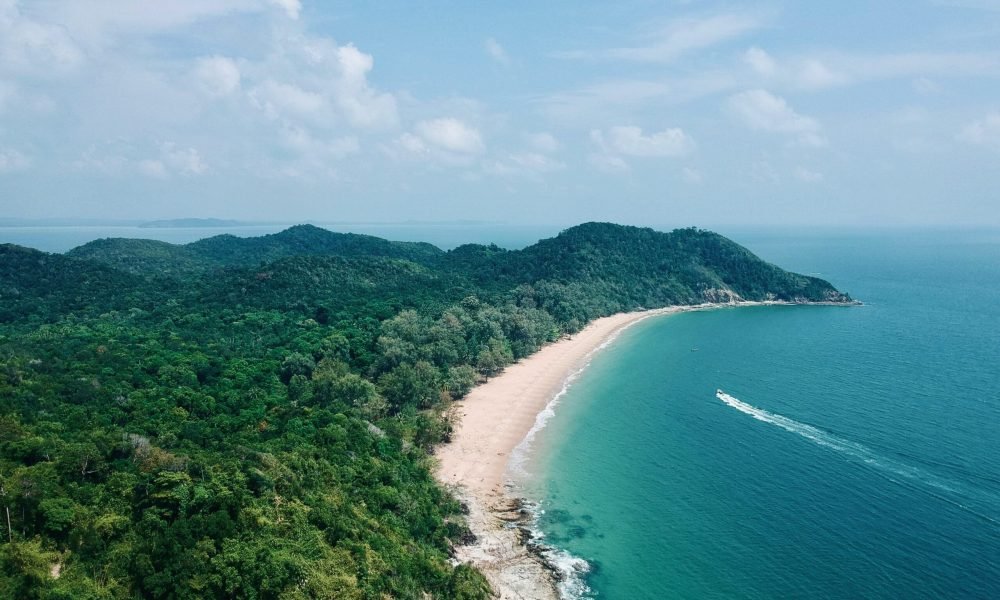
Malaysia’s islands, like Langkawi and Perhentian, are best for their crystal-clear waters, white sand beaches, and marine life. Louis Gan / Unsplash
1. Decode Malaysia’s “Twin Identity”
Malaysia is a country split into two different parts. Peninsular Malaysia, connected to Thailand, is the more developed half, buzzing with megacities like Kuala Lumpur, high-speed trains, colonial towns, and an eclectic mix of Malay, Chinese, and Indian cultures.
Here, everything feels connected and convenient: highways, shopping malls, and street food adventures unfold within a modern framework. It’s where travelers get their first taste of Malaysia’s multicultural charm: rooftop bars in Kuala Lumpur, historical strolls in George Town, or sipping chai at a Tamil temple corner stall.
Across the South China Sea awaits Malaysian Borneo, a land of untamed beauty, where the two lush and wildlife-rich states of Sabah and Sarawak give a different face of Malaysia. Unlike the polished cities of the peninsula, Borneo invites you into a slower, wilder rhythm of life.
The air feels ancient and alive, echoing with the calls of hornbills and gibbons. Travelers can glide up misty rivers to reach longhouses where communities like the Iban and Dayak tribes preserve centuries-old customs of communal living, spiritual ceremonies, and storytelling.
It’s the only place in Malaysia where you can spot wild orangutans, trek with former headhunter communities, or take a boat deep into rainforest interiors where Wi-Fi vanishes and bird calls take over. While most tourists stick to the peninsula, those who venture into Borneo often leave with a deeper, more spiritual connection to nature and stories that the average visitor will never know.
2. Water Isn’t Free — But It’s Still Safe
In Malaysia, don’t expect a free glass of water with your meal, even at casual restaurants or hawker stalls. Whether it’s a tiny cup of warm water or a full glass of iced plain water, it usually comes with a small charge (often around RM 0.50 to RM 1).
This may catch travelers off guard, especially those from countries where free water is the norm. However, it’s not about being stingy; rather, it’s a mix of cultural and practical reasons. Many local eateries prioritize traditional drinks like teh tarik (sweet milk tea) and barley water, which are far more popular than plain water among Malaysians.
Malaysia is one of the places where tap water is generally safe to drink, especially in modern hotels and urban areas. In most modern hotels, filtered tap water is safe to drink; many even provide refill stations or encourage carrying the bottle to reduce plastic waste. Upscale restaurants often serve filtered water by request, though they may still charge for it.
To stay eco-conscious and hydrated, consider carrying a reusable bottle with a built-in filter, especially if you’re planning rural or long-distance travel. Always ask when in doubt; Malaysians are generally helpful and won’t mind clarifying.
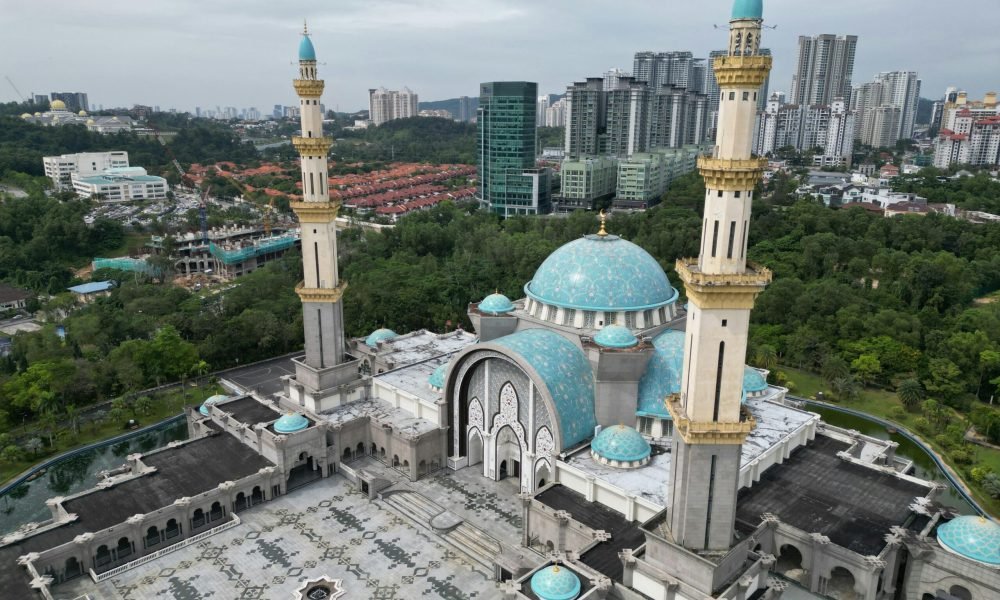
The mosque can accommodate up to 15,000 worshippers, making it one of the largest in Southeast Asia. Tamjeedag / Pexels
3. You’re Always 5 Minutes from a Mini-Mosque or a Giant Mall
In Malaysia, you’ll quickly notice how seamlessly faith and commerce coexist. Urban planning here blends religion with retail in ways that feel completely natural. It’s not unusual to find a massive, ornate mosque like the National Mosque in Kuala Lumpur, just a stone’s throw away from modern shopping malls like Suria KLCC or Pavilion KL.
In fact, malls are often built with prayer spaces inside, making it convenient for Muslims to perform their daily prayers without leaving the comfort of their shopping experience. Some malls even have dedicated mini mosques, ensuring that spiritual practices are never interrupted by the hustle and bustle of city life.
This unique fusion of sacred and commercial spaces creates an atmosphere where people can enjoy a diverse shopping experience while being reminded of their faith. In malls like Lot 10 or Mid Valley Megamall, you’ll find prayer rooms tucked away in quieter corners, where shoppers can take a break and connect spiritually.
Conversely, you might hear the call to prayer echoing across the bustling streets while you’re walking past rows of designer boutiques. It’s a fascinating blend that makes Malaysia feel deeply spiritual, yet entirely modern, where every corner holds a place for both personal reflection and retail indulgence.
4. There’s a Local Version of Airbnb — And It’s Better for Culture
While global platforms like Airbnb are popular in Malaysia, the country offers something far more immersive: local homestay networks like Kampungstay, RumahPenginapan, and Homestay Malaysia. These aren’t just rentals; they’re government-certified cultural experiences hosted in traditional village homes (known as kampungs).
Instead of just sleeping in a spare room, you’re welcomed into a family’s home and daily rhythm. It’s an experience built on connection, not convenience—a chance to slow down and see how Malaysians live beyond city skylines and hotel lobbies.
These stays often best things to know before traveling to Malaysia having hands-on cultural activities like cooking local dishes over firewood, learning traditional crafts like batik painting or weaving, and even participating in festivals. During Hari Raya (Eid), for example, guests might be invited to help prepare ketupat (rice dumplings), wear traditional clothing, or join in communal celebrations at the village mosque.
In more rural areas, you could also learn how to plant paddy, fish using bamboo traps, or attend storytelling nights around a bonfire. For travelers seeking authenticity, these homestays go far beyond tourism; they’re a window into Malaysia’s heart and heritage.
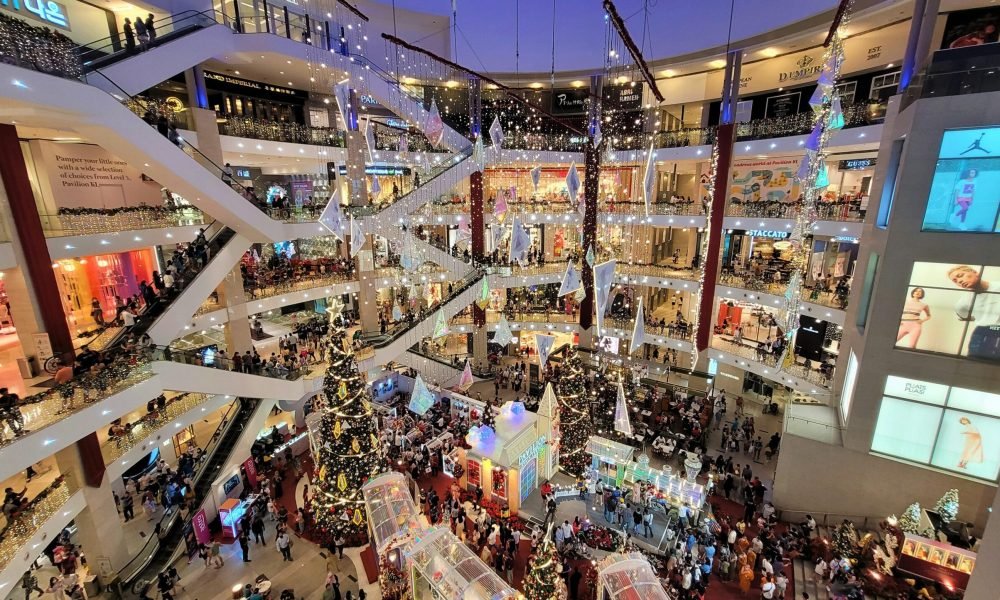
Pavilion Kuala Lumpur is hosting unique events like the annual Pavilion Crystal Fountain Light Show. Ismail Teh / Unsplash
5. Food Courts Aren’t Cheap Fakes — They’re Local Treasures
In many parts of the world, mall food courts are seen as overpriced, bland, and inauthentic. But in Malaysia, the opposite is often true. Walk into a sleek, air-conditioned mall like Pavilion Kuala Lumpur or Mid Valley Megamall, and you’ll find food courts packed with local favorites, not just fast-food chains.
These food courts, such as Food Republic or the curated, heritage-inspired Lot 10 Hutong, are home to legendary street food vendors, handpicked from across the country and brought indoors without compromising quality. You’ll find everything from rich, smoky char kway teow to spicy laksa, made by vendors who’ve perfected their craft over decades.
Don’t let the polished setting fool you; locals eat at these food courts every day, often lining up during lunch hours for their favorite stall. The dishes might cost slightly more than a roadside stall (an extra RM 1 or 2), but what you get is comfort, cleanliness, and convenience, especially in Malaysia’s humid climate.
Even more impressive, some stalls in places like Lot 10 Hutong are branches of century-old family businesses, preserving regional flavors from Penang, Ipoh, and Klang under one roof. If you’re unsure where to eat, just follow the longest queue in Malaysia; that’s usually the best food compass you’ll ever need.
6. Midnight Mamak Culture is Sacred
In Malaysia, the Mamak stall is not just a place to eat — it’s a way of life. These open-air, often 24/7 eateries, run primarily by Indian-Muslim communities, are the beating heart of Malaysia’s late-night culture.
Whether it’s 10 PM or 3 AM, you’ll find tables full of people sipping teh tarik (pulled milk tea), tearing into hot, crispy roti canai, and sharing everything from laughter to life updates. The menu is cheap, delicious, and endless, from nasi lemak and mee goreng mamak to maggi goreng and tandoori chicken, all cooked fresh and fast.
But more than the food, it’s the vibe that makes a Mamak stall special. You’ll see groups of young Malays, Chinese, and Indians gathered around a flickering TV screen during a football match or overhear passionate debates about local politics, music, or films.
It’s where strangers become friends and where social lines blur. For locals, a Mamak is their third space—not home, not work, but the meeting ground of everyday life. If you want to experience the real Malaysia, don’t just visit a Mamak for dinner; stay for the midnight conversations and unfiltered cultural exchange.
7. You’ll Hear Roosters in Cities — And Gongs in Forests
In Malaysia, the boundary between urban modernity and traditional village life is often indistinct, with the sounds of rural living occasionally filling the air even in the midst of vibrant cities. In places like Kuala Lumpur or Penang, you may find yourself walking through busy neighborhoods or shopping malls only to be startled by the unmistakable crowing of a rooster.
These birds, typically associated with rural kampungs, are not confined to the countryside. In fact, they are an integral part of daily life in many urban Malaysian communities, often roaming freely around small residential areas, adding an unexpected rural touch to the city’s soundscape.
In the lush rainforests of Sarawak and Sabah, ancient indigenous traditions remain deeply rooted, offering a glimpse into a way of life that feels almost timeless. One of the most striking aspects of the gong is its iconic use by Borneo’s tribal communities to communicate across vast distances.
In the remote longhouses nestled within the dense jungle, gongs still play a vital role in uniting people, whether it’s to announce a gathering, celebrate a festival, or mark a significant event. These massive, echoing gongs transcend their musical function, acting as a call to action for the entire village, ensuring that the community remains tightly bonded, even in the heart of the wilderness.
The sound of these gongs, echoing through the forest or across the river, carries with its centuries of tradition, a living reminder of the strong ties to nature and culture that persist even in modern times.
8. Plastic Bags Are Still Common — Bring a Foldable One
Despite increasing environmental awareness and regional pushes for sustainability, plastic bags remain widespread in Malaysia. While efforts to reduce single-use plastics are gaining traction, many shops, from street vendors to large supermarkets, still offer plastic bags as the default for carrying purchases.
The convenience of plastic has yet to be fully replaced by eco-friendly alternatives, especially in rural and suburban areas, where plastic usage is higher. While some major cities like Kuala Lumpur have started introducing bans or fees for plastic bags, they are not yet universal across the country, making it a challenge to avoid them altogether.
However, don’t let this deter you; it’s easy to make a difference with a small habit. Bringing your own reusable bag is not only a smart way to avoid extra plastic charges, but it can also be a fun conversation starter, especially in rural towns. Many locals may find it unusual or interesting when visitors show up with their own foldable, reusable bags to carry groceries or souvenirs.
It’s a great opportunity to gently share your commitment to sustainability, and in some cases, it might even spark interest in local eco-friendly initiatives. Plus, it’s a simple way to reduce your environmental impact while traveling through this vibrant country.
9. Heritage Isn’t Just Buildings — It’s Spoken Language
In Malaysia, heritage is much more than just architecture or artifacts; it’s deeply woven into the spoken word, particularly in communities with rich, multicultural roots. Among these are the Baba-Nyonya (Peranakan) and Chitty communities, whose creole languages are an integral part of their cultural identity.
The Baba-Nyonya, descendants of Chinese immigrants who married local Malays, speak a unique blend of Malay and Hokkien, while the Chitty community, with Tamil heritage, blends Malay and Tamil in their own distinct creole. Sadly, these languages are fading as younger generations shift to mainstream languages like Bahasa Malaysia or English, making them increasingly difficult to hear in everyday conversation.
As a traveler, you have a rare opportunity to connect with Malaysia’s living history by engaging with these communities. Locals, especially elders, often cherish the chance to share their language and stories with curious visitors. You can ask about simple phrases or even inquire about the meanings of old words, which often carry rich stories of the past.
Many elders are proud to pass on their linguistic heritage and may appreciate your genuine interest. This exchange offers a deeper, more intimate experience of Malaysia’s cultural diversity, connecting you with a part of the country’s heritage that might otherwise be lost to time.
10. Bug Spray Over Sunscreen — Especially in Borneo
When traveling to Malaysia, especially the rainforests and beaches of Borneo, it’s not just the sun you need to worry about; it’s the insects. While sunburns can be an issue, sandflies and jungle mosquitoes are far more troublesome, and their bites can lead to itchy, uncomfortable rashes or even more serious illnesses like dengue fever.
In regions like Sabah and Sarawak, where lush jungles meet pristine beaches, these insects are particularly active, often swarming around at dusk or near bodies of water. So, while sunscreen is still important, bug repellent should be your top priority. Forget the generic bug sprays you might use at home in Borneo; it’s best to pack stronger repellents or opt for natural alternatives that the locals swear by.
In fact, many locals in Borneo rely on natural repellents like lemongrass oil, known for its insect-repelling properties, or the popular local remedy, “minyak cap kapak,” an herbal oil made from a blend of essential oils that has been used for generations to ward off mosquitoes. These oils not only keep the bugs at bay but also help soothe skin in case of any bites.
Applying these natural repellents is a routine part of daily life, especially for those living near forests or coastal areas. As a traveler, adopting this practice will not only protect you from the nuisance of insects but also connect you with a more authentic, local way of coping with Malaysia’s abundant wildlife.
11. Don’t Miss the Blue Hour Call to Prayer
In Malaysia, one of the most beautiful and spiritual experiences happens during the blue hour, that fleeting time just after sunset, when the sky deepens into shades of indigo and gold. As the sun dips below the horizon, the azan (Islamic call to prayer) echoes through the streets, especially in cities like Georgetown and Malacca.
The azan, sung from mosque minarets, fills the air with a gentle, melodic rhythm that invites reflection and calm. This moment is unique to Malaysia, where Islamic culture seamlessly blends with a rich diversity of other traditions.
For many, the azan is more than just a religious ritual; it’s a call to pause and appreciate the present moment. Even though it’s a religious observance, locals, regardless of faith, often take a few seconds to stop what they’re doing and reflect, soaking in the beauty of the moment.
In the narrow streets of Georgetown or the historic lanes of Malacca, it’s not uncommon to see people pausing mid-conversation, taking a breath, or gazing at the setting sun as the call to prayer rings out. As a traveler, respecting this moment not only allows you to connect more deeply with the local culture but also offers an opportunity to experience Malaysia’s soul, a place where spirituality, nature, and daily life harmoniously coexist.
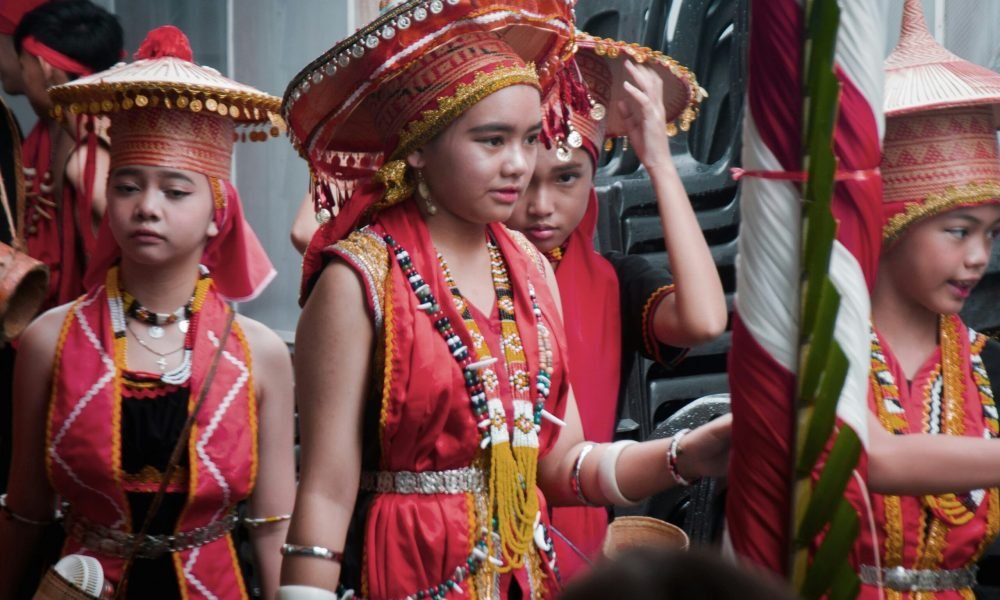
The Gawai Dayak festival in Serian, Sarawak is a vibrant celebration of the indigenous harvest. Shaggy Sirep / Unsplash
12. Festival Overload? Go for the Lesser-Known Ones
While Malaysia is famous for its grand Thaipusam and Chinese New Year festivities, two such festivals are the Kaamatan Festival in Sabah and the Gawai Dayak festival in Sarawak, both of which honor the harvest seasons in Borneo.
These events, deeply rooted in the indigenous traditions of the region, provide a much more intimate cultural experience compared to the larger, widely recognized celebrations and are perfect for travelers looking to connect on a deeper level with Malaysia’s vibrant heritage.
While these festivals may not have the same international spotlight as the larger celebrations, they are deeply rooted in the indigenous cultures of the region and offer a far more personal connection to Malaysia’s cultural diversity. The Kaamatan Festival, for example, marks the end of the rice harvest and is a time of thanks, prayer, and community feasting, where the Kadazan-Dusun people celebrate with vibrant dances, traditional music, and the famous unduk ngadau (beauty queen) competition.
Both festivals are also unique in that they remain incredibly community oriented. Unlike the massive crowds and commercialized atmosphere of more famous events, festivals like Kaamatan and Gawai Dayak invite tourists into their small-town charm, where visitors are treated like family rather than just spectators. Local families in Sabah and Sarawak open their homes to travelers, offering home-cooked meals, sharing stories of their traditions, and even involving visitors in the traditional rituals and dances.
The official tourism website of Malaysia provides essential information on topics such as visa requirements, local customs, safety tips, and cultural etiquette to help travelers prepare for their visit. You can access this guide directly at: https://www.malaysia.travel/about-malaysia/travel-guide?utm_
GUIDED BY TRAVEL MEET WORLD
Yoga within Travel the perfect flow of Experience
Explore wellness within Travel
by