@_Robert_Chen
Overview:
Jaisalmer Fort, often referred to as Sonar Quila or the Golden Fort, stands majestically in the heart of the Thar Desert in the city of Jaisalmer, Rajasthan. Located close to the India–Pakistan border, this sandstone marvel is perched atop the Trikuta Hill.
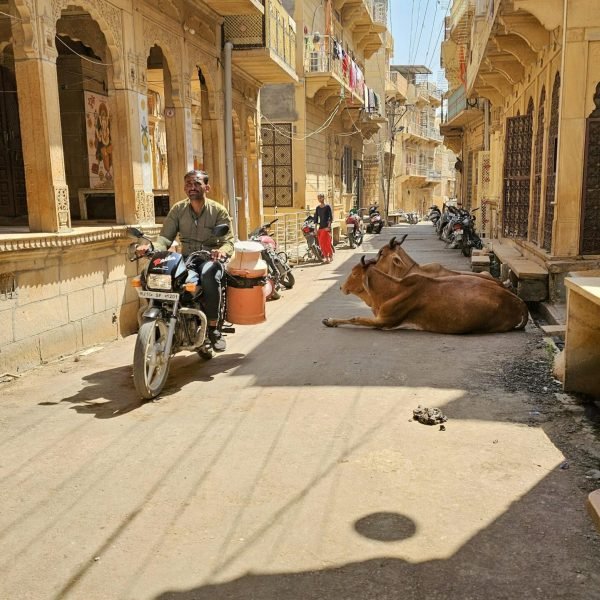
What makes Jaisalmer Fort more than just a historical structure is the way it blends heritage with daily life. Built in 1156 AD by Rawal Jaisal, the fort is constructed entirely from golden-yellow sandstone, which glows like molten gold during sunrise and sunset.
Narrow winding lanes echo with tales of Rajput valor and the hustle of modern life. One of the best places to visit in India, Rajasthan is the Raj Mahal (Royal Palace), where the kings once lived. Though relatively simple compared to the grandeur of other Rajasthani palaces, its old-world charm and historical artifacts are deeply captivating.
Highlights
One of the World’s Few “Living Forts”
Jaisalmer Fort is not just a monument — thousands of people still live inside the fort, with homes, temples, cafés, and shops creating a vibrant daily life.
UNESCO World Heritage Site
Jaisalmer Fort is part of the UNESCO-listed Hill Forts of Rajasthan, recognized for its rich Rajput architecture and history.
Royal Raj Mahal Palace
The historic Raj Mahal showcases royal balconies, courtyards, and artifacts connected to the rulers of Jaisalmer.
Rich Cultural Experience
Folk music, puppet shows, camel culture, traditional Rajasthani cuisine, and colorful local life make the fort a complete cultural destination.
Let's Connect With
Jaisalmer Trust Jaisalmer Trust
Rajasthan Tourism Official Website Jaisalmer Tourism, Places to Visit in Jaisalmer, Fort Rajwada, Brys Fort – Rajasthan Tourism
Itinerary Highlights
Here’s a simple luxury-style itinerary for visiting Taj Mahal Palace:
Morning — Explore the Golden Fort
8:00 AM — Start Your Day at Jaisalmer Fort
Begin early to enjoy cooler weather and peaceful streets before crowds arrive. Walk through the massive gates and admire the golden sandstone architecture.
9:00 AM — Visit the Jain Temples
Explore the ancient Jain temples inside the fort known for detailed carvings, historic sculptures, and beautiful architecture.
10:00 AM — Explore Raj Mahal Palace
Visit the royal palace museum to learn about Jaisalmer’s kings, royal lifestyle, weapons, and history.
11:00 AM — Walk Through Local Markets
Shop for:
- Handmade jewelry
- Leather bags
- Rajasthani textiles
- Puppets and handicrafts
Try local snacks like kachori and masala chai from small cafés inside the fort.
Afternoon — Culture & Heritage
1:00 PM — Lunch with Fort View
Enjoy traditional Rajasthani food at a rooftop restaurant overlooking the fort and city.
Recommended dishes:
- Dal Baati Churma
- Gatte Ki Sabzi
- Ker Sangri
2:30 PM — Visit Nearby Havelis
Explore famous heritage mansions near the fort:
- Patwon Ki Haveli
- Nathmal Ki Haveli
These havelis are famous for their intricate windows and carvings.
Evening — Sunset & Desert Experience
5:00 PM — Sunset View at Fort Viewpoint
Watch the fort glow golden during sunset — one of the best photography moments in Rajasthan.
6:30 PM — Explore Local Cafés
Relax at rooftop cafés with live folk music and views of the illuminated fort.
Optional Night Activity
If you have extra time:
Visit Sam Sand Dunes for:
- Camel safari
- Desert sunset
- Folk dance performances
- Traditional dinner in desert camps
Know More to Get Travelling in Rajasthan
Eat With Host
Discover a unique way to experience local culture, where you can enjoy authentic meals hosted by locals around the world.
From home-cooked dinners to food tours, it’s the perfect way to connect through food with New People.
Start your delicious journey today Eatwith.
Accommodation
I personally use Hostelworld where you easily find budget-friendly hostels and social stays in one click.
Luxury platforms like CheapOair help you compare prices and book the best options for your trip.
Transportation
The fort journey usually takes 10–20 minutes from Jaisalmer. An auto-rickshaw typically costs ₹50–₹150, while a taxi may cost ₹150–₹400, depending on the distance and time of day.
Budget travelers can also use shared autos or walk through the old city to enjoy the local atmosphere.
Top Attractions Near Jaisalmer Fort
Nathmal Ki Haveli
1 km
An elegant haveli built by two architect brothers with an unspoken symmetry in design.
Patwon Ki Haveli
12 km
A cluster of five ornate havelis built by wealthy merchants, showcasing stunning jharokhas and intricate carvings.
Salim Singh Ki Haveli
1 km
Known for its peacock-shaped roof and unique curved architecture, this haveli is over 300 years old.
Gadisar Lake
1.2 km
A peaceful artificial lake surrounded by temples and ghats, perfect for sunset views and paddle boating.
Vyas Chhatri
2 km
A sunset point with intricately carved cenotaphs dedicated to sage Vyas of the Mahabharata.
Bada Bagh (Royal Cenotaphs)
6 km
A serene complex of royal cenotaphs set against the desert backdrop. Ideal for photography and quiet reflection.
Kuldhara Village (Haunted Village)
20 km
An abandoned 13th-century village with eerie silence and legend, believed to be haunted.
Sam Sand Dunes
40 km
Experience the magic of the Thar Desert with camel rides, dune bashing, and folk performances at sunset.
All My Articles on Rajasthan

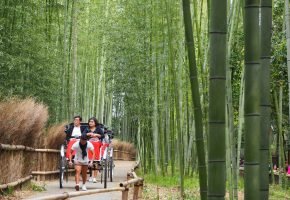
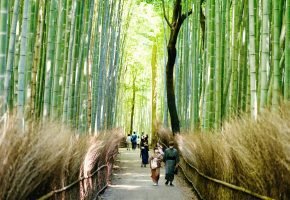
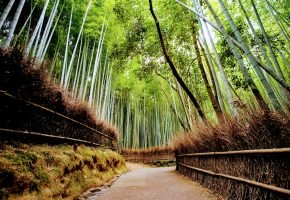
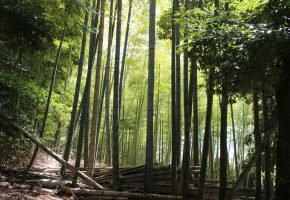
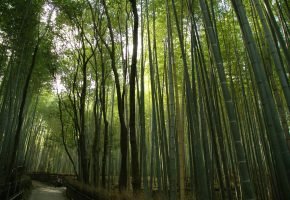
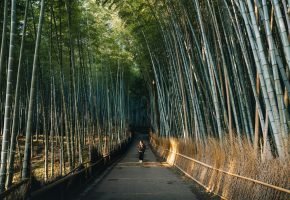
The Arashiyama Bamboo Grove in Kyoto offers a unique auditory experience that complements its visual beauty. Here is the rustling of bamboo leaves and the soft creaking of swaying stalks that have been listed on the country’s “100 Soundscapes,” highlighting its soothing and meditative qualities. This designation underscores the grove’s significance as a place where visitors can immerse themselves in the harmonious sounds of nature, providing a tranquil escape from the hustle and bustle of everyday life.
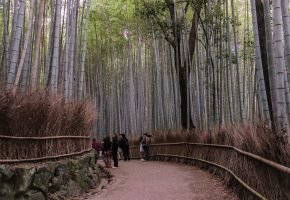
Situated in the Sagano district of Arashiyama, west of Kyoto’s city center, Ja pan. the Arashiyama Bamboo Grove is easily accessible. The grove is open 24/7, allowing visitors to experience its beauty at any time of day.
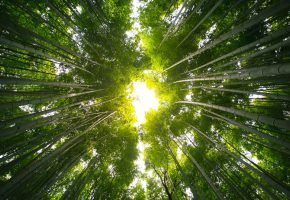
The interplay of light and shadow within the Arashiyama Bamboo grove creates a mesmerizing atmosphere, making it one of the most photographed natural sites in Kyoto. Historically, the grove was a place of retreat for nobles during the Heian Period, reflecting its longstanding association with tranquility and reflection.
Surrounding the Arashiyama Bamboo Grove are several remarkable attractions that enrich the cultural and natural tapestry of Kyoto. Tenryu-ji Temple, a testament to Zen Buddhism’s profound influence, features the historic Sogenchi Garden, which harmoniously blends with the Arashiyama landscape.
Nearby, the Togetsukyo Bridge, with its elegant span over the Katsura River, offers panoramic views that are especially captivating during the cherry blossom season. For wildlife enthusiasts, the Iwatayama Monkey Park provides an opportunity to observe over 120 wild Japanese macaques in their natural habitat, coupled with sweeping vistas of Kyoto from its mountaintop location.
Other than Arashiyama Bamboo Grove, Arashiyama’s culinary landscape is a delightful fusion of tradition and innovation, offering visitors a taste of Kyoto’s rich gastronomic heritage. In Kyoto, yudofu is a cherished dish that embodies simplicity and purity. This traditional preparation involves gently simmering silken tofu in water infused with kombu (kelp), allowing the tofu’s delicate flavor to shine. Often served with condiments like soy sauce, grated ginger, and scallions, Yudofu offers a warm, comforting experience, especially appreciated during Kyoto’s cooler seasons. For those with a sweet tooth, the area boasts an array of matcha-infused treats, from creamy soft-serve ice creams to artisanal confections like matcha daifuku and bamboo mousse cakes.
As you wander the charming streets, you’ll encounter vibrant street food stalls offering delights such as skewered dango (sweet rice dumplings), savory yakitori (grilled chicken skewers), and taiyaki filled with sweet red bean paste, providing a perfect accompaniment to your Arashiyama Village and Arashiyama Bamboo Grove exploration.
Let's Connect With
Around Arashiyama Bamboo Grove
1. Tenryu-ji Temple
100 m
A Zen sanctuary where ancient gardens reflect the soul of Kyoto, with mountains lending their grace.
2. Nonomiya Shrine
300 m
Historic forest shrine with a black torii gate. It’s a cherished site for prayers of love and destiny.
3. Kyoto Arashiyama Orgel Museum
400 m
A cozy museum filled with antique music boxes and soft melodies.
5. Arashiyama Shopping Street
500 - 700 m
Traditional shops, matcha treats, and souvenirs in a lively cultural street.
6. Togetsukyo Bridge
600 m
The “Moon Crossing Bridge,” arching gracefully over the Katsura River, offering panoramic views that change with the seasons.
7. Kimono Forest
700 m
A luminous pathway of kimono-clad pillars, weaving tradition and art into a mesmerizing nocturnal display.