@Tucky_Piyapong
Overview:
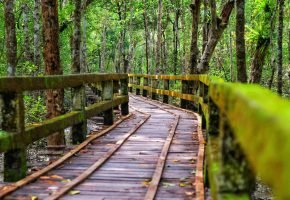
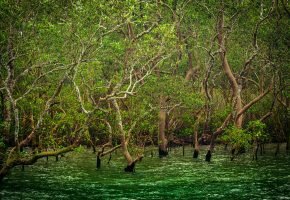
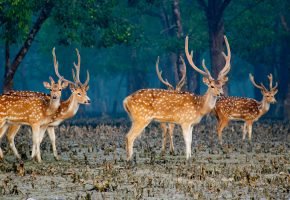
The Sundarbans is the world’s largest mangrove forest, spread across India and Bangladesh where the Ganga, Brahmaputra, and Meghna rivers meet the sea. What makes the Sundarbans truly special is its wildlife, especially the famous Royal Bengal Tiger.
The Sundarbans is not just a wildlife destination but also an ecological shield. Its mangrove forests protect coastal areas from storms and erosion, acting as a natural barrier. If you want to see life in the Sundarbans is deeply connected to nature and survival.
Highlights
Unique Delta Formation
Formed by the meeting of the Ganga, Brahmaputra, and Meghna rivers, creating a constantly shifting landscape.
Natural Coastal Protector
Mangrove trees act as a shield against cyclones and floods, protecting nearby regions.
Boat Safari Experience
Exploring the Sundarbans is mostly done by boat, offering a different kind of jungle adventure.
Maze of Rivers & Creeks
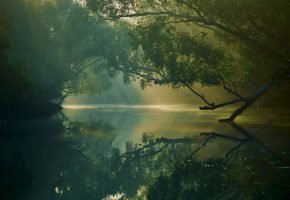
A complex network of waterways makes navigation both challenging and exciting.
Let's Connect With
West Bengal Tourism Development Corporation :: WBTDCL ::
West Bengal Forest Department West Bengal Forest Department
Sundarban Tiger Reserve Sundarban Tiger Reserve
Itinerary Highlights
If you want to experience Mangrove Forest and know more how to reach, and what to do I will give you full explanation on this
Day 1: Arrival & River Journey
Arrive at the gateway to the Sundarbans (usually via Kolkata) and begin your journey by boat through the winding rivers and creeks. As you cruise deeper into the mangrove forest, enjoy your first glimpse of this unique ecosystem and spot birds and aquatic life. Check into your eco-resort, relax, and experience the calm beauty of the delta in the evening.
Day 2: Wildlife Safari & Forest Experience
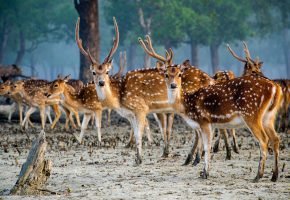
Start early with a guided boat safari through the forest channels, where you may spot the famous Royal Bengal Tiger, along with deer, crocodiles, and exotic birds. Visit watchtowers like Sajnekhali for panoramic views and learn about the region’s biodiversity. Spend the day exploring different creeks, understanding mangrove life, and experiencing the raw wilderness.
Day 3: Village Life & Departure
Begin your day with a visit to nearby villages to observe the local lifestyle, including fishing and honey collection traditions. Interact with locals to understand how they live in harmony with nature despite challenges. After breakfast, enjoy a final boat ride before heading back, ending your Sundarbans journey with a deeper appreciation for this rare and powerful ecosystem.
Know More to Get Travelling in Darjeeling
Eat With Host
Discover a unique way to experience local culture, where you can enjoy authentic meals hosted by locals around the world.
From home-cooked dinners to food tours, it’s the perfect way to connect through food with New People.
Start your delicious journey today Eatwith.
Accommodation
I personally use Hostelworld where you easily find budget-friendly hostels and social stays in one click.
Luxury platforms like CheapOair help you compare prices and book the best options for your trip.
Transportation
Sundarbans from Darjeeling, first travel to Kolkata by train (₹500–₹1500) or flight (₹3000–₹7000).
From Kolkata, head to entry points like Godkhali by bus or taxi (₹200–₹1500), and then take a boat (₹300–₹1000) into the Sundarbans.
Top Attractions Near Sundarbans
Gosaba
9 km
This is one of the largest inhabited islands in the Sundarbans. Visit Sir Daniel Hamilton bungalow and explore rustic Bengal life.
Jharkhali
1 km
Known as the emerging eco-tourism hub, Jharkhali has mangrove parks, tiger rescue centers, and beautiful water channels.
Raidighi
76 km
This is another access point to the Sundarbans. It’s more rural, with scenic boat routes and lush paddy fields.
Canning Gateway
48 km
Canning is main access point for entering the Sundarbans. It’s a small town with local markets and rail connectivity from Kolkata.
Taki
70 - 80 km
A peaceful riverside town sitting along the banks of the Ichamati River, The natural border between India and Bangladesh.
Namkhana
105 km
A small fishing village and a transit point to coastal areas. Best for local life, fish markets, and ferry rides across the creeks.
Bakkhali
90 - 110 km
A quiet beach town with a serene coastline, visit Henry Island, and watch red crabs dance on the shore.
Kolkata
110 - 130 km
Kolkata is the major hub that connects you to the Sundarbans.