12 Best Things to Know Before Traveling to Japan
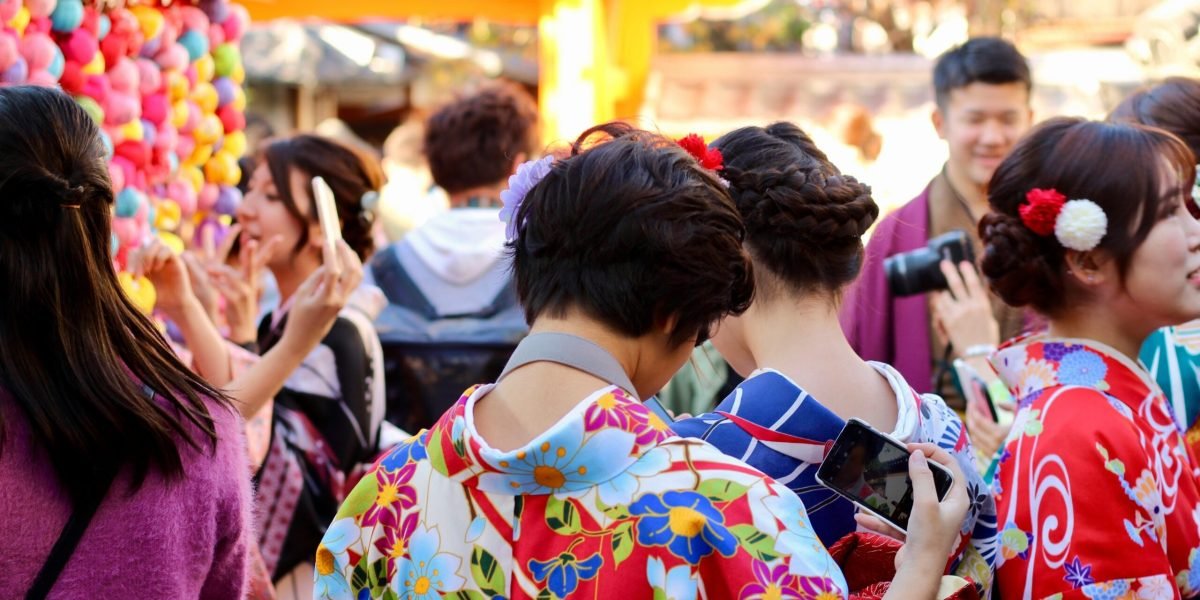
Japan is more than just neon cities and cherry blossoms. It’s a colourful Country and more things to know before traveling to Japan. Nicolas Briot / Unsplash
Planning a trip to Japan? Let’s plan a journey where tradition meets tech, where vending machines sell everything from hot meals to neckties. But Japan is more than just neon cities and cherry blossoms. Spring brings a delicate blush to Mount Fuji’s base, as cherry blossoms bloom and paint the landscape in soft pink hues.
It’s a culture of subtlety, respect, and quiet surprises that don’t always show up on tourist brochures. Whether you’re wandering ancient temples in Kyoto or navigating Tokyo’s futuristic metros, knowing a few essential, less obvious things can transform your trip from good to unforgettable.
Here’s your guide to the best things to know before traveling to Japan, clichés and all, before you take off for the Land of the Rising Sun.
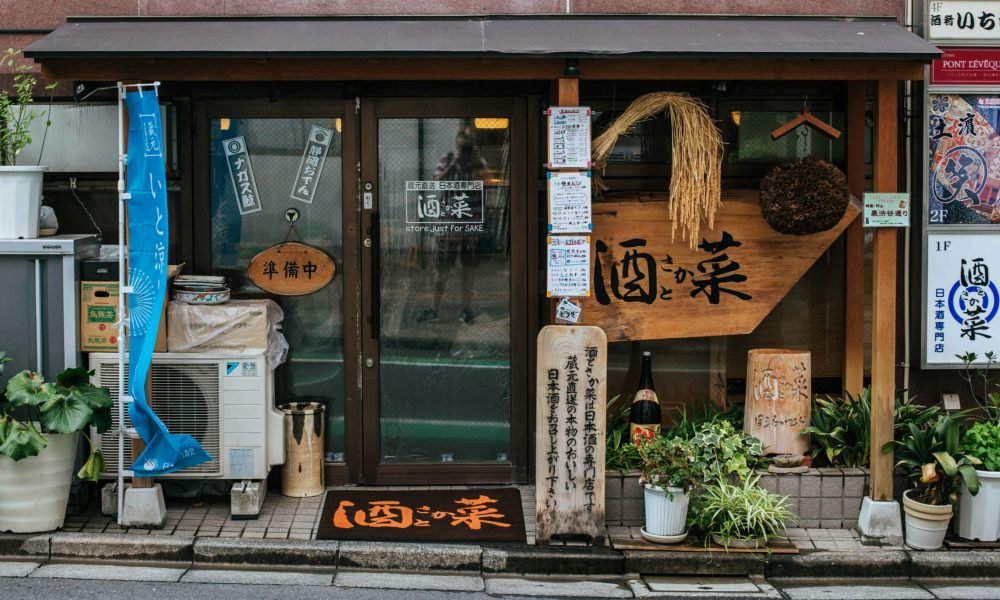
Shops open 24/7 and can be found literally everywhere from city corners to mountain villages. Kvnga / Unsplash
1. Cash is Still King — But Here's a Modern Hack
Despite being a tech-savvy nation, Japan remains surprisingly reliant on cash, especially in rural areas, family-run restaurants, shrines, or even some local guesthouses. While big cities like Tokyo and Osaka are gradually embracing digital payments, you’ll still find that many places either don’t accept cards or prefer cash for small transactions.
Here’s where Japan’s brilliant convenience stores (called konbini) come to the rescue. Chains like 7-Eleven, Lawson, and FamilyMart aren’t just for snacks they also have international ATMs that work with most foreign debit and credit cards. These ATMs are not only easy to use (available in English), but they often offer lower withdrawal fees compared to airport exchange counters or hotels.
Plus, they’re open 24/7 and can be found literally everywhere from city corners to mountain villages. So instead of carrying a thick wad of yen from home, just plan a quick konbini stop on arrival, and you’re sorted.
2. Toilets Talk — But the Flush Button Isn’t Always Obvious
Stepping into a Japanese restroom can feel like boarding a spaceship — heated seats, built-in bidets, deodorizing functions, and sound-masking music all packed into one sleek toilet unit. But while the high-tech features impress, one thing often leaves travelers puzzled: how to flush it. and this is the most important things to know before traveling to Japan.
Unlike traditional toilets, many modern Japanese toilets don’t have a standard handle or lever. Instead, the flush is controlled by an electronic panel filled with symbols all in Japanese. The flush button is often labeled “流す” (Nagasu), which means “flush,” but can be hidden among a sea of other buttons for bidet sprays, pressure adjustments, or even seat heating.
Some newer models even have motion sensors, where waving your hand near a certain spot on the toilet triggers the flush — but there’s rarely an obvious sign. To avoid an awkward moment, remember this: if all else fails, check the wall for a secondary manual flush or ask for help (staff are always kind and discreet). Using a Japanese toilet might be confusing at first, but once you get it, it’s weirdly addictive.
3. You Can Rent a Pocket Translator – Life Saver!
While Japan is becoming more English-friendly, especially in big cities and tourist zones, quickly notice that many locals, especially in rural towns, local eateries, or small inns, speak little to no English. That’s where a pocket translator becomes your ultimate travel sidekick.
These handheld devices, easily rentable at major airports, electronics stores, or even online before your trip, are designed for real-time translation between Japanese and multiple languages. The beauty of these devices? They don’t always need an internet connection, which makes them more reliable than phone apps in areas with weak or no signal.
Unlike basic apps that mistranslate slang or cultural phrases, pocket translators are fine-tuned for natural conversation, even picking up tone and intent in many cases. Whether you’re ordering food, asking for directions, or just striking up a friendly chat, these gadgets bridge the gap with surprising accuracy. Plus, they’re lightweight, battery-efficient, and perfect for travelers who want to engage without feeling awkward or lost in translation.
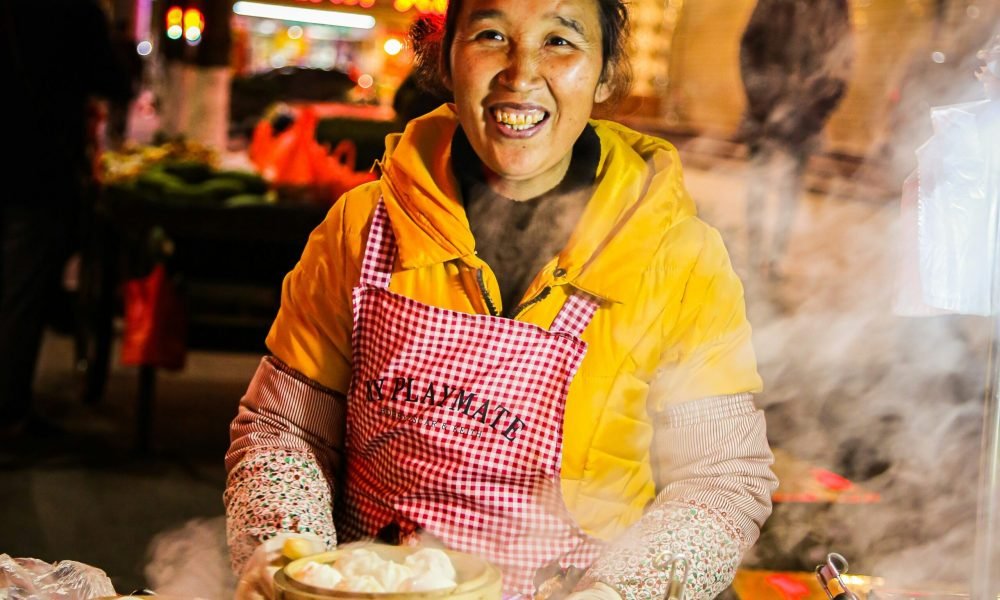
A cheerful street food vendor smiles warmly while steaming fresh dumplings at a vibrant night market. Shyam Chantal Lim / Unsplash
4. You Don’t Tip — But Your Smile Tips the Scale
Tipping in Japan isn’t just unnecessary; it can actually cause confusion or discomfort. In Japanese culture, exceptional service is considered standard, and staff take pride in delivering it without expecting extra rewards. Try leaving money on the table at a restaurant, and you might find a waiter chasing after you, thinking you forgot it.
Whether it’s a taxi driver, hotel staff, or restaurant server, offering a tip can feel awkward for both parties. Instead, gratitude is shown through manners and sincerity. A gentle bow, maintaining eye contact, and saying “Arigatou gozaimasu” (thank you very much) with a genuine smile goes a long way and is deeply appreciated.
If you really want to express thanks beyond words, a small souvenir from your home country, like a keychain or local snack, can be a thoughtful gesture and it’s a best thing to know before traveling to Japan. But overall, remember that the things to know before traveling to Japan are that your respect means more than your money.
5. Conbini Culture: Your 24/7 Best Friend
In Japan, convenience stores, or “konbini,” are nothing short of magical. Lawson, 7-Eleven, and FamilyMart aren’t just places to grab snacks; they’re full-service lifelines for travelers. Open 24/7, they offer everything from freshly made meals (think onigiri, bento boxes, and warm karaage chicken) to high-quality coffee, toiletries, and even spare socks. But what really sets konbinis apart is how seamlessly they blend into daily life.
You can pay your utility bills, print documents, buy concert or theme park tickets, and even ship your luggage or parcels to another city all from the same counter. Most also have international ATMs, clean restrooms, and microwave stations to heat up your food on the spot. If you’re using a travel IC card like Suica or Pasmo, konbinis also let you recharge them easily, making train rides a breeze.
In a pinch, they’re a safe, welcoming place with friendly staff and surprisingly gourmet options, so yes, you could quite literally live off konbinis your entire trip, and you’d still eat better than most airport food courts.
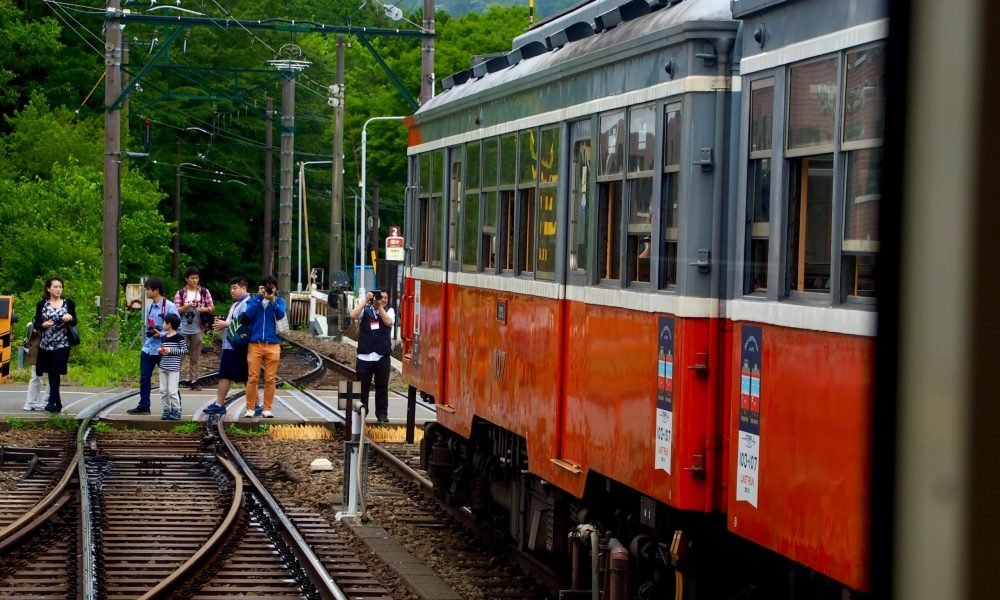
vintage red and gray local train at a scenic rural station surrounded by lush green trees and railway tracks. Kazuo Ota / Unsplash
6. Local Trains Aren’t Always Cheaper Than the Bullet Train
It’s easy to assume that taking slower, local trains will save you money, but in Japan, that’s not always true. Surprisingly, the high-speed Shinkansen (bullet train) can actually be more cost-effective when you factor in time and transfers, especially if you’re using a JR Pass. For example, traveling from Tokyo to Kyoto on local trains could take up to 9 hours with multiple changes and still cost nearly as much as a reserved Shinkansen seat that gets you there in under 3 hours.
With a Japan Rail Pass, available for foreign tourists, most Shinkansen routes become fully covered (except some premium services), making high-speed travel both efficient and budget friendly. Plus, local trains often don’t have reserved seats, luggage space, or English announcements, which can make the journey more stressful and make it best things to know before traveling to Japan.
In contrast, the bullet train offers clean restrooms, power outlets, spacious seats, and scenic views — all without the hassle. So next time you plan your route, remember: faster isn’t just more convenient. It can also be the smarter deal.
7. Silence is Golden: Don’t Talk Loudly in Public Transport
Step onto any train or bus in Japan, and you’ll instantly notice something: a peaceful hush that feels almost sacred. Locals don’t talk on the phone, and even conversations between friends or couples are kept to a minimum, usually soft, brief, and respectful. It’s not about being unfriendly; it’s about being considerate in shared spaces.
Japanese public transport is viewed as a quiet zone, a moment of rest in a busy day, and disrupting that quiet with loud chatter or phone calls is considered rude. Even whispering too much, especially during rush hour, can earn you subtle glances. Instead of catching up on calls or blasting music on speaker, do what locals do: read, scroll quietly, nap, or simply enjoy the silence.
It’s like a built-in mindfulness moment during your commute. Experiencing this stillness isn’t just cultural immersion; it’s a beautiful reminder that sometimes, silence really is golden.
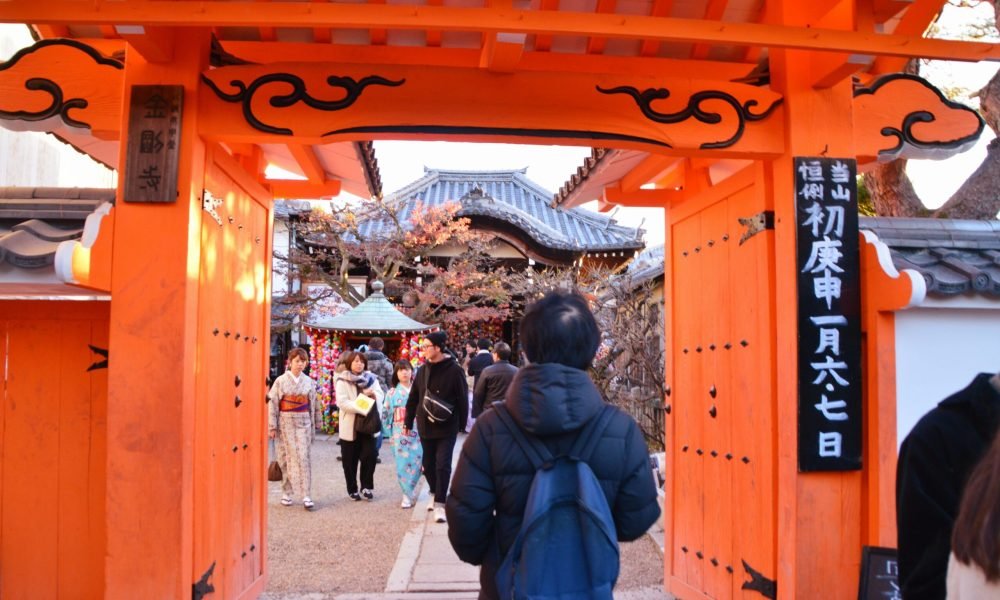
Ensure that most things to know before traveling to Japan temples. Vaea Garrido / Pexels
8. Temples Have “Unspoken” Rules — Literally
Visiting temples and shrines in Japan is a peaceful, almost spiritual experience, but it comes with a quiet set of rules that aren’t always written out in English. Instead of big, bold signs, many sacred places rely on subtle visual cues to guide behavior. A small red “X” over a camera icon might mean photography is not allowed.
A pair of shoes at the entrance? That’s your cue to remove yours before entering. Want to sit on the steps for a break or a selfie? If there’s a simple symbol, like crossed-out feet or even a modest rope barrier, it usually means “no sitting here.” These soft signals are easy to miss if you’re not paying attention, but they’re a vital part of showing respect.
Japanese culture values awareness without confrontation; you’re expected to observe and follow without needing to be told. So when visiting temples, take a moment to look around, watch what locals do, and follow their quiet lead. It’s a respectful way to connect with the space and with the culture.
9. Japanese Hotels Have Separate Pajamas for Sleep Only
In many Japanese hotels, especially traditional inns (ryokan) or business hotels, you’ll find a neatly folded yukata, a light cotton robe that resembles a kimono. It might feel like a fancy souvenir, but it actually serves a very practical purpose: it’s your in-room pajama and lounge wear.
Guests are encouraged to wear the yukata around the hotel to the breakfast buffet, to the onsen (hot spring), or even while relaxing in the lobby. But here’s the unspoken rule: do not wear it outside the hotel premises. Stepping out onto the street in a yukata is considered inappropriate unless you’re in a traditional onsen town like Hakone or Kinosaki, where it’s part of the local culture. Otherwise, it’s like walking through a city in your bathrobe.
The yukata is a symbol of comfort and hospitality, not a fashion statement, so enjoy its cozy vibe indoors, and change into your regular clothes before heading out. Bonus tip: if you’re not sure how to tie it properly, remember left side over right (the reverse is used for funerals!). here the things to know before traveling to Japan culture.
10. You Can Ship Your Luggage Across the Country
Dragging heavy suitcases through crowded train stations or up narrow staircases can quickly kill the vibe of your Japan trip. But here’s is the things to know before traveling to Japan with a brilliant local secret: you don’t have to carry your luggage at all.
Japan offers a highly efficient and affordable luggage forwarding service known as Takkyubin (also called Ta-Q-Bin), operated by companies like Yamato Transport (look for the black cat logo). For just a modest fee, you can send your bags from one hotel to another or even to the airport, usually with next-day delivery. Most hotels and convenience stores will help you fill out the simple form, often in English, and many offer door-to-door pickup and delivery.
This means you can travel hands-free on the Shinkansen or explore a city without being weighed down. Your luggage will be waiting for you at your next destination, safe and sound. It’s a total game-changer for multi-city trips and a perfect example of how Japan turns logistics into a stress-free art form. and this is the best things to know before traveling to Japan for first time.
11. Many Cafes Have “Power Seats” — But You Need to Ask
Running low on battery while navigating Japan? Don’t panic; many cafes, especially in cities, offer “power seats” equipped with outlets or USB ports. But here’s the twist: they’re not always obvious or freely accessible. In fact, some cafes only allow use of these seats if you specifically request them when ordering.
You might spot a small sign saying, “power seat available” (denchi sābisu arimasu) or see certain seats roped off or labeled with a lightning bolt symbol. Others might keep these spots reserved for longer stays or single visitors. The key? Just ask politely.
Once you’re plugged in, many places will let you stay for hours as long as you’ve ordered something, and Japan’s café culture is wonderfully respectful of personal space. Whether you’re charging your phone, editing photos, or just planning your next stop, a power seat can be a quiet lifesaver in the middle of a busy day.
12. Being Lost in Japan is Part of the Fun — Locals Love to Help
Japan’s streets don’t always follow the grid logic we’re used to, and even with Google Maps, you might find yourself circling the same block or standing in front of a building entrance that mysteriously doesn’t exist. But here’s the magic: getting lost in Japan isn’t a setback; it’s often the beginning of an adventure.
From hidden ramen joints to surprise shrines tucked between alleys, some of the best moments happen when you veer off course. And if you ever feel stuck, don’t be shy; locals are incredibly kind and often go out of their way to help JAPAN 24-HOUR HELPLINE by JAPAN MOBILITY, even if they don’t speak a word of English. It’s not uncommon for someone to walk you halfway to your destination or pull out their phone to translate instructions.
Their hospitality isn’t performative; it’s woven into the culture. So, the next time you find yourself unsure which turn to take, take a deep breath, look around, and smile; You’re not lost; you’re just exploring the right way, the Japanese way. These are the things to know before travel to Japan.
GUIDED BY EXPERT
Yoga within Travel the perfect flow of Experience
Explore wellness in anywhere
by

Explore Related Articles
LEAVE A COMMENT
Error: Contact form not found.