How to Stay Healthy While Traveling
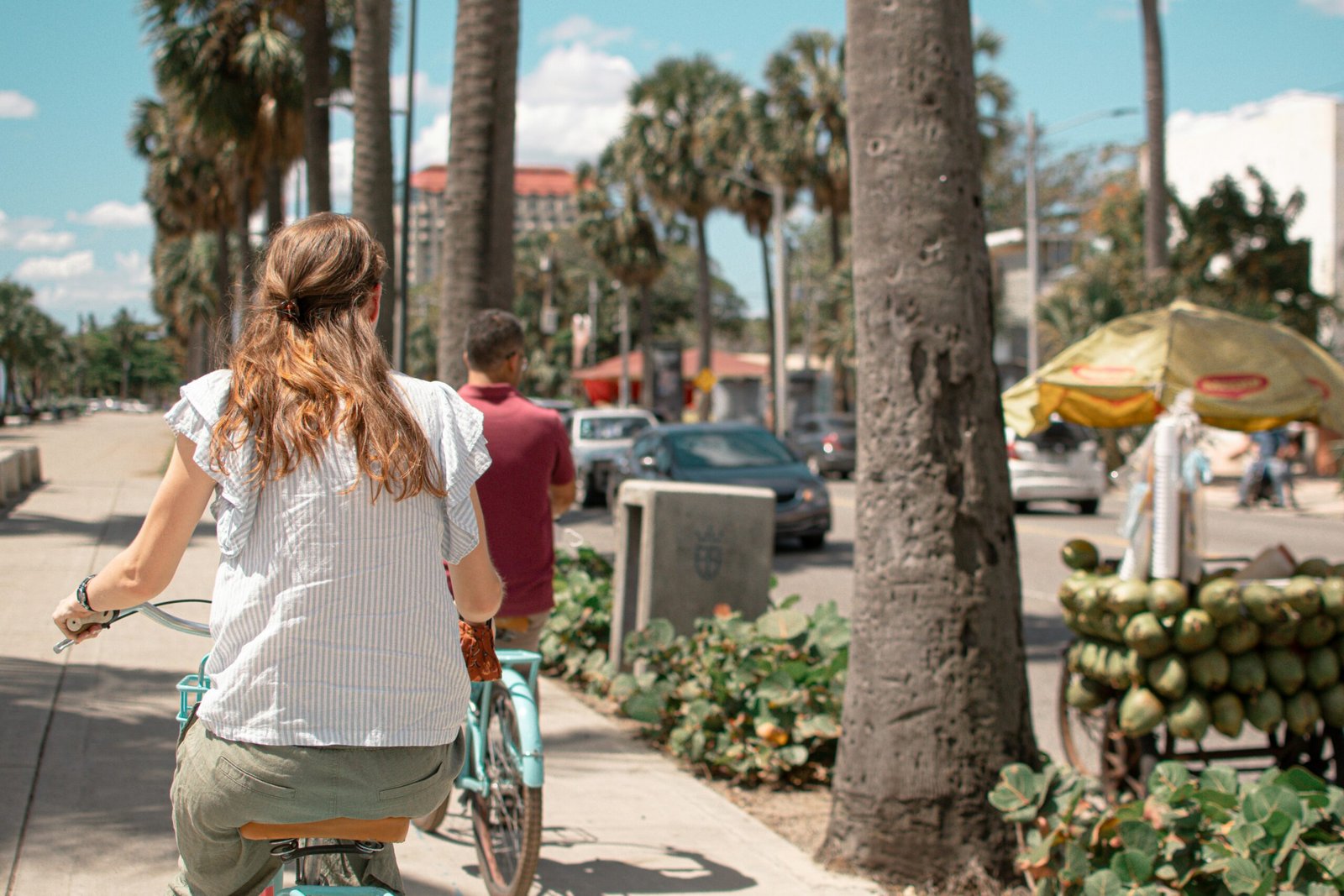
Travel has taught something powerful: wellness isn’t tied to a gym, a routine, or even a fixed mindset; it’s a way of living, rooted in local wisdom, daily rituals, and the rhythms of each culture.
Across the world, everyone discovered that every place carries its version of healing, from Food & Drink and movement to silence and connection.
High in Ladakh’s Himalayan desert, where oxygen is scarce and silence is vast, deep breathing and slow, mindful movement are not just practices; they’re survival tools, passed down through generations of mountain life.
In Japan, people experienced how wellness emerges through stillness by practicing Shinrin-yoku (forest bathing), where walking mindfully among trees actively lowers stress hormones and calms the nervous system.
In Bali, they flowed through open-air yoga studios surrounded by rice paddies and realized how movement, breath, and nature are deeply entwined in the local way of life.
In Morocco, African people stepped into centuries-old hammams, where steam, black soap, and deep exfoliation offer more than just clean skin; they symbolize purification and community healing.
And in Italy, please watch how long lunches filled with laughter, fresh food, and seasonal ingredients are part of a culture where eating well is an act of joy and self-care.
This guide brings together how to stay healthy while traveling and the small, powerful wellness practices learned from across the globe to help you stay energized, grounded, and truly alive on every journey.
Read this article to get more information on Simple Wellness Habits Before You Go.
Pre-Trip Prep: Building Your Travel Immunity
A week before your journey, begin boosting your body’s natural defenses with simple, time-tested remedies like turmeric shots, fresh ginger tea, or local honey that support gut health and immunity.
These aren’t just Grandma’s suggestions; they’re powerful tools that help your body adjust to new climates, altitudes, and time zones.
While it’s tempting to rely on Google for travel health tips, consulting a travel health specialist can give you destination-specific advice, from vaccines to altitude prep to food sensitivities you may not expect.
And don’t forget to build your own “immunity kit,” a small pouch filled with travel wellness essentials: probiotics for digestion, ORS (oral rehydration salts) for hydration during long flights or heat exposure, essential oils like eucalyptus or peppermint for energy and congestion.
Even a few herbs or home remedies from your culture that have never let you down. Think of it as your personal shield, lightweight, natural, and incredibly effective wherever you roam.
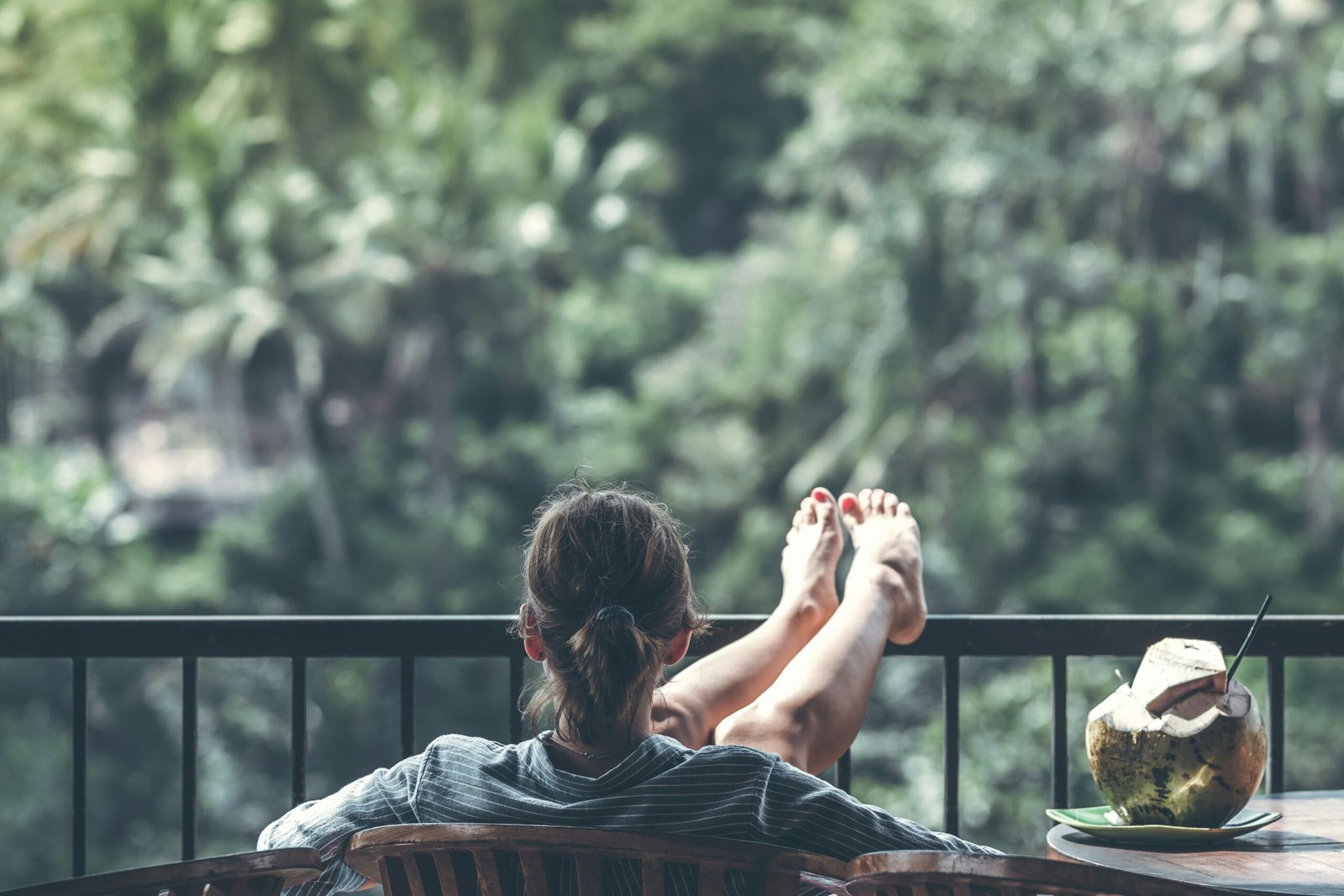
Do self-care before every journey. Artem Beliaikin / Unsplash
Mindful Packing for Health on the Go
Packing with intention can make a huge difference in how you feel on the road. Instead of overloading your bag with things you won’t use, focus on smart wellness items that are light, versatile, and travel tested.
A set of resistance bands takes up almost no space but lets you stretch or strength-train anywhere from your hostel balcony to a park bench.
A mini foam roller or massage ball can save your back and legs after long flights or hikes, while a reusable water bottle with a built-in filter ensures you stay hydrated without relying on plastic or questionable tap water.
And hydration? It’s more than just sipping water. Airplane cabins are drier than deserts, so boost your hydration game by adding electrolytes, herbal infusions, or even a pinch of pink salt to your water bottle.
Staying well in transit isn’t about luxury; it’s about small, mindful choices that help you land feeling clear, calm, and ready for adventure.
Turn your travel plans into reality with Klook’s best deals on activities, transport, hotels, and more.
Airports and Airplanes: Germ-Free, Stress-Free
Airports and airplanes may get you closer to your destination, but they can also test your immunity and patience. To stay both germ-free and stress-free, it starts with what you carry and how you move. Swap store-bought sanitizers for a DIY hand spray made from natural oils like tea tree or lavender mixed with alcohol.
It’s antibacterial, smells calming, and won’t dry out your hands. Long layovers and cramped seats can leave your body stiff and swollen, so use that time to move intentionally: try a few airport yoga stretches in quiet corners or do simple in-flight leg lifts and neck rolls to keep your circulation flowing and mind at ease.
And hydration? It’s more than just sipping water. Airplane cabins are drier than deserts, so boost your hydration game by adding electrolytes, herbal infusions, or even a pinch of pink salt to your water bottle.
Staying well in transit isn’t about luxury; it’s about small, mindful choices that help you land feeling clear, calm, and ready for adventure.
Eat Well, everywhere: Navigating Local Foods Smartly
Eating well while traveling doesn’t mean skipping local delicacies it means learning how to enjoy them mindfully.
One of the simplest (and most rewarding) rules I follow is the “one local plate a day” habit not only does it support regional kitchens and farmers, but it also helps your gut adapt to local ingredients, spices, and microbes.
From Japan’s miso soup and Korea’s kimchi to Germany’s sauerkraut and South India’s idli-dosa, these probiotic-rich dishes naturally support digestion and keep your microbiome happy.
But here’s where many travelers go wrong: sugar traps. That fresh-looking smoothie or “natural” fruit juice from a roadside stall may be loaded with added syrups or powders.
Always check what goes into your drink, and when in doubt, choose whole fruits or drinks like coconut water straight from the shell. Traveling is about tasting, but thriving on the road is about tasting smart.
Sleep Like a Traveler, Not a Tourist
Over time, start to build a toolkit of travel-tested rituals that help body unwind, no matter the time zone or chaos outside.
A dab of lavender balm on the wrists, a white noise app to block out unfamiliar sounds, and simple grounding techniques like placing your bare feet on the floor or taking a few deep breaths before bed can gently signal your nervous system that it’s time to rest.
Reset your internal clock with smart circadian hacks: get natural sunlight first thing in the morning, take a quick cold shower to jolt your system awake, and time your meals according to your destination’s schedule (not your body’s cravings).
These small, science-backed shifts help you sleep like a calm, adaptable traveler, ready for whatever the journey brings next.
Stay Fit Without a Gym
You don’t need a gym to stay strong on the road; the world itself can be your workout space.
You’re waking up in a cozy hostel room or stepping onto a breezy hotel balcony, a 10-minute bodyweight routine of squats, lunges, planks, and stretches is all it takes to energize your day.
Fitness doesn’t stop at the room door. Turn your destination into your gym: explore neighborhoods on foot instead of by taxi, take the stairs at temples and towers, and trade Google Maps for a walking tour to get your steps and stories in.
And for something truly memorable, join a local wellness activity; try sunrise yoga in Thailand, capoeira circles in Brazil, or early morning tai chi with locals in a Chinese park.
Not only do you stay fit, but you also connect with culture on a deeper level. Travel fitness isn’t about reps or routines; it’s about moving with intention, wherever your journey takes you.
Budget Your Trip, this platform provides real-world cost data from travelers—covering accommodation, food, transportation, and activities in destinations worldwide. It also offers tracking tools to help you build and monitor a realistic budget based on real travel experiences.
Mental Wellness on the Move
Travel might look like freedom on the outside, but inside, it can sometimes feel overwhelming with new environments, constant movement, and unfamiliar faces. That’s why mental wellness needs a seat on your journey too.
One of the simplest tools I swear by is travel journaling; even just ten minutes a day helps untangle emotions, track moods, and reflect on the deeper layers of your experience.
When the excitement turns into exhaustion, know it’s okay to pause before you burn out. Take a slow day. Skip the must-see and instead find a quiet café, listen to your favorite music, or take a nap without guilt.
And in those intense, crowded moments, whether it’s a packed market in Bangkok or a chaotic train station in Mumbai, simple mindful breathing becomes a lifeline.
Try the 4-7-8 method or just inhale deeply for four counts, hold for seven, and exhale slowly. It calms your nervous system and brings you right back to the present.
Because mental wellness on the move isn’t about perfection; it’s about listening in, slowing down, and creating space for yourself wherever you are.
🌿 Take a break from the chaos and discover peaceful destinations that refresh your mind, body, and soul — here.
Digital Detox (Even When Using Google Maps)
In a world where travel and tech are tightly woven together, a digital detox might sound impossible, but it’s exactly what your mind needs to truly arrive.
Even with Google Maps in your pocket, setting phone-free moments like sunrise strolls, mindful meals, or sunset views helps you trade screen time for real-time presence.
Challenge yourself to find or create “no-WiFi zones”: a hidden beach in Thailand, a mountain trail in Ladakh, a silent monastery in Malaysia—places where signal drops and presence rises.
And when the urge to post kicks in, ask yourself: Is this moment for the world or just for me? Because the most unforgettable travel moments aren’t captured; they’re experienced in the stillness, the smiles, and the stories we truly live.

Use nature as your personal gym. Darktez / Unsplash
Healthy Hygiene Habits Abroad
Staying healthy abroad isn’t just about hand sanitizer; it’s about understanding and respecting how different cultures approach cleanliness.
For example, in Japan, removing shoes before entering homes, ryokans, and even some restaurants isn’t just custom; it’s a way of keeping indoor spaces spiritually and physically clean.
In India, locals have long trusted the power of neem sticks for oral care, ubtan powders for skin, and clay masks for detoxing a natural, chemical-free methods that travelers can embrace too.
In Morocco, deep-cleansing hammam rituals with black soap and exfoliating mitts are more than beauty routines; they’re part of a wellness culture that honors the body.
When traveling, observe and adopt these practices where possible, whether it’s using filtered water for brushing your teeth, carrying your own cutlery, or learning to cleanse with herbal rinses from local markets.
Hygiene on the road is about blending mindfulness with local wisdom and keeping both your body and your respect intact.
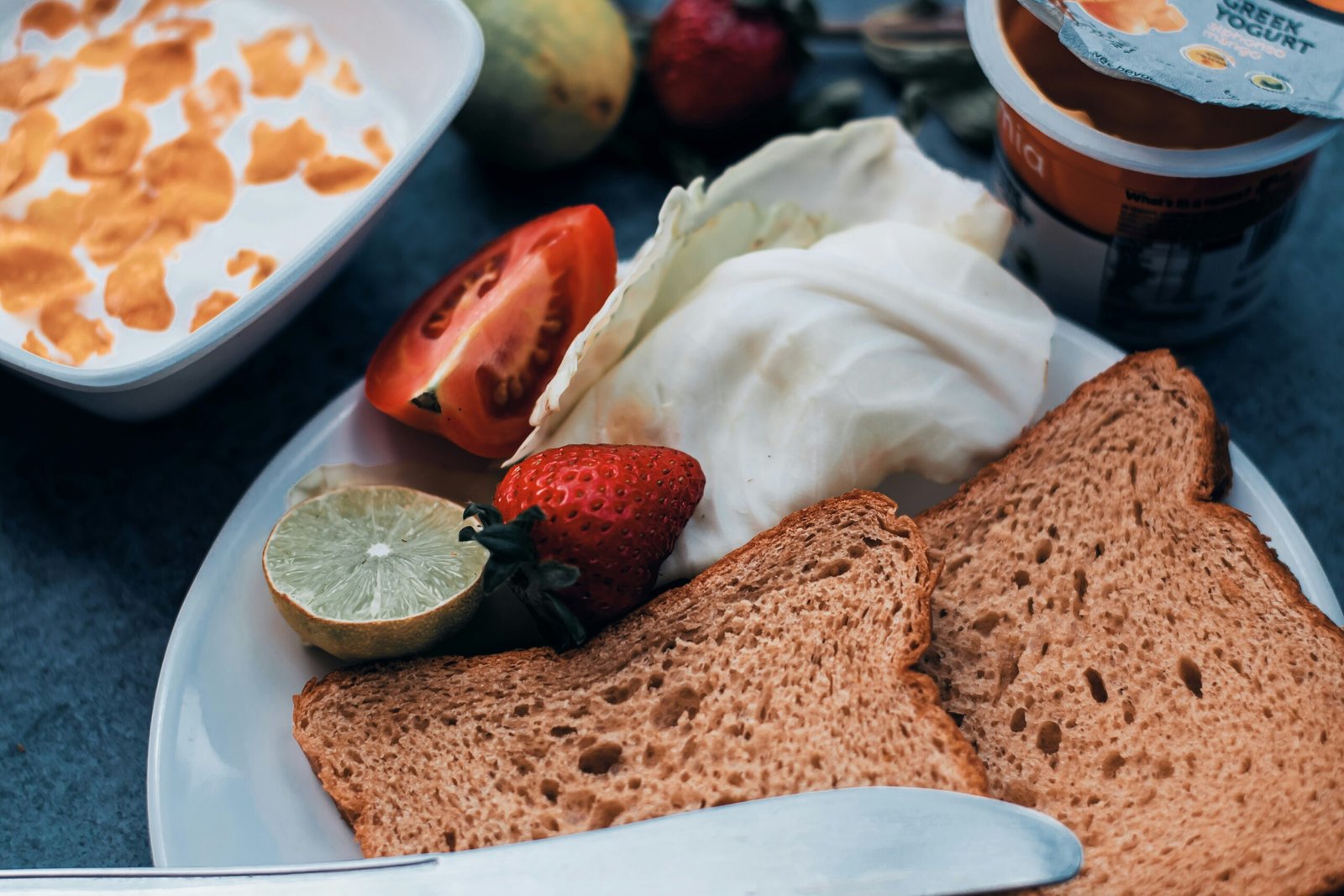
Mindful hygiene with every meal. Rajasekhar R / Unsplash
Emergency Ready: Plan B Wellness
When the unexpected hits on the road, Plan B Wellness becomes your quiet anchor to restoring balance with calm, care, and confidence wherever you land. Start by choosing travel insurance that goes beyond just flight delays and lost luggage.
Look for plans that cover wellness treatments, such as emergency doctor visits and alternative therapies.
Emotional emergencies like burnout, anxiety, or homesickness rarely follow a schedule—being ready for them is just as vital as packing your passport.
Before you leave, download global mental health apps like BetterHelp or iAmWell, or research local support groups or expat circles in the countries you’re visiting.
You experience true travel freedom when you face challenges knowing support is there if you need it.
🛡️ Travel with confidence wherever you go — protect your journey with reliable coverage from VisitorCoverage today!
How to Reset Your Body Faster While Traveling
One of the best ways to beat jet lag is to adapt to the destination time as quickly as possible. Try sleeping and eating according to local time immediately after arrival.
Spend time in natural sunlight during the day because sunlight helps reset your body clock naturally. Staying hydrated, avoiding heavy alcohol intake on flights, and taking short naps instead of long daytime sleep can also help your body adjust faster.
Healthy Habits for Long-Term Travelers & Digital Nomads
Healthy routines create stability even when your surroundings constantly change. Digital nomads often feel more balanced when they maintain small daily habits such as morning walks, regular meal times, journaling, yoga, or setting fixed work hours.
Choosing accommodations with comfortable workspaces, nearby grocery stores, and access to nature can also make long-term travel healthier and less stressful.
Working while traveling often blurs the line between productivity and relaxation. Many travelers end up overworking during the day and sightseeing until late at night, which quickly drains both mental and physical energy.
Scheduling dedicated work hours, planning rest days, and limiting nonstop social activities can help maintain balance.
Prioritizing self-care through exercise, mindfulness, nutritious meals, and quality sleep allows travelers to enjoy both their career and their adventures without feeling overwhelmed.
Why Travel Burnout Happens Faster Than You Think
Many travelers feel pressure to visit every famous attraction, take perfect photos, and maximize every minute of their trip. Social media often creates unrealistic expectations that traveling should always feel exciting and productive.
This mindset can turn vacations into exhausting checklists instead of enjoyable experiences. Constant rushing between destinations leaves little time for genuine connection, relaxation, or appreciation of the place itself.
Rest is not wasted travel time, it is an important part of staying healthy while exploring the world. Some of the most memorable travel moments happen during slow mornings, quiet walks, local café visits, or simply watching everyday life unfold.
Allowing time for recovery helps travelers enjoy destinations more deeply, maintain mental clarity, and avoid physical exhaustion during long journeys.
Healthy Travel Habits That Save Money Too
Carrying basic medicines, drinking safe water, getting enough rest, and purchasing travel insurance before your trip can help travelers avoid unexpected medical costs and stressful hospital visits abroad.
Travelers can reduce stomach problems by eating at busy stalls with high customer turnover, choosing freshly cooked hot meals, and avoiding raw or uncovered foods left in the open for long periods.
Carrying affordable healthy snacks like nuts, bananas, roasted chickpeas, protein bars, dry fruits, or homemade sandwiches helps maintain energy during long flights, train rides, and road trips.



Leave a Comment
Hello!

Hi, I’m Pooja Mokashi, a passionate storyteller and travel content creator behind Travel Meet World. Based in Mumbai, I love discovering local cultures and helping travelers explore the world with confidence and smart planning.
Unlock Your Free Travel Hacks
Join 5,000+ travelers getting Free Weekly Travel Tips, Get Exclusive Updates & Download my free travel checklist